 US builder confidence fell sharply in February over tariff and housing cost concerns. In related news: US housing starts dropped 9.8% in January; lumber futures are surging; and lumber prices are expected to continue to rise. In related news: US high-sticking on trade is nothing new; the US Lumber Coalition lobbies for more restrictions on Canada; BC’s Atlantic Power plant may not have to close; Kruger gets support from Corner Brook mayor; and Louisiana Pacific and Bluelinx report Q4, 2024 earnings.
In Forestry news: ENGOs pan private forest laws in BC; US effort to secure EU deforestation exemption continues; a US nature report may be published despite Trump’s order; Oregon’s governor wants to pause action on wildfire hazard map; and more fallout from the US Forest Service worker firings in North Carolina; Colorado, Montana and Idaho.
Finally, lessons learned from the California fires – who will bear the $250 billion burden.
Kelly McCloskey, Tree Frog News
 Citing reduced packaging demand,
 Revenge, they say, is a dish best served cold. And for an endangered owl breeding program in Canada, it’s also a dish best served dead. For the price of a coffee, spurned and disgruntled lovers can revel in the satisfaction of having a dead rat named after an ex, before it is fed to a northern spotted owl. The British Columbia-based breeder is running its
  The first session of B.C.’s 43rd Parliament opens Feb. 18, with traditional rituals like the Speech from the Throne. …This threat [of US tariffs] has since become much more real. Double-digit tariffs from the United States on key exports such as energy, minerals and lumber now loom over B.C. with some potentially reaching or exceeding 50 per cent in the case of aluminum and lumber. “The lumber industry, in particular, is vulnerable,” Werner Antweiler, Chair in International Trade Policy, at UBC’s Sauder School of Business said. “They are not very profitable at the moment and any further setback in terms of accessing the U.S. market will really hit hard. So I’m really worried about jobs in the lumber industry.” …But the threat of tariffs could also spur developments that government has previously neglected. They include efforts to finally break down barriers between provinces.

 The demand for sustainable, nontoxic furniture is rising as consumers become more conscious of their environmental impact and indoor air quality. While many brands claim to be “eco-friendly,” not all live up to the promise. From responsibly harvested wood to green packaging, truly sustainable furniture goes beyond marketing buzzwords. Understanding the end-to-end process of furniture manufacturing can help consumers make informed choices and avoid greenwashing. Interior designers play a crucial role in guiding homeowners toward authentic selections that prioritize longevity, health and environmental responsibility.



 …More than 150 scientists and experts had collectively spent thousands of hours working on a draft report, a first-of-its-kind assessment of nature across the United States. But President Trump ended the effort, started under the Biden administration, by executive order. On Jan. 30, the project’s director, Phil Levin, sent an email telling team members that their work had been discontinued. But it wasn’t the only email he sent that day. “This work is too important to die,” Dr. Levin wrote in a separate email to the report’s authors, this one from his personal account. “The country needs what we are producing.” Now key experts who worked on the report, called the National Nature Assessment, are figuring out how to finish and publish it outside the government. …Rajat Panwar, a professor of responsible and sustainable business at Oregon State University who was leading the chapter on nature and the economy, was preparing slides to present his section when he got the news.

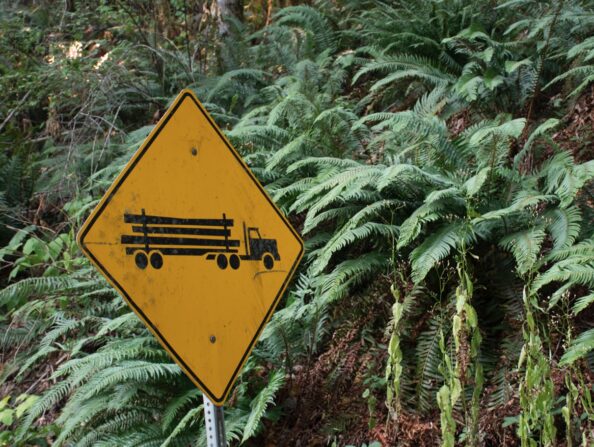 Alabama’s roads and bridges are already under immense strain, but two bills moving through the Legislature could accelerate their decline—adding 150 million dollars in maintenance costs annually, reducing highway lifespan by up to 30 percent, and forcing weight restrictions on hundreds of bridges. Senate Bill 110 and House Bill 204 would allow heavier log trucks to operate on Alabama highways while simultaneously limiting enforcement by requiring state troopers to escort overweight trucks to permanent platform scales—effectively halting roadside safety inspections for extended periods. Experts warn that these changes could have devastating consequences for infrastructure durability, public safety, and taxpayer-funded repairs. The push for heavier loads is being driven by logging and timber industry interests, which stand to benefit financially from relaxed restrictions. However, transportation and infrastructure experts warn that the cost to the public far outweighs any economic gain.
 OTTAWA, ON