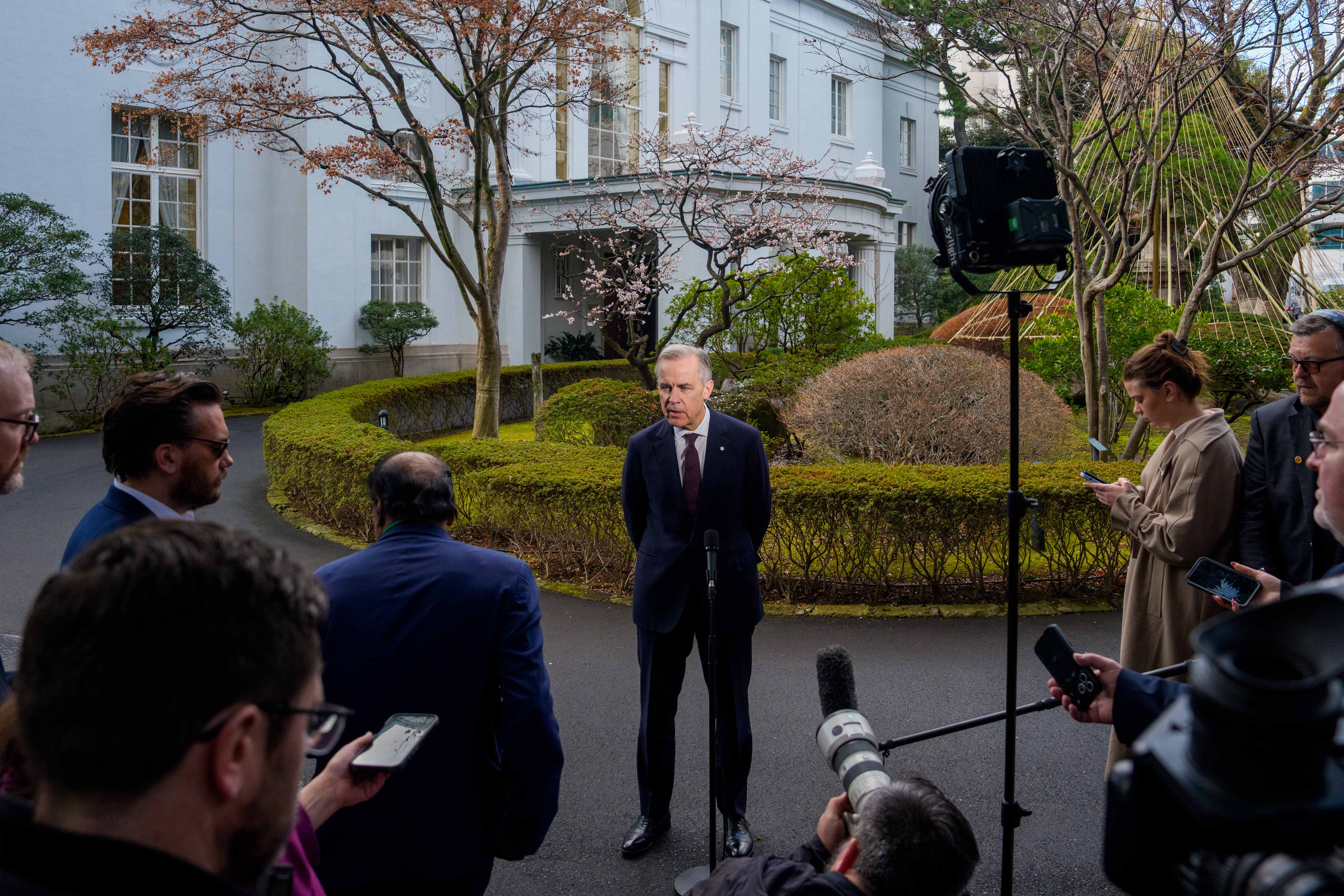
 Canada ‘s Prime Minister Carney said that Washington doesn’t get to dictate the terms of a continental trade deal known as the United States-Mexico-Canada Agreement, or USMCA, speaking of obstacles ahead. The deal, dating back to the early 1990s, has intertwined the economies of the three North American countries but has faced bumps amid U.S. President Trump’s constantly changing tariff policy. Carney said finetuning the latest version of the agreement “will take some time.” “We understand what some of the Americans would call trade irritants or trade issues are,” Carney said. “We have some on our side as well,” he added. “We will sit down and work through those issues with the broader approach in the negotiations.” “It’s not a case of the United States dictates the terms. We have the negotiations. We can come to a mutually successful outcome,” Carney also said. “It will take some time.”
Related coverage from Canadian Press, by David Baxter: Carney names members of new advisory committee on Canada-U.S. economic relations
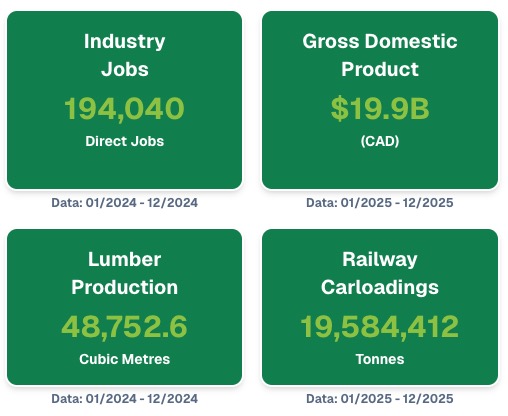 Forest Products Association of Canada (FPAC) has launched a new
 OTTAWA — The Canadian Kitchen Cabinet Association (CKCA) supports the Government of Canada’s launch of a
 The Trump administration is demanding what amounts to an “entry fee” from Canada to engage in trade talks toward a revised Canada-United States-Mexico Free Trade Agreement (CUSMA), four sources said. “The Americans are setting conditions before negotiations begin,” said one high-ranking individual. The US demand was also confirmed by former Quebec premier Jean Charest, who was appointed to Prime Minister Mark Carney’s new advisory committee on Canada-US economic relations. …On the US side, there are suggestions that Canada should try to get Trump’s attention by making an immediate concession, especially since the president is juggling several major issues right now. However, Canadian sources said they have twice offered concessions to the US administration without receiving anything in return. …Former Canadian diplomat Louise Blais, in her capacity as a strategic advisor to the Canadian Council on International Affairs, said the Americans “perceive Canada as unwilling to come to the table.”
 Canada’s new government is forging a new economic and security relationship with the United States. Prime Minister Carney has secured the best deal of any major U.S. trading partner – 85% of our trade with the United States remains tariff-free, the lowest average tariff rate in the world. As Canada approaches the Joint Review of the Canada-United States-Mexico Agreement (CUSMA), our aim is to preserve that unique Canadian advantage and to build on it. To that end, the Prime Minister, Mark Carney, today announced the creation of the new Advisory Committee on Canada-U.S. Economic Relations. The committee will serve as a forum for expertise and strategy on all aspects of the Canada-U.S. economic relationship. The Advisory Committee will include leaders from major sectors of the Canadian economy, representing extensive experience in business, investment, trade, and labour. It will be chaired by the President of the King’s Privy Council for Canada and Minister responsible for Canada-U.S. Trade, Intergovernmental Affairs, Internal Trade and One Canadian Economy, Dominic LeBlanc.
 The Trump administration has begun processing refunds for billions of dollars in tariffs that the US Supreme Court struck down in February. In what is to be the biggest repayment programme in history, companies can apply online for money they were charged under the “Liberation Day” tariffs – plus interest – to be returned. …But individual consumers, who were hit by the tariffs indirectly through higher prices, are not expected to be compensated. …”All importers of record whose entries were subject to IEEPA duties are entitled to the benefit” from the high court’s ruling, Judge Richard Eaton wrote. As of early April, more than 56,000 importers had completed the necessary steps to apply for refunds online when the portal opened, with their claims worth $127bn. The portal, known as the Consolidated Administration and Processing of Entries (Cape), went live on Monday.
  OTTAWA – Prime Minister Carney has
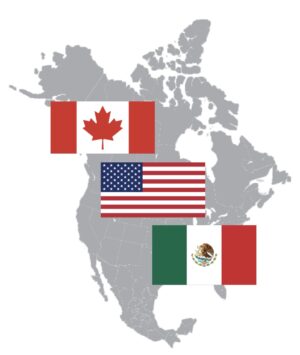 Canada-United States Trade Minister Dominic LeBlanc said the government wants to resolve trade frictions with the Trump administration as part of a comprehensive agreement, rather than through “one-off” deals. LeBlanc said the irritants U.S. officials raise privately are the same ones they’ve outlined publicly. A recent report by U.S. Trade Representative Jamieson Greer’s office flagged Canada’s supply-managed dairy system, regulations affecting major US technology firms and other long-standing trade concerns. “If we’re going to resolve some of these issues that Ambassador Greer referred to, Canada is ready and willing to do that work,” LeBlanc said. But he said any progress must come as part of a “larger agreement” that would ease pressure on tariff-affected sectors of Canada’s economy and provide greater certainty around the Canada-U.S.-Mexico Agreement review process. The minister’s comments shine a light on the strategic considerations of the US, Canada and Mexico in the trade discussions.
 OTTAWA — Ottawa’s temporary suspension of some fuel taxes kicks in today, with Canadians likely to save 10 cents per litre on regular gasoline, and four cents on a litre of diesel. Prime Minister Mark Carney had announced last week a pause on those fuel excise taxes up until Labour Day. The Liberals say this is a prudent way to tame prices at the pumps, at a cost of roughly $2.4 billion. The Conservatives argue this isn’t enough to meet rising energy costs, calling for the pause to extend to the end of the year, as well as an end to clean-fuel standards and the industrial carbon tax. U.S. President Donald Trump’s decision to wage a war against Iran alongside Israel has sent global energy costs surging, with Tehran and later Washington constraining certain shipments in the Strait of Hormuz.


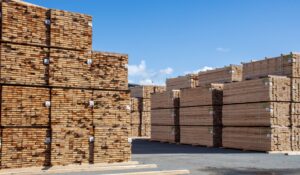 Canadian softwood producers have now paid more than US$8-billion in US duties since 2017, as BC’s Forests Minister seeks to keep lumber on Ottawa’s radar to resolve the trade dispute. The issue of Canadian softwood shipments into the US is not directly addressed by the United States-Mexico-Canada Agreement. …About US$2-billion in interest has gradually piled up over the past nine years, bringing the value of duties paid plus interest to more than US$10-billion. …Last week, the US said it plans to decrease duties for Canadian softwood. …The revised anti-dumping and countervailing duties equal 24.83%, and when combined with the tariffs, the levies would total 34.83%. …Canfor would see its total levies decline to 31.02%, down from the current 47.59%. West Fraser’s duties would decrease to 20.70%, compared with the current 26.47%. The duty rate for Resolute FP, a subsidiary of Domtar, would drop to 24.95% from the current 35.16%. [to access the full story a Globe & Mail subscription is required]
 TORONTO – Worried about wildfires sending claims soaring this year, Canada’s property and casualty insurers are pushing owners to flood- and fire-proof homes and urging the government to take climate issues more seriously despite economic turmoil. Insurers Intact Financial, TD Insurance, Wawanesa and Definity Financial face financial pressure as claims surge and in turn push up home-insurance premiums, which rose about 6% last year in Canada. They worry Prime Minister Mark Carney’s prioritization of energy and the economy over risks from climate change could contribute to more wildfire- and flood-related damage over time. Canada has seen record wildfire and flood damage in recent years. But calamity-prone regions are still insurable in Canada, unlike in some other countries where companies will not insure houses for wildfires. This year is expected to be among the hottest years on record.
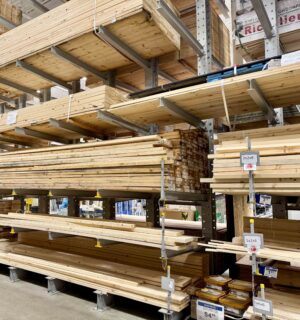 OTTAWA — The Canada Border Services Agency has launched a probe to determine if plywood is being subsidized or sold at unfair prices in Canada. A news release from the agency says the investigation began on April 10 and focuses on imports from producers operating in or exporting from China. It says the practices can harm Canadian industries by undercutting Canadian prices and undermining fair competition. The investigation comes after a complaint was filed by Columbia Forest Products and the Canadian Hardwood Plywood and Veneer Association, which say they’ve faced lost sales, poor financial results and reduced employment. The CBSA and the Canadian International Trade Tribunal are both involved in investigations of Chinese plywood. The tribunal will issue its decision by June 9, while the CBSA’s probe into unfair prices will reach a preliminary decision by July 9.
 SALMON ARM, British Columbia — Forsite Consultants Ltd. today announced the launch of
  Mercer International’s bonds slumped after it sought to ditch rules requiring equal treatment for all creditors — a move that would give the struggling pulp producer the power to pick and choose which lenders to favor in a restructuring. The company asked owners of its bonds due in 2028 and 2029 to remove a provision that forces it to pay all lenders equally when it seeks to strike a debt deal, according to people familiar with the matter who asked not to be identified discussing private information. Separately, a group of Mercer’s creditors has organized in anticipation of debt talks with the company and plans to sign a cooperation pact binding them to act together. …Mercer is grappling with weak earnings and dwindling cash flow that’s left it struggling under the weight of its debt, which stood at about $1.6 billion at the end of last year. S&P Global Ratings downgraded the firm to CCC+ in February.
 The Interior Logging Association is set to welcome members and delegates to Kamloops from April 30 to May 2 for its 68th AGM and Convention—an event that continues to bring the BC forestry community together around shared challenges and opportunities. This year’s theme, “Stronger Together for Forestry’s Future,” speaks to a program that blends business, safety, and good old-fashioned industry camaraderie. The three-day event kicks off with the Interior Safety Conference, followed by a full schedule of indoor and outdoor exhibits at the Powwow Grounds—open to the public and showcasing the latest in equipment, services, and innovation. Familiar favourites return, including the Simulator Tree Falling Competition and the ever-popular Big Truck Show & Shine. The convention offers plenty of opportunities to connect, with a Meet & Greet, breakfast, luncheon, and Friday night Dinner & Dance rounding out the agenda. Now in its 68th year, the convention remains a cornerstone event for the sector—highlighting the people, partnerships, and practical know-how that keep BC’s forestry industry moving forward.

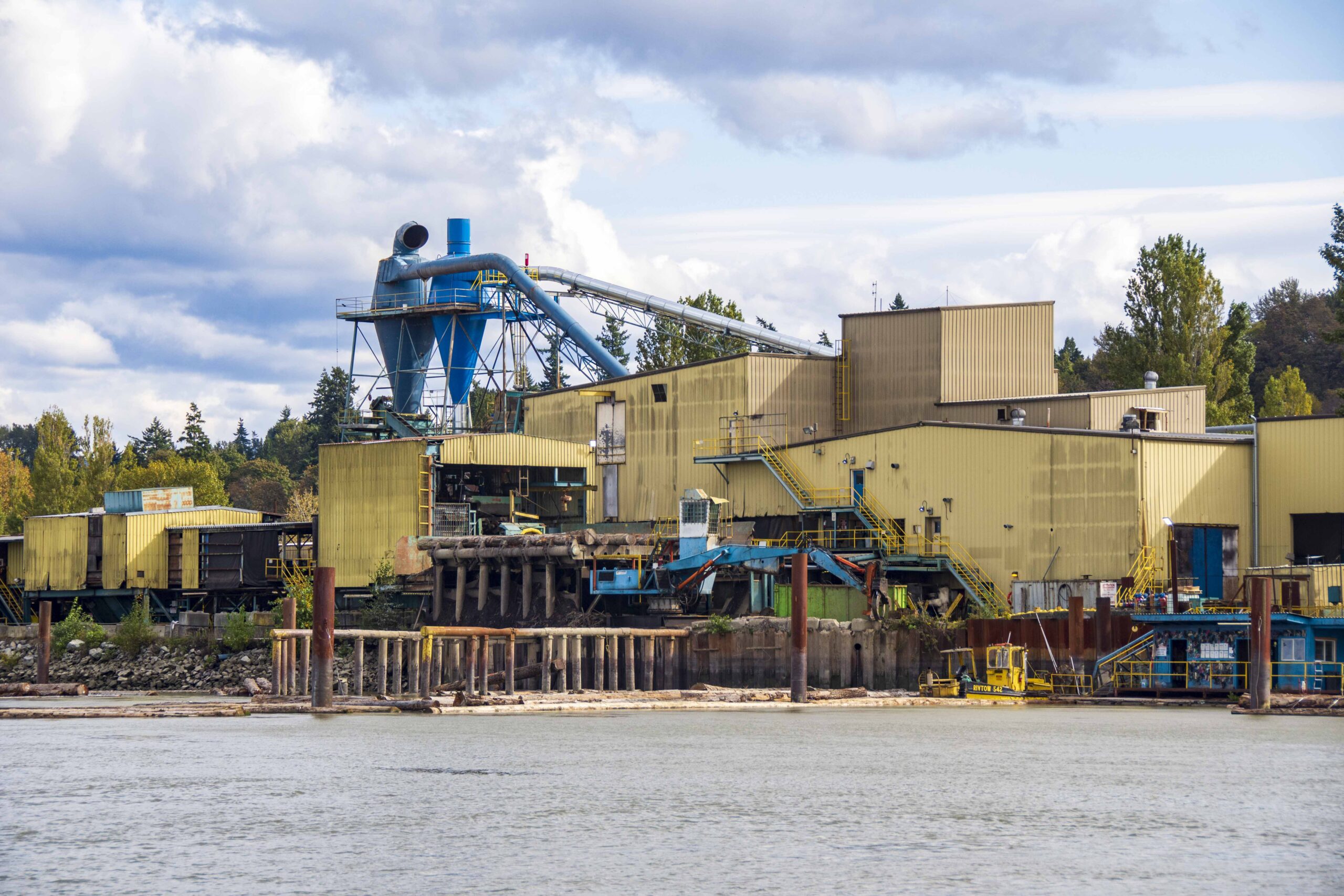 A disputed $31-million fire loss at a Delta, B.C., sawmill has triggered three separate lawsuits involving Lloyd’s Underwriters, Business Development Bank of Canada (BDC) and BFL Canada, with arson allegations now at the center of the coverage battle. The case stems from an April 8, 2024, blaze that gutted Acorn Forest Products’ remanufacturing facility on the Fraser River, burning a 30-meter swath through the plant despite a response from 30 firefighters in seven trucks. Lloyd’s has since voided Acorn’s primary and excess policies, alleging the loss was caused by arson carried out by, or under the guidance of, the company’s “directing minds,” according to a report from Business in Vancouver. In court filings, Acorn and its parent company, the San Group, denied the allegation and said the London market is using arson as a pretext to avoid a nearly $31 million payout. …The Delta fire is not the first large sawmill loss involving the San Group and Lloyd’s.
 Geopolitics, macroeconomics, and specialty markets take centre stage as three global experts open




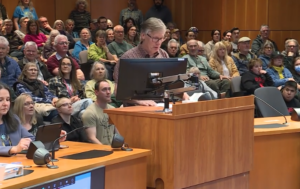 NANAIMO, BC — The debate over a contentious rezoning proposal came to a head Thursday night at Nanaimo council, with what may have been a record crowd for the public hearing. …At stake, Nanaimo Forest Products, which owns Harmac Pacific, wants to rezone roughly 72 hectares of land to heavy industrial. Harmac Pacific’s CEO said “Nanaimo is desperately short of industrial land and council initiated this process when approving the official community plan in 2022. …Paul Sadler, CEO and the General Manger of Harmac Pacific said the company wants to maintain ownership and choose businesses that are complementary to its own such as sawmills or companies that “can take advantage of its green energy supply” …The company, in discussions with Nanaimo City Council, has agreed to an average 100 meter buffer from the park. …But the majority of speakers were opposed. …The Snuneymuxw First Nation also has serious reservations. …The hearing continues April 22.
 Vancouver, BC — DWB Consulting Services Ltd. and Chartwell Resource Group Ltd. today announced they are moving forward under a new unified name: Kintera. This rebrand marks a significant milestone in the merger of the two firms, reflecting their shared vision and the next step in their evolution as a single, integrated organization. For decades, DWB and Chartwell have built strong reputations in British Columbia’s natural resource sector—known for making complex challenges understandable and delivering practical, meaningful solutions. Since merging in August 2025, the combined organization has continued to build on that foundation, strengthening its technical capabilities and expanding its service offering. The transition to Kintera reinforces this momentum, positioning the company to deliver enhanced expertise, greater capacity, and increased value to clients across the sectors it serves. Clients can expect the same high level of service, responsiveness, and trusted relationships that have defined both organizations.
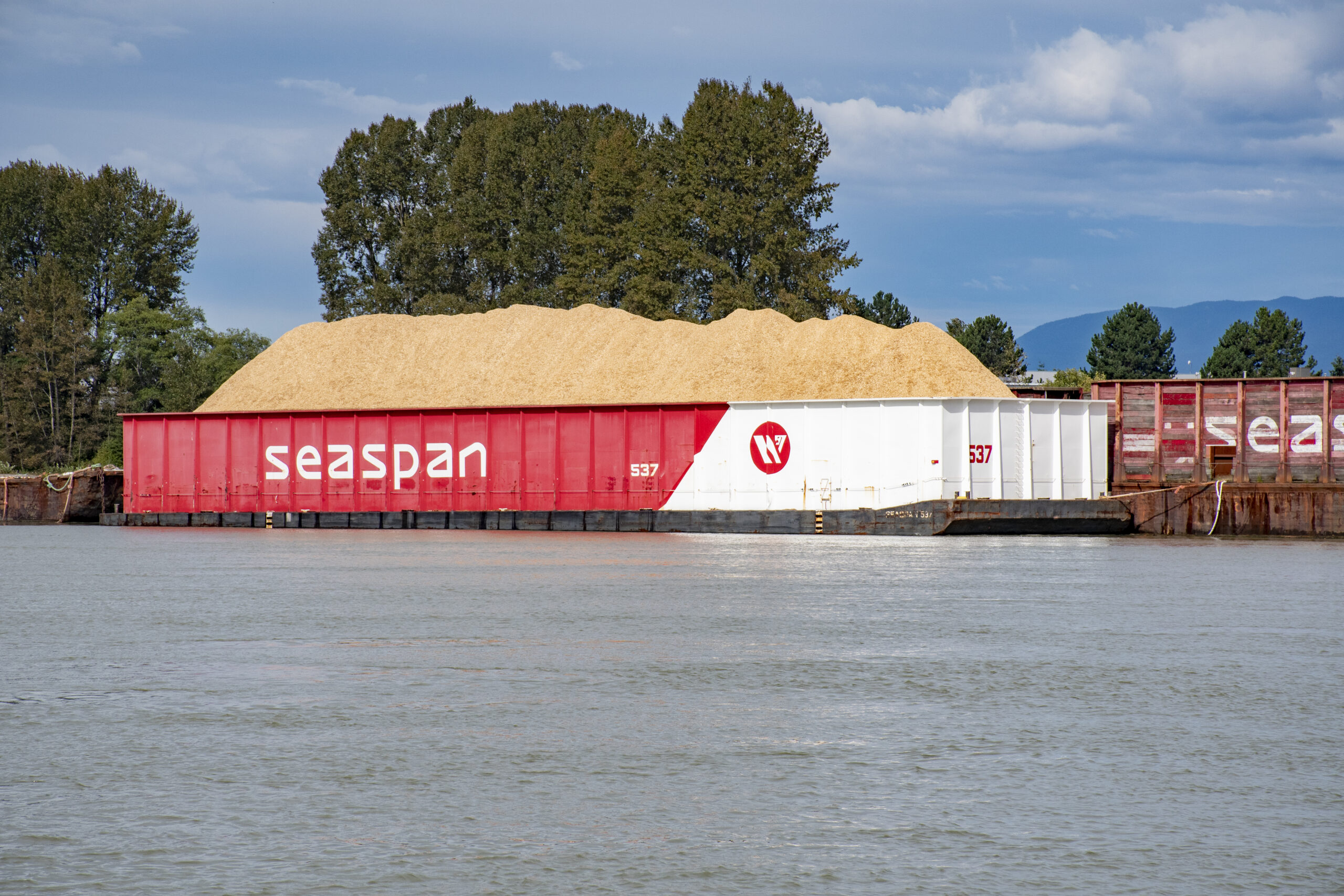 North Vancouver, B.C. — Seaspan Marine announced an agreement with Hodder Tugboat Co. Ltd. to sell its legacy chip and hog fuel barge division, and remaining forestry industry transportation assets, subject to closing conditions. The transaction, which is described as a “turnkey,” is inclusive of the workforce, existing services and related assets, like coastal tugs, river tugs and barges, and associated maintenance facilities — customers who rely on this vital service remain unaffected. Hodder is an established marine towing company based in Richmond with a longstanding focus on the forest industry, including the transportation of logs, timber and related forestry products. The sale aligns with the expert skillsets of the existing Seaspan team and assets in operation. The acquisition of Seaspan’s chip and hog barge division is a natural extension of that expertise, reinforcing Hodder’s commitment to service for its coastal clients.






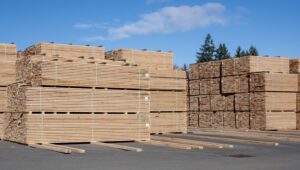 VANCOUVER — Ottawa must make a case of “mutual benefit” with the United States as it advocates for Canada’s softwood lumber industry during trade negotiations, BC Premier David Eby said Friday… “the US cannot produce enough wood to meet its domestic demand.” …The premier’s remarks came after the U.S. Department of Commerce posted its preliminary tariff determination for the sector, with total duties estimated at just short of 25%, lower than the current rate of more than 35%. …COFI’s Kim Haakstad, agreed with the premier, saying it’s important for B.C. to ensure softwood lumber doesn’t “get lost” among other industries based in Eastern Canada. …The Independent Wood Processors Association said the US ruling was “further evidence” the softwood lumber dispute mechanism has become a “broken process”. The BC Lumber Trade Council said Canadian lumber producers continue to face “unjustified and punitive trade measures.” BC Forests Minister Ravi Parmar said the province was disappointed.
 Abbotsford, BC — Mirax Group, a privately held, family-owned British Columbia company with deep roots in forestry, lumber manufacturing, value-added wood products, and diversified industrial operations, has acquired the former Errington Cedar Sawmill in Errington, BC. This strategic acquisition reinforces Mirax Group’s commitment to investing in the sustainable growth of British Columbia’s forestry sector, preserving local jobs, and enhancing supply chain resilience for cedar and softwood products destined for global markets. The Errington Cedar Sawmill, long recognized for its legacy in processing premium cedar products for domestic and international customers — faced closure in recent years following industry challenges. With the transaction now complete, Mirax Group will operate the facility as the Vancoast Sawmill division, and position the site as a cornerstone in its expanding coastal operations. …The company also plans to evaluate investments in modernized milling technology and value-added processing to enhance product diversity and competitiveness.
 The Canadian District Supervisor position is a unique and highly sought after opportunity for those intimately involved in the quality control of lumber or manufactured wood products. PLIB’s District Supervisors are responsible for evaluating the quality of lumber, glulam, and wood packaging products. Our inspectors influence a wide range of important issues that impact the wood products industry through participation in the development of quality standards and educating mill personnel. PLIB’s Canadian Division serves a variety of producers across Western Canada. This position requires fully reimbursed travel. Interested candidates that meet the qualification criteria are encouraged to visit the PLIB website for a complete job description and application process.
 North Vancouver – The Independent Wood Processors Association (IWPA) says today’s preliminary U.S. softwood lumber duty ruling under Administrative Review 7 (AR7) is further evidence that the softwood lumber dispute has become a broken process that continues to punish businesses and consumers on both sides of the border without bringing either side closer to resolution. The U.S. Department of Commerce has posted a preliminary tariff determination expected to be finalized in August. The preliminary combined duty rate includes a countervailing duty (CVD) of 14.17 per cent and an anti-dumping duty (AD) of 10.66 per cent, for a total combined rate of 24.83 per cent. The current duty rate of 35.16 per cent will remain in effect until a final determination is issued. …The Independent Wood Processors Association says the ongoing dispute continues to unfairly harm companies that should never have been included in the first place. … “This ongoing cycle is creating uncertainty for businesses, workers, and consumers across North America and highlights the urgent need for a negotiated solution,” said Andy Rielly, Chair of the IWPA.
 Ravi Parmar, Minister of Forests, issued the following statement in response to the US Department of Commerce’s release of preliminary results of the seventh administrative review of its anti-dumping and countervailing duty orders on Canadian softwood lumber: “BC stands with all those across Canada in our disappointment that the US has signalled that it will continue to impose unwarranted and unfair duties on Canadian softwood lumber products. “These duties serve only to damage both of our economies by harming BC and Canadian communities, and increasing the cost of housing and renovations for American families. “Duties on Canadian softwood lumber needlessly favour offshore imports that endanger North American jobs across the supply chain. Workers in BC, in Canada and in the US are worse off from duties on softwood lumber.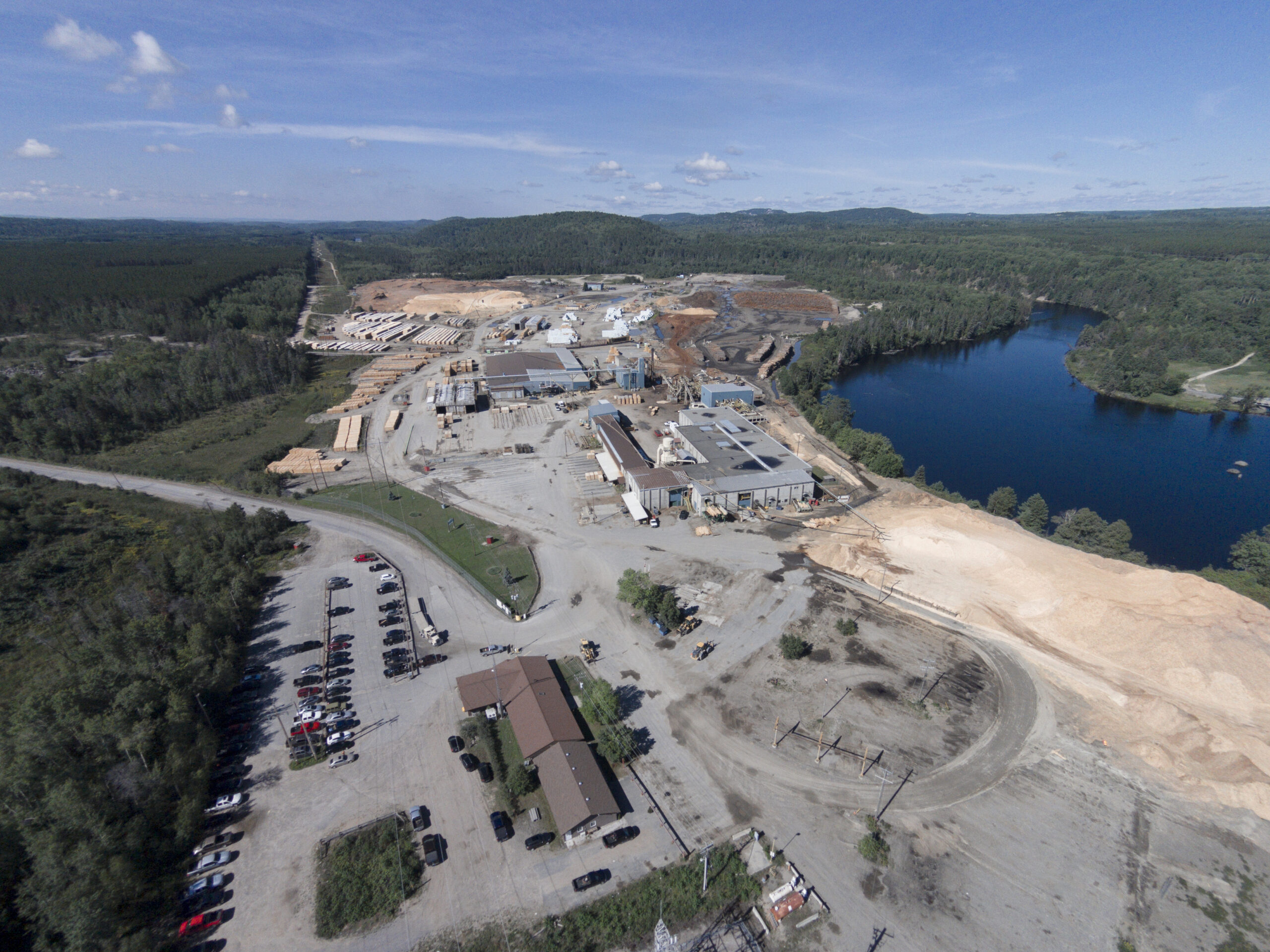



 Kenora, Ont. – The United Steelworkers (USW) are proud to welcome 147 new members following a strong organizing victory at Weyerhaeuser in Kenora, Ont. Workers voted overwhelmingly in favour of joining the union with 97% support. This is a clear demonstration of their desire for a stronger voice at work and a more secure future. “This result speaks volumes,” said Kevon Stewart, USW District 6 Director. “Workers at Weyerhaeuser came together with shared goals – to improve their working conditions, strengthen their rights and build a better future. We are proud to stand with them as they begin this next chapter.” The organizing campaign was driven by workers coming together and building support across the workplace. …This victory reflects a growing trend of workers across the forestry sector choosing to unionize and strengthen their collective voice on the job.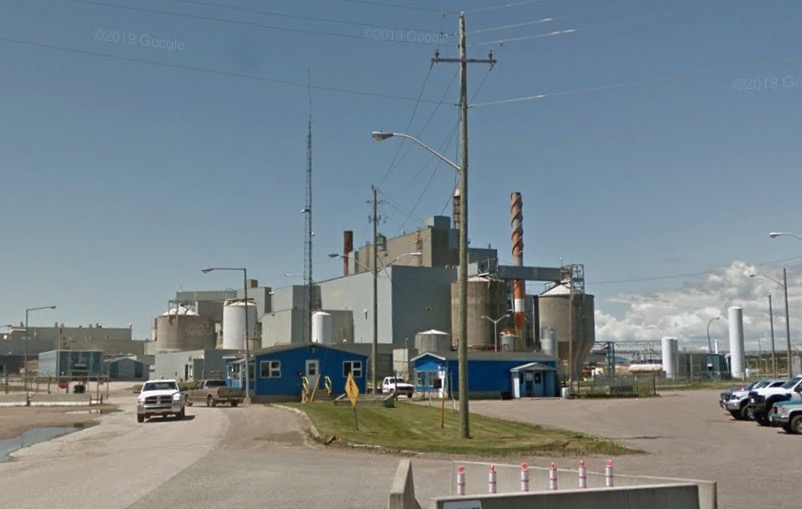


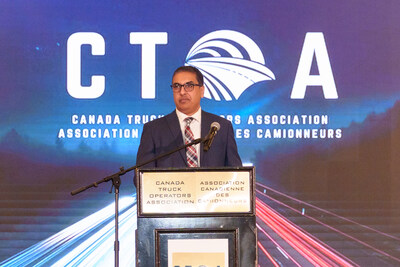
 TORONTO — Kevin Holland, Associate Minister of Forestry and Forest Products; Mike Harris, Minister of Natural Resources; and Vic Fedeli, Minister of Economic Development, Job Creation and Trade, issued a statement in response to a preliminary indication from the US which suggests that softwood lumber duties may decrease from the current rate of approximately 35% later this year: “Ontario’s forest sector has a global reputation as a leader in the G7 in the production of high-quality wood and wood products. …While this preliminary indication suggests some relief for softwood lumber producers later this year, Ontario remains firm that duties are unwarranted and not supported by the evidence. We continue to call for the full removal of all duties that raise costs for both American and Canadian families. These ongoing duties and tariffs reduce productivity, disrupt supply chains, drive up the cost of construction and make housing less affordable.”
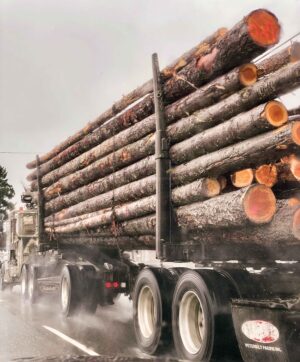 When it comes to the future of the forest industry in Newfoundland and Labrador, the struggling newsprint mill in Corner Brook usually steals all the headlines. But some key players in the lumber manufacturing business say they’re framing up a solid future. And they have very different opinions when it comes to Kruger-owned Corner Brook Pulp and Paper, and that company’s $700-million strategy to modernize its paper making operations, and become a long-term electricity provider to the provincial power grid. “We’re confident in [Kruger’s] plans … for the future, and we’re confident in the direction the forest industry is going to take in Newfoundland,” says Kyle Osmond, operations manager at the family-owned Burton’s Cove Lumber and Logging mill in Hampden, White Bay. …So as the forest industry navigates yet another crucial period in its long history, the often-overshadowed sawmill sector is keen to emerge from the shadows, but their business approach is markedly different.


 Researchers at the U.S. Forest Service’s Southern Research Station and Louisiana State University have published a paper that investigates how the European Union Deforestation Regulations could alter global wood pellet trade patterns. The paper is titled “Wood pellet market restructuring under the European Union deforestation regulation: A dynamic spatial equilibrium analysis.” …“Our results suggest the EUDR reallocates global trade rather than reducing global production,” the researchers wrote. While the regulation succeeds in reducing the European Union’s reliance on imports and increases its share of consumption of deforestation-free products, it does not materially lower the total amount of wood pellets produced and burned worldwide. …The main economic result is a shift in trade flows, where pellets that are blocked from the European market are redirected to Asian buyers. …The large production losses projected for the US Southeast, compared to the much smaller losses for Canada.
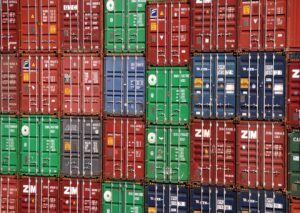 BRUSSELS — The European Union’s trade surplus with the rest of the world shrank by 60 per cent in February as exports to the United States dropped by more than a quarter, with U.S. import tariffs of 15 per cent largely in place on EU goods. EU exports as a whole were 9.3 per cent lower in February than a year earlier, while imports were down 3.5 per cent, EU statistics office Eurostat said on Friday. The largest export decline was towards the U.S., with a drop of 26.4 per cent, while imports from the United States were 3.2 per cent lower. EU exports to China were also down. A year ago, EU exporters had begun front-loading shipments to the U.S. in anticipation of U.S. President Donald Trump’s tariffs, inflating the export figures for early 2025 and potentially explaining February’s sharp decline. Exports to the United States in February 2025 rose by 22.4 per cent year-on-year.
 The U.S. Endowment for Forestry and Communities today announced a $5 million funding opportunity to connect underutilized wood fiber with new buyers, strengthen regional supply chains and keep working forests economically viable. This effort will invest up to $1 million per year over five years in organizations that can develop durable market solutions, helping keep working forests productive and rural economies strong, especially in regions facing reduced processing capacity and shifting market conditions. An additional $500,000 is available for projects in Maine, New Hampshire, New York and Vermont through a partnership with the Northern Border Regional Commission’s Forest Economy Initiative. When local wood markets weaken, the impact ripples across entire communities, affecting landowners, loggers, hauling businesses and manufacturers. Without reliable markets, it becomes harder to keep forests actively managed and economically viable. The Endowment expects to select three to five organizations by June 2026 for five-year agreements focused on practical market-building work.
 Rising tensions between the United States and Iran are creating mounting challenges for recycled paper mills across the Gulf region, known as the GCC. The sector is heavily dependent on imported recovered paper, particularly OCC (old corrugated containers) and mixed waste paper from Europe, the United States and Asia. Geopolitical instability has led to higher freight costs, increased insurance premiums and growing uncertainty in supply chains. Although local waste paper collection remains relatively stable, the unpredictability of imports has made procurement strategies more complex. Delays and disruptions in shipments risk directly affecting production. At the same time, the cost of key inputs is rising. Prices for chemicals, starch and spare parts are increasing due to logistical bottlenecks and delayed deliveries. …Despite these pressures, the market outlook in the Middle East remains relatively stable in the short term. …However, prolonged geopolitical uncertainty could gradually dampen industrial activity and consumption.


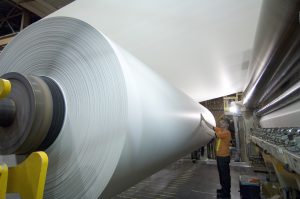 Seven paper mills have closed in France since the beginning of 2024, raising concerns about a broader decline in the country’s paper and pulp industry. The warning comes from COPACEL, which highlighted the trend during its annual press conference. The industry group also pointed to a fragile outlook for several production sites entering 2026. Out of a total of 81 paper mills in France, seven have permanently ceased operations. According to COPACEL, the closures have significant consequences for employment, regional development and industrial sovereignty. France is already a net importer of pulp, paper and cardboard, increasing its reliance on foreign supply. At the same time, two packaging paper companies are undergoing court-led restructuring, while a group operating two large pulp mills is in conciliation proceedings. Several other companies are considered financially vulnerable. Meanwhile, French manufacturers face persistently high production costs linked to energy prices, taxation and administrative complexity.
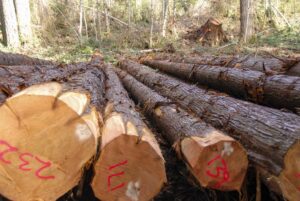 Russia’s forest industry warns that up to 50% of companies could shut by the end of 2026 as lower export prices, higher transport costs and a strong ruble push producers deeper into losses. Regional lawmakers and industry participants ask First Deputy Prime Minister Denis Manturov to approve a three-year moratorium on creditor-initiated bankruptcy cases in the sector, along with tax deferrals and a pause on debt collection for liabilities accumulated by January 1, 2026, Russian Kommersant newspaper reports, citing a committee of the Arkhangelsk regional assembly. The draft says even large companies in the region have exhausted their financial reserves, are operating at a loss and are starting to miss tax and other mandatory payments. It puts total sector losses over the past three years at more than 15 billion rubles. State support for exporters also drops sharply, with compensation for forest export costs falling from 7.6 billion rubles in 2023 to 550 million in 2026.