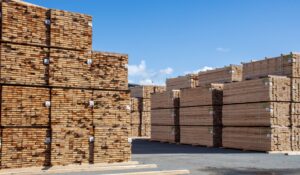
 The U.S. Department of Commerce plans to reduce duty rates for most Canadian softwood producers, but they would still need to pay hefty levies of 34.83%. US import taxes on softwood lumber currently total 45.16% on most Canadian producers, including combined countervailing and anti-dumping duties of 35.16% and tariffs of 10%. In its announcement on Thursday, the Commerce Department said it expects to decrease the anti-dumping duty rates to 10.66% from 20.53 %. Most Canadian producers also face paying 14.17% for countervailing duties, down slightly from 14.63%. The revised anti-dumping and countervailing duties equal 24.83%, and when combined with the tariffs, the levies total 34.83%. …Kurt Niquidet, of the BC Lumber Trade Council said, “These duties continue to make it more expensive to build homes at a time when both countries should be working together to improve housing affordability.” …New duty rates are intended to take effect by late summer of 2026, subject to further revisions in a final determination. [to access the full story a Globe & Mail subscription is required]


 Finding uses for every part of a harvested tree can create renewable heat and electricity that will help power cleaner communities. Seeing Investment Tax Credits (ITCs) for biomass projects come into effect is a welcome, long-overdue step for Canada’s forest sector. After years of uncertainty, the measure offers a starting point to restore investor confidence. Biomass projects give new life to forest residuals — materials like bark, sawdust, and wood chips — by turning them into reliable, locally sourced heat and electricity. These biomass projects can modernize mill operations, sustain and grow jobs in rural and northern communities, and strengthen Canada’s position as a secure producer of renewable resources. Canada’s forestry industry directly employs almost 200,000 Canadians and supports an additional 200,000 jobs in transportation, maintenance, and manufacturing across the country. Hundreds of rural and northern communities depend on a strong forest sector.
 OTTAWA — Provincial rules around alcohol and the federal government’s “Buy Canadian” policy have been flagged in a new report citing several trade irritants between Canada and the US. The annual document prepared by the Office of the US Trade Representative said market access barriers imposed by provincial liquor control boards “greatly hamper” exports of US wine, beer and spirits to Canada. …The report says U.S. companies have reported concerns about barriers in competing for contracts, including proving their Canadian subsidiary’s independence from a US parent company. Other issues listed in the report include delays with aircraft validation in Canada and high tariffs on U.S. dairy products. …Canada is still being slammed by Trump’s separate tariffs on industries like steel, aluminum, autos, lumber and cabinets. The Trump administration has launched investigations of a long list of countries, including Canada, citing forced labour in supply chains.
  The US says in a new report that Canada is failing to stop foreign goods made with forced labour from entering its market, a finding that coincides with Washington’s probe into the matter, which could lead to more tariffs. The 2026 National Trade Estimate Report on Foreign Trade Barriers from the US government says it appears Canada is importing goods that cost less than they should because they were made with forced labour. It’s an early indication of how the US will rule on Canada. …US customs policy treats all goods from China’s Xinjiang region as though they were made with forced labour unless importers can provide “clear and convincing evidence” to the contrary. …Canada passed a law, the

 The BC Supreme Court’s decision in
  North Vancouver – The Independent Wood Processors Association (IWPA) says today’s preliminary U.S. softwood lumber duty ruling under Administrative Review 7 (AR7) is further evidence that the softwood lumber dispute has become a broken process that continues to punish businesses and consumers on both sides of the border without bringing either side closer to resolution. The U.S. Department of Commerce has posted a preliminary tariff determination expected to be finalized in August. The preliminary combined duty rate includes a countervailing duty (CVD) of 14.17 per cent and an anti-dumping duty (AD) of 10.66 per cent, for a total combined rate of 24.83 per cent. The current duty rate of 35.16 per cent will remain in effect until a final determination is issued. …The Independent Wood Processors Association says the ongoing dispute continues to unfairly harm companies that should never have been included in the first place. … “This ongoing cycle is creating uncertainty for businesses, workers, and consumers across North America and highlights the urgent need for a negotiated solution,” said Andy Rielly, Chair of the IWPA.
 Ravi Parmar, Minister of Forests, issued the following statement in response to the US Department of Commerce’s release of preliminary results of the seventh administrative review of its anti-dumping and countervailing duty orders on Canadian softwood lumber: “BC stands with all those across Canada in our disappointment that the US has signalled that it will continue to impose unwarranted and unfair duties on Canadian softwood lumber products. “These duties serve only to damage both of our economies by harming BC and Canadian communities, and increasing the cost of housing and renovations for American families. “Duties on Canadian softwood lumber needlessly favour offshore imports that endanger North American jobs across the supply chain. Workers in BC, in Canada and in the US are worse off from duties on softwood lumber.


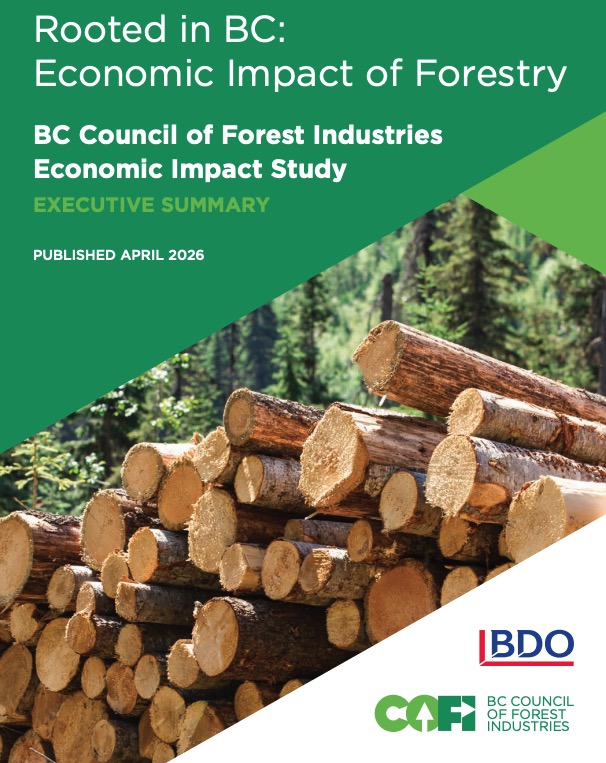 PRINCE GEORGE – “Every day I get a phone call from an employer, and the first thing that comes to my mind is, ‘Oh, we’re going to lose another operation.’ And right now we’re probably down to about half the membership we were, a number of years ago.” That’s the sentiment of the president of the United Steelworkers – the union representing forestry workers in northern and central B.C, Brian O’Rourke. And the numbers are startling. Comparing data compiled from 2024 to 2026, the amount of money invested in forestry in British Columbia dropped from $15.8 billion to $14.4 billion, while the number of people employed in the sector dropped by 5,000. First Nations are acutely impacted, with 4,800 directly employed in forestry leading up to 2024. That dropped to 2,600. Meanwhile, the amount of money the industry generates for the provincial coffers dropped dramatically from $17.4 billion to just $12.8 billion. …But the Council of Forest Industries is infinitely optimistic because – in the words of Kim Haakstad – everyone uses forestry is some fashion.
 An employee at a national non-profit is accused of fraud involving more than $6 million in public funds earmarked for Indigenous Guardians programming. The First Nations National Guardians Network, or NGN, provides funding, networking, training and education opportunities that support First Nations-led stewardship and sovereignty. In an email, the non-profit – which administers funds from the federal Department of Environment and Climate Change – told operators of Guardians programs it had found “evidence of a sustained pattern of unauthorized financial transactions that appear to have been made by a member of staff.” An investigation identified suspicious transactions over a period of months… 90 Indigenous Guardians projects were funded through NGN in the 2023-24 fiscal year. In the North Island, they include Campbell River-based Homalco First Nation, which received $100,000, and Nanwakolas Council Society, an alliance headquartered in Campbell River that represents First Nations on the South Central Coast and northern Vancouver Island, which received $150,000.
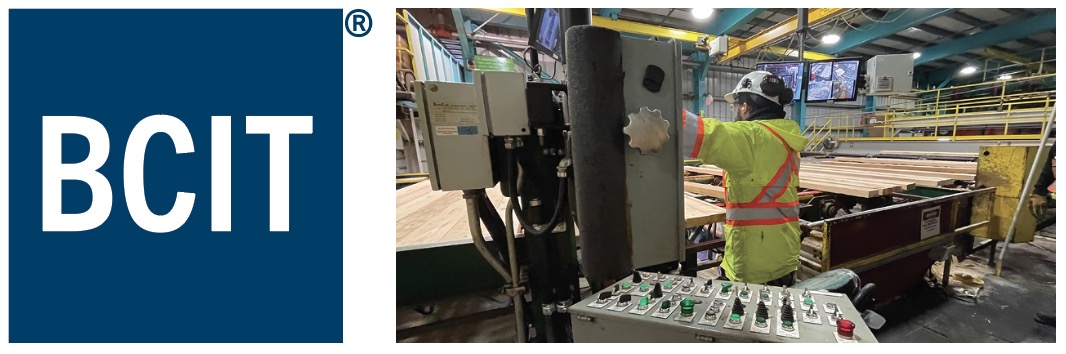 Professionals in the lumber and sawmilling sector who are ready to take the next step in their careers can elevate their business acumen and leadership potential through BCIT’s Associate Certificate in the Business of Sawmilling. Developed with guidance from industry leaders, this flexible, part-time program empowers learners to build the strategic insight, confidence, and applied skills needed to move into supervisory and management roles. Delivered fully online and taught by experts from across North America, the program equips students with a clear understanding of how economic trends, market forces, financial decisions, and operational strategies shape modern sawmill performance. Graduates leave with the practical knowledge and industry-relevant perspective to contribute at a higher level, drive improvements, and make meaningful business decisions within their organizations. What sets this program apart is the calibre of instructors behind it: professionals with decades of combined experience in economics, finance, manufacturing optimization, fibre strategy, and global wood products markets.
 VANCOUVER, BC — This week, the BC Council of Forest Industries (COFI) will convene its Annual Convention, bringing together more than 600 industry delegates, community and First Nations leaders, and government representatives. The gathering comes at a critical turning point as the sector navigates a perfect storm of mill closures, volatile global markets, and ongoing trade disputes. To weather the storm, focus must be on the factors within BC’s control. Action on critical policies has been too slow. As mills close and communities face the impact, the COFI Convention serves as a vital platform to align on practical solutions such as improving timber supply, streamlining regulations, and fixing the business environment to improve global competitiveness. This year’s convention theme, Forestry is a Solution, mirrors a province-wide initiative highlighting the deep-rooted support British Columbians have for the workers and families that depend on a vibrant forest economy. …COFI today released its updated study,
 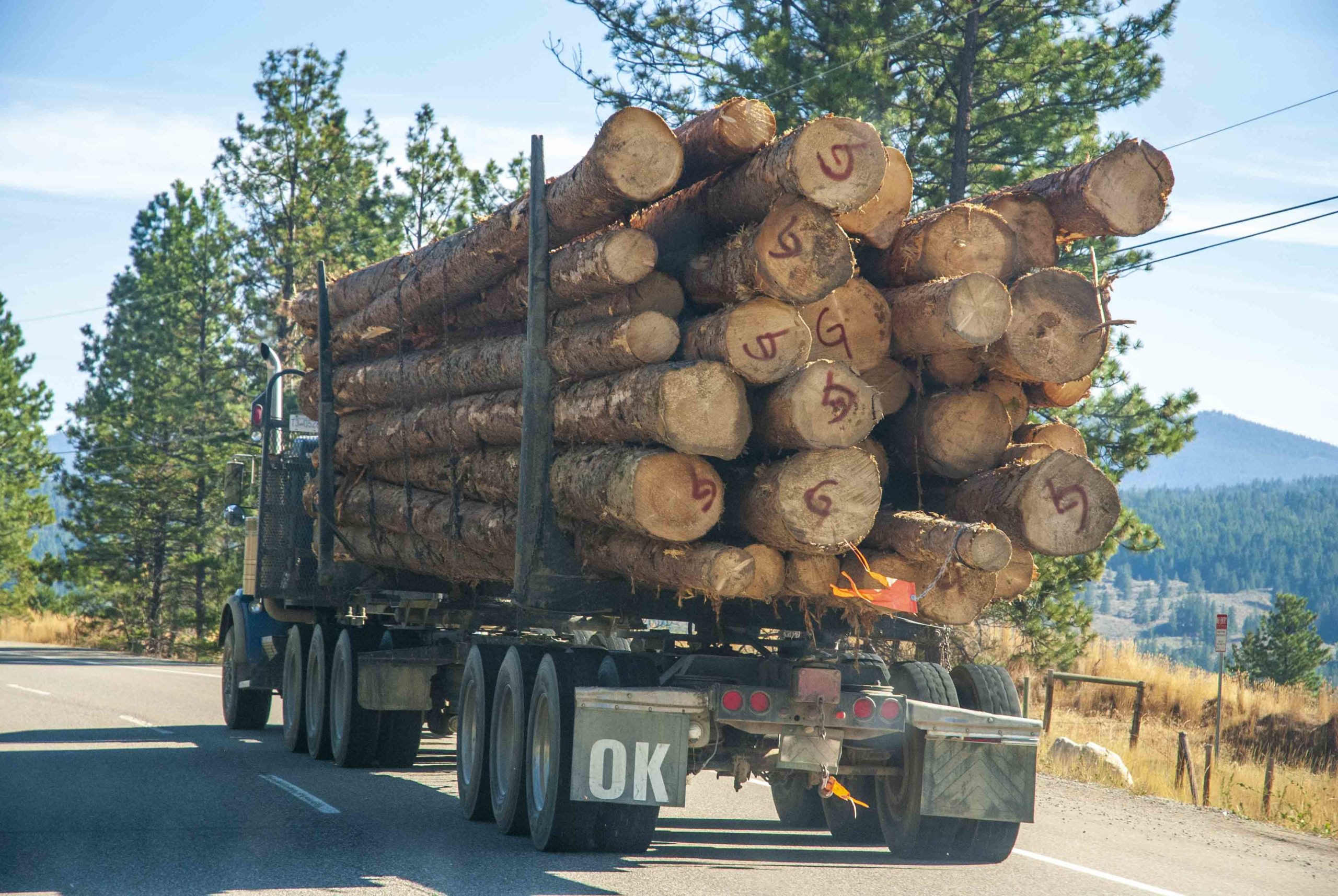 West Kelowna family-owned forestry company – Gorman Group – has completed a $120 million deal to transfer harvesting tenures from Seattle-based Weyerhaeuser, with the move continuing the strategic partnership with the Osoyoos Indian Band’s Nk’Mip Forestry division. …Dan Macmaster, Head of Forestry at Nk’Mip Forestry, told the Times Chronicle that this agreement continues with the transfer of TFL 59 to Gorman and “We meet regularly to review and update all land use activity on the tenure. This agreement was put in motion with Weyerhaeuser last year and has improved and evolved since the transfer of the licence to Gorman.” …Nick Arkle, CEO, Gorman Group added, “We recognize that any Crown tenure transfer comes with important responsibilities and obligations to First Nations, communities and employees who depend on the long-term stewardship of the land and the careful use of the fibre.” …Ravi Parmar, Minister of Forests said: “Gorman Group is investing in the future of forestry…”
 Another suspicious fire has hit the Somass Lands on Port Alberni’s uptown waterfront, this time the remaining mill building. The call came in just before 9 a.m. on Tuesday, March 31. … Locked fire hydrants adjacent to the building presented another challenge, Port Alberni Fire Dept. Chief Mike Owens said. “It’s an old, historic industrial property; there are a number of places where the water main has been compromised,” he added. The city’s water works department arrived promptly and activated the hydrants. …Owens said crews immediately deemed the fire as suspicious because the sawmill is abandoned and there is no electricity run to the building. …The two mill buildings and a pair of silos were left standing after the city purchased the mill from Western Forest Products in 2021… When the city partnered with Matthews West developers, the thought was to possibly incorporate parts of the three buildings into a new master plan for the area.





 The B.C. government says it’s making legislative changes to bolster access to wood fibre, including timber damaged by wildfires, insects and windstorms. The Forests Ministry says the changes will potentially increase the supply of fibre by as much as 17,700 truckloads and allow B.C. Timber Sales to auction off contracts for forestry thinning, wildfire risk reduction and damaged timber salvage. A statement from the ministry says these “fibre-generating activities” will be available to forestry contractors and value-added mills. …B.C.’s forestry industry has been facing a shortage of fibre as the Wood Pellet Association of Canada said in 2025 that the fibre supply has fallen more than 40 per cent since 2018… Kurt Niquidet with B.C. Council of Forest Industries said in 2024 that local and global demand for wood products to build more affordable housing is growing, but the forestry industry is also facing a “critical shortage” of timber for B.C. mills.

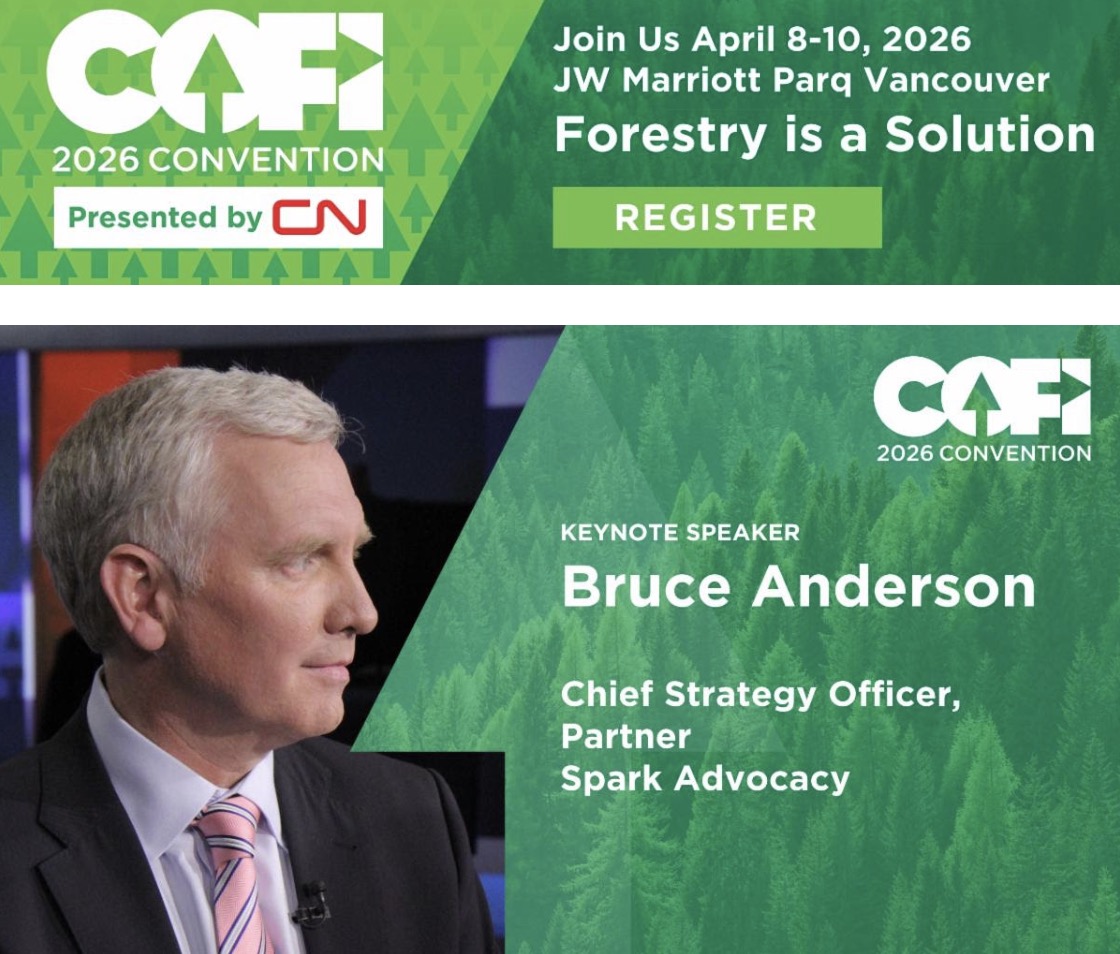 The Council of Forest Industries 2026 conventions welcomes veteran strategist
  Alberta’s government has tabled legislation to ease regulations and barriers to more easily enable the sale of some goods from other provinces. It’s part of a commitment Alberta made with its provincial and federal counterparts in signing an interprovincial free trade pact in November. That trade accord, which is supposed to take effect this summer, would see provinces recognize each other’s regulations for most consumer and capital products to avoid duplicative inspections and requirements. …Government officials told reporters before the bill was tabled that manufacturers in industries such as oil and gas, lumber and logging and fertilizer producers will likely see the most positive impact once the pact takes effect.
 B.C.’s latest budget confirmed: One of the province’s foundational industries has lost more than half its public revenue base in a single economic cycle. Forestry revenues are projected at $521 million, down from $1.3 billion just a few years ago. …It is a structural failure. For decades, Canada built its forest economy around a single export market and a narrow set of commodity products. That strategy has now been exposed as dangerously fragile. …The issue is not a lack of fibre, skills, infrastructure or industrial heritage. …The issue is the absence of investment-grade data and intelligence that allow global firms to move quickly from site selection to financing and construction. …Canada already has a strong global investment attraction network through Invest in Canada and the trade commissioner service… What is missing is nationally consistent, standardized data sets on forest biomass availability, infrastructure capacity, workforce readiness, and permitting pathways that allow those teams to respond immediately when firms begin evaluating locations.
 With just 13 days to go, anticipation is building for the
  Canadian officials are considering unusual measures to protect domestic producers of vegetables and wood products from low-priced imports. The move threatens to complicate Prime Minister Mark Carney’s efforts to fight US tariffs and strengthen Canada’s trade relationships with other countries, while also tackling cost-of-living challenges. Finance Minister Francois-Philippe Champagne ordered an investigation last month into imports of frozen and canned vegetables. …He also said he’d received an “urgent” request for trade protection from makers of wood furniture, cabinets and flooring, adding that his department would respond soon. …The group behind the appeal on wood products, the Canadian Wood Products Alliance, is seeking a temporary tariff of 100 per cent to 125 per cent for four years, representative Alain Ouzilleau said. The measure would apply to all imports except those from the US. or Mexico, he added. …Canada wood-products manufacturers were already facing increased competition from China.




 GREENVILLE, SC — The
  The Home Depot currently offers more than a dozen AI-powered capabilities, with numerous others in development. …The Home Depot is simplifying the DIY journey by providing personalized, real-time advice that makes even the most complex projects feel achievable, paired with more seamless AI search and product discovery capabilities thanks to new technology integrations. Magic Apron & Outdoor Assistant—This virtual expert brings employee knowledge to customers virtually. With the Outdoor Assistant, customers can take a photo of a plant for immediate guidance on care, safety and sunlight. …Customers can now discover the latest Home Depot product catalog in ChatGPT. …Pros shop at The Home Depot an average of 60 times per year. Pros can create actionable job lists in minutes using natural language, voice-to-text or spreadsheet uploads. Pros can use AI to deliver complete material lists and project quotes in days instead of weeks.

 On March 31, USDA announced that the U.S. Forest Service will relocate its headquarters from Washington, D.C. to Salt Lake City, bringing roughly 260 positions and the agency’s top leadership to the Intermountain West. For Utah, a state with more than 8 million acres of national forest land and a $12.3 billion outdoor recreation economy, this is a significant development. The relocation does not arrive in a vacuum. In January 2026, Utah finalized a 20-year cooperative agreement with the Forest Service giving the state a substantially larger role in managing its national forests, covering decisions about logging, grazing, recreation, wildlife, and forest restoration. The Forest Service’s Intermountain Regional Office has been based in Ogden for decades. That office will close under the reorganization, but the new national headquarters in Salt Lake City places an even higher level of decision-making authority in the state.
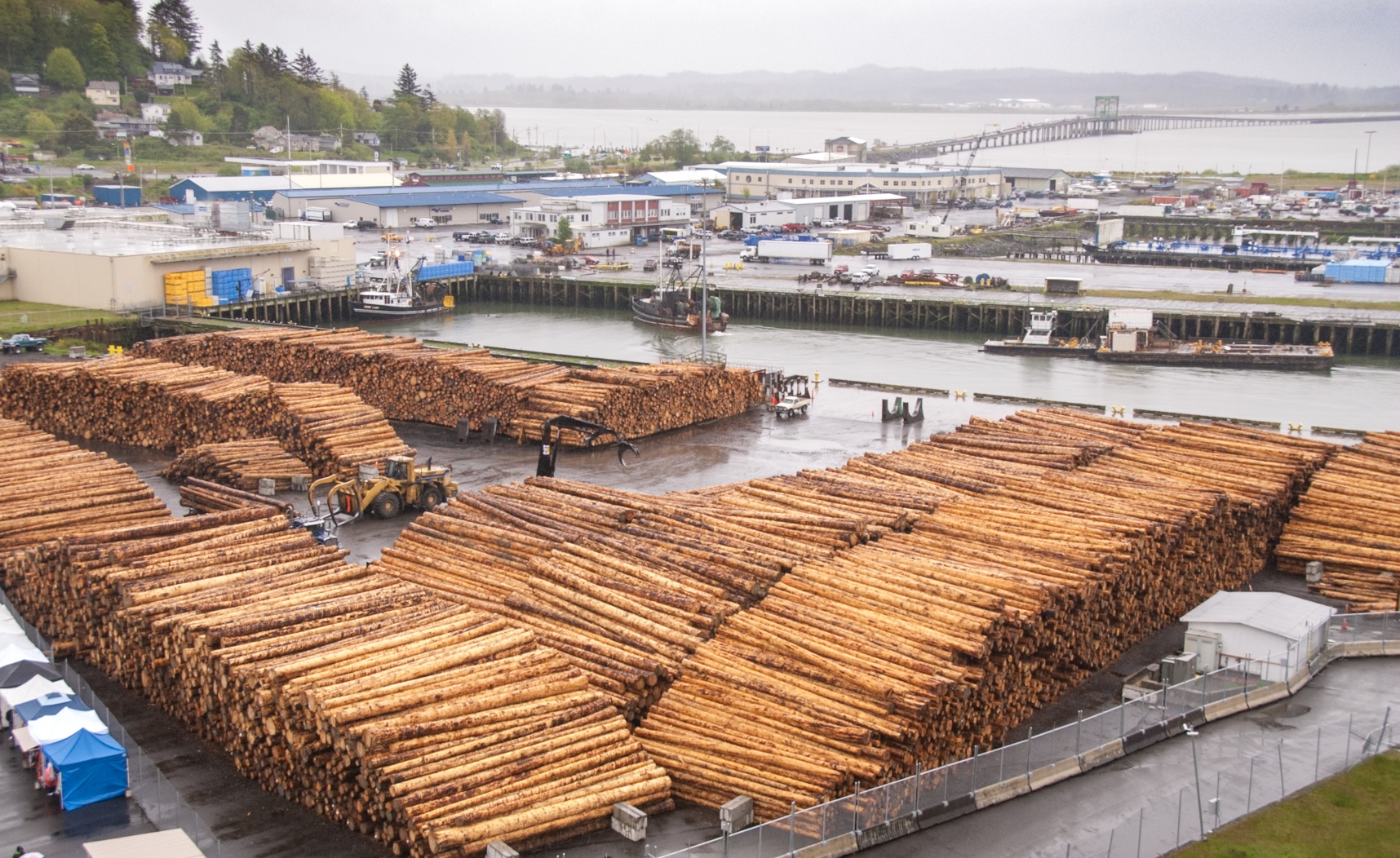 WASHINGTON — Countless logging trucks rumbled through timber country, their drivers headed toward Hampton Lumber’s sawmill in Morton. …”We take our logs and get every bit out of it that we possibly can. And we replant,” said plant superintendent Tony Gillispie. “We want this to last for hundreds of years.” But will Washington’s timber industry overcome its ongoing slump and endure for centuries? Myriad issues are at play, with fingers pointing in every direction. The private sector, which harvests the majority of Washington’s wood, feels squeezed by policies restricting its access to state trust lands in the fight against climate change. …Meanwhile, the state government points to the residual effects of trade wars, particularly with China, after Washington’s exports of forest products hit a 21-year low in 2025. Local demand for lumber has also dropped in line with the recent slowdown in construction activity across the state.
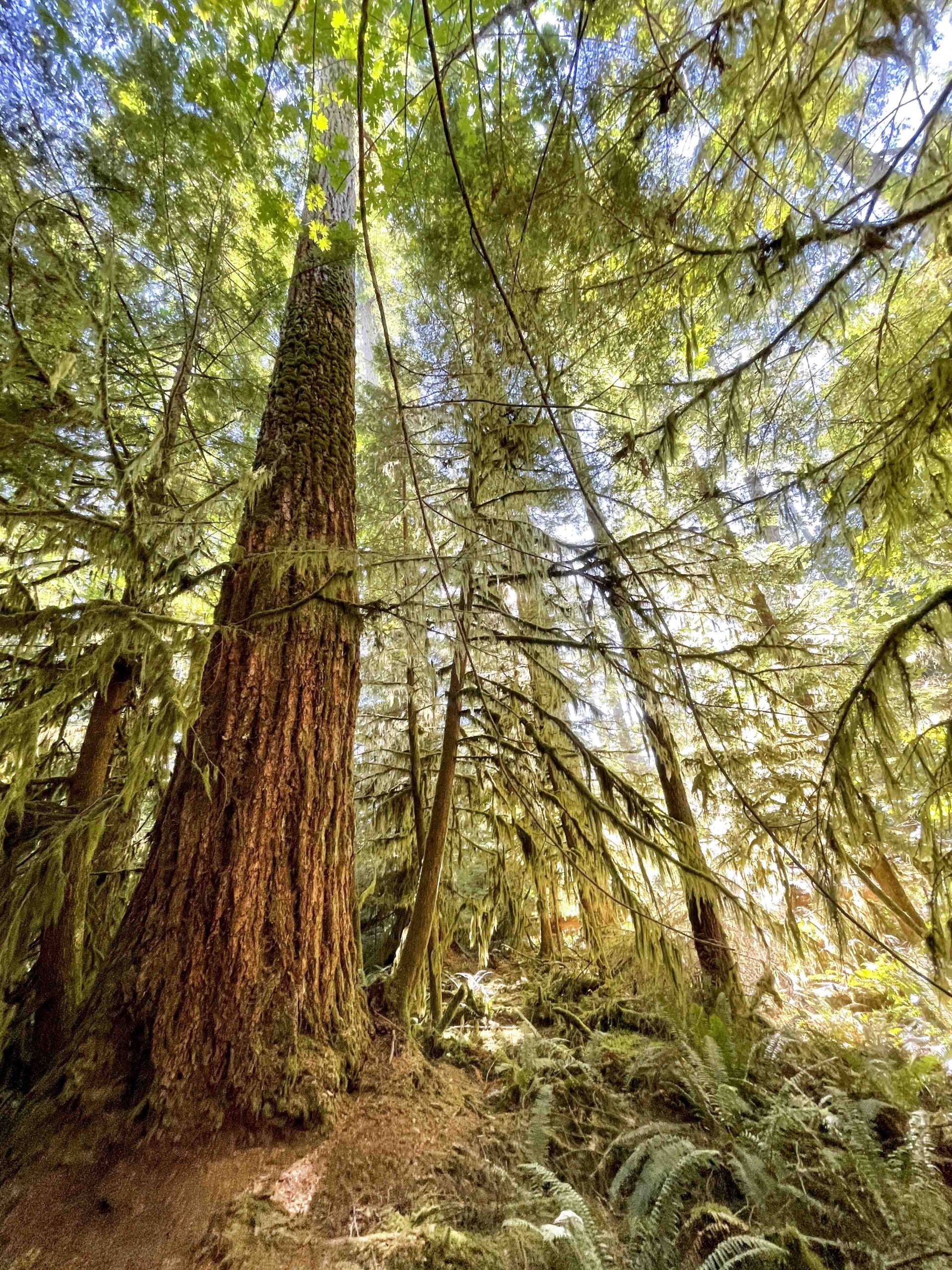 The U.S. Forest Service plans to close a century-old Portland-based forest research station and a regional U.S. Forest Service headquarters but open a new federal office in Salem in a massive restructuring of the federal agency. The movements are part of a broad plan Forest Service officials announced Tuesday to move the agency operations
 KINGSPORT, Tennessee — A new wastewater treatment system at Domtar’s Kingsport mill is still on schedule to start running later this year, part of an effort by the mill to mitigate odors affecting neighboring residents. Mill Manager Tony Clary updated the Kingsport Economic Development Board on the project’s timeline, the construction of an anaerobic digester, at the board’s monthly meeting Tuesday. The project is at a halfway point, and the new system is expected to ramp up at the end of the year. The mill faced scrutiny from city officials and residents over odors emitting from its wastewater after the site converted from manufacturing paper to recycling containerboard in 2023. The company secured funding to construct a new wastewater treatment system in December 2024 and broke ground in August 2025.

 MOBILE COUNTY, Alabama — A lumber company is set to make a multi-million dollar investment into its Port City location. According to a release, a subsidiary of Canfor Southern Pine, New South Lumber Company Inc., is investing $10.5 million in the Mobile County location. The company will be adding “a new dual-path continuous dry kiln.” This move aims to increase efficiency and drying capacity, as well as provide room for growth in the future. “This investment reinforces the company’s commitment to maintaining and strengthening its existing workforce and ensuring the long-term sustainability of the operation,” said Canfor Southern Pine Inc. President Lee Goodloe. Construction is set to begin in April and be completed in June.
 MAINE — As gas and diesel prices climb during the war in Iran, some of Maine’s most recognizable industries are feeling the strain. From the coast to the woods, people who rely on fuel to do their jobs say the higher costs are changing how they work and raising concerns about what comes next. Lobstermen are rethinking trips on the water, while logging contractors say the math is getting harder for truckers and mills across the state. …“I mean, there is no equipment that does not use diesel as its primary fuel for both harvesting and trucking,” Dana Doran, executive director of the Professional Logging Contractors of the Northeast, said. Doran said spiking diesel prices are adding roughly 20% to the cost of each trip a driver makes to and from a mill. That increase, he said, creates uncertainty for contractors and for mills that depend on a steady supply of wood.


 If the US-Israeli ceasefire with Iran holds, it could offer the clearest hope of an end to the energy crisis since Iran’s Revolutionary Guards assumed control of the strait of Hormuz. …Even if the temporary detente manages to hold and hundreds of tankers stranded in the Gulf start to transit once more, analysts fear that will not be enough to return the flow of oil, gas, chemicals and other vital items to pre-crisis levels. An estimated 2,000 vessels have been trapped in the Gulf. …Shipping analysts predict operators will gain confidence once a ship owned by a large European company has safely made the crossing. However, they caution that it is a different matter for empty ships to decide to enter the strait to load up at the region’s ports, and it is unclear when this may start to happen. …Experts have said it could take months or years to fully restore the Gulf’s energy production.
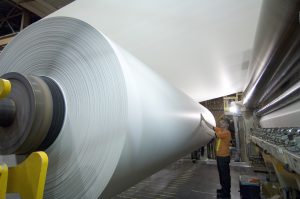 Highly exposed to energy costs, today’s unpredictable global trade politics and the crisis in the Middle East are impacting the pulp and paper industry in many ways. These developments will certainly be reflected at Pulp & Beyond 2026, the leading forest-based bioeconomy event in Northern Europe, taking place on 15–16 April 2026 at the Helsinki Expo and Convention Centre in Helsinki, Finland. However, the main theme of this year’s event—focusing on the role of artificial intelligence in process industries, innovation within the forest sector, and the future of the bioeconomy—was defined before the Middle East war broke out, along with the subsequent oil and gas crisis, turbulence in global stock markets, and the growing risk of an unprecedented global recession.

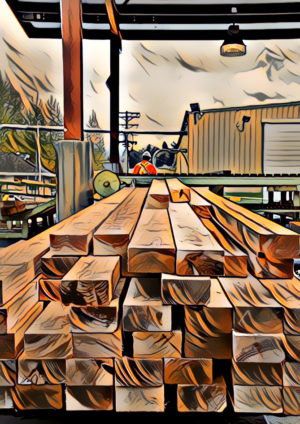 Rising bunker prices are now hitting Swedish sawmill exporters on every trade lane, with the Strait of Hormuz closure driving up costs across routes and cutting off Middle East volumes, with no end in sight. That is according to Setra Group’s Olle Berg, Executive Vice President of market and business development at one of Sweden’s largest processors, who exports sawn timber, glulam, CLT, and structural components to Europe, North America, Asia, North Africa, and the Middle East. And according to Berg, the damage was coming through on two fronts – one from high oil prices now feeding into bunker costs regardless of destination, and the other from direct shipments to the Middle East, with container prices, surcharges and risk premiums climbing exponentially. “For Swedish sawmills, the volumes to the area are relatively small — but not insignificant,” Berg told a Timber Exchange webinar focused on the impact of the conflict on global sawmilling.