 Building Canada Strong with Canadian Forestry. If Canada is going to capitalize on this moment to build a stronger, more resilient economy, we need to ACT NOW, controlling what we can control and empowering the Canadian sectors that will allow us to shape our own economic destiny. …And as a globally-recognized leader in how we manage our forests, we have a lot to offer the world. But we’re currently weathering a perfect storm — a 45% wall of U.S. tariffs on top of duplicative regulatory inefficiencies here at home. While we have no control over the former, we can control the latter. And government can help. They’ve already identified the known friction points in their “Comprehensive Red Tape Review”. Now we need them to act. By fixing these Made-In Canada Barriers, they can empower sectors like forestry to fortify and diversify our country’s economy while maintaining the high environmental standards that help keep our forests as forests forever. You can EMAIL YOUR MP and call on them to ensure the findings of their Red Tape Review are actioned.

 Forest Products Association of Canada (FPAC) welcomes the Government of Canada’s announcement today on addressing long‑standing, structural challenges across the country’s transportation supply chains. Reliable, efficient, and cost‑effective transportation networks are essential to the forest sector’s ability to support domestic manufacturing, reach global markets, and sustain jobs in hundreds of rural and Indigenous communities across Canada. “Canada’s transportation system continues to face three fundamental challenges—cost pressures driven by limited competition, infrastructure bottlenecks across key trade corridors, and ongoing labour instability,” said Derek Nighbor, FPAC President and CEO. “Addressing these issues together is essential to reducing costs for shippers, improving system reliability, and supporting long‑term economic growth and jobs across hundreds of forest-dependent communities.” Currently, the forest sector must absorb billions of dollars in freight costs annually, the vast majority of these accruing from rail transportation – representing more than 15% of the sector’s annual GDP contribution and up to 25% of a shipper’s delivered product costs.


 The US Department of Commerce is




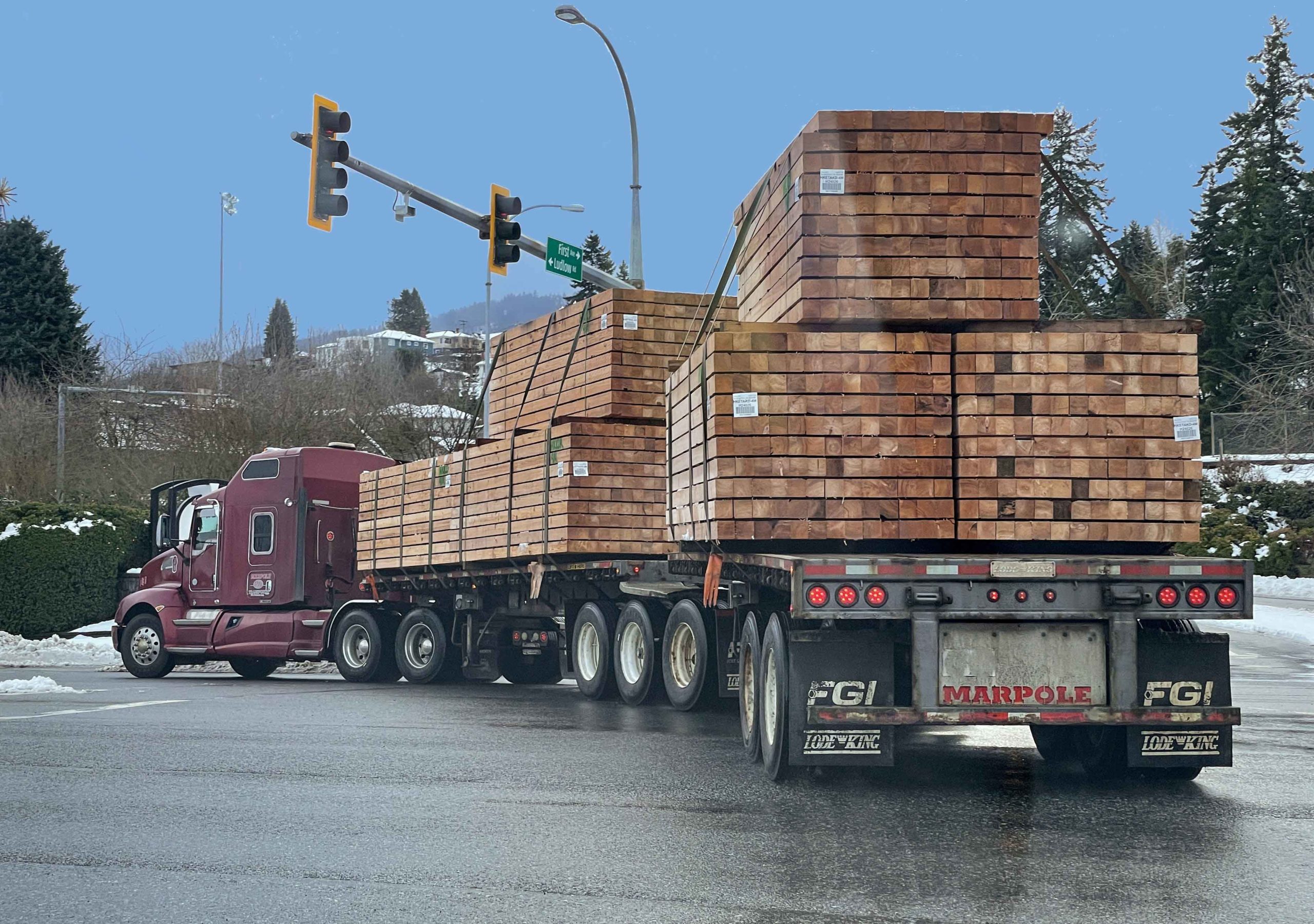 Statistics Canada says B.C. lost more than 40,000 jobs over the first four months of the year, and more than 11,000 full-time positions last month alone. Premier David Eby says this comes as little surprise, and the explanation is obvious, with a major pillar of the province’s economy continuing to take a beating from a major trade war with the U.S. “Our softwood lumber sector is under huge pressure,” he said. “The tariffs we face are higher than those faced by Russia and Europe when they import wood to the United States. And as a result, Russia and Europe are exporting more wood to the United States than they ever have.” As well, exports from B.C. to the U.S. are down, which is affecting all provinces, Eby says.
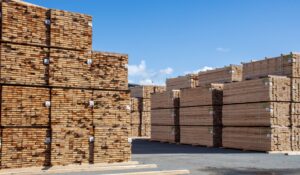 Ottawa’s decision not to include softwood lumber among the industries that will benefit from $1 billion in tariff relief funding sparked frustration from BC Premier David Eby, who said softwood lumber in the province has been “decimated” by U.S. tariffs. “I don’t know what it’s going to take, really, to get the bureaucrats and the ministers in Ottawa to recognize that softwood lumber employs more people in Canada than steel and auto parts combined,” Eby said. …”I really feel like BC’s projects are not getting the attention they deserve.” …Eby said he does not know why the industry would have been overlooked, though he hopes a separate funding announcement just for softwood lumber is in the works. …Jeff Bromley, wood council chair with the United Steelworkers, said 150,000 workers across Canada make their living off forestry. “I wish they would have included a broader program that would have helped our forestry industry,” he said.
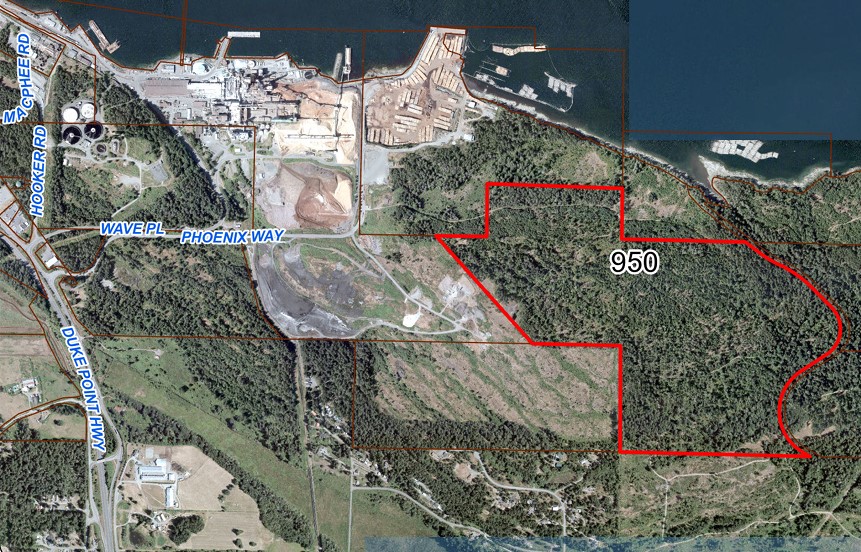
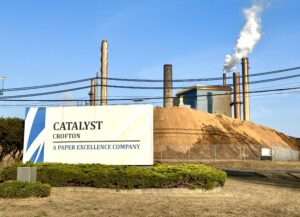 CROFTON, BC — Numerous companies and investors have expressed an interest in purchasing the Domtar pulp mill site in Crofton since the facility shut down operations earlier this year. Domtar said in a statement that it is exploring a variety of possibilities for the future of the waterfront site, and North Cowichan Mayor Rob Douglas said a number of interested parties have contacted the municipality directly looking to buy the site for a range of potential uses, including manufacturing, energy production, and other industrial purposes. …“Domtar has retained BMO Capital Markets to evaluate potential purchase proposals and expects to make a decision regarding the site’s future in the coming months.” Douglas said that as decisions about the site’s future use will ultimately rest with Domtar or a prospective new owner, and not the municipality, he is encouraging interested parties to contact Domtar directly.
 The Province and seven Treaty 8 First Nations have taken a next step toward creating a thriving and community-centered local economy in northeastern British Columbia. Restoration agreements will restore and protect the environment, provide predictability and stability to existing industries, as well as establish new business opportunities in the region, while ensuring historic Treaty Rights are upheld. “The restoration agreements will build on the strong partnership that we have with the Treaty 8 First Nations, which is a First Nations led approach,” said Adrian Dix, Minister of Energy and Climate Solutions. “This work is guided by the belief that healing the land and healing the people are inseparable. …This partnership approach to land and resource management will help to uphold constitutionally protected Treaty Rights, while supporting a vibrant economy.”

 MACKENZIE, BC — Conifex will temporarily curtail sawmill operations at its Mackenzie facility for about seven weeks starting May 19, 2026, with a target restart in July 2026. This planned sawmill curtailment is primarily driven by log inventory levels and fibre availability, in conjunction with seasonal logging breakup conditions impacting supply across the BC Interior. Logging operations are expected to resume in early June, subject to, among other things, weather conditions. The curtailment represents an approximately 25 million board feet supply impact. We continue to advance initiatives underway to broaden our available financing options. …Conifex restarted the Mackenzie sawmill in February after a four-week curtailment. The restart followed the completion of a $19 million secured term loan for its subsidiary Conifex Mackenzie Forest Products.


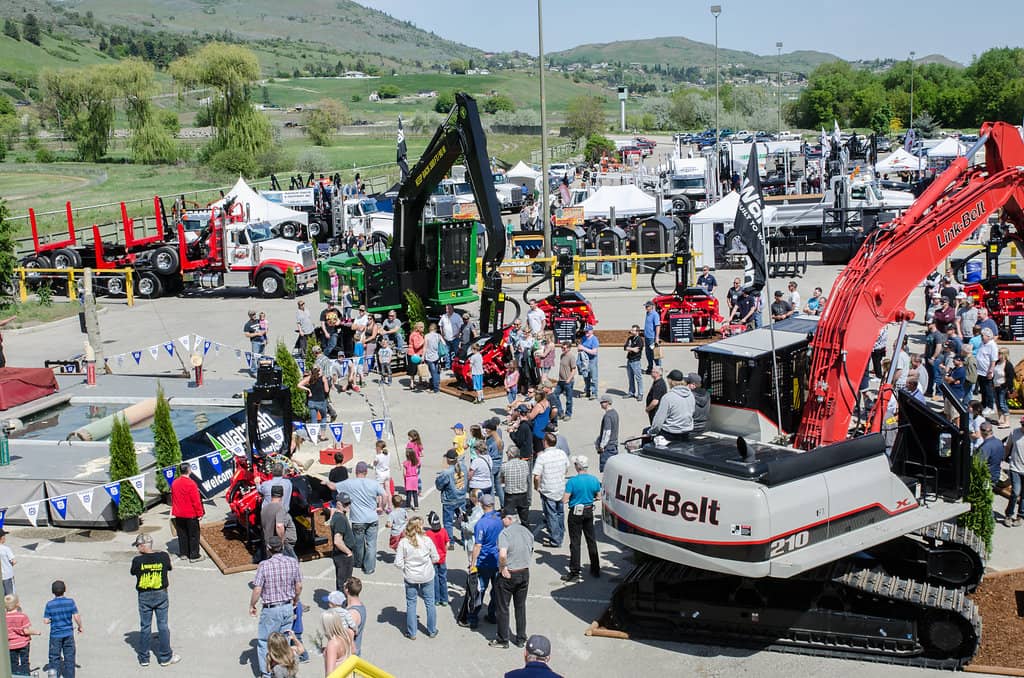
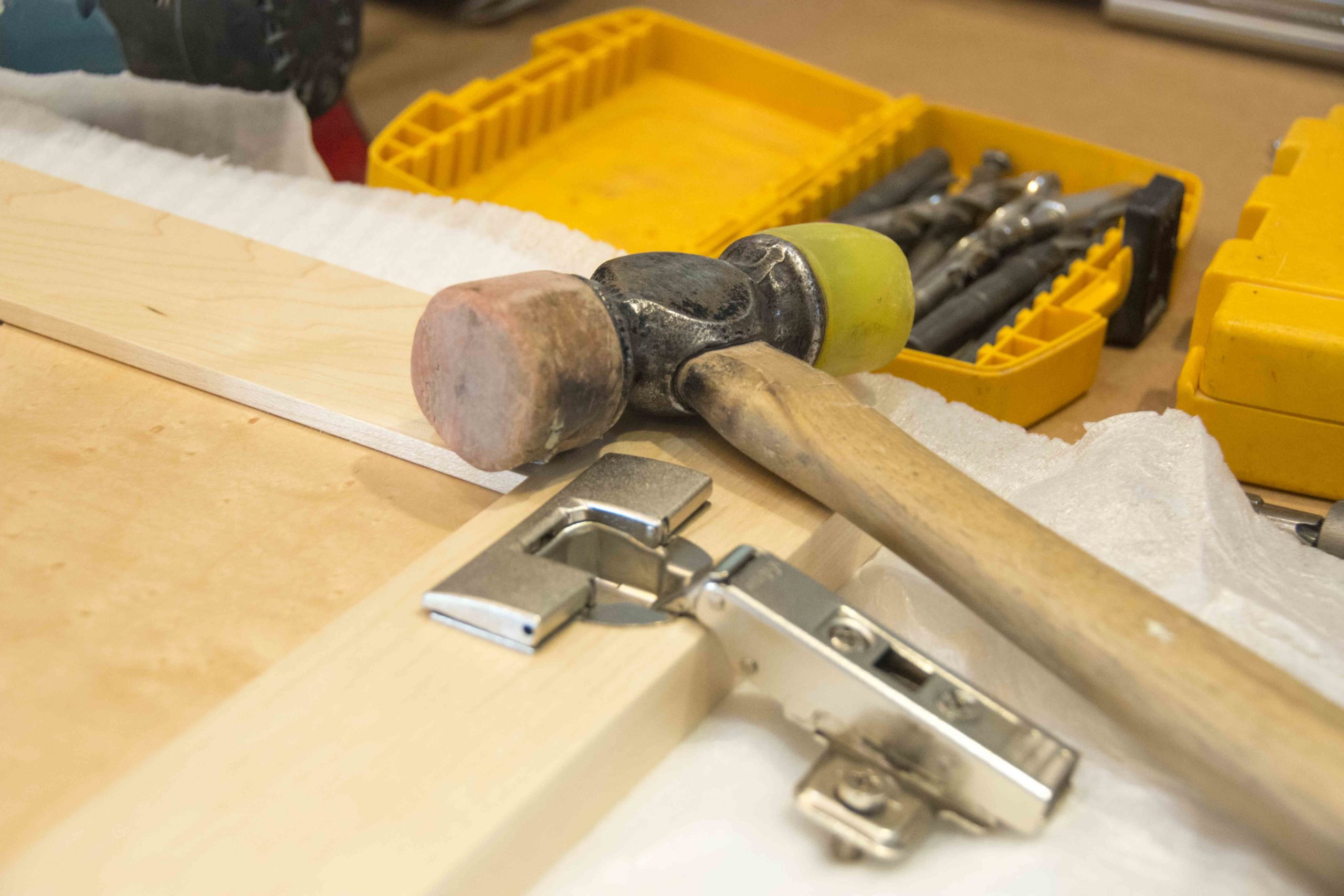 CALGARY, Alberta — Alberta’s government is investing $6 million over three years to support the next generation of skilled trades workers with the launch of the Alberta Trades Discovery Centre. The industry-led initiative will offer junior high and high school students hands-on exposure to careers in the skilled trades before they graduate. Set to open this fall, the Alberta Trades Discovery Centre will provide a dedicated, professional space where students can explore construction trades, learn directly from experienced tradespeople and discover what they are good at and what they enjoy, helping them make informed choices about high school courses, post-secondary pathways and future careers.
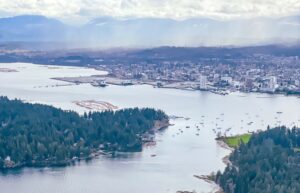 A Nanaimo public hearing on a controversial rezoning application to allow for the industrial development of forested lands near Cedar is entering its third week. …The application was put forward last spring by Harmac Pacific, which operates the Nanaimo Forest Products site. The land is zoned as “rural resource,” meaning the property can’t be used for industry. The rezoning proposal includes a parkland designation for an 11.3-hectare section of “forested buffer” alongside the popular Cable Bay Trail. Paul Sadler, CEO of Harmac Pacific, said the company built the Cable Bay trail in 1990. “We’re interested in protecting it,” he said, adding that the buffer section would quadruple the size of the park area.Sadler said he feels that the public hearing process has been “hijacked” by those opposed to the rezoning… noting that any applications to use the site after it is rezoned would undergo environmental assessments and a government permit process.
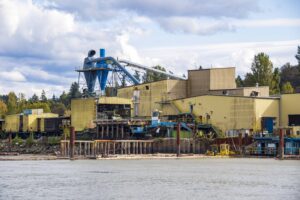 San Group companies and federal bank launch multi-pronged legal attack after insurer denies claims over major 2024 fire in Delta. …At the heart of the dispute is Lloyd’s Underwriters and its move to deny a nearly $31-million insurance claim over claims the fire was not an accident, but a deliberate act of arson carried out by the owners. In a Dec. 30, 2025, letter Lloyd’s informed the Business Development Bank of Canada (BDC) and San Group subsidiary Acorn Forest Products that it was voiding the company’s primary and excess insurance policies. According to court documents, Lloyd’s determined the fire was “caused by arson perpetrated by Acorn, alone or in collusion with others” and through the acts or under the guidance of the company’s “directing minds.” The San Group has strongly denied the allegations. Both Acorn and its parent company maintain that Lloyd’s has failed to provide proof of arson and is using the allegation to avoid a massive payout.
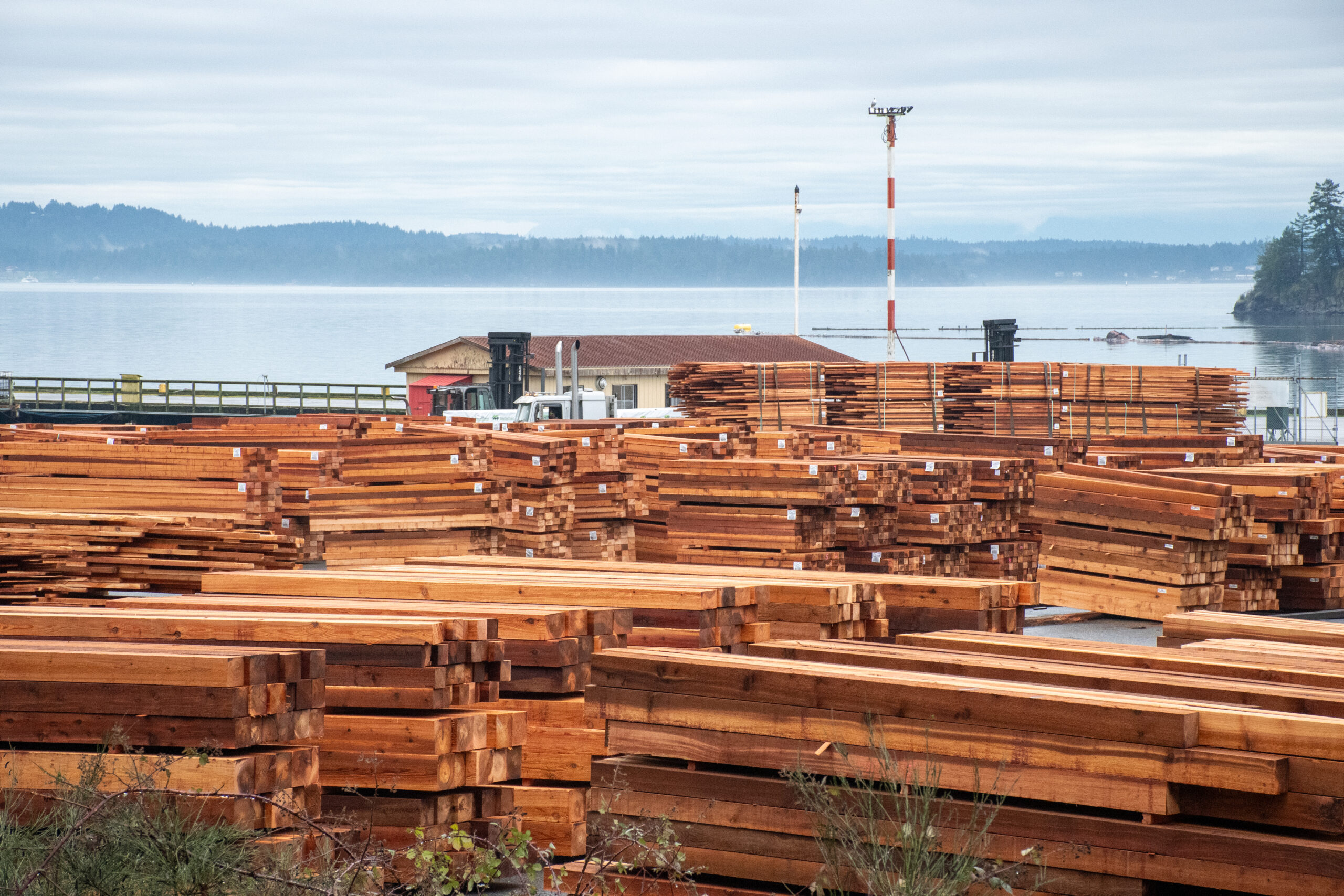 A group of Chemainus sawmill workers facing the prospect of being out of work for at least the rest of this year is calling on the federal government to make good on a promise to provide an extra 20 weeks of employment insurance support. About two dozen employees of the Western Forest Products mill, which the company has said will be shuttered until at least 2027, say they have been excluded by Service Canada from a promised 20 extra weeks of EI. “All I’m asking for is for these 20 to 24 people just to be paid the 20 weeks that was promised to them,” said Brian Bull, who has worked at the Chemainus mill for 34 years. The last day of work at the mill was technically July 15, but the majority of the mill was shut down June 18, putting 120 people out of work, he said.
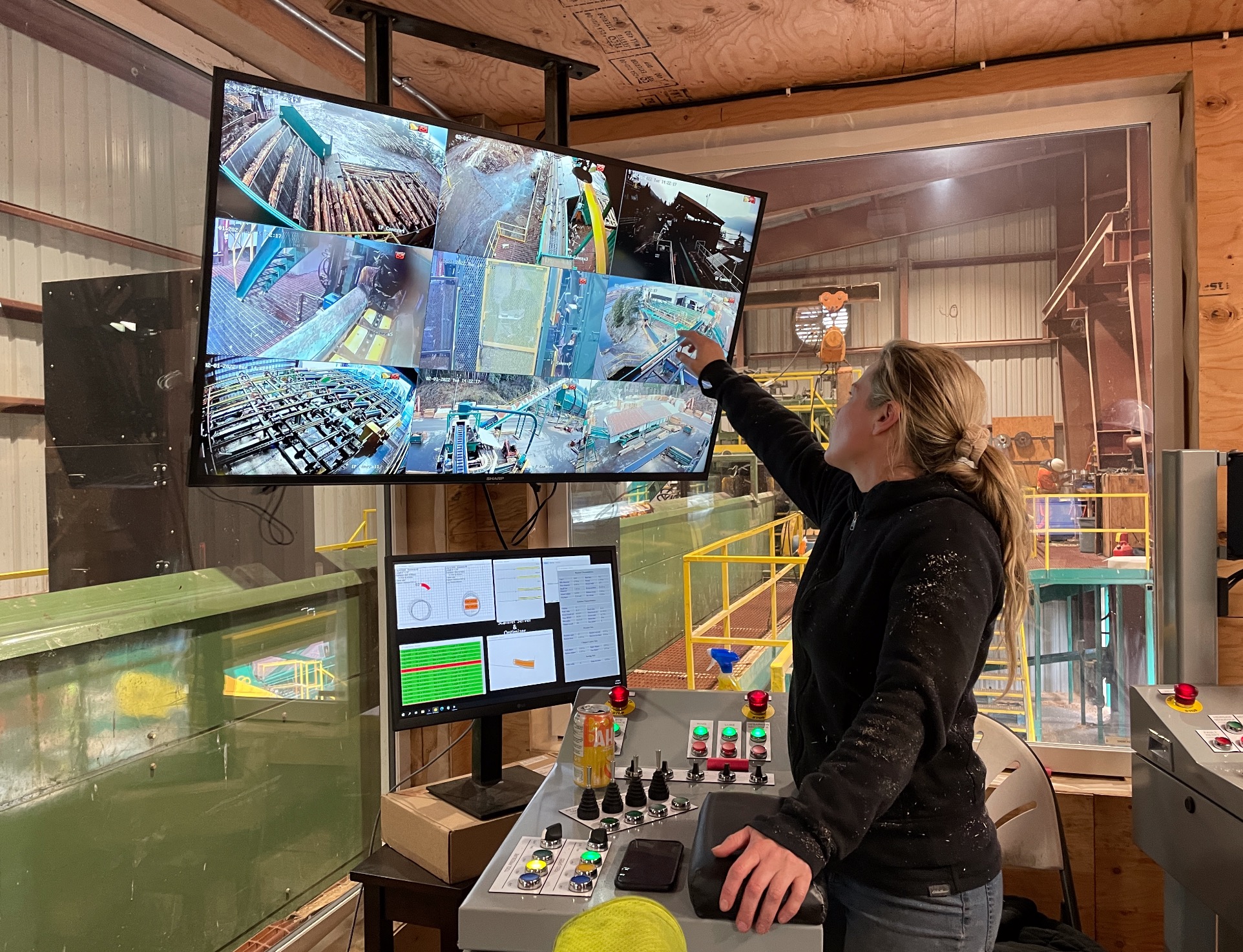



 The clock began ticking April 7 on one of the most important Supreme Court of Canada cases in New Brunswick’s history. That’s the date the country’s top court told law firms involved in the Wolastoqey Nation’s landmark title claim it would determine if it would allow “leave for appeal.” …On one side are logging firms and other private property owners who say they’re caught in the middle of a three centuries-old fight that had nothing to do with them. The Indigenous nation wants the Supreme Court to overturn a Court of Appeal decision last December. That ruling found the nation would have no chance of success in its lawsuit proving that it has Aboriginal title over privately held lands. …By that measure, the Wolastoqey Nation could sue governments but would have no means to take back control of most of their old territory. …If the appeal goes ahead, the Supreme Court could hear the case as early as this fall.



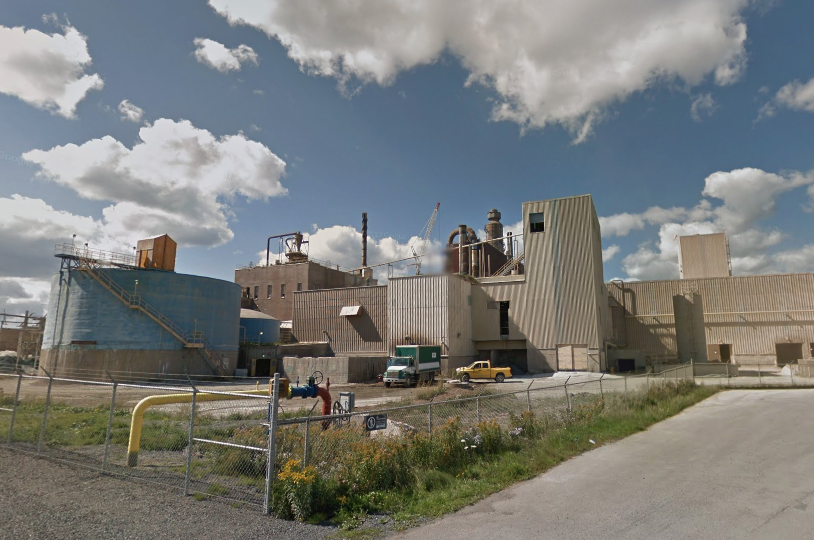 Northern Pulp’s closure plan for its mill site in Abercrombie Point, N.S., is still not complete, but a B.C. court heard Tuesday that the plan could soon begin coming into focus as the company’s creditor protection process continues to play out. …Because the plan is not final, the monitor notes in its report that it’s subject to change. The report says the company will explore options for the mill site and remaining property, which could include trying to market it to sell. Failing that, however, demolition is expected to begin in November. The court also heard Tuesday that the sale of the company’s timberlands to a company owned by billionaire blueberry mogul John Bragg is expected to be complete in the coming days. That sale, worth $235 million, will generate money for the closure plan, the mill’s creditors and to wind up the company pension.


 TORONTO— The Ontario government has launched the
 WASHINGTON — A federal court ruled Thursday against the new global tariffs that President Trump imposed after a stinging loss at the Supreme Court. A split three-judge panel of the Court of International Trade in New York found the 10% global tariffs were illegal after small businesses sued. The court ruled 2-1 that Trump overstepped the tariff power that Congress had allowed. The tariffs are “invalid″ and “unauthorized by law,” the majority wrote. …If the administration appeals, as expected, it would first turn to the US Court of Appeals for the Federal Circuit, based in Washington, and then, potentially, the Supreme Court. …Trump is taking steps to replace the tariffs that were struck down by the Supreme Court in January. …The Office of the US Trade Representative is looking into whether 16 US trading partners are overproducing goods, driving down prices and putting US manufacturers at a disadvantage.
 The U.S. Endowment for Forestry and Communities (the Endowment) has partnered with the USDA Forest Service’s Forest Products Laboratory to highlight innovation, stewardship and economic opportunity in America’s forest products sector through a



 FLORIDA — On the heels of Escambia County adopting an ordinance to establish an Economic Development Ad Valorem Tax Exemption (EDATE) for West Fraser, the sawmill company announced a $70.25 million expansion, creating 30 new jobs. The board voted to approve the ordinance, which will give the Canada-based lumber company a 70% ad valorem tax exemption for a period of five years. Shortly after the vote, FloridaWest Economic Development Alliance announced that West Fraser has invested $70,250,000 in capital expenditures to expand its existing sawmill operation in McDavid. …The project is expected to generate substantial economic activity across Escambia County, supporting local suppliers, contractors and service providers. …Over the next five years, the estimate of the taxable value lost to the county is $70,252,000 improvements to real property, and $3,400,000 to tangible personal property.
 LOUISIANA — Davis Timber Company, Inc. announced it will invest $1.9 million to expand its Beauregard Parish operations with new production capabilities that will enhance efficiency and strengthen Louisiana’s timber industry. The company is expected to create 12 direct new jobs while retaining 11 current positions. Louisiana Economic Development estimates the project will result in an additional nine indirect new jobs, for a total of 21 potential new job opportunities in the Southwest Region. …Davis Timber Company’s expansion will take place at its production facility within the Beauregard Regional Airport Industrial Complex in DeRidder, where the company produces poles and pilings used in utility and infrastructure applications. The project will add new processing capabilities to the existing operation, improving efficiency and enhancing product readiness for market.

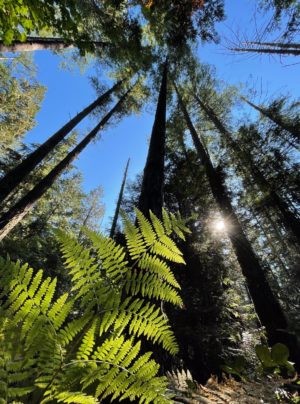 UK — Forestry has long sat at the margins of the insurance market, often folded into broader property portfolios and lightly scrutinised. That position is becoming harder to sustain. The class now requires a level of focus and expertise the market has not always applied, said Daniel Longden, head of forestry at Orvia Underwriting. The sector differs from traditional property risks in one fundamental way: it is constantly changing. Trees grow, are harvested and replanted, altering the risk profile year by year. That dynamic sits alongside an exposure to catastrophe events that can erase entire areas in a single incident. …This variability complicates underwriting and limits the development of standardised data sets, helping explain why the class has remained relatively niche despite growing investor interest. …Where underwriters once relied heavily on historical loss data and third-party reporting, satellite technology now offers a more direct view of exposure.
 India is a strategic priority for New Zealand because of its growing global influence, economic scale, and regional importance. This is why New Zealand is building a broad, deep, and enduring strategic relationship with India. By 2030, India’s GDP is expected to reach around NZ$12 trillion, making it one of the world’s largest economies. India’s rapidly growing middle class is projected to soon reach 715 million – those consumers alone will be a larger market for New Zealand than the European Union or ASEAN. …The impact and value of the NZ-India FTA will grow over time – delivering greater market access through streamlined border processes and phased tariff cuts. …On forestry and timber – a major export to India – over 95% of our exports become tariff-free immediately at entry into force. Almost all other exports benefit from tariff elimination over seven years, providing a valuable market option for wood exporters.