The US Department of Commerce today announced the final anti-dumping duty rate of 20.56% in the sixth annual antidumping review of unfairly traded Canadian softwood lumber imports into the United States. The review covers lumber imported in calendar year 2023. If the Department’s forthcoming determination in the countervailing duty review is consistent with the preliminary results, the combined rate will be well over 30%.
Council of Forest Industries (COFI):
COFI strongly condemns today’s decision by the US Department of Commerce to once again increase anti-dumping duties on Canadian softwood lumber. These unjustified and punitive trade actions continue to harm workers, families, and communities across British Columbia and Canada—and have gone unresolved for far too long. We call on the Government of Canada to make resolution of the softwood lumber dispute a top national priority. But this latest escalation also underscores a hard truth: we cannot wait for the US to act. To keep forestry workers employed and communities strong, BC must urgently strengthen the conditions to succeed here at home. That starts with treating forestry as a major project to reach a target harvest of 45 million cubic metres and taking immediate action to restore wood flow, protect jobs, and stabilize the sector—while laying the groundwork for long-term competitiveness.
US Lumber Coalition:
The US Lumber Coalition applauds Trump Administration’s strong enforcement of the US trade Laws against egregious levels of unfair trade by Canada in softwood lumber. “20.56% – that is the enormous extent to which Canadian producers dumped their lumber in the US market. …Andrew Miller, Chairman of the Coalition said., “The Commerce Department has once again proven the severity of market disruption caused by Canada’s unfair trading. Time has come for Canada to reconcile the size of its industry with market realities. The United States will no longer absorb Canada’s massive excess capacity in lumber at the expense of US mills and communities.” …US lumber industry and workers letter to President Trump. Enforcing U.S. trade laws helps increase the U.S. supply of lumber to build American homes, all without impacting the cost of a new home, as demonstrated by data from the NAHB and Fastmarkets Random Lengths.
BC Lumber Trade Council (BCLTC):
The BCLTC is deeply disappointed by today’s final determination by the US Department of Commerce to raise anti-dumping duties on Canadian softwood lumber to 20.56%. This decision represents yet another example of ongoing US protectionism at a time when cross-border cooperation should be a shared priority. “These duties are both unjustified and harmful,” said Kurt Niquidet, President of the BC Lumber Trade Council. “They unfairly penalize forestry workers and families across British Columbia, while further increasing costs for American homebuilders and consumers. Niquidet emphasized the need for a lasting resolution: “Rather than prolonging this decades-old dispute through costly litigation, we urge both governments to pursue a fair and durable agreement that delivers long-term certainty in the softwood lumber trade.”

 VANCOUVER, BC – Canfor announced today that its 77%-owned subsidiary, Vida AB, has entered into an agreement to purchase AB Karl Hedin Sågverk from Mattsbo Såg AB and certain minority shareholders for a purchase price of $164 million, including working capital of ~$39 million. AB Karl Hedin Sågverk operates three sawmills located in Central Sweden and will add approximately 230 million board feet to Vida’s annual production capacity. Following completion of this acquisition, Vida will have annual production capacity of approximately 2.1 billion board feet. Annual synergies of approximately $15 million are expected to be achieved within three years as a result of this transaction principally related to alignment of marketing programs as well as log procurement and operational practices. …These operations have access to exceptionally high-quality timber and are well positioned to complement Vida’s high-value product offering,” said CEO Susan Yurkovich. …The transaction is expected to close over the next several months.
 Through the Domtar Connects program, employees lead impactful local initiatives—ranging from education and environmental projects to support for Indigenous communities—reflecting a long-term, values-driven commitment to social responsibility. …With nearly 14,000 employees across more than 60 locations, Domtar’s footprint is large, but its approach is local. The Domtar Connects community investment program responds directly to the unique needs of each operating community, ensuring that support is tailored, meaningful and led by employee input. Recent highlights include:
 Just as we depend on forests, forests depend on all of us. At the Forest Stewardship Council (FSC), your work will create a better future for forests and people around the world. When you join our team, you can do your part to build a world where the true value of forests is recognized by all.
 The Canada-US softwood lumber trade relationship has dealt with ups and downs for decades. …Canadian firms will soon receive word from the US Commerce Department… with the rate expected to jump from around 14% to 34%. …“Canfor’s rate will be ~45%,” said Andrew Miller, chair of the US Lumber Coalition. …Then there’s the threat of tariffs from President Donald Trump’s ongoing national security investigation of Canadian lumber imports under Section 232 of the Trade Expansion Act. …The US Lumber Coalition is playing for keeps. …Miller isn’t shy about the goals: “A countrywide quota with no exemptions and no carveouts, and a single-digit market share” for Canadian lumber. …The coalition is pushing for a tariff rate from the Section 232 investigation that starts at 15 to 20% and goes higher from there. That, Miller explained, will incentivize U.S. sawmill owners struggling with thin margins to hire more people and invest in upgrades, bolstering U.S. production.
 Canada’s premiers’ summer gathering in Muskoka will also feature a meeting with Prime Minister Mark Carney, as trade talks with the US are expected to intensify. Most of what the premiers are likely to discuss stems from President Trump’s tariffs: trade negotiations, the direct impact on industries such as steel and aluminum, the increased pushes to remove interprovincial trade barriers and speed up major infrastructure and natural resource projects. …“Canada is not open to us,” he said. “They need to open their market. Unless they’re willing to open their market, they’re going to pay a tariff. Lutnick also said Trump intends to renegotiate the Canada-U.S.-Mexico agreement next year, when the pact is slated to undergo a joint review. Carney has said Canada is trying to get an agreement on softwood lumber exports included in the current round of negotiations with the United States.
 The US and Canada… have feuded over “softwood” lumber since the 1980s. …Canada has long resisted changing its trade practices on lumber. But as the Trump administration has become more bellicose about its trade relationship with Canada, the country’s stance may be softening. On July 16, BC Premier Eby said Canadian officials are now open to a quota. …Any added fees from the US would likely further hamper an already struggling Canadian industry and benefit the US South. But the US would likely struggle to offset the lumber it gets from Canada in the short-term, driving up housing prices. …Though the US has some spare capacity to turn more timber into construction materials, a fully domestic supply chain would likely still require the construction of new sawmills and additional trained workers to operate the facilities. …Another factor for US suppliers and buyers is that US and Canadian lumber are not a perfect swap. [to access the full story a Bloomberg subscription may be required]
 Prime Minister Carney says securing a truce in the long-running Canada-US lumber dispute is a top priority as Canadian producers brace for even heftier US levies as early as September. …Mr. Carney declined to say what level of baseline tariff Ottawa would accept in a new trade and security pact with Washington. …Mr. Carney was asked whether Canada would impose tariffs on US products if the US keeps a baseline levy on Canadian goods. “We’ll see what the final agreement is, if there is an agreement,” he said. …Historically, Mr. Carney said lumber deals with the US contain “some element of managed trade” such as quotas on Canadian shipments to the US. …Mr. Pellerin, a former Canadian government softwood litigator, said he thinks it would be unwise to strike a deal before litigation related to the softwood dispute plays out. There are several challenges of US duties on softwood proceeding under the United States-Mexico-Canada Agreement dispute mechanism. [This story is for Globe and Mail subscribers only]
 Canada is open to considering limits on softwood lumber exports to the U.S. to try to ease some trade friction between the neighboring countries, British Columbia Premier David Eby told Bloomberg News in a report published on Wednesday. “One of the asks for years out of the American coalition has been a quota — that there’s a fixed amount of lumber that gets to come from Canada,” Eby told Bloomberg News. “And I think that, for the first time, there’s some willingness to have a conversation about what that could look like.” [to access the full story, a Reuters or Bloomberg Economics subscription is required]
 Northern Pulp has announced it will initiate a court-supervised sales process of its assets after it confirmed it wasn’t able to secure funding for a new mill project. In a news release Monday night, the insolvent company said the decision follows completion of a comprehensive feasibility study that concluded Northern Pulp could not achieve the 14 per cent internal rate of return required in a settlement agreement with the province to develop a bleached softwood kraft pulp mill and bioproducts hub near Liverpool, N.S. “Northern Pulp is thankful for the support and collaboration of the Province of Nova Scotia and local stakeholders throughout the feasibility study,” the company said in the release. Nova Scotia’s minister of natural resources said Northern Pulp’s announcement was “not the outcome we had hoped for.”





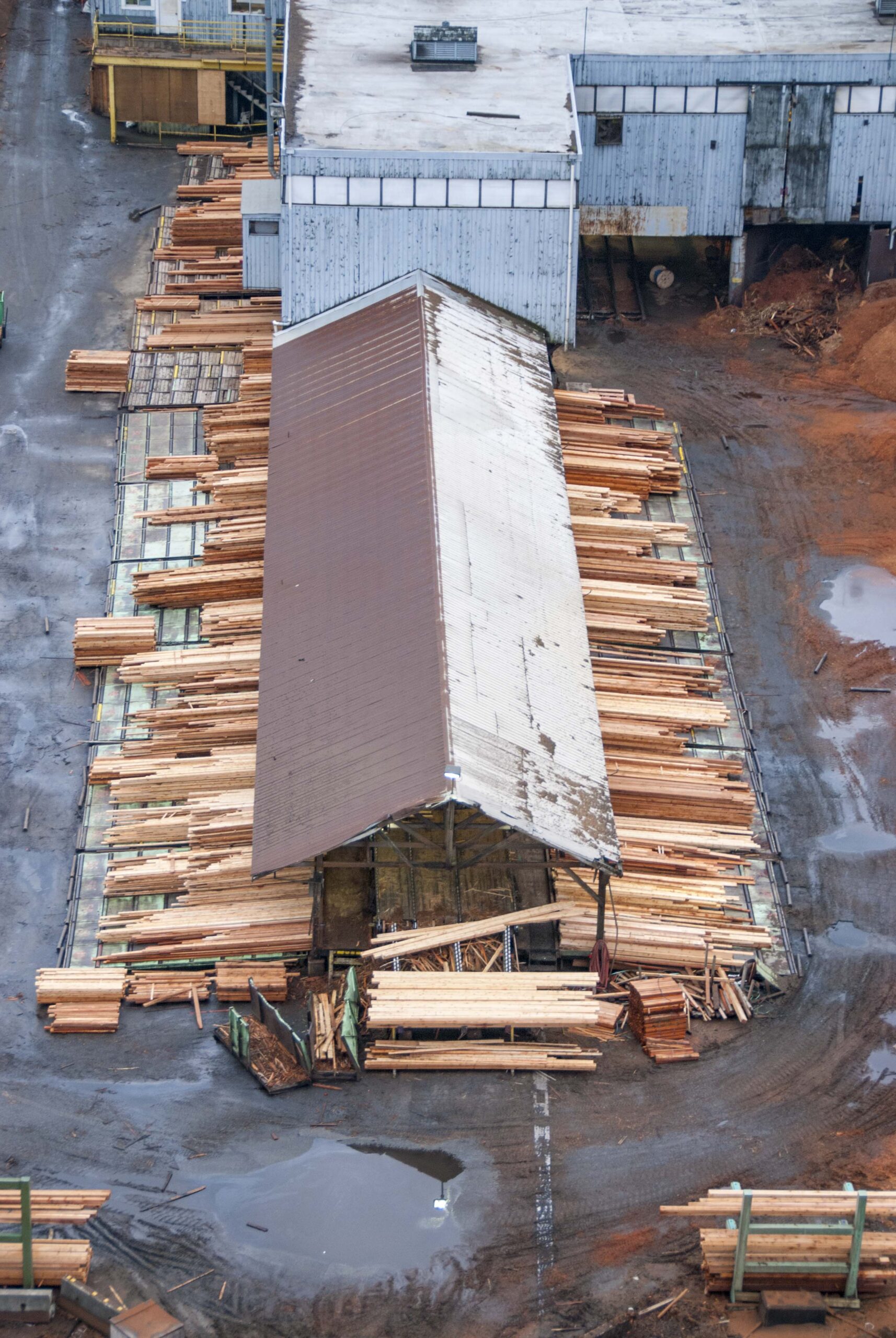 B.C.’s forest industry has a lot at stake in trade talks between Canada and the U.S. as Prime Minister Mark Carney works toward the suggested Aug. 1 deadline for a deal, and a promise to make resolving the pre-existing dispute between the two countries on softwood lumber trade a priority. Mills in the province are already running at just 67 per cent capacity during the uncertainty surrounding tariffs… But Carney put a spotlight back on the issue last week with his commitment to make a resolution “a top priority” in trade talks sparked by U.S. President Donald Trump. The prospect of additional tariffs … adds to the urgency for reaching a deal. …B.C. sawmills that would have been reluctant to absorb the high cost of curtailing production have been quicker to suspend operations … owing to the uncertainty around tariffs, according to industry analyst Keta Kosman, publisher of the trade data firm Madison’s Lumber Reporter.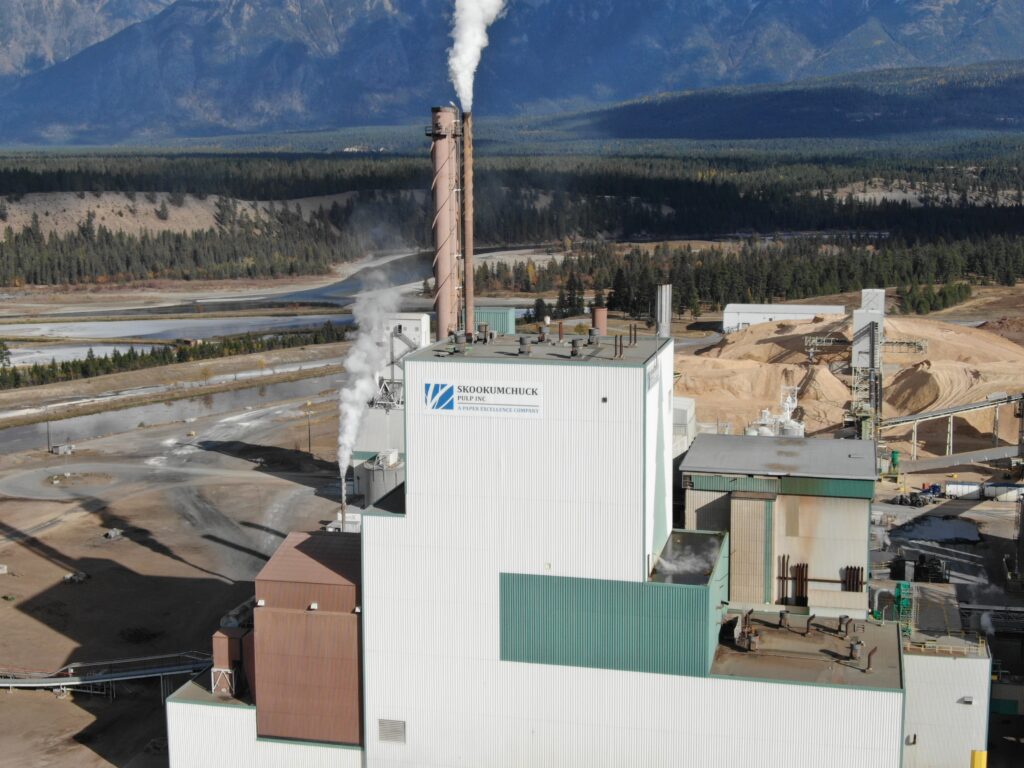
 The Canadian Wood Council is hiring a new leader to guide its WoodWorks BC program. Based in Vancouver (hybrid), this is a senior role focused on driving market growth, building strategic partnerships, and advancing wood use in construction across British Columbia. The Executive Director will lead a high-impact team, contribute to national market development efforts, and work closely with government, industry, and design professionals to promote innovation and sustainability in the built environment. This is a pivotal leadership role responsible for driving strategic growth, fostering stakeholder relationships, and championing the use of wood in construction. The Executive Director will serve as the principal representative of the program in BC and play a national role in mentoring and supporting Market development staff across Canada. WoodWorks is the market development program of the Canadian Wood Council that seeks to increase the use of wood in non-residential and multi-family building markets across Canada.

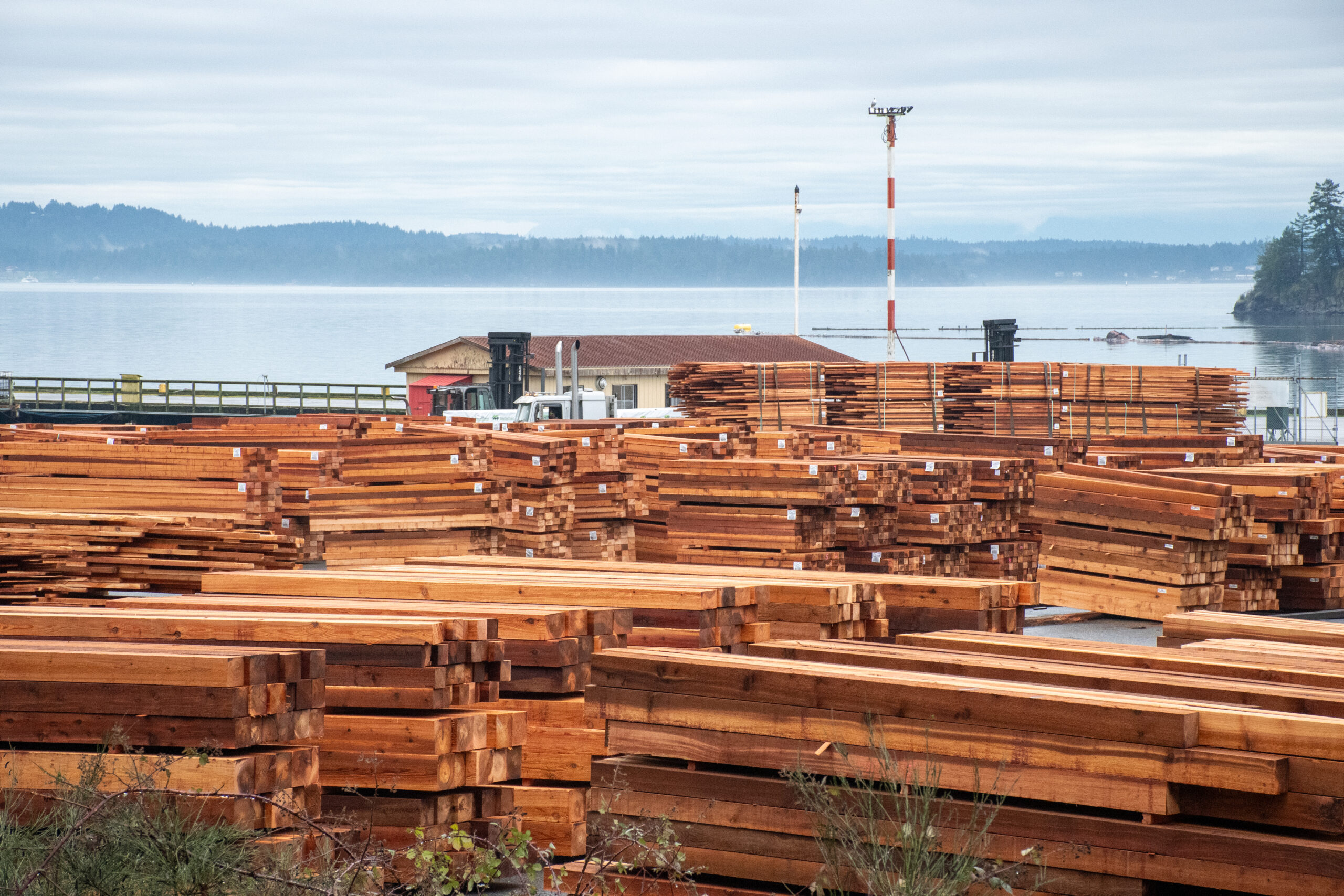 B.C.’s employers in forestry-related businesses, sawmilling, stone cutting and oil and gas field servicing could be seen as the biggest beneficiaries of WorkSafeBC’s $2 billion surplus as the corporation proposes cuts to their service premiums approaching 40 per cent or more. WorkSafeBC’s policy is to maintain enough of a surplus “to avoid rate volatility” during economically difficult times. The corporation’s 2024 surplus, however, is equivalent to 141 per cent of liabilities, far more than its 130 per cent target. The corporation says its strong financial position has been helped along by “higher than-required investment returns,” according to WorkSafe’s statement, which is similar to workers-compensation agencies across the country. Ontario’s Workplace Safety and Insurance Board has used its 2024 surplus to issue $4 billion in rebates, over two rounds, to employers and in May, the Workers’ Compensation Board of Manitoba did likewise with $122 million in rebates, which is something the Canadian Federation of Business would like to see.
 The Vancouver Fraser Port Authority is now searching for a construction company to plan and build the Roberts Bank Terminal 2 container port project wharf and landside facilities. The port said the state-of-the-art marine container terminal will unlock over $100 billion in new trade capacity and contributing $3 billion in GDP annually. …Construction is planned to begin in 2028, and the terminal is expected to be in operation by the mid-2030s. …The port authority has signed mutual benefits agreements with 27 First Nations. …Following the federal and provincial governments’ 2023 approval of the project, the port authority submitted a Species at Risk Act-compliant Fisheries Act authorization application in 2024. A decision on that, the final major permit, is expected no later than October 2026, the port authority said. …Pang said the terminal will be a catalyst for economic transformation nationally. He said it aims to support Prairie grain exports and BC’s forestry sector.
 The NDP government is making changes to development cost charges that builders say could help reduce the burden they face as material and labour costs continue to increase and the number of projects under construction drop. Starting in 2026, builders will only have to pay 25 per cent of their fees to municipalities up front and will be able to defer the remaining 75 per cent for four years or until people move into the building. The fees help cover the cost of infrastructure such as community centres, roads, sewers and parks. The changes will also allow developers to use bonds instead of irrevocable letters of credit as financial guarantees, allowing them to preserve access to capital throughout the project. Wendy McNeil, CEO of the Homebuilders Association Vancouver, said the changes will allow builders certainty when it comes to the cost of the project and the timeframe for making payments to municipalities.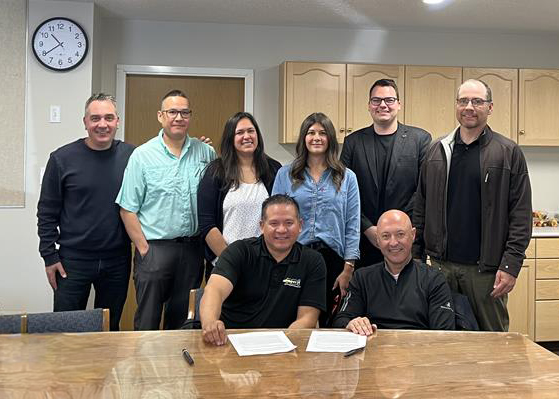

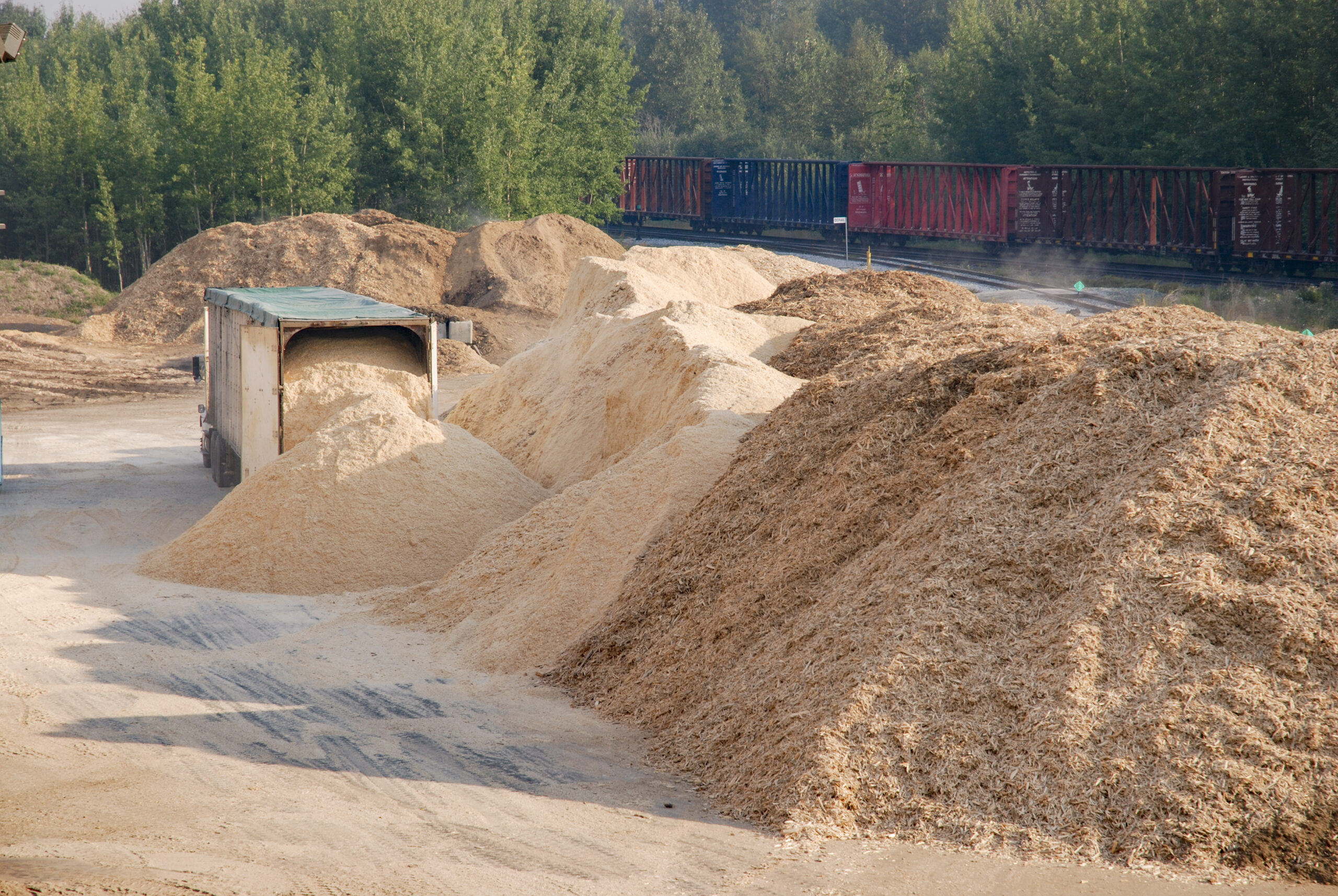

 Stop me if you have heard this one before. A company from away lands and makes loud noises about hiring hundreds of people in a job-hungry rural part of Nova Scotia. Government puts up millions of our dollars to bring in a new industry it really doesn’t understand. …Sometimes it works, other times the receivers move in or the multi-nationals move out. Then the recriminations begin. They already have in the 58-year-long saga of Northern Pulp and its predecessor companies which limps to a conclusion in Nova Scotia. This province has had a few successful commercial transplants. …But it is our high-profile failures, like this week’s announcement that Northern Pulp not only wouldn’t build a mill on the South Shore but has started selling off its assets, that seem to stick. …Enough companies have gone bust, sometimes spectacularly so, that they should serve as cautionary tales.
 Days after Nova Scotia’s forestry sector was dealt a major blow, the province is promising to use more wood to heat and construct public buildings — although officials deny any connection between the two developments. Two cabinet ministers made the announcement Thursday at Ledwidge Lumber, a sawmill in Enfield, N.S. Public Works Minister Fred Tilley said every government department is being directed to look for opportunities to use wood products that are leftover after trees have been harvested and milled for lumber. The products could include mass timber, wood pellets, biomass and biofuels. Tilley said the move was driven by the province’s desire to become more self-reliant, reduce fossil fuel use and produce more locally-made construction materials. …Meanwhile, lawyers for Northern Pulp were in a British Columbia courtroom on Thursday where they received approval for a plan to extend creditor protection while preparations continue to auction off the outfit’s Nova Scotia assets.

 TERRACE BAY, Ontario — AV Terrace Bay has been convicted on two charges: Failing to control the quality of discharged effluent to ensure that acute toxicity tests resulted in no more than a 50% mortality rate for the test organisms; and Failing to comply with an industry standard by discharging Total Reduced Sulphur compounds. …AV Terrace Bay was convicted of two violations under the Environmental Protection Act, fined $525,000 plus a victim fine surcharge of $131,250, and given 12 months to pay. …Due to financial constraints and market conditions, the mill has been in a warm idle state and has not been producing product or revenue since at least January 2024. The mill generates industrial effluent that undergoes primary and secondary treatment prior to discharging to Lake Superior via Blackbird Creek. …On May 1, 2023, 100% of the Rainbow Trout died during an acute lethality test performed on a grab sample of the mill’s final effluent.
 ST. JOHNS, Newfoundland — St. John’s lawyer Bob Buckingham is not sure how an investigation into the illegal burial of hazardous and contaminated materials in Deer Lake will take place, but he’s giving all the credit for it happening to one man. Buckingham represents Richard Dewey, a resident of Deer Lake who, for more than a decade, has worked to bring attention to three separate environmental issues in the town: the burial of the hazardous and contaminated materials, pollution of the town’s drinking water and property damage caused by seepage from the Humber Canal. …Dewey made a complaint to the provincial government claiming that creosote-contaminated soil was trucked from beneath the penstocks on the Humber Canal and buried near the town’s water supply, and that creosote-soaked penstocks were dumped at the closed town landfill.





 Is Brazil playing fair when it comes to trade? An investigation launched July 15 by the Office of the United States Trade Representative (USTR) aims to find the answer. The Section 301 investigation will seek to determine whether acts, policies, and practices of the Government of Brazil related to a host of trade issues — including ethanol market access and forestry practices — are “unreasonable or discriminatory and burden or restrict U.S. commerce.” “Brazil has walked away from its willingness to provide virtually duty-free treatment for U.S. ethanol and instead now applies a substantially higher tariff on U.S. ethanol exports,” the USTR office wrote in announcing the investigation. The announcement also said Brazil appears to be failing to effectively enforce laws and regulations designed to stop illegal deforestation — which undermines the competitiveness of U.S. producers of timber and ag products.
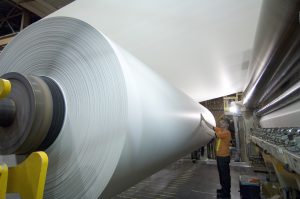 WASHINGTON – American Forest & Paper Association (AF&PA) President and CEO Heidi Brock today reacted to recent US-EU trade negotiations: “We appreciate President Trump and his administration’s efforts to further enhance fair and reciprocal trade with key partners like the European Union. Addressing tariff and non-tariff trade barriers is crucial to ensuring a positive trade relationship for the pulp, paper, packaging and tissue products manufacturing industry. “The EU’s deforestation free regulation (EUDR), which has been identified as a non-tariff trade barrier by the U.S. Trade Representative, risks over $3.5 billion in annual forest products exports to the EU. “We encourage President Trump and his administration to continue working towards a fair and reciprocal trade relationship with the EU that fixes this regulation while improving other aspects of trade for U.S. paper manufacturers.”
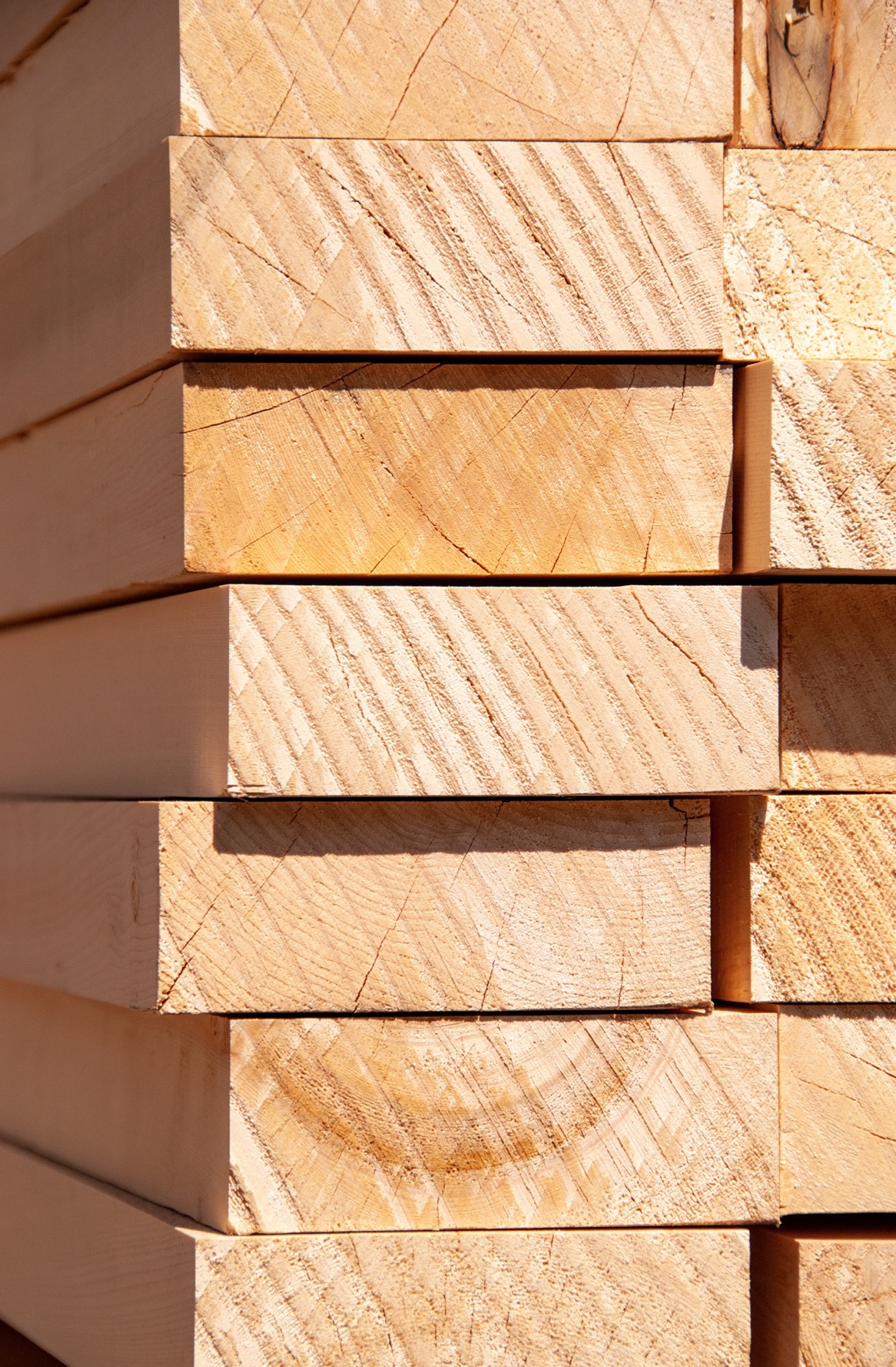 NAPLES, Idaho — A fast-moving fire broke out Sunday, scorching 20 acres and causing millions of dollars in damage to two family-run logging businesses, according to one of the families affected. The Clover Fire was 75% contained by 2 p.m. Monday, roughly 24 hours after it began, according to Lizz Bloxsom, an incident command trainee with the Idaho Department of Lands. Full containment is expected by 8 p.m. this evening, ahead of a storm forecast to bring strong winds overnight. …Most of the damage occurred on the neighboring properties of the Sandelin family and the Tweet family. The Sandelins run the small logging business, UTR Land Management, and the Tweets run a family-owned business, SGA Cabin & Timber. A member of the Sandelin family, who requested to remain unnamed, said damage to the lumberyard — including a razed sawmill and barn, over 300 truckloads of lumber, and industrial machinery — will cost their family millions of dollars.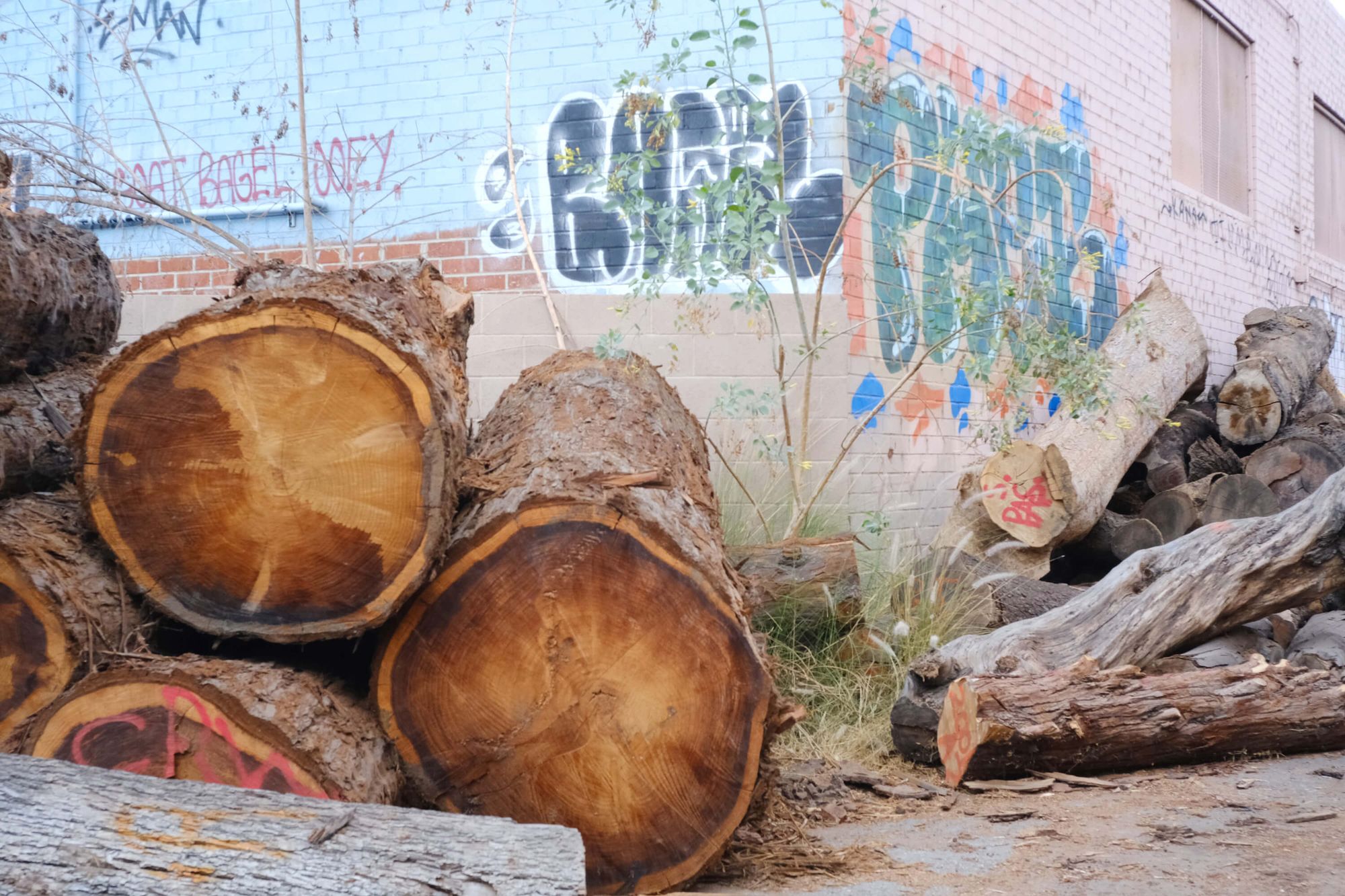
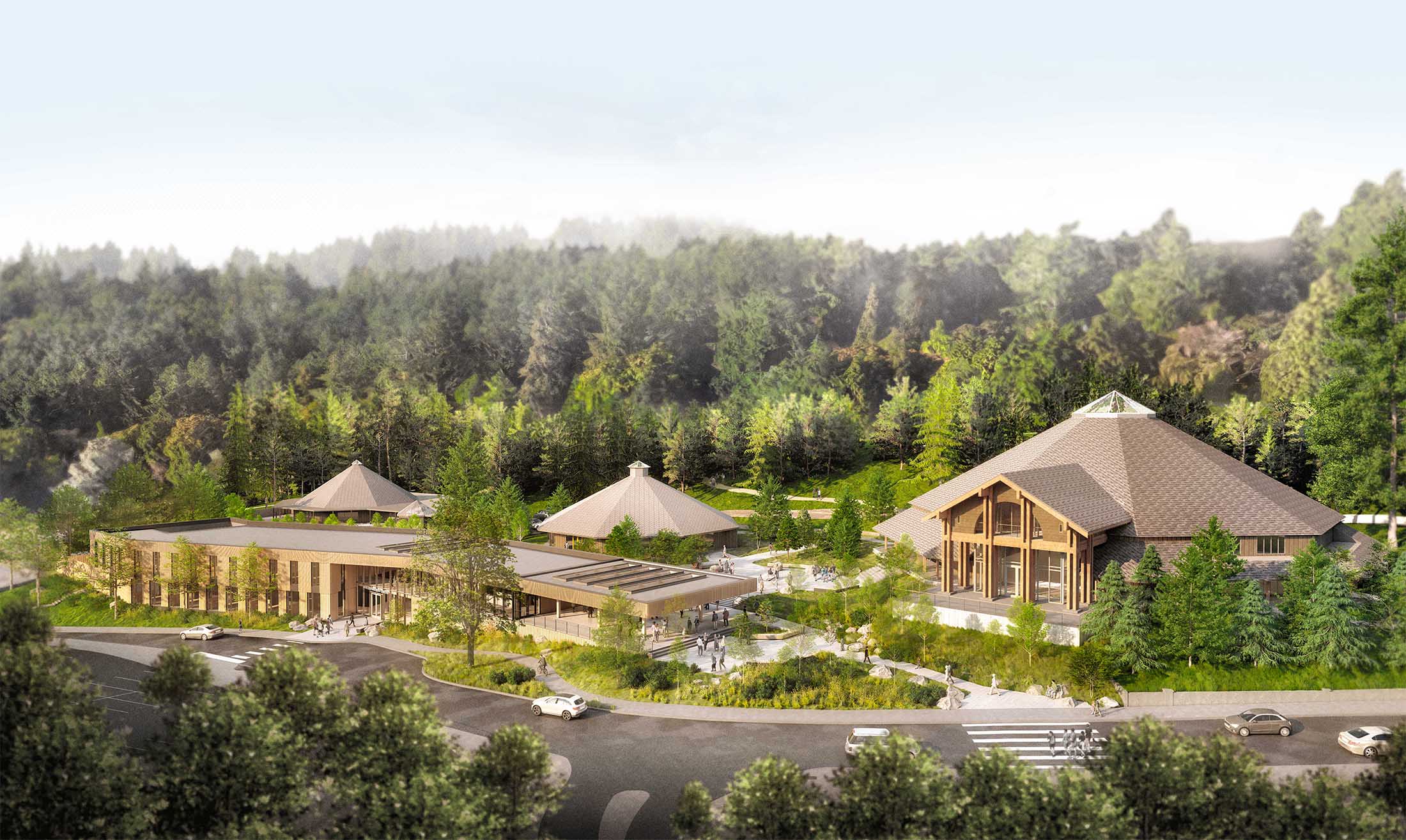
 In April 2021, Shreveport attorney Rich Lamb saw an opportunity. Lamb’s family has owned timberlands for several generations. …Fast forward to today. A more than $100 million Southern yellow pine sawmill sits outside of Plain Dealing. …Lamb learned that Canadian companies were relocating to the southern United States to build sawmills due to the unfavorable business climate in Canada. Lamb raised money and recruited Canadian company Teal Jones as an operating partner… Teal Jones acquired 57% of the sawmill, with Lamb and local investors owning the remaining 43%. But in 2024, Teal needed to sell. “Because of the pricing environment, interest rate environment and political climate in Canada, Teal Jones got into financial distress and went into reorganization,” Lamb explained. “They needed to sell their 57% interest to get liquidity.” Fortunately for Lamb and his group, a new buyer was found. Earlier this month, Sumitomo Forestry America Inc. purchased Teal Jones’ stake in the mill.
 Texas’ timber industry continues to generate a significant economic impact for the state, with employment and output levels holding steady compared to 2023, said Eric Taylor, Ph.D., a silviculturist with Texas A&M AgriLife Extension Service and Texas A&M Forest Service. Market conditions remain largely unchanged from two years ago, with strong demand for sawtimber, coming primarily from pine trees in East Texas. On the flipside, there is an oversupply of smaller-diameter trees, keeping pulpwood prices soft, Taylor said. Roughly one-fifth of the state…provides about 12 million productive acres of timber out of roughly 22 million acres in the region. Most of the land is privately owned… While the Texas timber sector generally operates as a net-importer state, trade with Mexico and Canada accounts for 88% of Texas’ exports and 42% of its imports in 2024, Taylor said. …One bright spot is the growing interest in mass timber…


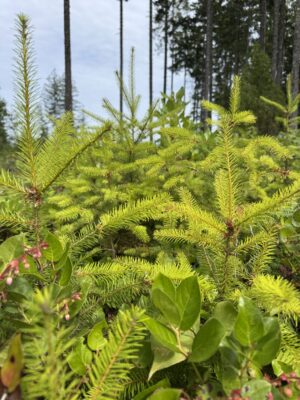 After funding 5 million seedlings for 289 projects, in 38 states and 4 foreign countries, the Hardwood Forestry Fund (HFF) has decided to voluntarily dissolve its operations. The Board announced its final distribution of $190,000 to the Arbor Day Foundation and One Tree Planted to implement Hardwood Tree plantings in line with the HFF’s mission and goals. The Hardwood Forestry Fund promoted hardwood timber growth, management, education, and environmentally sound uses of renewable forest resources by providing grant funding to partnering organizations. …The HFF was formed in 1990 by members of the Hardwood Plywood and Veneer Association, which eventually became the Decorative Hardwoods Association. …During its 35 years of operation, the
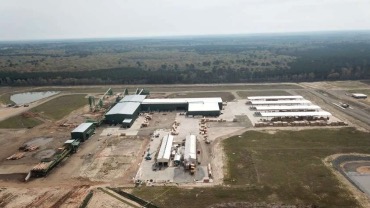 Sumitomo Forestry, a prominent Japanese timber and construction firm, completed July 1, 2025, the acquisition of Teal Jones Louisiana Holdings and plans to launch its first timber industrial complex in the US. This complex may also include taking wood waste and turning it into mass timber. …In addition to outside purchasers, Teal Jones-Plain Dealing (TJPD) plans to supply product to its group operations, such as the Fully Integrated Turn-key Provider operations and its residential property and real estate development operations. Furthermore, the company plans to utilize the approximate 40 hectares of unused land on the site to manufacture and sell mass timber and wood products in preparation for future increased demand. “We are also considering processing wood chips and lumber residue generated from the manufacturing process into biomass power generation fuel, bio-refineries and other,” the company said.
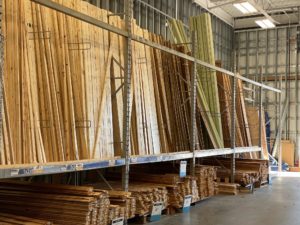 Simon Varney pre-ordered extra hardwood from Canada in February when President Donald Trump threatened broad 25 percent import tariffs on goods from that country. The next month, the administration exempted that wood. That left Varney, co-owner of Wells Wood Turning & Finishing in Buckfield, spending more money ahead of time and holding onto extra inventory, eating into cash flow. Ironically, the pearlescent gold pigment the company purchased from its Vermont supplier to make its famous wooden eggs for the White House Easter Egg Roll — a color specifically requested by the president in both of his terms in office — had to be imported from Germany and falls under Trump’s tariffs. “The tariffs were a real concern because they basically would raise our wood costs by 25 percent, which is pretty significant,” Varney said. “The wood manufacturing business is not a high margin or high profitability business.”

 Amid global economic uncertainties and tightening trade policies, Việt Nam’s wood industry is navigating through significant headwinds. While long considered a strong export sector, local enterprises are now re-evaluating their strategies to not only sustain growth but also reposition Vietnamese wood products on the global trade map. According to Nguyễn Liêm, chairman of the Bình Dương Furniture Association, major shifts in trade policies among importing countries have been felt since early this year. …The US remains the largest market, accounting for nearly 50% of the industry’s export value. …Recently, the US Department of Commerce (DOC) initiated anti-dumping and countervailing investigations into plywood imported from Việt Nam. …Besides the US, the European Union has also implemented new technical and legal requirements. Regulations such as the EU Deforestation Regulation (EUDR), the Carbon Border Adjustment Mechanism (CBAM), and the Corporate Sustainability Reporting Directive (CSRD) are demanding more rigorous environmental and traceability standards.
 The Albanese Labor Government released a