 OTTAWA — The federal government is taking steps to help people who have lost important documents as a result of wildfires this year. Lena Diab, the federal minister of immigration, refugees and citizenship, announced special measures to help people displaced by wildfires and evacuations earlier this year. According to Diab’s announcement, Canadian citizens and permanent residents whose documents like passports, citizenship certificates and permanent resident cards were lost or damaged because of wildfires this year can apply for free replacements. …Temporary residents… who were impacted by wildfires can also apply to restore or extend their status in Canada or renew their permits free of charge. The 90-day requirement for temporary residents to apply for the restoration of their status is also being waived for people impacted by wildfires, and foreign emergency workers coming to help fight wildfires in Canada are having their application and biometric fees waived.

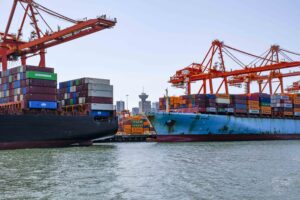 The second Trump administration has come out swinging on trade. New tariffs have reignited uncertainty across global supply chains and forced America’s economic allies to find ways of placating the White House. For Canada and Mexico, Washington’s partners in Trump’s U.S.-Mexico-Canada Agreement, this has been a stark reminder of how easily trust can erode, even in the most integrated trade relationship in the world. …In terms of trade, the stakes could not be higher: Mexico and Canada are the United States’ no.1 and no. 2 trading partners. But the partners don’t just trade enormous amounts with each other; they build things together. Therefore, the review process is also a chance to modernize North America’s trade architecture, reinforce strategic industries, and rebuild the foundations of regional trust and cooperation. America’s competitiveness depends heavily on the integrated North American manufacturing platform, and thus on the success of Mexico and Canada, its partners.
 The Institute is seeking an enthusiastic individual to provide strategic and operational leadership as Executive Director. The Executive Director leads the Canadian Institute of Forestry / Institut forestier du Canada (CIF-IFC), guiding the organization through strategic growth and operational excellence. This role ensures the long-term sustainability of the Institute through sound governance, financial stewardship, and stakeholder engagement. The Executive Director works closely with a small team, the Executive Committee, and a broad national network of members, volunteers and partners. They are accountable to the Board of Directors and collaborate with committees, staff, members, sponsors, and regions across Canada. This is a full-time, remote position. Individuals with the requisite qualifications are invited to apply by July 21, 2025.
 Over the past decade, Canadian forestry companies have significantly expanded their footprint in the American lumber industry. While foreign investment remains a key component of a dynamic US economy, industry analysts and policymakers are increasingly scrutinizing the long-term implications of international control over critical domestic manufacturing infrastructure. Canadian-owned firms—including West Fraser, Canfor and Interfor—now operate dozens of sawmills in the US, with many holding more assets south of the border than in their home country. Additional Canadian firms—such as Tolko, Maibec, J.D. Irving, and Kruger—also maintain active operations and land holdings throughout the country. As foreign ownership of US lumber mills grows, several key concerns are emerging: Supply Chain Autonomy… Economic Retention… Market Influence. …Industry stakeholders are urging a closer examination of the issue. Policy suggestions include incentivizing domestic ownership, increasing sourcing transparency, and evaluating regulatory frameworks around foreign investment in strategic industries.
 Domtar (formerly Paper Excellence) has signed a purchase agreement with Cranberry Business Park Ltd. for the sale of the remaining half of its lands at the former Tis’kwat paper mill site in Powell River. “We are looking forward to contributing to the economic future of Powell River and the region,” stated Craig Austin and Thomas Ligocki, from Cranberry Business Park Ltd., in a media release. “With waterfront access and abundant energy sources, this site has so much potential. We are proud to be part of the revitalization of the city’s Historic Townsite, alongside our neighbour at Tis’kwat, the Tla’amin Nation.” “It was a priority for Domtar to find a buyer who would ensure that the lands continue to generate jobs and economic benefit for the broader community well into the future,” stated Carlo Dal Monte, vice-president, Domtar Legacy Assets.
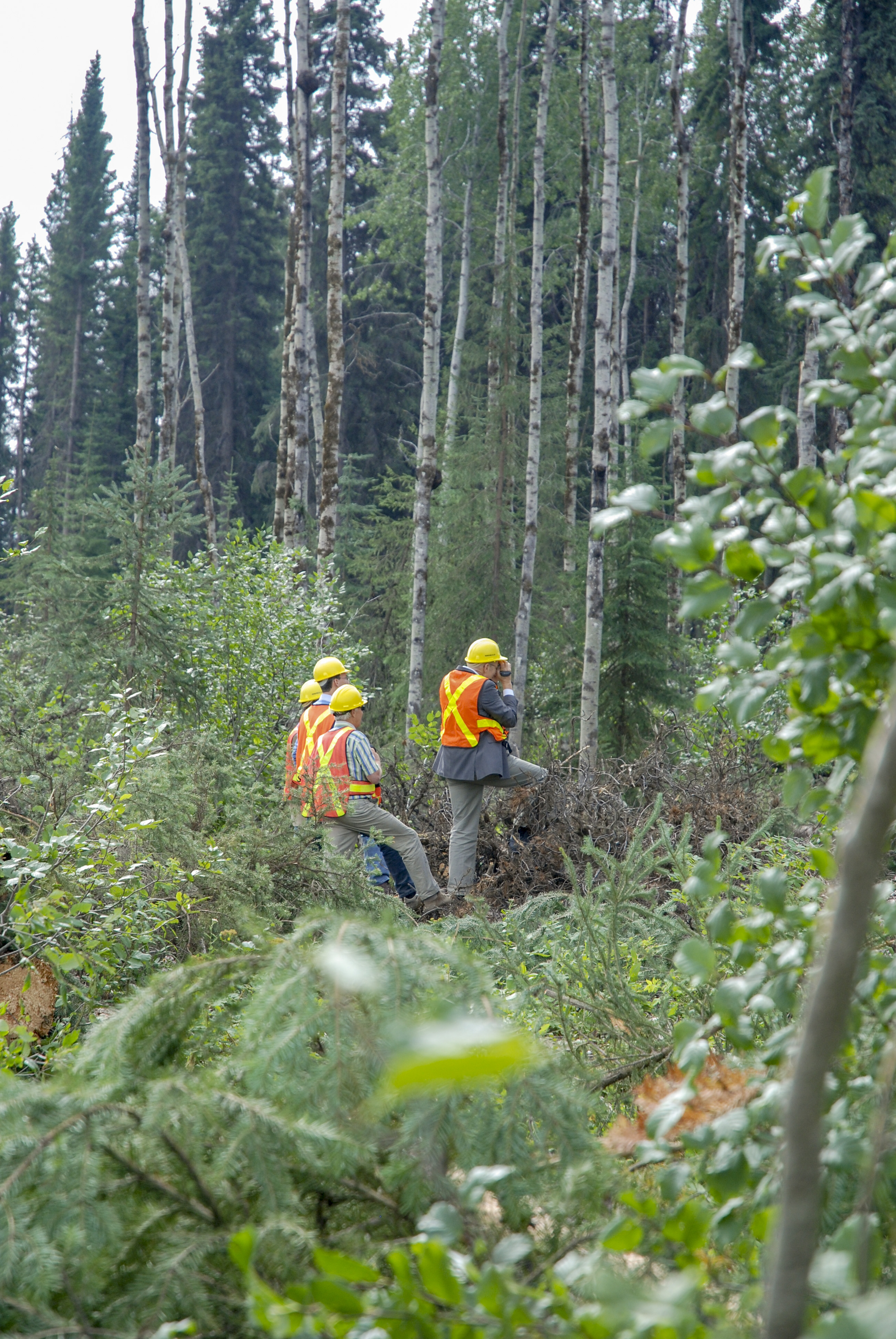 MACKENZIE — The District of Mackenzie has seen challenges in recent years with a downturn in British Columbia’s forestry industry, but Mayor Joan Atkinson said that diversifying into other industries has made a big impact on her community. … “We suffered a huge loss in taxation from 2024 to 2025 as a result of the closure of two large industrial facilities, but this community has always been resilient,” said Atkinson. …Canfor said it was indefinitely curtailing activity at its Mackenzie sawmill in July 2019. … Paper Excellence permanently shuttered its Mackenzie pulp mill in April 2021. Atkinson noted two factors that have helped the local forestry industry. The first was Forests Minister Ravi Parmar announcing a change in an appraisal system that makes it more economically viable for companies to operate in Northern BC. The second is ownership of nearby timber supply areas by First Nations.


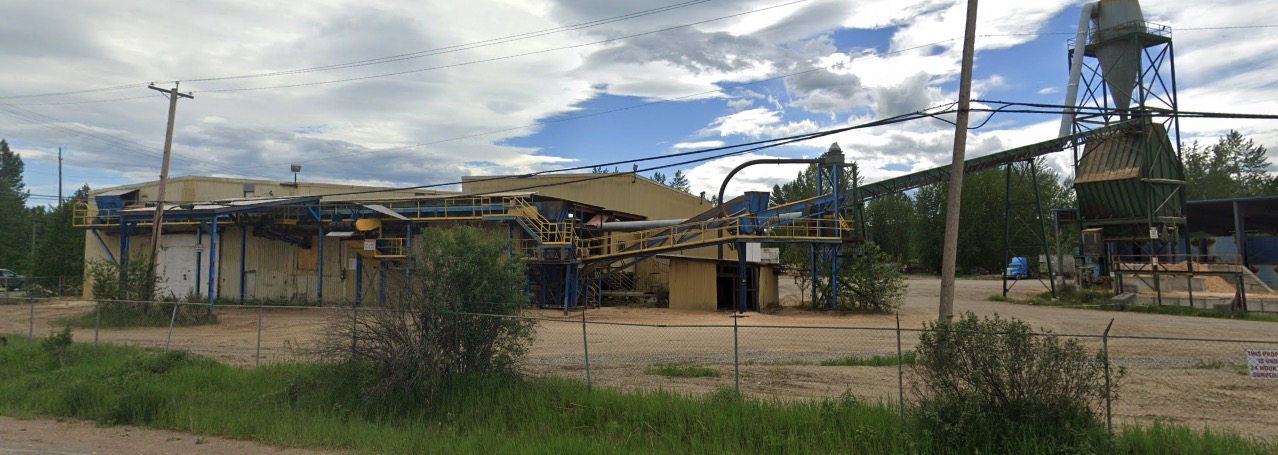 The East Fraser Fibre mill in Quesnel was on fire Saturday, June 21, closing a stretch of Highway 97 at the intersection with Quesnel-Hixon Road. Firefighters from multiple departments including Quesnel Volunteer Fire Department (QVFD), Ten Mile Volunteer Fire Department and Barlow Creek Volunteer Fire Department responded to the blaze. “On arrival we had heavy smoke and flames exiting the roof of the building,” said QVFD chief Ron Richert. “Crews were on scene for almost 12 hours, until seven o’clock in the morning.” Crews were also called back to the East Fraser Fibre building to manage hot spots, where small fires in some areas of the building or grass outside flared up. Richert said the building is now clear of fibre but it is still under investigation.
 Two industrial properties in the Alberni Valley that were shuttered when San Group declared bankruptcy last year have been sold. The Coulson Mill, located a few kilometres up the Alberni Inlet, has been purchased for an undisclosed amount by Fraserview, a Surrey company that has been producing manufactured wood products since 1994. The remanufacturing plant on Stamp Avenue has been sold to a numbered company, 037BC, which will in turn lease the premises to IGV Housing Ltd. This company, from Ucluelet, specializes in manufacturing scalable and sustainable housing using a hybrid construction system, according to court documents. The company intends to “revitalize the…plant as a central hub for prefabrication and production of affordable housing.” Again, the purchase price was not disclosed. The closing date for the reman plant purchase will be before June 30, 2025.
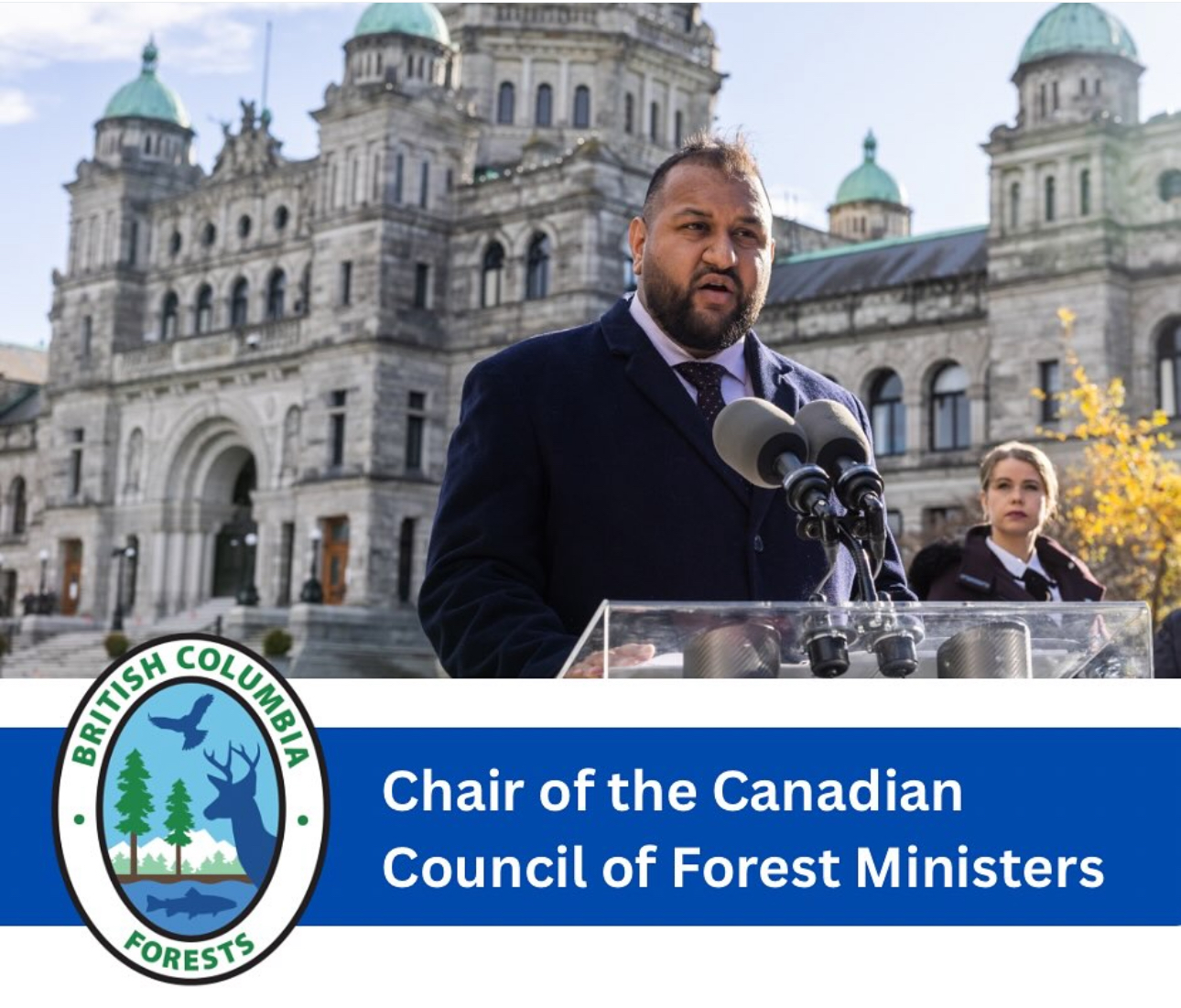
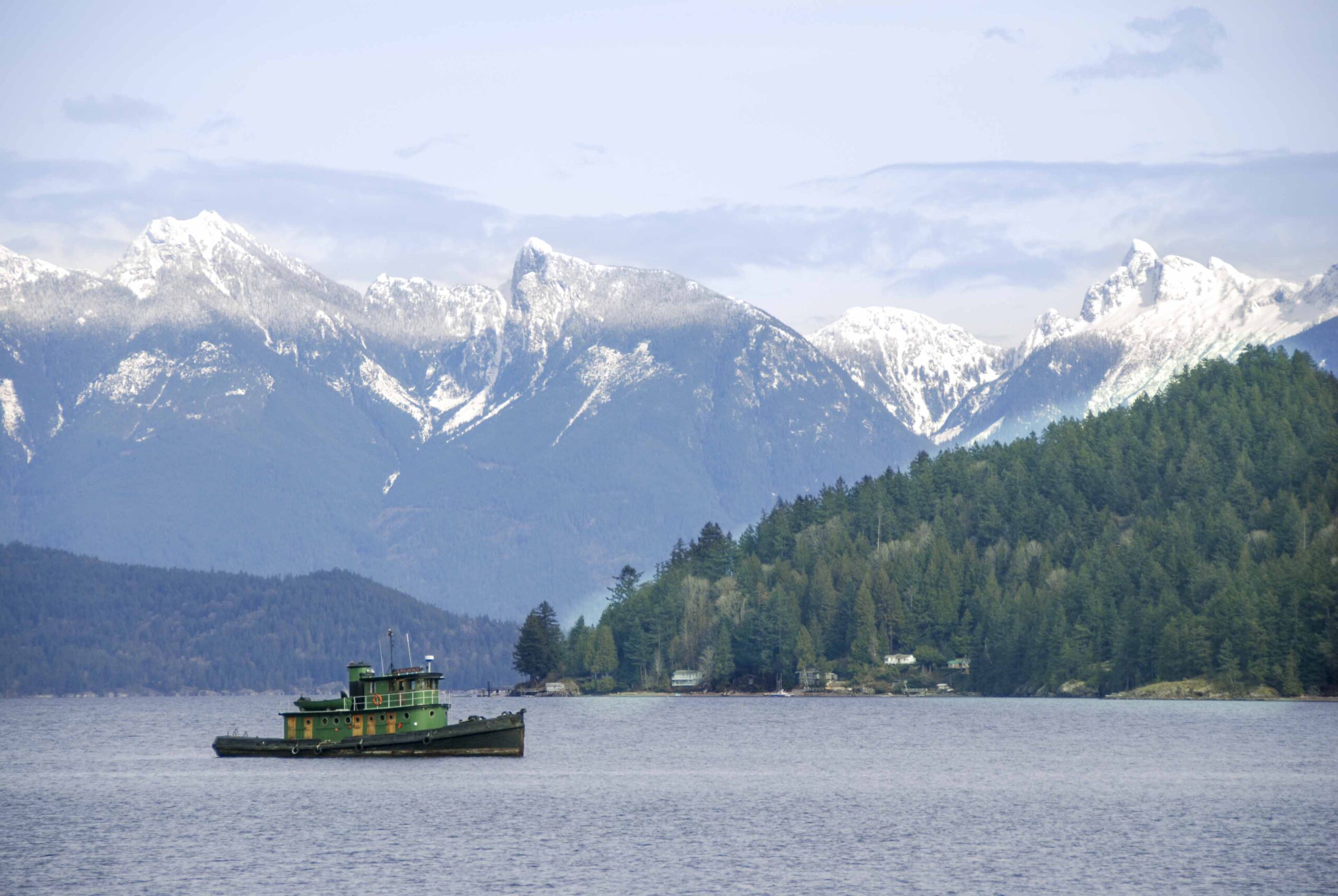 A contractor hired to oversee logging on a Sechelt property and that site’s numbered company owner were sentenced for violations of the Heritage Conservation Act June 16, in the first ever B.C. Provincial Court sitting held at the shíshálh Nation longhouse. Grant Starrs, 55, of Sechelt and 0990199 B.C. Ltd. both pleaded guilty to the 2020 disruption of an identified heritage site. That area was occupied by the graves of 49 shíshálh people, according to federal Crown counsel Molly Greene. Provincial Court Judge Robert Hamilton accepted the joint submission of the Crown and defence attorneys, and fined the company $200,000, payable within five business days. Starrs was fined $30,000 and given 90 days to pay. Each is also to pay a victim surcharge of 15 per cent of their fine amounts. …In issuing his decision, Hamilton stated the fine to the company was four times higher than previous ones issued for such violations of the Heritage Conservation Act.
 Cranbrook, BC – United Steelworkers (USW) Local 1-405 members at Galloway Sawmill have had enough and are going public with their frustration with Peak Renewables and Galloway Sawmill owner Brian Fehr and the violation of their collective agreement rights and severance owed to the 20 workers of the Galloway Sawmill. “Workers left at the Galloway Sawmill are entitled and deserve their severance from Peak Renewables and owner Brian Fehr at Galloway Sawmill. The company is reneging on a negotiated closure agreement and the workers are the only ones that get hurt,” said USW Local 1-405 President Grant Farquhar. “That site was closed officially by the employer in December of 2024. Five months later and two months after the commitment was made by the employer to pay the severance was made, the members still haven’t received it.” Brian Fehr, owner of Peak Renewables, bought the Galloway Sawmill from Bud Nelson in 2017. The mill hadn’t run since December of 2022.
  SURREY, BC — Mackenzie Sawmill is back in the courts, a little more than a decade after the sum of three fires ruined a large mill built in 1938. The first of three fires was on Nov. 12, 2010, followed by a second on Jan. 25, 2011 and the third on Oct. 31, 2014 essentially destroyed what was left of it. …Judge Rory Krentz, presided over a hearing in B.C. Supreme Court in Vancouver, where the defendants applied for a dismissal for want of prosecution. Mackenzie ceased operations in early 2011 after the second fire, with two groups of employees entitled to severance pay. The court heard Mackenzie told the union the company intended to build another mill on site, enabling the union employees to keep their jobs. …This was before the third fire, after which Mackenzie indicated it still planned to rebuild the mill. But the union alleges MacKenzie decided before the last fire happened that it wouldn’t rebuild.
 TORONTO – The Ontario government released
 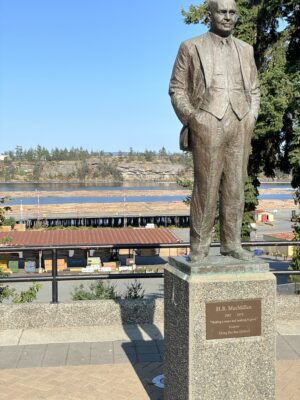 Western Forest Products says it will curtail all operations at its Chemainus sawmill next week, sidelining 150 employees for an indefinite period. The company said the curtailment, set to start June 18, is due to market challenges that include weaker lumber demand and higher US softwood lumber duties, as well as a lack of available viable log supplies. The company also blamed market conditions and a lack of log supplies for a similar shutdown in the spring of last year. Western Forest Products’ other mills at Duke Point, Ladysmith, Saltair and Cowichan Bay, and a value-added remanufacturing plant in Chemainus, will continue to operate, said Babita Khunkhun, senior director of communications for Western Forest Products. She said there is no end date for the curtailment at the Chemainus mill at this point, as the company monitors conditions. The mayor of North Cowichan said he was initially told 55 workers were facing layoffs.
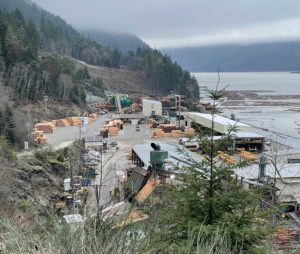 The major assets of the beleaguered San Group are under contract to be sold, awaiting only court approval. The monitor overseeing the credit-protection process has applied to the courts for approval of the sale. A court date is set for this week. …The largest creditors support the sales, despite the fact “they will suffer a significant shortfall on their debt.” The main properties in question are the Coulson manufacturing sawmills and San Group’s value-added facility in Port Alberni. There is also a mill in Langley and an adjacent agricultural parcel. The Surrey-based Fraserview Cedar has agreed to buy the Coulson facility in Port Alberni. The group has said it expects to have the mill up and running this year if the deal closes. A numbered BC company has entered into an agreement to buy the value-added facility. The buyers will lease the site to Ucluelet-based IGV Housing, which specializes in manufacturing scalable housing that combines pre-fab and on-site processes.
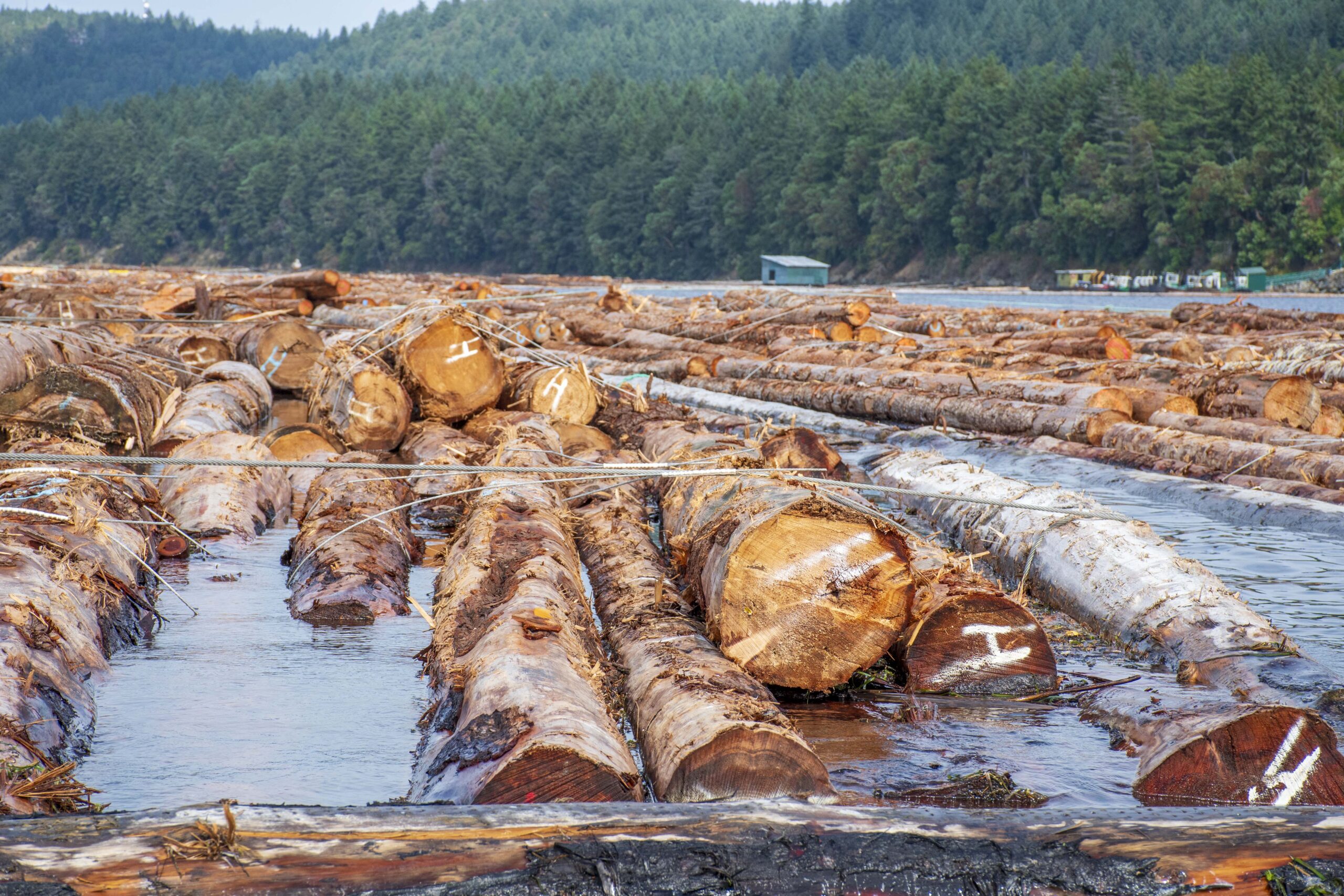 About 100 unionized forestry workers are on the picket line at operations on the mid and north Island, claiming their employer wants to contract out their work. United Steelworkers Local 1-1937 went on strike June 6, citing “significant concessions” demanded by La-kwa sa muqw Forestry Limited Partnership (LKSM Forestry). LKSM Forestry is the former Western Forest Products Mid-Island Forest operation now jointly owned by four First Nations of the Nanwakolas Council — the Tlowitsis, We Wai Kai, Wei Wai Kum and K’ómoks First Nations — as well as Western Forest Products, which still owns the majority of the company. The Steelworkers union said one of the main concessions LKSM is demanding is the use of non-union contractors to do work currently done by union members on sites. That includes jobs performed by union members working for contractors on sites. …The union said it remains open to talks with the company that focus on resolving the outstanding issues.




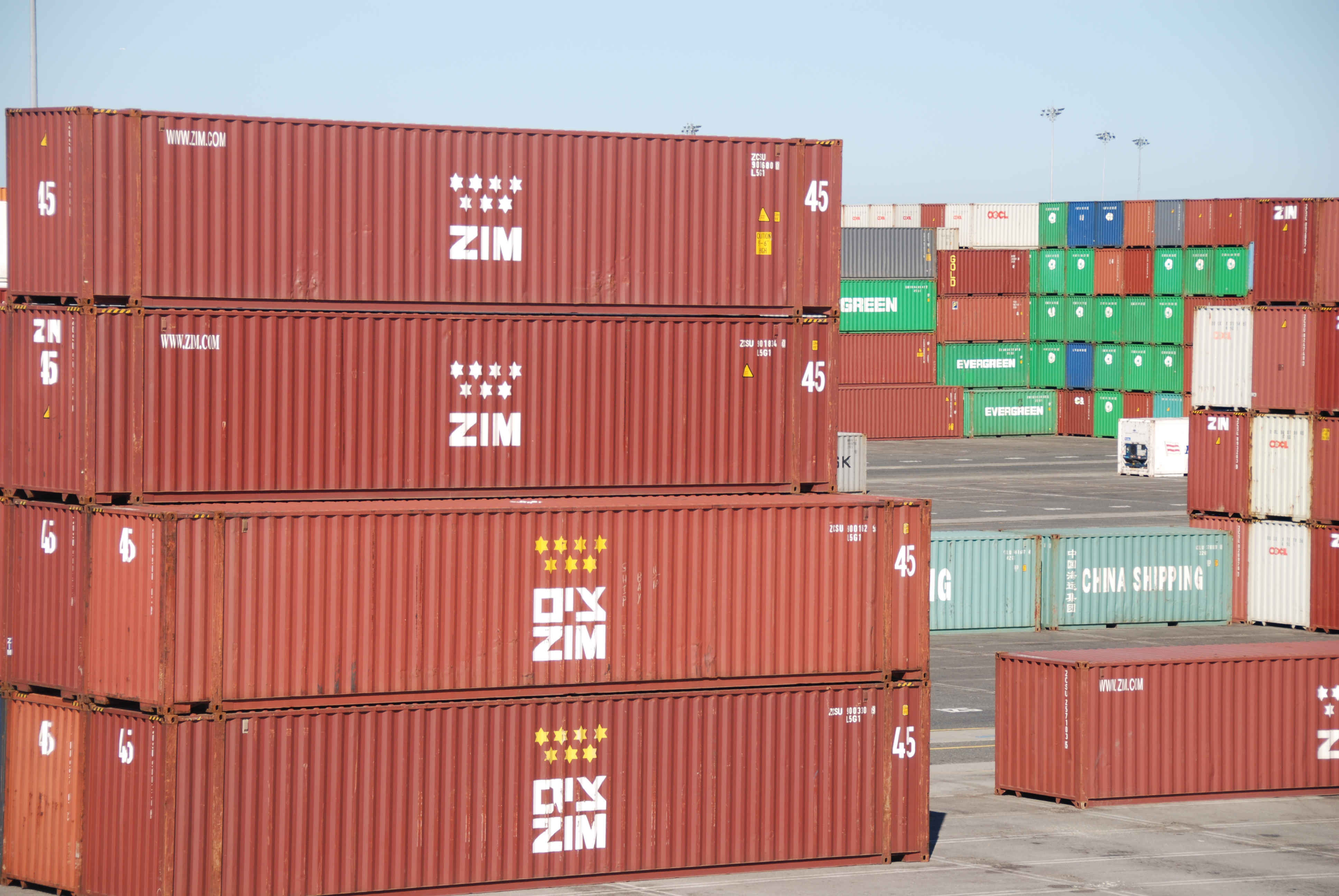 President Donald Trump’s trade war risks reigniting next week when a
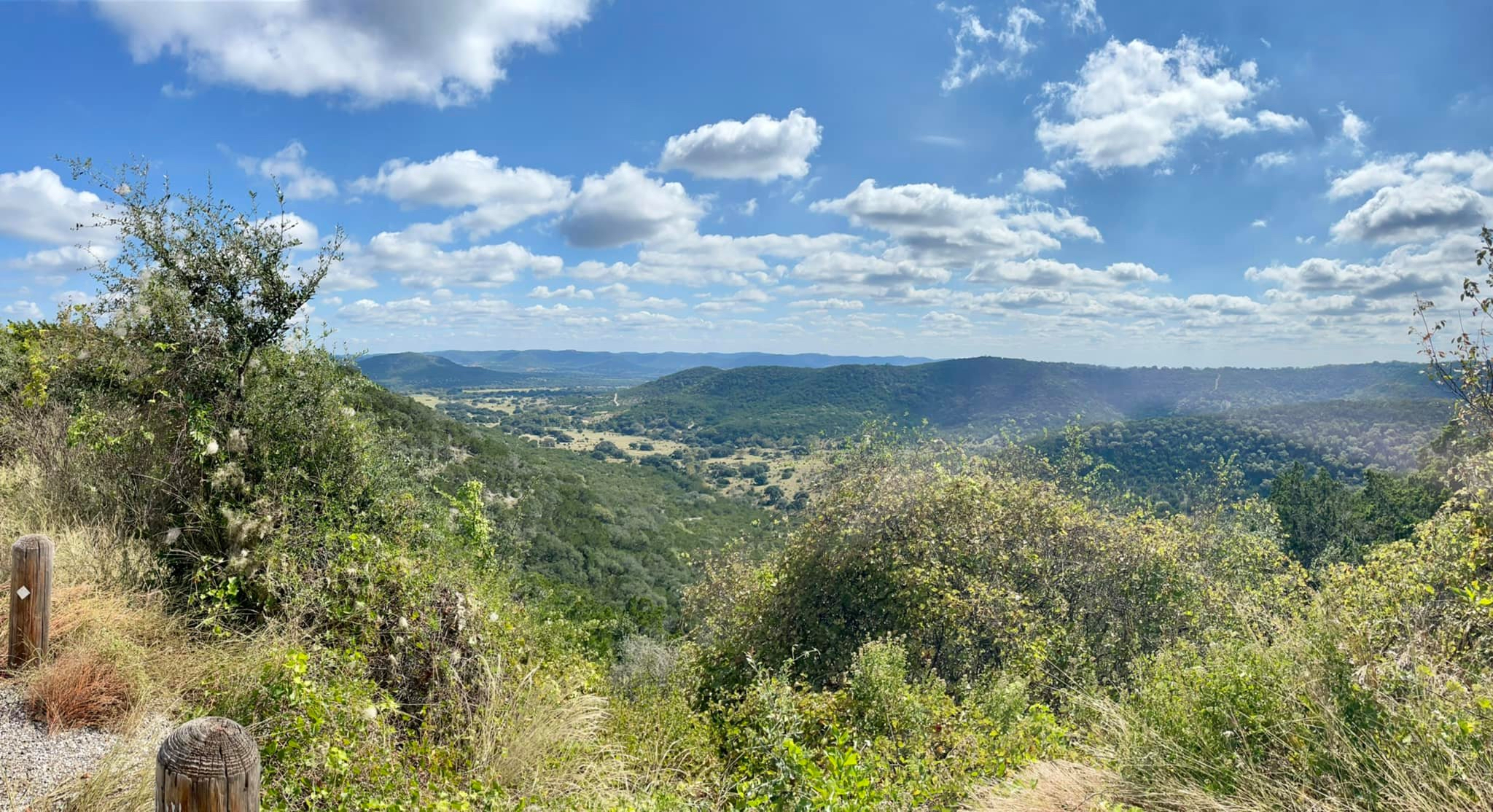
 WASHINGTON — Sen. Mike Lee, R-Utah, said late Saturday that he had dropped his contentious plan to sell millions of acres of public lands from the sweeping domestic policy package that the Senate will soon begin debating. Lee made the announcement on social media after it became clear that the plan faced insurmountable opposition from within his own party. At least four Republican senators from Western states had said they planned to vote for an amendment to strike the proposal from the bill. The plan had also triggered intense pushback from conservative hunters and outdoorsmen across the American West, who had warned that it threatened the lands where they hunted and fished. …Lee said that, because of the strict rules governing the budgetary process … he was “unable to secure clear, enforceable safeguards to guarantee that these lands would be sold only to American families — not to any foreign interests.”


 The Trump administration will rescind protections that prevent logging on nearly a third of national forest lands, including the largest old growth forest in the country, the agriculture secretary, Brooke Rollins, announced on Monday. …Republican lawmakers from western states celebrated the announcement while environmental groups expressed dismay. On social media, the Republican representative for Alaska, Nick Begich, said: “…the ‘Roadless Rule’ has long stifled responsible forest management, blocked access to critical resources, and halted economic opportunity.” Meanwhile, the Sierra Club’s Alex Craven, said: “Once again, the Trump administration is ignoring the voices of millions of Americans to pursue a corporate giveaway for his billionaire buddies. Stripping our national forests of roadless rule protections will put close to 60m acres of wildlands across the country on the chopping block.”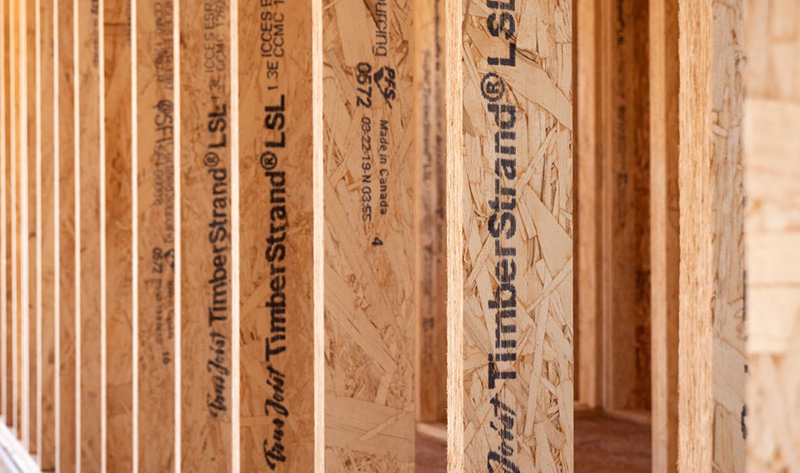

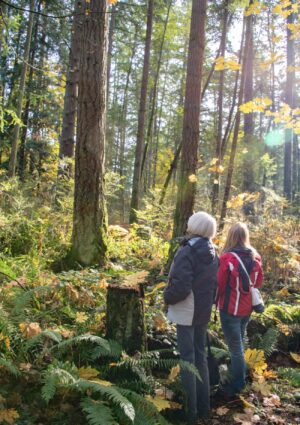 A program that protects privately owned forests for timber and other uses has survived in a megabill being put together in the Senate, after falling victim to House budget cutters in May. The Senate Agriculture, Nutrition and Forestry Committee saved the Forest Legacy Program in its piece of the big tax-cut and spending bill, refusing to cut off $100 million in Inflation Reduction Act funding. “This is a victory not only for forests, but for the families, economies, and ecosystems that depend on them,” said Lesley Kane Szynal, chair of the Land and Water Conservation Fund Coalition, an advocacy group, in a news release Thursday. The Forest Legacy Program pays for conservation easements and land purchases that prevent privately owned forests from being converted to other uses. In many cases, they’ve been used to keep timber operations in business while protecting forest watersheds and allowing for recreational access. [to access the full story an E&E News subscription is required]
 A federal appeals court on Tuesday agreed to let many of President Trump’s sweeping tariffs on US trade partners remain in effect for now, extending a pause issued late last month after a separate court ruled the tariffs were illegal. The Federal Circuit Court of Appeals granted the Trump administration’s request for a longer pause after issuing a temporary stay of the lower court ruling last month. The court put the case on a fast track to be resolved by the end of this summer, noting that “these cases present issues of exceptional importance warranting expedited en banc consideration of the merits in the first instance.” The decision comes after the US Court of International Trade ruled on May 28 that Congress did not delegate “unbounded” tariff authority to the president in the International Emergency Economic Powers Act of 1977. Trump appealed the ruling and, hours later, the appeals court granted the temporary stay.
 VANCOUVER, British Columbia – Western Forest Products announced today that the sawmill at its Columbia Vista Division, located in Vancouver, Washington, sustained extensive damage in a fire, rendering the mill inoperable. “On behalf of Western, I want to extend my sincere gratitude to the firefighters and first responders who attended the fire at our site,” said Steven Hofer, Western’s President and CEO. “While we are shocked by the damage to the mill, we feel incredibly fortunate that no employees or emergency personnel were injured. We are focused on supporting our team members and completing an incident investigation and assessment.” The Columbia Vista Division produced approximately 53 million board feet of lumber in 2024, with production focused on Douglas Fir specialty products for Japan and U.S. markets.


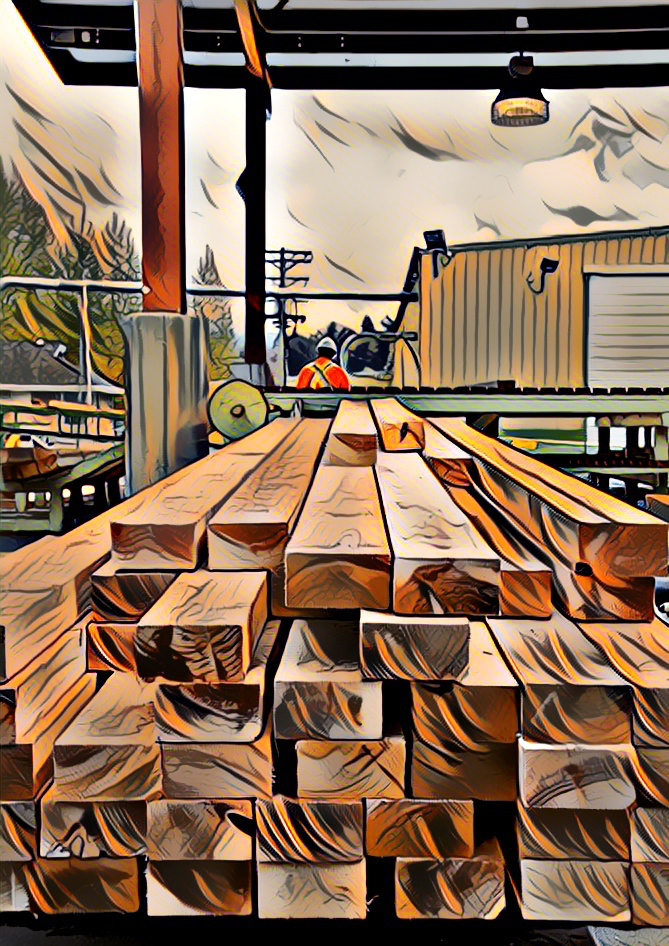 …In August 2024, a lumber mill owned by K & D Products and nestled in Panguitch, Garfield County’s largest city, went up in flames. Reports stated that, while the blaze didn’t get to the timber, the site’s machinery was severely damaged. The destruction landed a heavy blow to the community and the Frandsen family, who have owned and operated the mill for generations. …Between the area’s lumber heritage and the need to balance out tourism’s seasonal employment waves, Fiala gained enthusiastic support from state and local governments to build another sawmill. With his business partner, Barco — a logging company — Fiala acquired 25 acres north of Panguitch and began clearing space and bringing in power, water and gas. When the K & D Products sawmill burned during Fiala’s development, he spoke to the Frandsens and together they worked out a way for Fiala to take over what was left of the old mill and utilize it for his new business.
 The U.S. Senate unanimously passed a bill to reauthorize a program that has provided billions to schools, roads and other services in rural Oregon and Idaho. The U.S. Forest Service’s “Secure Rural Schools and Self-Determination Program,” was initially crafted in 2000 to help offset the loss of timber revenue in rural counties. The program expired at the end of 2023, but the recently passed “Secure Rural Schools Reauthorization Act of 2025” would reauthorize the funding for more than 4,000 school districts and 700 counties across the country through the 2026 fiscal year. The bill’s lead sponsors include U.S. Sens. Ron Wyden and Jeff Merkley, both Oregon Democrats, and U.S. Sens. Jim Risch and Mike Crapo, both Idaho Republicans. …This year, bill sponsors are urging the U.S. House to reauthorize the program. Without its passage in the House, rural counties in Oregon, Idaho and across the country will fall short of funds that support local services.


 EUGENE, Oregon — Sierra Pacific Industries plans to spend $253 million on upgrades to its Eugene, Oregon, sawmill site, according to published reports. The
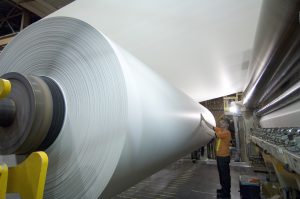 USK, Washington — The owners of the defunct Ponderay Newsprint Mill plan to sell its equipment at auction next month after years of empty promises to reopen what had been one of the largest employers in northeast Washington. The sprawling 927-acre property in Usk has 29 buildings and storage facilities. It is situated adjacent to the Pend Oreille River and the Pend Oreille Valley Railroad. Instead of making paper or reconfiguring the mill to make cardboard, as the new owners promised multiple times in public hearings, the site has produced nothing for the past several years. Instead the owners used vast amounts of electricity to run computers mining for cryptocurrency. The paper mill previously was owned by Lake Superior Forest Products, a subsidiary of Quebec-based Resolute Forest Products, and five major U.S. publishers. They declared bankruptcy in 2020, ending the jobs of about 140 workers. Now that equipment is being listed by Capital Recovery Group to be viewed on July 21 with online auctions to commence on July 22 and July 23.

 KINGSPORT, Tennessee — Domtar’s Kingsport mill received a long-awaited permit last week leading to the start of the anaerobic digester project. The Tennessee Department of Environment and Conservation issued the 142-page permit Wednesday. …“Receiving this permit is an important milestone in our efforts to advance the anaerobic digester project at the Kingsport Mill,” Charlie Floyd, VP of strategic capital projects, said. “This investment underscores Domtar’s commitment to sustainable innovation and environmental stewardship, while supporting good jobs and economic vitality here in Kingsport.” …Start-up of the new wastewater treatment system is expected by the third or fourth quarter of 2026, according to Domtar’s latest timeline. Around 150 contractors are expected to be on site to build the digester and associated equipment, Floyd said. Domtar estimates a $12.8 million economic impact from the project — including labor, hotel and dining within the community.
 VANCOUVER, BC – Canfor announced today its decision to permanently close the Estill and Darlington sawmills in South Carolina, effective August 2025. These closures follow an extended period of persistently weak market conditions and sustained financial losses, which have made continued operations at these facilities no longer viable. “We understand the significant impact this difficult decision will have on our employees,” said Lee Goodloe, President, Canfor Southern Pine. “This outcome is in no way a reflection of the dedication and hard work of our teams. We are committed to supporting our employees through this transition, including providing severance payments and exploring opportunities for redeployment within our other operations where possible.” Approximately 290 employees will be affected by the closures, which will also reduce Canfor’s U.S. lumber production capacity by 350 million board feet annually.
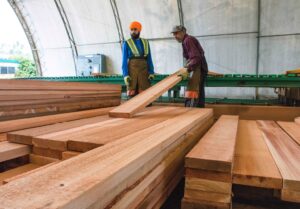 When you think about Indiana’s ag industry, you might not think about hardwoods and lumber, which play a huge role in the state’s economy. Indiana’s hardwood industry has an annual economic impact of over $10 billion to the state’s economy. In fact, Indiana is the number one producer of wooden hardwood and office furniture in the US. Indiana’s hardwood sector also ranks: 2nd in wood kitchen cabinets and countertops, manufactured homes, 3rd in engineered wood products, 4th in pre-fabricated wood buildings, and 5th in upholstered household furniture. Much of the lumber that is harvested and used here in Indiana comes from private woodland owners. “There’s over 4.5 million acres of forest land in Indiana, and of that 85 percent of that is privately owned, so there are a lot of farmers and families who own forest land,” says Tyler Smith, Sales Manager of Cole Hardwood in Logansport.
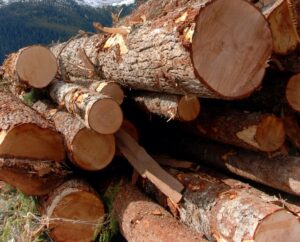 ONTARIO — A northern Ontario forestry company says a train crossing Highway 560 collided Wednesday morning with logs that were spilled by an overturned contractor’s trailer. It happened at the railroad crossing near Interfor’s Gogama Division and resulted in the road being closed between highways 144 and 560A. “There are no injuries or derailment,” Ontario Provincial Police said in a social media post at 8:40 a.m. “A train stop order is in place.” Interfor also confirmed this. …“At Interfor, the safety of our people and the communities where we operate is our highest priority. We are focused on supporting those affected and are actively monitoring the situation.” There is no estimated time of reopening, said OPP Const. Michelle Simard. “The officers are still investigating,” Simard said.
 GEORGETOWN COUNTY, S.C. —
 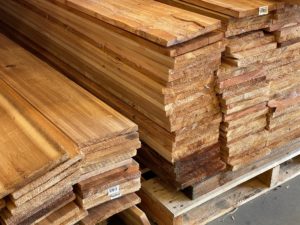 SOUTH PITTSBURG, Tennessee – Recent missile attacks put global trade on alert as the Baltic and International Maritime Council warned the Strait of Hormuz and the Persian Gulf could face disruption. …Mike Cardin, Cardin Forest Products Chief Manager, said the conflict could hurt the American lumber industry as well. Cardin’s hardwood sawmill reported fewer orders coming out of the Middle East. Uncertainties about President Trump’s future tariff policies forced Cardin to change how his sawmill operates. Before Trump took office, Cardin said his sawmill shipped wood products across the globe. He said foreign buyers proactively stopped buying American wood because they expect Trump to slap new tariffs on timber imports by the end of the year. Most of Cardin’s sales now come from Mexico and within the U.S. …”Right now, no one knows what’s going to happen,” Jarrod Cardin, Cardin’s Controlling Member, said.


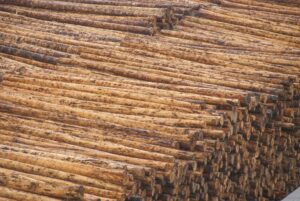 NEW ZEALAND — Forestry Minister Todd McClay has unveiled two-way forestry trade missions with India this year. The inbound visit – supported by industry partners – is expected to showcase New Zealand’s forestry systems and sustainable management practices. “The outbound mission will continue to open doors for deeper commercial and government partnerships,” McClay said. …McClay was speaking at the Fieldays Forestry Hub on Friday. Trade between New Zealand and India was valued at $3.14 billion in 2024. New Zealand’s exports to India last year included forestry products valued at $126 million. New Zealand’s wood exports to India have surged from $9.5 million in 2023 to an estimated $76.5 million this year. Pulp exports have more than doubled, from $20 million to $45.6 million. “India is one of the fastest-growing markets for our forestry exports – and we’re focused on turning that growth into long-term opportunity for New Zealand exporters,” McClay said.