CHICAGO — Hub International Limited (HUB), a leading global insurance brokerage and financial services firm, announced the launch of HUB Forestry Select Insurance, a comprehensive solution designed to protect and reduce liability risks for Canada’s forestry industry. This specialized solution offers streamlined underwriting, competitive pricing and reliable claims support for forestry contractors, sawmills, manufacturers and businesses managing access roads or powerline clearing. Business owners in the forestry and wood products industry face daily risks such as fire, equipment breakdown, liability and cargo loss. HUB Forestry Select Insurance offers tailored insurance protection and program stability, and industry experts who provide proactive risk management and customized coverage for businesses of all sizes. “Our goal is to support the forestry industry with an insurance solution that not only delivers meaningful value but also fosters long-term business resilience,” said Marc Chouinard, HUB National Practice Lead, Agribusiness Canada.


 VANCOUVER, BC —
  “Today, Canada’s First Ministers met in Saskatoon, Saskatchewan, to build a stronger, more competitive, and more resilient Canadian economy… “This is a first step in implementing a broader set of reforms to overhaul the project assessment process. A significantly improved, streamlined project assessment process is necessary for Canada to grow its economy to become the strongest in the G7 and a global energy superpower. “First Ministers are committed to immediately begin to address project approval and permitting efficiency and timelines for all projects. Premiers welcomed the Prime Minister’s commitment to ensuring all federal assessment decisions are rendered within two years, beginning with projects of national interest. First Ministers also agreed to work toward efficiently and effectively implementing ‘one project, one review’ with the goal of a single assessment for all projects, in a manner that respects federal, provincial, and territorial jurisdiction, enhancing co-ordination activities on permitting and eliminating duplication.
 A federal appeals court temporarily reinstated the most sweeping of President Trump’s tariffs, a day after a US trade court ruled that Trump had exceeded his authority in imposing the duties and ordered an immediate block on them. The United States Court of Appeals for the Federal Circuit in Washington said it was pausing the lower court’s ruling to consider the government’s appeal. Wednesday’s surprise ruling by the US Court of International Trade had threatened Trump’s Liberation Day tariffs and additional tariffs on goods from Canada, Mexico and China. The trade court ruled that the Constitution gave Congress, not the president, the power to levy taxes and tariffs, and that the president had exceeded his authority by invoking the International Emergency Economic Powers Act. …Trump administration officials had said they were undeterred by the trade court’s ruling, saying they expected either to prevail on appeal or employ other presidential powers to ensure the tariffs go into effect.
 Canada continues to stare down the barrel of the American trade war. The United States-Mexico-Canada Agreement faces its first big review in 2026. This country remains in a uniquely high-stakes moment. …This will, and will always be, an uneven fight. Canada is 40 million people and only the world’s ninth largest economy. A middle power is going up against the world’s richest and most powerful country. How exactly is it even possible for Canada to win in this asymmetric trade war? Crucially, this conflict isn’t just about steel, soybeans or softwood lumber – it’s about narrative and power. …US President Trump frames trade deficits as proof that the US is “losing”:
 A U.S. court delivered a sharp rebuke of President Donald Trump’s trade policy on Wednesday, declaring he abused his authority and striking down many of his tariffs — at least for now. The upshot for trading partners, including Canada: Certain specific tariffs on steel and aluminum remain in place, but gone, for now, are sweeping levies on entire countries. The order by the Manhattan-based U.S. Court of International Trade quashes Trump’s 10 per cent across-the-board tariff on most nations and his declaration of a fentanyl emergency to impose 25 per cent tariffs on numerous Canadian and Mexican goods. The White House vowed to fight back with every available tool. This means an


 Tariff uncertainty from the Trump administration continues to impact home builders across the country, as builders prepare for potential price hikes and supply chain issues. …Lumber remains a primary concern, with countervailing and antidumping duties expected to more than double this fall. Steve Martinez, president of Tradewinds General Contracting in Boise, Idaho, recently spoke with CNBC to emphasize just how much lumber goes into the construction of a new home. “This entire house is built out of wood,” Martinez said. “I mean, we really do have wood on the floor, wood on the walls, wood on the ceiling. Can’t really get away from building a house like this without using a large number of wood products in the home.” As a result, price increases to lumber can cause a huge disruption for home builders. And lack of certainty adds complexity to the home-building process.




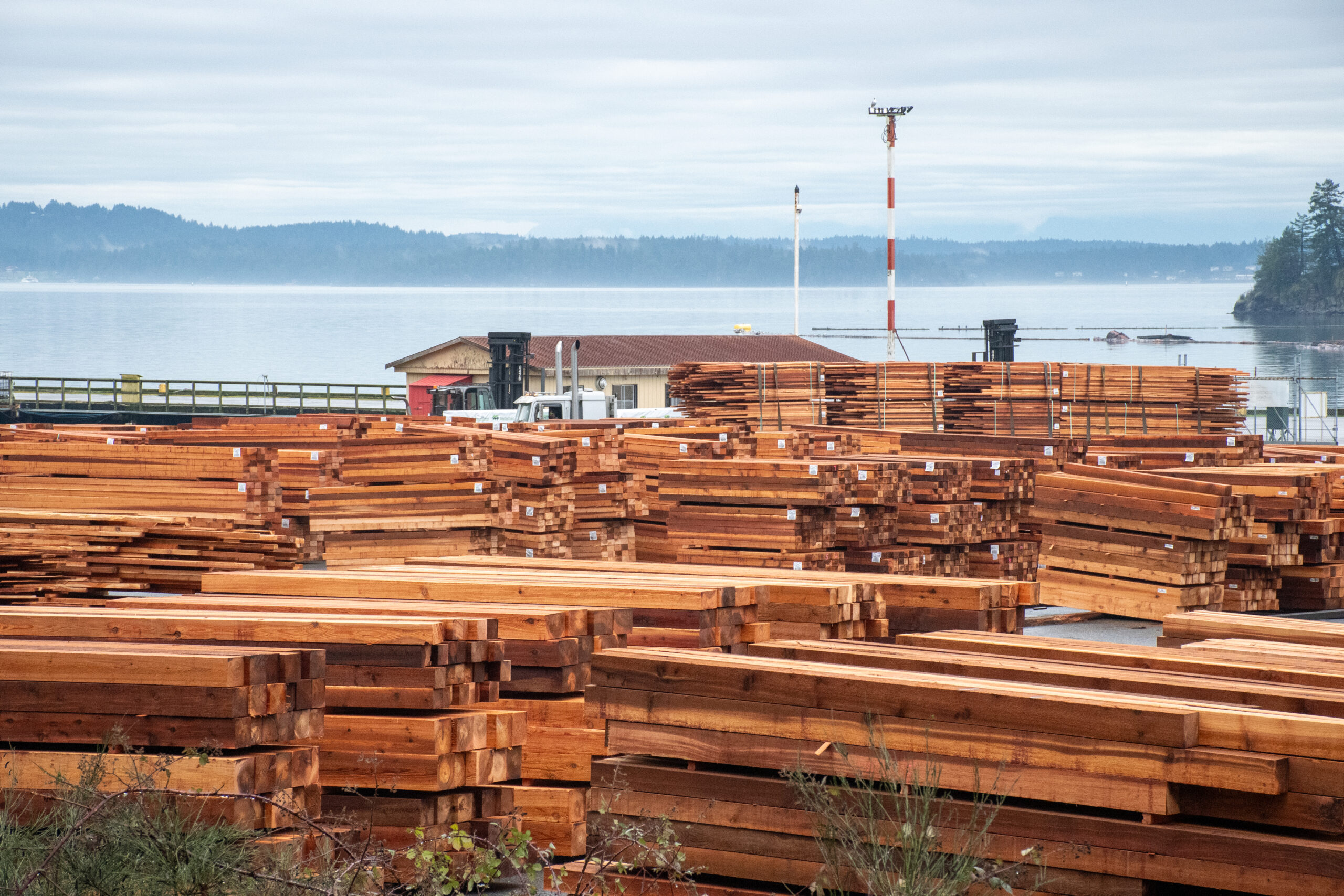 CHEMAINUS, BC — Fifty-five workers are scheduled to be laid off after a shortage of viable logs has forced production at the Chemainus Sawmill starting this month. According to North Cowichan mayor Rob Douglas, Western Forest Products has informed the municipality they intend to start curtailment of the jobs on Jun. 18. “The company has indicated the reason for the shutdown is due to their inability to find a viable supply of fiber,” Douglas says. “We don’t have a date as to when Western Forest Products is going to resume operations at the Chemainus Mill, but we hope it’s very short term.” …“I have reached out to the forest minister (Ravi Parmar),” he says. …Delays in permits and cutting fiber is a long-standing issue in BC, which has led to shutdowns and impacting production, but Douglas says he has been reassured by Parmar that the province is addressing the issue.
 As Prime Minister Mark Carney’s Liberal government plans billions in financing for builders of prefabricated homes, one expert says it’s a “significant amount of money” and “a very healthy kick-start” for the industry. The federal government’s Build Canada Homes (BCH) plan promises, among other things, more than $25 billion in financing to “innovative prefabricated home builders in Canada,” according to the Liberals’ website. Ramping up prefabrication could result in cheaper, faster and better-quality homes, said Tony Yang, professor of structural and earthquake engineering at University of British Columbia. “We are building too slowly right now,” he said. “We are lacking skilled workers on site.” The goal of prefab is to shift manufacturing from construction sites, which he called relatively inefficient, onto production lines that operate more quickly through repetition.
 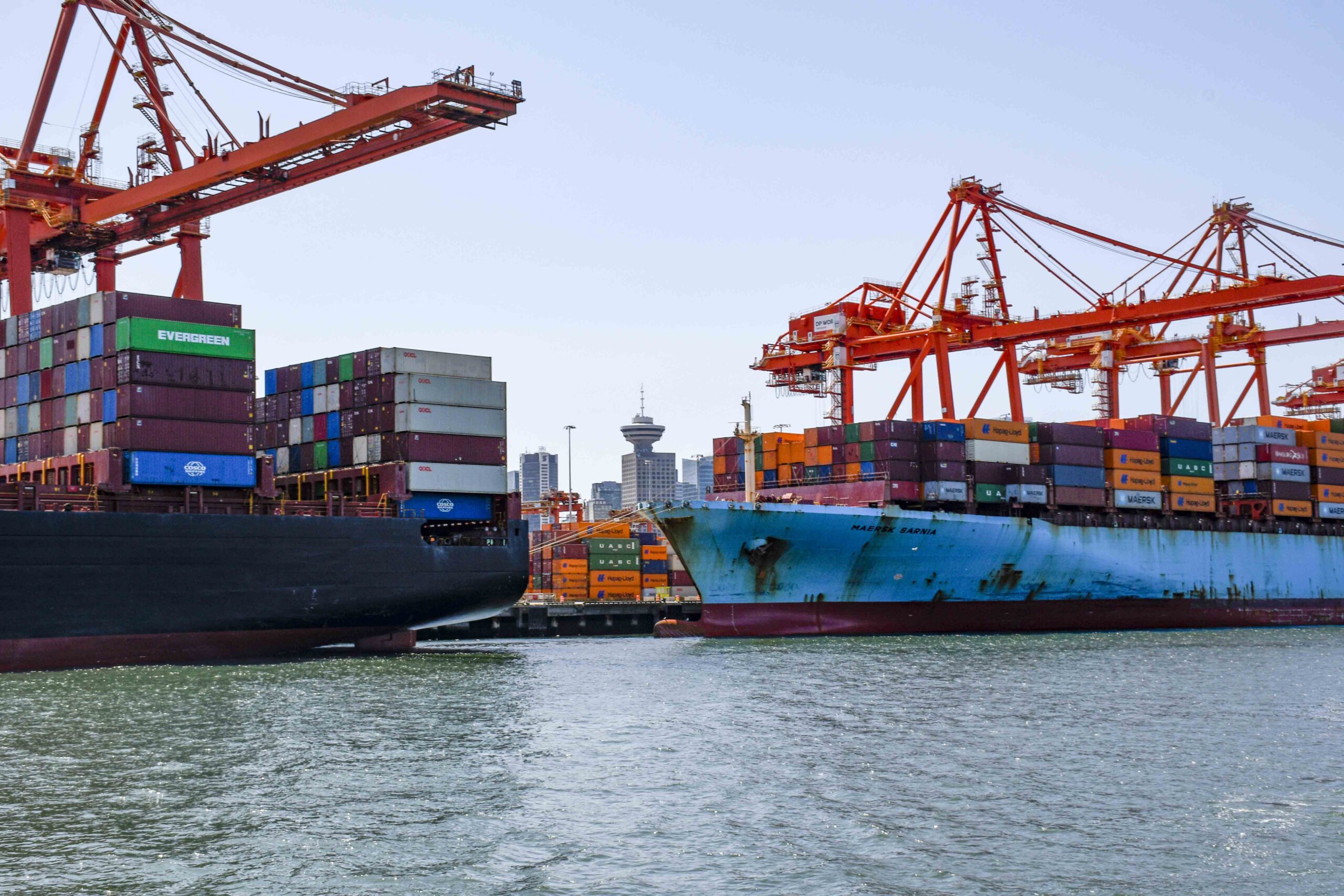 Maritime employers in British Columbia and the union representing port foremen say they have ratified a new four-year collective agreement, after a dispute that saw workers locked out of container terminals last year. The British Columbia Maritime Employers Association and the International Longshore and Warehouse Union Ship and Dock Foremen Local 514 said in a joint statement that the new collective agreement extends from April 1, 2023, to March 31, 2027. …It is the second major labour deal for Canada’s West Coast ports that will be in place until March 2027, after an earlier agreement with thousands of port workers that was signed in August 2023 following a strike. The details of the new deal with supervisors have not been released, and neither the employers association nor the union representing roughly 700 supervisors immediately responded to requests for comment. They had been without a deal since the last accord expired in March 2023.
 In partnership with the Province, the Tahltan, Taku River Tlingit, Kaska Dena, Gitanyow and Nisga’a Nations are kicking off land-use planning in the northwestern corner of B.C., engaging with industry, community and other partners to implement world-leading land-use plans that will provide greater certainty for investors, First Nations and communities alike. Last week, Premier David Eby outlined government’s vision for building prosperity centred on the pillars of economic growth, reconciliation and conservation in northwestern B.C. The vision includes partnering with First Nations to achieve large-scale conservation and strengthen reconciliation envisioned by the Declaration on the Rights of Indigenous Peoples Act (DRIPA). …To that end, over the next year, the Province, Tahltan, Taku River Tlingit, Kaska Dena, Gitanyow and Nisga’a Nations will undertake expedited, inclusive land-use planning and essential stakeholder and public engagement.
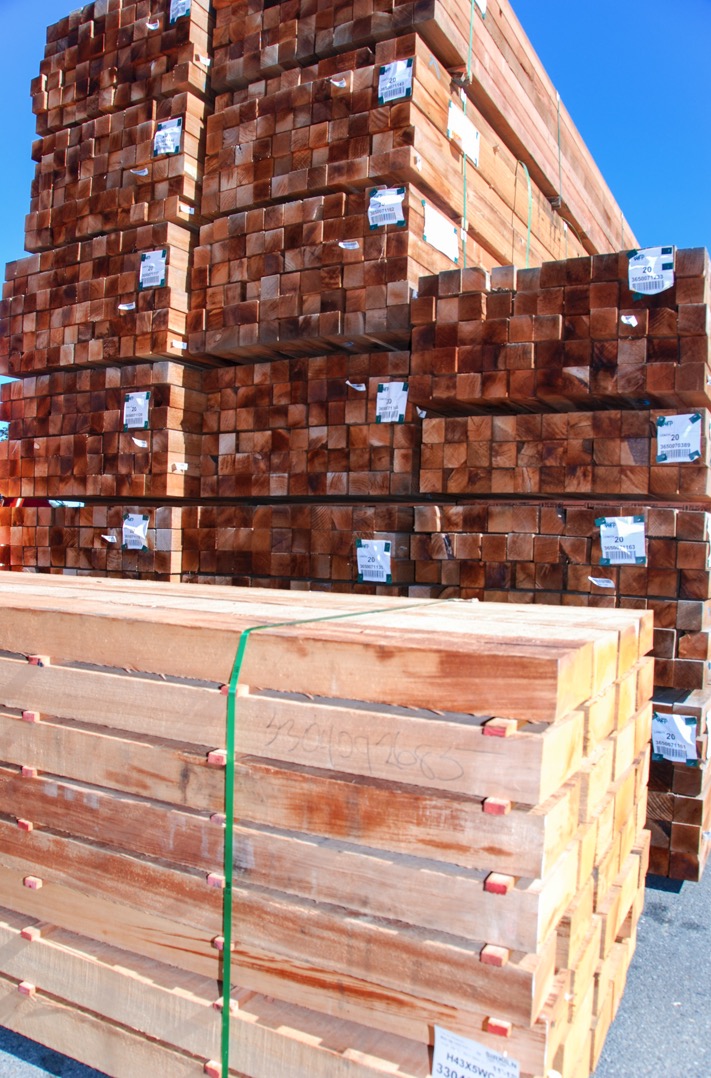 As Premier David Eby and a British Columbia delegation tours Japan, South Korea and Malaysia, Prince George’s opposition MLAs say the trip is “damage control” for his government’s previous policies as well as the reception to the recently passed bills 14 and 15. Eby and a delegation left for a 10-day trip to Japan, South Korea and Malaysia on Saturday, May 31. One notable absence from the trip is British Columbia Assembly of First Nations Regional Chief Terry Teegee, who said in a Friday, May 30 media release that he could not participate in a mission launched by a government that passed legislation trampling First Nations’ rights. Reached by phone on Monday, June 2, Prince George-North Cariboo, Prince George-Valemount and Prince George-Mackenzie Conservative MLAs Sheldon Clare, Rosalyn Bird and Kiel Giddens said the NDP are trying to make up for having closed British Columbia’s independent trade offices in Asia over the last eight years.
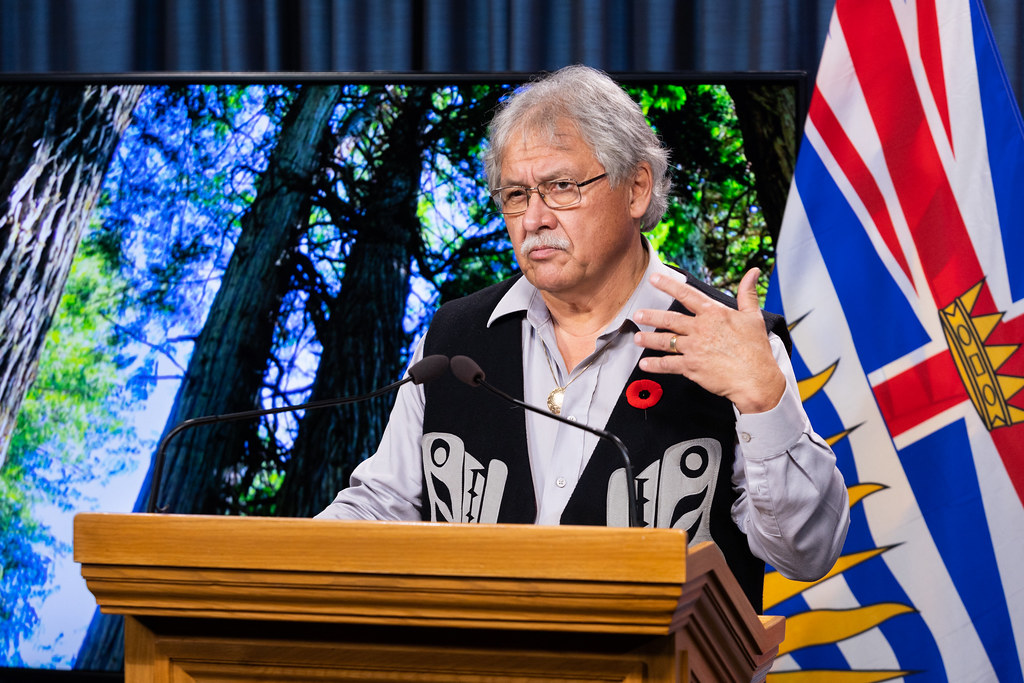

 Domtar has been penalized $17,200 for nearly two dozen failures to control the release of emissions from its Skookumchuck, BC, mill. The kraft pulp mill was found to have violated pollution levels 23 times over eight months starting in 2021, according to a decision from director of the Environmental Management Act Bryan Vroom. On at least six occasions, the decision found Domtar failed to keep smoke emissions from a wood-waste-fired power boiler below the 40 per cent opacity required under its 2013 permit. …The company disputed the findings, arguing that a nearby air quality impact assessment showed the impacts to human health were “not significant” and that the ministry failed to show the violations would impact workers. In his decision, Environmental Management Act Bryan Vroom responded by reducing the severity of the failures to a level of “low to none.” …Domtar acknowledged the penalties in an email, and said it is working with B.C.’s environment ministry in response.
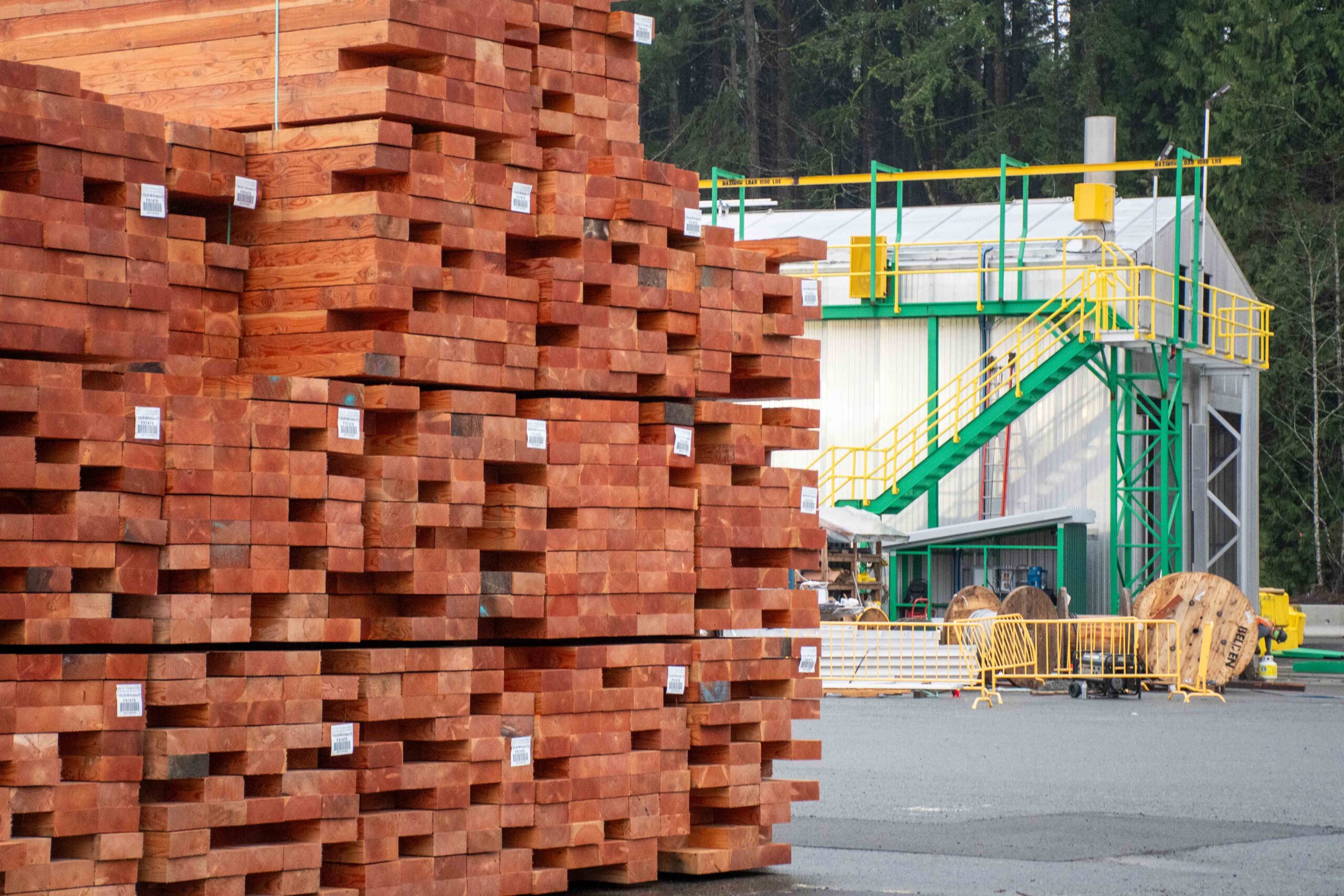 Canada has challenged both duties in our free trade arrangements with the US and at the WTO — often successfully but to no avail. …Clearly, putting an end to 40 years of a softwood lumber trade war should be a top priority for Canada in its list of fixes it seeks in any CUSMA renegotiation. …Nevertheless, a looming trade crisis may present some interesting opportunities in the confluence of at least three policy priorities of the new federal and BC governments. …In the recent election, Carney promised to double the number of homes built in Canada annually to 500,000, entrusting the implementation of this plan to a new Build Canada Homes (BCH) agency that will act as a developer overseeing the construction of affordable housing. …Hence, BC lumber displaced from the US market can be redirected at home to drive down the cost of a significantly increased inventory of new homes throughout Canada.
 VANCOUVER, BC – West Fraser Timber Co. Ltd. released its 2024 Sustainability Report, Building Together: People and Partnerships. The report highlights the Company’s sustainability performance across a variety of environmental, social, and governance goals and disclosed targets. “Since our founding 70 years ago, West Fraser has recognized our responsibility to the environment and society while delivering solid financial performance,” said
  Culturally significant land in the Cowichan Valley has been returned to Lyackson First Nation and Cowichan Tribes communities, a reconciliation landmark between the Nations and B.C. The lands that are now in possession of the Nations are near an existing Cowichan Tribes Indian Reserve known as Skutz Falls IR8 and adds to an area that has historically been used by the Nations for gathering, harvesting and other activities of cultural importance for their communities. “The acquisition of this parcel of land could not have been made possible without the commitment of British Columbia, our kinship ties with Cowichan Tribes and willing seller Mosaic,” said Hereditary Chief Laxele’wuts’aat Chief Shana Thomas of Lyackson First Nation.


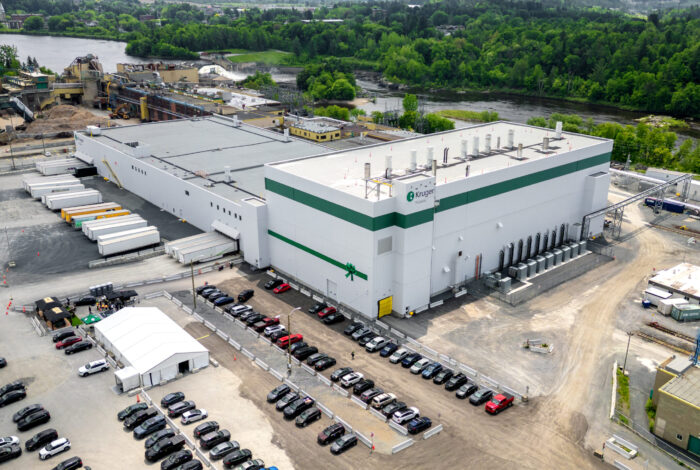
 One of Canada’s lumber producers, Groupe Rémabec, will temporarily lay off most of its workers as the industry faces rising US duties and weakening demand. The manufacturing division, Arbec Forest Products, is shutting down indefinitely, leading to more than 1,000 immediate job cuts. The number may reach 1,400 in the coming weeks, according to a company statement that blamed “persistent imbalances in both access to the resource and international markets.” Groupe Rémabec employs about 2,000 people and is headquartered in La Tuque, Quebec, about 300 kilometers north of Montreal. President Trump’s administration is poised to more than double the duties on Canadian softwood lumber. …Rémabec said, with Arbec’s deposits representing an “astronomical amount.” …Rémabec also said a “feeling of exasperation is widespread” in the Quebec forestry industry over regulations that have created “an increasingly unstable ecosystem, without predictability or coherence.” The Quebec government has been trying to modernize its forestry legislation.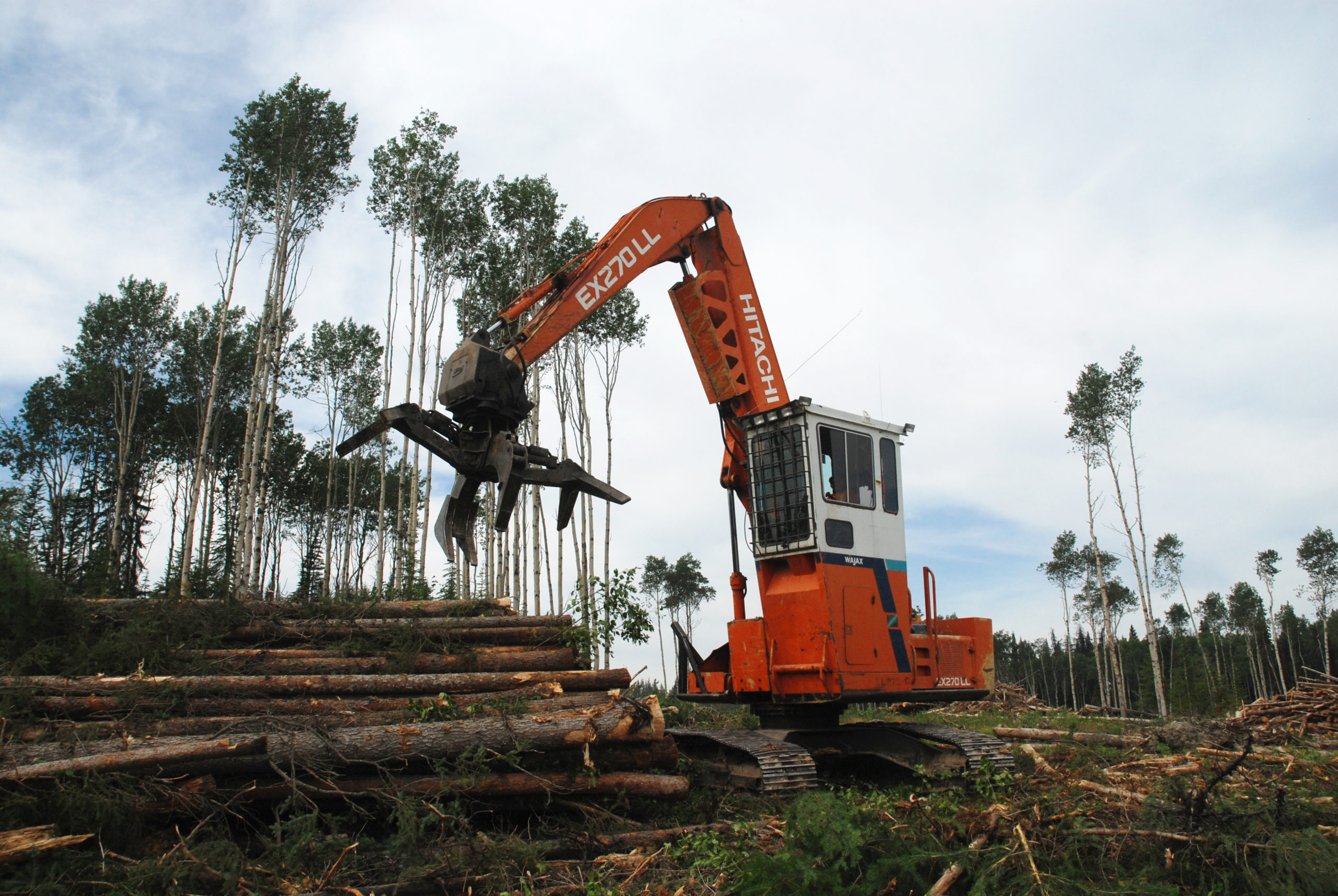

 Domtar appears close to making a final decision about whether to convert its newsprint mill in Gatineau, Quebec, to a containerboard mill. …Last week, Unifor concluded labor negotiations with Domtar regarding the Gatineau site, and the final contract will likely be published by month’s end, said Daniel Cloutier, Unifor Quebec director. As part of the labor arrangement, agreed not to bargain, lock out or strike for eight years — on the condition that Domtar would move forward with the mill conversion, Cloutier said. Domtar agreed to proceed with the mill conversion investment, Cloutier said, although the company has not issued a final decision. Unifor anticipates that should come by autumn, if not earlier. …”one thing that could help them to make that decision was the guarantee that they will have no conflicts at [the] Gatineau plant while they proceed with the construction of the new facility,” he said.
 LONDON — US and Chinese officials said on Tuesday they had agreed on a framework to get their trade truce back on track and remove China’s export restrictions on rare earths while offering little sign of a durable resolution to longstanding trade tensions. …Lutnick said the agreement would remove restrictions on Chinese exports of rare earth minerals and magnets and some of the recent US export restrictions “in a balanced way”, but did not provide details…. adding that both sides will now return to present the framework to their respective presidents for approvals. …The two sides left Geneva with fundamentally different views of the terms of that agreement and needed to be more specific on required actions, said Josh Lipsky. …They have until August 10 to negotiate a more comprehensive agreement, or tariff rates will snap back from about 30% to 145% on the U.S. side and from 10% to 125% on the Chinese side.
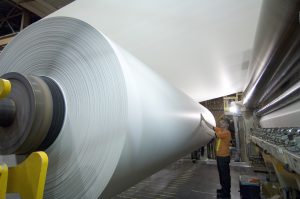 While the pulp and paper industry is inherently local—particularly in terms of production and sourcing of raw materials—trade is fundamentally cross-border and international. As a result, the sector is highly exposed to trade barriers and tensions, such as those created by the tariff policies introduced during the Trump administration. Tariffs are expected to put significant pressure on transportation and logistics—sectors that are intrinsically linked to the pulp and paper industry. This strain is partly mitigated by the fact that many pulp and paper companies have made substantial investments in overseas production capacity. Recent mergers in the industry, such as the Smurfit Kappa–WestRock merger and the International Paper–DS Smith merger, are also likely to offset some of the negative impacts of tariffs. These newly formed giants now operate production facilities in both Europe and the US. …This consolidation trend may render the pulp and paper industry more resilient.

 The Coalition for Fair Trade in Hardwood Plywood has petitioned for antidumping and countervailing duties to counter unfair trade practices by Indonesia, Vietnam, and China. These petitions were filed on Thursday, May 22, with the U.S. Department of Commerce and the International Trade Commission and have significant implications for our economy, in which hardwood plywood plays a critical role in producing numerous downstream products. The Coalition for Fair Trade in Hardwood Plywood alleges that the governments of Indonesia, Vietnam, and China are actively subsidizing dozens of programs benefiting their industries, including providing products at subsidized rates and multiple grant, tax, and lending programs.
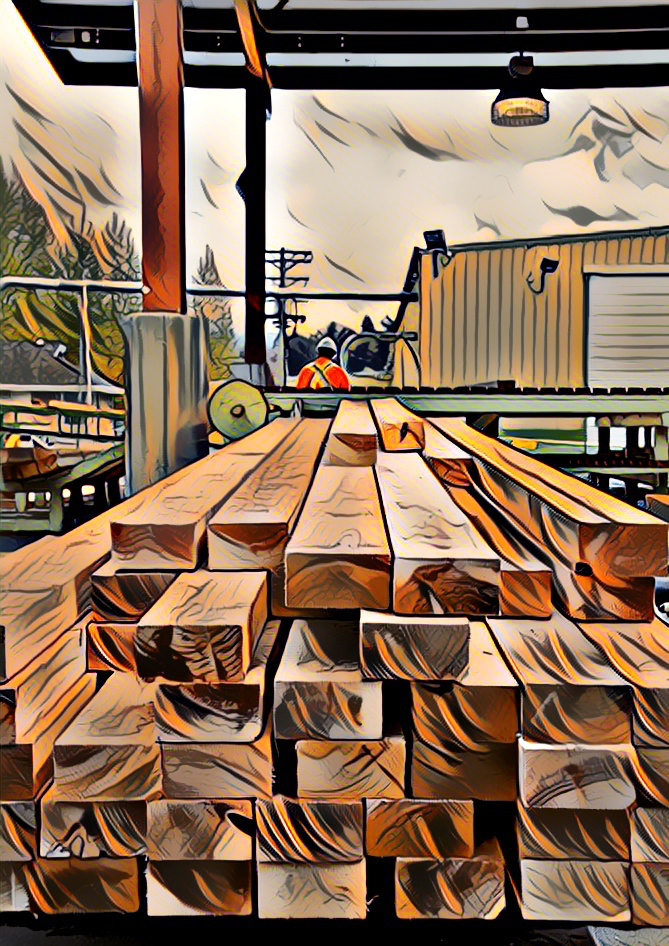 Duties placed on Canadian lumber entering the U.S. could eventually help markets here, a local mill manager is saying, but they are still a few months out. There’s a misconception that recent tariffs announced against Canadian goods extended to lumber products, F.H. Stoltze Land and Lumber vice president and general manager Paul McKenzie said Monday. The U.S.-Canada lumber market is governed under a separate and oft disputed softwood agreement that places duties on Canadian lumber. The duties are supposed to keep Canadians from dumping government subsidized lumbers onto U.S. markets. They currently amount to about 14% combined. By August or September, they’re expected to climb to 34%, McKenzie noted. That will be helpful to us,” McKenzie said. Stoltze has operated its independent mill in Columbia Falls, Montana over 100 years. McKenzie said Canadians are currently dumping their products into the U.S. ahead of the hike in duties.

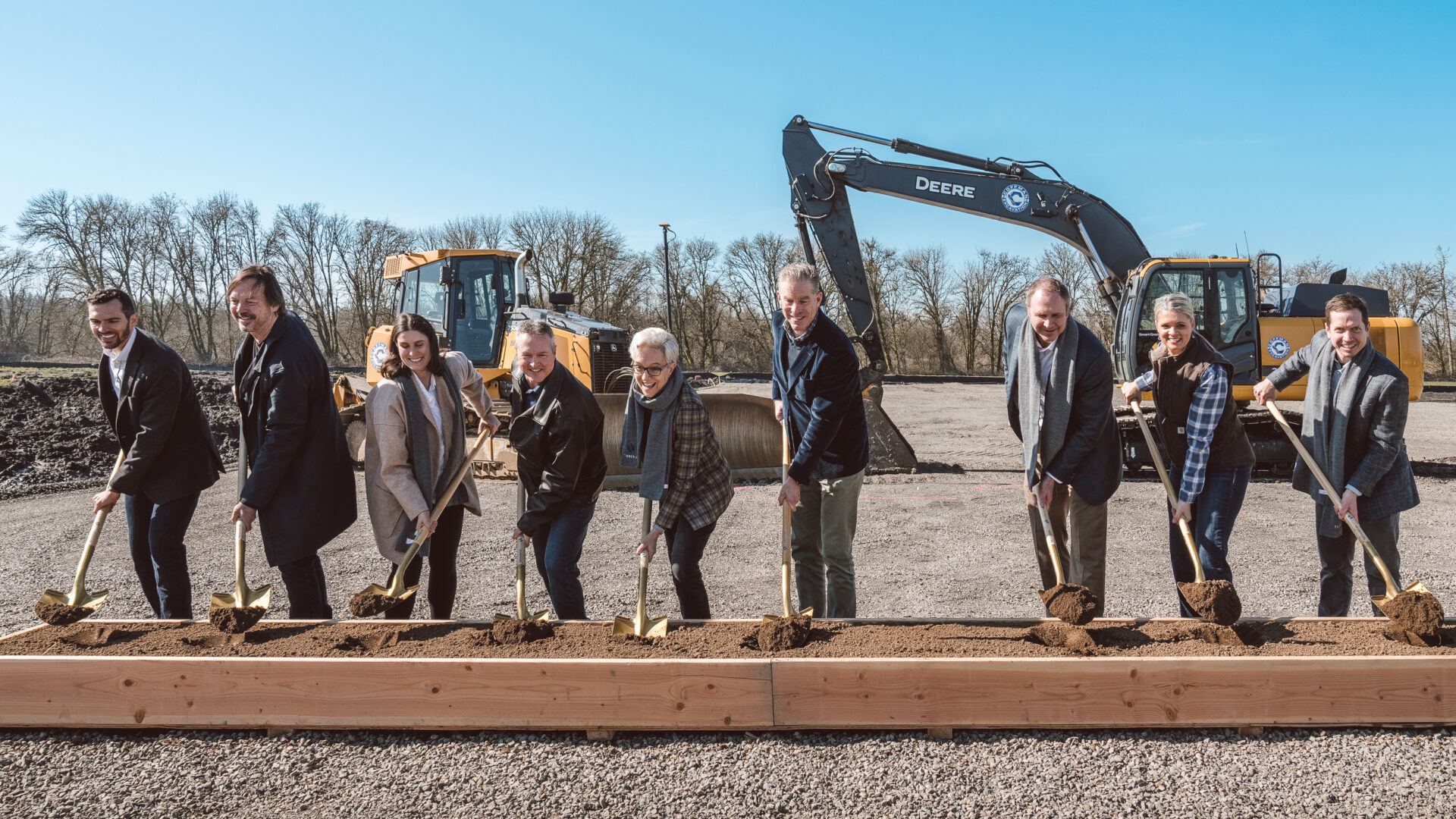
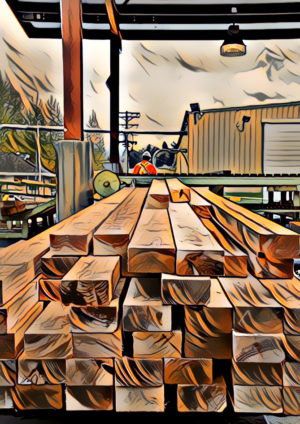 SEELEY LAKE, Montana — A law passed during the 2025 legislative session could provide $6 million in low-interest rate loans for an entity that wants to start up a wood products facility. The measure could impact Seeley Lake, where Pyramid Mountain Lumber once operated. “I think the likelihood of you know, somebody coming here, obviously, there’d be opportunity at other mills as well, but they really like the, the ability to source timber from this site,” said Pyramid Mountain Lumber owner Todd Johnson. Johnson says the new law would incentivize anyone looking to open a new facility by providing funding for one portion of the total for opening a new mill. “I think the, the main designs behind it were so that it would allow somebody to secure a site. Six million dollars would go a long ways towards securing, you know, a site here in Montana,” said Johnson.
 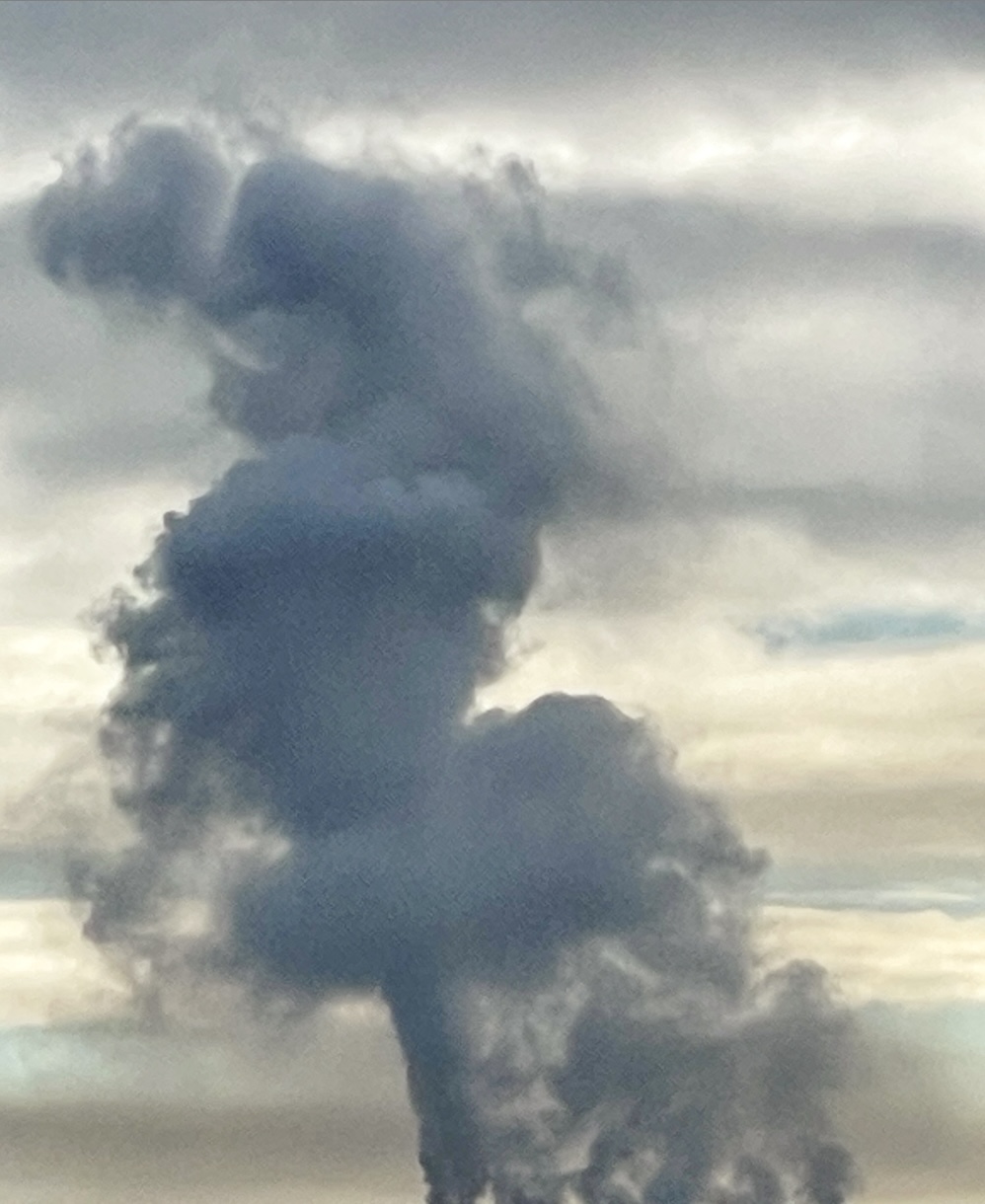 As Oregon lawmakers frantically search for money to fund roads and wildfire prevention, they have landed on a surprising idea: Dredging up a fight over cap-and-trade that once dominated legislative attention. Recently, there’s been increasing momentum to adopt a cap-and-trade system, where polluters purchase credits for their greenhouse gas emissions, and trade them with other emitters to ensure they are meeting a declining state emissions cap. That push has been led, according sources, by Sen. Bruce Starr, R-Dundee. But it appears to have gained traction as other proposals to raise money for road and bridge maintenance and firefighting face an uncertain fate. Washington and California have cap-and-trade programs, and early talks in Oregon have involved adopting a law similar to Washington’s… Funds generated from gas and diesel suppliers could pay for road projects … wildfires, climate nonprofits, and transit or pedestrian uses.
 KINGSPORT, Tennessee — It could be the third or fourth quarter of 2026 before an anaerobic digester is completed to help with odor mitigation at the Kingsport mill, Domtar officials shared Tuesday. Charlie Floyd, VP of strategic capital projects for Domtar, and Bonnie Depew, environmental manager at Domtar’s Kingsport mill, presented updates about Project Bandit to the Kingsport Economic Development Board. Floyd said the biggest holdup is waiting on permits from the Tennessee Department of Environment and Conservation. TDEC has already asked for two extensions to review the permit application, state records show. …His hope is for the permit to be in the hands of Domtar by the end of the month. Over 80% of the equipment for the anaerobic digester has been purchased, according to Floyd. …At the height of construction, Floyd said there will be around 150 contractors on site to help build the digester and associated equipment.

 GREENVILLE , SC — The U.S. Endowment for Forestry and Communities released its 2024 Annual Report. The report highlights a year of expanded reach with $29.1 million awarded across 109 projects in 30 states and Washington, D.C., through innovative programs that strengthen the links between healthy forests, resilient communities and sustainable markets. The report details the Endowment’s sharpened focus on transformative initiatives, including the launch of an impact investing program, advancements in forest carbon transparency and streamlined market access for domestic wood fibers. “2024 was a pivotal year where we not only supported critical projects but also invested in scalable, sustainable solutions,” said Pete Madden, president and CEO of the Endowment. “By magnifying the connections between working forests, strong markets and vibrant communities, we are helping to drive systemic change across the forestry sector.”
 A German wood paneling maker plans to open a $250 million manufacturing plant in South Carolina’s rural Clarendon County. Homanit announced Wednesday it will build its first United States manufacturing facility on 140 acres near the small community of Alcolu — population 425. The company pledged to employ 300 people in the area located off Interstate 95, about 40 miles north of its intersection with I-26. “This investment marks a significant milestone for our company, and we’re proud to become part of such a vibrant and forward-looking region,” Homanit Managing Director Fritz Homann said in a statement. “The area’s skilled workforce, strategic location and strong infrastructure make Clarendon County the ideal foundation for our next phase of growth in North America.” The announcement marks the largest single investment in Clarendon County economic development history, according to Central SC Alliance President Jason Giulietti.

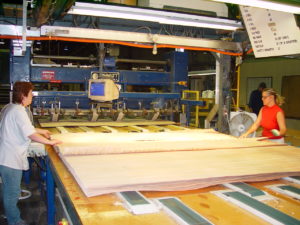 The EU has imposed anti-dumping duties on Chinese plywood imports, just a few days after Beijing tried to ease trade tensions between the two. The provisional levies of up to 62.4% follow a surge in imports of hardwood plywood over the past three years that had damaged domestic producers, the European Commission said. The Greenwood Consortium of EU producers, which brought a complaint against Chinese competitors last year, said it welcomed the move but argued for “definitive duties to be even higher than these provisional levels” when the commission makes a final decision later this year. Brussels has also taken the unusual step of monitoring imports of softwood plywood, which is not subject to duties, after allegations that Chinese exporters were disguising hardwood products in anticipation of the levies. …“The alleged practice consisted of placing very thin outer layers of softwood veneer on top of the hardwood plywood face veneer.
 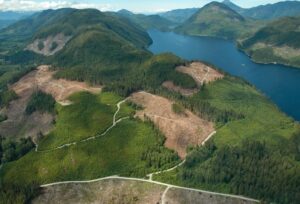 New Zealand exporters sending wood, beef and leather products to the European Union will soon have to comply with new rules that aim to reduce deforestation in the supply chain. New Zealand government officials and industry opposed the approach to anti-deforestation taken by the incoming European Union Deforestation Regulation (EUDR). This was due to increased compliance costs exporters would face in proving their products had not contributed to the loss of trees. …For New Zealand, this will affect the $213 million export trade. Exporters of wood products – a trade to Europe valued at around $100 million – would be required to provide traceability processes to show that their products did not contribute to deforestation, too. …The Wood Processors and Manufacturers’ Association’s Mark Ross, said a working group with forest growers, wood processors, and the Government had been set up to work through some issues, such as geolocation requirements.