 Tariff uncertainty from the Trump administration continues to impact home builders across the country, as builders prepare for potential price hikes and supply chain issues. …Lumber remains a primary concern, with countervailing and antidumping duties expected to more than double this fall. Steve Martinez, president of Tradewinds General Contracting in Boise, Idaho, recently spoke with CNBC to emphasize just how much lumber goes into the construction of a new home. “This entire house is built out of wood,” Martinez said. “I mean, we really do have wood on the floor, wood on the walls, wood on the ceiling. Can’t really get away from building a house like this without using a large number of wood products in the home.” As a result, price increases to lumber can cause a huge disruption for home builders. And lack of certainty adds complexity to the home-building process.






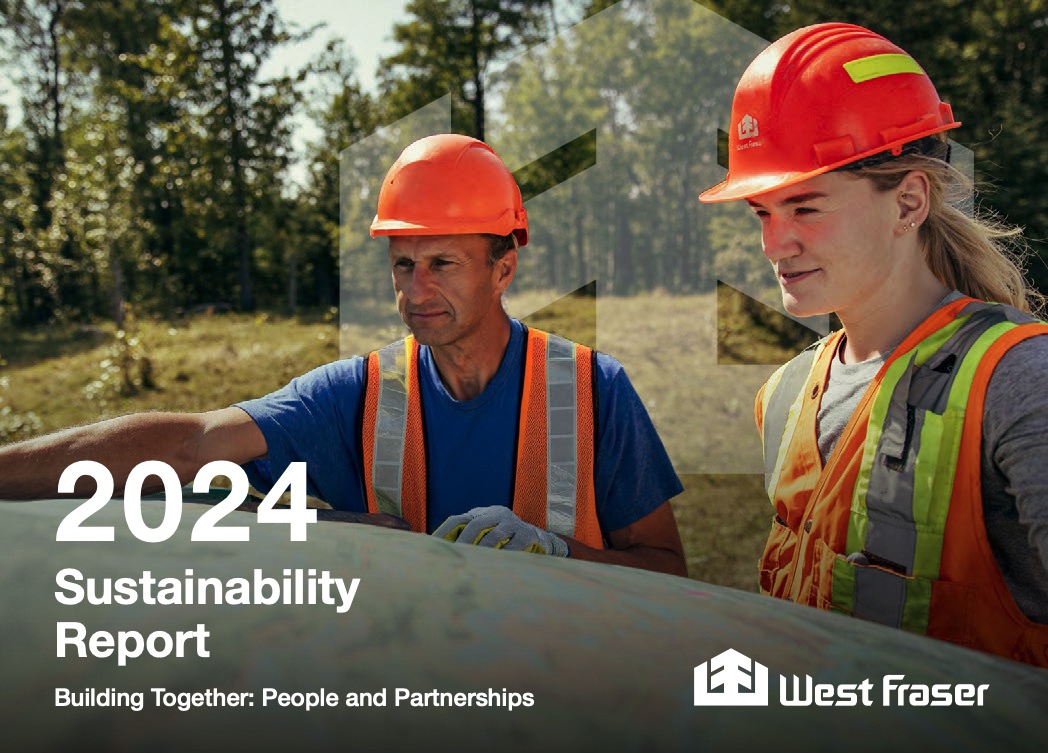 VANCOUVER, BC – West Fraser Timber Co. Ltd. released its 2024 Sustainability Report, Building Together: People and Partnerships. The report highlights the Company’s sustainability performance across a variety of environmental, social, and governance goals and disclosed targets. “Since our founding 70 years ago, West Fraser has recognized our responsibility to the environment and society while delivering solid financial performance,” said
  Culturally significant land in the Cowichan Valley has been returned to Lyackson First Nation and Cowichan Tribes communities, a reconciliation landmark between the Nations and B.C. The lands that are now in possession of the Nations are near an existing Cowichan Tribes Indian Reserve known as Skutz Falls IR8 and adds to an area that has historically been used by the Nations for gathering, harvesting and other activities of cultural importance for their communities. “The acquisition of this parcel of land could not have been made possible without the commitment of British Columbia, our kinship ties with Cowichan Tribes and willing seller Mosaic,” said Hereditary Chief Laxele’wuts’aat Chief Shana Thomas of Lyackson First Nation.
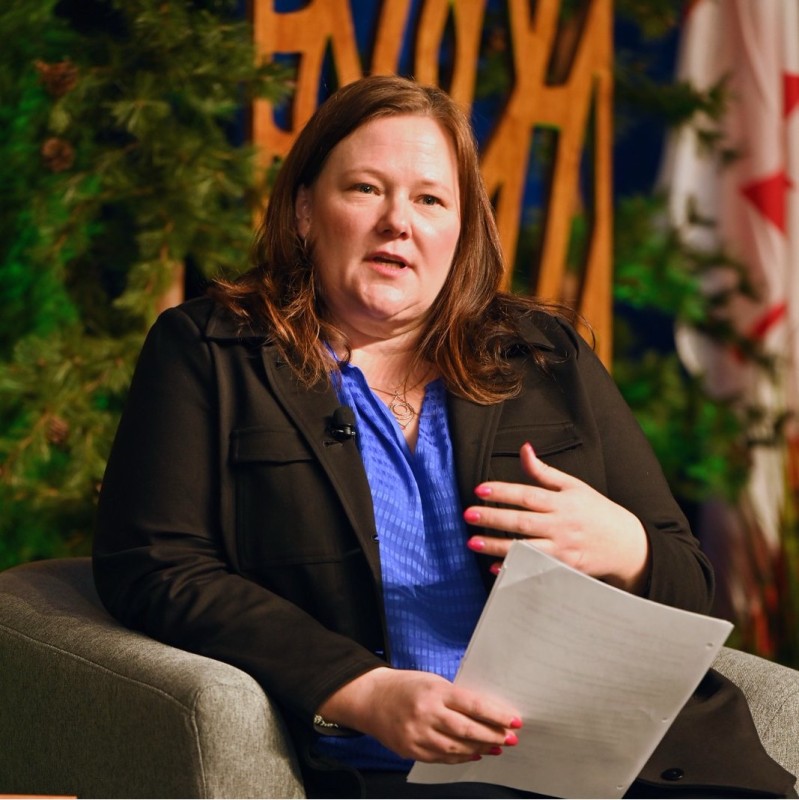

 Members of the newly formed Provincial Forest Advisory Council are tasked with providing recommendations to government on advancing forest stewardship, while supporting communities and workers that rely on forests. Under the Cooperation and Responsible Government Accord 2025, the B.C. government and BC Green caucus have established the Provincial Forest Advisory Council. The council will provide recommendations to government to ensure there are clear and measurable outcomes that support a healthy forests, healthy ecosystems and a healthy forestry sector. …The council will consult with industry partners, such as the Provincial Forestry Forum and ecological, environmental and biodiversity experts, to engage the public for feedback and honour commitments to work in partnership with First Nations. …The council brings together forestry sector leaders that have been jointly appointed by the BC NDP and Green caucuses. The council will provide an interim report this fall, with a final report expected by the end of 2025.


 Domtar appears close to making a final decision about whether to convert its newsprint mill in Gatineau, Quebec, to a containerboard mill. …Last week, Unifor concluded labor negotiations with Domtar regarding the Gatineau site, and the final contract will likely be published by month’s end, said Daniel Cloutier, Unifor Quebec director. As part of the labor arrangement, agreed not to bargain, lock out or strike for eight years — on the condition that Domtar would move forward with the mill conversion, Cloutier said. Domtar agreed to proceed with the mill conversion investment, Cloutier said, although the company has not issued a final decision. Unifor anticipates that should come by autumn, if not earlier. …”one thing that could help them to make that decision was the guarantee that they will have no conflicts at [the] Gatineau plant while they proceed with the construction of the new facility,” he said.
 For 82 years, the TLA’s long history of supporting the forward movement of BC’s forest sector with the core objective of ensuring the ongoing prosperity of the contracting community and the people working in it, has been to the overall benefit of our forests. BC’s forest sector is wrestling with difficult and challenging conditions caused by many factors including changes in government policies, increasing complexity, conflicting mandates, and ever-increasing cost structures. We are overdue for a comprehensive overhaul of the current environment we deal with and the need to return to a dedicated vision towards renewed prosperity. However, today’s announcement of the new Provincial Forest Advisory Council (PFAC), yet another committee to review BC’s forest sector and provide recommendations to the Minister of Forests, is of concern. Notably, the advisory council does not include representation from boots-on-the-ground, independent contractors who can provide a valuable perspective on the impacts of potential changes.
 The Coalition for Fair Trade in Hardwood Plywood has petitioned for antidumping and countervailing duties to counter unfair trade practices by Indonesia, Vietnam, and China. These petitions were filed on Thursday, May 22, with the U.S. Department of Commerce and the International Trade Commission and have significant implications for our economy, in which hardwood plywood plays a critical role in producing numerous downstream products. The Coalition for Fair Trade in Hardwood Plywood alleges that the governments of Indonesia, Vietnam, and China are actively subsidizing dozens of programs benefiting their industries, including providing products at subsidized rates and multiple grant, tax, and lending programs.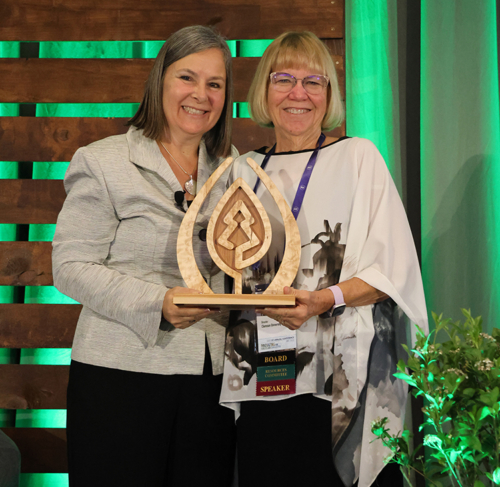

 US Representatives Glenn “GT” Thompson (R-PA) and Terri Sewell (D-AL) have introduced the “
 As Oregon lawmakers frantically search for money to fund roads and wildfire prevention, they have landed on a surprising idea: Dredging up a fight over cap-and-trade that once dominated legislative attention. Recently, there’s been increasing momentum to adopt a cap-and-trade system, where polluters purchase credits for their greenhouse gas emissions, and trade them with other emitters to ensure they are meeting a declining state emissions cap. That push has been led, according sources, by Sen. Bruce Starr, R-Dundee. But it appears to have gained traction as other proposals to raise money for road and bridge maintenance and firefighting face an uncertain fate. Washington and California have cap-and-trade programs, and early talks in Oregon have involved adopting a law similar to Washington’s… Funds generated from gas and diesel suppliers could pay for road projects … wildfires, climate nonprofits, and transit or pedestrian uses.
 ROSEBURG, Ore. —
 GREENVILLE , SC — The U.S. Endowment for Forestry and Communities released its 2024 Annual Report. The report highlights a year of expanded reach with $29.1 million awarded across 109 projects in 30 states and Washington, D.C., through innovative programs that strengthen the links between healthy forests, resilient communities and sustainable markets. The report details the Endowment’s sharpened focus on transformative initiatives, including the launch of an impact investing program, advancements in forest carbon transparency and streamlined market access for domestic wood fibers. “2024 was a pivotal year where we not only supported critical projects but also invested in scalable, sustainable solutions,” said Pete Madden, president and CEO of the Endowment. “By magnifying the connections between working forests, strong markets and vibrant communities, we are helping to drive systemic change across the forestry sector.”
 A German wood paneling maker plans to open a $250 million manufacturing plant in South Carolina’s rural Clarendon County. Homanit announced Wednesday it will build its first United States manufacturing facility on 140 acres near the small community of Alcolu — population 425. The company pledged to employ 300 people in the area located off Interstate 95, about 40 miles north of its intersection with I-26. “This investment marks a significant milestone for our company, and we’re proud to become part of such a vibrant and forward-looking region,” Homanit Managing Director Fritz Homann said in a statement. “The area’s skilled workforce, strategic location and strong infrastructure make Clarendon County the ideal foundation for our next phase of growth in North America.” The announcement marks the largest single investment in Clarendon County economic development history, according to Central SC Alliance President Jason Giulietti.

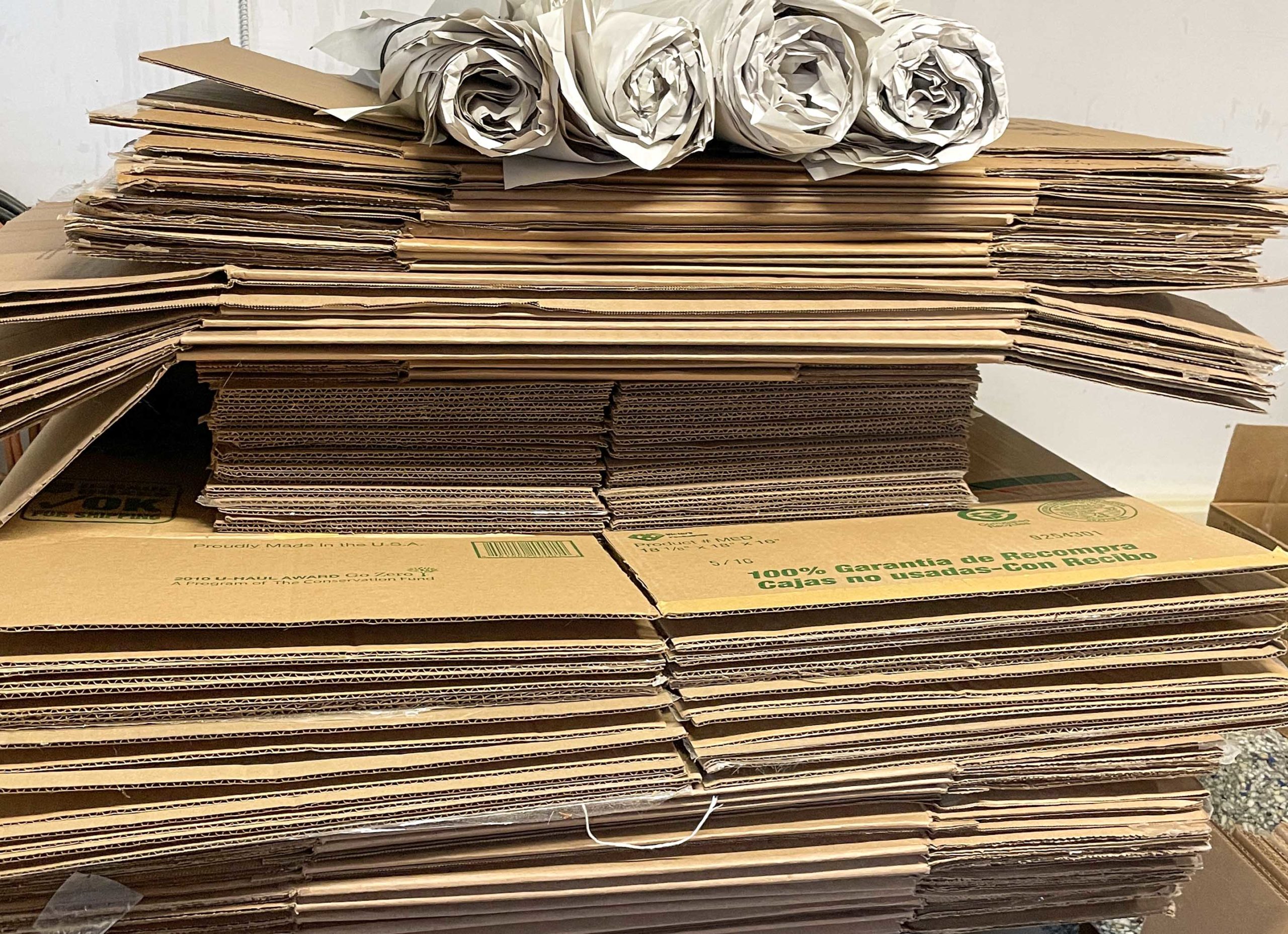 Georgia-Pacific has announced it will permanently close its Cedar Springs containerboard mill in Georgia later this year, impacting approximately 535 employees. The company informed workers on May 14 that most positions at the site will be eliminated by August 1, 2025, with all roles eventually affected. While production will continue temporarily to meet existing customer commitments, the mill’s operations are set to wind down in the coming months. Georgia-Pacific cited multiple factors behind the decision, emphasizing that the mill could no longer competitively serve its customers in the long term. The company stressed that the closure is not a reflection of the employees’ performance. “Our focus now is to operate safely and support our employees through this transition,” the company stated, pledging to treat all affected workers with “dignity and respect.”
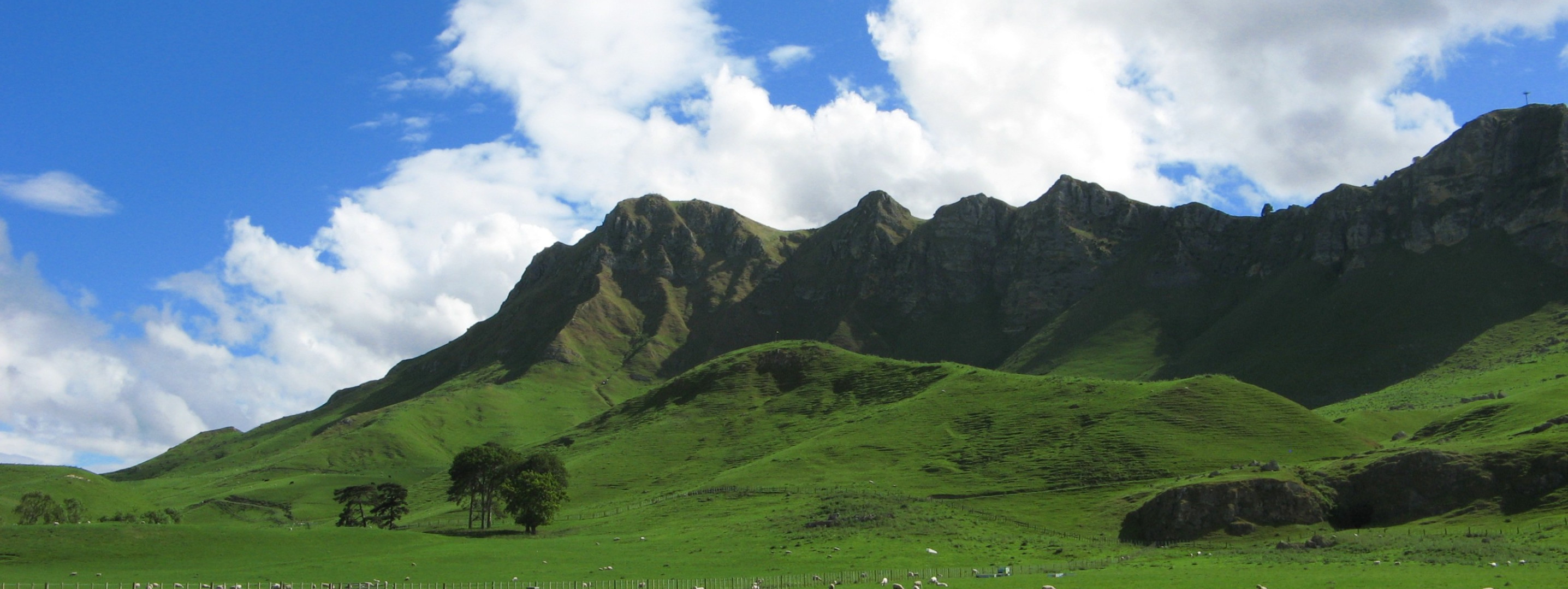
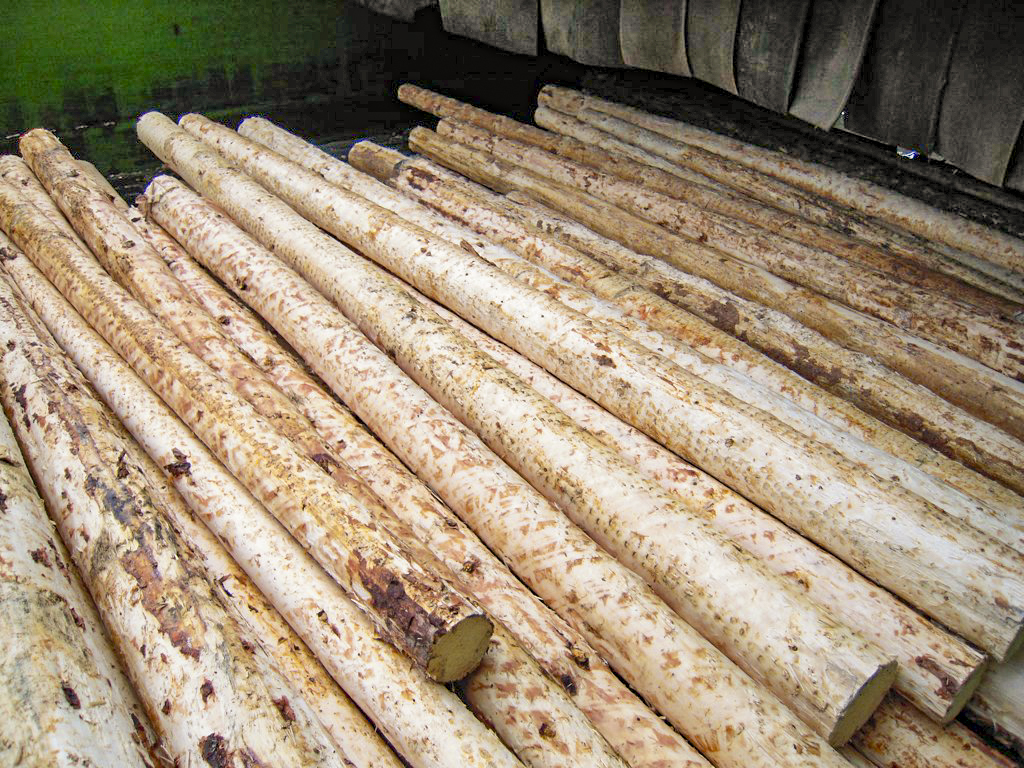 A construction industry crash in China is sending shockwaves through the timber trade here. “There’s elephants in the forest,” said Rotorua-based forestry consultant Jeff Tombleson. China was by far the largest importer of New Zealand logs – 92% in the year to June last year. But Tombleson said it had been “throttling back” on the quantity taken since China’s property market started contracting in 2021. Mega-infrastructure projects there such as new cities, ports and railways were nearing completion, he said. He said most of the New Zealand timber exported to China was used on construction sites for concrete-casting (boxing), a technique used in 60% of the country’s multi-storey builds. Since 2019, New Zealand’s isolating export log prices have occasionally “come back” to sub-$100 per cubic metre from an average of $132. At the lower level, he said harvesting for most of the small forests’ estate was not viable and because there was little or no domestic demand, they shut their gates.