Trump’s threats to Canada may be repulsive, but they are unfortunately very real. …This is a time for aggressive leadership. Policymakers focused on “win-wins” or reactive strategies must rethink their approach. …Canada produces many products and services upon which the United States depends. Canadian goods generate enormous “consumer surplus” for Americans, all of which could be lost if the price of these goods rises. The 25% tariff threats are troubling for Canadians, but they are equally alarming for those in the U.S. who rely on Canadian products. …Canada should impose an export tax of US$800/MBF, effectively doubling the price. This move would immediately increase the cost of lumber in the U.S., making the risks of a trade war with Canada clear to American consumers. The Canadian forest products industry will likely be the first to oppose this proposal. However, there’s a simple solution… redistribute the revenue from the export tax back to Canadian lumber exporters.
 Having already forced Colombia to accept deportees by threatening a 25% tariff, President Donald Trump is readying the same move against Canada and Mexico as soon as Saturday. But this time, the stakes are higher and many economists surveying the possible damage doubt Trump would be comfortable with self-inflicted wounds from the tariffs. Trump has repeatedly insisted that tariffs on Canada and Mexico are about illegal border crossings and the smuggling of fentanyl. But the Republican president is also motivated by the idea that tariffs would force other countries to “respect” the US. …The economics division of the insurance company Nationwide estimated that Trump’s proposed tariffs on Canada and Mexico would increase inflation by as much as 0.5 percentage points and pull down growth by 0.7 percentage points. The analysis noted it did not “account for potential retaliatory tariffs from Canada or Mexico, which could amplify the deleterious impact.”
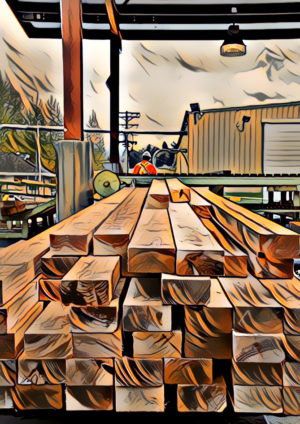 President Trump said, “We don’t need Canada to make our cars. We don’t need their lumber because we have our own forests,” he said. “We don’t need their oil and gas.” Mr. Trump is wrong on all three, but we’ll focus on lumber. The U.S. doesn’t produce enough lumber to meet domestic demand and thus imports about a third of the softwood used in home construction, mostly from Canada. …Mr. Trump’s tariff threat has created uncertainty for lumber wholesalers and contractors that could delay rebuilding. The U.S. can’t ramp up lumber production in the near term to meet domestic demand, so contractors will have to eat the tariff cost on lumber from Canada or import more from other countries, which would be expensive. If Mr. Trump wants to increase U.S. lumber production, he could open up more federal land for logging. …More tariffs will punish Americans trying to rebuild. [to access the full story a WSJ subscription is required]
 BC could face severe economic consequences from president-elect Donald Trump’s proposed 25% tariff on Canadian imports. The province projects a cumulative economic loss of $69 billion over four years, with real GDP potentially declining by 0.6% annually in 2025 and 2026. The BC. Ministry of Finance, estimates significant job losses and revenue reductions during this period, with the unemployment rate possibly increasing to 6.7% in 2025 and 7.1% in 2026. The tariff’s effects on the labor market could result in 124,000 job losses by 2028, with the most affected sectors being natural resources, manufacturing, transportation, and retail. Corporate profits could decrease annually by $3.6 billion to $6.1 billion. …Experts indicate that the tariffs could disrupt the US lumber supply chain. Rajan Parajuli, an NC State University professor, said that… US lumber producers might profit from higher prices, consumers would face increased costs if demand remains steady. The Peterson Institute for International Economics notes that these tariffs could extend beyond Canada, impacting the broader wood product sector.
 The Prime Minister, Justin Trudeau announced that he will hold a Cabinet retreat in the Outaouais region, Quebec, from January 20 to 21, 2025. With the threats of tariffs from the incoming United States administration, Cabinet will protect and defend Canadian interests, strengthen Canada’s relationship with the U.S., and make unequivocally clear the mutually beneficial trade and security relationship the two countries share. Cabinet will build on Canada’s strong relationship with its closest ally to advance shared priorities. This includes bolstering cross-border trade, reinforcing our supply chains, and creating jobs on both sides of the border. Canada’s recent $1.3 billion border security plan is a testament to our commitment to the shared security and prosperity of Canadians and Americans alike.


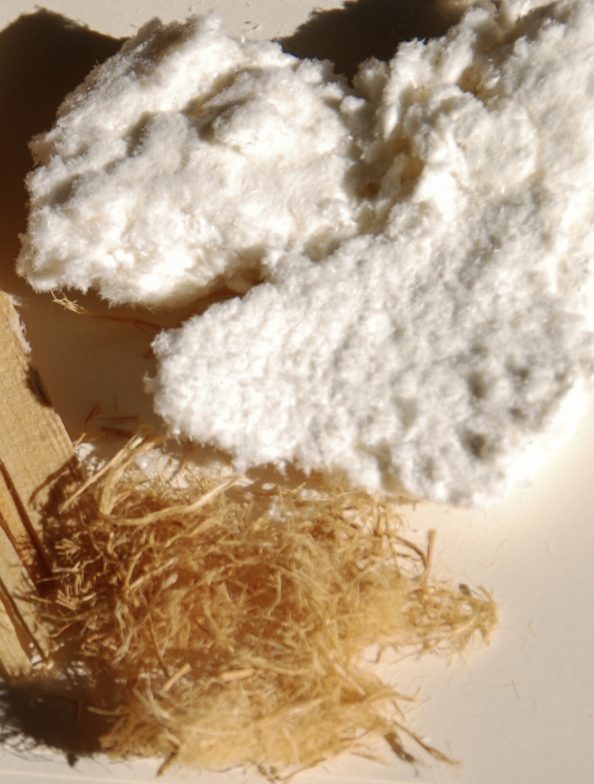 The B.C. government has turned down a petition to investigate Canada’s largest forestry company at a time when a federal probe into the firm faces the prospect of total collapse. On December 2, 2024, the national Standing Committee on Natural Resources unanimously passed a motion summoning Paper Excellence owner Jackson Wijaya to testify before lawmakers—an order that was enforceable with a legal subpoena if necessary. …Charlie Angus, the NDP’s natural resources critic and member of Parliament for Timmins–James Bay, said Wijaya’s expanded ownership over APP represents a break down in government oversight. …the probe came to a grinding halt when Prime Minister Justin Trudeau … prorogued Parliament. That act wiped out the work of all parliamentary committees, including the motion to summon Wijaya….When asked if B.C.’s Ministry of Forests would heed calls to launch its own investigation into Paper Excellence, a spokesperson deferred to the federal government.
  The Western Retail Lumber Association used its trade show, taking place now in Edmonton, as the platform for announcing a major rebranding initiative. After in-depth consultation with its members and board, partners, and key stakeholders, the WRLA has been renamed as Supply-Build Canada. The change is effective today. “As the association expands its advocacy efforts and external partnerships, the ‘Western Retail Lumber Association’ name became a misnomer,” says association president Liz Kovach. “The building supply industry encompasses building materials beyond lumber, and the association represents manufacturers, distributors, wholesalers, and other categories not represented by just retail.” Because many of the association’s members, especially on the supplier side, have offices and production outside of the West, the new name intends to capture that, “making a wholesale change of name both necessary and timely,” Kovach adds.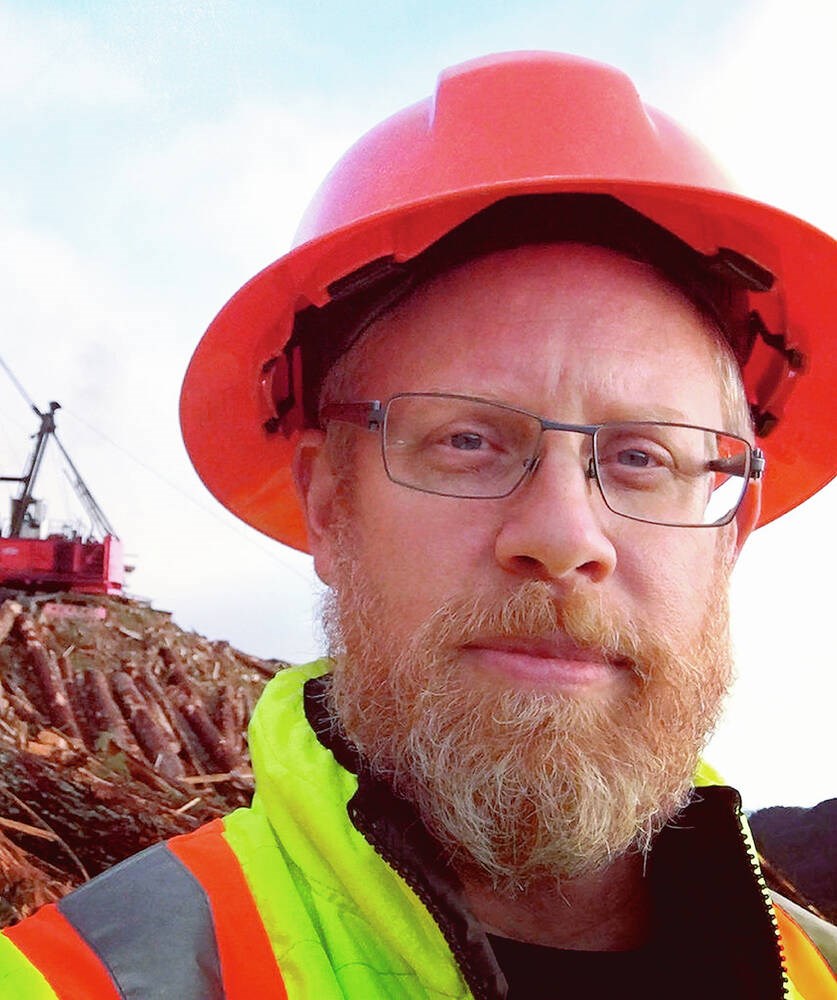
 VANCOUVER, BC – Western Forest Products announced that its hourly employees represented by United Steelworkers Local 1- 1937 have voted to ratify a new collective agreement. The new six-year collective agreement has a retroactive effective date of June 15, 2024, will expire June 14, 2030 and provides for the following general wage increases: Year 1 – 4%, Year 2 though Year 5 – 3%, and Year 6 – greater of 3% or the rate of inflation. The new agreement also includes enhancements to certain benefits and terms of mutual interest for the USW and the Company. …Western’s President and CEO Steven Hofer said: “We are pleased that our USW-represented team members have found it meets their interests and needs. …The BC forest sector is facing many challenges, and we look forward to working together with our union colleagues to build a brighter future for our company.”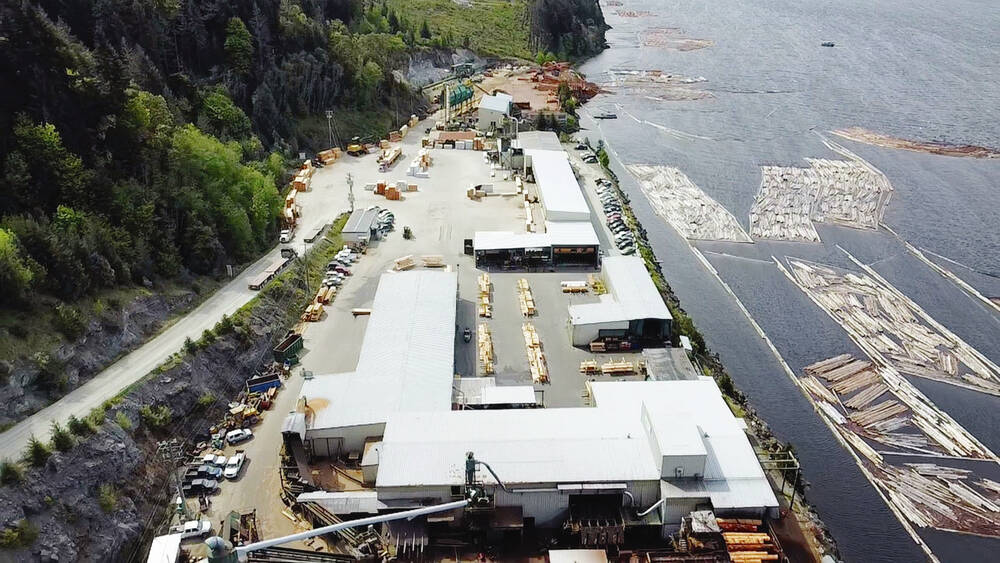



 New Westminster, BC — The Canadian Mill Services Association (CMSA) is announcing that it has completed a purchase agreement with the BC Council of Forest Industries (COFI) to acquire the COFI Quality Control (QC) operations and to merge them into CMSA. This has involved the transfer of the rights and trademarks to use the COFI grade stamps, and the Interior Lumber Manufacturers’ (ILMA) grade stamps as well as the transfer of the quality control employees from COFI to CMSA. As of December 31, 2024 COFI ceases to offer QC services and the former COFI customers who were using these services are encouraged to join CMSA as active Members. With completion of the merger, CMSA will now provide all the necessary Quality Control Services including Educational Training and Support to its active members. CMSA shall continue to be members of the NLGA, CLSAB and ALSC and will continue to represent its members with the Canadian Wood Council.
 The Ontario government is stepping up to protect Ontario workers in the face of potential American tariffs on Canadian goods by investing an additional $100 million in the province’s Skills Development Fund (SDF) Training Stream, bringing the total provincial investment in SDF to $1.5 billion. This investment will support workers in fields including manufacturing, construction, critical mineral extraction and other skilled trades, providing them with the skills and training they need to secure better jobs and bigger paycheques while protecting Ontario’s economy… “The Ontario Forest Industries Association welcomes additional investment in the Skills Development Fund,” said Ian Dunn, President & CEO. “This commitment will help ensure workers in Ontario’s forestry sector—and across the province—are equipped with the skills and training needed to thrive in an increasingly competitive global market. By investing in our forestry workforce, Premier Ford’s government is strengthening our economy and supporting industries that are vital to Ontario’s growth and resilience.”



 Washington, D.C. — The U.S. Department of Agriculture today announced the names of the following individuals who will hold senior staff positions in Washington, D.C. These appointees have been selected to implement President Trump’s America First agenda, ensuring that the needs of America’s farmers, ranchers, and producers remain a top priority.
 Advisors on Trump’s incoming economic team are considering a gradual implementation of tariffs, increasing them incrementally each month. This approach is intended to strengthen their negotiating position while minimizing the risk of sudden inflation, according to sources familiar with the discussions. One concept involves a plan to raise tariffs by 2% to 5% per month, using executive powers granted under the International Emergency Economic Powers Act. The idea is still in its early stages and has not yet been formally presented to Trump, indicating that the strategy is in the initial phase of consideration. Trump has not yet approved of the plan. Supporters include Trump advisors Bessent, Haslett and Miran. [to access the full story a Bloomberg subscription is required]
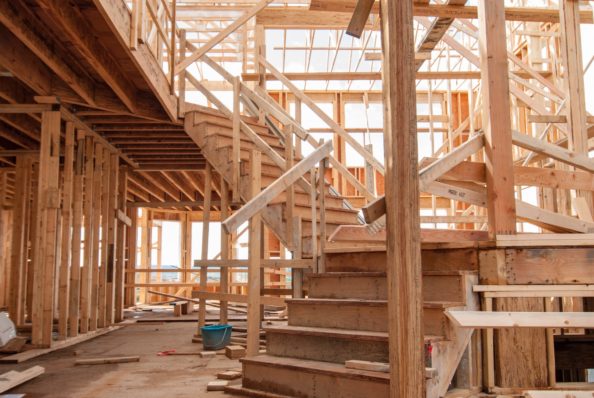 It may take months, if not years, to rebuild after the wildfires in Southern California, raising the likelihood of a spike in demand for lumber in the months and years ahead. The rebuilding process after events such as these “typically drives a significant demand for building materials, particularly lumber, given its foundational role in construction,” said Michael Goodman, of building-materials wholesaler Sherwood Lumber. The California wildfires could slow the economy and boost inflation – and that’s not even the worst of it, economists say. …Looking at the bigger picture for the lumber market, Kuta said, “if one believes that interest rates will gradually moderate lower, we as a nation [would still be] woefully underbuilt and in need of new residential housing.” Among the companies to consider are lumber providers Canfor Corp. and West Fraser Timber Co. and timberland company Weyerhaeuser Co., well as building-material suppliers Builders FirstSource Inc. and Boise Cascade Co.
  A new lawsuit accuses Procter & Gamble of deceiving Charmin purchasers with misleading environmental claims, known as greenwashing, about how it sources its toilet paper. In a proposed class action on Thursday, eight consumers said Procter & Gamble obtains most wood pulp for Charmin from the Canadian boreal forest… through harmful logging practices such as clear cutting and burning. The consumers called this sourcing “completely at odds” with Procter & Gamble’s public commitment to protecting the environment, including its “Keep Forests as Forests” campaign and the “Protect-Grow-Restore” logo found on Charmin packages. The lawsuit called the display of logos from the Forest Stewardship Council and Rainforest Alliance misleading because Procter & Gamble uses little pulp from FSC-certified forests and the Rainforest Alliance no longer has a certification program. …The lawsuit… seeks restitution, compensatory damages and punitive damages for violations of consumer protection laws in 28 U.S. states and Washington, D.C.
 While Donald Trump has yet to act on his multiple tariff threats, it’s likely he will. So the fear lingers that the US president’s aggressive trade posture will sow global disorder, depressing growth and roiling markets, particularly if targeted nations retaliate. But retaliation is not the only or even the most likely response to Trump, no matter how broadly he finally delivers on his threats. The US has wielded tariffs as a weapon for eight years now. …Some nations retaliated; others offered concessions or challenged them before global trade arbiters. But most just quietly moved on, seeking trade with countries other than the US. Since 2017, trade has held more or less steady at just under 60% of global GDP. But there’s been a decline in the US share of trade flows offset by an increase in other regions. Trump 2.0 seems likely to bring more of the same: trade without America.