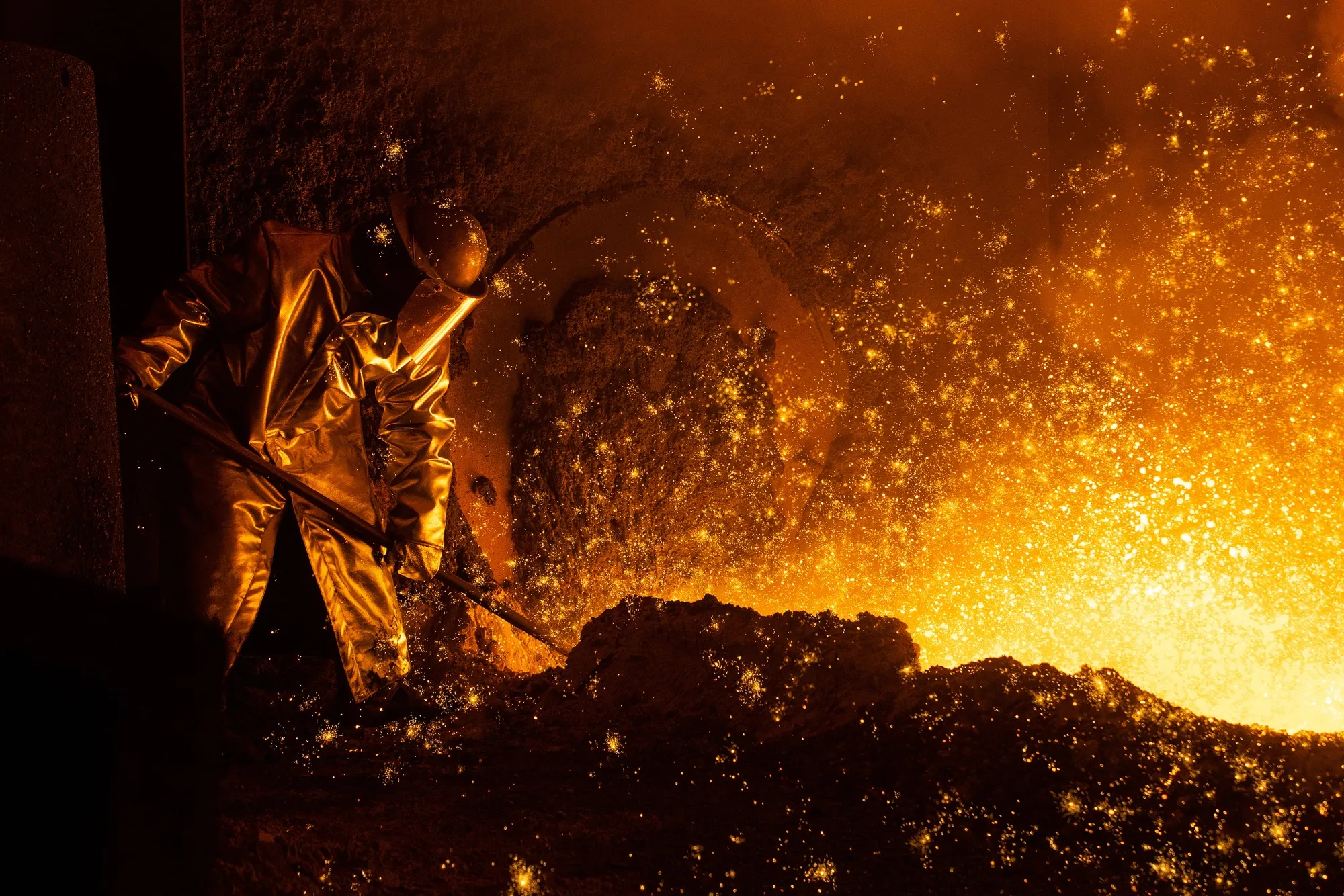
President Trump signed executive orders imposing 25% tariffs on all steel and aluminum imports. His advisers say these tariffs are economically “strategic” rather than a bargaining chip for some other goal. Is the strategy to harm U.S. manufacturers and workers? That’s what his first-term tariffs did, and it’s worth revisiting the damage of that blunder as he threatens to repeat it. …Then, as now, most U.S. metal imports came from allies including Canada, Mexico, Europe, South Korea and Japan. …The real goal of U.S. steel and aluminum companies that wanted the tariffs was to boost their bottom lines. Raising prices on foreign imports allowed them to charge more. The price was paid by U.S. secondary metal producers and downstream manufacturers. …Auto makers were another casualty. …Retaliation caused Mr. Trump to exempt Canada and Mexico as part of the renegotiated Nafta deal. …This is political rent-seeking at its most brazen, and it benefits the few at the expense of the many. [to access the full story a WSJ subscription is required]
Related coverage in Bloomberg: Canada’s business groups call for government action against steel, aluminum tariffs



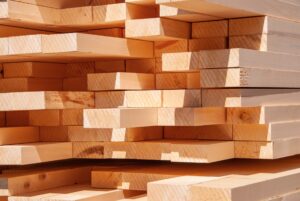 WASHINGTON — Reports indicate that the B.C. Minister of Forests has created an “Advisory Council” to develop strategies for combating U.S. antidumping and countervailing duties. These duties are in place as a result of repeated findings by the U.S. Department of Commerce and U.S. International Trade Commission that Canada’s egregious ongoing dumping practices and long-standing subsidies to its industry have caused havoc in the U.S. market. Andrew Miller, Chairman and Owner of Stimson Lumber, stated that “this is not a complicated issue. Canada must stop dumping its excess lumber production into the U.S. market and should stop subsidizing its industry instead of convening an ‘Advisory Council’ in British Columbia to study ways of getting around U.S. trade laws.”
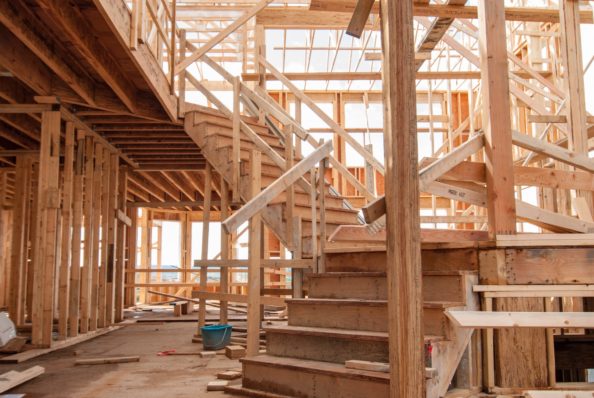 As President Donald Trump ushers in a slew of new policy changes, the proposed 25 percent tariffs on imports from Canada and Mexico—if implemented after the recently introduced 30-day pause—could significantly escalate the cost of lumber, further complicating the already strained U.S. housing market. Some experts predict a near-tripling of costs that could undermine home affordability at a time when the nation grapples with a housing crunch. …According to Carl Harris, chairman of the National Association of Home Builders (NAHB), over 70% of softwood lumber and gypsum, which is used in drywall, originate from Canada and Mexico. …Robert Dietz, chief economist at the NAHB, outlined the risks posed by tariffs as it relates to lumber costs. …Per Dietz, not only could they nearly triple the cost of lumber, a critical component of home building, but they would also drive up prices for consumers, putting homeownership out of reach for many Americans.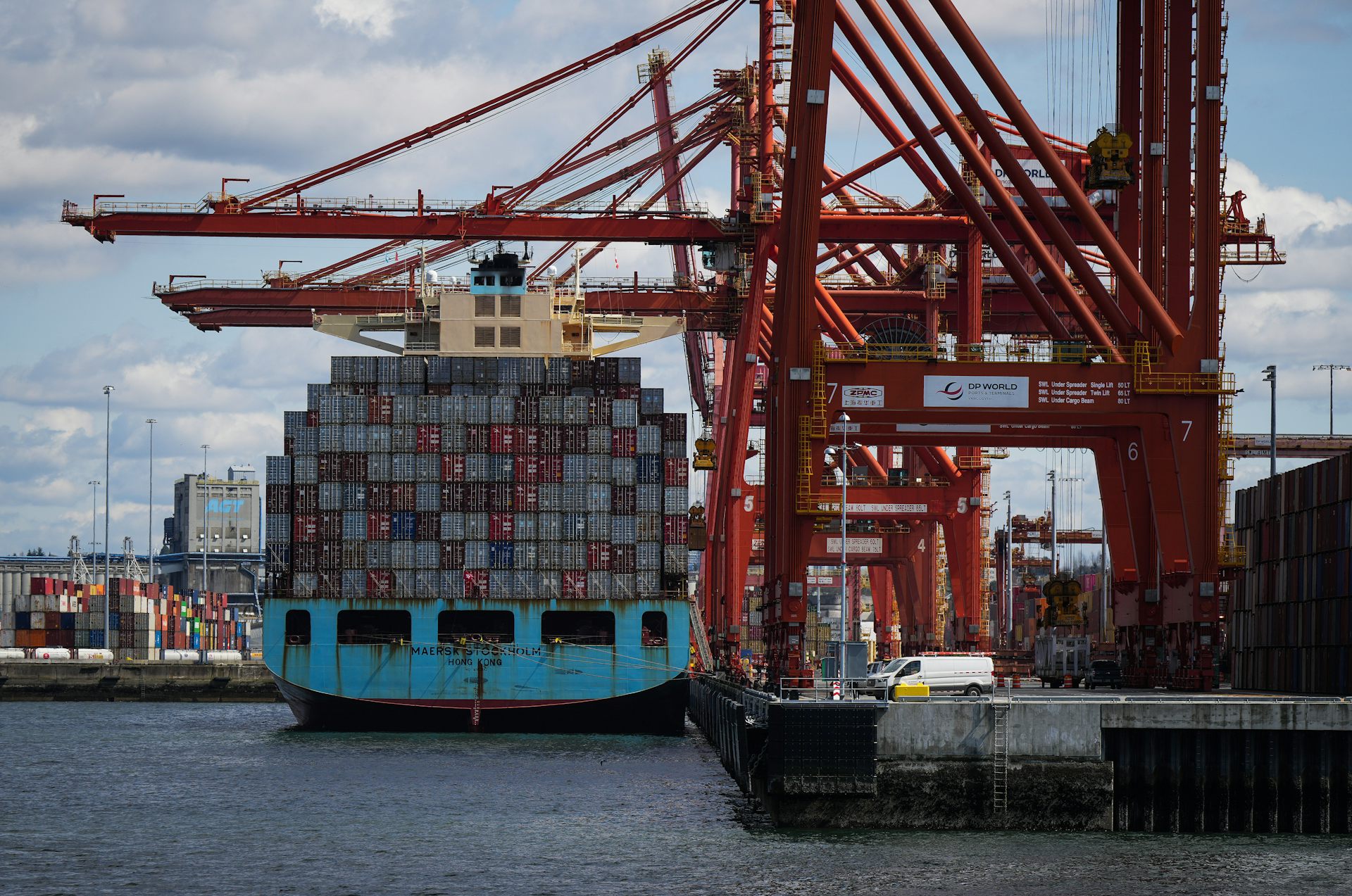
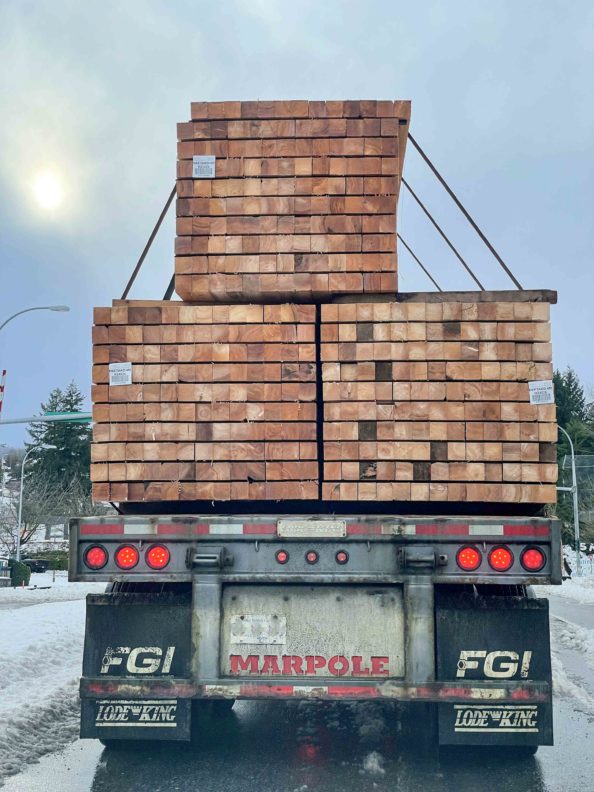 Data provided by the National Association of Home Builders (NAHB) and Fastmarkets Random Lengths confirm that cost of lumber is a very small component of the price of a new home. Consequently, duties on a share of that lumber imported from
  The Province has formed a new council to advance BC’s interests in the long-standing softwood lumber dispute with the US. The council brings together leaders from the forestry sector and labour, alongside experts on US relations and officials from the BC government. The B.C. Softwood Lumber Advisory Council convened its first meeting on Jan. 30. It advises the Minister of Forests, including the sixth administrative review, providing recommendations on steps BC can take to eliminate the 14.4% duties. The council will also help the Province advocate to the federal government. Parmar will chair the council… and the US Council members are:


 The vast majority—72%—of respondents to an HBSDealer poll question say the United States should not pursue a policy of aggressive growth. However, an aggressive approach has been launched —and then quickly paused. …For the home improvement industry, tariffs on Canadian lumber continue to be a central and controversial topic. …NAHB Chairman Carl Harris. “NAHB urges the administration to reconsider this action on tariffs, and we will continue to work with policymakers to eliminate barriers that make housing more costly and prevent builders from boosting housing production.” …Meanwhile, with a deeply ingrained opposition to imports subsidized by the Canadian government, the U.S. lumber industry applauds the tariffs. It also discounts the idea that increasing the tariffs on Canadian lumber imports would lead to significantly higher home prices. The US Lumber Coalition argues that softwood lumber prices are currently low and have not kept pace with general inflation.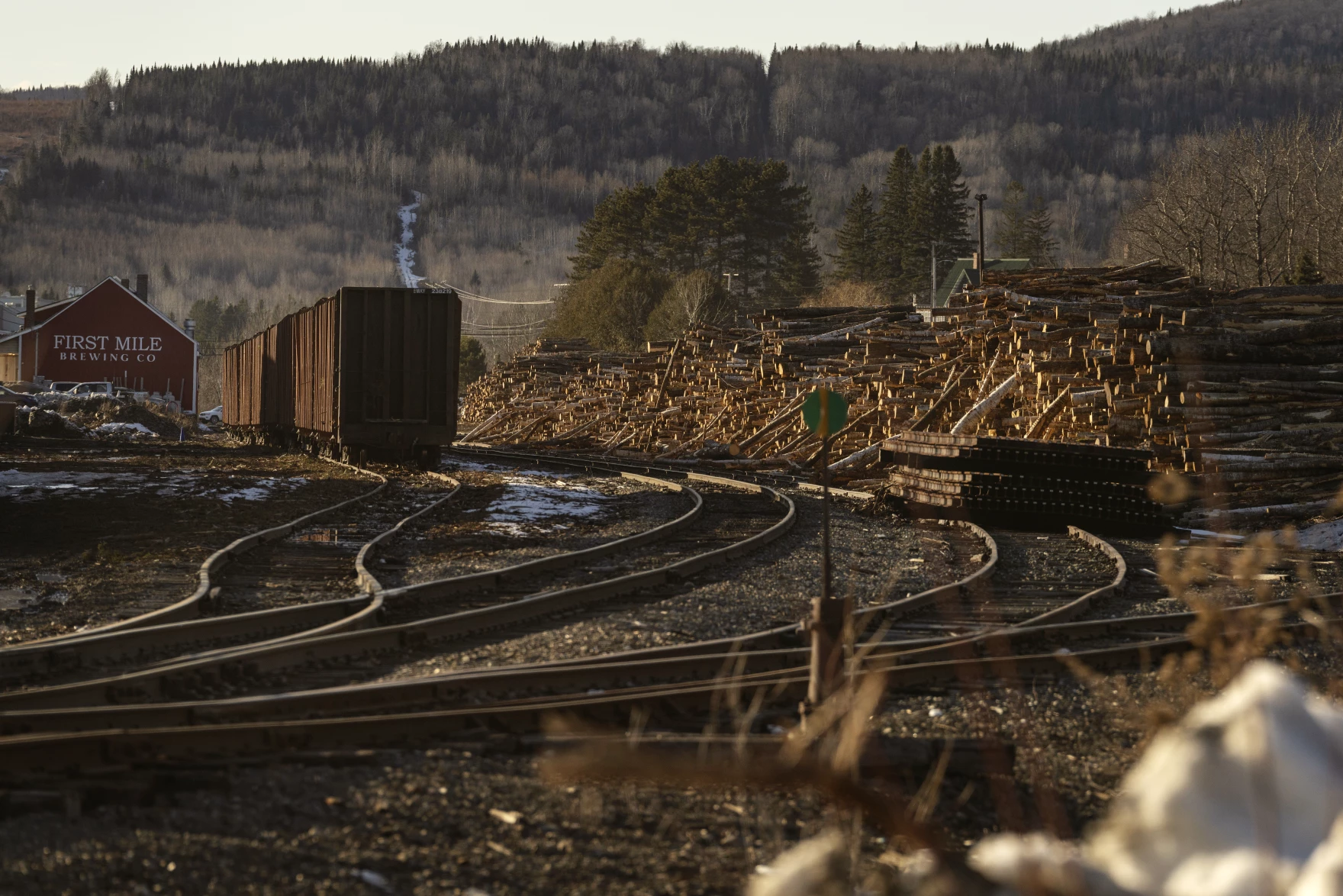


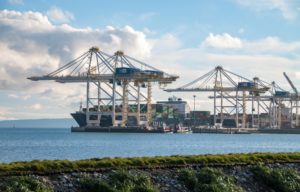 President Trump conceded Sunday that there may be “some pain” from his sweeping tariffs on Mexico and Canada, but they will eventually lead to a new “GOLDEN AGE.” Nice of him to promise a glorious future because the pain is already unfolding. …He also included a blast at these columns for leading the “Tariff Lobby” after our editorial called his 25% across-the-board tariffs on our friends and neighbors “


 VANCOUVER, British Columbia — Western Forest Products Inc. and Eastwood Forests, LLC announced today that Western has completed the sale of approximately 14,500 hectares of fee simple land on northern Vancouver Island in British Columbia, to a Canadian affiliate of the Eastwood Climate Smart Forestry Fund I LP for $69.2 million. “Eastwood has a dedicated focus on delivering climate benefits by supporting responsible forest management globally and we believe they will be excellent stewards of this land and partners in the region,” said Steven Hofer, President and CEO of Western. “The sale reflects our ongoing focus on optimizing and investing in our BC operations. We plan to use the sale proceeds to reduce our debt and support our accelerated transition to higher value products manufacturing, including the previously announced continuous kiln investments in BC.” “This forestland fits perfectly with Eastwood’s interest and experience in sustainable forest management and climate change mitigation,” said Alex Finkral, CEO of Eastwood.
  British Columbia’s lumber industry is facing uncertainty, as looming tariffs threaten the sector. “We don’t know what’s going to happen, businesses don’t like that because you can’t make investment plans,” said Nick Arkle, CEO of Gorman Bros. Lumber. …“About 60 per cent of our lumber in B.C. for the last couple of years has been going to the U.S., which in a way is funny because we have the president saying ‘We don’t need their trees.’ Well, that’s false,” BC Forest Minister, Ravi Parmar said. Gorman Bros. Lumber in West Kelowna sends about 50 per cent per cent of its product to the States, while about 30 per cent stays in Canada. “The U.S is a strong market, you never want to walk away from a market, where first of all you have loyal friends, partners, and customers, people we’ve sold to for 30 to 40 years in some cases,” Arkle said.
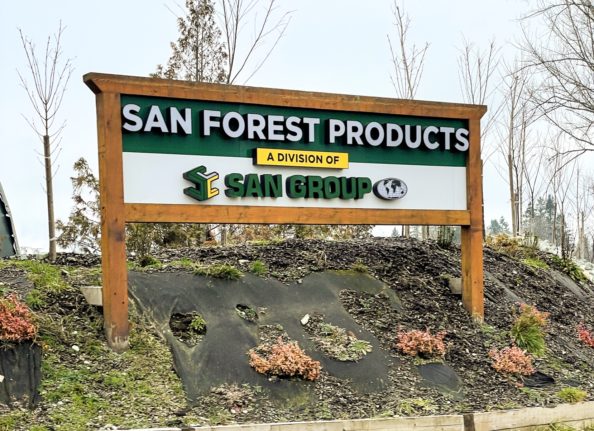 The largest creditor of the San Group wants to take control of some other Vancouver Island businesses connected to the former sawmill company. Kingsley Group operates in Coombs, and court documents show that it has some close ties to the San Group. The Royal Bank of Canada, which is owed $6.7 million from the Kingsley Group, wants to recall its loan and secure the company’s assets. The bank is owed more than $107 million from the San Group. It comes as the San Group’s Alberni Valley mills remain for sale as a court-appointed-monitor tries to drum up interest. …Kamal Sanghara and Sukhjit Sangara are directors with a 32.5 per cent stake each in Kingsley Group, and both are former owners of the group. …CHEK News spoke with Sukhijit Sanghera, a former owner of San Group at Kingsley, and asked if the San Group moved money to Kingsley Trucking and other places to hide assets or prop up Kingsley’s business.
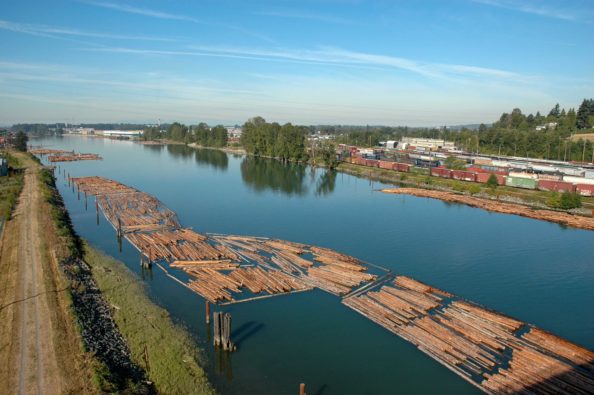 The minister responsible for forestry and local MLA Ravi Parmar said a new council on softwood lumber will bring industry expertise together to help navigate the economic concerns with U.S. duties, and any potential tariffs that could be coming Canada’s way. While many people across the country have let out a sigh of relief about the pause on U.S. tariffs, Parmar said those in the forestry industry are still feeling the economic threat loom. “We’re already dealing with duties to the tune of 14.4 per cent. With tariffs on top of that—we could be dealing with 50 to 55 per cent duties and tariffs on our softwood lumber going into the United States,” he said, adding how that scenario would be devastating. …However, Parmar acknowledged the softwood lumber dispute with the U.S. has been a long-time problem, adding that his task of getting the industry back on its feet is made difficult by the duties.

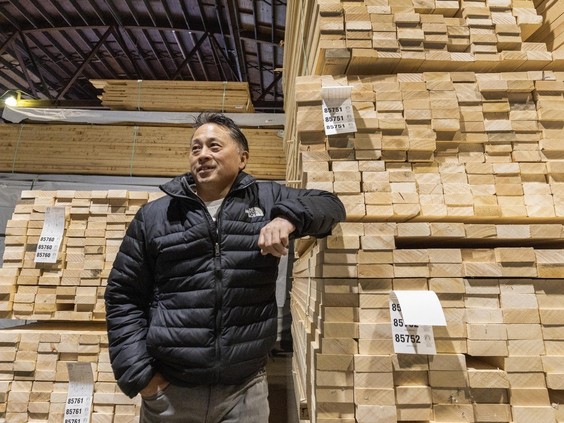

 BURNABY, BC — The United Steelworkers union welcomes Premier David Eby and the Government of BC’s decision to expedite major projects, representing an investment of approximately $20 billion, and for establishing a council to advocate for forest workers in the face of existing and pending duties and tariffs. The strategic move to advance critical mineral and energy products not only boosts the province’s economic resilience, but also ensures job security for USW members. …By accelerating these projects, the province is taking proactive steps to mitigate external economic pressures and reinforce that B.C. is a key leader in the sector. The advisory council to deal with potential impacts of increased duties and possible additive tariffs on lumber exports to the U.S. is equally important. The USW is pleased to be included in the council, which is working to get rid of the softwood duties.

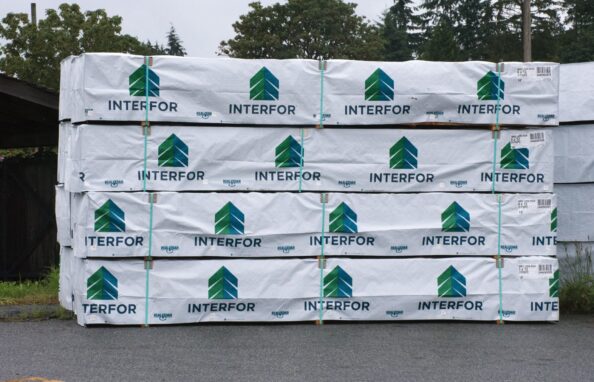 [Companies] in B.C. and across Canada, were given a last-minute, one-month reprieve Monday afternoon after Prime Minister Justin Trudeau spoke with U.S. President Donald Trump… The wood products sector sends $5.7 billion of products to the U.S., and another $962 million in pulp-and-paper products. On Monday, Interfor said it has been closely monitoring the U.S. tariff issue for some time, and as a diversified North American producer, comes into this new environment in as good a position as anyone in the industry. “Our leadership team has been hard at work identifying ways to insulate our company from tariff exposure where possible and put us in the best position to continue to thrive,” said Svetlana Kayumova, Interfor’s vice-president of corporate communications and government relations. “We know there is a housing shortage across North America, and the lumber products we produce are a vital part of the solution.” Interfor has mills on both sides of the border.
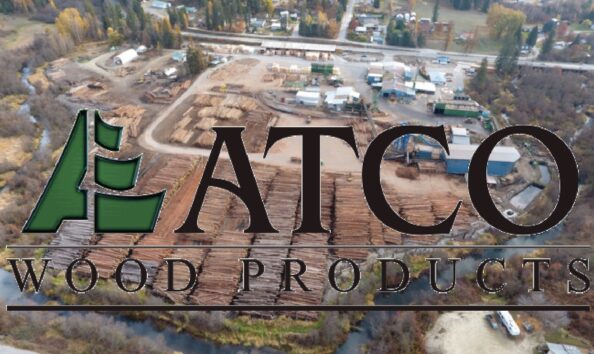 A local forest-sector manufacturer is receiving a boost from the province to help grow its product line. Atco Wood Products — located in Fruitvale, 67 kilometres southwest of Nelson — is considered one of the top producers of softwood veneers and related by-products in the region. Through the B.C. Manufacturing Jobs Fund (BCMJF), the Government of B.C. will hand Atco $50,000 to complete planning for a new veneer-production facility, and purchase and commission new equipment to improve fibre utilization and optimize production. The company — which also manufactures veneer, ties, posts, wood chips, mulch and biomass — has evolved from its sawmilling roots, into a cutting-edge manufacturer of specialized softwood veneer and other wood products. As part of new support for forest-sector manufacturers throughout the province will help create jobs and boost local economies while diversifying the range of fibre sources used to manufacture high-value, made-in-B.C. forest products.
 Premier David Eby is tasking a new cabinet committee with co-ordinating the whole-of-government approach to protect B.C.’s workers, businesses and economy against ongoing tariff threats from the United States. Ravi Kahlon, Minister of Housing and Municipal Affairs, will chair the committee, which will act as a day-to-day war room, co-ordinating actions across government to fight back on behalf of British Columbians and grow the province’s economy. “The proposed U.S. tariffs are a direct attack on B.C.’s families,” Premier Eby said. “This threat isn’t going away anytime soon – not while this president is in power. …Minister Kahlon brings deep experience in government to the table and is uniquely positioned to co-ordinate this work across government ministries.” The B.C. government has stepped up with a three-point strategy to fight back and protect British Columbians …The new committee will ensure that B.C.’s response is fast, tough and fully focused on protecting British Columbians.







 BEIJING — China countered President Trump’s across-the-board tariffs on Chinese products with tariffs on select U.S. imports Tuesday, as well as announcing an antitrust investigation into Google. The Chinese response was “measured,” said John Gong, a professor at the University of International Business and Economics in Beijing. “I don’t think they want the trade war escalating,” he said. …This time, analysts said, China is much better prepared to counter, with the government announcing a slew of measures that cut across different sectors of the economy, from energy to individual U.S. companies. China said it would implement a 15% tariff on coal and liquefied natural gas products as well as a 10% tariff on crude oil. …China also announced export controls on several elements critical to the production of modern high-tech products. “A risk is that this is the beginning of a tit-for-tat trade war,” Stephen Dover of Franklin Templeton said.
 PORTLAND, Maine — Tariffs that are central to Trump’s economic policies could destabilize markets for numerous Maine products from lumber to electricity. …Tariffs on products from Canada, which is Maine’s biggest trading partner, would send powerful ripples across the state’s economy. Maine brought in $4.4 billion of goods – fuels, oil, electricity, wood pulp and more – from its neighbor in 2024. Imports from Canada far outpace those from any other trading partner. …Patrick Woodcock, CEO of the Maine State Chamber of Commerce said, “many state businesses see Canada not just as a market to buy and sell items, but a place with mills and processing plants that are “fully integrated in their business plans”. …New tariffs could complicate trade relations between the U.S. and Canada, which have been tested in disputes over lumber for decades, said Patrick Strauch, of the Maine Forest Products Council… but a universal tariff would have the biggest effect on the price of energy. [the access the full story a Portland Press Herald subscription is required]
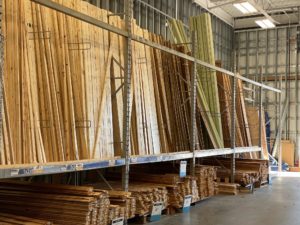 CALIFORNIA — Home builders have avoided a price hike in materials — especially lumber — after the Trump administration said it would delay steep tariffs on Canadian and Mexican goods for at least 30 days. …The temporary reprieve is good news for the construction industry, said Danielle Hale, chief economist at Realtor.com. “In particular, Canadian lumber is an important input in home construction, finishes such as cabinets, and furniture,” Hale said, adding that this is happening at a time when the U.S. is already dealing with an ongoing housing shortage. Prior to the pause, Carl Harris, chairman of the National Association of Home Builders, sent a letter to President Donald Trump outlining the organization’s “serious concerns” about the effects of the proposed North American tariffs. NAHB is particularly concerned about two essential building materials: softwood lumber and gypsum, which is used for drywall. More than 70% of those materials come from Canada and Mexico.
 NORTH CAROLINA — International trade is complex and one of the least understood components of the globally connected world. …International trade promised cheaper goods and economic growth, and it delivered. But for many Americans, international trade came at a severe cost — the loss of good-paying jobs that helped build the middle class. The frustration isn’t just nostalgia; it’s real. However, trade is not just about economics — it also involves politics, regulations, and agreements that can create both opportunities and unexpected tensions between nations. One example of how regulations impact trade is the lumber industry. In the US, environmental regulations limit how much timber can be harvested, making production more expensive and restrictive. …When US tariffs on Canadian softwood lumber were imposed in 2017, home builders in North Carolina faced a significant hike in costs, affecting new home construction. The construction industry’s experience is not isolated. Trade wars create a domino effect that reaches far beyond political brinkmanship.