 Canada is imposing a temporary tariff on imports of some wood products as Ottawa awaits the findings of a probe into possible harmful practices in the global market. The federal government said in a news release that Canada will impose a 25% surtax on certain wood cabinets and vanities starting Friday. Those tariffs will be in place for a maximum of 200 days while the Canadian International Trade Tribunal investigates whether increased imports of those goods are threatening to harm Canada’s domestic producers. Wood cabinets and vanities manufactured in the United States, Mexico, Israel, Chile and developing nations will be exempt from the tariffs. The federal government said that’s in keeping with Canada’s international trade obligations. …Finance Minister François-Philippe Champagne asked for the Canadian International Trade Tribunal inquiry back in April at the request of the Canadian Wood Products Alliance. The tribunal is expected to report its findings by Jan. 15, 2027.


 Burnaby-headquartered Interfor Corp., one of B.C.’s long-standing lumber giants, has told its employees that it will be moving most of its executive and back-office work to an office in the United States. The company didn’t indicate whether it would officially move its headquarters to the office in Georgia that Interfor established in 2014… Interfor did not respond to Postmedia requests for comment. News of the move came as a surprise to the union that represents about 250 Interfor’s workers at two of its three B.C. mills, as well as mills in Ontario. “I read it this morning while vacation with my morning coffee,” said Jeff Bromley, wood council chair for the United Steelworkers. “I understand that they’ve built and purchased a number of operations in the States over the last 20 years,” Bromley added. “But at the end of the day, it’s still a kick in the gut.” …Now he is concerned other companies might follow suit.


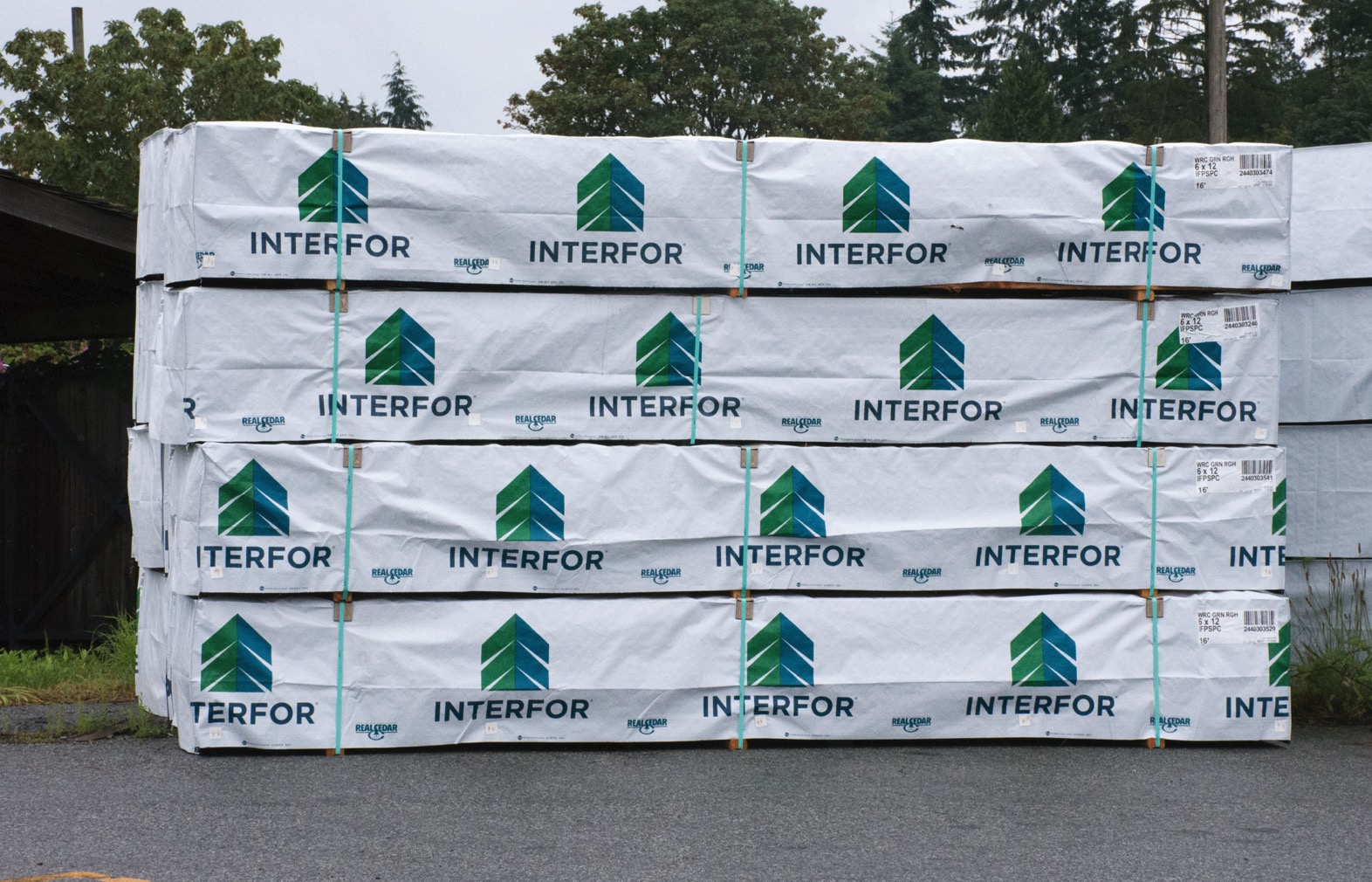 Canadian lumber giant Interfor Corp., which blamed U.S. tariffs on softwood lumber when it idled two Northern Ontario sawmills indefinitely in April, has told employees it plans to shift its corporate and functional support operations from the company’s current headquarters in Burnaby, B.C., to an office in Georgia. In a memo sent to employees earlier this month and viewed by the Financial Post, chief executive Ian Fillinger said the Peachtree City office, outside Atlanta, will be established as Interfor’s “primary hub for corporate and functional support.” The July 9 memo says “a continued West Coast presence” will be maintained as part of a multi-year operational strategy and that the company hopes to handle the gradual shift to a U.S. corporate support hub largely through attrition and future hiring decisions. …According to Fillinger the changes would position the company’s support functions closer to where the business operates and strengthen how mills and customers are served….
 President Trump will impose double-digit tariffs on imports from 60 countries over forced labor violations, US Trade Representative Greer announced. The action will cover 99.4% of US imports and apply to Washington’s top trading partners, according to a fact sheet released by his office. The tariffs are being brought under Section 301 of the Trade Act of 1974. …The new levies, which go into effect at midnight Friday, will replace tariffs that Trump imposed under Section 122 of the trade law earlier this year as they were set to expire. The tariffs are a part of an effort from the administration to push all the country’s trading partners to eliminate forced labor from the global supply chain. Ten percent tariffs will be implemented on countries that have made commitments to adopt and enforce forced labor import prohibitions, while countries that have not enacted a forced labor import prohibition will be hit with a 12.5 percent tariff.
 Donald Trump’s latest 50% tariffs against Canada would likely be shot down in any court challenge, trade law experts say. …Trump still needs to prove that Canada is “discriminating” against American trade, said international trade lawyer Barry Appleton. But the Canada-U.S.-Mexico Agreement on trade — negotiated and signed by the US during Trump’s first term in office — includes the things he’s now complaining about. “It’s a hard thing to walk into court and call your own trade deal discrimination,” said Appleton. “It’s harder still when that same deal has a dispute-settlement process built for exactly this kind of complaint, and Washington is choosing to skip it and go straight to tariffs.” …US trade lawyer Marc Wheat said US importers will soon challenge the Section 338 tariffs at the U.S. Court of International Trade, and will likely win. While the White House could keep appealing and the Supreme Court may not the case.
 The Trump administration’s latest tariff onslaught won’t just hurt Canadian forestry workers during already tough times, but will also undermine U.S. efforts to make housing more affordable, says the head of the Forest Products Association of Canada. “Overall for us, 98 tariff line items were added for forestry, which is a direct assault on our sector and on our workers here in Canada,” Derek Nighbor, president and CEO of the association, said in an interview Wednesday. …“If implemented, these sweeping 50 per cent tariffs represent a drastic and unjustified barrier to a highly integrated North American supply chain,” said Ian Dunn, president and CEO of the Ontario Forest Industries Association. …The BC Council of Forest Industries counts 21 lumber mills that have closed since 2023. The council “urges a fair, long-term solution that avoids further economic harm in both countries,” said CEO Kim Haakstad, who was in Washington for meetings with US lawmakers.
  United Steelworkers union (USW) Canadian National Director Marty Warren said… “President Trump has once again chosen confrontation over co-operation, directly threatening the livelihood of Canadian workers, and the future of industries and communities. The USW is particularly concerned with the Trump administration’s targeting of Canadian forest and wood products in this latest round of tariffs. Canadian forestry workers and producers are already under immense pressure because of illegal U.S. section 232 tariffs and unreasonable anti-dumping duties. These measures have nothing to do with fair trade and everything to do with leverage. They are another attempt to use economic coercion to force Canada into concessions that serve the interests of the United States. …When countries negotiate and sign an agreement such as CUSMA, each party should be expected to respect and honour its commitments. …The federal government should continue to negotiate, but we cannot be bullied.

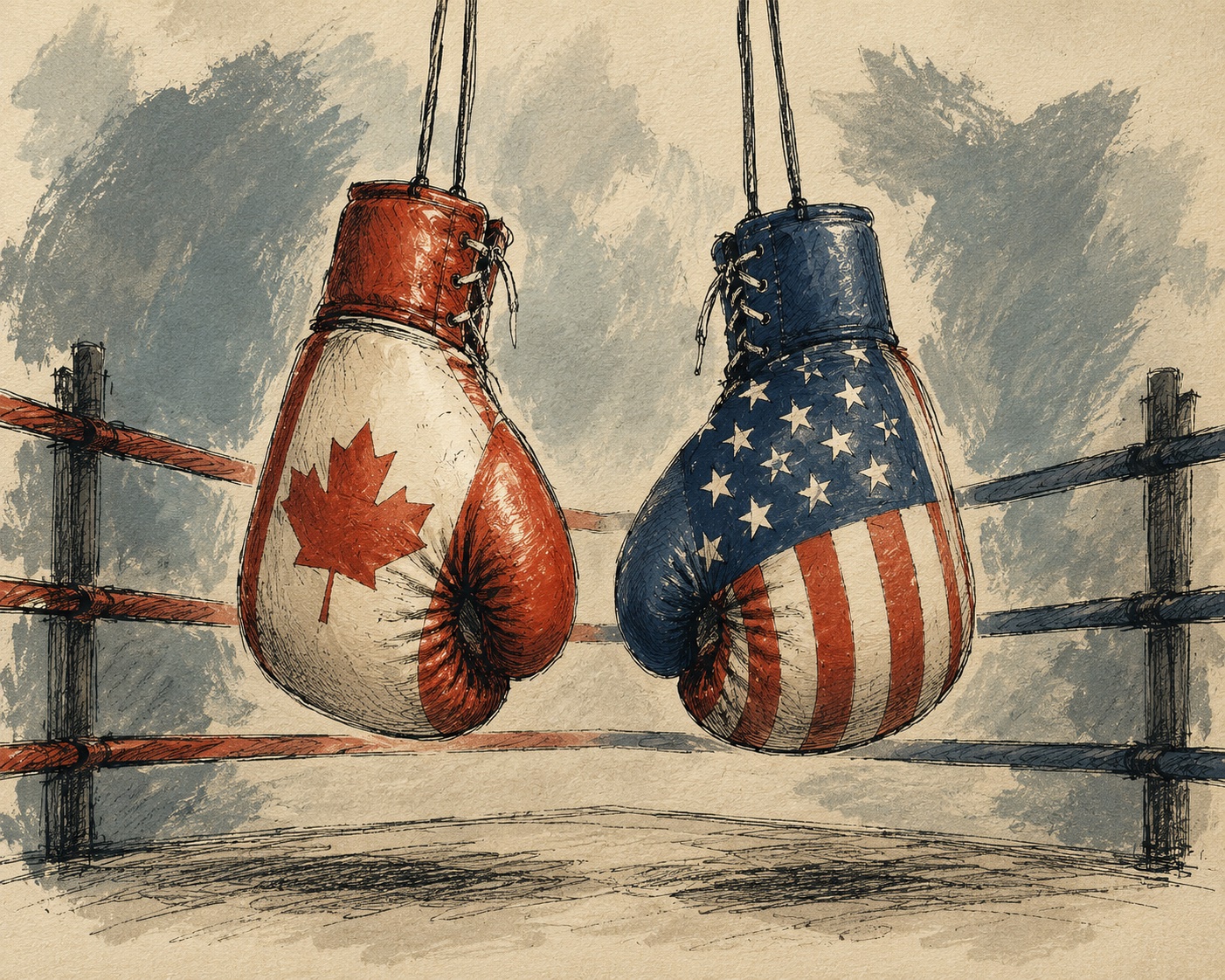
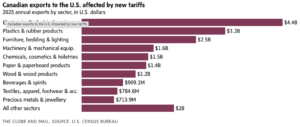 The White House has ramped up its trade war with Canada by threatening tariffs on a seemingly esoteric list of goods that would deliver a serious blow to companies caught in the crosshairs, even if the broader impact on the country’s economy should be limited. President Trump issued a trio of executive orders imposing 50% tariffs on more than 500 categories of products, ranging from larger sectors such as electronic equipment and furniture to a hodgepodge of products including hockey sticks, Canadian whisky and even some antiques. The tariffs would apply to roughly US$20-billion of imports from Canada, which represents roughly 5% of Canada’s shipments to the US in 2025. …The new tariffs are also set to impact a broad range of Canadian forest products. …Expanding the tariffs is deeply disappointing, Derek Nighbor, president and CEO of Forest Products Association of Canada said. [to access the full story a Globe and Mail subscription is required]
 US President Trump has
 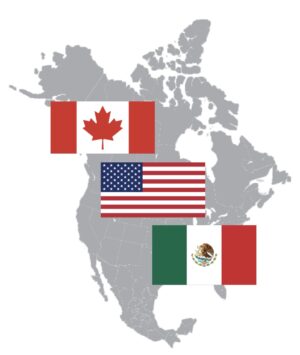 It may appear that Trump’s move to hit many Canadian products with new tariffs of 50% came out of the blue, but there are clear signs of what’s driving the tactic. The announcement comes as the US pushes for significant changes to the Canada-U.S.-Mexico Agreement. …The Trump administration wants to wipe out as much of Canada’s leverage in those talks as possible. Some of that leverage comes from eight Canadian provinces banning the import and distribution of US alcohol products. …But retaliation for that boycott is just one of three ostensible reasons US trade representative Jamieson Greer gave. …”Canada has given better market access to dairy products from the EU, and has put a cap on US vehicle exports from companies reshoring to the US,” Greer said. …The US has listed nearly 500 product categories impacted, some of which clearly relate directly to trade irritants. But dozens seem chosen at random.
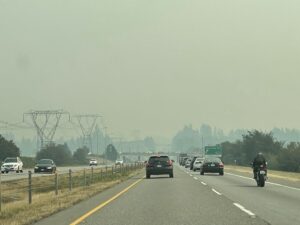 US Ambassador to Canada Pete Hoekstra says President Trump‘s threat to impose new tariffs over smoke from Canadian wildfires should be taken seriously. Smoke from Canadian wildfires has blanketed several major American cities. “We are holding Canada responsible for the fact that they are not properly maintaining their Forests, and Brush therein,” Trump wrote on Truth Social. He said the wildfire smoke amounts to “Willful Negligence” and is “costing the US Billions of Dollars.” He added that the cost of the pollution “is incalculable” and should be “added to the tariffs Canada currently pays.” …Hoekstra would not say how large any potential tariffs could be or what legal mechanism the administration might use to impose them. But he said Canada could face consequences if the issue is not addressed. …The criticism comes despite the administration’s own moves to scale back US climate action.
 Ontario Premier Doug Ford on Saturday blasted the criticism leveled at the Canadian government by the Trump administration and congressional Republicans over its handling of raging wildfires as “totally unacceptable.” “We’re trying to get through this,” Ford said, calling the rhetoric coming from some in the US “shameful.” President Trump threatened on Friday to impose additional tariffs on Canada over what he described as the government’s “willful negligence” and refusal to engage in “basic Forest Management”. The president said he planned to call Prime Minister Mark Carney to “find out what they are going to do” about the hundreds of wildfires raging across Canada. There were 955 active fires as of Saturday. Ford described current conditions as a “terrible scenario”. …Ford suggested those lawmakers have a “short, short memory,” noting how Canadian hydro-linemen and water bombers assisted in battling wildfires in California, Georgia and South Carolina last year.


 The Independent Lumber Manufacturers’ Association (ILMA) has chosen a convention theme that’s sure to get people talking: WTF? Where’s The Fibre? The title may raise a smile, but the question is serious.
 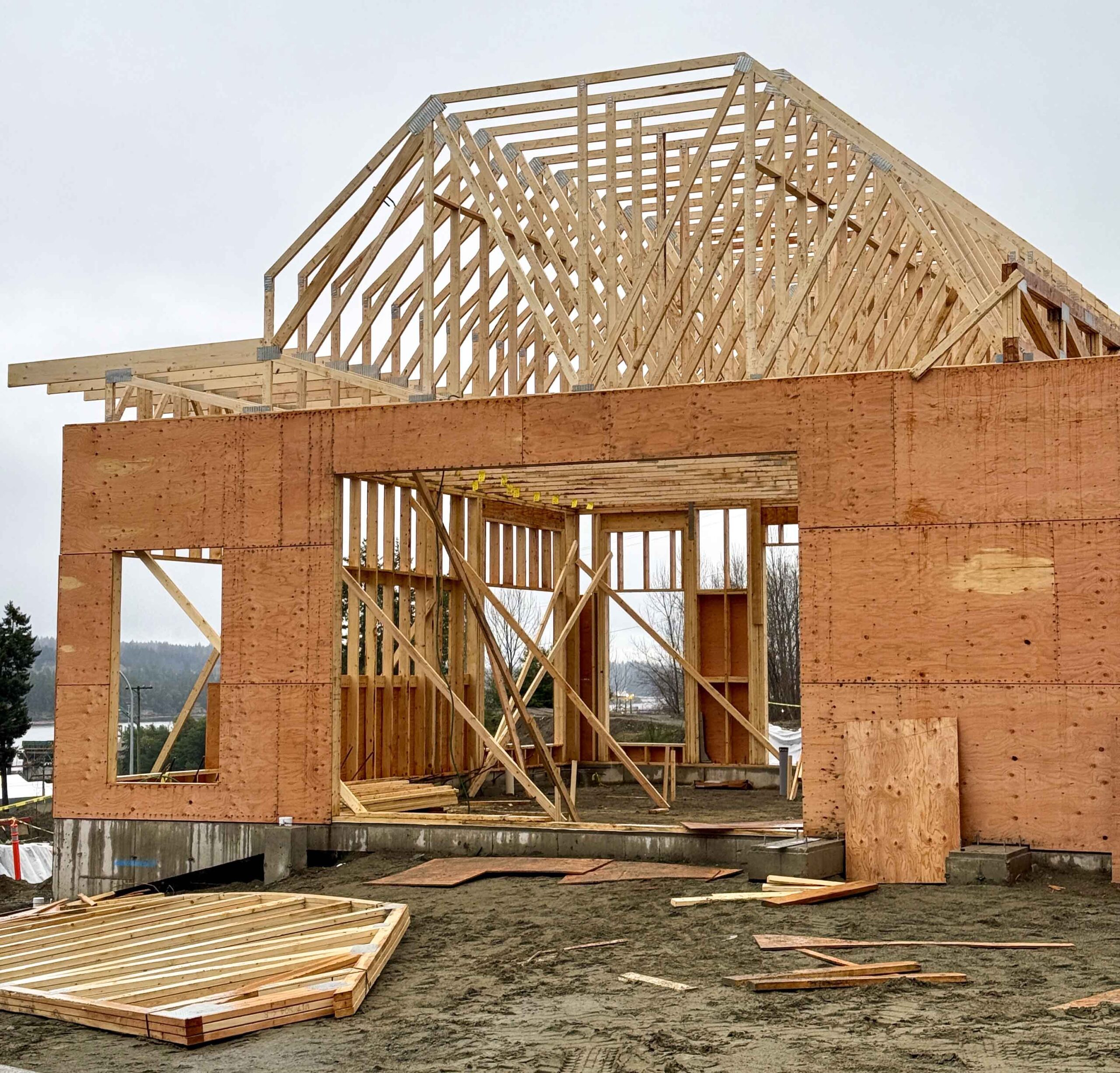 A niche corner of B.C.’s forest sector … is now staring down a deadline for a crushing blow in the next round of tariff charges announced by U.S. President Trump. Those new charges would slap a 50 per cent tariff on $28 billion of Canadian exports including B.C. plywood, veneers and plywood panels starting Aug. 19, leaving producers short on strategies to adjust. “(We’re) just hoping that Trump is flip-flopping again,” said Bhavjit Thandi, chief financial officer of Richmond Plywood. …Thandi said Richmond Plywood sells most of the output of its 450-employee mill into the Canadian market, but the 10 to 12 per cent it has been shipping into the U.S. represents its best and highest-value product. …To Brian Menzies, executive director of the Independent Wood Producers Association, the threatened tariffs add insult to injury for his members that have been struggling for almost a decade under the punitive duties of the Canada-U.S. softwood lumber dispute. [A Vancouver Sun subscription is required for full story access]
 VANCOUVER, BC – Canfor announced that it will permanently close its Fox Creek sawmill in Fox Creek, Alberta. …The Fox Creek sawmill, destroyed by a fire in 2008, was rebuilt in 2011 as a single-shift operation to process the uplift in available timber as part of the Province of Alberta’s strategy to reduce the amount of pine beetle susceptible forests. …However, with the end of the pine beetle strategy and with wildfire-damaged timber now largely exhausted, there is insufficient fibre to sustain the operation over the long term. Coupled with prolonged weak markets and punishing duties and tariffs, this facility is no longer viable. …Susan Yurkovich, Canfor CEO said “This decision does not diminish the dedication and contribution of our Fox Creek team. We are committed to helping those impacted.” …The closure of Fox Creek sawmill represents a reduction of 120 million board feet of production capacity. Operations are expected to be concluded by late summer.
 PRINCE GEORGE, BC — Standing in the pouring rain in front of Canfor’s Northwood Pulp Mill in Prince George, provincial and federal opposition members called on their respective levels of government to do more to assist BC and Canada’s struggling forestry industry. …Tamara Jansen, the Conservative MP for Cloverdale-Langley City, said that the closure announcement isn’t isolated. “And many people genuinely believed that things were going to change”. …Jansen called on the federal government to reduce red tape, eliminate the industrial carbon tax that remains in place after the consumer version was repealed and change other factors preventing Canadian industries like the pulp sector from being competitive. …Bob Zimmer, Conservative MP for Prince George-Peace River-Northern Rockies, said… even though trade tensions between Canada and the US have escalated, the problem has gone on since the federal Liberals took power in 2015 and have failed to secure an agreement.
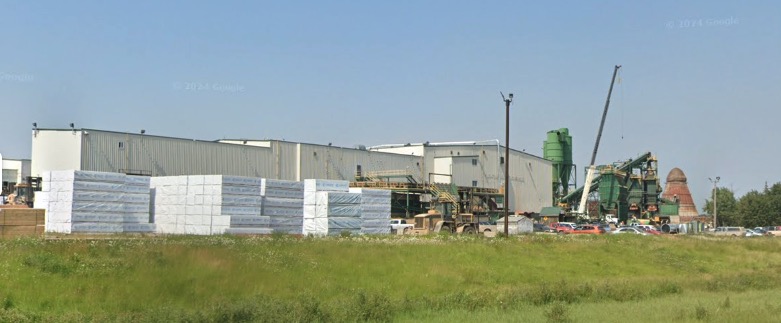 Carrier Forest Products Ltd. plans to indefinitely “curtail” production at its Big River sawmill later this year, resulting in 117 layoffs. Carrier recently announced that output from its Saskatchewan mill is to halt in October of this year, citing weak market conditions in addition to wildfires and American tariffs. “For over 100 years, the forestry industry has provided a source of income for the residents of this community as well as attracting many newcomers into town,” said Clint Panter, the reeve of the town council in Big River. …The NDP has blamed the governing Saskatchewan Party for the layoffs, stating that a lack of support for the forestry industry left the company vulnerable to tariffs, fires, disease and insects. In response, Saskatchewan Minister of Energy and Resources Chris Beaudry said the sawmill’s closure is “a direct result of the unjustified U.S. tariffs and duties, a weak pricing environment and a falling exchange rate.”

 Department of Finance Canada highlighted a $100 million loan to Millar Western Forest Products Ltd. through the Large Enterprise Tariff Loan (LETL) facility. As part of the Government of Canada’s efforts to support and protect Canadian businesses facing trade-related uncertainty, this loan will provide the company with the flexibility to strengthen its near-term operations, including rebuilding its log inventory, and adapt to evolving market conditions while protecting jobs. Millar Western produces high-quality hardwood and softwood pulp from three mills in Slave Lake and Whitecourt, Alberta, and Quesnel, British Columbia. The company employs more than 420 full-time workers and supports approximately 300 contractors in maintenance, field-level forestry and consulting services. As an export-oriented business, Millar Western ships most of its products internationally, with 93 per cent of its sales going to Asian markets, primarily China.




 PRINCE GEORGE, BC – The closure of Canfor’s Northwood pulp mill is putting renewed pressure on governments to support forestry workers in Prince George, with both union and political voices pointing to retirement bridging as one of the most urgent needs for workers facing job loss. The Northwood closure has left workers trying to understand what comes next, including when their jobs will end and whether there will be comparable work available in the region. Chuck LeBlanc, National President of PPWC, says many workers are still processing the announcement. …But finding similar work in Prince George could be difficult as there are fewer options left following years of mill closures and downsizing. …LeBlanc says one support that has been pushed before is bridging to retirement, a program that could help older workers leave the workforce with financial assistance while opening up jobs for others lower on the seniority list.
 SAULT STE. MARIE — The Ontario government is partnering with the Government of Canada to invest more than $7.2 million through the Canada-Ontario Workforce Tariff Response to help protect workers in the North, strengthen critical industries and build a more competitive and resilient economy in the face of global economic uncertainty. This investment will help more than 500 workers across northern Ontario upgrade their skills, transition into in-demand careers and ensure local employers have the skilled workforce they need to grow and succeed. “Through these investments, we’re helping workers transition into good-paying careers, supporting employers facing economic pressures and strengthening the industries that will drive Ontario’s future prosperity,” said David Piccini, Minister of Labour, Immigration, Training and Skills Development. Ontario will deliver the funding through Skills Advance Ontario, which partners with employers and training providers to help workers transition into the sectors that are driving economic growth and building the province’s long-term competitiveness.




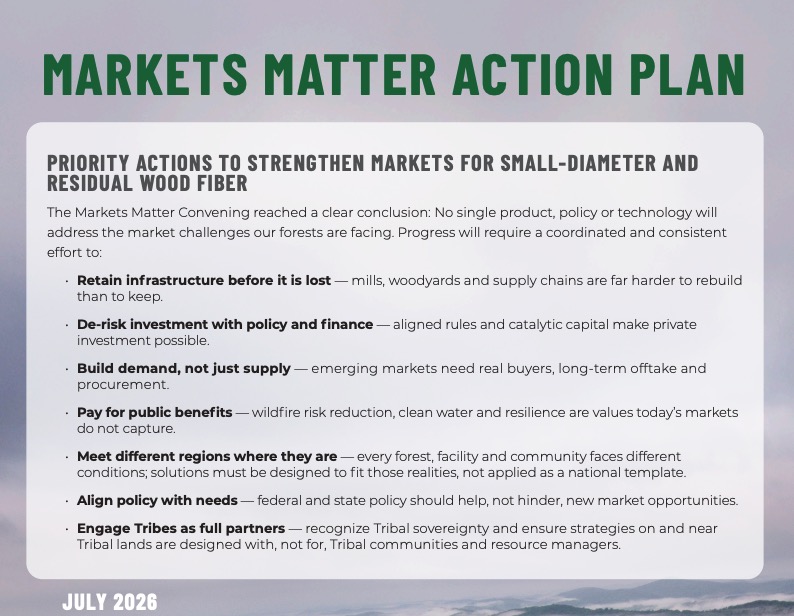

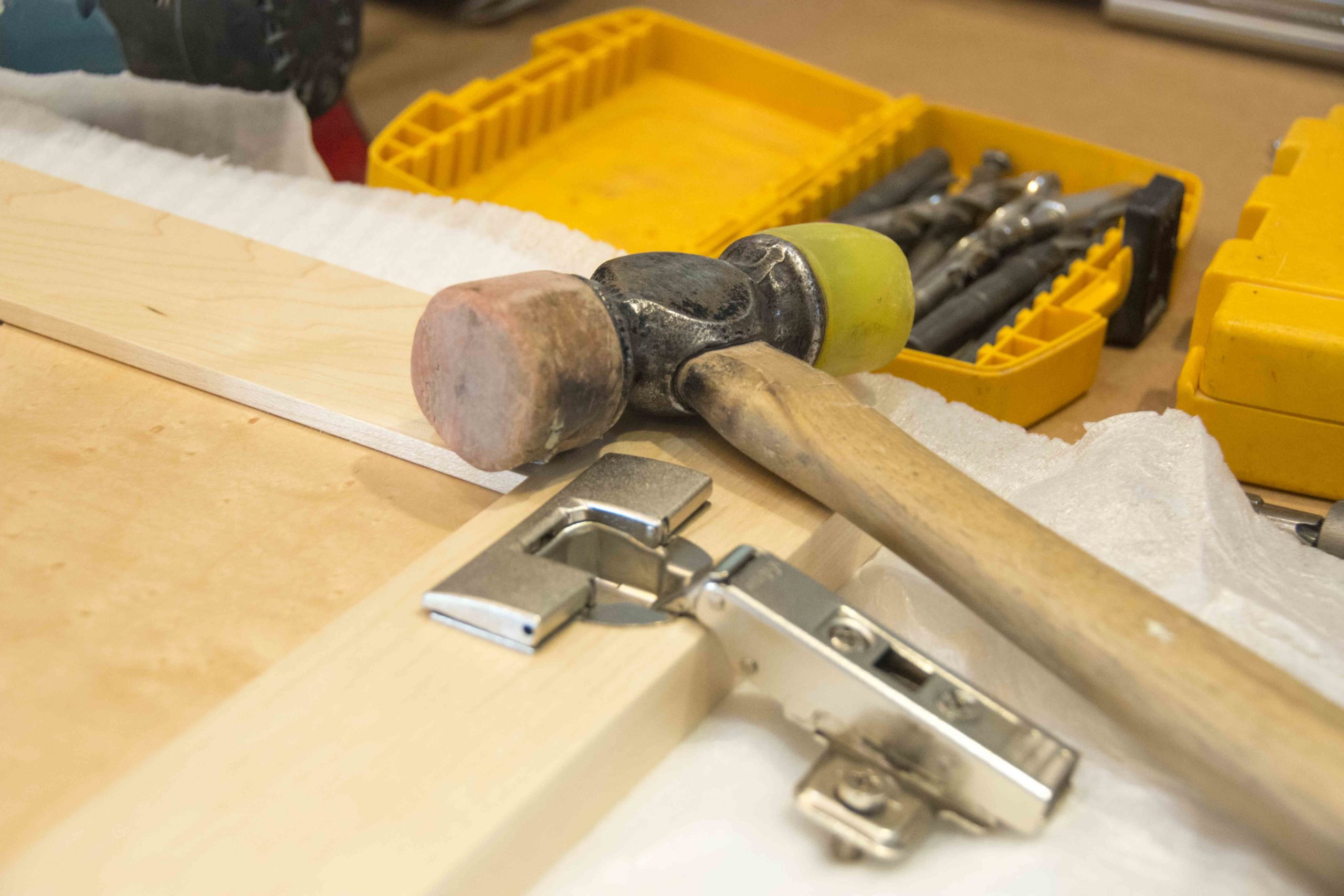 When construction and trades professionals are asked which single trade the skills shortage will hit hardest, they don’t name electricians or plumbers first. They name the carpenters and woodworkers, and the consequence they point to most isn’t a blown budget or a slipped schedule. It’s a decline in the quality of the work itself.
  KINGSPORT, Tennessee — The next steps in a federal lawsuit against Domtar Corp. over Kingsport odor are to determine whether or not the lawsuit can proceed as a “class-action” lawsuit, according to legal documents. Two Kingsport residents and Domtar, the plaintiffs and the defendant, respectively, are expected to attend private mediation over the lawsuit by Dec. 15. Both parties agreed to separate parts of the lawsuit into different phases — whether the lawsuit should move forward as a class-action lawsuit, and the merits issue of the case — “for purposes of efficiency and to make this case significantly more manageable,” according to legal documents. The latest document related to the case available in PACER, an electronic database that provides public access to federal court documents, outlines deadlines throughout 2027 to litigate the lawsuit’s class designation.
 The U.S. Department of Commerce

 PITTSBURGH – United Steelworkers (USW) International President Roxanne Brown and IAM Union (International Association of Machinists and Aerospace Workers) International President Brian Bryant sent a letter to United States Trade Representative (USTR) Jamieson Greer, urging him to reconsider tariffs on Canadian goods and instead employ a trade policy built on the long history and unique relationship the two nations share. “While it’s true that workers and their communities have suffered greatly from decades of so-called free trade, Canada has never been the problem,” said Brown. “Our two nations share a deep collaboration built on decades of economic integration as well as intelligence and defense cooperation. Rather than imposing further tariffs … we should work together with our Canadian allies to limit illegal trade practices and advance our shared prosperity.” “…we urge the administration to work with the Canadian government to preserve the integrated manufacturing relationship that supports workers on both sides of the border,” said Bryant.
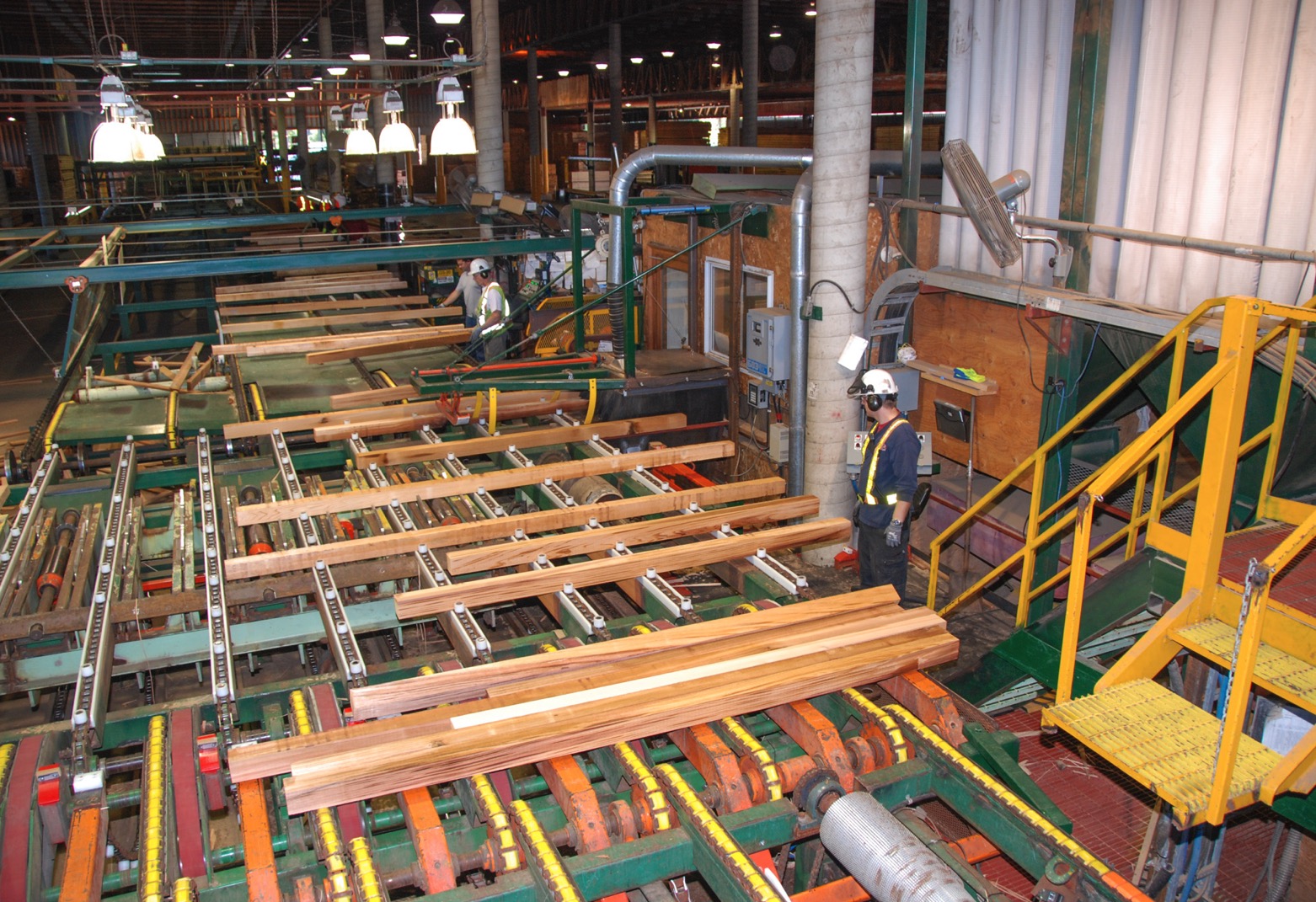


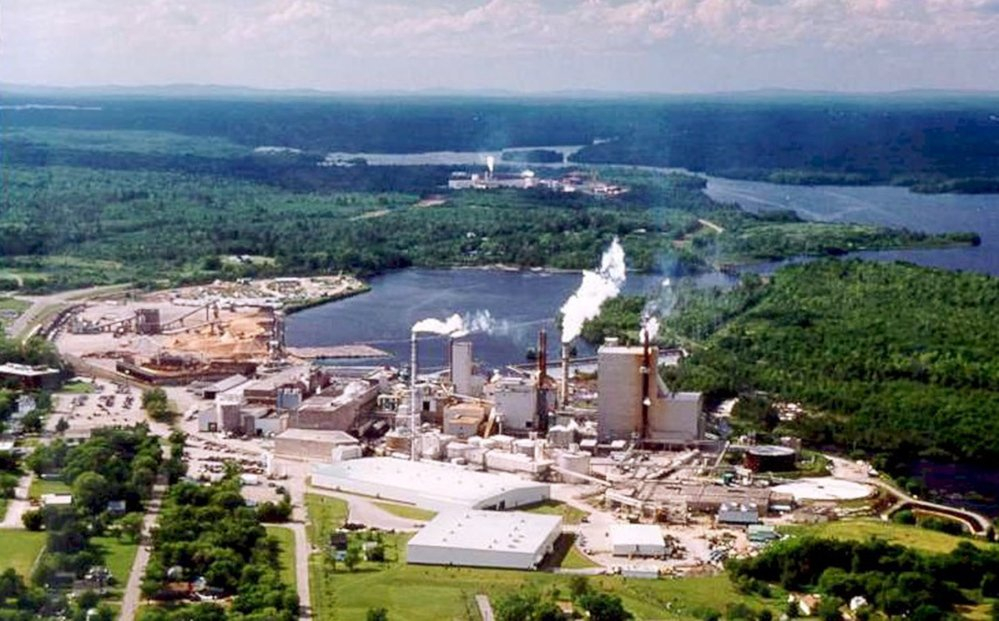

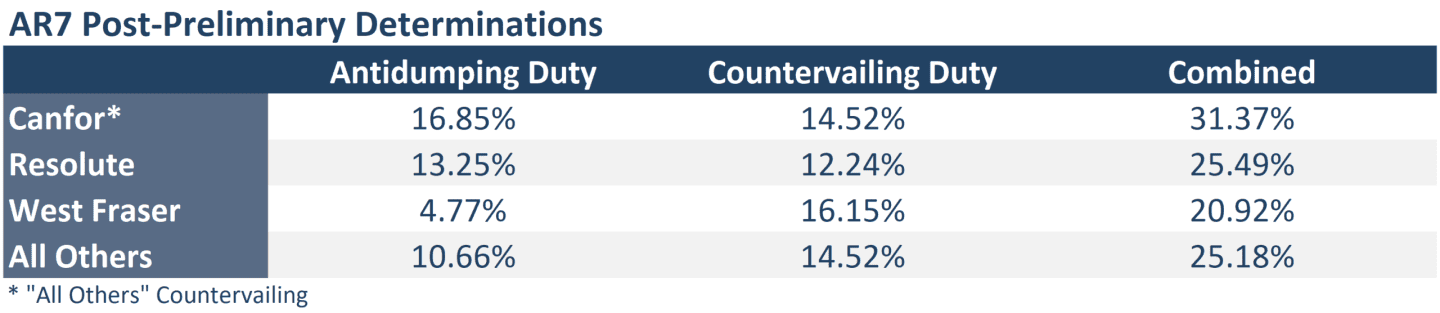
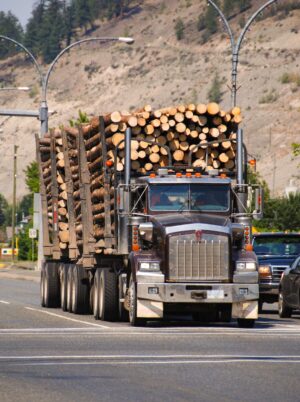 President Trump has opened a new front in the US-Canada trade war. …But not on softwood lumber. Like other goods already subject to Section 232 tariffs, softwood got a pass. That exemption is more revealing than the tariffs themselves — and it points toward a deal that has eluded both countries for four decades. The US imports about a third of the lumber it consumes, and Canada supplies roughly four-fifths of those imports. …American mills are already running at roughly two-thirds of capacity, and output has been flat for years — tariff protection has not built the industry it was meant to build. …Four decades of duties changed the supplier, not the dependence. …The 2006 Softwood Lumber Agreement supplies the model: export charges or volume restraints that stabilize trade without either government surrendering its legal position. A modern version should go further… creating faster dispute resolution before disagreements spiral into another decade of litigation.
 The purely economic decision by Finch Paper in Glens Falls, now part of a global company, to stop purchasing Adirondack regional trees for its pulp to paper operation and to instead acquire its pulp from far beyond New York’s borders is serious – and deserves the attention it’s getting from forest product industries, harvesters, truckers, suppliers, and landowners elsewhere. …While residents will no longer have to breathe the sulfide smell from the mill, there are broadly negative effects further north. Environmental interests also have a big stake in this matter. If a large, regional, formerly reliable market for low-grade… pulp trees is suddenly eliminated, then the reduced income and opportunities for future management threatens the quality, diversity, and sustainability of Adirondack forests. It also threatens the loss of Adirondack forest-related employment up and down the supply chain, as well as forest fragmentation and loss of wildlife habitats due to sale, subdivision, and subsequent development.