 The first Monday in September has been an official holiday in Canada since 1894, and in the United States since 1892. But the origin of Labour Day came 20 years before that, when unions started holding parades and rallies in Toronto and Ottawa to celebrate the successful 1872 Toronto printers’ strike – that won the decriminalization of unions in Canada. …the origins of Labour Day come from the struggles of working people and the demand for fairness. In this case, it was the movement to establish a 9-hour work day (the standard was a 12-hour work day and a 6-day work week) and a strike by printers in Toronto in the spring of 1872 to get it. …In 1882, an American labour leader witnessed the annual May “labour day” festivities in Toronto which inspired him to organize the first American “labor day” on September 5 that same year. …In Canada, pressure had been mounting to declare a national labour holiday. On July 23, 1894 the government of Prime Minister John Thompson passed a law making Labour Day official.
 Unions and labour activists from across Canada, Mexico and the United States are united in their demand that stronger protections for workers’ rights must be included in any new trade deal negotiated between the governments. Multinational corporations continue to pit workers against each other in a race to the bottom across the three countries. Pro-employer protection unions remain prevalent in Mexico, obstructing the ability of workers to organize and collectively improve their conditions. The rights of workers to freely form unions and negotiate with their employers continue to be routinely violated, despite the provisions of the Labour Chapter of the Canada-United States- Mexico Agreement (CUSMA). …On behalf of workers across Canada, Mexico and the United States, we call on our governments to ensure that trade in North America raises standards for employment and working conditions in all three countries.
 One of the world’s closest trading relationships is about to break down at enormous cost to both countries — and for no intelligible reason. …Canadian Prime Minister Carney suggested the US made unacceptable last-minute demands, including measures that would “compromise Canada’s sovereignty or undermine our key industries.” US Trade Representative Greer said Canada inexplicably turned its back on improvements that would’ve made a good deal for both sides even better. That claim was hardly credible. This White House has shown no interest in mutual advantage. …American voters, on the other hand, may be unwilling to bear any burden merely to show Canada who’s boss. …US businesses are puzzled too. Many American companies have supply-chains tightly linking domestic and Canadian operations. …But it isn’t too late to step back. Washington should revert to the terms in play before the talks collapsed. …If the worst happens, who are Americans heading to the polls in November going to blame?
 The complete index of American products subject to Canadian retaliatory tariffs on September 8 include more than 600 different entries. Searching for patterns can drive you to madness. Butterfly nets will be hit with a 50 percent tariff. So will eye make-up preparations and fish egg incubators. …When asked about the decision-making process, industry minister Mélanie Joly said some goods are meant to hurt Trump-supporting states, though she declined to say which. …States with Republican senators, such as Maine, Ohio, Michigan, Iowa, and Texas, all have substantive trade relationships with Canada—and are considered possible battleground states. Some experts are calling the issue “a political trap for Republicans,” with Democrats already seizing on the matter as a talking point. Here’s a look at some of the red states vulnerable to Canada’s new round of tariffs and the industries that may feel the most hardship.

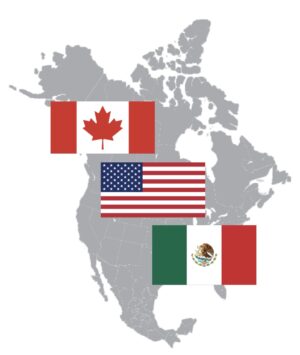 The more the United States undertakes comprehensive efforts to reduce its vulnerability to Chinese economic coercion, the more important it becomes for Canada and Mexico to align their own policies. Misaligned tariff rates across the three countries incentivize the transshipment of Chinese goods to U.S. consumers. …Fundamental differences among the three countries allow for specialization based on what workers and companies in each do best. …Trump’s 2025 and 2026 tariffs pursued too many contradictory objectives. Beijing’s economic coercion clarified the most important task: to quickly create new sources of supply outside China. The ongoing USMCA negotiations present a political opportunity to pursue that objective by better aligning the countries’ tariff policies along three dimensions. …Then, Canada and Mexico need to raise some of their tariffs on China. …The most immediate need is for the Trump administration to stop implementing policies and circulating rhetoric that undermine North American unity.
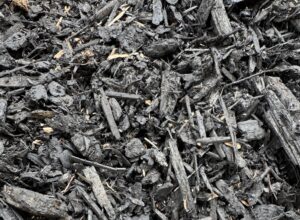 OTTAWA — The federal government is replacing its counter-tariffs on seafood with 50% levies on a series of other American goods, according to Finance Minister François-Philippe Champagne’s office. …The decision to remove seafood from Canada’s list of counter-tariffs was made in part to avoid giving the appearance of escalation by Canada in the face of a simmering trade conflict with the United States, as the U.S. does not tariff Canadian seafood imports. Newly added to Canada’s list of counter-tariffs include: Wood charcoal; Printed matter, including printed pictures or photographs; Articles of plaster or of compositions based on plaster, including boards, sheets and tiles; Materials used in the conveyance or packing of goods, including bottles, flasks, jars and pots; And copper wire. On Tuesday, the federal government laid out its plan for countermeasures in the ongoing trade war, and announced a $7.5-billion support package for workers and businesses.
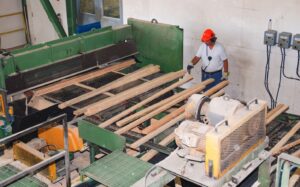 More than 20 lumber mills closed across B.C. over the last three years. Billions in wood products affected by U.S. tariffs. Tens of thousands of jobs lost in Canada. …While there are many factors driving the decline, recent U.S. tariffs haven’t helped. But Donald Trump is hardly the first U.S. president whose government has imposed steep duties on Canadian lumber. The tariffs are the latest chapter in a dispute that’s been going on for more than four decades. …It boils down to differences in how much Canadian and American producers have to pay for access to wood, according to
 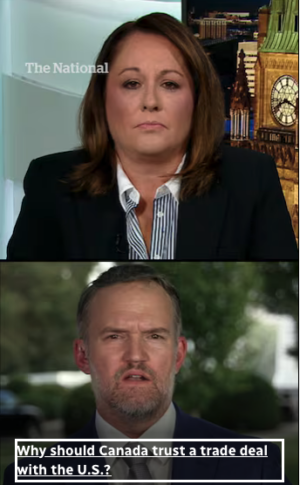 Barton: You know, it was just a week ago, incredibly, that you and your counterpart, Dominic LeBlanc, shook hands outside, seemed pretty confident that there was a deal to be had. From your perspective, what happened that caused the talks to collapse?
 WASHINGTON — The US and Canada have
  First Nations are grappling with uncertainty and bracing for impact as the Canada-U.S. trade war escalates, with steep tariffs taking effect on some business sectors. … British Columbia faces the highest consequences to the new 50 per cent tariffs on certain goods, causing concern among First Nations in the province that are involved in forestry. John Jack, elected chief councillor of the Huu-ay-aht First Nations on Vancouver Island, said they are “potentially deeply impacted due to our heavy investment in the forestry industry.” Those investments include its own company, HFN Forestry Limited, a 35-per-cent partnership with Western Forest Products on nearly 137,000 hectares of forest, and Iskum Investments, a First Nations consortium looking at building a second-growth focused mill. …Dallas Smith, president of the Nanwakolas Council, which represents six First Nations on northern Vancouver Island, said the new tariffs would greatly affect its investments in forestry.
  Using the bathroom or having a cry is about to become more expensive for North Americans as the

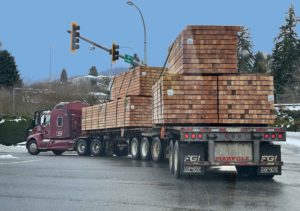 For Mission businesses enduring the trade war with the United States, uncertainty is the real killer. …A spokesperson for Gill Timbers International, a local timber and lumber exporter, said the trade war is devastating for businesses on both sides of the border. “Businesses can only thrive on certainties,” the spokesperson said. Gill Timbers International estimates that about 90 per cent of its business has been lost during the “ongoing back and forth” between Canada and the United States. Before Trump was elected, the business had a presence inside the U.S. but has needed to scale back and diversify since. … Mission Regional Chamber of Commerce CEO Miriam Bozman said “Mission’s economy is very closely tied to cross-border trade through forestry and wood products, manufacturing, logistics, construction, agriculture. Increased costs, supply chain disruptions, and market uncertainty significantly affect business planning and growth across our community,” Bozman said.
 CHAPLEAU — The Ontario government is building a strong and self-reliant economy by investing over $17.3 million in four projects that will modernize forest sector manufacturing, enhance the industry’s competitive advantage and strengthen forestry supply chains by using more mill by‑products and underused wood known as forest biomass. …This funding is part of the government’s plan to protect Ontario forestry workers in the face of recent U.S. tariff attacks by building a more resilient, innovative and diversified forest sector, ready to compete in global markets. …The Forest Sector Investment and Innovation Program and Forest Biomass Program investments will support four projects advancing the
 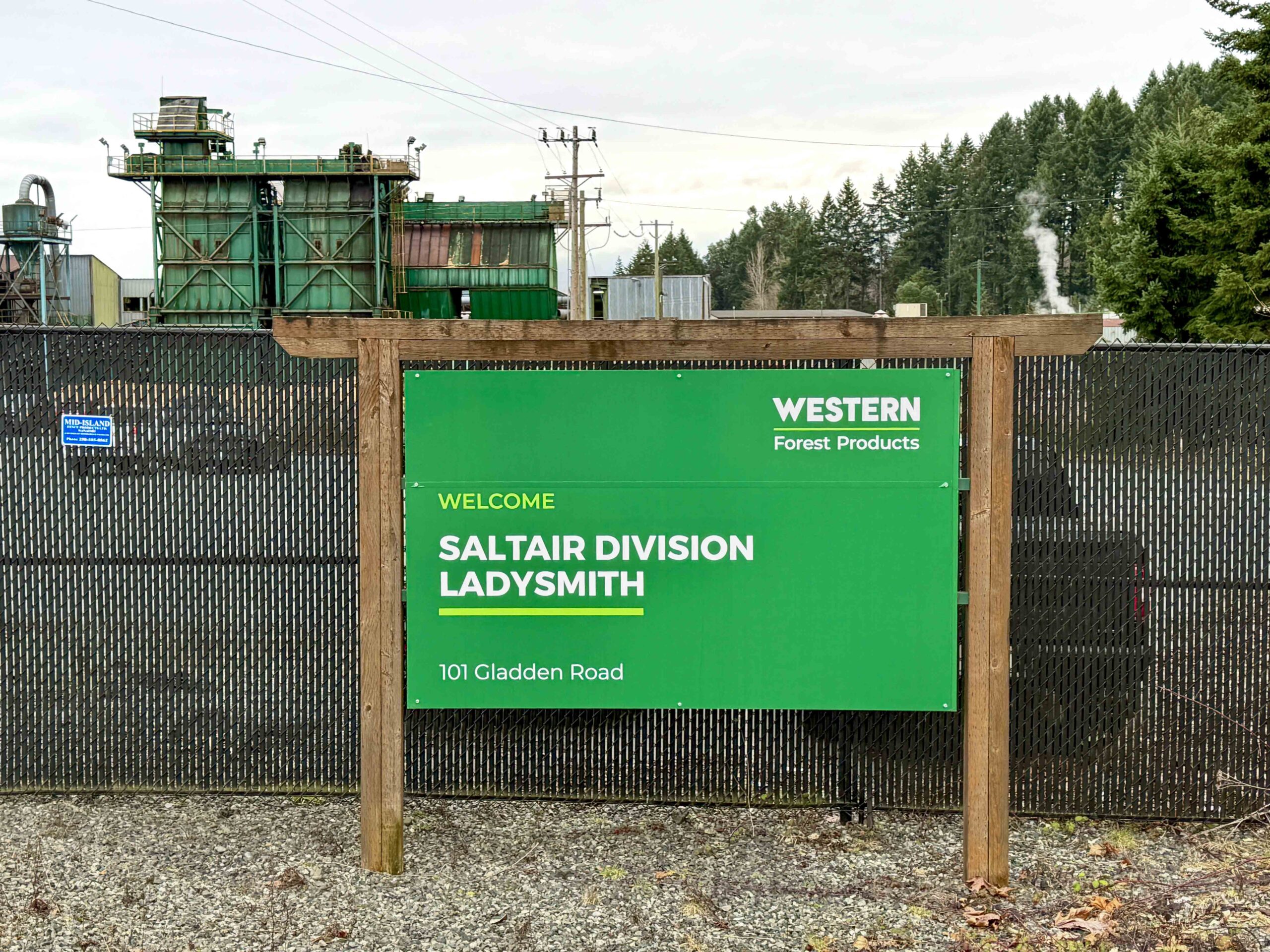 A new chapter in the effort to better manage water around Western Forest Products’ Saltair sawmill is taking shape. The company is creating a new runoff filtering system designed to collect and control surface water from the mill and surrounding area before it can make its way beyond the site into Ladysmith Harbour. The rainwater and stormwater runoff interacting with fine woody materials and galvanized mill infrastructure will shortly all be directed into an almost natural setting. “We want to make sure all the rainwater runoff from our site is filtered and it’s going into the ocean clean,” said Tyler Fraser, production superintendent at the mill. “Prior to this project all the surface water went into the storm drains, which would then lead to an oil-water separator before the harbour.” …“We have an established constructed wetland up at Beaver Cove in Telegraph Cove that has worked perfectly,” said Ben Matthews, mill environmental regulatory manager for WFP.
 Prince George city council voted to send a letter to the federal jobs minister asking her to extend temporary employment insurance program for forestry workers in response to the impending closure of Northwood Pulp Mill at its Monday, Aug. 31 meeting. A report written by intergovernmental relations senior advisor Annie Doran and submitted by Coun. Garth Frizzell in his role as chair of the Standing Committee on Intergovernmental Affairs said that in the wake of the ongoing U.S.-Canada trade war, the federal government instituted several temporary measures, including: Waiving the waiting period for all new claims; Suspending the allocation of separation earnings like vacation pay, severance pay and more; and Increasing the number of weeks that long-tenured workers can received benefits to a maximum of 20. These benefits were implemented on March 30, 2025 and are expected to end on Oct. 10, 2026.
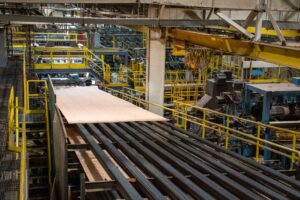 Nanaimo is bracing for the impacts the implementation of the 50% tariffs on billions of dollars in Canadian goods that came into effect on Aug. 22 will have on the local business community. Julie Sperber, the new CEO of the Greater Nanaimo Chamber of Commerce said… it’s clear that many of the region’s forest companies are going to take a big hit. …“Companies like the Harmac Pacific pulp mill won’t be affected as much because much of their products go to Asia, but Coastland Wood Industries are feeling the impacts of US tariffs for the first time.” Secondary-wood products like veneer sheets have been explicitly targeted for the first time. Doug Pauze, president of Coastland, said the company has scaled back production. …Sperber said officials from Western Forest Products and Mosaic Forest Management have planned meetings with government members in Victoria to discuss strategies to deal with the tariffs.

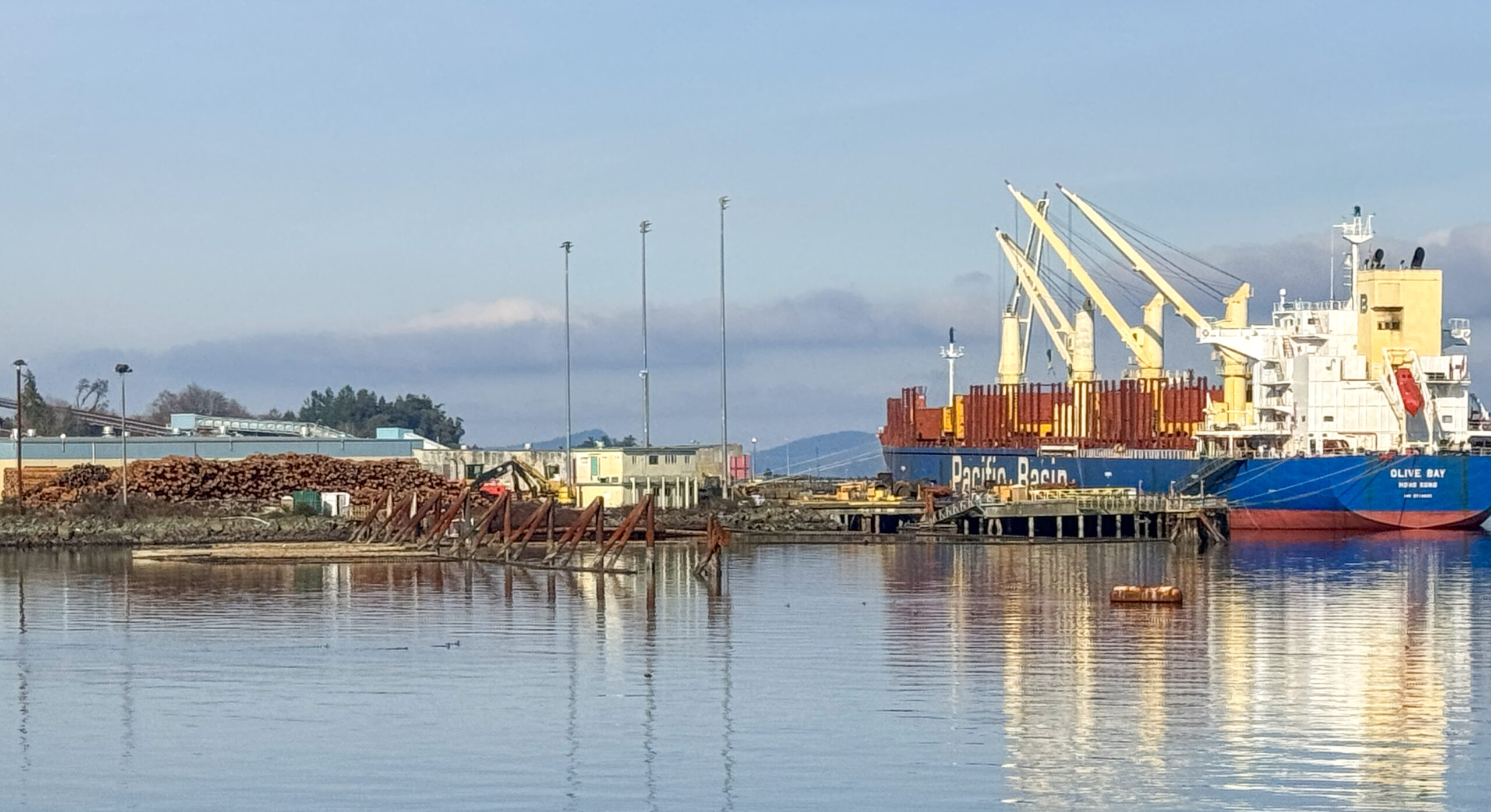 The Member of Parliament for Cowichan-Malahat-Langford is calling on the federal government to explore how it could potentially use the Crofton mill. MP Jeff Kibble is floating the idea of it being used by the Department of National Defense. …On Friday, crews were loading logs onto a ship at its deep sea port. It’s one of the key assets of the property that has the region’s MP calling on Ottawa to consider the property’s purchase. “What I recommended is that the government immediately conduct a feasibility study to see if this is an opportunity to expand the base at Esquimalt. We know that the opportunity to have a deep water industrial site is rare and we also know that the navy is expanding rapidly,” said Kibble. Kibble served in the Royal Canadian Navy for 28 years. …When asked about Kibble’s proposal, Domtar said it’s “exploring a variety of possibilities for the future of the site”.
 Two weeks until the 23rd Annual Global Buyers Mission in Whistler! At a time when trade barriers, transportation constraints, and rising operating costs are influencing how businesses plan and source, strong supplier–buyer relationships matter more than ever. GBM brings B.C.’s value-added wood manufacturers together with pre-qualified international buyers, distributors, and specifiers. From targeted B2B meetings and conversations on the tradeshow floor to networking receptions including the Women’s Networking Event, WoodTALKS seminars, and a few memorable Whistler moments along the way, GBM is designed to create connections that last well beyond the event. See you in Whistler, September 10-12!
 Osoyoos, British Columbia — September 21–22, 2026 Every industry has its acronyms. Few, however, land quite like the one the Independent Lumber Manufacturers’ Association (ILMA) has chosen for its 2026 Annual Convention: WTF — Where’s The Fibre? It’s a cheeky title for a serious question. Fibre availability — the raw material that keeps sawmills running, communities employed, and Canada’s forest sector competitive — has become one of the defining challenges facing the industry. ILMA’s answer is to lean into the tension rather than tiptoe around it, gathering the people who can actually do something about the problem for two days of conversation, deal-making, and, yes, a little golf. The ILMA Annual Convention has built a reputation as one of Canada’s premier forestry networking events, and this year’s edition returns to Spirit Ridge Resort in Osoyoos, located on the traditional territory of the Osoyoos Indian Band. The ILMA’s convention is intentionally curated — bringing together company owners and senior executives from across the sector alongside government representatives, First Nations leaders, suppliers, consultants, and forestry professionals.
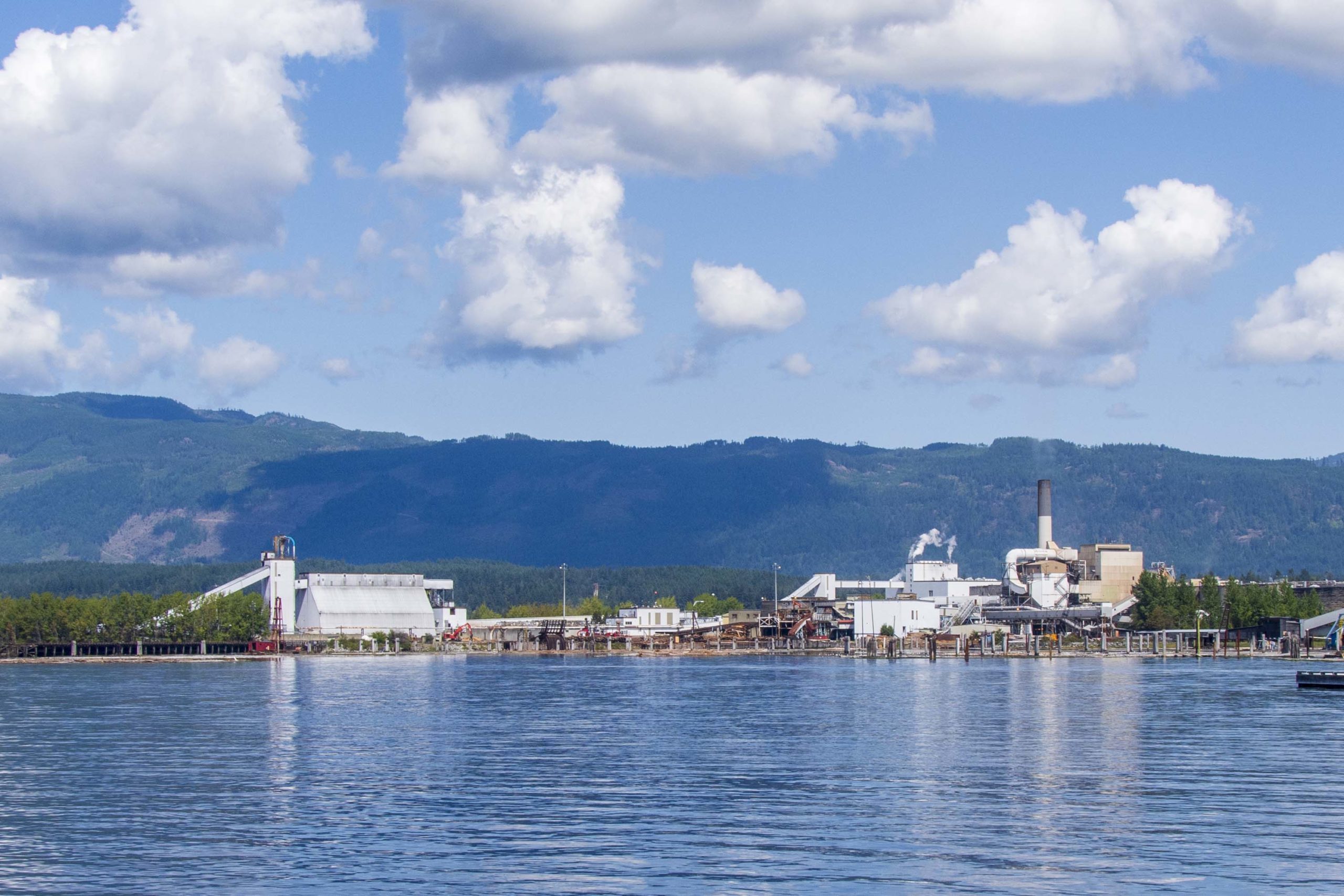 Bryan Yu, chief economist for Central 1 Credit Union, had no sooner completed a grim economic prognosis of B.C.’s ailing forest economy when, as if to punctuate the point, Domtar announced it would indefinitely idle its Howe Sound pulp mill in Port Mellon on Aug. 20. He said it was an “unhappy coincidence” that the announced pulp mill closure just happened to be announced the day before Central 1 published its economic commentary, which describes B.C. forest economy reaching the “breaking point.” The mill’s closure will result in about 400 workers losing their jobs. Domtar (formerly Paper Excellence) gave no date for when the mill will shut down. But if it is before the end of this year, that will mean three major pulp mills in B.C. will have shut down in B.C. in a single year. …The Council of Forest Industries (COFI) estimates 21 mills, mostly sawmills, have shut down in B.C. since 2023.
 It’s a dynamic moment in time for Nanaimo’s Harmac Pacific pulp mill and the whole coastal forest industry, according to CEO Paul Sandler. Sadler said that the new American 50% tariffs… are not directly impacting Harmac’s operations at this time, but the tariffs’ likely repercussions on the coastal saw and lumber mills… are very worrying. Harmac requires a significant amount of wood chips to produce its high-value kraft pulp that is used globally for tissue, packaging and paper production. …But Sadler said, the biggest news for the forest industry on the B.C. coast recently was the indefinite closure of Domtar’s Howe Sound pulp and paper mill on the Sunshine Coast. …“We need more pulp capacity on the coast to meet the demand than Harmac and the pulp operation in Port Alberni can provide. …Sadler said it’s vitally important that the region’s sawmills get back to operating at full capacity.
 VANCOUVER — A leader in BC’s forestry sector is voicing support for Prime Minister Carney’s decision to walk away from trade talks with the US despite reported concessions on lumber tariffs in a scuttled deal. Kim Haakstad, president of COFI, says the breakdown of talks will create challenges for her sector, but Ottawa had to walk away if negotiators couldn’t secure a deal that worked for Canadians broadly. …BC Premier David Eby said that he understood some progress had been made in addressing the long-standing softwood lumber dispute during the most recent talks and it was “disappointing” to see that fail to materialize. …Haakstad called for measures including reducing regulatory restrictions to allow quicker access to BC lumber for a more competitive product on the global market. …She said Ottawa could also help by addressing rail transport costs, a significant barrier for Canadian lumber producers looking to sell products domestically.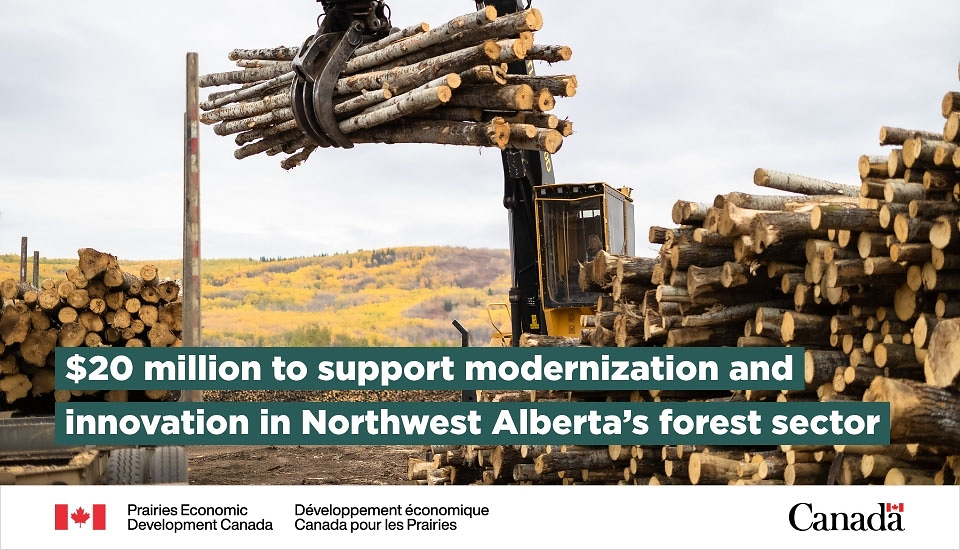

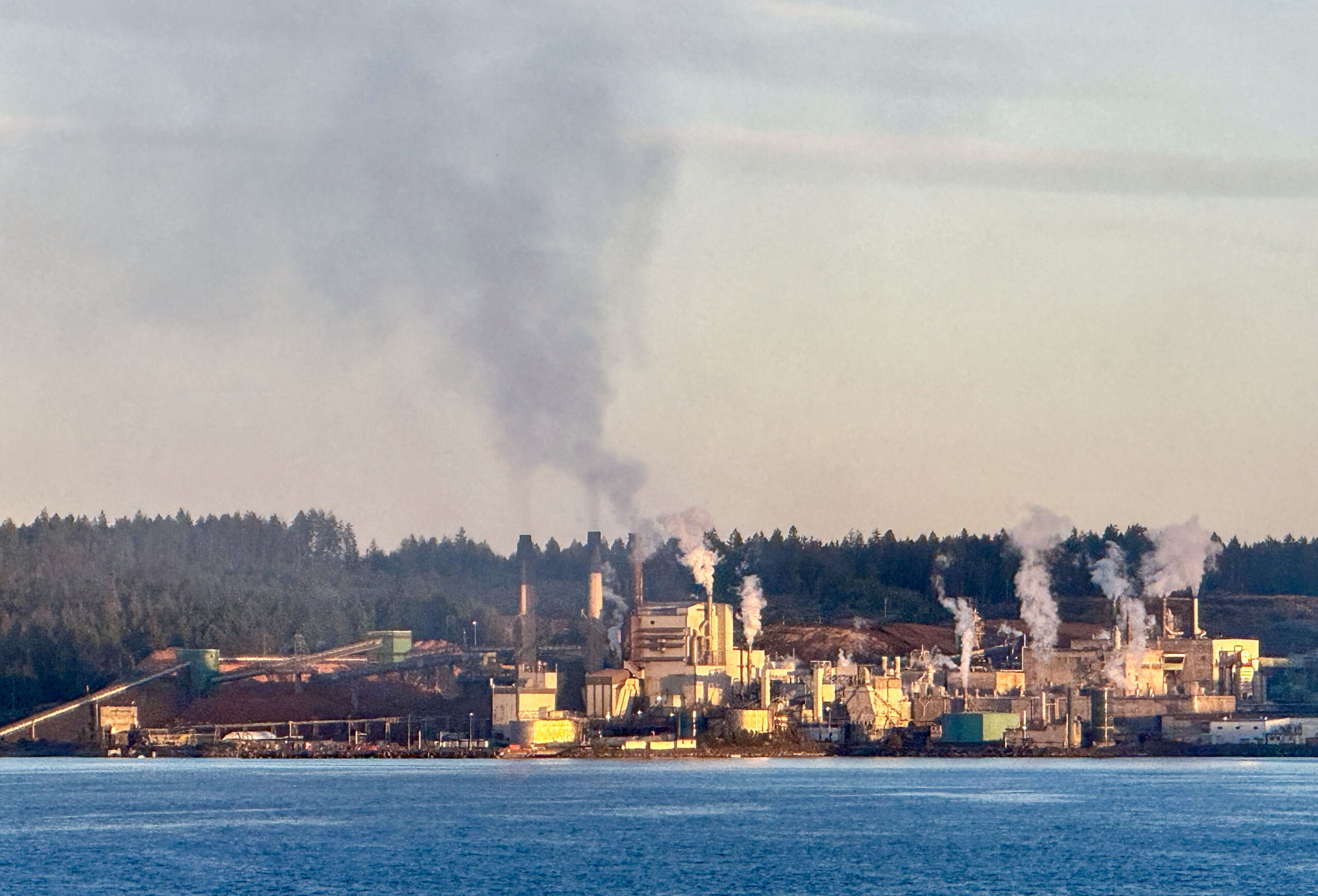 Local officials and an operator are remaining hopeful over the future of the two remaining pulp mills on Vancouver Island, despite recent mill closures and new U.S. tariffs. B.C.’s critical forestry industry is among those that are likely to take a major hit due to the incoming 50 per cent tariffs on certain Canadian goods — with the new duties targeting some Canadian pulp and paper products specifically. But Nanaimo Forest Products, which operates the Harmac Pacific Pulp Mill, says most of its specialty wood products have been spared by tariffs and are mostly exported to markets in Asia. “We’re highly focused on exporting our products overseas into places like Japan, Korea, China, Indonesia, even Australia,” said Harmac CEO and general manager Paul Sadler. Harmac produces northern bleached softwood kraft (NBSK) pulp, which Sadler says is common throughout British Columbia, often used for making tissues and paper towels.
 Port Alberni’s 80-year old paper mill is safe according to local leaders. The economic centre of the city is now reeling from partner pulp mills closing, high fibre prices, and Trump’s tariffs, creating a cloud of concern. Courtenay – Alberni MP Gord Johns said governments have given successive ownership companies millions of dollars in funding and tax breaks, and he’s been assured by the current owners Domtar that the Port Alberni paper mill is safe from closure. “The indications that I got in my conversations with the company is that there is no threat of imminent closure in Port Alberni, so that was positive, and all indicators right now is that operations aren’t under threat,” he said. Port Alberni Mayor Sharie Minions agrees. …Domtar’s Senior Manager of Strategic Communications Brenda Martin, said they do not anticipate any disruption to the mill’s production schedule or their ability to meet customer commitments.
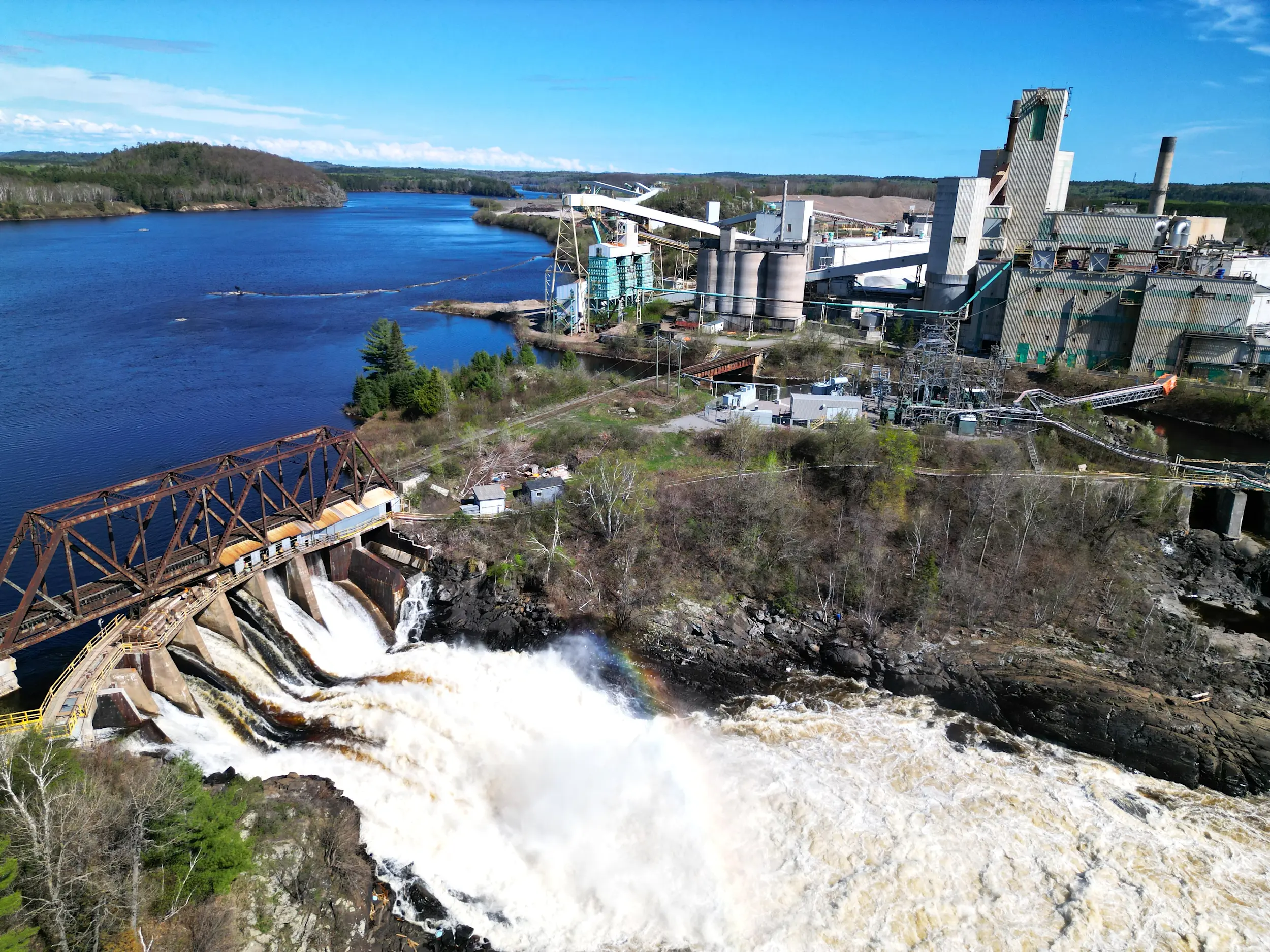


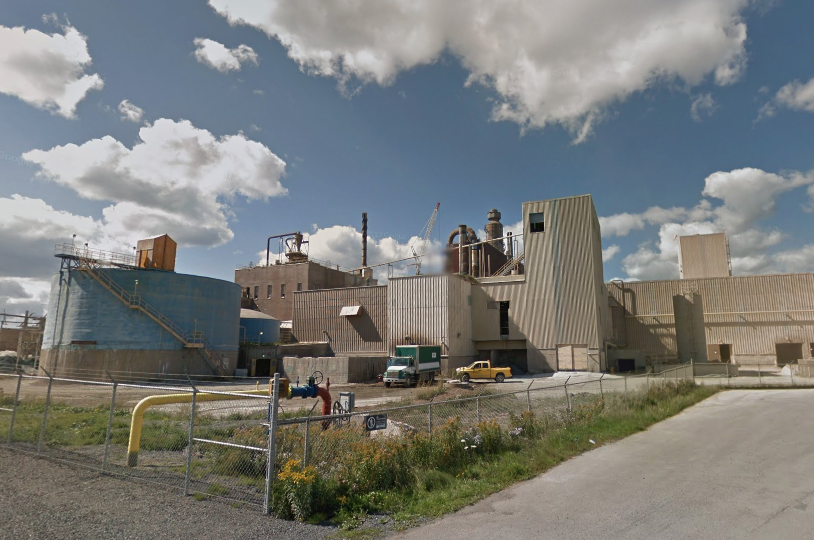


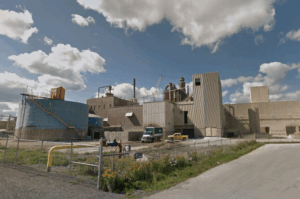 The wrecking ball is readying for the former Northern Pulp mill, a once major player in Nova Scotia’s forestry sector that also came to be recognized as one of the province’s most prominent examples of environmental racism. Environment Minister Tim Halman announced an amended ministerial order on Thursday, clearing the way for the decommissioning, abatement and demolition of buildings and other infrastructure at the site in Abercrombie that sits on the edge of Pictou Harbour. Officials with Northern Timber Nova Scotia, the company that owns the property, expect the work to begin as early as September. …Halman’s amended order says all solid waste, including construction and demolition debris from the mill site, must be disposed of in an approved facility and everything must be removed within 18 months. …An official for Domtar said the work is expected to be complete in the last quarter of 2027,” Brenda Martin said.

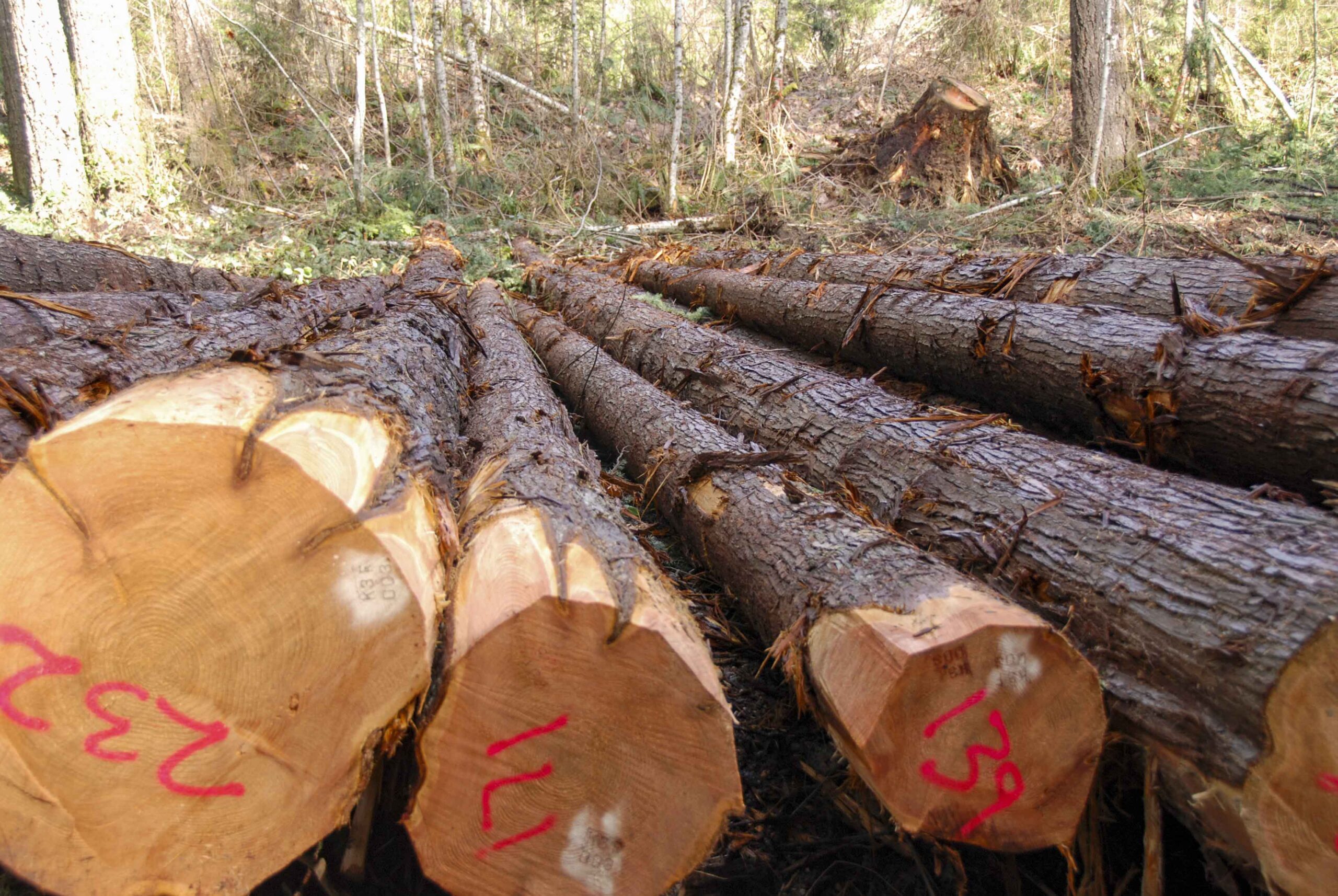 … municipal politicians [will] gather for their annual fall convention and attempt to influence the provincial government’s agenda. The Union of B.C. Municipalities convention takes place in Vancouver, Sept. 14-18. …The City of Nanaimo is calling for a ban on exporting raw logs and lumber cants. …The motion states that a lack of adequate and affordable wood fibre supply has been identified as a key factor in the continued curtailment or permanent closure of B.C. sawmills and pulp mills. Over the past five years, on average about 3.2 million cubic metres of raw logs have been exported. “Therefore be it resolved that UBCM call on the provincial government and federal governments to ban the export of raw logs and lumber cants from B.C. to ensure that forests harvested in B.C. from Crown land and private managed forest lands are processed in B.C., encouraging value-added manufacturing in B.C. and supporting employment in B.C.’s forest industry,” the motion states. [A Vancouver Sun subscription required for full access]
 BOISE, Idaho — Tensions between the US and its second-largest trade partner — and Idaho’s top partner — boiled over last month when President Trump lashed out at Canada with a slew of new tariffs. …Canadian officials said last week that they were “targeting” products that would affect certain states as they responded with tariffs of their own. …Idaho exports more goods to its northern neighbor than it does to its next six largest markets — Taiwan, Mexico, Singapore, Japan, China and Malaysia. Agricultural and food products are the state’s top exported goods, and Canada is the biggest market for them. …Wood, paper, pulp and printing products are also on the list of items facing 50% tariffs from both sides. …Idaho imports wood and paper products from Canada more than twice the amount it exports. …Trump’s new round of tariffs is another way to target Canadian wood, which this time affects different types of plywood.
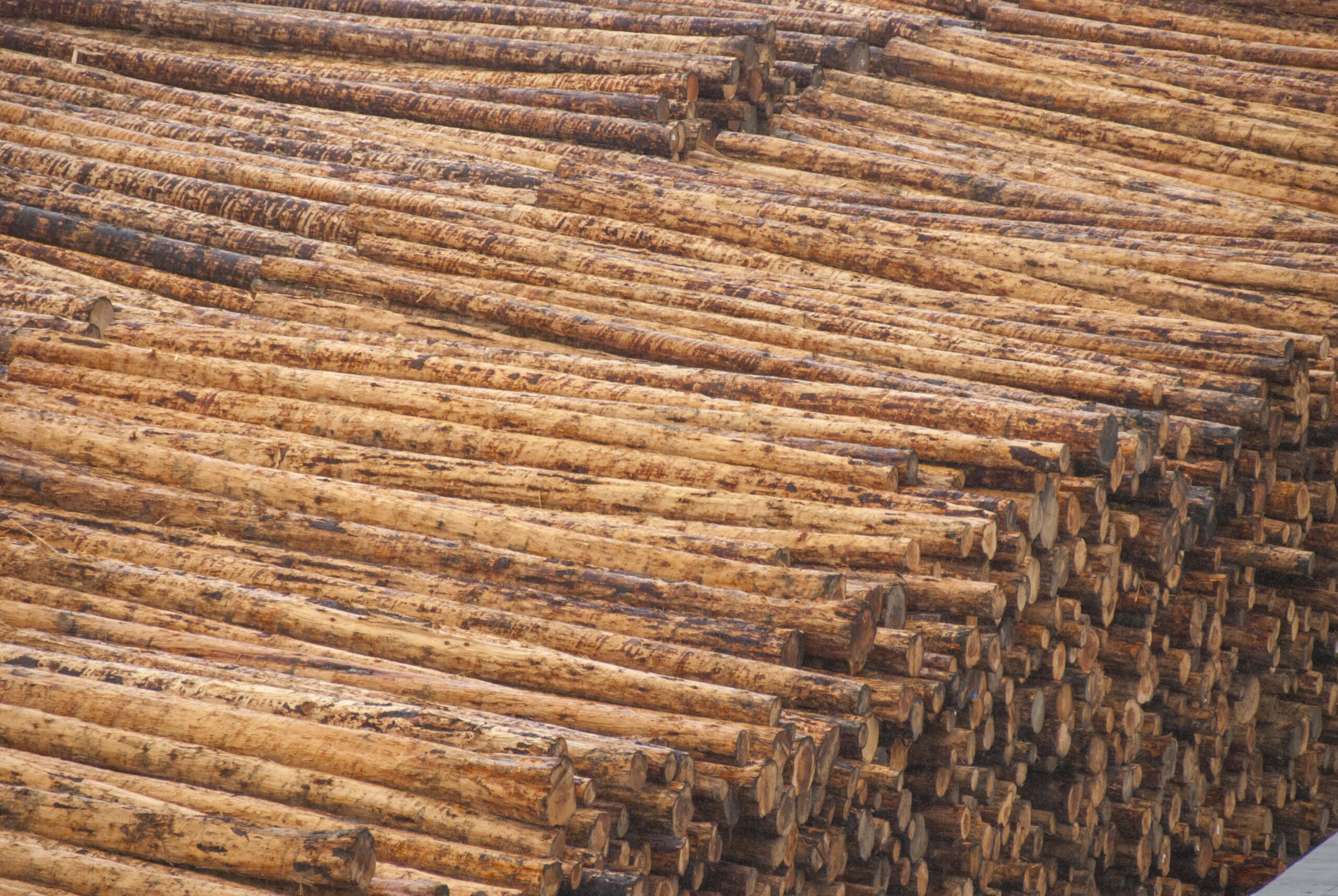 Donald Trump this month announced plans to rescind a landmark rule that has protected old-growth forests in the US for 25 years. If finalized, the rollback is expected to benefit the companies that Tom Schultz, chief of the US Forest Service, represented in his previous roles as a timber industry lobbyist and executive, according to research by consumer advocacy non-profit Public Citizen. …In a statement, Schultz described the move as “the best way to restore the balance, reduce wildfire risk, and secure the long-term health of our forests and neighboring communities”. But studies suggest it could put 400 threatened and endangered species at risk. …[Schultz previously] served as president of the Federal Forest Resource Coalition, representing companies that purchase timber from the federal government, and was vice-president … at Idaho Forest Group, a major lumber manufacturer. Schultz has long been critical of the roadless rule.
 Maine Gov. Janet Mills says tariffs on lumber products have been difficult for the state’s economy to absorb. [CBC video 1.42 min]

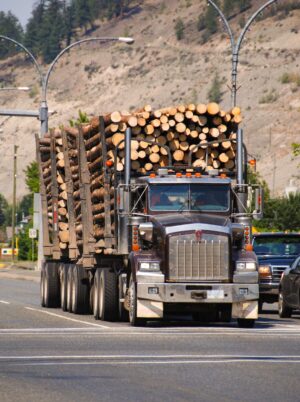 SAVANNAH, Georgia — The South, and Georgia in particular, have borne the brunt of a historic run of pulp and paper-mill closures as recycled boxes, cheap imported pulp and more thrifty packing by e-commerce giants, including Amazon.com, have hit demand. Last year, the US shed roughly 10% of its capacity to produce containerboard. …Demand for pulpwood plummeted. So did demand for wood chips, sawdust and other byproducts. Prices across the South are at the lowest level in nearly 40 years before factoring in inflation. In some parts, there’s essentially no market. Some growers are, for the first time, having to pay to have their pulpwood removed. …A search is on to create new sources of demand. Weyerhaeuser, the South’s largest timberland owner with about 6.6 million acres in 11 states, is spending hundreds of millions of dollars to build facilities in Arkansas and Mississippi to turn pulpwood surpluses into engineered lumber and an alternative to metallurgical coal, respectively. [to access the full story a WSJ subscription is required]
 This month’s Lumber Shorts includes these stories and more:
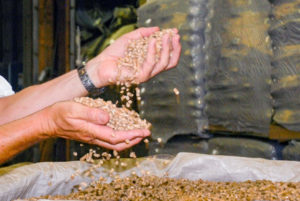 The fight for restitution is on at a fallen green-energy giant, following one of the most disastrous commodity trades of the decade. The ill-fated wood-pellet trades that bankrupted Enviva during the sustainable-investing boom were made by executives hoping to trigger their own bonuses, according to creditors who are seeking more than $2 billion in damages. Instead… the nine-figure trades backfired and bankrupted the company, which once had a nearly $6 billion market value. Five of the company’s top executives concealed the inordinately large and risky trades from its board, according to a lawsuit, suppliers and others with claims. …Enviva said it wasn’t involved in the litigation, and none of the former executives named in the suit are affiliated with the reorganized company, which emerged from bankruptcy in December 2024 with new owners and leadership. …The company was considered one of the winners of the green-energy boom. [to access the full story a WSJ subscription is required]
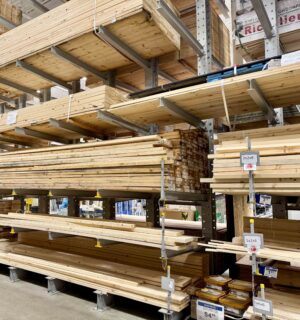 A century-old Philadelphia packaging company is closely watching tariffs and trade negotiations with Canada as it deals with rising costs for materials it uses every day. F. P. Woll & Company, a family business in Northeast Philadelphia, makes packaging for other companies and their products, ranging from cameras to kitchen sinks. Fred Woll runs the company, which has about a dozen employees and a sprawling production operation. …The latest tariffs and trade negotiations with Canada are creating another challenge for the business. One key material the company uses is CDX plywood from Canada. …The company’s concerns extend beyond the materials it needs for its own products. Woll said tariffs on materials used by its customers, including aluminum, can also affect his business if those customers cut production. …Canada is Pennsylvania’s biggest trading partner. Data shows the state sent about $14 billion in goods to Canada last year and imported about $13 billion.
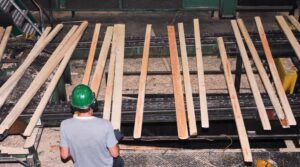 The Australian Government has announced a $150 million investment to support forestry industry growth, including funding aimed at transforming wood-product manufacturing and expanding domestic processing capabilities. Announced on 3 September, the funding will be delivered through five streams under the Forestry Growth Fund, with up to $85 million earmarked for large-scale investments in modern wood-product processing, value-adding and facilities designed to significantly transform manufacturing capabilities. A further $30 million will support innovation aimed at improving efficiency and productivity across the forestry supply chain, while up to $15 million will be allocated to workforce development. The government will also provide up to $15 million in additional support for plantation establishment to increase the supply of domestic forest resources for Australia’s manufacturing and construction needs. Another $5 million will fund tools to support compliance with illegal logging laws and reduce the risk of illegally logged or conflict timber entering supply chains.