 A Toronto company is suing BC, saying it was stripped of its mining rights as part of a deal with the Gitxaała Nation. In a lawsuit filed in BC Supreme Court, MCC Canadian Gold Ventures says it was asked to rescue a small gold mine on Banks Island, south of Prince Rupert. But then the BC government stripped its mining rights to offset some of the impacts of another BC Supreme Court ruling involving the Gitxaała. The company says it invested millions in the property and now cannot move ahead on the project. …The province has not filed a response. …MCC said their case has “striking” parallels to a lawsuit launched by Carrier Lumber in the 1990s. In 2002, the province paid a large settlement to Carrier Lumber over a lawsuit it won over government decisions the company said made it impossible to harvest timber in the BC Interior.
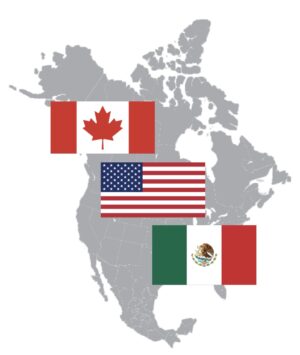 Canadian officials will meet their Mexican and American counterparts on July 1 for the first tri-lateral meeting to review the Canada-U.S.-Mexico (CUSMA) agreement, a spokesperson for Canada-U.S. Trade Minister Dominic LeBlanc confirmed. …LeBlanc’s office tells CTV News the meeting is scheduled to be virtual for now, but that things could evolve. Minister LeBlanc and Chief Trade Negotiator Janice Charette met with the United States Trade Representative Jamieson Greer on the sidelines of the G7 summit in France last week. …July 1 is the deadline for all three parties involved in the trade pact to decide whether to renew the deal for another 16 years, withdraw from the agreement altogether, or start an annual rolling review process that could last years.
 Ottawa, ON – The Canadian Wood Council (CWC) is pleased to announce that Philippe Clune was appointed to the role of Board Chair at the organization’s Annual General Meeting today. Clune succeeds Kevin Pankratz, who has completed his term as Chair after providing dedicated service to the organization and Canada’s wood products sector. “On behalf of the CWC, I would like to thank Kevin for his leadership and valuable contributions during his tenure as Chair,” said Derek Nighbor, President and CEO of the CWC. …Nighbor also welcomed Clune to the role. “As Vice President of Sales & Marketing at Domtar, Philippe brings extensive industry knowledge, strategic insight, and a commitment to advancing the use of wood in the built environment,” said Nighbor. “I look forward to working with him as we continue strengthening CWC’s role as a national voice for the wood products industry and delivering value for our members and partners.”


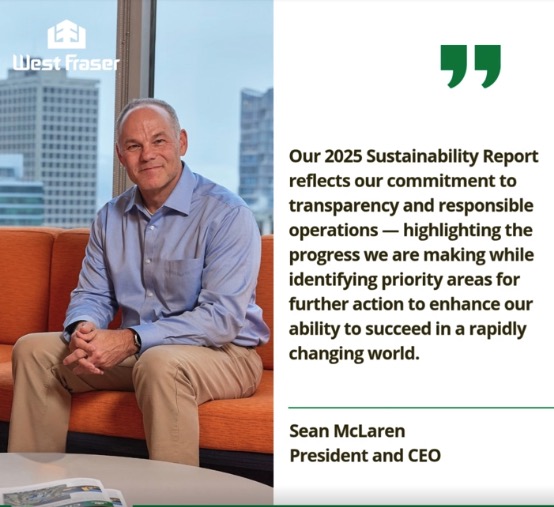
 UK — A strong and reliable supply chain is essential to the continued growth of offsite construction in the UK, and the collaboration between West Fraser and
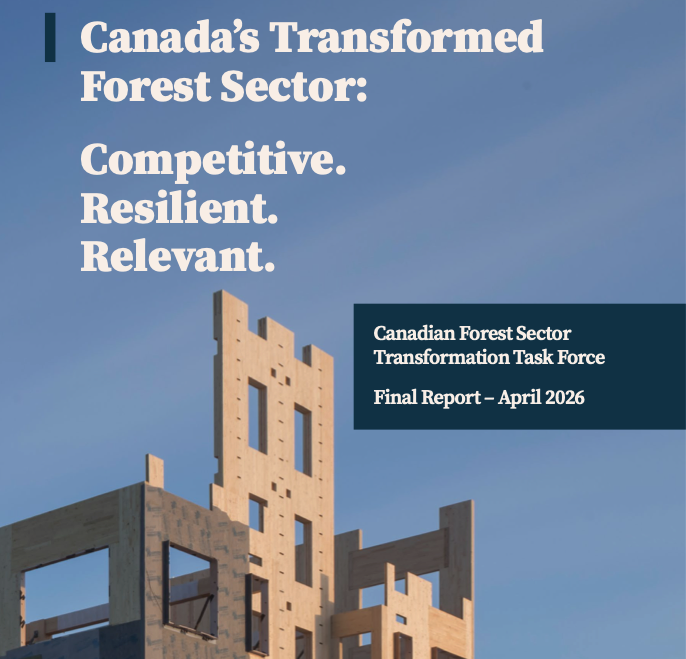
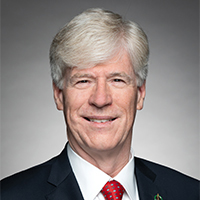
 OTTAWA, ON—Canadian Forest Owners (CFO) congratulates the Honourable Tim Hodgson, Minister of Energy and Natural Resources, and members of the Forestry Transformation Task Force on the release of their report, which recognizes the important contribution of Canada’s private forests in building a competitive, sustainable, and resilient forest sector. Representing approximately 480,000 private forest owners across the country, CFO’s members manage 25 million hectares of privately owned forest land from coast to coast. Together, they account for approximately 10 per cent of Canada’s forest land base and 20 per cent of national forest production. As the report notes, “Canada has a proud tradition of private forest ownership.” Private forests contribute an estimated $14.5 billion annually to Canada’s economy and support nearly 40,000 direct jobs in silviculture, harvesting, transportation, and forest products manufacturing. …For CFO, the report’s recognition of private forests is an important step forward. However, the organization believes that recognition must now be accompanied by policy action.
 VICTORIA, BC

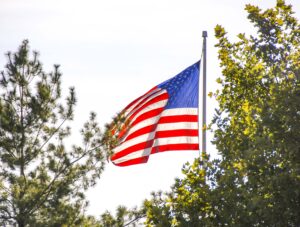 The Trump administration wants to reimpose a 10% tariff on top trading partners including the EU and Canada, while hitting others with a higher rate, citing concerns about forced labor. The US Trade Representative’s Office made those proposals as part of a report with the results of its investigation into 60 trading partners over their failure to impose and enforce laws to prohibit goods made with forced labor. It’s one of two sprawling trade investigations the administration launched earlier this spring in an effort to restore President Donald Trump’s global tariffs that were struck down by the Supreme Court in February. …The USTR probe, conducted under Section 301 of the Trade Act of 1974, found that six countries have failed to effectively enforce existing laws prohibiting goods made with forced labor: Canada, Ecuador, the European Union, Indonesia, Mexico and Pakistan. The report recommended a 10% duty. It recommended the same duty for another nine countries.

 As part of ongoing work to diversify trade, Premier David Eby is leading a trade mission to China to strengthen commercial ties with the province’s second-largest trading partner and explore new opportunities to support good-paying jobs for people in British Columbia’s forestry, energy, tourism and agriculture sectors. … “China is the world’s second-largest economy and is our second-largest export market for B.C. goods and services. Encouraging tourism while selling more B.C. wood, agricultural products and energy will mean more money for families and more money to pay for the services British Columbians deserve,” said Premier Eby. …British Columbia and China share a longstanding partnership with collaboration across a range of areas from sustainable forest management to wood construction innovation and clean energy.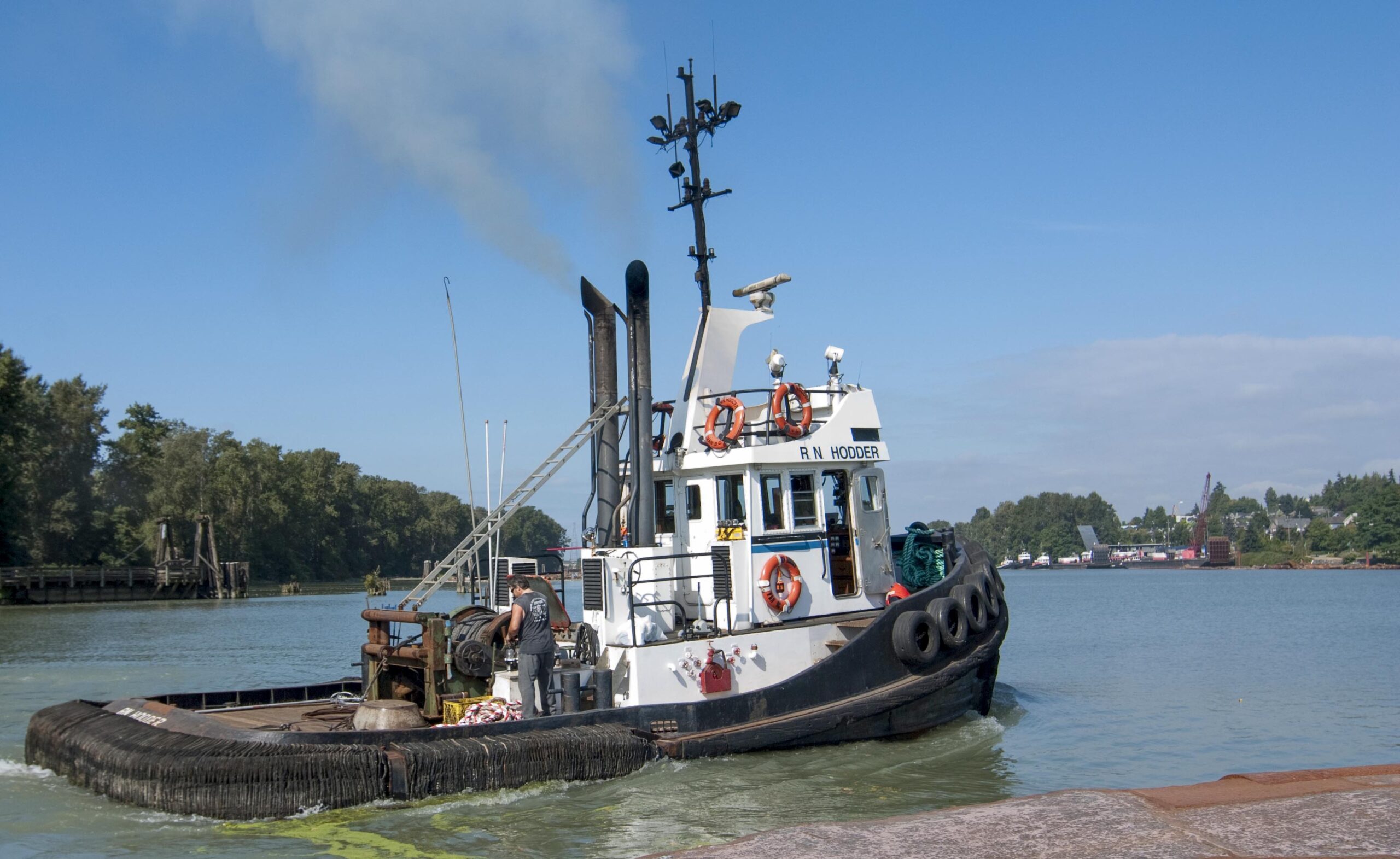
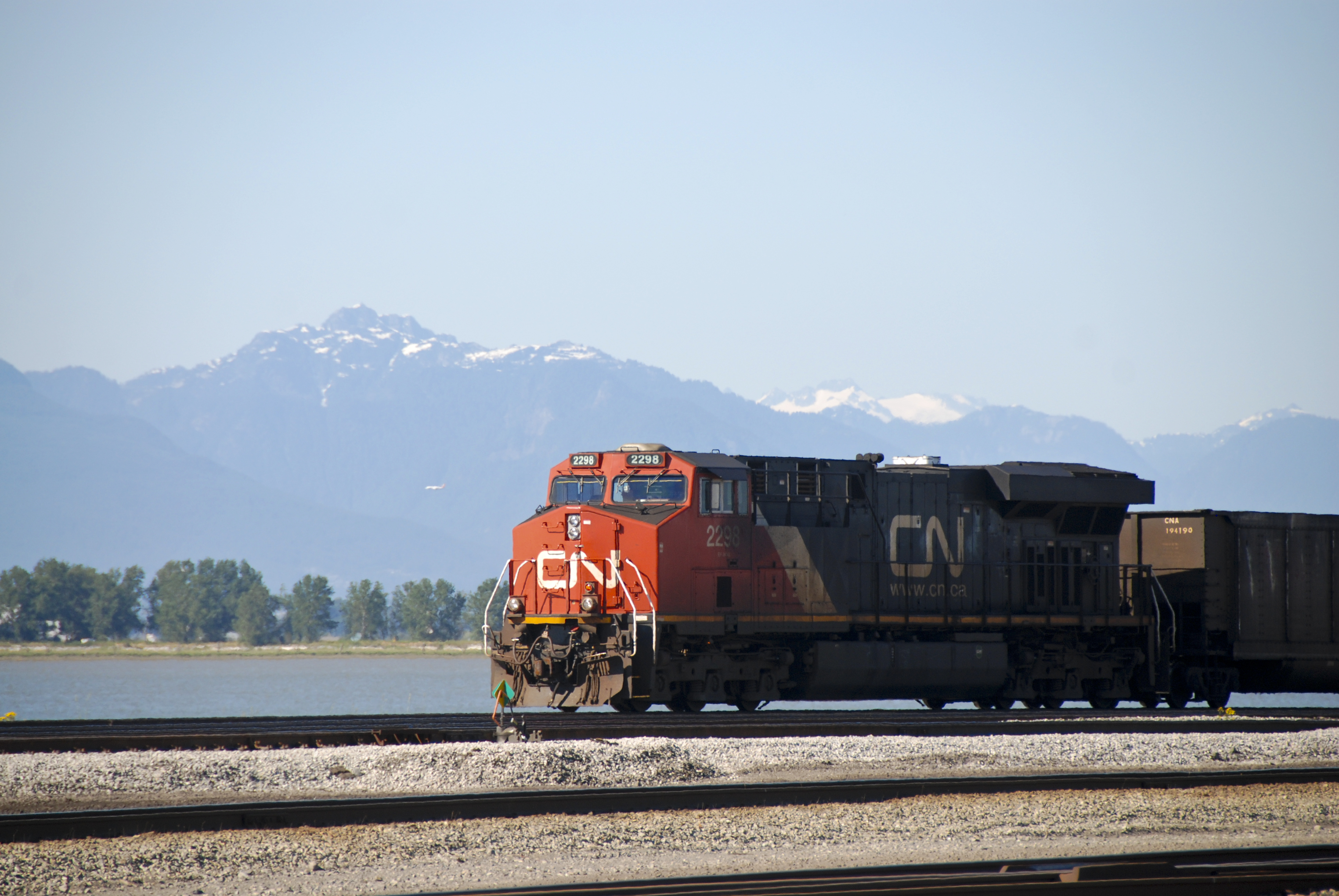 CN Rail has been fined $435,000, having been found responsible for causing a wildfire near Spences Bridge a year after the nearby town of Lytton was devastated by a catastrophic wildfire. According to a June 17 BC Forest Appeals Commission decision, CN Rail was found to have caused a wildfire that burned outside of Spencers Bridge in September 2022. Last year, the BC government issued a $435,371 fine to the company. Broken down, the fine covered $60,000 for damaged or destroyed mature Crown timber, $27,000 for damaging or destroying forest and grassland resources, and a further $348,000 to cover the cost of controlling wildfire K72249. “During their investigations, Natural Resource Officer Service staff collected field information and photographs and obtained recorded statements from several eyewitnesses. As a result of their investigation, the Natural Resource Officer Service alleged that CN Rail had contravened… BC Wildfire Regulation(s),” the decision reads.
 Forestry Innovation Investment’s 2025/26 Year in Review is now available. It is a compilation of market development activities completed by FII and our many industry, association, government, academic and research partners over the past year. We are committed to a collaborative delivery approach, building on the strengths and shared resources that other organizations bring to this important work. The forest sector continues to face challenging market conditions and ongoing trade uncertainty. As we adapt to these pressures, diversification remains central to strengthening the sector. By expanding markets and making the most of B.C.’s forest resources, FII and its partners are supporting long-term resilience. This includes advancing wood use in B.C., supporting growth in mass timber and prefabricated construction, and pursuing opportunities across international markets. The report includes the range of work underway, and the milestones achieved over the past year.
  Vancouver, BC — Canfor Corporation announced today that it has entered into an agreement with PinkWood Ltd. to purchase its I-joist business for $68.0 million, including working capital. Founded in 2009, PinkWood is the largest Ijoist facility in Western Canada, producing engineered wood joists for residential, multi-family, and commercial construction. Located in Calgary, AB, PinkWood has 120 employees, with production capacity of 46 million linear feet. The purchase price represents a 5 times EBITDA multiple based on current production levels and earnings, including identified synergies. … “PinkWood is a leading manufacturer of high-quality I-joists with a strong management team and stable returns,” said Susan Yurkovich, President and CEO of Canfor. “Canfor’s acquisition of PinkWood complements our operations in Western Canada by enhancing product diversification and supporting the continued expansion of our value-added manufacturing capabilities.
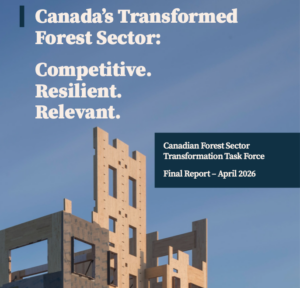 In addition to its attention-grabbing National Artificial Intelligence Strategy, last week the federal government launched its nationwide Forest Sector Action Plan. The premise behind these national plans and strategies is that individuals and businesses are incapable of managing their own affairs, and so need guidance from an all-wise federal government. …One excellent reason for skepticism about national government planning is given by the government itself. “Canada’s forest sector has faced crisis after crisis over the past 20 years,” it begins. Three sentences later, it says: “For decades, governments have delivered programs to promote investment, research, innovation, Indigenous involvement and market diversification in Canada’s forest sector.” If government forestry programs have produced crisis after crisis for decades, the idea that even more government planning will help is optimistic, to say the least. The action plan is full of central-planning interventions that have failed across industries for decades.
 Mayor Everett Baker was pleased to share some positive news about Interfor as a second shift resumed at the Interfor sawmill in Grand Forks. Baker stated in a text message to The Gazette he was pleased to hear that the second shift started on Monday. In addition, the planer mill is also expected to be back to two shifts by the end of the month. …“I want to thank Interfor for working with all levels of government to continue to keep our mill operating.” While the extra shifts are great news, Baker added the mill needs a log supply, but the team working to get the mill back up and running to at-or-near full shifts is getting closer to their goal. It wasn’t clear how many employees would be returning. In November, a single shift of 68 employees was hired back at Interfor.
 Workers at Western Forest Products Value-Added Division (WFP VAD) in Chemainus, BC, have joined the United Steelworkers union. The successful union organizing campaign was driven by a desire for better representation and a stronger voice on the job with a union that will fight for improvements that forestry workers need and deserve. …After significantly falling behind other USW-represented forestry workers in terms of wages, benefits, job security and strength on the job, the WFP VAD workers decided to come together and join a union with a proven record of achieving exactly what they are lacking in their collective agreement. …“Our local union is happy to welcome new Steelworker members from WFP VAD,” said Brian Butler, USW Local 1-1937 President. …“These workers deserve a union that has the strength, experience and resources to deliver real results at the bargaining table,” said Jeff Bromley, USW Wood Council Chair.
 VANCOUVER, BC


 MILDMAY — The Ontario government is investing $1.6 million in Bernie McGlynn Lumber Ltd. to support a major expansion and modernization project at the company’s sawmill in Mildmay. The investment will more than double the company’s production space, increase output by 47 per cent, create five new good-paying jobs and support 13 existing positions. As part of its plan to protect Ontario forestry workers and businesses, the province is making strategic investments to help the forest sector adapt, compete and grow in the face of U.S. tariffs. …The government’s investment through the Forest Sector Investment and Innovation Program will support Bernie McGlynn Lumber’s $5.3 million project to construct a new 30,000-square-foot facility and install upgraded equipment, including a first-in-Ontario thermal-treating kiln system and a double-bladed bandsaw.

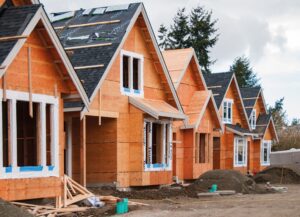 A sprawling legislative package aimed at lowering the cost of housing and spurring more home construction won bipartisan approval from Congress this week, but it’s hit a major roadblock in becoming law: President Trump. The White House supported the
  The European Union has formally removed its remaining tariffs on American wood-based industrial products after the European Parliament approved legislation implementing the long-awaited




 The U.S. Endowment for Forestry and Communities today launched a Request for Proposals (RFP) to assess the feasibility of repurposing closed wood products manufacturing facilities, including pulp and paper mills, for bioenergy. The initiative will make available up to $500,000 in pre-development funding to support one or two facilities across the United States. Across the country, idled wood products facilities have left behind industrial infrastructure, utility connections and skilled workforce capacity at a time when forest-dependent regions are urgently seeking new economic anchors. Since 2015, more than 40 U.S. pulp and paper mills have closed, removing roughly 60 million green tons of annual wood demand from rural communities. The Endowment’s market initiative seeks to determine whether these sites can be reactivated as biopower generation or biofuel production facilities, creating new markets for low-value wood fiber and supplying renewable energy to a growing economy.

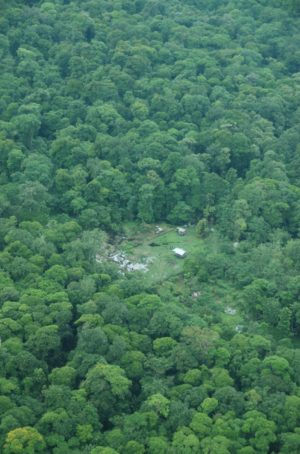 The US Trade Representative has determined that several Brazilian acts, policies, and practices are actionable under Section 301 and has proposed tariffs of 25% on all goods of Brazil, with specified exemptions and an annex of excluded products. …The determination covers multiple areas, including illegal deforestation, and states that timber and agricultural production linked to illegal deforestation can burden U.S. commerce by lowering costs for competing products and distorting prices. The notice describes timber-sector fraud risks, including the laundering of illegally harvested timber through supply chains, and states that illegally sourced timber products can devalue legally sourced timber prices by an estimated 7% to 16%. On wood-related findings, the notice references concerns that Brazilian products may be made with timber harvested illegally. It also describes limits in auditing and verification under Brazil’s Forest Code registration system. …The notice sets a public comment schedule that opens June 1, 2026.


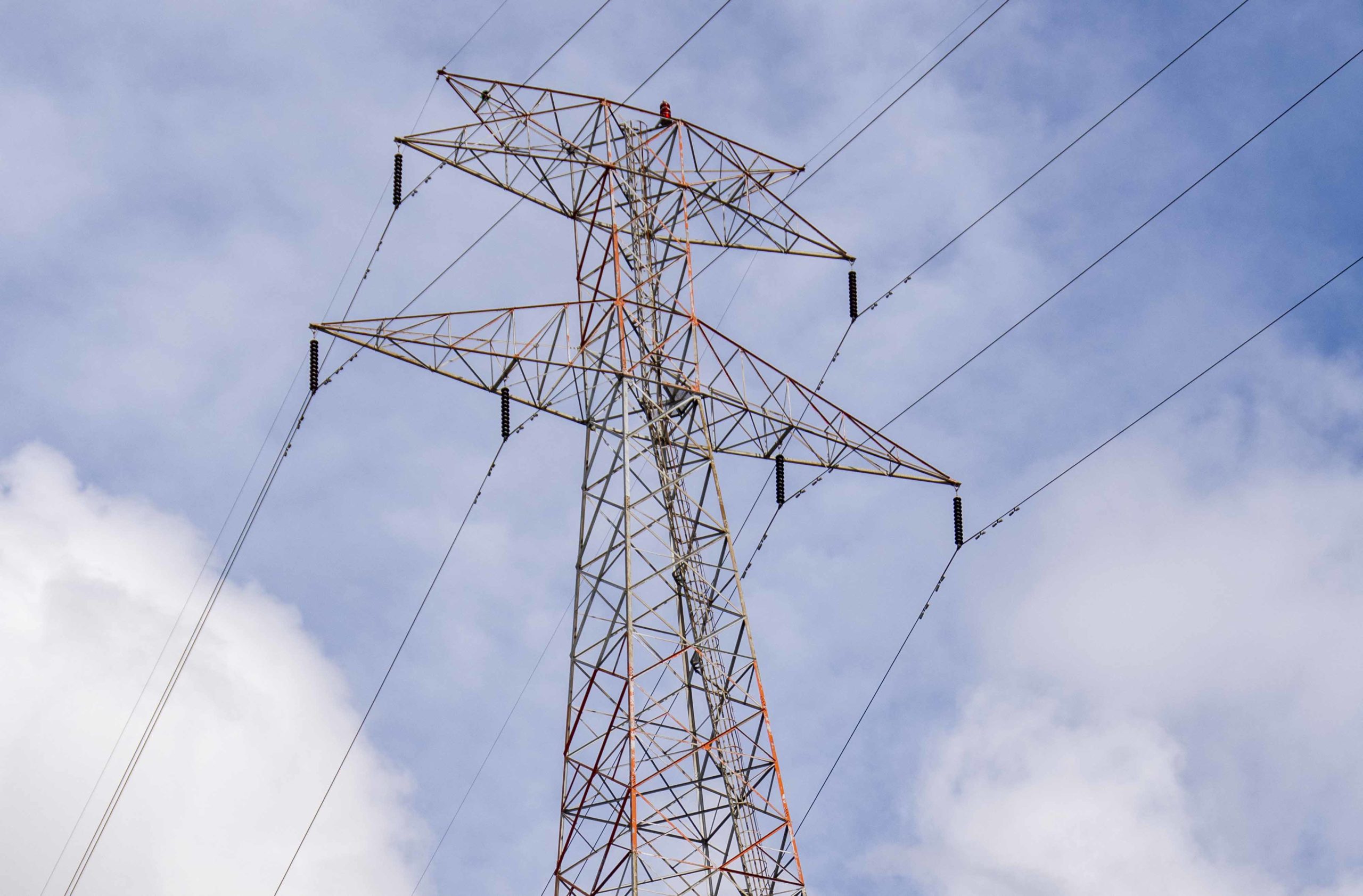 Federal law allows utilities operating on national forest land to remove hazardous trees only within 10 feet of a power line. In Western forests, where trees routinely reach 100 feet tall and a single ignition can drive hundreds of thousands of acres of destruction, 10 feet is not a safety standard — it is a disaster waiting to happen. The Fix Our Forests Act would extend that authority to 150 feet, alongside streamlined federal permitting for wildfire mitigation work and tighter judicial review timelines on fuel-reduction projects… The bill has cleared the House by a 279-141 vote and passed the Senate Agriculture Committee by a vote of 18 to 5 … Utility operators across the West are calling for it. But it does not have the support of Sens. Ron Wyden and Jeff Merkley (D-Ore.). …The community-owned utilities I represent … don’t have a stake in what gets logged. But they do have a stake in whether the lines stay up when fire moves through…

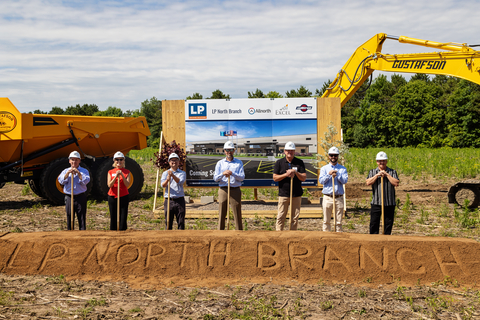

 NEW YORK — BTG Pactual Timberland Investment Group, timberland investment managers, announced the acquisition of approximately 90,000 acres of US timberland formerly managed by Jamestown, a global design-focused real estate investment and management firm. …The portfolio of high-quality timberland spans five U.S. states, including approximately 50,000 acres of pine timberland in Georgia and Alabama and approximately 40,000 acres of diversified hardwood timberland across Indiana, Pennsylvania, and New York. All properties are certified under the Sustainable Forestry Initiative (SFI). The acquisition increases BTG Pactual TIG’s core U.S. timberland strategy’s portfolio to more than 1.7 million acres. The firm manages 3.3 million acres globally. The transaction creates further opportunities for BTG Pactual TIG to scale positive conservation outcomes through its long-term collaboration with The Nature Conservancy (TNC), Conservation Advisor to the firm’s core U.S. timberland strategy.
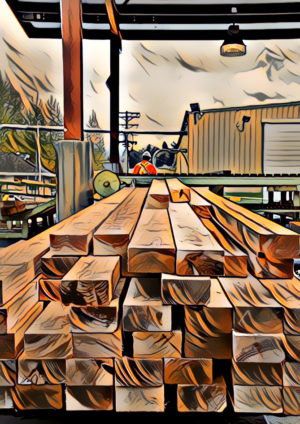 COUSHATTA, Louisiana – C&C Forest Products announced it is investing over $21 million to rebuild its Coushatta sawmill following a 2025 fire, repositioning the facility as a more efficient, cost-competitive specialty lumber and timber operation. The company is expected to create 77 direct new jobs… while retaining 27 current positions. Louisiana Economic Development estimates the project will result in an additional 256 indirect new jobs, for a total of 333 potential new job opportunities in the Northwest Region. …The project will reconfigure the existing facility at 306 Wilkinson St. with updated equipment and improved site layout to support more efficient production. Once complete, the rebuilt sawmill will focus on specialty lumber and timbers and will be capable of producing up to 90 million board feet annually. …C&C Forest Products operates sawmills in Louisiana and Arkansas.

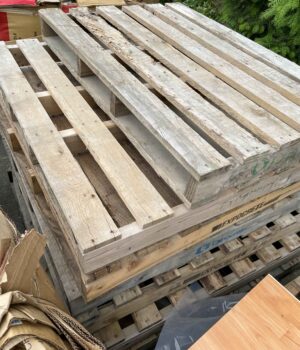 GOODLAND TOWNSHIP, Michigan – Firefighters were on scene for roughly 10 hours working to put out a l
 JASPER County, Georgia — Firemen from the Jasper, Tri-Community, Beech Grove, East End Fire, Lake Rayburn and Angelina Fire Departments have all converged on the Lincoln Lumber Mill where a fire in the kiln has sent thick smoke into the air that can be seen for miles. No injuries have been reported. Mike Lout with our media partner KJAS reports the fire broke out this morning at the mill off Highway 96, just south of Jasper. First responders say the fire broke out in the dryer house or kiln of the operation. Firemen have so far been able to limit the fire to the drying house. However, flames and smoke are filling the building and firemen are continuing to pump water into the structure.
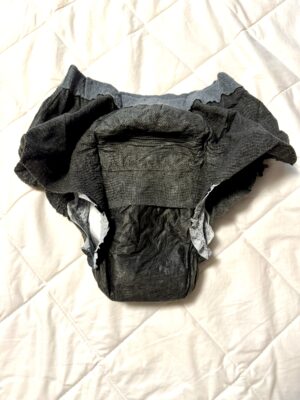 WAYNE, Pennsylvania — Saothair Capital Partners, a private equity firm, announced it has completed the acquisition of EAM Corp. from Domtar through a newly-formed affiliate. Founded in 1998 and headquartered in Jesup, Georgia, EAM is a manufacturer of nonwoven airlaid and laminated absorbent materials used in feminine hygiene, adult incontinence, baby diaper, medical, industrial and food packaging applications. …Following the acquisition, current EAM General Manager Vanecia Carr will serve as Chief Executive Officer and Lori Venn will serve as Senior Vice President, Sales and Marketing.


 NEW ZEALAND — PF Olsen and Forest360 have merged to become New Zealand’s biggest independent forestry manager, trading as Stand Forestry. The companies announced their merger late last year, backed by new investment from Adamantem Capital’s Environmental Opportunities Fund and supported by PF Olsen’s Quayside Holdings. …The new brand will combine 75 years’ experience, a workforce of more than 200 skilled professionals and 480,000ha of forestry under management on both sides of the Tasman, the companies said. …The company recently launched a new carbon joint venture model in New Zealand to make it easier for farmers and landowners to participate in the Emissions Trading Scheme. …The merged group has more than 1000 clients, from major institutional investors to family-run businesses and private landowners. PF Olsen also has a large operation in Australia, managing 212,000ha.