 Work on climate change has largely focused on preventing it from getting worse, but as a new RBC report points out, businesses are also starting to think more about potential spending on adaptation and preparation as the costs of disasters pile up. The report says that extreme weather and natural disaster costs already totalled US$368 billion last year, 14 per cent above the long-term average since 2000, and that this year could match or exceed the total. The trend is expected to get worse, because as the report notes there’s expected to be a 2.7 degree rise in average temperatures by 2100 based on current global policies and actions, while an optimistic scenario pegs the rise at 1.9 degrees. The costs stemming from rising temperatures are leading to more attention in boardrooms, with the report noting mentions of climate change on the rise in both U.S. and Asia.


 Join us in Halifax, Nova Scotia, September 23-24, 2025 for Biomass for a Low-Carbon Future. As the world moves toward a low-carbon future, biomass and wood pellets play a key role in ensuring Canada has renewable and responsible energy. Join us to explore the numerous opportunities biomass presents, from reducing greenhouse gas emissions to supporting economic growth in the transition to a net-zero economy. Who Should Attend? Anyone interested in advancing electrification, including pellet producers, customers, First Nations and government officials, policymakers, regulators at every level, researchers, safety specialists, logistics personnel and equipment manufacturers.
 Prime Minister Mark Carney announced his new cabinet on Tuesday with a speech at Rideau Hall outlining his priorities — and like the speech, which did not mention climate change, the cabinet itself signals a potential shift in a new direction. Carney’s cabinet signals a “potential downgrading” of climate change and environment, says Mark Winfield, a professor of environmental governance at York University. …Carney appointed longtime business executive Tim Hodgson to serve as energy and natural resources minister and Toronto—Danforth MP Julie Dabrusin to serve as minister of environment and climate change. Dabrusin steps into the post held under Trudeau by Steven Guilbeault, who drew the ire of the energy industry and its political allies. Immediately following Dabrusin’s appointment, Alberta Premier Danielle Smith attacked her, too. Smith promptly took to social media after the swearing-in ceremony on May 13 to call Dabrusin “another anti-oil and gas Environment Minister.” [A subscription is required to access this full story]


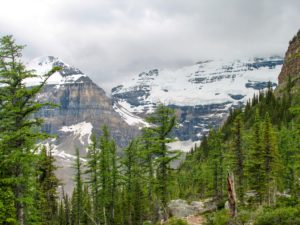 The Great Bear Rainforest on British Columbia’s North and Central Coast sequesters millions of tonnes of carbon dioxide across 6.4 million hectares of snow-capped mountains, ancient western red cedars, and Sitka spruce. It is considered one of the world’s largest carbon sinks—meaning it absorbs more carbon dioxide (CO2) than it releases. Under the Great Bear Carbon banner, a collection of coastal First Nations has entered the voluntary carbon offset market. The organization generates carbon offsets by preserving trees and ecosystems that naturally store CO2, with each carbon offset verifying the removal of one tonne of carbon from the atmosphere. Businesses, governments and individuals can purchase carbon offsets to compensate for their environmental impact. The Great Bear Carbon program helps raise revenue to support the local First Nations and their stewardship efforts.
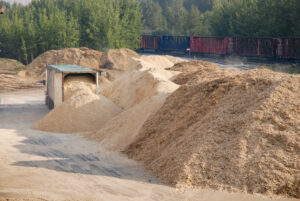 Earlier this year, Burnaby’s Svante Technologies made inroads in Alberta. The move eastward is partially powered by a newly formed partnership with Mercer International. The Canadian cleantech’s carbon capture project is targeting biogenic CO2 emissions from Mercer’s Peace River pulp mill. …One of the strategies the firm intends to adopt in Canada is carbon sequestration. Within Alberta, carbon sequestration is a sensible tactic to apply, according to Mercer International’s chief executive officer, Juan Carlos Bueno. “The reason why we’re doing it there is because the mill is located in Alberta, where you have geological formations that are suitable for sequestering CO2,” Bueno informed Andrew Snook of Pulp & Paper Canada. …Finalizing investment in the project, however, is no small consideration. There is a price tag north of $500 million and moving forward would require extensive support from both the Province of Alberta and Government of Canada.


 Climate change has put Western Canada’s glaciers on track for devastating loss over the coming decades, with the southern half of BC expected to lose nearly 75% of the alpine ice — even if warming stops today, a new study has found. The planet has so far warmed an average of about 1.2 degrees Celsius above pre-industrial temperatures. If that increase climbs to 1.5 degrees C, 81% of Western Canadian and US glacier mass would melt, according to the study published Thursday in the journal Science. …Harry Zekollari, the study’s lead author and a glaciologist at Belgium’s Vrije Universiteit Brussel, said the international research team used eight glacier computer models to analyze the potential long-term evolution of the year-round ice. The results painted a dire picture for the world’s glaciers, as the planet has already locked in enough warming to melt 40% of the Earth’s year-round ice by the end of the century.
 Boeing Canada says it’s investing millions of dollars into business ventures in B.C. and Quebec with the eventual goal of producing close to 200 million litres of sustainable jet fuel every year. The announcement, made Wednesday, includes nearly $17.5 million split between two projects looking to turn wood waste and carbon captured from industrial smokestacks into sustainable aviation fuel. The fuel, known in industry as SAF, has the potential to reduce carbon emissions by up to 80 per cent over its lifecycle and “offers the fastest route to decarbonization in the aviation sector,” according to Boeing. Boeing’s latest investment will direct $10 million to Project Avance, a joint venture between Bioenergie AECN and Alder Renewables in Port Cartier, Que. The project aims to convert wood residue from sawmills into low-carbon bio-crude that can later be converted into almost 38 million litres of unblended jet fuel every year.
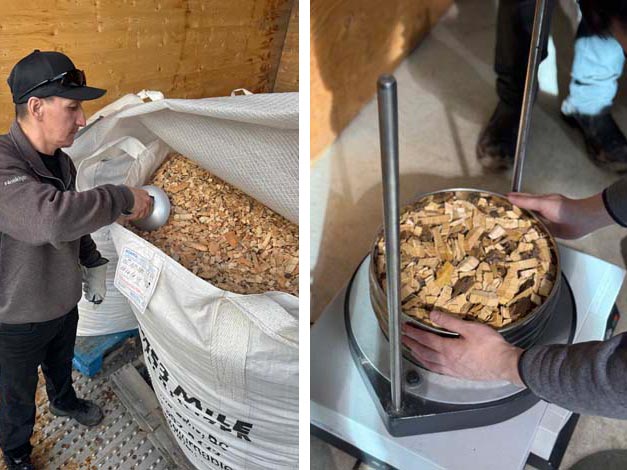
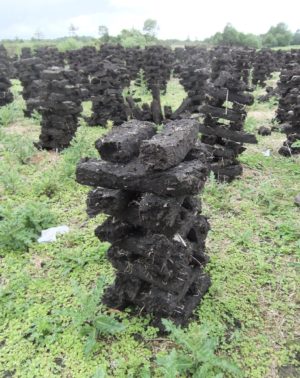 A love of the outdoors and a deep desire to make a meaningful impact on communities affected by climate change keeps Greg Verkaik going back to Western Canada. The PhD student studies peatlands and their role in wildfires. Climate change isn’t an abstract concept in his research, it’s something he’s been seeing and experiencing in the landscapes he’s visited since 2018 as part of this work. The 2025 wildfire season is already shaping up to be another intense year for Canada. Early signs point to another active and dangerous season, particularly in Western Canada. As peatlands dry and fire seasons lengthen, the risk of deep-burning, smouldering fires – the kind that can persist underground and reignite months later, continues to grow. This only strengthens Verkaik’s commitment to his research, which aims to better understand how peatlands influence wildfire behaviour and how they might be managed to reduce risk.

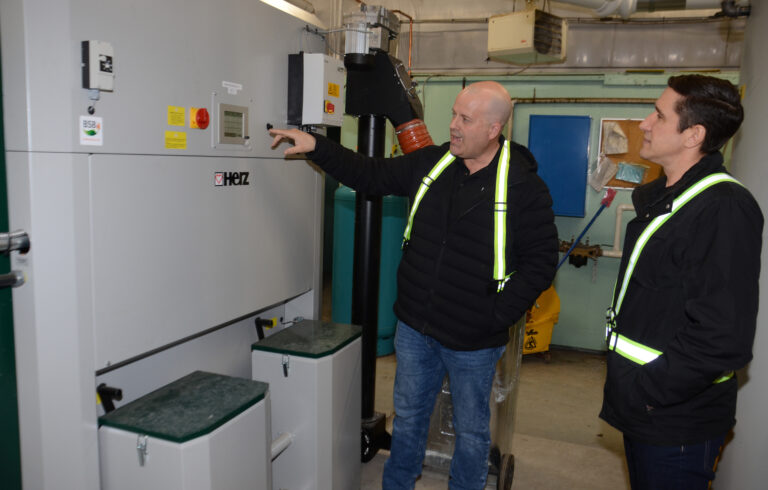
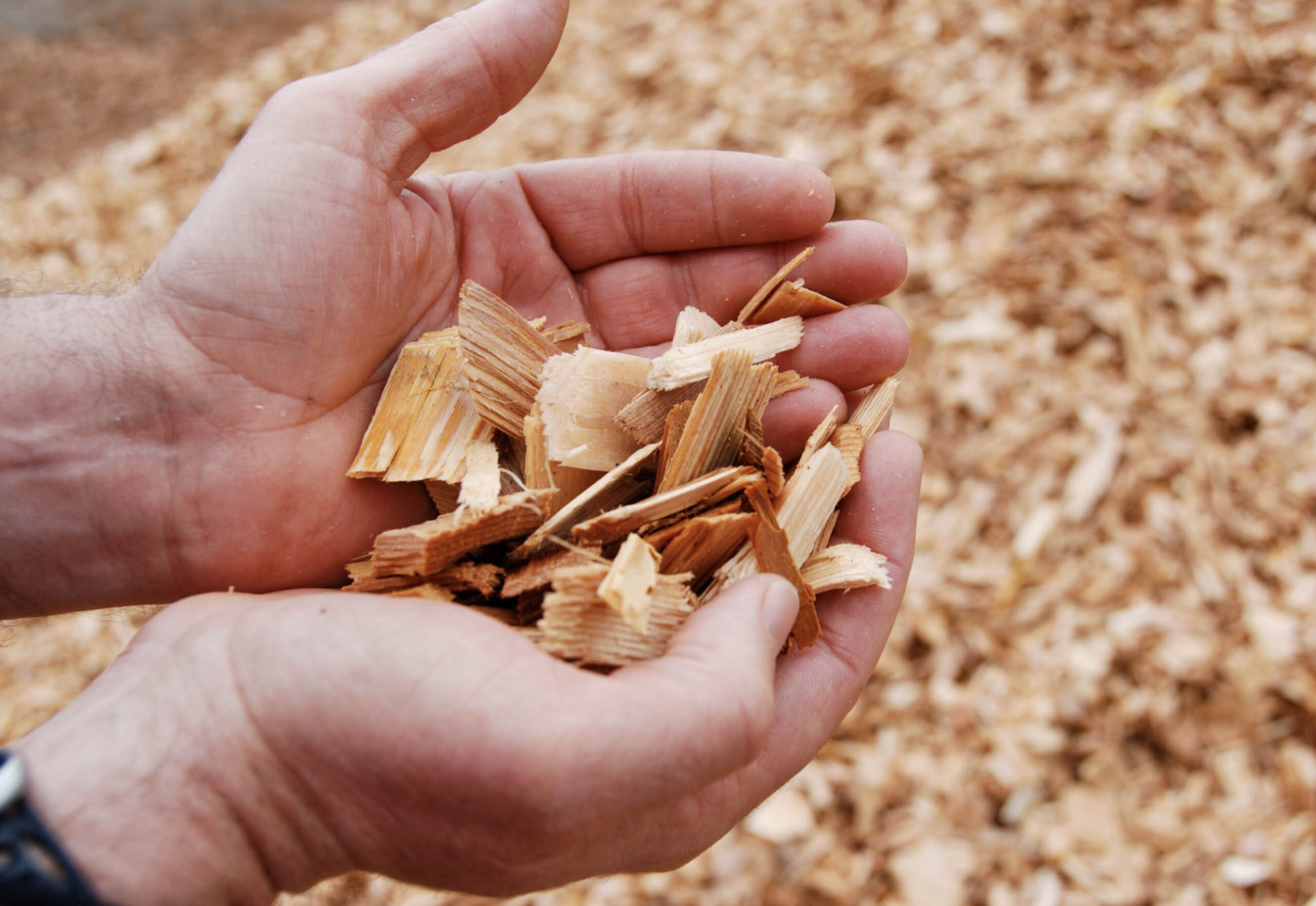
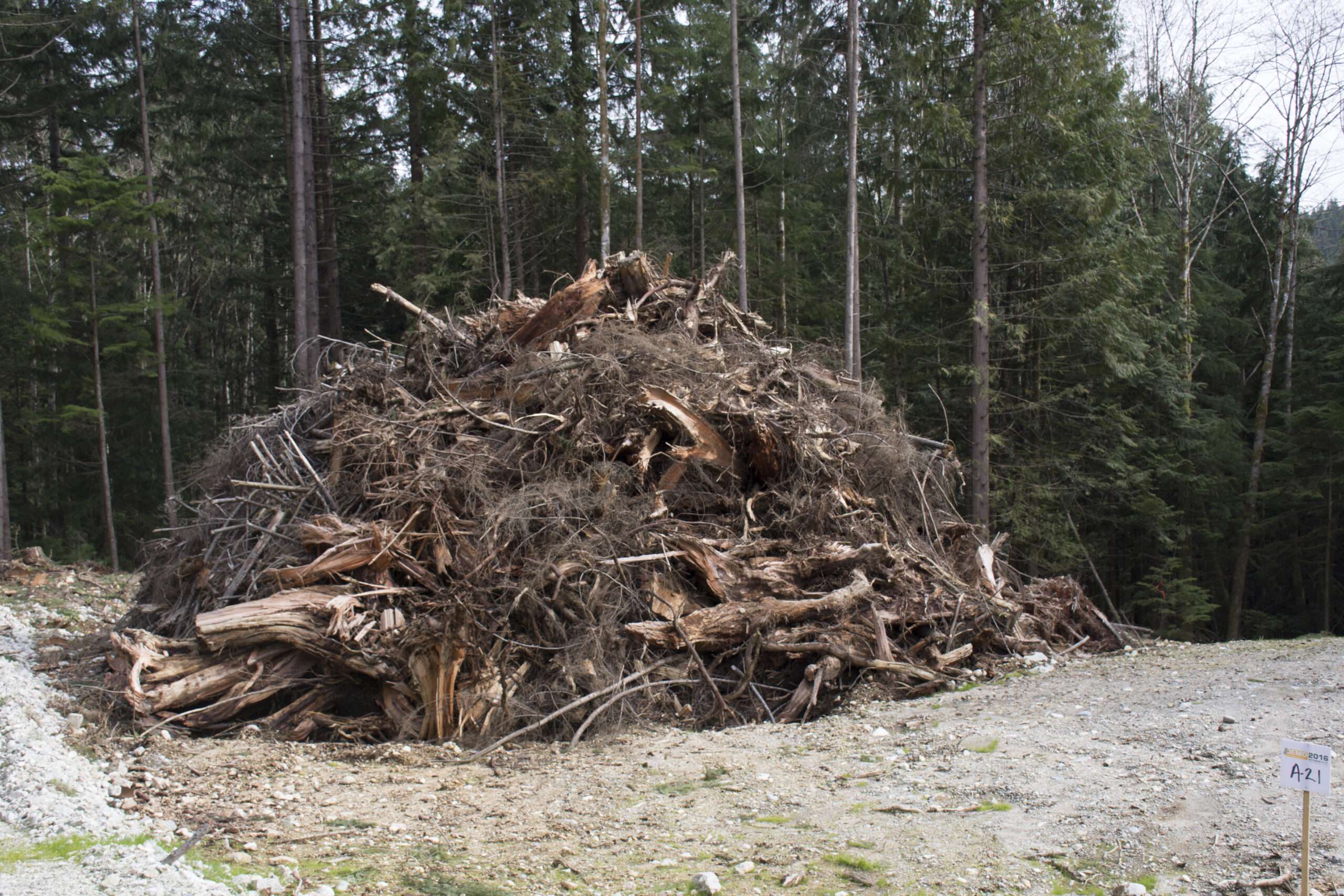 The world’s sawmills and plantation forests offer a powerful weapon against climate change, a new study has found. A paper published in Nature Geosciences found that burying the vast quantities of wood waste produced in the course of logging and processing trees could markedly slow Earth’s heating. Heat waves like the one currently afflicting the East Coast in the U.S. have been made far more likely by centuries of unchecked burning of fossil fuels — which release heat-trapping chemicals like carbon dioxide. …But in addition to the need to halt that burning, researchers found that burying waste from trees … offers an unparalleled way to counteract its impacts. …the study burying waste could reduce the Earth’s heating by 0.42 degrees Celsius, or about one-sixth of the estimated 3 degrees Celsius that scientists believe the Earth is on track to heat up by the end of the century.
 Satellite data used by archaeologists to find traces of ancient ruins hidden under dense forest canopies can also be used to improve the speed and accuracy to measure how much carbon is retained and released in forests. Understanding this carbon cycle is key to climate change research, according to Hamdi Zurqani, for the Arkansas Forest Resources Center and the College of Forestry, Agriculture and Natural Resources at the University of Arkansas at Monticello. The center is headquartered at UAM and conducts research and extension activities through the Arkansas Agricultural Experiment Station. …In a study recently published in Ecological Informatics, Zurqani shows how information from open-access satellites can be integrated on Google Earth Engine with artificial intelligence algorithms to quickly and accurately map large-scale forest aboveground biomass, even in remote areas where accessibility is often an issue.
 WASHINGTON — On behalf of the American Wood Council (AWC) and the American Forest & Paper Association (AF&PA), AF&PA Vice President of Public Policy Paul Noe gave oral testimony before the House Committee on Energy and Commerce, Subcommittee on Environment in their hearing titled, “Short-Circuiting Progress: How the Clean Air Act Impacts Building Necessary Infrastructure and Onshoring American Innovation.” In his testimony, Noe applauded legislation that would allow the paper and wood products industry to make capital investments to modernize their manufacturing facilities. …discussion was heard by the committee on two bills that would make critical revisions to the National Ambient Air Quality Standard (NAAQS) setting and implementation process that would reduce the type of permit gridlock created when the particulate matter NAAQS was significantly lowered by the previous administration. “We strongly support Congressmen Rick Allen and Buddy Carter in their efforts to address the impacts of air permitting issues on U.S. manufacturing,” said Noe.
  Replanting forests can help cool the planet even more than some scientists once believed, especially in the tropics. But even if every tree lost since the mid-19th century is replanted, the total effect won’t cancel out human-generated warming. …In a new study
 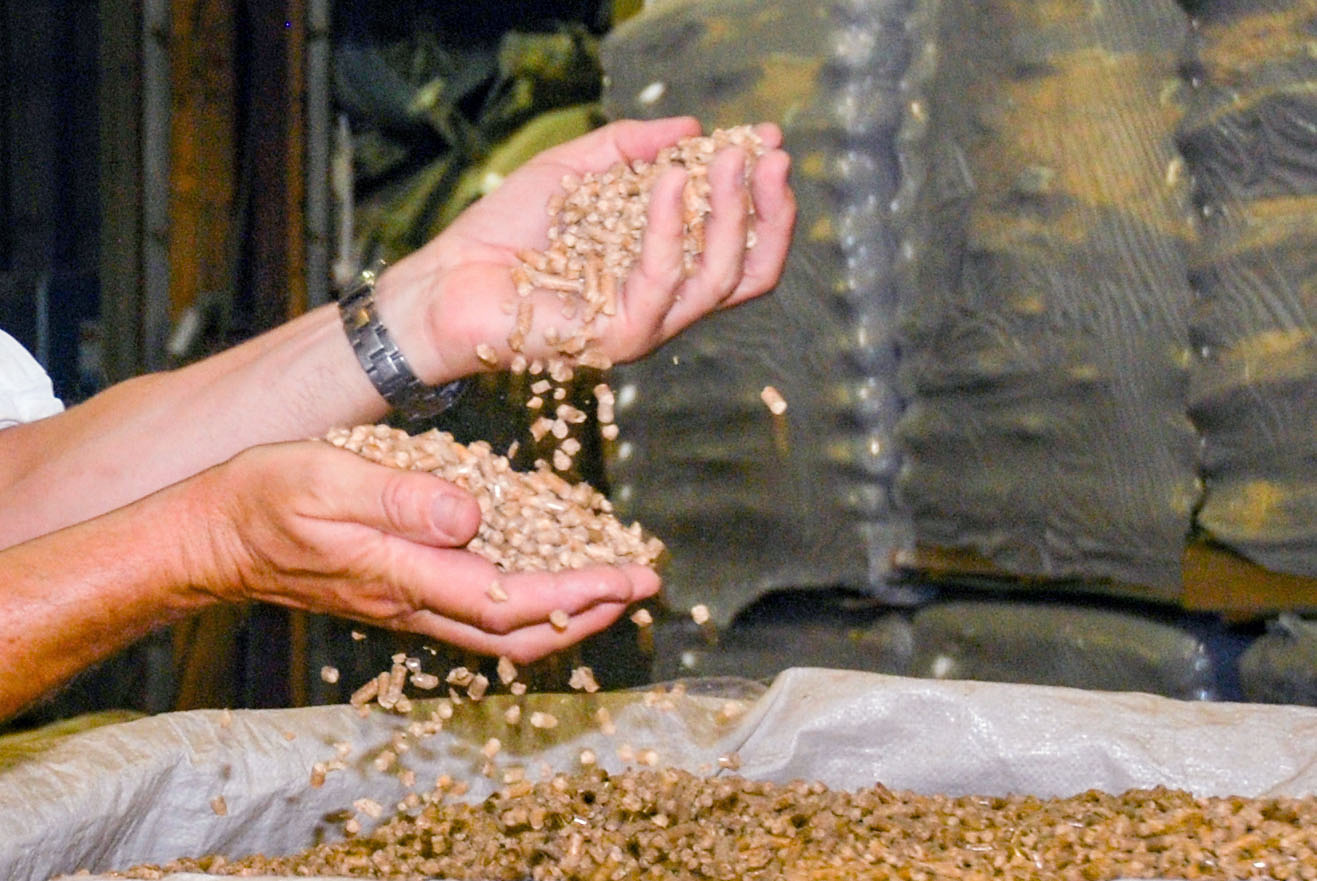 In an energy conversation dominated by buzzwords and breakthroughs, it’s easy to overlook the quiet, proven solutions that are already delivering results. Exhibit A: wood pellets. These compact cylinders aren’t flashy or trend on social media. For the uninitiated, they are carriers of renewable carbon and energy, sourced from responsibly managed forests; a real, scalable, domestic resource that delivers energy security, climate value, and rural jobs while sustaining and growing forests. Wood pellets are emerging as one of the smartest plays in America’s energy and climate portfolio. …Every year, America’s 360 million acres of privately-owned forests grow more wood than we harvest. …Responsible forest management, the kind that thins out fuel for wildfires, not only keeps forests healthy but also supplies feedstock for wood pellets. …This is climate action with a hard hat, not a hashtag. …Wood pellets are real, scalable, renewable and a true American resource.
 [Airplanes produce] a lot of emissions. In fact, the airline industry produces more greenhouse gases than many major countries. Most airlines … are pushing for cleaner fuels—and offering passengers the chance to help them offset a flight’s carbon emissions. Book a trip with a big carrier and you might be asked if you want to invest in forest preservation, saving enough trees to soak up your jet-setting’s environmental emissions. But is that really helping the planet or is it just a way for corporations to look better? A new study co-led by researchers at Boston University and the nonprofit Clean Air Task Force has found some of these efforts, known as forest carbon credit schemes, might not be doing much good. After examining the standards-governing programs … researchers recommend a series of new guidelines and improvements to “the carbon market system that would promote reliably high-quality forest carbon credits.”
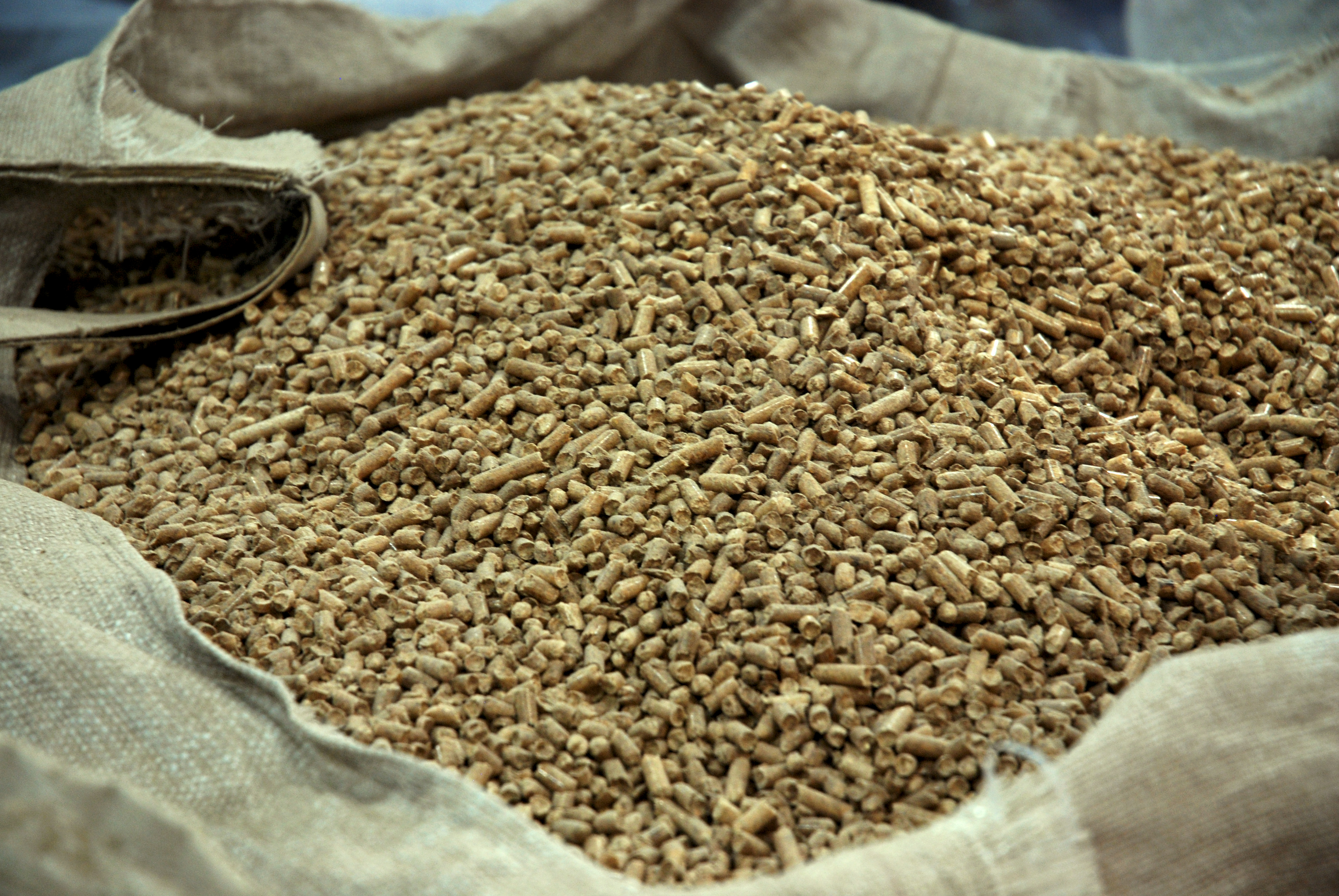 The US agriculture secretary has said the UK could take more US wood pellets as biomass amid ongoing trade talks. Brooke Rollins told reporters the US is ‘100% confident’ that the country’s wood chips adhere to UK sustainability requirements. Rollins met with UK energy secretary Ed Miliband and energy minister Michael Shanks on 13 May. Her visit to London saw her promoting agricultural produce – including US wood pellets. This is despite ongoing questions surrounding the actual sustainability of the biomass sector. In particular, Drax, which is subsidised by the UK taxpayer, has come under scrutiny on several occasions.
 The National Oceanic and Atmospheric Administration will no longer track the cost of climate change-fueled weather disasters, including floods, heat waves, wildfires and more. It is the latest example of changes to the agency and the Trump administration limiting federal government resources on climate change. NOAA falls under the US Department of Commerce and is tasked with daily weather forecasts, severe storm warnings and climate monitoring. It is also parent to the National Weather Service. The agency said its National Centers for Environmental Information would no longer update its Billion-Dollar Weather and Climate Disasters database beyond 2024. For decades, it has tracked hundreds of major events across the country, including destructive hurricanes, hail storms, droughts and freezes that have totaled trillions of dollars in damage. The database uniquely pulls information from the Federal Emergency Management Agency’s assistance data, insurance organizations, state agencies and more to estimate overall losses from individual disasters.
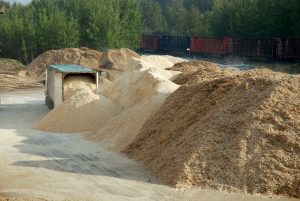 A California nonprofit organization has decided to revise its controversial plan to build two wood pellet processing plants that would turn excess biomass in the state’s forests into pellets to be shipped overseas for use in renewable energy generation. Golden State Natural Resources said Wednesday it will develop a reduced-scale project focused on domestic, rather than international, use of sourced wood, producing wood chips instead of pellets. The project will target emerging demand in California and nearby regions for sustainable energy and alternative wood products. The organization’s proposed Forest Resiliency Project has drawn the ire of environmentalists who say California needs to rethink “falling for the biomass delusion.” Golden State Natural Resources was formed by rural counties to reduce massive wildfires fueled by overgrown, undermanaged forests. The project aims to use low-value forest material like ladder fuels and dead trees to lower wildfire risk and improve forest health.
 A
A 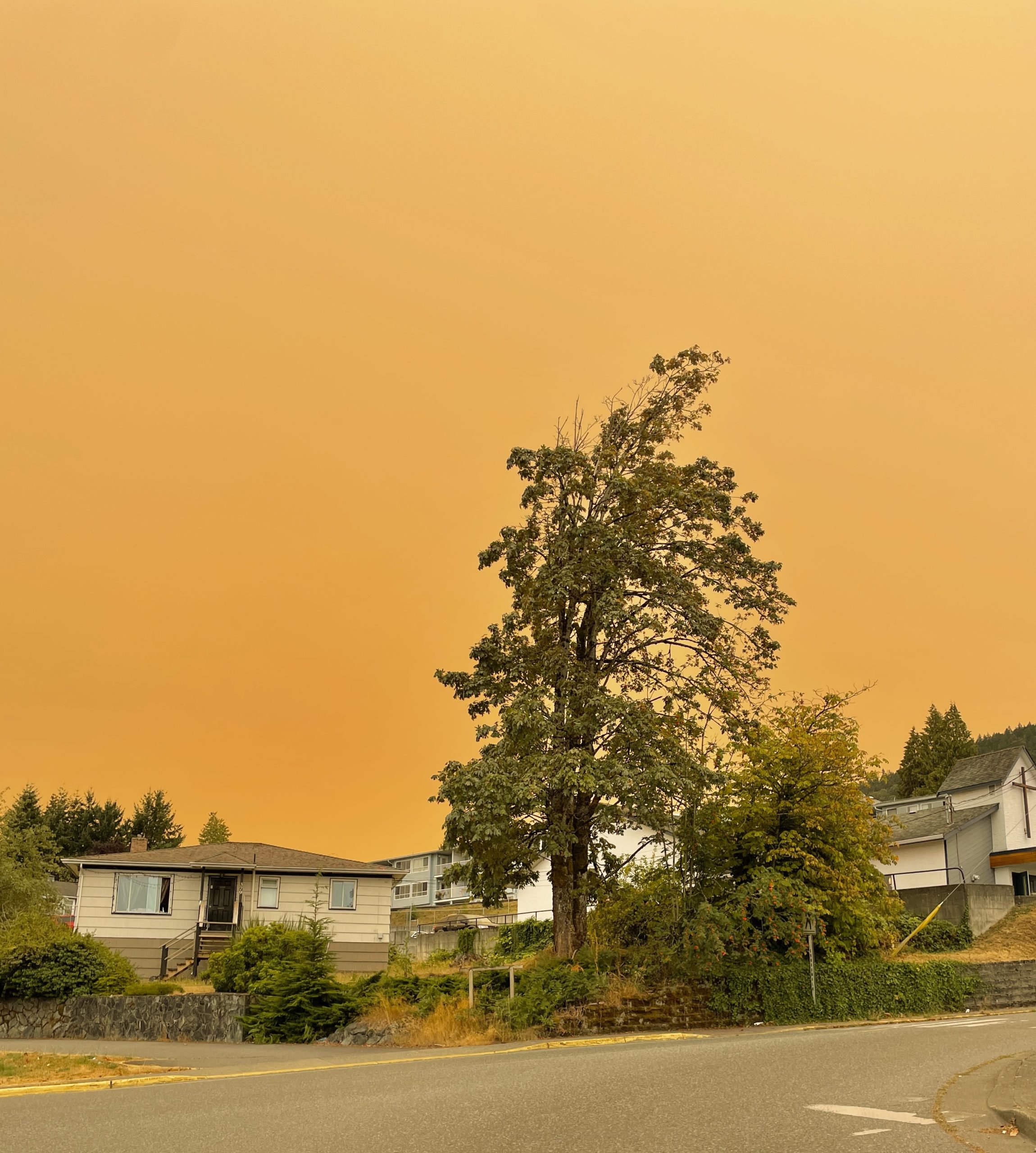 Even if you live far from the boreal forests in Canada and Siberia, you’ve likely noticed an increase in smoke from their forest fires. During major blazes in 2023, the smoke oranged the New York sky and drifted as far south as New Orleans. These blazes have surged in the last decade due to the effects of climate change — warmer summers, less snow cover in the spring, and the loss of sea ice. Experts expect that trend to continue. Yet recent climate change projection models have not accounted for the increase. For instance, the widely used sixth Coupled Model Intercomparison Project, or CMIP6, released in the late 2010s, kept these fires constant at a relatively low severity. A new University of Washington-led study projects that in the next 35 years these increasing boreal fires will actually slow warming by 12% globally and 38% in the Arctic.
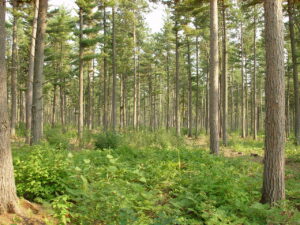 Earlier this week, Clean Air Task Force (CATF), alongside a team of leading U.S. forest carbon scientists, published a deep dive into the rules that govern a wide range of forest carbon credit certifications relevant to North America. The assessment examines rules of the road for quantifying carbon credits and identifies what works well, where there are weaknesses, and opportunities for improvements to ensure that forest carbon credits achieve their promised climate benefits… CATF’s assessment scored some elements of California’s current forest protocol that lays out the requirements for carbon credit certification as robust, such as the 100-year monitoring period for stored carbon in forests, and others as weak, like the risk assessment procedure. While high-quality credits are possible under the current protocol, the bar needs to be raised to guarantee that credits are delivering on their promise.
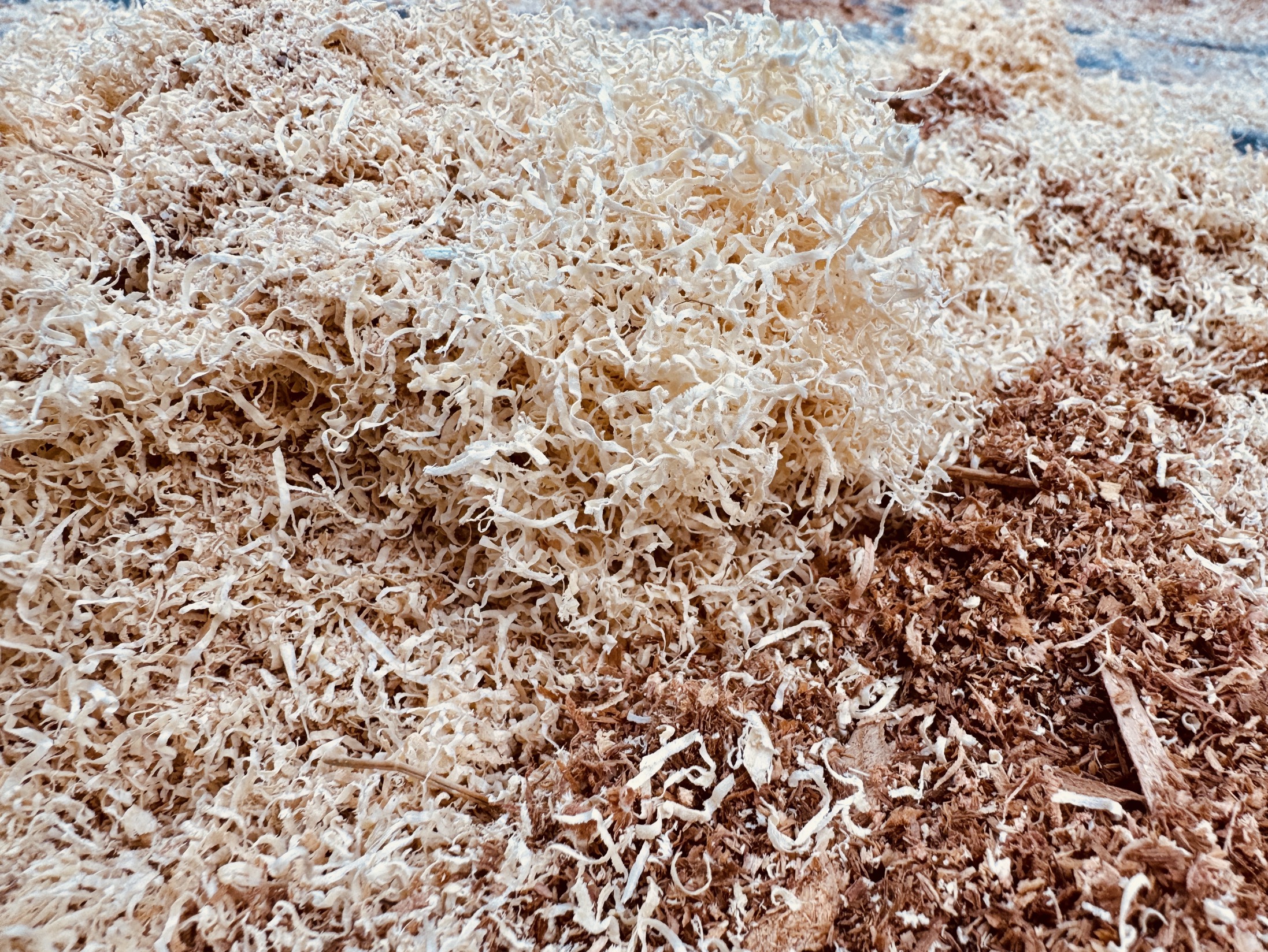 FALLON, Nev. – A proposed wood pellet processing plant in Churchill County is facing significant opposition from nearby residents who say it’s a great project in the wrong place. The facility, which would operate 24/7, is being proposed on McLean Road in Fallon. The man behind the proposal, Alex Pedan, is seeking a special use permit to open the plant, but neighbors are raising red flags over concerns about noise, dust, and declining property values. Amber Sanchez lives near the site and says she was notified about the proposal on April 29. She’s concerned that not everyone in her neighborhood received the same letter. …During Wednesday night’s Churchill County Planning Commission meeting, residents filled the room to speak out against the plan. Some said they supported the idea of a wood pellet business — just not in a residential or agricultural area. …In response to community concerns, Pedan claimed the plant’s equipment would be housed indoors, within a sound-insulated structure.
 TEXAS — A plan to open a bioenergy plant in Newton County has reached a new milestone with a landmark deal to supply wood for the site in Bon Wier. Mike Lout with KJAS, reports Nick Andrews, President and CEO of the Scottsdale, Arizona-based USA Bioenergy, announced on Tuesday that his company has
 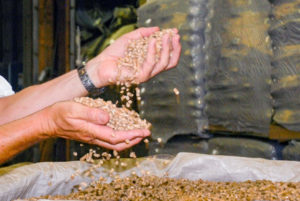 GEORGETOWN, South Carolina — Over 650 Georgetown residents have signed a petition opposing a proposed biomass plant at the site of the International Paper mill that closed last year. The group Citizens for Georgetown says it is working to revitalize the town’s waterfront through “thoughtful redevelopment.” 653 people are opposing the plant that would generate energy for Santee Cooper from tree waste. …Citizens for Georgetown Chairman Tom Swatzel. “Now, we face a critical choice: leave decades of pollution in the land and water, continue with heavy industry OR clean up the site and reimagine these properties into a vibrant, sustainable future that benefits all residents.” …State Sen. Stephen Goldfinch expressed cautious optimism over the proposed plant, saying that it could involve an investment of nearly $4 billion and create new jobs.
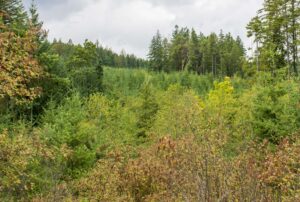 A law signed by Gov. Janet Mills last week
  Of the two dozen people who showed up for a meeting to talk about a proposed biomass energy plant in Georgetown, five were from conservation groups. Another five were reporters.
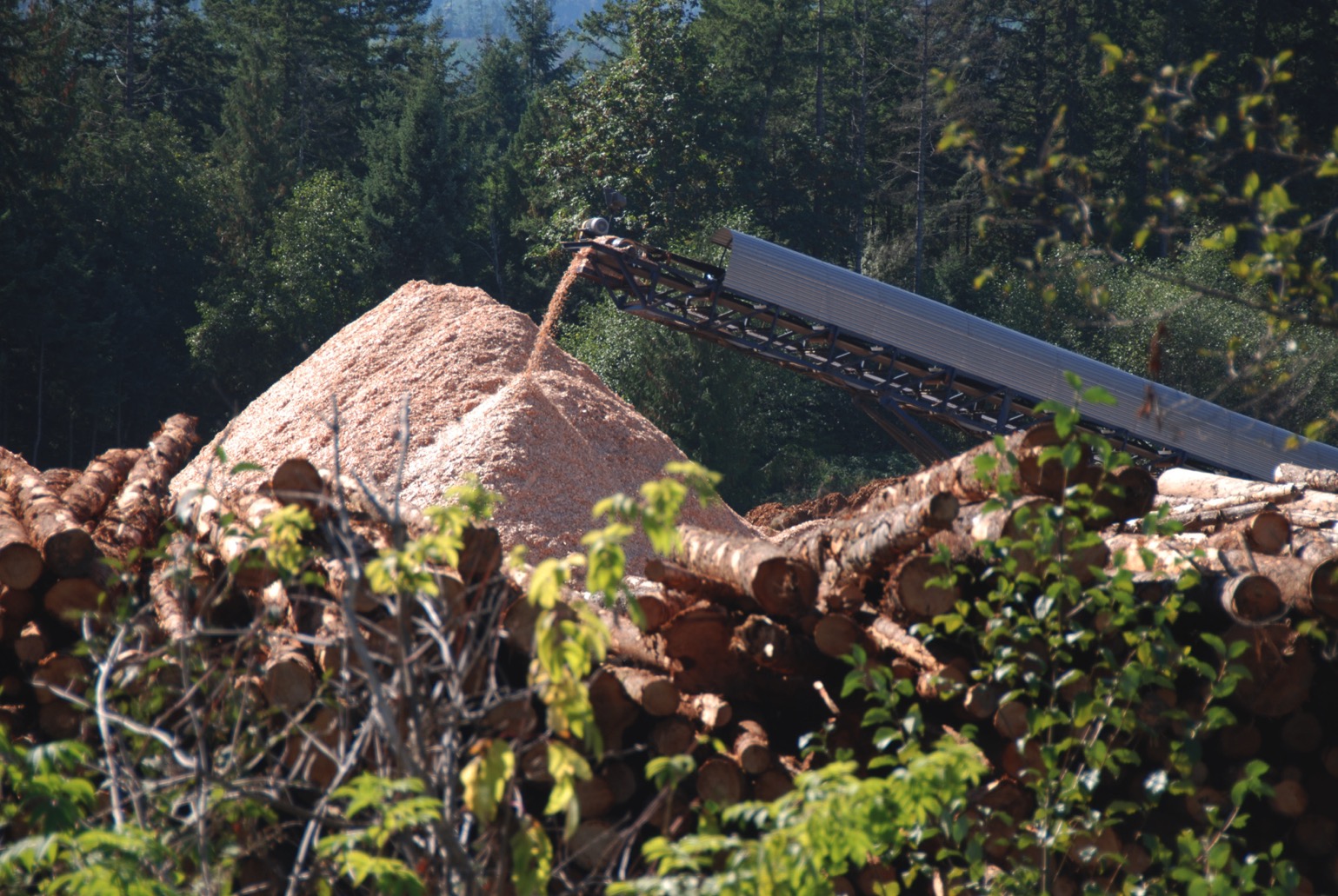 GRAND RAPIDS, Mich. —
  When Domino’s advertised its “smokehouse” pizzas in 2023, it trumpeted that the meat was smoked over timber logged from “Aussie Mountain ash”. It also advertised that the timber was certified as sustainable. But what the advertising didn’t promote was that mountain ash forests are critically endangered, with logging listed as one of the key processes threatening them. And now the ABC can reveal the certification that assured consumers that logging was sustainable was breached in seven different ways, according to the organisation that accredits certifiers. Those breaches included potentially stealing the trees from the neighbouring state forest, ignoring protections for waterways and logging potential endangered species habitat. “I think Australians should be absolutely appalled that the world’s tallest flowering tree is chipped up to make woodchips to smoke pork bellies to put on pizzas. It’s ridiculous. What are we talking about? Endangered possum pizzas?” Professor Lindenmayer said.
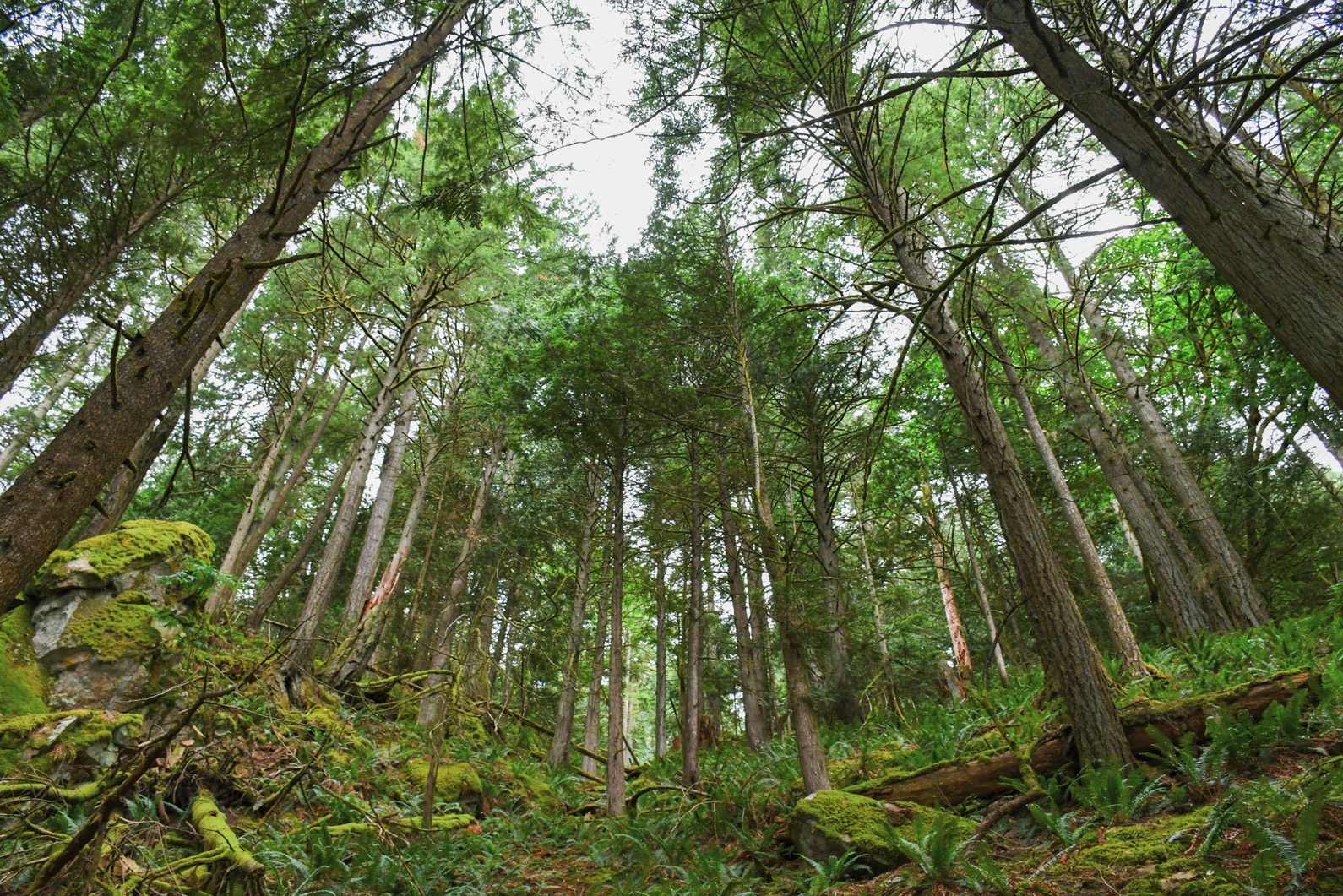 Naturally-regenerating forests are often ignored by policymakers working to curb climate change even though they hold an untapped potential to rapidly absorb planet-warming carbon from the atmosphere, scientists found in a research paper published Tuesday. These so-called secondary forests, which have regenerated themselves after being razed, often for agriculture, can help bring the world closer to the net-zero emissions target needed to slow global warming, the research published in the journal shows. That is because these young forests, which are made of trees between two and four decades old, can remove carbon from the atmosphere up to eight times faster per hectare than forests that were just planted, they found. It comes as companies worldwide are raising millions of dollars to regrow forests from scratch to generate carbon credits they can sell to polluting industries seeking to offset their greenhouse gas emissions.
 Judges across the world are proving sceptical of companies’ attempts to offset their greenhouse gas emissions by buying carbon credits,
 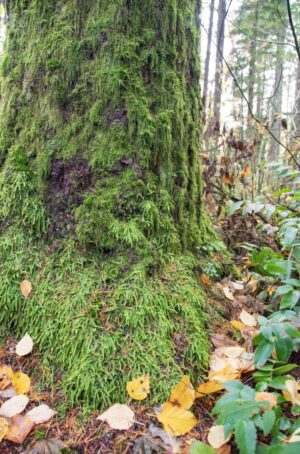 Protecting and restoring forests are essential for curbing climate change. But while efforts often focus on conserving mature forests and planting new trees (both of which are badly needed), a critical piece of the puzzle is often overlooked: managing naturally regrowing forests to increase the carbon they remove. Until now, scientists did not have a detailed picture of the carbon removal value of naturally regrowing forests. But
 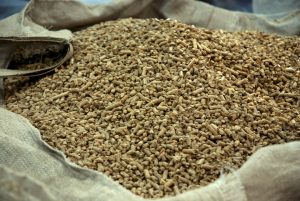 While biomass production and extraction in the European Union continue to grow, its long-term viability is at risk due to declining ecosystem conditions. A new



 DS Smith has brought online a €90 million biomass boiler at its Rouen paper mill in Normandy, France – one of Europe’s largest mill energy transitions to date. The new system replaces the site’s coal-fired boiler with a low-carbon, circular solution powered by locally sourced biomass waste. The project is expected to cut CO₂ emissions by 99,000 tonnes annually – equivalent to removing 40,000 cars from the road or powering 13,000 French homes each year. The boiler will process around 94,000 tonnes of biomass fuel each year, including industrial and municipal waste wood – mainly from the Paris and Normandy regions – as well as paper production by-products. Up to 70,000 tonnes of wood waste will be diverted from landfill annually, supporting DS Smith’s 2030 zero-landfill target.
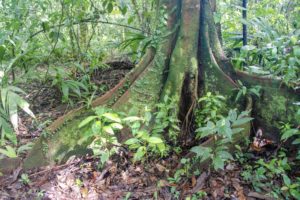 The Phillipines sits on a goldmine of forest and carbon wealth. But an unclear and short-sighted property rights regime is choking its potential; existing rules are partially to be blamed.
 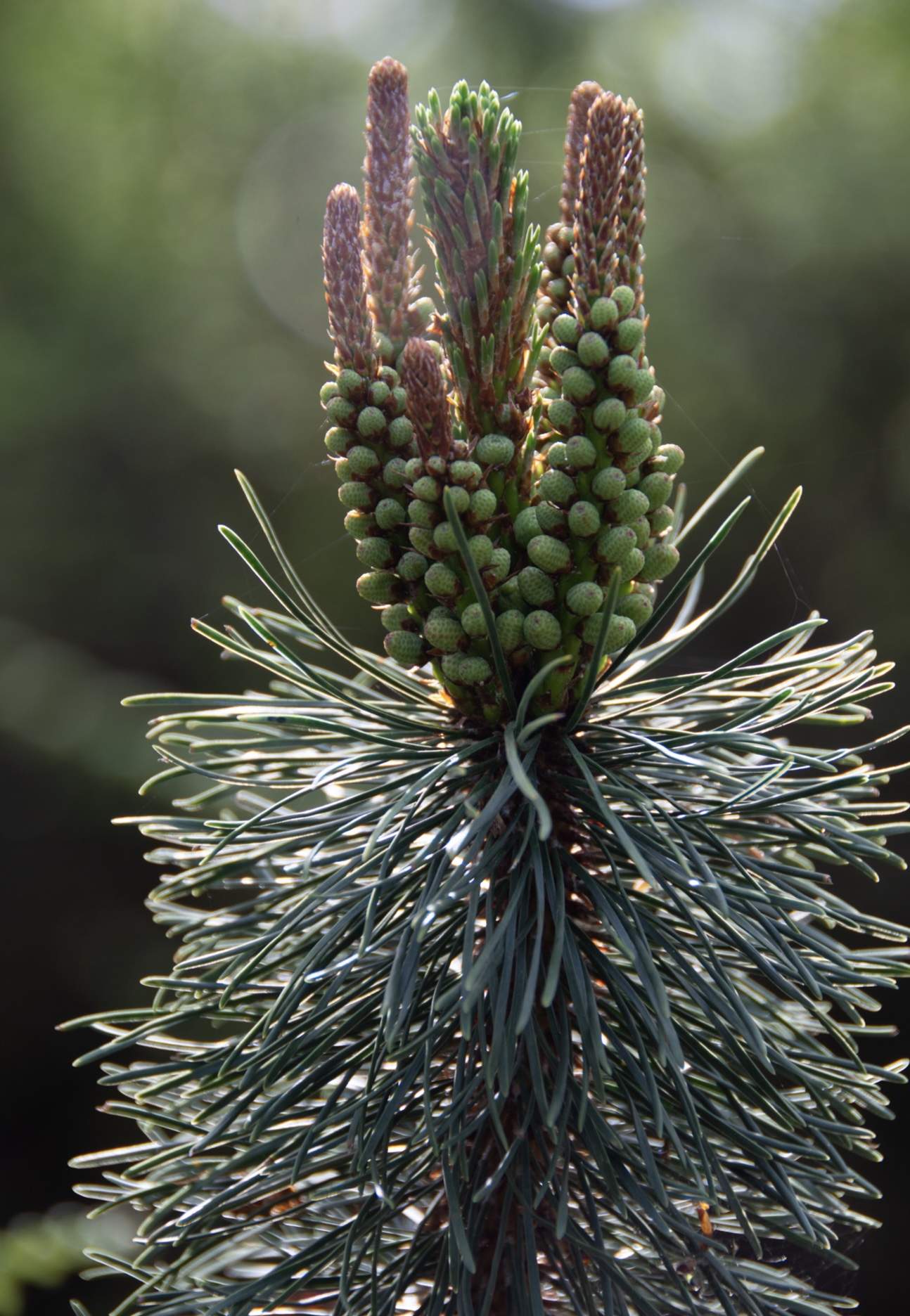 Hundreds of top environment lawyers are suing the New Zealand government over what they say is its “dangerously inadequate” plan to reduce emissions to net zero by 2050. It is the first time the country’s emissions reduction plan has faced litigation, and the lawyers believe it is the first case globally that challenges the use of forestry to offset emissions. …two groups representing more than 300 lawyers filed judicial review proceedings against the government in Wellington’s high court on Tuesday. The groups … claim … the government has abandoned dozens of tools to tackle emissions, failed to adequately consult the public, and too heavily relies on high-risk carbon capture strategies such as forestry. …They claim that the government is relying on “high risk” methods such as planting hundreds of thousands of hectares of introduced pine trees to offset emissions, and capturing carbon underground, with few alternatives to fall back on if something goes wrong.
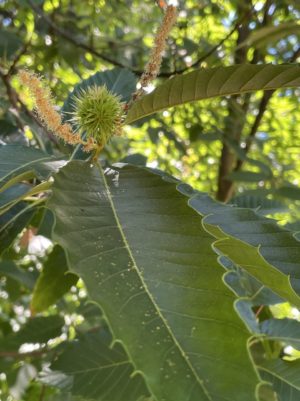 Researchers from the University of Nottingham and CSIRO Australia have developed a pioneering combined milling and combustion performance model to improve the selection of low carbon fuels for power generation. Published in the
 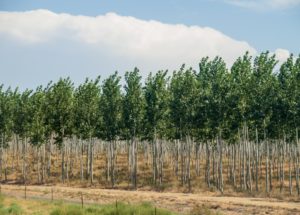 Rio Tinto has started growing pongamia trees in northern Australia, as part of a biofuels project aimed at reducing the mining giant’s reliance on fossil fuels. Pongamia trees are native to Australia and produce oil-rich seeds that can be processed into renewable diesel… Earlier this year, Rio Tinto trialled 10 million litres of renewable diesel — created from used cooking oil — across its Pilbara iron ore operations in Western Australia. The biofuel got used across the supply chain, featuring in Rio Tinto’s rail, marine, haul trucks, surface mining equipment and light vehicles… Forestry Industry Association of the Northern Territory (FIANT) manager Hanna Lillicrap said it was great to see a major mining company getting involved in the forestry sector. “It reflects a growing recognition of the role forestry can play as a climate-positive solution in emissions reduction strategies,” she said. “It’s great to see serious investment going into research to better understand the species and its potential,” she said.
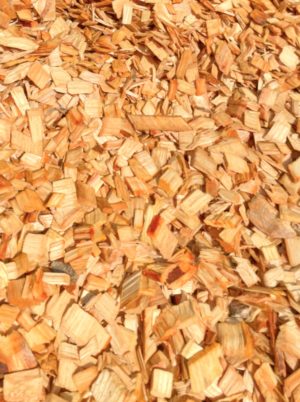 Even if conversations are dominated by electrification, Toyota is working on a different course to keep combustion engines relevant. A recent Nikkei Asia report reveals that Japanese automakers led by Toyota have opened a bioethanol facility in Fukushima, aiming to slash the carbon footprint of conventional engines with a new kind of “better biofuel”. …What sets this project apart is its focus on second-generation biofuels: non-edible plants and agricultural waste serve as the feedstock, rather than food crops like corn or sugarcane. By avoiding feedstocks that compete with food supply, Toyota’s program addresses a key criticism of traditional biofuels. …The choice of Fukushima for the facility is symbolic. The site reuses land in an area devastated by the 2011 nuclear disaster, turning “disaster zones” into productive, green-energy facilities. In doing so, Toyota’s project ties regional recovery to climate innovation. …Feedstock: Uses non-food biomass (e.g. wood chips, rice straw, plant waste) instead of edible crops.
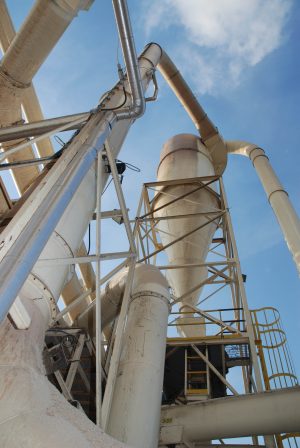 Mineral water producer Gerolsteiner Brunnen has broken ground on a new biomass combined heat and power (CHP) plant at its site in the Vulkaneifel region, Germany, in partnership with energy provider E.ON. The plant is set to significantly reduce the company’s reliance on fossil fuels and further its long-standing commitment to climate protection. Once operational in early 2027, the plant will supply up to 95% of Gerolsteiner’s heat demand and around 20% of its electricity needs. It will run on regionally sourced biomass, including wood chips from damaged or diseased wood, forest residues, and green waste, that would otherwise go unused in traditional wood processing industries… The project is expected to reduce the company’s carbon emissions by over 7,000 tonnes annually.
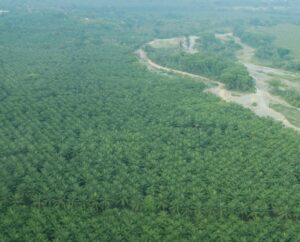 When I hear discussions about creating markets to “save nature,” a part of me is hopeful, but a bigger part is deeply cautious. Looking at how these market ideas have played out, like carbon markets, gives me pause. Forests, wetlands, and the natural world are not simple spreadsheets; treating them as such can lead us down a perilous path… Carbon, as CO2, is a global pollutant. A tonne reduced in one place has, theoretically, the same atmospheric impact as a tonne reduced elsewhere.This (imperfect) fungibility is what would allow a global carbon market to function. Biodiversity, however, is the epitome of diversity, local and unique. The specific mix of species, the genetic diversity and the intricate ecological relationships that define a patch of old-growth rainforest in the Amazon are utterly different from those in a Scottish pine forest or an Indonesian mangrove. You cannot swap one for the other and claim equivalence.
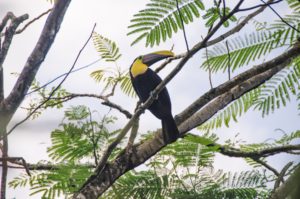 The Amazon rainforest may be able to survive long-term drought caused by climate change, but adjusting to a drier, warmer world would exact a heavy toll, according to new research in which Cardiff University played a role. The findings show adapting to the effects of climate change could see some parts of the Amazon rainforest lose many of its largest trees, releasing carbon stored in them to the air, and reducing the rainforest’s carbon sink capacity. Parts of the Amazon are expected to become drier and warmer as the climate changes, but long-term effects on the region’s rainforests – which span more than 2 million square miles – are poorly understood. Previous research has raised concerns that a combination of severe warming and drying, together with deforestation, could lead to lush rainforest degrading to a sparser forest or even savanna.