 MONTREAL – Academics at McGill University in Montreal are providing the U.S. scientific community a platform to protect climate research under attack. Six months ago, researchers at McGill University’s Desautels Faculty of Management launched the Sustainability Academic Network — SUSANHub.com — a database that centralizes climate research and data. “We initially created this platform to connect researchers and professionals in sustainable development and climate change,” said Juan Serpa, a professor at the Desautels Faculty of Management, describing the platform as a kind of “LinkedIn” for the field. But at a time when the administration of United States President Donald Trump is firing climate researchers, banning certain words from scientific articles, cutting funding for environmental research, threatening to withdraw financial support from universities, and deleting scientific reports from government websites, the McGill platform has taken on a different significance. “The goal is to protect scientific data against threats from the U.S. government,” Serpa said.

 A Canadian carbon credit firm is seeking more than US$40 million in damages in a lawsuit against its former CEO and several ex-directors and associates over alleged unjust enrichment, fraud, and breach of fiduciary duty. A statement of claim filed in the Ontario Superior Court by Carbon Streaming Corporation describes diverted six-figure advisory fees, as well as lavish trips and retreats without a business purpose, over the span of multiple years. Toronto-based Carbon Streaming provides capital to carbon capture projects around the world via streaming or royalty agreements for carbon credits, which they sell to buyers looking to offset emissions, or other investors. …Last week, Carbon Streaming filed a lawsuit with the Ontario Superior Court of Justice against founder, former CEO and company director Justin Cochrane, as well as several other past executives, directors, consultants, and affiliated entities.
 Two-thirds of Canadians agree the next federal government should prioritize action on climate change and protecting nature, a new poll has found. Sixty-two per cent of those surveyed said Canada should maintain its commitments on climate change despite the U.S. government’s recent decision to pull out of the United Nations Paris agreement to lower greenhouse gas emissions. A similar share of respondents supported Ottawa investing in renewable energy over fossil fuels. The poll questioned a panel of 1,548 Canadian adults in an online survey from March 7-10. Michael Polanyi, a policy and campaign manager at Nature Canada, said his group is concerned the $6.5 billion promised to industry last week does not come with guidelines that would prioritize workers and limit harms to nature. “It’s in Canada’s economic interest in terms of accessing global markets that we’re not further degrading forests,” Polanyi added, pointing to tightening EU regulations. “There’s a risk of closing market off to Canadian forest products.”
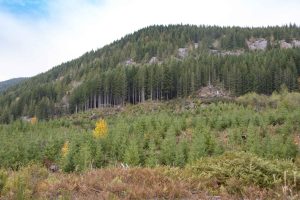 Eastwood Forests has deployed slightly more than half of its debut fund through deals that have included acquisitions in Costa Rica, Panama and Canada. North Carolina-headquartered Eastwood announced its acquisition of 14,500 ha of northern Vancouver Island timberland from Western Forest Products for $69.2 million in February. …Eastwood VP for transactions Prab Dahal said “Western has done a good job in managing the forests but our philosophies are slightly different in that we probably would not have as much openings and as much clear-cuts as Western did in the past,” said Dahal. …“It has more versatility than the typical natural forest that we look for elsewhere,” said Dahal. “We can manage this purely for carbon and still do good, or manage purely as a plantation and continuously manage with a harvesting level that is sustainable and can do good, financially, for our investors.” …Eastwood was established in 2022.
  The Sustainable Biomass Program (SBP) has today announced the publication of two Interim Regional Risk Assessments (RRAs), covering British Columbia and Alberta Forests, Canada (available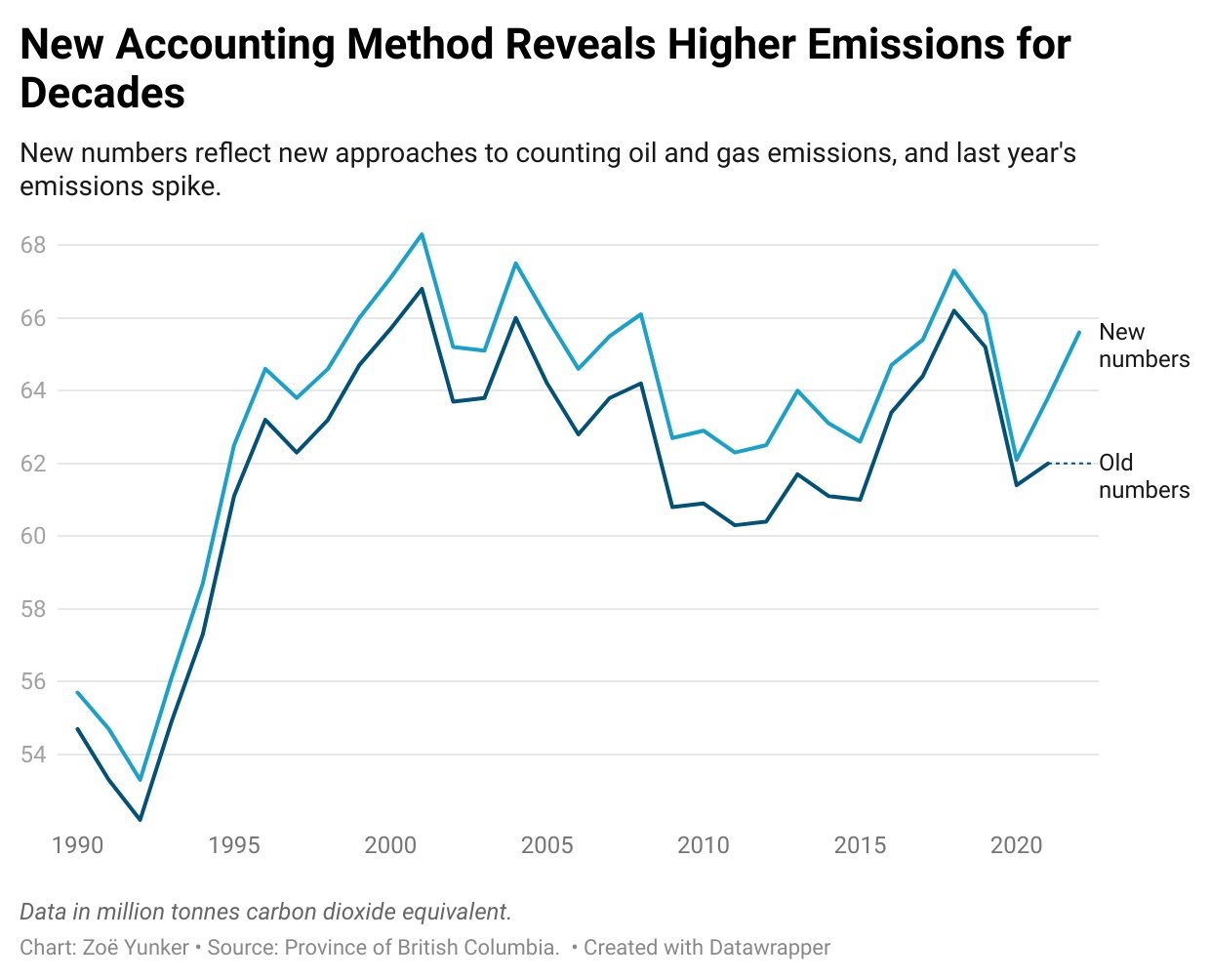
 The
The 
 The BC government says it will only meet half of its 2030 target to lower greenhouse gas emissions. In an annual
  VANCOUVER, BC — Svante Technologies, a leader in carbon capture and removal technology, announced that its joint carbon capture and storage project with Mercer International has advanced to the Front-end Engineering and Design Phase 2 (FEL-2). Also known as Pre-FEED, this phase involves engineering, cost estimation, and risk analysis to evaluate the project’s commercial viability. …The carbon capture project targets biogenic CO2 emissions from Mercer’s Peace River pulp mill, where the biomass is sourced from sustainably managed forests. Advancing to the Pre-FEED stage will support further development of the integrated design, cost estimates, and risk assessments—key steps toward a final investment decision and potential implementation. …Utilizing a Novel Carbon Capture Technology for Commercial Deployment, Svante’s second-generation capture technology maximizes low-grade waste heat from pulp mills, reducing energy consumption and increasing cost-effectiveness.
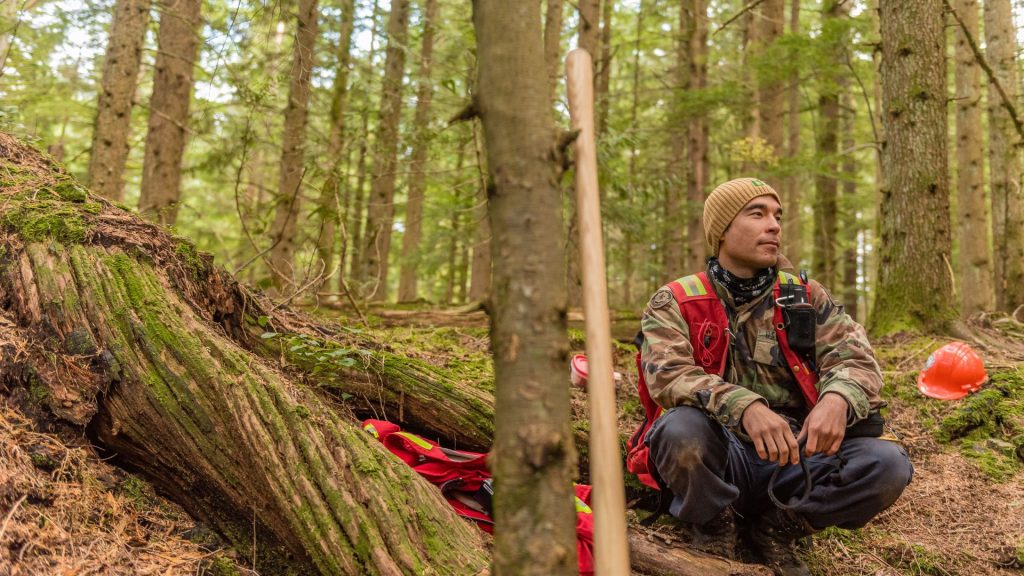



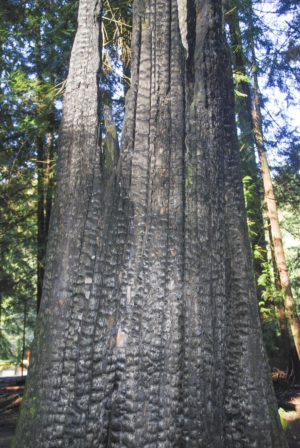 If forest fires burn organic matter, and biochar is created by burning of organic matter shouldn’t forest soils be full of biochar? Not exactly. There is a difference between the burnt product of wildfire and biochar. Forest fires do produce charcoal, but while both charcoal and biochar are types of pyrogenic carbon, they’re not quite the same thing… Forests in Alberta have been affected by the mountain pine beetle, leaving behind dead trees that act as easy fuel for fires. These dead, dry trees are extremely flammable. The Canadian government has looked into using these dead trees as biofuels and some companies do use them to create biochar. Another source of organic matter for biochar is the material removed from forests as part of fuel management… Both of these methods help manage wildfire and could potentially increase the carbon sequestration of forests if the resulting biochar was added back into the forest’s soil.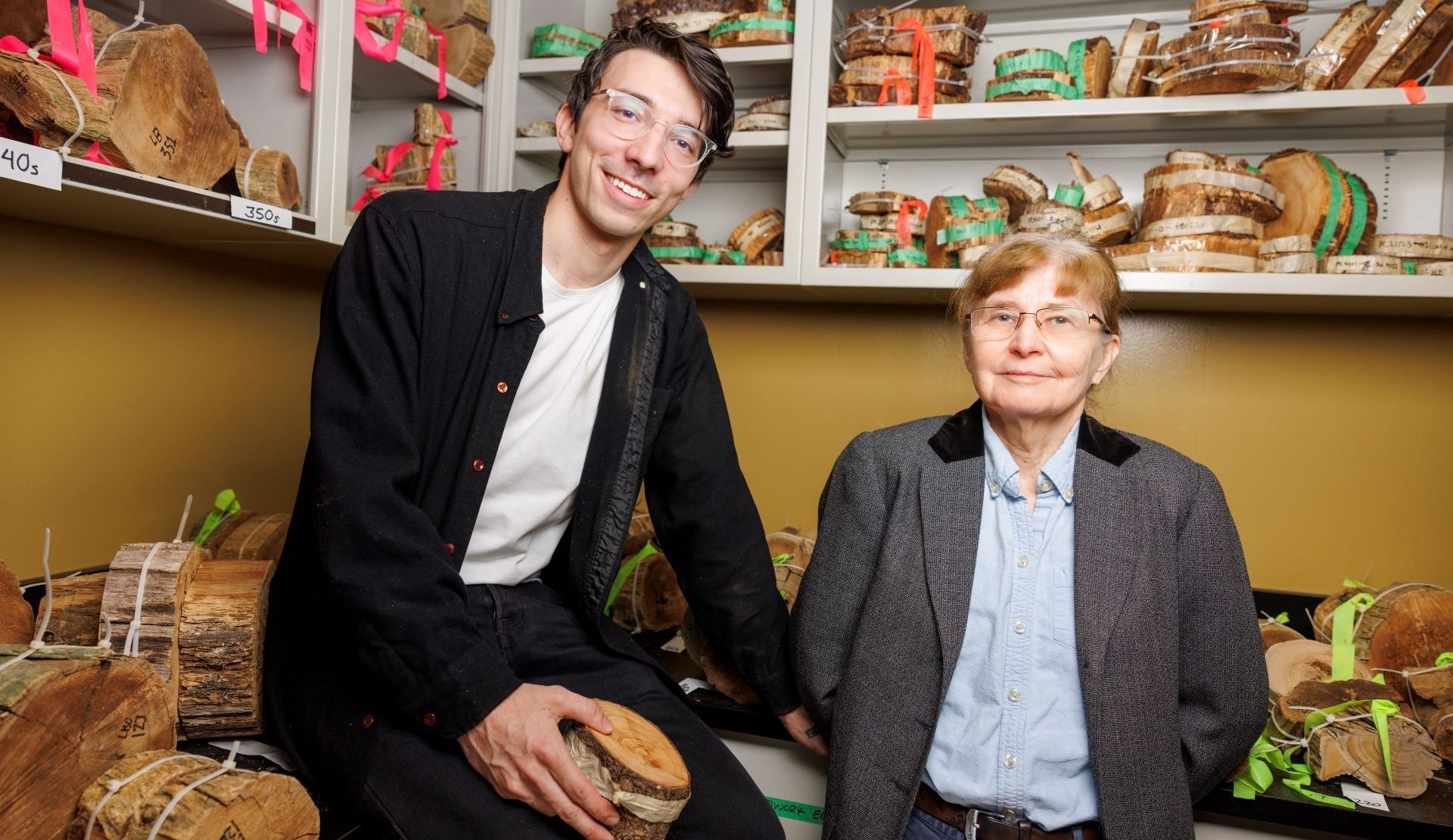


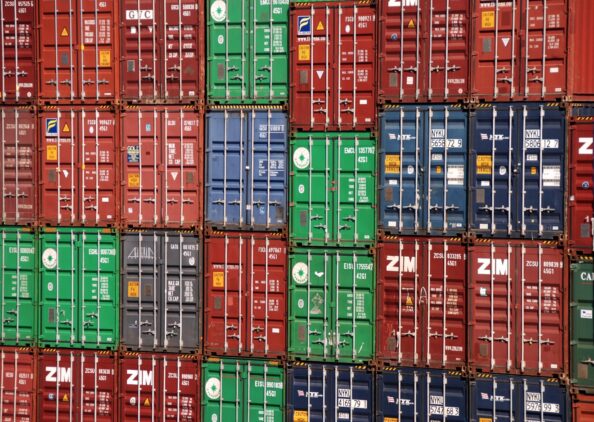 LONDON – The United States has withdrawn from talks in London looking at advancing decarbonisation in the shipping sector and Washington will consider “reciprocal measures” to offset any fees charged to U.S. ships, a diplomatic note said. Delegates are at the UN shipping agency’s headquarters this week for negotiations over decarbonisation measures, aimed at enabling the global shipping industry to reach net zero by “around 2050″. …”The U.S. rejects any and all efforts to impose economic measures against its ships based on GHG emissions or fuel choice,” according to a diplomatic demarche sent to ambassadors by the United States. …”Should such a blatantly unfair measure go forward, our government will consider reciprocal measures so as to offset any fees charged to U.S. ships and compensate the American people for any other economic harm from any adopted GHG emissions measures,” the note from Washington said.
 International Paper, the global leader in sustainable packaging solutions, today announced it exceeded its sustainability goal of conserving and restoring 1 million acres of ecologically significant forestland. This milestone achievement enhances biodiversity protection, strengthens carbon sequestration, and supports sustainable land management, reinforcing the company’s commitment to environmental stewardship and climate resilience. “We are thrilled to have surpassed one of our Healthy and Abundant Forest targets to conserve 1 million acres of ecologically significant forestland by restoring nearly 1,158,00 total acres, and we did so six years ahead of schedule,” said Sophie Beckham, Chief Sustainability Oficer, International Paper. “Reaching this milestone is a testament to the company’s ongoing commitment to nature conservation and to the great work of our conservation partners.” IP released its 2024
  Over the last five years the forest carbon market in North America has experienced a period of rapid expansion, with a surge in dealmaking and heightened interest from institutional investors. In recent months, major corporations have signed high-profile offtake agreements for forest carbon credits, with the latest focus being on high quality-sequestration projects. At the same time, the uptake of Improved Forest Management (IFM) projects has grown, with over 1 million acres of IFM projects added in 2023 and 2024, reflecting the growing recognition of sustainable forestry as a viable tool for emissions removal and reduction. The rise in corporate demand for nature-based solutions, coupled with compliance frameworks including California’s cap-and-trade and emerging cap-and-invest systems, are reshaping the market landscape. Investors, timberland managers, and carbon project developers are competing in an increasingly competitive and innovative space.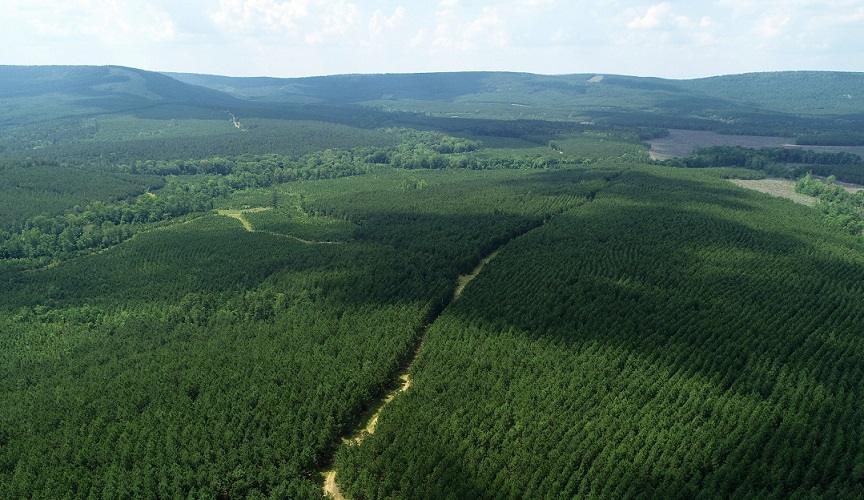
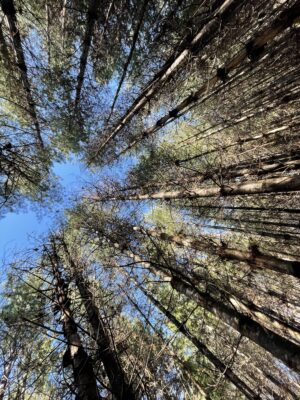 Prolonged droughts, wildfires and water shortages. Torrential downpours that overwhelm dams and cause catastrophic flooding. Around the globe, rising temperatures stoked by climate change are increasing the odds of both severe drought and heavier precipitation that wreak havoc on people and the environment. Rainfall can disappear for years only to return with a vengeance, as it did in California in 2023, with record-setting rain and snowfall. That led to heavy vegetation growth that provided fuel for the devastating January wildfires in Los Angeles after drought returned. But how can global warming cause both drier and wetter extremes? Here’s what experts say. It’s all about the water cycle. Water constantly moves between the Earth and its atmosphere. But that system — called the hydrological cycle — is speeding up as global temperatures get hotter, primarily due to the burning of fossil fuels like coal and gas.
 President Trump is pushing federal agencies to expand timber harvests… The U.S. Forest Service is already set to increase the number of trees it harvests to one of the highest levels since 2019, a result of Biden-era policies. But advocates argue that we need trees now more than ever and that this increase in timber harvest doesn’t make sense. The Forest Service is facing a lawsuit


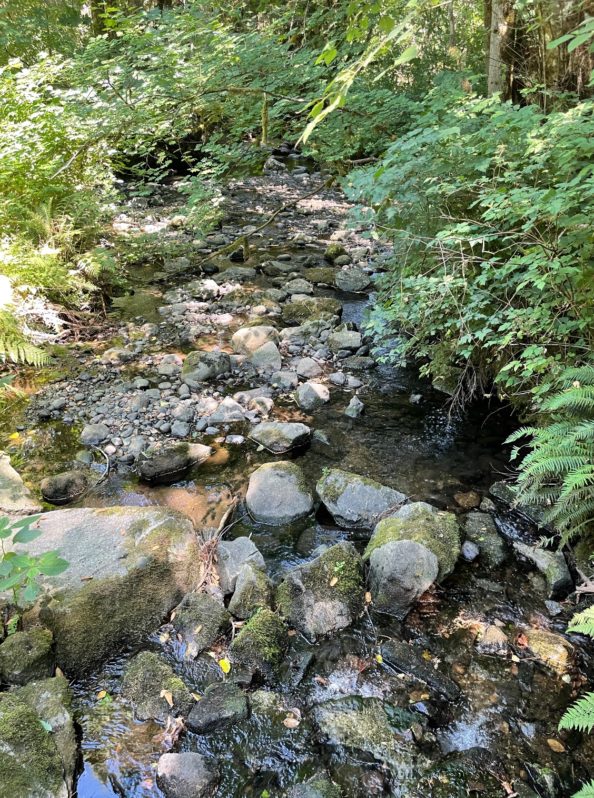 Living trees absorb carbon, aiding climate change mitigation. But what role do dead trees play in carbon storage? UVM researchers found that large, downed trees in streams tie up tremendous stores of carbon—and this pool of carbon storage is growing over time. Moreover, large trees in streamside forests proved important for recruiting carbon into streams over time—reflecting the environmental value of big, old trees. “We know that about 20% of global annual greenhouse gas emissions come from land use and deforestation,” University of Vermont professor and study author Dr. William Keeton said, “but we can also use forests and other land cover as what we call a natural climate solution—finding ways to sequester and store more carbon in vegetation.” Keeton had long suspected that water-bound wood in old-growth forests was surely storing carbon—but how much? Turns out, quite a lot.
 Representing 27% of all forests worldwide, boreal forests are the planet’s terrestrial “second lung” after tropical forests. Encircling the North Pole, they span North America, Europe, and Asia, playing a vital role in global carbon sequestration and storage, biodiversity, and supporting societies and economies. Despite their importance, boreal forests do not receive the same visibility and attention among policymakers and the public as their tropical forest counterparts. A new study published by the United Nations Economic Commission for Europe (UNECE), presented today at the United Nations Forum on Forests in New York, highlights the urgent need to increase the understanding of this global “treasure trove” and to safeguard its important contributions… Boreal forests, like other forest biomes, are important to global goals such as the Sustainable Development Goals (SDGs) 8, 12, 13 and 15, the six Global Forest Goals and the Targets of the United Nations Strategic Plan for Forests 2030.
 The United Nations Forum on Forests commenced its twentieth session today, as speakers spotlighted the connection between healthy forests and a sustainable future, the increasing threats to this important global resource and the subsequent need to invest in its protection despite a shrinking fiscal space. The Forum will hold its twentieth session from 5 to 9 May in New York. Established in 2000 by the Economic and Social Council, the Forum has universal membership and is tasked with reviewing progress in the implementation of sustainable forest management. This session — a technical one — will focus on Global Forest Goals 1 (reversing forest loss), 3 (protecting forests and using sustainable forest products) and 5 (promoting inclusive forest governance). “This Forum is unique,” observed Ismail Belen (Türkiye), Chair of the Forum’s twentieth session — noting that “it is the only global intergovernmental platform with universal membership that focuses on all forest-related issues”.
 The Sustainable Biomass Program (SPB) published its Annual Review 2024, capturing a year of growth, strategic progress, and continued delivery as the biomass certification scheme of choice. With 2024 marking the second year of its current three-year strategy, SBP has consolidated its position in a rapidly evolving sustainability landscape, while laying firm foundations for the years ahead. “2024 outcomes reflect a busy and productive year for SBP. We saw significant growth in certified biomass volumes and certificate holder numbers, but equally important we took proactive steps to define our contribution to global challenges, from carbon and climate to regulatory compliance and sustainability governance. With growth comes an increased responsibility to ensure that assurance and oversight of compliance are rigorously maintained,”stated Carsten Huljus, CEO of SBP.
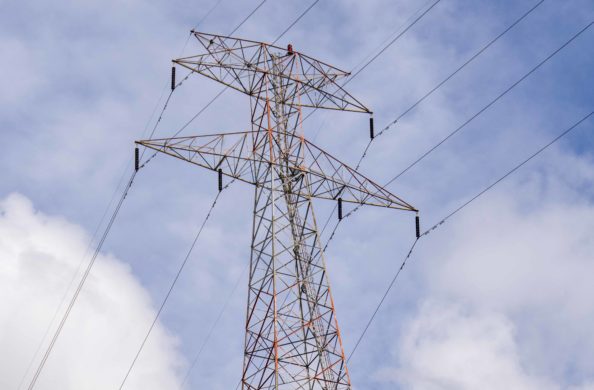 A UK government spending watchdog has questioned the value of the multibillion pound subsidies granted to the Drax power plant in North Yorkshire – and said plans to hand over billions more may not represent value for money. The government has provided about £22bn of public money to businesses and households that burn biomass pellets as fuel over the past three years, including £6.5bn for the owner of the Drax plant. The power plant, which generates about 5% of the UK’s electricity, is expected receive more than £10bn in renewable energy subsidies between 2015 and the end of 2026 – despite ongoing concerns that wood pellets are not always sustainably sourced. The Public Accounts Committee has said that biomass generators have been left to “mark their own homework” when it comes to proving that their fuel met the sustainability standards set by the subsidy scheme.
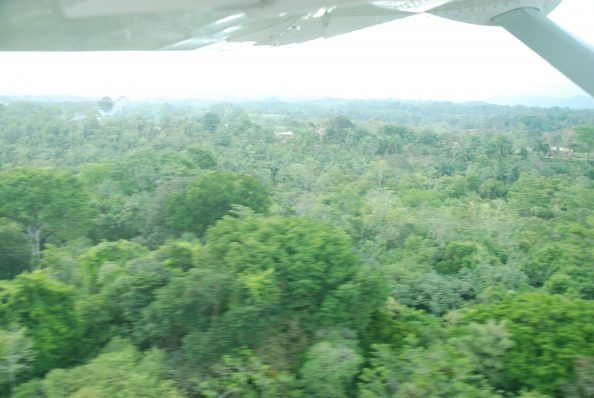 The assessment singled out Brazil and Australia, and warned a lack of rules around accounting for forests and other land-based carbon sinks meant countries could “game the system” when reporting their national greenhouse gas emissions. Scientists are still unclear about how carbon sinks might behave as the planet warms in future, and exactly how much heat-trapping carbon dioxide they might soak up from the atmosphere. But that has not stopped countries from making their own assumptions and using those numbers in their national climate plans, which are due to be finalised to 2035 before the next UN climate talks in Brazil in November. Climate Analytics, a policy institute that independently assesses these plans, said overly optimistic assumptions about how much CO2 forests might draw down was “masking the scale and pace of the fossil fuel emissions cuts needed”.
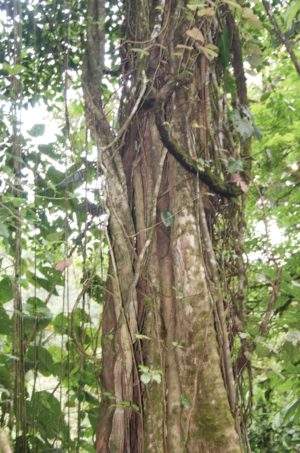 After almost a decade of negotiations, the agreements on carbon markets achieved at Cop29 have been broadly seen as a great success. As well as providing the basis for a global trading system, it may also unlock another source of green finance for global south countries. In Baku, important decisions on article 6 of the Paris Agreement were made and adopted. Countries have agreed on the ground framework to implement a global, centrally governed carbon market, widely seen as the successor to the clean development mechanism developed under the Kyoto protocol. There were also agreements on helping to refine the mechanisms allowing carbon trading between countries through voluntary cooperation… Given the uncertainty, carbon markets may provide an alternative vehicle to channel the funding necessary for climate adaptation and mitigation.
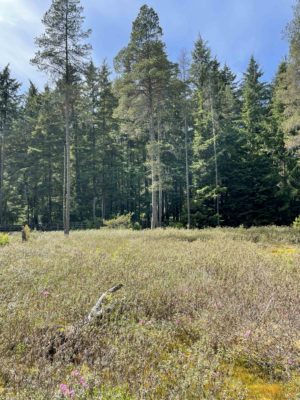 Like giant bones planted in the earth, clusters of tree trunks, stripped clean of bark, are appearing along the Chesapeake Bay on the United States’ mid-Atlantic coast. They are ghost forests: the haunting remains of what were once stands of cedar and pine. Since the late 19th century, an ever-widening swath of these trees have died along the shore. And they won’t be growing back. These arboreal graveyards are showing up in places where the land slopes gently into the ocean and where salty water increasingly encroaches. Along the United States’ east coast, in pockets of the west coast and elsewhere, saltier soils have killed hundreds of thousands of acres of trees, leaving behind woody skeletons typically surrounded by marsh.
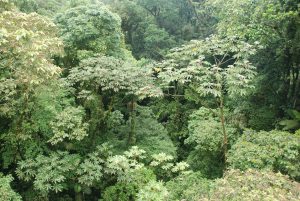 A new study led by researchers at Washington University in St. Louis and the Missouri Botanical Garden has uncovered a surprising layer of diversity in tropical forests. Not only are the forests populated by a dizzying number of tree species, but each of those species takes a different approach to chemistry, increasing the array of natural compounds that provide important functions for the plants — and potentially for humans. The research helped clarify the ecological and evolutionary forces that make tropical forests such hotbeds of biodiversity. While the team wasn’t specifically looking for compounds that could be useful for humans, their findings underscore the value of tropical forests as natural factories of plant chemicals that could have important uses in medicine and other fields, said Jonathan Myers, a professor of biology in Arts & Sciences at WashU. “Tropical plants produce a huge diversity of chemicals that have practical implications for human health.”
 Last week, Pindstrup – a global supplier of growing media for the horticultural industry – opened a wood fiber plant at its factory in Kongerslev, Denmark. This €4 million investment marks a significant step in Pindstrup’s transition towards a more sustainable future. The company is actively working to reduce the CO2 footprint of its growing media by replacing peat with renewable and circular raw materials. CEO René Gjerding says, “For decades, Pindstrup has incorporated wood fiber into its growing media and has been producing it at our factories in Northern Ireland and Latvia. We are pleased to now bring wood fiber production to our factory in Denmark, using locally sourced, PEFC-certified wood chips. The plant runs on renewable energy, further reducing our CO2 footprint.”
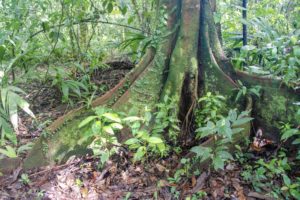 The island of New Guinea is cloaked in the world’s third-largest rainforest belt, helping the planet breathe by sucking in carbon dioxide gas and turning it into oxygen. Foreign companies have in recent years snapped up tracts of forest in an attempt to sell carbon credits, pledging to protect trees that would otherwise fall prey to logging or land clearing. But a string of mismanagement scandals forced Papua New Guinea to temporarily shut down this “voluntary” carbon market in March 2022. Environment Minister Simo Kilepa told AFP that, with new safeguards now in place, this three-year moratorium would “be lifted immediately”. “Papua New Guinea is uplifting the moratorium on voluntary carbon markets,” Kilepa said.
 Sometime next month, the Bolivian government and a company you probably haven’t heard of are poised to offer what could be the largest single sale of carbon credits in history. The deal will be unusual not only for its size—$1.2 billion, organizers said—but also because it will be backed by a national government and packaged under new rules developed as part of the Paris Agreement. Depending on who you ask, the sale could mark a new frontier in global climate finance, the latest offering in a long and dubious line of carbon credits or, potentially, a giant escalation in corporate greenwashing… “I don’t think a lot of people even in the climate world quite appreciate how much volume and activity may be emerging quickly from this new area,” said Danny Cullenward, an economist and lawyer focused on the scientific integrity of climate policy.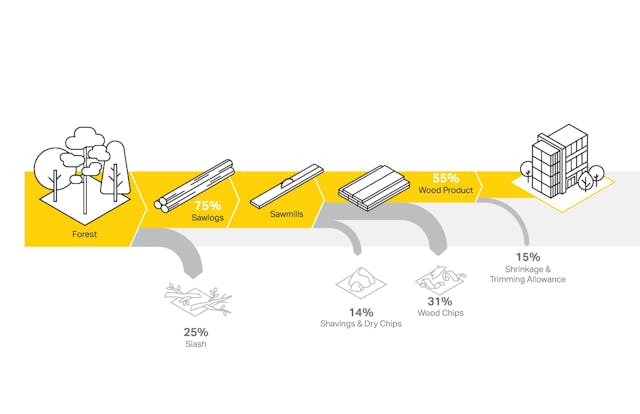
 As the EU pushes to meet its climate neutrality targets by 2050, the concept of ‘renewable carbon’ is rising fast in both policy and industry circles. Unlike fossil carbon, which is extracted from underground and released into the atmosphere during production and consumption, renewable carbon comes from above-ground sources, biomass, recycled materials, and captured CO2. In short, it’s carbon that is already part of the ongoing carbon cycle. “Renewable carbon is not just about replacing fossil-based materials: it’s about rethinking how we design, use, and reuse resources across industries,” said Michael Carus, managing director of the Germany-based Nova Institute during a recent event hosted by EURACTIV and Metsä Group. This kind of thinking is gaining traction among companies looking to green their supply chains. Wood-based products, for instance, have a unique potential to store carbon for long periods when used in construction or durable goods, making them a crucial component of a low-carbon, circular economy.
 A new study is bringing hard data to understand how butterfly numbers have declined steeply in recent years, due to the combination of habitat loss, climate change, and pesticide exposure. A group of scientists is hoping to fix at least one of these problems for one species, by moving an entire forest in Mexico. The sacred fir trees, where monarch butterflies spend their winters, are struggling under climate change. Recently a team of researchers planted a thousand sacred fir trees at a new location at higher elevations to kickstart a new, future-proof forest for the butterflies to overwinter. Quirks producer Amanda Buckiewicz spoke to Cuauhtémoc Saénz Romero, a forest geneticist at the University of Michoacán in Mexico, and Greg O’Neill, a climate change adaptation scientist with the BC Provincial Government in the Ministry of Forests.
 In the past, intact forests absorbed 7.8 billion tonnes of CO₂ annually – about a fifth of all human emissions – but their carbon storage is increasingly at risk from climate change and human activities such as deforestation. A new study from the Potsdam Institute for Climate Impact Research (PIK) shows that failing to account for the potentially decreasing ability of forests to absorb CO₂ could make reaching the Paris agreement targets significantly harder, if not impossible, and much more costly. “Right now, our climate strategies bet on forests not only remaining intact, but even expanding,” explains Michael Windisch, the study’s lead author and PIK guest scientist. “However, with escalating wildfires like in California, and continued deforestation in the Amazon, that’s a gamble. Climate change itself puts forests’ immense carbon stores at risk.” … “We must act immediately to safeguard the carbon stored in forests,” Windisch emphasises.
  BENGALURU/JAKARTA
 The European Union is on track to miss its 2030 carbon sequestration targets for forests. A new report says forest-based carbon removal needs clearer policies and more funding. Ongoing deforestation, land degradation, and unsustainable land-use practices highlight the need for a policy shift. Data from the latest European Environment Agency (EEA) monitoring report, details 28 key indicators assessing targets across sectors, including climate change, biodiversity, pollution reduction, and sustainable resource use. Biodiversity and ecosystem conservation goals are closely tied to forest health. The EU is not on track to meet its targets for increasing forest connectivity or reversing the decline in common bird populations, which reflects broader ecosystem degradation. Despite existing legislation, pressures from agriculture, urban expansion, and resource extraction continue to impact forest ecosystems.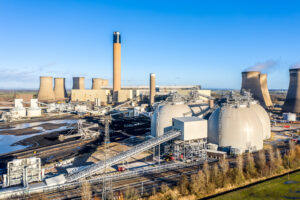
 Sweden might fail to meet its and the EU’s carbon neutrality targets after recent environmental policy shifts, the Organisation for Economic Cooperation and Development (OECD) warned in a report published Wednesday. Long considered a champion in environmental protection and the fight against climate change, the Scandinavian country has set a goal of net zero emissions by 2045, five years ahead of the European Union’s target. But Sweden might not be able meet either of those goals, according to a review conducted by the OECD, a 38-member group of mostly developed nations. “Over the last decade, the country has cut its greenhouse gas emissions faster than the EU average,” the report said. “However, recent policy shifts, particularly in the transport sector, have put into question Sweden’s ability to meet EU and domestic climate targets.” …In January, the World Wildlife Fund (WWF) criticised Sweden for not adequately protecting primary and old-growth forests from logging.
 Denmark has long been praised for its transition to renewable energy, with renewable energy use rising from 6% in 1990 to 42.8% in 2022. However, behind this achievement lies an overdependence on woody biomass, which now accounts for up to 68% of its total renewable energy use. This growth has been sustained through direct and indirect subsidies, often exceeding those allocated to wind and solar energy. Denmark’s dependence on woody biomass is largely fuelled by imports from Estonia and Latvia. The country ranks among the largest, if not the largest, importer of woody biomass from the Baltic region, with 52% of its wood chips and pellets coming from these two nations. …Intensive logging is also devastating Estonian and Latvian bird populations.
  LONDON, March 12 – British energy regulator Ofgem said on Wednesday that it had not found evidence of a breach of sustainability obligations by power company Drax, in the watchdog’s review of reports prepared by auditor KPMG. Renewable power generators in Britain can receive renewable obligation (RO) certificates which can then be sold to energy suppliers who use them to sell renewable electricity products to customers. For biomass power plants to qualify for the certificates they must show at least 70% of their biomass fuel comes from sustainable sources. Green groups have long criticised the sustainability credentials of biomass power plants, which burn wood pellets to generate electricity. In 2023, regulator Ofgem opened an investigation into whether Drax was in breach of annual reporting requirements under the RO scheme. Ofgem said it reviewed over 3,000 documents and did not find evidence to support claims that sustainability obligations had been breached.
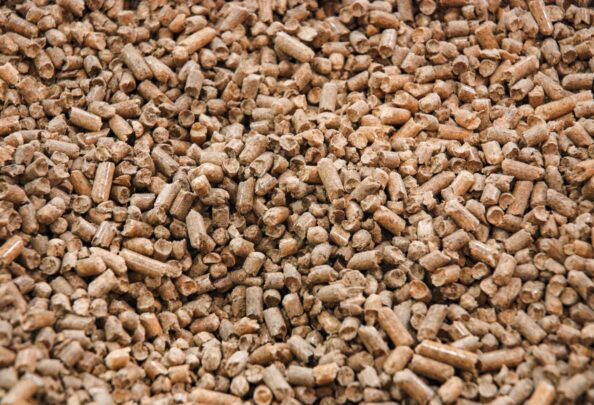 After over three hours and two executive sessions on Tuesday, the Mississippi Department of Environmental Quality’s Permit Board denied Drax’s application to become a “major” source of Hazardous Air Pollutants, or HAPs. The new permit would have allowed the company’s wood pellet facility, Amite BioEnergy, to release more potentially harmful air pollutants than what its currently allowed under state regulation. …Drax officials, though, told the Permit Board that in order to produce as much as its permit allows, it would need to exceed the “minor” source allowance for HAPs. After some confusion among the Permit Board over whether Drax’s actual output of HAPs would increase, Whitlock clarified: “There is a guarantee that actual emissions will increase (if Drax was given “major” source status), and based on my speculations, (HAP emissions) could very likely increase above those thresholds (that Drax currently has to stay under).”