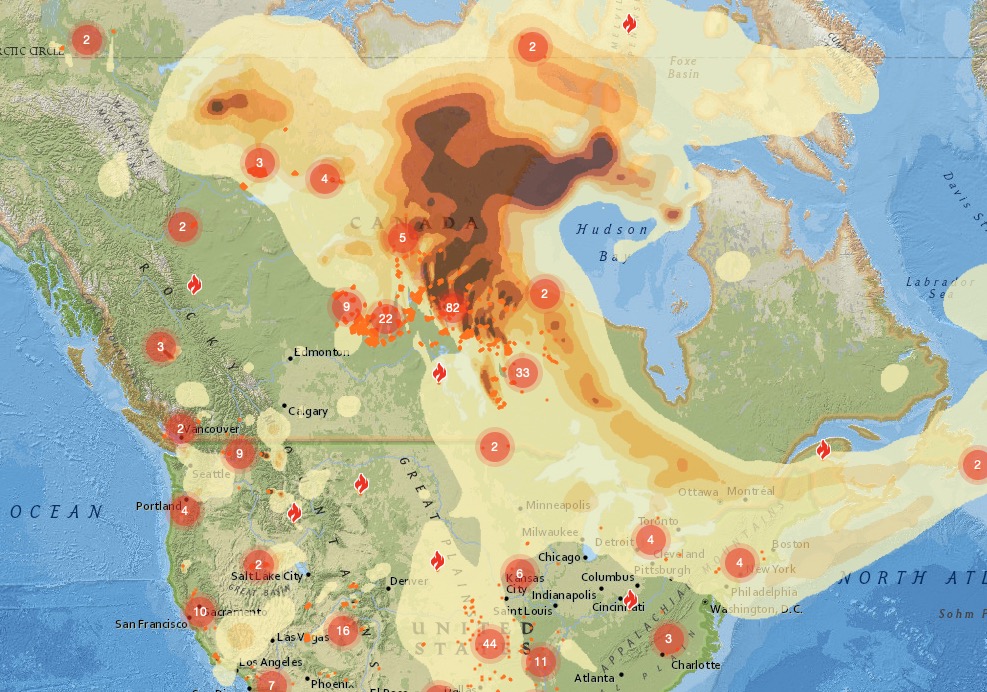
©firesmoke.ca
Millions of people across the Upper Midwest and the Northeast are under air quality alerts Monday, as smoke from wildfires in Canada drift over the region. Hazy skies are expected in Minnesota, Wisconsin, Michigan, northern Indiana, Pennsylvania, New York, New Jersey, Connecticut, Massachusetts, Vermont, Rhode Island, New Hampshire, Delaware and Maine, according to the National Weather Service. Almost 200 wildfires are burning out of control in Canada, including 81 in Saskatchewan, 159 in Manitoba and 61 in Ontario. Figures from the Canadian Interagency Forest Fire Center indicate that more than 16.5 million acres have been scorched so far this year in what will likely be the country’s second-worst wildfire season on record. A high-pressure system parked over the Midwest is trapping the smoke in place, causing air quality issues to linger for several days… In the West, several wildfires are causing separate air quality issues in the region.
 The BC Wildfire Service said Tuesday (July 8) afternoon it’s aware of the wildfire in Washington State 16 km southwest of Northport and is assisting in fire suppression. The location is south of Highway 3 between Christina Lake and Trail, and is being referred to as the “Hope Fire”. The fire was first reported at approximately 1:15 p.m. was estimated later in the afternoon to be 600 acres (243 hectares) in size. BC Wildfire said in a social media post that the US Department of Natural Resources is responding and have resources on-site. BC Wildfire has also deployed airtankers to support wildfire suppression efforts. “At this time there is no threat to the Canada-US border,” it said. Stevens County Emergency Management has announced Level 3 (LEAVE NOW) evacuation orders in the area of Three Pines Youth Camp, according to a statement from Stevens County Emergency Management.

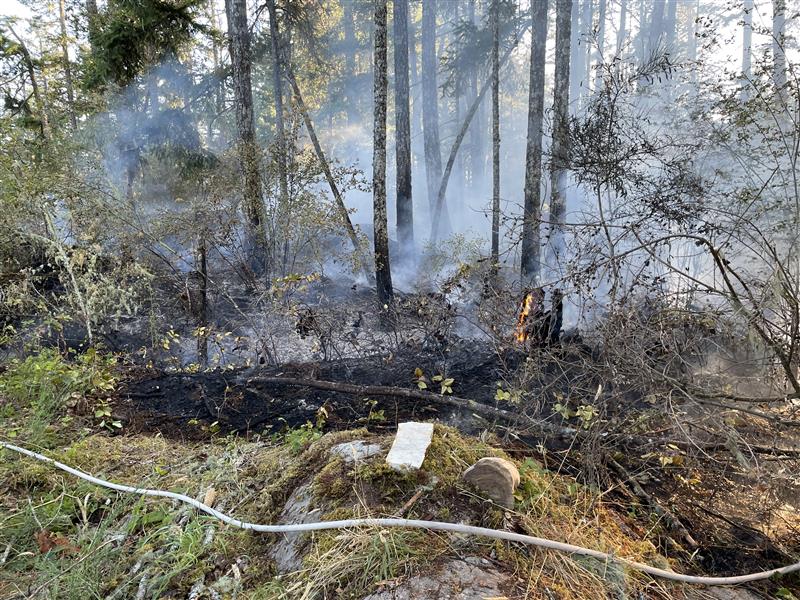
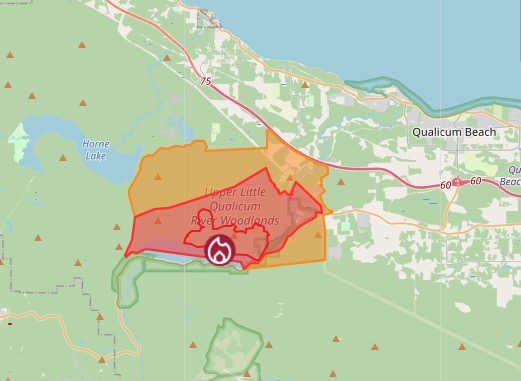 A wildfire on Vancouver Island is threatening Douglas-fir trees in Cathedral Grove, located on the western shoreline of Cameron Lake. The old-growth forest is filled with gigantic 800-year-old trees… The out-of-control Wesley Ridge wildfire was discovered on July 31 and is now 511 hectares in size. The Regional District of Nanaimo issued an evacuation order on August 2, which affected nearly 400 properties in the area around Cameron Lake, about 25 kilometres west of Parksville. …The fire has grown rapidly over the weekend as it looms over Highway 4, which remains open for the time being. Crews are trying to push it back, even using night vision so they can battle the blaze 24 hours a day. Emelie Peacock with the BC Wildfire service says, “we currently have 142 personnel responding to this wildfire, which includes 65 firefighters, 2 followers, and roughly 75 structure protection specialists”. …The fire is suspected to be human-caused … investigation is still in its preliminary stages.






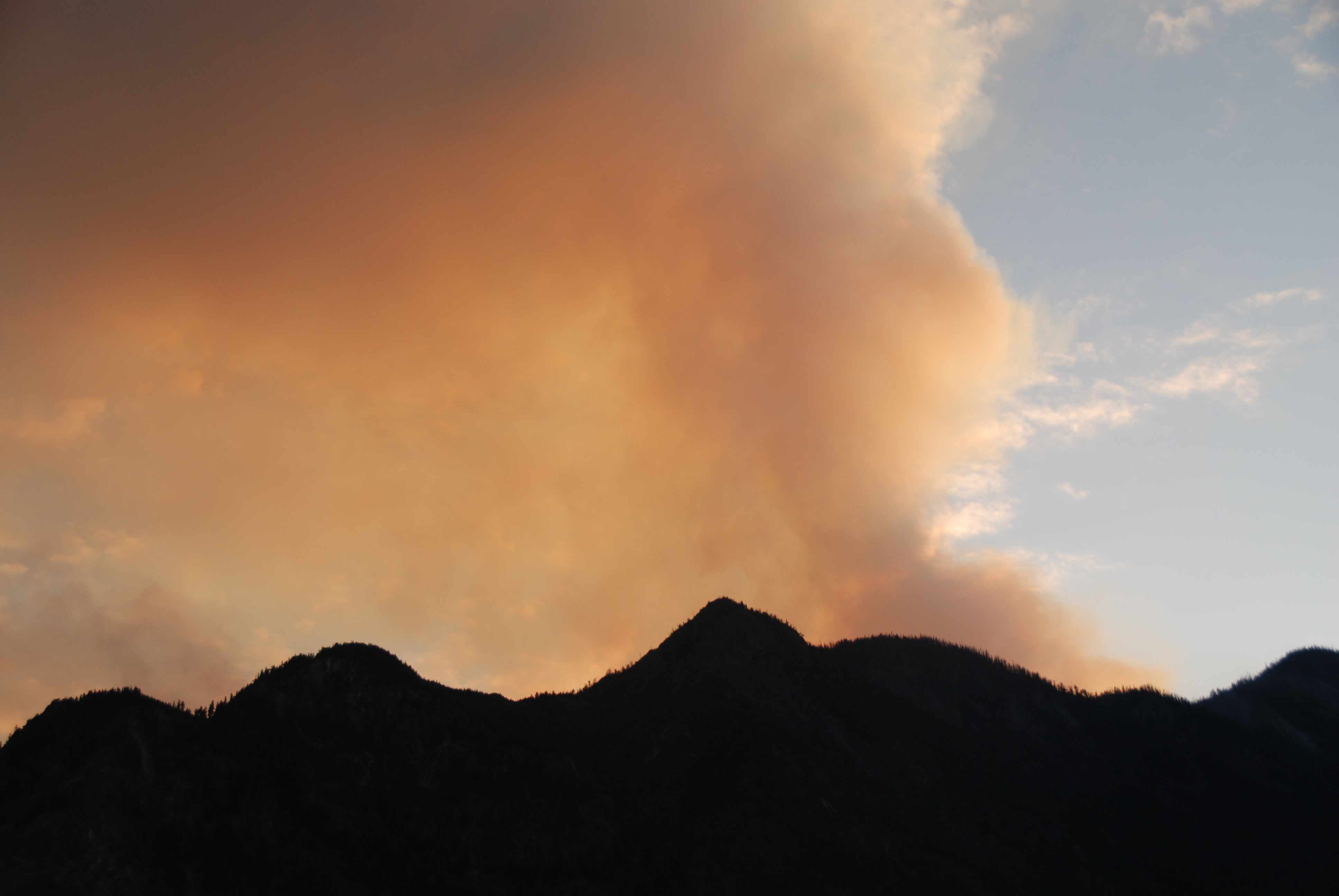 Wildfire smoke from just across the U.S. border is drifting into southern B.C., prompting a Level 1 activation of the Regional District of Kootenay Boundary’s Emergency Operations Centre (EOC). As of Wednesday night, the Hope Fire had grown to 3,500 acres with zero per cent containment, burning 11.4 miles southwest of Northport, Washington. Wednesday morning, the regional district issued an update on the Hope (USA) Fire. According to the Regional District of Kootenay Boundary (RDKB), as forecasted, favourable weather conditions last night resulted in shifting winds that blew the fire back onto itself and away from the Canada/US border. The United States has put considerable resources on the now 3,200-acre fire. For current information on the Hope Fire, residents are advised to consult U.S. agency sources, such as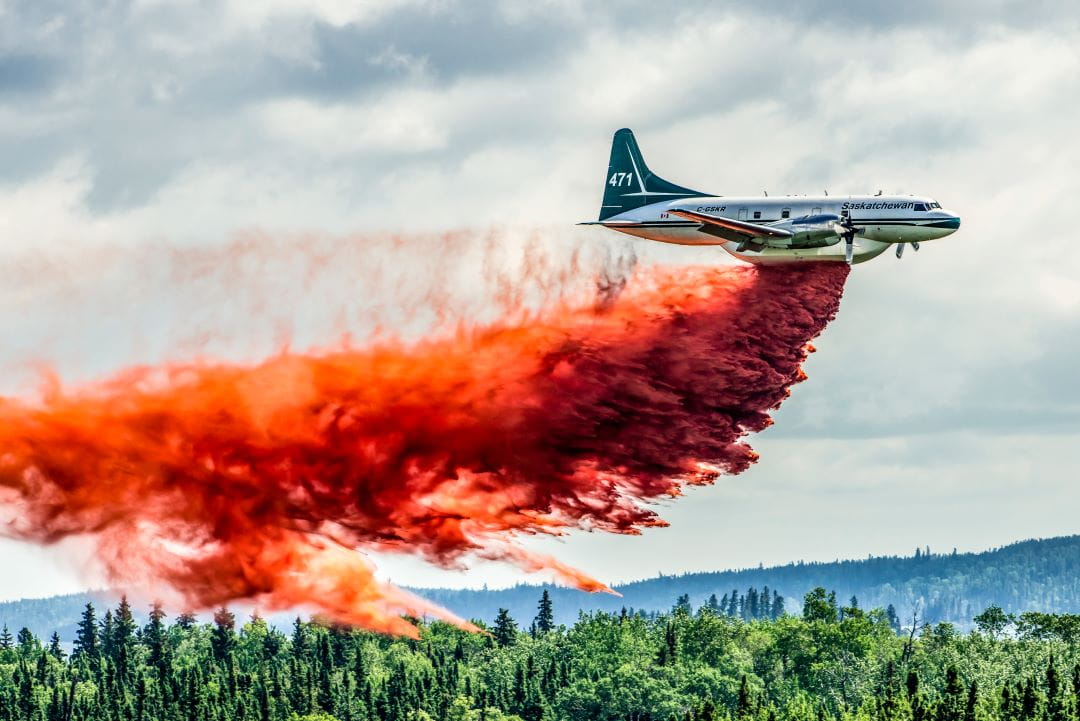

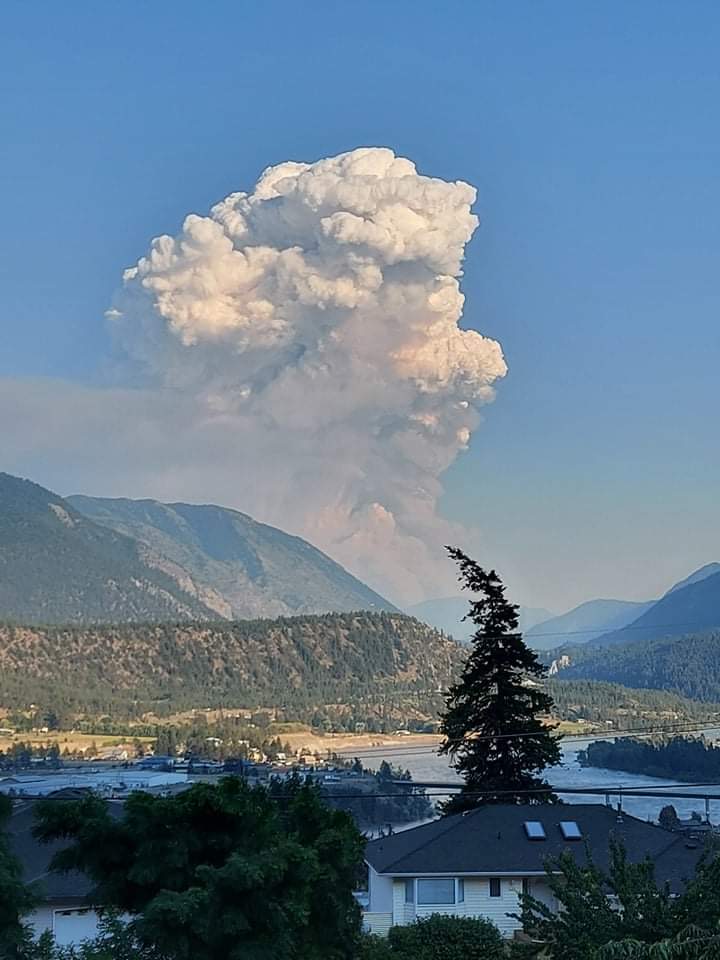 The Thompson-Nicola Regional District has declared a local state of emergency for the Blue Sky Country region due to an encroaching out-of-control wildfire near Lytton, B.C. It has also issued an evacuation order for two properties on Spencer Road South as the blaze poses “immediate danger to life.” The BC Wildfire Service says the Nikaia Creek wildfire is about six hectares in size and is one of more than 70 wildfires burning across the province. It says crews, supported by firefighters from Lytton First Nation, made “good progress” overnight and they are now focused on the north and south flanks of the blaze. The Thompson-Nicola Regional District also issued an evacuation alert Monday night for nine properties in the Harper Lake area near Chase, B.C., due to the rapidly growing Mount Scatchard wildfire.

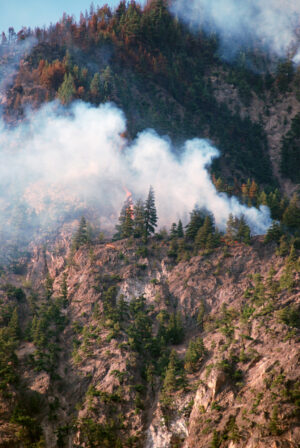 The wildfire on the northern edge of Squamish is classified as being held on Monday after a weekend of favourable weather conditions. BC Wildfire Service Fire Information Officer Sarah Budd says dozens of ground crews are working to get the Dryden Creek wildfire fully under control. “We also have three helicopters actioning this fire,” Budd told 1130 NewsRadio, adding the fire now sits at just under 60 hectares. An evacuation alert for properties near the fire, issued by the Squamish Fire Department, has been downsized. Because the Dryden Creek Fire is in difficult terrain, it could take crews another week or so to wrap things up. “This fire has been burning in sort of really difficult terrain,” explained Budd.
 WINNIPEG — Rain and cooler temperatures brought relief to fire-ravaged Manitoba and Saskatchewan Monday, allowing fire bans to be reduced and more evacuees to go home. The weather helped fire crews get an upper hand in parts of northern Manitoba to clear the way for some of the 21,000 or more evacuees to start returning home. David Monias, chief of Pimicikamak Cree Nation, reposted video of heavy rainfall on social media along with video of small planes leaving Winnipeg with evacuees who were forced out almost three weeks earlier. “Our people are coming home,” Monias wrote on Facebook, adding the community’s infrastructure is intact and water systems have been tested by health officials. …There were 18 fires still burning across Manitoba, with seven of them listed as out of control.
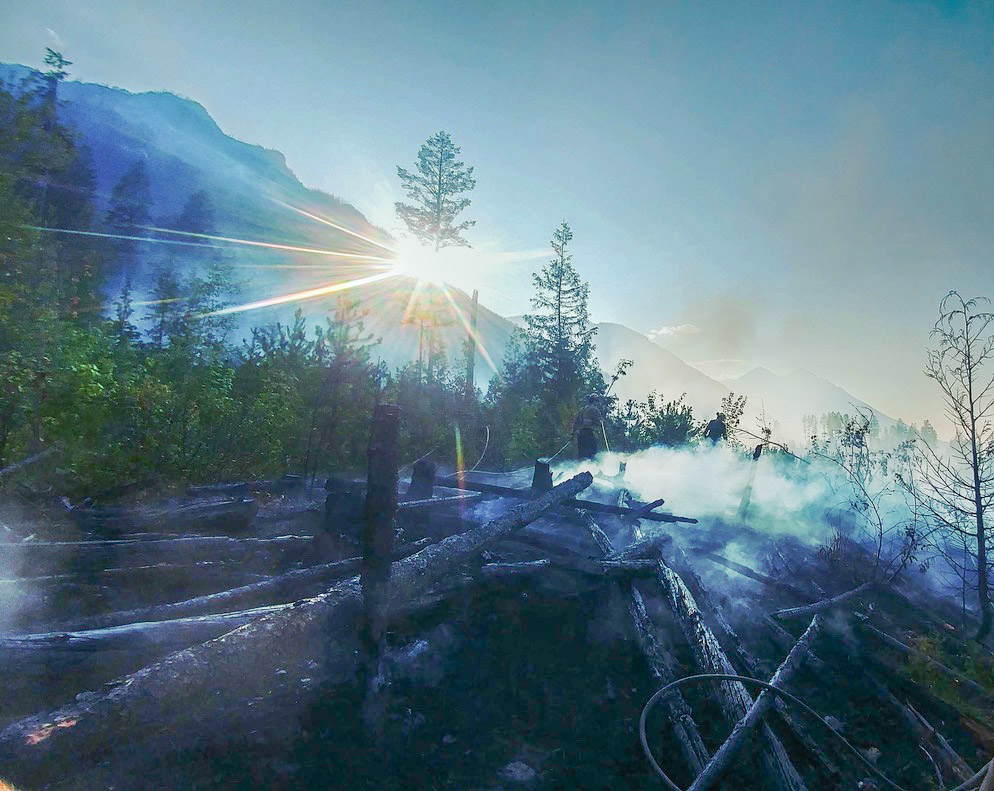
 High winds fanned a wildfire threatening Squamish as some residents remained on evacuation alert and under a heavy blanket of smoke. On Wednesday evening, the B.C. Wildfire Service had mapped the Dryden Creek fire at about 54 hectares, or about a half-square kilometre, up from five hectares two days ago. The District of Squamish said daytime winds have contributed to the fire’s size, pushing it further north away from properties. “Existing containment lines on the southern flank are not currently threatened,” said the district in an update Wednesday evening. Aaron Foote, chief of Squamish Fire Rescue, said the fire is within 40 metres of some homes as debris from burning trees falls near properties, but added that the properties were not at risk. He said debris has been rolling down steep hillsides as local firefighters battle the blaze that’s looming over the community, next to the Sea to Sky Highway.

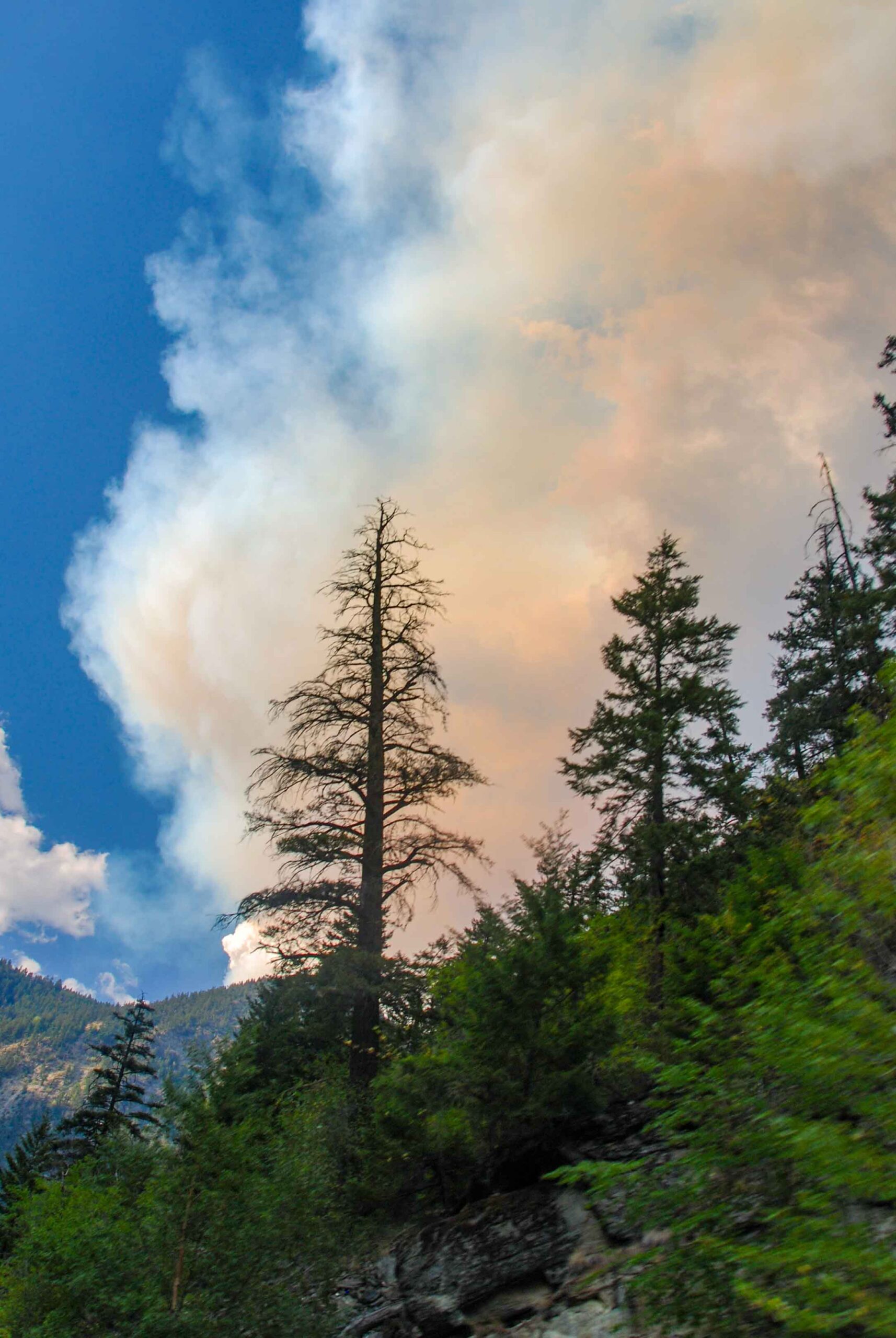 Rainfall continues to help crews fighting fires in Newfoundland and Labrador as the number of active wildfires drops from five to three, says the provincial fire duty officer. The active wildfires are the Winokapu fire in Labrador and the Chance Harbour fire in Newfoundland. The Ragged Harbour fire, which forced nearby Musgrave Harbour residents to evacuate over the weekend, also continues to burn. Wes Morgan said Wednesday morning that firefighters hit the ground on Tuesday to fight the Chance Harbour fire, located on the Bonavista Peninsula. “The precipitation that was forecasted did come true and we did see significant amounts of rain — that was a real advantage to us,” he told CBC. Morgan said they haven’t seen any additional fire growth, but it remains steady at 1,820 hectares. “Overall, it was a really great day and spirits are good and crews were back out in that way again this morning,” he said.

 Much of Central Canada, Manitoba and Saskatchewan were placed under special air quality statements or warnings on Monday due to smoke from wildfires, as Environment Canada advised residents to limit time outdoors and watch for smoke exposure symptoms. The weather agency said air quality was poor across swaths of Ontario and Quebec as westerly winds brought in smoke from forest fires in the Prairies and northern Ontario. The weather agency also issued air quality warnings in central Saskatchewan and a special statement for much of Manitoba, noting that air quality and visibility due to wildfire smoke can fluctuate over short distances and vary from hour to hour.
 Fire crews in Northwestern Ontario are monitoring 52 active wildfires across the region after five new blazes were confirmed by Sunday evening. Among the latest is Red Lake 99, burning near Grist Lake, which is the largest of the new fires at 394 hectares and not under control. Red Lake 101 has also drawn attention after crossing into Ontario from Manitoba. That fire is currently 227.5 hectares and continues to burn within Woodland Caribou Provincial Park. Other new fires include Red Lake 98 near Hornby Lake, Red Lake 100 west of Poplar Hill First Nation, and Red Lake 102 northwest of Nechigona Lake. Of those, only Red Lake 100 is under control. Fire officials continue to urge people to respect emergency orders and stay out of restricted zones to support safety and firefighting operations.
 DRYDEN — Ten new forest fires in Northwestern Ontario over the weekend brought the total number of active fires in the region to 52. The Ministry of Natural Resources reports that one of the new outbreaks is an extension of a wildfire burning in Manitoba. That province’s EA061 fire has burned 278,000 hectares there, and 228 hectares in Ontario, as of Sunday evening. It’s located about 10 kilometres west of Bulging Lake in Woodland Caribou Provincial Park. Among other new fires of note in the Northwest, a 394-hectare blaze is burning four kilometres northwest of Grist Lake in the MNR’s Red Lake sector. The ministry reports the wildland fire hazard is low to moderate in most of the region, except for along the Ontario-Manitoba border from the Rainy River area to Opasquia Provincial Park, 250 kilometres north of Red Lake, where the hazard is mainly high.
 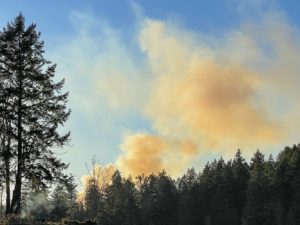 Ontario Forest Fires says there are now six forest fires in the northeast region after four new ones were discovered Monday. One of the fires is under control while the other five are being held, the group said in its daily update on the area’s forest fire situation. “The fire hazard is low across the central and southern section of the region and moderate to high with a few pockets of extreme values across the northern section of the northeast region,” the update said. Wildland fires can affect communities when they occur in or near neighbourhoods near forested areas. The FireSmart program offers tangible tips on how to mitigate the risk of wildland fires spreading to your home, cottage, or community. “Aviation, Forest Fire and Emergency Services would like to remind the public to use caution when performing any outdoor burning,” the update said.
 The province’s biggest-ever forest fire is now considered unlikely to spread beyond its existing boundaries. The 196,000-hectare Red Lake 12 was declared “being held” by the Ministry of Natural Resources on Sunday. The MNR described it as “a significant milestone” for the fire that prompted the evacuation of both Deer Lake and Sandy Lake First Nations. Eighteen firefighting crews supported by seven helicopters are still assigned the task of bringing the fire under complete control, but some other equipment has now been demobilized. Logistic support staff will be shipping firefighting apparatus out of Deer Lake and Sandy Lake over the next few days.
 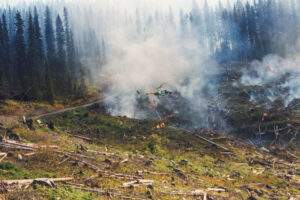 Recent rainfall has reduced the wildfire hazard across northwestern Ontario, though the region’s largest wildfire is now more than 194,000 hectares large. Red Lake 12 — the fire that has forced community evacuations in Deer Lake First Nation and Sandy Lake First Nation — remains not under control. However, precipitation and cooler temperatures have given FireRangers more breathing room over the past few days and have also reduced smoke levels. However, thunderstorms this past weekend have created the potential for holdover fires caused by lightning, which crews will be monitoring over the next week. Red Lake 12 has 23 firefighting crews assigned to three divisions on the fire’s south and eastern perimeters, supported by 18 helicopters, including four heavy helicopters with increased bucketing capacity, Ontario Forest Fires said in its latest update.



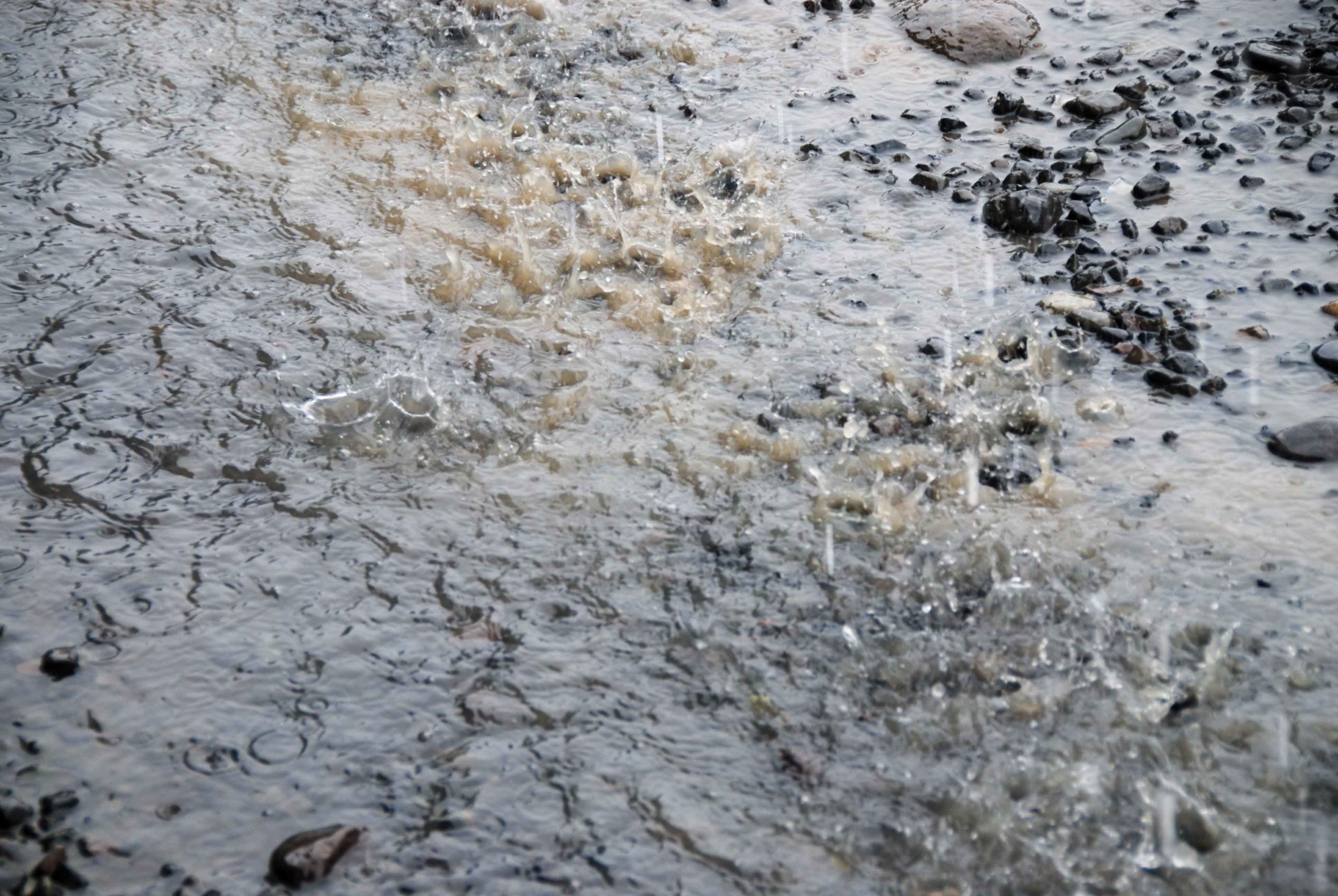 Arizona’s fire season keeps smoldering and flaring, thanks to a schizo monsoon and a dry winter. The 125,000-acre Dragon Bravo Fire continues to grow, with the 1,200 firefighters managing just 13% containment after nearly a month of trying. The National Weather Service had predicted a normal to wet monsoon after a bone-dry winter, based largely on sea-surface temperatures in the Pacific. But as a global warming trend driven by heat-trapping pollutants pumps energy into the atmosphere, patterns of drought, heat and storm tracks have become harder and harder to predict. So the monsoon has splashed and sputtered, with a week of storms giving way to a week of hot, dry weather – extending the fire season well into the period when fire crews would normally shift to other areas. Fortunately, the extended forecast calls for a chance the monsoon will gust back to life next week.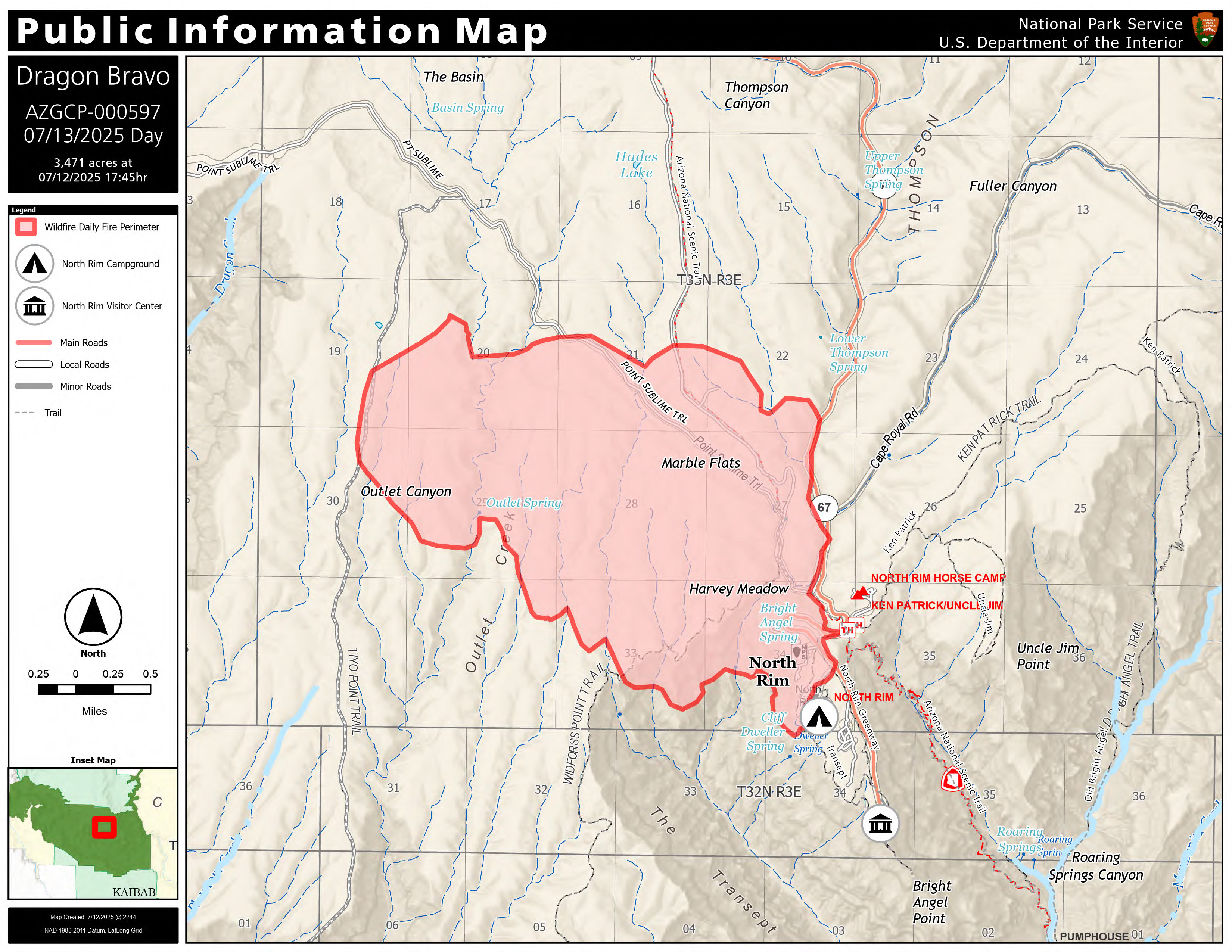
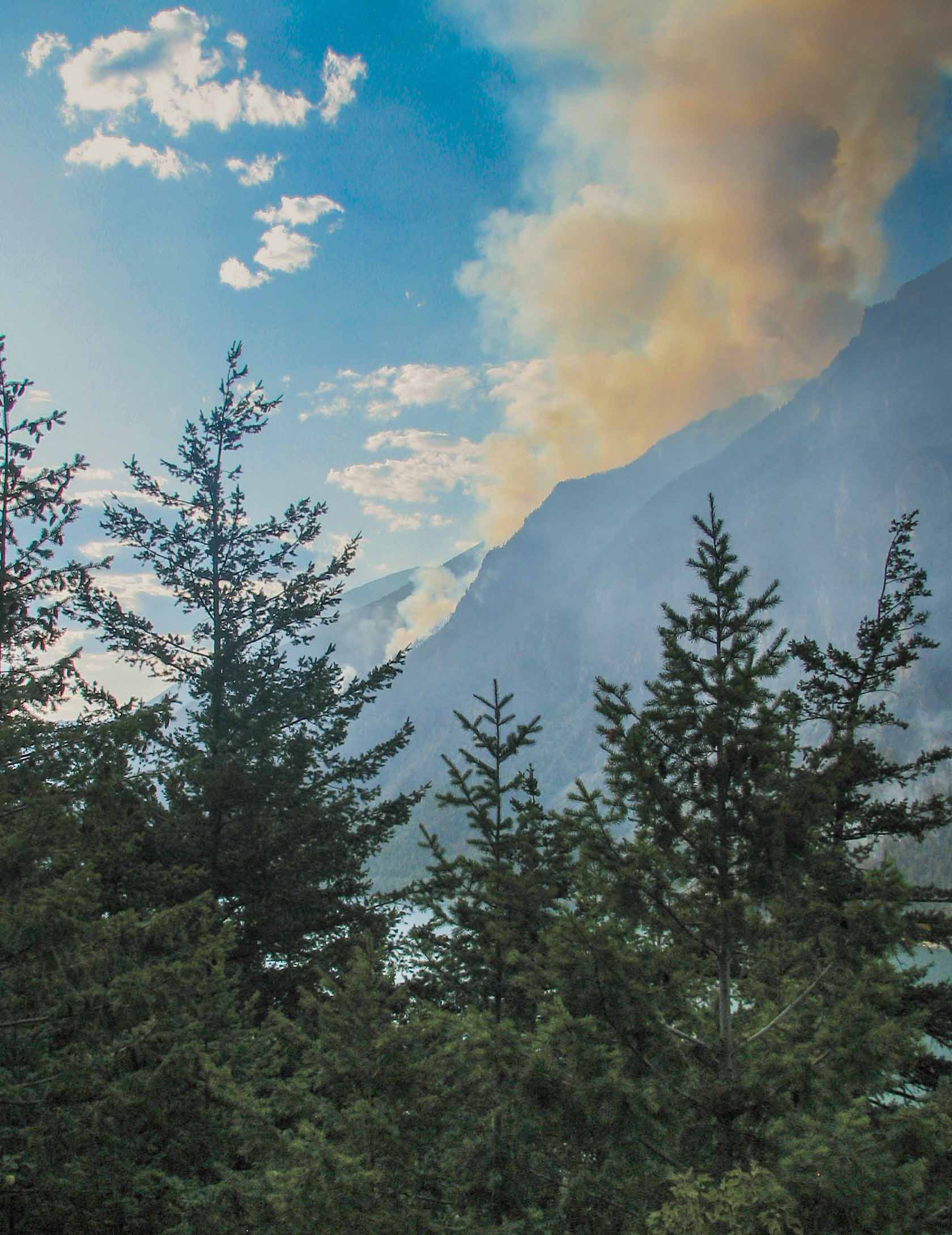 …The National Weather Service issued red flag warnings from 2 p.m. to 11 p.m. July 29 due to thunderstorms producing abundant lightning and wind gusts up to 50-60 mph, in combination with dry fuels, the alert said. A red flag warning means that critical fire weather conditions are either occurring now, or will occur shortly. NWS also issued a fire weather advisory from 2 p.m. to 11 p.m. July 29 due to potential lightning from thunderstorms that could spark new fires and wind gusts that could impact new and existing fires. …The Piper Fire sparked on July 28 from thunderstorms 3 miles northeast of Skookum Creek Campground in the Three Sisters Wilderness. It was estimated to be 20 acres as of July 28. …The High Horn Fire in Malheur County had burned 120 acres as of July 28. …The Skyline Fire, also burning in Malheur County, had burned 38.5 acres as of July 28.
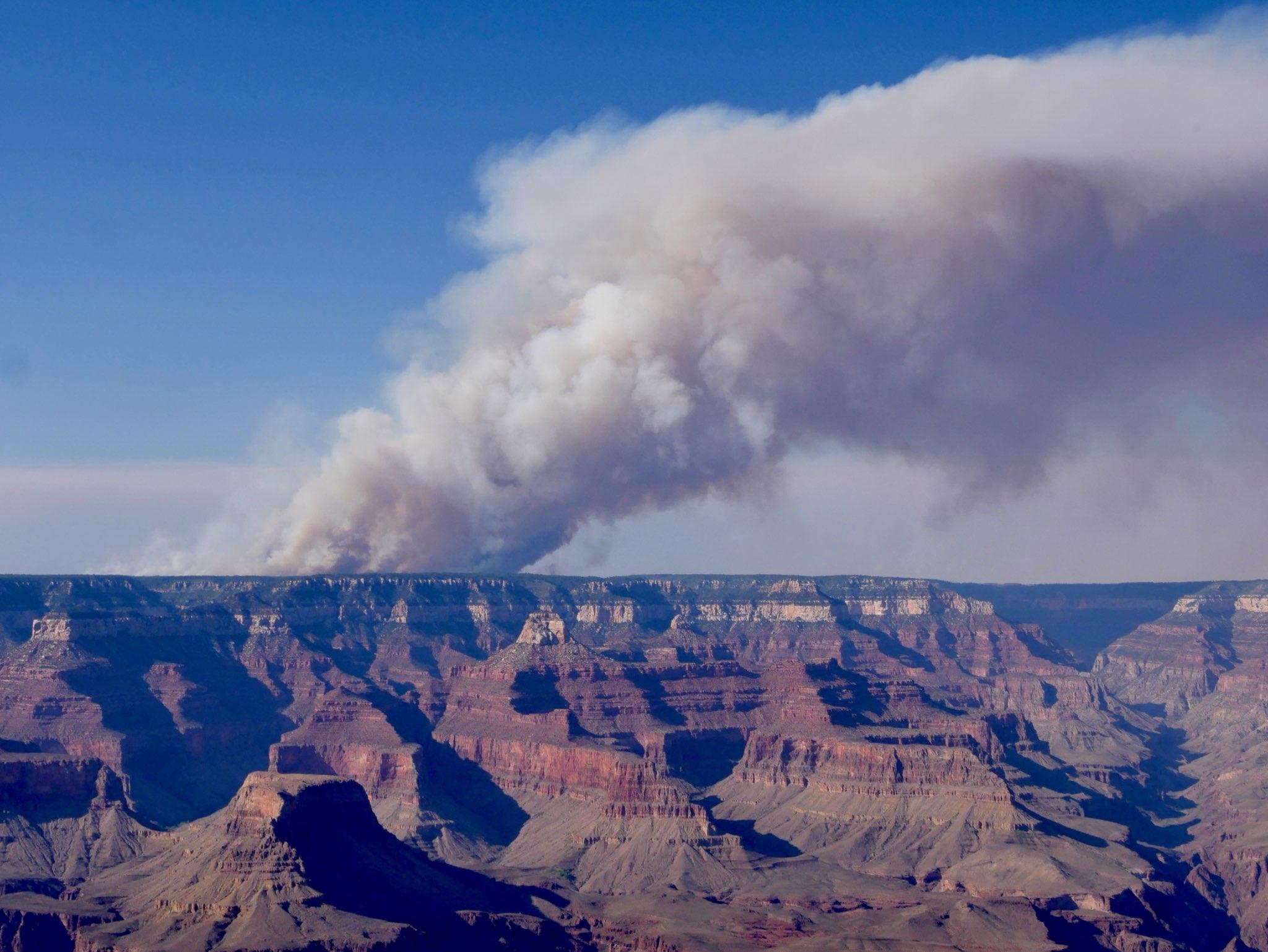
 The Laguna Fire approximately 25 miles west of Abiquiú has grown to more than 15,000 acres, and prompted evacuation orders more than two weeks after Santa Fe National Forest officials announced their plans to let the fire safely grow instead of suppressing it immediately. On June 30, the Santa Fe National Forest announced that lightning caused the 176-acre fire and that they were going to “actively manage” the blaze, hoping to encourage low-intensity fire to spread across a roughly 13,000 mile area. Noting that the fire was burning in an area that had undergone a National Environmental Policy Act review, and had previously been subject to prescribed burns and thinning, Santa Fe National Forest Deputy Forest Supervisor Anthony Madrid said the fire presented “an opportunity to create a resilient ecosystem that reduces the future risk of catastrophic severe wildfire to communities.”
 PANGUITCH, Utah — The France Canyon fire has increased to 23,353 acres and is currently at 10% containment, according to the latest information posted by the U.S. Forest Service – Dixie National Forest. Officials say fire activity increased at around 2 p.m. on Sunday, June 22, pushing eastward into the Kings Creek Campground area. Firefighters had to conduct a tactical firing operation to protect the campground. A total of 749 personnel are battling the fire and working on securing structures within Wilson Peak, the Hillsdale and Johnson Canyons. Firefighters are also working to keep the fire west of East Fork Road. Efforts are also underway to protect the Bryce Woodland community on the southwest side of the wildfire perimeter.
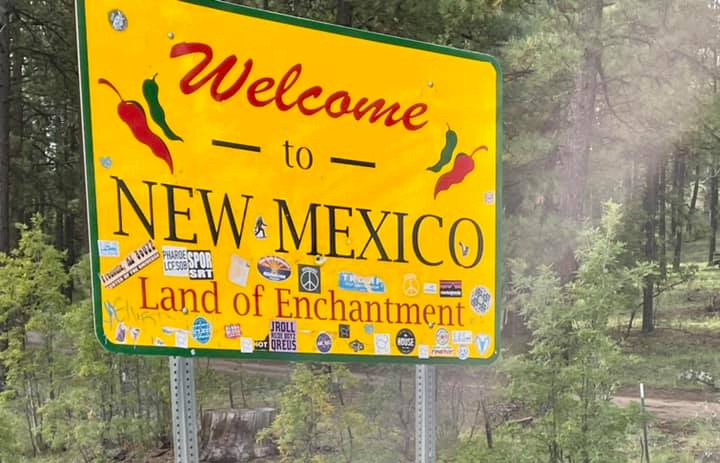 Forest fires have broken out in parts of New Mexico that state forecasters had already warned would see an elevated wildfire risk this summer due to high temperatures, low snowpack and ongoing drought. At least 25 New Mexico jurisdictions imposed some level of fire restriction this spring. State Forester Laura McCarthy said the peak of fire season is still a week away, beginning June 26. …On Tuesday, New Mexico Governor Michelle Lujan Grisham declared a state of emergency in response to the Trout Fire, which is burning in the Gila National Forest, forcing residents to evacuate. The Buck Fire also has burned more than 57,000 acres in the same area of Southwest New Mexico. The governor has urged localities to ban fireworks and restrict water usage. …”If you look at every single big fire we’ve had, there was either a lightning strike or a person behind it,” she added.
 Turkey faced a “very risky week” for wildfires, an official said Monday, as blazes across parts of southeast Europe and the Balkans damaged homes and led to a huge firefighting operation that included evacuations. Nearly 100 people face prosecution over the fires in Turkey. Blazes erupted near Bursa, Turkey’s fourth-largest city, over the weekend. A wildfire to the northeast of Bursa had been largely extinguished, but one to the south of the city continued, although its intensity had been “significantly reduced,” Forestry Minister Ibrahim Yumakli told reporters in Ankara. He also said that a fire that has been burning for six days in Karabuk, in northwest Turkey, had also “been reduced in intensity,” and a blaze in Karamanmaras in the south had largely been brought under control.
 Greece continued to battle major wildfires across the country amid a severe heatwave, but firefighters have brought many outbreaks under control. Extreme heat persisted, with temperatures reaching 42.4C (108.32F) in central Greece on Sunday. Firefighters were working on five major fire fronts late on Sunday in the Peloponnese area west of Athens, as well as on the islands of Evia, Kythira and Crete. Meanwhile, neighbouring Turkey has recorded its highest ever temperature as fires raged in several regions. Turkey’s forestry minister, Ibrahim Yumakli, said on Sunday that areas affected by fires were “going through risky times” and that he thought it would be several days before they were fully contained. On Saturday, Turkey’s environment ministry said meteorologists had recorded a reading of 50.5C in the south-eastern city of Silopi, surpassing the previous heat record of 49.5C.
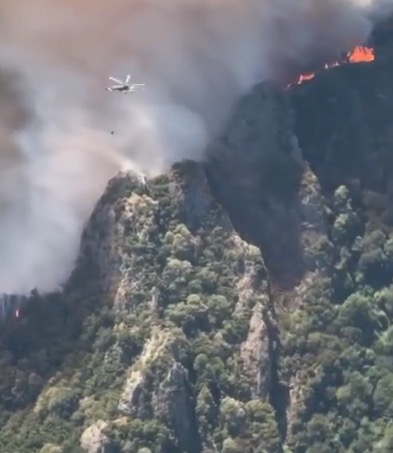 At least 10 forestry and rescue workers have been killed while battling wildfires in Turkey’s central Eskisehir province. Some 24 forest workers and volunteer rescue personnel were left “trapped inside the fire” following a change in the direction of the wind, Turkey’s Agriculture and Forestry Minister Ibrahim Yumakli said in a post on X. Five forestry workers and five volunteers from the AKUT rescue organisation lost their lives and 14 forest workers were taken to hospital, he said. The blaze in the Seyitgazi district of the province began on Tuesday morning and started spreading towards nearby areas, local media said.
 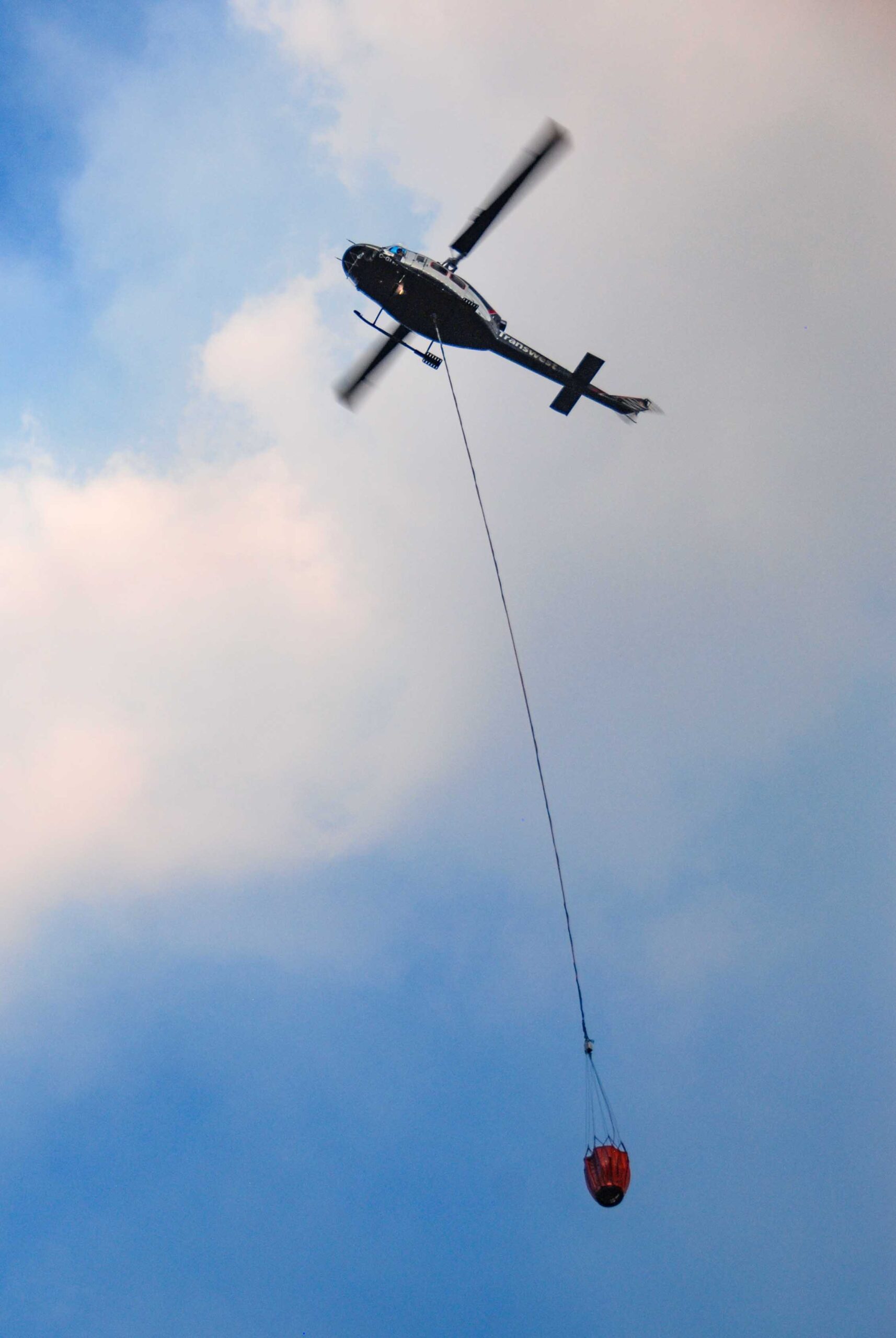 A firefighting helicopter crashed into the sea while attempting to collect water to combat a blaze in Athens. All three crew members were rescued and taken to a nearby hospital. Greece is combating a surge in wildfires amid soaring temperatures. A large wildfire broke out near the southern Greek city of Corinth on Tuesday, forcing the evacuation of several villages as firefighters battled flames under scorching conditions, authorities said. More than 180 firefighters, supported by 15 aircraft and 12 helicopters, were deployed to tackle the blaze in a pine forest in the mountainous area of the municipality, according to the local fire department. There were no immediate reports of injuries.
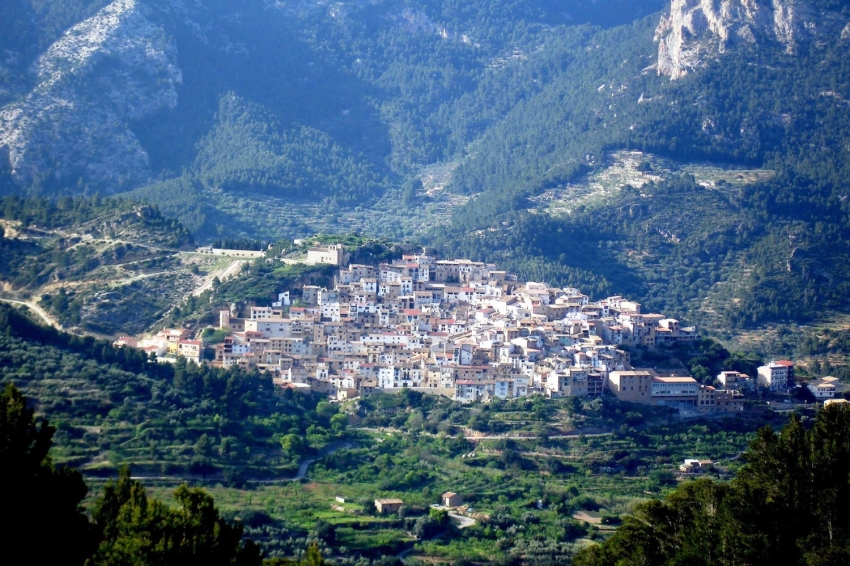
 ISTANBUL/PARIS/BRUSSELS – Firefighters battled wildfires in Turkey and France on Monday and more than 50,000 people were evacuated as an early summer heatwave hit Europe. Health alerts were issued in France, Spain, Italy, Portugal and Germany. Even the Netherlands, used to a milder climate, issued a warning for high temperatures in the coming days, coupled with high humidity. “Large parts of Western Europe are experiencing extreme heat and heatwave conditions that are normally observed in July or August, rather than June,” said the EU’s Copernicus Climate Change Service. …In Turkey, wildfires raged for a second day in the western province of Izmir, fanned by strong winds, Forestry Minister Ibrahim Yumakli said. More than 50,000 people have been evacuated from five regions, including more than 42,000 in Izmir, Turkey’s AFAD emergency management authority said.