 In the November newsletter you’ll find these stories and more:
- The tree seed planning dashboard has been updated to include the latest seedling demand and seed orchard production forecasts, and historic planting numbers and seed production to 2024, by species, BEC variant and management unit. Dashboard 2.0, developed by Forsite also includes information about BC’s seed orchards.
- Obituary, Jenij Konishi, RPF(Ret), August 9, 1937 – October 12, 2025: During his 33-year career with the BC Forest Service, Jenji made significant contributions to BC’s reforestation and tree improvement programs. His legacies include several ministry seed orchards and the Provincial Tree Seed Centre in Surrey.
- Forest Genetics 2025 was held in Ottawa, August 11-15, 2025. This biennial conference of the Canadian Forest Genetics Association (CFGA) included a workshop co-hosted by Dave Kolotelo, RPF, tree seed centre, and toured the Petewawa National Research Forest.
- The Forest Nursery Association of BC held its 43rd annual conference and AGM in Sidney, BC, September 23-25, 2025.
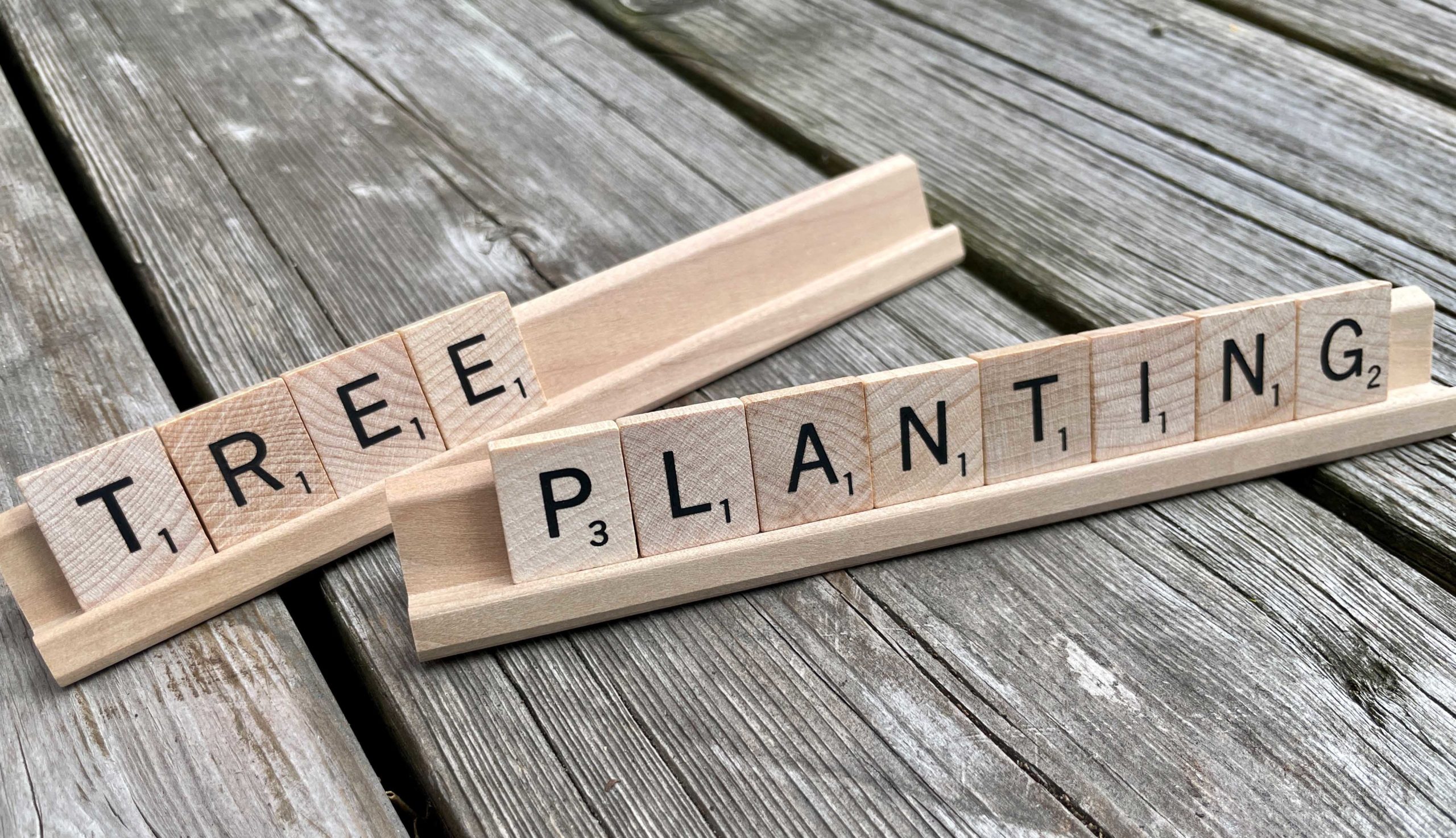 The Liberal government is dropping its goal to plant two billion trees by 2031 as part of Tuesday’s budget, according to sources familiar with the matter. The government currently has contracts that they intend to fulfil to plant one billion trees, one source said. The news was first reported by the Globe and Mail. Prime Minister Mark Carney said last month that the budget will include a “climate competitiveness strategy.” But this is another key Trudeau-era climate policy that Carney has dropped since becoming leader, after ending the consumer carbon tax and pushing back the electric-vehicle sales mandate. …The government has struggled to keep up with the commitment, missing its annual planting targets in the past two years. Over 228 million trees have been planted so far, according to Natural Resources Canada’s latest update — leaving more than 1.7 billion in order to reach the target by 2030-31.

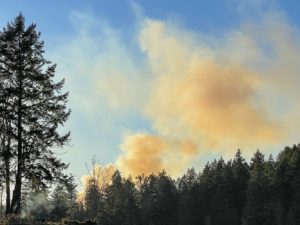 FORT ST. JOHN, BC — Every single wildfire in northeast B.C. is now either ‘under control’ or extinguished as temperatures decline and snow starts to fall across the province. The BC Wildfire Service website shows the last two ‘out of control’ wildfires in the region, both located near Fort Nelson — are now ‘under control.’That means they’re not expected to spread beyond their current boundaries, as opposed to an ‘out of control’ wildfire that’s expected to keep burning aggressively. …Several other wildfires that were previously listed as ‘being held’ — meaning they’re expected to temporarily remain within their current boundaries, but could become ‘out of control’ again — have also been downgraded to ‘under control.’ …This year’s wildfire season saw over 300 wildfires in the PGFC coverage area.


 The world’s largest green timber label will vote next week on whether to begin work on new traceability rules, amid renewed scrutiny and accusations over whether the body is doing enough to prevent fraud within its supply chains. The Bonn-based Forest Stewardship Council (FSC) bills itself as “the world’s most trusted mark for sustainable forestry.” …But forestry experts and whistleblowers have alleged for years that the FSC lacks a proper control system, allowing bad actors to fraudulently pass off timber that was illegally or unsustainably logged as FSC-certified. Phil Guillery, who was the FSC’s integrity director from 2011-21,

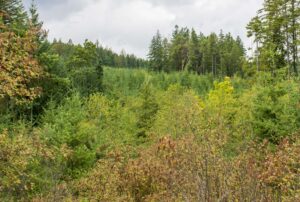 The steep flanks of Tsitika Mountain on northern Vancouver Island are scarred with clearcuts and slash piles almost to the boundary of the Tsitika Mountain and Robson Bight ecological reserves. High above the Tsitika River, 34 hectares of towering conifers, cliffs, and waterfalls are on the auction block. The parcel, labelled TA 1375 by BC Timber Sales, was recommended for deferral by BC’s advisory panel. That would have suspended logging, possibly permanently. Instead, BCTS is putting TA 1375 up for sale. …The steep and rugged terrain is a challenge for prospective loggers, but they face plenty of other obstacles. …Independent researchers at Tsitika Mountain made a surprising discovery this year: a Pacific Wild program recorded over 300 marbled murrelets flying through the area in one month.
 NANAIMO, BC: Following Vancouver Island’s devastating wildfire season, Mosaic is focusing on ways it can help reduce the chances of fires starting or limit their damage. Mosaic responded to 34 wildfires in 2025—a 19% increase over the previous year’s 26 fires. This year, all five of the most significant blazes were human-caused. The first concerning fire ignited near Campbell River in early May, making 2025 one of the earliest wildfire starts for the company. The Mount Underwood wildfire near Port Alberni burned almost 2,400 hectares of Mosaic lands—roughly the size of the city of Duncan—destroying new forests and conserved old growth while causing community evacuations and road closures. Throughout the season, Mosaic’s fire crews worked with BC Wildfire Service, contractors, First Nations and emergency responders to protect communities and forests.
  Local governments are frustrated after receiving a long-awaited answer to when legislative changes are coming to the law governing how some forest lands are managed in B.C. The answer: with the trade war targeting B.C. lumber, the priority is protecting forestry jobs. …The 2003 Private Managed Forest Land (PMFL) Act puts no limit on the volume of timber that can be harvested, contrary to logging on Crown land. It’s administered by the Private Managed Forest Council, two of the five members of which have active vested interest in PMFLs. …The ministry maintains modernization to the act is being considered. In July… CBC reported the ministry is “working to modernize the act following the 2019 review.” When asked what changed between July and August, the ministry repeated it “continues to work with the Private Forest Landowners Association and the Managed Forest Council to modernize the Private Managed Forest Land Program.”
 Local governments on Vancouver Island are frustrated after finally receiving a long-awaited answer to when legislative changes are coming to the law governing how some forest lands are managed in BC. The answer … after years of fighting, change is not coming. The 2003 Private Managed Forest Land (PMFL) Act puts no limit on the volume of timber that can be harvested, contrary to logging on Crown land. …“What they’re looking for is the same standards that apply on Crown land to apply on private property,” BC’s Minister of Forests, Ravi Parmar said. “…we have a number of private licensees that do really good work in BC, and I would highlight Mosaic being the largest.” Parmar added he has recently spoken to Mosaic … and feels the company is taking steps to address local government concerns that don’t require legislative changes.
  Campbell River council has given the green light to the fire department to apply for a $419,000 grant through the Union of British Columbia Municipalities. This funding will help mitigate wildfire risks within the city over the next five years. Fire Chief Kelly Bellefleur and Assistant Fire Chief Stephanie Bremer told council the grant will be used to develop a new Community Wildfire Resiliency Plan (CWRP) with a more comprehensive, science-based framework. It will assess current wildfire risks in the city, identify priority treatment zones, and establish a five-year framework for wildfire mitigation and community preparedness. The grant will also help the city upgrade the fire department’s capacity to fight wildfires by purchasing a Type 2 Structure Protection Unit, a mobile trailer equipped with pumps, hoses and sprinklers designed to protect multiple structures during a wildfire, among other priorities.
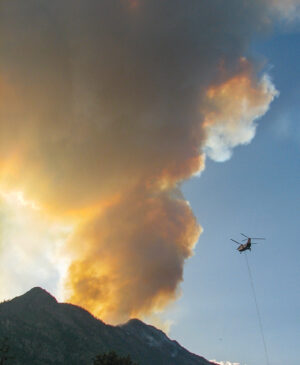 Alberta’s wildfire season unofficially came to an end Oct. 31, though there are still 30 burning. Since the season began on March 1, there have been 1,245 wildfires across the province. Nearly 682,000 hectares were scorched—slightly less than 2024 (705,621) and much less than 2023 (2,212,399). The Calgary Forest Area had 63 wildfires that burned around 35 hectares—the lowest number compared to the other zones in the province. The Slave Lake Forest Area was the most damaged, with more than 379,000 hectares burned from 214 wildfires. The moderate fire season around Calgary was thanks to normal temperatures from June to August, with a warmer May and September. The rain also kept fires at bay with the third-wettest July on record in Calgary. According to Environment and Climate Change Canada, there were 110 hours of smoke this year. “This is not a lot compared to most of the recent years,” said Natalie Hasell, ECCC warning preparedness meteorologist.

 On Friday, October 17, the Ministry of Forests, through the Value-Added Accelerators, in partnership with the BC First Nations Forestry Council, the Council of Forest Industries, and the BC Value-Added Wood Coalition, hosted the Coastal Currents Regional Fibre Flow Forum in Richmond. Coastal Currents was designed to bring together stakeholders from across the coastal region to share insights, discuss fibre flow challenges and opportunities, and foster connections that support business development. Modeled after successful regional forums such as Roots in the Koots (Nelson), the Robson North Thompson Forestry Coalition, and the Northwest Fibre Symposium (Terrace), this event focused on collaboration within a specific geographic area to strengthen the value-added wood sector. The response was overwhelming, the session sold out, welcoming over 70 participants with strong representation from both the value-added and primary sectors.
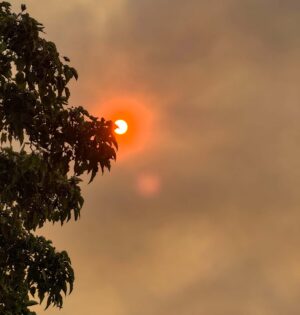 BANFF – Most of the homes destroyed by the destructive Jasper wildfire were in neighbourhoods with many combustible roofs, highly flammable conifer trees and woody vegetation close to buildings after embers showered down on the national park townsite. That’s according to one of two independent Parks Canada-commissioned reports released last week, which examined the devastating wildfire in Jasper in July 2024 that destroyed 358 buildings – approximately one-third of the national park townsite. …“Once structures ignited, strong winds drove fire growth through densely-built up neighbourhoods, with structure to structure ignition dominating the spread,” according to the 71-page report by FP Innovation Wildfire Operations. “In the areas surrounding the townsite, continuous fuel pathways were often present between the wildland and structures. Consequently, a high proportion of ignitions were likely caused by direct flame contact and radiant heat emanating from burning wildland fuels. …The findings in FP Innovation’s report, said Martens, reiterate that “FireSmart works.”
 Since its inception almost 10 years ago, the Forest Enhancement Society of BC (FESBC) has been guided by a simple but powerful principle: collaboration drives impact. …Partnering with First Nations organizations has also deepened our understanding of how traditional knowledge can guide projects with a generational focus. This approach has helped foster greater Indigenous participation and leadership within forestry, contributing to a more inclusive and sustainable future. …Together, we are investing in projects that help create healthier, more productive and resilient forests for the future, and we are also strengthening the relationships that help make it all possible.
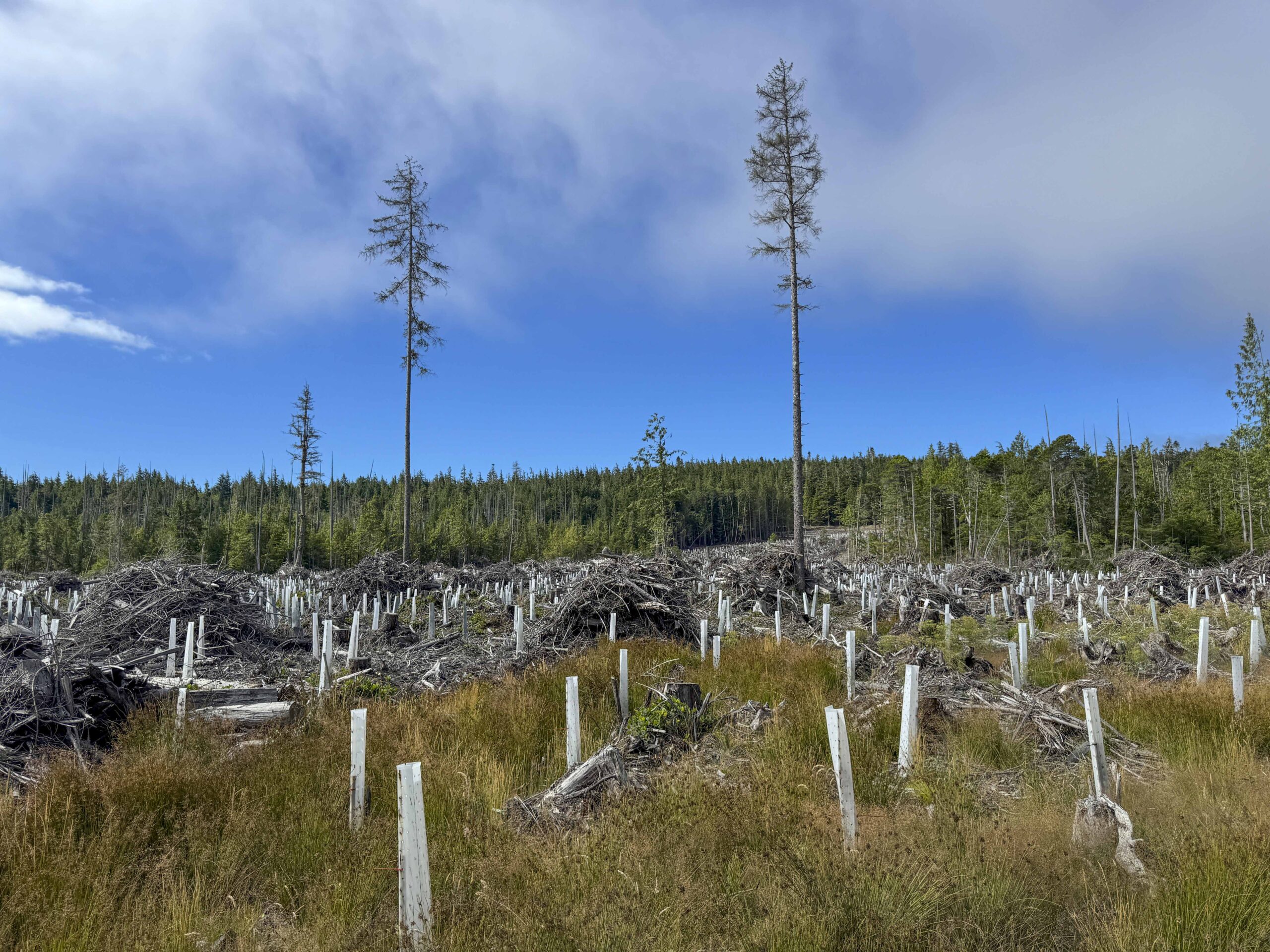
 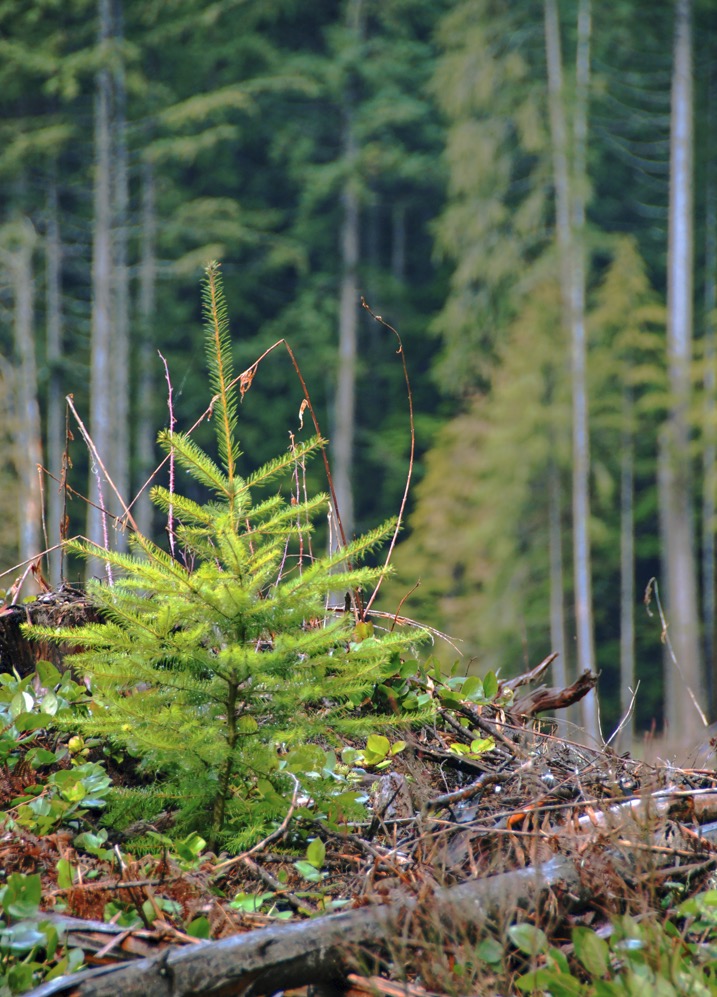 As wildfires continue to devastate communities across North America, it’s time we confront a hard truth: neglecting the forests that surround our towns is no longer an option. …Silviculture — the science of managing forest growth, composition, and health — is not just a tool for local timber production. It’s a vital strategy for climate resilience and community safety. Through practices like selective harvesting, thinning, and replanting, silviculture reduces fuel loads, promotes biodiversity, and maintains the ecological balance necessary to prevent catastrophic fires. Critics often question the ethics of cutting trees in the age of climate change. But when done responsibly, harvesting followed by replanting can actually enhance carbon sequestration. …Moreover, strong forest management isn’t just about trees — it’s about people. …Let’s stop treating forest management as a luxury or a controversial topic. It’s a necessity. Investing in silviculture is investing in the safety, sustainability, and future of our communities.
 In response to the article, “
 QUESNEL, BC — Given what’s going on around the world, it’s easy to understand why more areas in BC are taking a closer look at the Community Forest form of log harvesting tenure. It returns the management and responsibility for small, designated areas of forest land back into the hands of appointed people who live, work and care about them. Some control of what happens to and on the forest land in their own back yard has a growing appeal to its residents. …A community forest attempts to better accommodate other land users. …Co-operating with others as one cohesive unit becomes the catalyst for achieving dynamic, site specific land use solutions. It’s challenging but exciting work. It requires administering a cocktail of flexibility and responsiveness. Nick Pickles understands all that. It’s part of the appeal to being manager of the Three Rivers Community Forest based in the Cariboo region.
 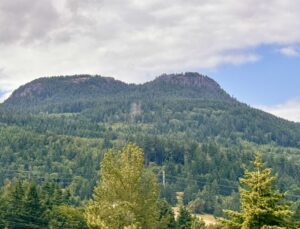 North Cowichan Mayor Rob Douglas has, again, sent a letter to Minister of Forests Ravi Parmar asking the province to help increase the amount of timber that the municipality’s saw and pulp mills have access to. Douglas said that three tree-farm licenses held by Western Forest Products supply much of the timber and fibre for local mills. He said that improving access to timber in these areas could help stabilize mill operations and reduce the impact of challenging market conditions and trade pressures. Douglas said Parmar’s mandate is to ensure a sustainable land base to enable the harvest of 45-million cubic metres of timber while the province is on track to harvest only 29-million cm this year. …The Domtar pulp mill in Crofton, along with Western Forest Products’ sawmills and remanufacturing plant in Chemainus and Cowichan Bay, collectively employ more than 670 workers and generate $7.7 million per year in property taxes for North Cowichan.
 The TLA commends the Provincial Forest Advisory Council (PFAC) for its ongoing work to develop a long-term vision for BC’s forest sector, and
  The Province is making 187 amendments to 38 regulations across 10 ministries to reduce red tape, improve permitting timelines and make government services more efficient and accessible. This work is part of Better Regulations for British Columbians (BR4BC) amendment package… This year’s focus is on expediting permitting and approval timelines for people and businesses in British Columbia. By streamlining approval processes, such as removing construction permit requirements for very small private water systems, simplifying the level of authority needed for special-use forestry permits, and eliminating outdated provisions related to soil relocation and open burning activities, the Province is making it easier to do business in B.C.
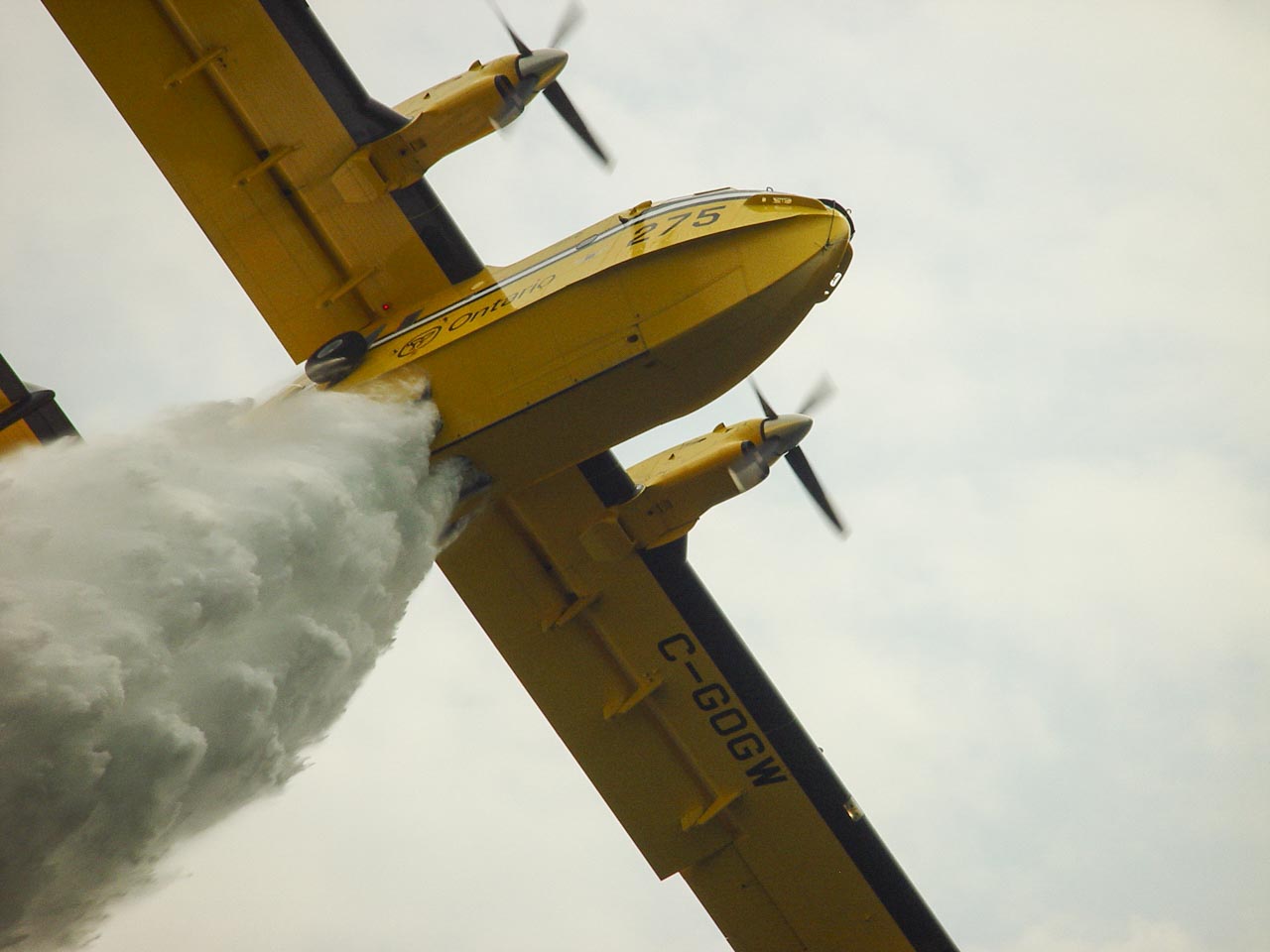 The Ministry of Natural Resources says nearly 6,000 square kilometres burned in Ontario this wildfire season, much more than last year and well above the province’s 10-year average. The ministry says 643 wildfires were recorded between April and October, with 597,654 hectares — or just over 5,976 square kilometres — burned. The province says 480 fires burned nearly 900 square kilometres in 2024, and the 10-year average for Ontario is 712 fires and about 2,100 square kilometres burned. Figures released by the Canadian Interagency Forest Fire Centre in August showed that Canada’s 2025 wildfire season was the second-worst on record. Those figures suggested the fires tore through 72,000 square kilometres, an area roughly the size of New Brunswick. Scientists say that climate change, driven by the burning of fossil fuels, has made Canada’s fire seasons longer and more intense.
 TORONTO — As the 2025 fire season ends, Ontario’s fire crews, aviation services and support staff responded to 643 fires between April and October with 597,654 hectares burned. While the 2025 fire season began with an early active start, the coordinated efforts of frontline staff, municipalities, Indigenous communities and firefighting crews ensured a rapid response to protect people and communities from wildland fires. …With the rest of Canada also experiencing a demanding fire season, Ontario extended support to our partners, with over 400 fire personnel and six aircraft supporting firefighting in British Columbia, Manitoba, Saskatchewan, Nova Scotia, Newfoundland and Labrador, New Brunswick, as well as south of the border in Minnesota. As this year’s fire season ends, Ontario is now turning its focus to ensuring provincial fire crews are ready to respond next fire season. …The 2026 fire season will begin on April 1, 2026.

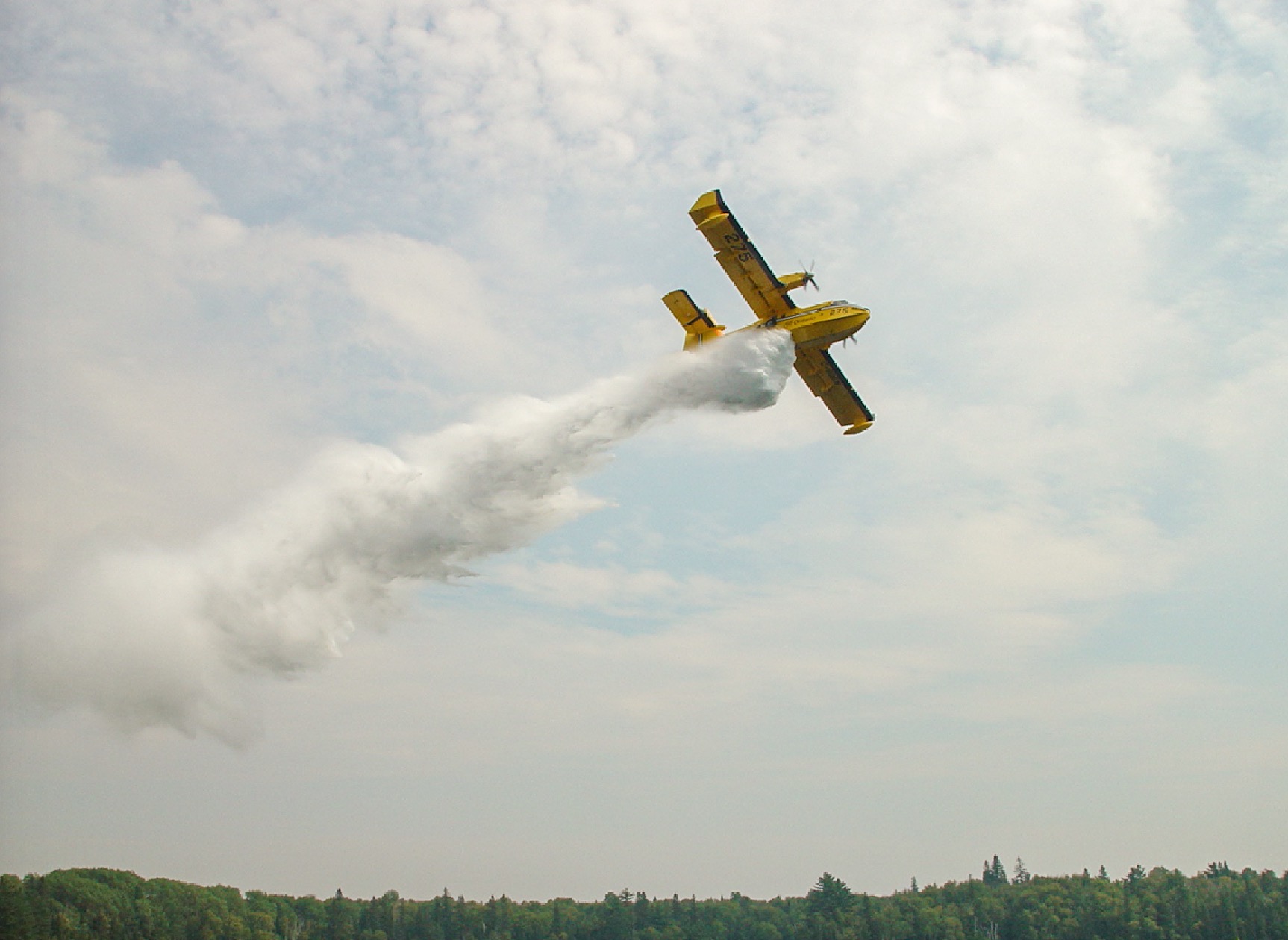 DRYDEN — Wildland fire crews were kept “very busy” throughout the 2025 forest fire season as Northwestern Ontario saw over 560,000 hectares go up in flames. “It would be fair to call the 2025 wildland fire season a very busy one in the Northwest,” said Chris Marchand, a fire information officer with the Ministry of Natural Resources’s regional fire management centre in Dryden. “Often in the spring, you hear us speak of the volatility of spring fire hazard conditions,” he continued. “And this year, from about the second week of May, it really provided a good demonstration of how a few weeks of dry weather combined with high winds and low humidity can really produce extreme fire behaviour in forests that haven’t greened up yet.” Those early conditions were the spark for a season that saw 560,234.9 hectares burned by 435 fires in the Northwest region alone. Comparatively, the Northwest’s relatively slow 2024 season saw 69,938.3 hectares burned in 218 fires.




 BOISI, Idaho — The Trump Administration’s decision earlier this year to do away with the 2001 Roadless Area Conseravtion Rule on national forest lands sent shockwaves through environmental and outdoor recreation communities. According to environmentalists and an Idaho public official who has been involved in roadless rule politics since the issue’s inception, the move could transport stakeholders in the Pacific Northwest back to the rancor and political divisions of the timber war years. …“The national rule itself put the whole timber wars to bed. It really did,” said James Caswell, former director of the Bureau of Land Management. …The rule led to conditions in which environmentalists became less combative about forest management, according to Caswell. Instead, enviros became more willing to work with timber industry and Forest Service officials. …The decision puts the forest objectives of fishermen, hunters, ATVers, bird watchers and others on the back burner.
 PORTLAND, Oregon — The question of whether two logging companies conspired to monopolize markets in an eastern Oregon forest came before a three-judge panel of the Ninth Circuit on Wednesday as a coalition urged the court to revive its antitrust challenge. US Circuit Judge Milan Smith noted the case was unlike other antitrust suits. …In 2013, the U.S. Forest Service granted the logging company Iron Triangle a 10-year stewardship contract for the Malheur National Forest, as well as associated logging rights. A group of landowners, loggers and an eastern Oregon lumber sawmill — known collectively as the Malheur Forest Coalition — sued Iron Triangle in 2022, arguing that the company exploited control of the contract and should be blocked from competing for harvest rights in U.S. Forest Service public auctions. The lower court denied the request, prompting a new complaint adding the Malheur Lumber Company as a defendant.
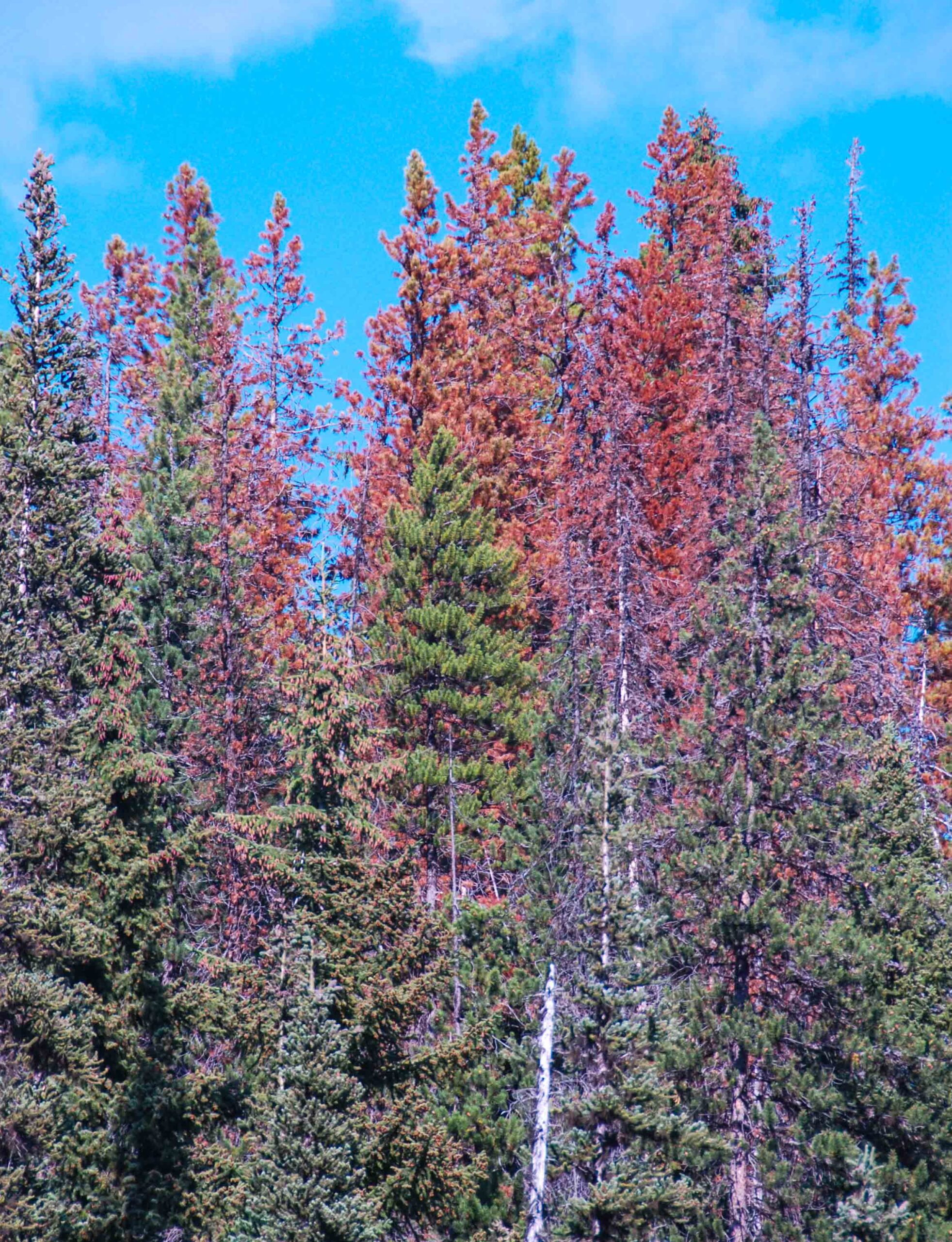
 A federal judge has halted a logging project in the Kootenai National Forest, saying the federal government failed to correctly analyze the impacts to grizzly bears. The Knotty Pine Project, a 10-year project that would have authorized 7,465 acres of prescribed burning and 2,593 acres of commercial harvest in the Cabinet-Yaak Mountains, has been in litigation since 2022. The Center for Biological Diversity led a coalition of environmental groups …in suing the U.S. Forest Service and U.S. Fish and Wildlife Service, saying it could devastate the small group of grizzly bears that lives in the region due to increased roadwork. U.S. District Court Judge Dana Christensen granted a preliminary junction the following year, but issued his final ruling last week. …“High road densities in low elevation habitats may result in grizzly bear avoidance or displacement from important spring habitat and high mortality risks,” Christensen wrote.
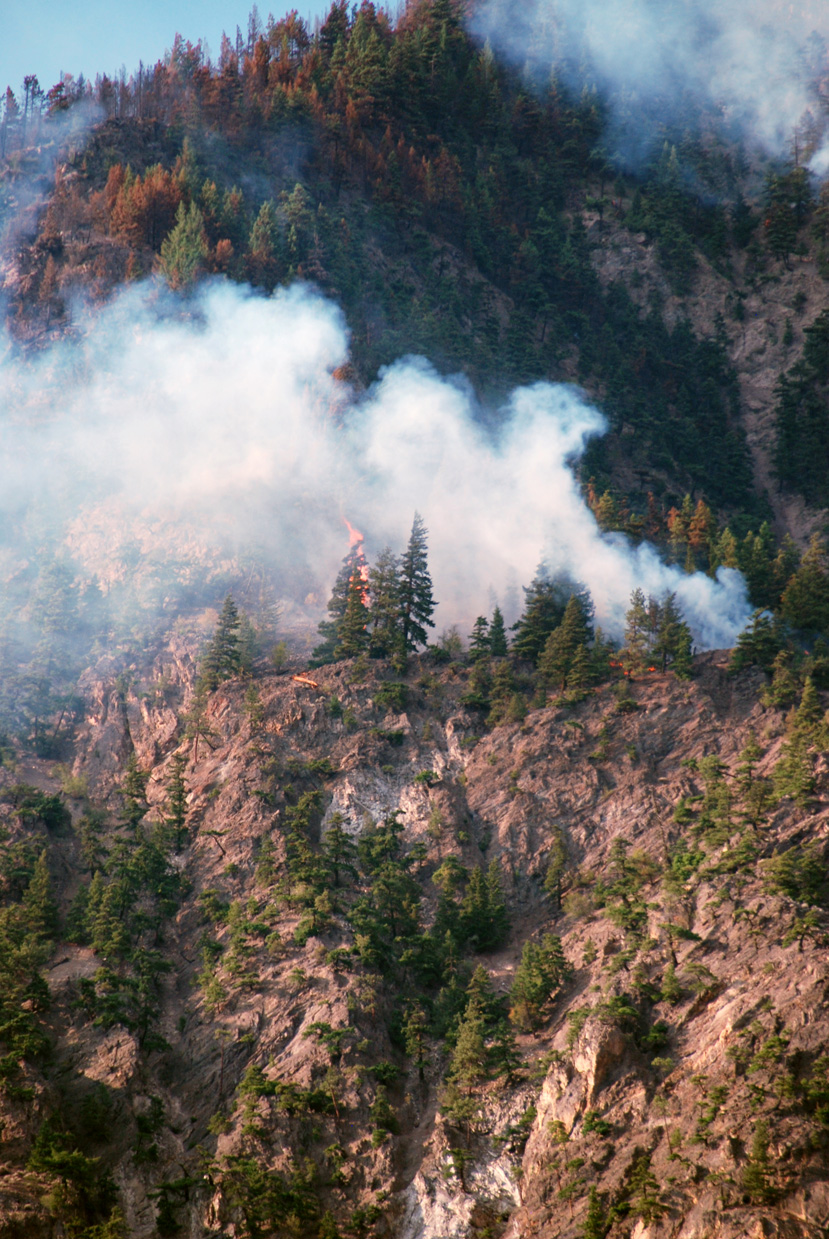 For more than 15 years, Scott Fitzwilliams led … the “crown jewel” of U.S. federal land — 2.2 million acres in Colorado that includes world class ski resorts… and sees a lot of wildfire. So when he was told in February to fire more than a dozen U.S. Forest Service employees from White River National Forest, one of his main concerns was: Will enough people be around to make sure the next big blaze doesn’t get out of control? …Fitzwilliams resigned in protest over the cuts, part of the Trump administration’s efforts to reduce the federal workforce… Eight months later, a new report confirms some of Fitzwilliams’s fears. A data analysis shared with The Washington Post found that as of the end of September, Forest Service work to reduce fire-fueling debris was down nearly 40 percent on this date compared with where it has been on average over the previous four years… [A subscription to the Washington Post is required for full story access]
 A yearslong endeavor to change logging and environmental policies for millions of acres of Pacific Northwest forests is getting a restart. The US Forest Service will update the Northwest Forest Plan, a set of policies that broadly dictates where logging can occur on 25 million acres of forests in Oregon, Washington and northwest California. …Environmental groups worry new changes that could be made to this plan under the Trump administration will increase logging in mature and old-growth forests. …The Forest Service published its proposed changes in a draft environmental impact statement in November 2024 and received over 3,400 public comments. Now the Forest Service under the Trump administration wants to issue a new draft. …A Forest Service spokesperson said the agency will publish a new draft amendment next fall, and that the Forest Service will allow people to review the draft and weigh in during a 90-day public comment period.
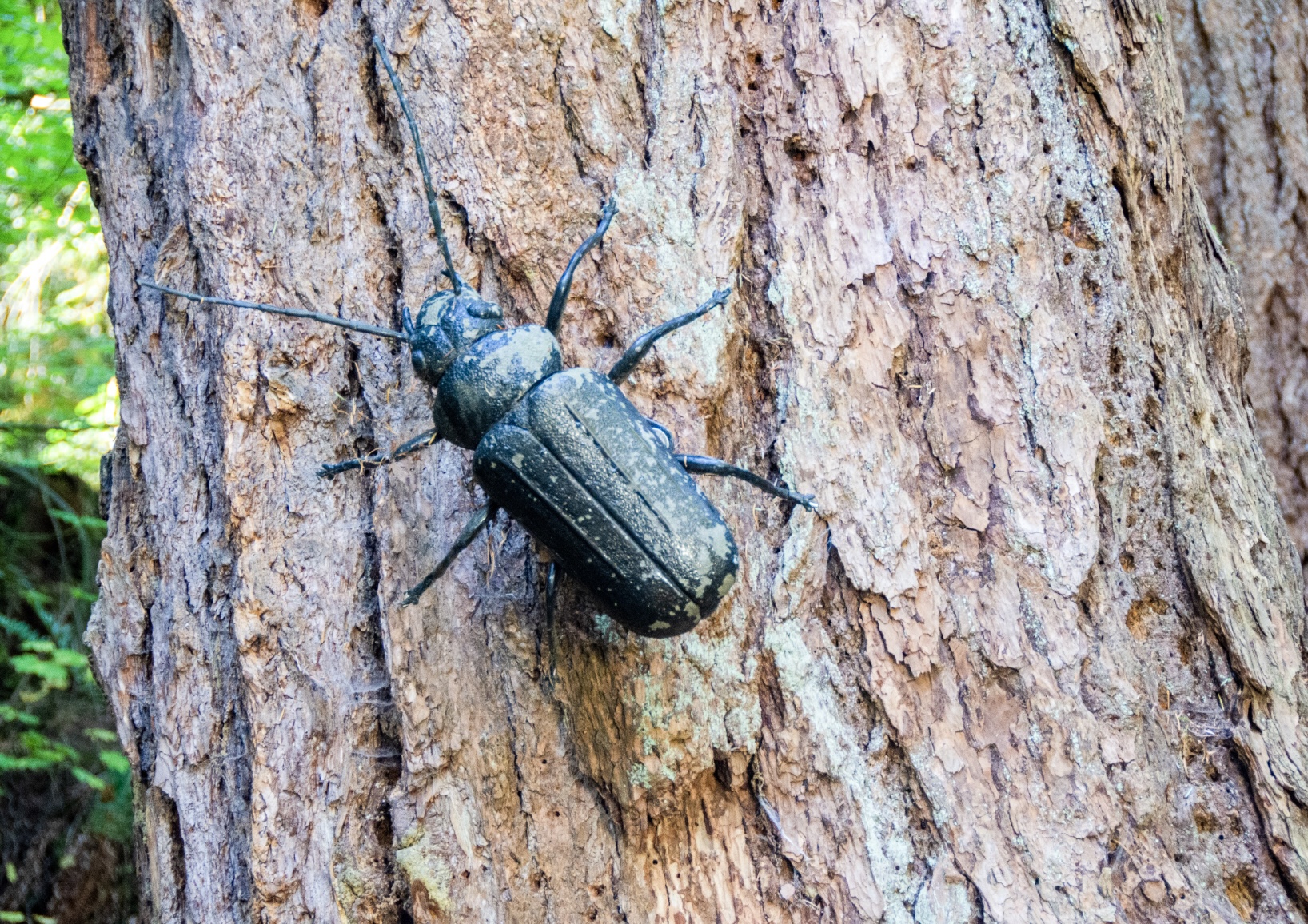 SEATTLE — …Of Washington’s 22 million forested acres, the Department of Natural Resources manages about 3 million acres of state land. Of those, 545,000 acres are now dead or dying — the equivalent of more than 500,000 football fields. …Washington’s severe drought has weakened trees across the state. Then came powerful storms—including last November’s bomb cyclone and February’s windstorm—that battered already-stressed trees to their breaking point. …As droughts intensify and insects thrive in warming forests, trees are dying of thirst while being eaten alive. It’s a double assault turning once-green mountainsides into graveyards of standing dead timber—impacting both eastern and western Washington. “We’re concerned this trend could continue as our climate continues to warm,” Commissioner Upthegrove said. One solution is to remove dead or dying trees and replant more resilient species like hemlock or cedar. However, according to the DNR, the funding needed to address these issues has vanished.
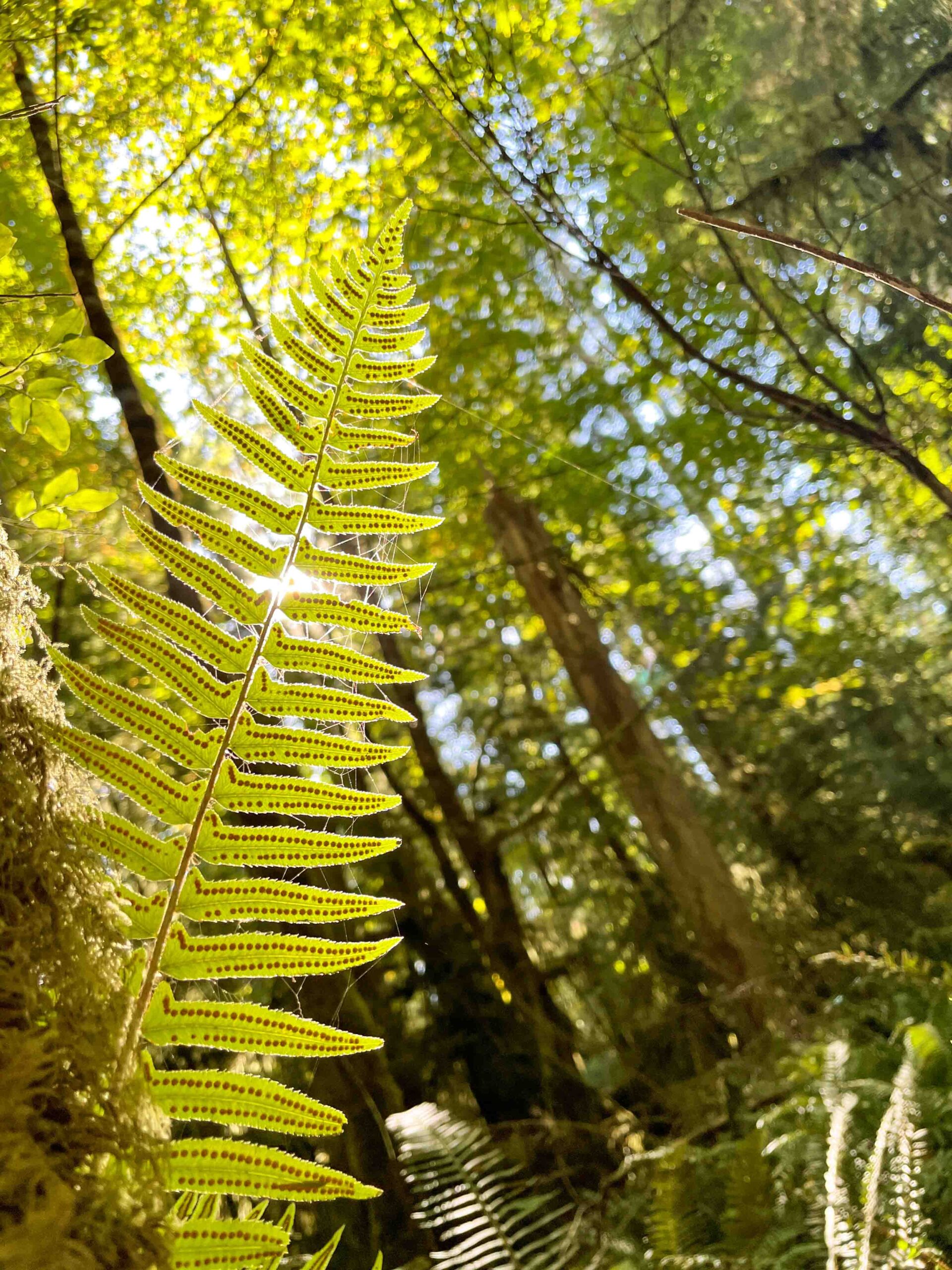 A new bill poised to pass the Senate after clearing the House will govern how the federal government thins, burns and otherwise manages nearly 200 million acres of the nation’s forests. The Fix Our Forests Act, sponsored by U.S. Sens. John Hickenlooper, D-Colo., John Curtis, R-Utah, Tim Sheehy, R-Mont., and Alex Padilla, D-Calif., passed out of Senate committee recently in a rare show of bipartisan support, with 18 senators in favor and only five opposed. “There is a wildfire crisis across much of the country — our communities need action now,” said Hickenlooper in a news release. “Wildfires won’t wait.” The proposed legislation — the first major congressional effort to fight wildfires in recent history — includes provisions that promote prescribed burning and forest thinning in fire-prone areas along with working with communities to create defensible space around vulnerable homes. The bill formally recognizes wetlands as buffers against wildfires and encourages cross-boundary programs among counties, states and tribes.
 A Montana logging project in grizzly habitat in the Kootenai National Forest will remain on hold until federal officials reassess how road use — particularly illegal road use — impacts the bears, a federal judge ruled on Monday. “This court has repeatedly held that it is arbitrary and capricious to not include illegal motorized use that it knows to occur into calculations, regardless of whether the use is chronic and site specific,” U.S. District Judge Dana Christensen wrote in the 40-page opinion. The Center for Biological Diversity led environmental groups in suing the U.S. Forest Service and U.S. Fish and Wildlife Service in 2022, seeking to block the Knotty Pine Project, and Christensen granted the environmentalists’ motion for a preliminary injunction the following year. …Christensen found the Forest Service violated the National Environmental Policy Act by failing to take a hard look at the impact of unauthorized road use on grizzly bears.
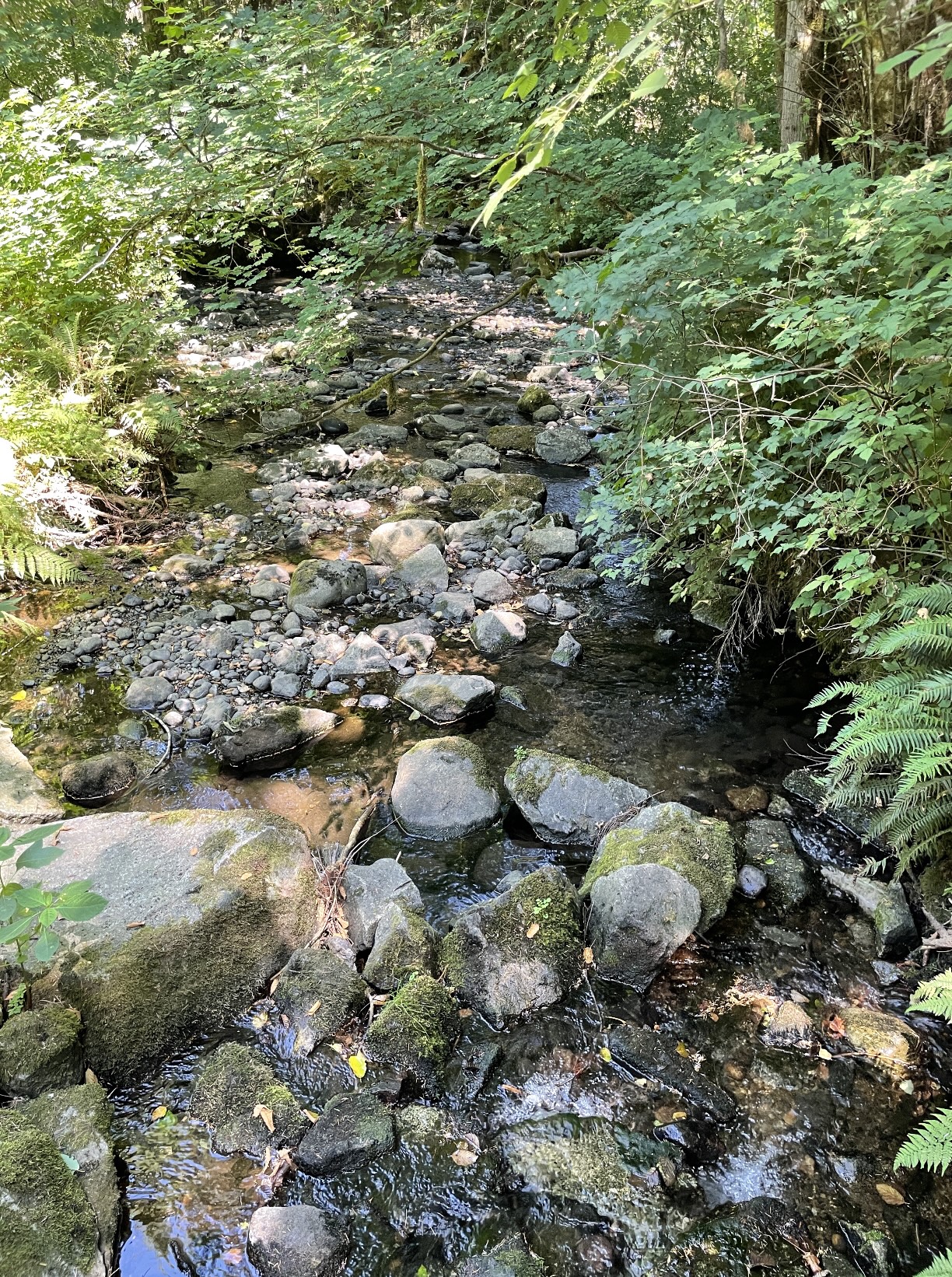 SOUTH BEND, Washington — Pacific County Commissioners Jerry Doyle, Lisa Olsen and David Tobin sent a scathing letter on Oct. 20 to the Washington Forest Practices Board (FPB) regarding a proposed increase in timber-harvest buffer zones along streams. Rural counties and forestry groups are mounting a vigorous push against bigger setbacks away from small non-salmon-bearing streams, arguing that over the course of time the loss of timber acreage will add up to billions in lost local economic activity and millions less taxes that currently support government services. Washington state established the Forest Practices Act and the FPB in 1974. It is tasked with establishing laws to “protect salmon, clean water, and the working forest economy.”
 Washington’s lands commissioner, Dave Upthegrove, is on a mission to secure $60 million of additional wildfire funding in next year’s legislative session, despite a tightening budget outlook. On Monday, he and a leading Democratic House lawmaker indicated that they want to tap revenue from the state’s cap-and-trade program for at least some of that money. The maneuver would mean turning to a steady-flowing stream of cash at a time when the state’s operating budget is squeezed. “Climate Commitment Act dollars are going to be on the table,” said state Rep. Larry Springer, D-Kirkland, who is deputy House majority leader. Lawmakers this year already started dedicating some of the climate dollars to the wildfire programs in question. At issue is funding provided under a 2021 law known as House Bill 1168, which passed with broad bipartisan support. With that legislation, lawmakers committed to direct $500 million over eight years to wildfire programs.
 Durable, renewable and biodegradable, wood is an ideal material. And as we grapple with the aftermath of synthetic materials, such as forever chemicals and microplastics, the humble material growing in our literal backyards is suddenly looking pretty appealing again. But how do you know it wasn’t clearcut from a rainforest? Figuring out logging practices, deforestation policies, impact on wildlife, pesticide use, and impact on indigenous communities “can be really challenging”, said Linda Walker at the World Wildlife Fund. …That’s where certifications come in. A growing number of wood industry certifications are designed to guide consumers. They’re not perfect. Some have rules written by big timber. Almost all of them receive payments from companies seeking certifications. There is no seal that encompasses every issue, but don’t let perfect be the enemy of good – even the most flawed badges have some baseline value.
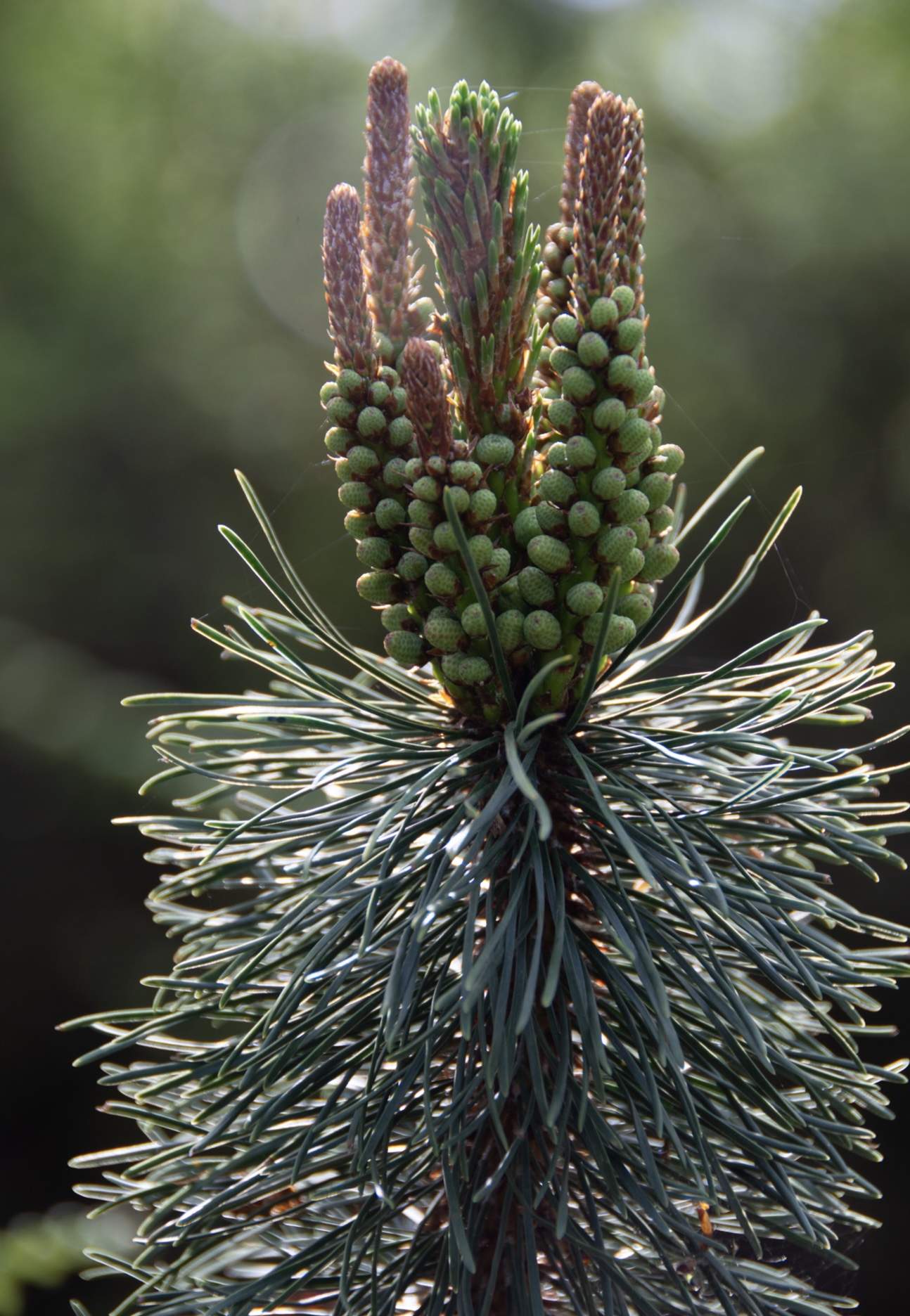 In the southeastern United States, pine plantations serve as critical components of the forestry economy, predominantly managed through intensive site preparation techniques designed to enhance tree growth and accelerate harvest cycles. These plantations often employ soil bed construction to improve drainage and the application of herbicides to mitigate competition from weeds and woody shrubs. While earlier studies have documented that such interventions yield promising early growth in pine species such as slash pine (Pinus elliottii) and loblolly pine (Pinus taeda), the long-term efficacy of these practices remains ambiguous, necessitating comprehensive longitudinal research to unravel their sustained impact on forest productivity. Addressing this knowledge gap, a recent extensive study conducted in the Lower Coastal Plain of North Florida monitored pine plantations for up to 27 years, offering unprecedented insights into how various site preparation strategies influence extended growth trajectories and timber yield.
 Ash trees are an important part of the basket weaving tradition, which has long played a significant cultural, spiritual and practical role in the lives of tribal citizens across the country, including John Daigle, a citizen member of the Penobscot Nation in Maine. But the emergence of the emerald ash borer beetle …has posed challenges for Indigenous basket makers. A grant awarded to Daigle, a professor of forest recreation management at the University of Maine, could help preserve and advance the craft. It’s part of the Indigenous Forest Knowledge Fund, a program run by the Northeastern States Research Cooperative to support projects related to tribal homelands or ancestral territories of the Northern Forest region… Daigle’s project was one of three winners this year. His team will also develop technologies to support the processing and storage of ash splints before widespread ash mortality, which could help sustain basket-making supplies.
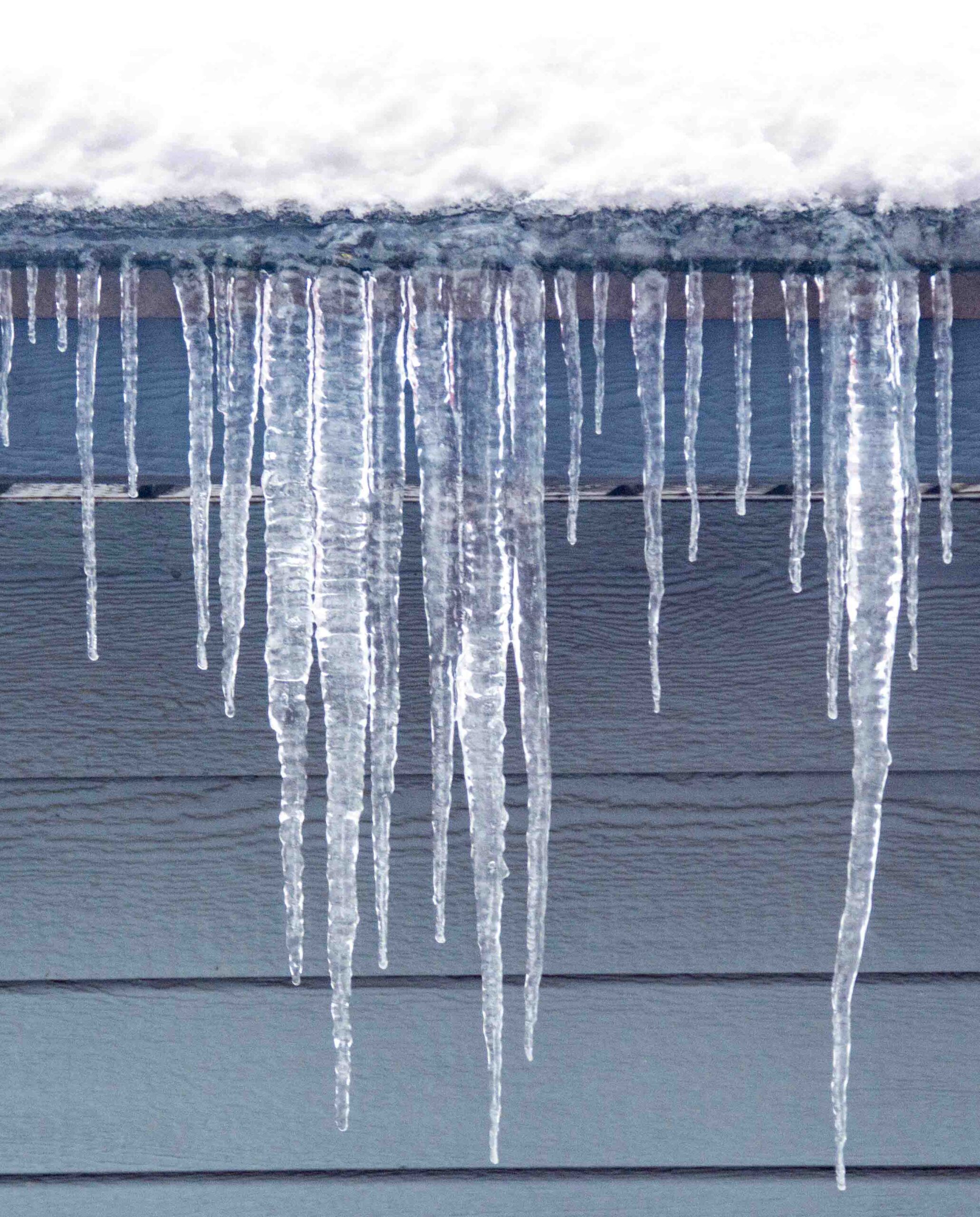 …An ice storm


 BOGOTA, Colombia — Interpol and partners launched a global law enforcement effort Wednesday aimed at dismantling criminal networks behind illegal logging, timber trafficking and gold mining, which drive large-scale deforestation and generate billions in illicit profits each year. The effort announced ahead of the UN COP30 climate summit in Brazil will focus mainly on tropical forests in Brazil, Ecuador, Indonesia, Papua New Guinea and Peru. “Criminals are making billions by looting the planet’s forests,” Interpol Secretary General Valdecy Urquiza said. “The only way to stop them is through determined law enforcement action and strong international cooperation.” …The announcement follows a major crackdown in the Amazon Basin last week, when Brazilian police, supported by Interpol, destroyed more than 270 illegal mining dredges operating on the Madeira River. Authorities said the raids dealt a significant blow to criminal groups linked to gold-smuggling networks that span Brazil, Bolivia and Peru.
 Wildfire experts from around the globe convened at Istanbul Forest Innovation Week (IFIW) to evaluate Türkiye’s approach to forest fire management, unanimously acknowledging the country’s advanced capacity in both fire detection and intervention. Experts emphasized the integration of cutting-edge technologies, such as unmanned aerial vehicles (drones), as a critical factor in Türkiye’s rising prominence in global wildfire resilience. Tiago Oliveira, chairperson of the Portuguese Agency for Integrated Rural Fire Management, highlighted the multifaceted challenges climate change poses to forests worldwide. He underscored that warming trends are prolonging fire seasons and increasing the number of days with severe fire conditions. Oliveira also stressed the indispensable role of local communities living near forests. … Warning about extreme fire scenarios, Oliveira noted, “When difficult conditions triggered by climate change occur, very intense fires begin, making firefighting extremely challenging because water can become ineffective.”


 Chopping down rainforests is daft. The social costs of clearing a typical patch of Brazilian Amazon are perhaps 30 times the benefits of rearing cows on it, by one estimate from 2023. The problem is, those costs, which include aggravating climate change, are spread across the entire world’s population, whereas the profits from cutting down the trees go to the men commanding the chainsaws. Somehow, the world has to find a way to make conservation pay. …Yet there is hope. Though Brazil lost more rainforest than any other country last year, due to to wildfires, it also shows how better policy can make a difference. …The pace of deforestation fell by 80% during Lula’s first terms (2003-11), and fell again when he returned in 2023, before the wildfires set things back. …Since preserving rainforests is a global public good, the world should help pay for it. [to access the full story an Economist subscription is required]
