In the September newsletter, you’ll find these stories and more:
- Jaguar Land Rover first to launch tires with over 70% renewable and recyclable materials
- FSC Canada Welcomes New Team Members: Tina Langille-Hayward, Director of Policy & Standards AND Mylène Raimbault, Regional Manager, Eastern Canada
- The Forest Stewardship Council (FSC) Canada is pleased to announce the launch of a public consultation on draft Indicators related to Intact Forest Landscapes (IFLs) – August 1 – September 30, 2025
- FSC Forest Week runs September 20-26, Register Today!
- Webinar: Wellness and Beauty and FSC, September 18, 2025
- New Guidance Document for the Ecosystem Services Procedure
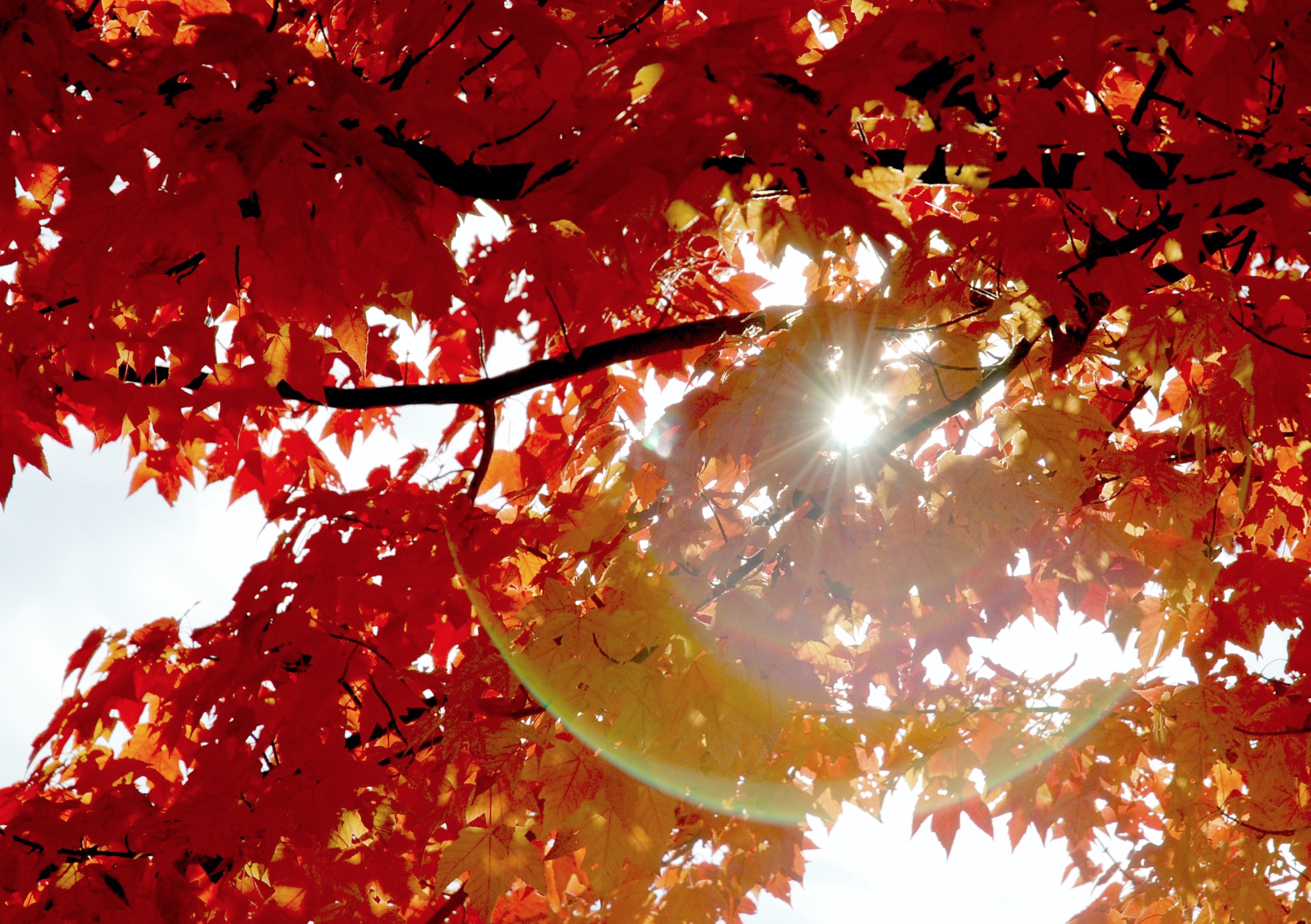 Professor Susan Dudley at McMaster University in Ontario says drought-stricken parts of Canada could be in for some underwhelming fall foliage if stressed trees lose out on the energy needed to generate some of the season’s most brilliant colours. Dudley says trees in dried out parts of the country could see their leaves die off rather than turn red. As the days shorten, green chlorophyll in tree leaves starts to break down and reveals the yellow and orange pigments underneath. Yet Dudley says some trees, such as maple, oak and sumac, synthesize a pigment in the autumn responsible for turning their leaves into the reds and purples associated with the most brilliant foliage. If a tree is too stressed … the leaves may die off before that new pigment can fully develop and give off its most vibrant colour, leaving brown leaves associated with rapid stress-induced death…
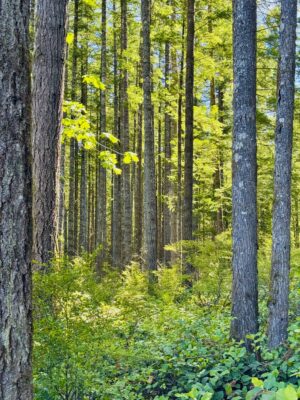 Artificial intelligence (AI), machine learning, remote piloting, and robotics are beginning to have a profound impact on the forest industry as we have known it, from forest management to log harvesting and delivery and right through to lumber production. This is only the beginning. In a recent interview, Bill Gates said that AI will have a more profound impact on humanity than the personal computer (PC) did. …From a forest management perspective, AI offers incredible potential for planning forest cutblocks and reforestation. In the face of climate change, forest companies will have no choice but to design forests that are more resilient to forest fires, pest and pathogens. The ability of AI to provide a variety of solutions in minutes, based on collating and analyzing past research, will make a forest technician’s job easier, while providing better solutions. This is a clear example of using AI for good—and we should make the most of it.
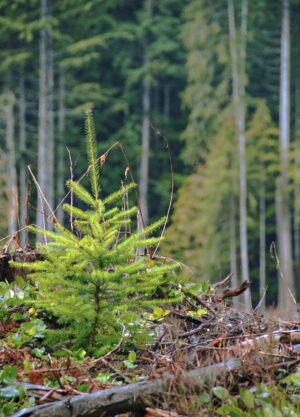 The Government of Canada says it is just over a 10th of the way to its goal of planting two billion trees across the country. Launched in 2021, Canada’s 2 Billion Trees program has reached the milestone of 228 million trees planted, with agreements already in place to plant a total of nearly one billion within the coming years. As of June, 11 provinces and territories, 58 Indigenous partners, 30 municipalities and 88 non-governmental organizations has signed or are negotiating tree-planting agreements. The program aims to protect crucial wildlife habitat, restore areas impacted by wildfires and sequester carbon. …Some of these initiatives include creating at least 10 new national parks and marine conservation areas and 15 new urban parks, as well as designating 30 per cent Canada’s land and water as conservation areas by 2030. The federal government has also committed to reach an emissions reduction target of 40 per cent below 2005 levels by 2030 and net-zero emissions by 2050.

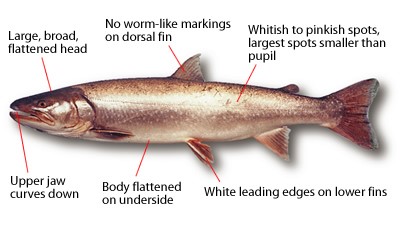
 As severe drought conditions continue to affect river levels in the Thompson Okanagan region, fish-population protection orders will protect endangered chinook salmon in the Salmon River and Bessette Creek by temporarily restricting water use for forage crops and identified industrial purposes. The Salmon River and Bessette Creek have seen persistent low streamflows that are threatening the survival of spawning chinook populations. The fish-population protection orders will help restore water-flow levels and protect the salmon run. Effective Monday, Sept. 8, 2025, 490 surface-water and groundwater licences and transitioning groundwater users in the Salmon River and Bessette Creek watersheds within the assessed curtailment area are affected by the orders to stop using water for forage crops, which include grass for hay, alfalfa and forage corn. Irrigation of forage crops is one of the most water-intensive agricultural water uses.
 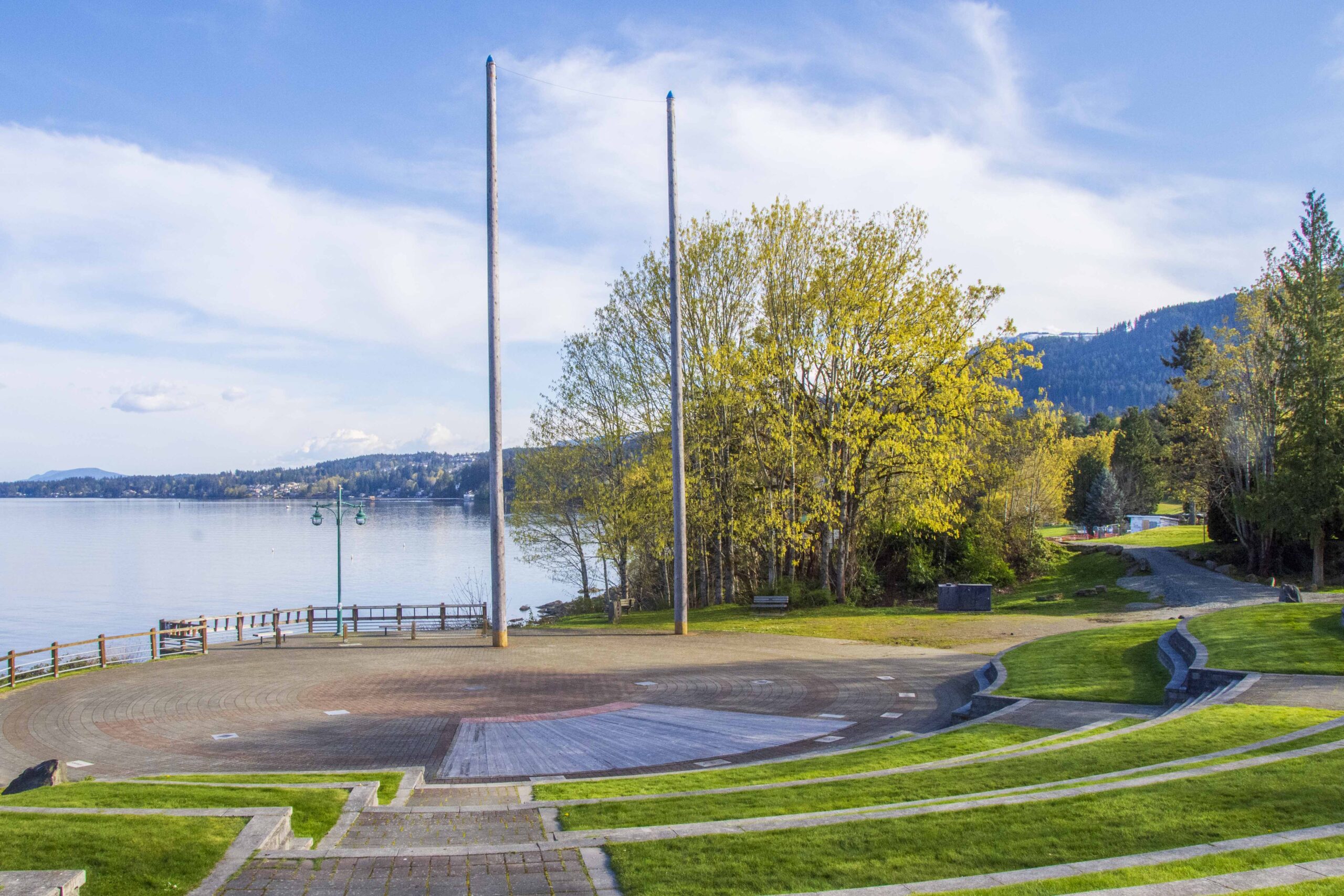 The tools of BC’s traditional industry will take centre stage in Ladysmith on Sunday, Sept. 14 for Ladysmith Loggers’ Sports. The event supports the Cops for Cancer Tour de Rock, an annual bike tour across Vancouver Island that raises funds for childhood cancer research and support programs. The loggers’ sports exhibition event will take place at the Transfer Beach amphitheatre starting at 2 p.m. …Among the upgrades this year are three massive dummy logs donated by Western Forest Products. This year’s key supporters include Spuzzum Contracting, LCU Insurance Agencies, Mosaic Forest Management and the Town of Ladysmith.
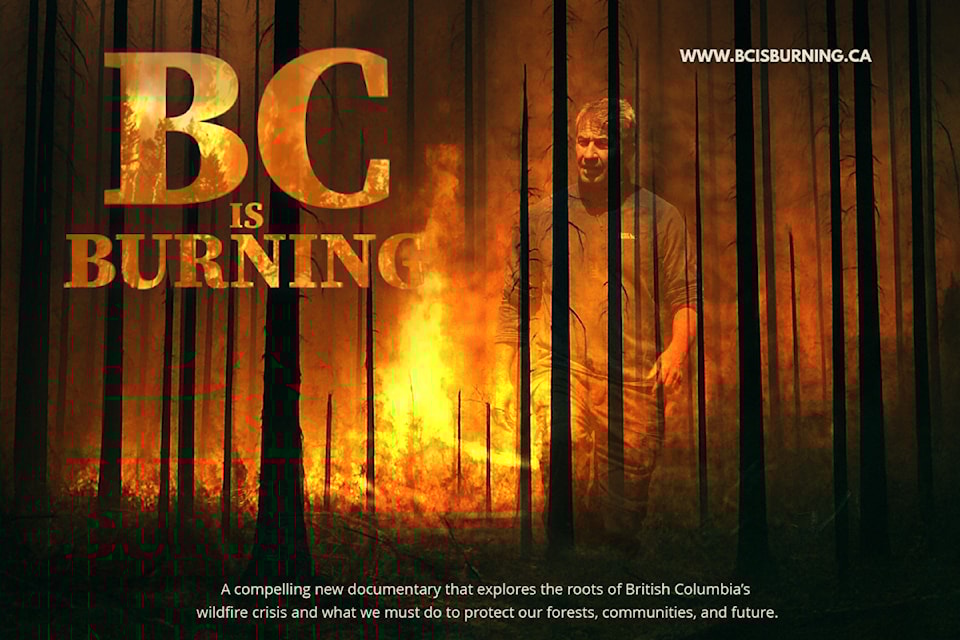 A documentary addressing British Columbia’s escalating wildfire crisis and the urgent need for solutions is playing in Castlegar on Sept. 11. The film was produced by former Castlegar resident Murray Wilson. Wilson graduated from Selkirk College’s Forest Technology program in 1981 and then worked in Salmo and Nakusp before spending more than three decades in forestry across British Columbia. “My early forestry work in the Kootenays showed me the wildfire risks communities face and the solutions we need, which is at the heart of B.C. is Burning,” said Wilson.

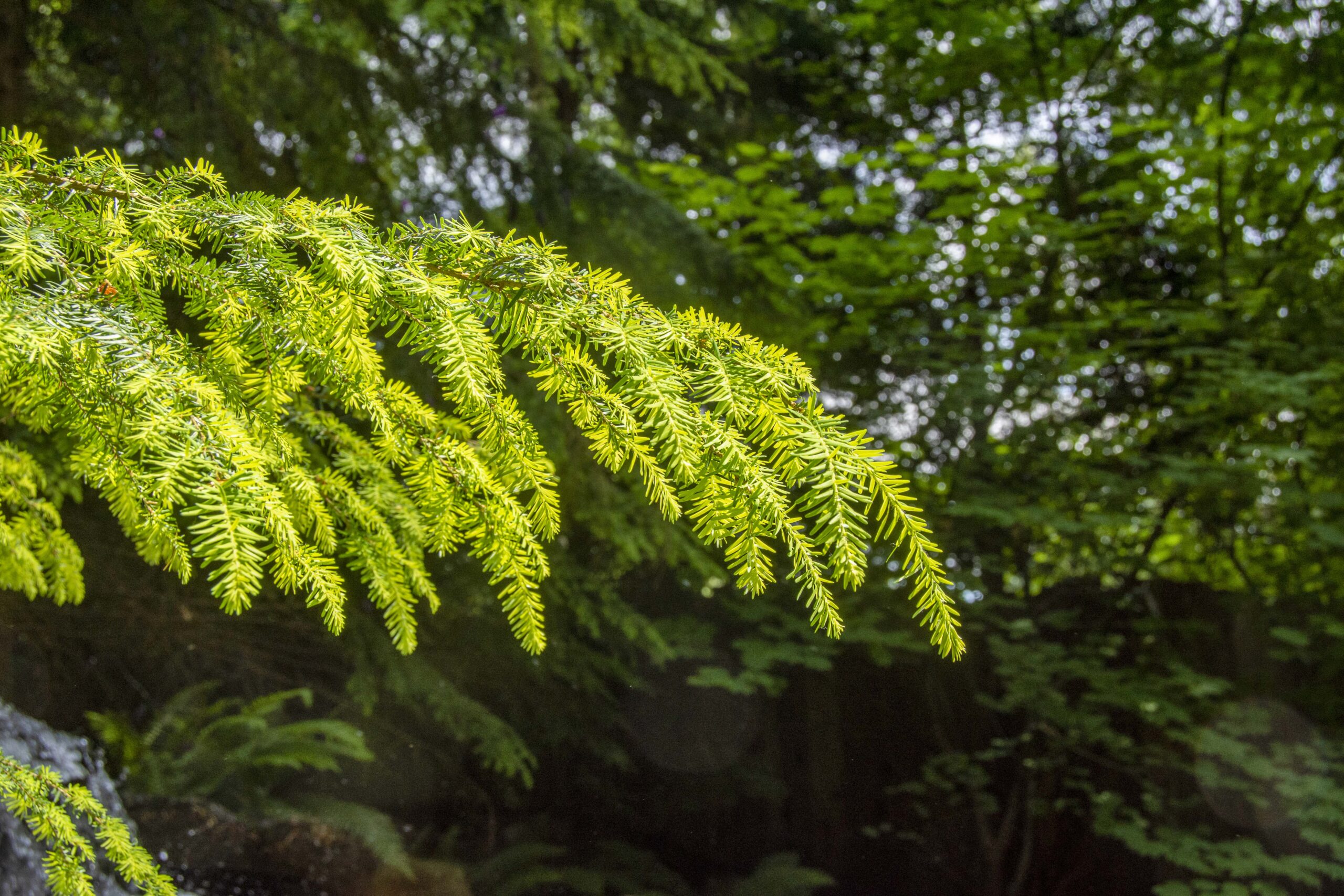 Five years after the release of the Old-Growth Strategic Review report, the BC NDP’s momentum towards a “new, holistic approach” to the management of old-growth forests has slowed almost to the point of regression. “Rather than the ‘paradigm shift’ we were promised, we’ve seen Premier Eby’s government doubling down on its prioritization of timber and industry profits over all other values,” said Eddie Petryshen, Wildsight Conservation Specialist. After its public release on September 11, 2020, the BC NDP government promised to enact all 14 recommendations made in the landmark Old-Growth Strategic Review (OGSR). The goal: to shift its focus towards ecosystem health, rather than timber. Since then, temporary logging deferrals have been put in place in high-risk old-growth stands in some parts of the province, and a 2023 Draft Biodiversity and Ecosystem Health Framework was released for public review.
 A BC logger is fighting for the return of a $180,000 deposit he paid to the provincial government to access a timber lot that he did not harvest for lack of demand. In 2023, Bill Bosovich struck a deal with BC Timber Sales to log 116 hectares of forest between Osoyoos and Midway. …Bosovich promised to pay the government at least $1.7 million for the wood he would harvest, and put down a cash deposit of $176,700 to cover any contingencies. However, before any logging had occurred and as wood prices fell, Bosovich learned that the four major log buyers in the area were not interested in his wood. …Bosovich let BC Timber Sales know he could not find buyers and was offered a 12-month extension, but only if he committed to paying a further $83,000 deposit. …Bosovich did not want to extend the licence. …BC Timber Sales’ Allan Powelson responded that the government would be keeping his money.
 In this edition of our newsletter you’ll find these headlines and more:
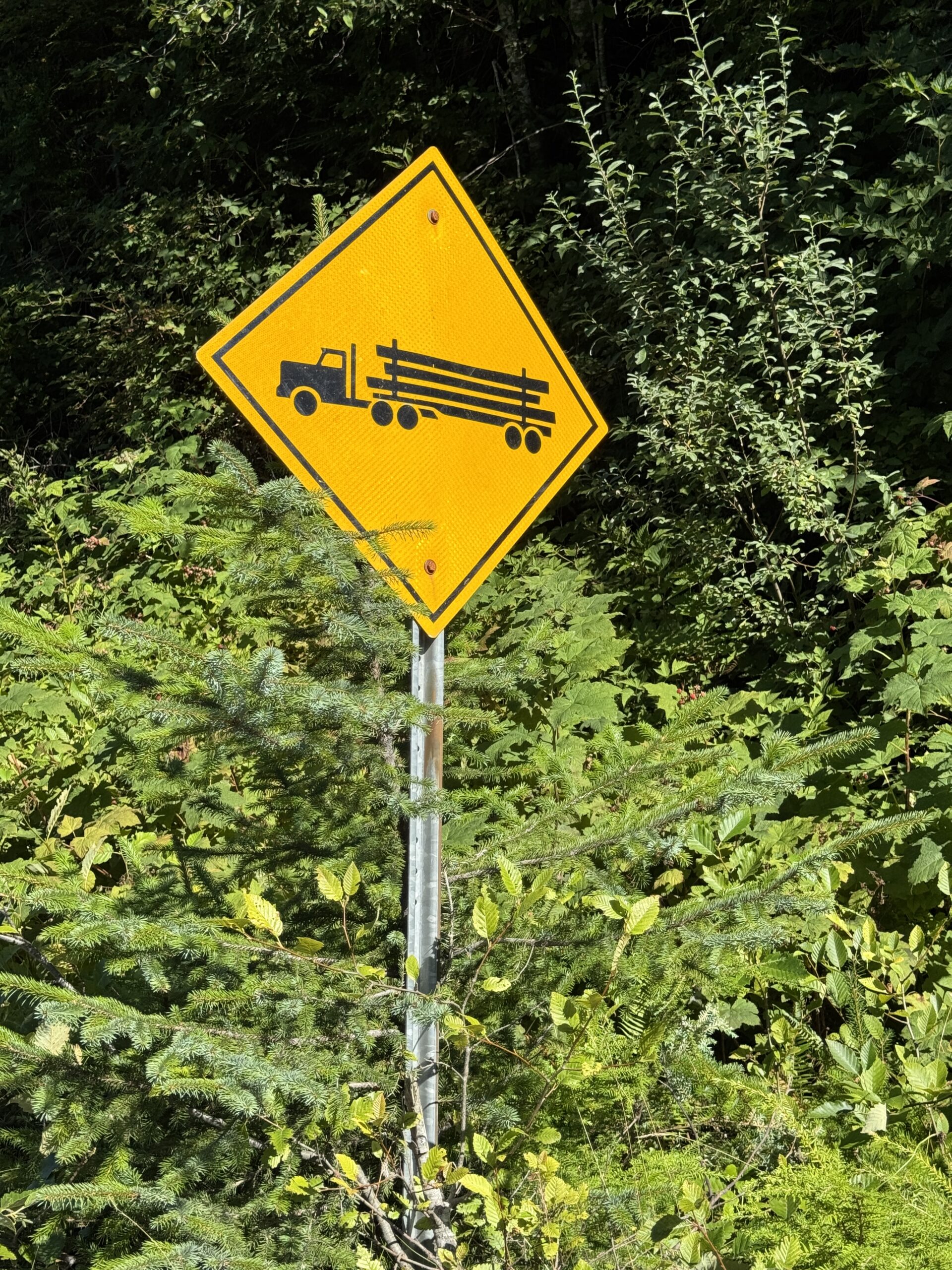 Bikers should take note that end-of-summer logging operations are kicking into gear at Revelstoke’s Mount MacPherson for a month starting next week, but minimally impacting recreational trails, according to a local cycling group. In a Facebook post on Wednesday afternoon, Aug. 27, the Revelstoke Cycling Association (RCA) advised that forest harvesting begins at the mountain’s upper trail network on the weekdays following the Labour Day weekend. This comes one week later than previously indicated in RCA’s trail report. Logging will run from 3 a.m. to 5 p.m. weekdays through most or all of September, with no activity planned for weekends, according to the association.
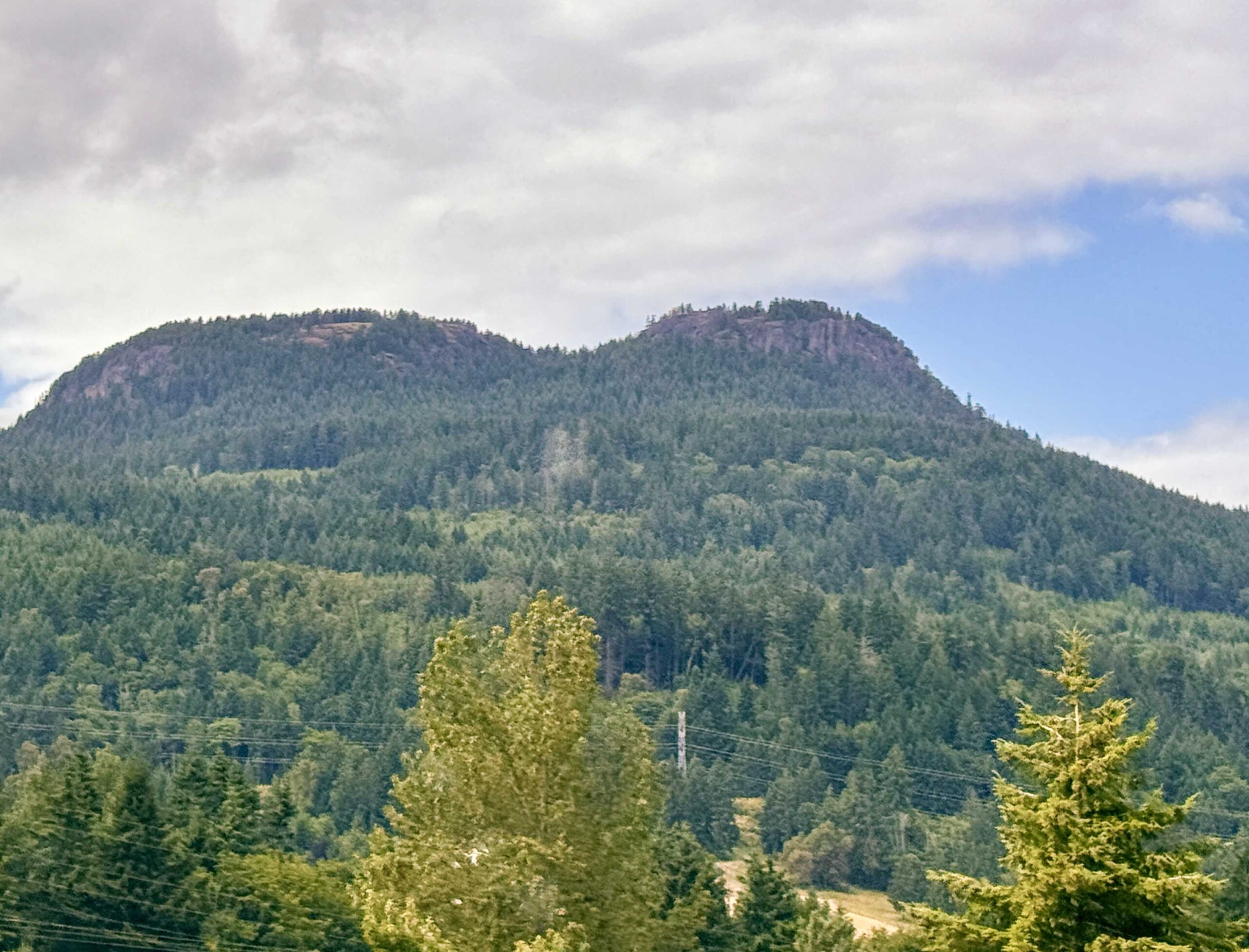 North Cowichan council has voted to make logging in the municipal forest reserve a strategic priority, despite warnings from some councillors and staff that the move could jeopardize years of work with the Quw’utsun Nation on a forest co-management framework. Timber harvesting in the roughly 5,000-hectare public forest has been on pause since 2019 to allow for public engagement, consultation with local First Nations and advice from experts on how to manage the publicly-owned woodland. Surveys found a majority of residents preferred conservation over harvesting — with 67 per cent of telephone respondents and 76 per cent of online respondents supporting either limiting timber harvesting … or not harvesting timber at all. In 2021, North Cowichan signed a memorandum of understanding with the Quw’utsun Nation… While it could take years before harvesting resumes, some around the council table warned that exploring harvesting options could negatively impact progress made towards a co-management framework with the Quw’utsun Nation.
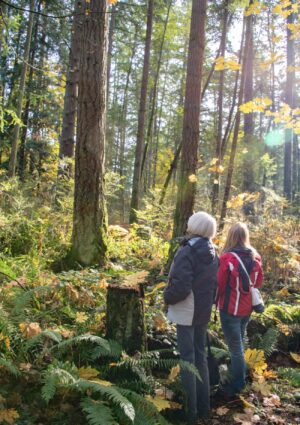 QUESNEL, BC — The Three Rivers Community Forest (TRCF) is showing how local control can bring fresh ideas to forest management, general manager Nick Pickles told Quesnel council this week. The area-based tenure, signed in October 2024, covers more than 38,000 hectares and is jointly owned by the City of Quesnel and the Esdilagh, Lhtako Dene, and Nazko First Nations. It comes with an allowable annual harvest of about 43,000 cubic-metres of conifer and another 10,500 cubic-metres of deciduous timber, Pickles explained at council’s Aug. 26 meeting. …Pickles said the TRCF mandate is more than just cutting trees. “It’s designed to provide long-term access to forest resources for community benefit. It focuses on local decision-making, stewardship, and sustainable forest use.” Profits are reinvested locally, whether it’s jobs, education, or infrastructure, Pickles added.
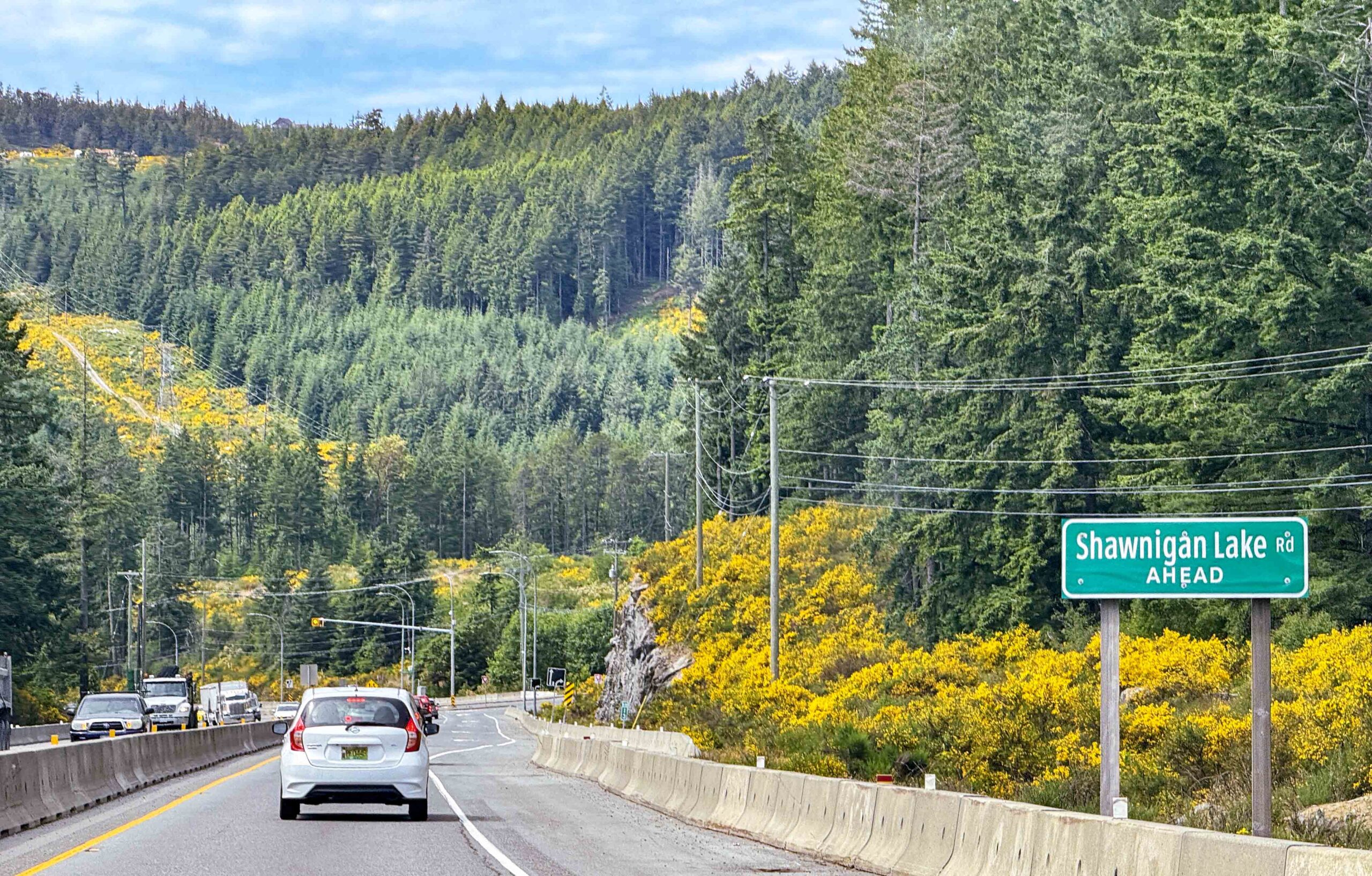 A reader wrote The Discourse recently with a question about why the BC Wildfire Service protects privately-owned forest land on Vancouver Island. It was an interesting question, but it hinted at a bigger one: What are forestry companies doing to prevent and mitigate wildfires from happening in the first place? Recent major wildfires on Vancouver Island have been on a mix of Crown land and private land owned by or under license of forestry companies. This includes the fire from early this week on Block 290 near Mount Benson that was recently transferred to Snuneymuxw First Nation. A recent special investigation by the BC Forest Practices Board on
 Harvesting in North Cowichan’s 5,000-hectare municipal forest reserve (MFR) is considered a primary issue for the rest of council’s term, which ends in October, 2026. On Aug. 20, council voted 4-3 to make harvesting, which hasn’t taken place since 2019, one of its strategic priorities. Coun. Bruce Findlay pointed out that the municipality has received no revenues from harvesting in the MFR for six years, and it may take several more years yet as negotiations with the Quw’utsun Nation on co-management of the MFR continue. …Despite the vote, CAO Ted Swabey advised council that he thinks that it’s unlikely that any harvesting could actually take place before the end of council’s term. …The public engagement aspect of the forest review concluded in early 2023, and the feedback from that process found very strong support for active conservation in the MFR, which would allow for targeted harvesting to provide some income, while restoring and enhancing biodiversity.
 On the heels of record-breaking daily high temperatures, Vancouver Islanders face warmer than usual weather this week. Temperatures will continue to “remain well above seasonal” into mid-week for east and inland Vancouver Island with cooler temperatures overnight, according to an Environment Canada statement issued early Aug. 26. The extra warm conditions are expected to persist from inland Greater Victoria, up the east coast from Nanoose Bay to Fanny Bay. Cloud cover is expected Thursday. The Malahat area broke the newest record on the Island, hitting 30.2 C, topping the 29.8 daily record set in 2022. Nanaimo tied the oldest record, hitting a high of 33.3 set in 1958. Campbell River, Courtenay and Comox all flirted with 2016 records, with Campbell River shading the old 30 C temperature, hitting 30.2. Comox and Courtenay both tied the 2016 record of 30.3. The heat coincided with a new wildfire discovered Aug. 24 south of Nanaimo. The 8.6-hectare fire was classified as being held as of Tuesday morning.
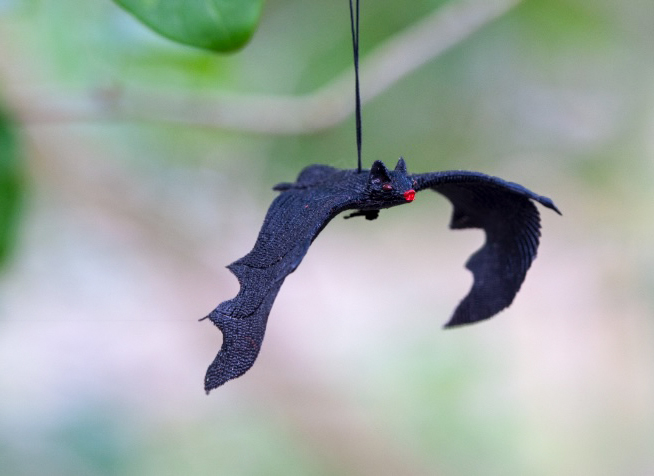 An international research project in the northern is taking a hard look at the decline of keynote bat populations in a bid to help area ecosystems survive and thrive. Efforts to preserve a population of northern myotis – an endangered bat species that used to be found throughout eastern B.C., but whose range has been contracting to the central Interior – are under way near Kinbasket Lake, north of Revelstoke and Golden. Researchers with the Wildlife Conservation Society … are planting fake bark to mimic the old-growth trees where the northern myotis roosts, and on the north side they are using radio detectors to determine how many of the bats are present in logged areas. Logging may not be an automatic death sentence to bat populations, Lausen says, but it needs to stay within the limits of what northern myotis colonies can sustain. One of the project’s goals is to identify those limits.

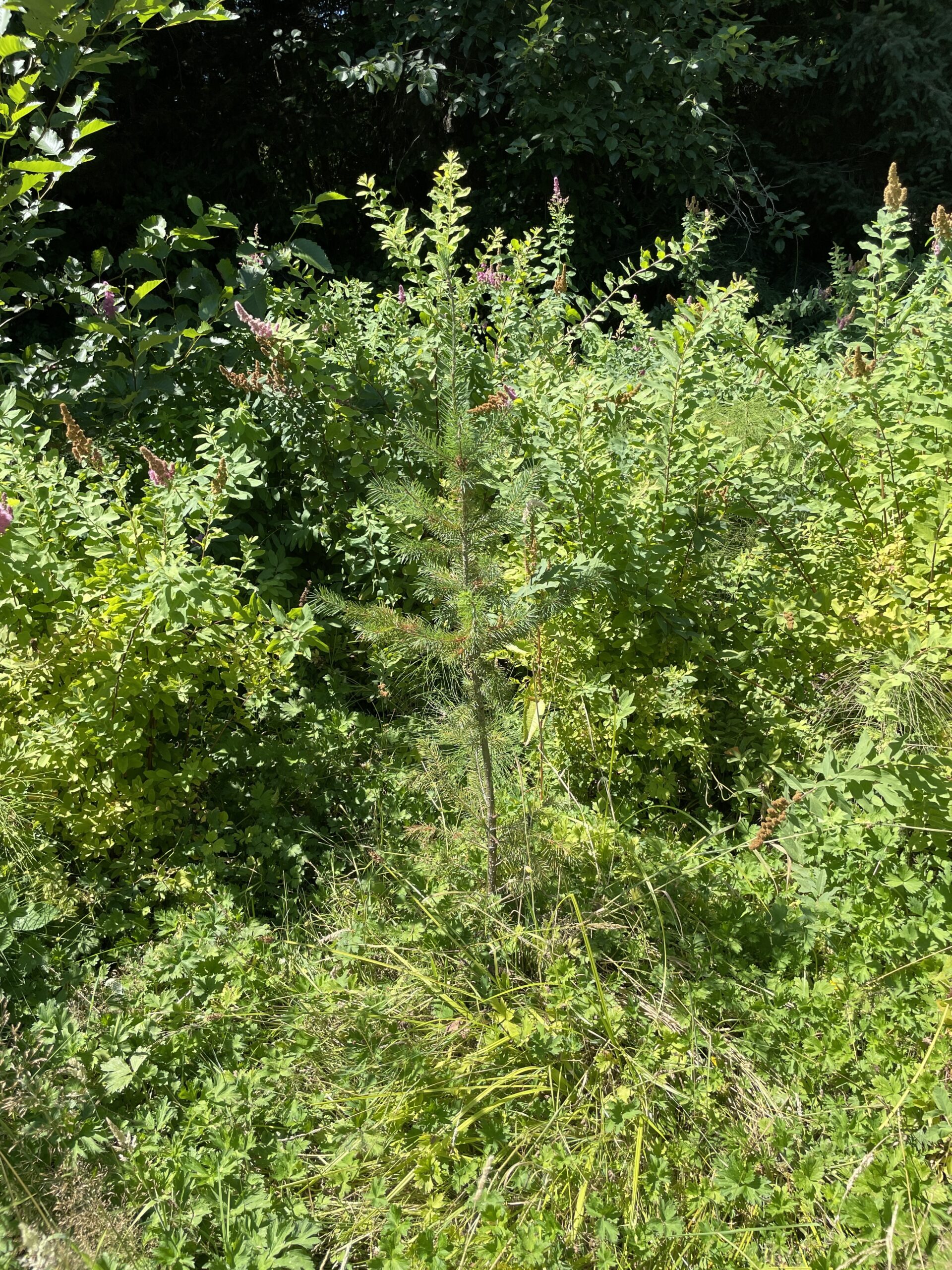 Amid calls from some First Nations and municipalities in northeastern Ontario to stop glyphosate spraying on Crown land, environmental groups are raising concerns over the herbicide’s effect on biodiversity. …Wildland fire ecologist Bob Gray said leafy deciduous trees, like aspen, are more resilient to wildfires than softwood conifers like pine and spruce. “Softwoods are highly resinous,” he said. “The foliage and bark is highly flammable. When you’ve got large contiguous areas of conifer forest, you can have large continuous forest fires.” If a timber company’s goal is to promote the growth of softwoods for harvest, at the expense of hardwoods, it can make that area more prone to wildfires. …Jocelyne Laflamme is a Ph.D. candidate at the University of British Columbia found that aspen becomes more flammable in the fall, when they lose their leaves. …In August, forest company Interfor cancelled plans to spray herbicides on trees along the north shore of Lake Huron.
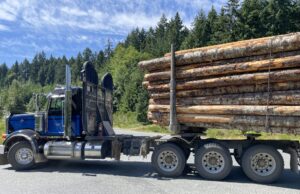 NOVA SCOTIA — Mikmaq have begun blocking logging trucks from leaving Hunters Mountain. Madonna Bernard began the blockade on Monday afternoon when she stood in front of two logging trucks. She was then joined by other Mi’kmaq seeking to stop harvesting from the Cape Breton Highlands. …“This is not a protest, this is a protection. We’re willing to stay as long as it takes.” A large RCMP presence has gathered and more Mi’kmaq supporters are arriving. …Port Hawkesbury Paper mill manager Bevan Lock said that the supercalendered paper relies on wood coming from the highlands for a significant part of its woods fibre. He said some 70 people work for forestry and logging contractors operating in the area. “The province and RCMP have taken steps to remove the blockade and allow travel on a public road,” said Lock.
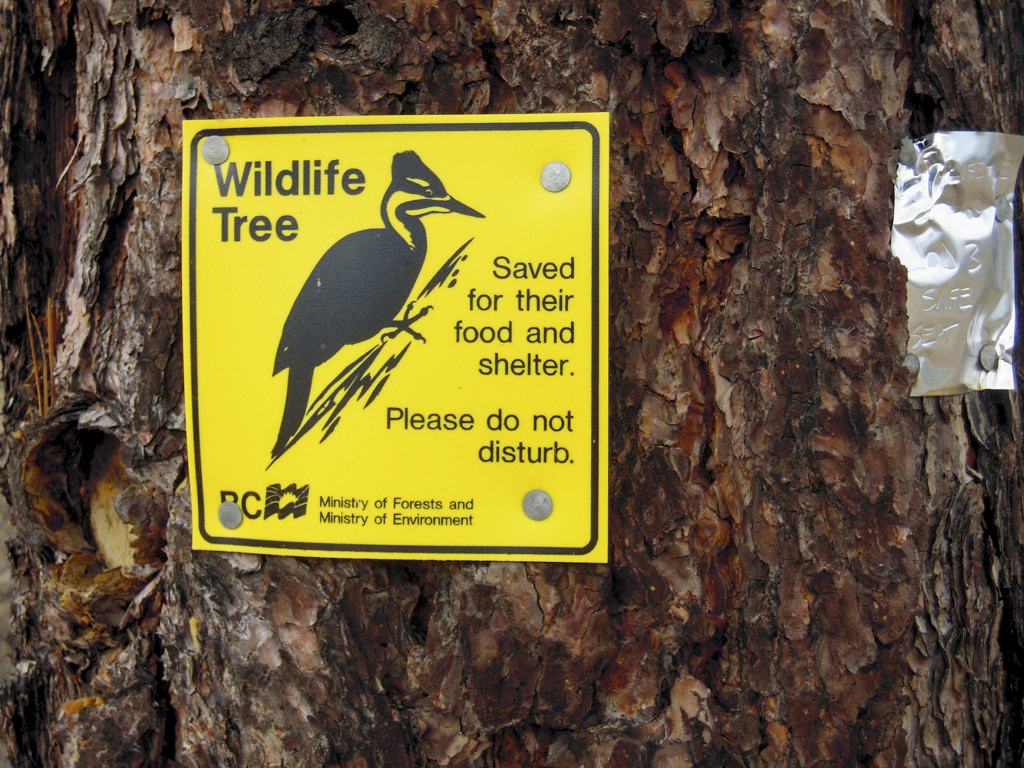 As wildfires tear through New Brunswick’s forests at record rates this year, researchers say the resulting damage is reshaping bird habitats — displacing some species while creating new opportunities for others. “With every disturbance in a forest, you have winners and losers,” says Joe Nocera, a forestry and environmental management professor at the University of New Brunswick. In this case, the winners will be woodpeckers. Wildfires, while destructive, are a natural part of forest ecosystems, said Amy-Lee Kouwenberg, an associate director at Birds Canada explained. They clear out underbrush and create habitats that support a wider range of species, boosting biodiversity in the long run. Woodpeckers thrive in burned areas, and the resulting tree cavities they leave behind are used as nesting sites that other birds rely on. …Species like the Canada warbler, wood thrush and Bicknell’s thrush — all of which depend on dense, mature or shrubby forests — are particularly vulnerable .
 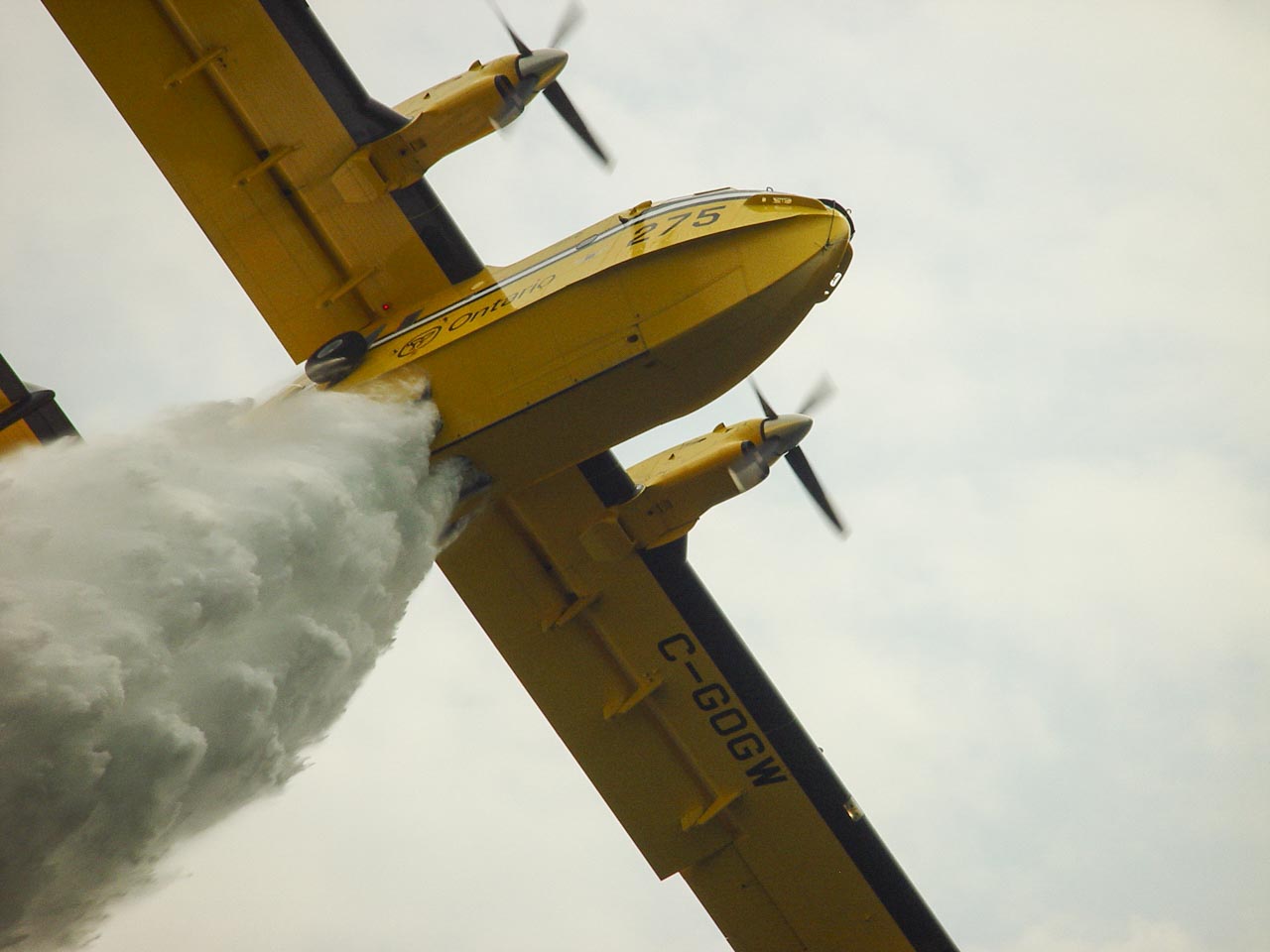 Air quality warnings are becoming a feature of Ontario summers, but for most, the source has felt far away. As southern Ontarians stayed indoors … under air quality warnings this summer, fires closer to home ignited. In July and August, the province experienced a number of wildfires in places including the Kawarthas, a couple hours northeast of Toronto, and near the town of Huntsville, in the cottage country region of Muskoka. Farther north, First Nations communities like the Pikangikum First Nation and North Spirit Lake First Nation were evacuated due to wildfires and smoke… How do wildfires in southern Ontario stack up to the massive fires farther north, and what can be done? Here’s what you need to know. …fires in southern Ontario are different for two main reasons: the forest type and the many, many people here.
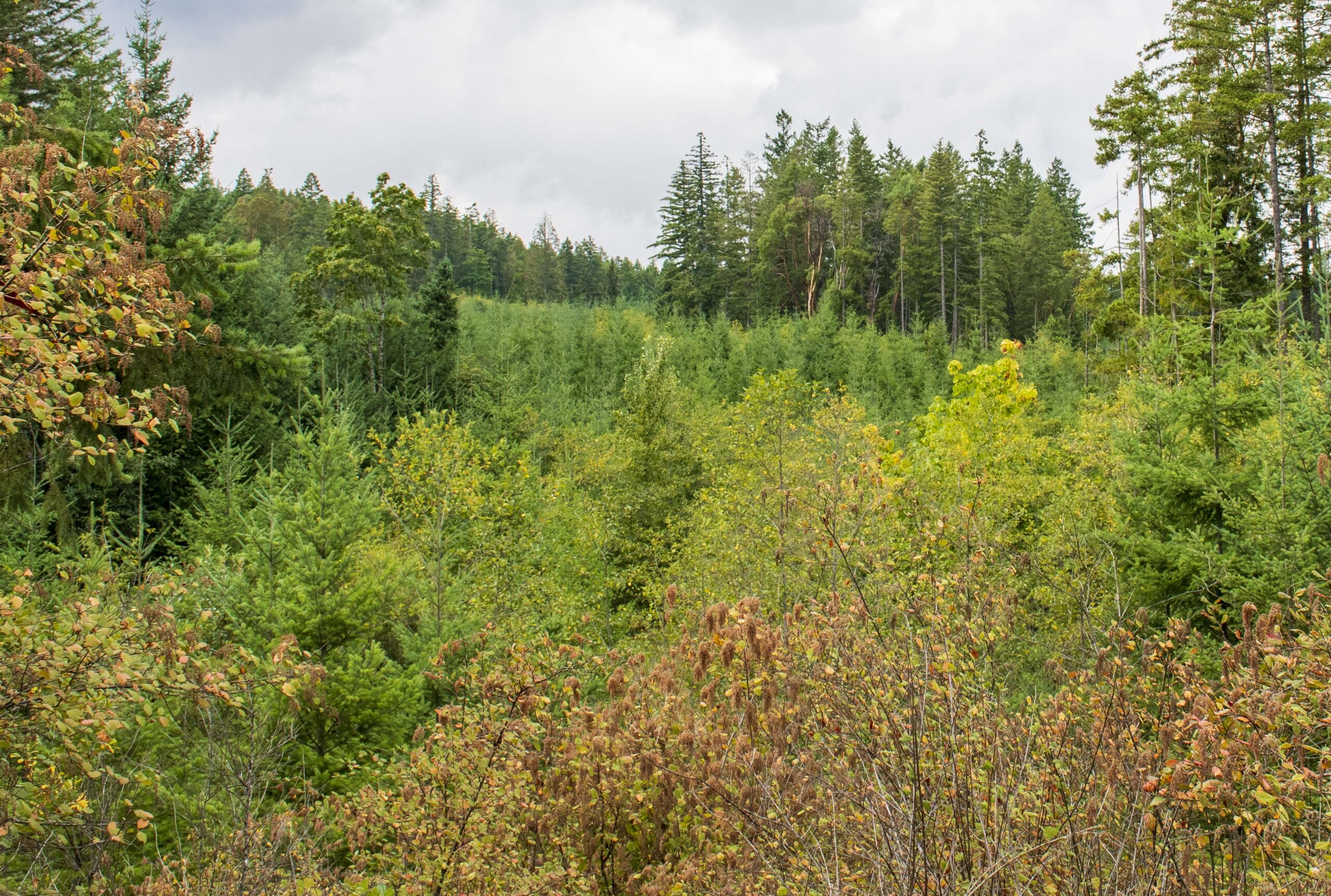 Activists are pushing for more information about where aerial spraying of glyphosate is happening after the Nova Scotia government has stopped releasing the locations for spraying of the herbicide by forestry companies. However the forestry sector says the use of the herbicide gets unfair attention, and identifying the locations draws protesters who block access to woodlots. Glyphosate is used by some woodlot owners to …reduce competition for more profitable softwood species… Previously, the provincial government provided premises identification (PID) numbers for where aerial sprays were approved. That didn’t happen when four approvals for spraying were issued in August. “We don’t have to tell everyone where these PIDs are, because it attracts people who don’t know the full story about forest management to show up roadblock your private woodlot, and prevent you from managing it as you see fit,” said Todd Burgess, executive director of Forest Nova Scotia.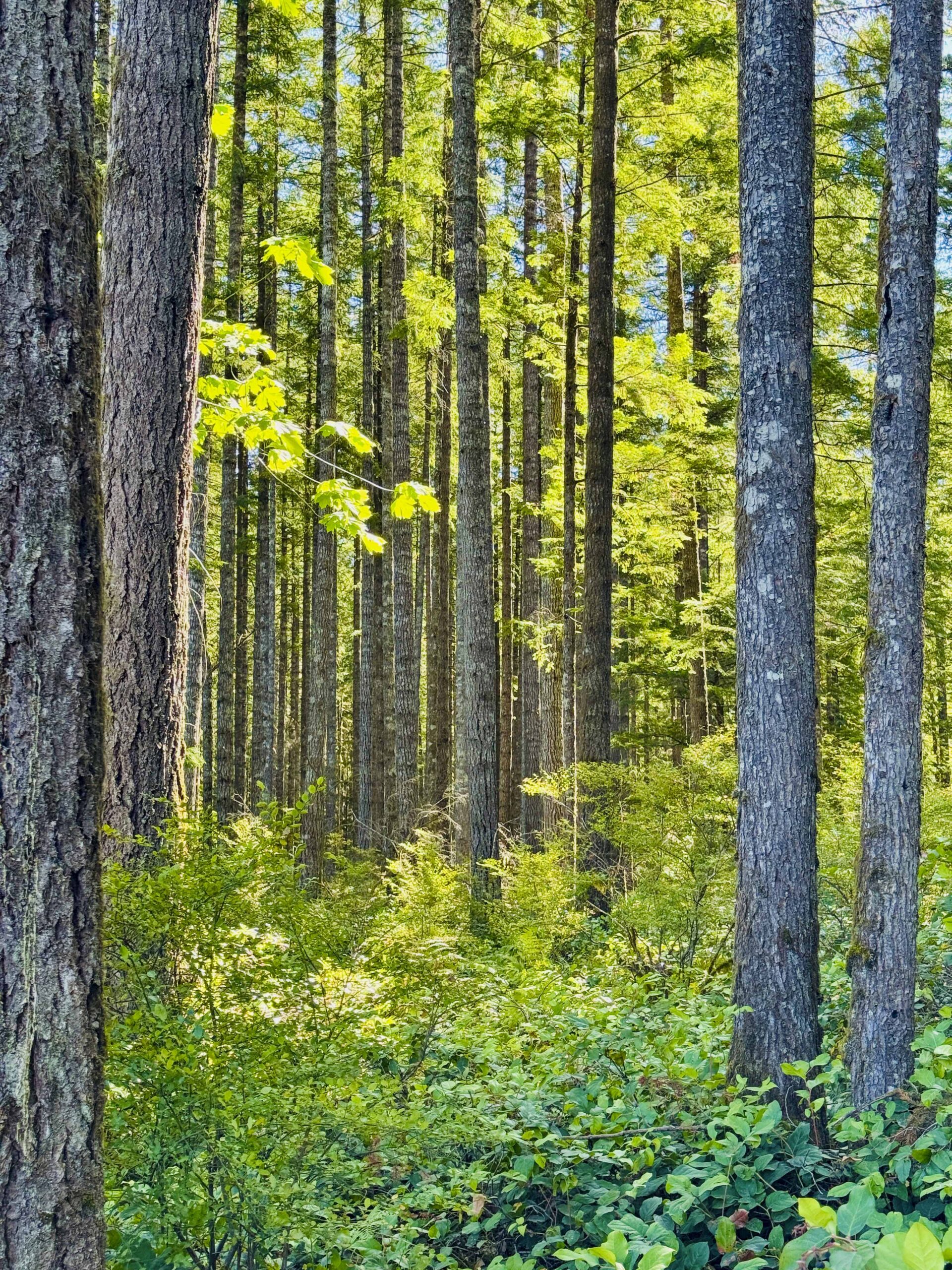


 A monster firestorm roared through the pine and spruce forests of New Brunswick. It burned one-fifth of the province’s forests and raged through villages, reducing buildings to ash and killing at least 160 people — although historians believe that is likely a severe undercount. This was the Miramichi Fire, which 200 years ago this fall announced an era of megafires in North America. Commemorated in folk songs, documented in archives and seared into memory for those who lived through it, the Miramichi Fire to this day ranks among the largest and most devastating fires the continent has ever seen. The Miramichi Fire was the continent’s first megafire rooted in extracting resources from the land, but that century was packed with other examples that collectively destroyed thousands of buildings and caused millions in damages, all while claiming lives. Among the major fires were Quebec City in 1845, 1866, 1876 and 1881; St. John’s in 1846 and 1892; Toronto in 1849, 1885 and 1895; Montreal in 1850, 1852 and 1898 and both Calgary and Vancouver in 1886.
 National forests and wildfire will return to the congressional agenda this week with a pair of House subcommittee hearings on Forest Service programs. The Trump administration’s challenges in managing the 193-million-acre forest system with a sharply reduced workforce — and a big agency reorganization still to come — are likely topics for both the Agriculture and Natural Resources subcommittees. In the Natural Resources hearing, the Subcommittee on Federal Lands will take testimony on the state of national forests, picking up on a hearing that was initially scheduled for July 9. In the Agriculture hearing, the Subcommittee on Forestry and Horticulture will focus on improved active forest management, such as increased thinning of national forests to reduce potential wildfire fuel. [to access the full story an E&ENews subscription is required]
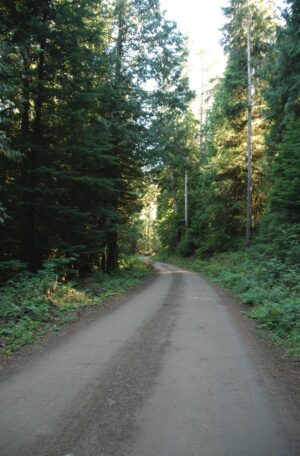 Under the 2001 Roadless Rule enacted by President Bill Clinton, millions of acres of roadless areas on national forests across the country are conserved, protecting vital habitats and watersheds. A “blank spot on a map,” in the words of the naturalist Aldo Leopold, is increasingly valuable in our urbanizing society. …The current administration is right to look for ways to address the growing wildfire threat in these areas. But instead of doing away with the Roadless Rule, the White House should look to a simple way to make our forests more resilient to wildfire without compromising the other benefits. …One way to allow forest thinning and prescribed burns to reduce the wildfire threat is to amend the roadless rule… to permit temporary roads in roadless areas that are near neighborhoods along the wildland-urban interface to allow for forest thinning or other ecological restoration. [to access the full story a NY Times subscription is required]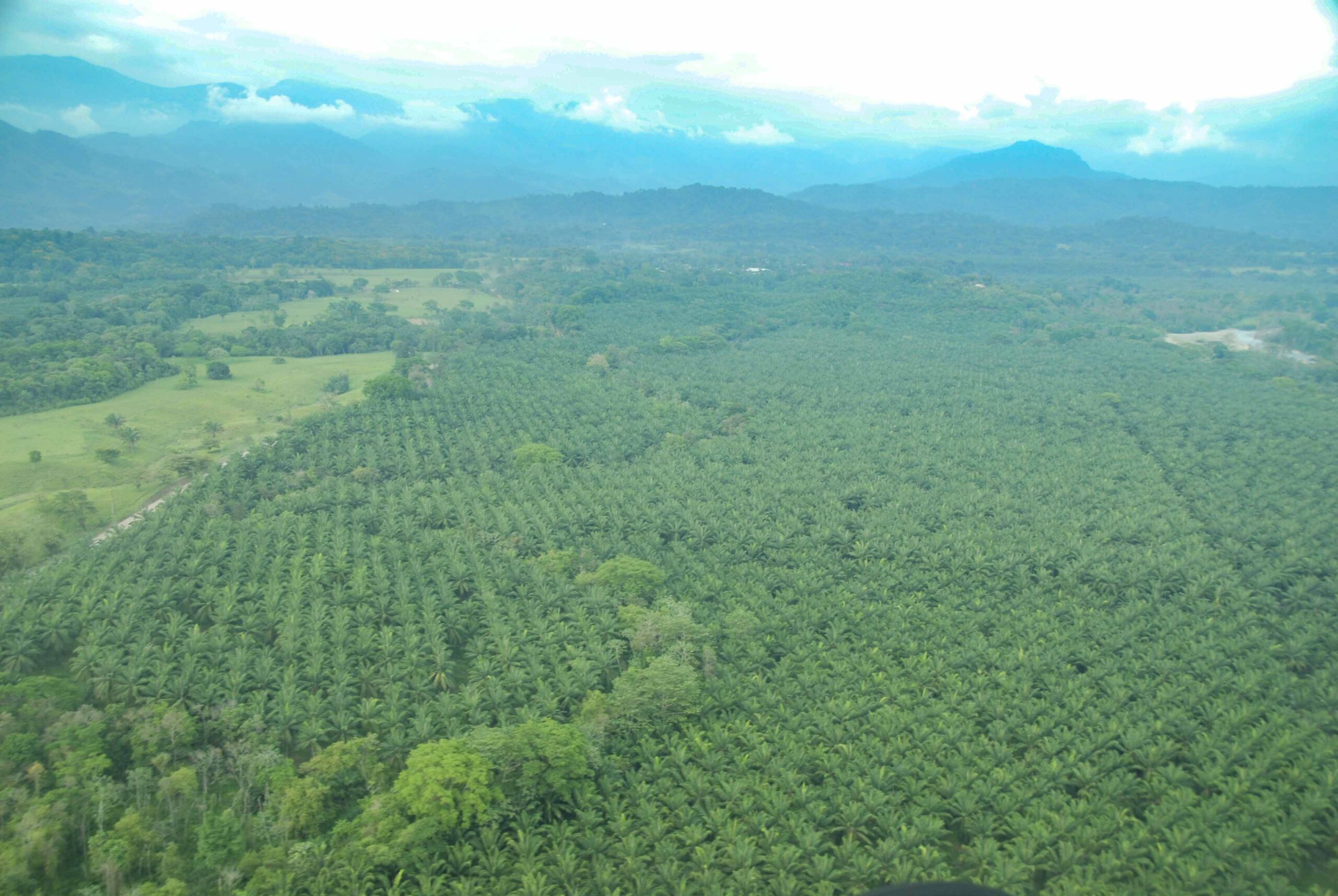
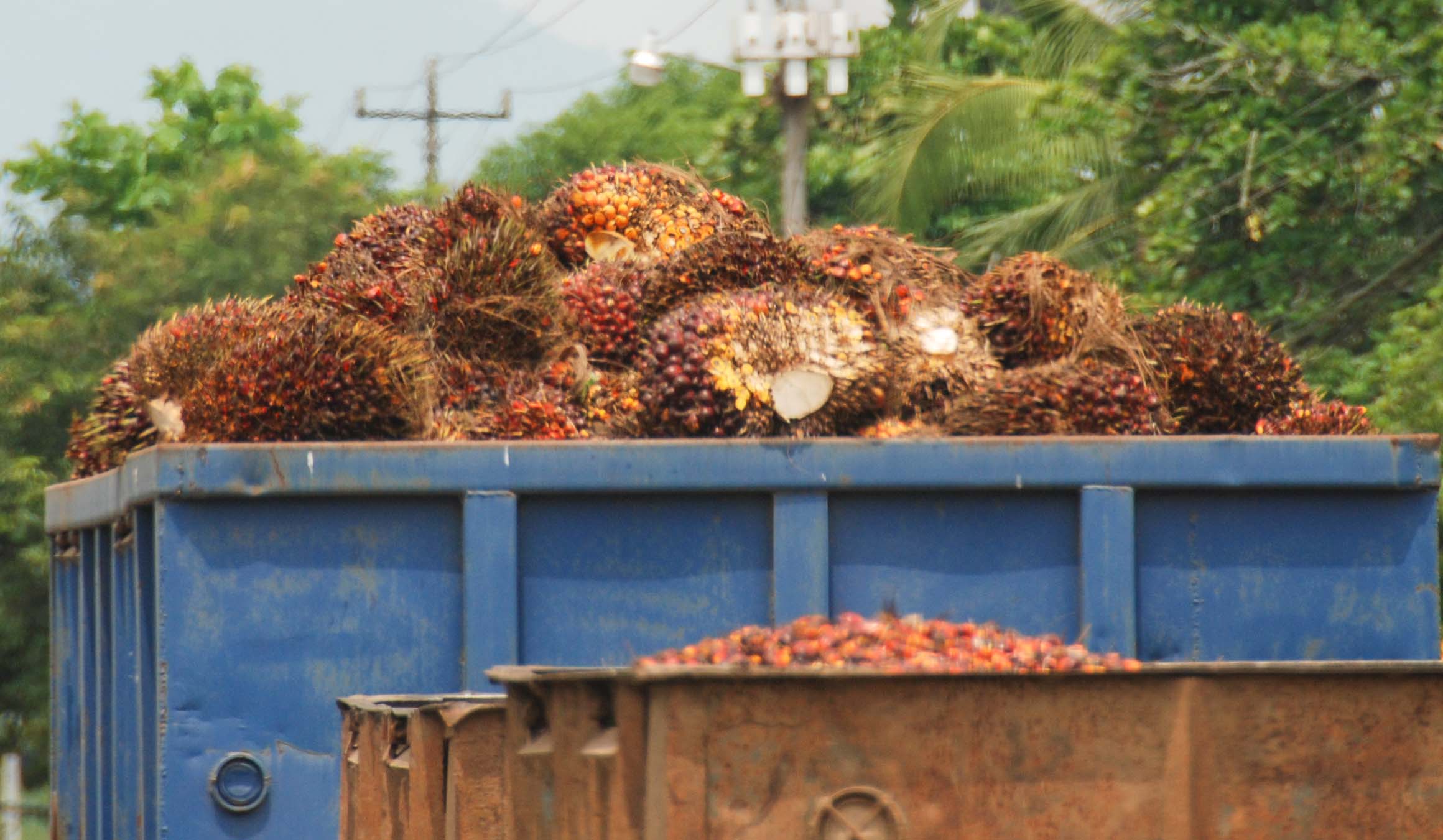 Industry concerns have been raised over a freshly-struck agreement between the EU and the US over future trading arrangements, which observers have asserted could lead to America being offered exceptions from complying with EUDR environmental laws, reports Neill Barston. As the Palm Oil Monitor non-governmental organisation noted, if America is to be permitted exemptions from data monitoring underpinning the entire basis of the much-anticipated deforestation laws following intense lobbying from its paper industry, then other trading partners including Malaysia and Indonesia – which have core interests in the supply of palm oils for the confectionery and snacks sector, should be allowed similar treatment. …Moreover, as the palm oil industry organisation stated, unveiling the broader US-EU Trade Framework Agreement presents an immediate major hurdle for the EU Commission. In seemingly offering preferential treatment for America, this could, in its view, lead to challenges from the World Trade Organisation over equal trading between nationalities.
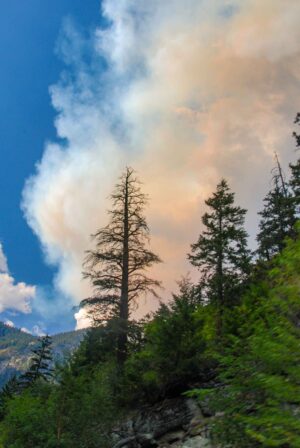 The western United States is facing another destructive wildfire season. …As US forests burn, Congress and federal agencies are asking an important question: What role should federal land management play in reducing fire risk? …Several of the current federal proposals for managing fire risk focus on increasing timber harvesting on federal lands as a solution. They also propose speeding up approvals for those projects by limiting environmental reviews and public oversight. As experts in fire science and policy, we see some useful ideas in the proposed solutions, but also reasons for concern. While cutting trees can help reduce the severity of future fires, it has to include thinning in the right places to make a difference. Without oversight and public involvement, increasing logging could skip areas with low-value trees that need thinning and miss opportunities for more effective fire risk-reduction work.
 Today’s Lookout
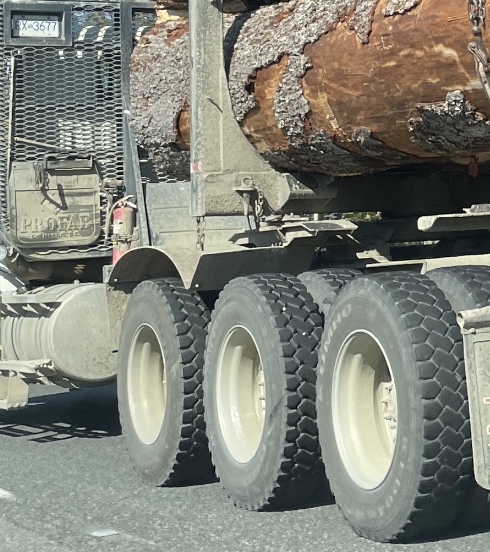 Colorado’s state-specific rule for largely protecting roadless areas in its national forests will be spared from a Trump administration effort to remove such protections on a broader basis. Agriculture Secretary Brooke Rollins said in a news release on Wednesday that a public comment period is opening on her previously announced proposal to do away with the 2001 national roadless rule. But the Agriculture Department also said in the news release that state-specific rules in Colorado and Idaho won’t be affected by the proposal. Altogether, the proposal would apply to nearly 45 million acres, the release said. Eliminating the rule would open roadless areas to road-building. The existing rule has limited activities such as logging in those areas, and was instituted at the end of the Clinton administration.
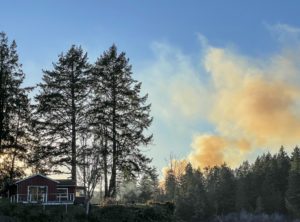 A year after Oregon endures its most destructive fire season on record in 2020, state lawmakers order a map estimating the wildfire risk for every property in the state. It’s the kind of rating now available on real estate sites like Zillow. The state wants to use the results to decide where it will apply forthcoming codes for fire-resistant construction and protections around homes. Around the same time, insurance companies start dropping Oregon homeowners’ policies and raising premiums to limit future losses, much as they have done in other disaster-prone states. Insurers have their own sophisticated risk maps to guide them, but some brokers instead tell homeowners the blame lies with the map. The belief gets treated as fact both on social media and in mainstream news — even though insurers and regulators say it’s not true. …By the time the state pulls back the map, the myths about it have gained so much momentum there’s no stopping them.
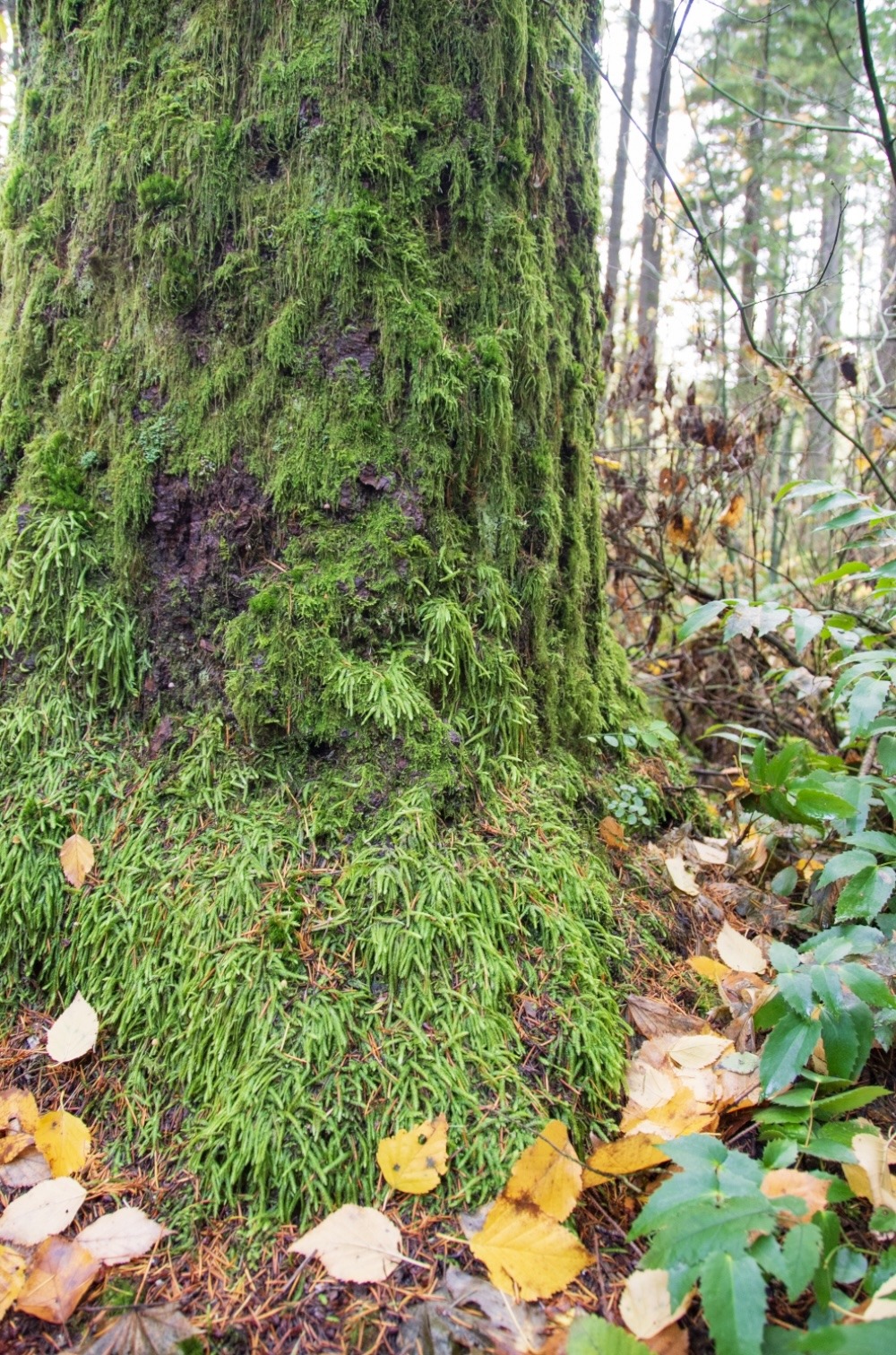 For a small but growing number of Oregon forestland buyers, timber output is no more than a potential byproduct. Their purchases are driven less by a desire for logs than for clean, drinkable water. …city governments have long drawn their drinking water from surrounding forests, but experts say more are now actually buying the tracts encompassing those crucial streams and rivers. …The prospect of hotter, drier weather diminishing summer stream flows — even as populations keep growing — is spurring cities to assert more control over their water supplies, experts say. …Apart from water quality considerations, cities are buying forested watersheds to encourage old growth characteristics, with the intent of actually boosting water supplies over the long term, experts say. …Though municipal ownership of forest watersheds is intended to pre-empt disputes between cities and timber operators, the arrangement can still lead to tension over management decisions.
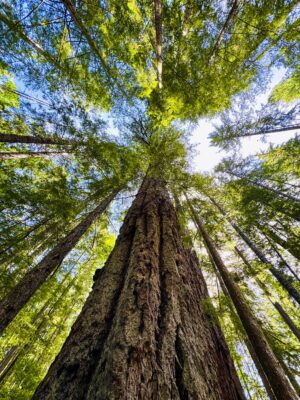 An executive order by Washington Commissioner of Public Lands Dave Upthegrove has put 77,000 acres of older forests off-limits to logging. …Some local activists call these old-but-not-quite-old-growth stands “legacy forests,” and have resorted to protests, including tree sits and road blockades, to stop them from being sawed down. Upthegrove’s order would also allow logging to go forward on 29,000 acres of those almost-old-growth forests. Some environmental groups praised the move, while others say it greenlights too much logging of the best remaining older forests. …Forest activists still hope to save some of areas slated to be logged over the next five years. …State officials say that timber harvest levels — and the revenue that goes to schools and counties — would be largely unaffected by the executive order. …The Department of Natural Resources has 346,000 acres of structurally complex forests on the 2.4 million acres of forestland it manages.
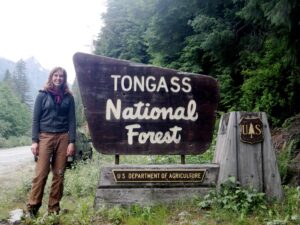 Ten members of the US House of Representatives’ Committee on Natural Resources are making an unusual visit to Alaska this week during a break from business on Capitol Hill. The 45-person committee deals with a variety of issues pertaining to public lands in the United States, and the visit is giving eight Republicans and two Democrats a chance to put their literal hands on the topics they cover. …Among the group was the committee’s chairman, Rep. Bruce Westerman, R-Arkansas, as well as the home-state Republican Rep. Nick Begich. Also attending were Reps. Harriet Hageman, R-Wyoming; Tom Tiffany, R-Wisconsin; Pete Stauber, R-Minnesota; Rob Wittman, R-Virginia; Val Hoyle, D-Oregon; Paul Gosar, R-Arizona; and Sarah Elfreth, D-Maryland. …Several of the Republican lawmakers said they believe there is room to increase logging in the Tongass in order to meet the demand for lumber to build housing, particularly locally.

 The Northwest Forest Plan (NWFP) was developed in 1994 for the 24 million acres of federal land within the range of the northern spotted owl… A network of large reserves for the spotted owl across its range (late successional reserves (LSRs)) were created in the NWFP along with a system of riparian buffers to protect streamside areas. …The Forest Service is currently updating the NWFP and chartered a committee under the Federal Advisory Committee Act to help advise on amending the plan. …We strongly endorse this proposal for widespread restoration treatments in dry forests inside and outside of the LSRs. Reducing stand densities in these forests while retaining all trees over 150 years of age is essential to owl survival, as is reintroduction of fire as a regular management tool. …Integrating forest restoration in dry forests with spotted owl conservation is one of the biggest challenges in updating the NWFP.
 The US Department of Agriculture (USDA) announced it would invest more than $8 million in five new projects, including one in North Carolina. These projects will improve forest health by reducing wildfire risk and improving water quality. …North Carolina has two primary wildfire seasons, one in the spring and one in the fall. …The five new projects include efforts across several states to restore and protect essential landscapes. The National Forest is launching the “Alabama Chattahoochee Fall Line Restoring Longleaf” project in Alabama. Colorado and Wyoming will see work in the Medicine Bow-Routt National Forest through the “Headwaters of the Colorado” initiative. Montana’s Lolo National Forest is beginning the “Blackfoot River Valley Landscape Mosaic” project, while North Carolina’s National Forests are moving forward with “Uwharries to Sandhills, Phase 2.” Finally, Oregon’s Mt. Hood National Forest will focus on “Hood River Wildfire and Watershed Resilience.”


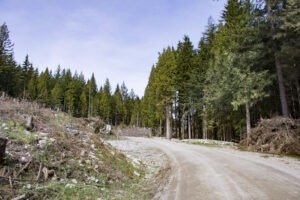 UK — The majority of leading tropical forestry companies do not disclose where their materials come from, meaning they will fail to comply with the EU’s forthcoming Regulation on Deforestation-free Products (EUDR). The Zoological Society of London’s (ZSL) latest assessment found that only 18% of the world’s largest 100 tropical forestry companies disclose the countries from which they source. Additionally, only 4% state the percentage of their supply that is traceable to the forest management unit level. The assessment additionally found that none of the companies studied have published georeferenced maps for third-party FMUs, with only 3% reporting on how much of their supply is verified deforestation-free. Without clarity around sourcing and supply, companies are unable to prove responsible sourcing to stakeholders. Given that the timber and pulp industry is worth $480bn a year, ZSL said, small traceability failures can put billions of market value at risk.
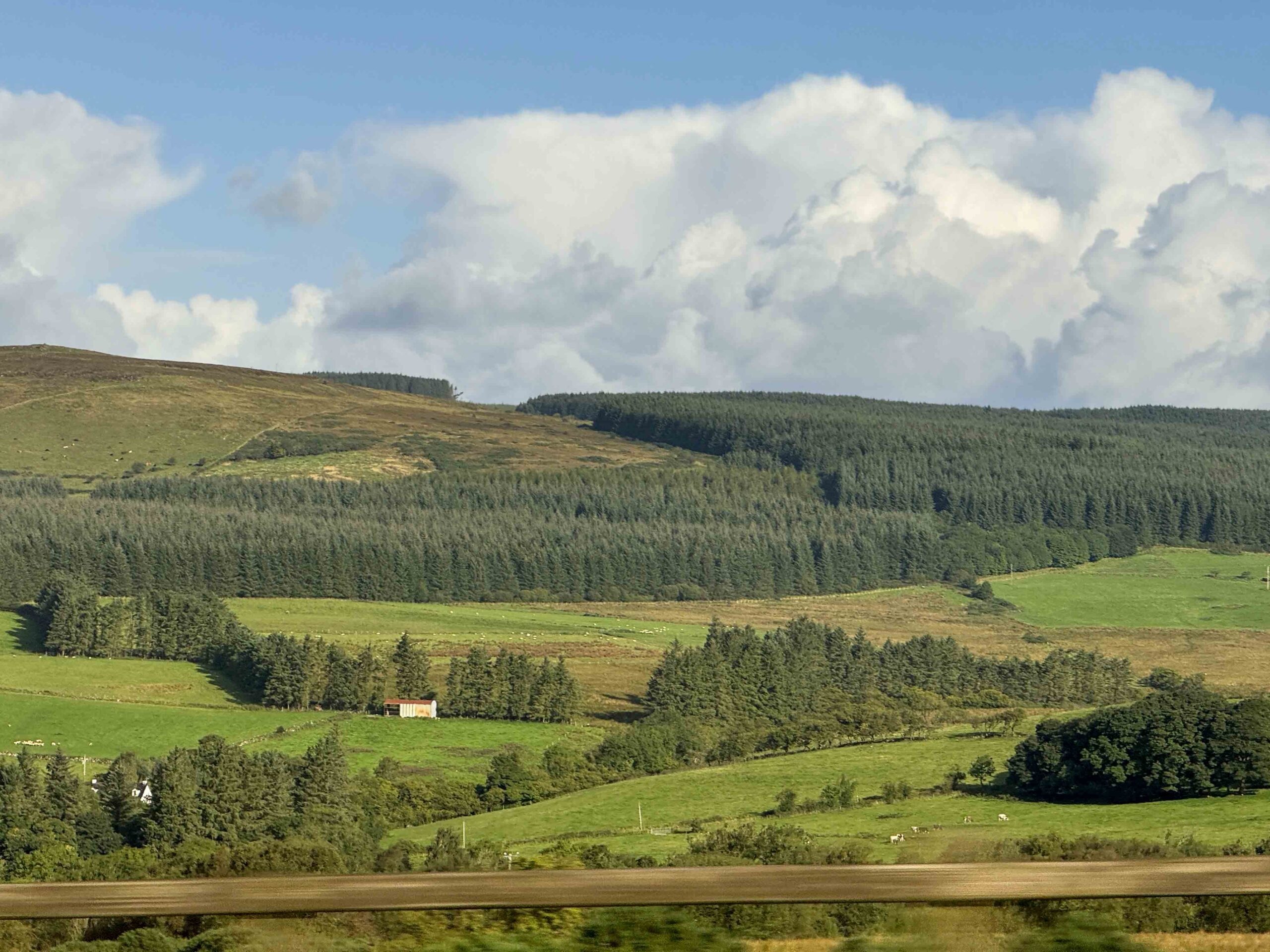 IRELAND — The next forestry programme must “ensure that forestry as a land use option is economically viable and competitive, while satisfying environmental requirements”, according to the Irish Farmers’ Association (IFA). IFA president Francie Gorman has said that forestry is a “strategically important sector that has a key role to play in achieving climate change targets”. …Ireland’s largest forestry and timber body, Forest Industries Ireland (FII) has highlighted the “huge opportunity” for farmers “to take advantage of afforestation grant schemes” during a meeting with the IFA this week. FII highlighted the need for more farmers to consider planting forestry on their land amid rapid growth in global demand for timber products, driving up the value of future forestry harvests. “The Irish timber industry has the potential to significantly grow as many countries move towards net zero carbon targets and focus on sustainable building materials such as timber.”
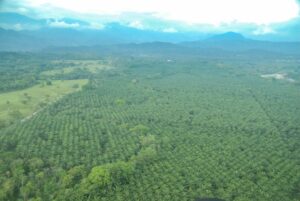 The Amazon rainforest is one of Earth’s most diverse ecosystems, playing a key role in maintaining regional and global climate stability. However, recent changes in land use, vegetation, and the climate have disrupted biosphere-atmosphere interactions, leading to significant alterations in the water, energy, and carbon cycles. …Here, we quantify the relative contributions of deforestation and global climate change to observed shifts in key Amazonian climate parameters. We analyzed long-term atmospheric and land cover change data across 29 areas in the Brazilian Legal Amazon from 1985 to 2020. …While the rise in atmospheric methane (CH4) and carbon dioxide (CO2) mixing ratios is primarily driven by global emissions, deforestation has significantly increased surface air temperatures and reduced precipitation during the Amazonian dry season. Over the past 35 years, deforestation has accounted for approximately 74% of the ~ 21 mm dry season decline and 16.5% of the 2°C rise in maximum surface air temperature.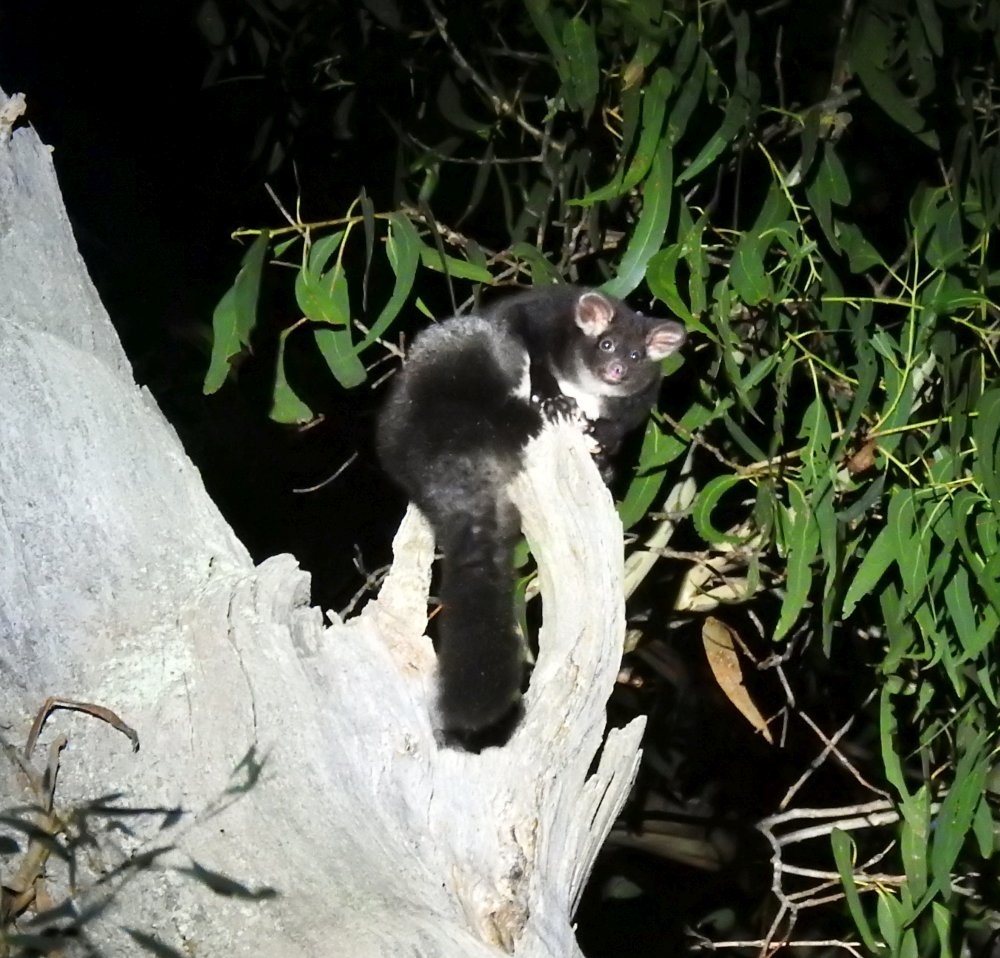
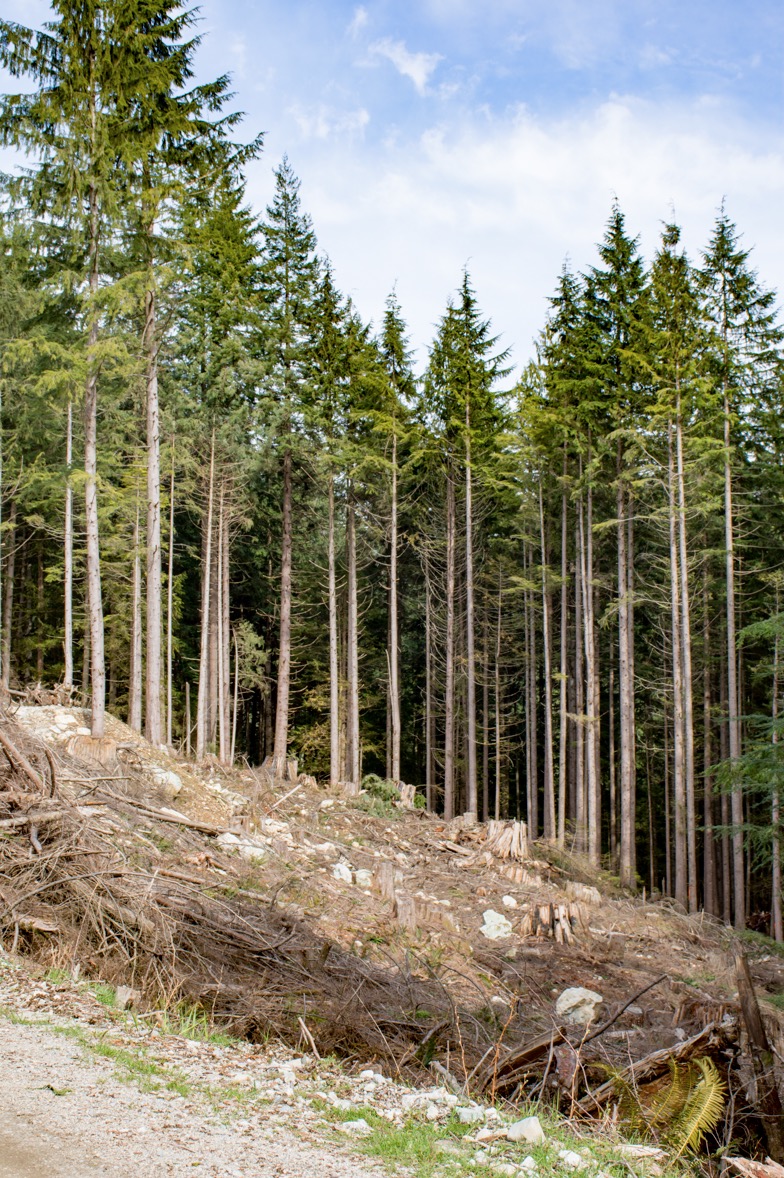 The occurrence and fate of microplastics in forest ecosystems is a recognized knowledge gap. In this paper, we used an aligned extraction method to quantify microplastics (>20 µm) in organic and mineral forest soil horizons and throughfall deposition. Calculation of forest soil microplastic stocks and throughfall fluxes allowed an estimation of throughfall contribution to microplastic accumulation in forest soils back to 1950. We identified a short-term microplastic enrichment in decomposed litter horizons followed by an accumulation in lower mineral soil caused by litter turnover processes. Similar microplastic features in soil and throughfall deposition indicate that microplastics entering forest soils primarily originate from atmospheric deposition and litter fall, while other sources have a minor impact. We conclude that forests are good indicators for atmospheric microplastic pollution and that high microplastic concentrations in forest soils indicate a high diffuse input of microplastics into these ecosystems.