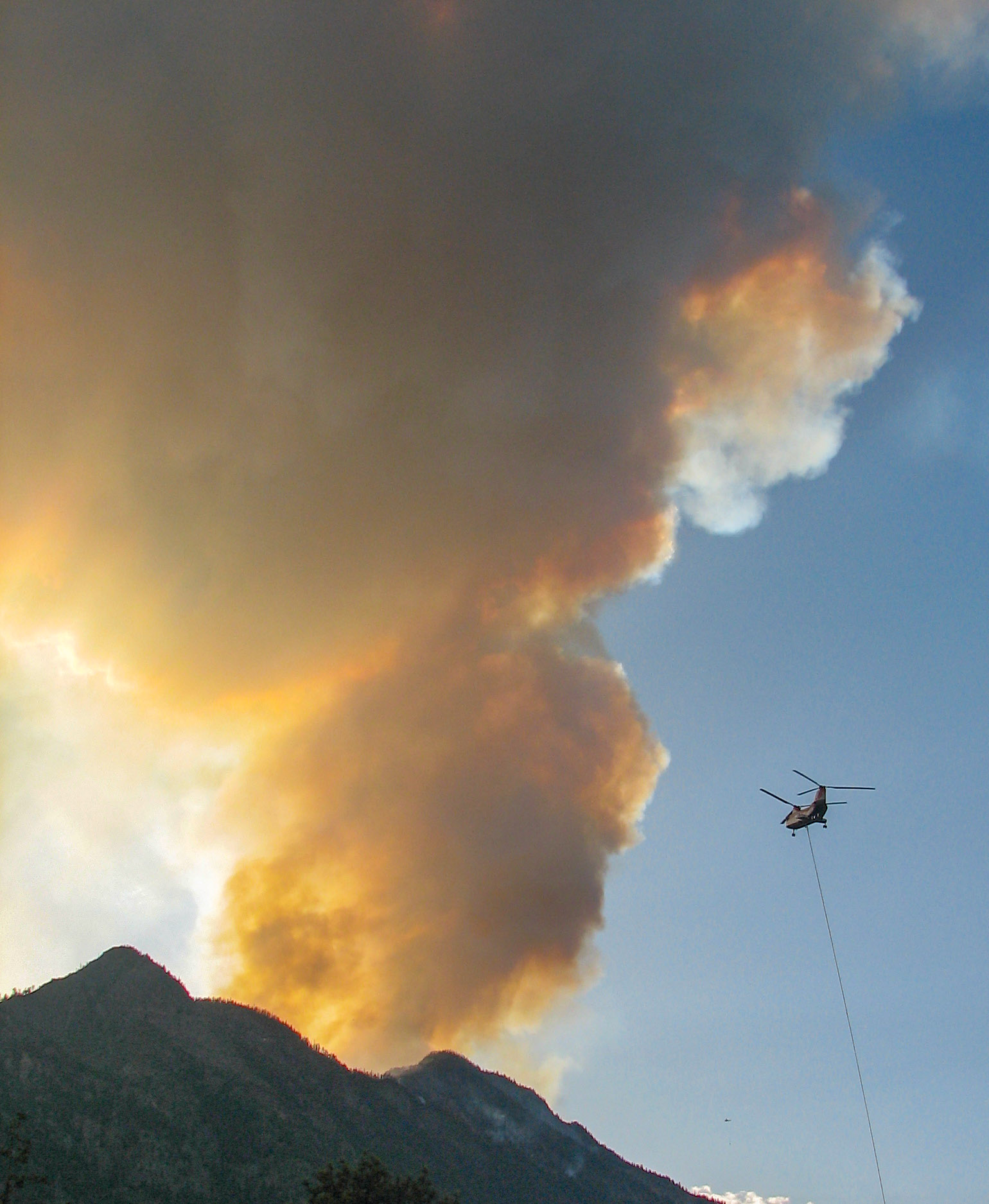
 Canada’s premiers met June to talk infrastructure but were distracted by the small matter of the forest fires raging across the West at the time. …Six weeks later, the country is well into one of its worst wildfire seasons ever. …“Suppression alone is no longer adequate to address the growing challenges from wildland fire,“ the Canadian Council of Forest Ministers said in a report last year. ”Wildland fire management in Canada needs to be transformed.” That means creating a national regime of prescribed burns – the deliberate setting of fires under controlled circumstances to reduce the number and intensity of forest fires, and to limit damage to property. It’s a practice that Indigenous peoples in Canada and elsewhere used for millennia to manage their lands. But its use is sharply limited in Canada, mostly because politicians are scared to the point of paralysis by the off-chance that a government-sanctioned burn could get out of control.
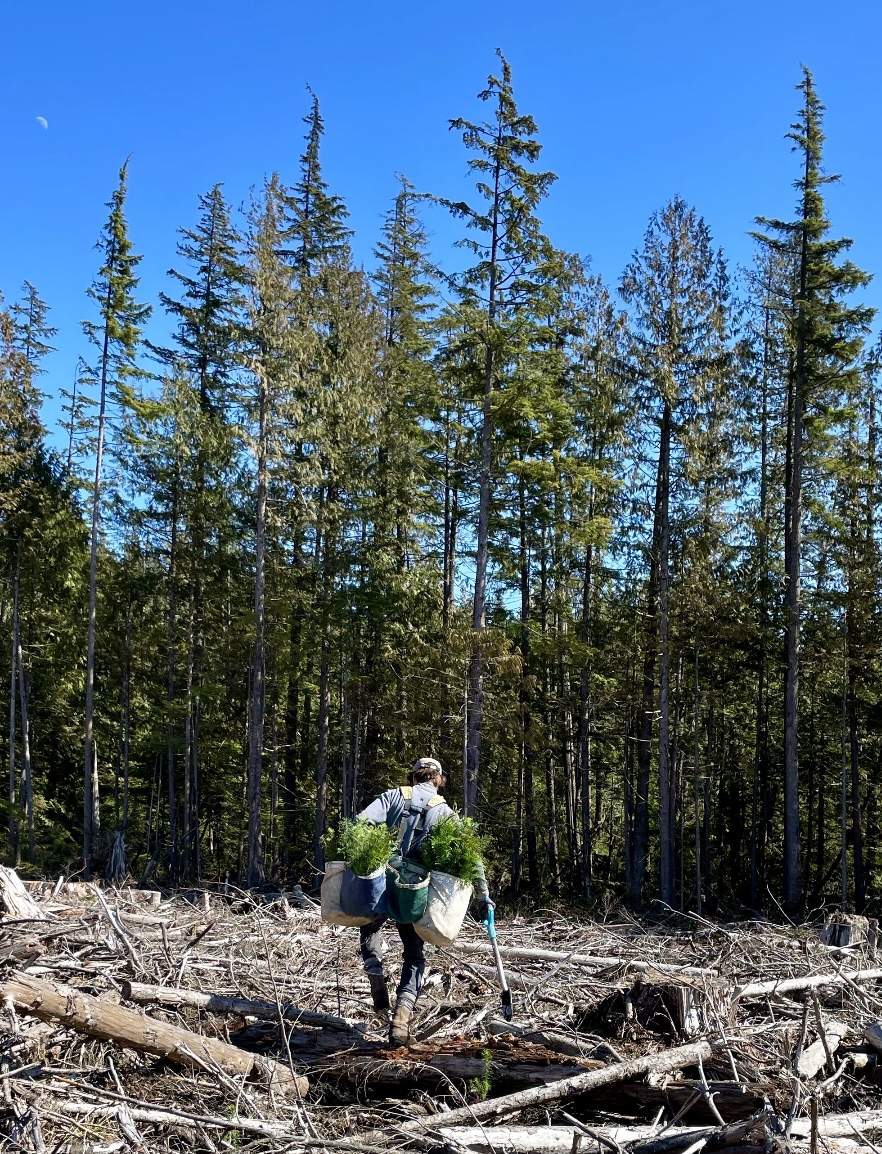 It is estimated that 130 million trees in the Tłı̨chǫ region alone were burned in the devastating 2023 fires. An ambitions new reforestation project is taking on a unprecedented initiative to plant over 1 million trees as part of a six-year plan to plant 13 million trees to bring back the forest. The Tłı̨chǫ Government is holding a special opening ceremony tomorrow at the Behchokǫ̀ Culture Centre at 10:00 a.m. in celebration of the launch of their major reforestation project. “This will mark the beginning of the largest reforestation effort ever undertaken in the Northwest Territories,” said Paul Cressman, who is working with the Tłı̨chǫ government on the new reforestation project. Over the summer, 1.4 million trees will be planted around Behchokǫ̀, Russell Lake, and James Lake. Using locally harvested seeds, the tree planting is “the first step” in a six-year plan to plant 13 million trees across Tłı̨chǫ lands.
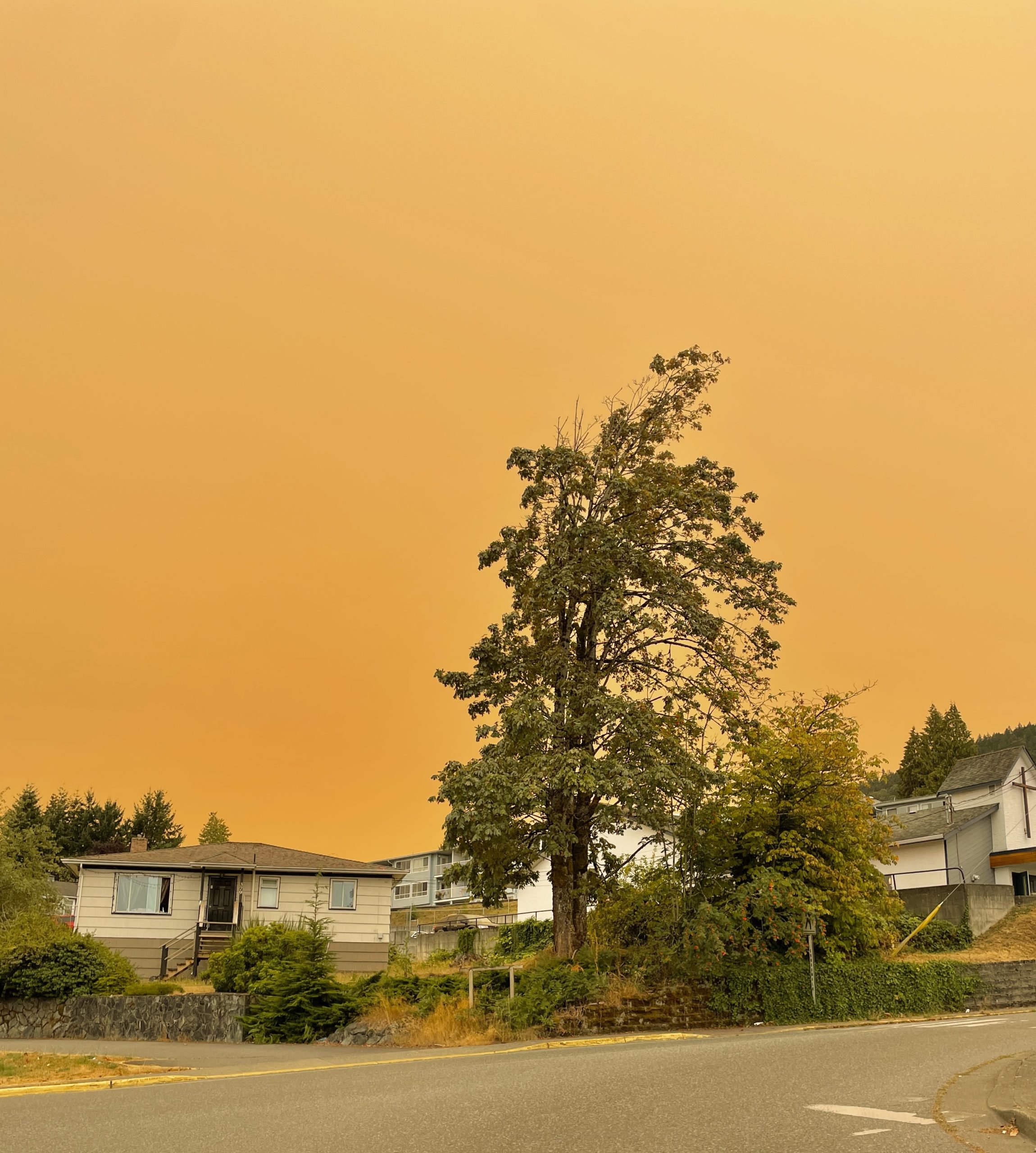 Hundreds of wildfires are burning across the Western states, Alaska and Canada as fire season perks up amid a sprawling heat wave and widespread dry conditions. …Fires are being fueled by widespread high temperatures and dry conditions. …The preparedness level is at 4 out of 5 for the U.S., and 5 out of 5 in Canada. Intense fire behavior was reported in 10 western US states over recent days in regions afflicted by heat and drought. …Alaska has seen major wildfire activity over the past week, with more than 300,000 of the 750,000 acres burned this year going up in flames, according to the Alaska Division of Forestry & Fire Protection. …After a bit of a lull in firestorms in late June to early July, Canadian wildfires returned in a big way. More than 350 fires are burning out of control across the western two-thirds of the nation. Among the most concerning fires flaring, many are in Manitoba. [A Washington Post subscription is required for full access to this story]
 It had to be a joke, right? A group of MAGA lawmakers moaning about “suffocating Canadian wildfire smoke”. …But, no. …It makes no mention of the tens of thousands of Canadians forced to evacuate this year or those who have died. The signatories conveniently ignore the fact that smoke from the US side of the border regularly smothers those of us who live north of it. In fact, the complaint does not mention fires in the US at all, even though more than two million acres have burned so far this year, and Canadian firefighters have deployed to assist their US colleagues, just as US wildland firefighters have been helping in Canada. Given the MAGA credentials of the complainants, you may not be surprised to hear their complaint blames a “lack of active forest management”… admonishes Canada for not preventing arson and makes no mention of climate change whatsoever.
 Five students from across the country are bringing their unique voices to the forests this summer. Now in its twelfth year, Forest Products Association of Canada’s (FPAC) 2025 Green Dream Internship Program offers students an opportunity to explore the sector from the inside out, share their experiences, and receive a $1,000 scholarship to support their studies. Over six weeks, interns will document their time in the field through creative storytelling on social media and short videos capturing everyday moments in forest operations…. “The Green Dream Internship is a window into the next generation of talent in our sector”, said FPAC President and CEO, Derek Nighbor.
  2025 Green Dream Interns include: Marina Penner, Mercer International, Peace River, AB; Cynthia Laflamme, Domtar, Dolbeau-Mistassini, QC; Andy Chen, West Fraser, Slave Lake, AB; Elizabeth Phillips, Tolko Industries, Meadow Lake, SK; and Logan Englot, Weyerhaeuser, Hudson Bay, SK

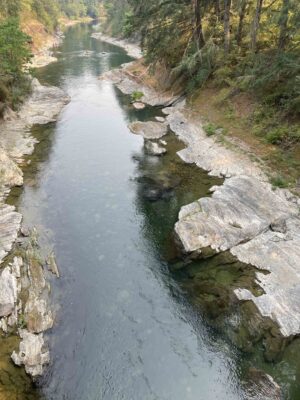 Clear-cutting can make catastrophic floods 18 times more frequent with effects lasting more than 40 years, according to a new UBC study. In one watershed, these extreme floods also became more than twice as large, turning a once-in-70-years event into something that now happens every nine. “This research challenges conventional thinking about forest management’s impact on flooding,” said senior author Dr. Younes Alila, a hydrologist in the UBC faculty of forestry. “We hope the industry and policymakers will take note of the findings, which show that it matters not only how much forest you remove but also where, how and under what conditions.” The UBC-led study draws on one of the world’s longest-running forest experiments at the Coweeta Hydrologic Laboratory in North Carolina and is published in the
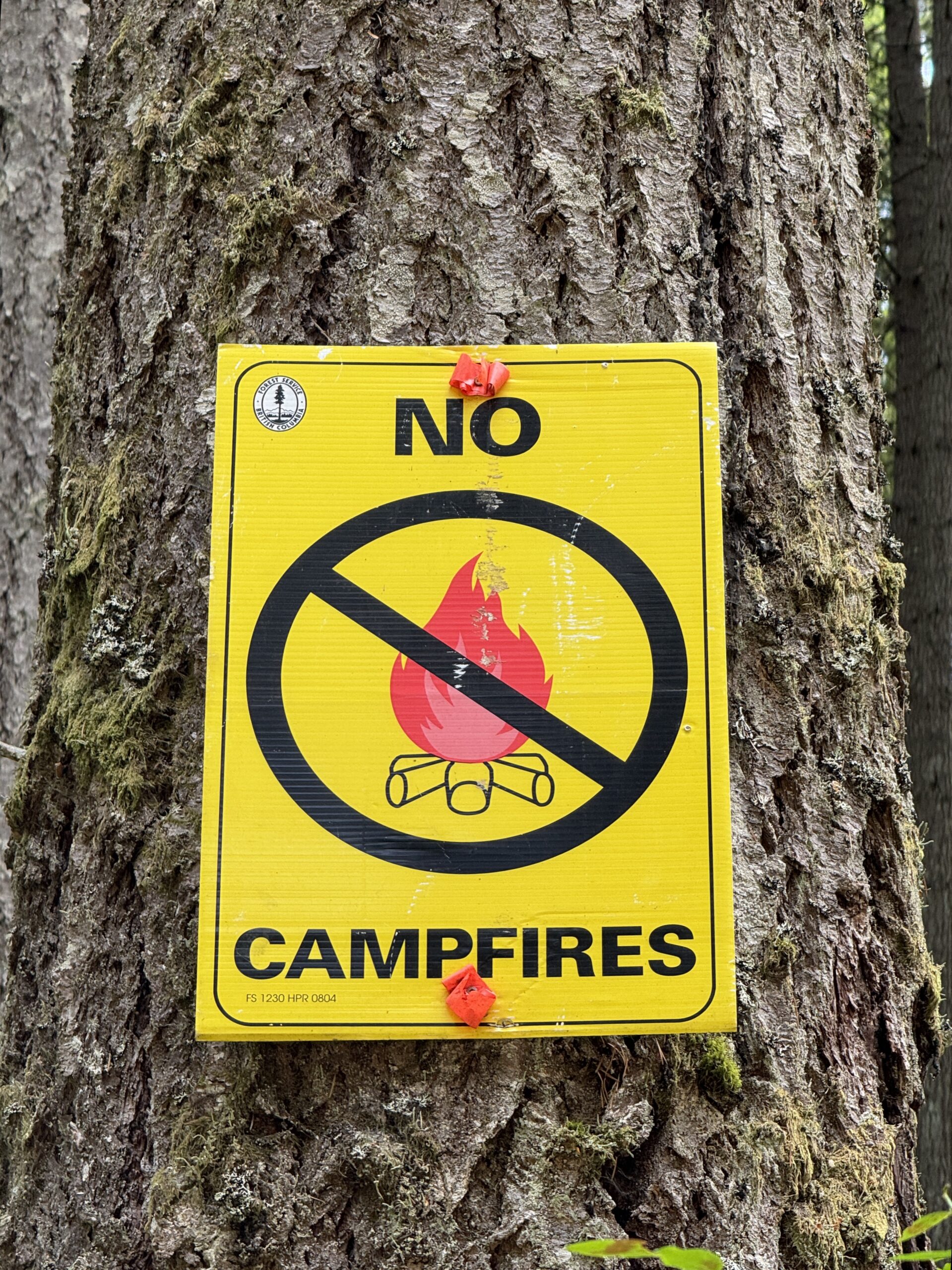 The Coastal Fire Centre will put a campfire ban into effect this week. The ban will be in place starting at noon on Thursday, July 17, noted a Coastal Fire Centre information bulletin issued Tuesday, July 15. Campfires will be prohibited on Vancouver Island and throughout the Coastal Fire Centre region with the exception of Haida Gwaii and the portion of the Central Coast Regional District within the North Island Central Forest District. Existing open fire prohibitions in the Coastal Fire Centre’s jurisdiction enacted May 30 will remain in place, and fireworks and burn barrels are restricted in most areas. “Open fire is the largest cause of human-caused fires provincially,” noted the information bulletin. “Human-caused wildfires are entirely preventable and may divert crucial resources from naturally occurring and/or existing wildfires.” The campfire ban and previous burning bans will be in place until Oct. 31 or until the orders are rescinded.
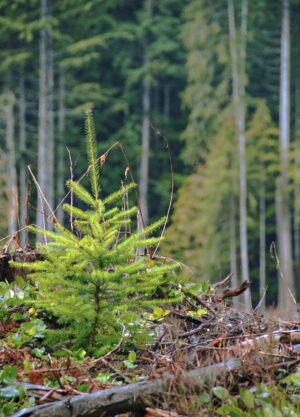 With the wildfire season intensifying in recent years, post-wildfire restoration has become increasingly critical. A Vancouver tech company drawing investor attention says it has an answer for not only replanting trees, but helping to rebuild forests that are more resilient to future fires. Veritree Technology Inc. is a platform that uses ecological data and monitoring tools to support tree planting, tracking and reporting. “Today, areas that historically wouldn’t have burned from wildfires are actually burning much hotter. At times, that burns the seed stock that would otherwise naturally regenerate after a wildfire,” said Derrick Emsley, CEO and co-founder of Veritree. He said that without intervention, deciduous species could grow back fast, crowding out the chance for a mature, healthy natural forest to regenerate, which leaves the area more vulnerable to wildfires in the future.




 The Department of Forest Resources Management, Faculty of Forestry, at the University of British Columbia (UBC) Vancouver campus is recruiting an outstanding researcher in Natural Resources Governance. The successful candidate is expected to be eligible for a full-time appointment at UBC at the rank of Professor, or the rank of Associate Professor… The successful appointee will be nominated for a Canada Excellence Research Chair (CERC). …The appointment presents a unique opportunity for leading research focused on developing, implementing, and maintaining a research program in natural resources governance capable of advancing multiple sustainable development priorities. …As a faculty member and CERC holder, the successful candidate will be expected to lead a strong, externally–funded research program, supervise postdoctoral fellows and graduate students, teach undergraduate and graduate courses, collaborate with other faculty members, and actively participate in service to the Department, University, and academic/scientific community.
 The B.C. government, Fort Nelson First Nation and the B.C. Energy Regulator (BCER) are working collaboratively to implement new protection measures to support boreal caribou recovery in northeastern B.C. “Helping caribou populations recover is a complex challenge requiring multiple approaches to stabilize and reverse the decline of herds in B.C.,” said Randene Neill, Minister of Water, Land and Resource Stewardship. “The Boreal Caribou Protection and Recovery Plan and the implementation of the new measures are crucial for caribou-recovery efforts in these four northeast ranges. The Fort Nelson First Nation community continues to be an integral partner in this important work.” …The Boreal Caribou Protection and Recovery Plan was co-developed by the B.C. government and Fort Nelson First Nation, with contributions from the Northern Rockies Regional Municipality. The plan is designed to meet federal and provincial targets for species-at-risk recovery, while supporting opportunities to strengthen the natural-resource economy in the region.
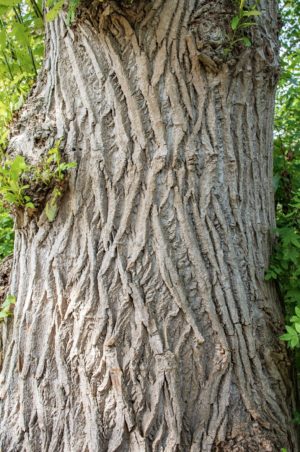 Floating fluff? Summer snow? Cotton balls? If you’ve been noticing more of that white stuff floating around the N.W.T. this summer, you’re not alone. “One thing I noticed is a buildup of that stuff in my yard,” Yellowknifer Justin Grandjambe said. “When it’s windy it kind of gathers in corners and stuff … almost looks like a little bit of snow.” Turns out, that fluff is from trees dispelling their seeds. It’s a stress response from the poplars, aspen and willows reacting to the dry conditions from the past few years, according to the N.W.T.’s department of Environment and Climate Change (ECC). Within each fluff ball is a bunch of tiny seeds. The department’s experts couldn’t say how much more “fluff” there is this year compared to other years. That’s something that might also vary depending on where in the territory you’re looking.
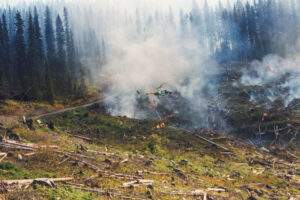 Host Stephanie Massicotte speaks with an expert from the University of Saskatchewan about how long it takes forests to grow back, and whether people should step in to help. [Listen to the segment from Saskatoon Morning here]
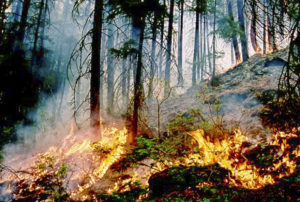 As wildfires become more frequent and intense across Canada, fire officials are seeing stark differences between northwestern and northeastern Ontario. They say it all comes down to what’s burning, how it burns, and where. More than 2.2 million hectares have burned in Ontario’s northwest since 2015, compared with around 287,000 hectares in the northeast. “The three things that we need to consider are the weather, the fuels and the topography,” said Chelene Hanes, a wildland fire research scientist at the Great Lakes Forestry Centre in Sault Ste. Marie. Northwestern Ontario typically gets a minimal amount of rain, whereas the northeast has a wetter climate and vast peatlands, she explained. …”On the [northwest] side of the province, and moving into the prairies, they’ve experienced a bit more drought, which is influencing the moisture of the fuels. So that is causing more ignitions to happen as well, because it’s drier,” Hanes said.
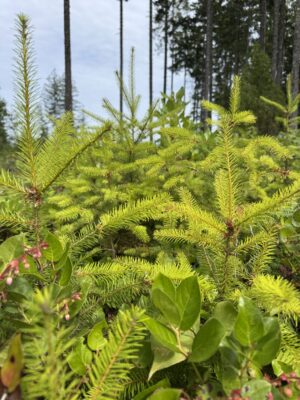 WHITBY, Ontario — Ryan Turnbull, Parliamentary Secretary to the Minister of Finance… highlighted a $4-million federal investment for tree-planting projects in urban and suburban areas in southern Ontario. Trees For Life will collaborate with planting partners to plant an average of 24,000 trees annually over five years, for a total of 120,000 trees in communities across southern Ontario. The collaboration with Trees For Life is already ahead of target, supporting the planting of 83,000 trees in southern Ontario with 35,000 trees planted in 2024 and 48,000 trees planted across 40 projects in 2025 to date. This project builds on a successful regional model piloted in the Durham Region.
 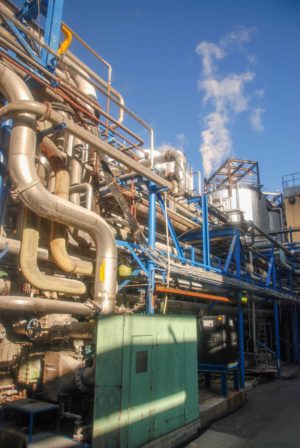 With the announcement that there won’t be a new kraft pulp mill being built in Liverpool, the long and expensive Northern Pulp saga begins winding down. Here’s the little we know about what Northern Pulp and its associated companies are worth, who’s likely to get paid and what the taxpayer might be on the hook for. When it filed for creditor protection in 2020, Northern Pulp estimated it had $254 million in assets and $311,019,464 in liabilities. But half of those assets – what it estimated as $130 million worth of equipment and land associated with a cold-idled pulp mill at Abercrombie Point – comes with a large and undetermined liability for whoever gets stuck with the cleanup costs. How much the taxpayer ends up on the hook both for unpaid loans to Northern Pulp and cleanup of the mill site will rely on how much gets paid for the companies’ assets.
 A new peer-reviewed scientific study [
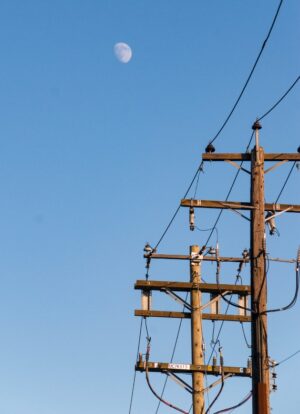 Montreal’s tree-lined streets are one of the city’s greatest assets — they clean the air, add bursts of green to the scenery and help push the concrete background. But when storms hit, those trees clash with the urban landscape and are a major cause of power outages. That’s why Hydro-Québec is now using new technologies to find a way for trees to coexist with its power lines. “We’re trying to make a digital twin of the network to see if there are interactions between the tree and the network,” said Étienne Langdeau, director of vegetation management for Hydro-Québec. Artificial intelligence then measures the trees before and after a weather event, like a windstorm, to see which branches broke. The algorithm uses this information to get better at predicting which branches are most likely to snap. In turn, technicians can preemptively cut these branches before they become a problem.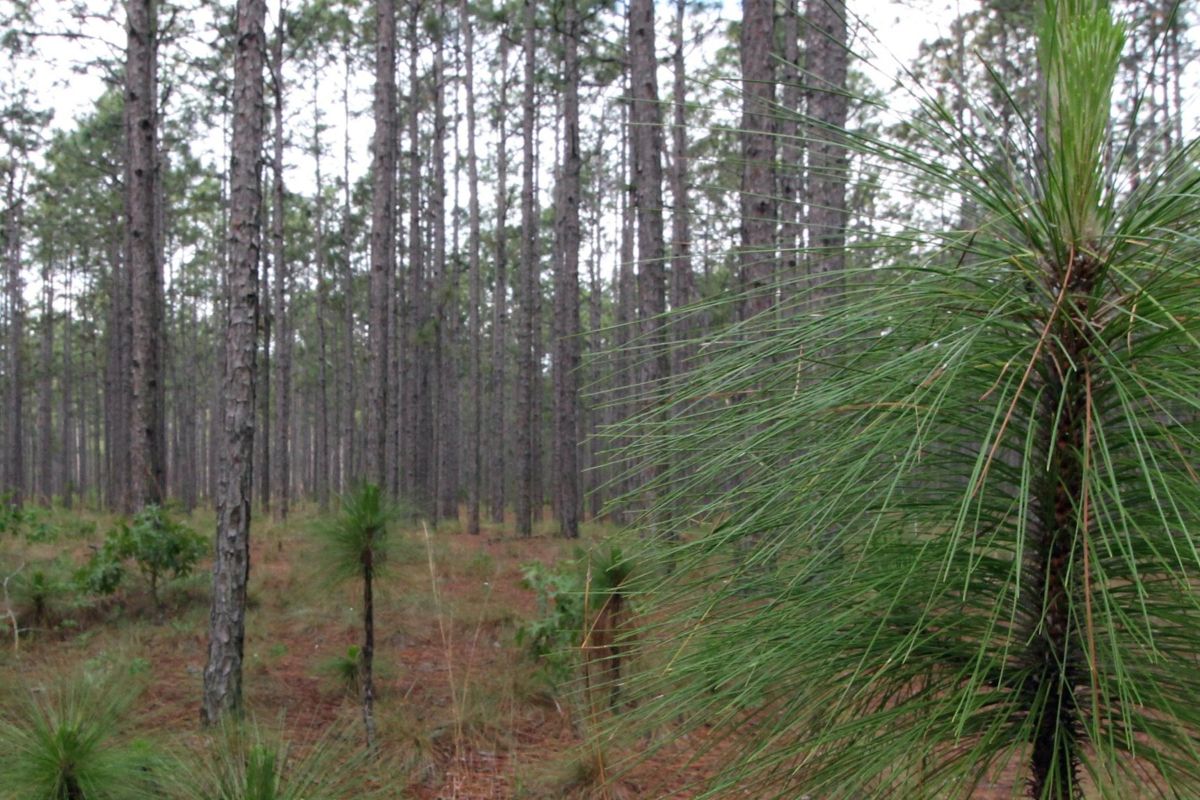

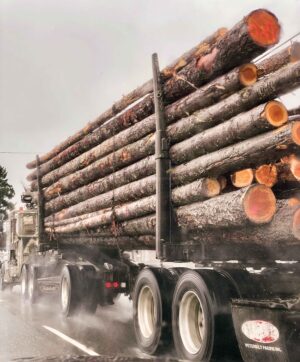 OREGON — Jeff Brink takes pride in working on the same land his father did, in the national forests surrounding Oakridge, Oregon. But in the decades since, less and less timber has been harvested, and more and more megafires have threatened his hometown. “There needs to be some active management, because no management has given us this result,” he said. When the Trump administration announced executive actions aimed at increasing timber production on federal lands, Oregonians had mixed responses. Loggers and timber towns celebrated the attention, while environmentalists sounded the alarm over fears of deregulation and environmental harm. Local stakeholders wonder what forest management will look like in practice. …The timber industry and environmentalists still have questions as to the actual implementation of policy and changes in practices by federal agencies. Oregon Wild is one of many environmental groups that believe the new executive actions threaten landmark environmental laws.
 Members of the U.S. Senate Energy and Natural Resources Committee differed along party lines at a Thursday hearing about how the U.S. Forest Service should partner with states and how the federal wildfire response should be organized. Senators of both parties emphasized the importance of working with state forest managers. But while Republicans praised the efforts of Forest Service Chief Tom Schultz … to reach out to state governments, Democrats noted that President Trump’s
  The U.S. Forest Services plans to cut its budget by $391 million for fiscal year 2026, according to a
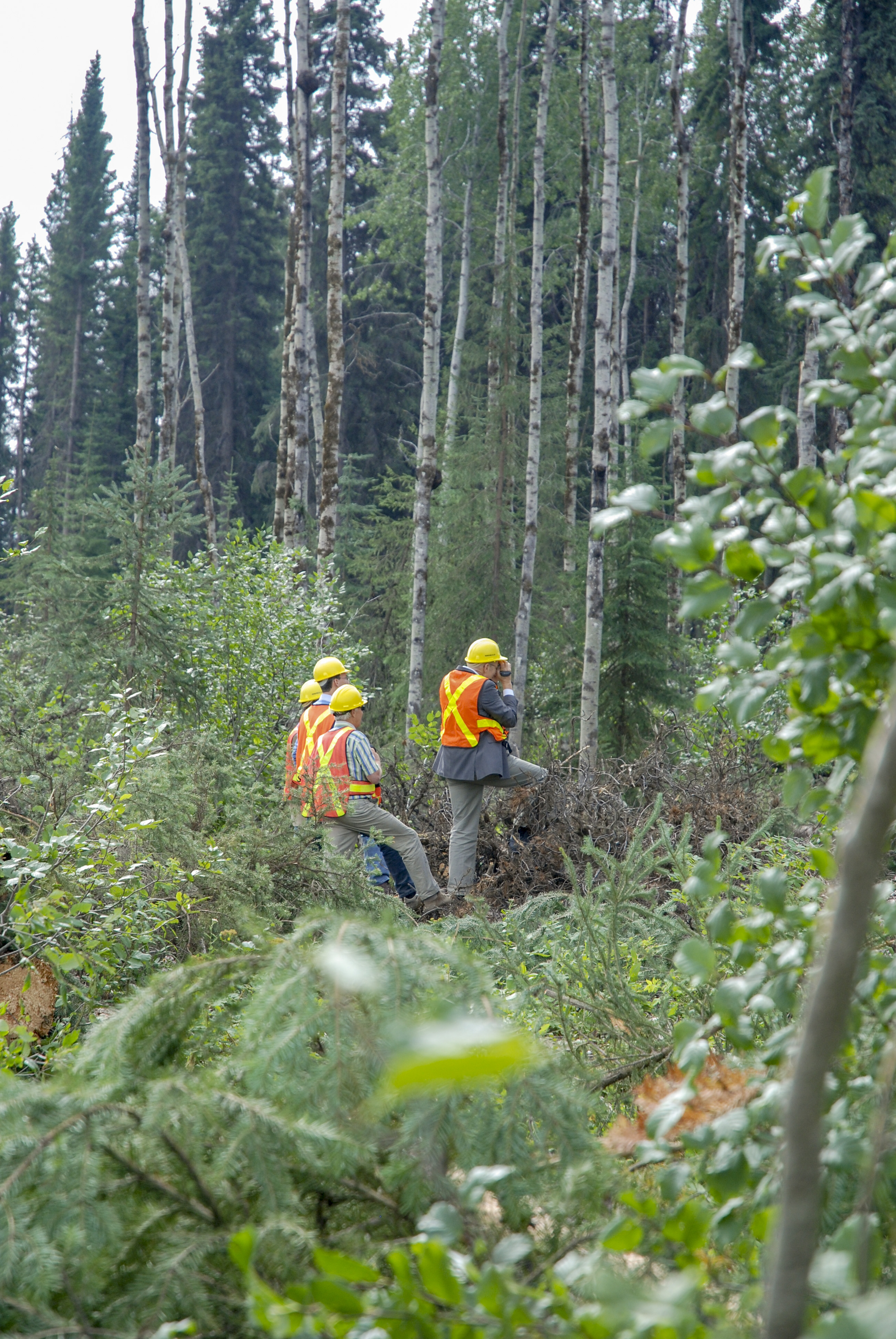
  With a paint can in hand, a forester walks step by step through the dense Arizona ponderosa pine forest, marking trees with distinctive orange streaks. The forester is part of a timber-marking crew assessing if each tree should stay or go during harvest, per a prescription from the Forest Service silviculturist. Trees to remain receive the orange marking; the others will be harvested. Timber-marking crews cover thousands of acres of Forest Service lands each year, prepping critical thinning projects to reduce the number of trees and move forest lands toward a condition less vulnerable to catastrophic wildfire. With this laborious operation, many began to ask: Couldn’t there be a more efficient way of marking trees?
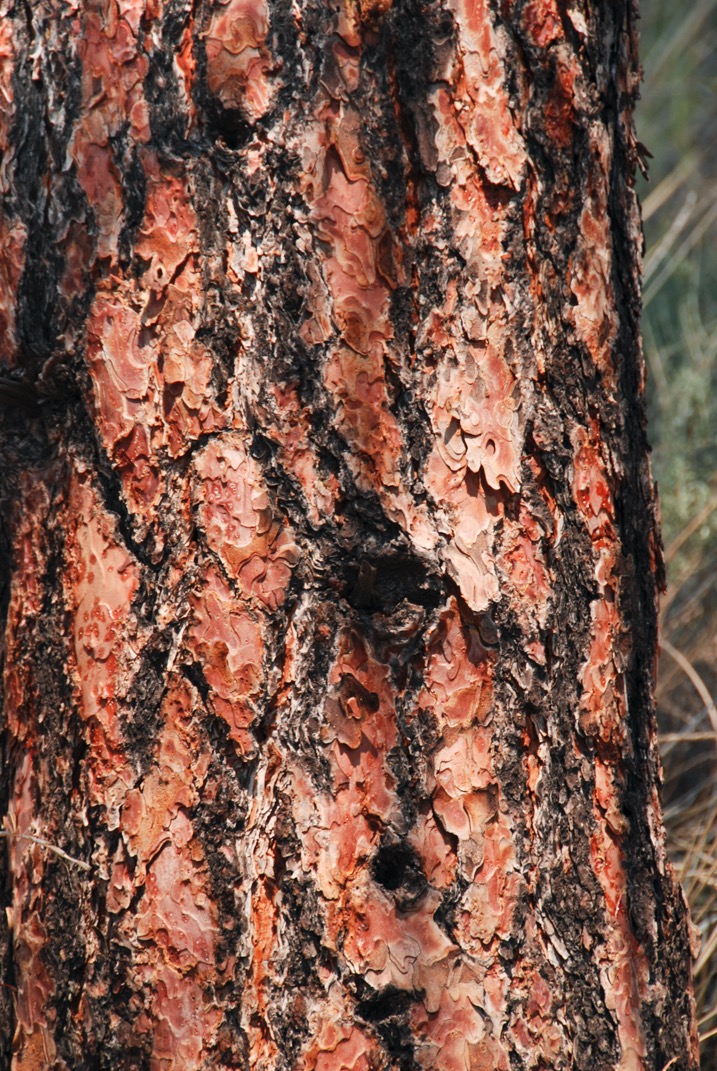 DOLORES, Colo.— Forest health advocates have finalized an agreement with the U.S. Forest Service that will preserve tens of thousands of the largest, oldest ponderosa pine trees in Colorado’s San Juan National Forest. “Large, mature trees are critical for climate resilience, habitat and forest health” said John Rader, public lands program director for the San Juan Citizens Alliance. “We are pleased to reach a common-sense agreement that helps safeguard our forests from climate change and biodiversity loss.” In June 2023 San Juan Citizens Alliance and the Center for Biological Diversity sued the Forest Service in federal court over its approval of a nearly 23,000-acre timber project in the Dolores District of the San Juan National Forest. The project area is a watershed for the Dolores River and provides important habitat for elk, mule deer and raptor, including imperiled goshawks. It was extensively logged throughout the 1900s, and few mature ponderosa pines remain.
 A new tool sheds light on the impact of wildfires across California. The
 New federal laws could “lock up” timber land for decades at a time, raising concerns big companies could elbow out smaller competitors and that timber revenue for counties could be delayed for years. President Donald Trump’s tax cuts and spending bill, which he signed into law earlier this month, increases the length of federal logging contracts to a minimum of 20 years. The contracts, which determine how long a logging company has to harvest on the land under contract, have typically averaged three to four years, and the longest contracts extended up to 10 years. The concern raised by a coalition of timber companies and local governments is that companies could sign long-term contracts, then wait years to harvest trees. “If the timber volume is tied up in these 20 year contracts,” Doug Robertson, executive director of the Association of O&C counties, said, “that volume then is no longer available to generate revenue for the counties and the state.”
 Oregon’s forestry board has long had the power to hire and fire the state forester, who oversees logging and environmental protections on state lands, as well as firefighting across millions of acres of public and private land. But the board lost that hiring-and-firing power this session with Senate Bill 1051, which handed it over to the governor. This bill has left many forestry board members wondering how much authority they still have. “Right now, after the passage of this senate bill, I have very little reason to trust your office,” vice chair Brenda McComb told members of Gov. Tina Kotek’s staff at the board’s Wednesday meeting. There’s a lot riding on forest management in Oregon. Revenues raised from logging trees on state lands help fund rural schools and some county budgets. Timber sales are also a key revenue source for the Oregon Department of Forestry, which fights fires on about 12 million acres of private land.


 WASHINGTON, D.C. — Colorado Senator Michael Bennet and Representative Joe Neguse, along with other politicians, introduced the Joint Chiefs Reauthorization Act. This legislation would reauthorize the program to better support forest and grassland restoration projects on both public and private lands. “Our Western forests, grasslands, and watersheds are as important to our economy as the Lincoln Tunnel is to New York, but they are under threat from a changing climate and consistent federal underinvestment,” said Bennet. …Bennet mentioned that strengthening the program will ensure that restoring landscapes, protecting water supplies, and reducing wildfire risks can continue for future generations. “Western and Northern Colorado are all too familiar with the increasing frequency and intensity of wildfires,” said Neguse.
 Could President Donald Trump’s strategies help revive Washington’s diminished timber industry? For nearly a century, Washington’s timber industry produced everything from paper and two-by-fours to the massive wood beams that hold up the Tacoma Dome. Lumber mills were the backbone of logging towns throughout the Northwest. But the industry has been on a long decline since the 1990s. Now, Trump wants to reduce foreign competition and increase US logging to bring back those jobs. To find out whether it could work, KUOW visited a sawmill in Morton, a small town in the foothills of Mount Rainier. …Today, the state has about 100,000 timber-related jobs, including mills. That means Washington has lost about a quarter of its timber jobs in the last thirty years. The loss has been devastating to rural communities built around those sawmills, like Morton, Washington. …The Hampton Mill is still the economic heart of the community today. It’s survived the waves of closures over the years.
 A new analysis reveals that many of Eastern Oregon’s ancient trees are dying at an alarming rate. The study, conducted by a team led by James Johnston, an assistant research professor at the University of Oregon, found that between 2012 and 2023, a quarter of trees over 300 years old in roadless areas of the Malheur National Forest had died. Johnston attributed the decline to a combination of drought, insect infestations, and competition with younger trees. “It’s sad to see so many old trees dying,” Johnston said. He emphasized the need for active management to protect these ancient trees, particularly in the dry forests of Eastern and Southern Oregon. The study, published in the journal
 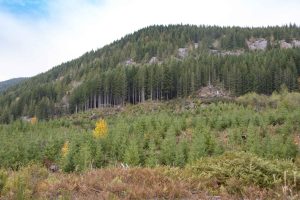 Forests cover more than 30 million of Oregon’s 62 million acres – almost half of the state’s landmass. According to the Oregon Employment Department’s covered employment statistics, forestry and logging’s 681 establishments employed 8,787 workers statewide and added $717 million in payroll to Oregon’s economy in 2024. The Oregon Department of Forestry (ODF) estimates logging harvests totaled 3.6 billion board feet in 2022. While much of this timber feeds Oregon’s wood products industry, creating jobs and income, many jobs are also created planting, growing, and harvesting this resource. …The high level of forestry activity in Oregon also creates demand for a support activities industry. …Employment Department projections show that the logging industry in Oregon is expected to lose about 200 jobs, or 5% between 2023 and 2033 partly due to continued mechanization. Other industries within timber production, such as timber tract operations and support activities for forestry do not have published Oregon Employment Department forecasts.
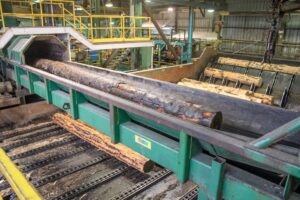 SPEARFISH, South Dakota — The Black Hills of South Dakota and Wyoming are not only a beautiful tourist destination but also a major part of the agricultural industry. Many are working to maintain the important role of forest management as a way of supporting agriculture, economies and public health. Jeremy Dedic, forest partnership coordinator for Wyoming State Forestry said, “It’s not like we’re growing corn, but it’s growing plants, and we can manage that and get our results,” Dedic said. …“Most recently, we’ve had some of our larger operators having to scale back their operations,” said Marcus Warnke, state forester for South Dakota. …“Thinning our forest, giving our trees space so that they have enough water, sunlight and nutrients to be healthy and resilient to fire and bugs,” Pierson said. “Those activities produce logs that we bring to our sawmills and make boards out of for public sale.”
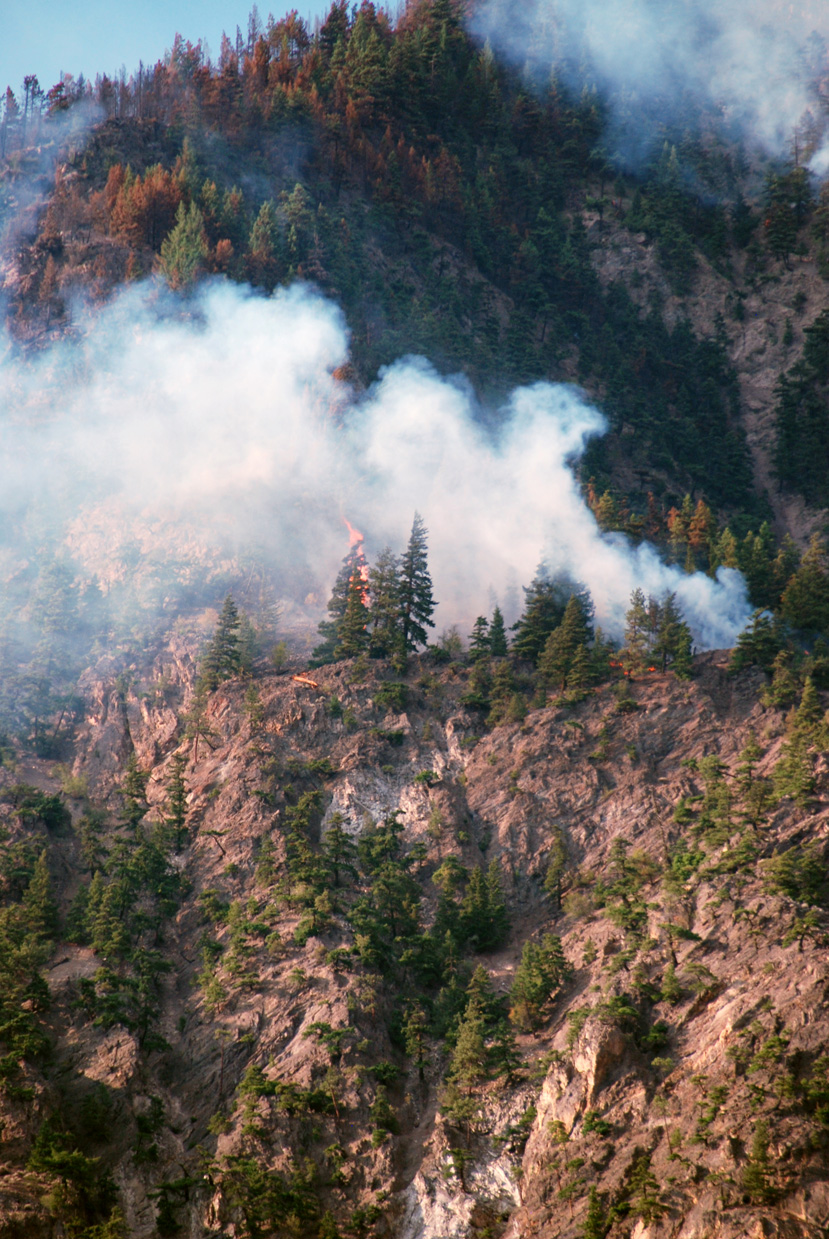 Fire season started early in the Northwest. The Rowena fire sparked in early June near The Dalles and destroyed 56 homes in a matter of days. Since then, as dry thunderstorms and lightning continue to start hundreds of wildfires across the state, the Oregon Department of Forestry and Bureau of Land Management say they have been able to stop most fires before they spread. But as the season intensifies nationwide, they are concerned about competition with other Western states for resources like air tankers. …While an aggressive “initial attack” approach is nothing new, Assistant State Fire Management Officer for the Oregon and Washington BLM, Richard Parrish, said having increased resources such as pre-positioned firefighting teams across the state, aerial water tankers and a Blackhawk helicopter crew — the only one in the nation — has made all the difference.
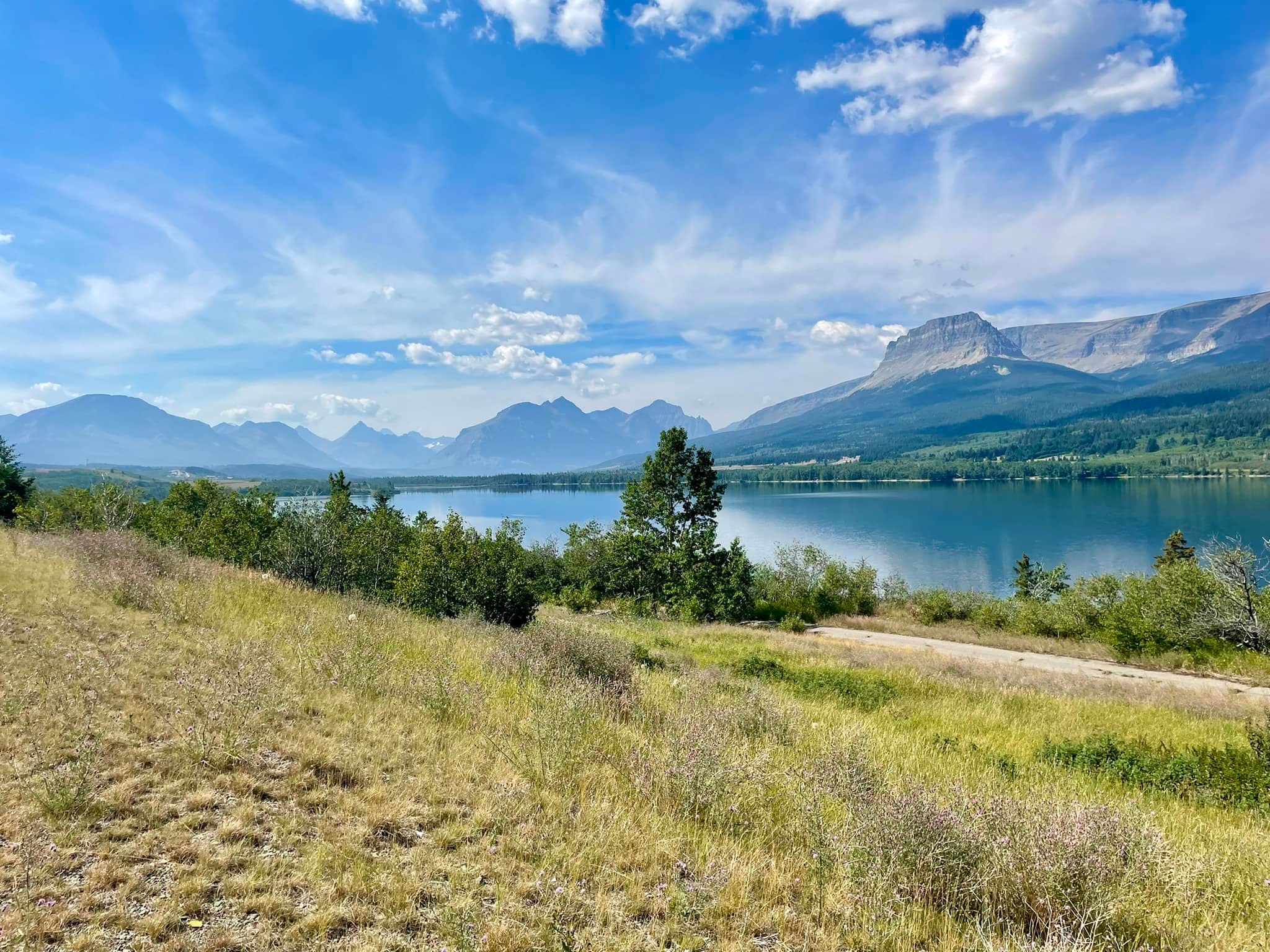 U.S. Department of Agriculture Secretary Brooke Rollins announced last month that the administration was taking steps to rescind a decades-old policy to restrict road building and timber harvests on 58.5 million acres of national forest lands… U.S. Sen. Steve Daines, R-Mont., called it “another huge win for Montana and forest management.” …The impetus for the Roadless Rule tracks back to 1998, when former U.S. Forest Service Chief Mike Dombeck saw the agency’s vast and poorly maintained road system as a major environmental and fiscal problem… “The Roadless Rule was issued to make government more efficient by not building roads in sensitive areas when we already have far more roads than we can afford to maintain,” Keith Hammer, executive director of the Swan View Coalition said. “Rescinding the rule will result in government waste and environmental harm, all at taxpayer expense.”
  The Trump administration announced plans to rescind the 2001 Roadless Rule, changing the political landscape in the Tongass National Forest for the third time in five years. …The U.S. Forest Service owns approximately 78% of the available land, meaning timber operators are dependent on the federal agency for a majority of their supply. Kirk Dahlstrom, co-owner of Viking Lumber Company in Klawock, said the agency is nine years behind on timber supply for the entire Southeast Alaska industry. He said his business will not survive if land management remains under Forest Service control. …Viking is the last remaining sawmill in the world that can produce the high-quality Sitka spruce needed for soundboards for grand pianos… Pacific Legal Foundation filed a lawsuit on March 6 against the U.S. Department of Agriculture on behalf of Alaska Forest Association. Viking Lumber Company and Alcan Timber of Ketchikan joined.
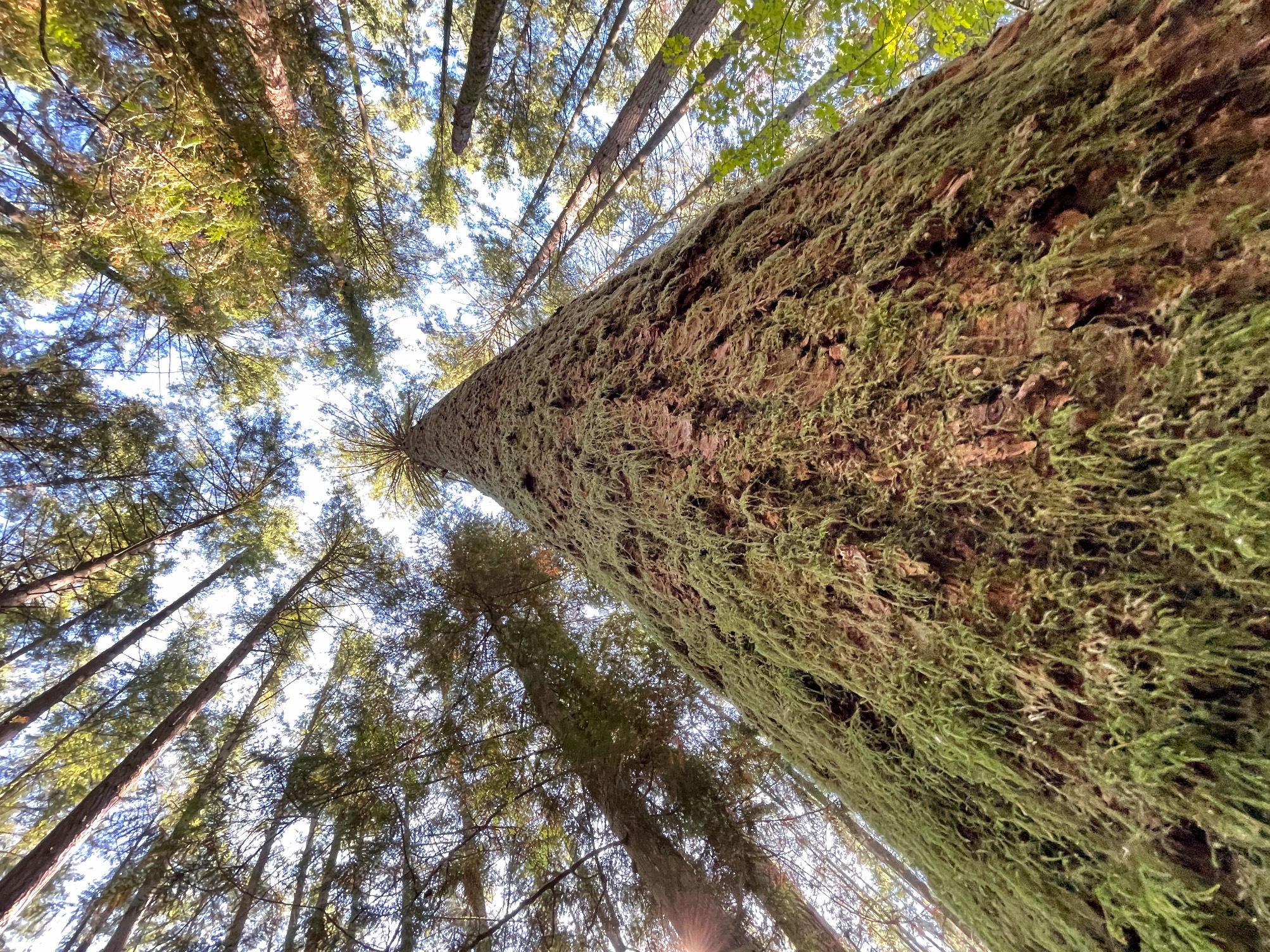 New federal laws could “lock up” timber land for decades at a time, raising concerns big companies could elbow out smaller competitors and that timber revenue for counties could be delayed for years. President Donald Trump’s tax cuts and spending bill, which he signed into law earlier this month, increases the length of federal logging contracts to a minimum of 20 years. The contracts, which determine how long a logging company has to harvest on the land under contract, have typically averaged three to four years, and the longest contracts extended up to 10 years. The concern raised by a coalition of timber companies and local governments is that companies could sign long-term contracts, then wait years to harvest trees. “If the timber volume is tied up in these 20 year contracts,” Doug Robertson, executive director of the Association of O&C counties, said, “that volume then is no longer available to generate revenue for the counties and the state.”
 WYOMING — The future of roadless areas in the Bighorn National Forest and other national forest system lands is uncertain after the Trump administration announced that it would rescind the 2001 roadless rule. …Of the Bighorn National Forest’s 1.1 million acres, 600,000 acres are managed as inventoried roadless areas. In these areas, road construction and reconstruction and timber harvesting are prohibited. Rollins’ action will require environmental analysis, compliance with the Endangered Species Act, tribal consultation and coordination with affected states, according to the U.S. Forest Service. So, at this point, how the proposal will impact forest management is uncertain. …Bighorn National Forest Supervisor Andrew Johnson said he planned to seek a technical correction to the forest’s roadless boundaries from Forest Service Chief Tom Schultz. Johnson said that roughly 50% of the forest’s suitable timber base is located in areas designated as roadless.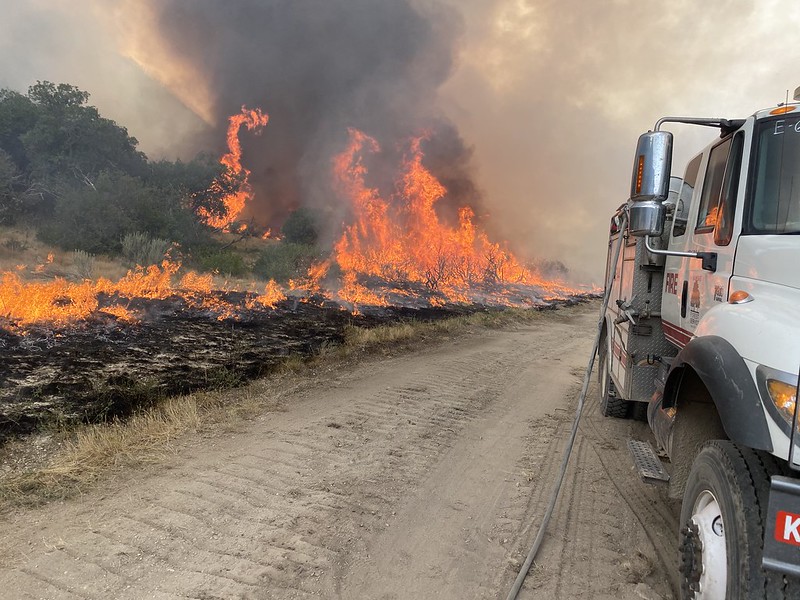
 For a few years, foragers and fungi enthusiasts around the Midwest have been seeing something yellow. The butter-colored flushes of the golden oyster mushroom are difficult to miss. They bloom on dead or decaying trees, and they have become profuse in states around the Great Lakes. The fungi, which are native to Asia, are good to eat and easy to grow. But a new study shows that they may also be sapping the resources of native mushrooms. And their footprint is spreading fast. “I don’t think anyone would hesitate to call it invasive,” said Aishwarya Veerabahu, a mycologist and doctoral student at the University of Wisconsin-Madison and an author of the
  On a day in early June, state forester Will Phifer carried a pill bottle-orange canister into a southeastern Oklahoma forest, tied it to a shaded tree trunk and left. The area was a confirmed spot for a growing population of tree-killing beetles called emerald ash borers, which likely seeped into the state from the east. The container held what scientists hope is a solution to controlling the harmful pest: more than 100 minuscule parasitoid wasp eggs. “These emerald ash borer eggs are laid on the outer bark of the tree,” Dieter Rudolph, forest health specialist for Oklahoma Forestry Services, said. “So, this wasp will go find them and basically inject an egg into the emerald ash borer egg.” Instead of producing an emerald ash borer larva, the host egg will hatch a new wasp.
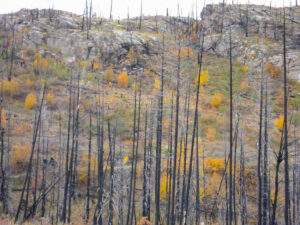 ALEXANDRIA, Louisiana — Wildfires and drought destroyed over 60,000 acres of trees in the summer and fall months of 2023 and costing the state $71 million in timber loss. …The wildfires came from record-breaking high temperatures and little to no measurable rainfall that summer. Now, as Louisiana continues to revive its timber industry, there is a renewed interest in the Virginia pine trees that are across the state. But that is also being facilitated by the potential for tariffs on Canadian and Chinese wood and wood products. “The issue has been of Canada and China flooding our markets with their products,” Dr. Mike Strain, the commissioner of Louisiana’s Department of Agriculture and Forestry said. “So, all of that together, I think we’re going to see a strengthening in the timber industry.” …Strengthening the timber industry also calls for more paper mills. “We really need a mill in the Florida parishes,” he said.
 The General Directorate of Forestry (OGM) under Türkiye’s Ministry of Agriculture and Forestry has issued a stark warning, urging extreme caution as temperatures are forecast to rise by 6 to 12 degrees Celsius between July 19 and 25. As record-breaking summer heat and dry winds sweep across the Mediterranean basin, Türkiye is once again on the front lines of a growing global crisis: forest fires. Citing meteorological data, the OGM emphasized that a combination of soaring heat, low humidity and wind can create a dangerous trifecta, fueling wildfires that spread rapidly and with devastating intensity. “Even a moment of carelessness can ignite a fire of catastrophic scale,” the statement read. Citizens are urged not to burn brush, discard cigarette butts, light open fires or leave glass bottles in nature during this critical period. With 86% of wildfires caused by human activity, the risk is real and preventable.

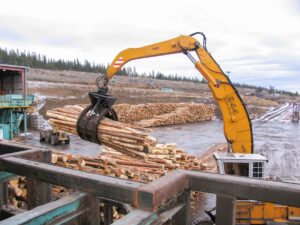 Russia’s timber industry is warning of widespread production shutdowns as the sector reels from Western sanctions, declining demand and a surging ruble that has battered the country’s export competitiveness. …The Russian Association of Organizations and Enterprises of the Pulp and Paper Industry described the current moment as one of the industry’s most difficult periods in modern history. Industry data show that timber harvesting fell 13% in 2024 compared with pre-war levels in 2021, lumber production dropped 11% and plywood output declined 23%. Even pulp production, one of the sector’s more stable outputs, decreased by 3%. Major industry players including Segezha Group and ULK Group have been restructuring loans over the past two years in response to falling output, sliding prices and soaring costs. But the situation has continued to deteriorate, especially within the export-heavy pulp and paper sector. Compounding the problem is the Central Bank’s steep 20% key interest rate along with a hike in the profit tax rate from 20% to 25%.
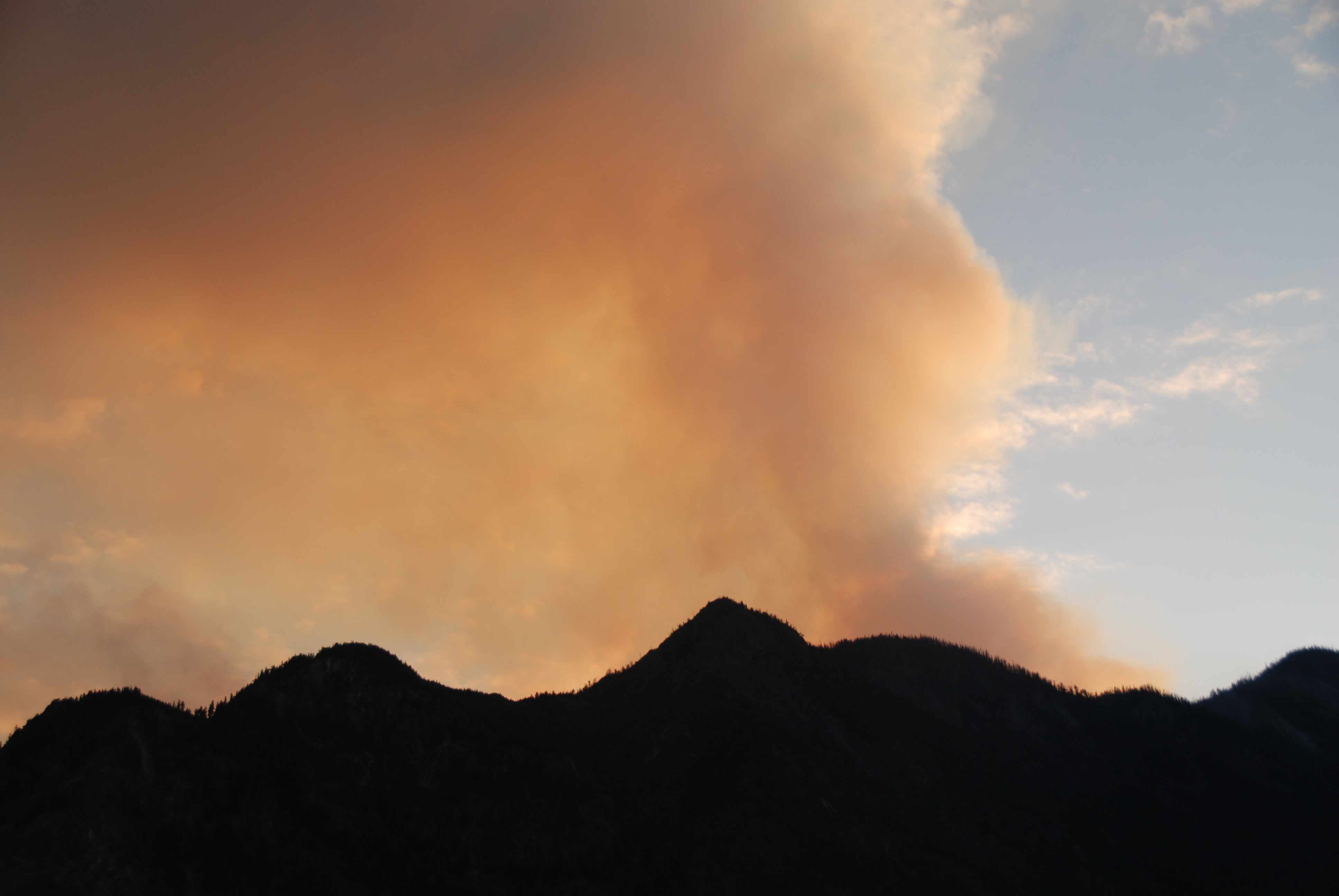 BRUSSELS – Wildfires have scorched hotspots in several Mediterranean countries this month, with blazes forcing thousands of people into lockdown in Catalonia in Spain, and encroaching on France’s second-biggest city of Marseille. …European wildfires have burnt 227,000 hectares of land since the beginning of the year – more than double the average for this time of year over the past two decades, according to the EU’s European Forest Fire Information System. …It’s not yet clear if 2025 will be a record year, as that will depend on how the fire season evolves in the coming months. The number of fires in Europe has also surged this year so far, with 1,118 blazes detected as of July 8, versus 716 in the same period last year, EFFIS said. …Scientists say the Mediterranean region’s hotter, drier summers put it at high risk of wildfires. …Climate change exacerbates this risk , by creating hotter and drier background conditions.
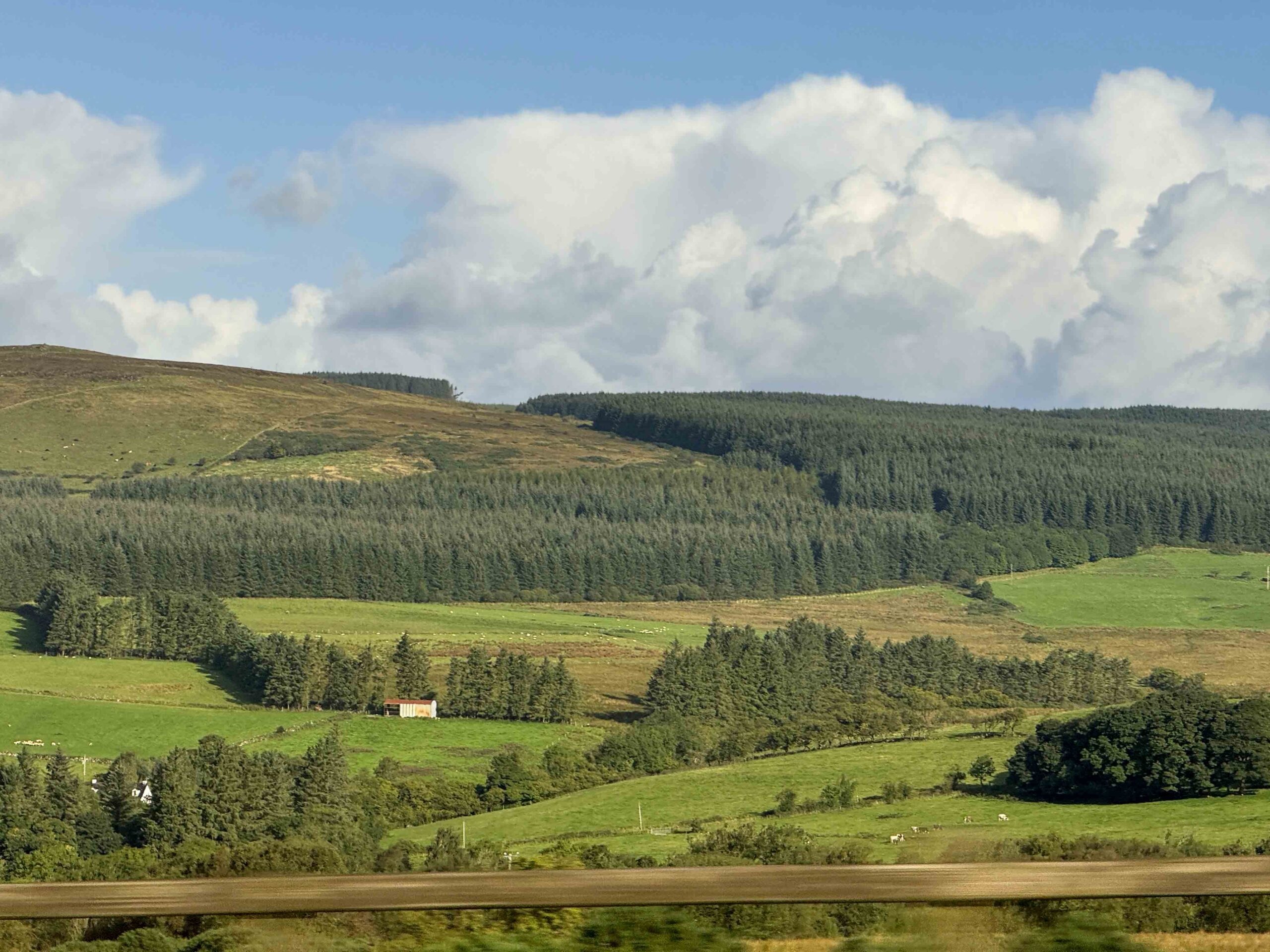 The current glorious weather provides an opportunity for all to recreate and enjoy. However, such weather patterns give rise to extreme fire risk. Teagasc Forestry advisors tell us more on the nature of such risks and offer practical advice on mitigating forest fire danger threats. On July 10, 2025, the Department of Agriculture, Food and the Marine issued a
 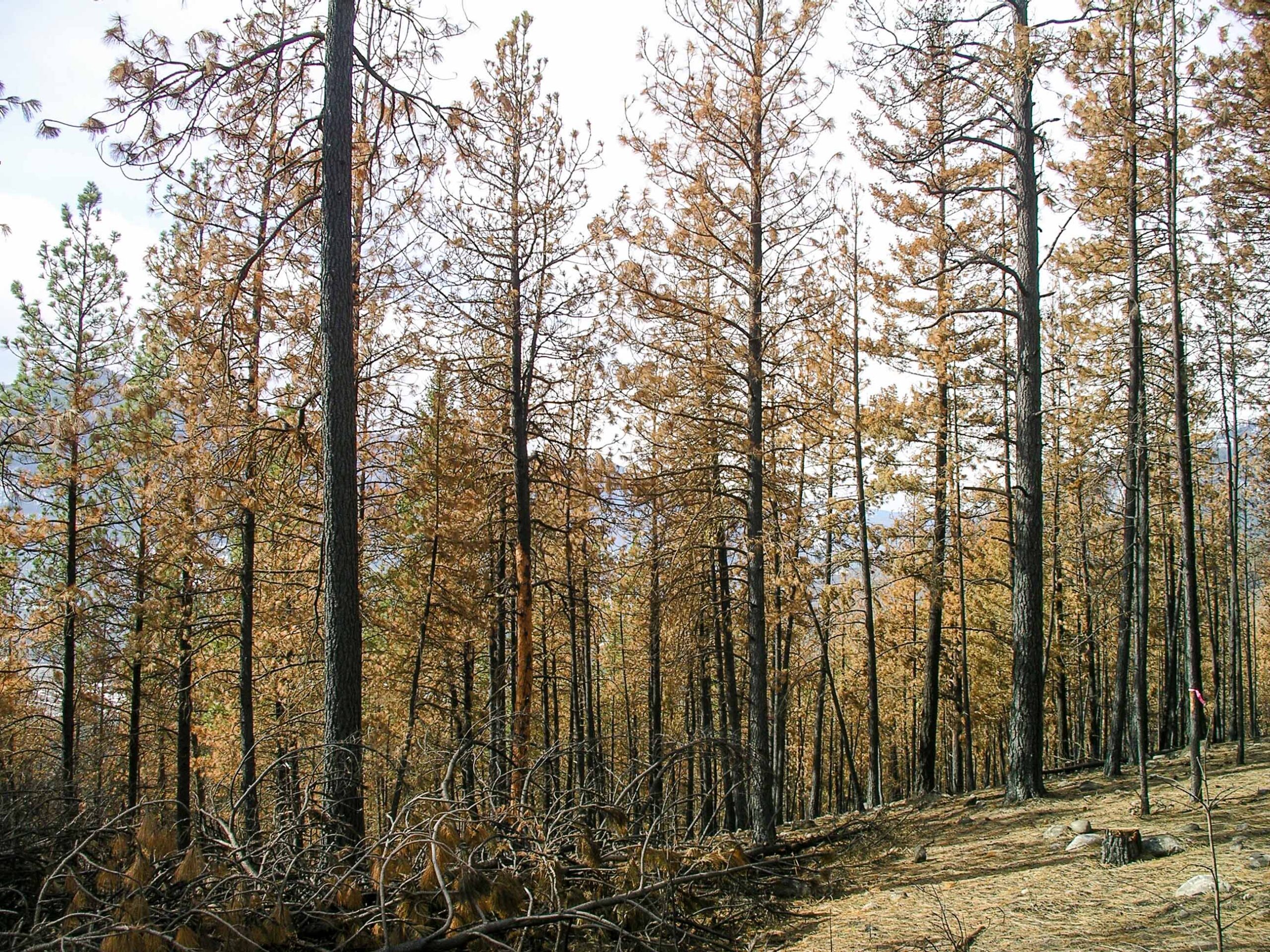 Last year, more than 112 thousand hectares of dry forests were listed in the Estonian Natura 2000 habitats. These are forests with minimal anthropogenic load, and in Estonia they are overgrown dunes, old natural forests and spruce forests with rich ground cover. The Estonian Environmental Service, the University of Tartu and the Estonian University of Life Sciences are jointly developing a plan for the maintenance of dry forests. Taavi Tattar, Head of the Nature Conservation Planning Department of the Environmental Service, pointed out that dry forests are in poor condition both in Estonia and throughout Europe. “They’re either too uniform in age or have impoverished structure. Certain species need forests with diverse structures for their life and activities, coarse woody debris, dead trees, and so on. On a broader scale, diverse forests are also more resistant to disease and better able to adapt to climate change,” Tattar said.
 Brazil once again leads the world in the loss of primary tropical forests. New data shows the country accounted for 42% of global primary rainforest loss in 2024, largely due to widespread fires throughout the nation and in neighboring Bolivia, Colombia and Peru. The 2024 spike in Amazon forest loss was due in large part to one of the worst fire seasons on record. But what’s often missed is the fact that recent fires in tropical primary forests are by no means a “natural” disaster. Rather, the conflagration represents a perfect storm of climate change-induced environmental conditions, governance failures and unchecked, organized criminality. Fires in the Amazon are largely started by arson and related criminal activity accompanying agriculture, logging, mining and road building. In fact, a recent survey of government data concluded that 91% of forest loss in the Brazilian Amazon is linked to illegal activity like land-clearing for agriculture and artisanal mining, often orchestrated by well-structured international criminal enterprises.