 Forest Products Association of Canada issued this statement to recognize the release of the Kananaskis Wildfire Charter at the G7 meetings: Canada’s forest sector welcomes the G7’s commitment to address the environmental, economic, health, and social challenges that come with the increase in catastrophic wildfires globally. Over 3.7 million hectares have already burned in Canada this year, putting us on pace for our second worst fire season on record. To put that in some context, more than five times the land base that Canada’s foresters would harvest in an entire year has already burned in 2025. And when Canada’s foresters do their work, they ensure the forest is regrown. Fires in some parts of Canada are now burning so hot that regeneration of these forests are challenged due to scorched soils. The time for action is now. Quite simply, fires will get worse if we are not more proactive in managing fuel loads and our aging forests.
Additional coverage by Matthew Scace at the Canadian Press: G7 leaders agree to ‘charter’ on wildfires, pledging global co-operation
 Since mid-May, wildfires across Canada have burned 9.6 million acres, prompting the evacuation of approximately 40,000 people. According to Indigenous Services Canada, a government ministry, more than half of those evacuees are from First Nations communities, and nearly 34 tribes in almost every province are affected. The sudden rush of refugees has challenged the country’s crisis response infrastructure as people seek shelter and services in cities far from their homes, with little information of when they may return to their communities. …Indigenous Services Canada has been authorized to release $20.9 million to disburse to First Nations. …According to an Intact Centre report in 2023, 60 percent of Canadian communities are now vulnerable to wildfires, a third of which are Indigenous living on reserves.
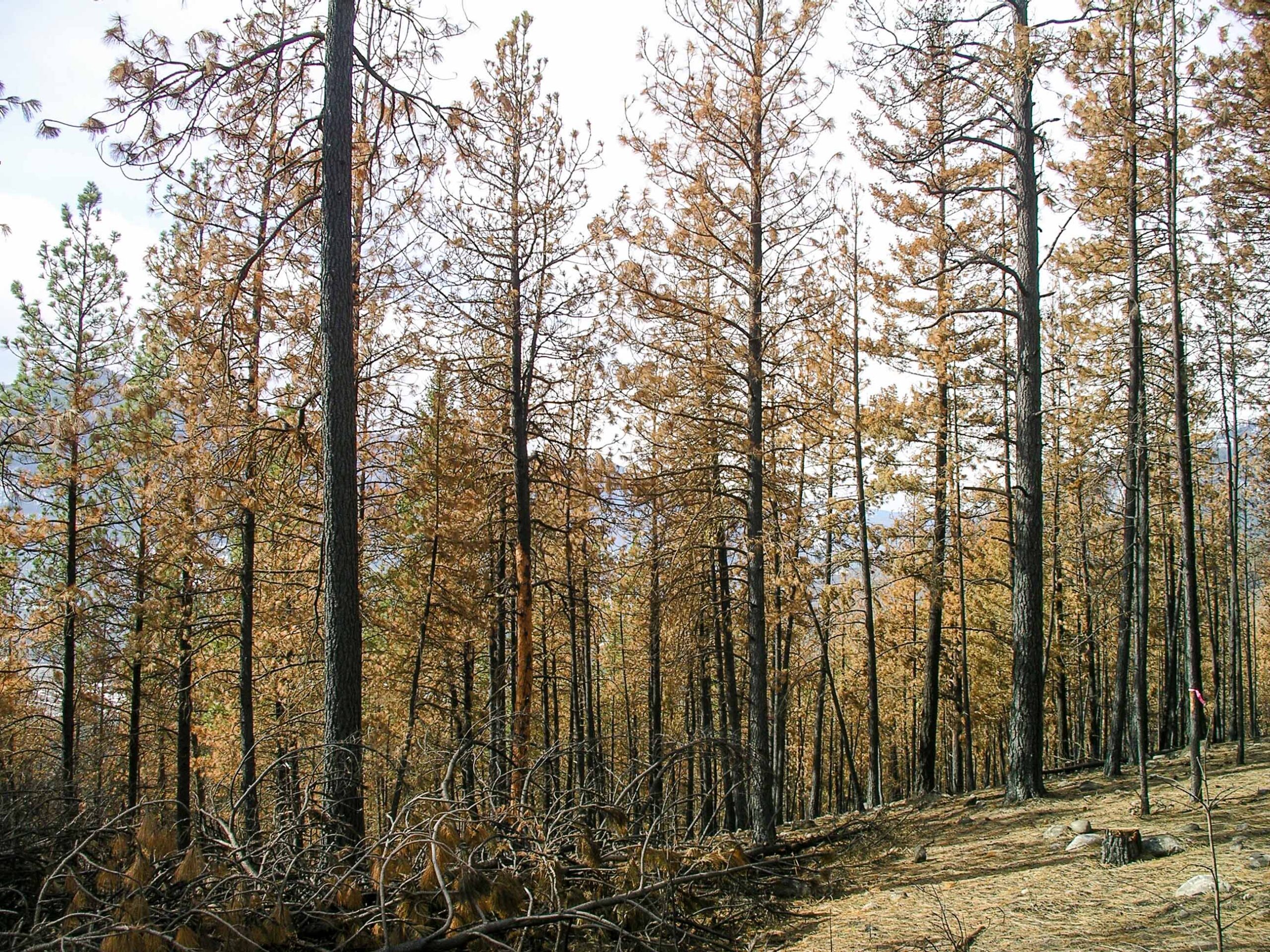 Scientists say wildfire could transform parts of the Canadian landscape, as more intense and more frequent fires push forests to adapt and prevent certain common Canadian trees from regrowing…. Canada’s native plants are hardwired to endure the effects of wildfire — to an extent. But … drier conditions and warmer weather due to climate change are making these fires more frequent and hotter. …What could happen is a shift from tall forests to grassland or savanna in some parts of the country… This would in some ways be a return to the past, said Marc-André Parisien, a scientist with the Canadian Forest Service — and not necessarily a bad thing. …“We’re moving to a place that has no historical analogue,” said Mike Flannigan, the science director of the Canadian Partnership for Wildland Fire Science at the University of Alberta. “We’re in new uncharted territory,” as climate change has exacerbated wildfires’ pace and scale. [Full story access requires a subscription to the Washington Post]
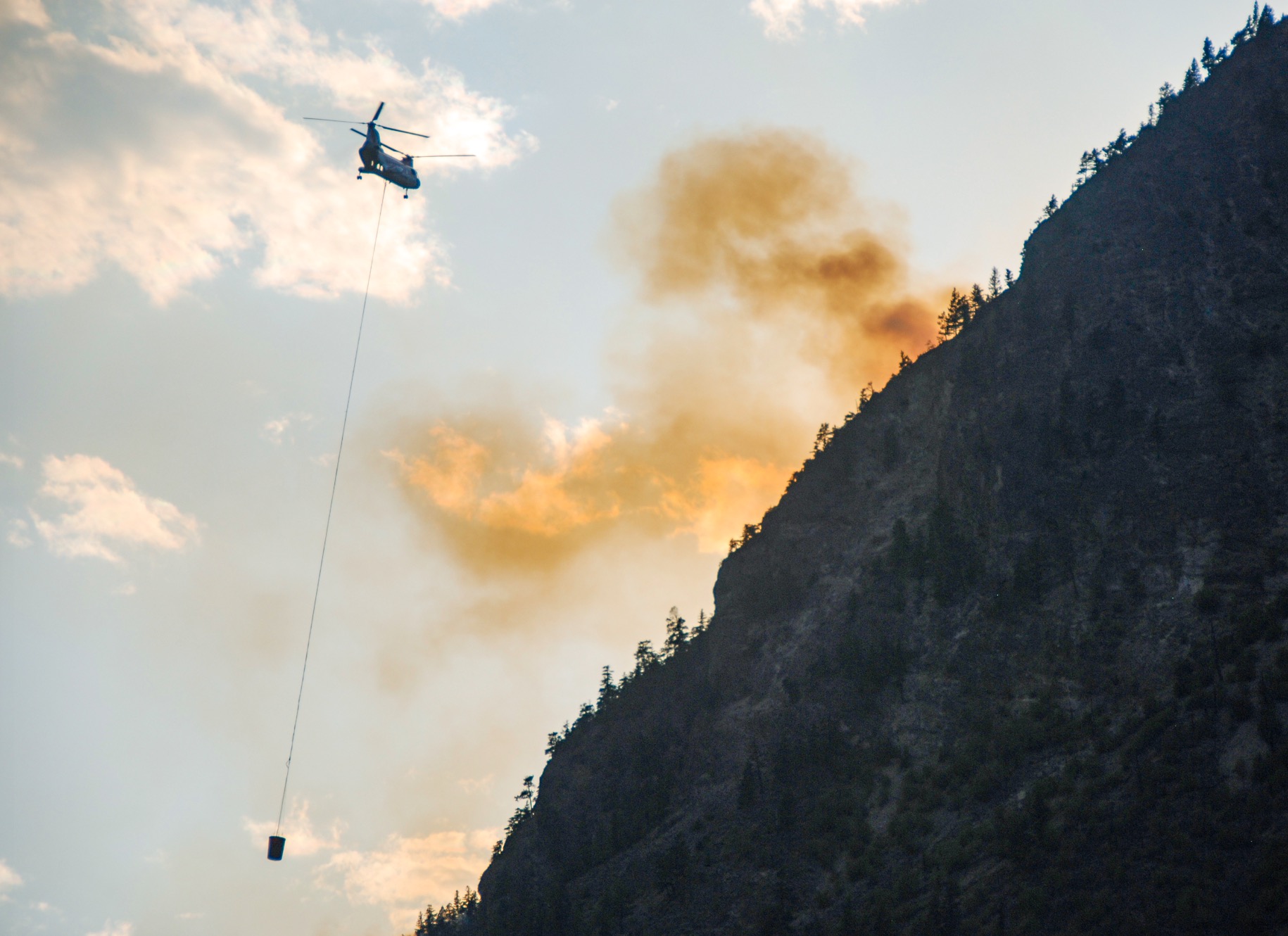 OTTAWA – This year’s wildfire season in Canada is shaping up to be the second-worst on record and federal officials are warning of a dangerous summer in parts of British Columbia. Officials … held a technical briefing Thursday in Ottawa with an update on the state of multiple wildfires and its forecast for the coming months. “We are expecting a hot and dry summer, and definitely leading to a forecast of increased fire danger conditions for much of western and northern Canada,” said Michael Norton, director general of the Northern Forestry Centre with Natural Resources Canada. Wildfires have scorched 3.7 million hectares across the country so far… Modelling by Environment and Climate Change Canada suggests temperatures will be about a degree or two above normal across the country through August, though the risk of wildfires remains highest in central and western provinces and territories.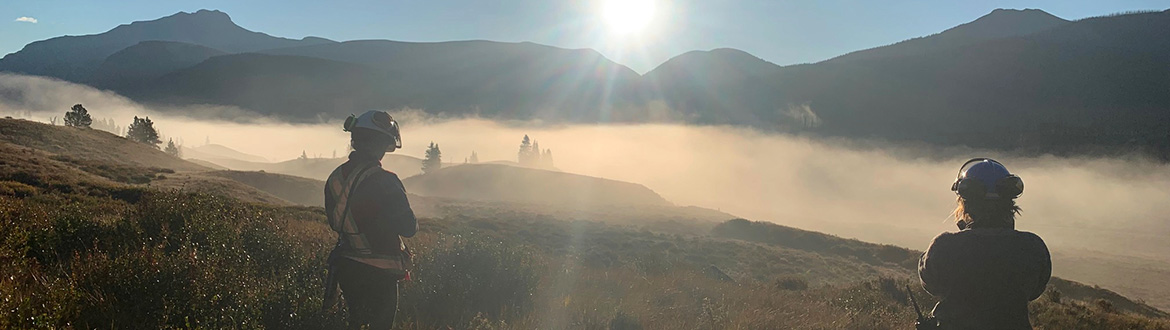
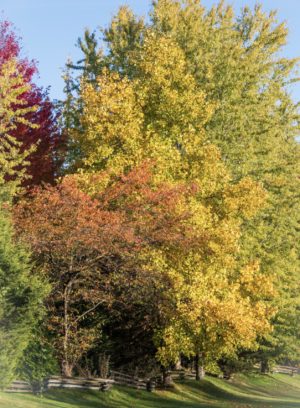 Whistler’s mayor and council advanced a pair of sweeping environmental bylaws that will introduce stricter rules for tree removal and land disturbance across the resort community. At its regular meeting, council gave first three readings to new environmental and tree protection bylaws, with 87 letters submitted in support and a wave of speakers appearing in council chambers to back the regulations. The bylaws were introduced to address long-standing gaps in how Whistler protects its natural areas, following community concern over clear-cut lots, unregulated vegetation removal and heightened wildfire risk. In addition to creating a new permit process for tree removal, the rules prohibit land clearing in sensitive areas and carry steep penalties for infractions—up to $50,000 for unauthorized tree-cutting.

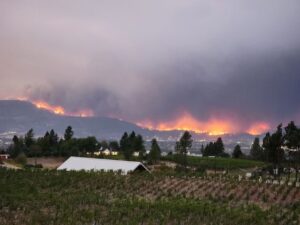 A wildfire risk reduction initiative led by the Lower Nicola Indian Band Development Corporation (LNIBDC) has significantly decreased wildfire hazards in the Steffens Estates area, just north of Merritt, while setting an example for Indigenous-led land stewardship in British Columbia. The multi-phase project, which began in 2022 and was completed in March 2024, combined strategic timber harvesting with intensive fuel mitigation efforts to create safer forest conditions near the Steffens Estates subdivision—land bordering private residences and Crown forests. With more work planned near Steffens Estates and around critical communications infrastructure on Iron Mountain, the project is part of a broader effort to proactively manage wildfire risk in British Columbia. B.C. Minister of Forests Ravi Parmar also praised the initiative: “Wildfire risk reduction is one of the most important ways we can protect people, homes, and vital infrastructure – especially as our province faces the growing impacts of climate change.”
 There’s an entire cycle of life that helps some wildlife thrive when the boreal forest burns, but experts say climate change and human activity have led to larger, more intense wildfires, exacerbating the negative effects on some species. While it’s too early to know exactly how one of the worst wildfire seasons in Saskatchewan history is affecting wildlife, research shows some species have evolved over millennia to take advantage of forest fire cycles. “It’s almost essential, particularly in the boreal forest, to have some degree of fire on the landscape, because it is important to create that sort of regenerative habitat for species that depend on it,” said Jean-Michele DeVink, an environmental consultant and adjunct professor at the University of Saskatchewan. “The challenge, is that for other species that do require more mature forest, the extent of fires that we’re seeing throughout the boreal forest is a bit of a problem.”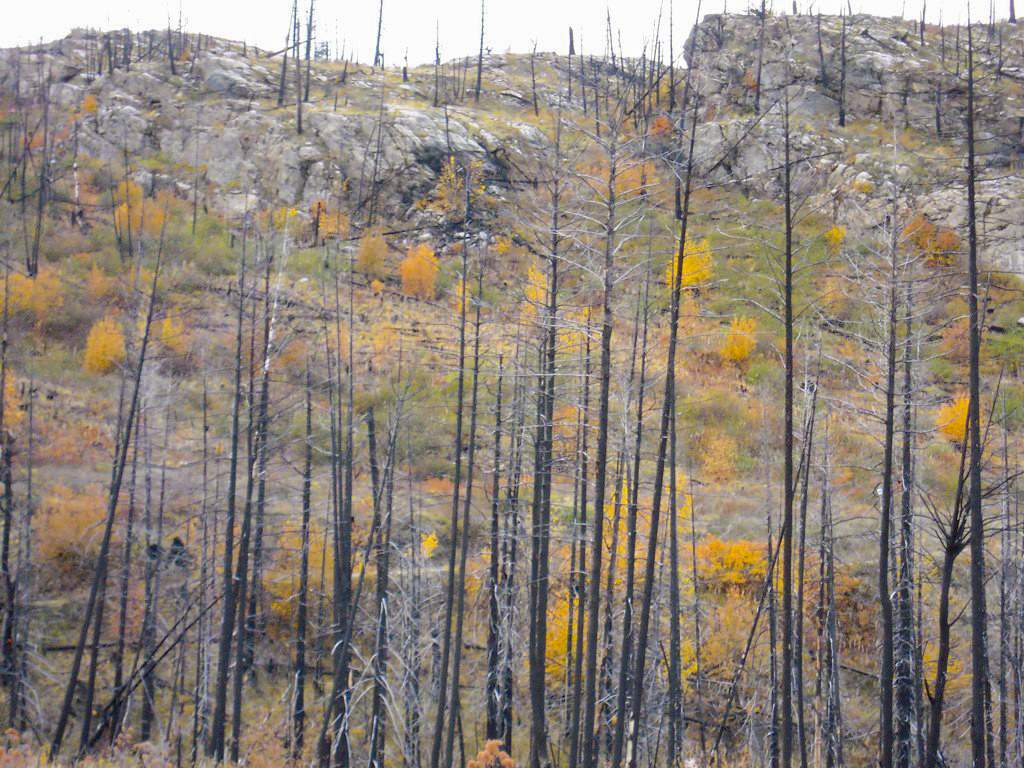
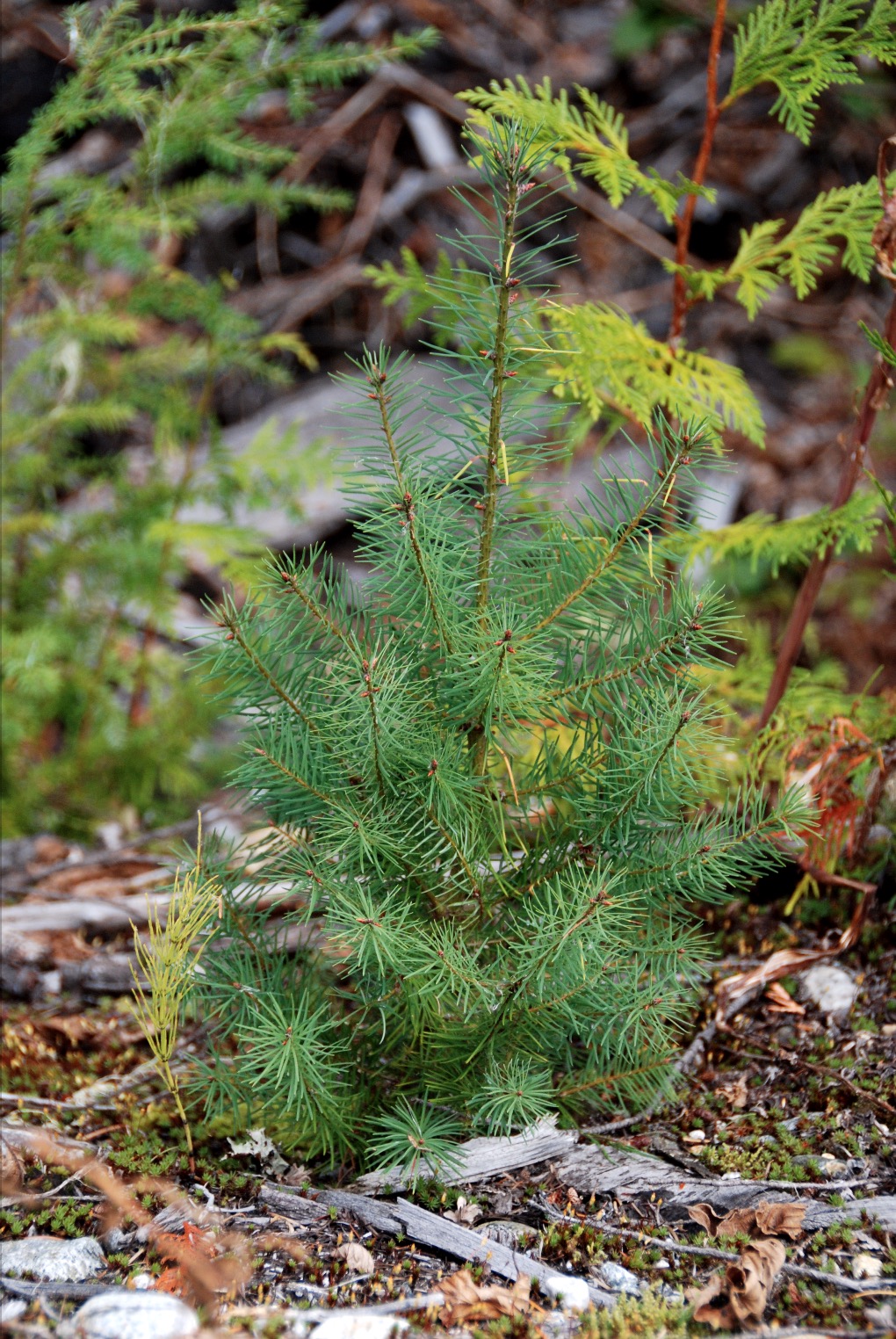
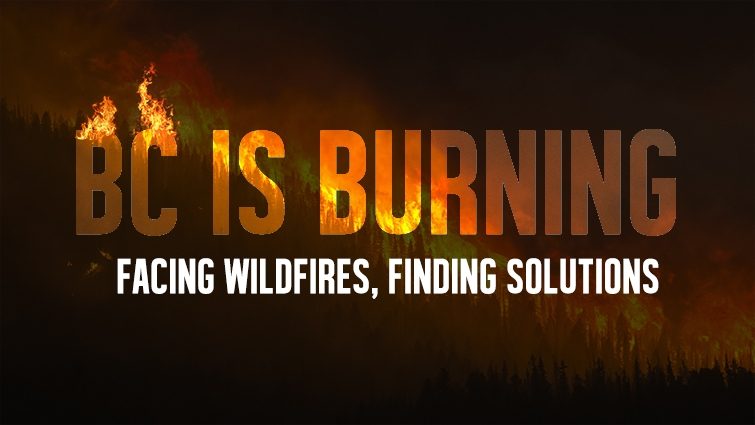
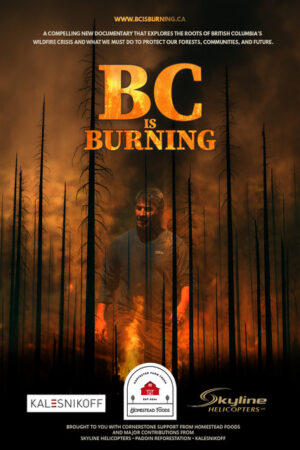 A wildfire documentary funded in part by community donations and Okanagan businesses will be screened in Kelowna and Vernon later this month. B.C. is Burning is a 45-minute film that explores the causes and consequences of the megafires that have devastated communities in the province in recent years. It also looks at science-based solutions that could protect communities, forests and B.C.’s future. The documentary was produced and written by retired forester Murray Wilson, initiated by association producer Rick Maddison and directed/edited with production support from Ryan Tebbutt of Edge Digital Media in Kelowna. It combines expert interviews, government data, and powerful footage from both British Columbia and California. …We know how to stop this,” says Wilson. “B.C. can lead — if we stop solely reacting and start managing our forests to protect lives, cut emissions, and reduce wildfire risk.”
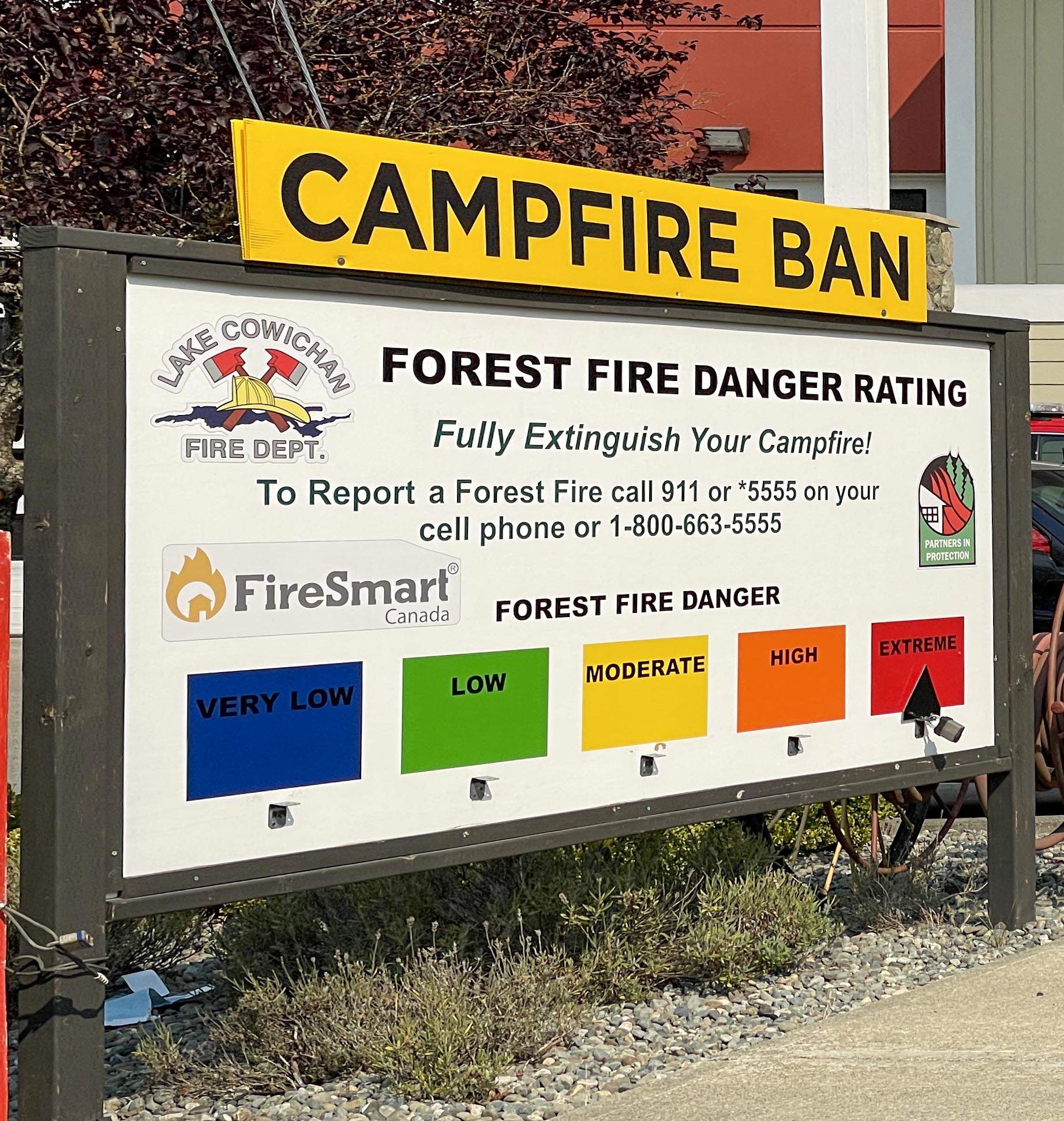 With dry conditions persisting, the Fire Danger Rating in North Saanich remains at ‘high’ since it was first raised on June 10, prompting fire and emergency services to urge residents to prioritize fire safety. “Forest fuels are extremely dry and the fire risk is serious,” the district warns. “Fires can start easily, spread quickly and be difficult to control. Use extreme caution in forested areas and during outdoor activities.” “We’re hoping the rating will encourage residents to take a proactive approach to keep their homes and properties safe in the event of a fire,” Deputy Fire Chief Aaron Kary emphasized. The fire department is offering residents valuable tools to enhance their preparedness. Wildfire automated sprinkler systems protection kits are available for purchase through the department, offering an easy-to-install solution for home protection. …While the forecast offers a glimmer of hope with potential rain … the rating will “remain high until significant precipitation occurs.”


 They slither in silence, drape trees in silk and chew through lively leaves. This year, the forests of Ontario are full of a very distinctive, creepy crawler – the tent caterpillar. Eastern tent caterpillars are appearing in large numbers across the province marking what experts describe as an ‘outbreak year’ for the species. While noticeable, the current outbreak is not as severe as previous ones, according to Dan Rowlinson, forest health field coordinator with Ontario’s Ministry of Natural Resources. According to the Government of Ontario, periodic outbreaks occur roughly every 10 to 12 years and typically last three to six years in a particular areas. The tent caterpillar, often mistaken for their close relatives; the spongy moth, is known for having a similar looking larvae.
 The buzz of saw teeth and scent of crushed pine needles filled the air as Roy Blackburn walked up a muddy path tucked away in the Willamette National Forest. …Timber once drove the economies of states like Oregon. But forest harvests nosedived beginning in the early 1990s due to stricter environmental regulations, a changing lumber market and other factors. President Trump hopes to reverse that trend by executive fiat, ordering the US Forest Service to ramp up logging on federal lands in what environmental groups like Earthjustice call a “cynical attempt to justify destructive logging.” …The amount of timber harvested on Forest Service land has decreased nearly 80% since reaching a high in 1987. …Canadian competition was on Trump’s mind in March when he signed an executive order to immediately expand timber production on federal lands. …Previous administrations allowed environmental groups to drive “the decision-making on our forests.” That’s changing.
 Federal agencies are seeking to reinterpret a key word in the Endangered Species Act that could weaken habitat protections for certain at-risk species, according to two wildlife biologists at North Carolina State University. The U.S. Fish and Wildlife Service and the National Marine Fisheries Service have proposed a rule that would exclude habitat modification and degradation from the regulatory definition of “harm” under the Endangered Species Act. “If we lose critical habitat protections for threatened and endangered species … they could face a heightened risk of extinction,” said Chris Moorman, a biology professor. Roland Kays, a research professor of fisheries, wildlife and conservation biology, added: “The Endangered Species Act, as it is written, is crucial to the protection and recovery of at-risk species across the country. And while there have been many attempts to change the law over the years, it’s held up and worked as intended.”
 The Portland City Council made a major change last week to the team of inspectors that enforces the city’s Tree Code, which regulates all street trees and some trees on private land across the city. The council voted to move the entire tree regulation team—which currently falls under the Urban Forestry division, a program nested within the parks bureau—to Portland Permitting & Development. …Councilor Eric Zimmerman called into question Urban Forestry and how it polices and fines Portlanders seeking to trim or remove trees on or near their property. …The tree regulators—who also process and vet permits for tree removals, replantings and prunings—will no longer be the under the oversight of city forester Jenn Cairo, whose management has come under scrutiny.The council also voted to transfer $2.1 million of Parks Levy funds from the Tree Code regulation division to backfill maintenance cuts to outdoor parks.
 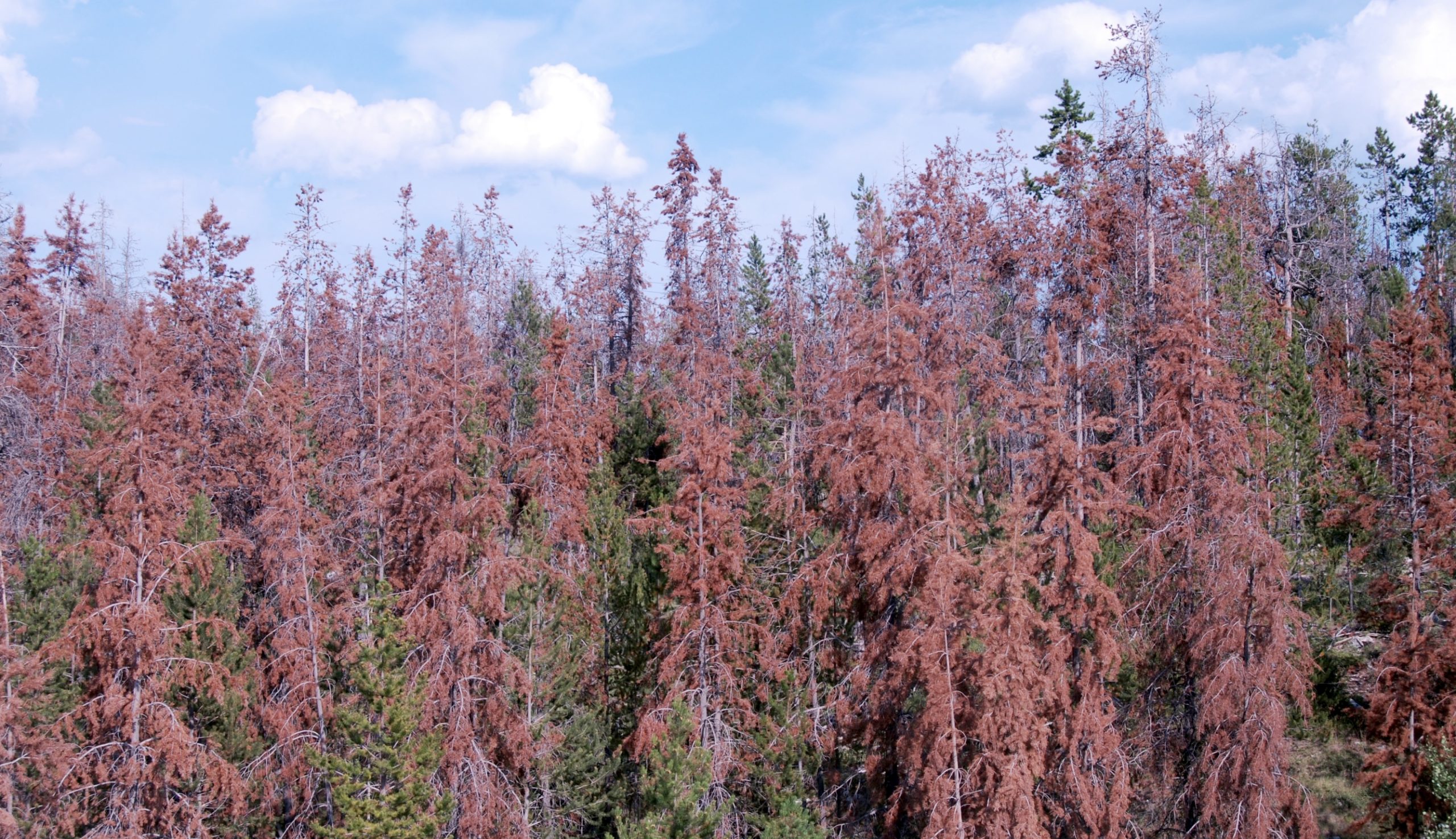 SALEM, Ore. – Researchers are taking to the skies this month to survey Oregon’s forests for damage from pests and other threats, according to the Oregon Department of Forestry and USDA Forest Service. Forest officials said that the Pacific Northwest Aerial Detection Survey is the longest continuous annual survey of its kind in the U.S. Airborne researchers use fixed-wing aircraft to identify trees in distress, flying between 1,500 to 2,500 feet above ground. “Oregon has about 30 million acres of forest so flying in a grid pattern over it allows us to find problems even in remote areas hard to reach by vehicle or on foot,” said Christine Buhl, ODF Forest Entomologist. The survey has highlighted a concerning trend of increasing tree deaths due to drought stress and beetle attacks.
 As California continues to reel from the historic firestorm that decimated portions of Los Angeles, the state is now facing the prospect of an exceptionally active wildfire season fueled by hot, dry conditions. It may not be ready: Experts say sweeping changes at federal agencies that play key roles in California’s wildfire preparation and response could make a challenging season even worse. …The forecast arrives as the Trump administration is enacting budget cuts, layoffs, office closures and restructuring at the U.S. Forest Service, the National Oceanic and Atmospheric Administration and the Federal Emergency Management Agency. Trump says changes will help eliminate federal waste and save tax dollars. However, these three agencies are critical components of California’s wildfire response capabilities… Weakening them at the start of fire season — and at a moment when human-caused climate change is driving larger and more destructive blazes — puts California at a dangerous disadvantage, multiple experts said.
 Each year, Oregon braces for wildfire season. And each year, we spend tens of millions (sometimes hundreds of millions) trying to put those fires out. But despite our best efforts, the fires keep getting worse — more dangerous and more destructive. Science tells us that suppression alone isn’t enough. To meaningfully reduce risk, we must invest in proactive mitigation, restoring the health and resilience of fire-prone landscapes, and helping communities prepare for wildfire and smoke. This legislative session, Oregon lawmakers have a chance to make an important initial investment to protect our forests, our homes, and our public health in the long run. A package of bills now under consideration would provide $280 million per biennium for a comprehensive wildfire response. These bills reflect recommendations from the Wildfire Funding Work Group, convened by the State Fire Marshal, Oregon Department of Forestry, Governor Tina Kotek, Tribal Nations, and shaped by a wide array of stakeholders.
  The California Department of Forestry and Fire Protection (Cal Fire) has announced the allocation of nearly $72 million to support extensive land management projects aimed at restoring forest health and resilience across the state. Through its Forest Health Program, Cal Fire has distributed 12 grants to various local and regional partners working on projects spanning state, local, tribal, federal, and private lands. These initiatives are designed to tackle critical forest health issues, reduce wildfire risks, improve ecosystem resilience, and enhance carbon sequestration across California’s diverse landscapes. The forest health grant projects must focus on large-scale forestlands that involve multiple landowners and jurisdictions, with a minimum size of 800 acres. These projects are expected to be applied across expansive areas to achieve regional forest resilience, prioritizing initiatives that incorporate a mix of activities involving experienced partnerships.
 A late-in-the-session Hail Mary proposal to redirect the bulk of the state’s “kicker” tax rebate to fund statewide wildfire work would still kick some of the rebate back to most Oregonians. Under a forthcoming amendment to Senate Bill 1177 — still a placeholder bill for some mechanism to fund wildfire prevention and response work in the state — Sen. Jeff Golden, D-Ashland, proposes the Legislature move $1 billion of the expected $1.64 billion state tax rebate to an interest-bearing wildfire account. “The notion of walking into every session with $100 to $150 million waiting for us for wildfire, is really attractive, as opposed to starting from scratch every two years,” Golden said. Under his proposal, $1 billion from next year’s kicker would be put into an interest-bearing account that could, if earning 5% each year, send $100 million each biennium to the state for wildfire — covering about one-third of the total $300 million the state hopes to budget each biennium.
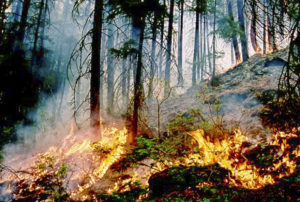 HOPLAND, California — …Dripping gasoline onto dry grass and deliberately setting it ablaze in the California countryside felt wildly reckless, especially for someone whose job involves interviewing survivors of the state’s all too frequent, catastrophic wildfires. But “good fire,” as Nielson called it, is essential for reducing the fuel available for bad fire, the kind that makes the headlines. The principle is as ancient as it is simple. …With that in mind, the state set an ambitious goal in the early 2020s to deliberately burn at least 400,000 acres of wilderness each year. …But California officials worry their ambitious goals are likely to be thwarted by deep cuts to those federal agencies. Gov. Gavin Newsom added $72 million to the state’s forest management budget to bridge some of the gap expected to be left by federal agencies. But wildfire experts say that’s just a drop in the bucket.
 The federal government could start selling off thousands of acres of Oregon public lands if provisions added to the Big Beautiful Bill win Congressional approval. A draft of the legislation was released Wednesday. Housing is also part of this latest push to sell Bureau of Land Management and Forest Service land. US Senator Mike Lee is calling for the heads of the US Interior and Agriculture departments to dispose of between 2.2 and 3.3 million acres of federal BLM and Forest Service land from 11 states – including Oregon. …Separately, the legislation calls for the Forest Service to boost logging by 75% over the next decade. It’s not clear if those logging goals are realistic. The Forest Service has missed its timber targets every year for more than a decade, though it’s possible that tariffs on Canadian lumber could boost demand for logging in the United States, according to industry analysts.

 Tim Meyer’s interest in the outdoors goes back decades, beginning with hunting. In 1987, he bought 115 acres of land in Davis County in southern Iowa. It was on that land that his love of the outdoors — and his interest in developing a healthy forest — grew. Today, that property has grown to 384 acres, which includes 320 acres of forest. Last year, Meyer’s knowledge and care for trees was honored when he and his wife, Pam Goschke, were named Iowa’s Outstanding Tree Farmers by the Iowa Tree Farm Committee. The award honored Meyer’s work fostering woodlands across the state, but learning the ways of tending to woodlands wasn’t always easy. “I didn’t realize how cruel nature can be,” said Meyer, who lives in Iowa County. “If you leave a forest unmanaged, there’s really a war going on out there in the forest because, you know, bad trees outgrow good trees.”
 As Western North Carolina’s forests recover from Hurricane Helene, environmental groups say Pisgah and Nantahala face a one-two punch from the federal government, potentially setting the stage for further destruction. For as long as the country has had national forests, logging has been a part of their management, but those needs are also weighed against the need to maintain habitat, recreational opportunities, protect local water systems and defend wildlife. In the past few years, the U.S. Forest Service has opened up more land to logging and now with a recent executive order calling for increased timber production across the country, environmental nonprofits like Center for Biological Diversity, the Sierra Club, Defenders of Wildlife and Asheville-based MountainTrue are suing to prevent what they believe could severely damage habitat in a way that could take decades to recover from.
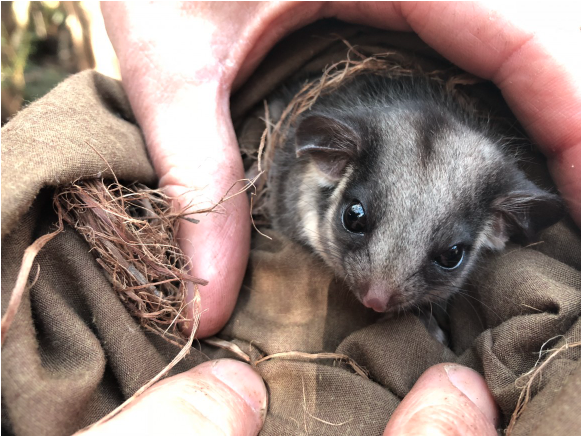
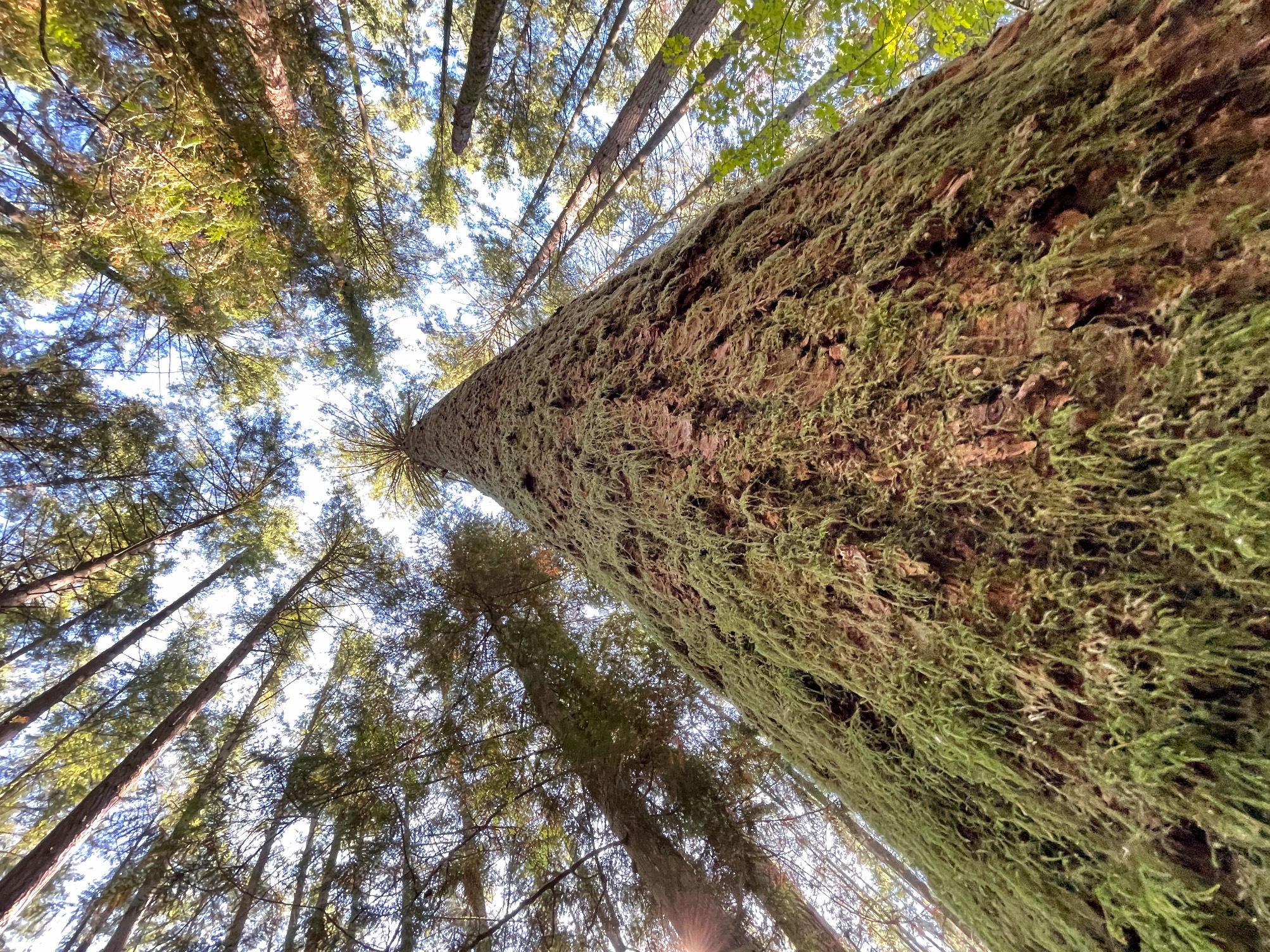 The world’s oldest forests are facing growing pressure from all sides. Their decline isn’t just an environmental concern – it carries serious consequences for people, climate stability and global biodiversity. According to a new