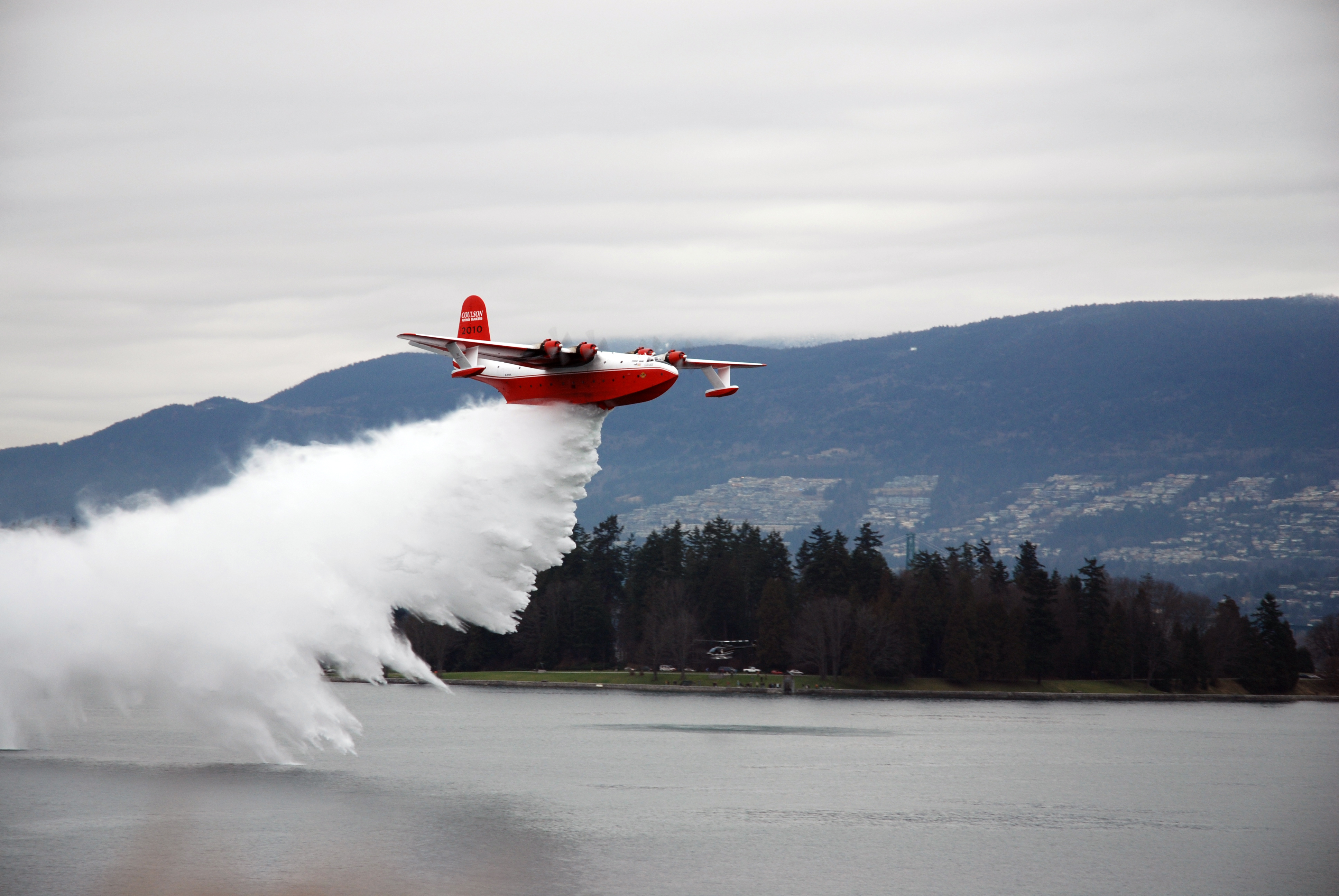
 As Canada is again dealing with massive wildfires, the increasing severity of the natural disasters is having the knock-on effect of spiking the demand for water bomber planes — and it will be years before Canada gets its hands on a new one. Premiers gathered in Saskatchewan this week, one of the provinces currently gripped by wildfires. They were primarily meeting to discuss major infrastructure projects, but a number of premiers talked to reporters about dealing with the wildfire situation. Manitoba Premier Wab Kinew, whose province has also seen thousands flee wildfires in recent weeks, mentioned that his government is waiting for an order of water bombers — but he doesn’t expect them to be delivered any time soon. …John Gradek, an aviation management lecturer at McGill University, agreed [with Premier Ford] that it’s well past time for Canada to have a nationalized water bomber fleet.
 Eruptions can’t be prevented, so scientists have focused on improving early detection technologies. New work being done by NASA and the Smithsonian Institution builds upon the existing knowledge that changes in tree leaves can signify a volcanic eruption. Magma releases carbon dioxide, sulphur dioxide, and other gases as it ascends. Nearby trees absorb the carbon dioxide and become greener and more lush in response. According to the new research, these changes are detectable from space. The greener foliage can be read by NASA satellites like Landsat 8, as well as airborne instruments from the Airborne Validation Unified Experiment: Land to Ocean (AVUELO). There are roughly 1350 active volcanoes in the world, many of them in remote or hard-to-navigate terrain. Volcanic carbon dioxide is difficult to detect remotely. Scientists often have to travel to volcanoes to take direct measurements, which is a difficult and sometimes hazardous assignment.
 While images of wildfires capture their ferocity, data can provide insight into how bad a fire season is. Such is the case with two graphics, powered by satellite data, that showcase a Canadian wildfire season off to a wild — and scary — start. Twice a day a NASA satellite sends images to the ground, giving a real-time view of where fires are burning. This is especially useful for remote areas where no sensors are stationed. As of Tuesday that satellite had picked up four times as many fire hot spots across Canada than is typical for early June. Based on data from the
 This month’s news includes:
 Canada’s wildfire season has had an early and intense start, with states of emergency declared in Saskatchewan and Manitoba and forecasts warning of severe conditions across central and eastern Canada. Wildfire smoke is already crossing borders, affecting millions. In this Q&A, wildfire experts Dr. Lori Daniels and Dr. Mathieu Bourbonnais, co-directors of the
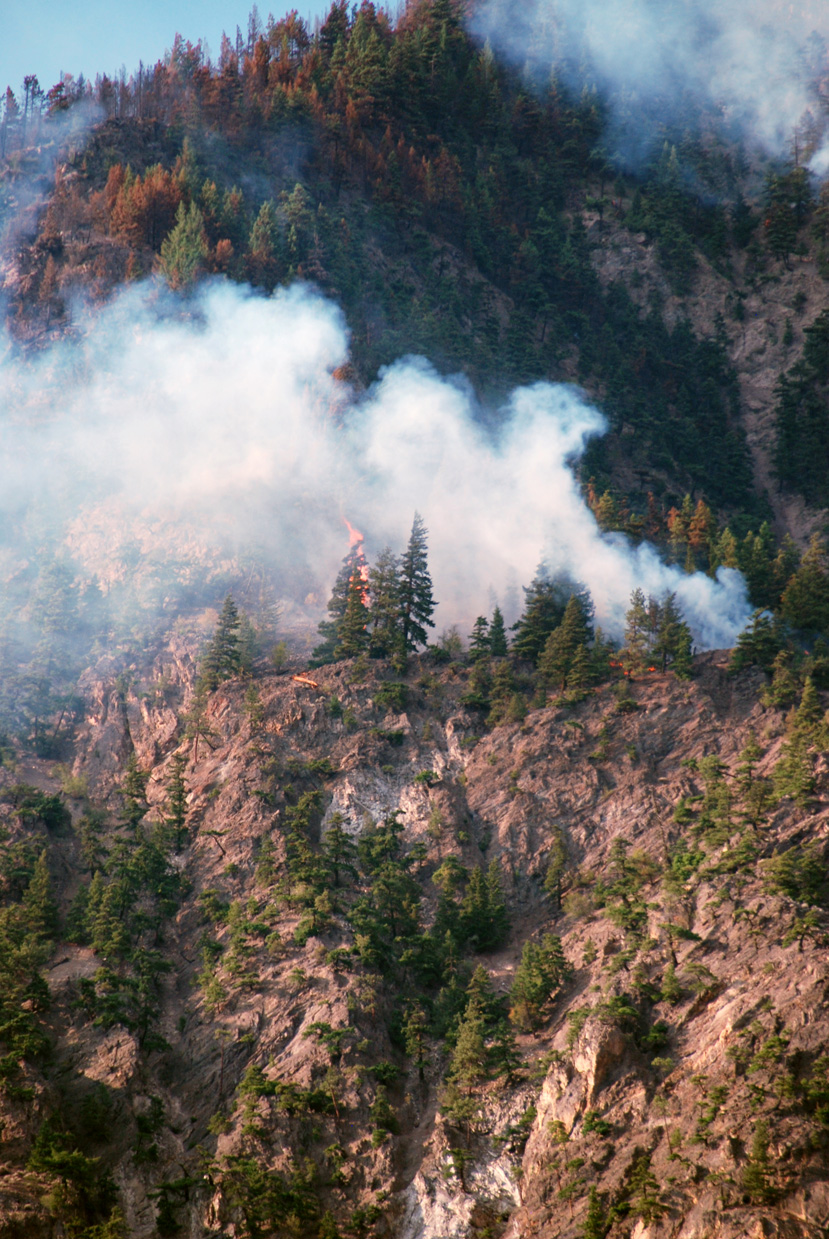
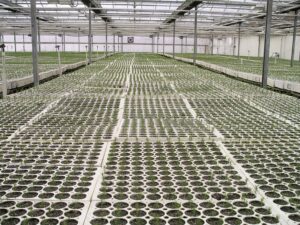 Crystal To… is part of a small crew of tree planters who are slowly filling the Whitehorse South fuel break with aspen. It’s her first time doing the job. …The goal of the fuel break is to protect the capital city from wildfires by creating a natural barrier, removing all the highly flammable conifers in an 800-hectare area and replacing them with more fire-resistant aspens. The Yukon government began work on the fuel break in 2020, near the Mary Lake subdivision. It’s one of the first such projects in Canada, and the goal is to have it finished by 2032. The aspens are being planted by the thousands every summer. This year, 232,000 seedlings will be planted.
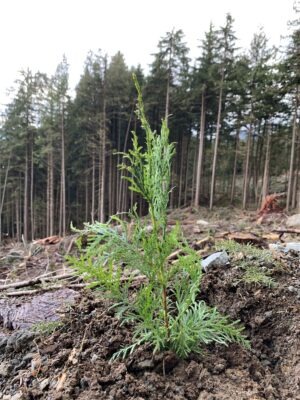 Following fire mitigation efforts in and around the 108 Mile Ranch, a new generation of trees have been planted to restore the land. West Fraser 100 Mile donated 1,200 trees that were planted by treeplanters from Zanzibar Holdings Ltd. on behalf of the 108 Mile Ranch Greenbelt Commission. Greenbelt commissioner Chris Betuzzi said it’s all part of the commission’s work to secure the 108 Mile Ranch against future fire seasons and avoid a repeat of the 2017 Gustafsen fire, which burned parts of Walker Valley. As a registered forest technologist, he said helping manage the forest is a responsibility close to his heart. In May of 2024, Betuzzi said they carried out fire mitigation efforts in three areas along the Greenbelt, including Donsleequa Road, Qua Place and Gloinnzum Drive to reduce forest fuel in the event of a wildfire. Betuzzi said they had Tsi Del Del Enterprises Ltd come up to process the slash piles and fibre.
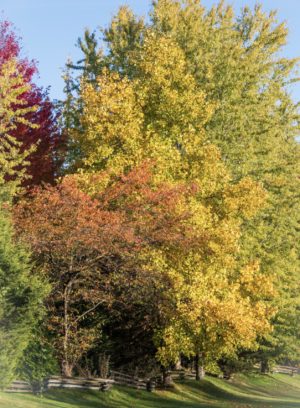 are expected to go up around Edmonton this week to capture the emerald ash borer. The shining and dangerous pest is poised to wreak havoc on Edmonton’s $400-million population of ash trees, and the city has two staffers working full time to detect any advance here as the invasive bug closes in from the west or east into Alberta. “We have the largest percentage of our urban forest canopy in green ash of almost any city in North America,” said Michael Jenkins, senior scientist with the City of Edmonton. Ranging from 8.5 mm to 14 mm long and 3.1 mm to 3.4 mm wide, the beetle is difficult to spot. “A single piece of firewood can destroy millions of trees,” warns a poster depicting a stack of ash firewood as dynamite sticks with an emerald ash borer at the tip of the fuse.
 Is your community prepared for the rising risk of wildfires? Join wildfire mitigation experts from Silvacom for an insightful webinar on launching effective Community Fireguard projects. This session is designed to equip you with the knowledge to protect people, infrastructure, and vital ecosystems. Learn how Fireguards serve as a critical front-line defense and understand the comprehensive process from initial concept to successful construction. Municipal Leaders, First Nations Representatives, Planners and Land Managers, and people involved in community wildfire preparedness and mitigation in Alberta are encouraged to attend. Highlights:
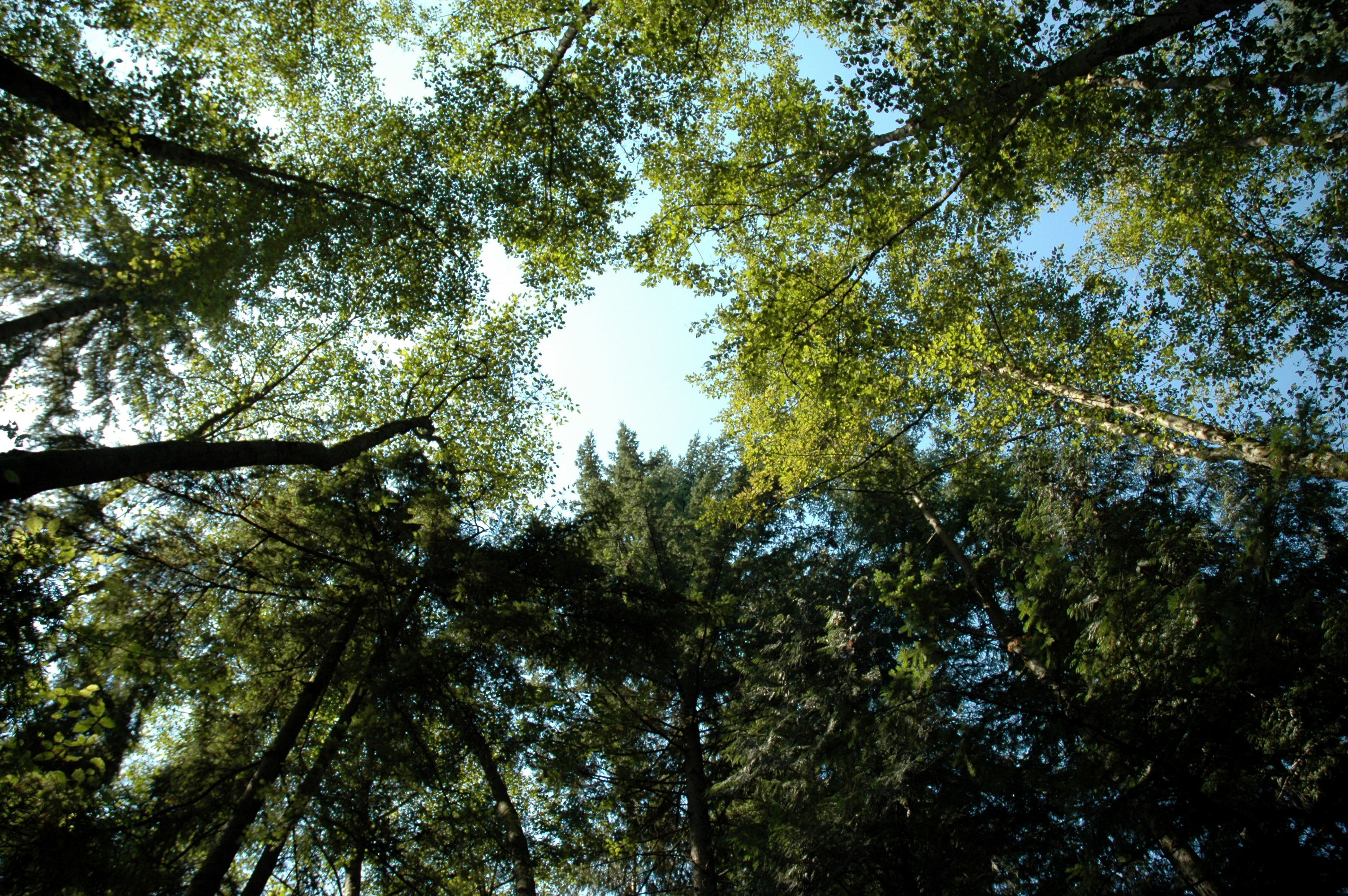 Quebec’s sweeping reform of how forests are managed is causing concerns among Indigenous leaders, conservation groups and unions, who warn the changes prioritize logging over long-term health of the ecosystem. Bill 97, tabled this spring by Minister of Natural Resources and Forests Maïté Blanchette Vézina, proposes to divide the forest into three zones: one that prioritizes conservation, one focused on timber production and a third zone for multiple uses. At least 30 per cent of Quebec’s forests will fall into that second category, Blanchette Vézina said. Speaking at the legislative hearing on Bill 97, Lac-Simon Anishnabe Nation Chief Lucien Wabanonik says he wants to see it scrapped and rewritten from scratch in collaboration with First Nations people. “They call it triade in French, meaning 30 per cent of the territory will be specifically used by the industry in exclusion of other users,” he said. “It’s very negative on our rights as First Nations.”
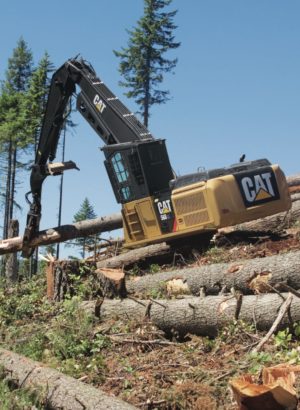 It was not long ago that the small town of Darrington, Washington drew its life from the towering stands of Douglas fir, cedar and hemlock on federal lands. …Efforts to protect the spotted owl severely restricted timber sales on federal land. “We’ve struggled since the owl wars to find an economy,” says Dan Rankin, who grew up in a local logging family and has for the past 14 years been the mayor of Darrington. So Mr. Rankin had reason for hope when Donald Trump re-entered the White House with promises to start cutting trees again. …But more than four months into Mr. Trump’s turbulent second mandate, an alternative outcome is already looming: that the dramatic actions his administration has taken since its return to office could result in fewer federal trees being cut. …Mr. Rankin’s worries are rooted in what he has seen happening at the U.S. Forest Service office. [to access the full story a Globe & Mail subscription is required]
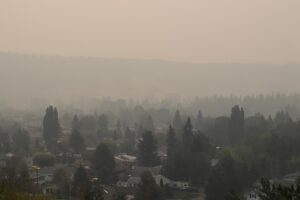 As dozens of wildfires continue to burn across Canada, flames are sending far-reaching plumes of smoke into the sky and unhealthy air to distant places. Some of the more gigantic blazes have been delivering thick smoke that spread southward into the United States over recent days. The fires are burning from British Columbia, through Alberta and Saskatchewan to Manitoba and Ontario — with several between 100,000 and 300,000 hectares apiece. More smoky skies are expected as this week begins, although the smoke is not expected to be as thick as it’s been in recent days. Prime fire season in Canada is just beginning, though already about half a year’s worth of land has been scorched, according to the long-term average. [a paid subscription is required to read this article]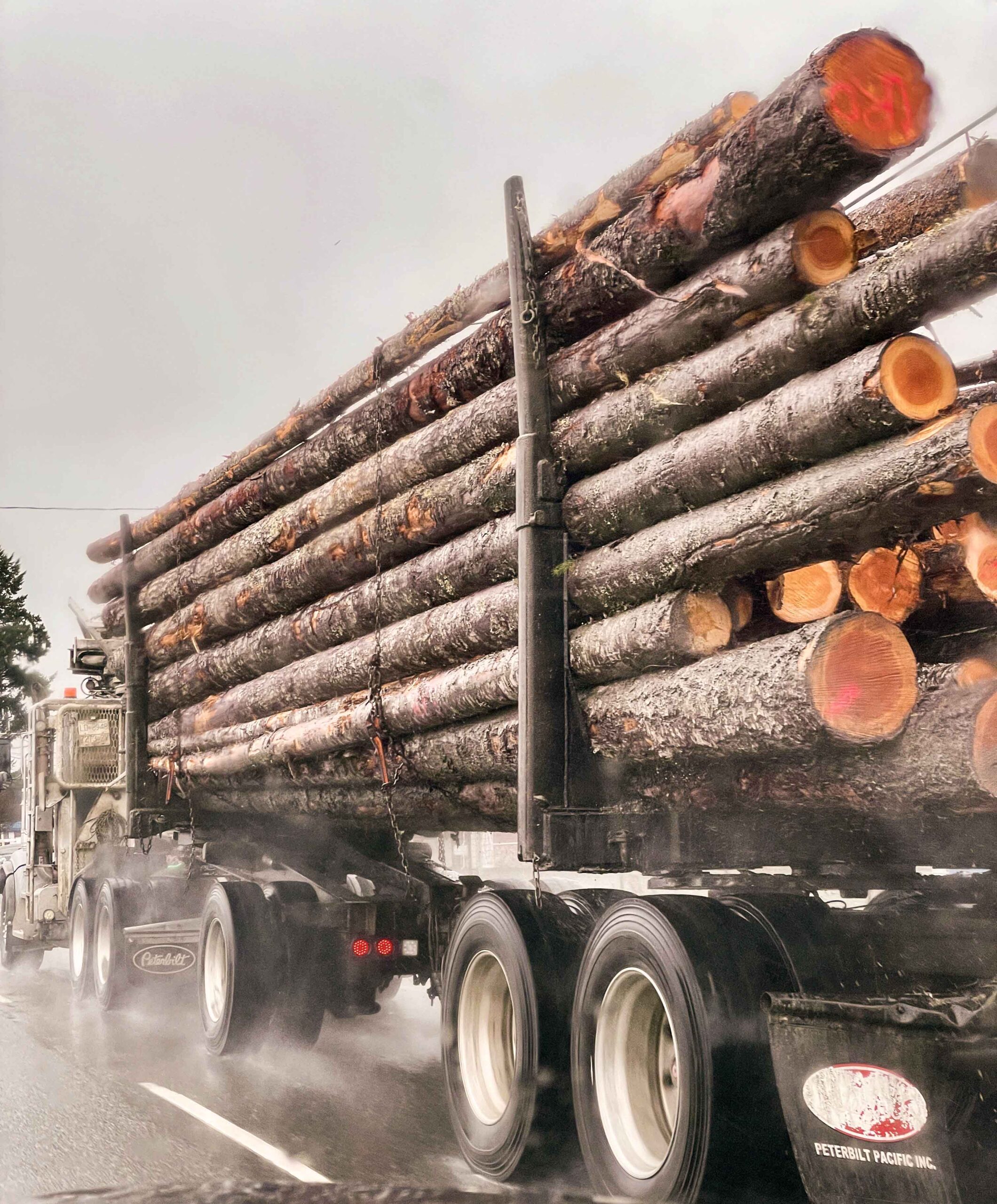
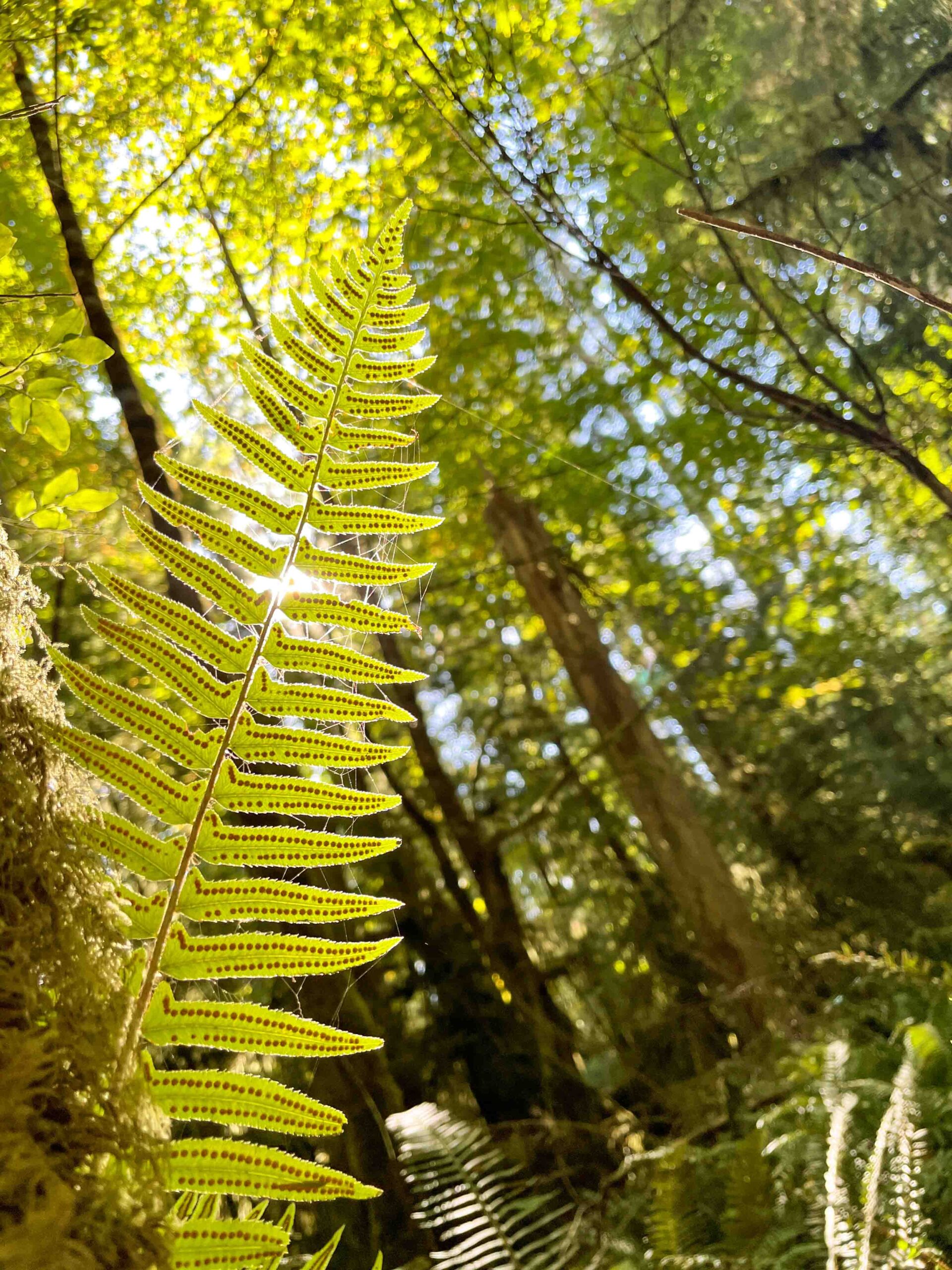 SEATTLE — The US Forest Service has been tasked by President Trump to create a plan that will increase timber production in federal forests, and Pacific Northwest industry leaders are waiting to see how that plan will be implemented in a region rich in logging history. Many leaders are worried that this new order will disrupt the decades of work put into policies locally. …Logging has historically been a staple industry in the northwest that has simultaneously been an ongoing conversation between the need to harvest for building and economy, and also protecting the environment within these forests. …Lands Commissioner Dave Upthegrove said the constant balancing act between the economy and the environment continues. “As our state has grown, as many of our forest lands have been developed, it’s more important that we manage these forests now, not just as economic resources, but as valuable assets that contribute to our quality of life,” said Upthegrove.
  Seattle-based Mast Reforestation had a novel idea to help save the planet: sell voluntary carbon credits and use that money to replant forests destroyed by wildfire. …Mast positioned itself as a rising star in the carbon credit market, claiming to be the only “vertically-integrated reforestation carbon credit developer in the industry.”…Now, the company is facing allegations that it deceived potential partners to secure its reforestation projects. The way Mast structures its credits is central to the controversy. Mast sells carbon credits to businesses that want to voluntarily offset emissions. …But Mast’s model hinges on future climate benefits. Instead of waiting for trees to grow and capture carbon, Mast sells its credits based on projections of reductions. …In a wrongful termination lawsuit filed in Siskiyou County, Mast’s former senior director of business development Arnoud de Villegas, claims the company misled potential partners.
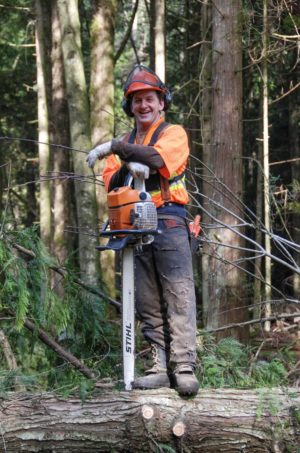 Forestry professionals are at the frontlines of California’s battle against the wildfire emergency in the West. Our forestlands play a vital role in sequestering carbon, maintaining biodiversity, and providing critical ecosystem services like clean air and water. However, they are increasingly threatened by wildfires, drought, insects and disease—all of which are exacerbated by a changing climate. To combat these threats, we need a robust and well-trained forestry workforce with the knowledge and skills necessary to manage our forests sustainably. The forestry workforce is critical in wildfire prevention and mitigation. With California experiencing record-breaking wildfire seasons in recent years, there has never been a more urgent need for skilled forestry professionals to confront this emergency. Beyond fire prevention, forestry professionals manage forest health and help create landscapes that are resilient to changing conditions.
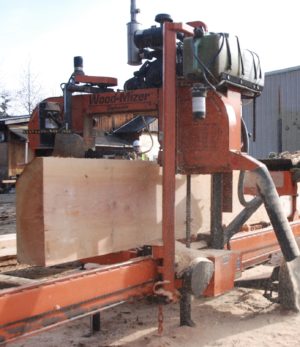 Reagan Brown sliced a board from a cut log using a brand new bright orange sawmill as a crowd of students, teachers and lumber industry workers looked on. He was part of a day-long event Orofino Junior Senior High School put on to show off its new trade programs, including the sawmill. Aiden Olive, a senior, was helping Reagan. “ This is completely new, we got this about a month ago, we put it together ourselves,” he said. The school is in a river valley surrounded by hills covered in evergreen trees – the kind of forest that has been logged for more than a hundred years. It’s a $2.5 billion industry in Idaho, but it’s looking for workers. “ I wasn’t really certain about going into forestry at first, but after getting this mill and running it and seeing how it works, I really actually think that could be some possibility of going into forestry,” Olive said.
 As the Forest Service contracts with slashed staff and funding, local communities are stepping up with funding for backcountry trail crews, visitor education campaigns and management of campsites and trailheads. “These folks need help. We know how important it is to have a physical human presence out there,” said Dave Ochs, the head of the Crested Butte Mountain Bike Association, which is administering $62,500 in local funding to support three seasonal Forest Service employees around Crested Butte. “Let’s help our partners. They are in need and we care very much for our backyard.” This is a scene unfolding across Colorado’s public lands as communities labor to fill gaps left by the sudden retraction of the federal government under the Trump Administration.
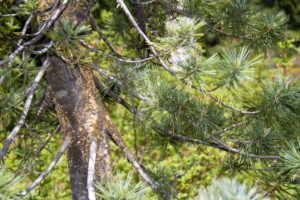 The proposed development and expansion of Grand Targhee Resort may require the removal of about 456 whitebark pine trees. At the level of detail in the environmental impact statement released last month, it’s unclear whether some projects can be amended to save trees within the project area. It’s also unclear how many of the trees within the project area are mature, cone-bearing trees necessary for the species’ reproduction. Caribou-Targhee National Forest officials, who are reviewing Targhee’s expansion plans, said the 456-tree estimate is likely high. In past projects, Teton Basin District Ranger Jay Pence said, “Grand Targhee and the Forest Service [have] routinely been able to shift some of the disturbances to avoid whitebark pine stands.”.. Whitebark were listed as “threatened” by the U.S. Fish and Wildlife Service in 2023. But its Endangered Species Act protections do not prohibit them from being hewn.
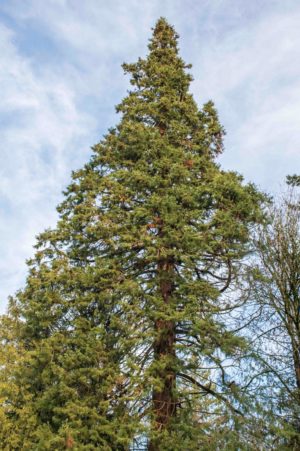 The federal government is awarding Utah $3 million to purchase conservation easements in southern Utah near Zion National Park. The funding — awarded to the Utah Division of Forestry, Fire and State Lands by the U.S. Department of Agriculture — was announced Monday and will go toward ongoing forest preservation efforts outside of the national park. Called the Zion Connectivity Project, the state will direct the funding at two properties totalling 766 acres near the north section of the national park. A conservation easement — a legally binding agreement between a landowner and government that places restrictions on the land for environmental purposes — will prevent the land from being fragmented or developed. That will help preserve the ecologically rich stretch of forest. Old-growth ponderosa pines, some of them hundreds of years old, can be found in the area.

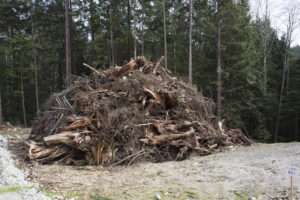 Sawmills are working to recycle trees blown down by Hurricane Helene to assist wildland firefighters while boosting domestic timber production. Many of the trees downed by the storm are usable, according to Johnny Evans, owner of EvAns Lumber Co. in Manchester, Tennessee. About 6% of the lumber produced at his facility comes from trees that fell during natural disasters. The Tennessee Department of Agriculture’s Forestry Division estimated it could take at least three years for the thickest trees downed by Hurricane Helene to dry out enough to become potential wildfire fuel. However, those trees can still hinder firefighting efforts by getting in the way of bulldozers used to create firelines. “Those trees are there just blocking the dozers. So we have to send in crews to clear a path for the dozers,” Megan Carpenter, a spokesperson for the Tennessee Department of Agriculture’s Forestry Division, said.
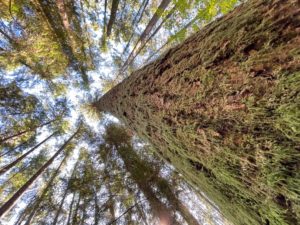 SWEDEN — To combat the growing risks from unsustainable business practices, governments and regulators worldwide require corporates to bring greater transparency and reporting to their sustainability impact. When comes to reporting, however, arguably, not all industries are the same. Forests are key to addressing both climate change and biodiversity loss, two of the most urgent challenges for the global community. …If reporting (and other) regulations are to encourage forestry organizations, and their stakeholders, to make more sustainable choices, more needs to be done to increase understanding of the specific sustainability impacts of the industry. Three key areas should be addressed: reporting models, underlying data, and success cases. …An evolving regulatory environment with potential broad implications for forest companies combined with a fragmented reporting landscape diminishes the useability of information for stakeholders as a steering tool.
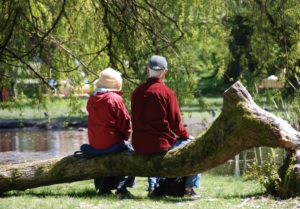 A quarter of a Welsh city will be covered by tree canopies within 10 years due to a new plan to boost its “urban forest”. Almost 30,000 trees will be planted in Newport to supplement about 250,000 existing trees. Wales was the first country in the world to measure its urban tree coverage. The council hopes these trees and others planted by private developers and landowners will take canopy cover in Newport – which at 18% had the highest proportion of any Welsh city in 2016 – to 25%. Joanne Gossage, service manager for environment and leisure at Newport council said the city had “green oasis” parks. She said: “We feel that Newport is a very green city and we don’t think it’s too far of a stretch to get to that 25%. “People’s perception of an urban forest is something dark, perhaps menacing and dingy. It’s not. It’s about trees making attractive frameworks in limited open space.”
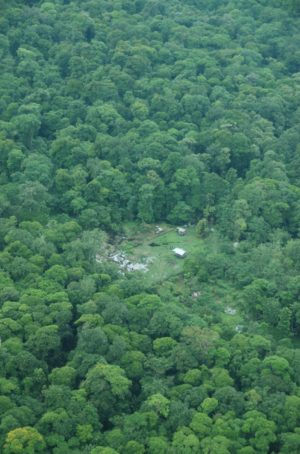 Around the world, nefarious state and nonstate actors are extracting enormous value from forests to fund their operations. The unlawful clearing of land and the harvest, transport, purchase, and sale of timber and related commodities have long been dismissed as a niche concern of environmental activists. But this is a mistake. Although unsustainable deforestation imperils the environment, illegal logging also poses an outsize—and underacknowledged—geopolitical threat. Environmental crime constitutes a growing economic and national security threat to the United States and countries around the world. Yet Washington has largely ignored illegal logging’s role in its fight against transnational criminal organizations, drug cartels, terrorists, and rogue regimes, as well as China’s part in this illicit trade. Thankfully, the blueprint for fighting transnational crime already exists: better cooperation among governments, increased enforcement, more transparent supply chains, public-private partnerships, and most important, following the money.