 The FSC Leadership Awards recognize excellence in the use of FSC-certified products, materials, and commitment to responsible forest management across industries, as well as in advocacy, conservation and individual leadership in the FSC community. Submissions are due Friday, July 25, 2025. Categories for submissions for people, organizations, and projects in the United States and Canada:
- Built Environment – a commercial, institutional, mixed-use or residential building project, completed in the last three years that utilized at least 50% FSC-certified materials across all wood products.
- An FSC-Certified Company or Organization
- An FSC Promotional License Holder
- A Nonprofit Organization – Partnership or shared goal with the Forest Stewardship Council.
- An Uncommon Partnership – A campaign, event, or project that your company or organization completed in tandem with another company or organization brought about by your common interest in FSC and responsible forest management.
- An Individual Champion – leadership in innovating and advancing FSC and responsible forest management
 The Ancient Forest Alliance (AFA) and Endangered Ecosystems Alliance (EEA) are calling for better protection of old-growth forests from the BC Government. [They want the] province to refocus their measures, implement their draft biodiversity, and Ecosystem Health Framework to ensure a transition to a sustainable forest industry. Executive Director of EEA Ken Wu said there is two directions the government can go in response to tariff threats from the U.S. “Either take the easy but foolish route by falling back on the destructive status quo of old-growth logging and raw low exports, or instead take the opportunity to invest in a modernized, sustainable, value-added, second-growth forest industry that is the future of forestry in BC, while protecting the last old-growth forests.” …The groups are also issuing a warning which commercial logging must not be permitted in protected areas under the guise of wildfire risk reduction.
 The Sḵwx̱wú7mesh Úxwumixw (Squamish Nation) is calling for better education on Stanley Park’s Indigenous history after a First Nations group threw their connection into question during a logging protest earlier this month. A “sacred fire” lit March 15 was kept ablaze for over a month at Brockton Park’s totem poles by a woman who identified, according to protest group Save Stanley Park, as a “matriarch” of the land. The woman claimed to be a descendent of “Portuguese Joe”, an early B.C. settler with Musqueam lineage, and was in protest of the Vancouver Park Board’s ongoing project to remove hundreds of trees affected by the looper moth disease. Squamish Nation elected councillor Wilson Williams says the claims are still yet to be verified, and his own community is left reeling at the group’s failure to address the history of the Squamish people that dates back thousands of years within the park.
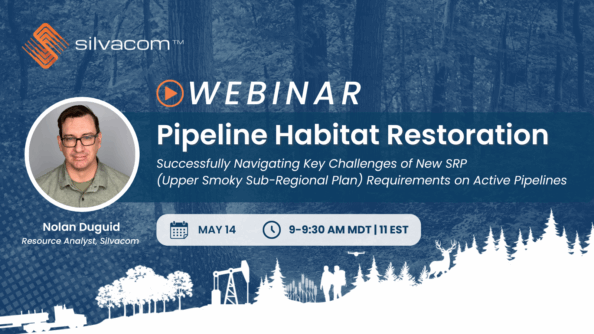 Silvacom is hosting a free webinar titled “Pipeline Habitat Restoration: Strategies and Innovations” MAY 14, 2025 9:00 AM MDT | 11 EST. This event will bring together industry experts, environmental scientists, and key stakeholders to discuss the latest developments and best practices in habitat restoration in areas affected by pipeline projects. Join Our Webinar on Pipeline Habitat Restoration: Successfully Navigating Key Challenges of New SRP Requirements on Active Pipelines (Upper Smoky Sub-Regional Plan). With Alberta’s Sub-Regional Planning Process introducing new regulatory requirements for caribou habitat restoration, the energy sector must adapt and implement habitat restoration on active pipeline corridors. Unlike decommissioned or abandoned pipelines, active right-of-ways (ROW) present unique operational, regulatory, and ecological challenges. This webinar will explore the complexities of meeting habitat restoration objectives while balancing: Ecological restoration goals; Operational efficiencies; Regulatory requirements; and Indigenous community and stakeholder values.
 The BC Council of Forest Industries (COFI) is now accepting applications for the 2025 Forestry Scholarships. As part of our commitment to supporting the next generation of forestry professionals, COFI will award 10 scholarships of $2,000 each to students from across British Columbia pursuing post-secondary studies or skilled trades training related to the forest sector. The scholarships are open to BC residents entering a forestry-related program at an accredited post-secondary institution in fall 2025 or spring 2026—whether you’re from a rural community, coastal town, or urban centre.
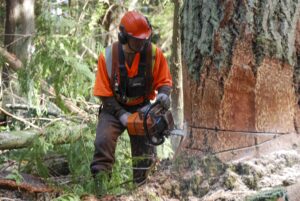 ʔakisq̓nuk First Nation is among communities that have taken a proactive approach to reducing risk ahead of B.C.’s next wildfire season, supported by Indigenous-owned resource management firm Nupqu and $365,000 from the Forest Enhancement Society of BC (FESBC). East of the Nation’s reserve and just north of Fairmont Hot Springs, work will continue through summer and into fall as the ʔakisq̓nuk community collaborates with foresters and the province to treat natural fire fuel and ensure a safer future for locals. It’s become a successful project, first proposed back in 2018. According to ʔakisq̓nuk Chief Donald Sam, fire suppression in these forests for more than a century has challenged and restricted the health of these ecosystems.
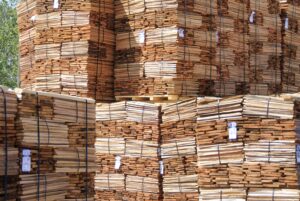 A decision by the Supreme Court of British Columbia to reject a $75-million compensation claim made by a logging company that once operated on Haida Gwaii could have reverberations across the province as the government continues its reconciliation efforts with First Nations… A prime example is the $84 million in compensation that the B.C. government agreed to pay MacMillan Bloedel in 1999 after the government created a number of new parks on Vancouver Island. In seeking $75 million in compensation for alleged losses of portions of its logging tenures on Haida Gwaii, however, Teal Cedar Products Ltd., a subsidiary of the Teal-Jones Group, tried to argue something entirely different: that changes to where it could log, how it could log and when it could log amounted to a form of expropriation for which the company should be compensated millions in taxpayer dollars.

 GRAND FORKS – The Forest Practices Board has completed an investigation into a complaint about range practices and government enforcement in the Ingram-Boundary range unit. A resident of Midway submitted the complaint in January 2023, raising concerns about overgrazing, inadequate fencing to protect riparian areas and the spread of invasive plants. The investigation examined whether two range agreement holders followed legislative requirements during the 2023 grazing season. It also considered whether government enforcement had been appropriate. Board investigators visited the range unit in September 2023. The board determined that the range agreement holders complied with legal requirements when grazing livestock in the 2023 grazing season, and protected riparian and upland areas as required. However, investigators found the actions that deal with the spread of invasive plants in the range agreement holders’ range use plans were unmeasurable and could not be evaluated for compliance.
 The Agriculture Research Service researchers are helping to mitigate a destructive tree and insect that continue to spread across the United States. With its lush tropical canopy and ability to quickly grow toward the sky, the Tree of Heaven seems as angelic as its name suggests. However, Tree of Heaven is proving to be a devil. The invasive tree is aggressive and damaging as it spreads rapidly across Mid-Atlantic and Midwestern states. …Not only is Tree of Heaven an environmental menace, it is also “the most favored host” of the invasive spotted lanternfly, according to Tracy Leskey, a research entomologist in Kearneysville, WV. Leskey and university partners are working to reduce both Tree of Heaven and spotted lanternfly populations through ARS’ Area-Wide Pest Management program. Their goal is to suppress the populations of both invasive species … all while alleviating the impact on native pollinators and plants.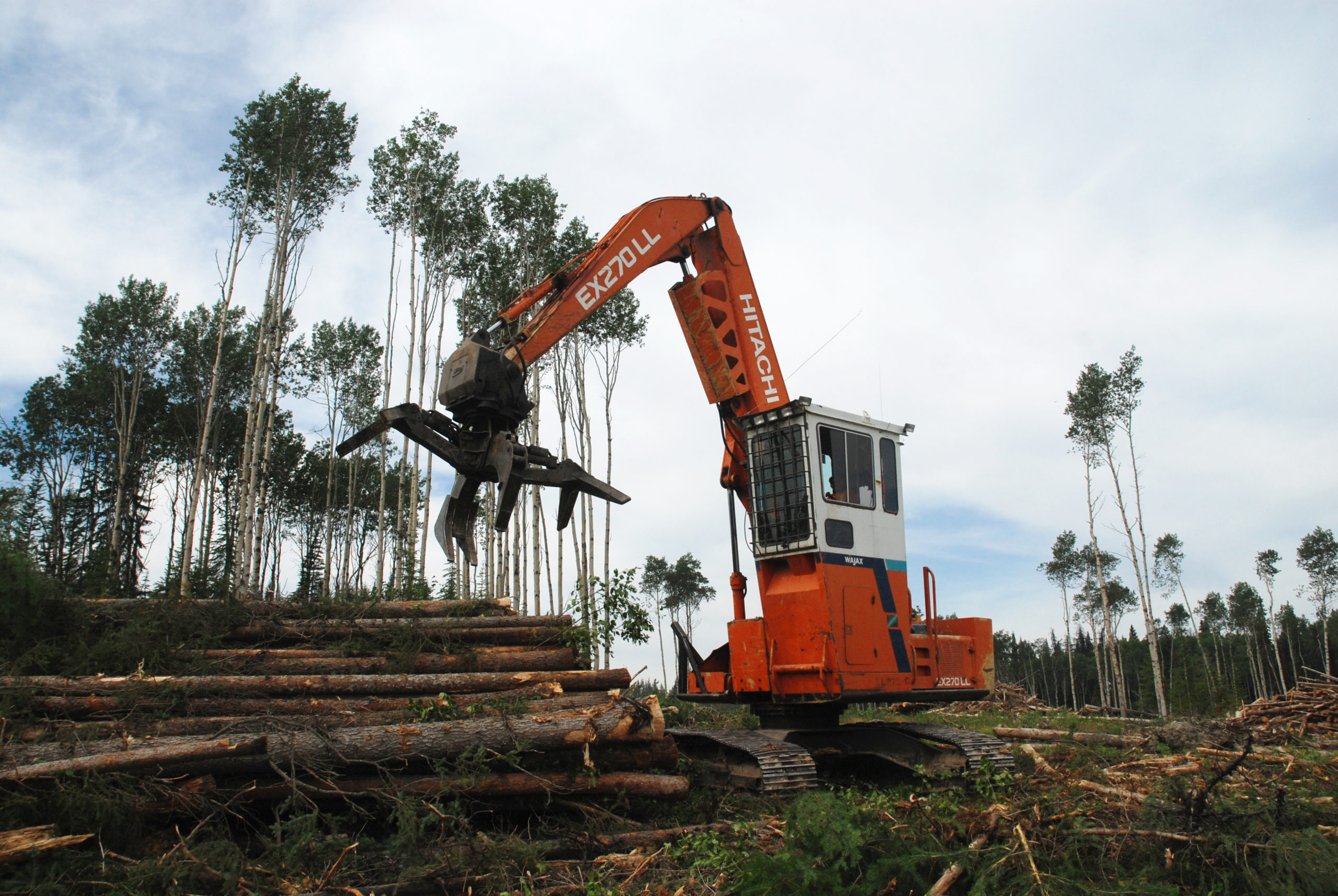
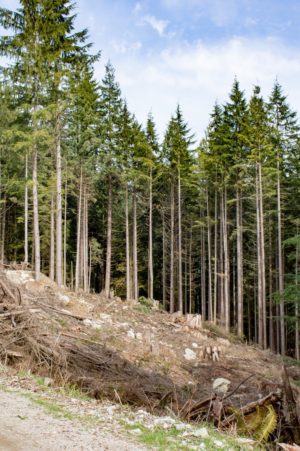 The Trump administration plans to eliminate habitat protections for endangered and threatened species in a move environmentalists say would lead to the extinction of critically endangered species because of logging, mining, development and other activities. At issue is a long-standing definition of “harm” in the Endangered Species Act, which has included altering or destroying the places those species live. Habitat destruction is the biggest cause of extinction, said Noah Greenwald, endangered species director at the Center for Biological Diversity. The US Fish and Wildlife Service and National Marine Fisheries Service said in a proposed rule issued Wednesday that habitat modification should not be considered harm because it is not the same as intentionally targeting a species, called “take.” Environmentalists argue that the definition of “take,” though, has always included actions that harm species, and the definition of “harm” has been upheld by the US Supreme Court.
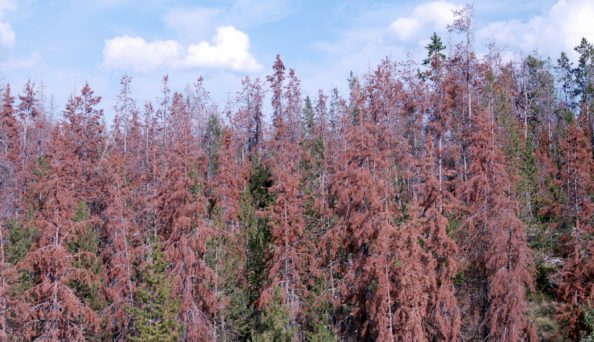 …a relatively wet 2023 for much of the state bolstered many trees against the spread of the mountain pine beetle, the separate spruce beetle and the spruce budworm. But a dry 2024 set the pests marching again by sapping forests of the water they need to stay healthy and fight off infestations, said Dan West, entomologist with Colorado State Forest Service. Colorado’s higher-altitude forests need several normal to wet seasons in a row to build up true resiliency, he said. One dry season meant Western spruce budworm affected 217,000 acres of state forests in 2024, up from 202,000 acres in 2023… Mountain pine beetle… grew to 5,600 acres of impact. The Douglas-fir beetle impacted 21,000 acres in 2024, its largest total damage in almost 10 years… Western balsam bark beetle …is still the … most widespread by acreage. The acres affected by the balsam bark beetle held steady at 27,000, but more of those trees die.
 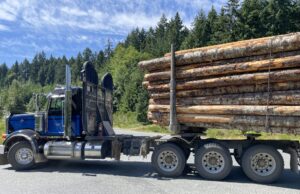 Logging is not necessarily a dirty word in the environmental dictionary. There, I said it. Provided sustainable practices are used, namely the careful choice over what trees get chopped down, logging can have a positive impact on the health of our forests as part of an effective management strategy that includes mechanical thinning and prescribed burning. Selective logging can also mitigate the risk and destructive power of wildfires. …This is my way of saying logging shouldn’t automatically be perceived as an environmental threat – despite what history tells us is the result when chainsaws and bulldozers are employed by the wrong hands. …Environmental groups reacted with outrage to Trump’s order, calling it a thinly veiled attempt to bypass environmental laws in order to justify widespread commercial logging under the false pretense that such actions will reduce wildfire risk.
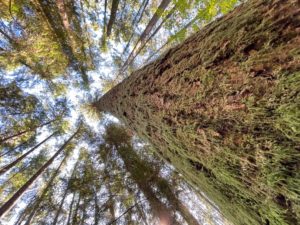 From the summit of Katahdin, the view is of forests stretching in all directions. …Forty-five years ago this scene would have been quite different. A voracious insect called the spruce budworm was ravaging Maine’s North Woods, killing mountainsides of balsam fir and red spruce. …Today, foresters and landowners are nervously tracking a renewed spruce budworm presence in the North Woods. The insects have already stripped hundreds of thousands of forest acres in Quebec and Ontario. After decades of heavy logging, scattered tracts are being managed with ecological timbering methods that strive to maintain natural systems — but most are not. Questions abound over how the state’s forests, both the northern timberlands and smaller, privately owned tracts throughout the state, will fare in a world beset by climate change. …And there’s the coming spruce budworm invasion.
  On 10 April 2025, the Forest Stewardship Council (FSC) was notified of Svenska Cellulosa Aktiebolaget’s (SCA) intention to self-terminate its forest management certification in Sweden as of 1 June 2025, while keeping their forests in the Baltics certified and maintaining the Chain of Custody certification as well as membership in FSC Sweden. We regret this decision, but acknowledge SCA’s continued commitment to FSC, and its openness to finding a solution through engagement with FSC and other stakeholders. FSC, a membership-based organization, is founded on the belief that lasting solutions to complex problems require diverse voices at the table. Our unique three-chamber governance structure brings together environmental, social, and economic interests, ensuring that no single perspective dominates, and that consensus guides our decision making.