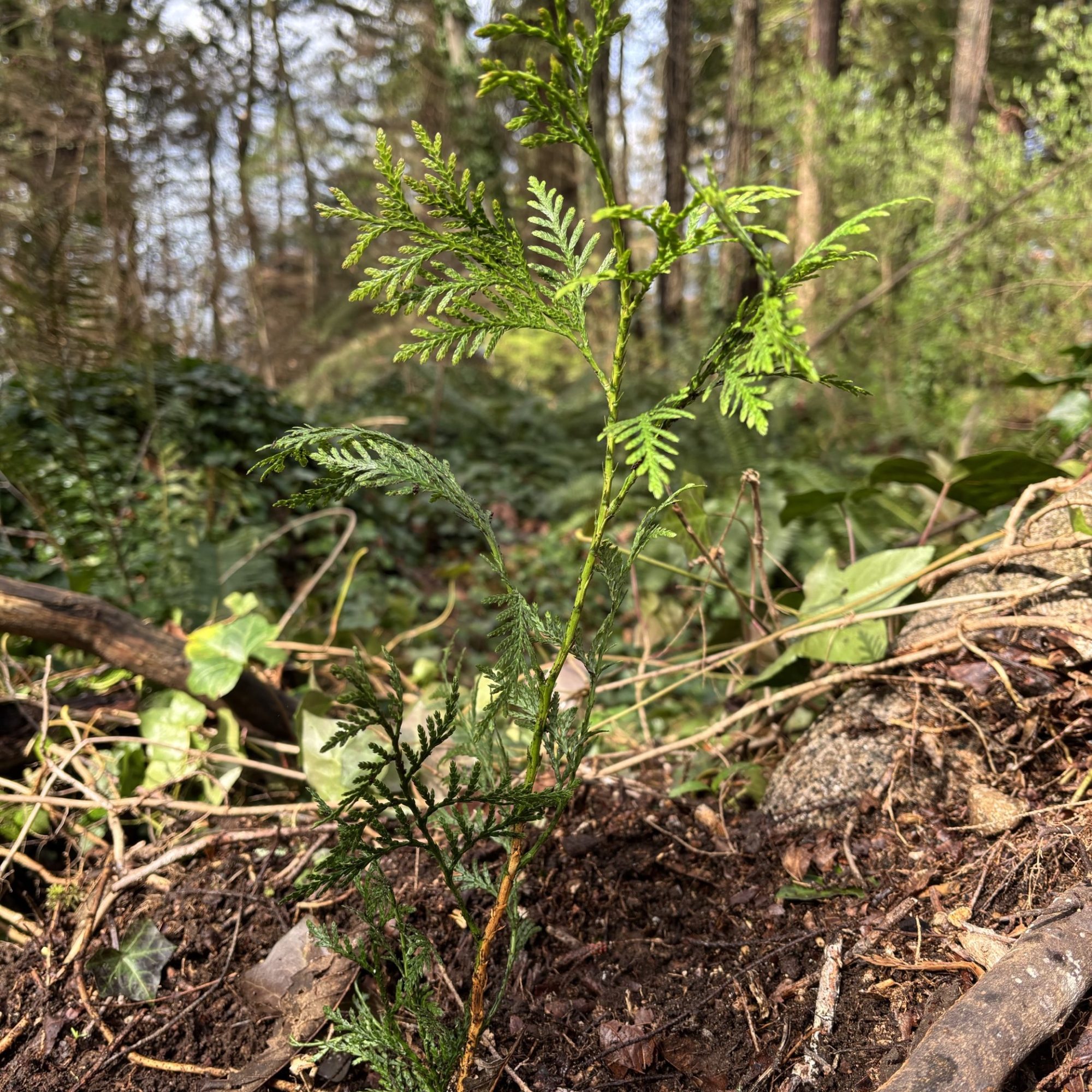
 Western Forest Products is contributing tree seedling to Vancouver’s Stanley Park to help replant and restore the park’s tree canopy. The first seedlings are being planted now, with 65,000 trees set to be planted over the course of the three-year partnership. Stanley Park, which spans 400 hectares of West Coast rainforest … first opened in 1888. Through dedicated tree planting with a diverse mix of species, this replanting effort is designed to strengthen the park’s natural resilience and ensure the forest continues to thrive for future generations. The seedlings being planted were grown at Western’s Saanich Forestry Centre, which has earned a reputation for its expertise in researching and cultivating high-quality seeds and seedlings. Every year, the seed orchard and tree nursery produces over four million trees, which are planted across the coast of British Columbia, contributing to climate resilience, supporting biodiversity and providing long-term benefits for communities.


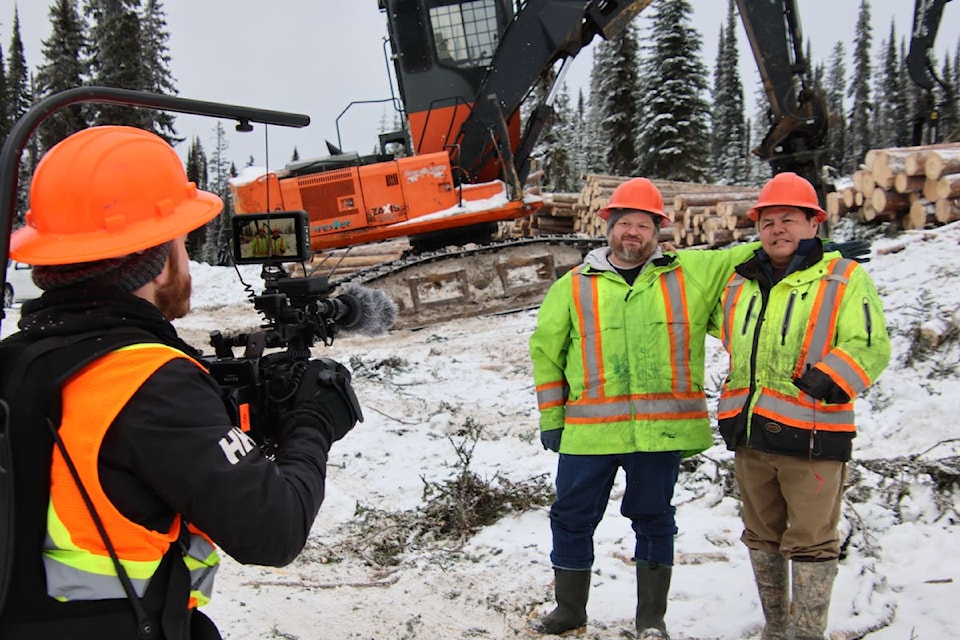
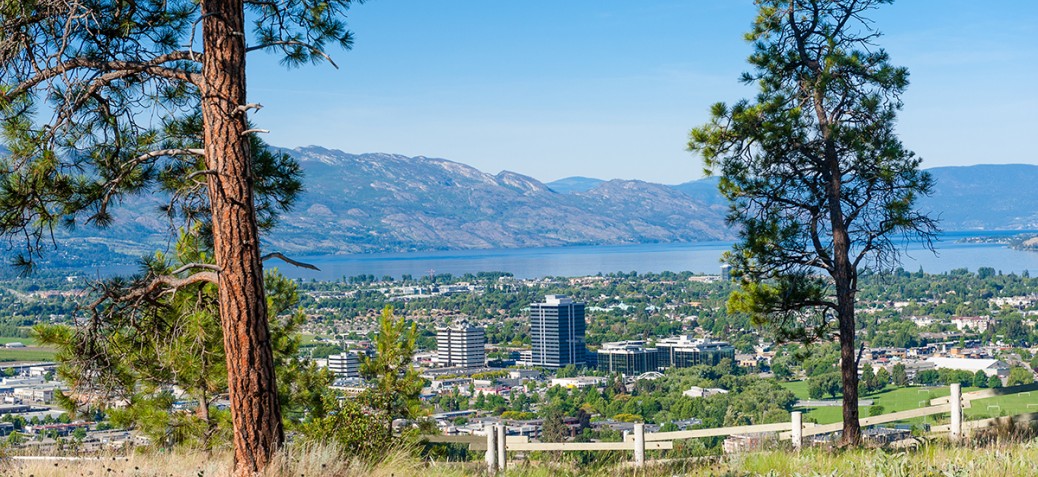

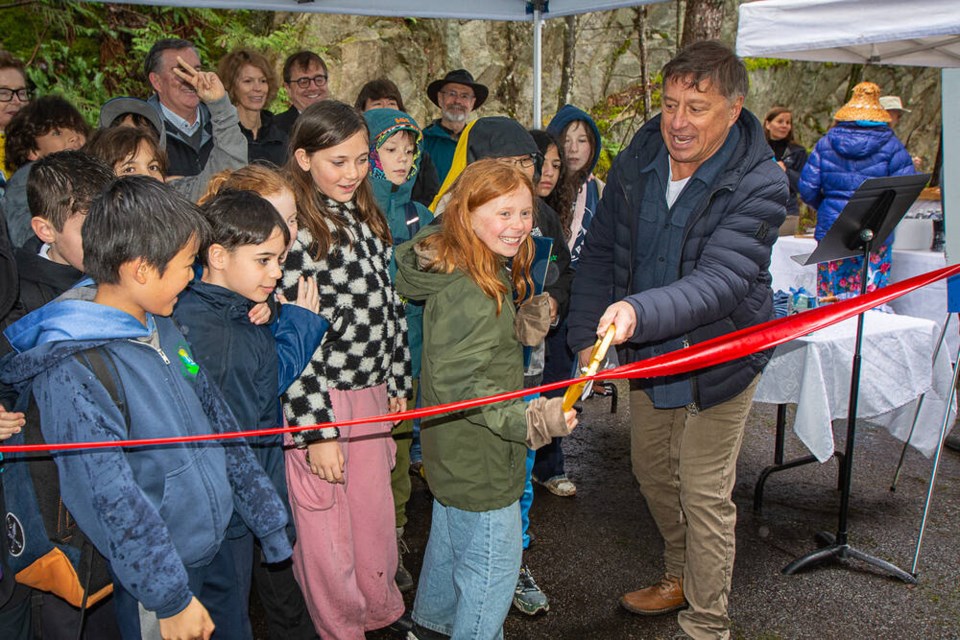


 President Donald Trump wants to create a new federal agency that will be responsible for “all wildland fire fighting nationwide” by 2026, according to a draft executive order currently under review at the White House. The draft order, which was obtained by POLITICO and confirmed by three people familiar with the situation, would launch a national wildland firefighting task force in the next 90 days, combining resources from the Departments of Agriculture, Interior and Homeland Security. The White House’s eventual goal, according to the document, is to have Congress create a National Wildland Fire Agency in the next two years. The order aims to “eliminate red tape, reform our agencies and reforge our efforts around the priority to address fighting fire fast,” the document reads. It comes four months after wildfires devastated Los Angeles, a disaster that has created a sense of bipartisan urgency to improve forest management and cut down on wildfire risk. [A Politico subscription is required for full access]
 WASHINGTON, D.C. — U.S. Senators Angus King (I-ME) and Jim Risch (R-ID), co-chairs of the
 The Trump administration’s drive to harvest more timber from national forests will lead to a “thriving wood products economy” that doesn’t rely on imports, a top Forest Service official told the agency’s top brass in a memo last week. But the timber goal acting Associate Chief Chris French pinpointed — a 25 percent increase from current levels offered for sale — would fall short of the first Trump administration’s ambitions and barely make a dent in U.S. timber supplies, data shows. The chasm between the new administration’s rhetoric — cut more trees on national forests to reduce the country’s reliance on wood imports and rejuvenate the economy — and the math behind French’s memo reflect the hurdles to returning to the timber industry’s prosperous times around national forests… Timber industry representatives and others familiar with the Forest Service’s timber program point to several flaws in the administration’s timber-boom narrative, although the industry welcomes the Forest Service’s moves to step up production.
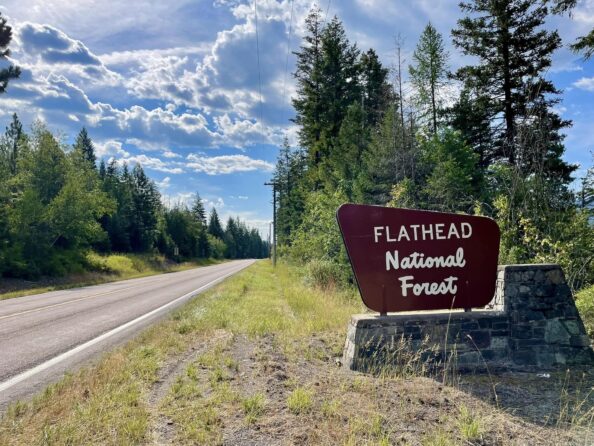 The U.S. Department of Agriculture on Friday announced will allow logging in national forests, which will help spur timber production amid reciprocal tariffs on other nations. A memo by USDA Secretary Brooke Rollins follows an executive order by President Donald Trump last month to expand timber production. There are 154 national forests covering approximately 188.3 million acres. … “Healthy forests require work, and right now, we’re facing a national forest emergency,” Rollins said in a statement. “We have an abundance of timber at high risk of wildfires in our National Forest. “I am proud to follow the bold leadership of President Trump by empowering forest managers to reduce constraints and minimize the risks of fire, insects, and disease so that we can strengthen American timber industry and further enrich our forests with the resources they need to thrive.” …The Sierra Club said the order was a giveaway to the logging industry.
 Amid a growing number of wildfires, mostly across Western states, a U.S. Senate bill is aiming to protect areas where communities are most vulnerable to fires, using “good neighbor” agreements, cross-boundary collaboration and the expansion of tools to prevent fire hazards. The bill, titled the
  A Salmon, Idaho man has pleaded guilty to a seven-count indictment for his role in schemes to rig bids, allocate territories, and commit wire fraud over an eight-year period while providing fuel truck services to the U.S. Forest Service’s wildfire fighters. Kris Bird, 62, pleaded guilty at the end of March to all counts two weeks before trial, with no assurances from the government as to what sentence will be recommended when he goes before a judge with another involved executive in June 2025. The men were indicted after a federal wiretap investigation in December 2023… “The defendant illegally profited from American taxpayer money,” said Special Agent in Charge Mehtab Syed of the FBI Salt Lake City Field Office. “The FBI and our partners are committed to rooting out fraud and protecting fair competition in the bidding for government contracts.”


 FORT COLLINS, Colo. — The latest findings about the health of Colorado’s forests are a “mixed bag”, according to forestry experts. On Tuesday, the Colorado State Forest Service released its annual report tracking the damage from forest pests. “Insects are so closely tied to a lot of that temperature and precipitation so in Colorado it’s really been a number of years, actually 31 years, since we’ve been below average temperatures so that makes it really hard to be a tree in Colorado,” CSFS forest entomologist Dr. Dan West said. …According to the report, the front range is experiencing a surge in activity from the mountain pine beetle. In 2021, the insect impacted 1,500 acres statewide. In 2024, that number grew to 5,600 affected acres and included areas in Jefferson County and Castle Rock. …Not only do the dead trees cause forests to be less visually attractive, but they also create more fuel for more damaging wildfires.
 Governor Stitt said he’s standing by his firings of staff from the Forestry Service after the March deadly fires. Several fire crews have now called for an independent investigation into what happened and what the state could do better. “It’s tough to believe anything – he’s been fact-checked several times by fire departments and the media and his facts have been incorrect. So right now you just can’t believe anything that comes out of the governor’s office,” said Fire Chief Jason Dobson of the Olive Volunteer Fire Dept. His department was one of the first to share the Change.org petition which called for Governor Stitt’s impeachment… “If the governor can’t fire the head of the forestry, who can?,” said Gov. Stitt.
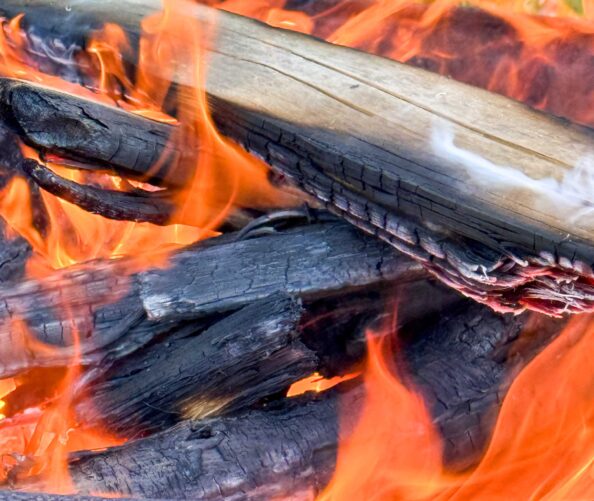 COLUMBIA, S.C. – A group of South Carolina lawmakers will continue considering a bill that would increase penalties for illegal burning in the state. The South Carolina Criminal Law Subcommittee discussed H.4265 during a meeting on Wednesday. The bill, filed by Rep. Tim McGinnis of Horry County, came after a wildfire allegedly started by a Carolina Forest woman burned more than 2,000 acres last month. McGinnis’s bill would increase fines and even jail time for burning during a ban issued by the South Carolina Forestry Commission. He spoke during Wednesday’s meeting, saying that an amendment to the bill was also made after meeting with the SCFC on Tuesday. …The bill would also repeal a section of South Carolina law that allowed exemptions for fire regulation, such as fire pits and chimineas.
 DULUTH — The U.S. Forest Service will not log in designated wilderness areas like the Boundary Waters, federal officials clarified Tuesday evening, days after issuing an emergency order intended to boost logging on national forest land throughout the country. … Wide swaths of several wilderness areas, like the Boundary Waters, were included in that total, and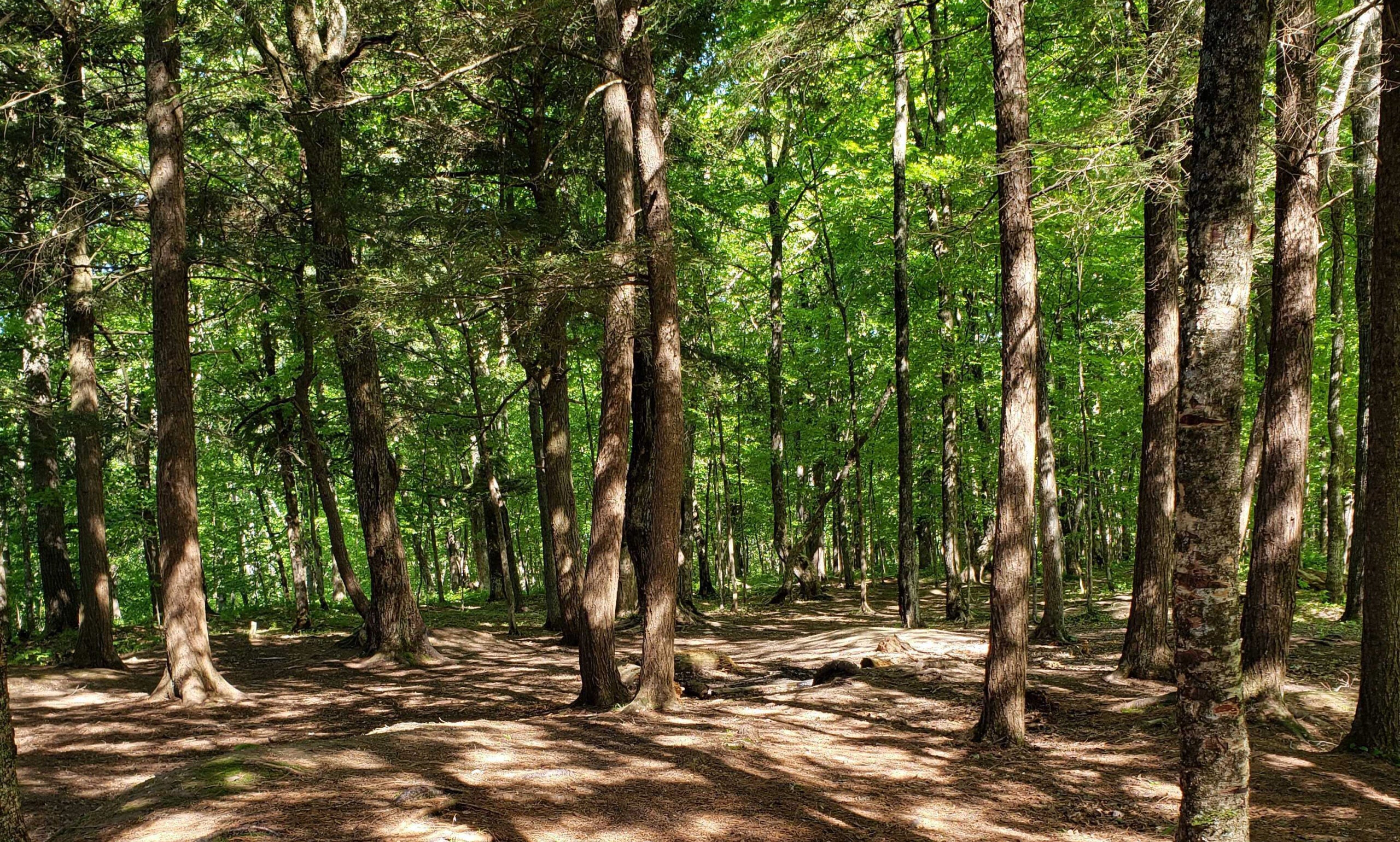
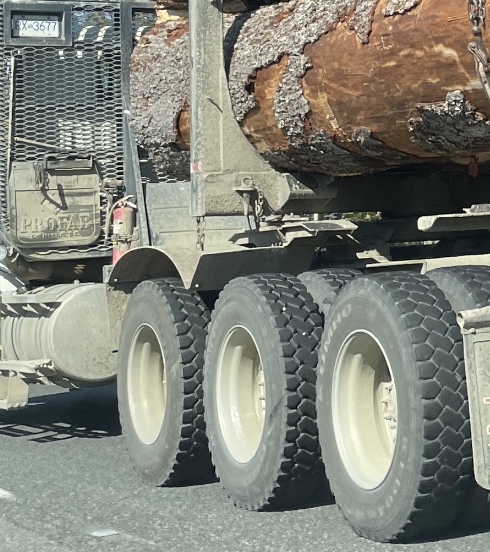 Leaders from the Texas forest industry urged Angelina County commissioners Tuesday to table a proposed road use agreement they say unfairly targets timber haulers and could lead to legal challenges. Dave Durren, speaking on behalf of the Texas Logging Council and the Texas Forestry Association, said the proposed policy would require permits and potential financial responsibility for road maintenance, placing an undue burden on loggers. “Other agricultural sectors… are not subject to this level of scrutiny or regulation, despite using the same rural road systems. This selective enforcement places an undue burden on the forestry sector and creates an uneven playing field,” the speaker said. The speaker also cited the passage of Texas Proposition 1, a constitutional amendment approved by Texas voters in 2023 protecting the right to farm, ranch and produce timber. He argued that regulating the transportation of timber directly interferes with the constitutionally protected activity.
 OKLAHOMA CITY — There is more fallout from what has largely divided Governor Kevin Stitt and the entire firefighting community. Governor Stitt confirms two more top-level employees within Oklahoma Forestry Services. The two unnamed employees follow the firing of lauded Forestry Director Mark Goeller. …Since Goeller’s firing, Stitt has continued making shocking changes — and suggestions — within and about forestry. He has suggested eliminating OFS altogether and called for an investigation, claiming 50% of resources went untapped during the March wildfires. …“Forestry is an integral part of what we do,” said Rep. Stan May, who worked for the Tulsa Fire Department for 30 years. …May said it would also likely disrupt inter-state agreements that aid in a multitude of disasters. He said if we don’t help others, it will hinder our efforts to get help. “We have to make sure those agreements are in place,” he said.