 Canada’s forest bioeconomy holds the key to addressing some of the country’s most pressing challenges – from combating climate change and reducing wildfires to improving the housing crisis and boosting economic growth. However, the forest sector is not receiving the unified action it needs to maximize its potential. While Canada has national strategies for housing, critical infrastructure and other industries, there is no cohesive plan for forestry. With abundant forest resources, sustainable building materials and new avenues for generating clean energy, experts say a national forest strategy is urgently needed to capitalize on these opportunities. “We don’t need a blue-ribbon task force to figure out what needs to be done,” says Derek Nighbor, CEO of the Forest Products Association of Canada. Instead, what’s needed is more agile regulation and government policy that improves Canada’s competitiveness – similar to what’s been done in areas such as electric vehicles.

 Dear Minister Ravi Parmar: I am writing to you in reference to your recent Minister’s Statement regarding photos of tree spiking claimed to be of Fairy Creek, submitted to you anonymously and without verification. I understand from the reporter who subsequently interviewed me that the purported sender was “Friends of Fairy Creek.” My name is Kathy Code and I am a Fairy Creek Forest Defender. …Thus, I was dismayed to read your statement. Not only are you giving public voice to unsubstantiated claims from an unknown sender, but the weight of your office gives some credence to the underlying accusations. …I ask on behalf of the citizens of BC that you withdraw your statement as a means of maintaining the dignity of your office.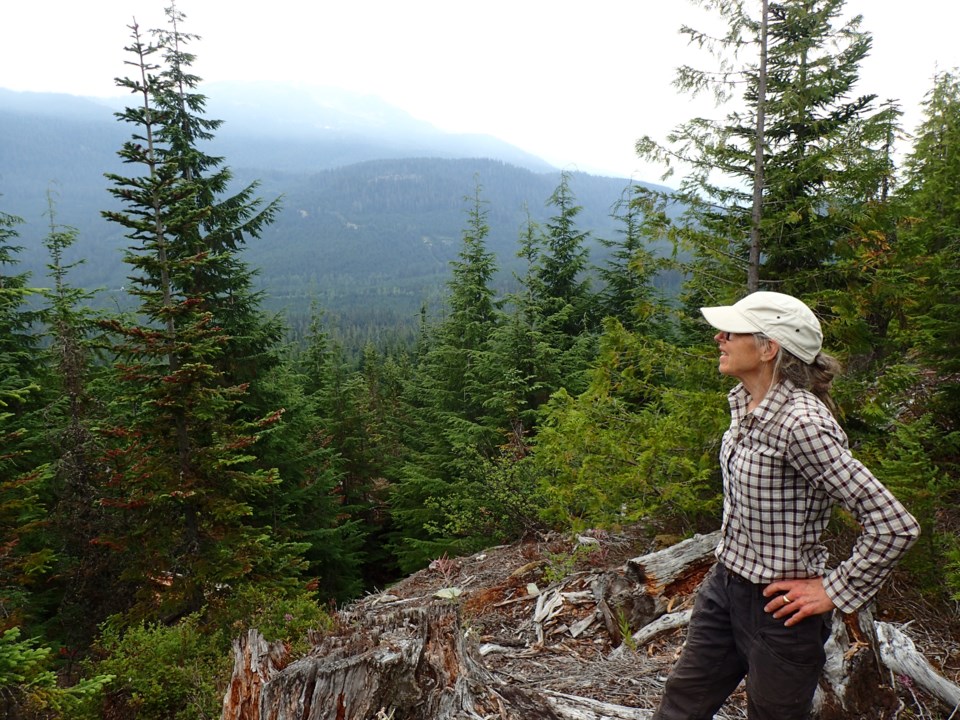
 The overall goal is to have a working forest while sustaining ecological and cultural values so that future generations have access to forest areas just as diverse and healthy as those currently enjoyed. For Sunshine Coast Community Forest (SCCF) operations manager, Warren Hansen, ecosystem-based management (EBM), a tool introduced in its operations in 2021, “came from the heart” of what the community wants from SCCF. In his opening remarks at a Jan. 30 Community Advisory Panel and public information webinar, he noted that SCCF’s board and community advisory panel are committed to using EBM in stewarding its tenure by harvesting timber in a way that curbs losses of biodiversity. The overall goal is to have a working forest while sustaining ecological and cultural values so that future generations have access to forest areas just as diverse and healthy as those currently enjoyed. To do that, SCCF relies on advice from contractors including Laurie Kremsater and Anna Yuill, who presented an overview of EBM to about 35 people tuned into the webinar.



.jpg)


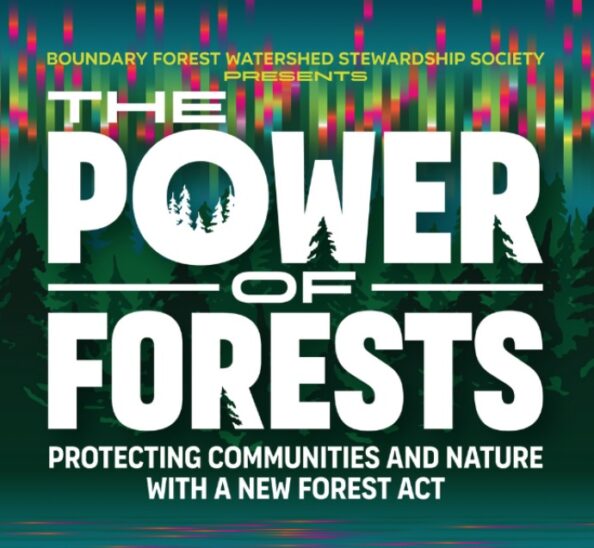 One of the biggest policy changes needed in B.C. is to forestry policy. B.C. policy for the last 50 years has resulted in a rapid clear-cutting of a large part of our forests even as all the research indicates that: Within a 60-80 year time span, only 20-30 per cent of forests can be cut in any one area without harming the hydrological cycle. On this basis, most BC commercial forests have been severely over-cut making a mockery of the Annual Allowable Cut. …Clear-cutting results in increased risk of forest fires up to 30 years when replanted. …Re-planting is a form of green-washing giving companies cover for the forest damage they do. …Due to the increase in forest fires partially due to logging, BC forests have [become a] carbon source. …The Power of Forests: Protecting Communities and Nature with a New Forest Act effort was launched by the
 This is the beginning of convention season and that means many opportunities to learn, connect, and hear from government officials, project partners, and community organizations about problems, policies, and possibilities for the sector. The mood, thus far, is introspective, with reviews planned for BC Timber Sales and the forest sector in general. …At FESBC, we are reviewing applications for funding over the next two years. Demand for funding currently far exceeds supply. In this newsletter: A safety tip from the BC Forest Safety Council; Faces of Forestry features Erin McLeod; Information on FESBC’s 2025-27 second round of funding; Impact and benefits of the Pressy Lake Pilot Project; Nakusp & Area Community Forest’s wildfire risk reduction projects; and a podcast feature from the University of Northern British Columbia Forestry Club.
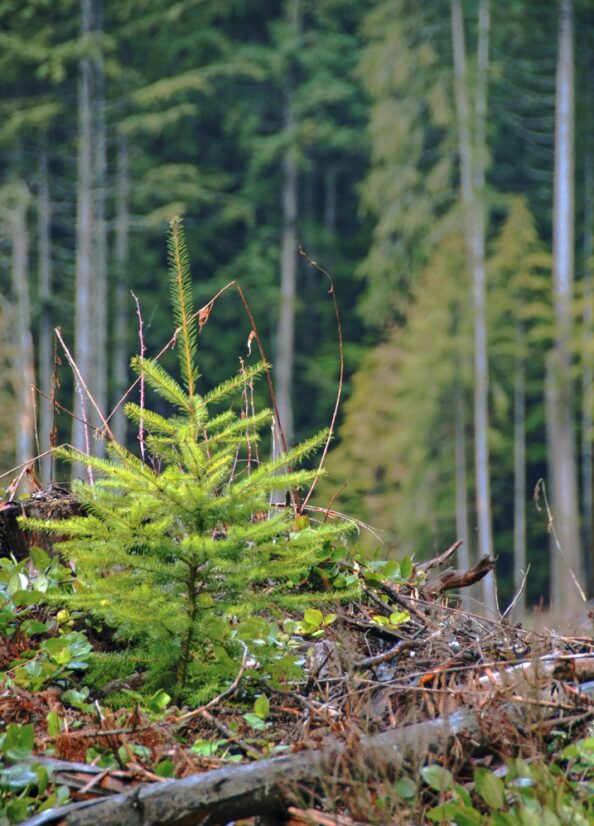 …changes in climate are expected to drive wildlife seeking refuge up mountains and further north. But for trees… the changes in climate are often coming too fast to get out of the way, especially when combined with pressures from logging, said Suzanne Simard, a professor in the University of British Columbia’s Faculty of Forestry. …In a new study published in Global Change Biology, Simard and her UBC colleagues took three-year-old interior Douglas fir seedlings from locations in southern B.C. and planted them as far north as Fort St. James, the northern limit of the species’ range … to find out how the trees would handle the human-assisted migration, and if they would do better in a colder climate. …As early as 2006, University of Alberta researcher Andreas Hamann published a study that concluded climate change could push the range of B.C.’s tree species north at a rate of 100 kilometres per decade.
  VICTORIA – The Forest Practices Board has completed its audit of BC Timber Sales (BCTS) and Timber Sale Licence (TSL) holders in the Haida Gwaii Natural Resource District. A compliance audit examined all forestry planning and activities carried out in the area between May 1, 2022, and May 31, 2024. The parties complied with most legislative requirements with two exceptions. Auditors found BCTS was not diligent in inspecting approximately 90 kilometres of its roads and structures in its Sewell Inlet operating area. …Following the audit, BCTS inspected these roads … and has committed to working with the Ministry of Forests and the Haida Nation to develop road deactivation plans as needed. …Auditors found all three TSL holders audited had abated fire hazards within the required period. However, two TSL holders did not complete the required number of fire-hazard assessments and did not conduct fuel-hazard assessments on time. This is considered an area requiring improvement…


 Five efforts in Northern Ontario are receiving a total of $2.7 million in federal funding to work on climate change adaptation projects. Four of these projects are based in Sudbury and one is in Mattawa, and they include such things as creating educational programming and climate change adaptation plans. Wednesday’s funding comes from a greater pool of
 MONTREAL – With wildfires increasing in frequency and severity across Canada — impacting our health, economies, communities and wildlife — the Governments of Canada and Quebec are supporting Canadians and residents of Quebec whose lives and livelihoods are at stake. Natural Resources Canada announced a joint investment of $64 million over three years through the Government of Canada’s Fighting and Managing Wildfires in a Changing Climate Program – Equipment Fund. This joint investment is supporting Quebec’s efforts to purchase wildfire firefighting equipment, such as vehicles, drones and telecommunications equipment. By buying and upgrading equipment and hiring and training more personnel, Quebec will be better prepared to respond to wildfires and provide support when other regions in Canada experience high fire activity.
 A bipartisan group of senators introduced legislation Thursday that would create a new Wildfire Intelligence Agency, seeking to streamline the federal response to fires. The bill, led by Sens. Alex Padilla (D-Calif.), Tim Sheehy (R-Mont.), John Hickenlooper (D-Colo.) and Steve Daines (R-Mont.), came in the wake of recent blazes that decimated parts of Southern California, primarily in the Los Angeles region. “The scale of the wildfire crisis demands a singular, whole-of-government wildfire intelligence center to foster cross-agency collaboration and save lives,” Padilla wrote in a statement. The joint office would share information with the Department of Agriculture, the Department of Commerce and the Department of the Interior, according to the legislation. “Wildfires don’t care about state lines or forest service boundaries,” Hickenlooper said. “A centralized wildfire intelligence center will speed our response to fires and promote cross-agency collaboration to tackle them.”
 Kenneth A. Margolis, New York — Who says bipartisanship is dead? President Trump and California Gov. Gavin Newsom have found common ground. Both seem determined to cripple the rebuilding effort in Los Angeles.
 SACRAMENTO, Calif. — As Los Angeles reels from deadly January wildfires that destroyed thousands of homes, California Gov. Gavin Newsom signed an order Thursday directing the state to advance long-delayed regulations requiring homeowners in high-risk areas to clear combustible materials around their homes. Newsom ordered the state to publish draft regulation next month, with a deadline to adopt those rules by the end of the year. The requirements were passed by lawmakers in 2020 and originally set to take effect by Jan. 1, 2023. Newsom signed the order after he returned from Washington to advocate for disaster aid. The rule requires homeowners to clear materials like dead plants and wooden furniture within 5 feet of their homes in fire-prone areas. As multiple fires roared through LA neighborhoods in January, the regulations still weren’t written, and the state Board of Forestry and Fire Protection told The Associated Press last month it had no firm timeline for completing them.
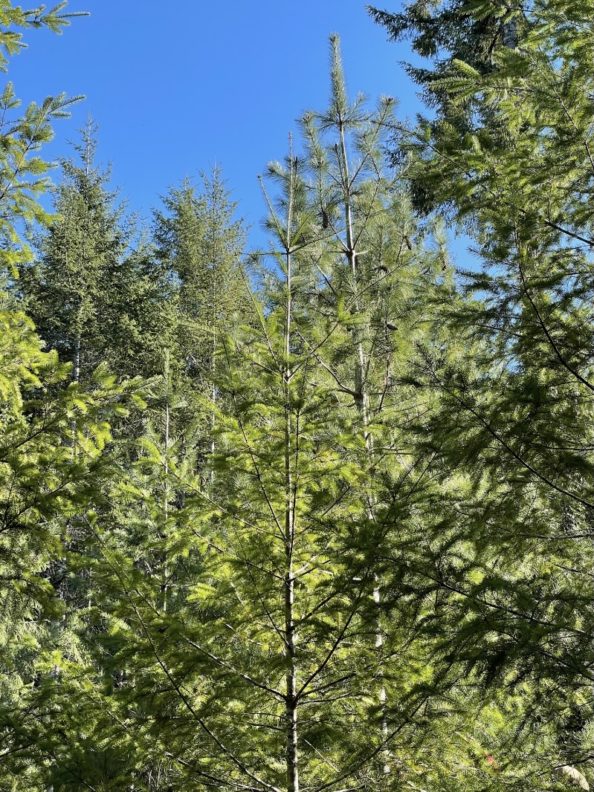 This opinion piece is by the following groups: Central Utah Water Conservancy District, Salt Lake City Department of Public Utilities, Weber Basin Water Conservancy District, Mountain Regional Water Special Service District, Metropolitan Water District of Salt Lake & Sandy, Jordan Valley Water Conservancy District, Summit County, and World Resources Institute. After another catastrophic wildfire season in the West, it is clear that Utah can no longer put off needed investments to protect our forests and critical sources of drinking water. The consequences of delaying these essential investments grow yearly and the stakes have never been higher. …These fires are a wake-up call. Infrastructure costs should not fall on water ratepayers alone. While Utah water utilities and our partners have made progress in reducing wildfire risks in key watersheds, the wildfire crisis demands even greater levels of collaboration and funding — and both are needed now from Utah’s state Legislature.
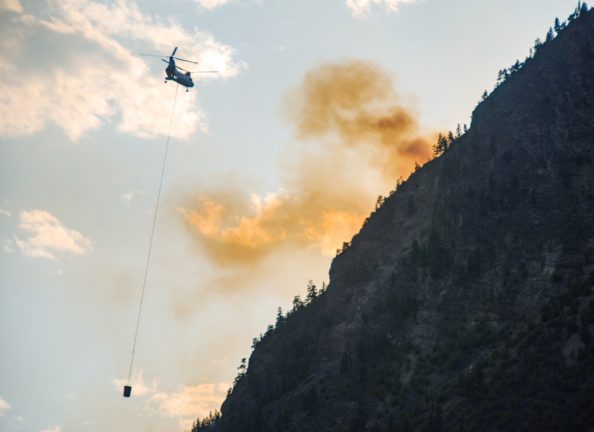 WASHINGTON – U.S. Senators Martin Heinrich (D-N.M.) and Tim Sheehy (R-Mont.) introduced the bipartisan Aerial Firefighting Enhancement Act of 2025 to strengthen the aerial wildfire suppression fleet and better combat the year-round threat of catastrophic wildfire. “I have worked to expand the operations of Very Large Air Tankers that have proven absolutely essential to firefighters battling wildfires in New Mexico, Los Angeles, and across the West,” said Heinrich. …“As a former Navy SEAL and the only aerial firefighter in the Senate, I understand government’s most solemn duty is to keep the American people safe,” said Sheehy. The bill reauthorizes the Secretary of Defense’s authority to sell excess Department of Defense aircraft and aircraft parts, acceptable for commercial sale, to persons or entities that contract with the government for the delivery of fire retardant or water by air to suppress wildfires…


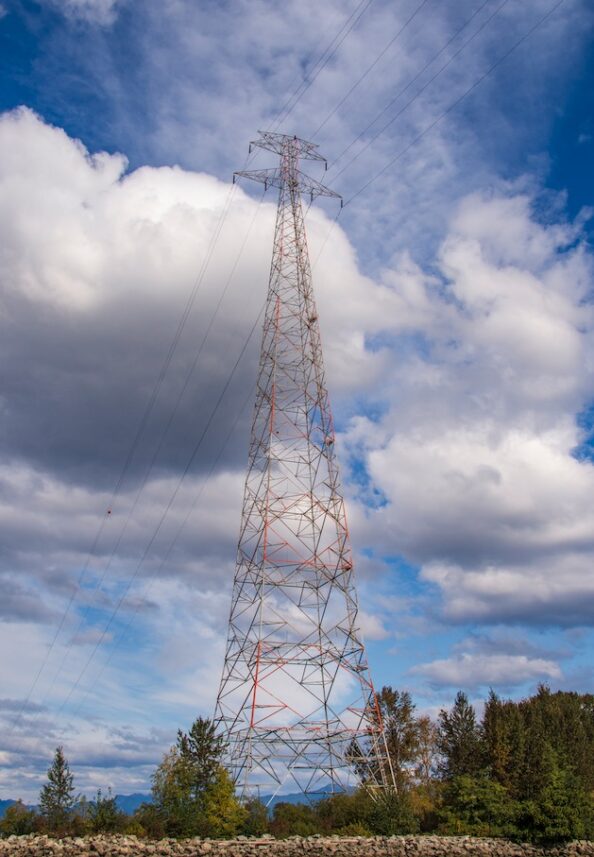 …some electric utilities and cooperatives are urging the Senate to seal the deal on the “Fix Our Forests Act” that aims to expedite some federal approvals and reduce wildfire risk overall. The legislation …establishes requirements for managing forests on federal land, including reducing wildfire, expediting certain forest management projects, and implementing forest management projects and activities. …The legislation prohibits courts from immediately halting a project unless they determine that the person suing to stop it “is likely to succeed on the merits” of the case if the lawsuit gets a full hearing. …The National Rural Electric Cooperative Association applauded the bill, arguing it would make it easier for electric cooperatives to reduce the risk of catastrophic wildfires, and called on the Senate to also pass the bill. …Pacific Gas & Electric “supports legislation that would expedite permitting and approvals and reduce barriers to the essential work of keeping powerlines clear of vegetation.”
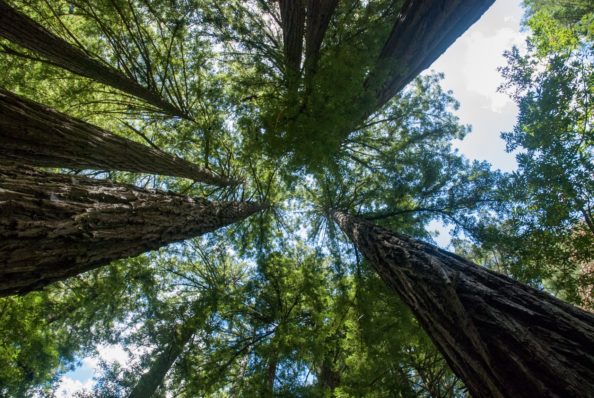 PORTLAND, Ore. – The United States Forest Service (USFS) is currently taking comments on its proposed changes to the Northwest Forest Plan (NWFP) through March 17. The NWFP dates back to the mid-1990s, serving as the blueprint for conserving forests and wildlife habitat along the West Coast. It covers over 24 million acres managed by the Forest Service and other federally managed lands, spanning from California and up through Washington. The proposed amendments intend to provide an updated management framework that incorporates best available scientific information and current conditions in order to better address the social, economic, and ecological changes experienced over the last 30 years. The proposed changes outlined in a Draft Environmental Impact Statement focus on themes of fire resilience, economic benefits, and forest stewardship, with Tribal inclusion and adapting to changing conditions interwoven throughout these themes.

 PIEDMONT TRIAD, N.C. — North Carolina has seen a rising number of wildfires recently, including two here in the Triad just last week. The North Carolina Forest Service is the agency responsible for getting those fires out, but lately it’s been difficult to do so. That’s due to the large number of vacancies across the department. “When we’re the lead agency for wildfire response, this isn’t a forest you want 100 positions consistently unfilled,” Philip Jackson, Public Information Officer for the N.C. Forest Service, said. It’s an issue the agency has been having for some time. “It’s [vacancies] pretty evenly distributed throughout all three regions across the state,” Jackson said. “You’re looking at about 30-35 unfilled positions in all three regions.”


 An international survey of frogs and toads has revealed that global warming and drought are more likely to affect the animals in the Amazon and Atlantic Rainforests. The