 Headlines this month include:
- How forestry is supporting biodiversity in Northumberland County
- Forest Stewardship Council launches the FSC Brand Hub – a new platform for FSC trademarks and marketing
- FSC is hiring a Director of Marketing
- Advancing EUDR: A time to act and make it a reality
- FSC is hiring an Operations Manager
- The outcomes of COP 16.2 create momentum for the forest sector to strengthen its commitment to biodiversity
- FSC Forest Week 2025 – September 20 – 26 – Registration Open
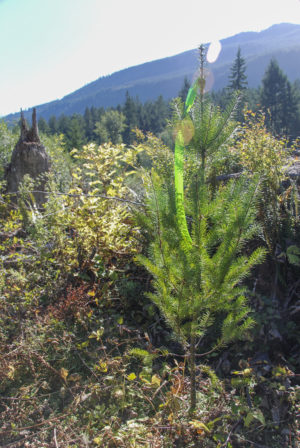 When it comes to reforesting areas made bare by natural causes, it’s the Ministry of Forests’ job to oversee the progress. “Wildfire…really is the biggest thing we’re focusing on,” said Shelley Barlow, the ministry’s regional silviculture specialist for the Cariboo. According to a February 2018 report by the Ministry of Forests, Lands, Natural Resource Operations and Rural Development, 80 per cent of the area affected by the 2017 wildfires in B.C. was in the Cariboo. About one million hectares of forests were burnt in the region, and 609,000 of those hectares were part of the Cariboo’s timber harvesting land base. Prior to 2017, the ministry was planting up to two million trees per year in the Williams Lake forestry district. Since then, Barlow said this number has at least tripled.
 In this newsletter, we are pleased to share great stories of the impactful work happening in communities throughout our province. As the world continues to navigate the challenges affiliated with climate change, British Columbia’s forestry sector is playing a key role to mitigate its impacts and contribute to a more sustainable future. We take pride in investing in projects that provide enduring economic and social benefits for our local communities and are helping take action on this global issue. Last month, in collaboration with the Provincial Government, we shared more specifics about 70 recently funded projects moving forward to help local communities, community forests, First Nations, and other project partners enhance their wildfire prevention efforts and/or expand fibre-recovery initiatives. …In years past, much wood waste from harvesting operations was piled and burned in slash piles. Today, we invest in projects that recover this waste and use it to make forest products and generate green energy.

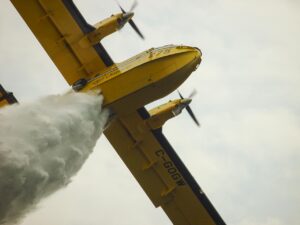 The Province of Ontario says it’s prepared for the fast-approaching 2025 wildland fire season. The new season starts on April 1, and preparations have included filling more than 100 new, permanent positions to help support forest fire fighting operations, said Chris Marchand, fire information officer with Aviation, Forest Fire and Emergency Services (AFFES). …Exactly how busy this season will be remains unknown, Marchand said, as it’s very difficult to predict how intense a fire season will be. …Marchand said the previous winter saw “somewhat normal” snowfall patterns across Ontario. …Marchand noted, however, that the 2024 fire season was slower than usual — 480 fires were reported, down from the 10-year, seasonal average of 700 fires. The Province of Ontario said it partnered with the federal government last year to invest $64 million in the provincial wil
 Ontario is ready to respond to this year’s wildland fire season, which lasts from April 1 until October 31. This year, the government has filled nearly 100 additional permanent positions to support the 2025 fire season and help ensure people and resources are in place to protect communities. “We are ready to protect people, communities and properties across Ontario from wildland fires,” said Mike Harris, Minister of Natural Resources. “When wildland fires hit, our brave and dedicated FireRangers, pilots and support staff are prepared to battle these fires and protect Ontarians.” Last year, the province partnered with the federal government to invest a total of $64 million in the wildland fire program. This investment has allowed Ontario to enhance its firefighting capacity for the 2025 fire season and includes funding for forest fire suppression equipment and technology, such as fuel systems, trucks and emergency management software.
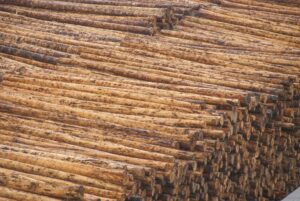 The world is running out of time to halt deforestation. Yet instead of stepping up, the US is dismantling forest protections and undermining global progress – highlighting the dangers of global forest policy that fails to hold the wealthiest, most powerful countries accountable. …But the latest actions by the US highlight just how dangerous and unbalanced this paradigm is. …Under the pretense of national security, Trump’s orders aim to gut environmental safeguards and fast-track industrial clearcutting in some of the US’s most precious and climate-critical forests. …Meanwhile, as Europe strengthens forest accountability, US state officials are pushing to exempt the country from new deforestation protections.. These officials, echoing industry talking points, are urging the EU to exclude US wood products from a law requiring due diligence to prevent imports or exports tied to deforestation or forest degradation. Their argument? That the US doesn’t need oversight.
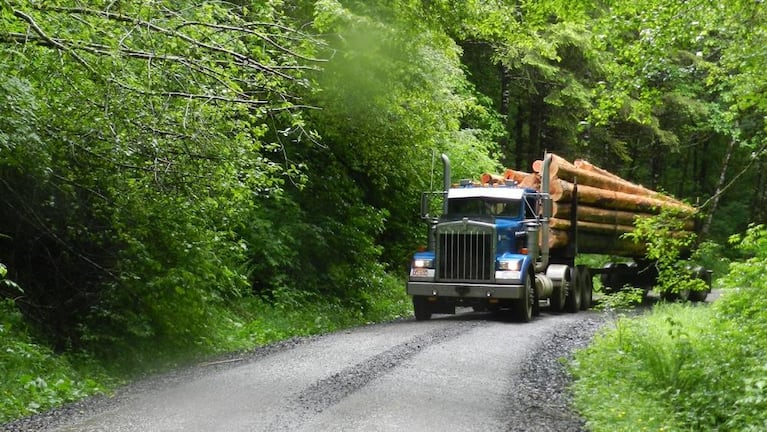


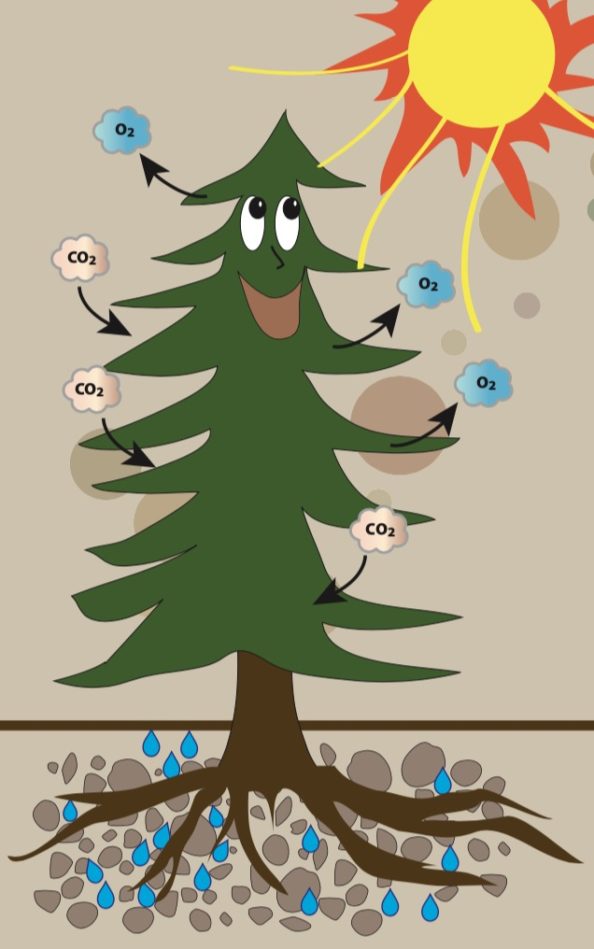 A recent study published by the Colorado State Forest Service took a deeper look into the impact of Colorado’s trees and how they store carbon. The findings reported that some of Colorado’s forests release more carbon than they draw due to dying trees that are actively decomposing. …it should be kept in mind that this data applies to recent years, and results fluctuate and can be nuanced. “(The) bigger picture of this report found that Colorado’s forests hold a lot of carbon, and that continues to this day, and it’s just in recent years that it’s releasing slightly more carbon than it adds,” Vorster said. “But when you just put it in perspective, if you were to compare the amount of carbon that it holds compared to what it releases, it’s like 0.06%, so a very tiny fraction of it at least every year. … It’s pretty close to a balance.”
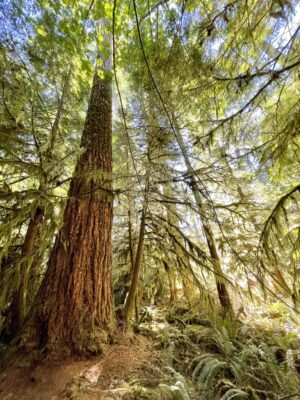 The Pacific Northwest is fortunate to have vast forests and ideal conditions for growing trees quickly. These forests have long been a cornerstone of our rural economies while also protecting streams, sequestering carbon and supporting wildlife. However, we face a troubling trend: a decline in local timber production and a growing reliance on imported lumber. We use science for active forest management with the toughest regulations in the world, we do forestry the best here. It’s time to prioritize local timber and rebuild a robust, sustainable industry right here in Washington… Prioritizing local wood production is a win-win for the Pacific Northwest. Wood is good, but local wood is best if we want to restore a vital, create economic stability and protect our environment.
 It’s a cold day at Sun Mountain Lumber in Deer Lodge, Montana. Outreach Forester Sean Steinebach walks toward the mill’s massive kiln where freshly cut two-by-fours are dried. You can feel the heat radiating off the fresh boards. He stops and inhales. “It smells fresh and it smells bright and it smells wild,” he says. The mill’s lumber yard is filled with stacks of Douglas fir and lodgepole pine logs that will soon become lumber. Having a steady and reliable supply of logs is crucial to keeping the mill in business, says Steinebach. “We drive the economics of Powell County for sure, Anaconda, Deer Lodge County. We’ve got a lot of employees that live there. Granite County, we’ve got employees there. We’re a big impact in the whole state, I think. Forest products in general is a huge impact in the state of Montana.”

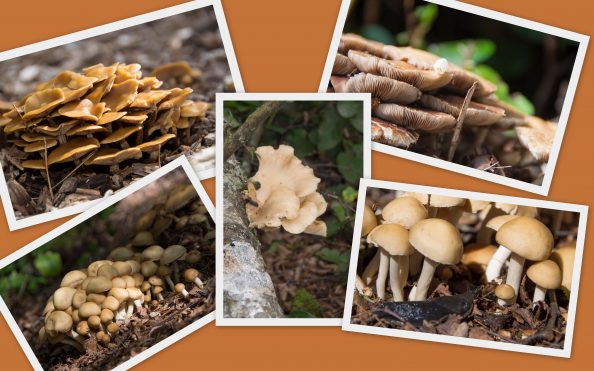 Gland, Switzerland – The number of fungi species on the IUCN Red List of Threatened Species has surpassed 1,000, confirming that deforestation, agricultural expansion and urban development are driving these species to decline worldwide. The IUCN Red List now includes 169,420 species, of which 47,187 are threatened with extinction. The addition of 482 newly assessed fungi species brings their number on the IUCN Red List to 1,300, of which at least 411 are at risk of extinction. “Fungi are the unsung heroes of life on Earth – yet they have long been overlooked. …we have taken a vital step forward: over 1,000 of the world’s 155,000 known fungal species have now been assessed for the IUCN Red List of Threatened Species, the most comprehensive source of information on extinction risk. Now, it’s time to turn this knowledge into action and safeguard the extraordinary fungal kingdom,” said Dr Grethel Aguilar, IUCN Director General.
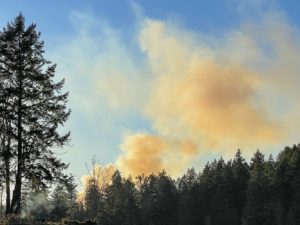 Last year was Ukraine’s worst year for wildfires in more than three decades of record-keeping, as shelling along front lines in the war with Russia triggered an unprecedented number of blazes, scientists said. Forest fires in Ukraine in 2024 burnt more than twice the area destroyed by fire in the entire 27-country European Union in 2024. Satellite data showed nearly 9,000 fires torched a total of 965,000 hectares in Ukraine in 2024. Ukraine has around 10 million hectares, or 100,000 sq km (38,610 sq miles), of forest. Around a third of the area burned last year was farmland… Maksym Matsala, a forest researcher at Sweden’s University of Agricultural Sciences, said the main cause was artillery and falling shells igniting fires. He said the jump in fires last year was partly because of a large build-up of dead and damaged trees since Russia’s invasion in 2022, which had created plentiful fuel for fires during extremely dry weather in 2024.