In the 19th century, the forests that surrounded some of Canada’s oldest and most populated cities were key to the economics of European settlement and helped lay the foundation for a new country. Now, those same places could become essential to Canada’s future – not through further clearing and development, but by encouraging the trees to grow back. That’s the takeaway from a comprehensive analysis that seeks to optimize the country’s 2 Billion Trees effort… “It’s asking where in Canada are we going to achieve the highest growth rate of trees at the least cost,” said Ronnie Drever, senior conservation scientist with Nature United who led the study… The findings show that the best return on investment are not to be found in the remote boreal wilderness but in diverse pockets of land that are relatively close to the cities and towns that most Canadians call home. [A subscription required to read this article]


 VICTORIA – The Forest Practices Board is identifying opportunities for government to enhance how it manages and enforces range activities. This is following a complaint investigation about cattle grazing practices near Grand Forks. The board investigated concerns raised by the Southern Interior Land Trust (SILT) that two range agreement holders were not following their grazing schedules or maintaining fences as required by law, and that government actions taken in response to their concerns were inadequate. From 2021 until 2023, SILT observed cattle grazing on its private land it had purchased to conserve wildlife habitat. SILT contacted the Ministry of Forests’ range staff to request corrective action, sharing proof of the cattle grazing gathered using game cameras. …“It’s crucial that government record results when it conducts inspections,” said Keith Atkinson, chair, Forest Practices Board. “Documentation helps evaluate the accuracy of complaints, the effectiveness of enforcement efforts and can support corrective measures, if necessary.”
 On April 12-16, more than 700 firefighting professionals, FireSmart experts and Indigenous, municipal and community leaders will gather in Penticton for the 2025 Wildfire Resiliency and Training Summit. There, they’ll share lessons learned from 2024, along with the latest research, technologies, best practices and other information to help regions and communities prepare for the upcoming wildfire season. You’ll want to register fast before this conference sells out! The theme for this year’s Summit is Living with Fire: Building resilience by bringing fire back to the land, strengthening relationships, and investing in collective well-being. The Summit will kick off with two days of training for firefighting professionals, followed by a three-day conference featuring keynote addresses, expert panels, and networking opportunities. Whether you’re a firefighter, community leader, or industry professional, this event is your chance to connect with like-minded individuals, learn from experts, and contribute to a safer, more resilient future for British Columbia.
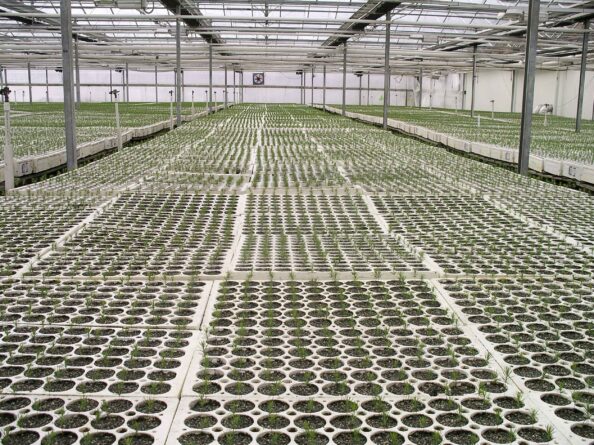 The provincial government expects to plant nearly 50 million fewer trees this year — a 17 per cent drop from last year’s planting season at a time when the province has seen a major spike in wildfire activity. The projections come from presentation slides shown to the industry in September. …the government expects the number of trees planted to sink to 233 million in 2025, 47 million fewer than were planted in 2024. …About half of the anticipated drop in 2025 is due to declines in trees planted by logging companies. Drops are also expected in government programs designed to combat climate change, restore forest carbon stocks, and plant trees in the wake of wildfires, data show. The 2023 wildfires also prevented many replanting projects from occurring that year, and delays due to the time it takes to grow enough seedlings mean replanting won’t take place until 2026 and 2027, according to the ministry spokesperson.
 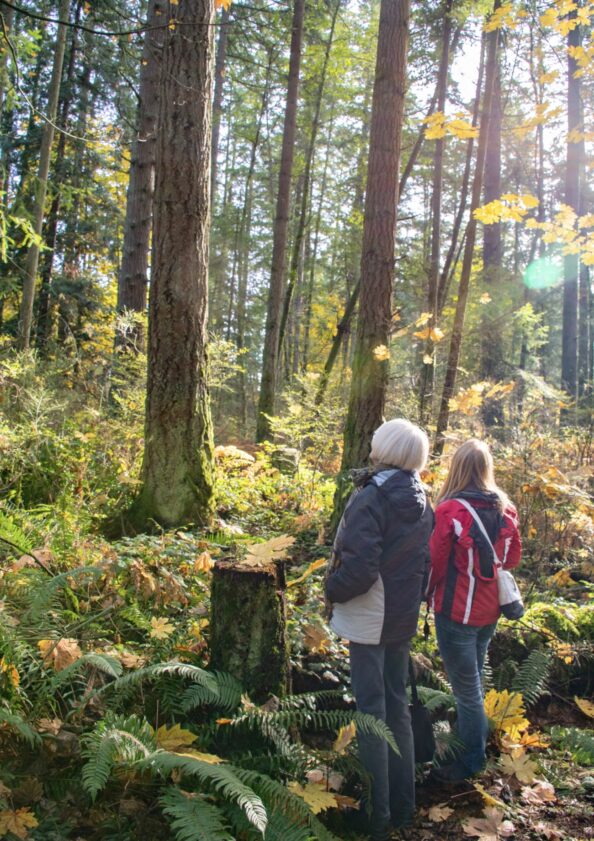 The Kaska Dena people, who for thousands of years have lived on a vast swath of intact wilderness in northern B.C. on the Yukon border… They want to ensure it remains undeveloped… So the Kaska have come up with a plan for the province to protect an area, called the Dene K’éh Kusān — 40,000 square kilometres, an area larger than Vancouver Island, of land and water. …It would also boost B.C.’s pledge to protect 30 per cent of land and 30 per cent of water by 2030, say conservation experts. …With only five years to go, and just about 16 per cent of land protected in B.C. so far, the province must double its efforts if it intends to reach those ambitious targets…Randene Neill, B.C.’s minister of Water, Land and Resource Stewardship said that she’s aware that some areas reported as conservation measures aren’t meeting their originally intended objectives.
  …British Columbia’s forests are … a foundation of the province’s identity and a bedrock of its economy. Both past and present, the industry has been one of the province’s largest employers, providing tens of thousands of well-paying jobs, particularly in rural and Indigenous communities where opportunities can be scarce. These jobs are vital for maintaining economic stability in smaller towns, where forestry often serves as the main driver of local economies. …By managing forests, BC can enhance their role as carbon sinks, reducing greenhouse gas emissions and mitigating climate-driven concerns such as wildfires. …Concurrently, BC’s forestry practices need to keep pace with evolving environmental and social expectations. …Global markets and decision-makers are increasingly demanding environmentally responsible products and wood clearly delivers those needs. However, two things need to happen. First, a clear, cohesive strategy is needed to ensure we do not fall behind international competitors. Secondly, you actually have to cut a tree down.
 OTTAWA, ON – Today, the Honourable Jonathan Wilkinson, Canada’s Minister of Energy and Natural Resources, announced an investment of more than $900,000 to Integrity Reforestation for a major reforestation project that will help to restore wildfire-impacted land and caribou habitat in Ontario’s Ogoki Forest. With this funding, Integrity Reforestation will: plant 800,000 trees, covering 450 hectares of the Ogoki Forest; rehabilitate ecosystems destroyed by wildfires using native species to restore the habitats of woodland caribou, moose and black bears; and create over 40 tree-planting jobs in the region. With this agreement, Canada and Integrity Reforestation are leveraging their shared commitment to habitat restoration and climate action. Canada will continue to work with provinces, territories, local communities, organizations and Indigenous Peoples to create a greener, healthier and more resilient Canada while reinforcing our country’s ability to respond to wildfires, especially in the face of changing climate.
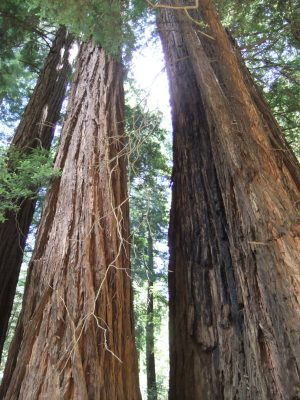 The Biden administration is dropping its efforts to issue a policy to protect old-growth forests — though the president previously touted protecting such forests as an important component of his climate agenda. Late Tuesday, Forest Service Chief Randy Moore announced that the agency did not plan to move forward with proposed protections for old trees. The Forest Service also published a letter Moore wrote to regional officials. That letter cited “place-based differences that we will need to understand in order to conserve old growth forests.” …However, with the transition to the second Trump administration looming, even some environmental advocates say halting the effort may have been a savvy move. Alex Craven, for the Sierra Club, noted that a congressional repeal could prevent future Democratic administrations from pursuing a substantially similar rule in the future. …Biden’s proposal to protect the forests had garnered pushback from Republicans and the timber industry.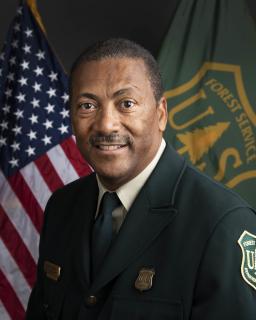

 As wildfires continue to burn out of control across Los Angeles, questions have turned to why and how California authorities allowed the perfect conditions — extremely dry, uncleared forests, hillsides and brush — to proliferate during an already dangerous fire season made worse by a Santa Ana wind event that hits the area with relative frequency. Well before those dangerous conditions sparked the massive blazes… this week, the region was already a tinderbox due, in part, to a lack of prescribed fires. …The reason California hasn’t conducted more controlled burnings comes down to existing environmental laws in the U.S. that have posed bureaucratic obstacles to prescribed fires. It often takes years for proposals to go through reviews before any controlled burning can take place. …Lawmakers have introduced legislation that would allow for more controlled burning, but because no laws have been passed, environmental red tape has continued to present challenges to proactive fire management.
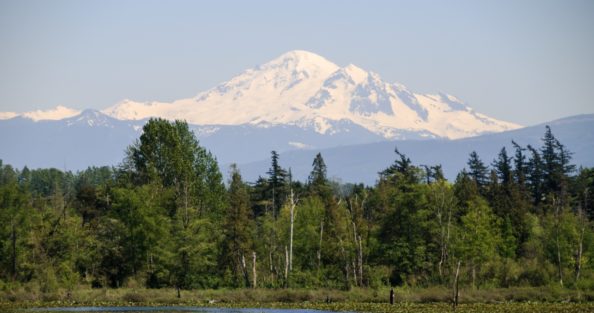 PORT ANGELES — The committee of commissioners representing five encumbered counties, including Clallam and Jefferson, have arrived at a recommendation for how timber revenue from replacement lands should be distributed between the counties. The ratio agreed upon by the committee, known as the impact share method, will distribute funds based on how many encumbered acres each county has when compared to the total number of acres encumbered between the five counties. The Washington State Association of Counties (WSAC) will vote on the recommendation at its Feb. 5 meeting, Clallam County Commissioner Mark Ozias said. Encumbered counties are those which have substantial portions of their state trust land set aside for protection of endangered species such as marbled murrelets and northern spotted owls.
 WASHINGTON – Today, U.S. Secretary of Commerce Gina Raimondo announced the Department’s Economic Development Administration (EDA) is investing $6.2 million in the state of Kansas to support forestry and construction industry workforce development. The EDA forestry investments announced today are: Kansas State University in Manhattan will receive a $3.2 million grant to bolster natural resource and wildfire risk management workforce development through construction of a modernized training facility. This EDA investment will be matched with $815,794 in local funds. …“The Biden-Harris Administration’s Investing in America agenda is growing jobs, building a sustainable workforce, and creating opportunities for workers across the country,” said Secretary of Commerce Gina Raimondo. “These EDA investments in Manhattan and Beloit will provide expanded forestry and construction workforce training programs so local workers get the skills they need for in-demand jobs, and the local economy grows.”
 Global deforestation rates have declined, but forests remain under significant pressure. Rising demands for forest products and climate-related challenges have led to calls for better conservation measures. The European Union had 160 million hectares of forest in 2022, covering 39 per cent of its land, an increase of 8.3 million hectares since 2000. The largest forest areas are in Sweden, Finland, and Spain. According to the European Environment Agency (EEA), the EU’s average forest connectivity, a crucial indicator for supporting biodiversity, was 80.6 per cent in 2021, a slight decline of 0.8 per cent compared to 2018. Larger forest areas, such as those in Slovenia, Romania, Finland, and Sweden, contribute significantly to higher connectivity, while smaller fragmented forests rely on forest strips to maintain connectivity. …Initiatives such as the Nature Restoration regulation, forest and biodiversity strategies for 2030, and a pledge to plant three billion trees by 2030, aim to enhance connectivity.