
Ted Arkell
Ted (Edward) Arkell, 76, a beloved father, grandfather, and friend, passed away on March 21, 2026, in the comfort of his home in Campbell River, surrounded by his family. Born on February 27, 1950, in Summerland, BC, Ted’s life was a testament to hard work and dedication. Ted spent over 50 years in the forest industry, working with the BC Forest Service, Evans Products, and Ainsworth Lumber in Lillooet, BC, before purchasing Dyer Logging Ltd in Campbell River, BC, in 1989. Ted served on many forest industry boards, including the Truck Loggers Association, later serving as President, working tirelessly for the betterment of the forest industry.


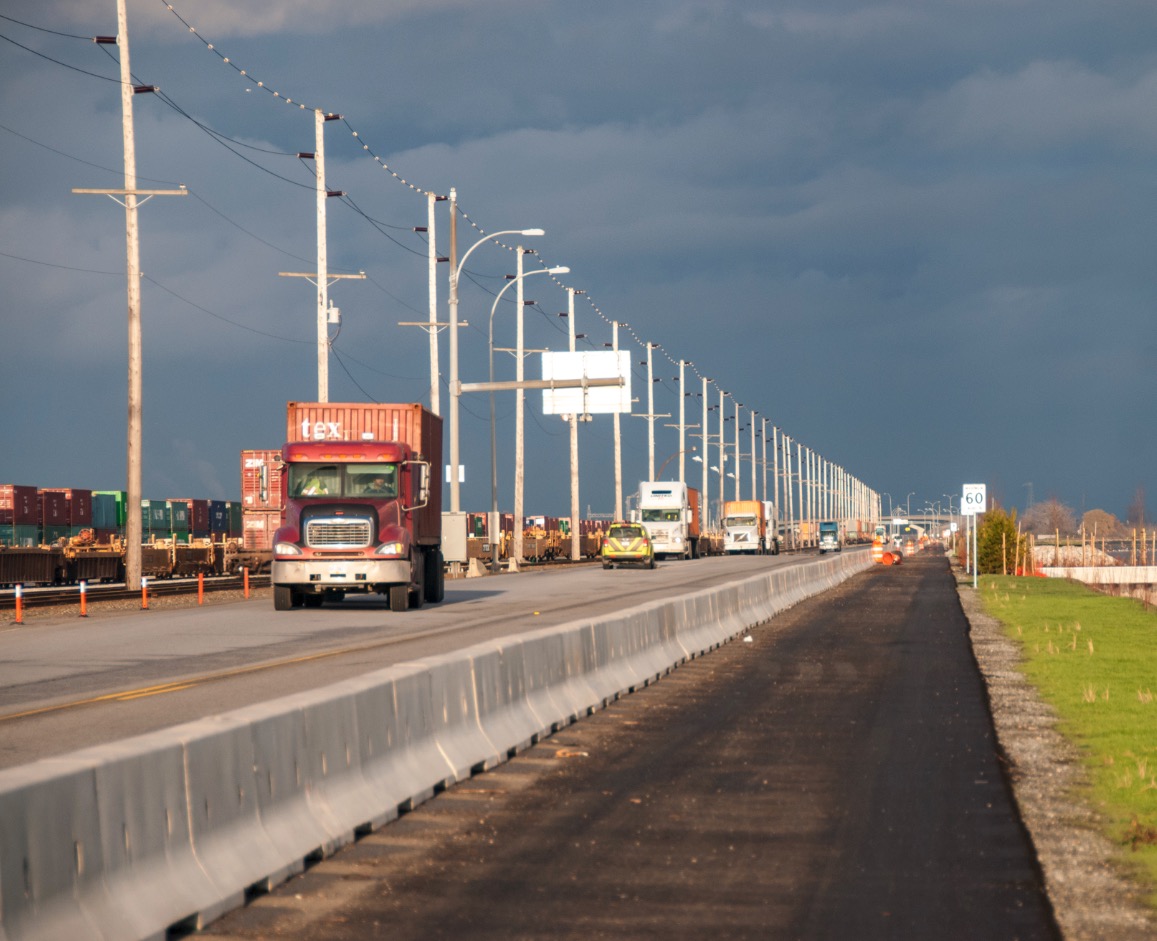 It will soon be mandatory for commercial trucks in B.C. to have dash cameras. B.C. Conservative MLA Ward Stamer introduced a bill after a string of deadly collisions on Highway 5, which goes through his riding of Kamloops-North Thompson. British Columbia is the first Canadian jurisdiction to require commercial dash cameras. Stamer says cameras will help keep drivers accountable and ensure there will be enough evidence in the event of a crash. The bill requires outward-facing dash cameras on commercial trucks travelling B.C. highways and will come into force six months after receiving royal assent. “This bill started with families along Highway 5 who have buried loved ones after preventable crashes. It finishes with B.C. leading the country on commercial vehicle safety,” said Stamer in a release.
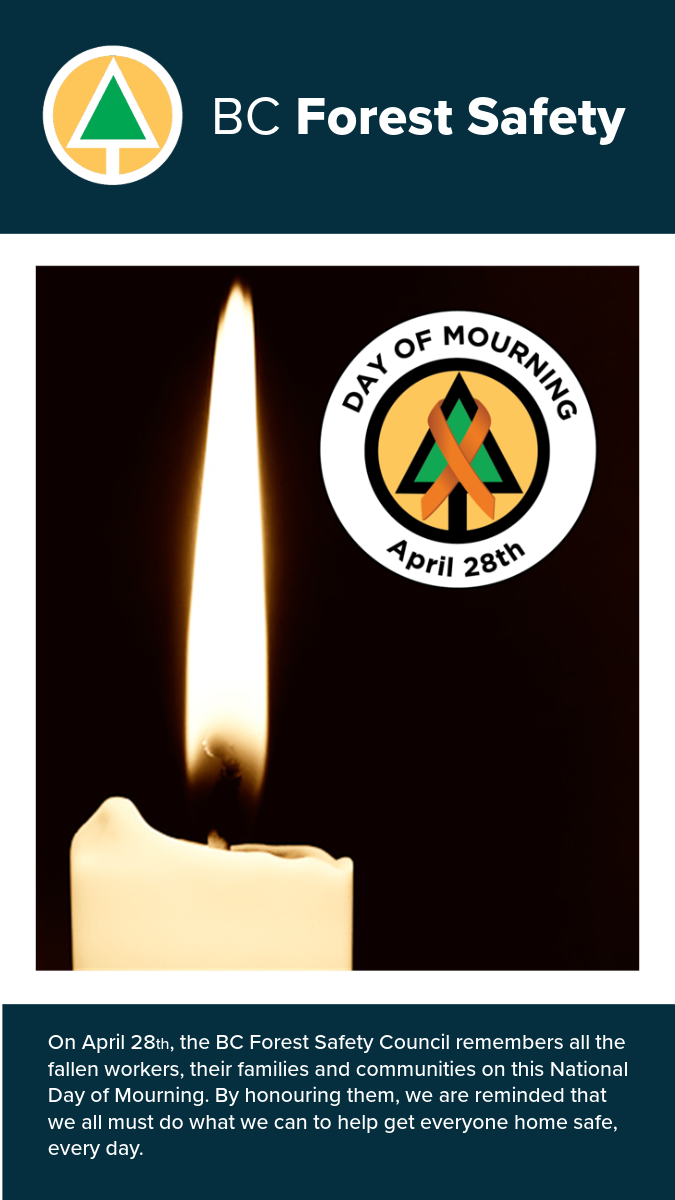 The “
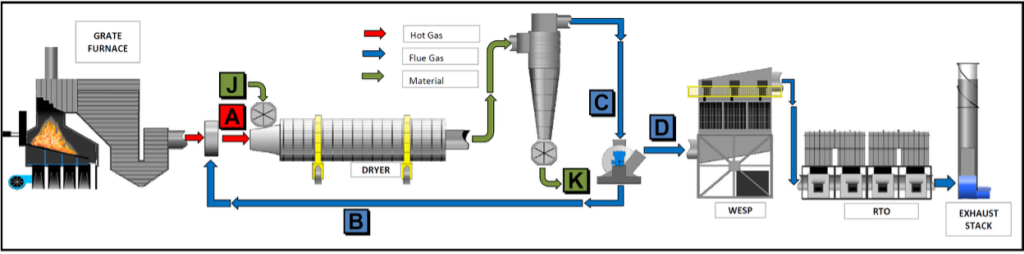
The “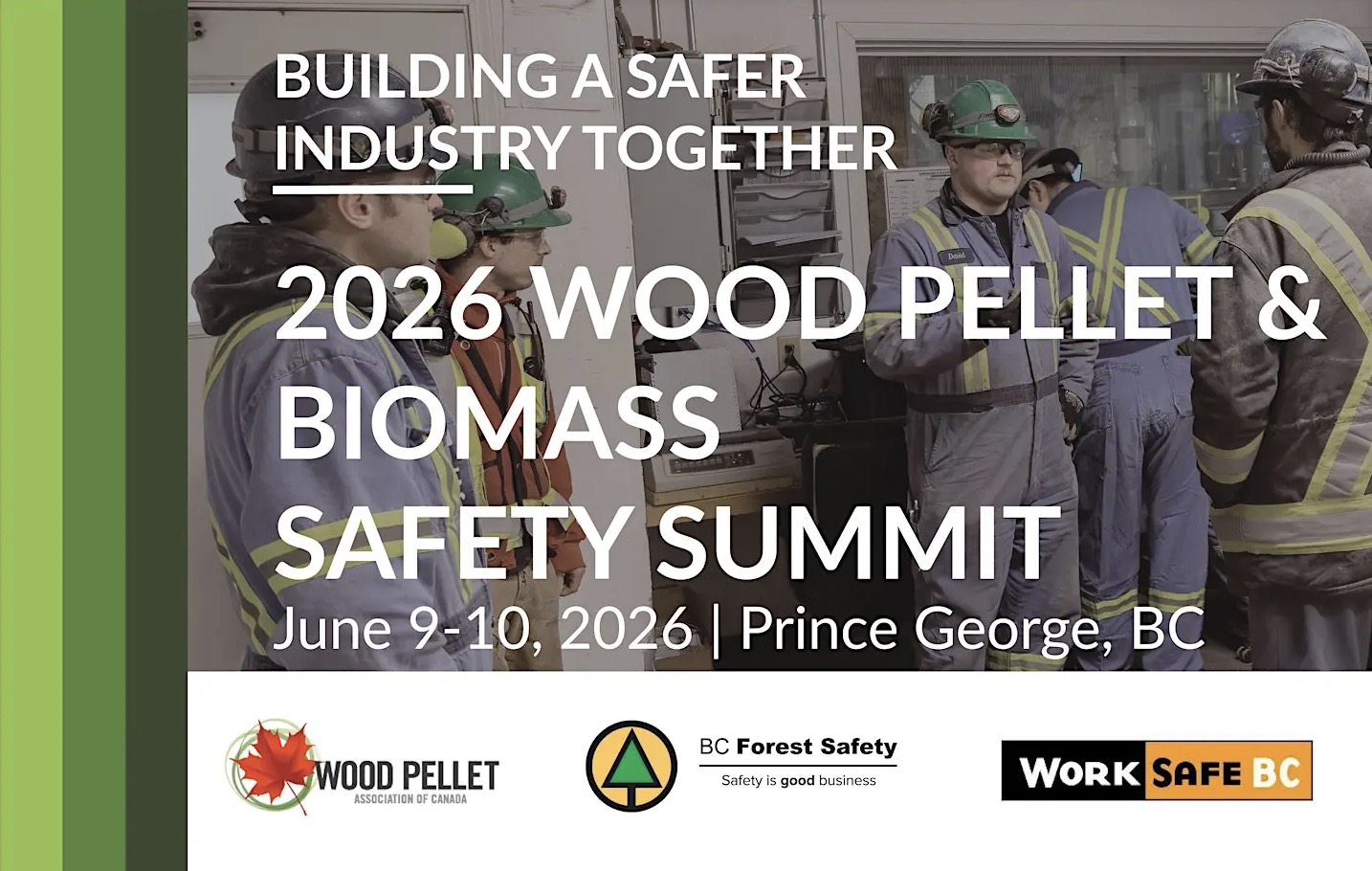 Join industry leaders, safety professionals and regulators at the 2026 Wood Pellet and Bioenergy Safety Summit, taking place June 9-10, 2026, in Prince George, BC. Hosted by the Wood Pellet Association of Canada’s Safety Committee, in collaboration with the BC Forest Safety Council, WorkSafe BC and media partner Canadian Biomass, the Summit focuses on practical, real-world safety challenges facing the sector today. Sessions will cover rotary drum dryer safety, process safety management (PSM) and emerging safety initiatives. Worker well-being is a key focus with a hands-on musculoskeletal injury (MSI) workshop on day one and a full-day mental health workshop on day two—reinforcing the importance of both physical and psychological well-being. Designed for those responsible for safety, operations, and workforce health, this event offers valuable opportunities to learn, share and strengthen safety practices across the industry.
 This
This 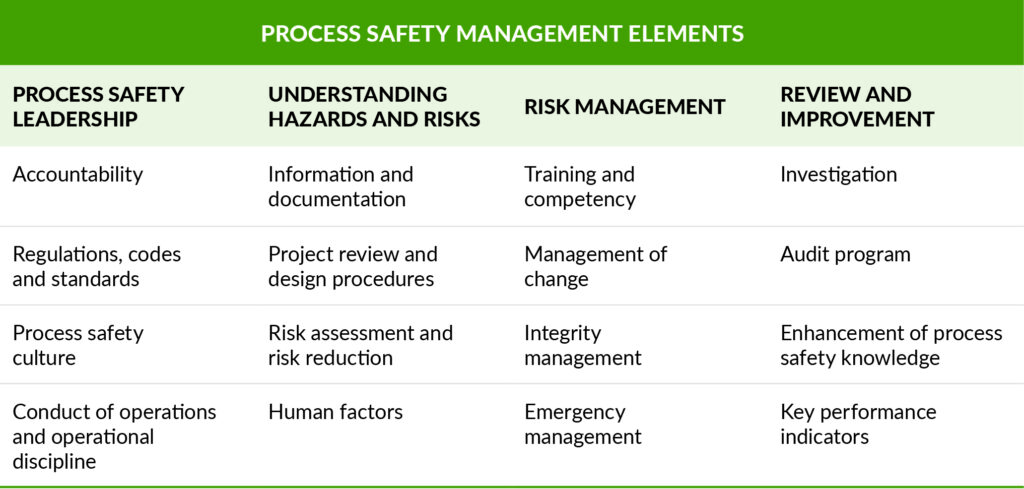
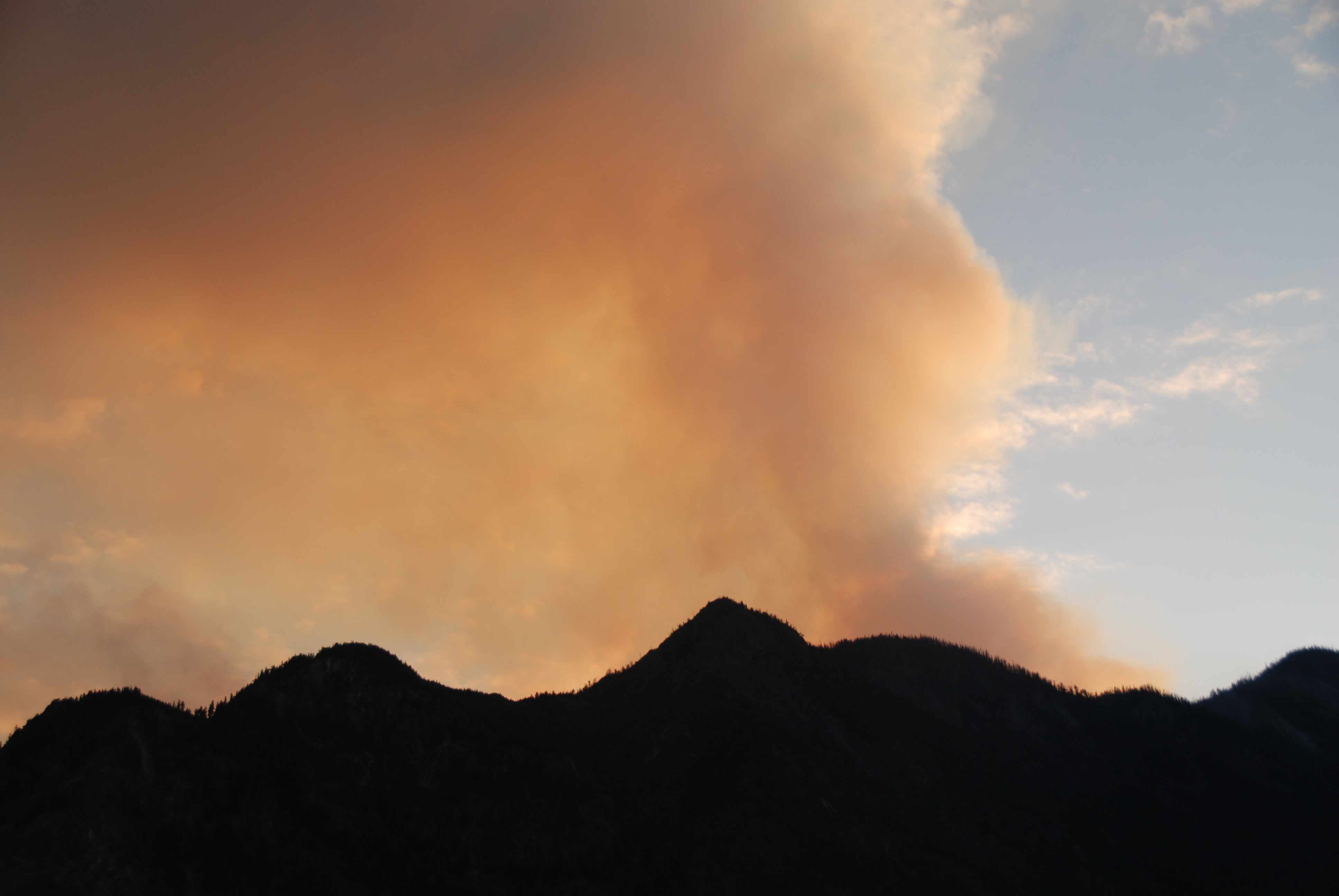 Wildfire smoke is a toxic cocktail of gases, small particles and other ingredients. It’s known to contain hundreds of chemicals. It contains particulate matter, sometimes referred to as soot. …According to an article published by Stanford University, repeated, acute exposure to smoke can shorten firefighters’ life expectancy by about a decade. …Guy Bourgouin, an NDP member of provincial Parliament in Ontario, has demanded breathing protection for wildland firefighters in the province’s legislature. He says the government has been receptive. …Provincial agencies share information and resources through the non-profit Canadian Interagency Forest Fire Centre. It sets standards, including a fitness test used to determine whether a candidate is strong enough to withstand the job’s rigours. But CIFFC has no discernible role in breathing protection and denied an interview request for this story. …The BC Wildfire Service has emerged as Canada’s leader in this quest. Working with the University of Alberta, in 2019 it began studying smoke’s contents and sought to determine whether they were getting into workers’ bodies, with or without N95 masks. [The Globe and Mail is a subscription publication]
 As British Columbia enters another summer that could be hotter and drier than usual, the Province is urging people and communities to prepare for potential impacts of wildfire, drought and water scarcity. “Climate change is rewriting what we consider normal in British Columbia, with warmer, drier conditions increasing the risk of wildfire and drought,” said Kelly Greene, Minister of Emergency Management and Climate Readiness. …The Ministry of Emergency Management and Climate Readiness (EMCR) is working closely with local governments and First Nations to prepare for the summer hazards, including hosting preparedness sessions throughout the province. EMCR is available 24/7 to support communities before, during and after emergencies. …Temperatures are increasing throughout B.C., and with that comes an elevated risk of wildfire. …Regardless of where people live or travel in B.C., it’s critical that everyone does their part to reduce the risk of wildfire.
 Classification change policy in the Assessment Manual lists the possible reasons for changing a firm’s classification. Under this policy, a firm’s failure to provide timely, complete, and accurate information to WorkSafeBC, and to respond promptly to information requests or information provided by WorkSafeBC (the positive duties), is addressed under the heading of fraud or misrepresentation. This creates confusion when the contravention is inadvertent. Our Policy, Regulation and Research Department is releasing a discussion paper with proposed amendments to policy in the Assessment Manual to clarify how a contravention of the positive duties is interpreted in the context of classification change. The discussion paper and information on how to provide feedback can be found here:

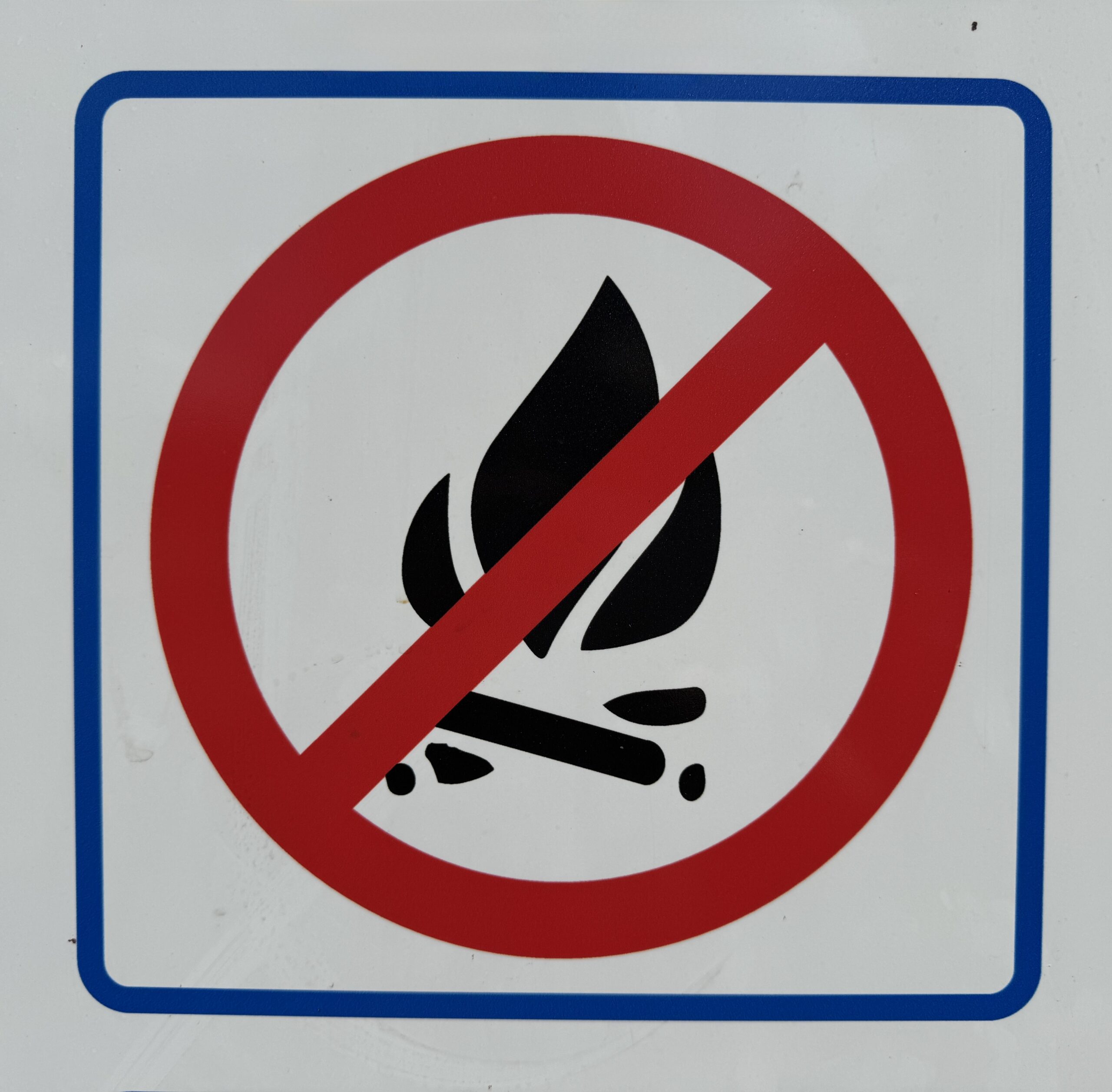 Residents and long-weekend travellers are encouraged to plan, be prepared and stay safe this Victoria Day long weekend as fire prohibitions take effect in parts of B.C. Most new wildfires at this time of year are preventable. People are asked to take precautions with any fire use, stay up to date on current wildfire activity, check for road closures, evacuation alerts and orders, and pay attention to weather conditions. Know the campfire restrictions wherever you are: Category 2 and 3 open fire prohibitions are in place throughout the Cariboo Fire Centre, Coastal Fire Centre, Kamloops Fire Centre and parts of the Prince George Fire Centre and Northwest Fire Centre. Effective Friday, May 15, 2026, noon, the Category 1 campfire prohibition will be rescinded throughout the Coastal Fire Centre.
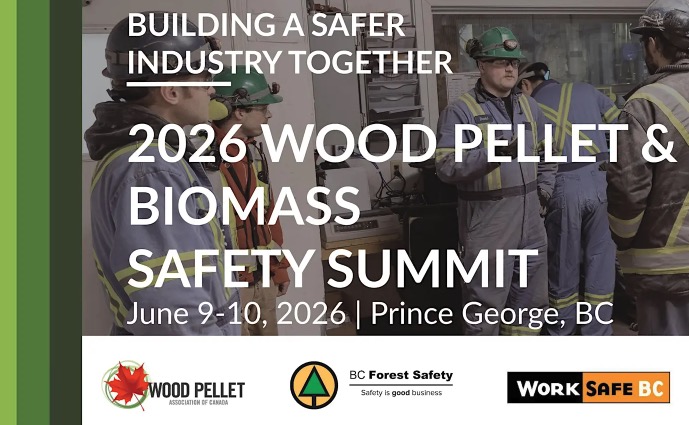 Safety Starts Here: June 9-10, 2026, Prince George, BC | The Wood Pellet Association of Canada’s (WPAC’s) 2026 Wood Pellet and Bioenergy Safety Summit is rapidly approaching. The Summit offers valuable opportunities to learn, share and strengthen safety practices across the industry. Join industry leaders, safety professionals and regulators to discuss rotary drum dryer safety, process safety management (PSM) and emerging safety initiatives. Participate in a hands-on musculoskeletal injury (MSI) workshop and a full-day mental health workshop, giving you tools to support the physical and psychological well-being of yourself and your colleagues. Hosted by WPAC’s Safety Committee, in collaboration with the BC Forest Safety Council, WorkSafe BC and media partner Canadian Biomass, the Summit focuses on practical, real-world safety challenges facing the sector today. Whether your role is in safety leadership, operations, maintenance, or workforce health, the WPAC Safety Summit provides valuable opportunities to learn, connect, and contribute to safer workplaces across the sector.
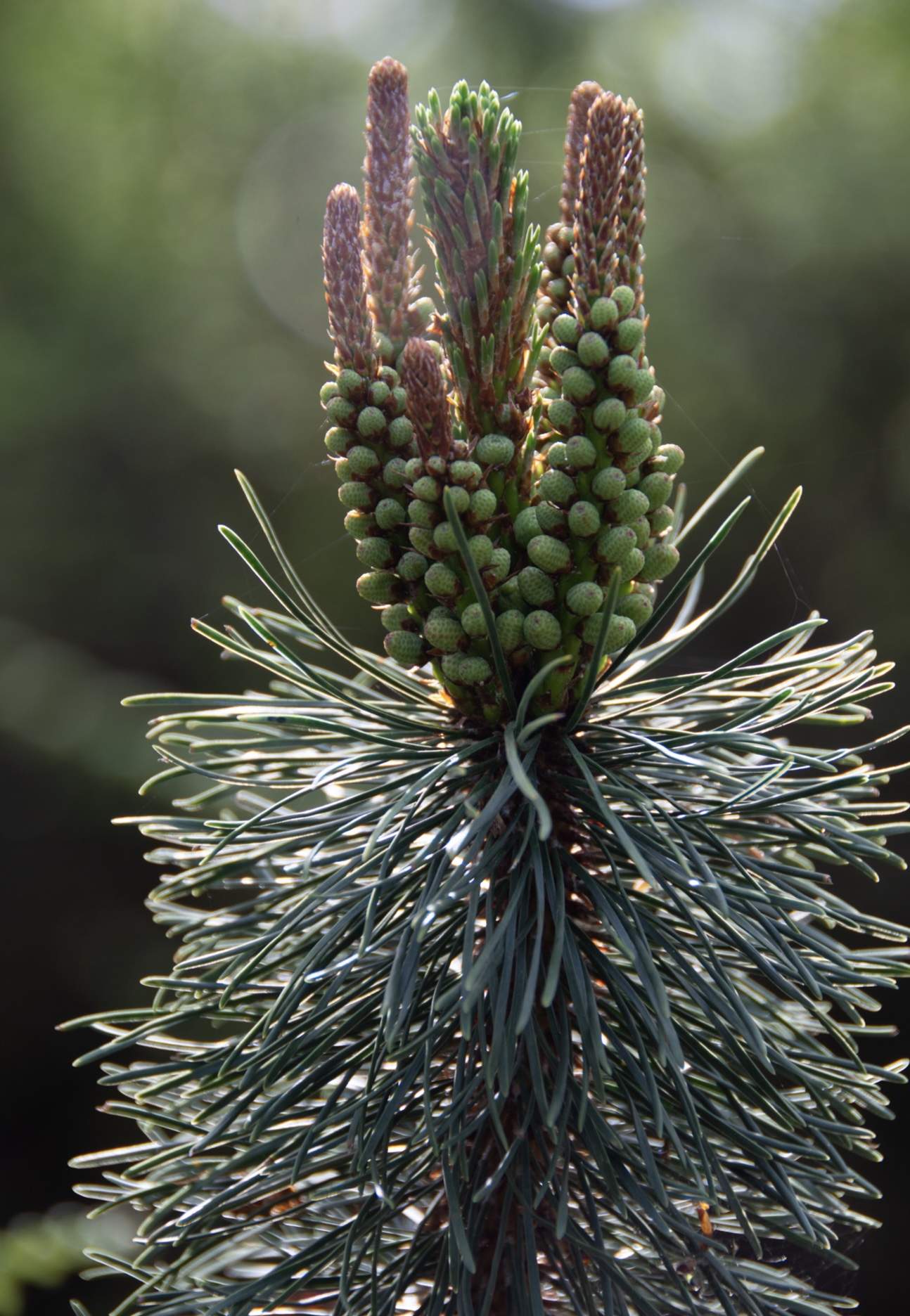 Vancouver and Victoria are the worst places to live in Canada for those with tree pollen allergies, according to a new report. The report from Aerobiology Research Laboratories shows the two B.C. cities are home to some of the most allergenic trees in the country, like birch and maple, and have a longer pollen season. The Ontario-based lab, which monitors airborne pollen with a network of 30 stations across the country, says conditions in the region create what it calls a “perfect storm” for allergy sufferers. “[The two cities] are so close to the coast and you get very mild temperature,” said laboratory director Daniel Coates. “Pollen loves warm weather.” He says allergy season in Vancouver and Victoria has already been intense this year and is expected to worsen in the coming weeks. The West Coast has been facing elevated pollen levels since January, much earlier than the rest of the country…
 Domtar says WorkSafeBC is investigating after a worker was injured at its Port Alberni mill last week and taken to hospital in serious condition. CHEK News reported that the man had a burn injury. “A full investigation is underway with WorkSafeBC, and we intend to share more information as it becomes available,” Domtar said in a message to employees. It also recognized coworkers who responded quickly to help the man “and ensured that he received immediate care.” B.C. Emergency Health Services said it was called at 5:44 a.m. April 9 for the incident. [END]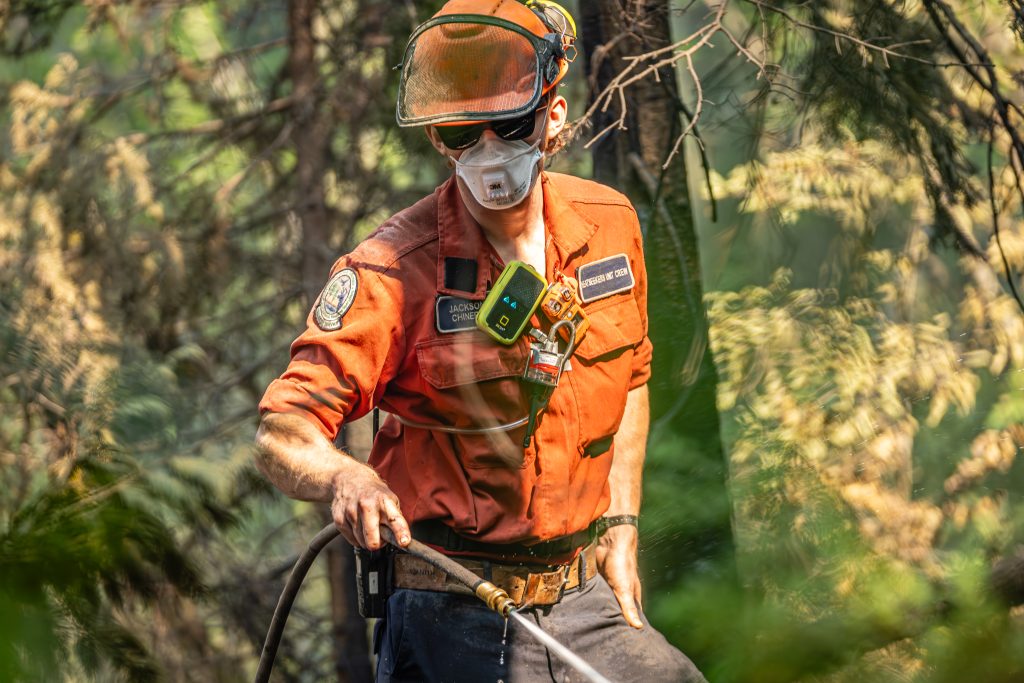
 Brian Bruce Welch passed away suddenly and unexpectedly on January 5, 2026. His loss is felt by all who knew him, and he will be remembered for his dedication to career, family, and friends. …Brian worked for years as a commercial fisherman… When terra firma called, Brian was welcomed by father Bruce E. Welch to formally join the family business, thus becoming the fourth generation to help carry forward the legacy of Olympic Forest Products Ltd, which operated continuously between 1932 and 2026 and was at one point amongst the top BC coastal forestry industry operators. Brian’s long career in the forest industry reflected both pride in family history and commitment to strengthening business for the future, often despite significant industry wide challenges and hurdles. …In 1988 Bruce Welch appointed Brian President of Olympic Forest Products Ltd, Bruce assuming the role of Chair for what had become a group of companies. Following family tradition, Brian served on the TLA board in 2002 and 2003, chairing the Industrial Committee and serving on the Worker Health & Safety Committee.
 Ross Hay-Roe left this world on March 24, 2026, with his two children by his side, after three long years of living each day without the love of his life, Lee, as his constant companion. …After graduating high school, Ross studied Aeronautics at Cal Tech in Calgary and moved to Toronto where Ross worked on the Avro Arrow. His career as an Aeronautical Engineer ended abruptly the day the Canadian Government shut down the program in 1957. Ross made his way back to Edmonton where he studied commerce at the University of Alberta, later achieving the CFA (Chartered Financial Analyst) designation. Moving back to Toronto, Ross began working as a sell-side equity analyst focusing on the Forest Products industry. Moving around to various firms, Ross developed a great reputation in the industry… Ross and Lee helped to start an independent investment research shop called Equity Research Associates. Given the level of insight and critical thinking Ross brought to his analysis, his viewpoints were highly sought after. Ross expanded the firm’s forest products coverage and eventually sold the business, which now operates as ERA Forest Products Research.
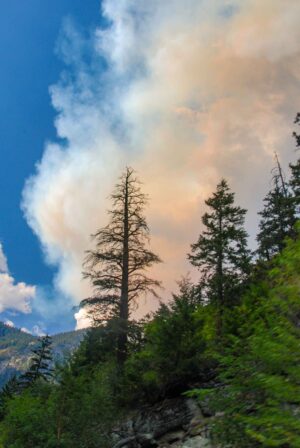 Health officials and advocates are raising concerns about gaps in air quality monitoring across rural BC, saying some communities may be exposed to dangerous wildfire smoke levels if they don’t have access to accurate local data. It comes as the health impacts of wildfire smoke are becoming clearer, and as new monitoring stations are being installed in parts of the province to address the gaps. Air quality is typically monitored by federal and provincial governments and according to Environment Canada, 286 sites across every province and territory make up the National Air Pollution Surveillance program. “Even with nearly 300 sites, there are enormous gaps in geography — often at the expense of rural and remote communities,” said Christopher Lam, of the BC Lung Foundation. …Smoke from the record-breaking Canadian wildfires in 2023 caused an estimated 5,400 acute deaths and about 82,100 premature deaths worldwide.

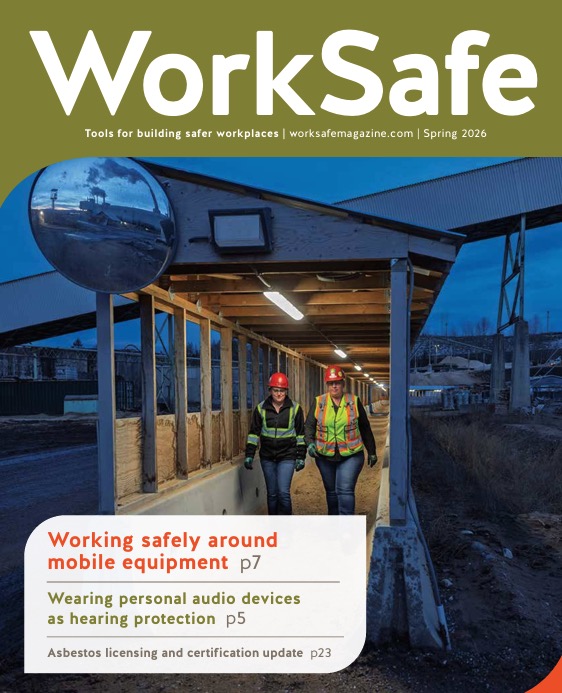 The Tree Frog Forestry News encourages readers to check out the WorkSafeBC Spring 2026 issue of WorkSafe Magazine. The lead story has a strong focus on preventing “struck-by” incidents and improving safety around mobile equipment. It highlights how B.C. forest-product operations are redesigning worksites with engineered controls—such as barriers, walkways, and traffic systems—to better separate workers from moving equipment. Additional features include practical tools to help employers assess and control struck-by risks, along with guidance on roadside work planning and traffic management. The issue also tackles hearing safety, cautioning that personal audio devices are not a substitute for approved hearing protection. WorkSafeBC updates round out the edition, including a refreshed commercial fishing safety guide, clarified rules for reporting tips and gratuities, and progress on asbestos licensing and certification programs. Together, the issue emphasizes proactive planning, clear controls, and shared responsibility as key to safer workplaces across B.C.
 COCHRANE, Alberta — West Fraser Mills has been charged in relation to a workplace death in Alberta
  One of the most persistent myths in BC business circles is that WorkSafeBC is sitting on a massive surplus—a piggy bank that should be cracked open and handed back to employers. Manitoba did it, Ontario did it. …So why not BC? Because the surplus is depleted. It didn’t disappear overnight. It was frittered away, year by year, policy by policy, under an NDP government. …And now, BC’s small business owners are staring down the consequences. …According to WorkSafeBC’s own financial statements, in 2019 the system was funded at 153%—a full 23 points above the 130% floor set by policy and insurance best practices. That cushion, billions built up over decades, was a rainy day fund. It was never meant to finance an ever-expanding bureaucratic empire. …In 2019, WorkSafeBC’s rate of $1.55 per $100 of assessable payroll was among the lowest in Canada—only three provinces were cheaper. By 2024, that same $1.55 is higher than every province except two.
 When it comes to WorkSafeBC, one of the most misunderstood issues we hear about from business groups is the surplus. Specifically, many small-business associations have been calling on WorkSafeBC to rebate the surplus back to employers since our funding level is above target. For background, the funding level is simply a ratio of assets over liabilities on a funding basis. …What is also not well understood is that WorkSafeBC has been returning significant amounts of surplus funds to employers annually to keep rates both stable and below the actual costs of the system. …The reality is that if WorkSafeBC refunded the entire surplus to employers we would no longer be able to price premiums below system costs, meaning rates would have to be raised in subsequent years. …Rate stability for employers is a priority for WorkSafeBC. Some sectors benefiting from rate reductions in 2026 include sawmills (down 40%), framing and residential forming (down 40%).
 Transport truck drivers have the most injury claims for work-related crashes of any occupation in BC over the last 10 years. And driver fatigue is a contributing factor in many crashes. Developing a strategy for reducing driver fatigue is smart business. It can help save lives and reduce the risk of injuries. It can also help you meet your legal responsibilities. Use Road Safety at Work’s no-cost resources to create or enhance your fatigue management strategy. Transport truck drivers account for nearly one-quarter of all injury claims from work-related vehicle crashes in our province, according to WorkSafeBC. …A successful fatigue management strategy depends on an effective safety culture and employee engagement. Encourage drivers to report fatigue and to pull over for a short rest when they feel it. Discuss it at safety meetings. Make fatigue part of your fit for duty assessments. Emphasize the importance of adequate sleep.
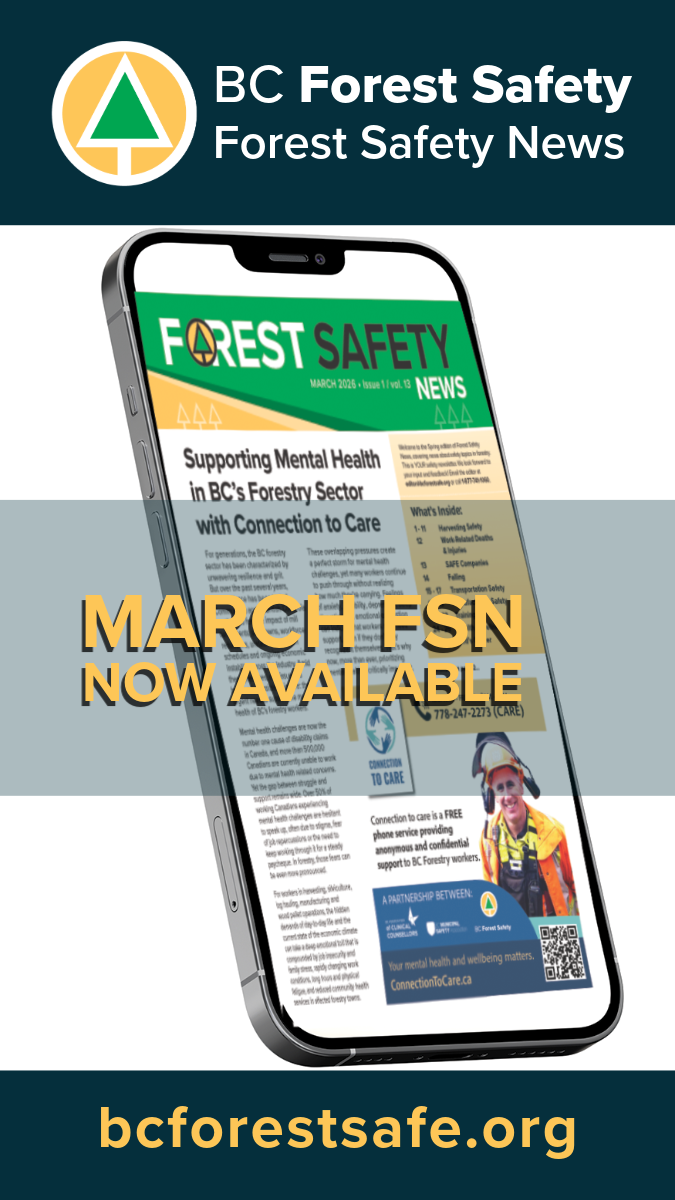 The March 2026 issue of Forest Safety News is out now — and it’s packed with important updates for everyone in the forest sector! From mental health resources to leadership changes and upcoming safety events, this edition focuses on building safer workplaces across British Columbia. This month’s lead story highlights the Connection to Care program, a FREE and confidential support service for forestry workers navigating stress, job pressures, or life challenges — because mental wellness is now a core part of workplace safety. We also mark a leadership moment as long-time CEO Rob Moonen retires after 16 years, and Cherie Whelan steps in as the new CEO, bringing deep experience in safety and industry engagement. Plus, don’t miss the Interior Safety Conference in Kamloops — a full day of sessions and networking for professionals across harvesting, silviculture, transportation, and manufacturing. There’s much more inside including safety alerts, training updates, and industry links you’ll want to see. Read the full issue for all the details!
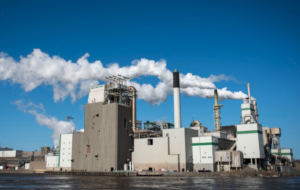 NEW BRUNSWICK — On the morning of May 26, a provincial air quality monitoring station on the west side of Saint John began registering unusual readings. …There was no special public notification about the west side spike, even though the environment department watched it develop and was concerned enough to launch an immediate investigation to determine the cause. …The department, in emails, said it believes operations and maintenance work at the Irving Pulp & Paper mill could have been a contributing factor. …“The cause appears to be a combination of unusual weather, which trapped pollutants at ground level rather than dispersing them upward, combined with higher than ordinary emissions during a cleaning/maintenance cycle at the mill.” J.D. Irving said there is “no concrete way to confirm” it caused the poor air quality readings but said adjustments in mill operations were made at the time to be on the safe side.




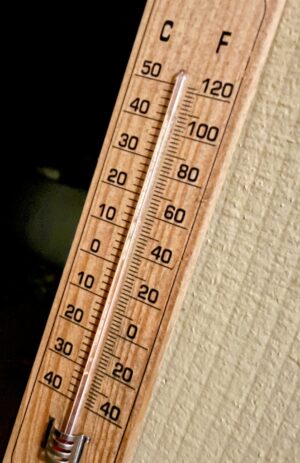 High temperatures are expected to continue baking large sections of the U.S. through the end of the week, potentially setting more than 100 new daily temperature records between Thursday and Sunday, forecasts show. Temperatures were forecast to linger around 30 or 40 degrees above average in a number of southwestern and Central states, continuing a trend that began earlier in the week as a massive heat wave expands further into the western two-thirds of the country, said CBS News meteorologist Nikki Nolan. Indianapolis reached 81 degrees Fahrenheit on Thursday, breaking a 1907 record of 80 degrees, the National Weather Service said. …The heat wave that initially brought unusual warmth to the West last week has been slowly moving eastward, with forecasts indicating it would arrive on the southeastern coast by Friday. Along the way, it may fuel a series of potentially severe storms across parts of the Midwest.
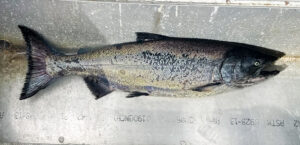 LONGVIEW, Washington — Recovery crews on Friday located the ninth and final person missing at the site of the Nippon Dynawave industrial incident, bringing the death toll from the tragedy to 11. …The ruptured tank spilled up to 570,000 gallons of white liquor, a strong alkaline liquid made mostly of sodium hydroxide and sodium sulfide used in the papermaking process to dissolve wood chips. Officials said the liquid made it into the nearby Columbia River and several nearby ditches, sloughs, and dikes. …Longview city officials reassured residents on Thursday that the city’s water was safe, and the Washington State Department of Ecology stated that the water treatment plant would shut down automatically before contaminated water could enter the public water system. …Response crews have documented some impacts to fish and wildlife in drainage systems adjacent to the incident area. Officials said approximately 200 dead fish have been collected.
 This week’s chemical blast that killed at least eight workers at Longview’s Nippon Dynawave Packaging highlights the potential dangers in the timber and paper manufacturing industries. …“We work in a highly hazardous atmosphere, in a highly hazardous industry,” Brian Wood, director of support services for Nippon Dynawave, said. …The industries involved in the range of economic activities from cutting timber to manufacturing paper have shed jobs in recent decades, yet this sector continues to have some of the deadliest occupations. The disaster in Longview highlights the dangerous chemicals used in paper making. In 2024, 13 people were killed while working at their paper manufacturing job, according to the US Bureau of Labor and Statistics. Across the country jobs in the sector have plummeted. In the last quarter century, BLS figures show paper manufacturing employment fell by 230,000 jobs to sit around 355,000 across the country. Industry researchers estimate as many as 45 mills closed last year.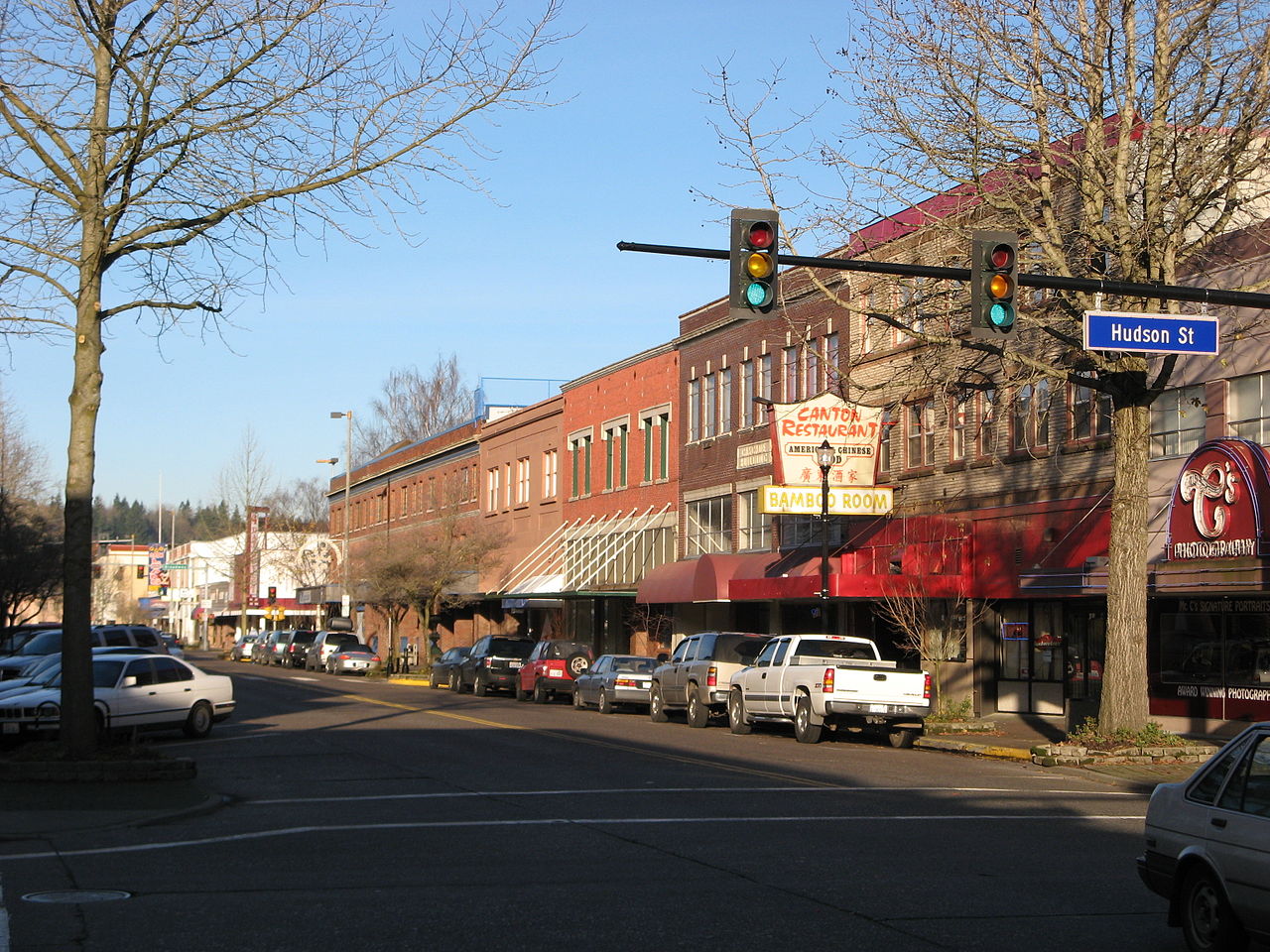

 LONGVIEW, Wash. — A massive chemical tank holding nearly a million gallons of a highly corrosive liquid imploded and collapsed Tuesday at a Washington paper mill, killing at least one worker and leaving nine others unaccounted for with no hope for rescue, authorities said. Another nine people were injured, some severely, in the spill at Nippon Dynawave Packaging Co. in Longview. The cause remained unclear. “At the moment we are not aware of any rescues that are yet to be made,” Cowlitz Fire and Rescue Chief Scott Goldstein said during a Tuesday evening news conference in which officials repeatedly referred to the situation as a recovery effort. That effort would not resume until Wednesday morning, when emergency responders planned to work on stabilizing the collapsed tank, which still had about 90,000 gallons (more than 340,000 liters) of a chemical brew known as “white liquor” inside, and then search for the missing, Goldstein said.

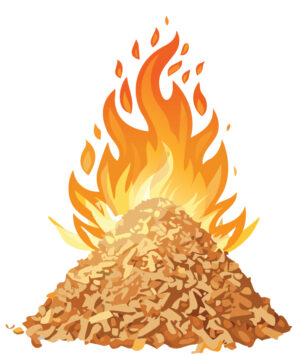 MAINE — The fire and subsequent explosion at a Maine lumber mill that killed a firefighter and injured a dozen other people was accidental and originated at the base of a silo, authorities said Tuesday. …Rapid ignition of particulate material resulted in an explosion in the silo that caused it to lift from its concrete base and release large amounts of sawdust and other materials, the Maine State Fire Marshal’s Office said. The silo then toppled and the surrounding area became engulfed in fire, the office said. Investigators will return to the facility in the coming months to conduct a more detailed examination, the fire marshal’s office said. “Investigators also determined the facility’s fire suppression system, which was located near the top of the silo, did not activate because temperatures at that elevation did not reach the activation threshold after the fire originated at the base of the silo,” the office’s statement said.
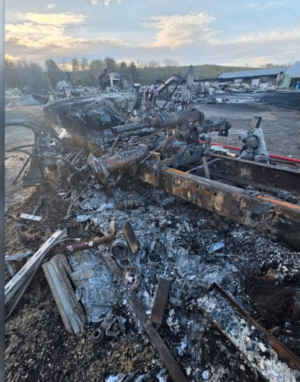 MAINE — According to the Fire Marshal’s Office, multiple departments sustained damage to their fire trucks and equipment during the Searsmont incident, impacting departments that are already limited on resources. “Seeing the ploom of black smoke, it immediately puts a lump in your throat,” said Belmont Fire Chief Ron Harford, as he reflected on Friday’s fire and explosion at Robbins Lumber. In the aftermath of the Searsmont fire, the Belmont Fire Department is supporting injured firefighter Katherine Paige and navigating the loss of a critical tank truck. …”Searsmont’s going to be hugely affected because they’ve lost two of their immediate mutual aid town’s trucks, plus their tank truck,” said Harford. On top of that, Chief Harford says the department lost between $50 to $60 thousand worth of equipment that was on the truck. …”Mr. Cross [Fallen Firefighter Andrew Cross] is our biggest loss. He was a tremendous firefighter a tremendous person,” said Harford.
 GEORGIA — Residents of a Port Wentworth neighborhood believe chemical dust from a nearby International Paper mill is causing health concerns and property damage. Many residents reported shared health symptoms, including sinus issues, burning eyes and coughing. Despite resident complaints and visible white powder on cars and homes, the Georgia Environmental Protection Division has not found the mill in violation of its permits. …The Savannah Morning News collected dust scraped off of one resident’s car about 700 feet from the mill and sent it to third-party lab Eurofins for testing. Eurofins stated that most of the sample was likely calcium carbonate, a white to tan odorless powder, a major component of lime mud. The International Paper mill generates lime mud, according to its operating permit. …The North Carolina Department of Environmental Quality (DEQ) confirmed that the dust contained calcium, and narrowed down the likely culprit to the mill’s lime kiln.
 HOLMES COUNTY, Ohio — Six people were injured following a dust explosion and fire at a moulding facility in Holmes County on Tuesday, according to local emergency officials. According to a Facebook post reporting the incident, East Holmes Fire & EMS responded at 12:43 p.m. at Holmes Custom Moulding, where crews reported a structure fire accompanied by an explosion. First units arrived within one minute and requested additional ambulances after identifying multiple burn victims. …Six patients were treated at the scene and transported to area hospitals… Preliminary information indicates the explosion was caused by sparks from a malfunctioning belt sander entering a sawdust collection system. The ignition of wood dust led to an explosion that caused extensive damage to the building, including the dust collection system and sawdust silos.

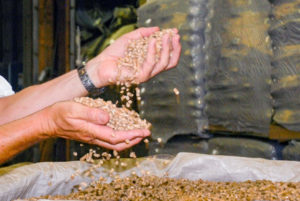 FRANCE — Wood pellets, commonly used in stoves and boilers in homes across France, can release carbon monoxide (CO) during storage even without being burned, reports the French Agency for Food, Environmental and Occupational Health & Safety (ANSES). Natural chemical reactions inside the pellets, particularly the oxidation of fatty acids in the wood, can cause them to heat up slightly and release gases without any combustion. In addition to carbon monoxide, stored pellets can emit other gases such as carbon dioxide (CO₂), methane (CH₄), and volatile organic compounds (VOCs). These processes can also reduce the amount of oxygen in the surrounding air. ANSES says these emissions are usually low and gradual – but tend to increase at higher temperatures. They decrease over time. The type of wood is a factor with, for example, pine pellets likely to emit more gases than spruce. Although the overall risk is limited.
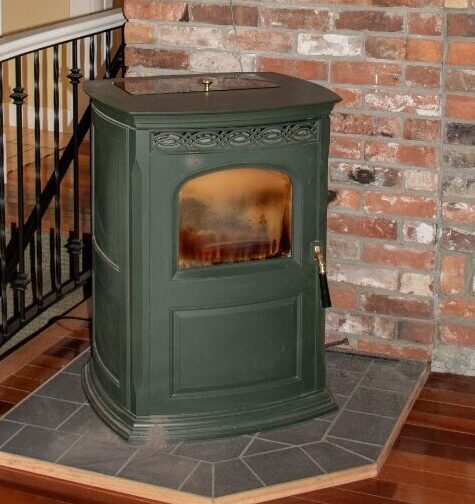 New research has found that burning “smokeless” or low-smoke fuels may be causing new air pollution hazards on streets and in homes. Sold as alternatives to burning coal, wood and peat at home, tests reveal their smoke contains large quantities of tiny ultrafine particles, that can deposit themselves deep in our lungs. The findings were an accidental discovery while researchers were testing fuels in traditional and modern eco design stoves. As expected, burning alternative fuels, both smokeless coal ovoids and briquettes made from olive stones, produced less particle pollution compared with wood or coal. …For each kilogram burned, the low-smoke fuels produced between two and three times more ultrafine particles than wood or coal. …The size of the ultrafine particles means that they are deposited deep in the lungs, multiplying the health impact. In Dublin, the low smoke fuels accounted for more than half of ultrafine particles that can deposit in people’s lungs.