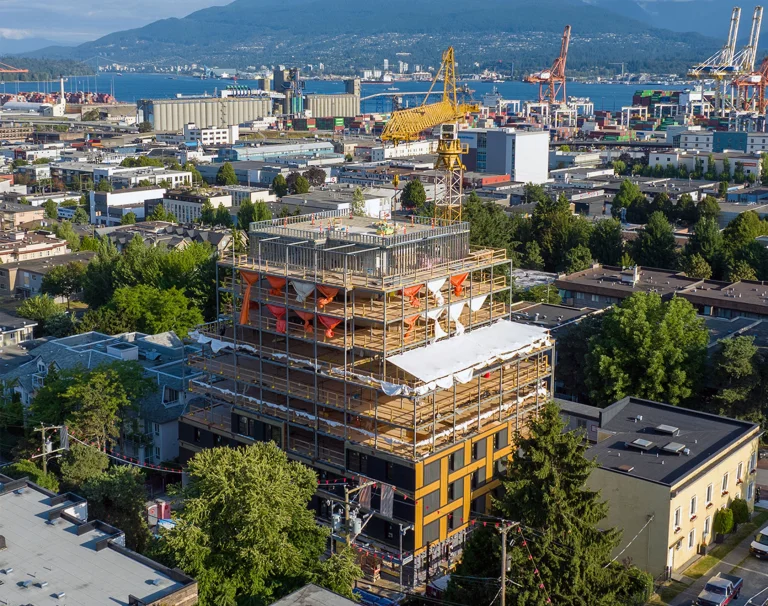
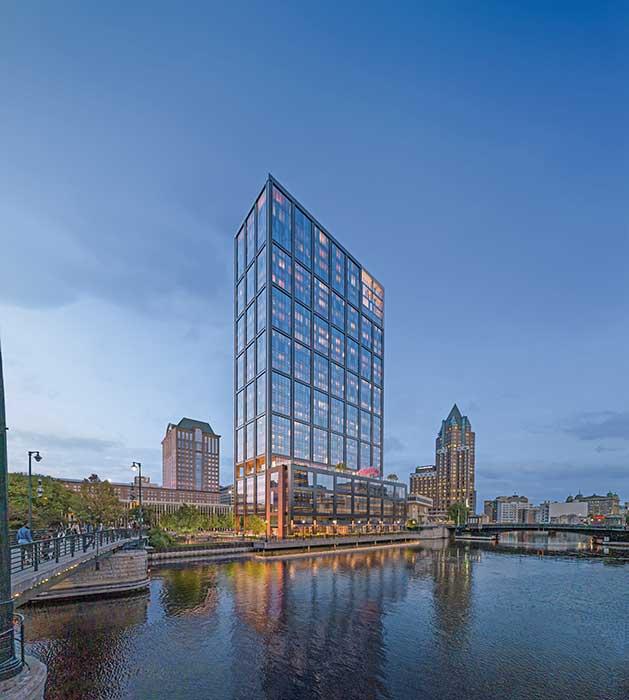
T3 RiNo, a groundbreaking six-story mass timber, Class-A, mixed-use office building in the heart of Denver’s vibrant RiNo (River North) neighborhood, has reached substantial completion. T3 RiNo was developed in collaboration with Hines, McCaffery, and La Caisse (formerly CDPQ), and sets a new standard for sustainable, innovative, and community-centric design. The “T3” stands for Timber, Transit, and Technology, elements woven into the building via thoughtful timber design, proximity to multiple transit options, and building systems focused on the needs of today’s tenants. All timber utilized was sourced from supplier Nordic Structures and manufactured by Chantiers Chibougamau in Québec, Canada. Pickard Chilton, an award-winning architecture studio best known for its innovative and cutting-edge design of corporate headquarters and campuses, served as the building’s design architect; the project team also included DLR Group, Whiting-Turner, Magnusson Klemencic Associates, Alvine Engineering, and S.A Miro.



 The Canadian Wood Council (CWC) welcomes
 Forest Products Association of Canada (FPAC) welcomes
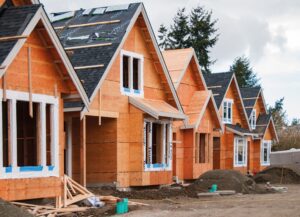 Prime Minister Mark Carney announced Sunday afternoon the launch of Build Canada Homes, the federal government’s new agency that will oversee federal housing programs. The agency was part of the Liberals’ election promise to double housing construction. The government is touting Build Canada Homes as a centralized agency to oversee new affordable housing programs initiated at the federal level. Carney said the agency will “supercharge housing construction across Canada” by helping to build supportive and transitional housing in collaboration with provinces, territories and Indigenous communities. It will also expand “deeply affordable and community housing” and partner with private developers to build homes for the middle class. The prime minister also announced that former Toronto city councillor Ana Bailão will be the CEO of Build Canada Homes. …Carney said $13 billion is earmarked for the new agency.

 The Canada Wood Group Newsletter includes these headlines and more:
 The Headlines
 Technological advances are also primary drivers of construction material innovations. …Also, there are new
 Four new buildings in B.C. are each receiving $500,000 — totalling $2 million — to demonstrate and showcase the benefits of mass-timber construction. “Mass timber represents a transformative, locally sourced solution that’s generating significant employment opportunities, spurring cutting-edge innovation, and revitalizing rural economies across British Columbia,” said Ravi Kahlon, Minister of Jobs and Economic Growth. …The four projects were announced at the 2025 International Woodrise Congress. …Delivered through the Province’s Crown corporation Forestry Innovation Investment. The four projects are:
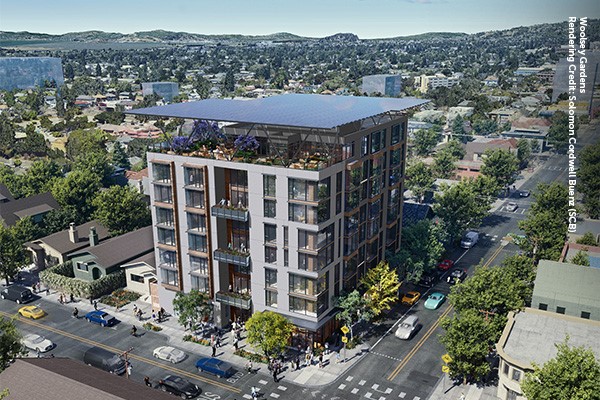
 A proposed 18-storey residential tower on St. Paul Street in downtown Kelowna will be constructed using mass timber, according to applications recently submitted to city planners. The city announced earlier this year that it was partnering with non-profit developer Housing Okanagan Foundation on the project for middle-income earners. Now a development permit and variance applications have been submitted for the property at 1428 St. Paul St. “If completed today, it would be the tallest mass timber residential building in Canada,” according to the application from project architect Lang Wilson Practice in Architecture Culture. “The use of mass timber also offers significant reductions in embodied carbon emissions. “This design aligns with the provincial and federal housing objectives while also incubating a building construction methodology that creates local manufacturing jobs.” Above the three-storey podium will be 15 residential floors and a rooftop terrace for all tenants.

 The BCIT School of Construction and the Environment offers two Associate Certificate programs designed to support workforce development in the North American lumber and sawmill sector: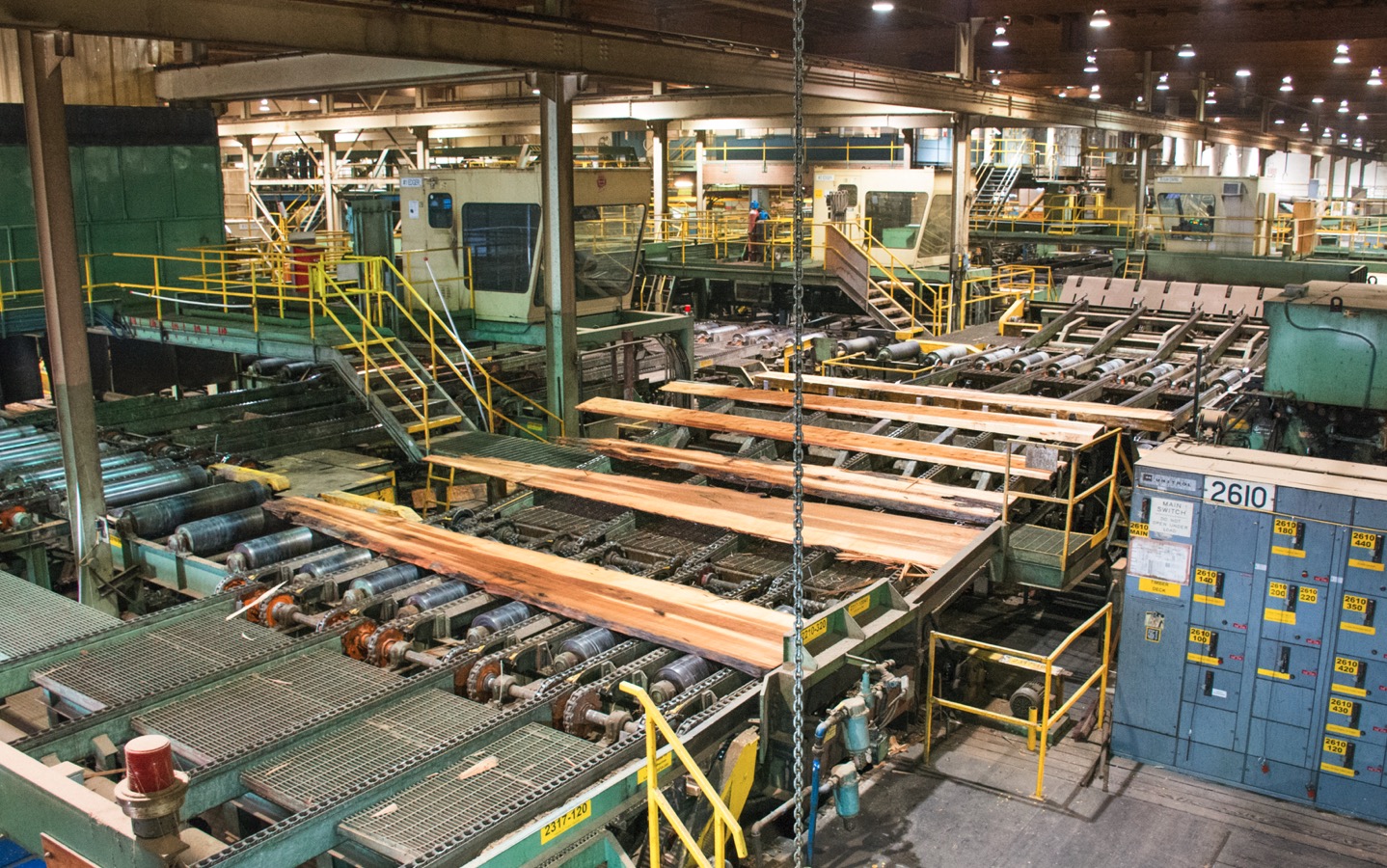
 In this newsletter you’ll find these stories and more:


 COQUITLAM, BC — Gregor Robertson, Minister of Housing and Infrastructure and Minister responsible for Pacific Economic Development Canada (PacifiCan), announced an investment of over $6.8 million for two Coquitlam-based businesses that are developing technologies to reduce waste and advance sustainability in the energy and textile sectors. …Novo Textile Company is receiving an investment of over $1.8 million to expand its textile recycling capacity. Novo plans to bind recycled fibres with BC wood pulp fibres to produce Canadian-made textiles at a competitive price. This will strengthen Canadian supply chains and divert 15 million pounds of garment waste from landfills annually. …Novo Textiles was incorporated in 1991 as a supplier of fibre-filled home textiles. Most recently, Novo introduced a textile recycling production line, continuing its evolution within the textile sector. It is estimated that 92 million tonnes of textile waste ends up in landfills annually.
 The lumber and sawmilling sector demands skilled leaders who combine technical expertise with sound business acumen. BCIT now offers two Associate Certificates, designed to be completed part-time and fully online in just 12 months, enabling working professionals to advance without leaving the industry. The Associate Certificate in the Business of Sawmilling (starting October 2025) focuses on the operational, financial, and strategic aspects of modern sawmill management. Topics include production planning, quality optimization, supply chain considerations, and market dynamics. Graduates are equipped to contribute to profitability and long-term competitiveness. The Associate Certificate in Industrial Wood Processing (IWP) (starting January 2026) emphasizes the science and technology of wood conversion. With courses in wood properties, manufacturing processes, quality control, and technical problem-solving, the program prepares participants to step into supervisory roles with confidence. Both programs are tailored for career advancement in the North American lumber industry.
 With recent U.S. decisions increasing countervailing duties on Canadian softwood lumber to over 35%, there’s an unprecedented level of uncertainty about how the market will be impacted. These escalating tariffs threaten to disrupt supply chains, inflate costs, and reshape the forestry industry. At BC Wood, we’re dedicated to helping you navigate these challenges. Which is why we will be hosting a Tariffs Panel at the Global Buyers Mission (September 4, 2025). Introduced by Minister Ravi Parmar, the panel will bring together top leaders to analyze the challenges, opportunities, and strategies amid escalating trade tensions. Moderated by Mo Amir, GM of SPF Precut Lumber, the panel will include: Nick Arkle, CEO, Gorman Brothers Lumber; Liz Kovach, President, Supply-Build Canada; and Kurt Niquidet, President, BC Lumber Trade Council.
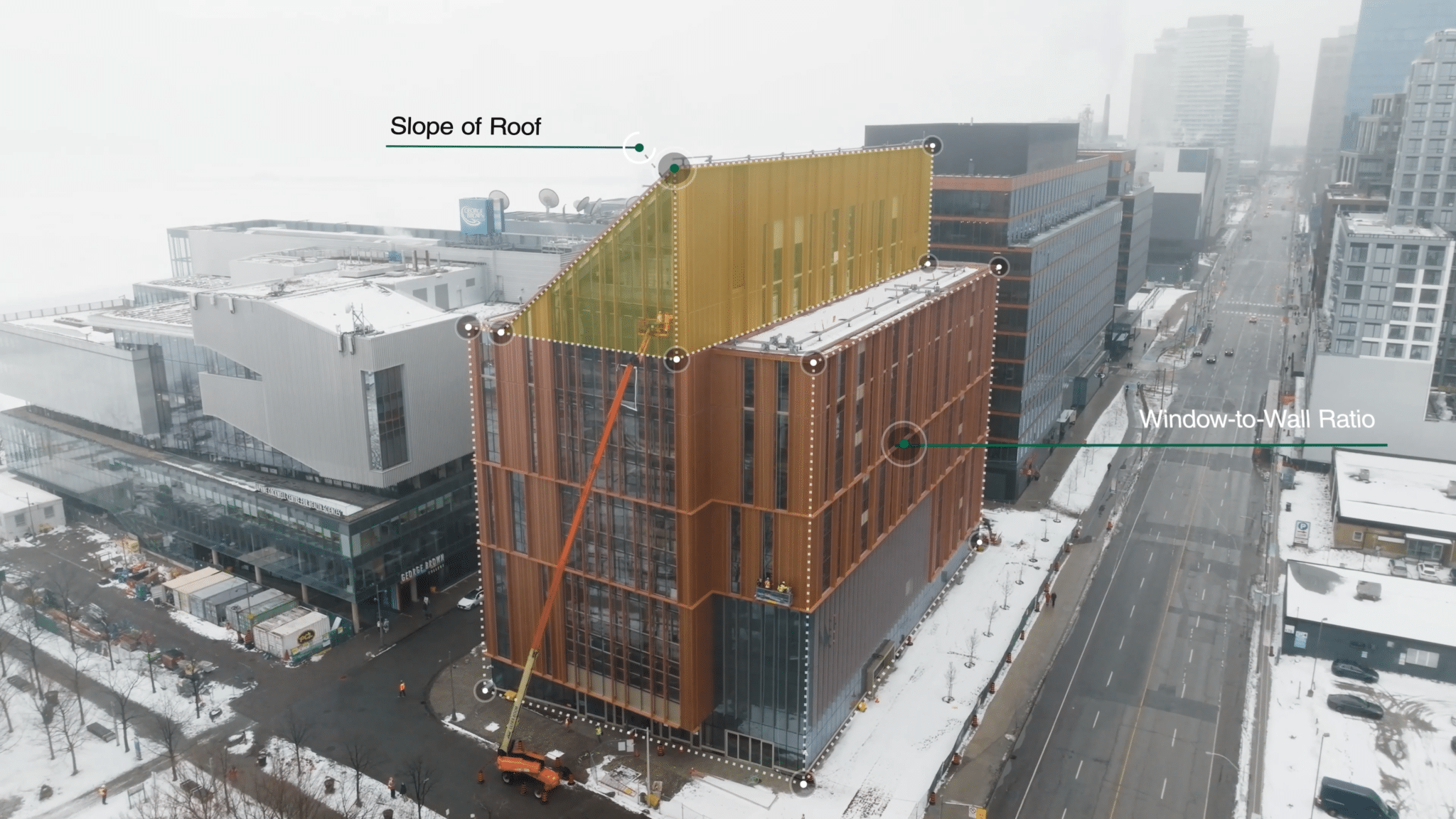
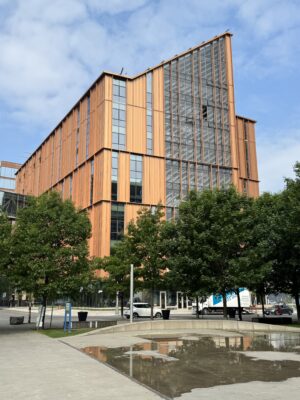 TORONTO — George Brown College’s (GBC) Limberlost Place has helped trigger major changes to Ontario’s building codes and is playing a key role in the province’s strategy to grow its mass timber construction sector, college officials say. The 10-storey academic building—Canada’s first institutional structure made from mass timber and designed to achieve net-zero carbon emissions—has served as a catalyst for the Ontario government’s Advanced Wood Construction Action Plan, unveiled on June 26. The action plan outlines four goals: Promote awareness and use of advanced wood construction; Remove regulatory barriers in codes and standards; Stimulate innovation and investment in advanced manufacturing; and Showcase successful projects to build industry confidence. Limberlost Place embodies all four goals. …By demonstrating the viability and benefits of mass timber at scale, George Brown College has positioned itself—and Ontario—as a leader in sustainable construction and advanced wood manufacturing.
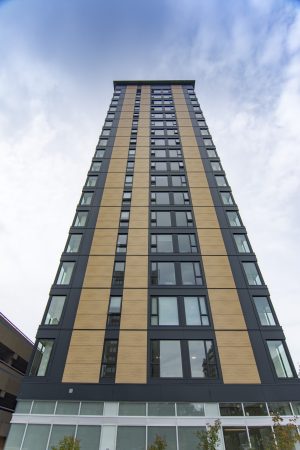 There may have been dissension surrounding the Morris Street bikeway, but the Halifax mayor and regional council found common ground with mass timber. Mayor Andy Fillmore tabled a motion at Tuesday’s council meeting to direct the chief administrative officer to prepare a staff report that, with changes to land-use bylaws and amendments to a municipal planning strategy, would knock down barriers to mass timber construction to help expedite housing builds. That would include the potential to increase the height of built-form requirements from 10 to 12 storeys for mass timber construction. The motion passed unanimously. “The principal reason (for supporting the mayor’s motion) is that this unlocks some newfound potential in local supply,” Coun. Jean St-Amand (Bedford-Wentworth) said. “I think that’s something that can have a very positive impact to the acceleration of our ability and our capacity to build.


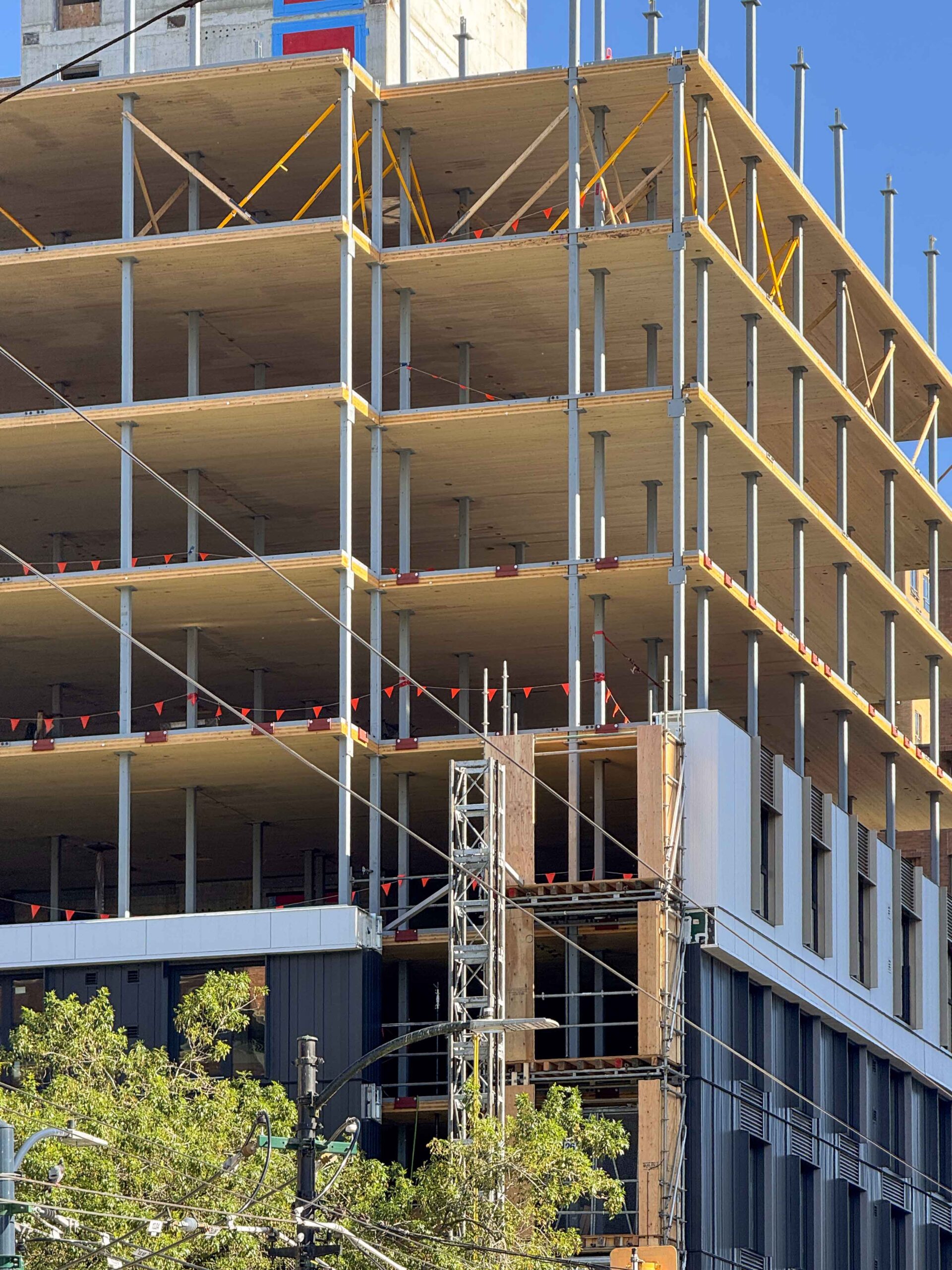 Washington, D.C. – When most people think of ironworkers, mass timber is not the first thing that comes to mind. But that perception is changing fast. The International Association of Bridge, Structural, Ornamental and Reinforcing Iron Workers (Iron Workers), is proving that ironworkers are not only part of the mass timber conversation, but they are the best equipped trade to erect these projects. From landmark projects like the Walmart Headquarters in Arkansas, erected by Iron Workers’ signatory contractor Foust Fab & Erectors, to countless hybrid timber-and-steel structures across the United States and Canada, ironworkers are quietly setting the standard for mass timber erection. Ironworkers have proven that their structural steel expertise, efficiency, and safety culture make them the #1 choice for this growing market. …Our mass timber training is in partnership with WoodWorks, and therefore, third-party validated,” said Iron Workers Executive Director of Apprenticeship and Training James Owens.
.jpg)
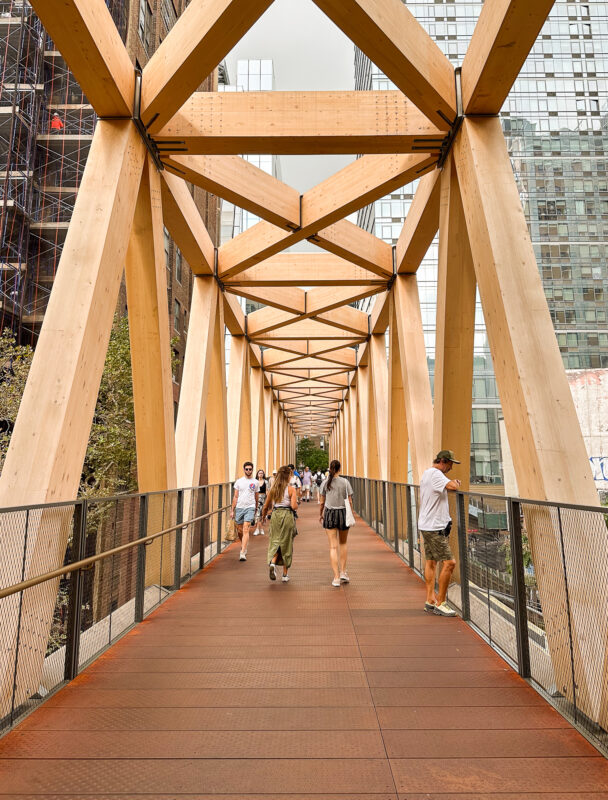
 SLB-Funded NYC Mass Timber Studio Expands With Landmark Projects: Building on the success of its first round of projects in 2024, the NYC Mass Timber Studio announced a second cohort of selected projects this month to help catalyze deployment of wood construction throughout New York City. … After supporting successful accelerator programs in Boston, Georgia, and New York City, the SLB is now exploring collaborations with cities in Arizona, California, Colorado, Pennsylvania, Oregon, and Texas.
 A Seattle proposal to add more housing above the historic Doyle Building near Pike Place Market is bringing out significant opposition, with nearby condominium owners seeking to utilize the only point of leverage they have: the city’s landmarks board. Clark/Barnes architects are working with the owners of the four-story building….


 ORONO, Maine — At the

 When Millard Dority came out of retirement to oversee the expansion of Jesup Memorial Library, he had one goal: to prove that Maine could produce its own cross-laminated timber. Instead, he uncovered a glaring hole in the state’s forest economy. …But with no CLT factories in Maine, the wood had to be trucked from New England to Illinois for processing, then hauled back to Bar Harbor—a headache in a state blanketed by forests. …The Jesup Library expansion is one of just 27 CLT projects in Maine, using spruce-pine-fir and eastern hemlock from New England. Forestry expert Andy Fast said these underused species are finding new life through CLT, but warned, “Supply chain efficiencies will determine whether it’s a viable product longer term.” Despite interest, Maine has failed to land a CLT manufacturer. LignaTerra Global and SmartLam both announced plans in 2018, only to back out. [to access the full story a Bangor Daily News subscription is required].
 Air New Zealand has unveiled Hangar 4, a state-of-the-art aircraft maintenance facility that represents one of the airline’s most significant infrastructure investments. …Designed to serve the next 50 years of aviation, the new facility positions Air New Zealand at the forefront of modern fleet maintenance as it prepares for the arrival of next-generation aircraft. At 10,000 square metres, 35 metres high and 98 metres wide, Hangar 4’s scale allows Air New Zealand engineers to service a Boeing 787-9 Dreamliner and two Airbus A320/A321s simultaneously, supported by an additional 5000 square metres of specialist workshops and engineering spaces. Hangar 4 … is the largest single-span timber arch aircraft hangar in the southern hemisphere. Timber was chosen for its lighter weight, ability to be sourced sustainably – from plantations in Nelson and Wodonga – and for its performance in a coastal environment. …Prefabricated trusses, each weighing 38 tonnes, were built in 25-metre sections, assembled on site and lifted into place…

 This overview traces the modern history of wood science and technology, particularly from the European perspective. It begins with the early forestry schools in 18th-century Germany, which influenced the founding of similar institutions worldwide. These schools introduced technical subjects, including wood physics, to meet industrial demand, especially from the mining sector. Before formal studies began, early research on wood properties, including moisture relations and strength, appeared in encyclopaedias. With the Industrial Revolution, interest in wood as a construction material grew, linking wood research to engineering and materials science. In the early 20th century, dedicated wood technology institutes marked the birth of wood science as a distinct discipline. …The future of wood science lies in sustainability and the efficient use of resources. As interest in renewable, bio-based alternatives to steel and concrete grows, further research on wood functionalisation and modification will be vital.
  The Danish timber industry is warning of significant financial strain following the introduction of new packaging regulations, which came into effect on 1 January as part of the EU’s packaging directive. According to the Danish Wood Packaging Association (DTE), the rules on extended producer responsibility place the cost burden on manufacturers, even when customers dictate the design and specifications. DTE argues this “uneven” implementation could cost the sector over DKK 60 million annually, with pallet prices expected to rise by around 20%. …The association also criticised the fee structure, claiming it relies on outdated data and fails to differentiate between clean, recyclable wood and mixed wood waste, unnecessarily inflating costs and threatening Danish jobs. DTE is calling for reforms to align payment with design responsibility, adjust fees based on environmental impact, and ensure imported packaging is subject to the same standards.
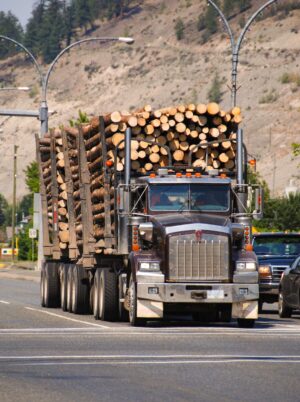 THE majority of consumers cannot identify the primary cause of deforestation – with an increasing number linking it to timber production. That’s going by the results of a major survey from the paper and pulp industry, which also found that more than 60 per cent of people believe only recycled paper should be used to produce new paper products. In contrast, 60 per cent of European consumers believe urban development poses the greatest threat, an increase from 55 per cent in both 2021 and 2023. 58 per cent believe palm oil plantations (up from 52 per cent in 2023), 54 per cent think construction and timber (up from 52 per cent in 2023), 52 per cent believe energy and wood fuel (slightly down from 54 per cent), and 46 per cent deem the paper and pulp industry is the most significant contributor – up from 42 per cent in 2023. …In reality, deforestation is primarily driven by agricultural expansion, especially in tropical and sub-tropical regions.
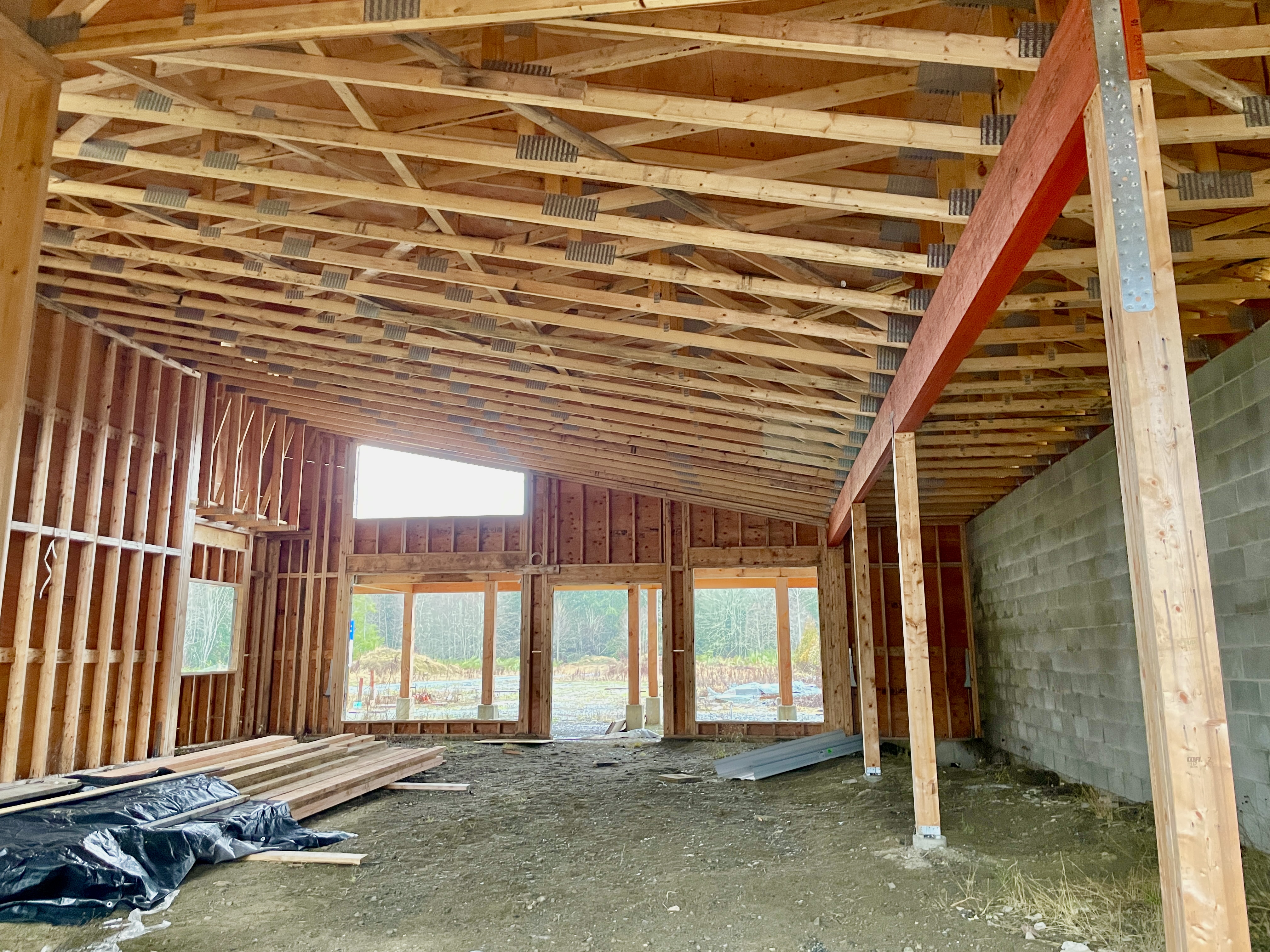 Timber roof trusses have the lowest climate impact across all measured span lengths when compared to concrete, steel, and glulam options. A study conducted by Zeina Alasadi and Selma Bergström Denizoglu at Chalmers University of Technology, Sweden, shows that nail plate connected timber trusses consistently outperform other materials in reducing CO₂ emissions, even when more timber units are required to match the span coverage of a single truss made from concrete or steel. The analysis covered trusses with spans from 6 to 26 meters and focused exclusively on emissions from the production phase, using life cycle assessment (LCA) data corresponding to stages A1–A3. The timber trusses were evaluated using verified environmental product declarations (EPDs) from Derome, which supplied design specifications and material volumes. Timber trusses with spans of 6, 8, 12, and 20 meters generated CO₂ emissions of 59.72 kg, 78.5 kg, 145.15 kg, and 352.5 kg respectively when scaled to match standard center distances.
 The European Federation of Wooden Pallet and Packaging Manufacturers (FEFPEB) has advised that the EU Deforestation Regulation (EUDR) will not have significant implications for customers using wood pallets and packaging for transport. The organization