
Susan Yurkovich
The lumber industry has made incredible progress on codes and standards and in the market share for wood construction. …This month, SLB Director Susan Yurkovich, President and CEO of Canfor, highlights how the SLB is increasing demand for lumber in both new and traditional applications. “At Canfor, we believe the future of building is rooted in sustainability, and lumber is central to that future,” she says. “As a company that operates in both Canada and the United States, we’re proud to be a part of a North American industry that is advancing the use of lumber in both traditional and emerging applications. The Softwood Lumber Board is leading that charge by growing the market for mass timber and highlighting the benefits of using responsibly sourced materials. Their exceptional efforts are playing a critical role in positioning lumber as a renewable, low-carbon solution while helping to drive demand for smart, sustainable construction.”

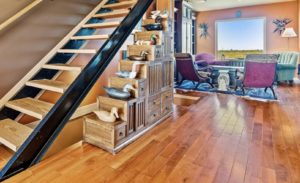 As we’re now well into 2025, the hardwood flooring industry continues to evolve in response to broader shifts in how people design and inhabit their spaces. From residential builds to commercial interiors, there’s a growing appetite for natural materials that offer both durability and design versatility—and wood remains a standout. With its timeless appeal and ability to suit a wide range of design aesthetics, it continues to be a foundational material in interior architecture. A key trend gaining traction is the use of tactile, textured finishes. Glossy surfaces are making way for more organic aesthetics, like wire-brushed, matte or hand-scraped textures that bring warmth and visual depth to a room. These finishes complement today’s more relaxed and natural design styles and offer practical benefits, like helping to conceal everyday wear in high-traffic environments.
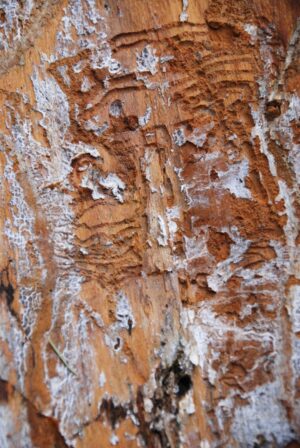 Most researchers today explore high-tech materials like carbon nanotubes or graphene to develop a class of composite known as radar-absorbing material, i.e., a composite that can attenuate radar signals for stealth applications. Such high-tech materials are costly and energy-intensive to produce. Researchers from Brazil and Canada have explored sustainable carbon made of tree bark waste as an affordable alternative to those options. Their findings were recently published in the
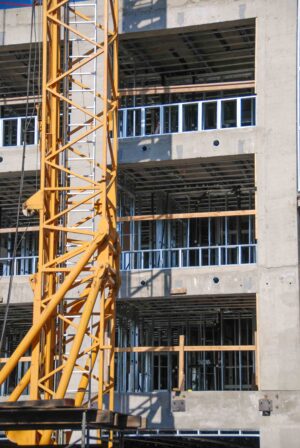 Canada’s first commercial carbon capture cement facility is now under construction in Mississauga Ont., backed by $10 million in federal funding. The project is part of the country’s effort to reduce industrial emissions. The project, led by Calgary-based startup Carbon Upcycling in partnership with Ash Grove Cement, aims to capture carbon dioxide from cement production and turn it into a low-carbon material that can replace part of traditional cement. Minister Evan Solomon, … said “These collaborative projects supporting our climate goals and enhancing our global competitiveness”. The facility will use Carbon Upcycling’s technology to mix captured CO2 with steel byproducts like slag to create a powder similar to cement used in construction. Carbon Upcycling CEO Apoorv Sinha said the system could reduce emissions from cement by up to 40%. …Sinha said the new facility will store up to 150 kilograms of carbon dioxide in every tonne of low-carbon cement it produces.

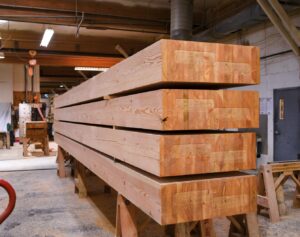 British Columbia remains at the forefront of mass timber design and implementation globally. The province has the highest number of mass timber buildings per capita of any other place in North America, and leads the country with more than 285 mass timber buildings. B.C.’s Mass Timber Action Plan has driven the expansion of mass timber construction, manufacturing, and workforce development across the province. This has increased the number of mass timber buildings and positioned B.C. as a critical exporter of knowledge and products to international markets. Metrics such as overall building count, advancements in carbon reduction, and the adoption of encapsulated mass timber construction (EMTC) standards in other regions all reflect our sustained leadership. Eric Andreasen, the vice-president of marketing and sales at Adera Development, spoke to Tanya Martins of Construction Canada and shed light on how B.C. is on its way to becoming the leader in mass timber development globally.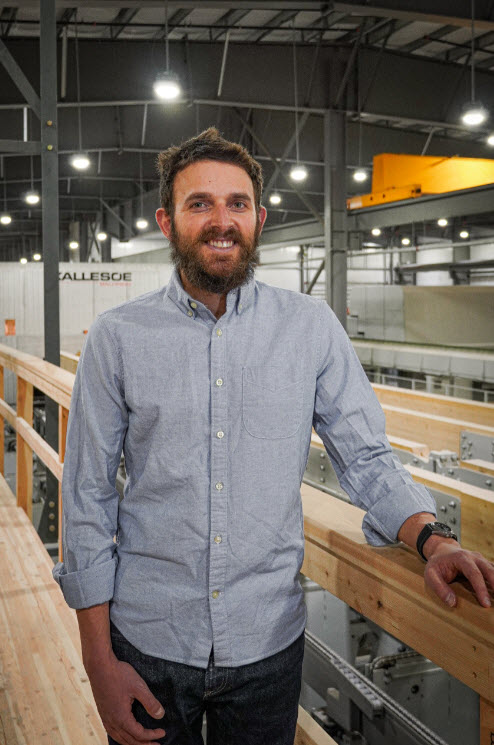
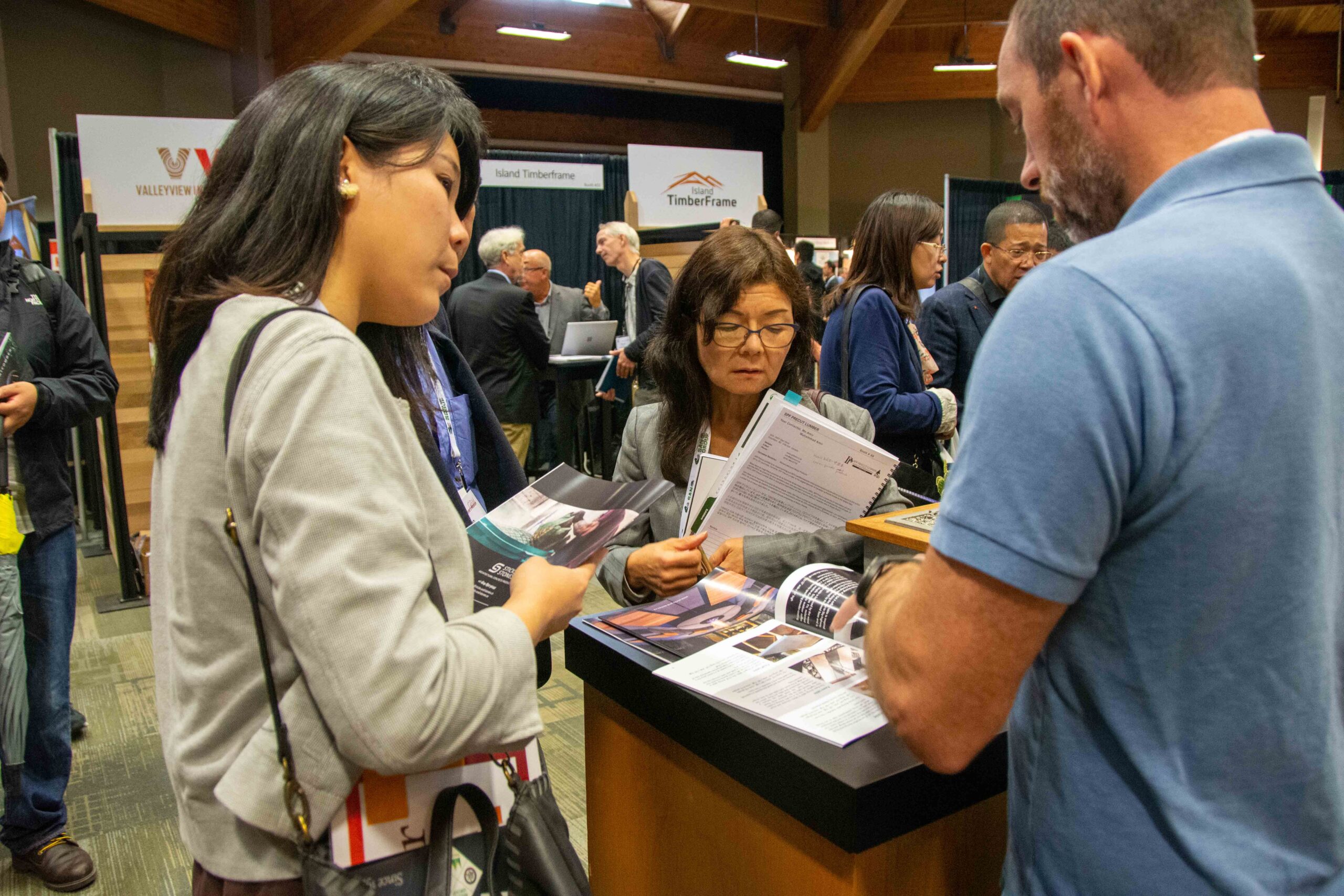 Join us for our 22nd Annual GBM September 4th to 6th, where we will host international buyers and specifiers from all around the world, to meet our Canadian suppliers in Whistler. If you are an industry member and thinking about exhibiting to get yourself in front of these buyers and decision-makers, ACT FAST! We only have 5 booth spaces left, and they will go on a first-come basis. Industry surveys from 2024 indicated an anticipated $37 million in new sales from contacts made at the GBM. We anticipate many “new to GBM” Buyers again this year, and with hard work of our overseas staff, the continued assistance of the federal International Trade Commissioner Service and the provincial Trade & Investment Representatives abroad, we expect an excellent group of Buyers from across the globe. As usual, we will host BC Wood’s AGM, deliver Specifier Workshops and the exclusive Building Connections program.
  Don’t miss the BC Wood newsletter. Headlines include:
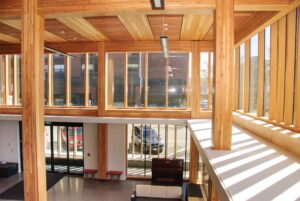 Although mass timber is widely praised for speedy, low-carbon construction, not everyone has boarded that train yet. Many people in construction still believe the risks of using mass timber outweigh the benefits. To shed some light on the subject, Urbanarium and the UBC School of Architecture and Landscape Architecture recently sponsored a debate in Vancouver on the proposition: “Mass timber is not worth the risk(s).” On the pro side (not worth the risk) were Adam Rysanek, an associate professor at SALA, and Graham Brewster, the senior director of development at Wesgroup Properties. On the con side were Shawn Keyes, the executive director of WoodWorks BC, and now VP strategic growth and development at Intelligent City, and Jana Foit, a principal and higher education practice lead in the Vancouver studio of Perkins&Will. …“Everybody came in wanting mass timber to work. What they heard were practical arguments that showed that it’s not that easy.”
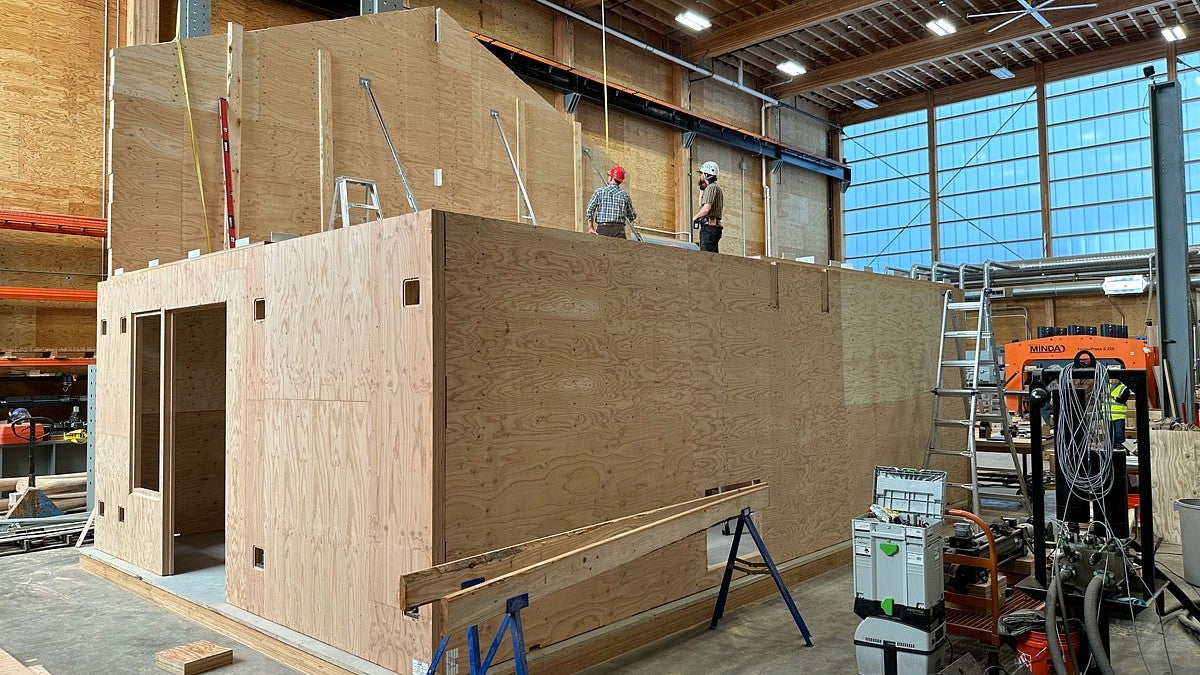
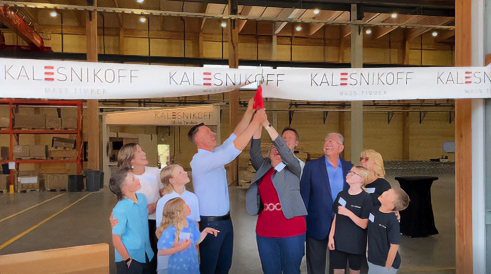 Kalesnikoff Mass Timber recently opened its new 100,000-square-foot mass timber prefabrication and modular facility in Castlegar, B.C., 400 miles east of Vancouver. Starting small just before the Second World War, Kalesnikoff today is a family-owned, fourth-generation company that produces dimensional lumber, glulam beams and columns, glue-laminated timber (GLT) panels, cross laminated timber (CLT) and prefabricated components. The new facility, which is built entirely out of Kalesnikoff’s own mass timber… enables Kalesnikoff to provide new products that can be used for prefabricated walls, flooring, modules and full modular construction. Chief operating officer Chris Kalesnikoff says it’s the first vertically integrated mass timber operation in North America. Kalesnikoff was started by Chris’s great-grandfather and two of his brothers in 1939 as a logging operation. His grandfather and his father (Ken) expanded the sawmill into value-added wood products.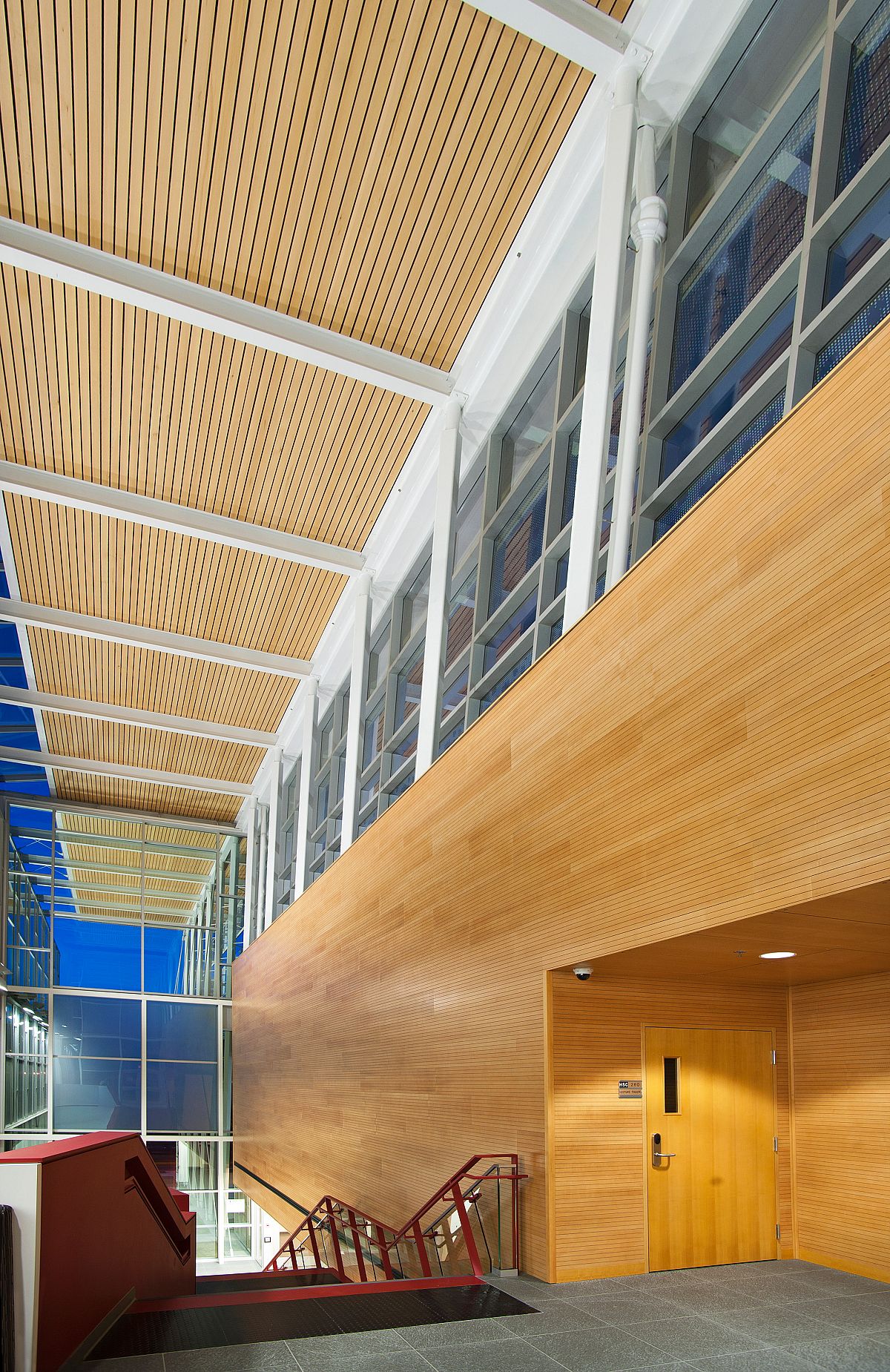
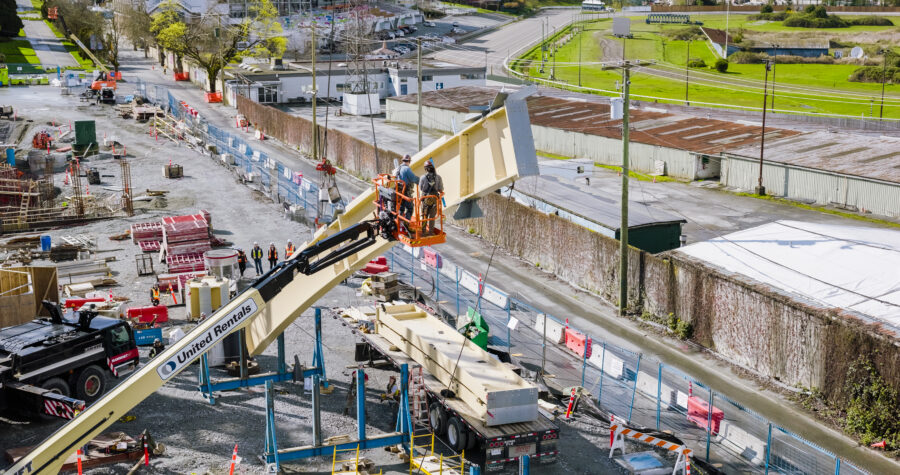
 The Kelowna International Airport (YLW) is proud to share a significant project milestone for Airport Terminal Building (ATB) expansion – the mass timber roof structure of the facility is now complete. The use of mass timber throughout the terminal building expansion highlights the airport’s commitment to sustainability, innovation and community reflection in this project. YLW received $500,000 from the Province’s Mass Timber Demonstration Program, which aims to grow B.C.’s mass timber and engineered wood products industry and position B.C. as a world leader in wood design, engineering and construction. An important design consideration for the ATB Expansion is to incorporate characteristics that showcase our local community. The use of mass timber plays a meaningful role in conveying our region’s natural beauty, heritage and character.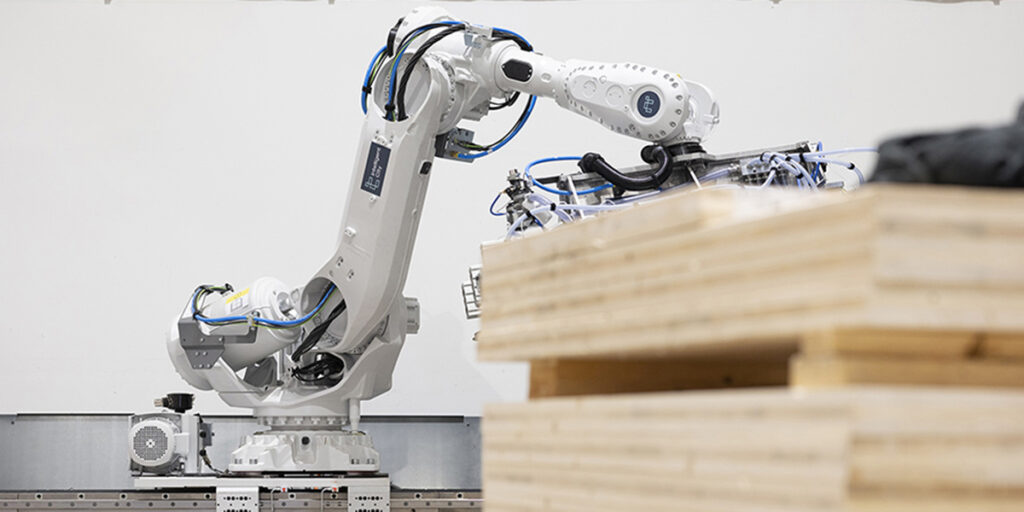


 The Province is making wood construction and heating a priority in public buildings. All departments have been directed to look for every opportunity to use mass timber, wood pellets, biomass, biofuels and other products made with wood that is leftover from sustainable harvesting and sawmilling. “Government is leading by example and using more wood products in our own buildings. It’s one of many steps our government is taking to make Nova Scotia more self-reliant and energy secure and to grow our economy and create jobs through innovation in our forestry sector,” said Public Works Minister Fred Tilley. Departments will prioritize wood products in new construction, renovations and conversions from oil heat. They will also make it a priority where applicable in projects that are partially or completely funded by the government. This focus aligns with the Nova Scotia Loyal program, reduces reliance on imports and enhances export markets.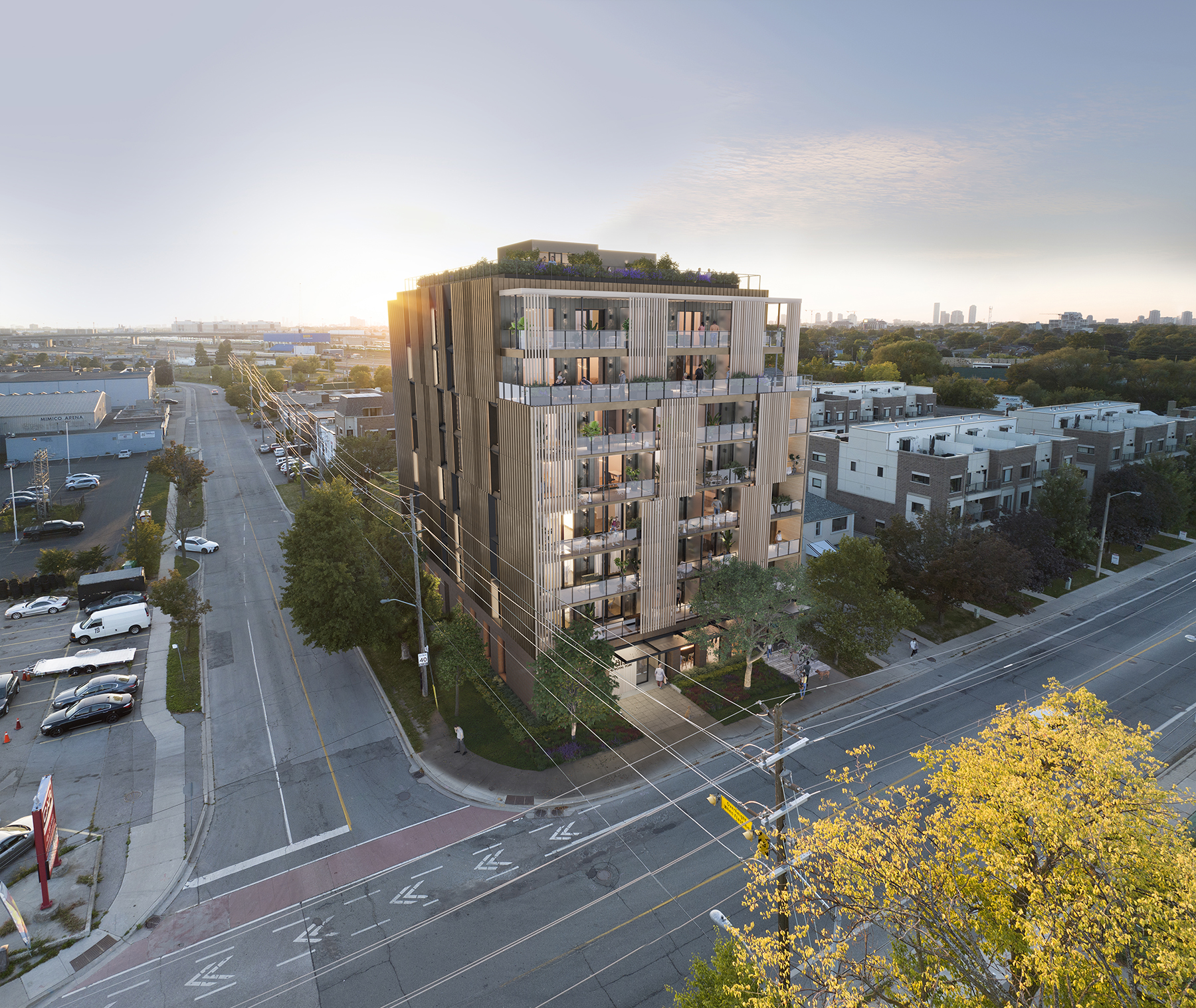

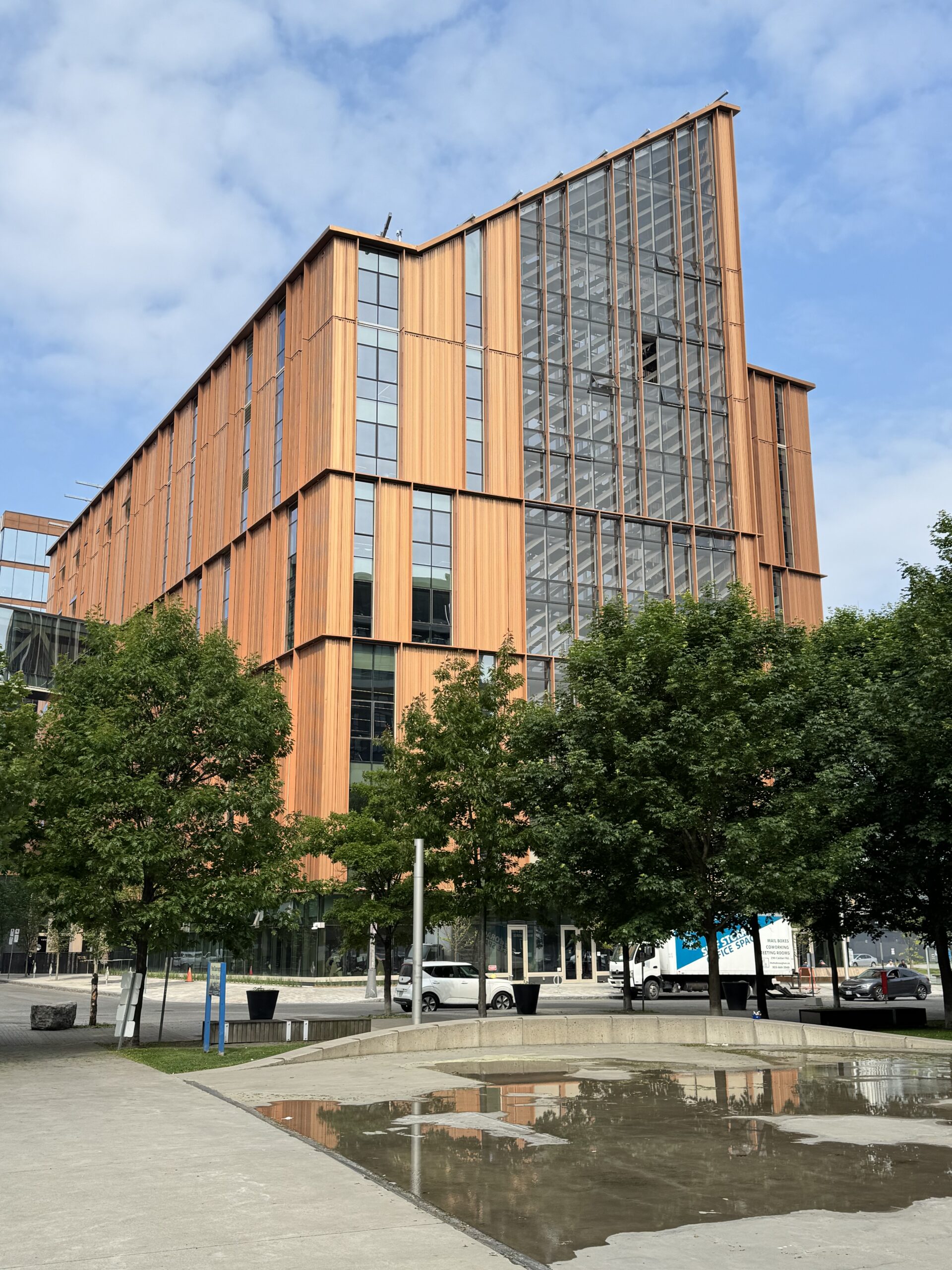
 TORONTO — A mass timber showcase on Toronto’s George Brown campus is also a study in collaboration and innovation. George Brown College’s Nerys Rau, Moriyama Teshima Architects partner Philip Silverstein and PCL’s Mike Love all explained the process behind building Limberlost Place at a session titled Exploring Limberlost Place: at the Canada Green Building Council’s Building Lasting Change conference held recently in downtown Vancouver. Limberlost Place is a 10-storey mass-timber net-zero building that achieved occupancy in January. …Silverstein said the building is rated at Tier 4 of the Toronto Green Standard, adding no other building in the city has reached that metric. “It’s like LEED Platinum on steroids,” Silverstein said. Love said the number one question was “what if the wood gets wet?” “It’s OK for wood to get wet. Just remove any ponding water and let it dry. It wants to breathe,” he said.
 If some banks or financial institutions have long been poised to abandon paper records, a representative to Congress is saying “Not so fast. US Rep. Mike Turner, R-Dayton, said he reintroduced his “Protecting Against Paperless and Electronic Requirement (PAPER) Act” recently. This legislation would prohibit financial institutions from abandoning paper records to use electronic bank statements. For many years, banks would print and mail monthly bank statements to all customers. For a while now, though, paper bank statements have been replaced by electronic statements. …The PAPER Act would bar financial institutions from restricting services based on a customer’s preference for paper statements, making certain that all Americans can participate in our banking system in a way that works best for them.” …In March, President Trump signed an executive order mandating that the federal government shift from paper-based payments to electronic payments.
 Mass timber may have antimicrobial benefits that could make it useful for hospital construction, according to a recent study from the University of Oregon. The research team found that when wood was exposed to a brief wetting, it tested lower for levels of bacterial abundance than an empty plastic enclosure used as a control. “People generally think of wood as unhygienic in a medical setting,” said Mark Fretz, assistant professor, co-director of the University of Oregon’s Institute for Health in the Built Environment and principal investigator for the study. “But wood actually transfers microbes at a lower rate than other less porous materials such as stainless steel.”
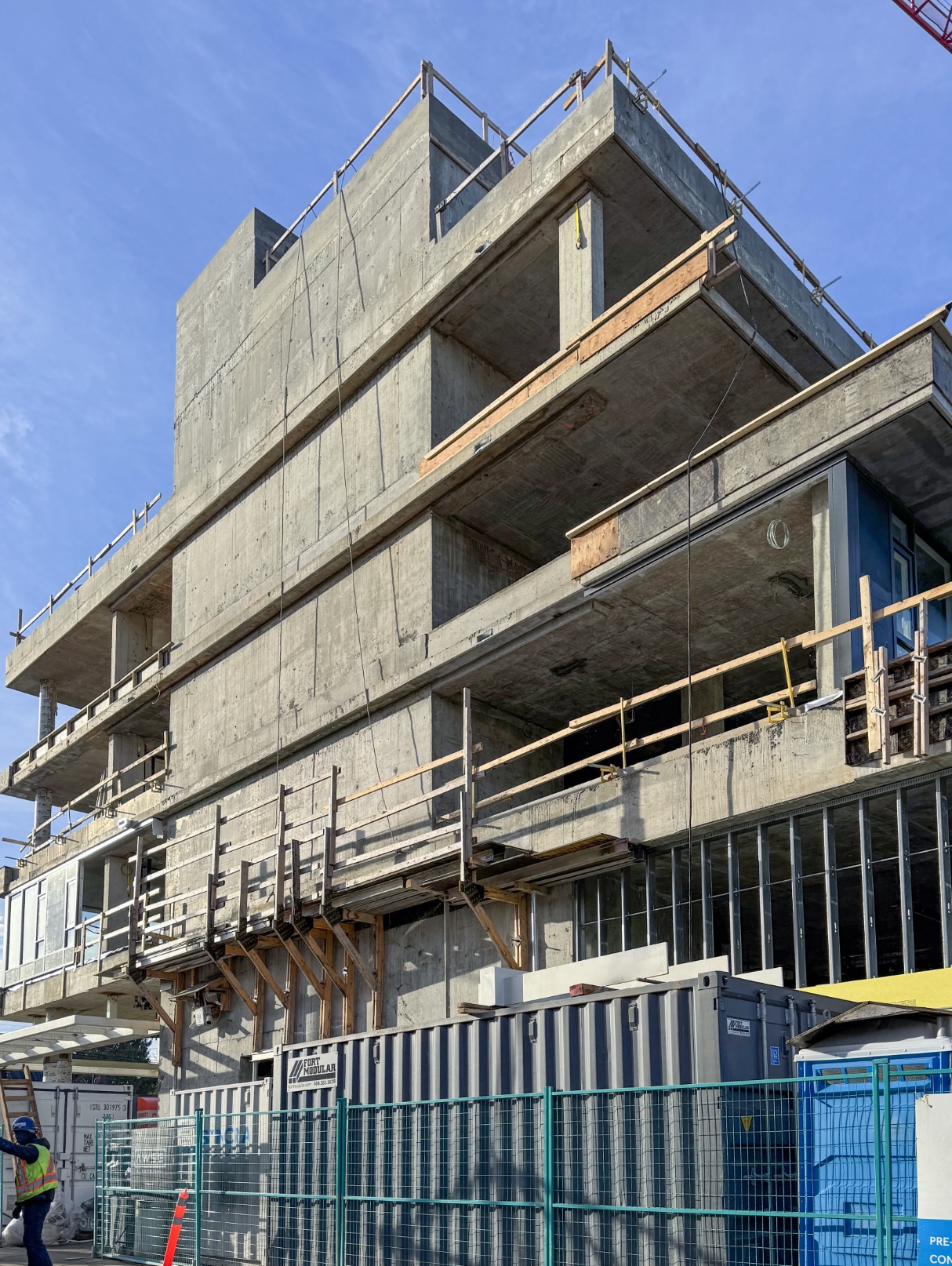 Replacing concrete and steel with mass timber in buildings could significantly reduce global carbon emissions and spur the expansion of intensively managed forests, a new study by Yale School of the Environment research scientists found. Published in
  The State, Private and Tribal Forestry division’s budget would be eliminated in a proposed bill in the Senate. The Forest Service division deals most directly with pests that affect forests. The State, Private and Tribal Forestry is the federal leader in providing technical and financial assistance to landowners and resource managers to help sustain the nation’s forests. The federal investment leverages the capacity of state agencies and partners to manage state and private lands and produce ecological, social and economic benefits for the American people. Part of that money goes locally to companies to invest in innovative ways to use lumber. Collins Pine in Kane, Pa., received a $300,000 grant to install dry kilns in 2024. …Nationally, the State, Private and Tribal Forestry division funds research into wood energy and the use of advanced wood products, such as cross laminated timber, in building construction.

 University of Oregon researchers hope to make wood — often overlooked in health care facilities — more commonplace in those settings. Exposed wood, they’ve found, can resist microbial growth after a brief wetting. During the study, wood samples tested lower for levels of bacterial abundance than an empty plastic enclosure used as a control. “People generally think of wood as unhygienic in a medical setting,” said assistant professor Mark Fretz, co-director of the UO’s Institute for Health in the Built Environment and principal investigator for the study. “But wood actually transfers microbes at a lower rate than other less porous materials such as stainless steel.” Numerous studies support those properties of wood. A UO-led research team including scientists from the Salk Institute for Biological Studies in San Diego and Portland State University wanted to explore what happens when wood gets wet and then dries.
  Picture a hospital and you might imagine concrete, stainless steel or plastic. But University of Oregon researchers hope to make wood—often overlooked in health care facilities—more commonplace in those settings. Exposed wood, they’ve found, can resist microbial growth after it briefly gets wet. During their study, wood samples tested lower for levels of bacterial abundance than an empty plastic enclosure used as a control. “People generally think of wood as unhygienic in a medical setting,” said assistant professor Mark Fretz, co-director of the UO’s Institute for Health in the Built Environment and principal investigator for the study. “But wood actually transfers microbes at a lower rate than other less porous materials such as stainless steel.” In a
  A decade-spanning political battle between housing developers and defenders of California’s preeminent environmental law likely came to an end this afternoon with only a smattering of “no” votes. The forces of housing won. With the passage of a state budget-related housing bill, the California Environmental Quality Act will be a non-issue for a decisive swath of urban residential development in California. In practice, that means most new apartment buildings will no longer face the open threat of environmental litigation. It also means most urban developers will no longer have to study, predict and mitigate the ways that new housing might affect local traffic, air pollution, flora and fauna, noise levels, groundwater quality and objects of historic or archeological significance. And it means that when housing advocates argue that the state isn’t doing enough to build more homes amid crippling rents and stratospheric prices, they won’t — with a few exceptions — have CEQA to blame anymore.
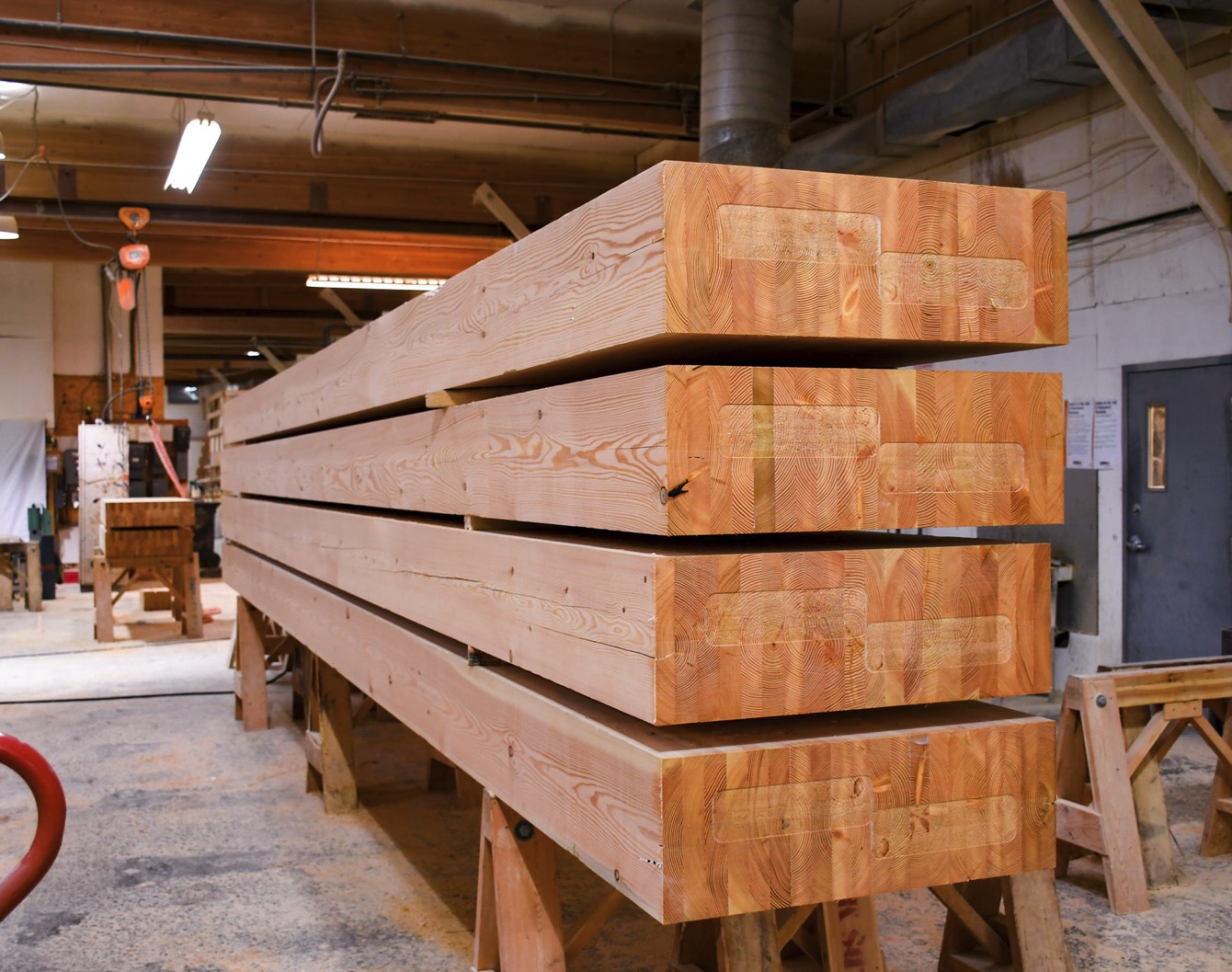

 I recently gave my electric pressure washer a vigorous workout. …Years ago, I walked into a lumber company to purchase materials and saw a placard on the counter advertising new maintenance-free pressure-treated lumber. Yes, at one time, residential pressure-treated lumber was a new thing. …We all discovered the claim was wrong. Pressure-treated lumber requires extensive maintenance. …This reality led to the first generation of composite decking. I remember when Trex was introduced. It dominated the marketplace, even though it was quite unattractive. It, too, was marketed as maintenance-free. Millions of other homeowners demanded a more realistic composite deck material. Generations two and three of composite decking followed. …The corporate attorneys for some decking manufacturers have reined in the optimistic marketing managers. You’ll now see clever descriptions such as “minimal maintenance.”
 In an age of sleek finishes and synthetic shortcuts, timber framing offers something few modern materials can: substance. There’s a quiet grandeur to exposed beams that hold not only the weight of a home but the stories it gathers over time. The appeal isn’t rooted in nostalgia—it comes from discernment. Choosing timber is a commitment to craftsmanship, to the feel of hand-hewn structure beneath polished design. Bespoke estates, mountain retreats, and coastal getaways are embracing timber as both a form and a functional element. No longer reserved for rustic cabins or historical reproductions, it’s becoming the architectural signature of homes designed with permanence in mind. That kind of durability begins with sourcing, ensuring the materials behind the beauty are as intentional as the design itself. Timber framing is one of the oldest construction methods still in use, with roots stretching back over a thousand years.
 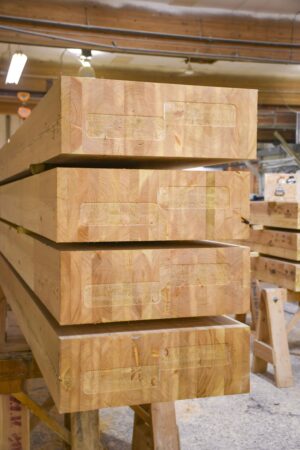 PORTLAND, Oregon – The Port of Portland is leasing a former marine terminal to a mass timber company as part of an effort to spur housing development and job growth in the area. On Wednesday, the Port of Portland approved a lease for Zaugg Timber Solutions to open a factory at the Port’s Mass Timber and Housing Innovation Campus at Terminal 2. …“Our partnership with ZTS marks a major leap forward in developing the Mass Timber and Housing Innovation Campus at T2,” said Kimberly Branam. “Their new manufacturing facility will boost our region’s economy by promoting sustainable forestry practices, creating quality jobs, and increasing housing production.” While the new 100,000-square-foot manufacturing facility is expected to open in 2028, ZTS will produce mass timber modular housing units, industrial and commercial buildings and other building components starting in 2026 in an interim manufacturing facility at the terminal, officials noted.
 PENSACOLA, Florida — A Beloit, Wisconsin-based general contractor will have a share in redeveloping a beachfront park in Florida. Pensacola, Florida-based The Dawson Company announced Beloit-based Corporate Contractors will be a co-developer, co-owner and investment partner in the first phase of a $200 million redevelopment of Community Maritime Park in Pensacola. Diane Hendricks, named the richest self-made woman in the US by Forbes and cofounder of ABC Supply, owns Corporate Contractors through the Hendricks Holding Company. …The first phase of construction involves two mass timber towers for the Reverb by Hard Rock Hotel and Rhythm Lofts, plans showed. The project will also have an affordable aspect, plans added. …In Wisconsin, CCI’s portfolio includes the Beloit College Powerhouse and The Grain mass timber development in Delafield. CCI is currently the owner’s representative for the $500 million Ho-Chunk Nation Casino and Convention Center underway in Beloit.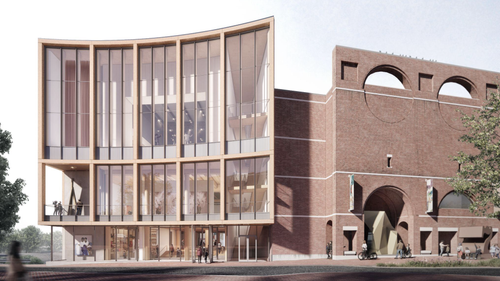
 Mass timber is an emerging construction technology growing in popularity in the United States. One obstacle to the gradual adoption of mass timber construction is the limited availability of qualified engineers and designers. Although successful efforts have been made to address research topics related to mass timber design and … adoption as a construction material, little research has been conducted to identify desired student outcomes for undergraduate civil or structural engineering students working with mass timber after graduation. This paper describes the development of an industry-guided educational resource for curriculum development to improve the alignment between undergraduate student outcomes and employer requirements related to mass timber design. …The findings reflect a prioritization of competencies related to the design of mass timber elements and structures, an understanding of material characteristics, the navigation of available design resources, contributions to project deliverables, and the support of sustainability goals.
  Nationwide, women made up 26.4% of the roughly 775,000 people who worked in the paper manufacturing and printing industry in 2021, according to the U.S. Bureau of Labor Statistics. At pulp, paper, and paperboard mills, they made up 14% of positions. That’s what brought the Wisconsin Paper Council and Ahlstrom — a global Finnish company that produces specialty papers and packaging at five plants in Rhinelander, Mosinee, Kaukauna, De Pere and Stevens Point — gifted $20,000 to establish the program in 2023. In 2024, Ashman received $1,000 from the program after graduating from Appleton East High School. Now, at 19, Ashman works as an intern with Thilmany mill in Kaukauna, helping with environmental compliance and coordinating cleanup efforts along the Fox River. The scholarship was used to help pay for her college tuition. She said what was even more valuable was the internship opportunity she landed at the award-giving reception in 2024.
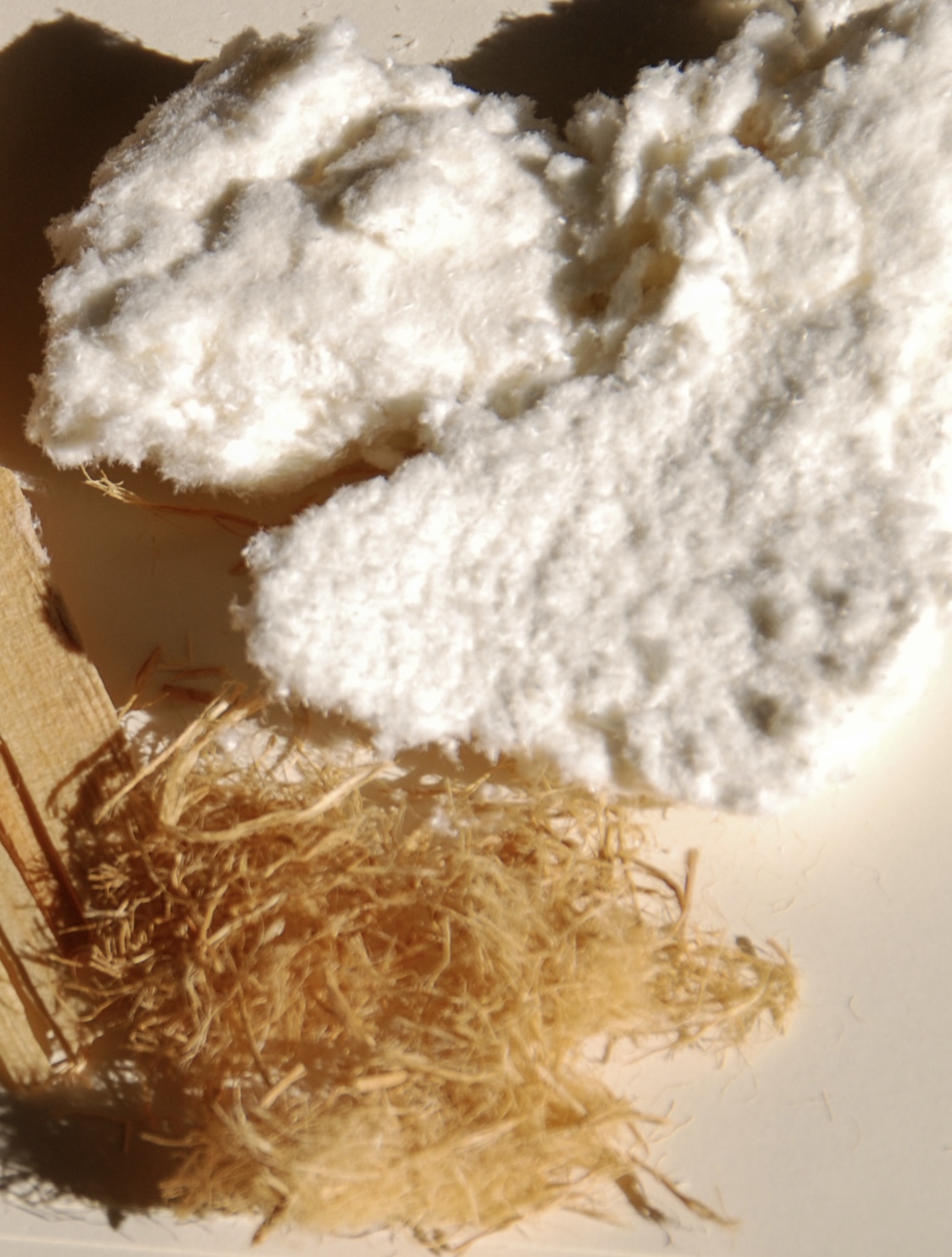
 Researchers in the Department of Forest Biomaterials are developing a proprietary material that could serve as a sustainable alternative to one of the world’s most significant sources of pollution: plastic foam. “Our material eliminates polystyrene foam materials that are filling landfills and persisting as litter in the environment,” said Richard Venditti, the Elis-Signe Olsson Professor of Pulp and Paper Science and Engineering. Plastic foam, often known by the brand name Styrofoam, is used in many everyday products — from disposable food and beverage containers like cups and plates to shipping materials such as packing peanuts and protective packaging. While convenient, plastic foam presents a significant environmental challenge due to its lack of biodegradability and difficulty in recycling. Estimates indicate that plastic foam takes up to 30% of landfill space globally.




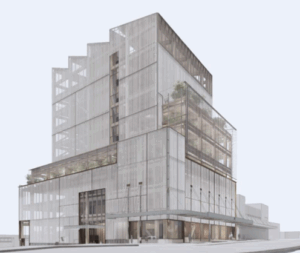 AUCKLAND, New Zealand — Consent has been granted for construction to begin on a $100 million development on Auckland’s Karangahape Rd that will have retail and office spaces. The 11-storey timber building will be located minutes from the new Karanga-a-Hape Station which is part of the City Rail Link*. Developers James Kirkpatrick Group (JKG) are planning to begin construction in early 2027 after reaching an agreement with Auckland Council. JKG managing director James Kirkpatrick said “This development will create a new benchmark for sustainable urban design and construction in New Zealand and will enable the city to realise the full social and economic potential of the City Rail Link. The building is designed by globally renowned local architects Fearon Hay and is targeting a world-leading 6 Green Star sustainability rating.
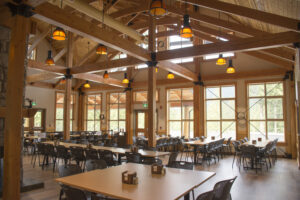 Decarbonizing the economy requires a large-scale transition from fossil carbon-containing feedstocks to minerals and biomass, notably wood in buildings. Increasing harvesting is under discussion to meet the supply of wood for ‘timber cities’, with potentially negative impacts on forests and biodiversity. Here we investigate pathways to timber cities, including their impacts on land use, energy use and greenhouse gas emissions by quantifying global and regional wood cycles using Bayesian material flow analysis. We show that shifting wood fuel to industrial use and maximizing circular use of wood can make timber cities possible with the current harvest volume. Our results reveal that these pathways have better environmental performance than increased harvesting, reducing total CO2 equivalent emissions by 2100 by 40.8 Gt compared to business as usual. To achieve the wood transition, regional and cross-sectoral governance and planning are needed, addressing national-level pathways and inter-regional wood transport.
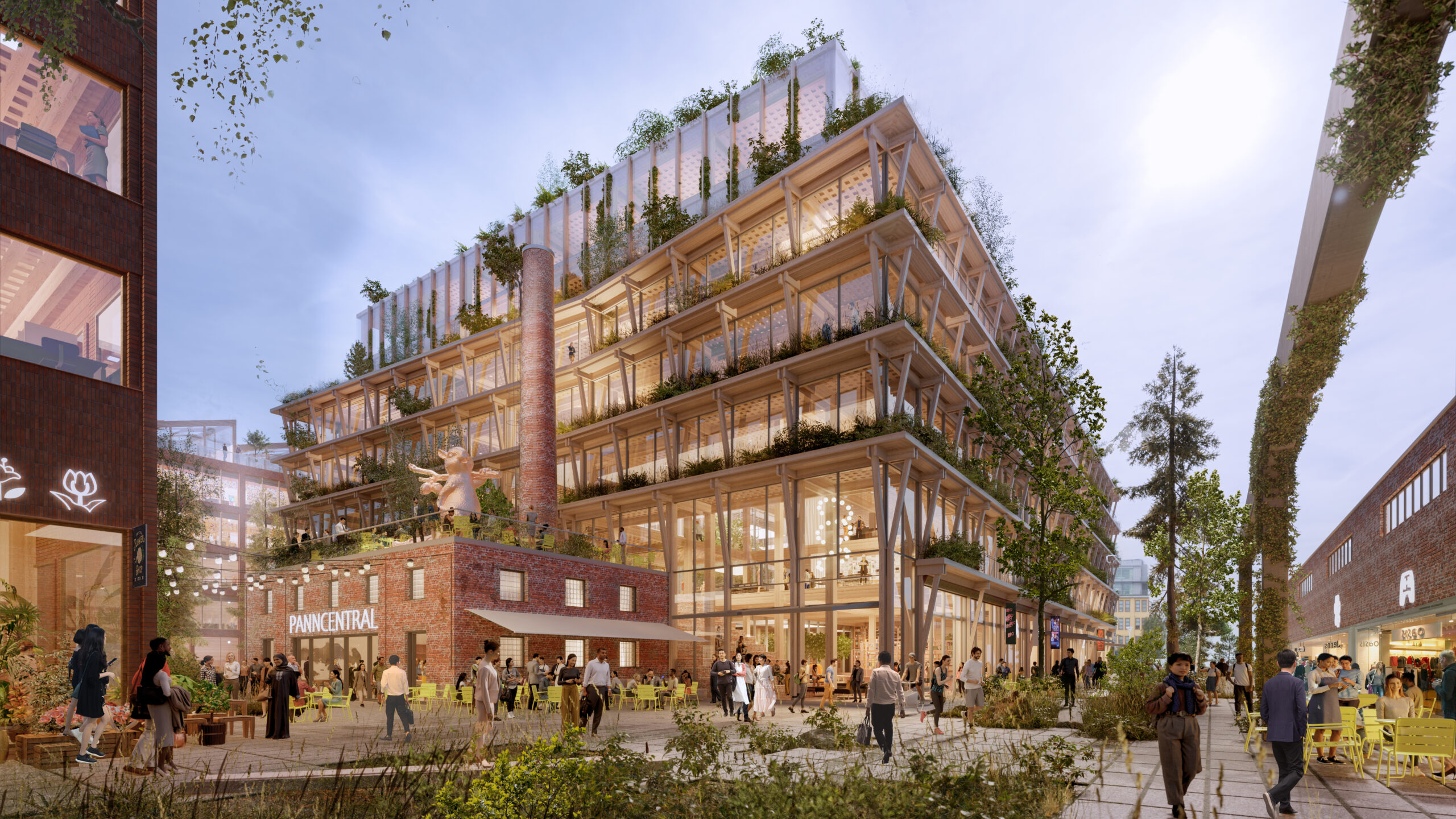

 GALWAY, Ireland — Minister of State with responsibility for Forestry, Michael Healy-Rae, announced a new report “
 The fashion industry is often seen as a voracious, thirsty villain that extracts billions of liters of water out of the environment. …These conditions are the biggest ‘WHY’ for Spinnova, a Finnish startup that works tirelessly to create technology for sustainable natural fibers to match its growing demand. …But before we delve into the details, would you believe the core idea for Spinnova was actually born from… a spiderweb? Back in 2009, Juha Salmela, a cellulose expert from Finland attended an Oxford University conference. He heard a presentation from a leading spider researcher, who explained the similarities between spiderweb’s protein and nanocellulose. And, that happened to be his Eureka moment. What if wood fiber could be spun into textile fiber in a similar manner? Fast forward to 2023, the wood-based Spinnova fiber was born. …The process at Spinnova starts with sourcing cellulose-rich raw materials such as FSC-certified wood pulp.
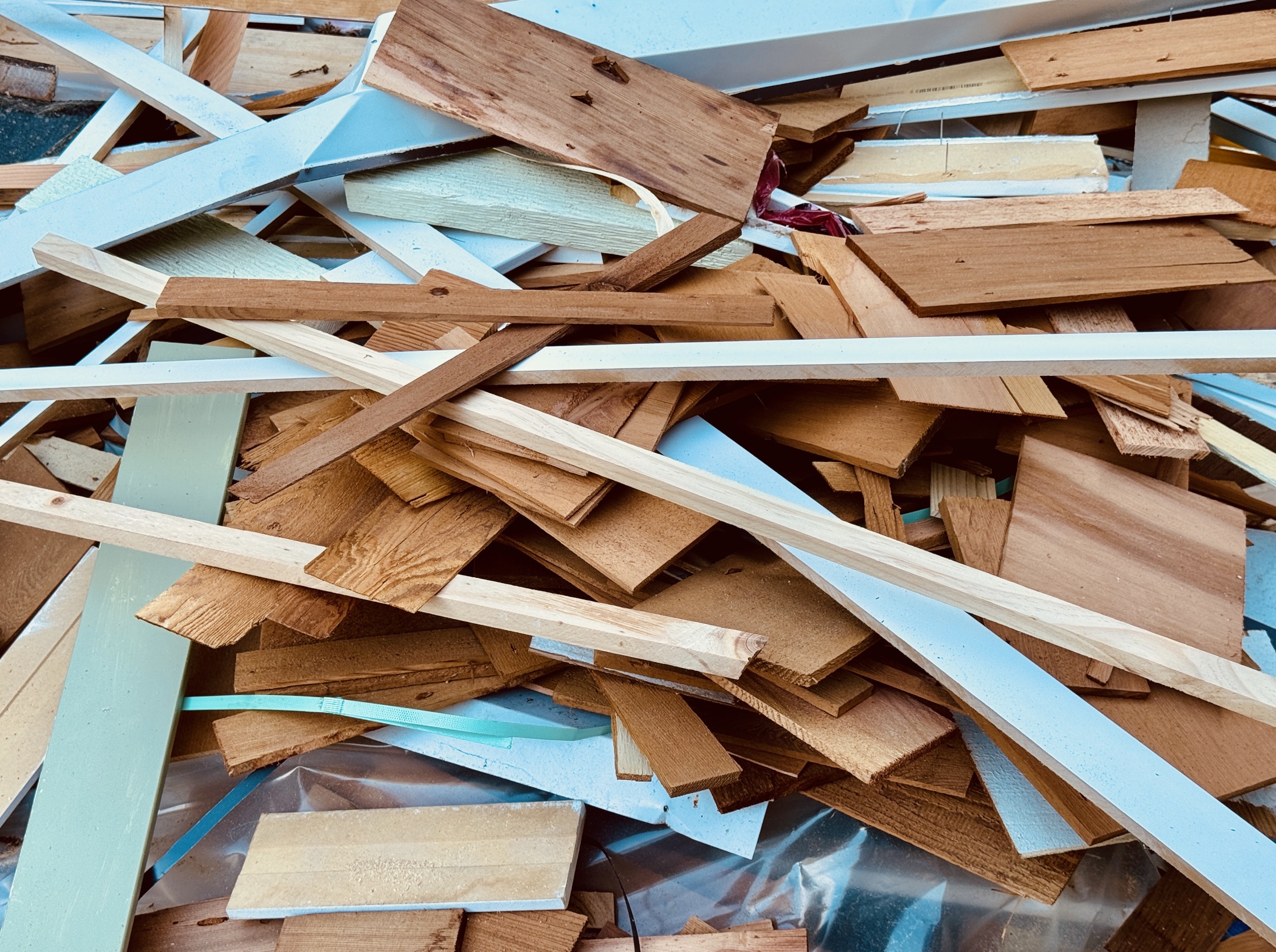 UK waste wood market processed over 96% of material, annual statistics published this month by the Wood Recyclers’ Association (WRA) showed. The association said that there was “strong demand” for material in 2024. According to the statistics, 4.5 million tonnes of waste wood arose in the UK last year. Of this, 4.33 million tonnes (96%) were sent for reuse, recycling or recovery, the figures showed. The organisation compiled the 2024 figures through its annual survey of members who handle approximately 90% of the market, combining the findings with latest industry data. The figures are somewhat similar to 2023 which saw 97% of the material processed.
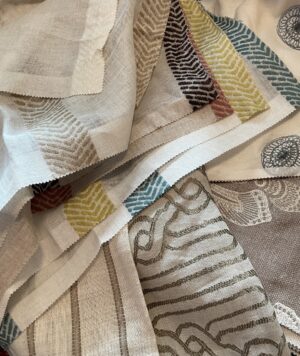 As per a study documented in RSC Sustainability (Royal Society Of Chemistry), researchers have explored a new approach to using cellulose fibre manufacturing. The study highlighted the use of waste products from agriculture, which Sweden has in abundance. Taking a leap from commonly researched wood-based cellulose, the researchers instead focussed on products including oat husks, potato pulp, wheat straw, and sugar beet pulp to create dissolving pulp for clothes – a key ingredient in making textiles. In this regard, Diana Bernin, Assistant Professor at the Department of Chemistry and Chemical Engineering at Chalmers University of Technology and senior researcher in the study, mentioned this study, which is centered on generating textile from waste products, as a significant step in creating a circular economy. She also added that these waste products are more beneficial than using cotton.
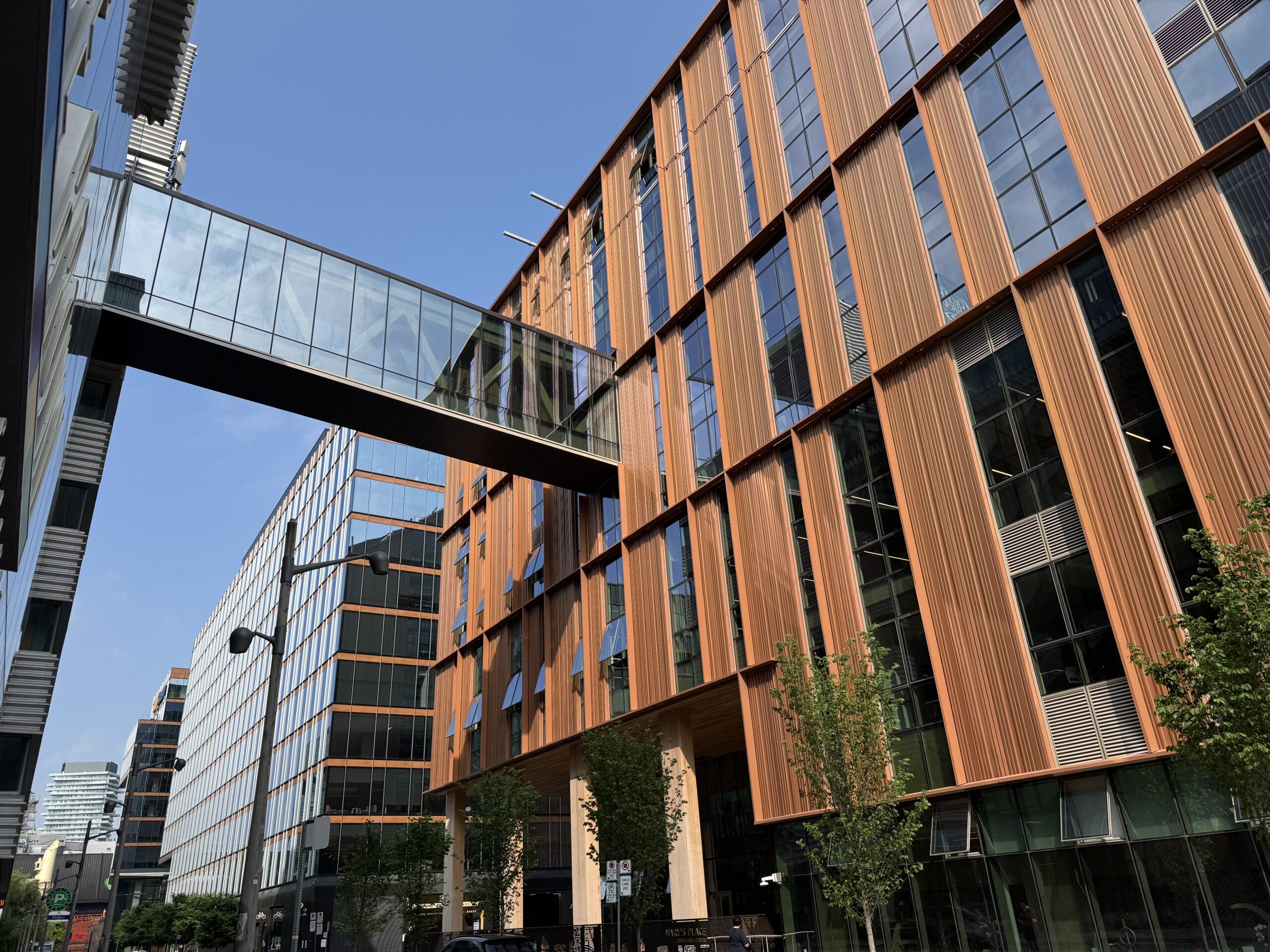 The ultimate problem for architects is that the most sustainable building is always the one that is already there. There is a huge amount written about green buildings, much of it nonsense. There is some confusion about buildings layered in vines and living walls, and buildings that actually are green. Contemporary architecture’s issue is mostly embodied in one material: concrete. …The rate at which we are still using it is astonishing: half of all the stuff manufactured by weight is concrete. From 2011 to 2013, China used more concrete than the US had in the whole of the 20th century. …There are signs, however, that architects are beginning to shake things up. The first credible alternative is, perhaps a little ironically, that oldest of building materials, timber. [A Financial Times subscription may be required to read the full story]
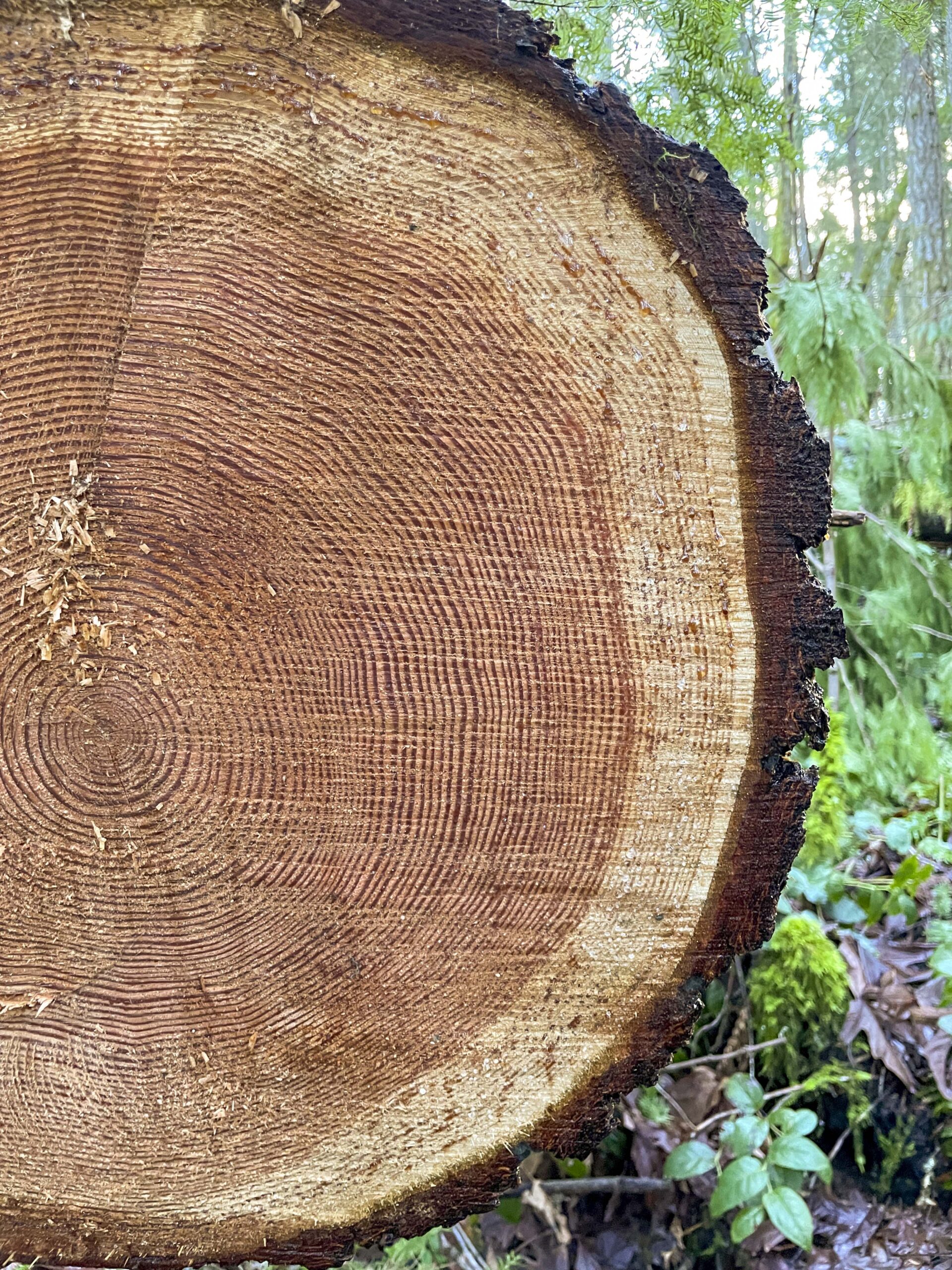 Although a casual observer just sees the bark on a tree, a lumber expert might envision the potential for boards inside, thinking of the bark largely as waste. In many cases, bark does turn into waste in the logging industry. That’s lots of waste, because bark can account for up to 15% of a tree’s weight, and “only a fraction of this is currently being utilized, primarily for landscaping or for energy; the rest is left at the harvest or handling site to naturally decompose,” according to Sumanth Ranganathan, Dr.-Ing, a biochemical engineer at Scion, a research institute in Rotorua, New Zealand, and his colleagues. For some trees, though, that wasted bark is a potential treasure-trove of biopharmaceuticals, from anti-inflammatories to cancer-fighting drugs. …Each year, the country’s logging industry produces about 2.5 million metric tons of bark. Ranganathan’s team envisions feeding that into a bark-based biorefinery.
 Mass timber construction is gaining traction for its sustainability and efficiency, yet it brings distinct insurance and risk management challenges that require industry collaboration and proactive strategies. Key Takeaways from this Article:
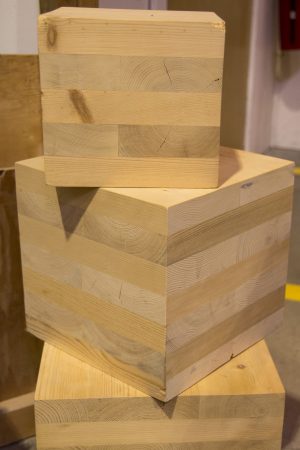
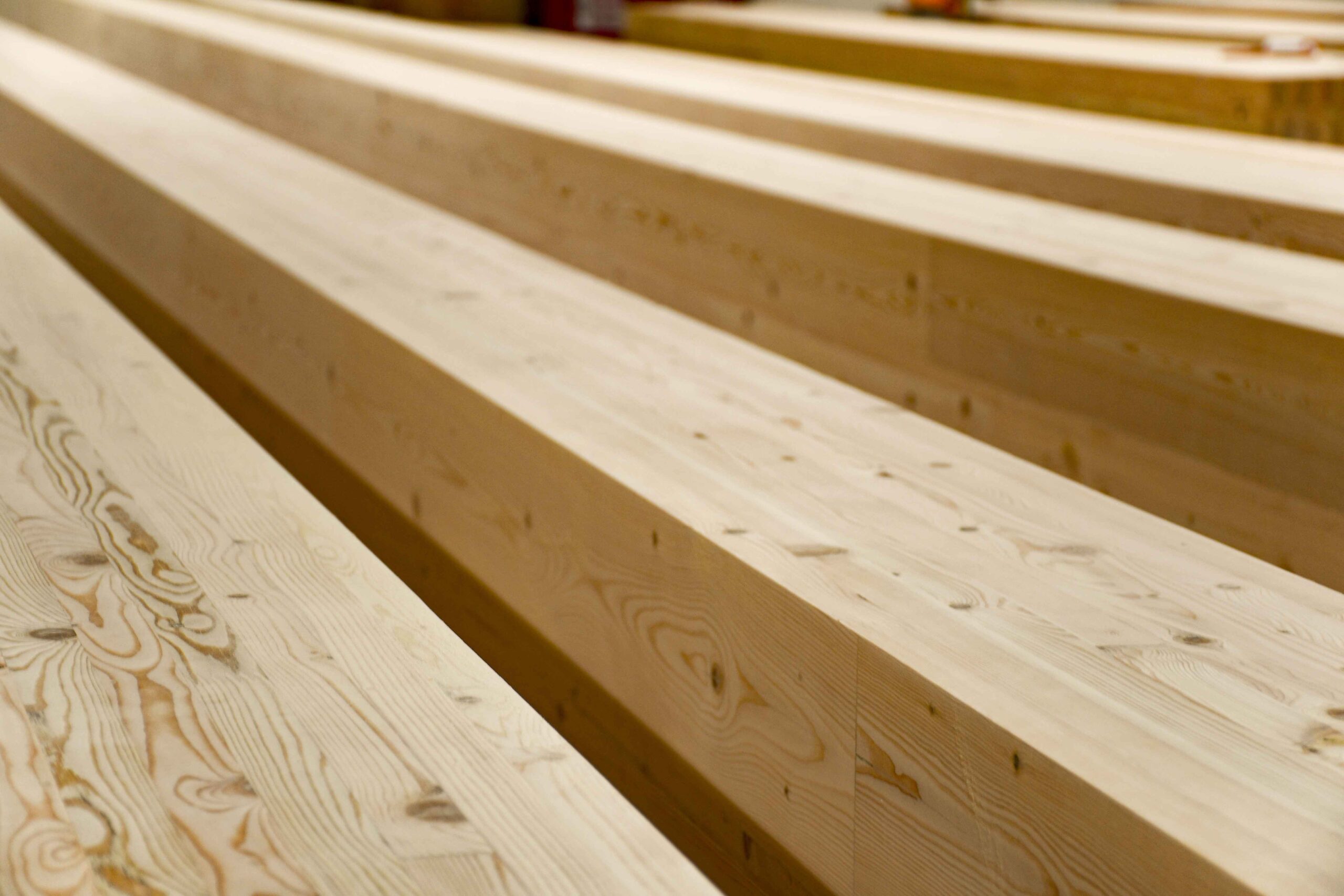 Maximising the use of bio-based products is key to meeting current sustainability targets. Yet according to sustainability consultancy Metabolic, using bio-based products for half of new housing in Europe would require production of engineered timber to increase nearly fivefold, and roundwood by four and a half times. Given the improbability of an uplift in production on that scale, as well as the current rapid growth in global demand and the UK’s own limited timber harvest, using the country’s waste timber to make ‘cross-laminated secondary timber’ – CLST – would seem to make a great deal of sense. Rather than its current fates of combustion for energy recovery, chipping for MDF, dumping in landfill, and other low-grade, non-circular activities, incorporating this plentiful material into supply chains would benefit the construction industry, as well as the country’s economy and environment. And it would also seem to be a highly achievable ambition – so why isn’t it happening?