 EDMONTON, AB – In conjunction with National Environment Week, Built Green Canada encourages the building sector and municipalities to recognize the first Wednesday of June (June 4) National Green Building Day. The intention is to raise awareness and support for sustainable building practices—recognizing industry leaders already doing so and encouraging others who aren’t as far along in their journey. Built Green Canada celebrates those building more sustainably and encourages others in the industry, including trades, consultants, contractors and the media that profile them, as well as municipalities, to recognize those building beyond code. For sustainable builders, and their supporters, this is an opportunity to spotlight your efforts and how these benefit homebuyers and the environment, while also setting a standard that helps progress industry. Your leadership deserves recognition. For municipalities committed to encouraging more sustainable communities, this is an occasion to recognize local leaders and strengthen your relationship with them.
 Read these stories and more in the June newsletter:
 Packaging is going back to its roots. Long before the advent of plastics, before the rise of mass production and the widespread adoption of synthetic materials, early civilisations relied on what the natural world had to offer – pressed bark, woven plant fibres, and rudimentary pulps – to store and transport food and goods. Paper, in particular, has long served as a trusted material for containment and communication alike. Today, that ancient material is undergoing a resurgence and is evolving to not only meet contemporary functional needs but also to respond to an urgent call for environmental responsibility. The rapid shift away from single-use plastic has created new momentum behind paper-based alternatives. From luxury goods wrapped in soft textured, bespoke papers to barrier coated containers engineered for performance and recyclability, fibre-based packaging is no longer confined to brown boxes or rustic aesthetics. It is becoming more refined, more versatile, and, crucially, more sustainable – at least on the surface.
 The Canadian mass timber industry has been making great strides forward, but it has been kept from growing even faster by challenges it faces in procuring reasonably priced insurance and financing. Simon Fraser University (SFU) Renewable Cities recently released a guide that describes these challenges. Titled, Advancing Mass Timber/Risk mitigation and insurance strategies for a thriving sector, the guide presents three what it calls pathways “to help address risks, improve insurability and support a thriving mass timber industry.” Mass timber’s benefits notwithstanding, projects built with it often face higher insurance rates than traditional materials. According to the guide, “This can discourage developers from using mass timber elements…Understanding this could influence a phased approach to a building that could make it easier and cheaper to insure. “It is crucial that the insurance broker negotiating the project understands these specific issues and concerns.”
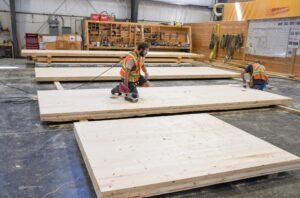 Prime Minister Carney has pledged billions of dollars in financing for makers of prefabricated homes to help end the country’s housing shortage. Experts say the plan is visionary – and laden with risks. Mr. Carney has promised to provide $25-billion in loans and $1-billion in equity financing for companies that largely build homes in factories rather than on construction sites. The federal government will also place bulk orders of prefabricated housing to help jump-start a nascent industry. …It’s a big, bold bet that could make it faster, cheaper and more environmentally friendly to build a chunk of the 3.5 million homes that Canada needs to add by 2030. But factories need sustained demand, a large enough market and streamlined production. That’s what must weave out of the web of housing bureaucracy and hyperlocal rules that currently tangles up residential construction, the experts caution. [to access the full story a Globe and Mail subscription is required]




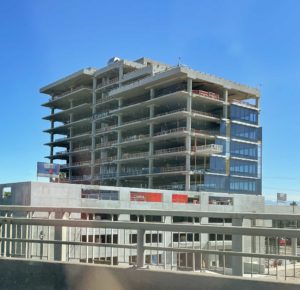 The new Cowichan District Hospital will be British Columbia’s first fossil fuel-free hospital, Island Health announced on Earth Day, April 22. The new hospital is under construction on Bell McKinnon Road near Duncan on Vancouver Island and is scheduled to open in 2027. It is also Canada’s first hospital to achieve Zero Carbon Building – Design certification from the Canada Green Building Council. “We’re building hospitals that will care for people in our communities for generations,” said Bowinn Ma, B.C.’s minister of Infrastructure. “This certification shows that through innovative design, we can create hospitals that support the well-being of families and a sustainable future.”.. The hospital’s leading-edge sustainability measures will free up resources for patient care while supporting patient and staff well-being and delivering environmental benefits.

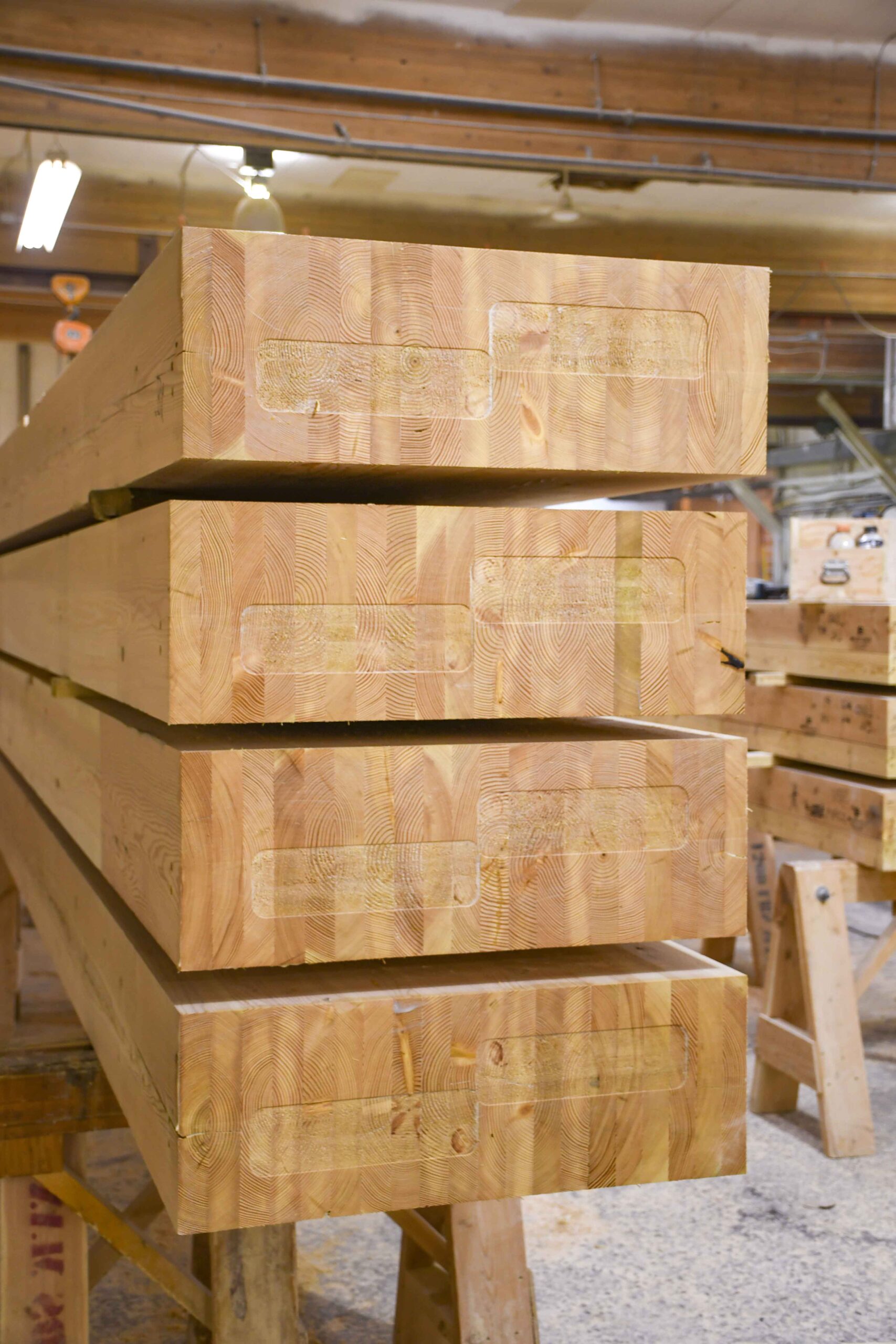 We are taking a look at developments throughout the Kootenay region. All of these developments are in the planning, permitting stage or development is underway. …Castlegar: Kalesnikoff Mass Timber Project Completion In Sight — Completion is in sight for one of West Kootenay’s biggest projects. Last year the BC government’s Manufacturing Jobs Fund (BCMJF) contributed some $6.7 million to assist Kalesnikoff Mass Timber Inc. to expand by establishing a new prefabricated mass-timber and cross-laminated timber modularized building facility, and purchasing new machinery to drive production of building components that will be used for rapid housing construction. The $34 million Mass Timber facility will create 90 jobs… This is the third Kalesnikoff operation in the region. Nelson: Spearhead Timberworks Set to Expand – Spearhead Timberworks, recently received a $7.5-million grant from the B.C government to expand its North Shore facility. The new facility will allow it to upgrade and increase production of its own custom glue-laminated timber.
  Professionals working in the lumber and sawmill sector and looking to advance their careers can gain specialized training through BCIT’s Associate Certificate in Industrial Wood Processing, starting June 2025. The IWP program was developed with industry subject matter experts and informed by industry leaders to support upskilling and professional development within the sector. The program is 1-year, delivered online and part-time to allow students to balance work and studies. What sets the program apart is the expertise behind the scenes—seasoned instructors who bring decades of hands-on experience from across North America.
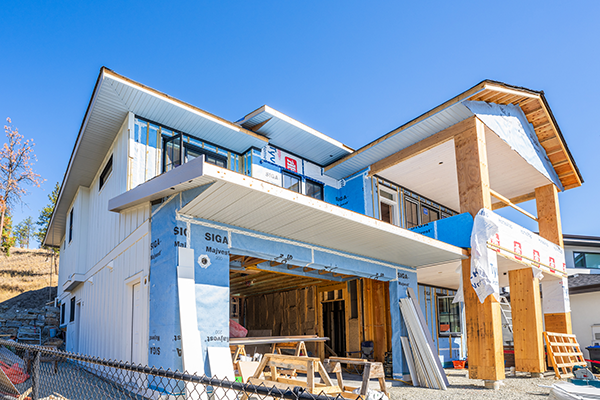
 The new La Pêche Town Hall, built on a promontory facing Route Principale, is a mass timber, highly energy-efficient building that will soon become the first Passive House-certified institutional building in Quebec. Rectangular in shape and located on an east-west axis, the building, by BGLA architecture + urban design, features a long façade which faces directly south onto the main road. This façade offers views of the hills of Gatineau Park from the inside, while also using natural solar gain to serve as the building’s primary heating source. The presence of wood is felt inside and outside the project. Eastern cedar cladding envelops all the façades, while the glulam and cross-laminated timber structure is exposed and highlighted in each of the interior spaces.
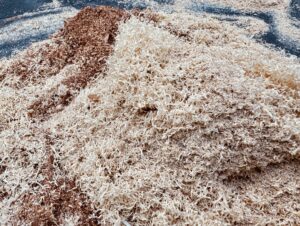 The adage that one person’s waste is another’s treasure was proved true on Wednesday, May 21, when the province announced millions in investments in forestry biomass. Forestry biomass refers to forestry by-products that are not used in traditional wood-processing industries like sawing, veneering and pulp and paper. Examples include: crowns, branches, bark, sawdust, wood shavings, and wood chips. It is used in everything from food additives to building materials. It also has many emerging uses, including renewable natural gas, bioplastics and hydrogen, considered to be responsible alternatives to carbon-intensive products. The government says their aim is to protect workers and jobs in the forestry sector… The program has invested up to $20 million each year in projects to increase wood harvest, create forest sector opportunity and find new uses for wood in collaboration with stakeholders, industry and Indigenous communities. Find the press release
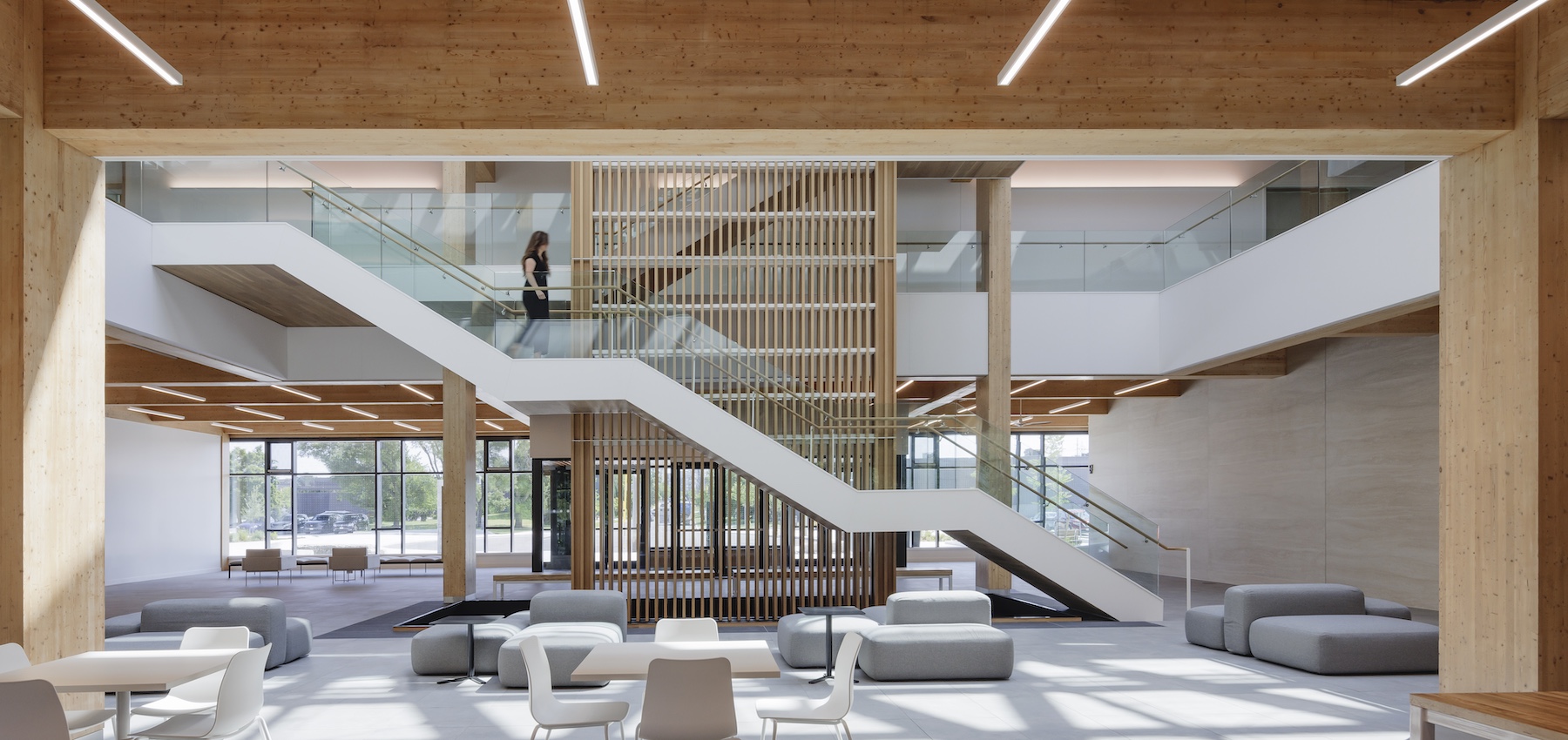

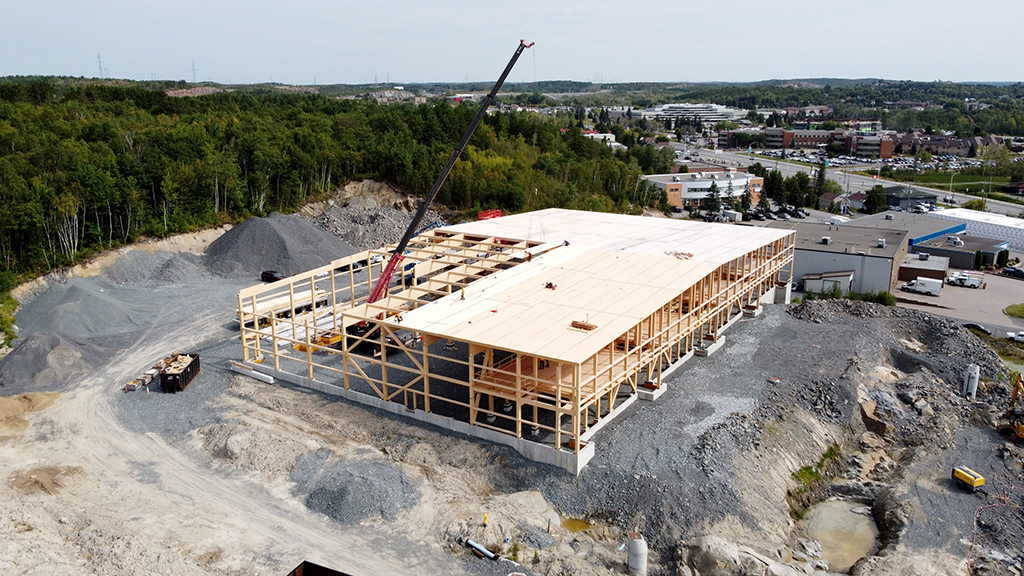

 The American Wood Council (AWC) has released a national Mass Timber Alternative Materials and Methods (AMM) Guide for use with the 2018 International Building Code (IBC). This new resource is designed to support building code officials as they review, permit and approve mass timber projects across the country. The AMM Guide is designed to help bridge the gap between the codes adopted in each state and the newer mass timber provisions in the 2024 IBC. Adopting the most recent edition of the Building Code, like the 2024 IBC, can be a slow multi-year process for states or jurisdictions. As a result, there is sometimes a gap between what is included in the currently adopted code in a state and what is allowable based on the latest available ICC I-codes. The AMM guide serves to fill that space by offering code provisions for jurisdictions without mass timber specific guidance.
 House Republicans have approved an amendment that authorizes the sale of thousands of acres of federal public land in Nevada and Utah; two states where the federal government owns most of the land that have long been at the forefront of a controversial movement to cede control of it to state or private entities. The House Natural Resources committee approved the amendment late Tuesday night after previously indicating federal land sales wouldn’t be included in a budget reconciliation bill. Most of the proposed land sales or exchanges appear to be aimed at building affordable housing on US Forest Service and Bureau of Land Management land outside Las Vegas and Reno, Nevada and in fast growing southwestern Utah around the tourist town of St. George, Utah. …Democrats and environmentalists say the amendment is part of a broader far right push for a wholesale transfer of federal public lands.

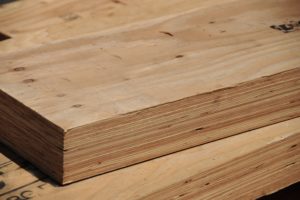 After this year’s fires burned through the Palisades and Altadena neighborhoods, destroying over 16,000 structures, the city is reckoning with 4.5 million tons of debris, according to LAist—”the largest municipal wildfire cleanup operation in recent history.” As a result, the Army Corps of Engineers is sending trucks to 18 different regional facilities including landfills and recycling plants to manage the process of clearing out build remnants and remediating hazardous materials. Trees that appear damaged or unviable are cut down and sent to a local golf course to be mulched—a fact that doesn’t sit right with local sawmill owner Jeff Perry. In the aftermath of the Palisades and Eaton Fires, Perry teamed up with local landscape architects to create Altadena Reciprocity, an initiative that helps homeowners recycle an often-overlooked resource—neighborhood trees—into a product that residents can use for flooring, stair treads, door casings, and much more.
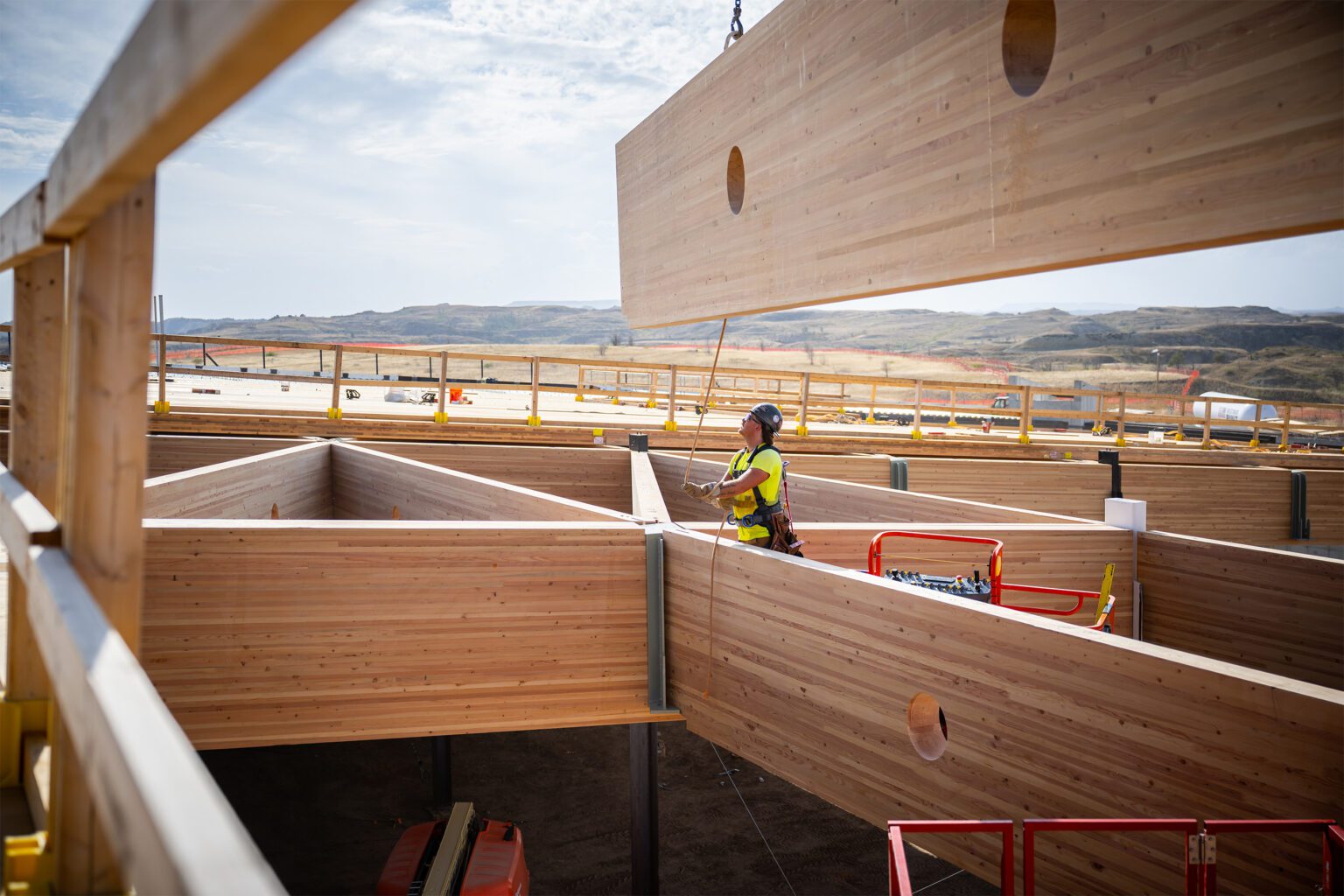
 Material intelligence refers to how materials perform, adapt, and interact with ecological and cultural systems. It considers howstone, steel, or timber respond to intertangled forces, how those materials are sourced and assembled, and how they persist after demolition. Designers are centering material intelligence in constructing our cities in a generation of environmental uncertainty and strained supply chains. Few materials embody this shift as vividly as cross-laminated timber (CLT). By layering and bonding planks into structural panels, CLT offers strength, fire resistance, and a significantly lower carbon footprint than concrete or steel. Across Europe and Canada, mass timber has emerged as a centerpiece of decarbonized construction. Yet in the United States, progress has moved more slowly. Developers hesitate. Codes trail behind innovation. Conventional materials still dominate the urban skyline.
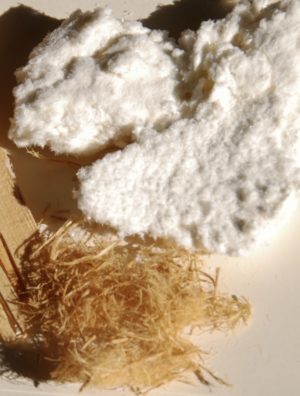 Pulp and paper company Green Bay Packaging will be breaking ground on a $1 billion expansion to its Morrilton packaging plant Tuesday, according to a news release from Gov. Sarah Huckabee Sanders’ office. The company announced an expansion of its Arkansas Kraft Mill in Morrilton in December. The news release from Sanders’ office lauded the investment as the “largest capital investment project in Central Arkansas’ history.” It comes about a month after the announcement of a $1 billion data center in Little Rock, which was referred to as the “largest economic development capital investment” in Little Rock’s history. Green Bay’s multi-year expansion is geared toward modernization. According to a release, it will “significantly enhance the infrastructure of the mill” and, among other investments, it will involve the installation of an electric turbine generator, which will “substantially reduce” the plant’s Scope One and Scope Two greenhouse gas emissions.
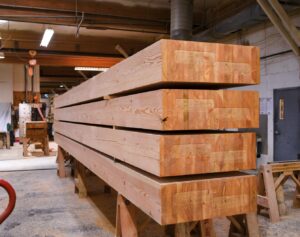 Mass timber continues to gain traction in the United States for its sustainability, strength and aesthetic appeal. …In just the last four years, Texas saw a 168% increase in the amount of mass timber projects either in design, construction or completed. As mass timber developments in Texas increase in popularity, owners and contractors face a critical decision: whether to source the material domestically or internationally. The decision isn’t as simple as price — although it is a big factor. There are other points to consider when selecting your mass timber provider. …With threats of tariffs and rising material costs, builders might feel inclined to source mass timber from domestic providers. According to Forisk, an industry research and consulting firm, there are 38 mass timber production facilities across the United States and Canada —24 of which can produce cross-laminated timber (CLT). Nearly 51% of those facilities are located in the Northwest region of the United States.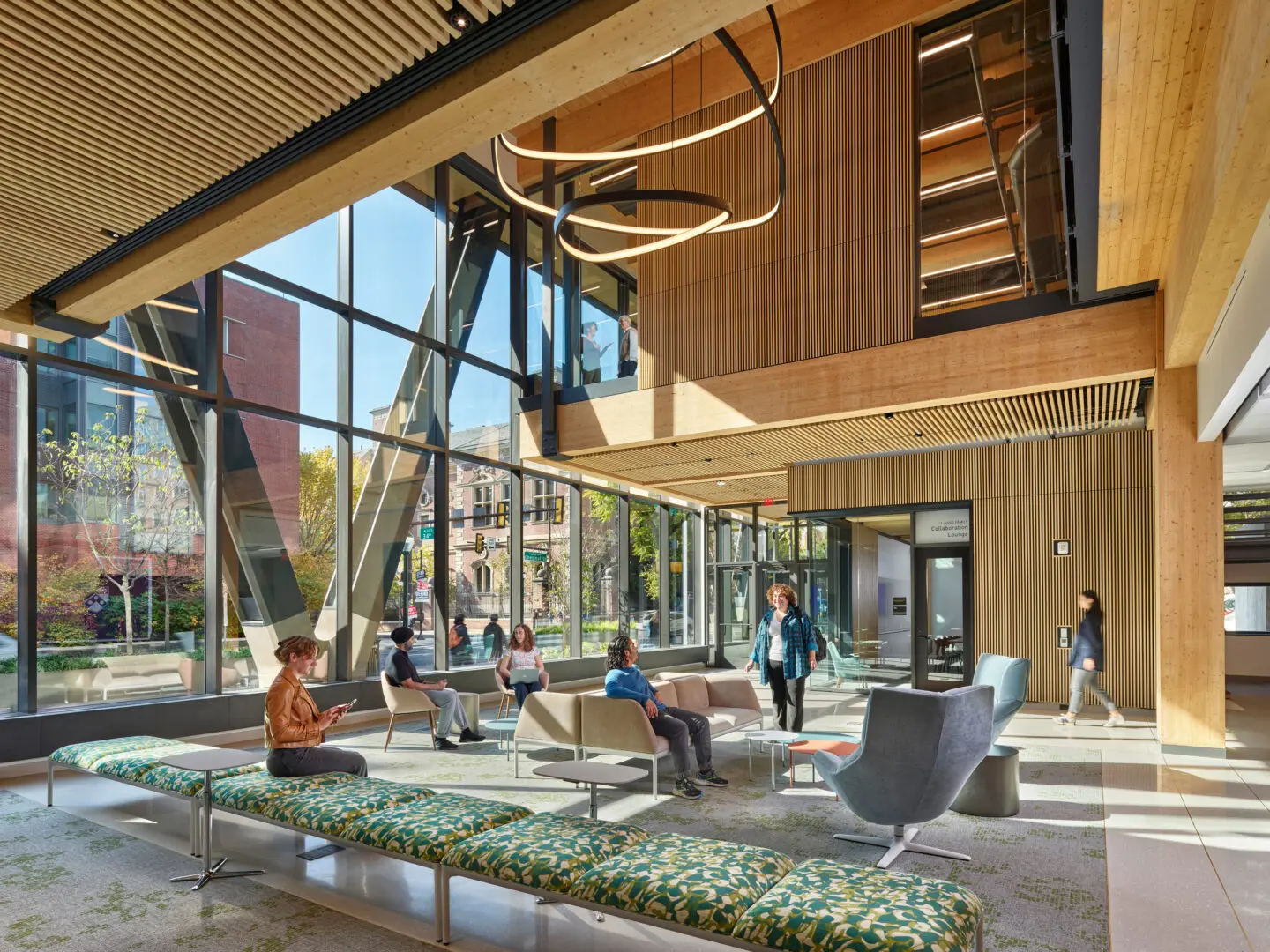

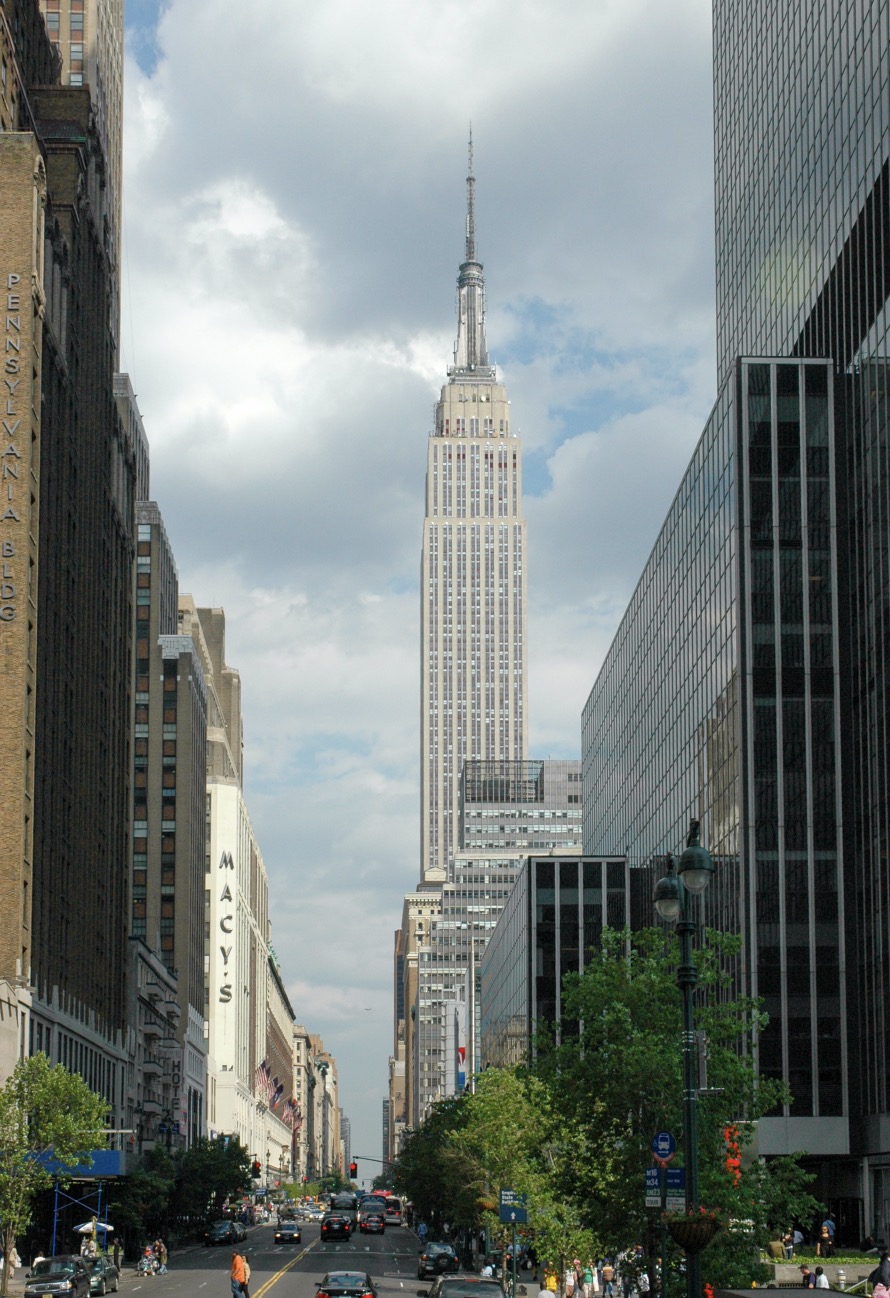 New York City Mayor Eric Adams and New York City Economic Development Corporation’s Andrew Kimball announced that Artimus and Phoenix Realty Group have been selected to build over 500 new mixed-income housing units along the waterfront on the north shore of Staten Island, with a quarter of the new units set aside for affordable housing. The development will be the largest mass timber residential project in New York City… advancing commitments in Mayor Adams’ “Green Economy Action Plan,” a roadmap to grow the city’s green economy, invests in jobs and sectors that help the city combat climate change, and positions New Yorkers to benefit from the nearly 400,000 projected “green-collar” jobs in New York City by 2040. Mayor Adams… “We are not only building the affordable homes New Yorkers need but using sustainable materials to reduce our carbon footprint and help turn New York City’s waterways into the ‘Harbor of the Future.’”
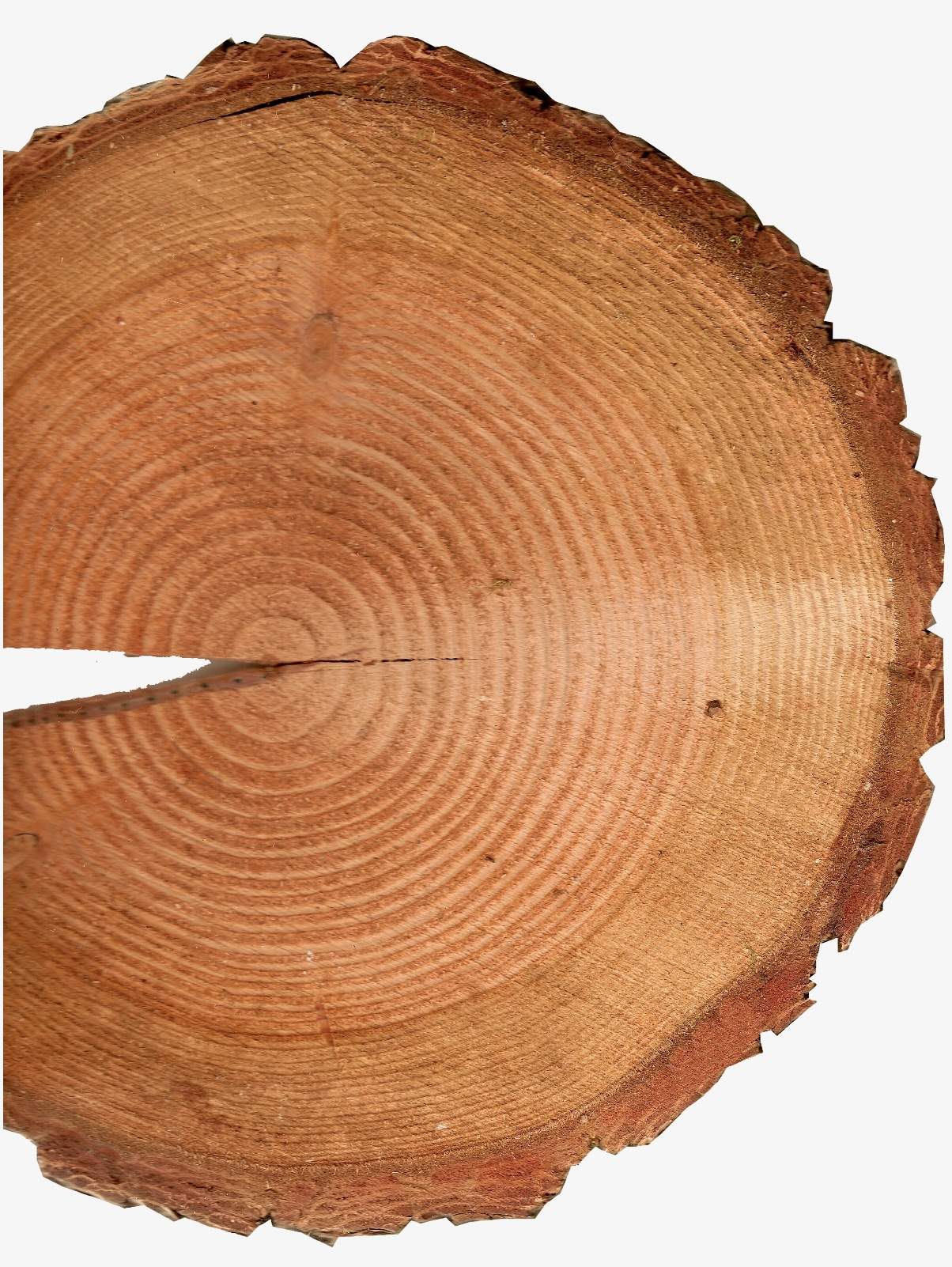 A metro Atlanta nonprofit is teaming up with college students to find the exact age of historic buildings using a unique area of study. While historical documents may say a building was constructed in a certain year, the wood used to create the structure could tell us a different story. Cobb Landmarks is using dendrochronology — the study of tree rings — to pinpoint when wood for metro Atlanta buildings was harvested for construction. Trevor Beemon, Cobb Landmarks’ executive director, said they are partnering with University of West Georgia students who, under the guidance of two professors, will take 12 to 15 samples from structures around metro Atlanta. …The partnership is “really the one chance” South Downtown has to learn about these buildings before they are redeveloped, Capps said.


 MARYLAND — After five years of work and many interim steps, Maryland became the sixth US state to pass extended producer responsibility legislation for paper and packaging, continuing the policy’s evolution in the country. Sent to the governor on April 7, SB 901 would direct a producer responsibility organization to set goals for post-consumer recycled content, recyclability, recycling and reuse rates, source reduction, composting rates and contamination reduction. However, it also builds on newer elements, such as a phased-in approach to reimbursement, seen last year in Minnesota’s law. …The American Forest and Paper Association has called the bill “misguided.” “EPR programs are helpful for materials that don’t have strong end markets or aren’t highly recycled,” the association wrote. “Paper is a highly recycled material with strong end markets.” …Any EPR program must fully and fairly credit our early and voluntary actions to increase recycling in Maryland and across the country.”


 EDINBURGH, SCOTLAND — The International Sustainable Forestry Coalition (ISFC) welcomes the release by the International Organization for Standardization (ISO) of its new Standard covering the way greenhouse gas accounting should be applied to wood and wood-based products. Until the publication of this Standard, there had not been an internationally agreed upon accounting approach for biogenic carbon emissions and removals – an important piece of the puzzle to support corporate climate action and reach global net zero targets. The new series is ISO 13391 Wood and wood-based products — Greenhouse gas dynamics, and covers all essential components of carbon accounting for the sector: carbon in forests, carbon in harvested wood products and potential greenhouse gas emissions avoided through the use of wood-based products instead of fossil-based products.
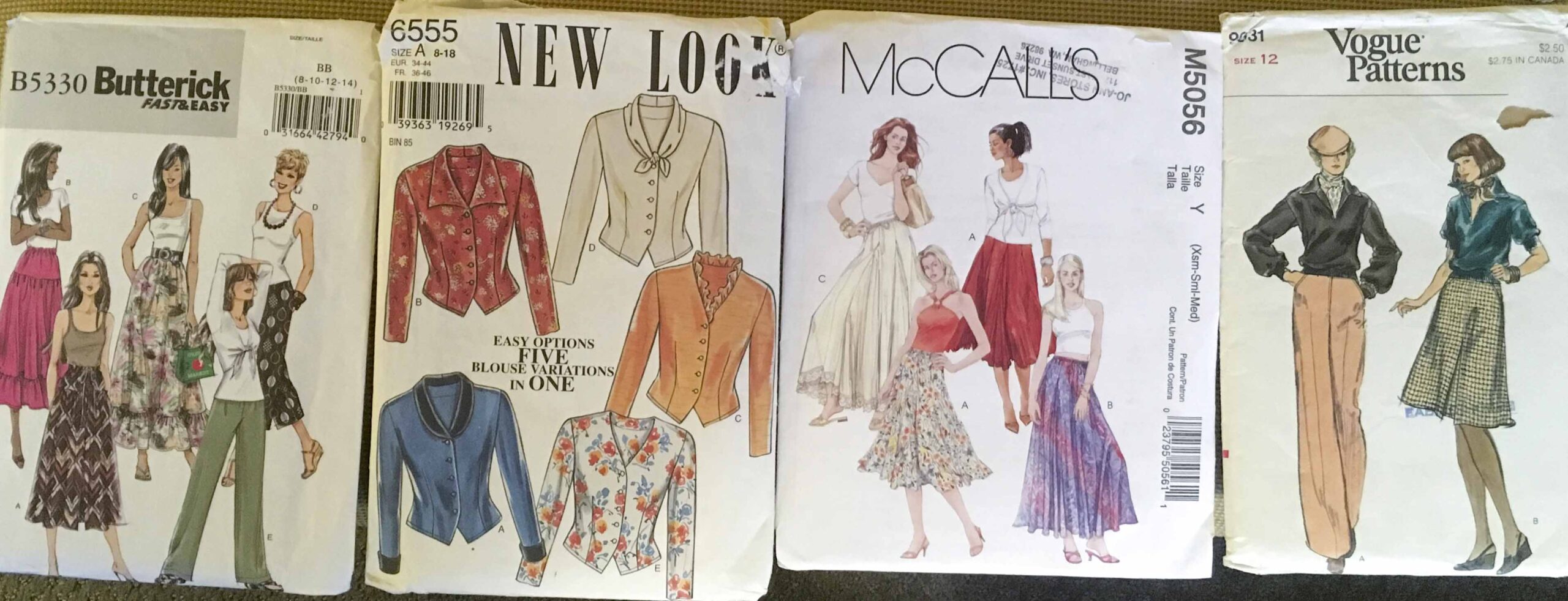 The legacy sewing pattern brands Simplicity, Butterick, McCalls, and Vogue, commonly referred to as the Big 4, have been sold to a liquidator.
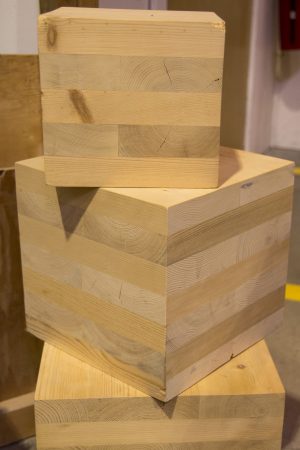 Global efforts to curb greenhouse gas (GHG) emissions are accelerating across industries, and the construction sector is no exception. With buildings responsible for a significant portion of global emissions, sustainable alternatives have come under intense scrutiny. Cross-laminated timber (CLT) has emerged as a promising substitute that not only reduces the carbon footprint associated with conventional materials like steel and concrete, but also contributes to long-term carbon storage. However, as CLT gains traction in mid- and high-rise construction, its full environmental impact—both positive and negative—must be understood. In a recent study, researchers combined economic modeling with a cradle-to-grave life-cycle assessment (LCA) to capture the comprehensive climate mitigation potential of CLT. This interdisciplinary framework was designed to quantify both the direct emissions benefits of material substitution and the broader market and ecological reactions that come into play when CLT adoption accelerates.
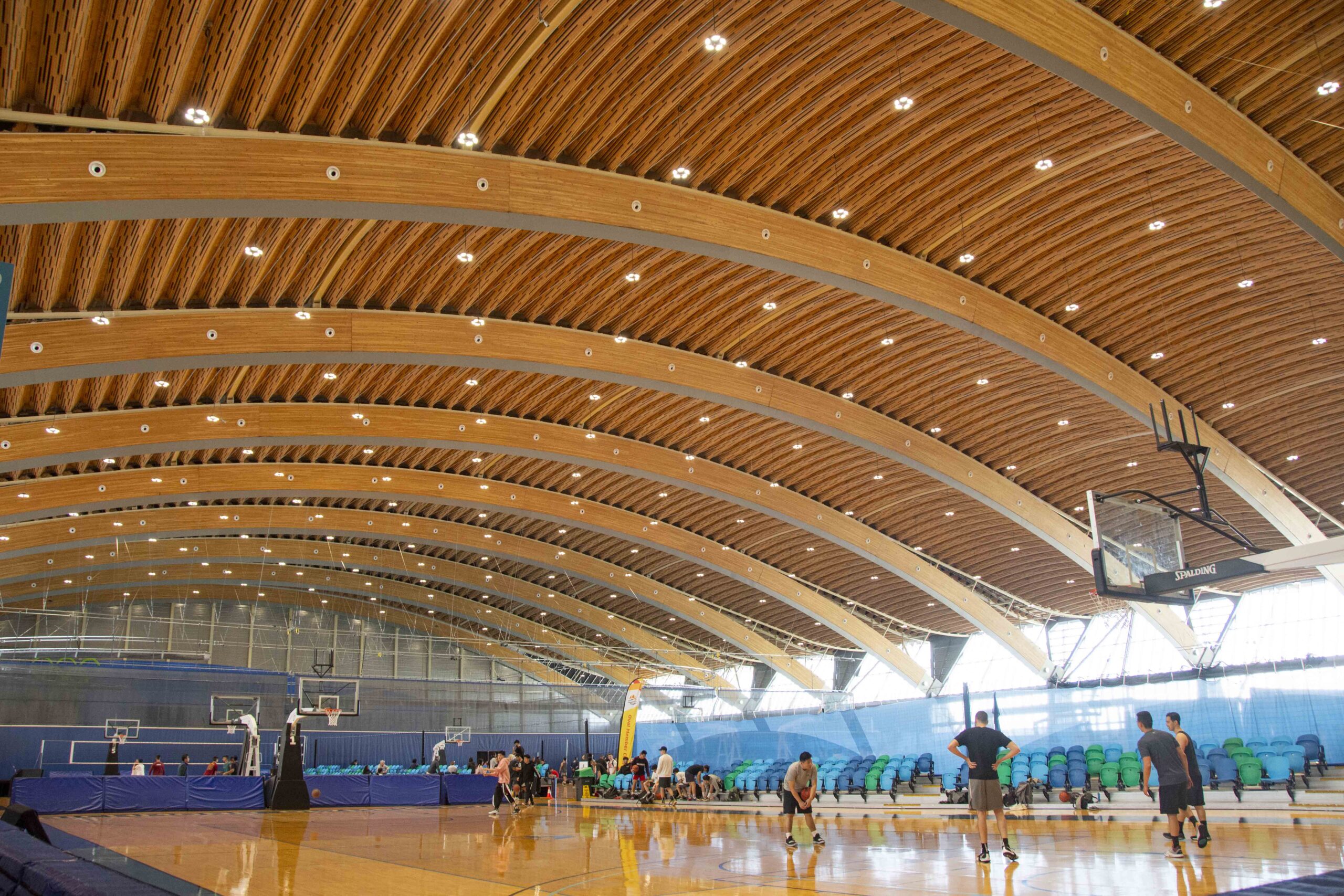 …Mass timber provides several key learnings to understand how bioregional design can be developed and scaled. In the early 1990s, cross-laminated timber was invented in Austria, primarily driven by efforts to add value to softwood timber. The process involves glueing layered boards together to create strong, stable panels. Canada was an early adopter in North America, supported by knowledge-sharing with Europe and government-funded projects like the Wood Innovation and Design Centre in British Columbia. The US followed with key projects such as the Framework Building in Portland and T3 in Minneapolis, demonstrating that mass timber is viable for mid-rise and even high-rise buildings. The Canadian National Building Code was updated in 2020 and the American International Building Code was updated in 2021 to allow mass timber buildings up to 18 stories in certain conditions based on these pilot projects.
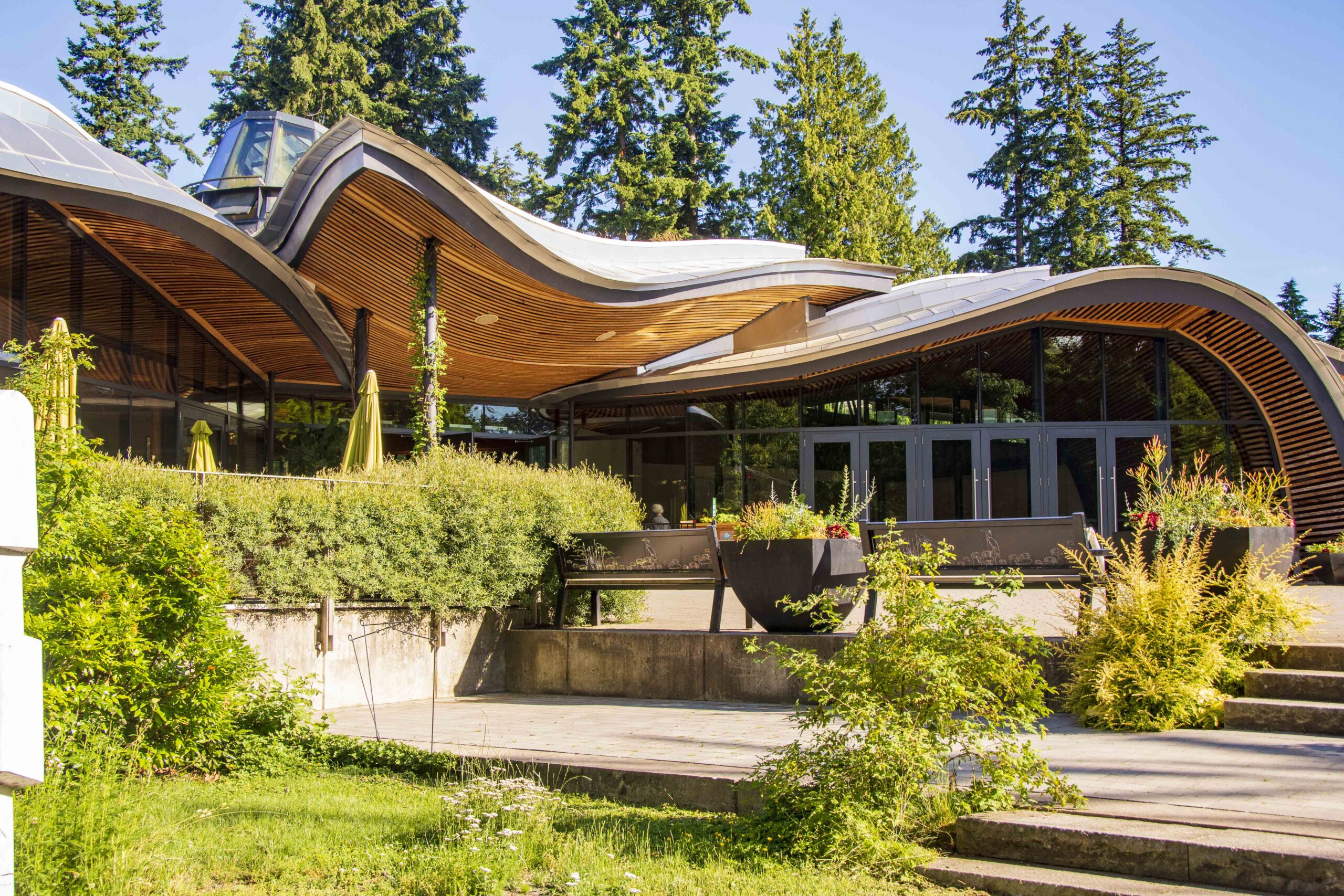 As the popularity of wood-based materials in building construction increases, facade-based applications are becoming more desirable and prevalent. Wood’s susceptibility to decay is a familiar phenomenon, and many established preservation methods exist. However, most wood treatments for external use are problematic from human health and environmental perspectives. Conventional preservation chemicals …contain known hazards. …For these reasons, scientists and manufacturers have been developing alternative techniques that are biocompatible and ecologically friendly, aiming to preserve wood effectively without the drawbacks of harmful chemicals. An established example is acetylation, a process that chemically alters wood to make it water resistant without toxic substances. …A Florida Atlantic University research team has developed a method to elevate the mechanical performance of hardwood as well. The technique strengthens the cell walls of trees by introducing an iron compound into their vascular systems. …Other investigations seek to prevent decay before it begins.