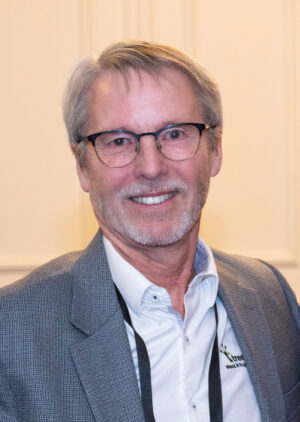
Kelly McCloskey
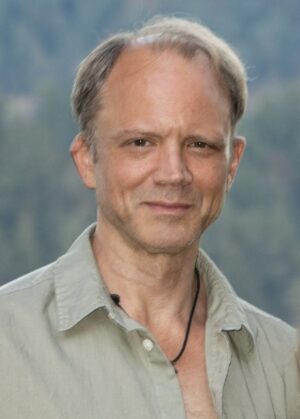
Robert McKellar
Over the past two years, Tree Frog has periodically turned to political risk consultant Robert McKellar to help readers better understand the geopolitical forces increasingly shaping the business environment in which the North American forest sector operates. In his most recent feature, Trump’s Second Term and Political Risk in the Canadian Forest Sector, Robert explored how changing politics, government policy and international relations can create both risks and opportunities for forest companies. More importantly, he introduced readers to the discipline of political risk management—a practical framework for anticipating and responding to an increasingly uncertain world.
Robert’s earlier articles generated thoughtful feedback and prompted a common observation: the pace of global change is becoming increasingly difficult to follow. Every day seems to bring another headline about tariffs, trade disputes, wars, elections, sanctions, shipping disruptions, energy prices, China, artificial intelligence, or some other geopolitical development. For many of us, the challenge is no longer keeping up with the news—it’s deciding what actually deserves our attention. Which developments are likely to influence markets, trade and investment in the forest sector? Which simply warrant monitoring? And which are little more than background noise? Those questions are central to political risk management. They are also questions we increasingly hear from readers trying to make sense of a relentless news cycle and its implications for their businesses and organizations.
In this article, Robert steps back from the daily headlines to explain how political risk professionals approach that challenge. His answer offers a practical framework for separating signal from noise—and a useful way of thinking about the global forces increasingly shaping the future of the forest sector.