 Western Forest Products Chemainus sawmill curtailment will sideline 150 employees. In other Business news: Zaugg Timber Solutions will open a mass timber housing plant in Portland, Washington; Ontario’s new energy plan includes forest-based generators; New Brunswick interprovincial trade changes do not touch Crown wood; and Metsä elects a new Board chair.
In Forestry/Wildfire news: Canada releases wildfire forecast—which is on on track to be Canada’s 2nd-worst on record; Provinces and Ottawa invest in FirstSmart Program; BC is Burning wildfire documentary hits theatres in Kelowna and Vernon; and federal cuts threaten Oregon’s wildfire response. Meanwhile: the US Senate restores forest legacy grants in spending bill—but selling of public lands remains a concern for Oregon and California; Rayonier looks to carbon capture and storage; the US forest industry supports Clean Air Act changes; and WRI says 1/3 of forest land lost is likely gone for good.
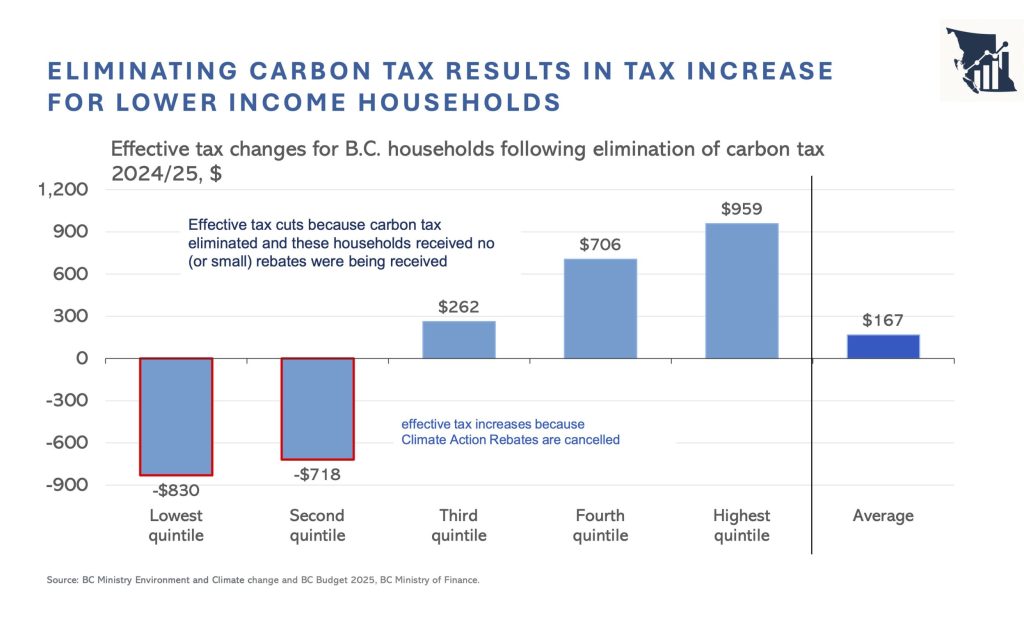
Finally, Stuart Muir opines on Carbon Tax’s Last Stand, and a full wrap of International Pulp Week 2025.
Kelly McCloskey, Tree Frog News Editor

 New film reveals the roots of B.C.’s wildfire crisis—and what we must do to stop it. A powerful new documentary exploring the causes and consequences of British Columbia’s escalating wildfire crisis will premiere to the public at the Mary Irwin Theatre in Kelowna on Tuesday, June 24 at 7:00 pm and at the Vernon Performing Arts Centre Thursday June 26 at 7:00 pm. Titled B.C. is Burning, the 45-minute film delivers a sobering but hopeful look at what’s fueling today’s megafires—and the science-based solutions that could protect our forests, our communities, and our future. B.C. is Burning was independently produced and funded through community support, with Homestead Foods generously contributing half of the total budget. We also gratefully acknowledge major support from Skyline Helicopters, Padoin Reforestation, and Kalesnikoff.
 Western Forest Products says it will curtail all operations at its Chemainus sawmill next week, sidelining 150 employees for an indefinite period. The company said the curtailment, set to start June 18, is due to market challenges that include weaker lumber demand and higher US softwood lumber duties, as well as a lack of available viable log supplies. The company also blamed market conditions and a lack of log supplies for a similar shutdown in the spring of last year. Western Forest Products’ other mills at Duke Point, Ladysmith, Saltair and Cowichan Bay, and a value-added remanufacturing plant in Chemainus, will continue to operate, said Babita Khunkhun, senior director of communications for Western Forest Products. She said there is no end date for the curtailment at the Chemainus mill at this point, as the company monitors conditions. The mayor of North Cowichan said he was initially told 55 workers were facing layoffs.
 TORONTO – The Ontario government released

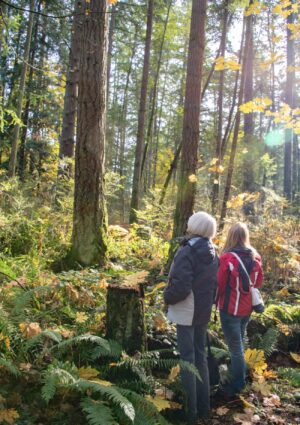 A program that protects privately owned forests for timber and other uses has survived in a megabill being put together in the Senate, after falling victim to House budget cutters in May. The Senate Agriculture, Nutrition and Forestry Committee saved the Forest Legacy Program in its piece of the big tax-cut and spending bill, refusing to cut off $100 million in Inflation Reduction Act funding. “This is a victory not only for forests, but for the families, economies, and ecosystems that depend on them,” said Lesley Kane Szynal, chair of the Land and Water Conservation Fund Coalition, an advocacy group, in a news release Thursday. The Forest Legacy Program pays for conservation easements and land purchases that prevent privately owned forests from being converted to other uses. In many cases, they’ve been used to keep timber operations in business while protecting forest watersheds and allowing for recreational access. [to access the full story an E&E News subscription is required]
 Lumber futures rose past $610 per thousand board feet, a ten-week high, as steady construction activity met tightening supply and mounting trade barriers. US homebuilding remains steady with single-family starts flat at 1.36 million units in April and permits edging lower, while Canadian multi-unit starts jumped 34%, keeping mill orders firm. Canadian harvests are constrained by pine-beetle infestations, prairie wildfires that have burned more than 200,000 hectares this spring and strict cut limits that left British Columbia nearly 42% below its allowable quota in 2023. In the US, sawmill utilization stalled in the mid-70% range despite recent capacity additions. Tariffs of roughly 14.5% on Canadian softwood, along with threats of higher levies, have discouraged cross-border shipments, while major exporters divert supply to Asian and European markets. Elevated fuel and transportation costs further raise delivered prices.
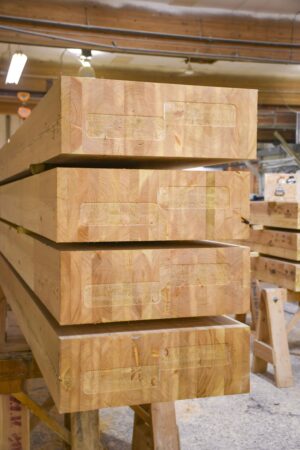 PORTLAND, Oregon – The Port of Portland is leasing a former marine terminal to a mass timber company as part of an effort to spur housing development and job growth in the area. On Wednesday, the Port of Portland approved a lease for Zaugg Timber Solutions to open a factory at the Port’s Mass Timber and Housing Innovation Campus at Terminal 2. …“Our partnership with ZTS marks a major leap forward in developing the Mass Timber and Housing Innovation Campus at T2,” said Kimberly Branam. “Their new manufacturing facility will boost our region’s economy by promoting sustainable forestry practices, creating quality jobs, and increasing housing production.” While the new 100,000-square-foot manufacturing facility is expected to open in 2028, ZTS will produce mass timber modular housing units, industrial and commercial buildings and other building components starting in 2026 in an interim manufacturing facility at the terminal, officials noted.
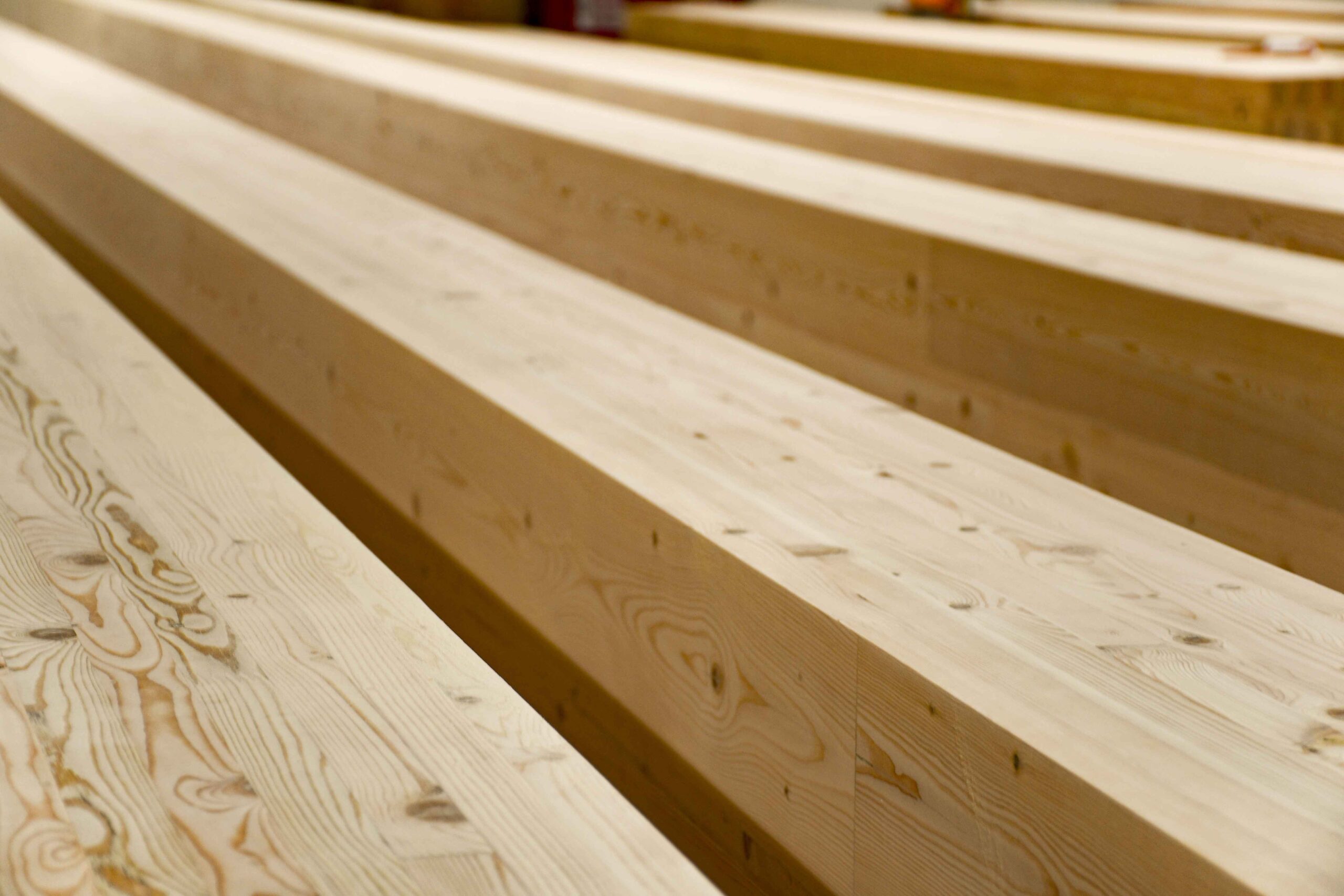 Maximising the use of bio-based products is key to meeting current sustainability targets. Yet according to sustainability consultancy Metabolic, using bio-based products for half of new housing in Europe would require production of engineered timber to increase nearly fivefold, and roundwood by four and a half times. Given the improbability of an uplift in production on that scale, as well as the current rapid growth in global demand and the UK’s own limited timber harvest, using the country’s waste timber to make ‘cross-laminated secondary timber’ – CLST – would seem to make a great deal of sense. Rather than its current fates of combustion for energy recovery, chipping for MDF, dumping in landfill, and other low-grade, non-circular activities, incorporating this plentiful material into supply chains would benefit the construction industry, as well as the country’s economy and environment. And it would also seem to be a highly achievable ambition – so why isn’t it happening?
 Mass timber construction is gaining traction for its sustainability and efficiency, yet it brings distinct insurance and risk management challenges that require industry collaboration and proactive strategies. Key Takeaways from this Article:
 OTTAWA, ON – Canadians are coming together to confront a severe wildfire season, driven by rising temperatures and dry conditions. It has already had devastating impacts in British Columbia, Alberta, Saskatchewan, Manitoba, and Ontario. The Minister of Emergency Management and Community Resilience and Minister responsible for Prairies Economic Development Canada and others delivered the latest assessment of the 2025 wildfire season. …Wildfires are causing widespread damage to communities, ecosystems, infrastructure and air quality, posing serious risks to public health and safety. As climate change continues to influence weather patterns, preparation and public awareness have never been so important. Canadians can access information through the Canadian Wildland Fire Information System and learn how to protect themselves by visiting Get Prepared. Looking ahead, forecasts point to above-normal temperatures from June through August this year, with potential drought intensifying across many areas in the coming weeks, especially in the northern Prairies and northwestern Ontario.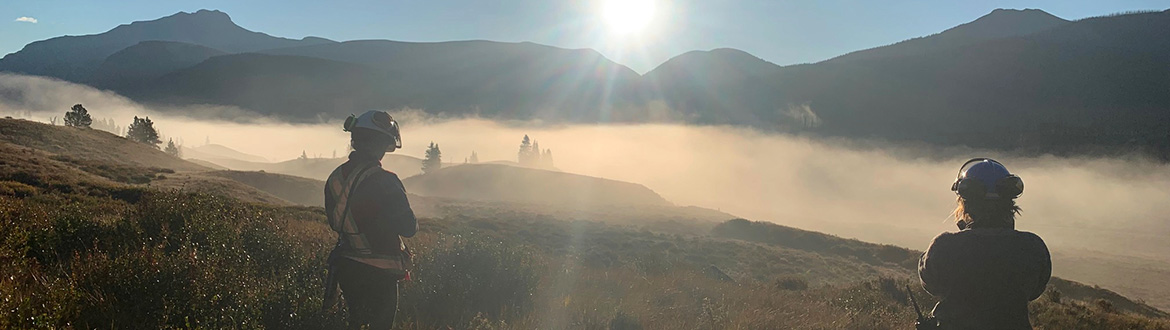
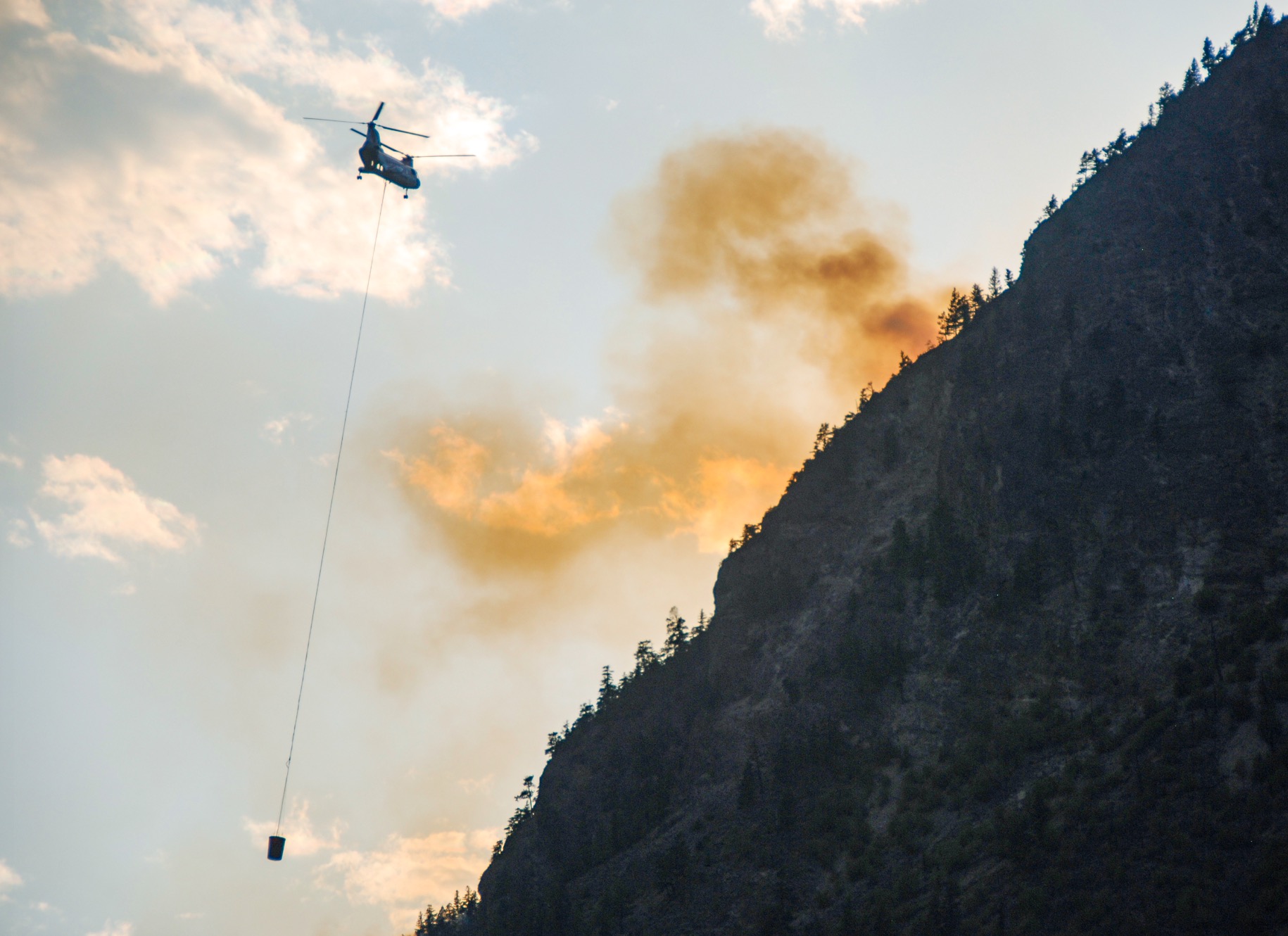 OTTAWA – This year’s wildfire season in Canada is shaping up to be the second-worst on record and federal officials are warning of a dangerous summer in parts of British Columbia. Officials … held a technical briefing Thursday in Ottawa with an update on the state of multiple wildfires and its forecast for the coming months. “We are expecting a hot and dry summer, and definitely leading to a forecast of increased fire danger conditions for much of western and northern Canada,” said Michael Norton, director general of the Northern Forestry Centre with Natural Resources Canada. Wildfires have scorched 3.7 million hectares across the country so far… Modelling by Environment and Climate Change Canada suggests temperatures will be about a degree or two above normal across the country through August, though the risk of wildfires remains highest in central and western provinces and territories.
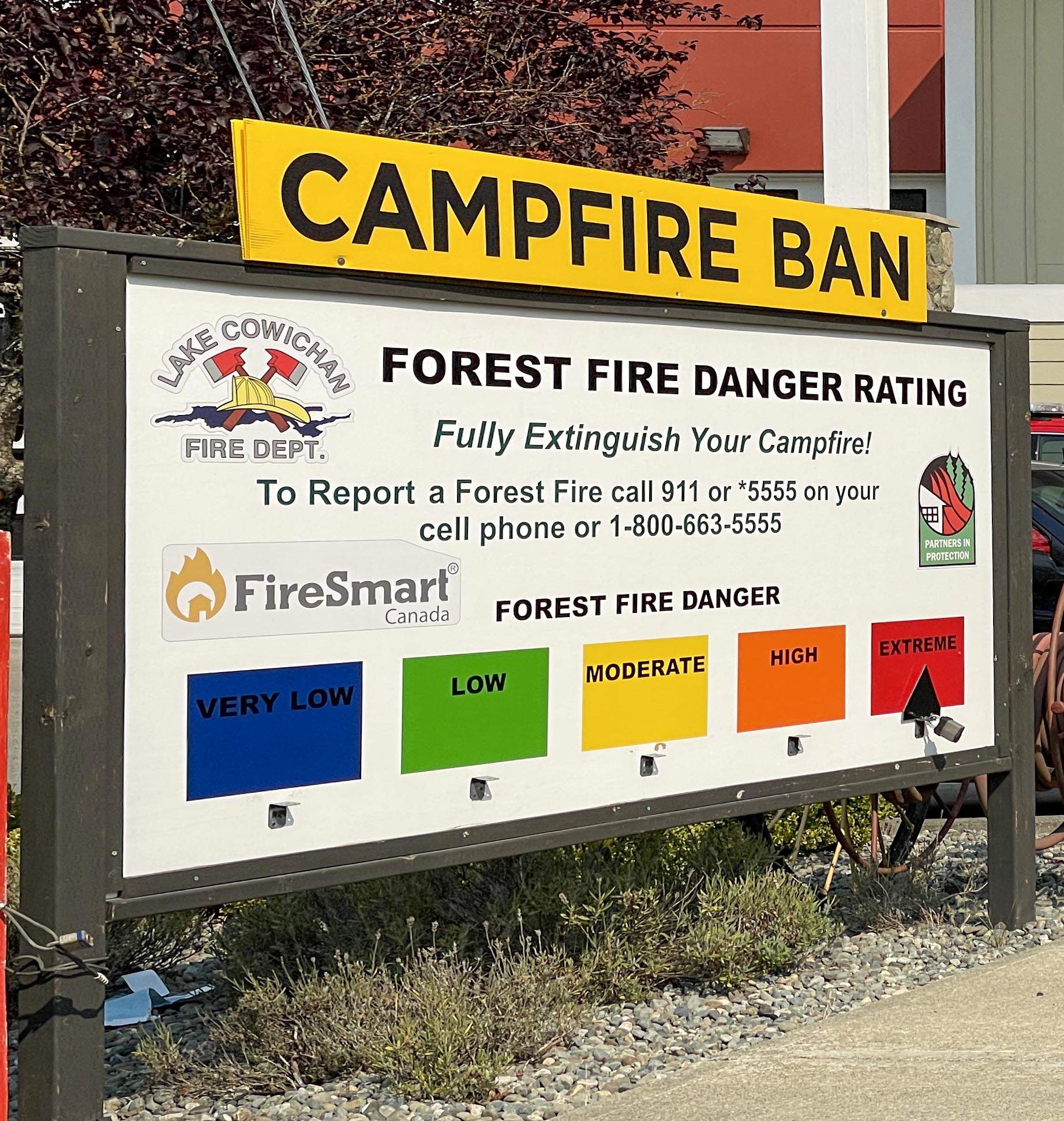 With dry conditions persisting, the Fire Danger Rating in North Saanich remains at ‘high’ since it was first raised on June 10, prompting fire and emergency services to urge residents to prioritize fire safety. “Forest fuels are extremely dry and the fire risk is serious,” the district warns. “Fires can start easily, spread quickly and be difficult to control. Use extreme caution in forested areas and during outdoor activities.” “We’re hoping the rating will encourage residents to take a proactive approach to keep their homes and properties safe in the event of a fire,” Deputy Fire Chief Aaron Kary emphasized. The fire department is offering residents valuable tools to enhance their preparedness. Wildfire automated sprinkler systems protection kits are available for purchase through the department, offering an easy-to-install solution for home protection. …While the forecast offers a glimmer of hope with potential rain … the rating will “remain high until significant precipitation occurs.”
 The Ontario Public Service Employees Union (OPSEU) is calling on the province to increase wages for water bomber pilots, as a shortage of pilots has led to the grounding of some aircraft. OPSEU said in a news release that pilots it represents have “resoundingly rejected an offer that would have made Ontario second to last in terms of wages for these dangerous and critical jobs.” OPSEU president JP Hornick told CBC that Ontario water bomber pilots are leaving for other provinces because they can earn better wages. “We have a government that is touting the fact that they’re purchasing six new water bomber planes, but they can’t even actually address the staffing needs that they have on the existing planes,” Hornick said. “This isn’t somebody taking off of a regular tarmac, right? They’re flying planes into the worst possible conditions, active wildfires, dipping down into lakes, filling it with water.”
 Federal agencies are seeking to reinterpret a key word in the Endangered Species Act that could weaken habitat protections for certain at-risk species, according to two wildlife biologists at North Carolina State University. The U.S. Fish and Wildlife Service and the National Marine Fisheries Service have proposed a rule that would exclude habitat modification and degradation from the regulatory definition of “harm” under the Endangered Species Act. “If we lose critical habitat protections for threatened and endangered species … they could face a heightened risk of extinction,” said Chris Moorman, a biology professor. Roland Kays, a research professor of fisheries, wildlife and conservation biology, added: “The Endangered Species Act, as it is written, is crucial to the protection and recovery of at-risk species across the country. And while there have been many attempts to change the law over the years, it’s held up and worked as intended.”
 The federal government could start selling off thousands of acres of Oregon public lands if provisions added to the Big Beautiful Bill win Congressional approval. A draft of the legislation was released Wednesday. Housing is also part of this latest push to sell Bureau of Land Management and Forest Service land. US Senator Mike Lee is calling for the heads of the US Interior and Agriculture departments to dispose of between 2.2 and 3.3 million acres of federal BLM and Forest Service land from 11 states – including Oregon. …Separately, the legislation calls for the Forest Service to boost logging by 75% over the next decade. It’s not clear if those logging goals are realistic. The Forest Service has missed its timber targets every year for more than a decade, though it’s possible that tariffs on Canadian lumber could boost demand for logging in the United States, according to industry analysts.

 WASHINGTON — On behalf of the American Wood Council (AWC) and the American Forest & Paper Association (AF&PA), AF&PA Vice President of Public Policy Paul Noe gave oral testimony before the House Committee on Energy and Commerce, Subcommittee on Environment in their hearing titled, “Short-Circuiting Progress: How the Clean Air Act Impacts Building Necessary Infrastructure and Onshoring American Innovation.” In his testimony, Noe applauded legislation that would allow the paper and wood products industry to make capital investments to modernize their manufacturing facilities. …discussion was heard by the committee on two bills that would make critical revisions to the National Ambient Air Quality Standard (NAAQS) setting and implementation process that would reduce the type of permit gridlock created when the particulate matter NAAQS was significantly lowered by the previous administration. “We strongly support Congressmen Rick Allen and Buddy Carter in their efforts to address the impacts of air permitting issues on U.S. manufacturing,” said Noe.
 The 2023 McDougall Creek wildfire caused serious damage to the Rose Valley reservoir, which provides source water to more than half of West Kelowna residents through the Rose Valley Water Treatment Plant. During a presentation to city council this week, Interior Health medical health officer Dr. Fatameh Sabet said that damage makes it harder to treat water coming from the reservoir. “We know the land surrounding the Rose Valley reservoir has been contaminated because of the wildfire in 2023 and it means the contaminated source of water can be harder to treat because of the sediment, nutrients, metals and organic matter as a result of burned material,” said Dr. Sabet. “Fortunately, the Rose Valley Water Treatment Plant was not damaged from the fire and it has been very helpful to compensate for damage to the watershed.” The plant ensures water is safe by not only controlling levels of manganese and disinfection byproduct, but other perspectives as well.