 Rayonier and PotlatchDeltic have agreed to merge, leveraging their lumber, timberland and real estate enterprises. In other Business news: Trump’s lumber tariffs take effect today; FPAC says urgent action is required; US homebuilders say the tariffs will hike costs; the US Lumber Coalition says that’s not so; and lumber futures rise. Meanwhile: Washington state invests in timber jobs; US tariffs reshape containerboard trade; Boise Cascade faces headwinds; and Lowes completes acquisition.
In Forestry/Wildfire news: Canadians debate the need for a national wildfire agency; fire experts speak out at the Wildfire Resilience Consortium of Canada conference; Manitoba considers a more active role to curb fires; and the US West report less land burned this year. Meanwhile: logging in Oregon’s national forests continues despite government shutdown; a new report says global forests are still in crisis due to farms and fire; and more pushback on the EU Deforestation delay.
Finally, former premier Pat Binns and his wife are PEI’s woodlot owners of the year.
Kelly McCloskey, Tree Frog News Editor
 The Forest Products Association of Canada (FPAC) is extremely frustrated and deeply concerned by the U.S. government’s decision to impose Section 232 tariffs on Canadian softwood lumber and derivative products. These unjustified measures, which take effect today, threaten the livelihoods of more than 200,000 Canadians and the stability of hundreds of towns and cities that rely on a strong forest sector. “For eight years, forest workers and communities across Canada have borne the brunt of increasing duties—now exceeding 45 percent with the addition of these new tariffs,” said Derek Nighbor, President and CEO of FPAC. “These are punitive, protectionist measures with no basis in fact. They ignore decades of evidence that Canadian lumber strengthens, rather than threatens, U.S. national security and economic resilience.” Targeting responsibly managed, sustainably sourced Canadian wood products under the pretense of national security is both unjustified and deeply damaging. These actions undermine one of the most integrated, mutually beneficial trade relationships in the world, increasing costs for American families and homebuilders while jeopardising Canadian mills and workers.
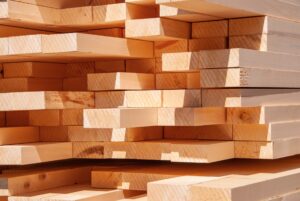 The US is now collecting tariffs on imported timber, lumber, kitchen cabinets, bathroom vanities and upholstered furniture, duties that threaten to raise the cost of renovations and deter new home purchases. …Trump described his wood and furniture tariffs as helping to “strengthen supply chains… and increase domestic capacity utilization for wood products.” Yet
 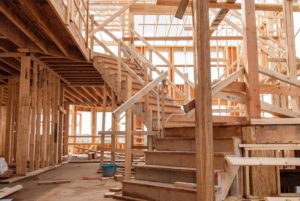 President Trump ushered in new tariffs on imported furniture, kitchen cabinets and lumber on Tuesday, adding a fresh round of levies as he once again threatened to expand his trade war with China. Tariffs ranging from 10% to 50% on foreign wood products and furniture snapped into effect just after midnight. The tariffs are meant to encourage more domestic logging and furniture manufacturing. But critics say that the levies will raise prices for American consumers and could slow industries including home building that rely on materials from abroad. …Critics have called it a stretch to issue the furniture and lumber tariffs under the national-security-related law. …Some American manufacturers lobbied for the tariffs. …Some economists expect the higher price of lumber, along with home furnishings, will slow the pace of home building. That could set back the Trump administration’s goals of improving a weak housing market. [to assess the full story a NY Times subscription is required]

)
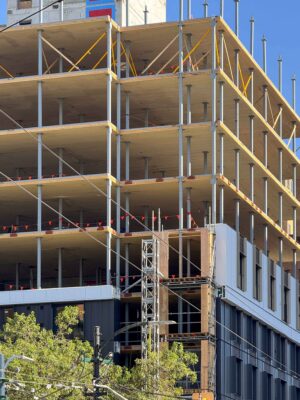 While sustainable solutions are facing drastic funding cuts, mass timber as a sustainable construction material is steadily gaining traction across the US. Construction using mass timber began in 2015 in the US, and since then the number of projects has grown about 20% annually. Today, over 2,500 mass timber projects are built or in progress in the US, including corporate offices for companies such as Google, Microsoft and Under Armour. …“We have lots of tech firms and big companies that say, ‘Hey, we’re battling it out for workers. We want the best space possible,’” said Bill Parsons, COO at WoodWorks. …Legislation that promotes and programs that fund mass timber, such as the Mass Timber Federal Buildings Act and the Wood Innovations Grant Program from the USDA, are still progressing. …Studies have shown that living or working in a mass timber building improves occupants’ mental health and well-being, even lowering their blood pressure and heart rates.


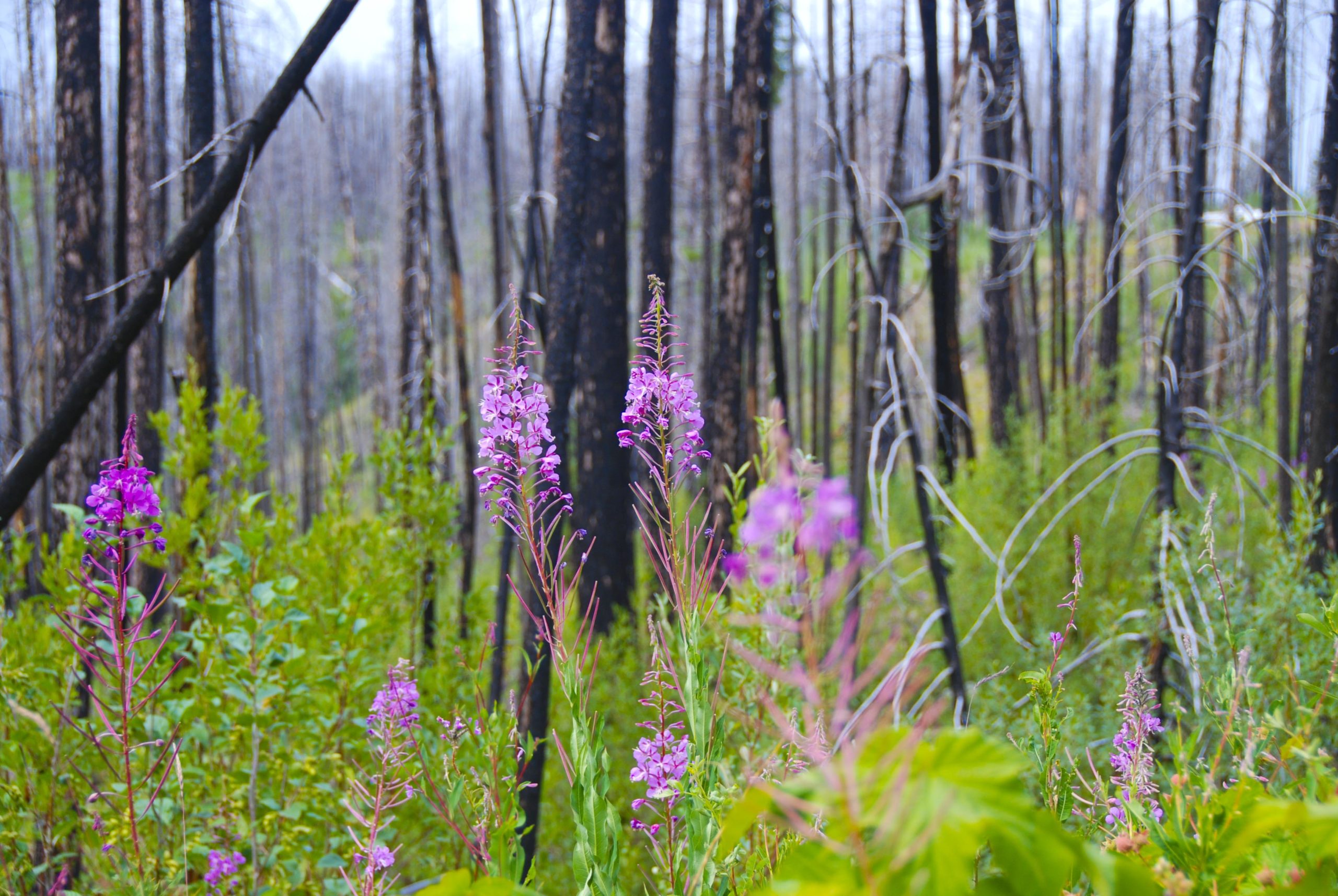 Wildfire is part of the natural lifecycle of a forest; but as Manitoba continues to battle the embers of its most devastating fire season in more than 30 years, its leaders are starting to consider a more active role in managing this critical resource to stave off the flames. In early October, as more than 70 wildland fires still smouldered across the province, Premier Wab Kinew and a handful of cabinet ministers released Manitoba’s first all-encompassing plan to slash carbon emissions in the next 25 years. Among the promised initiatives was a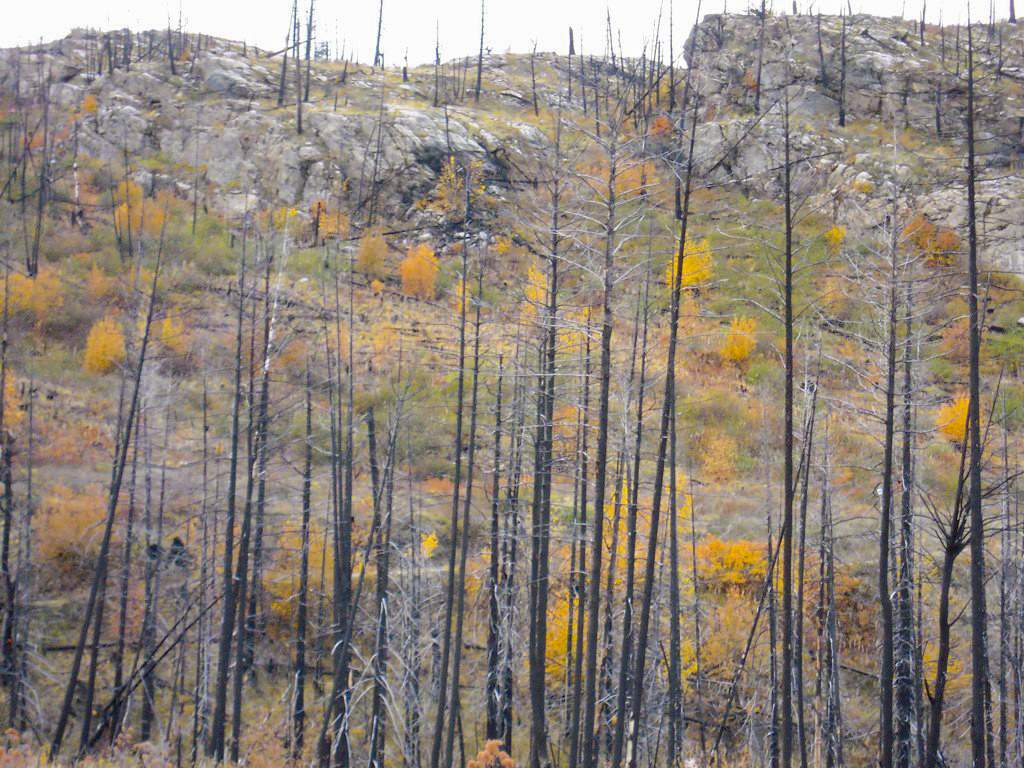
 Europe’s sawn timber industry is grappling with growing strategic uncertainty and rising compliance costs while the EU prepares to delay implementation of its landmark anti-deforestation law for a second time. While the postponement of the regulation to December 2026 may offer temporary relief, it also threatens to erode market incentives for early adopters and undermine confidence in the bloc’s regulatory direction. Producers across the continent have already invested billions of euros to meet the regulation’s demanding traceability requirements—developing digital platforms, upgrading Enterprise Resource Planning (ERP) systems, and restructuring supply chains to prove that every cubic meter of wood originates from deforestation-free sources. …In a strongly worded letter to the EC’s Environment Commissioner Jessika Roswall, a