 BC Forest Minister Ravi Parmar announced 64 new wildfire risk reduction projects. In related news; Alberta gears up for wildfire season; Quebec is modernizing its forestry regime; and the European Commission tries to simplify the EU Deforestation Regulation. Meanwhile: Nova Scotia invests in a BioInnovation Centre; Alberta looks to turn forestry waste into fuel; Clemson University is the first-ever recipient of SFI’s Urban and Community Forest Sustainability Certification; and what happens if Alaska’s carbon-credit forests burn.
In Business news: Weyerhaeuser and Södra report positive Q1, 2025 results; West Fraser has a buyer for its shuttered Perry, Florida sawmill; Drax’s subsidies are questioned by UK spending watchdog; America fears an economic recession; and Forests Canada appoints Christine Leduc new board chair.
Finally, whimsical telescoping castles out of gnarly pieces of Oregon burl wood.
Kelly McCloskey, Tree Frog News Editor


 WASHINGTON — Americans’ trust in President Trump to bolster the US economy appears to be faltering, with a new poll showing that many people fear the country is being steered into a recession and that the president’s broad and haphazardly enforced tariffs will cause prices to rise. Roughly half of US adults say that Trump’s trade policies will increase prices “a lot” and another 3 in 10 think prices could go up “somewhat”. …While skepticism about tariffs is increasing modestly, that doesn’t mean the public is automatically rejecting Trump or his approach to trade. …Not quite 100 days into Trump’s second term in the White House, people around the country are bracing for possible disruptions in how they spend, work and live. The US economy remains solid for the moment with moderating inflation and a healthy 4.2% unemployment rate, yet measures such as consumer confidence have dropped sharply.


 Communities and workers throughout British Columbia are benefiting from 64 new Forest Enhancement Society of BC (FESBC) supported projects that reduce wildfire risk, enhance forest health and get more fibre into the hands of mills and energy producers. “The projects will remove almost 11,000 truckloads of flammable waste fibre from our forests,” said Ravi Parmar, Minister of Forests. “…This fibre that once would have been burned in slash piles will instead support workers and help keep communities safe.” With $19 million in provincial funding, projects will take place in all eight of the Province’s natural resource regions. This includes 31 led by First Nations and another 14 with First Nations involvement, demonstrating the critical leadership role First Nation communities are playing in restoring and protecting B.C.’s forests. This funding is part of the $90 million allocated in 2025 for wildfire-prevention initiatives through BC Wildfire Service, FireSmart initiatives and FESBC.
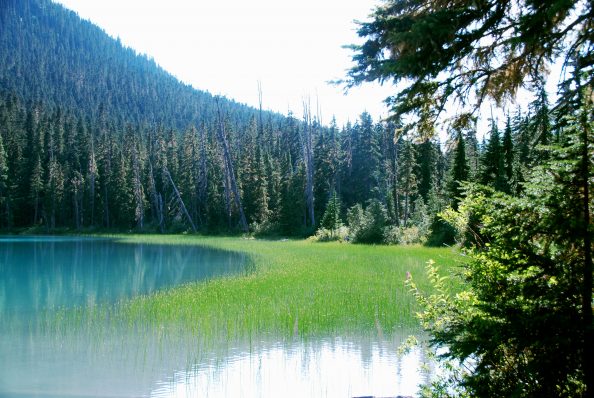 A temporary closure will take place at Pipi7íyekw/Joffre Lakes Park to provide time and space for members of the Líl̓wat Nation and N͛Quatqua to reconnect with the land and carry out cultural and spiritual practices. Pipi7íyekw/Joffre Lakes Park has become one of the busiest parks in the province. As more people go to the park, there is a need for enhanced visitor-use management, ensuring the park is not degraded by heavy use. Temporary closures to the park for recreational visitors will occur from April 25 until May 16, 2025. Beginning Saturday, May 17, adults and youth older than 12 will require a free day-use pass to visit the park. …The park is collaboratively managed with Líl̓wat Nation and N’Quatqua with the primary goal of maintaining the natural environment, and so the Nations can continue their cultural practices on their territory.
 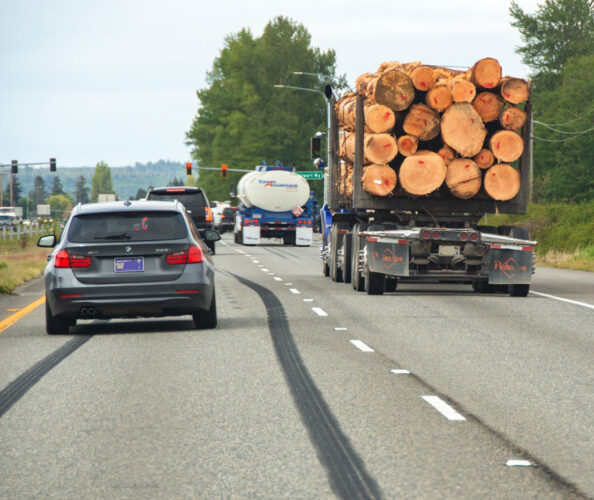 Increased timber production may be coming to the Volunteer State, impacting the Appalachian forests in East Tennessee. A new emergency order from the U.S. Department of Agriculture allocated 59% of national forests across the country for timber production. …However, the economics benefits of logging come at a steep price, according to The Wilderness Society. “Don’t be fooled: the Trump Administration and its allies in Congress aren’t trying to solve the wildfire crisis or protect communities threatened by it. Instead, they are aiming to deepen the pockets of private industry to log across our shared, public forests, while sidestepping public review,” said Josh Hicks, Conservation Campaigns Director at The Wilderness Society. …A majority of the impacted U.S. Forest Service areas are in the western half of the United States. However, the USDA declaration also impacts Appalachia and East Tennessee. The affected areas total more than 112 million acres of U.S Forest Service land.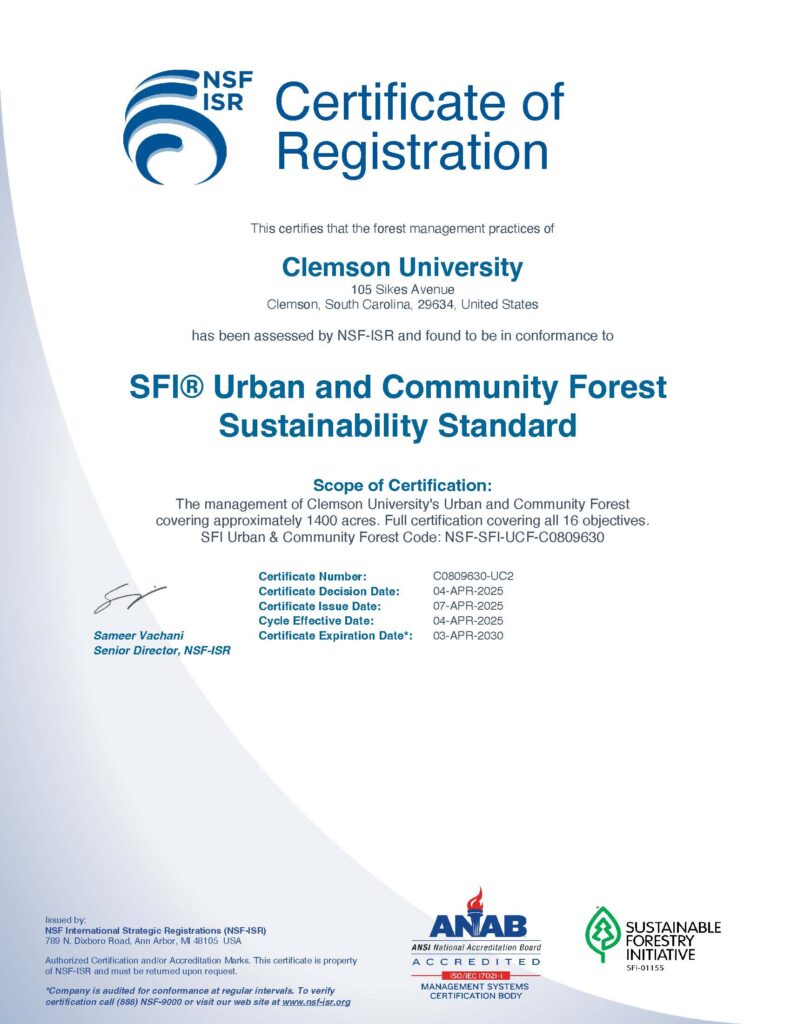


 A UK government spending watchdog has questioned the value of the multibillion pound subsidies granted to the Drax power plant in North Yorkshire – and said plans to hand over billions more may not represent value for money. The government has provided about £22bn of public money to businesses and households that burn biomass pellets as fuel over the past three years, including £6.5bn for the owner of the Drax plant. The power plant, which generates about 5% of the UK’s electricity, is expected receive more than £10bn in renewable energy subsidies between 2015 and the end of 2026 – despite ongoing concerns that wood pellets are not always sustainably sourced. The Public Accounts Committee has said that biomass generators have been left to “mark their own homework” when it comes to proving that their fuel met the sustainability standards set by the subsidy scheme.
 The Sustainable Biomass Program (SPB) published its Annual Review 2024, capturing a year of growth, strategic progress, and continued delivery as the biomass certification scheme of choice. With 2024 marking the second year of its current three-year strategy, SBP has consolidated its position in a rapidly evolving sustainability landscape, while laying firm foundations for the years ahead. “2024 outcomes reflect a busy and productive year for SBP. We saw significant growth in certified biomass volumes and certificate holder numbers, but equally important we took proactive steps to define our contribution to global challenges, from carbon and climate to regulatory compliance and sustainability governance. With growth comes an increased responsibility to ensure that assurance and oversight of compliance are rigorously maintained,”stated Carsten Huljus, CEO of SBP.
 A New Jersey teenager is being charged with arson following a