 The US Commerce Department set an April 1 deadline for public comment on its lumber import review. In related news: BC proposes a new law to facilitate quick response to US tariffs; EU’s retaliation targets US wood products—while implicating European pulp & paper products; and New Hampshire hardwood producers want trade stability.
In Wood Product news: Canada invests to advance BC’s wood construction technologies; and mass timber advancements courtesy of Boston, Vancouver, Ottawa, and the Czech Republic.
In Forestry/Climate news: The US Environmental Protection Agency’s deregulation plan is panned by ENGOs; Drax is accused of silencing one of its own; an Alberta-based firm is building the world’s first zero-carbon cement plant; and Ireland launches a new NeighbourWood forestry scheme.
Finally, this Canadian forest minister says our US relationship is changed forever.
Kelly McCloskey, Tree Frog News Editor
 Legislation has been introduced to strengthen BC’s ability to respond quickly to threats of tariffs imposed on Canada by the US, to grow a more self-reliant economy, and to defend workers and businesses. …If passed, the act will enable the BC government to be nimble in its response, giving government time to develop more long-term responses. A focus on expanding interprovincial trade and moving procurement away from American vendors will help encourage greater reliance on goods and services made in Canada. …The act will automatically be repealed by 2027 at the latest. …The legislation allows government to: 1. Temporarily modify the application or effect of BC laws and regulations to defend BC from challenges brought on by the continued tariff and sovereignty threats. …2. Reduce or eliminate barriers to interprovincial trade. …3. Impose tolls/fees on specified vehicles using provincial public infrastructure such as highways …4. Provide procurement directives to public bodies.
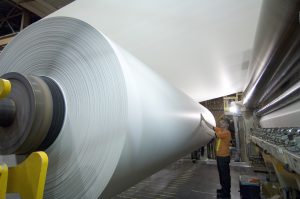 European industry is scrutinising the list of products drawn up by the European Commission in response to US tariffs on steel and aluminium, and not everyone is pleased. EU tariffs on American products are adversely affecting EU manufacturers of wines, plastics and pulp among other sectors relying on imported products hit by tariffs or caught as collateral victims of the trade war between both sides of the Atlantic. …The European pulp and paper industry has also reacted after seeing imports of the products from the US on the EU list. The EU imported €962 millions’ worth of pulp and €650 millions worth of paper and board from the US in 2023. In exchange European exports of pulp and paper and board were worth €238 million and €2.4 billion respectively. The sector has no interest in a trade war with the Americans. Jori Ringman, Director General, said that “EU and US consumers who need basic hygiene products” were going to be impacted as well as “a whole range of sectors using paper packaging.”
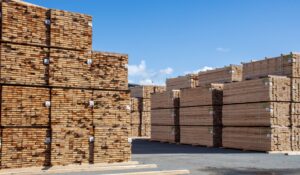 The Commerce Department’s Bureau of Industry and Security (BIS) has formally launched two Section 232 investigations that could lead to import restrictions on copper and lumber and timber, according to Federal Register notices scheduled for publication on Thursday. Trump signed an executive order on Feb. 25 ordering the copper probe and another on March 1 for lumber and timber. Both instructed Commerce Secretary Howard Lutnick to start the investigations, which threaten to further strain trade relations with Canada and other trading partners. The Section 232 law allows up to 270 days for a probe, but White House officials said they expect Lutnick to move faster. In one sign of that, BIS set an extremely short period for public comment in the two investigations, ending on April 1. that coincides with the deadline for executive branch agencies to compete a number of trade reports for the White House. [to access the full story a PoliticoPro subscription is required]

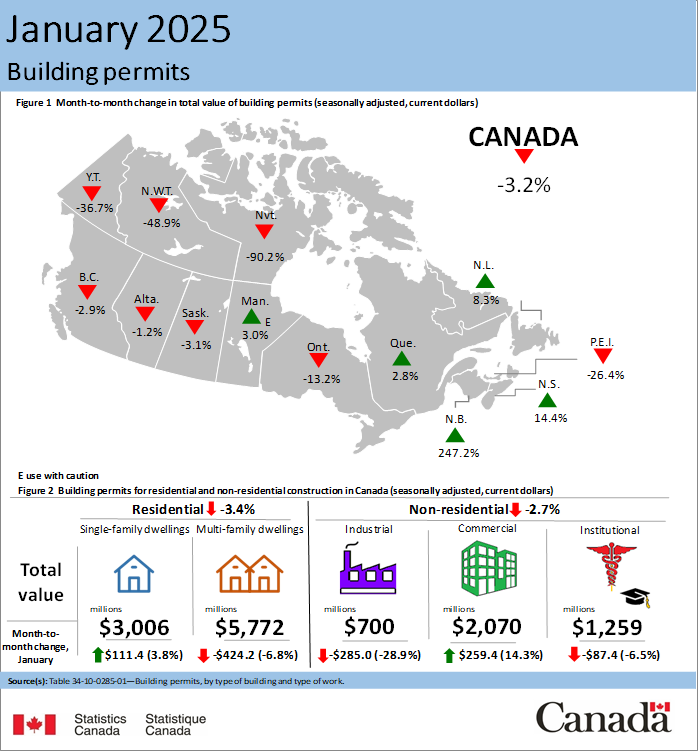
 President Trump’s tariffs could increase material costs for the average new home by as much as $10,000, according to the National Association of Home Builders. The trade group said it has received anecdotal reports from members that Trump’s plan would raise material prices by between $7,500 and $10,000 for the average new single-family home. …The NAHB said softwood lumber is mainly sourced from Canada, while gypsum, a component of drywall, comes primarily from Mexico. Other materials like steel and aluminum — in addition to completed home appliances — are imported to the U.S. from China, the group said. An implementation of the 25% tariff on Canada and Mexico as previously laid out by Trump would raise total costs for imported construction materials by more than $3 billion, according to the NAHB.

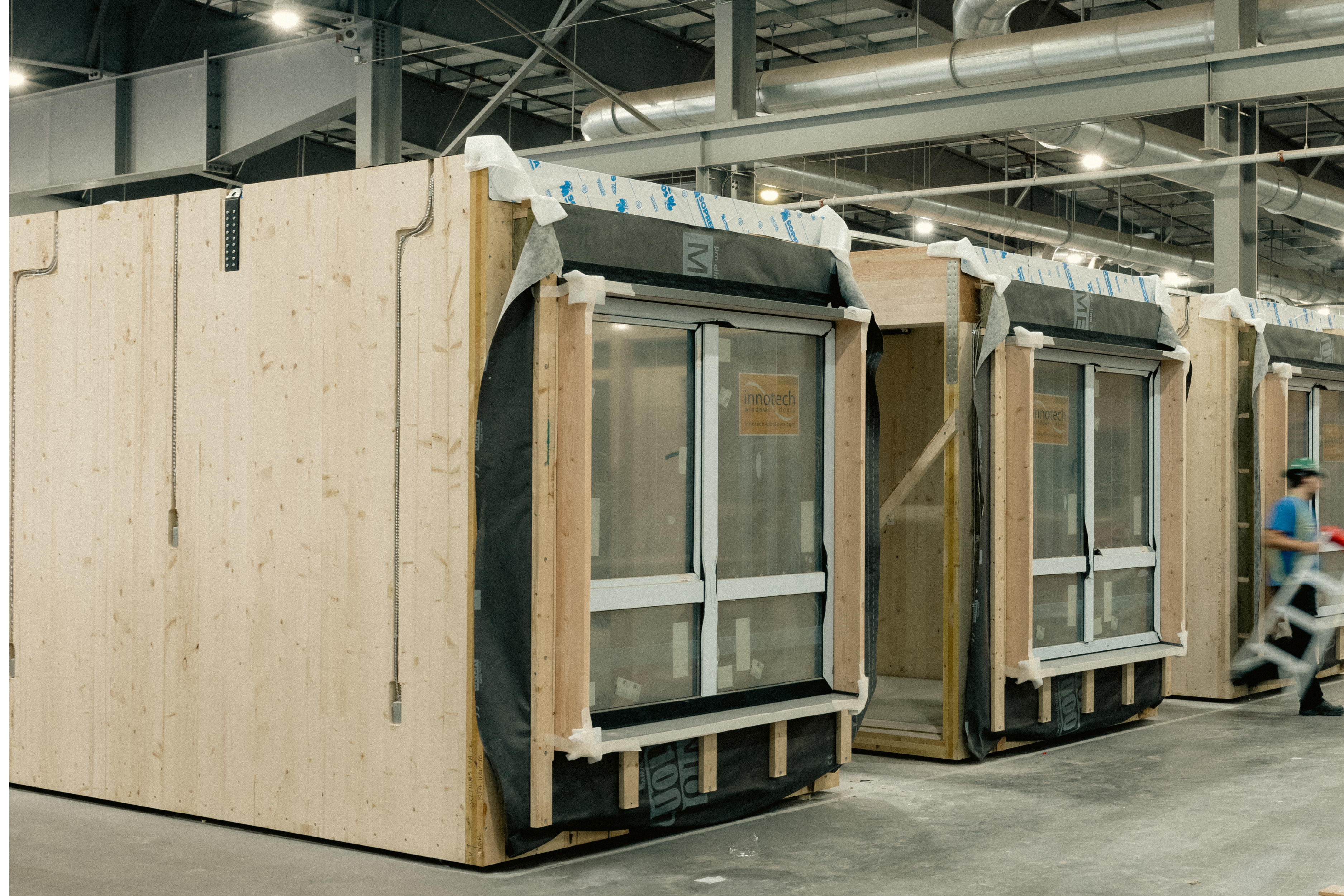
 VANCOUVER, BC — T


 It’s now clear that some moves President Trump has authorized his pal Elon Musk and the so-called Department of Government Efficiency to make will thwart at least a few of Trump’s own often-repeated priorities. …Then there are two moves that figure to make the next fire season, coming up in late spring or early summer, as bad as or worse than recent ones. Trump legitimately repeats the conviction that cleaning forest floors can reduce the intensity and frequency of wildfires. He consistently and falsely blames California’s government for not doing this. …With Musk’s aid, though, he fired 3,400 Forest Service workers in mid-February who were still on probation in their first year of employment, many of whom had been hired to do the job Trump calls critical to stopping fires. …If he knew these firings completely contradict priorities he has trumpeted, why would he have approved them?