 Trump paused (for one month), his 25% tariff on products covered by the US-Mexico-Canada trade agreement, and while lumber is not part of the agreement, NAHB says lumber is included. In related headlines:
- BC Premier Eby: Announced new measures to defend BC
- Gorman’s Nick Arkle: Retaliatory tariffs risk provoking the proverbial bear
- ERA’s Kevin Mason says: Tariff uncertainty adds to risk of recession
- AFPA’s Jason Krips says: Act now to protect Alberta forestry industry from tariffs
- NAHB’s Buddy Hughes: Calls for negotiated end to tariffs on Canadian lumber
In other news: Canadians grapple with anxiety around Trump’s tariff chaos; Kruger-Kamloops ratifies pattern-setting labour agreement; Irving Paper says it doesn’t want a subsidy; and Canfor reports improved Q4,2024 results.
In Forestry/Climate news: Canada and Manitoba collaborate to protect nature; sustainable aviation fuel struggles in BC; Trump’s logging order skirts the Endangered Species Act; and Bayer may halt US Roundup sales over legal risks.
Finally, how the tissue of lies behind the trade war could be wiped away with toilet paper.
Kelly McCloskey, Tree Frog News


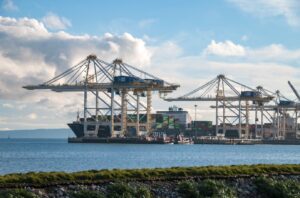 President Donald Trump on Thursday signed executive actions that delay for nearly one month tariffs on all products from Mexico and Canada that are covered by the USMCA free trade treaty, a significant walkback of the administration’s signature economic plan that has rattled markets, businesses and consumers. The executive actions follow a discussion Trump held Thursday with Mexican President Claudia Sheinbaum and negotiations between Canadian and Trump administration officials. …Energy from Canada, however, is not included in the USMCA, the White House official said. So that lower 10% tariff is expected to remain in place… but the Trump reduced the tariff on Canadian potash to 10%. …Canada will now pause their planned second round of tariffs on over 4,000 US goods until April 2, Canadian Minister of Finance Dominic LeBlanc said.
 Let me propose that we respond to President Donald Trump and his supporters in a more direct fashion: by wiping them out. No, not with violent force, or vain attempts at economic annihilation, but in a way that is more, shall we say, fundamental. It would be shockingly easy to empty America’s store shelves of toilet paper. A weeks-long bog-roll panic could be provoked, right now, with only a few words from a Canadian leader. The tissue of lies behind the trade war would be wiped away, exposing the backside of Mr. Trump’s bizarre trade claims in a way that would be far more noticeable than any retaliatory tariff. …Supply chains for the rolls of tissue are so constrained, lacking in stored reserves and Canada-dependent, Kruger CEO Dino Bianco explained, that it would only take a tiny push to cause panic buying and the anxiety-inducing sound of empty cardboard tubes rattling on bathroom spindles. …It sends a clearer message: Canadians believe in trade. We want trade. And if you deprive us of it, we know how to hit you where it really hurts. [Globe and Mail subscription required for full access]
 By easing the current restrictions on timber harvesting and natural gas development, B.C. Premier David Eby can reduce B.C.’s reliance on U.S. markets and improve affordability… This policy shift would create jobs, help address the cost-of-living crisis and insulate B.C. from U.S. trade volatility by diversifying its trading partners. Natural resources, namely forestry, energy, mining and agriculture, make up about 75 per cent of B.C.’s exports as of November 2024. …Yet both sectors face government-imposed constraints, from caps on logging to opposition to pipelines. Since forestry and energy dominate B.C.’s exports, robust growth depends on expanding these sectors. B.C.’s forestry industry has long been a global leader, but policies restricting access to fibre are undermining its viability. The annual allowable cut and a cap on how much timber can be harvested, along with actual cuts, have been reduced in recent years due to environmental concerns and pressure from within the NDP’s base.




 VANCOUVER, BC — Canfor Corporation reported its fourth quarter of 2024 results. Highlights include: Q4 2024 operating loss of $46 million; shareholder net loss of $63 million; Supply-driven uptick in North American lumber markets and pricing through the fourth quarter led to improved results from the Company’s Western Canadian and US South operations; another quarter of solid earnings from Europe; Improved
 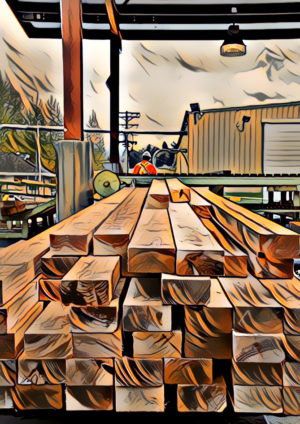 President Trump’s push for tariffs on Canada – and his subsequent delays and exemptions – are frustrating efforts to import lumber from the country and putting the building supply market on edge. The back-and-forth over whether tariffs will be imposed or not has businesses unable to trust price stability, and risks backing up the supply chain for US homebuilders. The reluctance to pay a tariff, which could be changed or cancelled any day, “freezes these markets up,” according to Don Magruder, who runs a building material company based in Florida. …Andy Rielly, president of Rielly Lumber in British Columbia, said he’s been in talks with long-term customers on how to divvy up the extra costs, but not everyone has been able to strike deals. …The US’s National Association of Home Builders chairman Buddy Hughes said tariffs risk worsening housing affordability. …The US Lumber Coalition said that lumber prices are only a fraction of homebuilding costs.
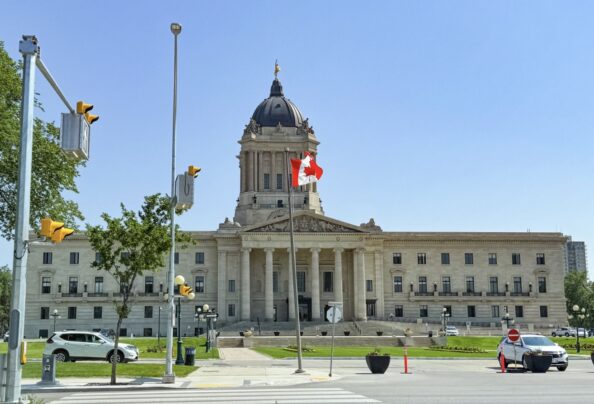 WINNIPEG, MB
 FRANKFURT – Bayer has told U.S. lawmakers it could stop selling Roundup weedkiller unless they can strengthen legal protection against product liability litigation, according to a financial analyst and a person close to the matter. Bayer has paid about $10 billion to settle disputed claims that Roundup, based on the herbicide glyphosate, causes cancer. About 67,000 further cases are pending for which the group has set aside $5.9 billion in legal provisions. The German company has said plaintiffs should not be able to take Bayer to court by invoking U.S. state rules given the federal U.S. Environmental Protection Agency has repeatedly labelled the product as safe to use, as have regulators in other parts of the world. “Without regulatory clarity (Bayer) will need to exit the business. Bayer have been clear with legislators and farmer groups on this,” analysts at brokerage Jefferies said in a note on Thursday, citing guidance Bayer’s leadership provided in a meeting.
 President Donald Trump took action last weekend to increase domestic logging by circumventing environmental protections and to staunch the flow of imported lumber products primarily from Canada. A pair of executive orders — one addressing timber and wood product imports, the other addressing logging on federal lands — drew praise from the logging industry, condemnation from environmental and wildlife groups, and concern from the construction industry over higher prices. The order rolls back the degree to which the agencies have to comply with the Endangered Species Act or consider negative impacts of logging. …[making] it easier for environmentally damaging clear-cut logging to be approved. …The executive order on timber production … can exempt projects from complying with the landmark law. …allowing projects to proceed even if they will harm a protected species or result in extinction. Historically, the committee has been used to aid recovery from natural disasters, not to expedite resource extraction.
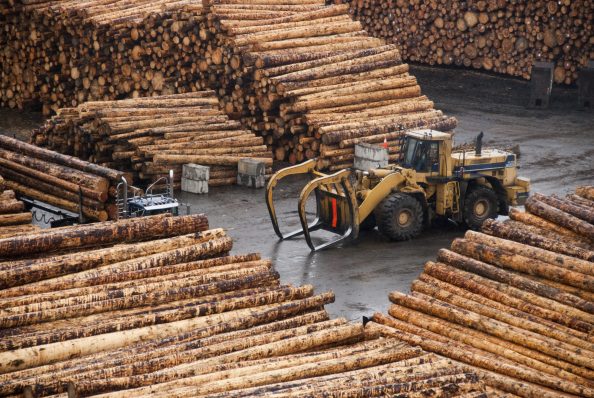 Republican-led policy directives could rewrite forest policies that affect public lands in Oregon and the rest of the West. New executive orders from the Trump administration call on federal agencies to fast-track logging projects by circumventing endangered species laws, and to investigate whether lumber imports threaten national security. …Some experts say it’s too soon to tell how these directives will affect Oregon’s timber market, particularly Trump’s order on fast-tracking timber sales to benefit logging companies and mills. Mindy Crandall, associate professor of forest policy at Oregon State University, said Canadian imports make up a large chunk of the U.S.‘s softwood lumber supply. Oregon also leads the nation
  …sustainable aviation fuel (SAF) is considered the most practical option for decarbonizing air travel, which in Canada accounts for about four per cent of Canada’s total greenhouse gas emissions. Biofuels made from … wood waste can lower fossil fuels’ carbon intensity and … require no major modifications to airplanes. B.C. has all of the conditions and resources needed to develop a sustainable aviation fuel industry, according to a panel discussion on SAF by the Greater Vancouver Board of Trade. But right now, most of the SAF that airlines are buying comes from suppliers in the U.S. and Europe. Despite the efforts of companies like Parkland Corp., a sustainable aviation fuel production industry is having a hard time getting off the ground in Canada. It all comes down to costs, and the Americans can produce SAF at a more cost competitive price than Canadian producers can, thanks in no small part to subsidies in the U.S.
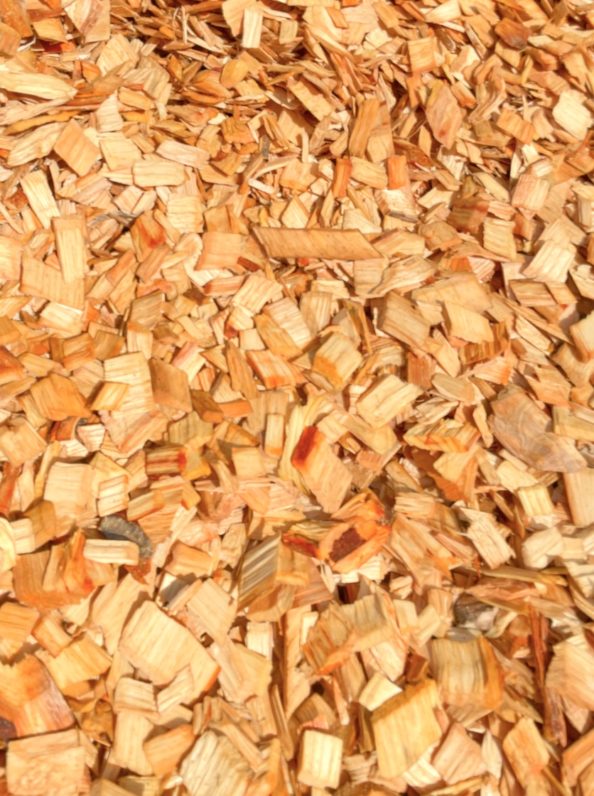 The harvesting and burning of forest biomass to produce energy continues to surge, according to a new report entitled
 Join us for the Interior Safety Conference (ISC) on Thursday, May 1, 2025! This annual event is a must-attend for BC forestry professionals, offering a unique opportunity to delve into safety-related issues and learn ways to enhance safety across the industry. This Year’s Theme: Building Safety Through Shared Experiences. Gain powerful insights and practical knowledge through a series of compelling presentations by industry experts and speakers. The conference is FREE for anyone working in any phase of the forest industry, from silviculture to harvesting to wood products manufacturing.