 US builder confidence fell sharply in February over tariff and housing cost concerns. In related news: US housing starts dropped 9.8% in January; lumber futures are surging; and lumber prices are expected to continue to rise. In related news: US high-sticking on trade is nothing new; the US Lumber Coalition lobbies for more restrictions on Canada; BC’s Atlantic Power plant may not have to close; Kruger gets support from Corner Brook mayor; and Louisiana Pacific and Bluelinx report Q4, 2024 earnings.
In Forestry news: ENGOs pan private forest laws in BC; US effort to secure EU deforestation exemption continues; a US nature report may be published despite Trump’s order; Oregon’s governor wants to pause action on wildfire hazard map; and more fallout from the US Forest Service worker firings in North Carolina; Colorado, Montana and Idaho.
Finally, lessons learned from the California fires – who will bear the $250 billion burden.
Kelly McCloskey, Tree Frog News
 B.C.’s rookie forests minister Ravi Parmar had a strong case to make as he travelled to Sacramento last week to meet with California business and government representatives. The state lost more than 16,000 structures in the recent wildfires … and California’s construction industry knows it will need B.C. and Alberta lumber for a rebuild that will take years. …Parmar says U.S. insurance companies confirmed that high-sticking Canada with more border fees for lumber will drive up costs for California fire claims and other new construction. A classic case for this dysfunctional relationship is Interfor Corp. …now one of the biggest lumber producers in the world, with a strategy to respond to trade attacks by expanding U.S. production. …Canadian forest companies shifting their investment to the U.S. involves other factors, such as pine beetle damage and governments restricting timber supply to satisfy often overblown environmental protests. But the effect is what Trump is after, moving jobs from Canada to the U.S.
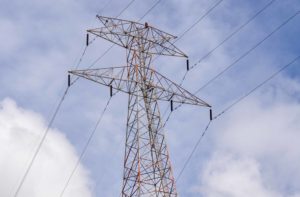 WILLIAMS LAKE, BC — The City of Williams Lake has cancelled a lobbying junket to Victoria on the news Adrian Dix, minister of Energy, plans to meet with BC Hydro to discuss the imminent shut-down of the Atlantic Power station. The plant, which generates electricity through the burning of wood waste, is Williams Lake’s biggest industrial taxpayer. The company that owns it plans to shut down soon, unless the province can assure it better power rates and reliable fibre supply. The city has been lobbying the provincial government to prevent the power plant from shutting down, and had planned to converge on the BC Legislature tomorrow for the first day of the new BC legislative session. …The Atlantic Power plant is an independent power producers with a power purchase agreement with BC Hydro. The plant is owned by I Squared Capital, an American private equity investment firm.

 Lumber futures have recently surged past $610 per thousand board feet, reaching a near three-month high as market conditions tighten. A combination of mill closures, reduced North American production capacity, and tariff concerns has led to increasing volatility in the lumber market. Investors and traders are closely watching these developments, as the outlook for lumber futures remains uncertain amid ongoing supply and trade disruptions. …One of the primary drivers behind the latest rally in lumber futures is the ongoing reduction in North American production capacity. …Adding to the supply concerns is the looming increase in U.S. tariffs on Canadian softwood lumber. For traders, this means increased volatility in lumber futures as market participants react to policy changes. Higher tariffs could discourage Canadian exports, forcing buyers to seek alternative sources or absorb the additional costs, further driving up lumber futures prices.
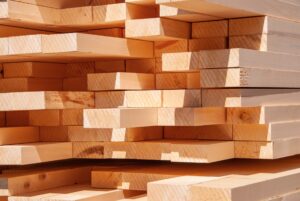 California home builders say they have very little choice but to continue buying Canadian softwood lumber from places like British Columbia, even if US President Donald Trump issues a 25% penalty on imports next month. The state is in the midst of its rebuilding efforts from the Pacific Palisades wildfires that ravaged the Los Angeles area. …Dan Dunmoyer, who is the president of the California Building Industry Association said the rebuild will become a lot more costly. …“The price of lumber is already starting to go up some even without the tariffs in place out of uncertainty, which again is a reason not to move quickly on tariffs. …“We are very desirous to rebuild as quickly as possible and at the lowest cost possible. The timing of tariffs or additional costs to softwood lumber coming from Canada is very ill-timed.”


 …More than 150 scientists and experts had collectively spent thousands of hours working on a draft report, a first-of-its-kind assessment of nature across the United States. But President Trump ended the effort, started under the Biden administration, by executive order. On Jan. 30, the project’s director, Phil Levin, sent an email telling team members that their work had been discontinued. But it wasn’t the only email he sent that day. “This work is too important to die,” Dr. Levin wrote in a separate email to the report’s authors, this one from his personal account. “The country needs what we are producing.” Now key experts who worked on the report, called the National Nature Assessment, are figuring out how to finish and publish it outside the government. …Rajat Panwar, a professor of responsible and sustainable business at Oregon State University who was leading the chapter on nature and the economy, was preparing slides to present his section when he got the news.