 The US pulp and paper industry is seeking an exemption from EU deforestation rules. In related news: Trump’s reciprocal tariffs overturn decades of trade policy; US tariffs loom over Ontario’s election and BC’s legislature; and BC forest minister Ravi Parmar builds ties with California builders, says softwood duties could reach 55%. In other Business news: a Williams Lake biomass power plant is on verge of shutdown; BioNorth Energy gets support from Forest Enhancement Society of BC; and Newfoundland props up Corner Brook Pulp and Paper mill.
In Forestry news: thousands of US Forest Service layoffs hit US Parks and Forest Service workers hard; a new study says tree-ring data shows North American wildfire activity has declined; climate change is causing US West tree ranges to contract; Indiana’s Governor urges changes to Hoosier National Forests logging plan; and Texas awarded ~$1M to landowners for prescribed fires.
Finally, it was the deadliest workplace in America. So why didn’t safety regulators shut it down?
Kelly McCloskey, Tree Frog News
 WASHINGTON — President Trump is taking a blowtorch to the rules that have governed world trade for decades. The
 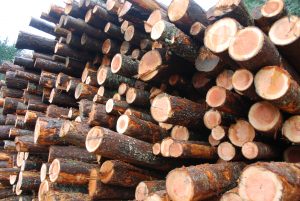 LONDON/BRUSSELS — The US paper and pulp industry is lobbying the Trump administration to ask the EU to declare the US deforestation-free, a step that could make it easier for exporters to meet the bloc’s new environmental rules. From December, the European Union’s anti-deforestation policy will ban imports of commodities linked to forest destruction. Brussels already delayed the policy’s launch by a year. …”A delay does not solve our concerns with the regulation’s complex requirements and significant technical barriers,” said Heidi Brock, CEO of the American Forest and Paper Association (AF&PA). …The law does not contain a category of countries deemed to be deforestation-free – despite EU lawmakers attempting unsuccessfully to add a new “no risk” category of countries which would face even lighter rules. Any changes to the EU law would require a legal proposal from the Commission, and approval from EU lawmakers and member states.
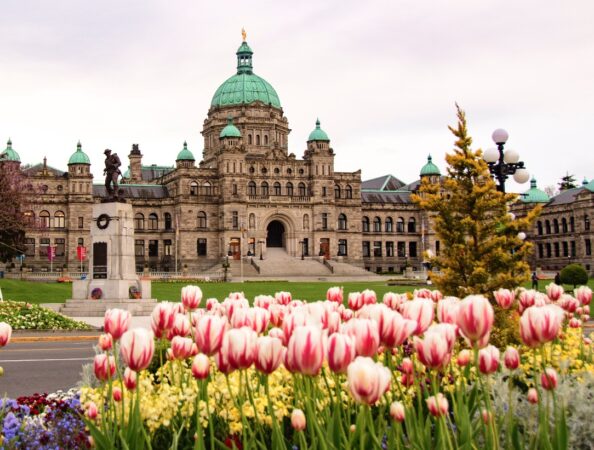 The first session of B.C.’s 43rd Parliament opens Feb. 18, with traditional rituals like the Speech from the Throne. …This threat [of US tariffs] has since become much more real. Double-digit tariffs from the United States on key exports such as energy, minerals and lumber now loom over B.C. with some potentially reaching or exceeding 50 per cent in the case of aluminum and lumber. “The lumber industry, in particular, is vulnerable,” Werner Antweiler, Chair in International Trade Policy, at UBC’s Sauder School of Business said. “They are not very profitable at the moment and any further setback in terms of accessing the U.S. market will really hit hard. So I’m really worried about jobs in the lumber industry.” …But the threat of tariffs could also spur developments that government has previously neglected. They include efforts to finally break down barriers between provinces.
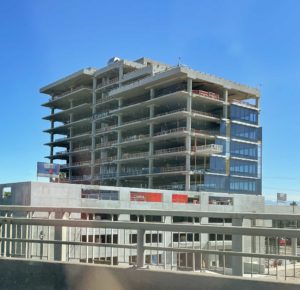 The cement industry is at a crossroads as decarbonization is expected to take its toll, resulting in a significant decline in demand, according to a paper by the World Cement Association (WCA). “The cement industry is undergoing an unprecedented transformation,” explains WCA CEO Ian Riley. “As we move towards a decarbonized future, understanding the true demand for cement is critical to ensuring that policies, technologies and investments align with reality.” The white paper examines disruptive factors such as alternative materials. …The report challenges prevailing forecasts and projects demand for cement and clinker will dip, mainly due to the rise of timber, greater use of admixtures, the move towards decarbonization of the industry as well as design practices that will reduce the concrete used. ..According to the paper, timber has replaced concrete and steel in many highrise buildings but limitations on the supply of timber are expected to curb its growth.
 The demand for sustainable, nontoxic furniture is rising as consumers become more conscious of their environmental impact and indoor air quality. While many brands claim to be “eco-friendly,” not all live up to the promise. From responsibly harvested wood to green packaging, truly sustainable furniture goes beyond marketing buzzwords. Understanding the end-to-end process of furniture manufacturing can help consumers make informed choices and avoid greenwashing. Interior designers play a crucial role in guiding homeowners toward authentic selections that prioritize longevity, health and environmental responsibility.
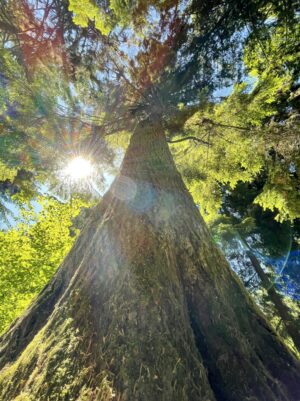 Another 29,800 acres of timberland just got conserved under easement as working forest, the third phase in Columbia Land Trust’s project of protecting about 75,000 acres, sold by SDS lumber company in 2021. Columbia Land Trust hopes to conserve almost everything except the mill itself, buying the most important 15,000 acres of habitat outright. They hope to put the other 60,000 under conservation easements. In this case, Washington’s Department of Natural Resources will hold some of the rights over the 29,800 acres of land. It can be sold, but never developed; it must always remain working forest. This is the trust’s biggest project to date… SDS Lumber was the last family-owned, vertically-integrated (meaning it owned and operated most stages of its own supply chain) timber company in this part of the Northwest.