 The U.S. Commerce Department today announced new preliminary anti-dumping duties on Canadian softwood lumber imports of 20%. …The duties won’t become final until August, when final determinations are expected to be made. …The new preliminary duties is just the first shot across the bow in what is expected to be a nasty trade war, with additional tariffs that may be layered on top of duties. …Anti-dumping and countervailing duties have been in place on Canadian softwood lumber at varying levels since 2017, following the expiration of the last softwood lumber agreement in 2015. The duties on Canadian softwood lumber have been effective in shrinking Canada’s market share… from about 35% in 2016, to about 24% as of the end of 2024.
…Duties are held by the U.S. Treasury, pending appeals through trade tribunals like the World Trade Organization. In total, Canadian forestry companies have paid a total of $10 billion in duties since 2017. Canada is currently appealing the duties through the Canada-U.S.-Mexico Trade Agreement (CUSMA). Tariffs, on the other hand, are border taxes. In principle, it’s the buyer – the importer – who has to pay the tax, which means American buyers will have to pay more for Canadian lumber. …In practice, however, exporters may have to eat some of those taxes in order to preserve market share. “They’re going to be able to pass on two-thirds of the tariff because supply and demand is going to be tight,” said Russ Taylor. “I think individual companies are going to do their own thing. I think some may actually go off the market, and wait and see what happens to the price. There’s always going to be some company out there that’s will to cut the price to get an order today and keep running.”
- Canadian Press, Ashley Joannou: U.S. plans to nearly triple anti-dumping duty on Canadian softwood as tariffs loom
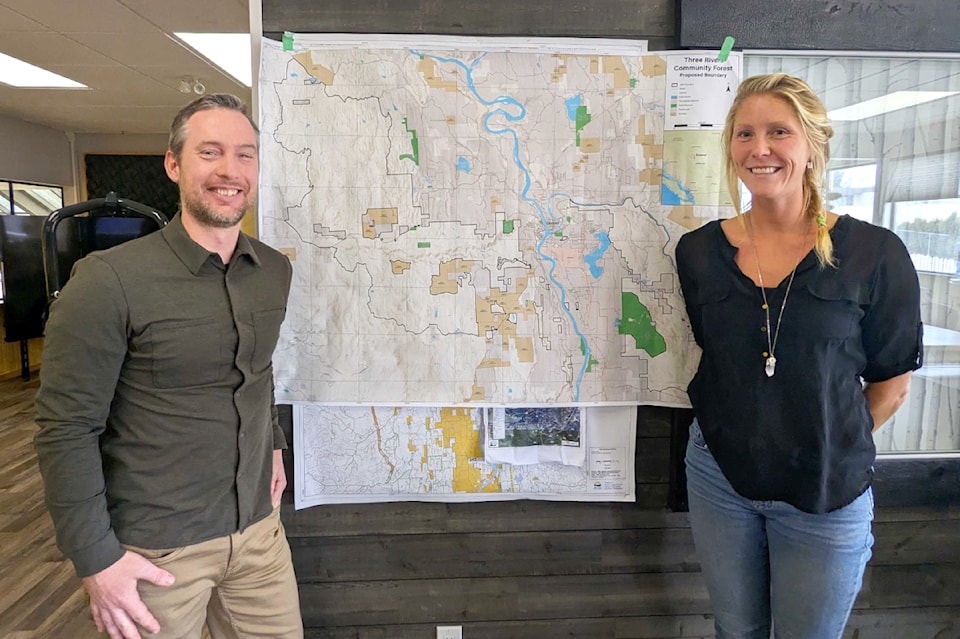
 This year’s COFI convention will tackle the most pressing challenge facing BC’s forest sector – predictable access to fibre. Without this, BC’s global competitiveness and the family-supporting jobs forestry provides remain at risk. There is a path forward. Within the sustainable Allowable Annual Cut there are opportunities to surpass a minimum target of 45 million cubic meters of harvest while maintaining environmental stewardship. Achieving these outcomes will require changes to BC Timber Sales (BCTS), innovative approaches to forest landscape planning, stronger partnerships with First Nations, and community-led solutions. Join us for a solutions-oriented discussion, featuring distinguished experts: George Abbott, Treaty Commissioner, Former BC Cabinet Minister & Member, BC Timber Sales Review Task Force; David Elstone, Managing Director, Spar Tree Group; Makenzie Leine, Vice President, Business Development, A&A Trading; Jennifer Gunter, Executive Director, BC Community Forest Association; moderated by Michael Armstrong, VP and Chief Forester at COFI.

 By easing the current restrictions on timber harvesting and natural gas development, B.C. Premier David Eby can reduce B.C.’s reliance on U.S. markets and improve affordability… This policy shift would create jobs, help address the cost-of-living crisis and insulate B.C. from U.S. trade volatility by diversifying its trading partners. Natural resources, namely forestry, energy, mining and agriculture, make up about 75 per cent of B.C.’s exports as of November 2024. …Yet both sectors face government-imposed constraints, from caps on logging to opposition to pipelines. Since forestry and energy dominate B.C.’s exports, robust growth depends on expanding these sectors. B.C.’s forestry industry has long been a global leader, but policies restricting access to fibre are undermining its viability. The annual allowable cut and a cap on how much timber can be harvested, along with actual cuts, have been reduced in recent years due to environmental concerns and pressure from within the NDP’s base.
 VICTORIA – The United Steelworkers union (USW) acknowledges the difficult position facing the B.C. government in its 2025 budget and applauds the thoughtful, diligent focus on priorities by Minister of Finance Brenda Bailey. U.S. President Donald Trump’s threats and the imposition of tariffs have created uncertainty for important exports, including lumber, copper, zinc and other essential products. …“Workers are calling for action to grow and diversify the economy and supply chains, reducing dependence on the U.S. market while ensuring jobs in mining, critical minerals and processing, forestry and lumber manufacturing,” said Scott Lunny, USW Western Canada Director. …B.C. should prepare for a wave of layoffs in the forest sector due to rising duties. …The USW is urging the B.C. government to increase the supply of fibre and streamline the permitting process in the logging sector to support the primary industry and facilitate ongoing efforts to expand manufacturing, Mass Timber and other value-added industries.

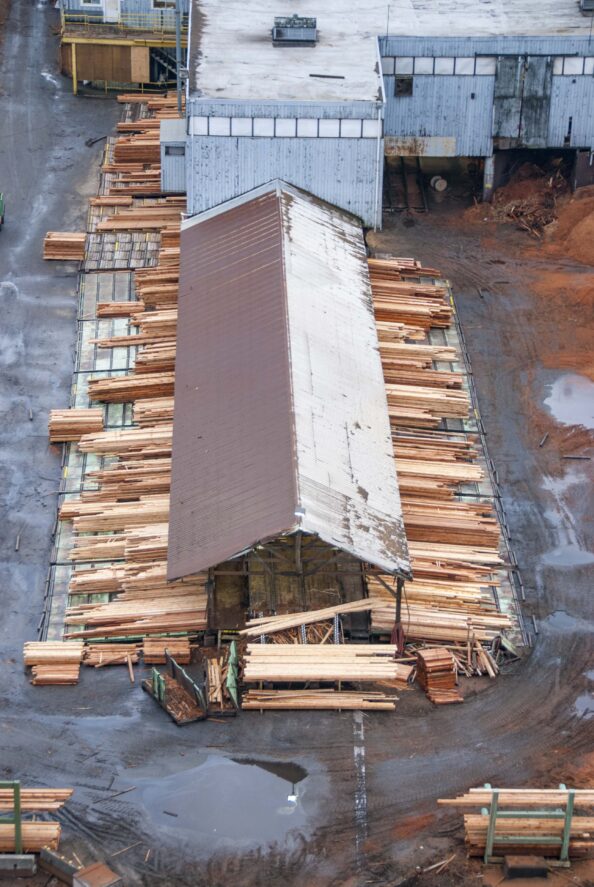
 Overnight, Jake Power went from reflecting on one of the best months that his Agassiz-based custom sawmill has ever had to staring into a potential recession sparked by U.S. President Donald Trump’s tariffs. Power, along with every other British Columbian, woke up to the reality of a trade war. …“Our business was growing, our customers were doing well,” said Power, CEO of Power Wood. “Now, I think we all expect a North American recession if this continues.” …Premier David Eby declared that “all bets are off” in terms of his response to standing up for the province. …Trade economist Werner Antweiler said he worries the most about B.C.’s forest industry, which was “already struggling (at) the edge of profitability.” …There is another looming danger in a trade war if it results in continuing depreciation of the Canadian dollar versus the U.S. currency, according to economist Bryan Yu.

 Vancouver — The BC Lumber Trade Council (BCLTC) strongly opposes the U.S. Department of Commerce’s preliminary decision to increase anti-dumping duties on Canadian softwood lumber to 20.07%. This unjustified move will negatively impact forestry workers and communities in British Columbia, while further burdening homebuilders, consumers, and the broader construction sector in the United States. “It is deeply disappointing that the U.S. continues to impose these protectionist trade measures” said Kurt Niquidet, President of the BC Lumber Trade Council. “The fact remains that the United States relies on Canadian softwood lumber imports and these duties will harm not only the B.C. forestry industry, but also U.S. consumers, who will bear some of the cost”. Ongoing rebuilding efforts in North Carolina and California, where affordable and reliable lumber is critical to recovery, will be more expensive as a result of this decision.
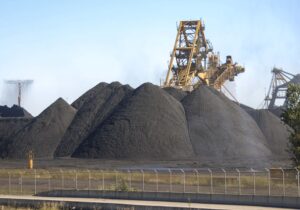 KAMLOOPS — The U.S. Department of Commerce has announced plans to almost triple the anti-dumping duties on Canadian softwood lumber. …“It’s going to be devastating for our industry if we can’t come up with some cost saving methods to be able to not only be more competitive but also trading with our largest partner when it comes to our softwood lumber agreement. …Kamloops-North Thompson MLA and Forest Critic Ward Stamer believes B.C. needs to place a carbon tax on coal as a response. “Our party proposed a carbon tax on U.S. thermal coal through our ports last Monday, and really what we should be doing — whatever they are charging us in duties, we should be charging them back with a carbon tax. …The BC Conservatives asked for an update on their carbon tax proposal during Monday’s question period.
 The B.C. Council of Forest Industries (COFI) welcomed B.C.’s responses to American tariffs, but questioned aspects of the provincial budget tabled Tuesday. B.C.’s forests minister, meanwhile, is calling on Ottawa to step up supports. Kim Haakstad, president and CEO of COFI, said her organization welcomes the budget’s focus on responding to new tariffs announced March 4. “We are disappointed by the absence of dedicated support for the forest sector,” Haakstad said. “As Premier (David) Eby and (Forests) Minister (Ravi) Parmar have acknowledged, the forest sector will be particularly hard hit by the new tariffs at a time when the industry is already facing significant challenges. These broad-based tariffs apply to all forest product exports … adding further pressure on workers, companies and communities already affected by softwood lumber duties.” …COFI remains committed to working with the government to advance solutions that strengthen the forestry sector, improve the provincial economy and diversify markets.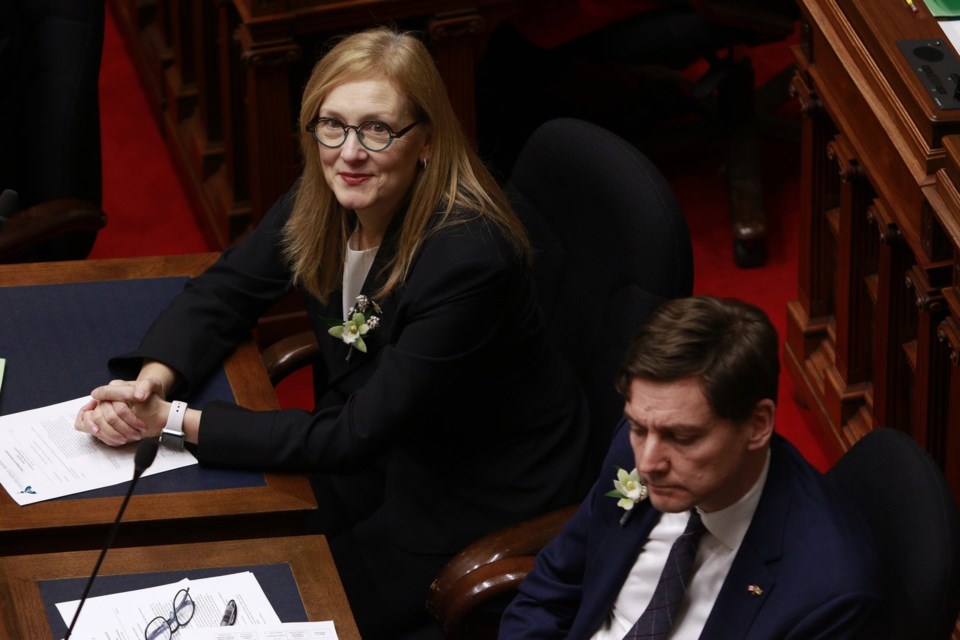



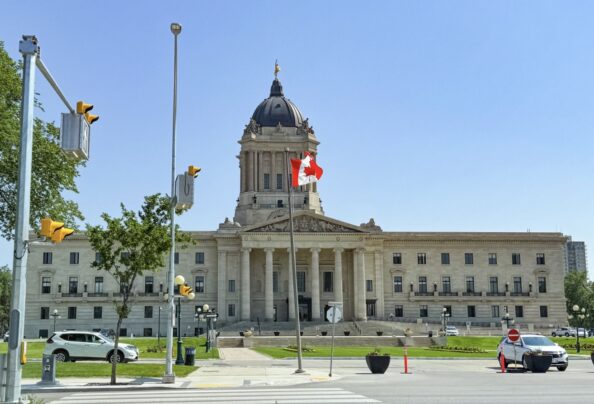 WINNIPEG, MB

 B.C.’s Ministry of Forests will pump $28 million into 74 wildfire-prevention projects across all eight of the province’s natural resource regions, an investment applauded by NDP MLAs given its nearly $3-million investment in Kootenay communities. Through the Forest Enhancement Society of BC (FESBC), 43 new and expanded fibre-recovery projects and 31 new and expanded wildfire-mitigation projects will receive the funding, with all 74 projects expected to be complete by end of March. …In the Kootenay natural resource region, some $2,854,000 is supporting seven projects. These include $1.6 million for Nk’Mip Forestry in Castlegar; $593,000 for the Slocan Integral Foresty Cooperative; $396,000 and $46,500 for the Nakusp and Area Community Forest in Nakusp and New Denver, respectively; $101,000 for the Harrop-Procter Community Co-operative; $96,500 for the West Kootenay Woodlot Association in Nelson; and $21,000 for the Creston Valley Forest Corporation.

 In response to the Whitebark Pine Harvesting complaint response from the Forest Practices Board (FPB). Having been aware of and having followed the complaint over the last couple of years, it is interesting to read the FPB’s response summarized by Gazette staff in the Feb. 19, 2025 edition. The gravity of harvesting the Cut Block in question has more potential consequences than what meets the eye….We as local inhabitants of the Boundary have not yet convinced the Government to take these high elevation forests out of the Timber Harvesting Land Base (THLB) within the Boundary Timber Supply Area (TSA) or TFL 8. Doing so would help aid in preventing droughts and floods. Subalpine forests are harsh environments where tree establishment and growth is very difficult and slow. Will the Whitebark Pine seedlings survive in sufficient numbers to reestablish a new forest?…What are we doing?
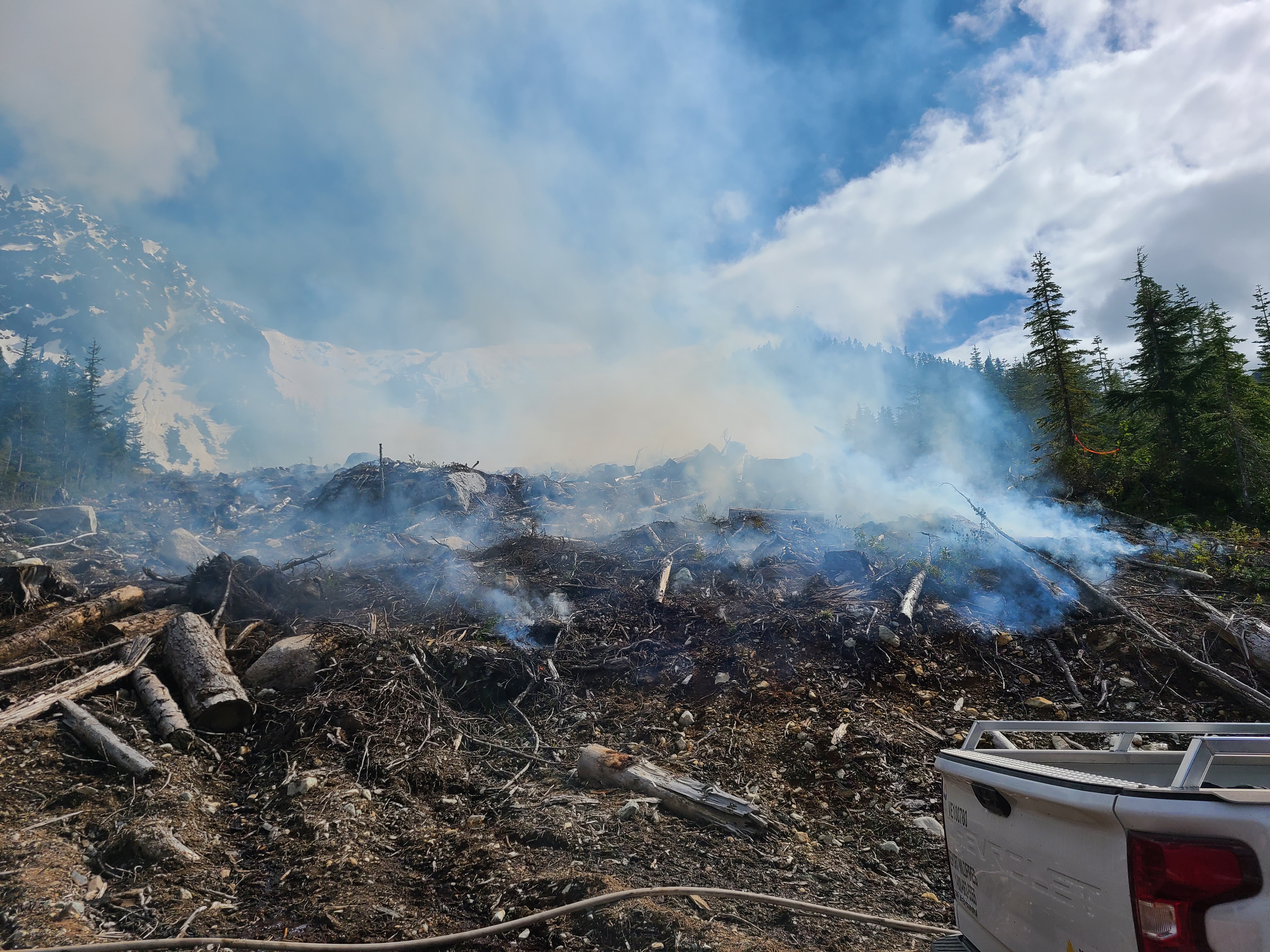
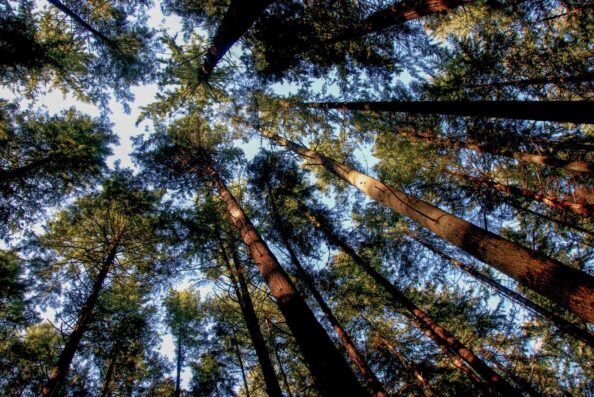 A new wildfire risk reduction project in Bella Coola is set to benefit the community by improving forest safety and supporting local jobs. North Coast-Haida Gwaii MLA Tamara Davidson says the initiative will help reduce wildfire threats while increasing the fibre supply for the forestry industry, which continues to face challenges from U.S. tariffs on softwood lumber. The Bella Coola Community Forest is a cherished part of the region for both locals and visitors, said Davidson. Projects like this not only help protect against wildfires but also provide valuable community education and create good-paying jobs—critical as we deal with climate change and rising wildfire risks. The Bella Coola Community Forest organization is receiving nearly $149,000 to complete wildfire mitigation work in an area south of Hagensborg and the Bella Coola airport.
 …sustainable aviation fuel (SAF) is considered the most practical option for decarbonizing air travel, which in Canada accounts for about four per cent of Canada’s total greenhouse gas emissions. Biofuels made from … wood waste can lower fossil fuels’ carbon intensity and … require no major modifications to airplanes. B.C. has all of the conditions and resources needed to develop a sustainable aviation fuel industry, according to a panel discussion on SAF by the Greater Vancouver Board of Trade. But right now, most of the SAF that airlines are buying comes from suppliers in the U.S. and Europe. Despite the efforts of companies like Parkland Corp., a sustainable aviation fuel production industry is having a hard time getting off the ground in Canada. It all comes down to costs, and the Americans can produce SAF at a more cost competitive price than Canadian producers can, thanks in no small part to subsidies in the U.S.
 Join us for the Interior Safety Conference (ISC) on Thursday, May 1, 2025! This annual event is a must-attend for BC forestry professionals, offering a unique opportunity to delve into safety-related issues and learn ways to enhance safety across the industry. This Year’s Theme: Building Safety Through Shared Experiences. Gain powerful insights and practical knowledge through a series of compelling presentations by industry experts and speakers. The conference is FREE for anyone working in any phase of the forest industry, from silviculture to harvesting to wood products manufacturing.