The US Department of Commerce today announced the final anti-dumping duty rate of 20.56% in the sixth annual antidumping review of unfairly traded Canadian softwood lumber imports into the United States. The review covers lumber imported in calendar year 2023. If the Department’s forthcoming determination in the countervailing duty review is consistent with the preliminary results, the combined rate will be well over 30%.
Council of Forest Industries (COFI):
COFI strongly condemns today’s decision by the US Department of Commerce to once again increase anti-dumping duties on Canadian softwood lumber. These unjustified and punitive trade actions continue to harm workers, families, and communities across British Columbia and Canada—and have gone unresolved for far too long. We call on the Government of Canada to make resolution of the softwood lumber dispute a top national priority. But this latest escalation also underscores a hard truth: we cannot wait for the US to act. To keep forestry workers employed and communities strong, BC must urgently strengthen the conditions to succeed here at home. That starts with treating forestry as a major project to reach a target harvest of 45 million cubic metres and taking immediate action to restore wood flow, protect jobs, and stabilize the sector—while laying the groundwork for long-term competitiveness.
US Lumber Coalition:
The US Lumber Coalition applauds Trump Administration’s strong enforcement of the US trade Laws against egregious levels of unfair trade by Canada in softwood lumber. “20.56% – that is the enormous extent to which Canadian producers dumped their lumber in the US market. …Andrew Miller, Chairman of the Coalition said., “The Commerce Department has once again proven the severity of market disruption caused by Canada’s unfair trading. Time has come for Canada to reconcile the size of its industry with market realities. The United States will no longer absorb Canada’s massive excess capacity in lumber at the expense of US mills and communities.” …US lumber industry and workers letter to President Trump. Enforcing U.S. trade laws helps increase the U.S. supply of lumber to build American homes, all without impacting the cost of a new home, as demonstrated by data from the NAHB and Fastmarkets Random Lengths.
BC Lumber Trade Council (BCLTC):
The BCLTC is deeply disappointed by today’s final determination by the US Department of Commerce to raise anti-dumping duties on Canadian softwood lumber to 20.56%. This decision represents yet another example of ongoing US protectionism at a time when cross-border cooperation should be a shared priority. “These duties are both unjustified and harmful,” said Kurt Niquidet, President of the BC Lumber Trade Council. “They unfairly penalize forestry workers and families across British Columbia, while further increasing costs for American homebuilders and consumers. Niquidet emphasized the need for a lasting resolution: “Rather than prolonging this decades-old dispute through costly litigation, we urge both governments to pursue a fair and durable agreement that delivers long-term certainty in the softwood lumber trade.”
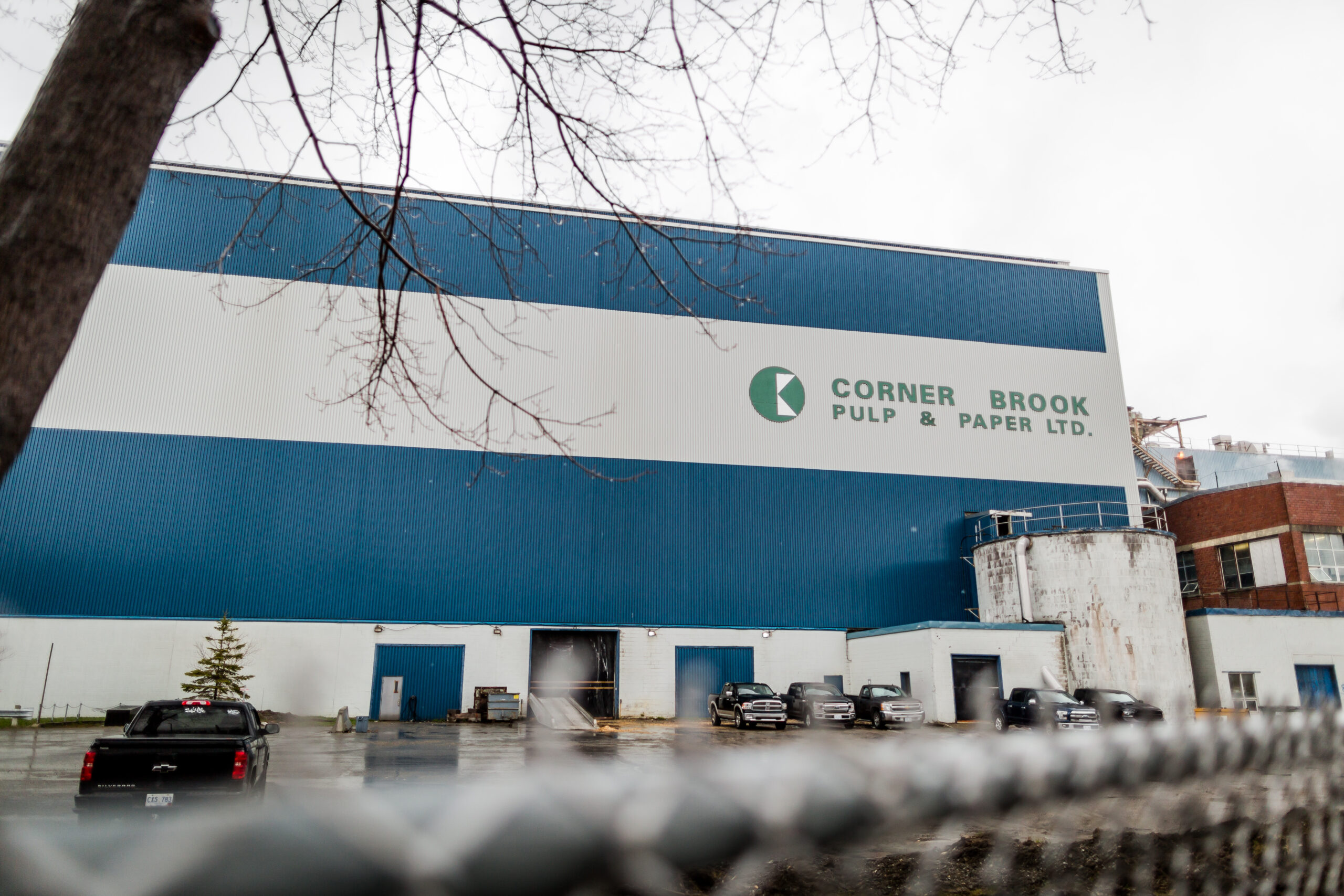
 The Forest Stewardship Council lifted its suspension of Asia Pulp & Paper in the interest of speedy redress—to Greenpeace’s dismay. In other Business news: Kruger plans a $700M modernization of its Corner Brook mill; Northern Pulp’s cleanup plan is still pending; Port Angeles demands a full cleanup of Rayonier mill site; UPM to curtail paper production due to overcapacity; Weyerhaeuser posts lower Q2, 2025 earnings; the US plans to continue investigating hardwood plywood imports; and the USDA draws criticism for relocating DC staff. Meanwhile: Ontario invests in forest biomass; and the Wood Flooring Association has a new CEO.
 As trade talks intensify between the US and Canada, those in the forest industry await what will happen with that long-term irritant of a trade file – softwood lumber. The US Lumber Coalition’s (USLC) July 2, 2025 press release, “


 VANCOUVER, BC – Canfor announced today that its 77%-owned subsidiary, Vida AB, has entered into an agreement to purchase AB Karl Hedin Sågverk from Mattsbo Såg AB and certain minority shareholders for a purchase price of $164 million, including working capital of ~$39 million. AB Karl Hedin Sågverk operates three sawmills located in Central Sweden and will add approximately 230 million board feet to Vida’s annual production capacity. Following completion of this acquisition, Vida will have annual production capacity of approximately 2.1 billion board feet. Annual synergies of approximately $15 million are expected to be achieved within three years as a result of this transaction principally related to alignment of marketing programs as well as log procurement and operational practices. …These operations have access to exceptionally high-quality timber and are well positioned to complement Vida’s high-value product offering,” said CEO Susan Yurkovich. …The transaction is expected to close over the next several months.
 Through the Domtar Connects program, employees lead impactful local initiatives—ranging from education and environmental projects to support for Indigenous communities—reflecting a long-term, values-driven commitment to social responsibility. …With nearly 14,000 employees across more than 60 locations, Domtar’s footprint is large, but its approach is local. The Domtar Connects community investment program responds directly to the unique needs of each operating community, ensuring that support is tailored, meaningful and led by employee input. Recent highlights include:
 Just as we depend on forests, forests depend on all of us. At the Forest Stewardship Council (FSC), your work will create a better future for forests and people around the world. When you join our team, you can do your part to build a world where the true value of forests is recognized by all.
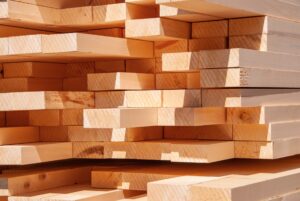 The Canada-US softwood lumber trade relationship has dealt with ups and downs for decades. …Canadian firms will soon receive word from the US Commerce Department… with the rate expected to jump from around 14% to 34%. …“Canfor’s rate will be ~45%,” said Andrew Miller, chair of the US Lumber Coalition. …Then there’s the threat of tariffs from President Donald Trump’s ongoing national security investigation of Canadian lumber imports under Section 232 of the Trade Expansion Act. …The US Lumber Coalition is playing for keeps. …Miller isn’t shy about the goals: “A countrywide quota with no exemptions and no carveouts, and a single-digit market share” for Canadian lumber. …The coalition is pushing for a tariff rate from the Section 232 investigation that starts at 15 to 20% and goes higher from there. That, Miller explained, will incentivize U.S. sawmill owners struggling with thin margins to hire more people and invest in upgrades, bolstering U.S. production.
 Canada’s premiers’ summer gathering in Muskoka will also feature a meeting with Prime Minister Mark Carney, as trade talks with the US are expected to intensify. Most of what the premiers are likely to discuss stems from President Trump’s tariffs: trade negotiations, the direct impact on industries such as steel and aluminum, the increased pushes to remove interprovincial trade barriers and speed up major infrastructure and natural resource projects. …“Canada is not open to us,” he said. “They need to open their market. Unless they’re willing to open their market, they’re going to pay a tariff. Lutnick also said Trump intends to renegotiate the Canada-U.S.-Mexico agreement next year, when the pact is slated to undergo a joint review. Carney has said Canada is trying to get an agreement on softwood lumber exports included in the current round of negotiations with the United States.
 The US and Canada… have feuded over “softwood” lumber since the 1980s. …Canada has long resisted changing its trade practices on lumber. But as the Trump administration has become more bellicose about its trade relationship with Canada, the country’s stance may be softening. On July 16, BC Premier Eby said Canadian officials are now open to a quota. …Any added fees from the US would likely further hamper an already struggling Canadian industry and benefit the US South. But the US would likely struggle to offset the lumber it gets from Canada in the short-term, driving up housing prices. …Though the US has some spare capacity to turn more timber into construction materials, a fully domestic supply chain would likely still require the construction of new sawmills and additional trained workers to operate the facilities. …Another factor for US suppliers and buyers is that US and Canadian lumber are not a perfect swap. [to access the full story a Bloomberg subscription may be required]

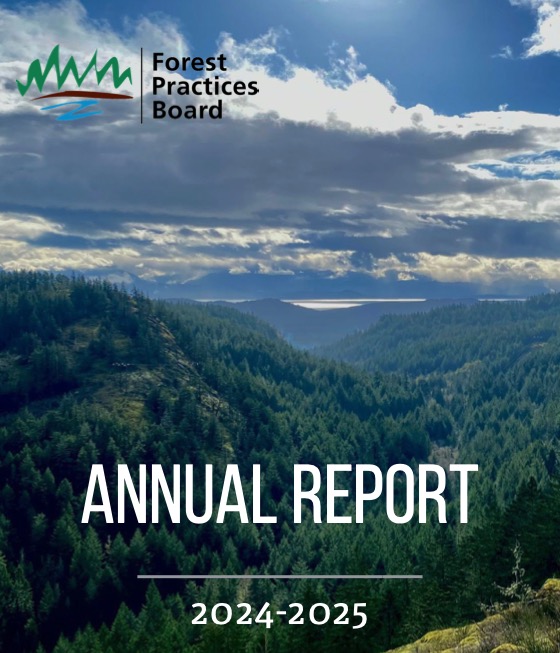 VICTORIA – The Forest Practices Board has released its 2024-25 annual report, highlighting nearly three decades of independent oversight and a continued commitment to sound forest and range practices throughout British Columbia. This year’s report reflects a sector in transition with growing pressures from climate change, wildfires and the need to modernize land management — all requiring strong oversight and innovative responses. Highlights include:
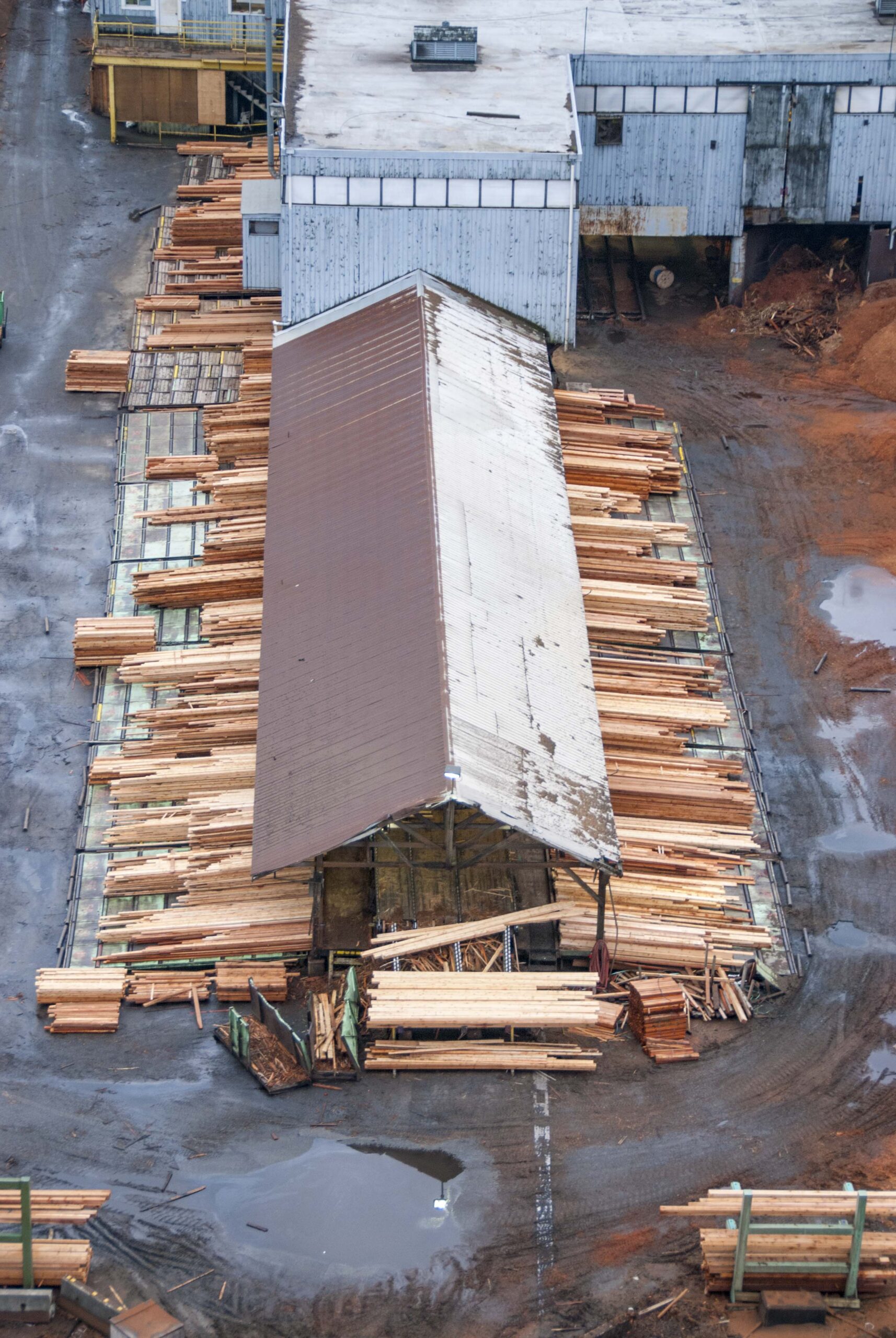 B.C.’s forest industry has a lot at stake in trade talks between Canada and the U.S. as Prime Minister Mark Carney works toward the suggested Aug. 1 deadline for a deal, and a promise to make resolving the pre-existing dispute between the two countries on softwood lumber trade a priority. Mills in the province are already running at just 67 per cent capacity during the uncertainty surrounding tariffs… But Carney put a spotlight back on the issue last week with his commitment to make a resolution “a top priority” in trade talks sparked by U.S. President Donald Trump. The prospect of additional tariffs … adds to the urgency for reaching a deal. …B.C. sawmills that would have been reluctant to absorb the high cost of curtailing production have been quicker to suspend operations … owing to the uncertainty around tariffs, according to industry analyst Keta Kosman, publisher of the trade data firm Madison’s Lumber Reporter.
 The Canadian Wood Council is hiring a new leader to guide its WoodWorks BC program. Based in Vancouver (hybrid), this is a senior role focused on driving market growth, building strategic partnerships, and advancing wood use in construction across British Columbia. The Executive Director will lead a high-impact team, contribute to national market development efforts, and work closely with government, industry, and design professionals to promote innovation and sustainability in the built environment. This is a pivotal leadership role responsible for driving strategic growth, fostering stakeholder relationships, and championing the use of wood in construction. The Executive Director will serve as the principal representative of the program in BC and play a national role in mentoring and supporting Market development staff across Canada. WoodWorks is the market development program of the Canadian Wood Council that seeks to increase the use of wood in non-residential and multi-family building markets across Canada.
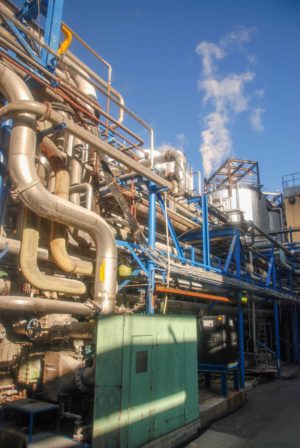 Northern Pulp is abandoning its plans in Nova Scotia, but the province is still counting on the company to decommission its old mill and clean up the site in Pictou County that was used for heavy industrial activity for more than half a century. Environment Minister Tim Halman says his department is waiting for the company to file a reclamation plan. …Northern Pulp had been pursuing a new mill in Liverpool, and had said it would maintain the old mill for “potential logistics operations.” But the plan for a new mill was abandoned earlier this month. In a settlement agreement, Northern Pulp agreed to pay up to $15 million to the province for the mill’s closure and any necessary cleanup. …(However), it must first pay off hundreds of millions of dollars owed to its creditors as part of an insolvency process being handled in a BC court.

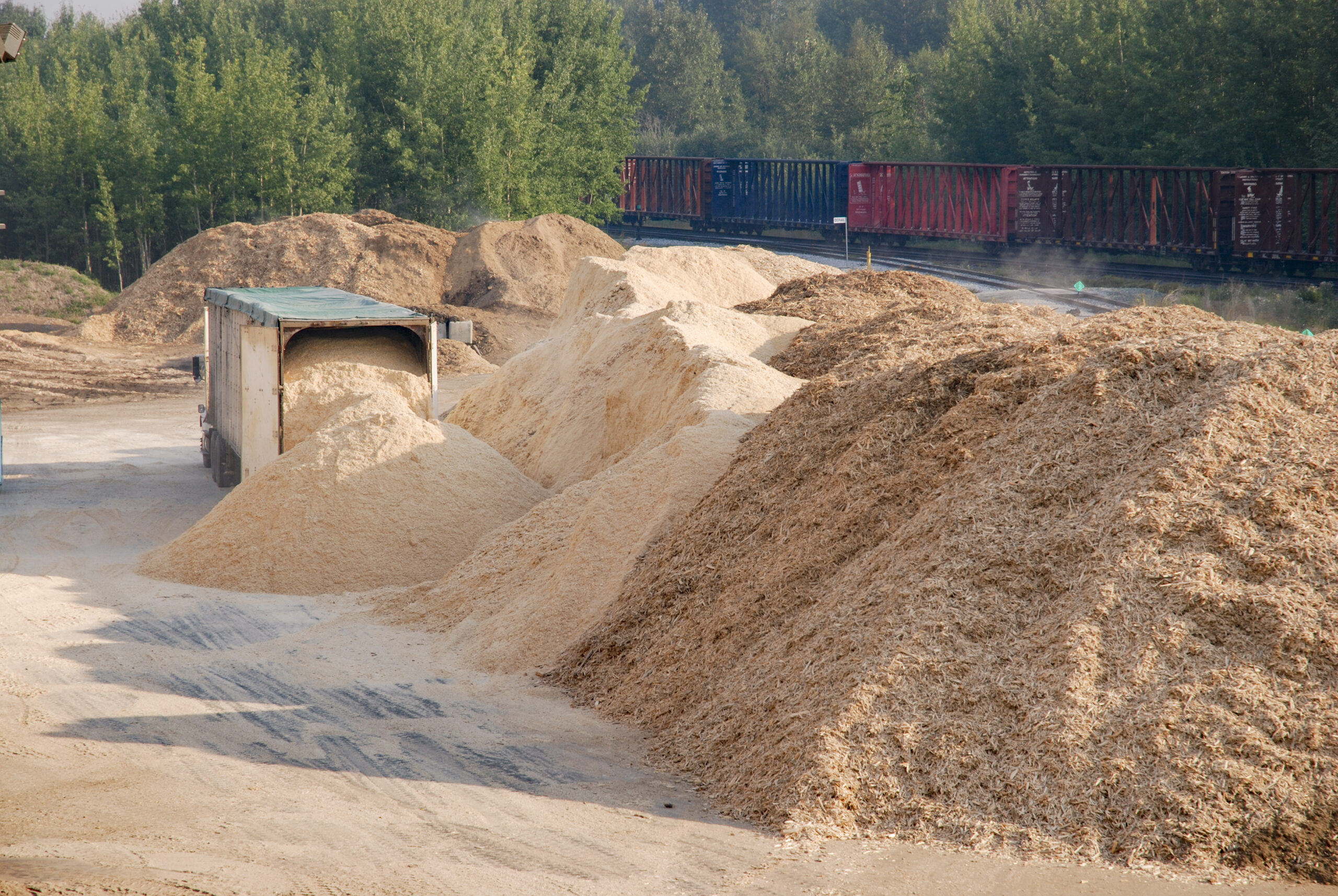
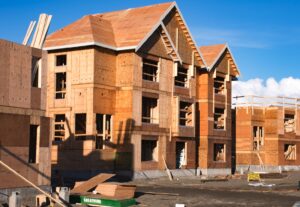 As a tariff storm blew in from south of the border earlier this year, many industries in Canada, including the home building sector, feared the unknown ahead of them. With stakeholders already keenly aware of the need to rapidly scale up housing supply and improve Canada’s housing affordability gap, blanket tariffs and more targeted material-specific levies meant additional unwelcome obstacles to overcome. That included a potential need to slow down the pace of construction as supply chains shifted and key construction parts became more expensive. …About six months after US President Trump’s return to the White House, many in the home construction sector say unpredictability persists around the cost and timing of obtaining the materials they need. For Geranium Homes, a residential developer in southern Ontario, that’s meant having to pivot on the fly when it comes to the supply chains it’s long relied on.
 VANCOUVER, BC
 A CUSMA Chapter 10 binational panel remanded [for further explanation] two statistical methodologies in the US Department of Commerce’s Administrative Review 1 antidumping duty determination on Canadian softwood lumber, requiring Commerce to reassess its use of the Cohen’s d test and to apply weighted pooled variances in its meaningful-difference analysis according to the panel’s Decision and Order. …The panel affirmed all other aspect of the results challenged in this appeal…The review stems from a December 22, 2020 request by Resolute Forest Products and the Ontario Forest Industries Association. …The panel remanded Commerce’s application of Cohen’s d because the Federal Circuit’s decision in Marmen Inc. v. United States Wind Tower Trade Coalition requires that the test’s key assumptions, normal data distribution, equal variances and adequate sample size, be demonstrated before use. …The panel also remanded Commerce’s pooling of variances, directing the Department to use weighted pooled variances that reflect differing sample sizes. …Commerce must respond by October 20, 2025.
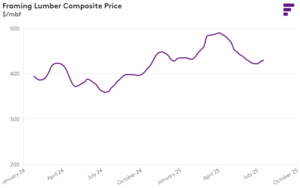 Lumber markets remained flat this week as vacation time, industry gatherings, sweltering heat and general economic uncertainty contributed to sluggish sales. Minimal immediate needs limited replenishment purchases to modest volumes while a lack of clarity regarding near-term prospects stifled speculative trading across North American framing lumber markets. 2×4 led gains in many species, but the increases were modest. Seasonal factors, including unusually heavy rainfall and normal summer heat, contributed to the ongoing sluggish pace across the South. Mills worked hard to capture modest premiums. The coming hike in duties on Canadian shipments to the US did little to alter the ongoing lack of urgency among buyers. …Sales of Western S-P-F were governed by tepid demand and uncertainty regarding the timing and scope of higher duties and potential tariffs. …Sales in the Coast region were lukewarm with most lumber markets trends holding.
 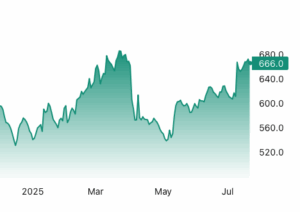 Lumber futures traded above $680 per thousand board feet, approaching the two-and-a-half-year peak of $685 recorded on March?24th, driven by a squeeze on supply meeting unfaltering construction demand. On the demand front, US housing starts held surprisingly steady at an annualized 1.6?million units in June even as existing-home sales slipped 2.7% to a nine-month low, ensuring that framing requirements remained robust. At the same time, US softwood lumber tariffs on Canadian imports continue to add roughly 9% to landed costs, while Pacific Northwest mills have withdrawn nearly 20% of regional capacity for mid-season maintenance, sharply curtailing shipments to distributors. Internationally, imports from Europe and New?Zealand are throttled by 25% duties on Russian lumber and persistent ocean-freight bottlenecks, collectively depleting distributor inventories to their lowest levels in more than two years and reinforcing today’s sharp advance in futures prices. [END]
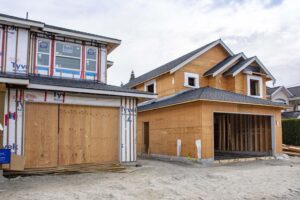 President Trump’s tariffs could have an unintended side effect: making homeownership even less affordable for many Americans. A new report from the Canadian Chamber of Commerce estimates that the average cost of building a US home could rise by an additional $14,000 by the end of 2027 if tariffs on Canadian imports remain in place, even as many experts estimate that America needs millions more affordable homes. In 2023 alone, Canada accounted for 69% of US lumber imports, 25% of imported iron and steel and 18% of copper imports, all key construction materials, the report said. The White House pushed back on the assertion that tariffs would increase costs for Americans. …The report underscores that Trump’s tariff policy, intended to support American industry, may instead worsen housing affordability. Taking into account tariffs first imposed during Trump’s first term, the total added cost from tariffs could reach $20,000 per home by 2027, the Canadian Chamber of Commerce found.
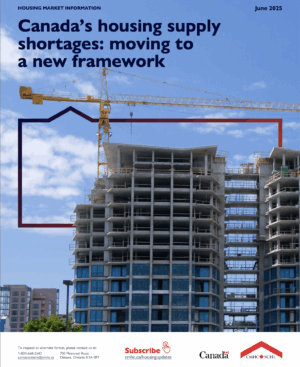 During April’s election campaign, the Carney government promised to double the pace of homebuilding in Canada by 2035—an unlikely outcome in light of Canada’s shortage of construction workers and investment dollars. But even if homebuilding were miraculously doubled, it would not solve Canada’s housing affordability crisis. That’s the sobering conclusion of a recent
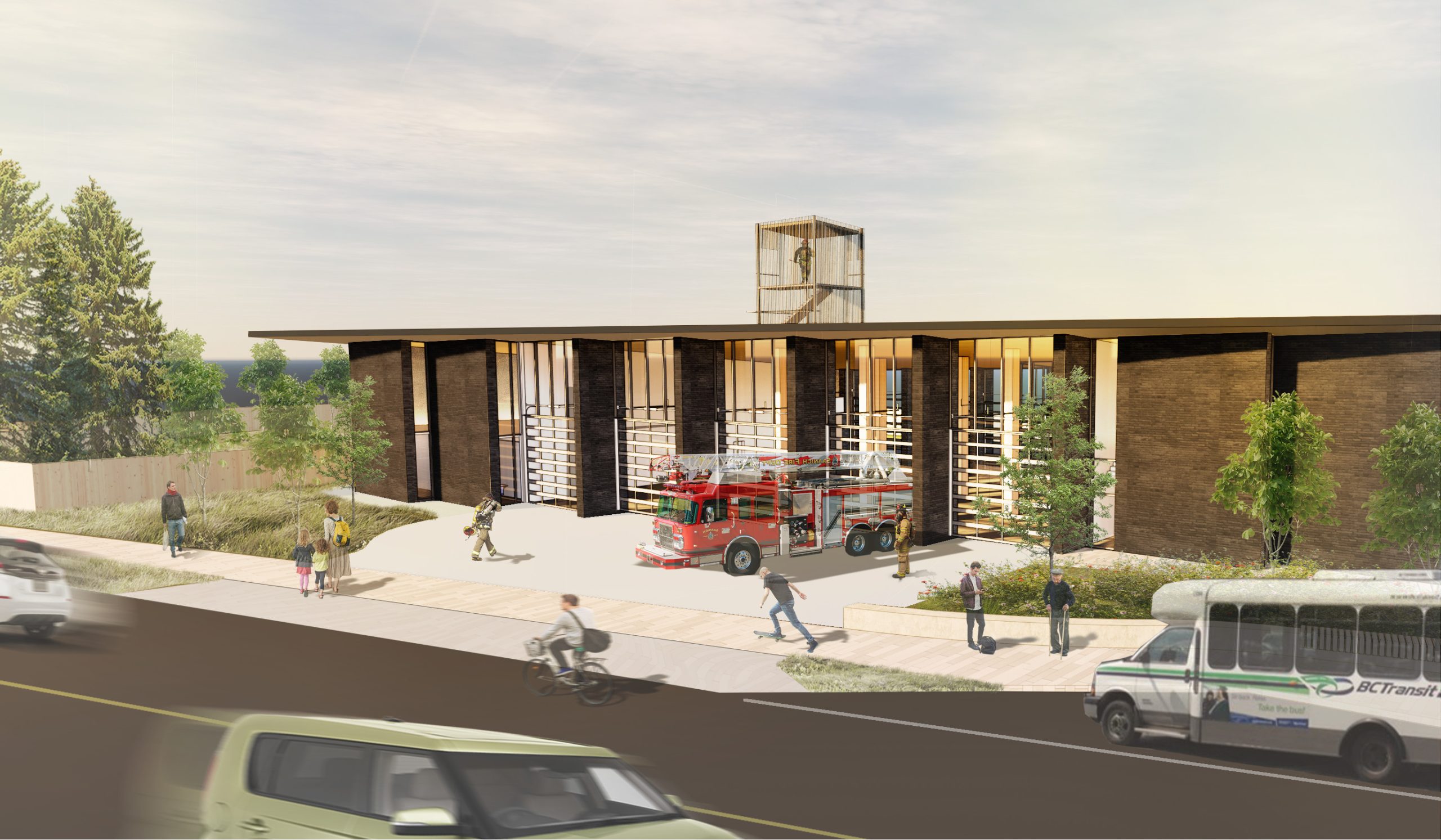
 OTTAWA, ON – With wildfires impacting Canadians across the country, the federal government is taking action to prevent wildfires, mitigate their effects and boost resilience. …The Government of Canada announced an investment of $11.7 million;over four years to establish the Wildfire Resilience Consortium of Canada (WRCC). Funded through the Wildfire Resilient Futures Initiative, the WRCC will serve as a national centre of excellence and virtual hub for wildland fire innovation and knowledge exchange. The WRCC will advance many of the actions in the Kananaskis Wildfire Charter, agreed to by the leaders of the G7 this spring in Canada and endorsed by the leaders of Australia, India, Mexico, the Republic of Korea and South Africa. It will bring together domestic and international governments, communities impacted by wildfires, the private sector and individual experts to share knowledge, facilitate collaboration and accelerate the use of cutting-edge science and technology in wildfire prevention, mitigation, preparedness and response.
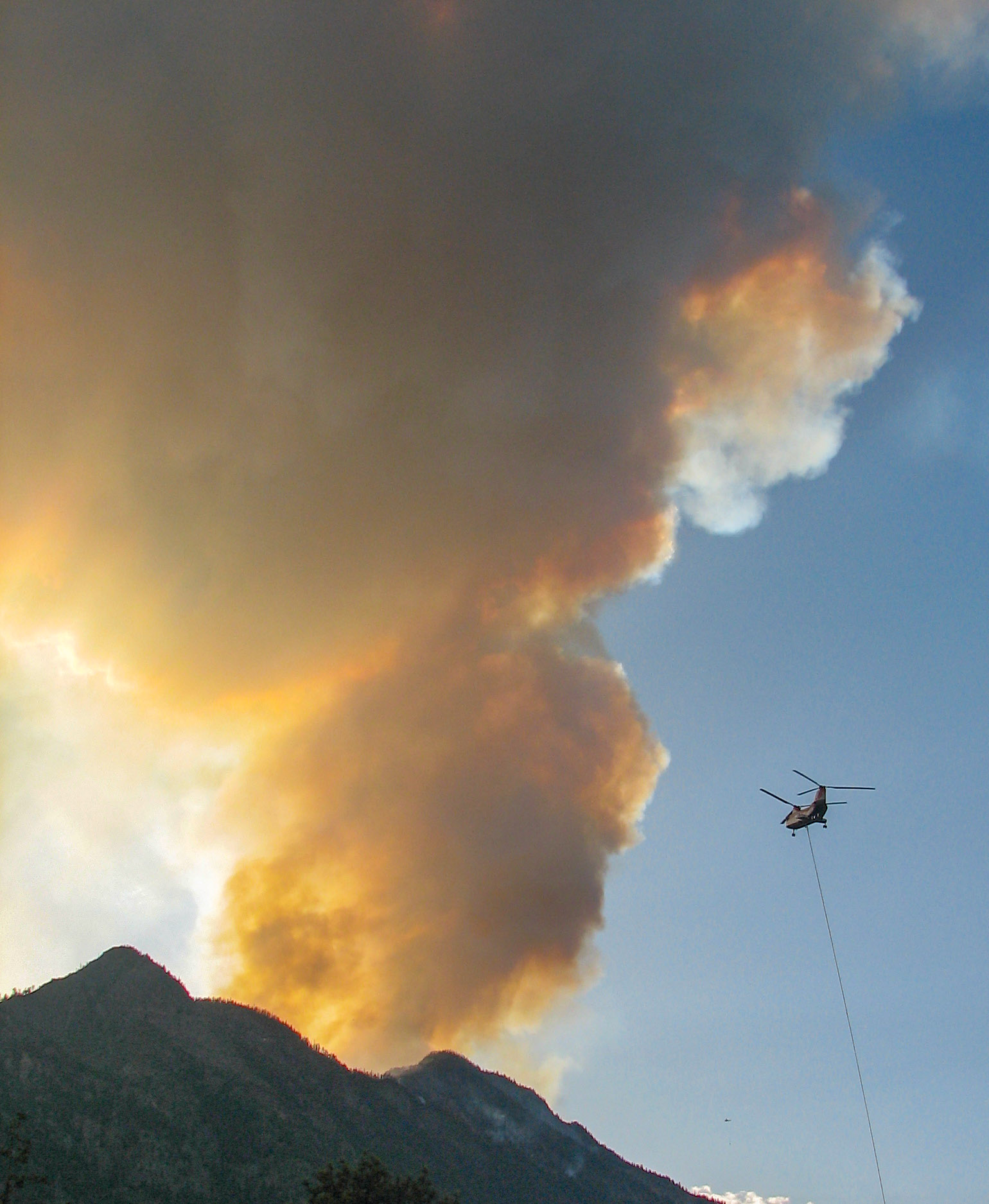 …The National Film Board–produced Incandescence is just one of several documentaries either released this year or currently in production that speak to the province’s new reality and the urgency of the climate crisis that’s fuelled it. This spring, B.C.’s Knowledge Network released a five-part docuseries called Wildfire, about BC Wildfire Service firefighters and the on-the-ground reality of their work. A third crowdfunded documentary, BC is Burning, recently finished production and had its first community screenings in the Okanagan in June. The appearance of these films feels especially timely, and speaks to deeper trends around documentary as a storytelling tool in times of social or ecological crisis. “Environmental documentaries have kind of come in waves that are often in response to policy,” says Chelsea Birks, the learning and outreach director at Vancouver’s The Cinematheque and a film studies lecturer at the University of British Columbia. She says climate change is not an easy subject to capture.



 A report from the Nelson-based organization Save What’s Left calls on the provincial government to revamp BC Timber Sales and give it an environmental stewardship mandate. The 50-page report titled Public Forest, Public Trust alleges that BCTS logs old growth forests, disturbs watersheds and interferes with wildlife corridors. BCTS is an independent organization within the Ministry of Forests that develops Crown timber for auction. BCTS plans and designs logging operations and builds logging roads, then sells the timber to the highest bidder. The document lays out 24 such allegations, stating they are based on field verification by Save What’s Left, on satellite time-lapse imagery, and on conversations with forest professionals and forest workers. “This paper both outlines the myriad of problems with how BC Timber Sales operates and presents a new path forward,” writes prominent environmentalist David Suzuki in his introduction to the report. “What we need now is courage by leaders to walk that path.”
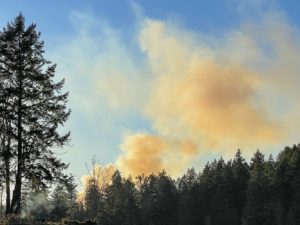 A contractor’s appeal of a B.C. Wildfire Service (BCWS) order to pay more than $1.8 million in compensation and penalties will be heard after a May 22 decision by the Forest Appeals Commission. Panel chair Ian Miller found “special circumstances” led to last summer’s two-day delay in filing a notice to appeal and granted the extension to Jaikle Contracting. “The delay was brief, the explanations and reasons are reasonable and credible, and there would be substantial prejudice to the appellant if the right to appeal is denied,” said Miller’s ruling. On July 12, 2024, designated decision maker Laurence Bowdige of BCWS issued a contravention order against Jaikle, under the Wildfire Regulation, for harvesting timber near Mackenzie in August 2021. “Specifically, that the appellant did not keep an adequate fire suppression system at the activity site while carrying out a high-risk activity within 300 metres of forest land,” said the Miller ruling.
 Vancouver park board commissioners voted Monday to keep the same contractor on the job for the continued work required to remove dead and declining trees in Stanley Park that have been damaged by a hemlock looper moth infestation. The board now has to finalize a contract with B.A. Blackwell and Associates Ltd. for the final phase of mitigation and restoration work in the park. The contract will be worth more than $3 million and fall within a previously approved overall budget of $17.9 million for the project. Although 23 suppliers registered an interest to complete the work, only Blackwell chose to submit a proposal, which was reviewed by the board’s evaluation team comprised of staff from urban forestry and supply chain management. …As for why Blackwell was the only bidder, Joe McLeod, the board’s associate director of urban forestry said, “There are very few forestry professional consulting firms that have the set of unique skill set.”
 Kamloops, B.C.– The Forest Enhancement Society of BC (FESBC) recently approved up to $1.7 million to the Woodlot Product Development Council (Woodlots BC) to carry out wildfire risk reduction treatments over a 2-year fiscal period. Treatments will be conducted on woodlots throughout British Columbia, each located within a Wildland Urban Interface, endorsed by the local Forestry District and following BC Wildfire Service (BCWS) wildfire risk reduction standards. Through this work, Woodlots BC looks forward to building capacity across the forest sector and helping promote innovative ways to complete treatment of wildfire risk reduction projects to reduce combustible forest fuel loading, thereby better protecting communities. “Woodlots are vital to B.C.’s forestry sector as they support local jobs, keep our forests healthy, and help reduce wildfire risk where it matters most: right where people live,” said Ravi Parmar, Minister of Forests.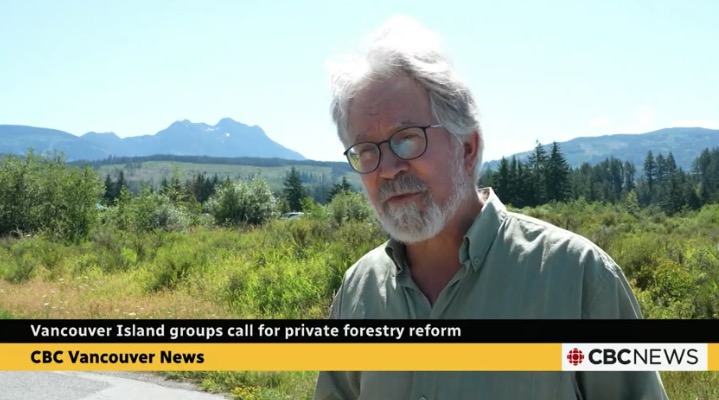


 Vancouver Park Board staff are seeking commissioners’ approval to proceed with the next phase of a tree removal project in Stanley Park due to an extensive looper moth infestation. Work has been underway to cut down thousands of trees in Vancouver’s biggest park since the summer of 2023, due to fire and public safety risks posed by dead and dying trees. …While the tree removal plan has faced sharp criticism staff say they have a plan that will see the least number of trees removed. “This aims to balance key public safety risks resulting from the hemlock looper outbreak while leaving a moderate extent of internal forest areas to undergo natural forest stand regeneration,” the staff motion says of its preferred approach. If commissioners approve of the staff plan, planning for tree removal and mitigation work would begin later this year and conclude in the first quarter of 2027.
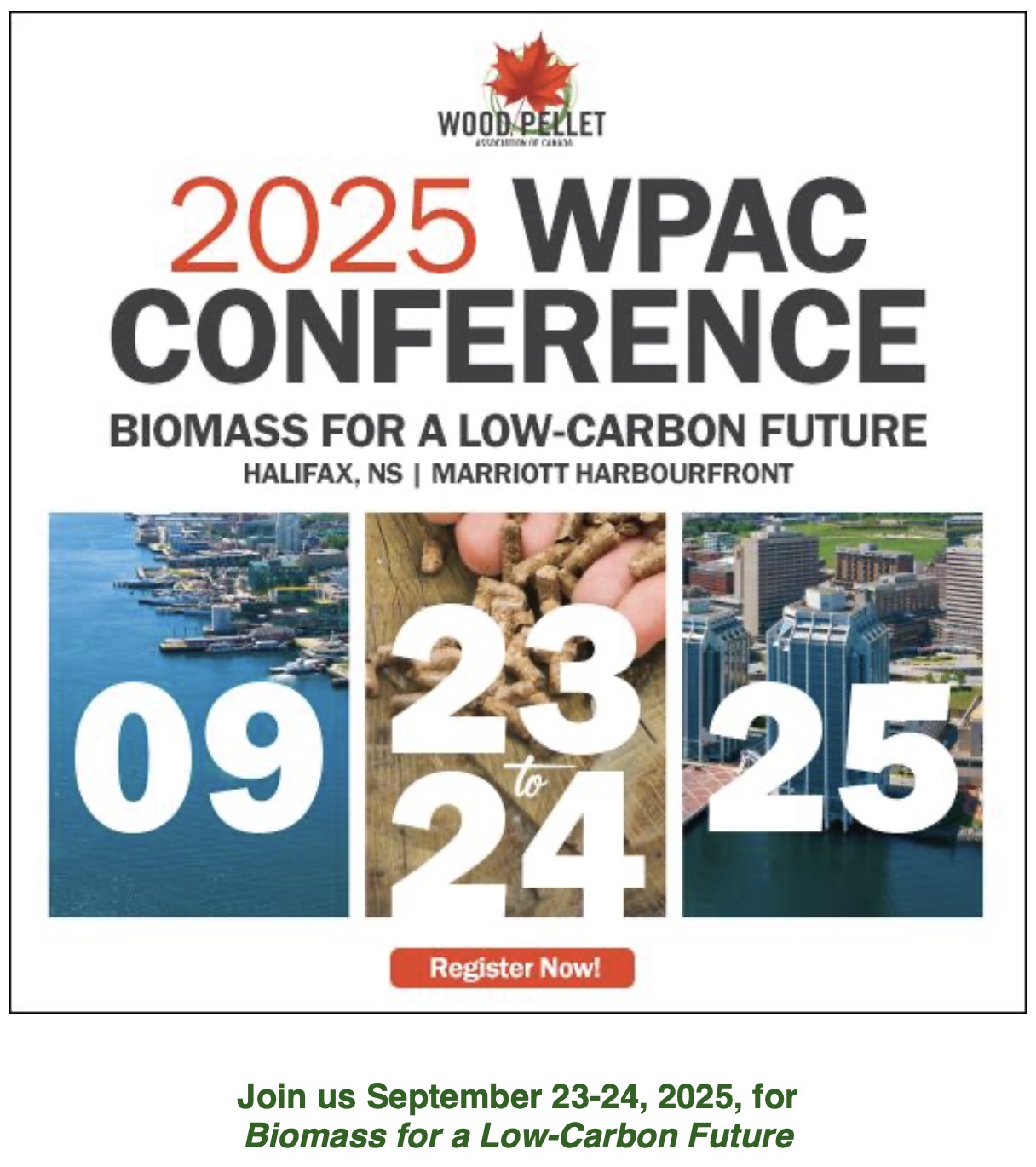 Join Us in Halfax, Nova Scotia, September 23-24, 2025 for Biomass for a Low-Carbon Future. We are pleased to announce that the speaker line-up for more sessions has been finalized for the Wood Pellet Association of Canada Annual Conference in September. As the world moves toward a low-carbon future, biomass and wood pellets play a key role in ensuring Canada has renewable and responsible energy. Join us for Biomass for a Low-Carbon Future to explore the numerous opportunities biomass presents. Our keynote speaker, Dr. Jamie Stephen of TorchLight Bioresources, will explore how local biomass energy is the essential foundation for a competitive and prosperous Maritime economy. The event will also feature a Market and Policy Update: Navigating Regulatory Change. From the impacts of EU trade measures to the effects of U.S. tariffs on fibre supply and pricing, this session explores the economic and policy realities. Be a part of the dialogue transforming our future.
 …The Tyee looked at three critical and vastly different means to store carbon in the West, examining how these ecosystems capture carbon, the restoration work they require and why Canada should take them seriously as solutions. …Peatlands are a type of wetland found all over Canada. In the West, they are found in northern B.C. and Alberta. …However, they come with a catch; as much as they absorb carbon, they also emit methane. …Kelp is one of the newest potentials for natural climate solutions and carbon sequestration in Canada. …It is hard for researchers to fully evaluate how much kelp carbon is sequestered in the deep oceans in the long term. …Trees are one of the world’s largest carbon sinks. Like peat, trees sequester carbon through photosynthesis. As trees grow, they take in carbon from the air around them and store it in their wood, soil and plant matter
 THUNDER BAY — The Government of Ontario is protecting workers and jobs in the forest sector by investing over $6.2 million in research, innovation and modernization projects in Northwestern Ontario. As part of the government’s plan to protect Ontario, the investments from the Forest Biomass Program will boost Ontario’s forest sector’s competitive advantage by creating new jobs, increasing productivity and opening up opportunities for new revenue streams in new markets for underused wood and mill by-products, known as forest biomass. …Ontario’s investment is supporting
 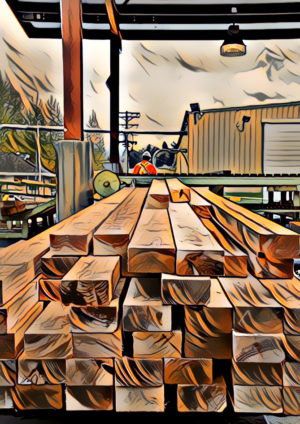 100 MILE HOUSE, BC — West Fraser Mills (WFM) had just cause to fire a worker who violated a safety policy on May 13, 2024, and tried to minimize the risk involved,
  In this newsletter you’ll find these stories and more:
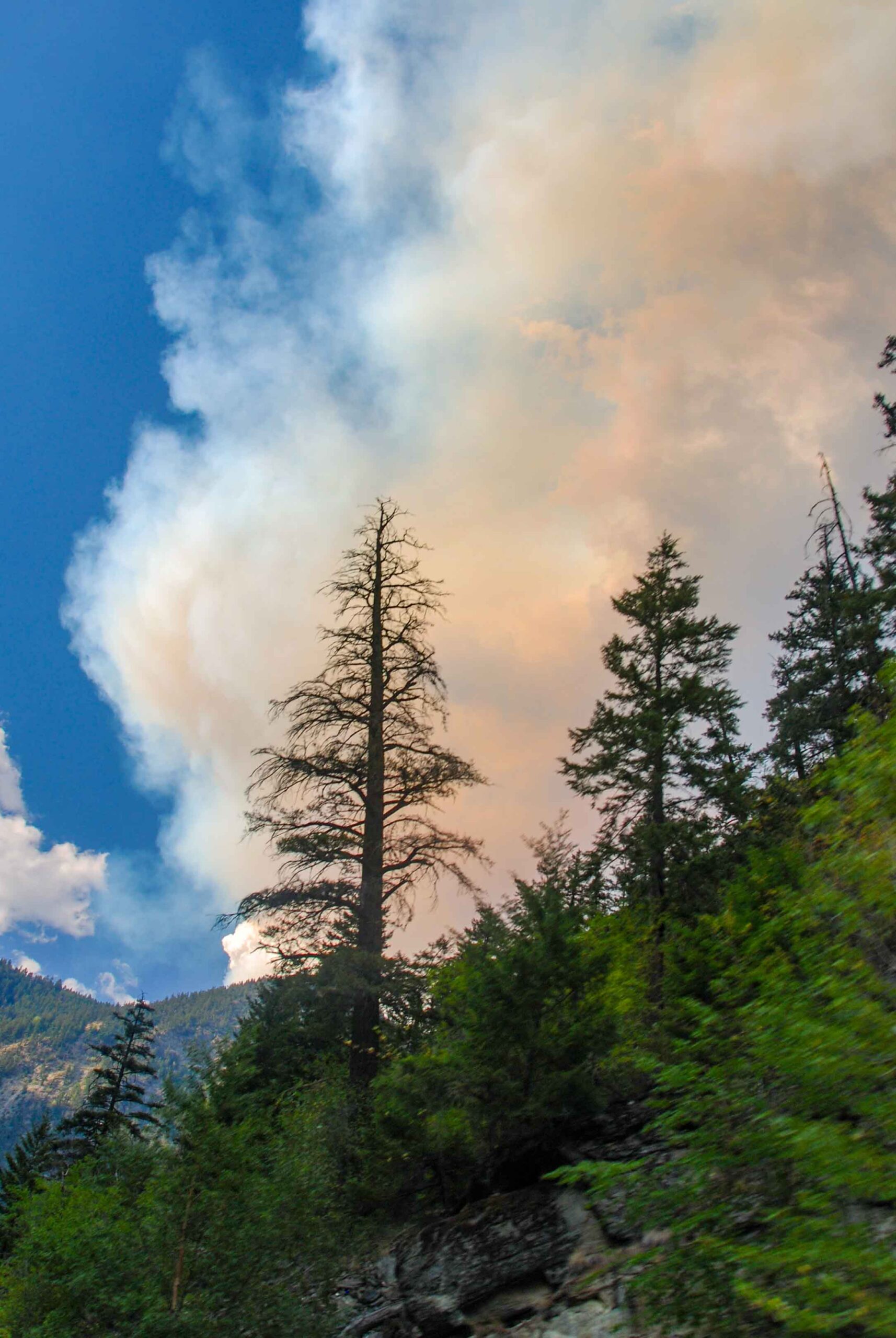 Rainfall continues to help crews fighting fires in Newfoundland and Labrador as the number of active wildfires drops from five to three, says the provincial fire duty officer. The active wildfires are the Winokapu fire in Labrador and the Chance Harbour fire in Newfoundland. The Ragged Harbour fire, which forced nearby Musgrave Harbour residents to evacuate over the weekend, also continues to burn. Wes Morgan said Wednesday morning that firefighters hit the ground on Tuesday to fight the Chance Harbour fire, located on the Bonavista Peninsula. “The precipitation that was forecasted did come true and we did see significant amounts of rain — that was a real advantage to us,” he told CBC. Morgan said they haven’t seen any additional fire growth, but it remains steady at 1,820 hectares. “Overall, it was a really great day and spirits are good and crews were back out in that way again this morning,” he said.
