
David Eby
BC Premier David Eby says the federal government cannot forget about the fate of British Columbia’s softwood lumber industry as the deadline for a trade deal between the United States and Canada is hours away. Aug. 1 is the deadline the United States has set for a trade deal with Canada, and Eby says he hopes his province’s softwood lumber industry remains on the “radar” of Prime Minister Mark Carney as Ottawa continues negotiations. told an unrelated news conference that the industry has been the “canary in the coal mine” signalling American protectionism, saying Canadian softwood exports have been subject to “unfair duties” for the “better part of almost two generations,” well before the current trade dispute triggered by U.S. President Donald Trump. But Eby says the dispute’s long-standing nature does not mean the industry “should be ignored,” and resolving it could actually help broker a larger deal.
 Prime Minister Mark Carney confirmed earlier on Wednesday that trade negotiations have not been finalized just two days ahead of the deadline. “It is possible that [negotiations] may not conclude by the first of August,” Carney said at a news conference on Wednesday. Trump set an Aug. 1 deadline for Canada to reach a trade deal and has threatened to impose a 35 per cent tariff on goods that don’t comply with the Canada-U.S.-Mexico Agreement (CUSMA). …”The president has been very clear … that there are certain sectors that are strategic, in their judgment, to the United States’ economy: aluminum steel, automobiles, pharmaceuticals, semiconductors and lumber,” Carney said. The prime minister previously hinted that the Canadian government is in no rush to finalize a deal by Friday, saying last week that his objective is “not to reach a deal whatever it costs.”
 BURNABY, B.C. – The United Steelworkers union (USW) District 3 and the USW Wood Council are calling on the federal government to take urgent action in response to the latest escalation in the softwood lumber trade dispute. Following the U.S. Department of Commerce’s decision to increase anti-dumping duties on Canadian softwood lumber exports to 20.56%, the USW is demanding immediate support for forestry workers and communities across the country. …“Our prime minister says softwood lumber is a priority in trade talks, but what forest workers need now is action,” said Scott Lunny, USW Western Canada Director. …In addition the USW is calling for a comprehensive support package for forest workers, including wage subsidies, loan guarantees for affected businesses and other targeted resources to support provinces, regional and local communities to sustain critical infrastructure and services through this unprecedented uncertainty.
 In British Columbia’s forestry sector, logging and trucking businesses are beginning to take a closer look at how they manage and report fuel use. While the Motor Fuel tax rules themselves haven’t changed, recent enforcement has prompted many operators to reassess long-standing practices — particularly when it comes to using coloured fuel in mixed on- and off-highway operations. For businesses that rely on marked fuel in remote areas or cross between forest roads and public highways, assessments are surfacing more frequently and creating uncertainty around compliance. If you’ve received a notice — or aren’t sure whether your operations could be affected — there are steps you can take to reduce the impact and protect your business. …Increased enforcement of the B.C. Motor Fuel Tax rules has created a layer of complexity that many forestry businesses weren’t prepared for. …the consequences of misunderstanding the rules, especially around fuel eligibility, have become more serious.
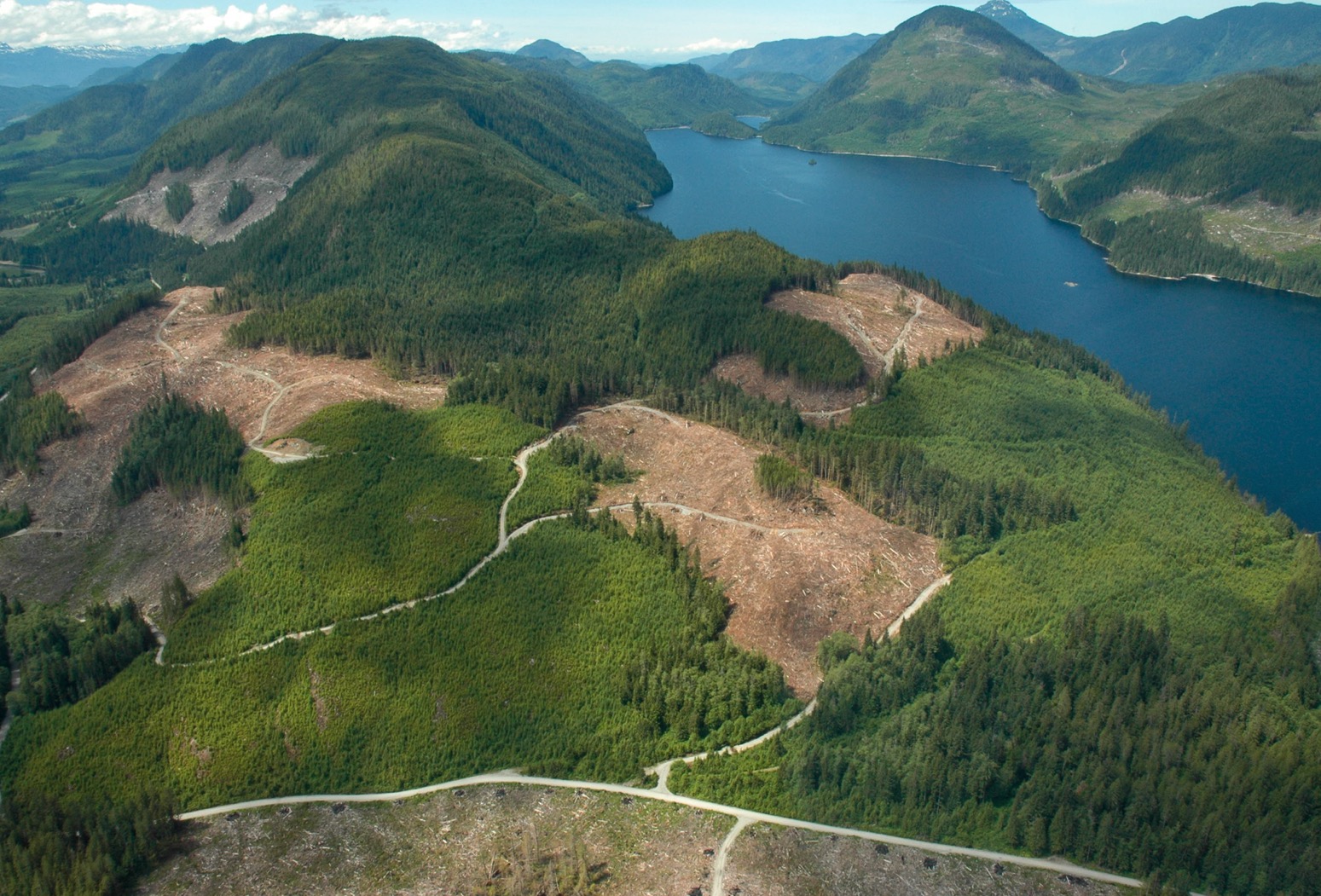 Campbell River Mayor Kermit Dahl sent an open letter to Premier David Eby, calling for immediate action to address issues within B.C.’s coastal forestry sector. Dahl warns continued inaction could result in further mill closures, job losses and the collapse of the coastal forestry industry. According to Dahl, coastal harvest volumes have dropped by over 40 per cent since 2019, with more than 5,400 direct forestry jobs lost since 2022. The 2025–26 budget projects a harvest of 32 million cubic metres … an estimated $275 million in lost revenue. The mayor says Premier Eby pledged to “protect jobs and the economy” when reshuffling his cabinet and says “those words ring hollow for thousands of coastal forestry workers watching their industry collapse—… from policy paralysis and regulatory misfires.” Dahl argues the crisis is not caused by … internal delay. “When harvest approvals that once took six months now take two years or more, that’s not a tariff issue—it’s a made-in-B.C. problem,” Dahl says.
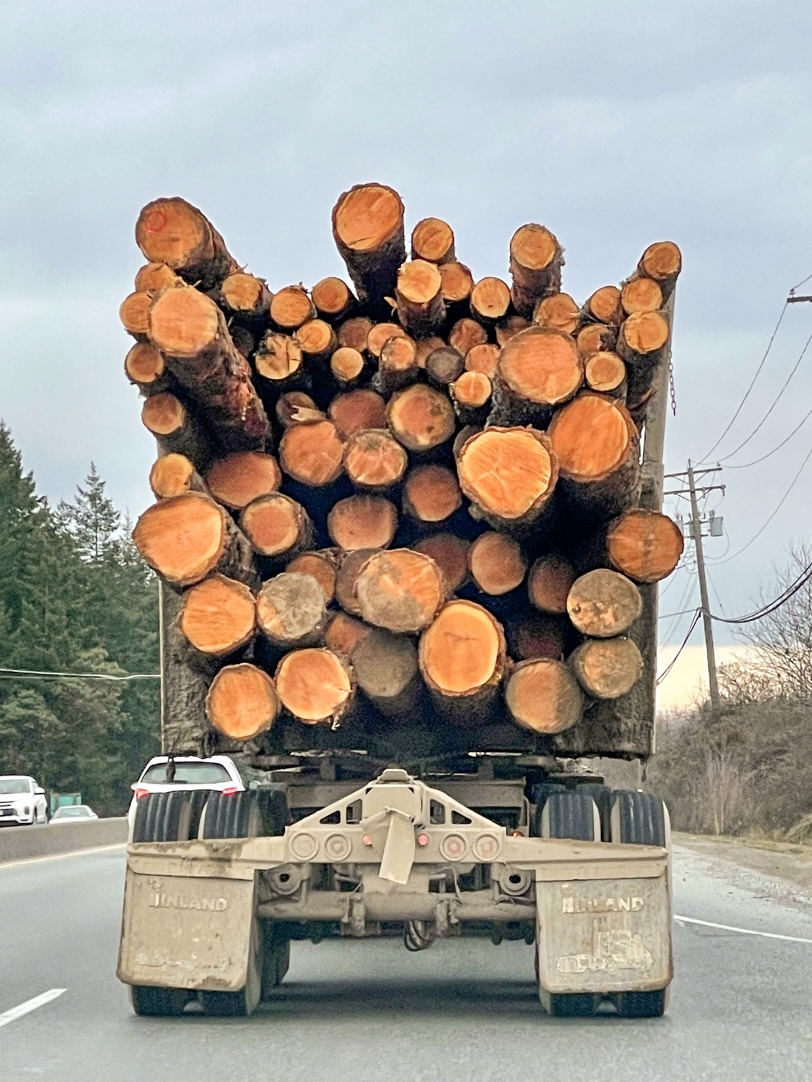 VICTORIA — The Council of Forest Industries wrote a letter to the New Democrats earlier this month, outlining more than a dozen proposals to rescue a struggling industry. “B.C.’s forest industry is in crisis,” wrote COFI President Kim Haakstad in the July 14 letter to Forests Minister Ravi Parmar. “Fibre availability is at historic lows, permitting systems are gridlocked, and investment is retreating in the face of prolonged uncertainty. The risk is not gradual decline — but accelerated facility closures, job losses, and the permanent erosion of forest industry capacity.” Haakstad was responding to Premier David Eby’s announcement of a “major project” to restore the industry in a speech to this year’s COFI’s convention. …I asked the government last week for a response to the proposals set out in the COFI letter. I got back a general statement from Parmar, which pretty much brushed aside the notion of a crisis in the industry.
 A new report warns the impacts on B.C.

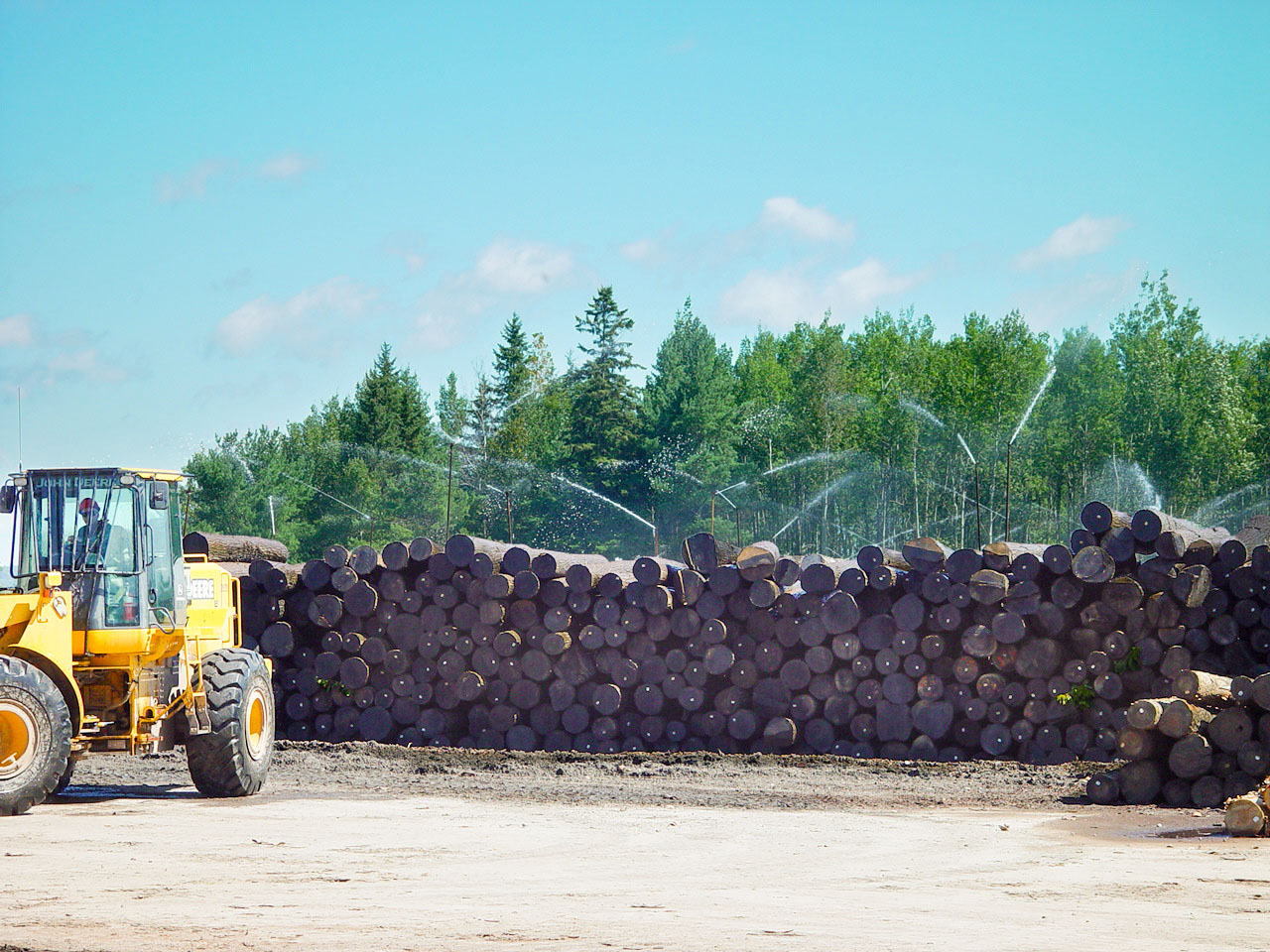 Mushkegowuk-James Bay MPP Guy Bourgouin is calling on the province to take immediate action to protect Ontario’s forestry sector in the wake of new U.S. tariffs on Canadian lumber. Bourgouin said the impact of the tariffs imposed by U.S. president Donald Trump could be devastating for northern communities that depend on the industry. “The anti-dumping tariffs imposed by Trump will devastate our lumber industry. Condemning Trump’s actions isn’t enough. We saw it with the auto sector, with steel, and now with lumber — the Premier’s ‘wait and see’ approach is leaving thousands of workers vulnerable to layoffs.” Bourgouin criticized the Ford government for failing to present a concrete strategy, calling their approach “an afterthought” for northern Ontario’s economy. …Ontario NDP party argues that using Ontario-produced wood could tackle multiple challenges at once, safeguarding forestry jobs, boosting local economies, and addressing the province’s housing shortage with “made-in-Ontario” solutions.
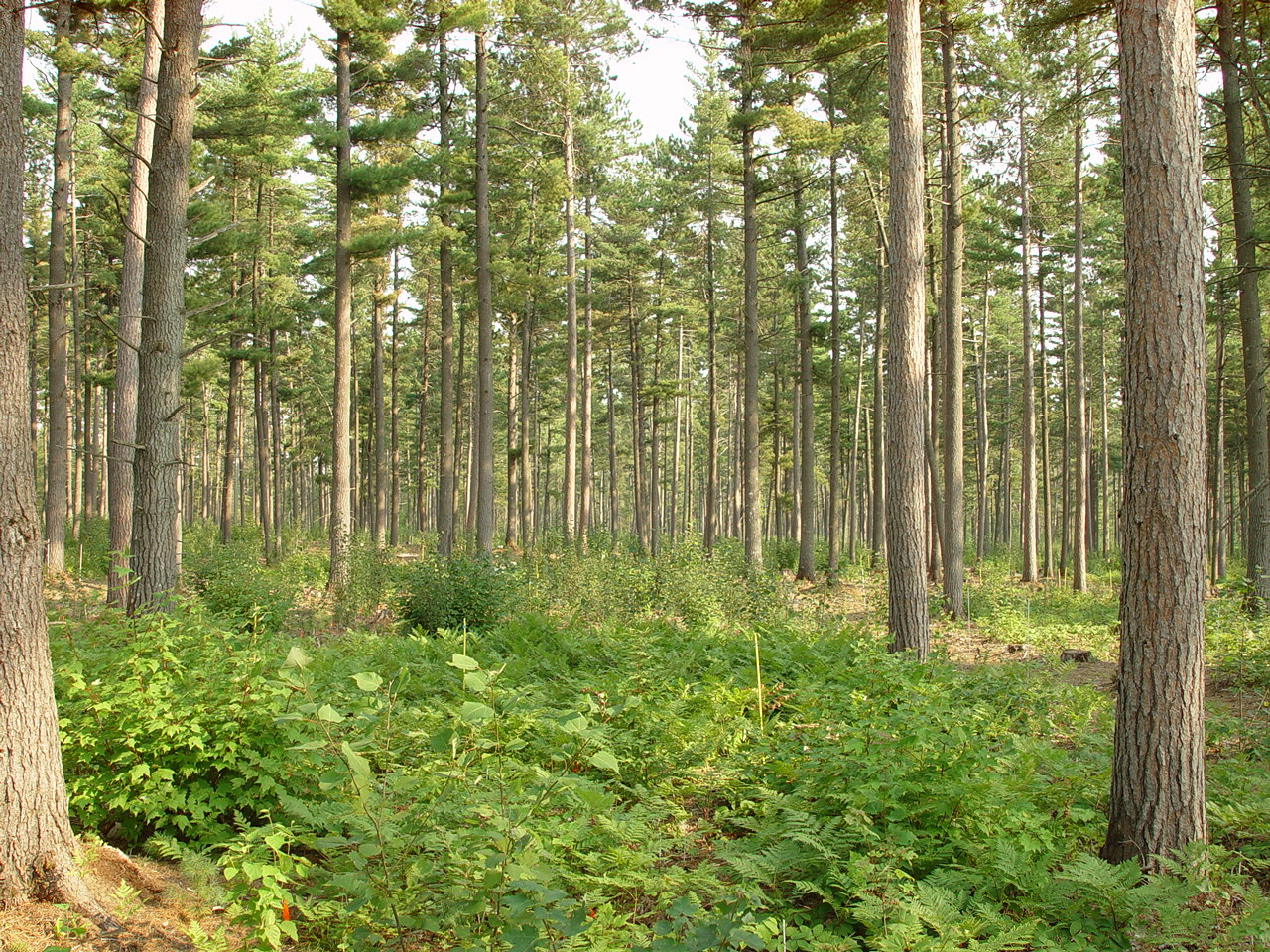 Members of the forest industry and the provincial government weighed in Monday on the Trump administration’s decision to raise tariffs on Canadian softwood lumber. Last week, the U.S. Commerce Department decided to raise anti-dumping duties on Canadian softwood to 20.56 per cent. A news release stated the province’s forest industry is “deeply troubled” by the decision to increase the duties by over 14 per cent. “Increasing anti-dumping duties to 20.56 per cent from the current average rate of 7.66 per cent is unjustified,” read the statement. “New Brunswick’s softwood lumber producers already face punitive and unfair anti-dumping and countervailing duties.” According to the statement, when combined with an anticipated rise in countervailing duties, the new increase to anti-dumping duties will mean an expected new total of 34 per cent by the middle of August.
 Canada’s pension funds have more than $1tn invested in the United States, and that figure could grow by $100bn or more annually, said Dominic LeBlanc, the federal minister responsible for US trade, during a visit to Washington. …Financial Post reported that LeBlanc made the comments in response to questions about whether US President Donald Trump might request specific commitments on Canadian investment as part of trade talks. The US has offered increased foreign investment as a possible pathway to improved trade terms. …Despite the potential growth in US exposure, LeBlanc said the federal government would not direct pension managers to increase their holdings or participate in specific American projects as a condition for reduced tariffs. Canada’s pension funds are already deeply integrated into US markets.
 The Bank of Canada today maintained its target for the overnight rate at 2.75%, with the Bank Rate at 3% and the deposit rate at 2.70%. While some elements of US trade policy have started to become more concrete in recent weeks, trade negotiations are fluid, threats of new sectoral tariffs continue, and US trade actions remain unpredictable. …The current tariff scenario has global growth slowing modestly to around 2½% by the end of 2025 before returning to around 3% over 2026 and 2027. CPI inflation was 1.9% in June, up slightly from the previous month. …Based on a range of indicators, underlying inflation is assessed to be around 2½%.
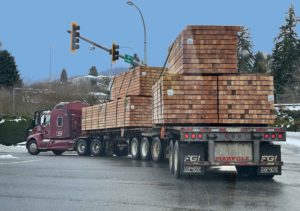 I am surprised at how President Trump is gradually succeeding in his goal. …Canada, along with China, is the only country standing up to the US, but it is inevitable that if no agreement is reached, the chances of a recession will increase. …Canada needs the US to avoid the worst, but the point of the article is different: how much does the US need Canada? My impression is that this issue is often underestimated. …We don’t need their lumber. But is that really the case? …Why Canadian lumber is essential. …The first and probably most important reason is that US forests are mainly privately owned (by companies or families). …Becoming less dependent on Canada is extremely complicated for the US due to the usual logistical challenges. …This industry has been in gradual decline for decades, and wanting to save it in order to be less dependent on Canada is a waste of resources.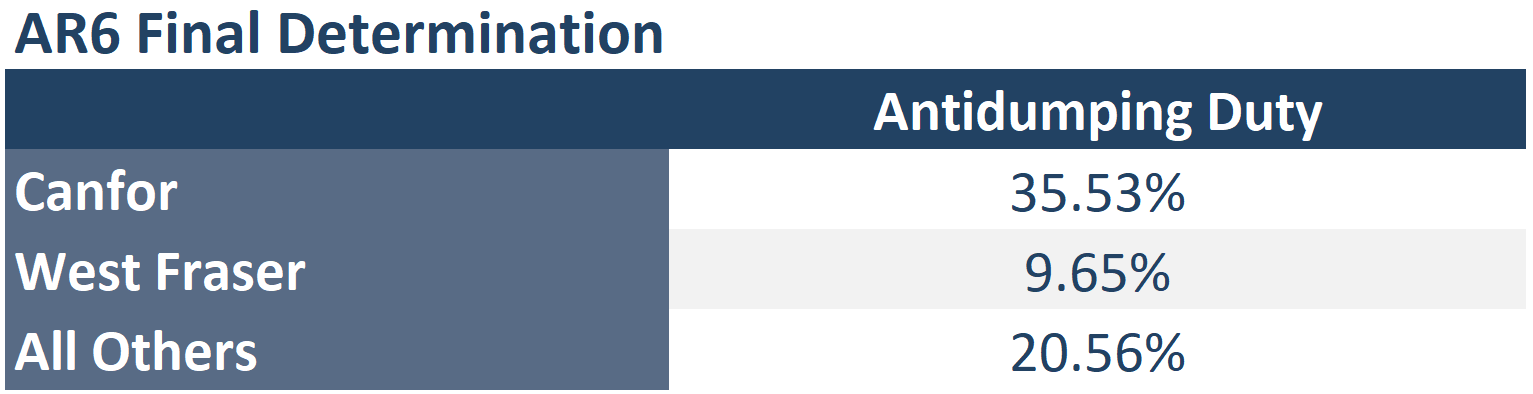

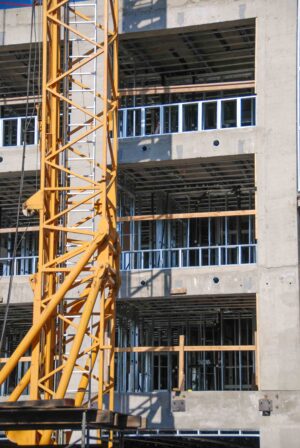 Canada’s first commercial carbon capture cement facility is now under construction in Mississauga Ont., backed by $10 million in federal funding. The project is part of the country’s effort to reduce industrial emissions. The project, led by Calgary-based startup Carbon Upcycling in partnership with Ash Grove Cement, aims to capture carbon dioxide from cement production and turn it into a low-carbon material that can replace part of traditional cement. Minister Evan Solomon, … said “These collaborative projects supporting our climate goals and enhancing our global competitiveness”. The facility will use Carbon Upcycling’s technology to mix captured CO2 with steel byproducts like slag to create a powder similar to cement used in construction. Carbon Upcycling CEO Apoorv Sinha said the system could reduce emissions from cement by up to 40%. …Sinha said the new facility will store up to 150 kilograms of carbon dioxide in every tonne of low-carbon cement it produces.
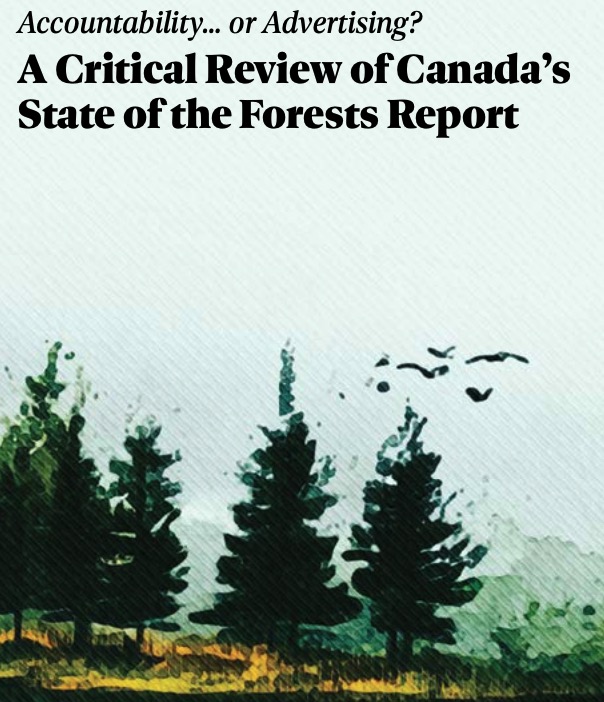 Canada has trees… But …Ottawa is at odds with a slew of environmental groups over what that means. [They] issued a


 Vic Fedeli, MPP for Nipissing, announced the Ontario government is investing $2,874,898 through the Skills Development Fund Training Stream to The Canadian Institute of Forestry to support 75 workers across Northern Ontario get the skills they need to land good-paying, in-demand jobs in forestry, logging, and agriculture-related services. …“As we navigate a shifting economic landscape, disrupted by U.S. tariffs, we remain laser-focused on protecting Ontario workers and job seekers,” said MPP Fedeli. “That’s why we’re investing over $2.8 million to support a project by the Canadian Institute of Forestry, in partnership with College Boréal, to train workers for in-demand roles in the forestry and resource sector, helping grow Northern Ontario’s economy.” …”These programs are equipping the next generation of forest professionals and ensuring the continued vitality of our forestry communities,” said Ken Farr, Interim Executive Director, Canadian Institute of Forestry.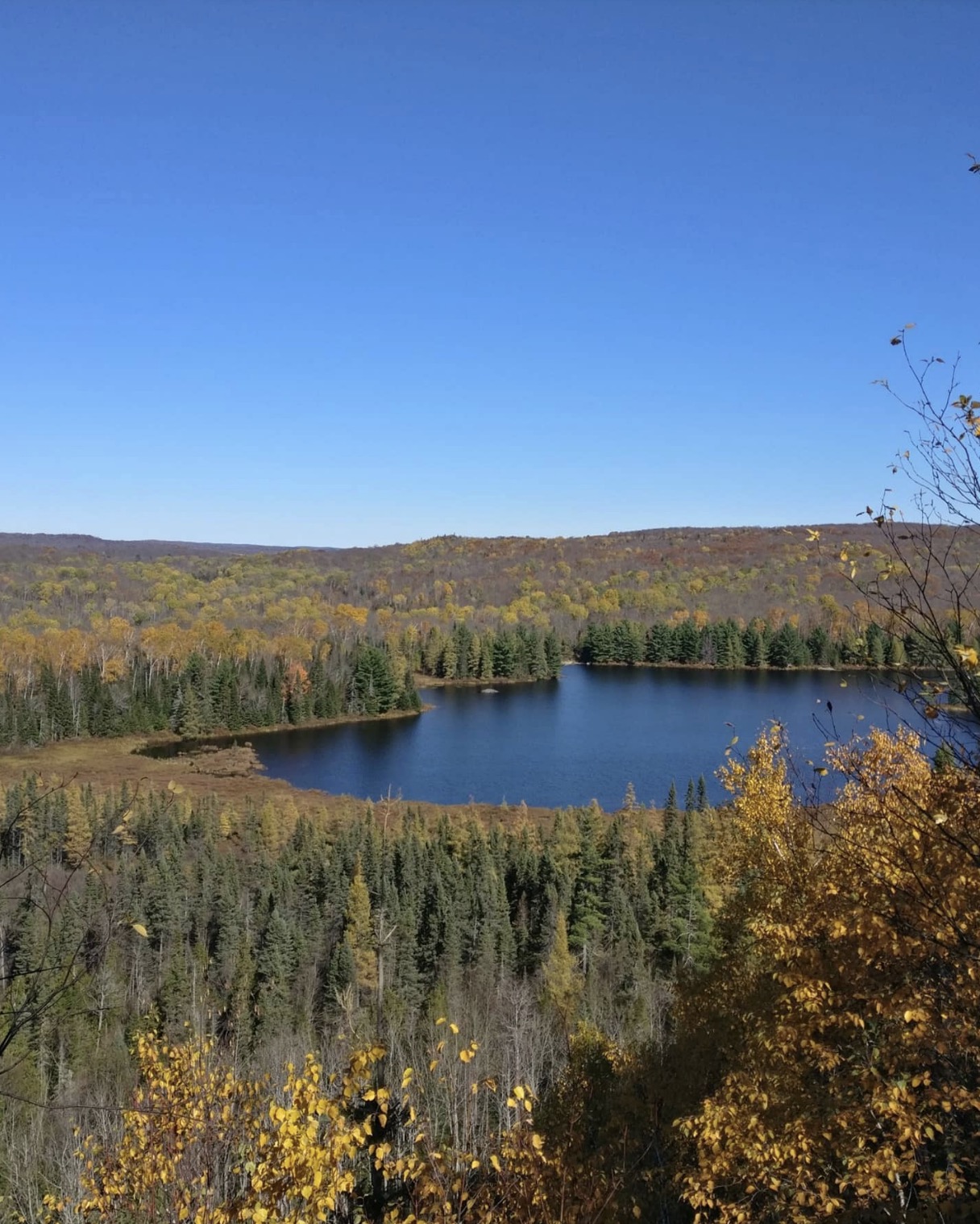
 As the B.C. Day long weekend approaches, people are encouraged to stay informed about wildfire conditions, be prepared and plan travel. Warming summer temperatures and ongoing drought mean much of British Columbia is at heightened risk of wildfire, even after recent cooler temperatures and rain. Environment and Climate Change Canada (ECCC) has forecast hot temperatures this week in B.C., with heat warnings currently in place for parts of the province. People are encouraged to prepare for hot summer weather. To access the Province’s PreparedBC extreme-heat preparedness guide,
 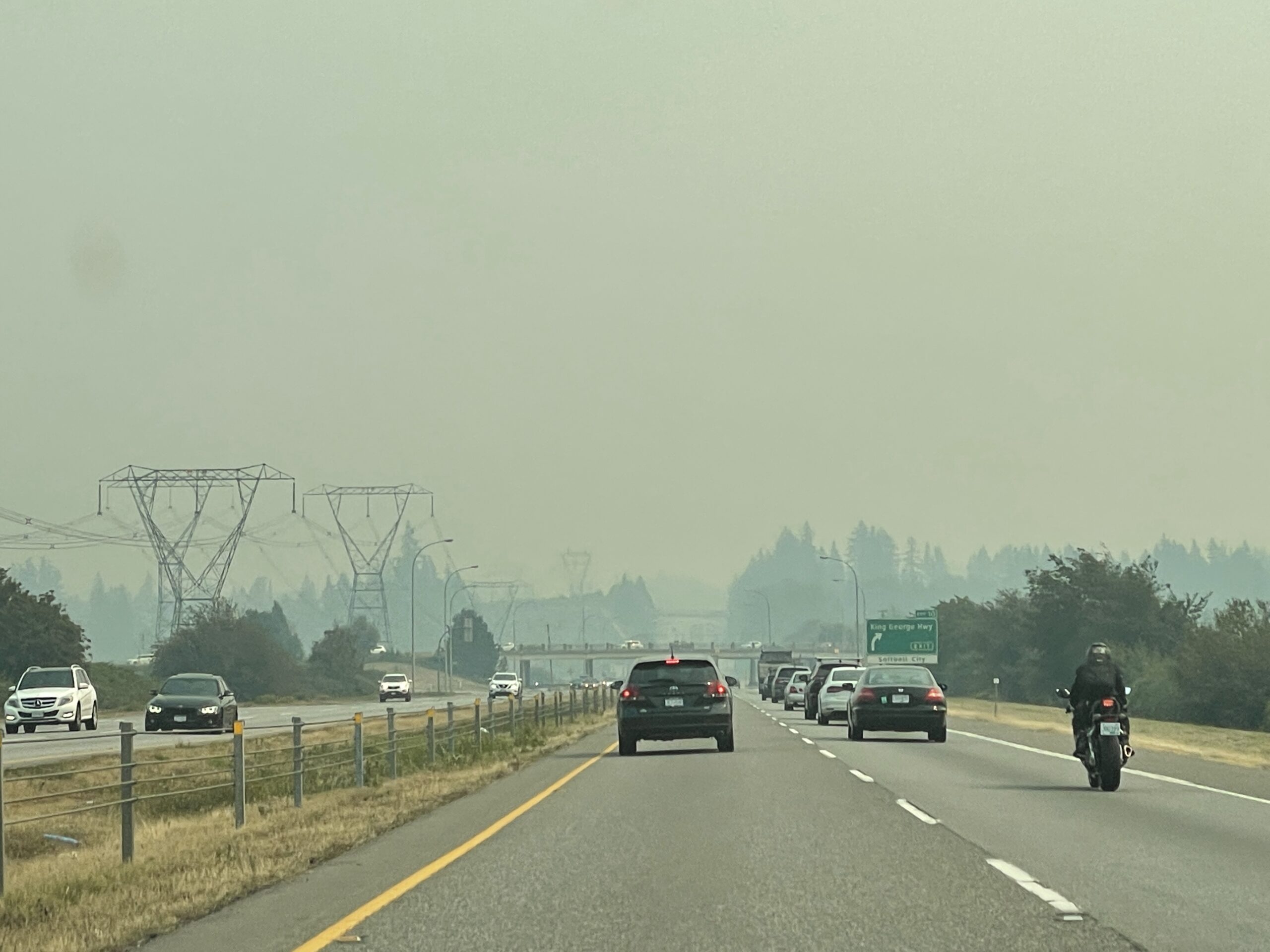 KENORA — Across Northwestern Ontario, the public is being urged to limit time outdoors due to “extremely high levels of air pollution.” The poor air quality is being caused by smoke from forest fires in the Prairies, according to an air quality warning issued by Environment Canada and the Province of Ontario Tuesday morning. The warning extends from east of Marathon — including Biigtigong Nishnaabeg — west to the Manitoba border and extends as far north as to include communities like Wunnumin Lake, Muskrat Dam and Deer Lake. Poor air quality is expected to persist through Thursday for most areas, according to the updated warning, extending the expected duration.


