
Kevin Mason
In mid-April, the Harvard Joint Centre for Housing Studies (JCHS) released its Leading Indicator of Remodeling Activity update, forecasting R&R growth ~+1.6% per quarter between now and Q1/26. This projected growth comes after a modest pullback in R&R spending in 2024 and will be welcomed by North American solid-wood producers given expected declines in demand from new residential construction in the coming quarters. …Recent pricing trends persisted in North American lumber markets over the past month, with S-P-F prices continuing lower while SYP prices moved higher. …A modest seasonal uptick in demand from treaters appears to be one of the catalysts creating SYP price improvement, while the pause on tariffs—the threat of which had previously boosted S-P-F prices—has now precipitated a drop in S-P-F lumber pricing.
As we’ve highlighted exhaustively over the past several months, duties on Canadian lumber exports to the US are scheduled to more than double later this year, and there is still potential for incremental lumber tariffs following a Section 232 investigation (there is the potential for tariffs to extend to panels, etc., but even producers don’t have any clarity). Barring an unlikely spike in lumber demand, many Canadian sawmills are likely to discover that the economics of selling lumber into the US no longer work (unless prices move substantially higher—but that will be driven by closures in Canada). …For Canadian producers, do alternative markets exist, or could a surge in Canadian homebuilding replace some of the lost volumes to the US? In short, there are no easily accessible markets that come close to the size of the US and that can be supplied by Canadian mills.

 Professionals working in the lumber and sawmill sector and looking to advance their careers can gain specialized training through BCIT’s Associate Certificate in Industrial Wood Processing, starting June 2025. The IWP program was developed with industry subject matter experts and informed by industry leaders to support upskilling and professional development within the sector. The program is 1-year, delivered online and part-time to allow students to balance work and studies.
 President Trump’s tariffs on Canada may not be “totally removed” under a future trade agreement, the US ambassador says, but the two countries are on the path toward a stronger relationship. Pete Hoekstra, who serves as Trump’s envoy to Canada, says there are opportunities to secure new economic and security partnerships on the foundation set by Prime Minister Mark Carney’s visit to the White House last week. …“We had a few rough months and those types of things. But we have strong economic ties, we have strong national security ties, we have personal ties. … There is so much to this foundation. …However, Hoekstra said Canada should expect some level of tariffs on its exports under a new trade deal, even a rate lower than the ones it currently faces. He pointed to the new framework with the United Kingdom announced last week.
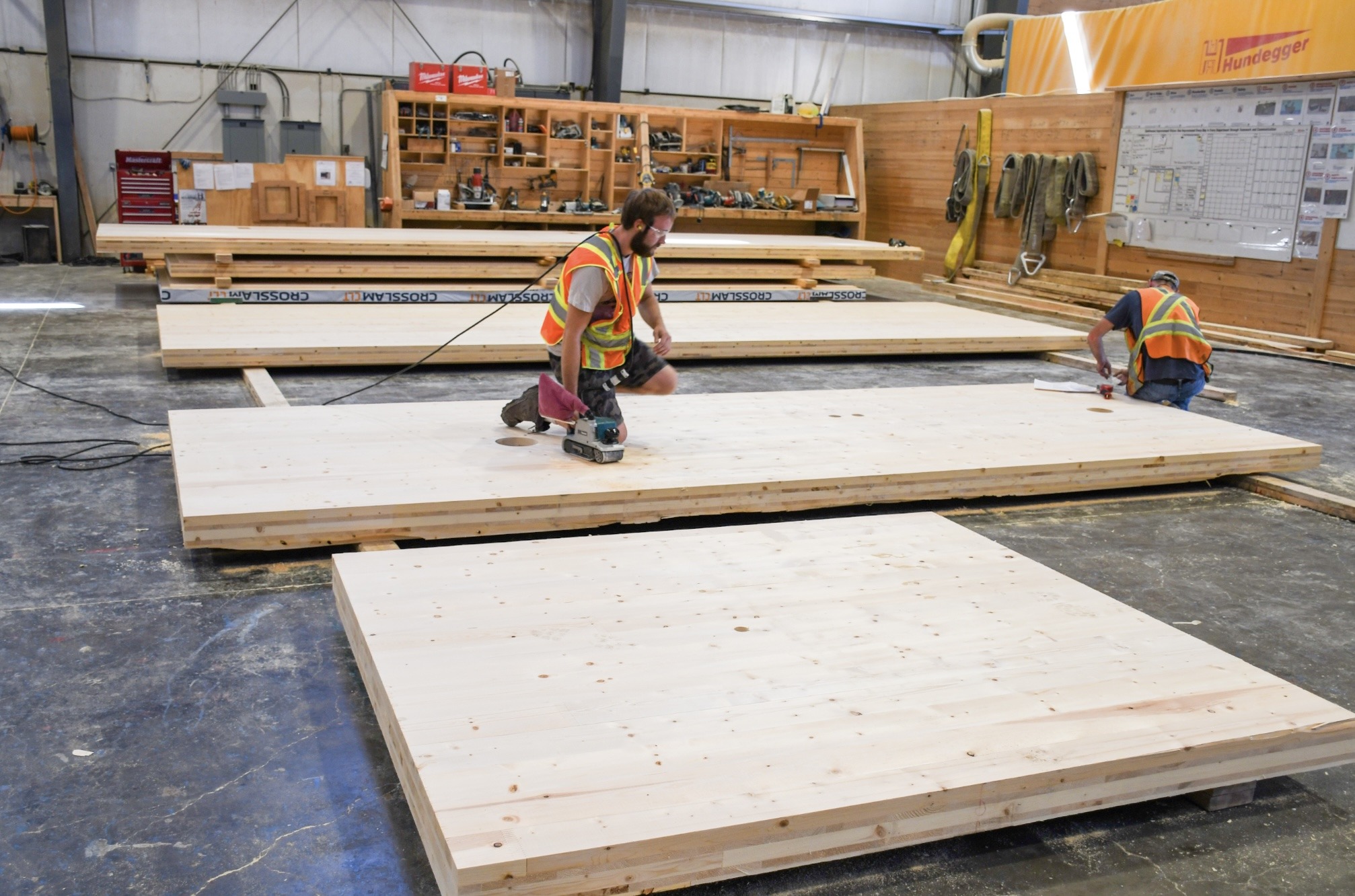 Now that the Liberals have secured another term in office, the big question is whether they can deliver on their ambitious promises, particularly a $26 billion push into prefabricated homes through a new agency called Build Canada Homes (BCH). The plan includes $25 billion in debt financing and $1 billion in equity for Canada’s prefab and modular homebuilders. The goal is to cut construction times by as much as 50%, reduce costs by 20%, and lower emissions by 22% compared to traditional building, while using Canadian technologies like mass timber and softwood lumber. BCH also plans to issue bulk orders to manufacturers, aiming to create steady demand and boost apprenticeships to strengthen the skilled trades workforce. …A problem, Kevin Lee, CEO of the
 MONTRÉAL, RICHMOND, BC, and

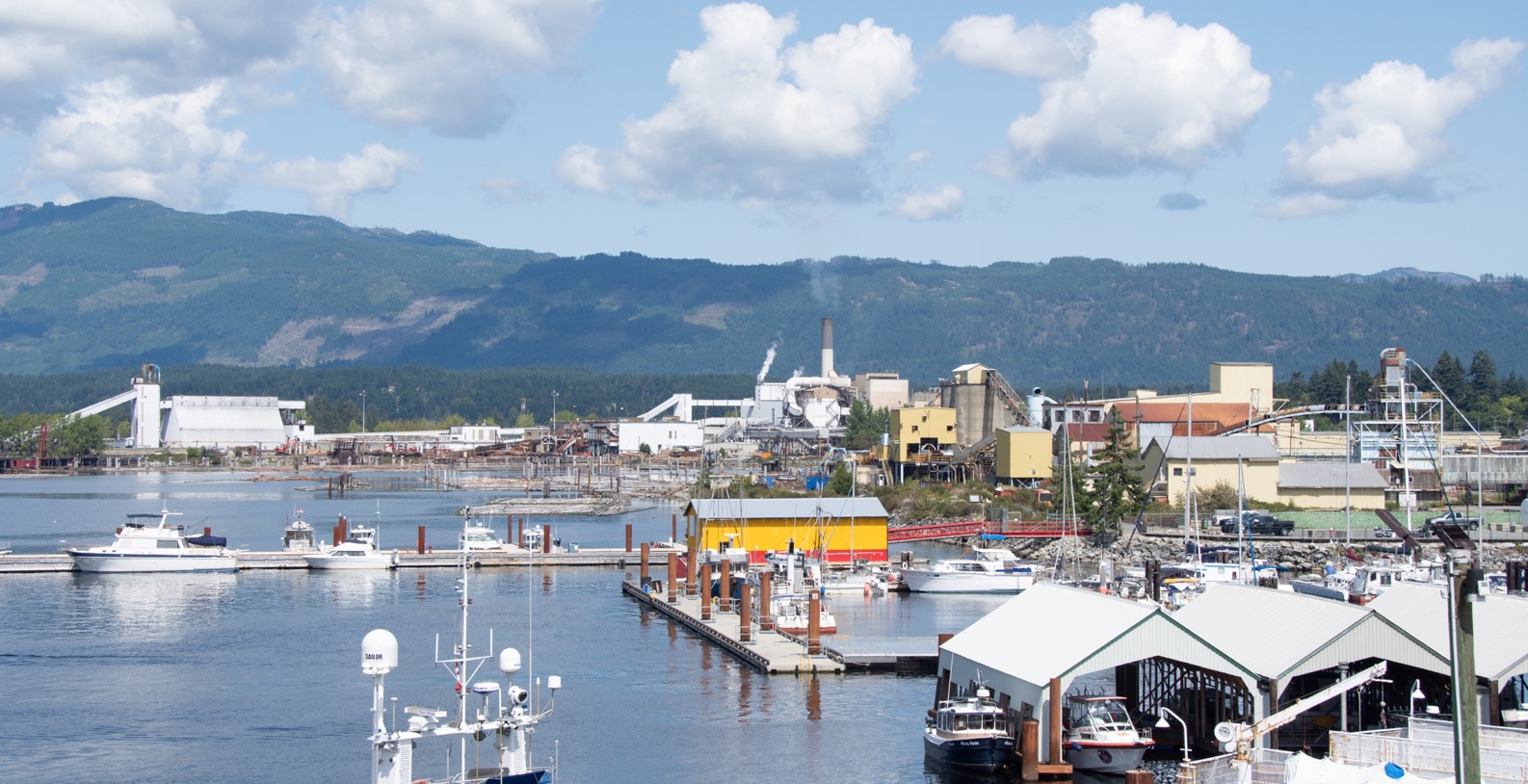 PORT ALBERNI, BC — An ambitious project to redevelop Western Forest Products former Somass mill site on the Port Alberni waterfront is moving forward, infusing fresh hope in a city hit hard by the challenges dogging the coastal forest industry. …“Exciting times for the City of Port Alberni moving forward and getting to revision an old mill site,” said Mike Fox, chief administrative officer with Port Alberni. …The amenities are needed. …The need for new housing is likely to grow as new businesses bring jobs to replace those lost by troubles in the forest sector. San Group, once Port Alberni’s key employer, filed for creditor protection last November, but the Amix Group and Canadian Maritime Engineering Ltd. are looking to expand. …Amix Marine Services recently bought 45 acres from Western Forest Products Ltd. for $7.3 million for a new marine terminal and will make Port Alberni its home port.
 Are you passionate about technology and forestry? Join our team at Phoenix Connect (a division of DR Systems) and help shape the future of forest operations. We’re looking for a Client Experience Lead to support the growth of our SaaS platform and work closely with clients to optimize their forest management practices. This dynamic role blends innovation, client service, and environmental stewardship—working alongside a collaborative and motivated team. As the Client Experience Lead, you’ll contribute directly to the evolution of Phoenix Connect—bringing fresh ideas, solving real-world challenges, and making a tangible impact. This position can be based remotely, though our head office is located in Nanaimo, BC. Phoenix Connect is a cloud-based platform designed specifically for the forestry sector. It brings together all aspects of forest management—planning, operations, reporting, and compliance—into one seamless system. Phoenix helps forestry professionals make informed decisions, stay compliant with regulations, and manage their operations more efficiently. Phoenix Connect is shaping the future of sustainable forest management.
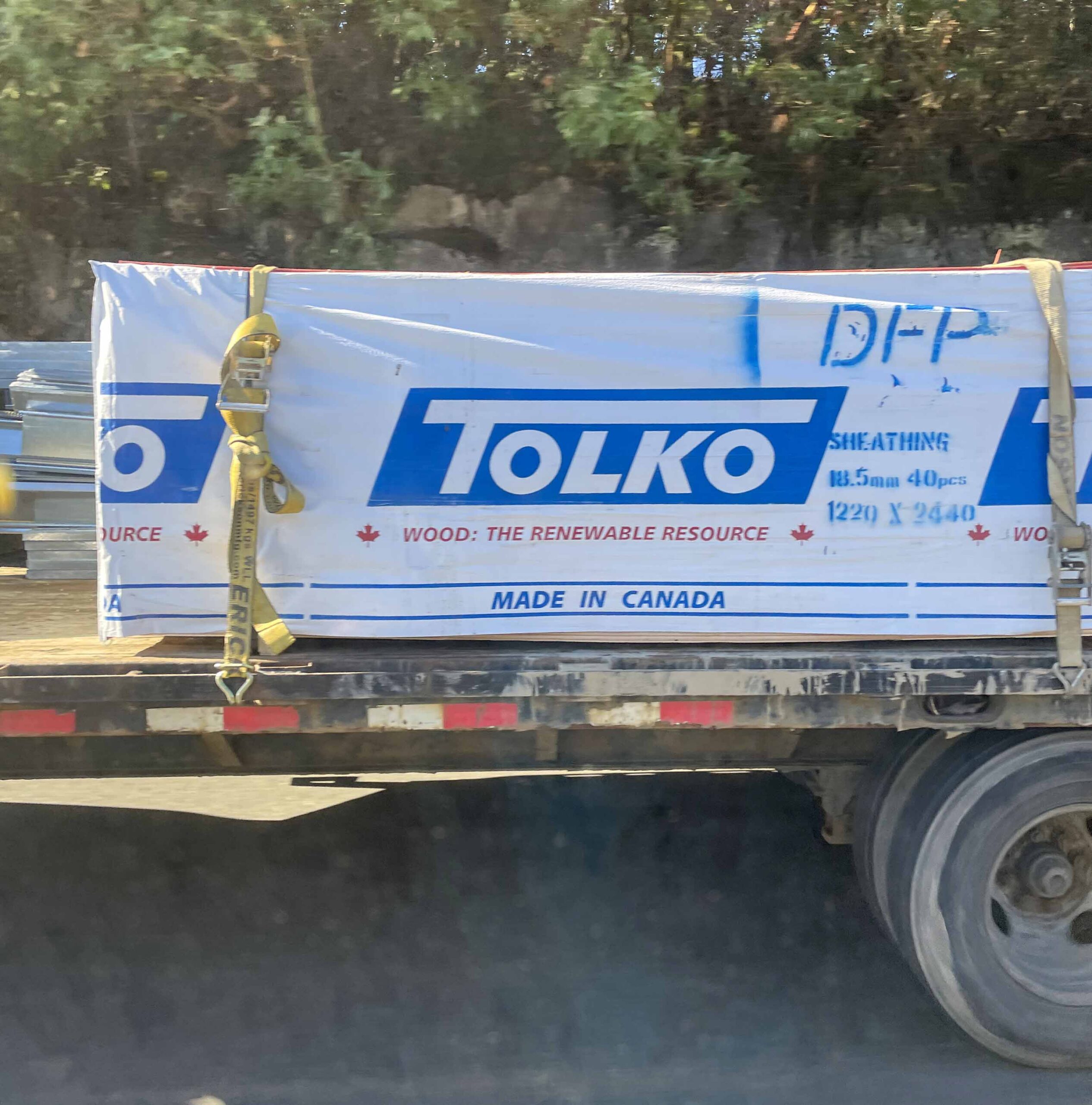 A lack of economical fibre will result in downtime at a pair of North Okanagan Tolko operations. Plants in Armstrong and at White Valley, near Lumby, will take approximately one week of downtime beginning as early as May 12 at Armstrong Lumber, and May 15 at White Valley. Employees have been notified. “BC regulatory and policy burden continues to impact the availability and accessibility of economic fibre,” said the Vernon-based company in an email. “We’re actively managing our log inventory, and the logs we have available are being deliberately directed to mills to make products where we can deliver the most value — accelerating our production of specialty, value-added (plywood, veneer and lamstock) and engineered wood products. “We recognize the impact this has on our employees and their families, and we will continue to provide as much notice as possible to help them manage through this uncertainty.”
 The rapid response of firefighters and workers at Pioneer Log Homes east of Williams Lake to prevent a log pile fire from spreading to other piles in the yard is being credited for saving the construction site from being destroyed. The fire on the west side of the building site at 1527 Old Cariboo Highway 97 (Mile 153) was reported to the 150 Mile House Volunteer Fire Department just after noon Monday and after a mutual aid request fire crews from City of Williams Lake and volunteer departments in Miocene and Wildwood were also dispatched to the scene. They spent nearly half a day dousing the burning logs until the fire was fully extinguished at about 11:30 p.m. Monday. No estimate has been determined on the cost of the logs lost in the fire, which was confined to one large pile covering an area estimated at one hectare.
 A high-stakes meeting between Prime Minister Mark Carney and United States President Donald Trump on Tuesday is being closely watched by politicians in Victoria. Ravi Kahlon, minister of housing and municipal affairs, said the province is being pragmatic… “We’re not expecting an agreement, and we’re also realistic that any agreement made with President Trump can be changed with a tweet the next day,” Kahlon said Tuesday. …Kahlon says the key for B.C. is to rely on its resources and to increase diversified trade with other countries. …Adding that breaking down interprovincial trade barriers will also help. …Meanwhile, B.C.’s forestry minister, Ravi Parmar, says Carney needs to prioritize B.C’s softwood lumber industry during his talk with Trump. …Western Canadian director for the United Steelworkers, Scott Lunny, tells 1130 NewsRadio that if the goal for the Trump administration is to rewrite the free trade agreement, we should “quit the nonsense and get on with that.”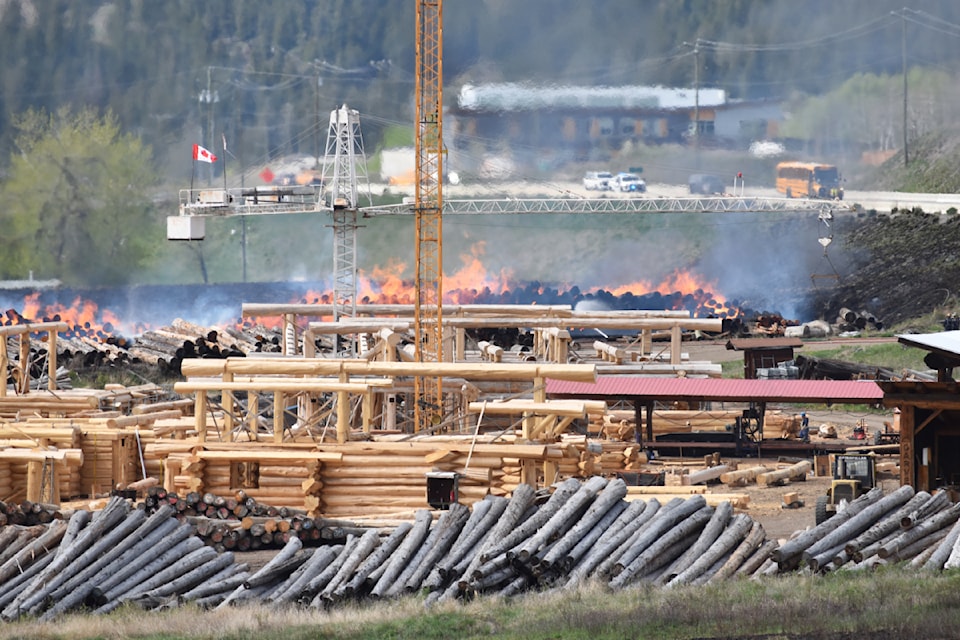
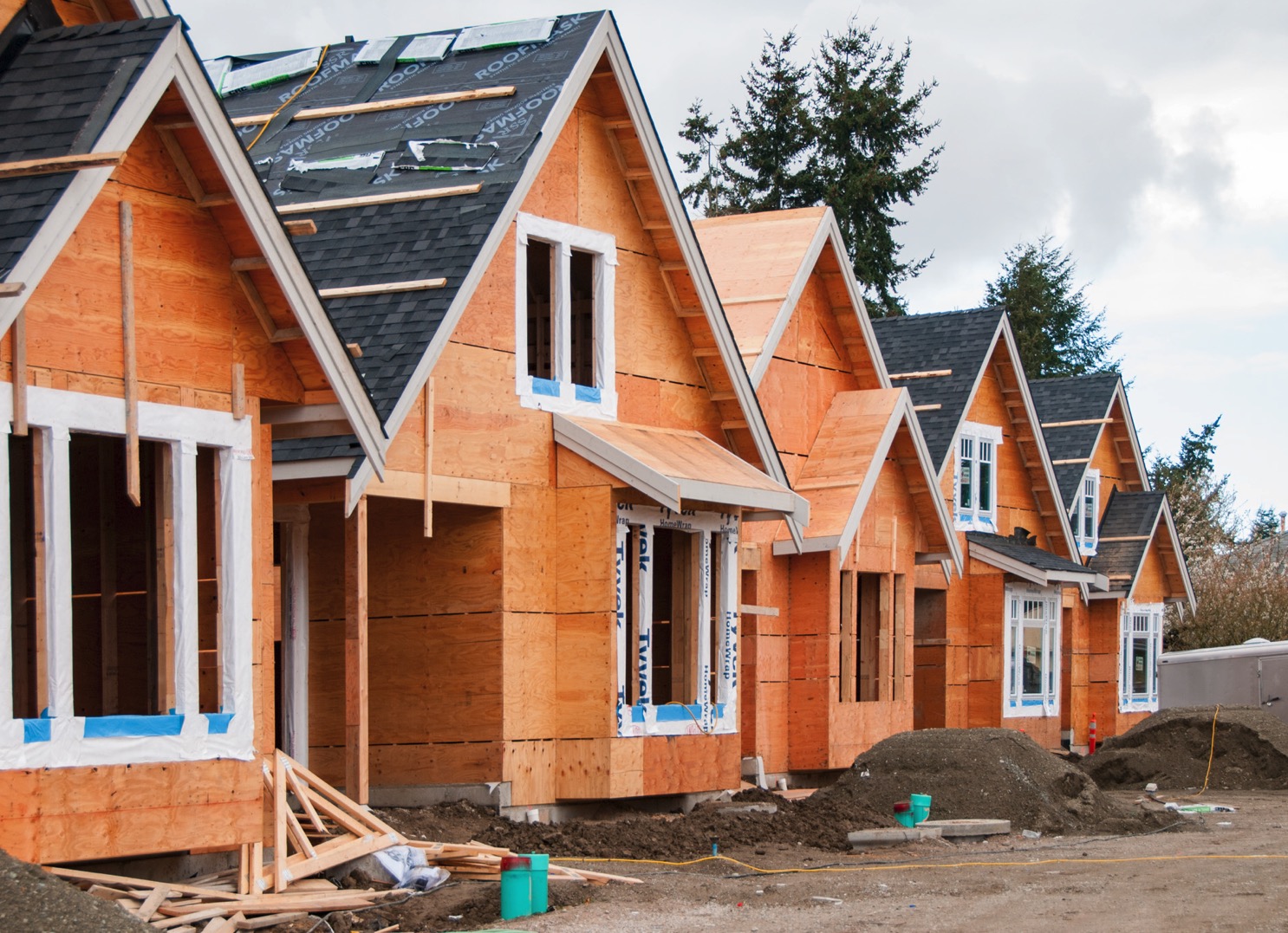 The Ford government is planning to impose new rules on how local governments greenlight development projects, pushing the changes on municipalities as the province struggles to meet its self-imposed goal of building 1.5 million homes by 2031. The government is relying on a series of changes to Ontario’s planning rules, like reducing studies developers have to undertake and standardizing development charges, in a bid to speed up homebuilding. Minister of Municipal Affairs and Housing Rob Flack is set to table the legislation next week, with changes including reducing requirements for builders to conduct some municipally-focused studies, allowing builders to bypass some city committees and a raft of changes to the fees developers pay to local governments. …The legislation would give the Ford government the ability to pare down the list of requirements for a development application, establish which studies would be required and force municipalities to accept certified studies presented by the developer.
 As the next step in its plan to protect Ontario workers in the face of tariffs and economic uncertainty, the provincial government is expanding its Skills Development Fund (SDF) by nearly $1 billion over the next three years, for a total of $2.5 billion. This funding will help train and reskill Ontario workers, including those directly impacted by layoffs resulting from tariffs and ensure they have the necessary support to find good-paying jobs and help strengthen Ontario’s economy. “We’re already seeing the impact of President Trump’s tariffs and the economic uncertainty he has created on Ontario workers,” said Premier Doug Ford. “Today’s announcement of a further $1 billion in SDF funding is just the latest step in our plan to protect Ontario by investing in workers and making sure they have the support they need to succeed, no matter what comes our way.”
 Executives at two of North America’s lumber producers said they are bracing for volatile wood prices this building season before sharply higher US duties on Canadian lumber kick in. Despite President Trump’s threats, his April 2 tariff barrage didn’t hit Canadian lumber. Nonetheless, duties related to a long-running trade dispute are set to more than double later this year. Canfor and Interfor are not sure there won’t also be additional levies tied to Trump’s March 1 order for an investigation into the national security threat of imported wood. …Canfor’s Susan Yurkovich said “Either people won’t be able to access their products and there’ll be a slowdown… or there will be a price response, which also, of course, will have an impact on affordability.” …Interfor’s Bart Bender said he expects volatile pricing this spring and summer while sawmills figure out what sort of increases buyers will bear. [to access the full story a WSJ subscription is required]
 Interfor recorded a Net loss in Q1’25 of $35.1 million compared to a Net loss of $49.9 million and a Net loss of $72.9 million. Adjusted EBITDA was $48.6 million on sales of $735.5 million in Q1’25. …Notable items include: Lumber prices increased during Q1’25 as reflected in Interfor’s average selling price of $712 per mfbm, up $53 per mfbm versus Q4’24; lumber shipments totalled 863 million board feet, representing a 77 million board foot decrease over the prior quarter. The decrease primarily relates to the sale of the Quebec operations, weather-related curtailments and shipment delays resulting from tariff uncertainty. …The Company is well positioned with a diversified product mix…only about 24% of the Company’s total lumber production is exported from Canada to the US and exposed to a potential tariff. …Interfor expects that over the mid-term, lumber markets will continue to benefit from favourable underlying supply and demand fundamentals.
 VANCOUVER — Canfor Corporation reported its Q1, 2025 results. The Company reported an operating loss of $28.5 million for the first quarter of 2025, compared to an operating loss of $45.9 million in the fourth quarter of 2024. …These results largely reflected improved lumber segment results and, to a lesser extent, the pulp and paper segment. Canfor’s CEO, Susan Yurkovich said, “While improved lumber benchmark prices provided some relief, rising global economic and trade uncertainty, and US lumber duties, create a challenging backdrop. Through our diversified operating platform in Canada, the US South and Europe, we are positioned to mitigate these challenges, while remaining focused on what we can control. …“For our pulp business” Yurkovich added, “this was another solid quarter with improved results and a strong operational performance. However, global economic uncertainty is also putting pressure on global softwood pulp markets in the near term.”
 Fresh trade data shows deepening US reliance on Canadian goods, even as the president claims the opposite. …According to the US Census Bureau and Bureau of Economic Analysis, the US goods trade deficit with Canada widened to $4.9 billion in March, up sharply from prior months. The surge was driven by higher imports of Canadian-made cars, crude oil, and finished wood products — the exact categories Trump dismissed. Automotive imports rose by $2.6 billion, including a $2.1 billion spike in passenger vehicles, many of which are assembled in Canada. Oil and lumber purchases also increased, contributing to a 14% month-over-month jump in the broader US trade deficit, which hit a new monthly high of $140.5 billion in March. …The US typically runs a services surplus with Canada, and American firms rely heavily on Canadian supply chains in autos, energy, and materials, as the fresh BEA data suggests.
 Uncertainty over international trade barriers has caused significant fluctuations in lumber prices in recent months, according to Keta Kosman, publisher of Madison’s Lumber Reporter. “The whipsaw fatigue of conflicting tariff announcements over two months had Western Canadian suppliers hoping to see the market settle down,” Kosman. …Some stakeholders held off on buying lumber altogether, while others ordered early in hopes of securing delivery ahead of any potential trade restrictions. “Others decidedly switched their purchasing to Southern Yellow Pine from SPF,” Kosman says. …Data from the WWPA indicates US sawmills were running at only 67% of full capacity in January, compared to 72% for the full-year 2024. In Canada, sawmill utilization was 74% of capacity, down just one percentage point compared to the previous year. …“At this time, there is significant lumber supply able to come back online at existing facilities should demand improve into the summer.”
 Lumber futures fell below $550 per thousand board feet, hovering at yearly lows as excess supply from winter restocking collided added to a decline in demand. A 14.2% drop in U.S. single-family housing starts to an annualized 940,000 units in March, pushed new-home inventories to nearly eight months of supply. While a federal directive to raise timber production from public lands by 25% may ease constraints in the long term, the 90-day pause on new reciprocal tariffs has removed near-term urgency for buyers to cover import risks. At the same time, expectations of sharply higher anti-dumping duties on Canadian lumber have prompted mills to hold back supply, further pressuring prices as domestic inventories accumulate and demand remains subdued despite the onset of the spring building season.
 VANCOUVER, BC — Conifex Timber reported results for the first quarter ended March 31, 2025. EBITDA was $4.9 million for the quarter compared to EBITDA of negative $2.1 million in the fourth quarter of 2024 and negative $0.5 million in the first quarter of 2024. Net income was $0.6 million for the quarter versus net loss of $7.8 million in the previous quarter and negative $4.5 million in the first quarter of 2024. …lumber production in the first quarter of 2025 totalled approximately 46.3 million board feet, representing operating rates of approximately 77% of annualized capacity. …Power Plant sold 47.6 GWh of electricity under our EPA with BC Hydro in the first quarter of 2025 representing approximately 88% of targeted operating rates.
  VANCOUVER – Western Forest Products reported improved financial results in the first quarter of 2025, as compared to the same period last year. Net income was $13.8 million in the first quarter of 2025, as compared to a net loss of $8.0 million in the first quarter of 2024, and a net loss of $1.2 million in the fourth quarter of 2024. …lumber production of 134 million board feet (versus 145 million board feet in Q1 2024); average lumber selling price of $1,533 per mfbm. …North American markets are expected to be volatile due to concerns around the economic impact caused by potential further US tariffs and retaliatory tariffs. The spring building season which typically leads to gains in softwood lumber demand could be more muted. …In Japan, the spring housing demand is stronger than expected and channel inventories have declined. …Demand for our Industrial lumber products in North America are expected to strengthen as supply remains tight across all species.

 MONTREAL — Stella-Jones announced financial results for its first quarter ended March 31, 2025. Highlights include: Sales of $773 million, relatively unchanged from Q1 2024; Operating income of $143 million, including insurance settlement of $38 million; EBITDA of $179 million, or 23.2% margin; Acquisition post-quarter of a steel transmission structure manufacturer, aligned with strategy to support North American infrastructure. …Eric Vachon, President and Chief Executive Officer of Stella-Jones said “Though macroeconomic headwinds continue to impact volume growth, at this stage we remain confident in our ability to achieve our financial objectives. …“The Company entered into a definitive agreement to acquire Locwel., a leading manufacturer of lattice towers and steel poles for electrical transmission. This transaction marks a step forward in Stella-Jones’ long-term vision, allowing us to enhance our infrastructure offering and establish a presence in the growing steel transmission structure industry.”
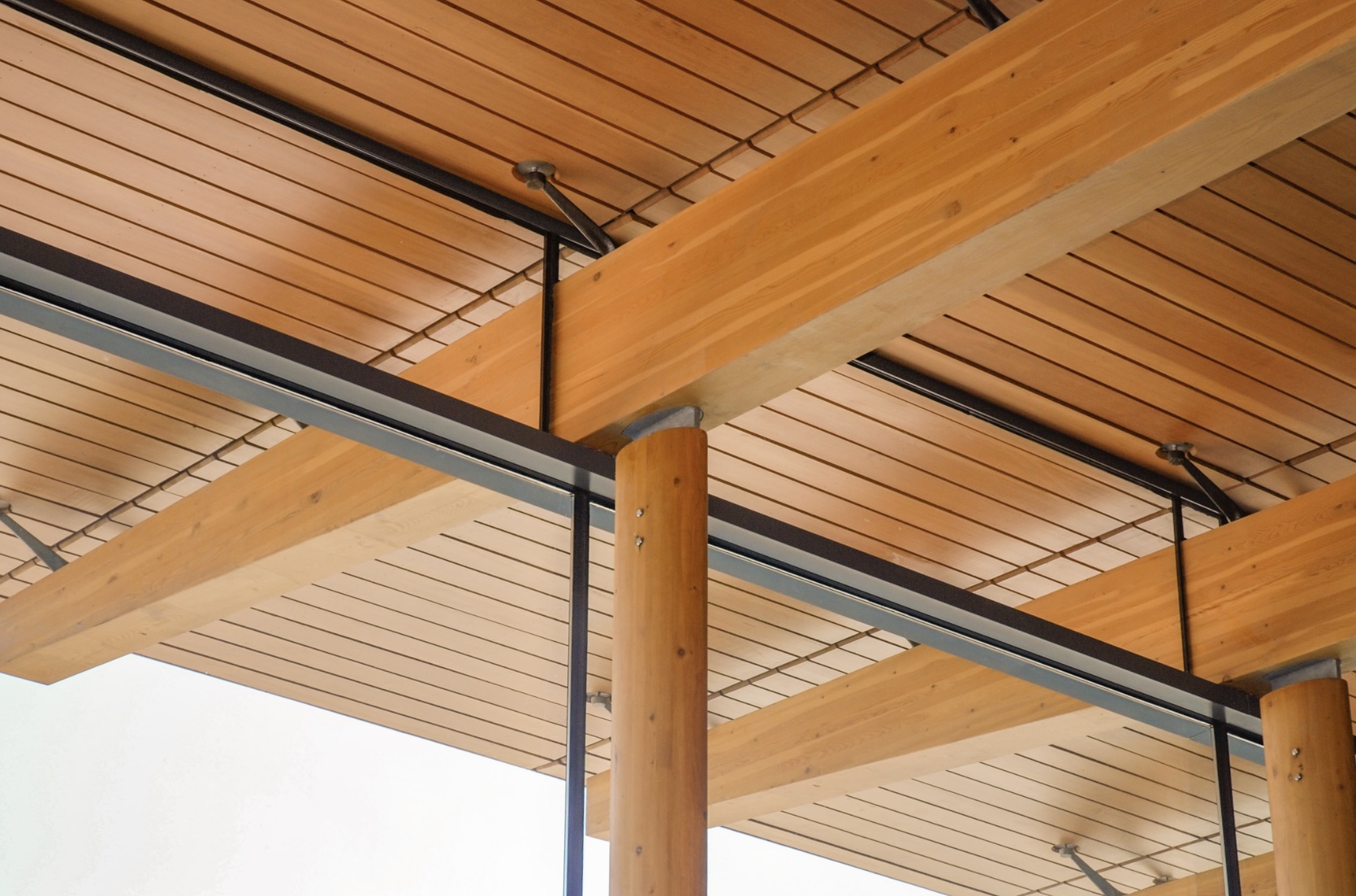 The Canadian mass timber industry has been making great strides forward, but it has been kept from growing even faster by challenges it faces in procuring reasonably priced insurance and financing. Simon Fraser University (SFU) Renewable Cities recently released a guide that describes these challenges. Titled, Advancing Mass Timber/Risk mitigation and insurance strategies for a thriving sector, the guide presents three what it calls pathways “to help address risks, improve insurability and support a thriving mass timber industry.” Mass timber’s benefits notwithstanding, projects built with it often face higher insurance rates than traditional materials. According to the guide, “This can discourage developers from using mass timber elements…Understanding this could influence a phased approach to a building that could make it easier and cheaper to insure. “It is crucial that the insurance broker negotiating the project understands these specific issues and concerns.”
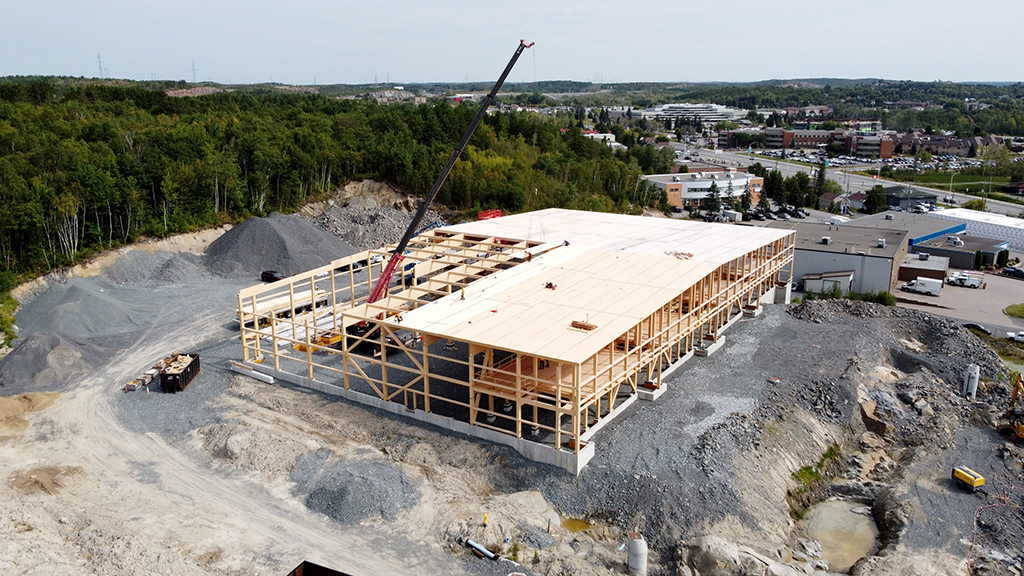
 Prime Minister Carney has pledged billions of dollars in financing for makers of prefabricated homes to help end the country’s housing shortage. Experts say the plan is visionary – and laden with risks. Mr. Carney has promised to provide $25-billion in loans and $1-billion in equity financing for companies that largely build homes in factories rather than on construction sites. The federal government will also place bulk orders of prefabricated housing to help jump-start a nascent industry. …It’s a big, bold bet that could make it faster, cheaper and more environmentally friendly to build a chunk of the 3.5 million homes that Canada needs to add by 2030. But factories need sustained demand, a large enough market and streamlined production. That’s what must weave out of the web of housing bureaucracy and hyperlocal rules that currently tangles up residential construction, the experts caution. [to access the full story a Globe and Mail subscription is required]

 This multi-day Conference, Finding Opportunity in Complexity, will explore the interconnected dimensions of climate change, forest fire management, biodiversity conservation, Indigenous forest stewardship, socio-economic considerations, and the evolving forest industry. From October 5-8, 2025, you can experience beautiful Binesii-wiikwedong (Thunder Bay), on the shore of Anishinaabewi-gichigami (Lake Superior) and the surrounding area. The boreal forests of the “Lakehead”, the traditional territory of Fort William First Nation, have provided a cultural and spiritual foundation for Indigenous Peoples for generations, along with a diverse suite of ecosystem services. Over time the area’s forests have also become a source of economic prosperity, making the region a hub of forest management, scientific inquiry, and policy development. Join us as we transform the challenges of complexity into opportunities by considering the history of forest management, celebrating the contributions and diverse perspectives of our peers, and looking toward resilient and healthy future forests.
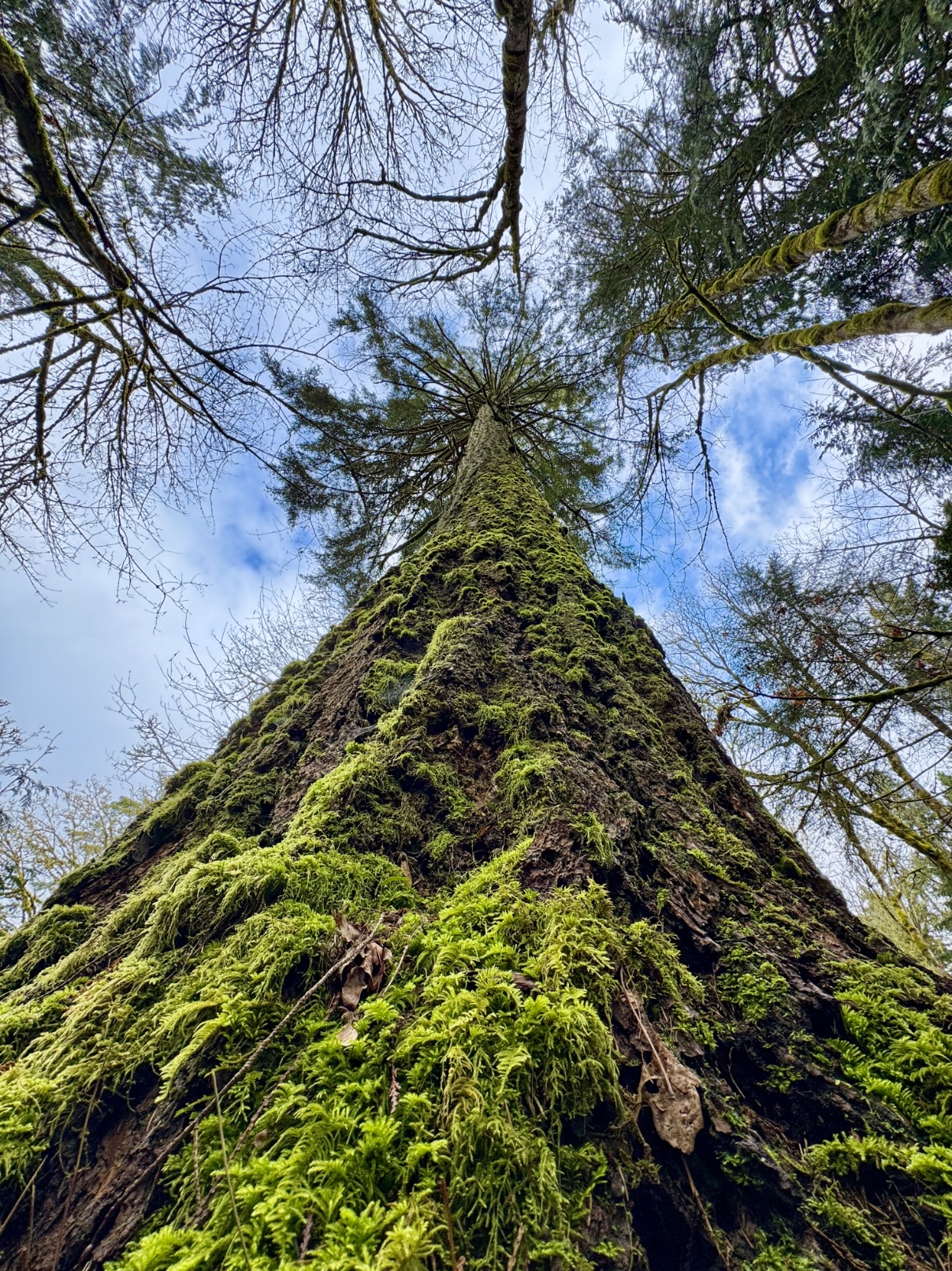 Forests are fundamental to Canadians. As “hewers of wood and drawers of water,” forests are as much a part of Canadian DNA as hockey sticks and maple syrup. …Canada harvests a relatively small portion – less than 0.5% – of its forests annually, adhering to sustainable practices. Every hectare harvested is carefully managed to ensure full regeneration, maintaining ecosystems and biodiversity while continuing to support the communities and livelihoods that depend on them. Harvesting takes years of meticulous planning. In fact, before a single tree is cut, forestry companies study and analyze the forest ecosystems before developing and presenting the government and the public with 100 to 200-year plans, repeating the process every ten years with improved information. [The Hill Times requires a subscription for full access to this story]
 The May News & Views includes the following headlines:
  The Telkwa Caribou Road Restoration project has received a commitment of $278,257 over three years from the Habitat Conservation Trust Foundation. This project will benefit the Telkwa caribou herd through the reclamation of approximately 100 kilometres of road that will according to the project, reduce interactions of caribou with predators, increase habitat availability and access for predators to alternative prey, and increase intact caribou habitat (mature, old-growth forest) into the future. Senior conservation planning biologist Laura Greene said the Telkwa caribou herd has been a conservation concern since the late 1960s. Increasing landscape change, such as logging, road-building, human settlement, etc., is what has driven the decline of the Telkwa caribou, Greene explained. Habitat alteration can result in the direct loss of habitat for caribou, a decrease in habitat quality, and/or a shift in the predator-prey dynamics, resulting in more caribou being killed by predators.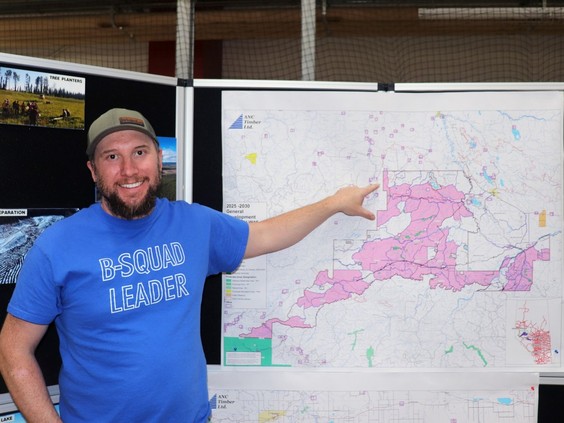




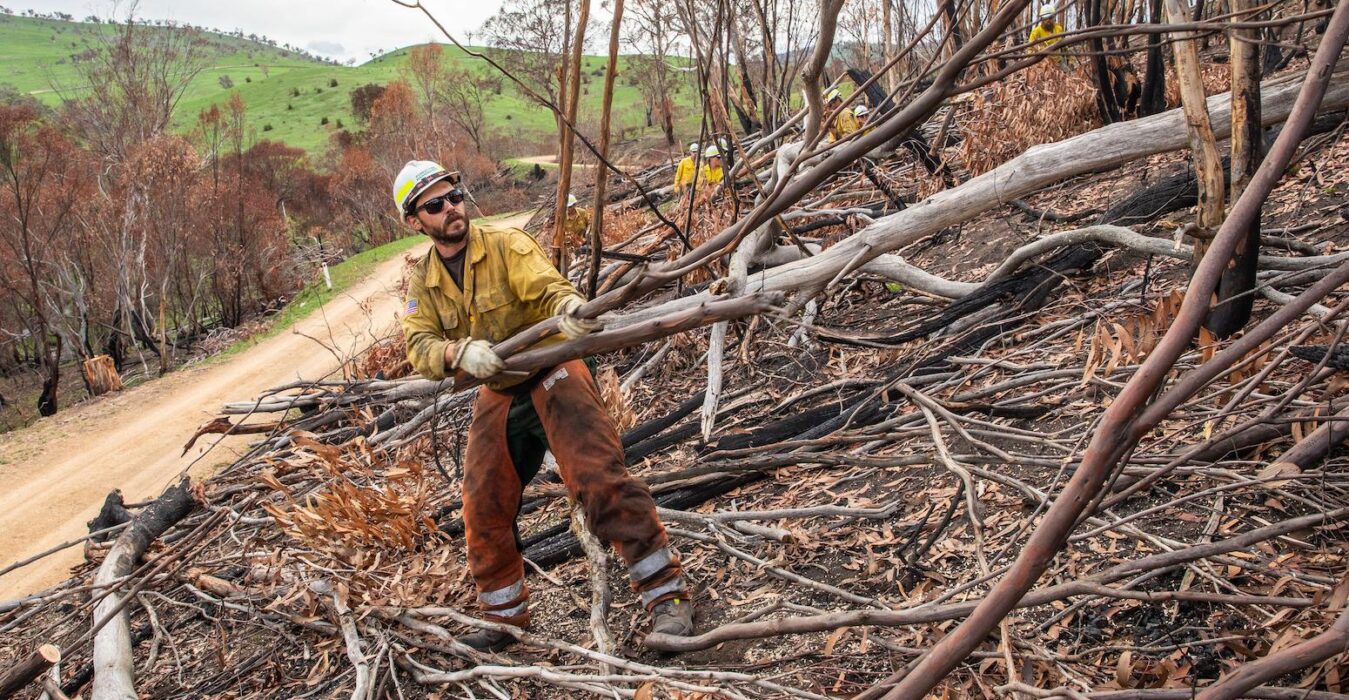
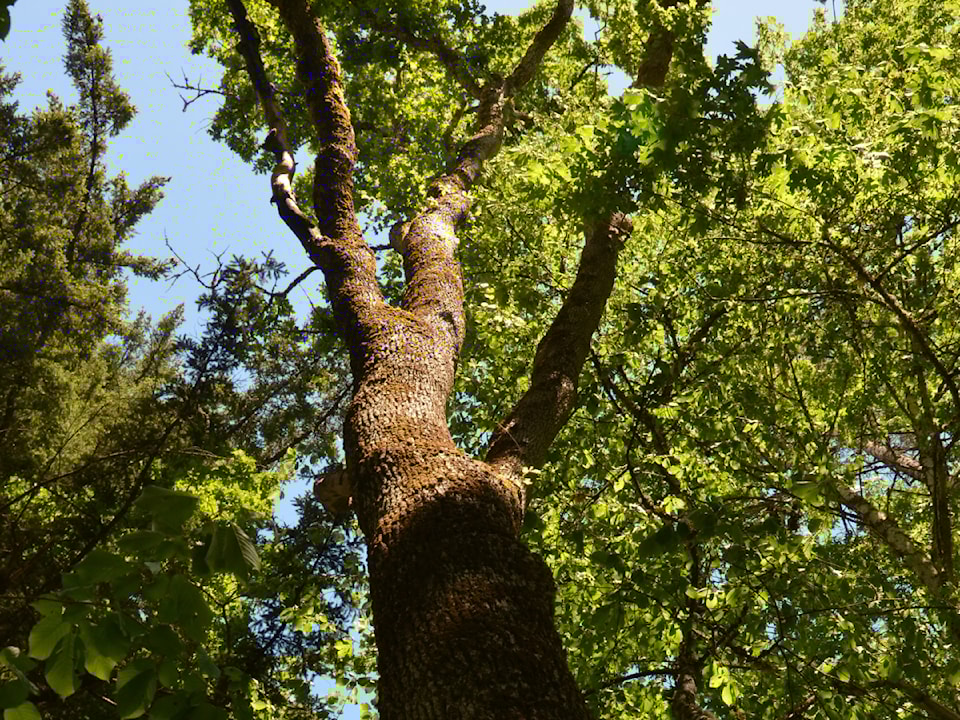

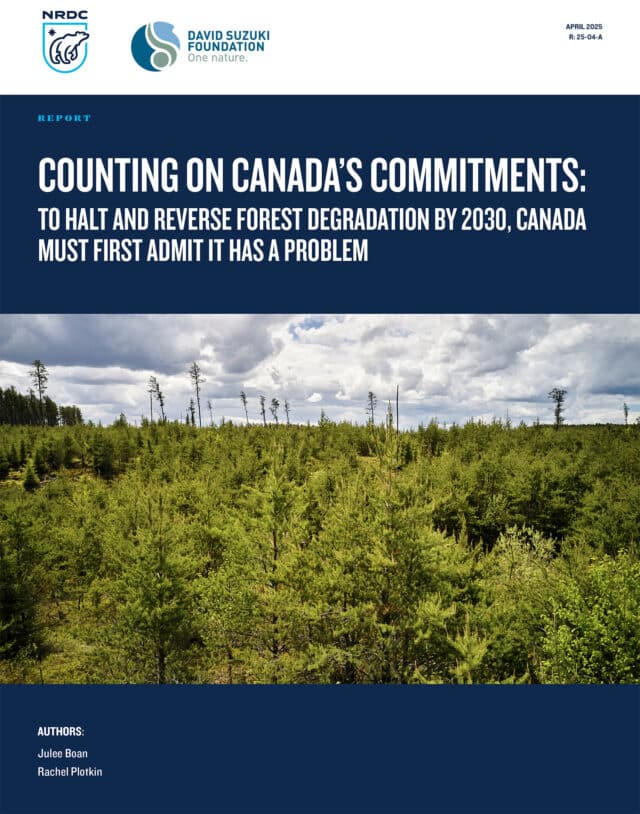 THUNDER BAY — The health of Canada’s forests is an issue if the county is to meet its climate targets, according to a recent study. Co-authored by Julee Boan, partnership director for the Global Nature International Program at the Natural Resources Defense Council, with Rachel Plotkin, the boreal project manager at the David Suzuki Foundation,


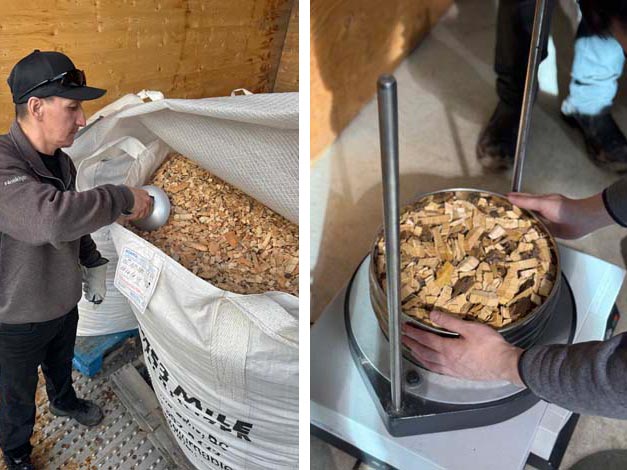
 The Sustainable Biomass Program (SBP) has today announced the publication of two Interim Regional Risk Assessments (RRAs), covering British Columbia and Alberta Forests, Canada (available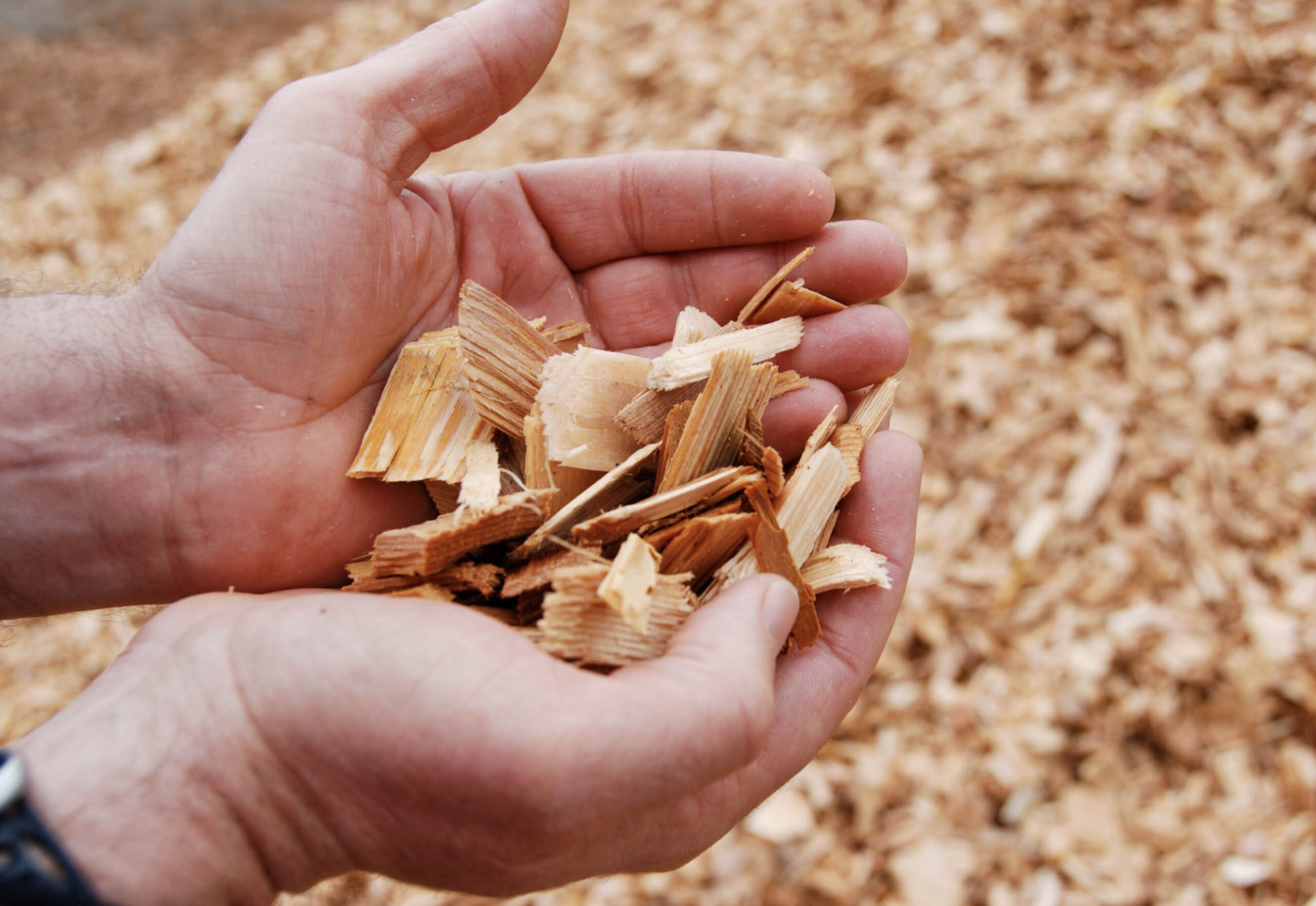
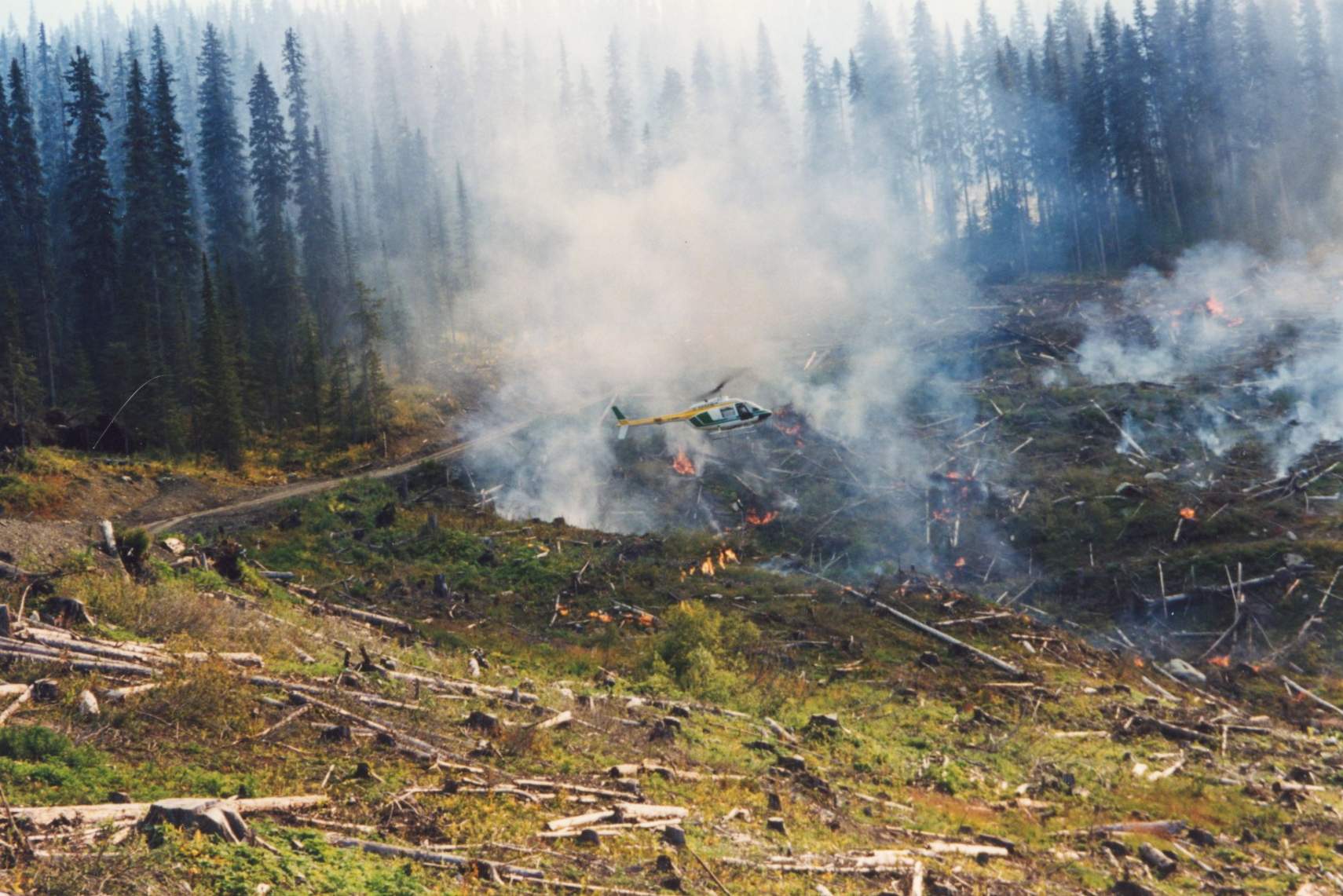 British Columbia’s worker protection agency says a planned burn by the province’s wildfire service during the devastating 2023 fire season could have killed or injured multiple firefighters who became “trapped by extreme fire behaviour” that cut off their escape. Inspection reports by WorkSafeBC say the BC Wildfire Service didn’t adequately ensure safety during the burn in the Shuswap region on Aug. 17 that year, and a group of trapped Brazilian firefighters had to retreat to a “safe zone.” WorkSafeBC says they had to burn off fuel around their truck and spend the night because of low visibility, smoke, fire activity and falling trees. They were picked up the next day by another crew that “cut their way into the site.” …The employer did not provide adequate information, instruction, training or supervision for the crews involved, the report says, and the incident “could have resulted in multiple serious injuries or fatalities of workers.”

 Dozens of firefighters from British Columbia arrived in Manitoba over the weekend to help local first responders battle an out-of-control wildfire in northern Manitoba. Manitoba Premier Wab Kinew said Friday he put out a call to the Canadian Interagency Forest Fire Centre (CIFFC) for help from other jurisdictions to fight the flames. British Columbia responded, sending 42 firefighters. “I’m just happy to say that B.C. has answered the call. We’re there for other provinces. I know they’ll be there for us,” Kinew said at a news conference Friday. According to Manitoba’s fire map, a 20,000-hectare fire west of The Pas was still burning out of control as of Monday morning. It broke out over a week ago, engulfing 100 hectares, with heavy winds and little moisture causing it to more than quadruple in size in 24 hours.
 Wildfire crews from British Columbia are expected to join first responders in Manitoba on Monday to help them battle the largest out-of-control blaze in the province at the moment. “We are at the place right now and, and in this season with current conditions and activity on the landscape that we can provide these couple of unit crews,” B.C. Wildfire Service spokesperson Erika Berg told CBC News on Sunday. The fire — one of two blazes north of The Pas, a town more than 500 kilometres northwest of Winnipeg … grew from 100 hectares to 6,600 within four days. Premier Wab Kinew first announced the deployment of B.C. crews in Manitoba on Friday at an unrelated news conference where he thanked the province for its support.


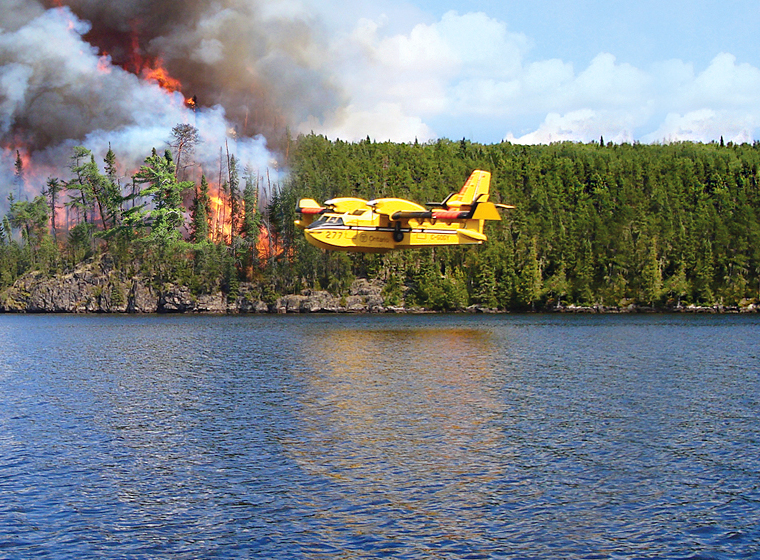 KENORA — The largest wildfire of the season in Northwestern Ontario has consumed 1,300 hectares of forest, but Ministry of Natural Resources crews have been aided by more favourable weather conditions. Heading into the weekend, there were concerns about the fire’s proximity to Wabaseemoong Independent Nations, as it was only 12 kilometres to the south and the fire was exhibiting some extreme behaviour. However, there was minimal growth on the fire’s perimeter on Saturday, and the wind changed direction, blowing from the south to direct fire activity and smoke away from the community. The MNR expects southerly winds will persist for a few days.
 ATIKOKAN — A forest fire forced the closure of a section of Highway 11 in Northwestern Ontario. Ontario 511 reported the closure of both lanes of the highway at 5:27 pm EDT Monday. The road was blocked between Highway 623 at Sapawe and Highway 633 near Kawene. According to witnesses at the scene, Ministry of Natural Resources waterbombers were working steadily on the fire. The MNR estimated the fire had burned 180 hectares by 8:30 pm, and listed the outbreak as “not under control.”
 Quebec’s forest fire prevention agency says it is sending reinforcements to Ontario and Saskatchewan to help teams fight several forest and brush fires. Two CL-415 firefighting aircraft and their crews will head to Dryden, Ont., while two other of the same aircraft will head to Meadow Lake, Sask. Quebec’s forest fire prevention agency, known as SOPFEU, says the teams departed Sunday from Quebec City. The agency says the current situation in Quebec allows for resources to head to other provinces. In Ontario, there were six active fires burning across the province shortly before noon Sunday, including one in Haliburton, located about 170 km north of Oshawa, according to the Ministry of Natural Resources’ interactive map. The Saskatchewan Ministry of Public Safety map showed there were 18 active wildfires burning Sunday, for a total of 142 fires since the season began on April 1. There were 19 active fires burning in Saskatchewan on Saturday.
 The Ministry of Natural Resources is dealing with a couple of large forest fires. Kenora Fire #14 near Whitedog has been remapped to almost one thousand hectares. Right now, the First Nation of Wabaseemoong is not being threatened, and air quality has improved with shifting winds. An Emergency Area Order has been issued for that part of the province. …In the meantime, 11 fire ranger crews have been assigned to the forest fire and four helicopters are being used. Three more aircraft have also been dispatched. The other significant fire is Dryden fire #5, which is located on Sturgeon Lake, about 62 kilometers north of Ignace. It’s currently about 70 hectares in size and not under control, but the MNR says it’s responding well to the use of water bombers.