 International Pulp Week kicked off today at the Pan Pacific Hotel in Vancouver, BC. This annual three-day conference organized by the Pulp and Paper Products Council brings together the world’s leading producers of market pulp, suppliers, financial analysts, logistic companies, and their customers for a first-class informational and networking opportunity. The goal of the event is to provide knowledge, data, and in-depth analysis on the latest market developments and trends in the market pulp industry worldwide as well as to serve the market pulp industry by allowing for a multitude of business meetings and networking opportunities that would otherwise require travel to several continents. Stay tuned all week for Tree Frog News coverage of the event. Here are a few of the attendees gathered at the opening reception.
 British Columbia is world renowned for its incredible wilderness landscape, mountains, rivers, lakes and forests. It’s a great place to live, work and play. Our forests are regionally diverse – from coastal and interior rainforests, dry belt pine and fir forest and higher elevation spruce and balsam, old growth and new growth – they all have one thing in common … trees!
 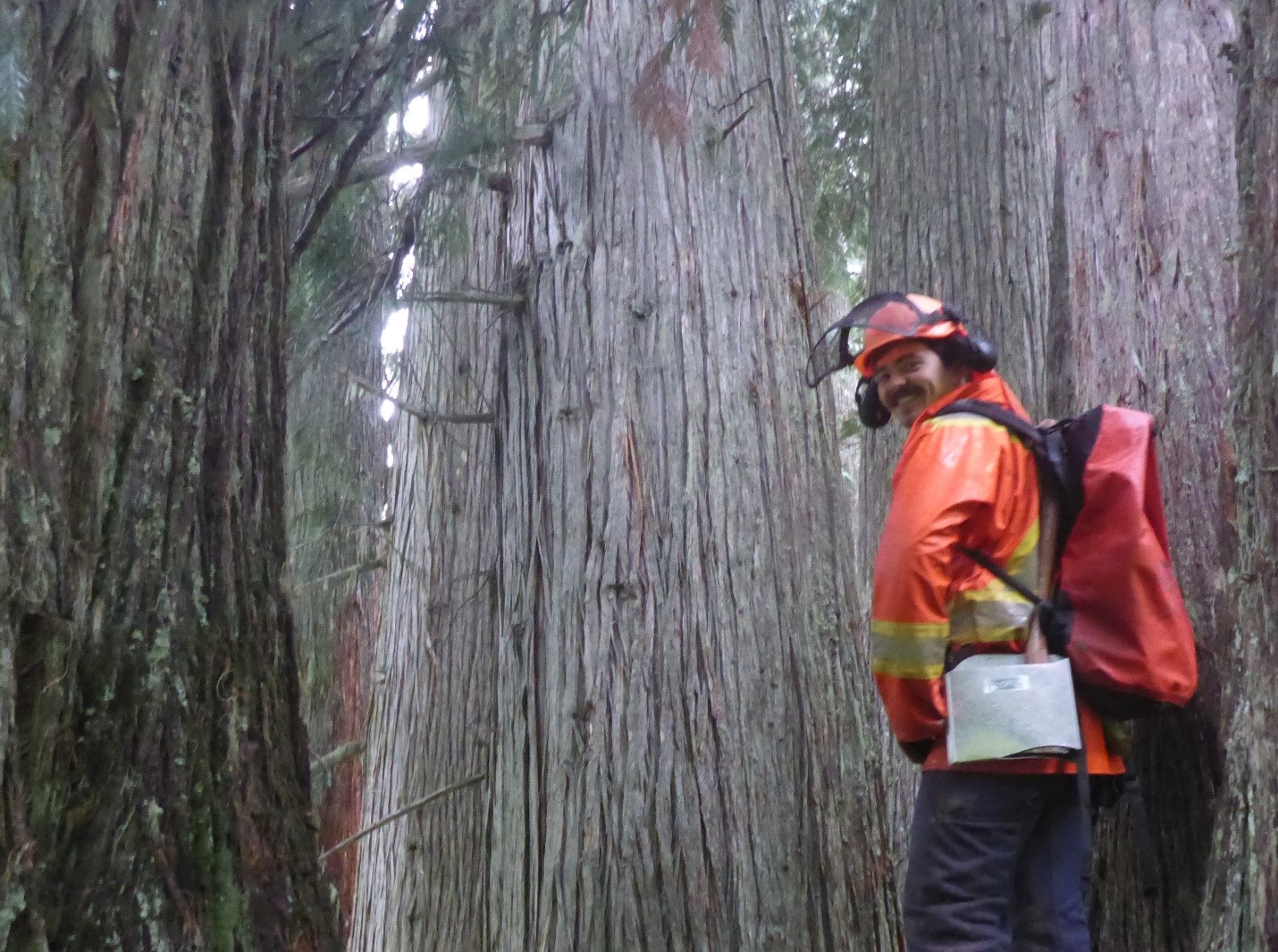 Whether working or playing, it is essential to be aware of a forest’s potential hazards and what can put you at risk, specifically as it relates to the trees. …“If a tree falls in the forest, does anyone hear?” … only if someone is near enough to hear. The same applies to the danger it may pose. If no one is near it, then even if it falls, it isn’t a danger to anyone. Spend enough time in a forest and you will witness a tree fall over on its own.
 These weekly resources are simple yet powerful tools to help keep safety conversations alive and evolving in your workplace. BCFSC offers a library of hundreds of Crew Talks each designed to support short, focused safety discussions in five minutes or less. They support effective supervisor-worker engagement, helping spark meaningful conversations about current safety procedures and concerns.
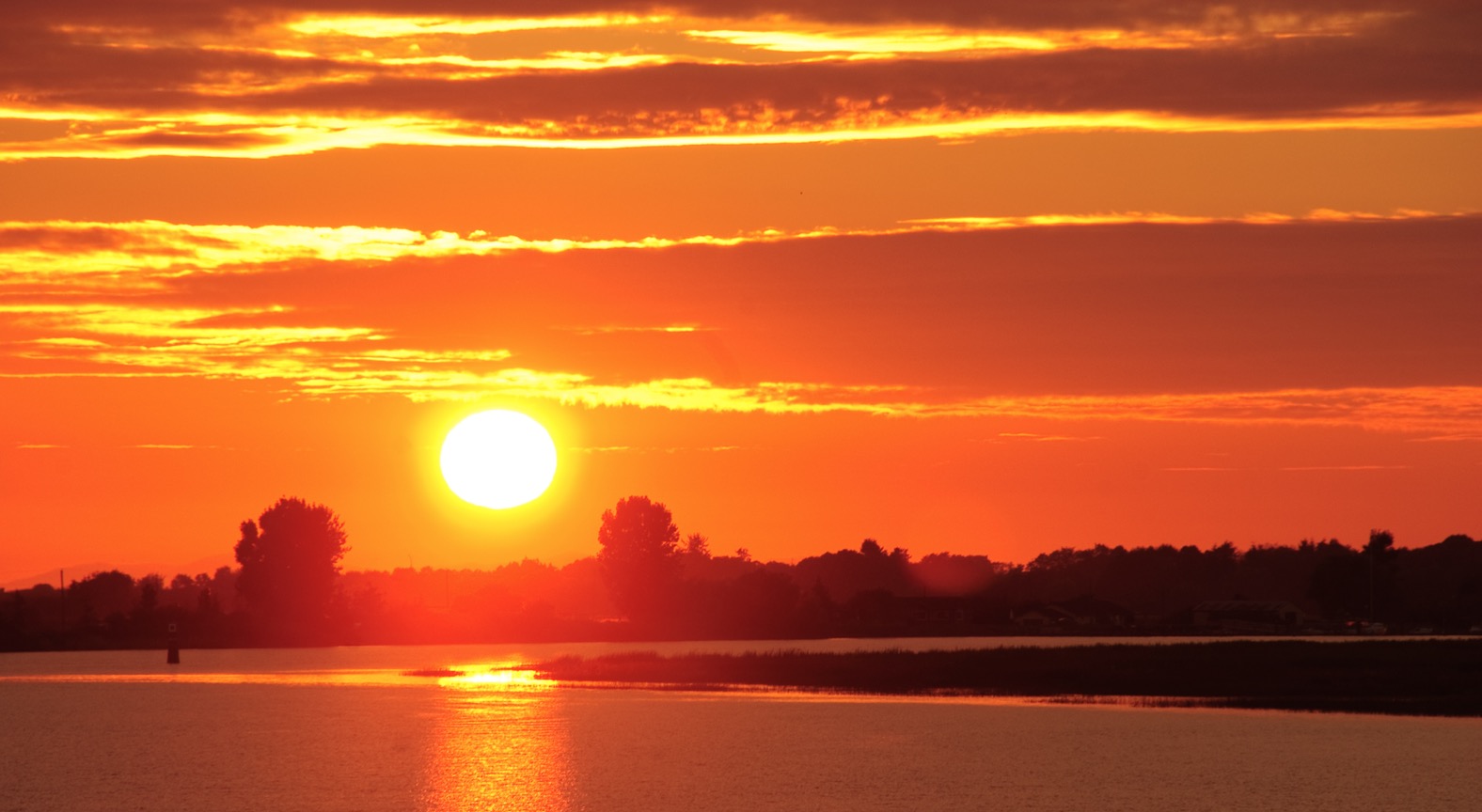 People who work outdoors can often be at the highest risk for heat-related illnesses and injuries during hot summer conditions. High temperatures and sunshine can be a wonderful thing when enjoying time at the lake or on the beach but can cause serious health issues. The wide variety of job roles and often rigorous physical activity in forestry can put workers at risk for heat-related illness if not managed properly.
 A federal appeals court temporarily reinstated the most sweeping of President Trump’s tariffs, a day after a US trade court ruled that Trump had exceeded his authority in imposing the duties and ordered an immediate block on them. The United States Court of Appeals for the Federal Circuit in Washington said it was pausing the lower court’s ruling to consider the government’s appeal. Wednesday’s surprise ruling by the US Court of International Trade had threatened Trump’s Liberation Day tariffs and additional tariffs on goods from Canada, Mexico and China. The trade court ruled that the Constitution gave Congress, not the president, the power to levy taxes and tariffs, and that the president had exceeded his authority by invoking the International Emergency Economic Powers Act. …Trump administration officials had said they were undeterred by the trade court’s ruling, saying they expected either to prevail on appeal or employ other presidential powers to ensure the tariffs go into effect.
 Canada continues to stare down the barrel of the American trade war. The United States-Mexico-Canada Agreement faces its first big review in 2026. This country remains in a uniquely high-stakes moment. …This will, and will always be, an uneven fight. Canada is 40 million people and only the world’s ninth largest economy. A middle power is going up against the world’s richest and most powerful country. How exactly is it even possible for Canada to win in this asymmetric trade war? Crucially, this conflict isn’t just about steel, soybeans or softwood lumber – it’s about narrative and power. …US President Trump frames trade deficits as proof that the US is “losing”:
 As Premier David Eby and a British Columbia delegation tours Japan, South Korea and Malaysia, Prince George’s opposition MLAs say the trip is “damage control” for his government’s previous policies as well as the reception to the recently passed bills 14 and 15. Eby and a delegation left for a 10-day trip to Japan, South Korea and Malaysia on Saturday, May 31. One notable absence from the trip is British Columbia Assembly of First Nations Regional Chief Terry Teegee, who said in a Friday, May 30 media release that he could not participate in a mission launched by a government that passed legislation trampling First Nations’ rights. Reached by phone on Monday, June 2, Prince George-North Cariboo, Prince George-Valemount and Prince George-Mackenzie Conservative MLAs Sheldon Clare, Rosalyn Bird and Kiel Giddens said the NDP are trying to make up for having closed British Columbia’s independent trade offices in Asia over the last eight years.
 Economic growth forecasts for the US and globally were cut further by the Organisation for Economic Co-operation and Development (OEDC) as President Trump’s tariff turmoil weighs on expectations. The US growth outlook was downwardly revised to just 1.6% this year and 1.5% in 2026. In March, the OECD was still expecting a 2.2% expansion in 2025. The fallout from Trump’s tariff policy, elevated economic policy uncertainty, a slowdown of net immigration and a smaller federal workforce were cited as reasons for the latest downgrade. Global growth, meanwhile, is also expected to be lower than previously forecast, with the OECD saying that “the slowdown is concentrated in the United States, Canada and Mexico”. “Global GDP growth is projected to slow from 3.3% in 2024 to 2.9% this year and in 2026. It had previously forecast global growth of 3.1% this year and 3% in 2026. …The OECD adjusted its inflation forecast, saying “higher trade costs will also push up inflation.”
 Lumber is in the spotlight as the National Association of Home Builders (NAHB) and the US Lumber Coalition disagree over what’s behind the U.S. housing market slump. The NAHB has pointed to tariff uncertainty and lumber prices as being partly responsible. The US’s current anti-dumping and anti-subsidy duty on imported Canadian softwood lumber stands at 14.5%. It could potentially climb later in the year to nearly 35%. “I share President Trump’s desire to create fair and balanced trade across our borders, certainly would bring back as much production as we can,” NAHB CEO Jim Tobin said. “But until we do that, and it will take years and millions of dollars of investment, we need to make sure that we have a reliable, affordable source of lumber.” …The US Lumber Coalition has also been critical of Canada, saying that “ongoing unfair trade practices” by its lumber industry have been “extremely harmful to US lumber producers.”
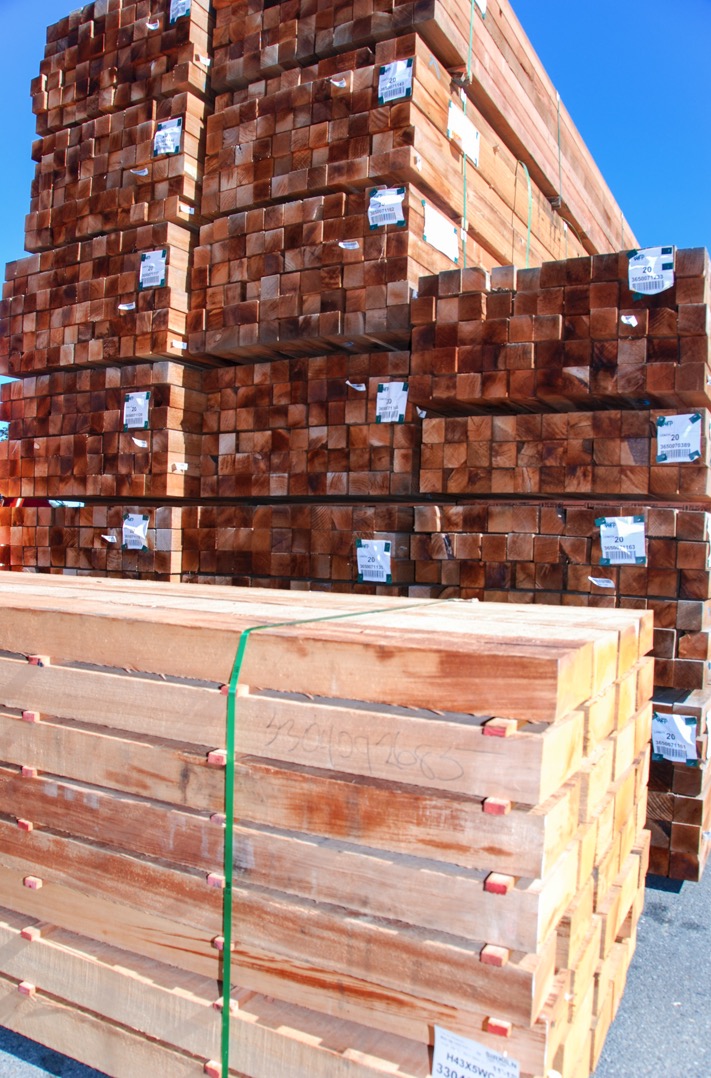
 US market conditions have been lackluster since the Trump tariffs on Canadian lumber were postponed for the second time in early April. …The proposed 25% tariffs were the catalyst for SPF prices rising in the first two months of 2025. …Today, this puts BC Interior SPF mills back near break-even levels at current lumber prices and 14.4% duties with other Canadian regions looking to be marginally profitable. With tariffs in suspension mode, the US market fundamentals have now been exposed – the market is weak and remain weak – and there is too much supply – again! ….The silliness of the Trump administration’s irrational rhetoric as well as biased trade policies will only result in raising all lumber prices to the US home builder, the renovation contractor, and the consumer. How much of the tariffs (or Canadian duties) are passed on to the consumer is the only wild card, but it will likely be the majority.
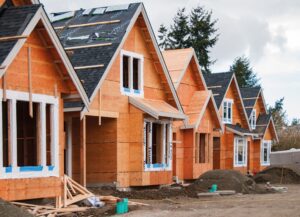 A pause on some tariffs creates a window for Canadian companies to re-examine their risk profiles and work with brokers to secure needed coverage. Both Bay Street and Wall Street are cheering the ruling from the US Court of International Trade that, at least temporarily, tamps down the 10% tariffs the White House imposed on most countries, and drug-related emergency orders setting 25% tariffs on some goods from Canada and Mexico. …Some companies may use tariff lulls to stock up on certain key materials. …Construction companies, for example, often import flooring products from the US, even though Canadian builders have good access to lumber. For them, stockpiling those materials reduces the economic impacts of both US tariffs and Canadian retaliatory tariffs. …Additional optimism arrived via King Charles III’s Speech from the Throne this week. The document opening Canada’s parliament commits to major economic initiatives, including large-scale increases in housing construction.
 Read these stories and more in the June newsletter:
 Ten forest firefighters from the Island are in Saskatchewan to help with the wildfire situation in that province. There are also two Island forestry staff in Manitoba assisting with fires there in safety roles. The province continues to be in a good position to respond to forest fire inside or outside of provincial borders. The Government of Prince Edward Island has more than 55 staff trained in wildland firefighting, including foresters, forest technicians, wildlife technicians, and others who have fire response as part of their duties. The team heading to Saskatchewan includes wildfire students who will be embedded with more experienced firefighters to hone their skills.
 Is your community prepared for the rising risk of wildfires? Join wildfire mitigation experts from Silvacom for an insightful webinar on launching effective Community Fireguard projects. This session is designed to equip you with the knowledge to protect people, infrastructure, and vital ecosystems. Learn how Fireguards serve as a critical front-line defense and understand the comprehensive process from initial concept to successful construction. Municipal Leaders, First Nations Representatives, Planners and Land Managers, and people involved in community wildfire preparedness and mitigation in Alberta are encouraged to attend. Highlights:

 The BC government spent a decade killing wolves to protect caribou. Now, critics warn that despite questions about its effectiveness, ethics and impact on the rest of the environment, the government is moving to make the wolf cull a permanent part of its strategy. Launched as a short-term emergency measure in 2015, the decade-long wolf cull is a morally outrageous tactic to divert public attention from the root cause of caribou declines — the province’s failure to significantly address habitat destruction — said Pacific Wild co-founder Ian McAllister. …The future for caribou and wolves is looking even more dire given the federal and provincial plans to fast-track permitting and reduce environmental assessments for development, McAllister said. …The province is looking to make its “short-term emergency” measure of shooting wolves to protect caribou a permanent practice in lieu of protecting habitat, critics warn.
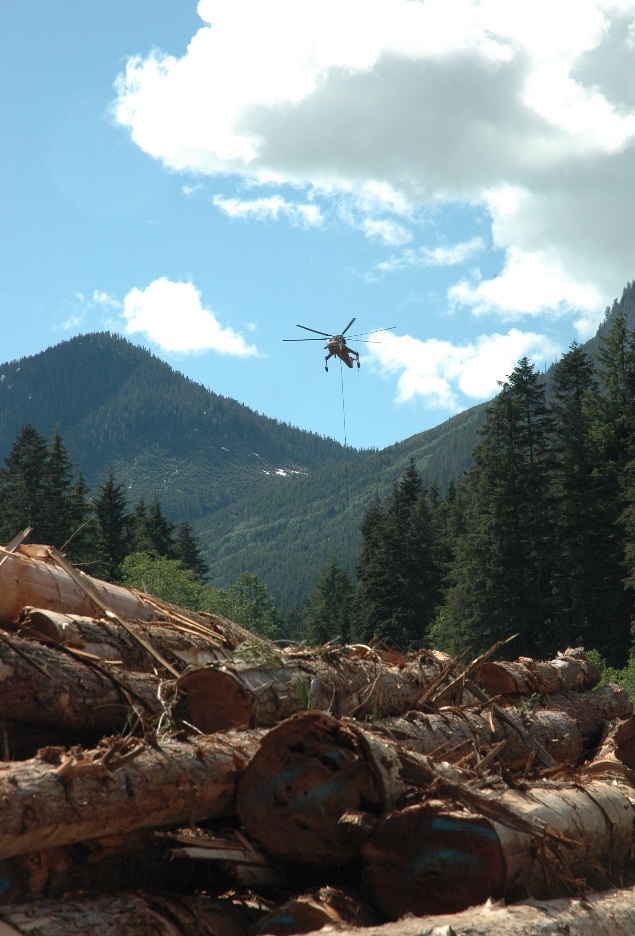 qathet Regional District’s planning committee is recommending the regional board express no objection to a Western Forest Products helicopter logging operation on Powell Lake. At the May 27 planning committee meeting, directors considered a recommendation to advise the provincial ministry of water, land and resource stewardship that the regional district has no objection to the crown land application for a licence of occupation for the purpose of industrial log handling and storage on the northern arm of the lake. Electoral Area A director and committee chair Jason Lennox said there was a detailed staff report on the application. “I’m in support of the recommendation,” said Lennox. “If you read the report, it’s a three-year activity for harvesting into the lake. You will see the different due diligence pieces in there around mitigation measures to the environment; the Powell Region Cabin Owners Association was consulted as well.
 British Columbia’s forests are home to a diverse range of wildlife species, which play a significant role in the ecology of a living forest. At the Forest Enhancement Society of BC, we recognize that responsible forest management plays a crucial role in enhancing wildlife habitat and supporting biodiversity. Because of this, one of our key purposes as an organization is to help improve wildlife habitat within B.C.’s forests. Collaborating with the Habitat Conservation Trust Foundation we have supported over 100 wildlife habitat enhancement projects restoring forest health and evaluating the habitat and wildlife response to fire… In this newsletter: Tick Safety from the BC Forest Safety Council; An interview with Thomas Sullivan, Applied Mammal Research Institute; 64 newly funded forest enhancement projects; Lower Nicola Indian Band wildfire risk reduction; and a UBC Faculty of Forestry survey explores interest in international tours.
 Climate change has put Western Canada’s glaciers on track for devastating loss over the coming decades, with the southern half of BC expected to lose nearly 75% of the alpine ice — even if warming stops today, a new study has found. The planet has so far warmed an average of about 1.2 degrees Celsius above pre-industrial temperatures. If that increase climbs to 1.5 degrees C, 81% of Western Canadian and US glacier mass would melt, according to the study published Thursday in the journal Science. …Harry Zekollari, the study’s lead author and a glaciologist at Belgium’s Vrije Universiteit Brussel, said the international research team used eight glacier computer models to analyze the potential long-term evolution of the year-round ice. The results painted a dire picture for the world’s glaciers, as the planet has already locked in enough warming to melt 40% of the Earth’s year-round ice by the end of the century.
 CHICAGO and OTTAWA, ON – As devastating wildfires continue to increase throughout North America, the American and Canadian Lung Associations are collaborating for a second year to raise awareness about the health risks associated with wildfire smoke, educate people on how to protect themselves, and promote strategies to mitigate the occurrence of catastrophic wildfires. …To protect residents in both countries from the harmful health impacts of wildfires, the American Lung Association and the Canadian Lung Association are once again working together, concentrating their efforts on three key areas: awareness, education and advocacy.
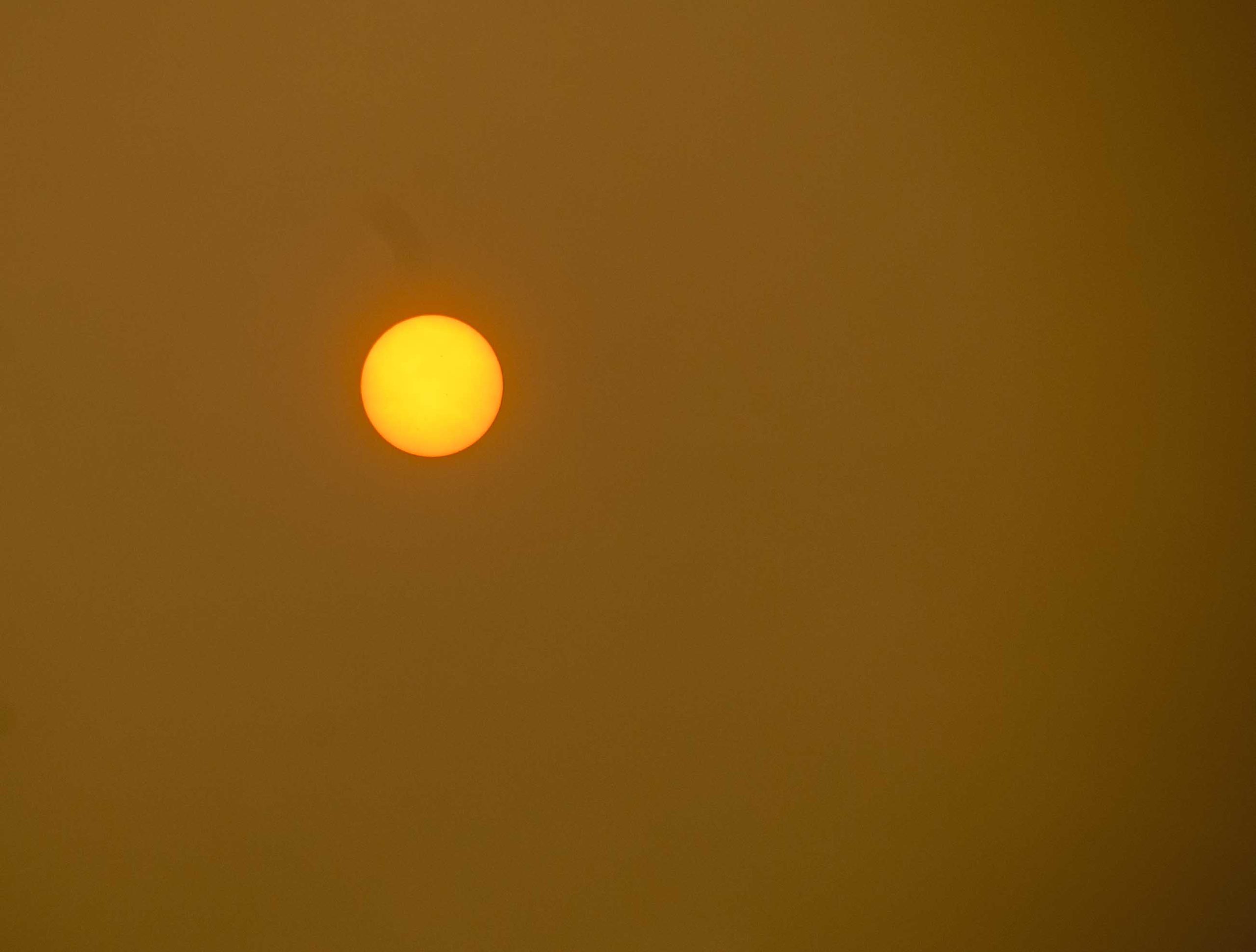 Smoke from Canadian wildfires continues to blanket parts of the Midwest and Great Plains, leading to air quality alerts across several states. More than 90 fires scattered across Canada are burning out of control, according to the Canadian Interagency Forest Fire Centre, a nonprofit that supports the government’s wildfire response. Active fires in the central Canadian province of Manitoba have forced roughly 17,000 people to evacuate. Winds high in the atmosphere pushed that smoke into the Upper Midwest on Friday, and the plumes continued to travel southeast over the weekend, reaching as far as the Georgia-Florida border. Some U.S. states may experience poor air quality through Monday, meaning sensitive groups such as pregnant people, newborns, older adults or those with respiratory or heart problems should limit their time outdoors. People in the affected areas may notice a campfire smell and hazy skies, as well as colorful sunrises and sunsets.
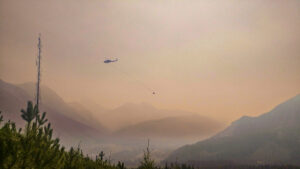 FLIN FLON, Manitoba — More than 25,000 residents in three provinces have been evacuated as dozens of wildfires remained active Sunday and diminished air quality in parts of Canada and the US, according to officials. Most of the evacuated residents were from Manitoba, which declared a state of emergency last week. About 17,000 people there were evacuated by Saturday along with 1,300 in Alberta. About 8,000 people in Saskatchewan had been relocated as leaders there warned the number could climb. Smoke was worsening air quality and reducing visibility in Canada and into some US states along the border. “Air quality and visibility due to wildfire smoke can fluctuate over short distances and can vary considerably from hour to hour,” Saskatchewan’s Public Safety Agency warned Sunday. “As smoke levels increase, health risks increase.” …In some parts of the U.S., air quality reached “unhealthy” levels Sunday in North Dakota and small swaths of Montana, Minnesota and South Dakota.
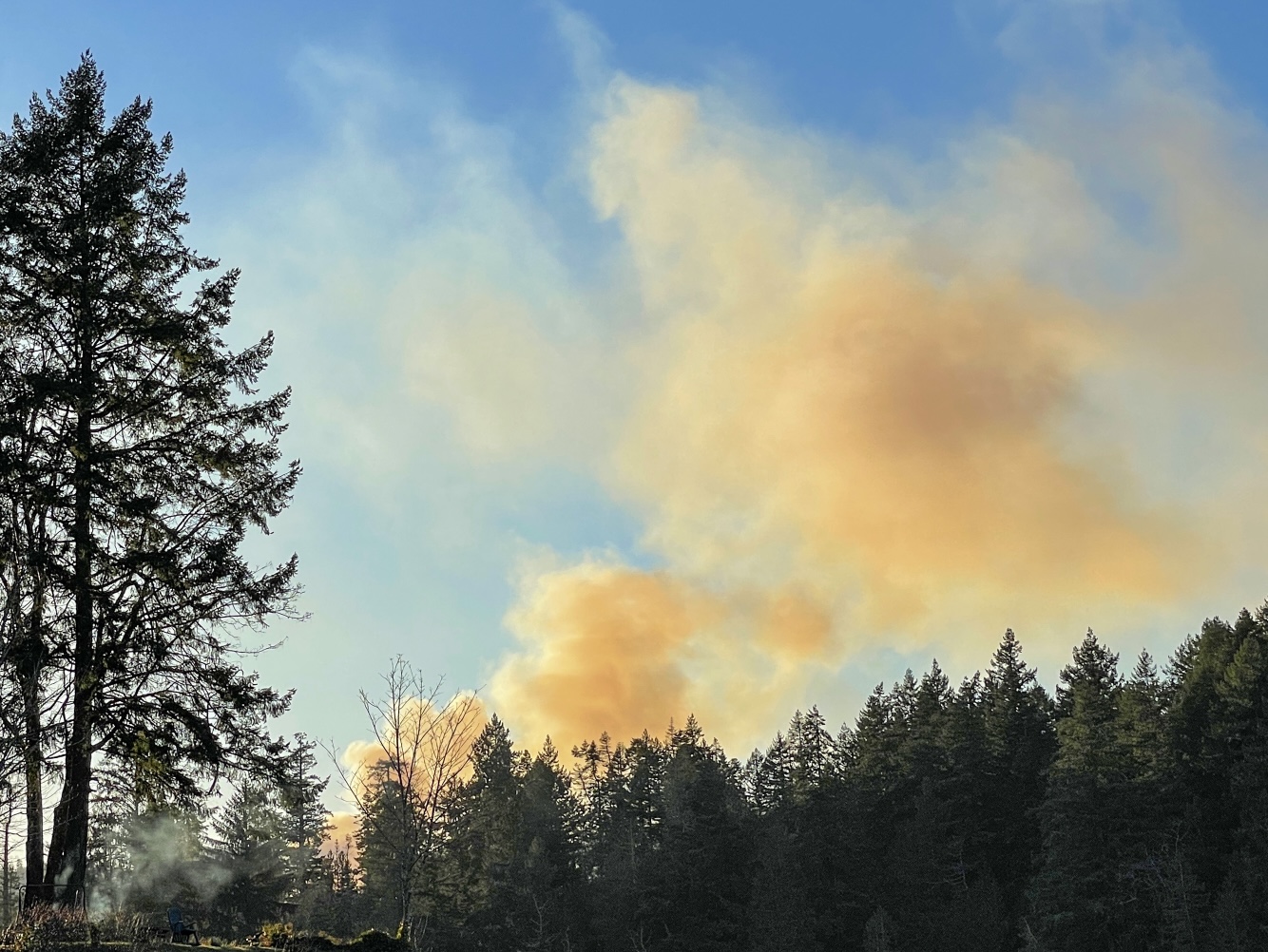 Saskatoon & Winnipeg — In response to the devastating wildfires threatening communities in central Canada. Dr. Murray Opdahl, a family physician and co-chair of CAPE Saskatchewan said, “It’s a dark day in … with so many of our communities at risk from these devastating wildfires. Wildfires and wildfire smoke pose immediate safety risks, and can have long-lasting impacts on people’s health and mental health. Our communities need immediate support during this crisis. We also need bold action to stop these wildfires from continuing to get worse each year. The science is clear: these increasingly severe wildfires are directly linked to climate change driven by fossil fuel emissions. What we’re witnessing isn’t natural; it’s the result of human activity warming our planet. I’m calling on all governments to take immediate action to protect people on the frontlines of this crisis—and to declare their commitment to accelerate the transition from fossil fuels to safer alternatives.”
 WASHINGTON D.C. — The U.S. Department of Agriculture (USDA) Forest Service has sent resources to Canada as wildfires spread across multiple parts of the country. On May 29, the Canadian Interagency Forest Fire Center raised its wildfire preparedness level as Saskatchewan, Manitoba, Ontario, and Alberta, Canada, have seen very high wildfire activity. “We are here to help our neighbors during their time of need, and our Forest Service Wildland Firefighters are the best in the business,” said Brooke L. Rollins, the U.S. Secretary of Agriculture.
 Wildfires in Saskatchewan are expected to continue to grow aggressively during the next few days, fuelled by high temperatures, winds and dry conditions. And there’s no sign of relief in sight, according to the Saskatchewan Public Safety Agency. “This will drastically impact our ability to contain some of these fires and will actually cause some of these fires to grow in size over the next period of time,” Steve Roberts, SPSA vice-president of operations, said Sunday. As of Sunday afternoon, 15 fires were burning in the province, down from 17 because two fires have merged and some small fires have been contained, the SPSA said. Roberts said 20 communities are under an evacuation order as of Sunday. The latest evacuation orders have been in Sturgeon Landing and Timber Bay. Thousands of people have already been displaced from their homes in communities including Hall Lake, Pelican Narrows, Creighton, Denare Beach and Weyakwin.
 It’s not yet summer, but out-of-control wildfires are raging across Western Canada, fuelled by drought, warmer temperatures and lack of rainfall. Residents in northeastern BC, near Kelly Lake, have fled their homes, as Manitoba and Saskatchewan declared provincial emergencies this week. As of Friday, wildfires in Manitoba had displaced more than 17,000 people. Thousands more have been given evacuation orders because of wildfires in Saskatchewan and Alberta, including 1,300 residents of Swan Hills, a community northwest of Edmonton. …“We did see similar early-season activity like this in the far northeast in 2023 and in 2024 in BC,” said Budd. “That’s really the result of prolonged drought in the region that goes back as early as 2022.” …Manitoba is also facing a dire situation. The Flin Flon fire, located on the Manitoba-Saskatchewan border near Creighton, started at a landfill before crossing over the Manitoba border. It has grown to more than 200 square kilometres.
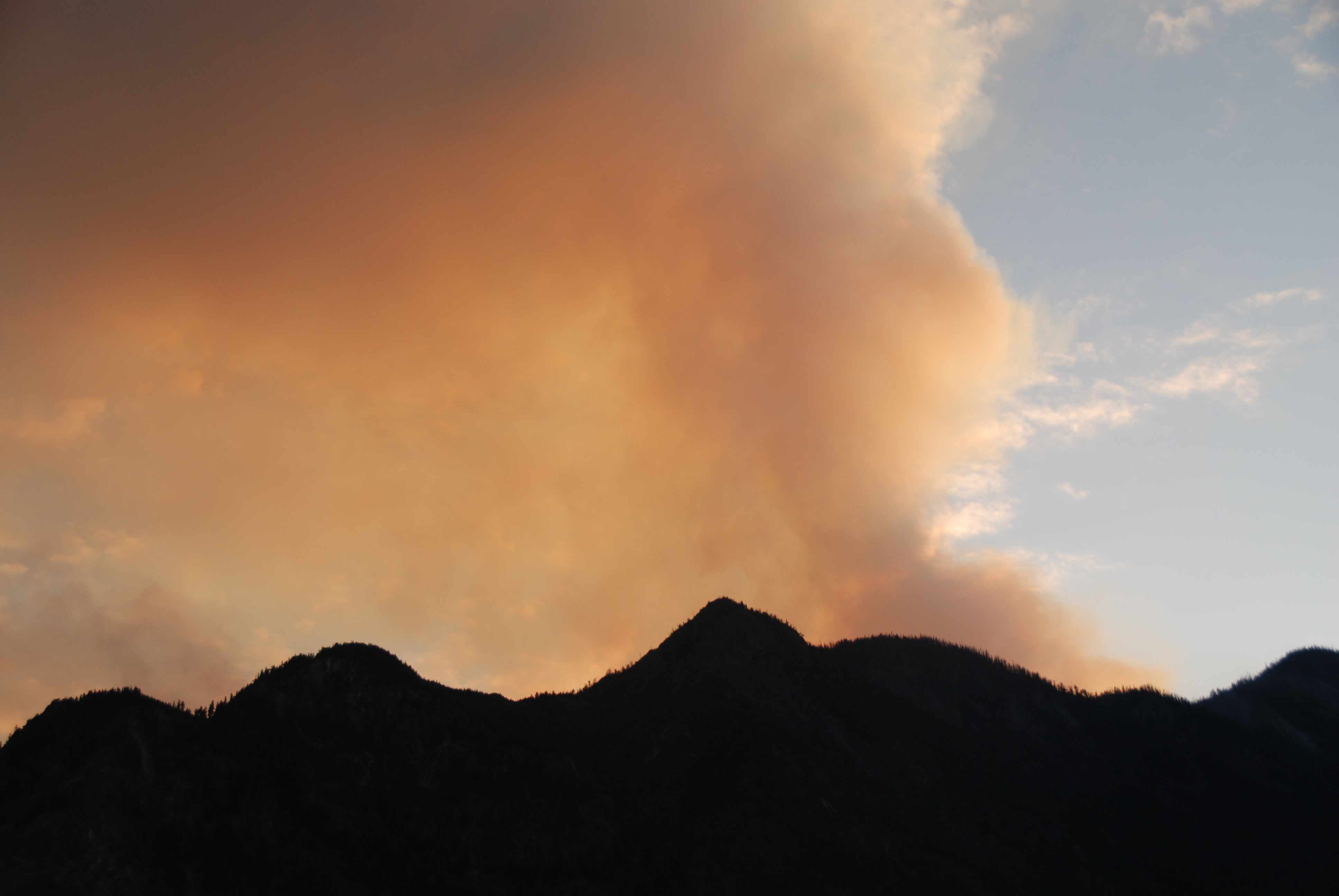 Fire crews in northern Manitoba have so far been able to contain an encroaching wildfire that forced thousands from their homes, while more residents in Saskatchewan have been told to leave due to a fast-moving blaze. The Saskatchewan government issued an evacuation alert Sunday morning for the dozens of residents that live in the hamlet of Timber Bay. Residents were told to leave the community on their own and head south to a hotel in Regina, about 484 kilometres away, to receive further support. …Approximately 80 people from Timber Bay are the latest to be forced from their homes. In Manitoba, some 17,000 Manitobans have had to leave their homes due to fires. Officials in Flin Flon, Man., where a nearby out-of-control wildfire crews have been trying to keep a nearby blaze at bay, said the fire burning near the mining city has been contained to outside its perimeter highway…
 FLIN FLON, Manitoba – Cooler temperatures and a chance of rain this week is expected in a northwestern Manitoba city that’s had to evacuate thousands of people due to wildfire. Environment Canada says temperatures in the mid teens to mid 20s are forecasted this week, with a good chance of rain coming Saturday in Flin Flon. Fire crews have been trying to keep a blaze near Flin Flon at bay, and have said the fire has been contained to outside its perimeter highway. Crews say there have been no structures lost due to the wildfire. More than 17,000 people have been displaced by wildfires in Manitoba, including 5,000 from Flin Flon. Thousands have been affected by wildfires across the Prairie provinces, with Saskatchewan issuing an evacuation alert Sunday morning for dozens of residents in the small northern community of Timber Bay, located about 260 kilometres northeast of Saskatoon. [END]
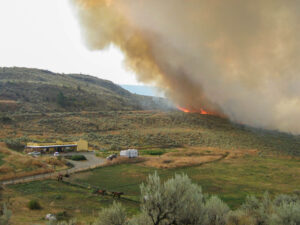 Saskatchewan is battling the worst wildfire it’s seen in decades — including the 300,000-hectare Shoe Fire in northern Saskatchewan — and experts say it’s largely caused by climate change. “This is classic climate change,” said Colin Laroque, head of soil science and professor at the University of Saskatchewan. Laroque said climatology is studied using 30-year timeframes of weather patterns, which “weren’t that different” until recently. …”These are things that we traditionally saw more in June, July and later summer, when everything dried out and then the fires took off,” Laroque said. Saskatchewan is making its way out of a relatively dry period. Few places had snow for long periods of time over winter. In the past, “snowpacks” would take time to fully melt and trickle into the ground as it warmed up. This would recharge the moisture of the soil.
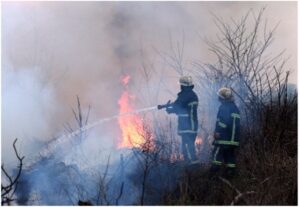 Ontario’s Ministry of Natural Resources (MNR) continues to monitor wildfires across the province, with varying conditions in the northeast and northwest regions. While some fires have been brought under control, others remain active, prompting ongoing suppression efforts and precautionary measures. The northeast region reports two active wildfires, with one recently contained. Sudbury 13, a 0.5-hectare fire near Wikwemikong that was identified on Saturday, was declared out Sunday morning. Cochrane 2, an 8-hectare fire northwest of Attawapiskat, is now under control. Cochrane 3, burning 48 kilometres west of Attawapiskat, remains not under control at 150 hectares. Though the MNR confirms no immediate threats to communities or infrastructure at this time. The northwest region remains a focal point, with 15 active fires and persistent high-risk conditions.
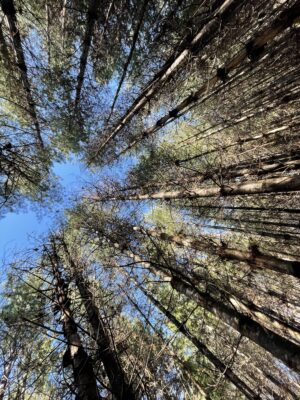 The wildfire season in Nova Scotia has been off to a “slow” start, according to the manager of forest protection with the province’s natural resources department. Scott Tingely told CBC News that so far, the number of fires and the amount of hectares burned are both below average at this point. “We had a pretty cool, wet spring so far, so that has certainly helped kind of mitigate the conditions and the risk,” Tingley said. As of Thursday, 39 fires have burned about 35 hectares across the province so far. …The wildfire situation in Nova Scotia has changed rapidly over the last week, according to data from Natural Resources Canada. On Tuesday, the department listed the fire danger across most of the province as low. And as of Thursday, that classification was raised to high for the bulk of the mainland and Cape Breton.