Kevin Mason
The headline numbers coming out of the US continue to point to a robust economy, but the K-shaped bifurcation between income brackets is undeniable. The steady decline (and recent collapse) in real disposable income is concerning. There are many factors that contribute to an individual’s disposable income. Rising energy costs have been a big factor of late (gas prices predominantly), but disposable income was in decline far before its recent dip into negative territory. Inflation has outstripped wage growth in many parts of the private sector, with households often having to tap into savings and/or take on debt to support spending. Another challenge has been high interest rates, and that shows up in the housing market (as well as autos).
…After showing impressive resilience through the first four months of the year, US housing starts capitulated in May, slumping to a seasonally adjusted 1.18MM units (their lowest level since May 2020 at the onset of the pandemic). Single-family starts came in at 882,000, off by 2% m/m and 7% y/y, while multifamily activity was off by a whopping 40% m/m and 14% y/y at just 295,000. That adjusted multifamily number was the lowest reading since November 2024 and came as a shock after multis had decisively outperformed singles through the first four months of the year (averaging an adjusted 478,000 over that period). …To round off a dismal month, home sales data for May gave little reason for optimism. Looking first at new home sales, May’s total of 580,000 (adjusted) was off 7% both m/m and y/y.
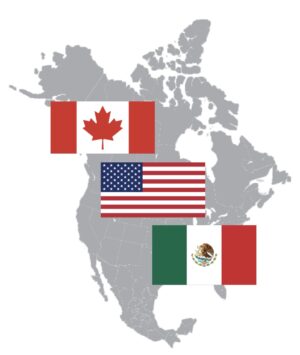 China will be front and centre at the renegotiations of the USMCA on trade despite not having a seat at the bargaining table. …With the USMCA now subject to annual reviews, the US is using the continuing trade talks to put pressure on Canada and Mexico to collaborate with its efforts to undercut China. Washington is alleging that China is exploiting loopholes in the USMCA to avoid US tariffs on its exports by using Mexico and Canada to gain back-door entry to the US market. But there is a difference between blatant customs fraud and legal shipments facilitated by third countries as part of global trade. The US, however, appears intent on blurring that distinction… providing Washington with a convenient pretext to fiddle with the USMCA’s rules of origin and compel more US content to the detriment of the two other signatories to the pact. [to access the full story a Globe and Mail subscription is required]

 WASHINGTON — The Canadian government told the Trump administration new legislation combating forced labour in supply chains should shield Canada from new tariffs. In a written submission the Government of Canada said it “remains committed to working closely with the US to eradicate forced labour from global supply chains.” …Ottawa’s case was among more than 1,500 written submissions ahead of a hearing in Washington this week on the use of Section 301 of the Trade Act of 1974 to rebuild his global tariff wall. US Trade Representative Jamieson Greer launched a trade investigations into 60 countries, including Canada. Greer said Canada, Mexico, the UK and some other countries should be hit with 10% duties because they are not doing enough to enforce bans on forced labour. …Canada already had legislation intended to curb forced labour in supply chains. But the federal government tabled a bill last month to boost enforcement.
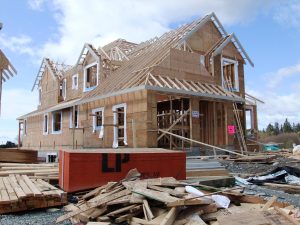 The Trump administration’s decision to forgo renewal of the United States-Mexico-Canada Agreement (USMCA) on the July 1 deadline has opened a new front in the ongoing trade war — and one with direct consequences for US homebuilders and the mortgage professionals who serve them. US Trade Representative Jamieson Greer confirmed on Wednesday that the three countries met virtually for the required joint review and that the US declined to extend the agreement in its current form. The USMCA remains in effect until 2036 but will now be subject to annual reviews that could force significant renegotiation of major sections of the treaty, a development that has rattled an already strained construction supply chain. …Canadian softwood lumber already carries a combined duty burden of 45%. That cost has steadily compressed builder margins even as new home demand remains sluggish and housing starts have declined every year since their 2021 peak.

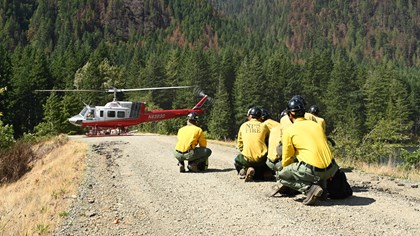
 SALT LAKE CITY — A group of unions, environmental and civic organizations, and local governments has filed a lawsuit challenging the planned restructuring of the U.S. Forest Service, which includes moving the agency’s headquarters to Salt Lake City and closing regional offices and research facilities. The plaintiffs are alleging that the reorganization would impair the Forest Service’s ability to manage national forests, and they are seeking a preliminary injunction to prevent the USDA administration from moving forward with its reorganization plan. …The lawsuit was filed by Democracy Forward on behalf of more than 30 groups, including the American Federation of Government Employees and American Federation of State, County and Municipal Employees, which represent the USDA employees that will be impacted by the reorganization. The lawsuit alleges that restructuring the Forest Service in this way will reduce the agency’s capacity to sustainably manage national forests and engage in fire response and prevention efforts.
 WASHINGTON – President Trump said he hasn’t decided whether he will sign a bipartisan housing bill, dismissing the landmark affordable housing legislation as “a big yawn” and “so unimportant” compared to an unrelated bill he supports to overhaul voting in elections. Trump told reporters on Monday, June 29 that he won’t make a decision on The 21st Century Road to Housing Act until it arrives on his desk. The president abruptly canceled a signing ceremony last week for the housing bill and said he won’t sign it until Congress passes the SAVE America Act ‒ a stalled bill he backs that would require photo identification and proof of citizenship to vote in federal elections and prohibit universal mail-in voting across the country. …The housing bill is the first major piece of legislation that passed Congress in more than three decades to address the nation’s affordable housing crisis.

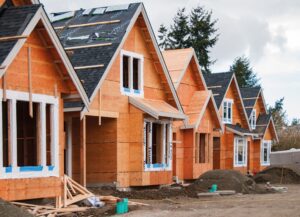 A sprawling legislative package aimed at lowering the cost of housing and spurring more home construction won bipartisan approval from Congress this week, but it’s hit a major roadblock in becoming law: President Trump. The White House supported the
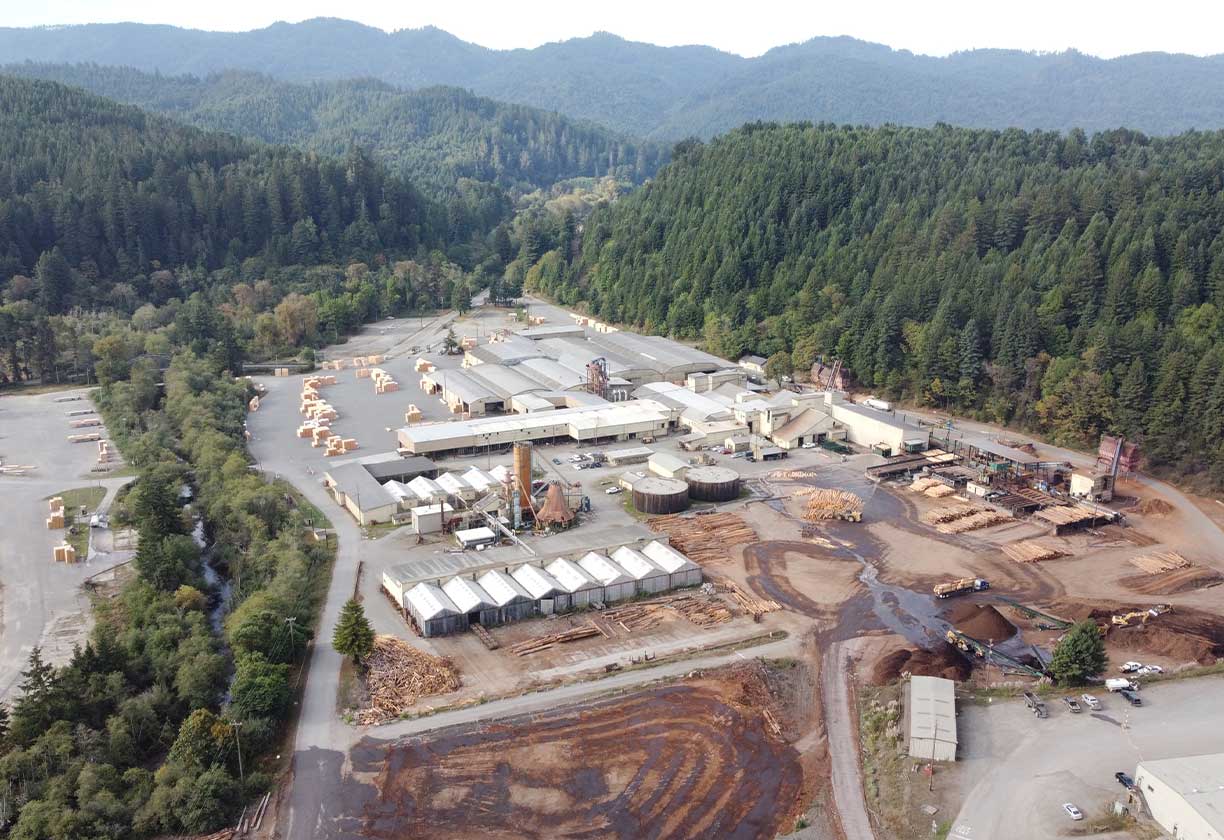
 Two new inspections into kraft pulp and paper mills in Washington have been opened, following ongoing investigations at the Nippon Dynawave mill where a tank failure killed 11 workers. The Washington State Department of Labor & Industries said investigations are going on at two other active paper mills in the state that use the same process, where caustic chemical compounds are used to help break down wood into pulp for paper product manufacturing. In the weeks following the implosion of a massive tank at the paper mill that spilled hundreds of thousands of gallons of chemicals – believed to be the deadliest industrial accident in state history – managers of similar operations have been dialing up their insurance brokers to find out how well they’re protected. One investigation is occurring at a mill run by Smurfit Westrock, also in Longview. The other, run by Port Townsend Paper Company, is in Port Townsend.



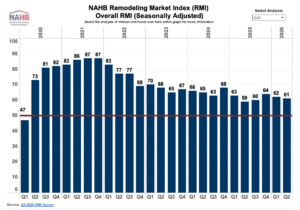 In the second quarter of 2026, the NAHB Remodeling Market Index (RMI) posted a reading of 61, down one point compared to the previous quarter. The RMI has remained in the low 60s consistently over the past year. Even with this slight decline from the previous quarter, remodeler sentiment remains the standout sector within the housing industry, outperforming both its single-family and multifamily counterparts. …However, ongoing economic uncertainty and current cost pressures due to inflation are causing project delays, especially for larger ones. In the latest RMI survey, 74% of remodelers reported that their suppliers have increased prices of materials since March due to higher fuel costs, with the average increase in materials prices over that span being 6.7%.
 The U.S. goods trade deficit is widening, the Commerce Department said Friday, suggesting stockpiling ahead of higher tariffs and a continued reliance on imports for the domestic data center rollout, analysts say. The goods trade deficit for May jumped more than $20 billion to $105.8 billion, up from $83 billion in April, according to
 A closely watched inflation report is set to reveal how much price growth picked up in May — and whether many American consumers remain mired in an affordability crunch. Wall Street forecasters expected the pace of personal consumption expenditures (PCE) to have quickened compared with April data amid higher oil prices and stronger consumer spending. The monthly PCE report is the Federal Reserve’s preferred inflation gauge. New Fed Chairman Kevin Warsh has said the central bank is committed to bringing inflation back to its 2% target — a level it has failed to reach for the past five years. Wall Street now anticipates the Fed will raise its key interest rate at least once by year’s end in a bid to counteract the stronger price growth.



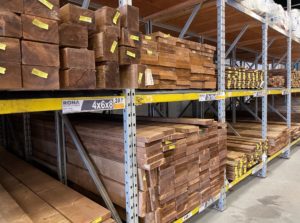 A new federal rule will tighten hazardous-air-pollutant standards for plywood and composite wood products plants, including dryers, presses, refiners and lumber kilns. The


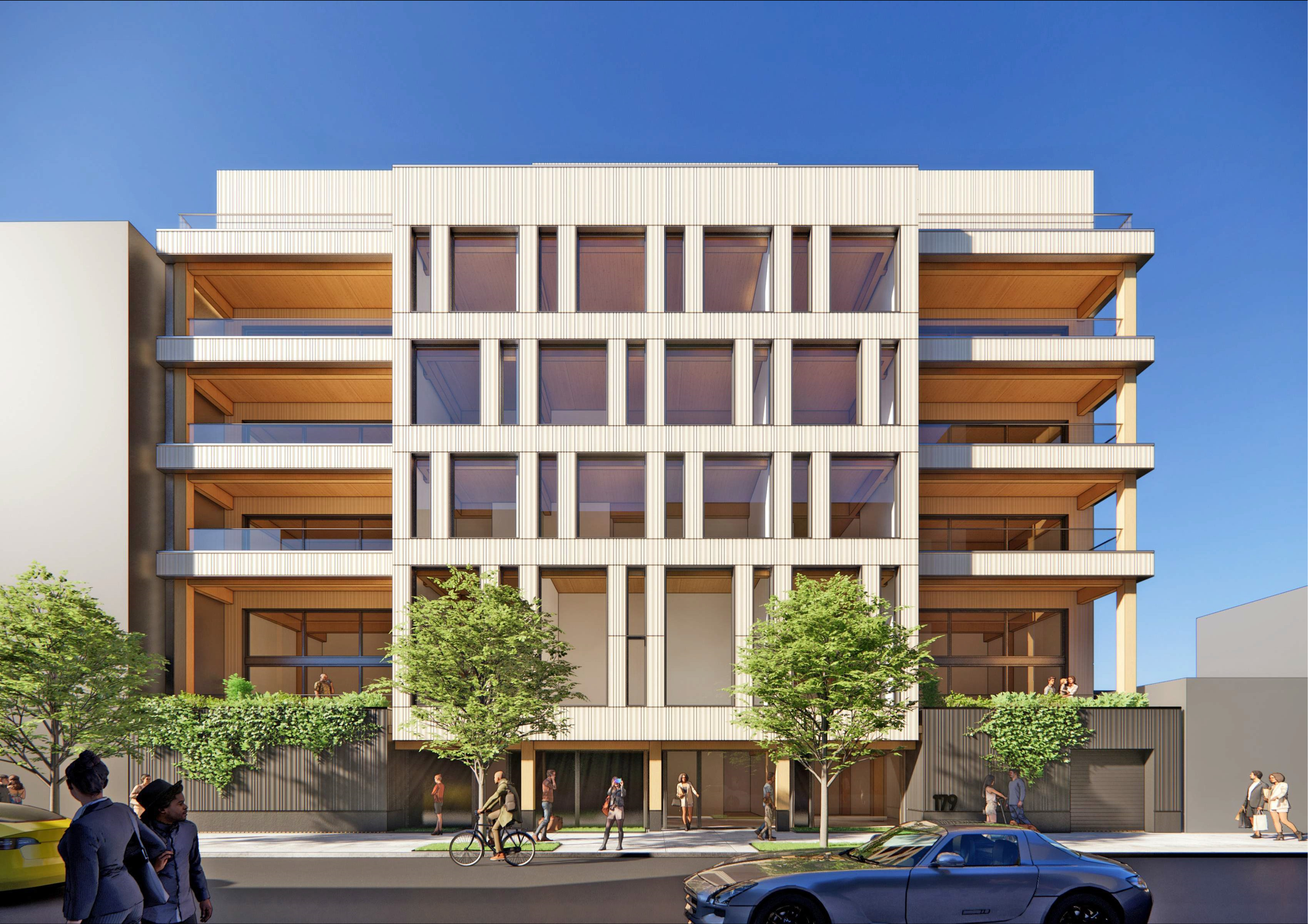
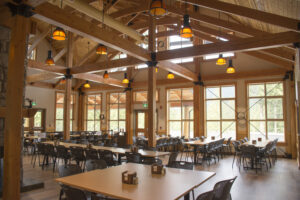 ATLANTA — At


 OREGON — The federal government has released its long-awaited proposal to triple logging across three national forests in northeast Oregon and southeast Washington. But critics say the Trump administration’s effort to boost a flagging timber industry in the Blue Mountains could ultimately harm another key pillar of the local economy: Elk hunting. It could also push elk out of forests onto private land, where the animals could damage crops and other property, according to a regional manager with the Oregon Department of Fish and Wildlife. The federal government’s plans for the Blue Mountains, which were released in draft form Thursday, could shape logging, recreation and environmental protections across 4.9 million acres spanning the Malheur, Umatilla and Wallowa-Whitman national forests for the next 15 years. …And more roads are likely to mean fewer elk. …People can weigh in on the



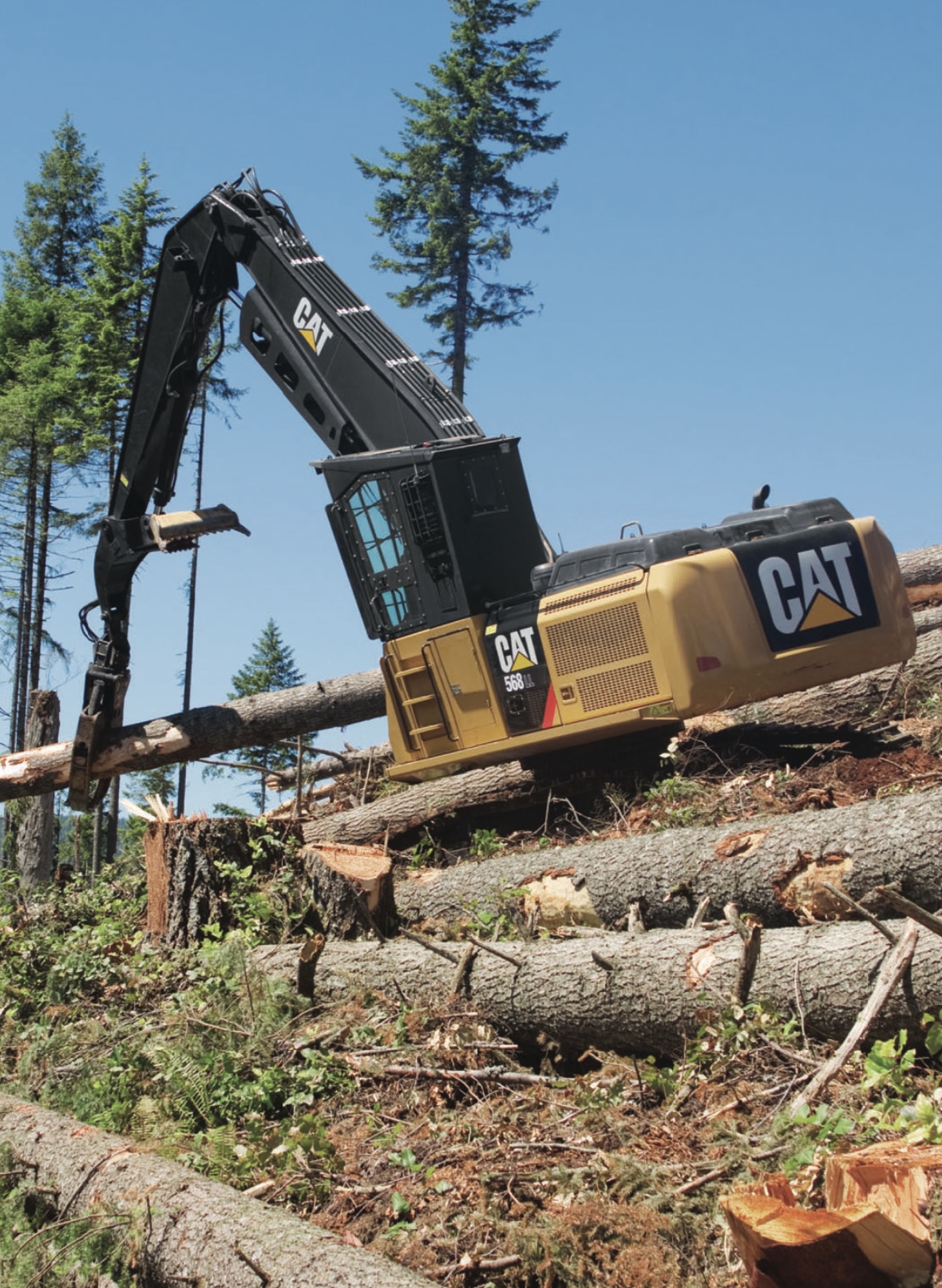 A new lawsuit challenging a logging project in Oregon threatens to unravel the management plans governing hundreds of millions of acres of federal public land. At stake are thousands of leases and permits covering billions of dollars of economic activity — including mining, drilling, grazing, logging, ski resorts, wind and solar projects, outdoor recreation, hunting and fishing. If successful, the lawsuit could throw the management of huge swaths of the West into chaos. Some experts fear the new legal uncertainty around federal agencies’ management authority could unleash a tsunami of lawsuits targeting everything from mining to the conservation of wildlife habitat. “When you throw that whole system into chaos, it’s a problem whether you’re the oil and gas industry or the timber industry,” said Susan Jane Brown, the attorney who filed the lawsuit and serves as principal at Silvix Resources, a nonprofit environmental law firm.
 Forest fires now burn ten times more acreage annually than in 1985, while wildfire severity has gotten even worse. In California, 30 times more acreage burned from high-severity, forest-killing fires, according to new UCLA research. In the 1980s and 1990s, California’s forest fires burned mostly at low or moderate severity, generally benefiting ecosystems. But as fires have grown in size, severe fires causing widespread tree death have overtaken beneficial fire as the most common fire type in California’s forests. Changes are tied to the increasingly warm and arid environment. These aridity-driven changes were also stronger in more densely forested areas, said senior author Park Williams. …The two main causes for the increase in fire severity are fuel density [and] environmental dryness. …The researcher’s conclusions show that the state can make some headway in protecting California’s forests with changes in forest management, such as doing more manual clearing of underbrush and conducting more prescribed burns.



 Demand for biofuels has been growing in many parts of the world. …Disruption to oil exports via the Strait of Hormuz this year created a further incentive to switch to biofuels to ensure energy security. While biofuels can’t fully replace petroleum, they can be blended into gasoline and diesel, allowing countries to stretch existing fuel supplies. Many environmentalists contest the idea that biofuels are a sustainable alternative source of energy. And as more farmland is used to produce them, there’s less available to make food, increasing the risk of global food shortages and hunger in the poorest nations. …The priciest biofuel is sustainable aviation fuel, or SAF, which uses advanced refining processes to convert waste oils into jet fuel that can be blended for use in aircraft. There’s also so-called advanced or second-generation biodiesel, made from non-food sources such as crop waste, wood chips and even algae, which avoids competing with food crops.
 LONDON — The United States accounted for about a third of the rise in global carbon emissions in 2025, as higher gas prices pushed power producers back to coal, an Energy Institute report showed. Highlights from the report include:
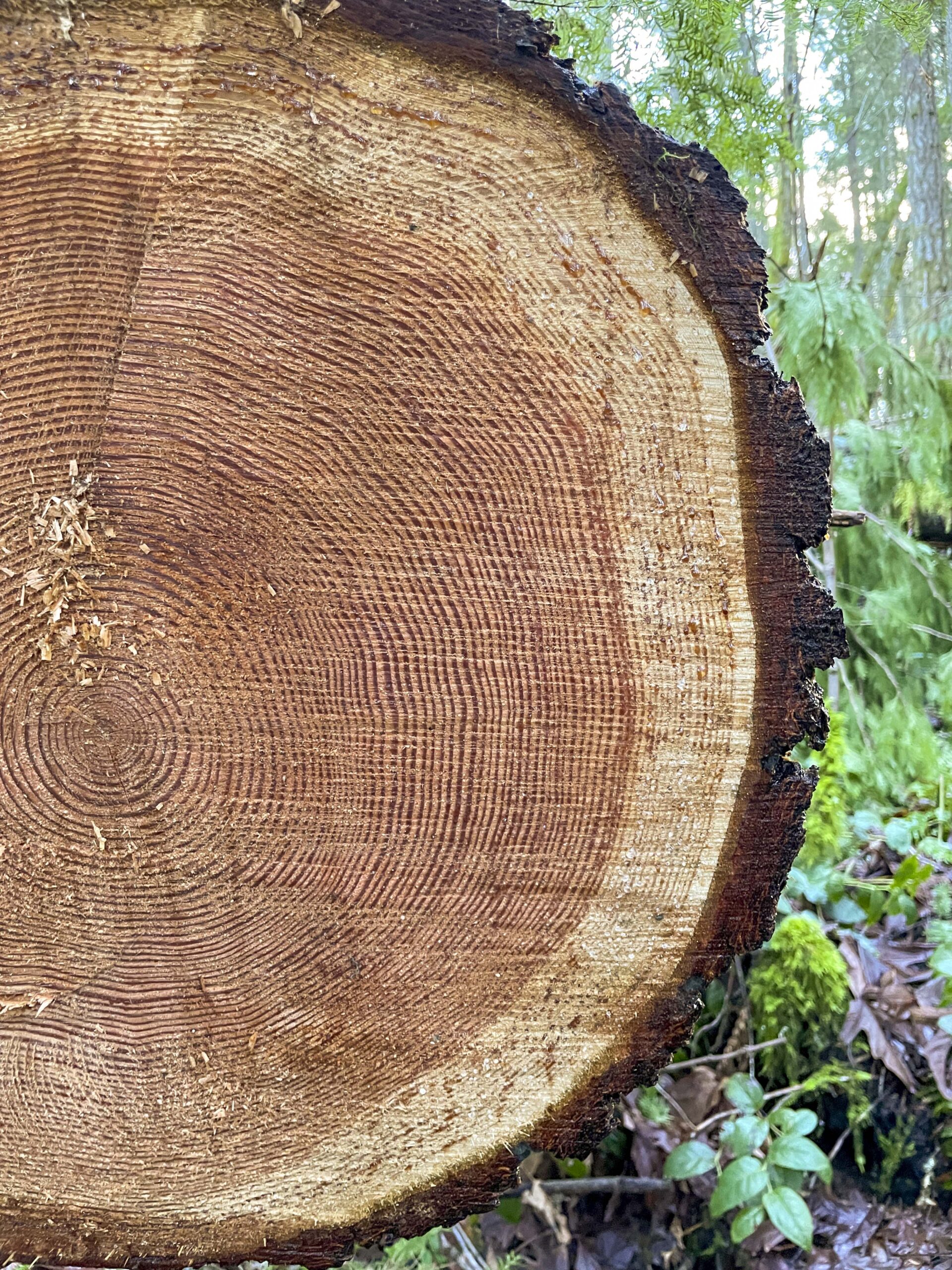 Ithaca, NY — Forests and land play an important role in absorbing carbon dioxide emissions, but current models and forecasts don’t incorporate a new and surprising ecological discovery: Despite more available carbon, climate change and warmer temperatures are slowing forest growth. A new study considers for the first time the impact of the discovery on climate models, finding that one of the most-used land models for determining the impacts of climate change may overestimate forests’ future potential for carbon storage by as much as 30%. “Knowing how well the land will be able to keep taking up carbon in the future is really important,” said first author Brendan Clark. “But the land models are probably underestimating the effects of hotter, drier air on actual growth.” …Clark first learned about the new ecological findings from co-author and ecologist Shan Kothari, at the University of Alberta, and immediately wondered how they might impact climate models.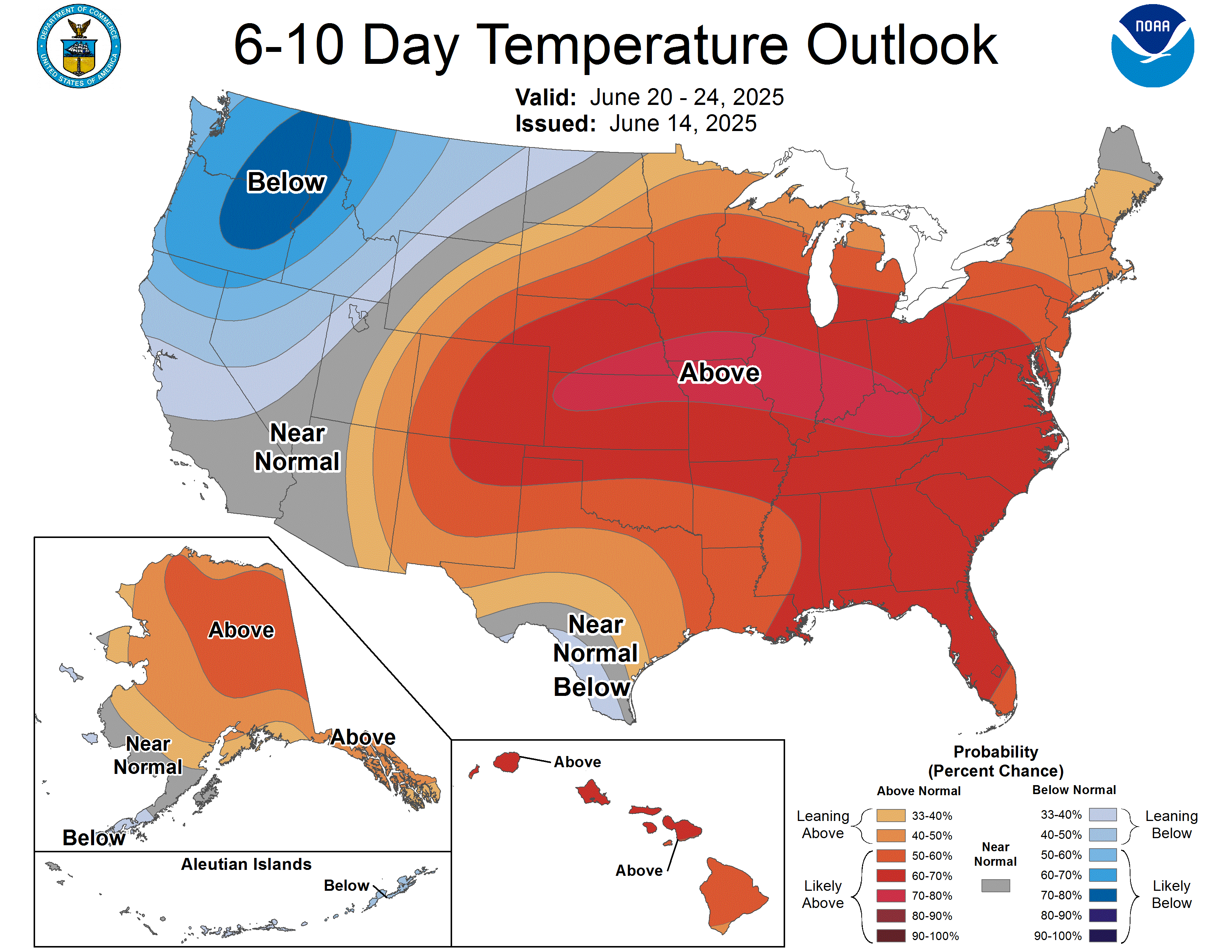



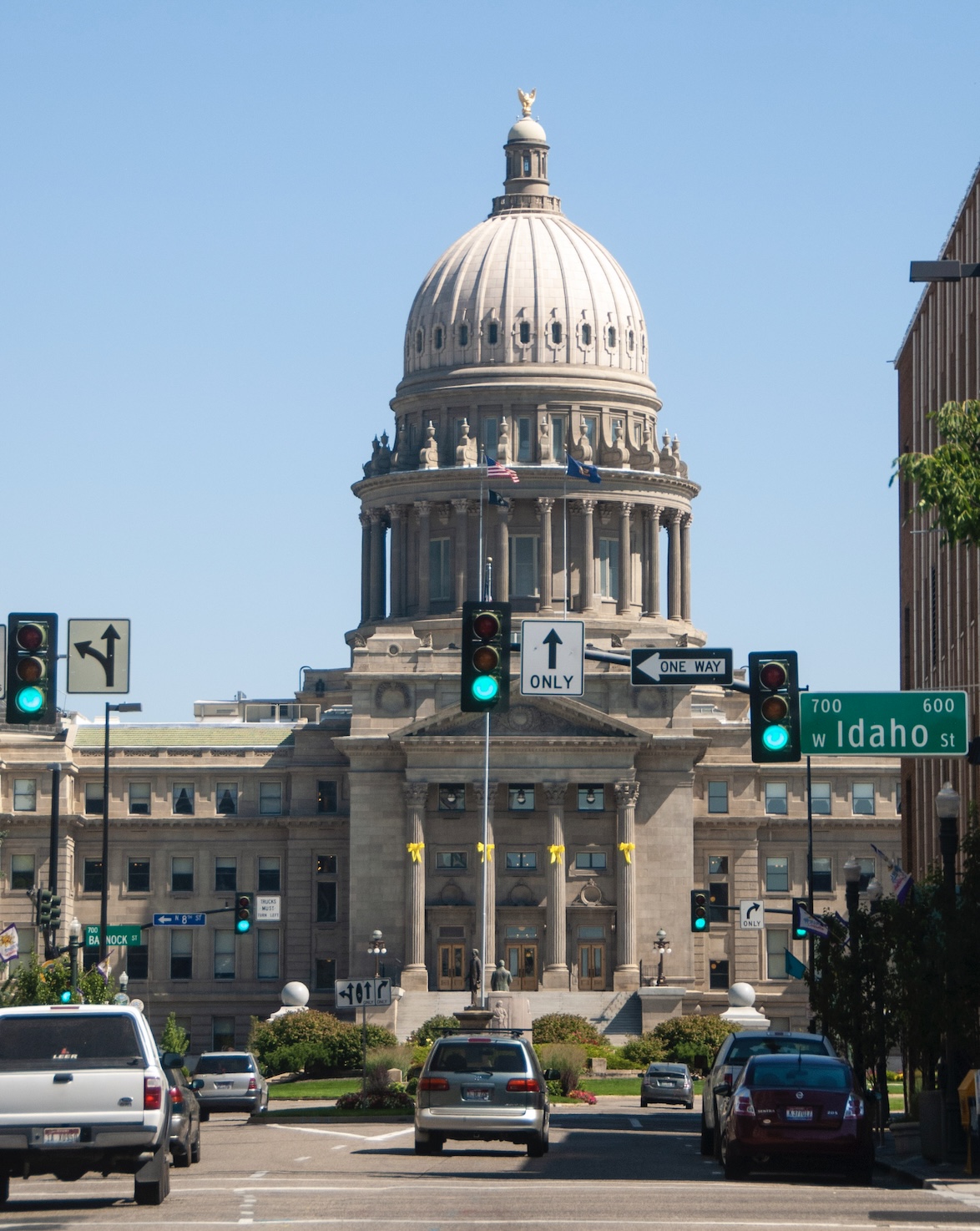 Boise Fire Department officials asked the public to leave the popular Ridge to Rivers Trail System and the Bureau of Land Management issued a temporary closure of BLM-managed public lands and trails after a wildfire started in the Boise Foothills on Monday afternoon. Just after 2 p.m. Mountain time Monday, Boise Fire Department officials announced they were responding to a grass fire that started near the 1900 block of N. Claremont Drive. As Tuesday morning, the cause of the fire was unknown and under active investigation. The fire is burning in the Boise Foothills, about two miles northwest of Boise. …The U.S Wildland Fire Service – Great Basin is referring to the fire as the Claremont Fire. The fire has burned an estimated 2,500 acres as of Tuesday morning, the service reported. …According the press release, firefighters are also facing unique challenges within portions of the area’s Military Reserve.