 Canadian officials will meet their Mexican and American counterparts on July 1 for the first tri-lateral meeting to review the Canada-U.S.-Mexico (CUSMA) agreement, a spokesperson for Canada-U.S. Trade Minister Dominic LeBlanc confirmed. …LeBlanc’s office tells CTV News the meeting is scheduled to be virtual for now, but that things could evolve. Minister LeBlanc and Chief Trade Negotiator Janice Charette met with the United States Trade Representative Jamieson Greer on the sidelines of the G7 summit in France last week. …July 1 is the deadline for all three parties involved in the trade pact to decide whether to renew the deal for another 16 years, withdraw from the agreement altogether, or start an annual rolling review process that could last years.
- In related coverage in CBC News: Mexico, Canada have formed a common front on CUSMA talks, says Sheinbaum
 The European Union has formally removed its remaining tariffs on American wood-based industrial products after the European Parliament approved legislation implementing the long-awaited





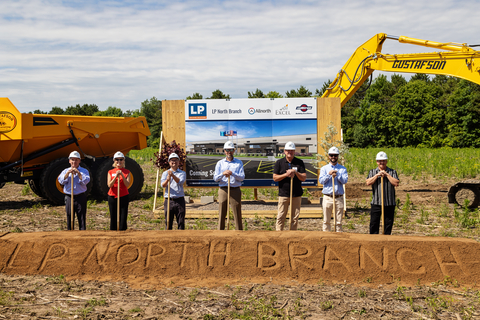

 NEW YORK — BTG Pactual Timberland Investment Group, timberland investment managers, announced the acquisition of approximately 90,000 acres of US timberland formerly managed by Jamestown, a global design-focused real estate investment and management firm. …The portfolio of high-quality timberland spans five U.S. states, including approximately 50,000 acres of pine timberland in Georgia and Alabama and approximately 40,000 acres of diversified hardwood timberland across Indiana, Pennsylvania, and New York. All properties are certified under the Sustainable Forestry Initiative (SFI). The acquisition increases BTG Pactual TIG’s core U.S. timberland strategy’s portfolio to more than 1.7 million acres. The firm manages 3.3 million acres globally. The transaction creates further opportunities for BTG Pactual TIG to scale positive conservation outcomes through its long-term collaboration with The Nature Conservancy (TNC), Conservation Advisor to the firm’s core U.S. timberland strategy.

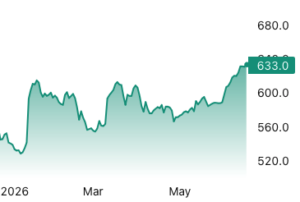 Lumber climbed past $630 per thousand board feet, the highest level since October, amid higher effective US import costs on Canadian softwood and tighter expected supply. Prices rose despite a small reduction in preliminary antidumping and countervailing duties, because the combined tariff burden remains high at about 35.9% including the existing Section 232 levy, set to take effect in August. The market is also being driven by uncertainty ahead of final duty decisions, prompting buyers to accelerate purchases and lift near-term demand. At the same time, US domestic production is still constrained, while housing-related consumption remains structurally large, with softwood lumber and engineered wood products heavily used in new construction. Each new home requires roughly 15,000 board feet of lumber plus extensive engineered wood products, keeping baseline consumption elevated even in a softer housing cycle. [END]

 The Federal Reserve’s primary price gauge rose at its highest level since 2023, reinforcing the central bank’s recent tough talk on inflation. Excluding food and energy, the personal consumption expenditures price index showed a 3.4% annual rate after rising 0.3% for the month. The annual core reading was the highest since October 2023. For the all-items reading, the PCE index showed inflation running at a
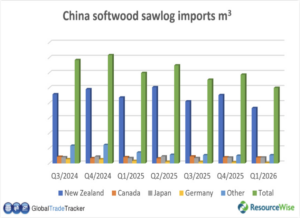 China remains one of the world’s major importers of softwood logs and lumber, but its
  While supply concerns are still weighing on housing affordability, a combination of soaring prices and economic uncertainty is dragging on housing demand, according to the annual
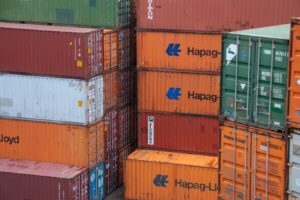 A top US Customs and Border Protection (CBP) official told Court of International Trade (CIT) Judge Richard Eaton on 9 June that the agency is still creating a process for refunding tariffs that involve more complex entry types and that have been finally liquidated (i.e., are more than 90 days post-liquidation) in the Consolidated Administration and Processing of Entries portal. “We can’t do it all at once,” CBP Executive Assistant Commissioner Susan Thomas testified. ….The US Trade Representative (USTR) is
  Mass Timber+
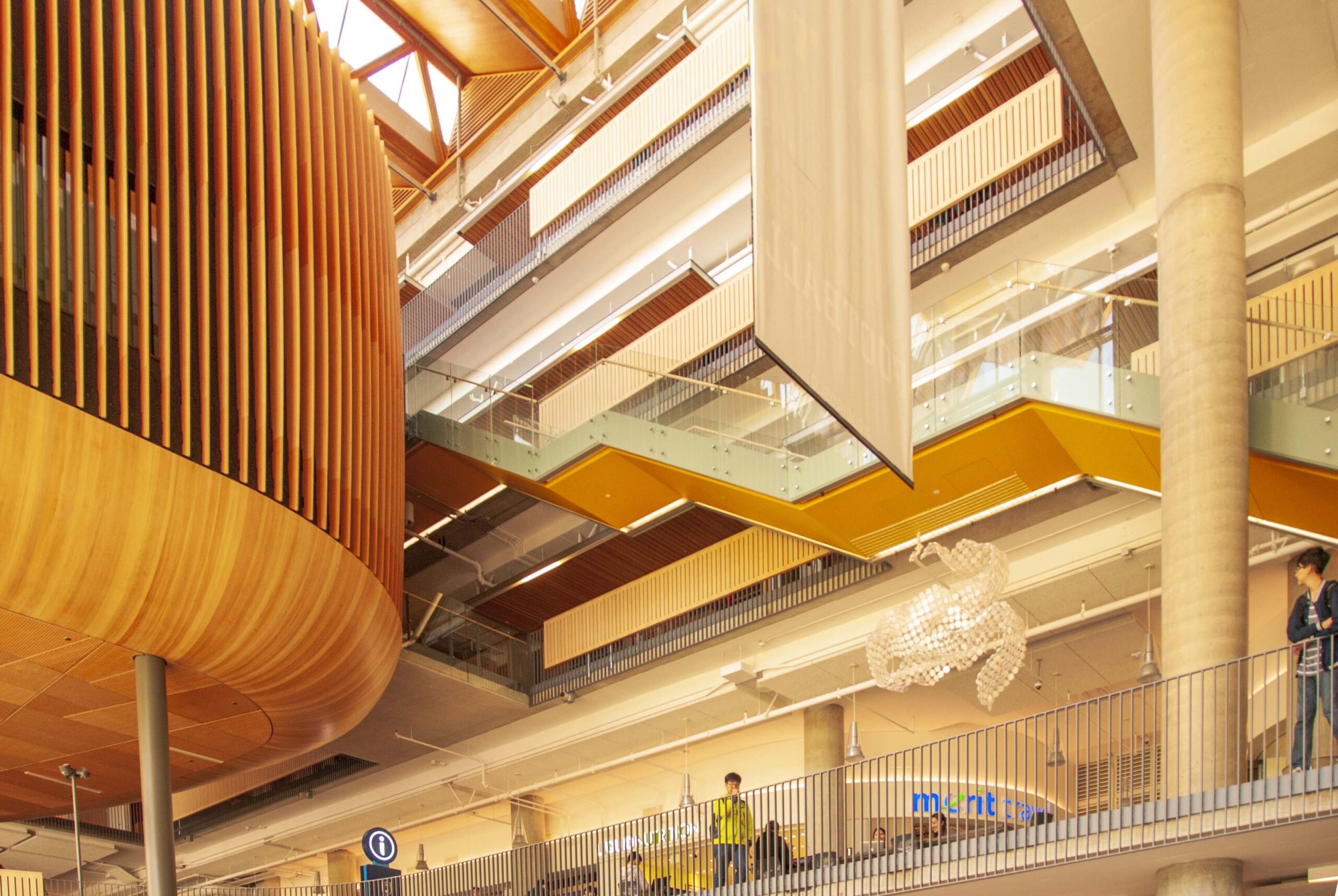 Humans have an innate desire to connect with nature, yet we spend nearly 90 percent of our lives indoors. In academic settings, where students learn, live and socialize, this disconnect can have real consequences for focus, mental health and well-being. Mass timber construction offers a powerful way to bring the warmth, texture and psychological benefits of nature indoors, while also advancing sustainability goals and, in many cases, matching or outperforming traditional steel construction on cost. A growing body of research shows that biophilic design, the integration of natural elements, particularly wood, into the built environment can improve cognitive performance, creativity and mood while reducing stress and fatigue. Spaces that incorporate visible wood elements are consistently perceived as warmer and more welcoming, fostering social interaction and a stronger sense of belonging. For higher education institutions focused on student wellness and community-building, these qualities are increasingly viewed as essential.
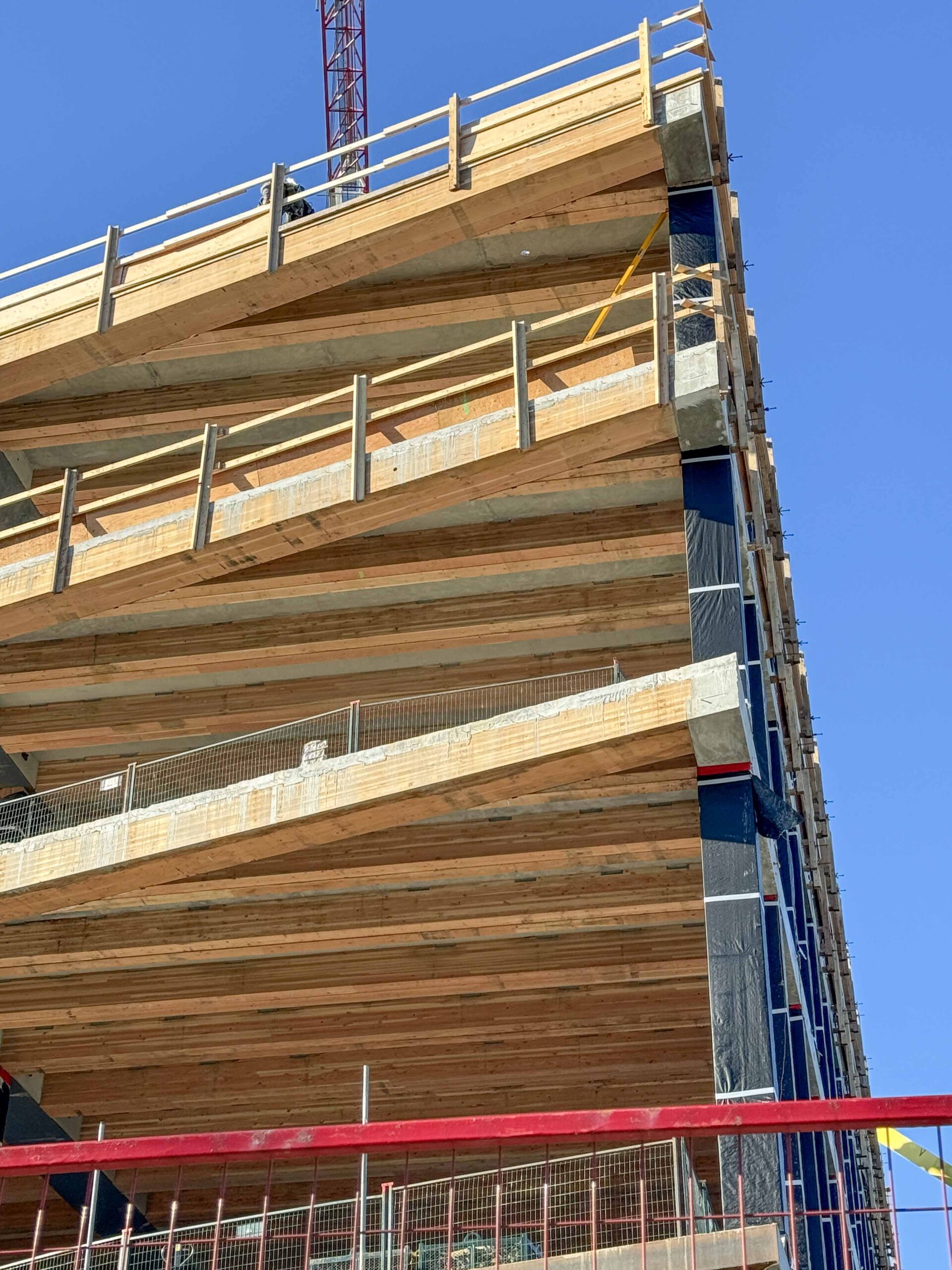 WASHINGTON, D.C. – U.S. Representatives Glenn “GT” Thompson (R-PA) and Andrea Salinas (D-OR) introduced the Mass Timber Federal Buildings Act. This bipartisan legislation provides incentives for the use of mass timber building materials in federal contracting, giving timber and other forest products companies the ability to compete for construction, renovation, or acquisition of public buildings, and for military construction. The bill creates a two-tier contracting preference for mass timber and other innovative wood projects. The first-tier preference applies to mass timber that is made within the U.S. and responsibly sourced from state, federal, private, and Tribal forestlands. The optional second tier applies to mass timber products that are sourced from restoration practices, fire mitigation projects, and forest owners. Additionally, this bill contains a reporting requirement for a whole building lifecycle assessment. The results of this assessment will help provide additional evidence of the environmental benefits of the use of timber and forest products in buildings.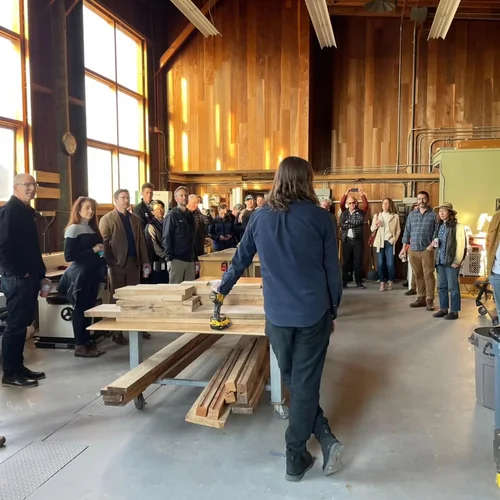


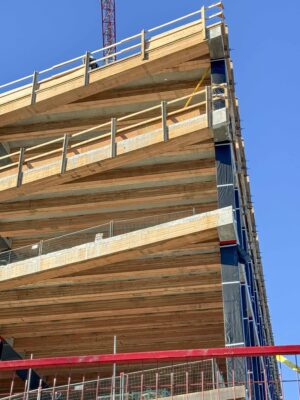 A bipartisan bill in the US House is calling for additional incentives to use of mass timber building materials in federal contracting. Introduced by House Ag Committee Chair Glenn Thompson (R-PA) and Andrea Salinas (D-OR), the
 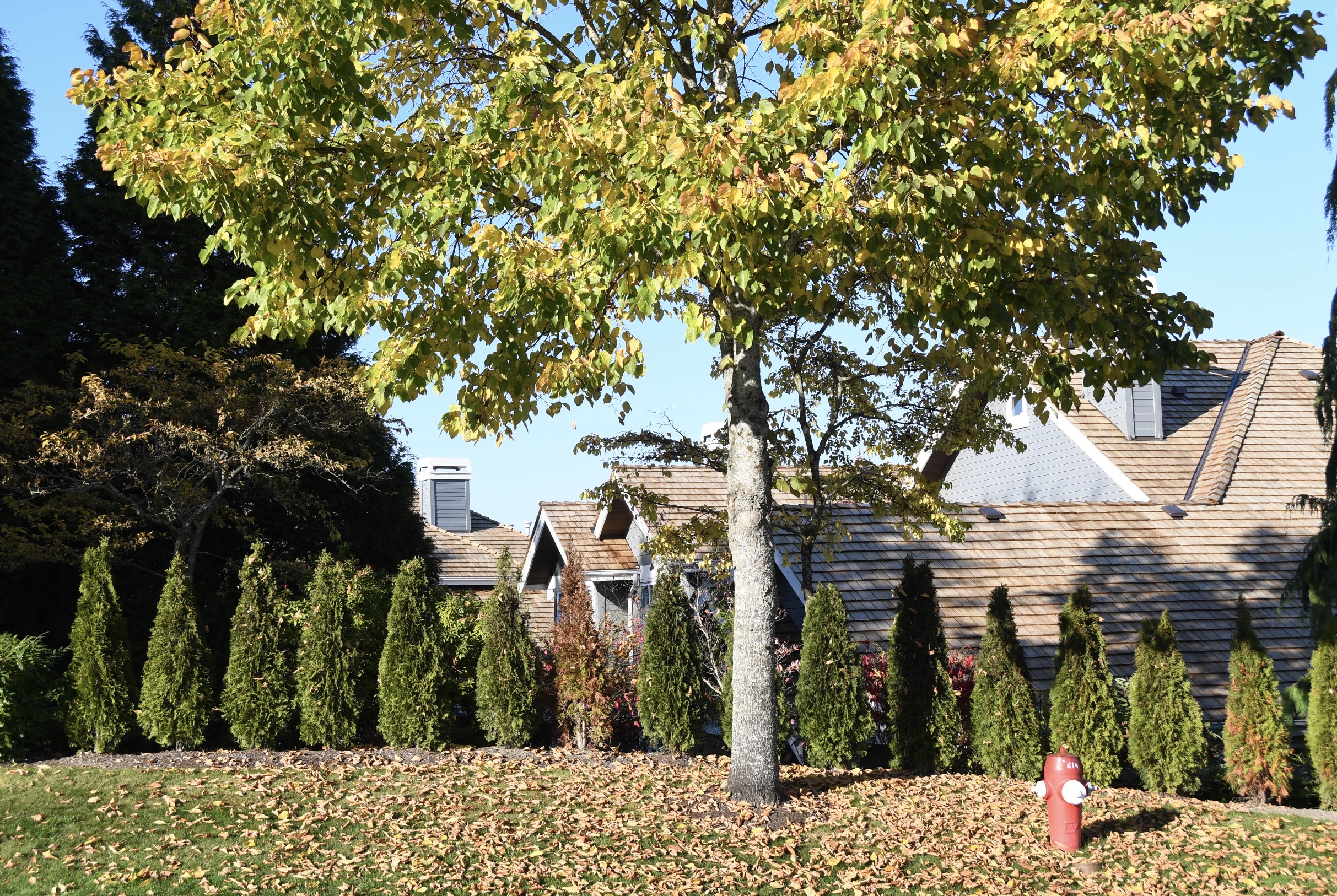 The U.S. Forest Service published the results of a six-city study delving into consumers’ participation in urban wood systems and their interest in urban wood products. According to the Forest Service, for the past 20 years, approximately twice as many trees were removed annually from urban areas in the United States as has been harvested annually from the U.S. National Forest System. Yet, most of this urban wood is treated as waste instead of as a valuable resource to generate economic growth and sustainable cities. The waste and underutilization of this neighborhood resource has been countered by a growing movement to divert urban wood from the waste stream and utilize this significant resource in an array of wood products, from high-end furniture to construction grade lumber to wood chips. Using removed wood for valuable products both avoids substantial waste disposal fees and can be a foundation of profitable businesses and markets.
  The Bureau of Indian Affairs (BIA) announced Monday a 10-year extension of the Indian Trust Asset Reform Act (ITARA) Demonstration Project, a program that allows participating tribes to exercise greater authority over the management of forest trust lands and surface leasing activities. The extension … continues a federal initiative designed to give tribes more control over the management of their trust assets while reducing federal oversight and bureaucracy. Under the program, tribes engaged in forest land management or surface leasing on trust lands may develop an Indian Trust Asset Management Plan. Approved plans allow tribes to establish their own forestry and surface leasing regulations and assume certain approval authorities that would otherwise remain with the Department of the Interior. …Officials said the extension reflects the department’s continued support for tribal self-governance and recognition of tribal expertise in managing forest trust assets.
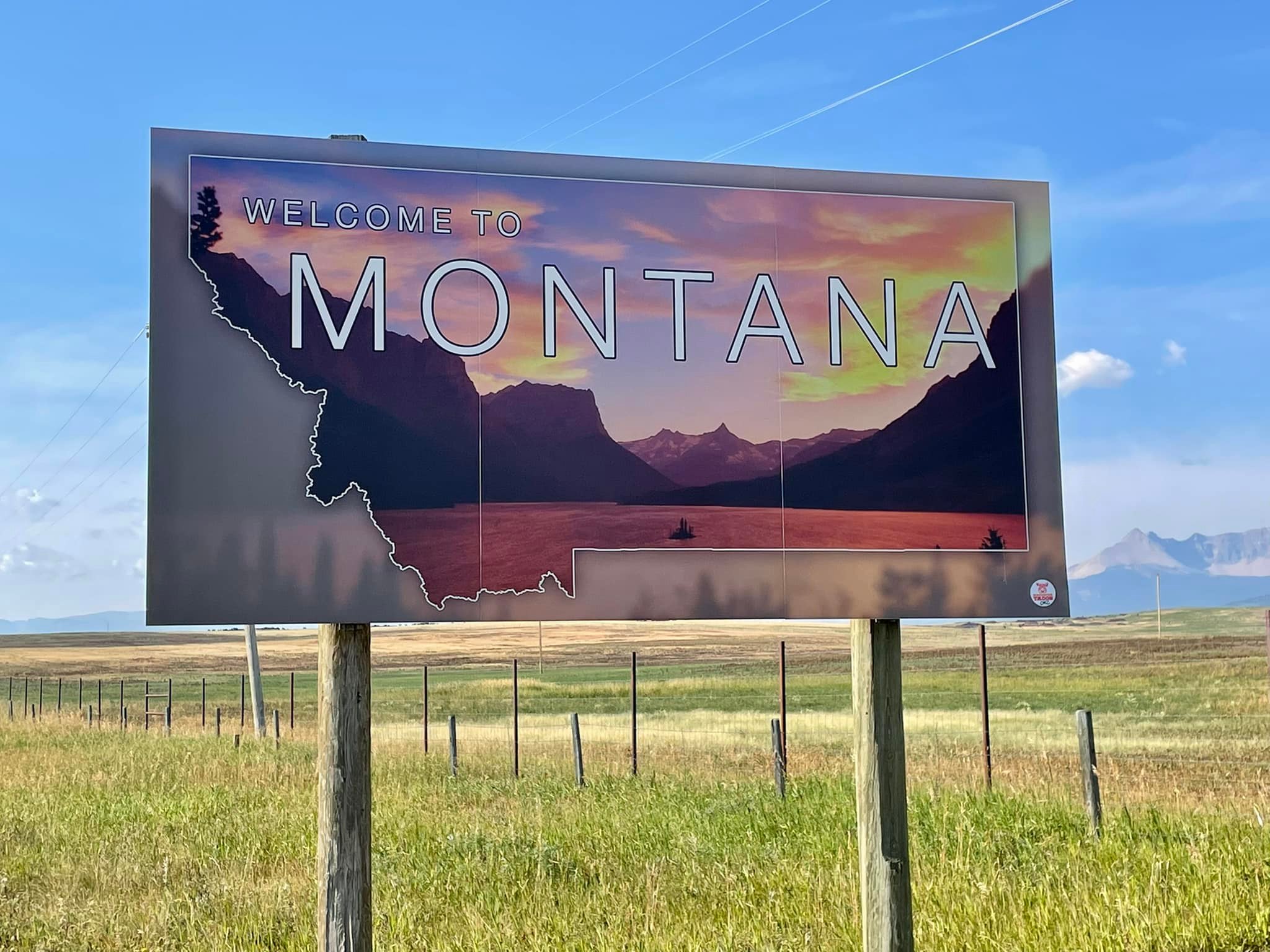 Way back in 1995 Bob Brown, the Republican president of the Montana Senate, called me into his office. He had co-sponsored a bill with a pro-logging Missoula Democrat to establish a “sustained yield” level of logging on Montana’s state trust lands – and he was worried it wasn’t working out the way he hoped. Bob was right to be worried then and Montanans are right to be worried now because Trump’s Forest Service Chief and former timber industry lobbyist Tom Schultz, has just unleashed the “sustained yield” scam on Montana’s National Forests. …My advice to Bob was to let the bill die because he didn’t have the votes to remove the amendments the timber industry lobbyists stuck on the bill. But he didn’t take that advice. …Two years later, Tom Schultz went to work for Montana’s Department of Natural Resources and Conservation, earning the sobriquet “Chainsaw Tom” for his pro-logging zeal.


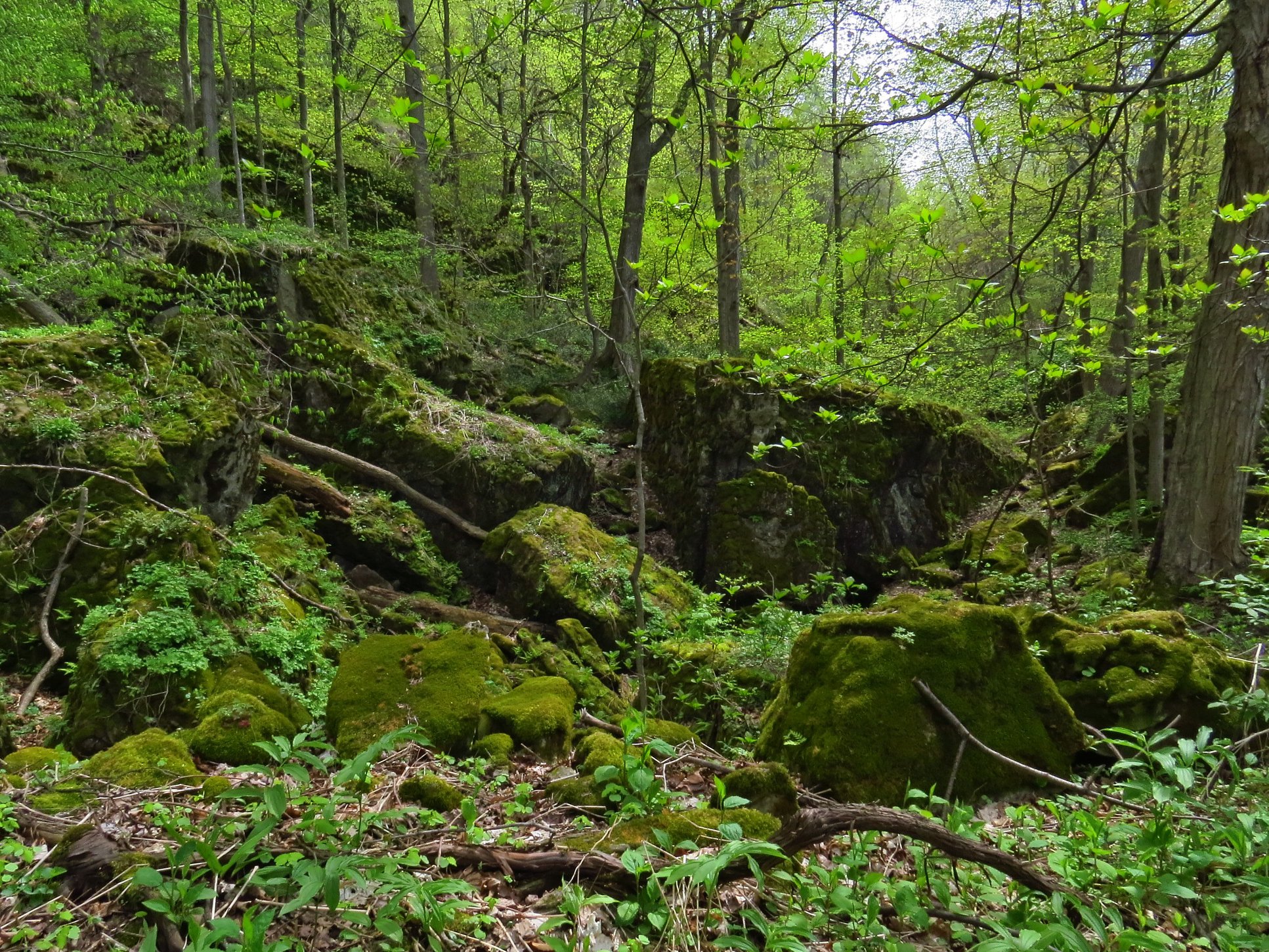 PHOENIX — New technology is coming to Arizona to predict flooding and prevent wildfires. Moisture sensors are going in the ground to gauge just how dry the land is. Soil that is too dry cannot absorb water, which creates a higher risk for flooding and wildfires. This advancement should help predict wildfires and flooding across Arizona. Salt River Project (SRP) officials say plant moisture, in both dead and alive plants, is one of the most important indicators of wildfire danger. However, taking field samples by hand is tough, so this new technology will do the heavy lifting. SRP crews in the Tonto National Forest are planting tiny pieces of technology in the ground to provide data. …These moisture measurements should provide important clues, like the risk of a wildfire at a given location, how likely it is to spread, how big it might get, and predicting floods.

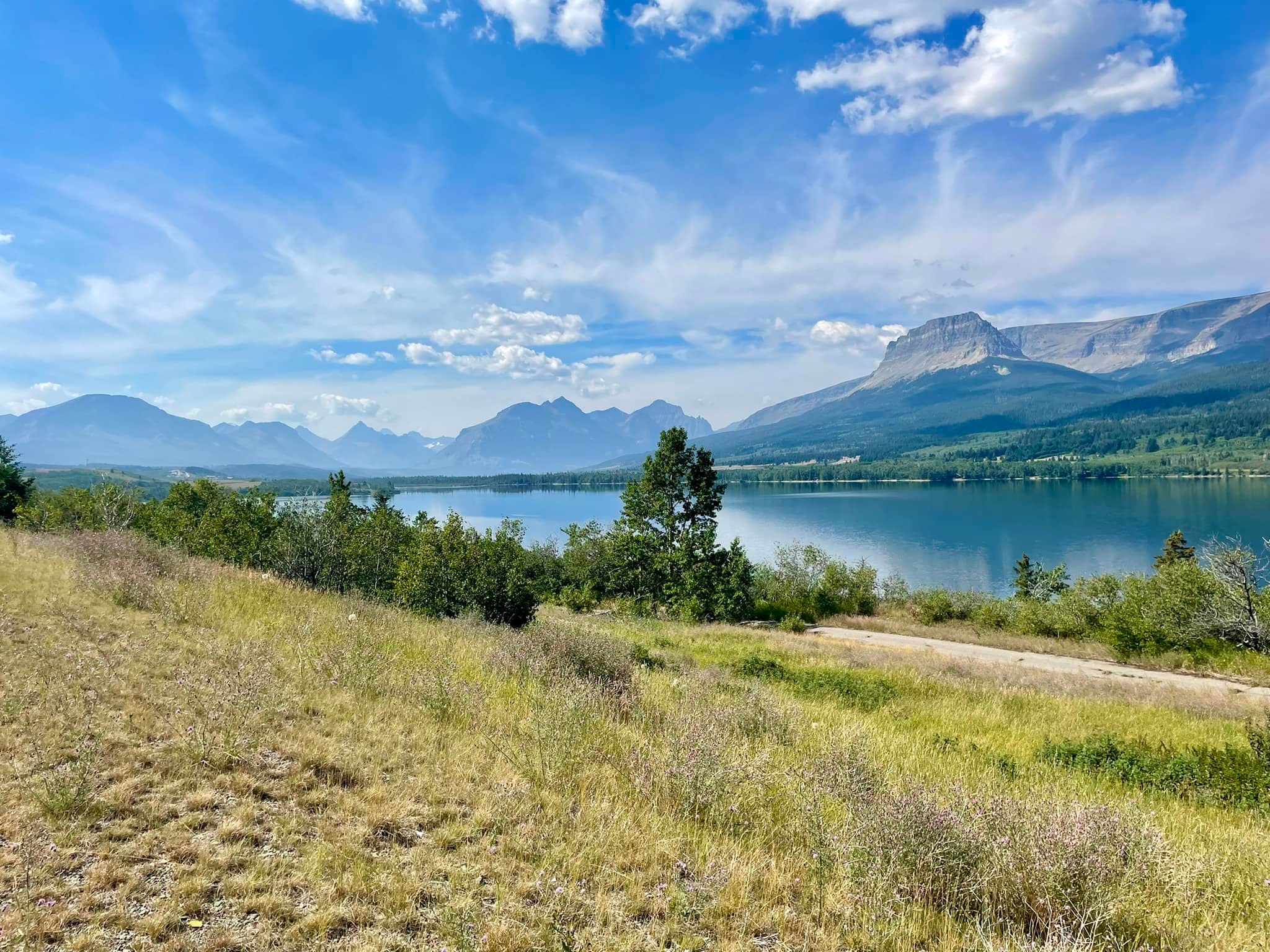 MONTANA — More than 190,000 acres of recommended wilderness in the Flathead National Forest could be opened up to off-road vehicles (ORVs), according to a U.S. Department of Agriculture secretarial memorandum that leaked earlier this month. The memo, which laid out federal officials’ plans to unwind protections that have been in place in northwest Montana since 2018, prompted local and national advocacy groups to rush to action. Following four years of interagency collaboration, environmental analysis and an extensive public participation process, the Flathead National Forest’s Revised Land Management Plan was officially adopted in 2018, designating 193,403 acres of land as recommended wilderness… The New York Times earlier this month reported that a leaked memo directed the use of ORVs on 5 million acres in Montana and Idaho, 193,403 acres of which are within recommended wilderness areas on the Flathead National Forest. Local stakeholders say the directive would unwind years of collaborative work if it comes to fruition.
 Colorado nonprofit, the
 RONALD, Wash. — The sound of wildfire prevention isn’t a fire engine siren. It’s chainsaws, wood chippers and heavy machinery chewing through brush. Across Kittitas County, crews are removing smaller trees, trimming limbs and clearing brush in an effort to reshape forests before the next wildfire season arrives. But the work underway here is also challenging one of the most deeply held ideas many people have about forests: That more trees always means a healthier forest. “Green is good,” said Katie Zander, the North Service Forestry coordinator for the Washington Department of Natural Resources (DNR) Southeast Region. “But out here historically we did not have this dense of forest stands.” According to Zander, eastern Washington forests evolved with regular low-intensity fires that naturally cleared out brush and smaller trees. But decades of aggressive wildfire suppression changed that pattern.
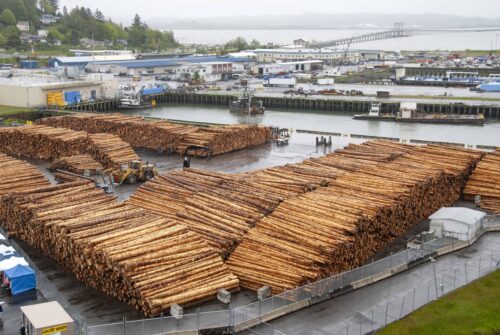 The Trump administration is about to propose an overhaul of how it manages nearly 5 million acres in northeastern Oregon and southeastern Washington. Logging could triple in the Umatilla, Malheur and Wallowa-Whitman national forests, which comprise the U.S. Forest Service’s Blue Mountains region. The agency’s proposal would eliminate regulations that protect large trees and sensitive habitats. It would also boost timber sale goals from 106 million board feet to 364 million over a decade. That’s raising hopes in a region where timber jobs have declined and lumber mills have closed. But others doubt the timber goals. And environmental groups have called the plan a raid on one of the wildest places in the United States. …Mark Webb, executive director of Blue Mountains Forest Partners — which coordinates between environmental and timber interests to find common ground — doubts whether the forest service can reach the ambitious logging goals it sets forth in its draft proposal.


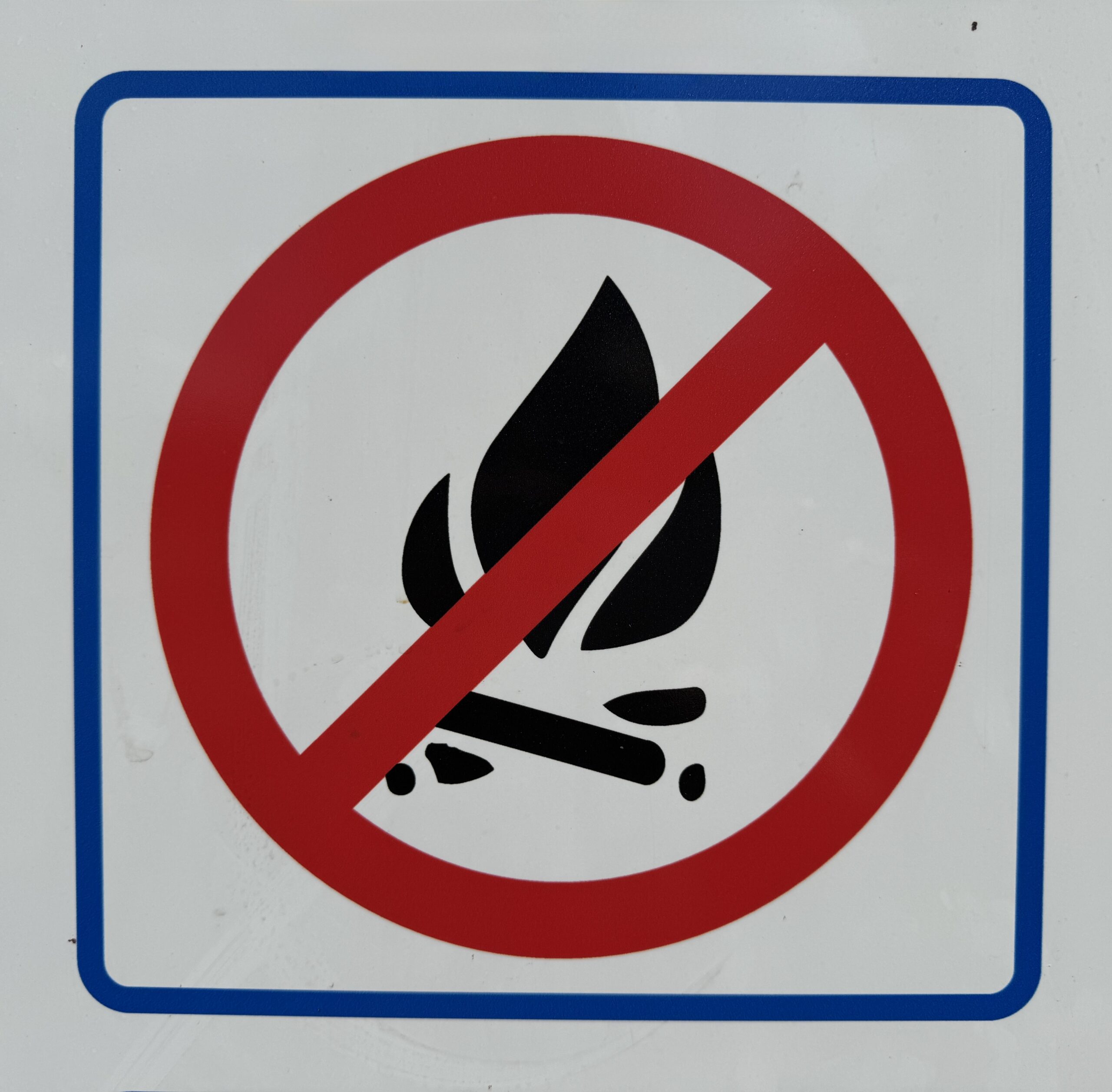 Fire season has begun in Oregon. Hot and dry conditions have forest managers across the state on edge as the season officially started June 15, bringing with it restrictions meant to prevent wildfires. The main restriction is a prohibition on debris and backyard burning on state, county and private lands, although official rules are set by local fire districts. Debris burning is the most frequent human cause of wildfires that spread in populated areas. “With it being this hot and dry, one little bit of wind could spread an ember and start a fire. It’s the perfect time to cover your pile and wait until fall,” Oregon Department of Forestry spokeswoman Jessica Neujahr said.


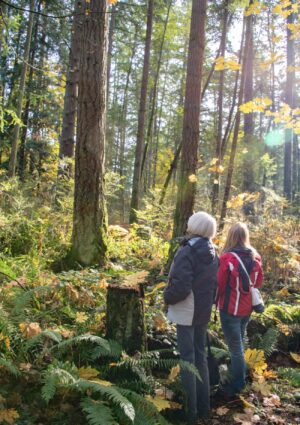 Connecticut’s Department of Energy and Environmental Protection (DEEP) announced two federally funded grant programs totaling $1.23 million for urban and community forestry projects, with application deadlines in August 2026. The programs are available through DEEP’s


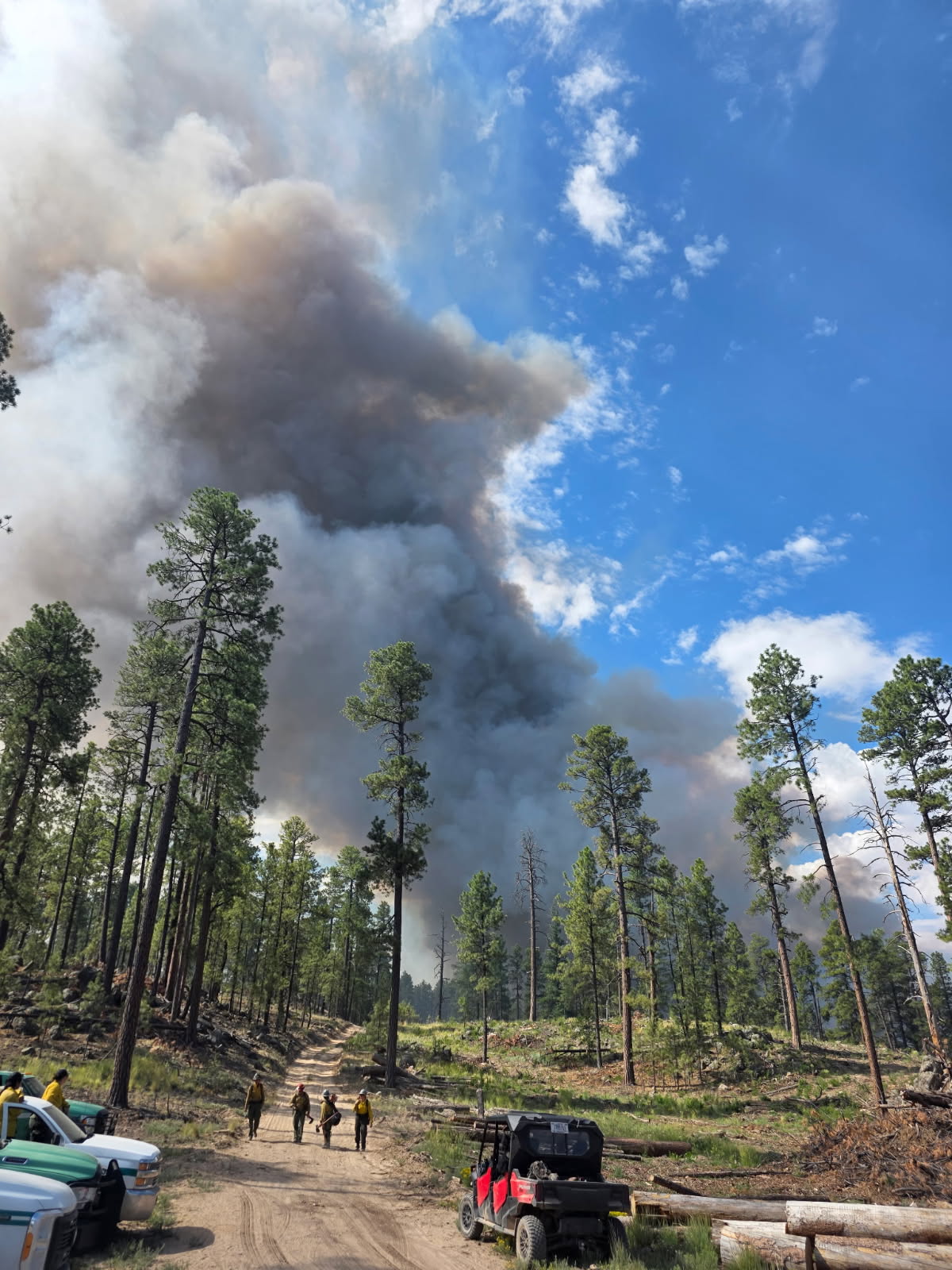


 As South Georgia continues recovering from a destructive spring wildfire season, Gov. Brian Kemp has signed an executive order intended to help landowners and the forestry industry reduce economic losses caused by fire-damaged timber. The order temporarily increases allowable truck weights in 17 wildfire-impacted counties, giving landowners and timber operators more flexibility to move salvageable timber before it loses market value. State officials said timber damaged by wildfire can only be harvested and sold within a limited timeframe, making transportation a critical part of recovery efforts. The temporary weight allowance is designed to help speed the removal and transport of timber from wildfire-affected properties. The order comes as two of Georgia’s most significant wildfire incidents this year have finally reached 100% containment…