Tommy Tuberville
ALABAMA — US Senator Tommy Tuberville tore into foreign import trade practices undercutting Alabama’s timber and shrimp industries during a Senate hearing with USDA Secretary Brooke Rollins, demanding aggressive tariffs to protect producers across the state. Alabama’s forestry sector carries a $36 billion annual economic impact, supports more than 40,000 jobs, and ranks fourth nationally in lumber production. Tuberville told Rollins the industry is under siege. “My foresters are getting killed. Our sawmills are closing down,” Tuberville said. “We’re getting beat up by Canada. I think we have a 25% tariff on Canada. It needs to be about 60, 70 percent. They are flooding our country with lumber.” Tuberville saved his sharpest fire for China, where he said companies buy Alabama timber, ship it overseas for milling, and send finished products back at prices domestic manufacturers cannot match. …“We need to tariff the hell out of China.” …Rollins said the USDA plans to prioritize timber.

 US President Trump has said he is “not looking to renew” the Canada-U.S.-Mexico Agreement (CUSMA). “I made the deal and the primary reason I made the deal is that NAFTA was the worst trade deal I’ve ever seen. Yeah. And I made it better. But I had the right to terminate.” …“We don’t need anything to Canada has, we don’t need anything that Mexico has, but they need everything that we have, and they have to treat us better.” …“With Mexico and Canada, we have trade deficits. We should have surpluses with them. We don’t need their cars. We don’t need their lumber. We don’t need their energy.” …CUSMA’s text allows each country the opportunity to extend the agreement for another 16 years or launch a series of annual reviews.



 The U.S. Endowment for Forestry and Communities today launched a Request for Proposals (RFP) to assess the feasibility of repurposing closed wood products manufacturing facilities, including pulp and paper mills, for bioenergy. The initiative will make available up to $500,000 in pre-development funding to support one or two facilities across the United States. Across the country, idled wood products facilities have left behind industrial infrastructure, utility connections and skilled workforce capacity at a time when forest-dependent regions are urgently seeking new economic anchors. Since 2015, more than 40 U.S. pulp and paper mills have closed, removing roughly 60 million green tons of annual wood demand from rural communities. The Endowment’s market initiative seeks to determine whether these sites can be reactivated as biopower generation or biofuel production facilities, creating new markets for low-value wood fiber and supplying renewable energy to a growing economy.

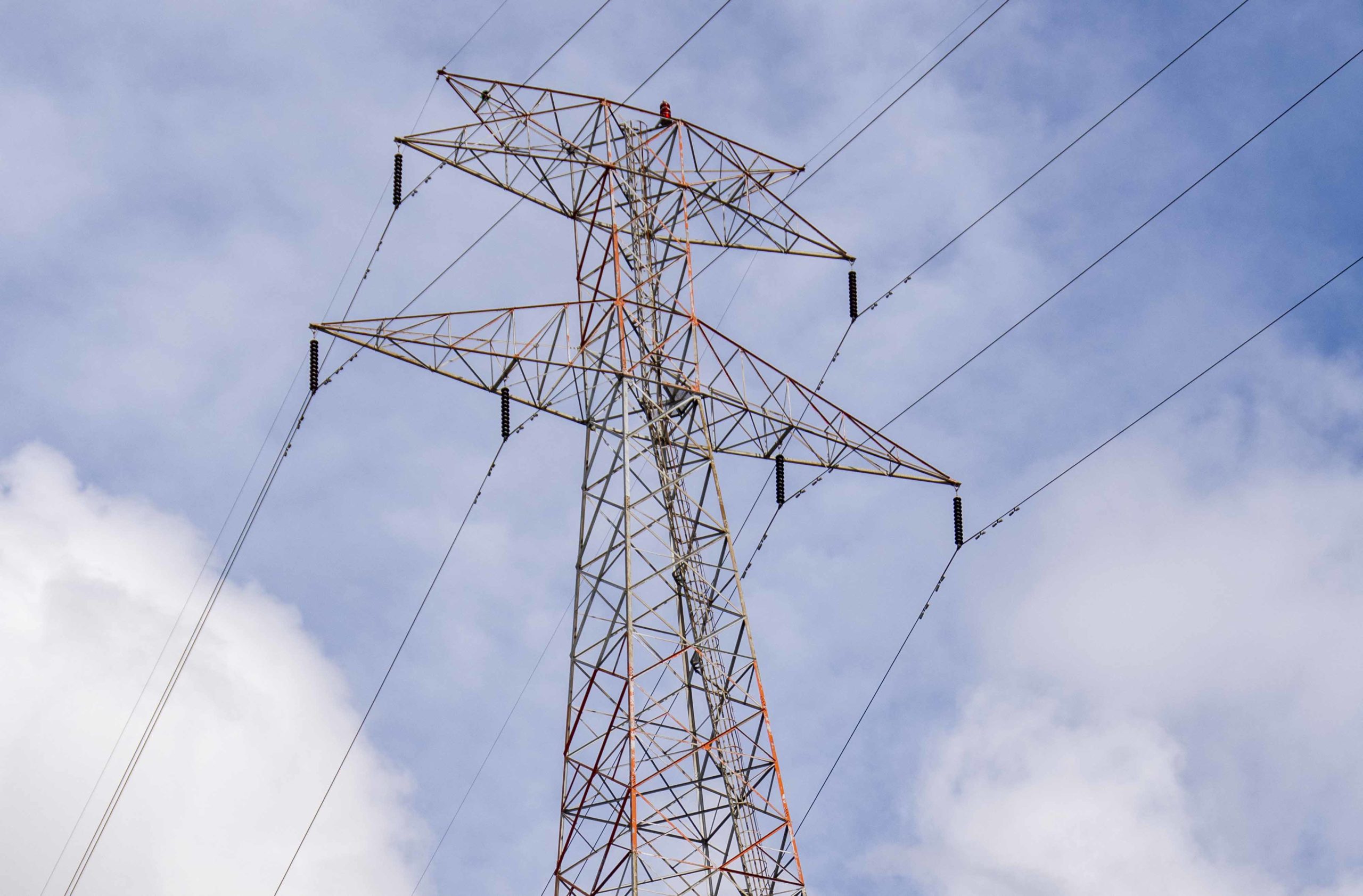 Federal law allows utilities operating on national forest land to remove hazardous trees only within 10 feet of a power line. In Western forests, where trees routinely reach 100 feet tall and a single ignition can drive hundreds of thousands of acres of destruction, 10 feet is not a safety standard — it is a disaster waiting to happen. The Fix Our Forests Act would extend that authority to 150 feet, alongside streamlined federal permitting for wildfire mitigation work and tighter judicial review timelines on fuel-reduction projects… The bill has cleared the House by a 279-141 vote and passed the Senate Agriculture Committee by a vote of 18 to 5 … Utility operators across the West are calling for it. But it does not have the support of Sens. Ron Wyden and Jeff Merkley (D-Ore.). …The community-owned utilities I represent … don’t have a stake in what gets logged. But they do have a stake in whether the lines stay up when fire moves through…
 COUSHATTA, Louisiana – C&C Forest Products announced it is investing over $21 million to rebuild its Coushatta sawmill following a 2025 fire, repositioning the facility as a more efficient, cost-competitive specialty lumber and timber operation. The company is expected to create 77 direct new jobs… while retaining 27 current positions. Louisiana Economic Development estimates the project will result in an additional 256 indirect new jobs, for a total of 333 potential new job opportunities in the Northwest Region. …The project will reconfigure the existing facility at 306 Wilkinson St. with updated equipment and improved site layout to support more efficient production. Once complete, the rebuilt sawmill will focus on specialty lumber and timbers and will be capable of producing up to 90 million board feet annually. …C&C Forest Products operates sawmills in Louisiana and Arkansas.

 GOODLAND TOWNSHIP, Michigan – Firefighters were on scene for roughly 10 hours working to put out a l
 Lumber climbed to $617 per thousand board feet, the highest level since October, as constrained supply outweighed subdued conditions in the housing market. The US lumber market remains tight, with domestic production failing to fully offset reduced imports from Canada following tariffs. Canada still supplies roughly 30% of US consumption, underscoring its continued importance despite trade barriers. The US Commerce Department has proposed lowering combined duties on Canadian lumber to 24.8% from 35.2%, but an additional 10% Section 232 tariff keeps the effective rate close to 35%. Supply pressures have been further intensified by wildfire damage and other production disruptions in Canada, prompting British Columbia to introduce emergency measures aimed at boosting timber availability after storms and fires threatened output. [END]
 There have been consistent signs that the housing market is poised for a rebound. Russ Taylor has been tracking North American lumber markets for decades. The data, he said, keeps telling a different story. …”If things are unaffordable and there’s uncertainty and consumer confidence is weak, then nothing happens. People might be saving more money if they’re not spending it, but everyone’s worried about jobs and everything else, so they’re not spending.” The number Taylor keeps coming back to is lumber consumption. In 2016, the country consumed roughly 50 billion board feet. In 2025, the number was almost exactly the same. Ten years of demographic tailwinds, rising equity, and persistent housing shortage arguments, and consumption has not budged. …Housing starts have been declining every year since their 2021 peak, and Taylor expects 2026 to continue that trend. Repair and remodeling, which accounts for roughly 40% of US lumber consumption, has been similarly stagnant since the COVID period.
 North American lumber futures climbed to approximately USD 597.50 per thousand board feet on June 3, their highest level since April, as persistent supply constraints continued to offset subdued housing demand. North American lumber futures rose to around USD 597.50 per thousand board feet on June 3, reaching their highest level in eight weeks. The move represents a 4.1% increase from a month earlier and reflects a market still dealing with the impact of Canadian import disruption. The price rise comes despite historically soft housing starts, showing that supply concerns remain an important driver for the market. Mills and distributors are holding limited inventories, while seasonal restocking ahead of the summer building season has added support to prices. …The net result is a structurally tight supply position. Mills and distributors are holding limited inventories, while buyers are entering the summer building season with restocking needs.

 Global oil prices fell on Monday following news of a tentative deal between Iran and the U.S. to extend their ceasefire agreement and reopen the Strait of Hormuz, but a veteran oil watcher doesn’t see crude prices returning to pre-war levels anytime soon. Eric Nuttall, partner at Ninepoint Partners, said that traders are trying to determine where the price of oil will settle out in the coming days and weeks, as many key details about the deal still need to be ironed out. …Nuttall noted that even if the strategically important Strait of Hormuz is fully reopened as a result of the Iran-U.S. deal, it will take time for oil markets to recover from the volatility of the last three and a half months. …In addition to the logistical backlog and supply chain disruption, the war in Iran has caused extensive damage to petroleum facilities across the Middle East, Nuttall explained.
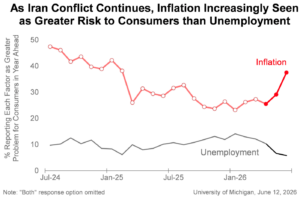 This month, consumer sentiment ticked up about four index points, or 9%, with consumers experiencing some relief due to the early-month easing in gasoline prices. This measured improvement in sentiment was widespread, seen across age, education, and political party. Lower-income consumers exhibited a particularly strong sentiment increase, consistent with the fact that gasoline comprises a larger share of their budgets. Overall, assessments and expectations of personal finances and business conditions all rose this month. Even with June’s early gains, however, views of the economy are still relatively dour. Sentiment is currently 13% below January 2026 and 19% below a year ago, as consumers remain focused on kitchen table issues. They feel burdened by the recent escalation in inflation and worry that higher inflation could remain stubborn going forward, particularly in the short run. Interviews for this release were completed between May 19 and June 8.


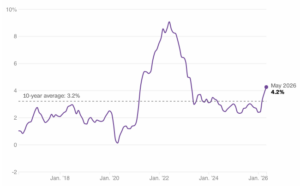 Annual inflation rose to a three-year-high of 4.2% in May, underscoring how elevated energy prices are rippling through the US economy, according to new data from the Bureau of Labor Statistics. Prices rose 0.5% on a monthly basis, driven higher by the US-Israeli war with Iran, the latest Consumer Price Index shows. The higher cost of energy accounted for 60% of the monthly increase. …“[4.2%] is still too hot for comfort, but the more important news was that the increase was concentrated mainly in energy, especially gasoline, rather than spreading widely across the economy,” economist Sung Won Sohn, at Loyola Marymount University. …May’s release is the first inflation report since Kevin Warsh was sworn in as the chair of the Federal Reserve, succeeding Jerome Powell. With inflation moving in the wrong direction and the labor market showing signs of resilience, economists expect the US central bank to keep rates unchanged — or even consider raising them.





 New York’s Packaging Reduction and Recycling Infrastructure Act (PRRIA) has not reached the finish line. The state legislature adjourned without voting on
 The first eight wolves arrived through the Roosevelt Arch on the morning of 12 January 1995, in a horse trailer escorted by two park service patrol cars. The wolves had been live-trapped in three different packs in Jasper National Park and the surrounding wilderness of Alberta, Canada, weighed, fitted with radio collars, and flown south. Wyoming Farm Bureau Federation lawyers had obtained a stay from a federal appeals court before the plane landed, and the wolves spent the next several hours confined in their transport crates while the legal status of the project was resolved. The stay was lifted just after midnight. …What happened in the thirty years after 1995 has become one of the most-cited and most-contested case studies in contemporary ecology.
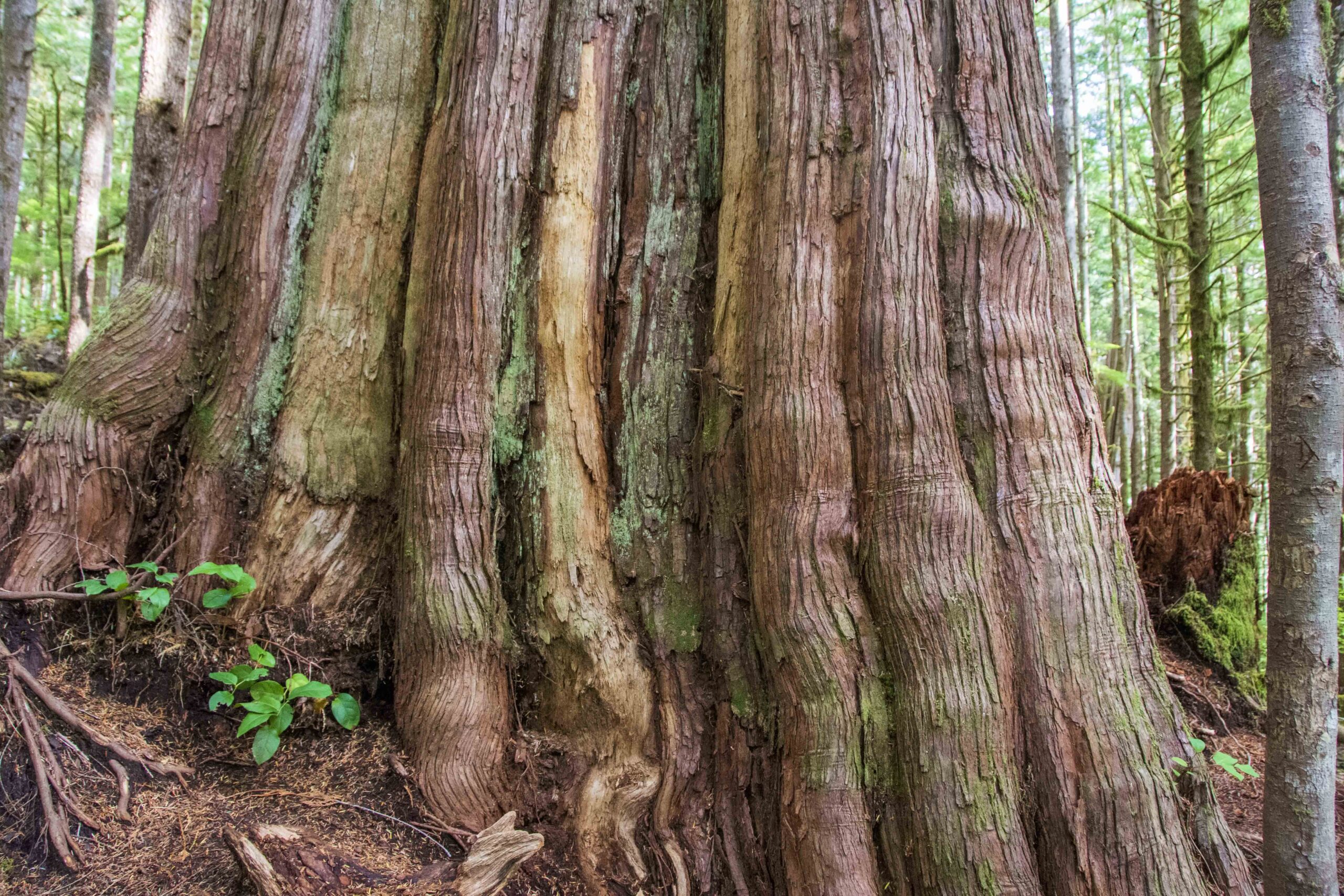 Mature and old-growth forests are vital for biodiversity, carbon storage, cultural traditions and economic activity. But in Alaska and British Columbia, these rich resources haven’t been reliably mapped, leaving much unknown about what land is protected. Now, University of Oregon researchers are leading a comprehensive mapping effort that sheds light on the location, makeup and conservation status of old-growth forests across the region. Their data show that more than 40% of mature and old growth forests in the study area are in places that lack permanent legislative protection. These forests also store the most carbon in the study area. …Old-growth forests in Alaska and British Columbia are protected through a range of land classifications, including national parks, national monuments and wilderness areas. But by far the greatest area of old-growth forest was found in “Inventoried Roadless Areas” in Alaska.
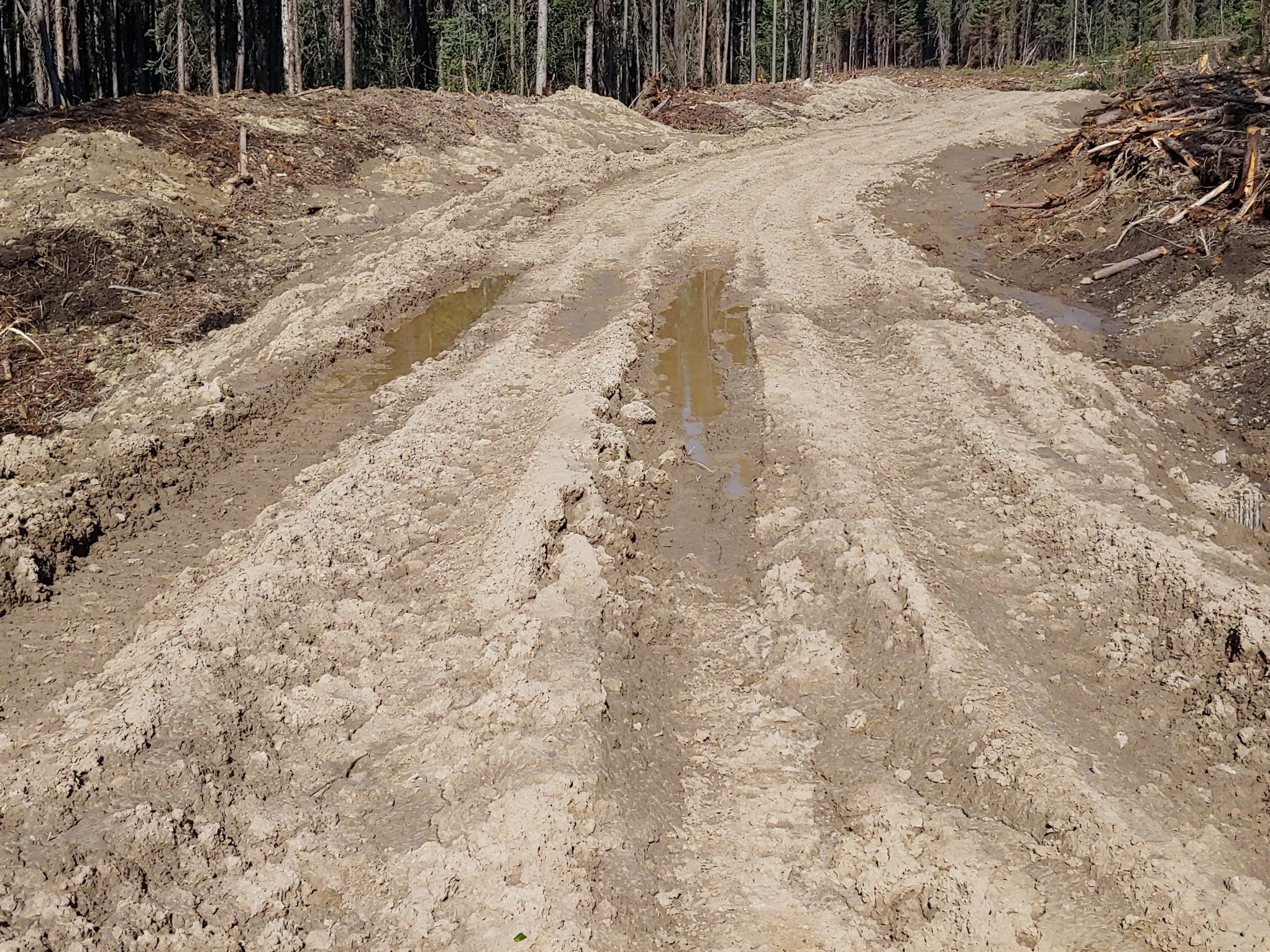 More than 4.2 million miles of public roads crisscross the lower 48 states… This vast network of roads leaves only about 5% as an inventoried roadless area or wilderness. Now, some of those last remaining lands free of roads are under threat from the Trump administration’s proposed rollback of the 2001 Roadless Rule. That includes southeast Alaska’s Tongass National Forest, where eagles, bears, salmon and many other species thrive in old-growth coastal forest along the Inside Passage. …The Trump administration’s proposed rollback, expected to be formalized in 2026, would open these last wild places to development, fragmenting habitats that can never be restored. …The American public spoke loudly in 2001 when they supported the Roadless Rule. Two decades later, the public comments submitted on the recission notice overwhelming opposed rolling back the rules, a Center for Western Priorities review found, reaffirming that U.S. roadless forests remain as vital and valued as ever.
 A photosynthesizing tree is not necessarily growing — a new study of oak trees, published in the journal
  The Agriculture Department is making an ultimatum to thousands of its employees as part of its sweeping relocation plans — move to keep their jobs or quit. USDA is embarking on a multi-part reorganization plan that involves relocating more than half of its D.C.-area workforce to hubs across the country by the end of this summer. Employees impacted by these relocation plans work at the Food Safety and Inspection Service, Forest Service, Economic Research Service, National Institute of Food and Agriculture, and Food and Nutrition Service. …The memo also states that NASS and all components under USDA’s research, education and economic mission area will offer buyouts and early retirement to employees who received relocation notices. The Forest Service told employees earlier this month that it will offer Voluntary Early Retirement Authority (VERA) and Voluntary Separation Incentive Payments (VSIP) to staff impacted by its relocation plans.
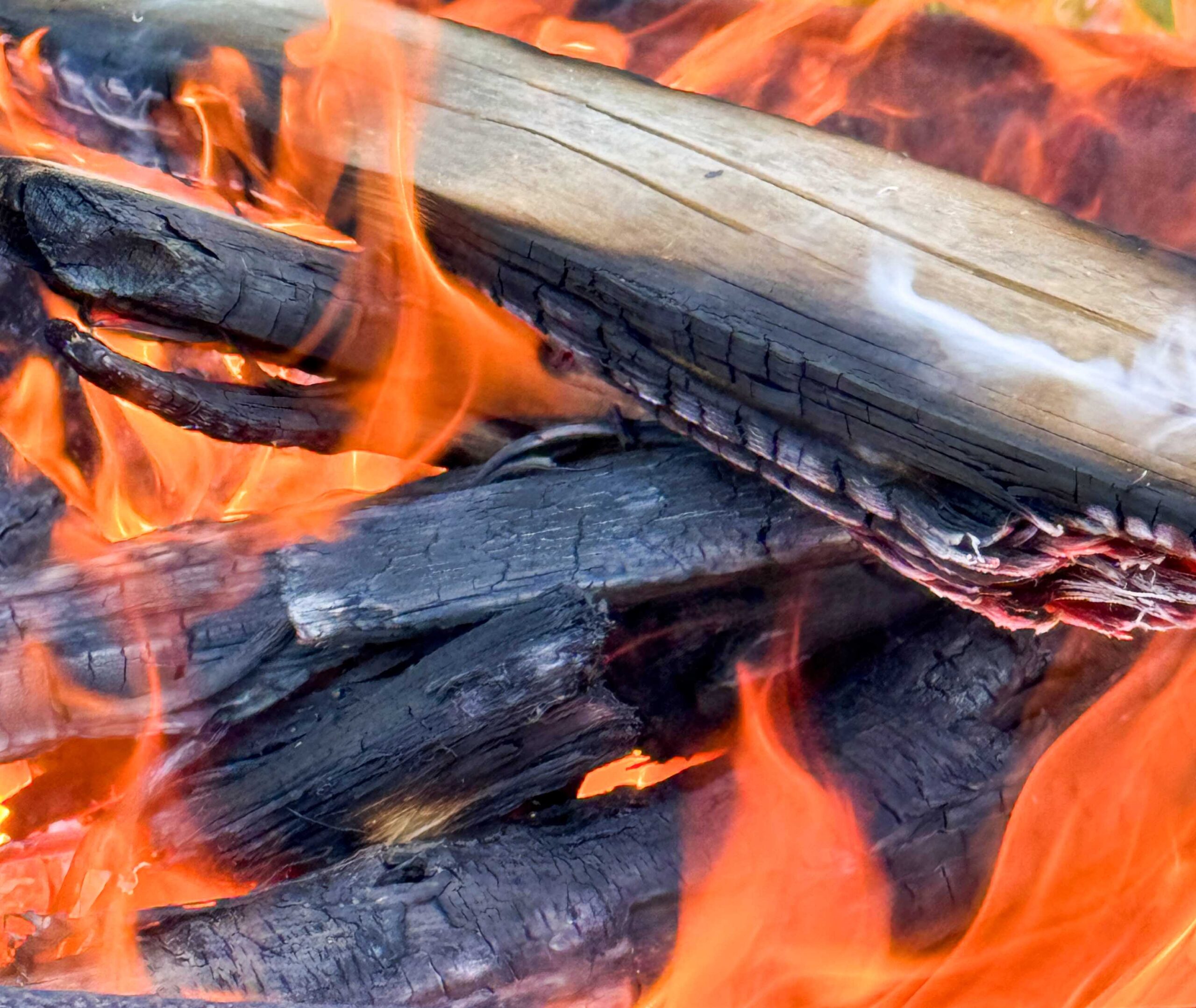 SEATTLE — Few public universities get more federal research funding than the University of Washington. So as President Trump has already cancelled or suspended about a quarter of all funding for the National Science Foundation and National Institutes for Health, the atmosphere on this leafy Seattle campus is tense. The anxiety is even trickling down to lower profile places once considered safe from White House politics, like UW’s School of Environmental and Forest Sciences. Here, newly proposed U.S. Forest Service funding cuts and a larger reorganization of the agency would have immediate consequences as the West looks poised for an epic summer of wildfires and smoke. “We have a wildfire crisis in the West [and] in the United States,” says Ernesto Alvarado, a fire ecologist and associate professor at the school. …But the Seattle smoke lab is now on a list of 56 out of 90 research stations identified for closure.
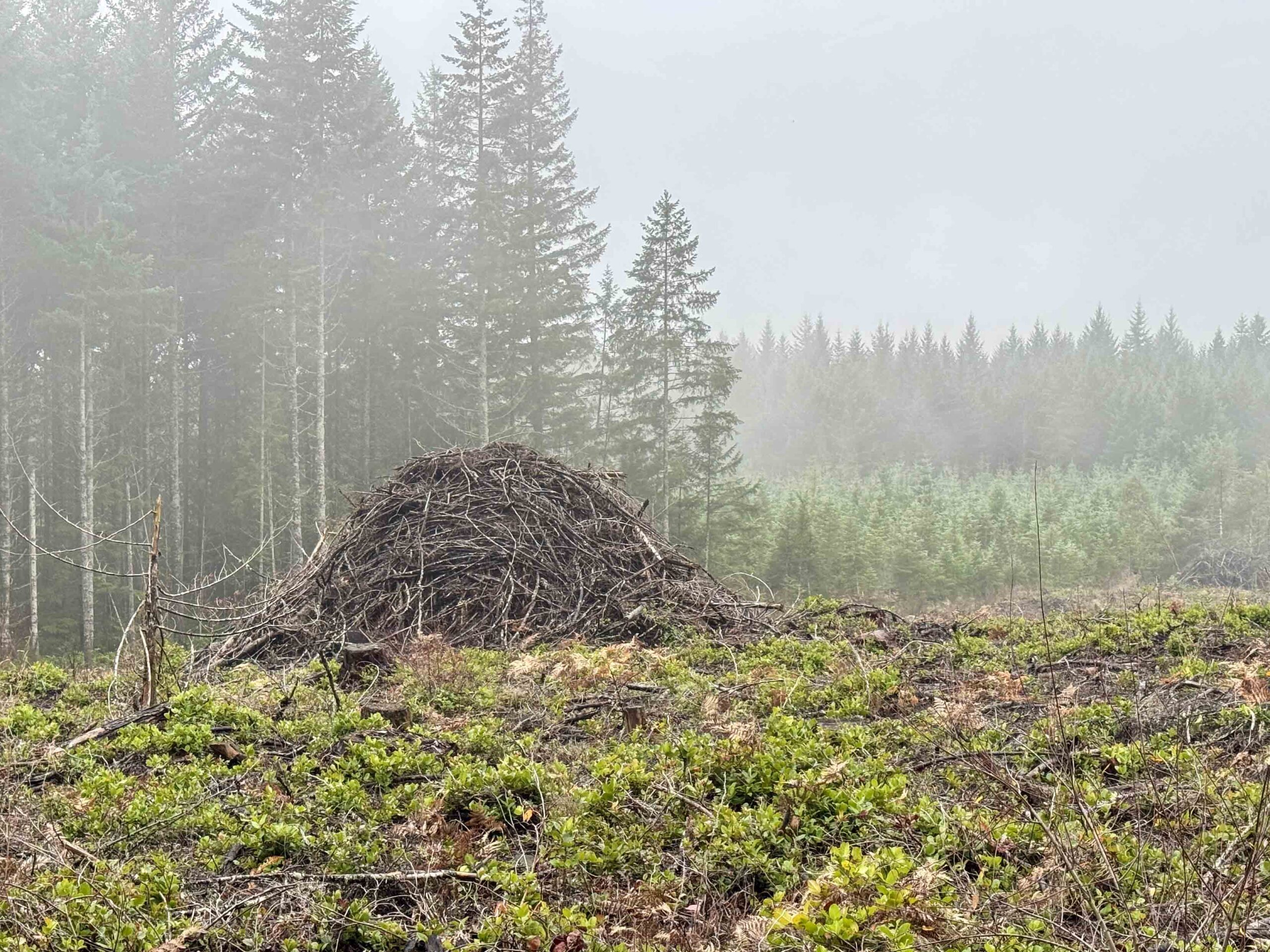 The U.S. Forest Service has faced budget and staffing cuts under the Trump administration, and a new analysis shows those cuts are impacting how much land the agency is able to treat to prevent wildfires. The Forest Service treated 35 percent fewer acres for wildfire mitigation in 2025, compared with the previous year. Mitigation efforts include tree thinning, brush clearing, and prescribed burning. That’s according to Forest Service data assessed by the public lands advocacy group, Center for Western Priorities. That means nearly one and a half million fewer acres were treated overall. These treatments lower wildfire risks, and make fires easier to fight, which better protects communities and keeps firefighters safe. In a state-by-state breakdown, the Center’s analysis found 63% less acres of Forest Service land in Montana were treated for wildfire risk. The Trump administration has proposed further cuts to the U.S. Forest Service’s budget, staff, and local support – including closing regional offices nationwide.
 Utah Sen. Mike Lee and fellow Republicans added a repeal of the controversial roadless rule to a previously bipartisan wildfire bill on Wednesday. The amended Wildfire Prevention Act passed out of the US Senate Energy and Natural Resources Committee on an 11-9 vote split along party lines and now heads to the full Senate. The act would nullify the 2001 roadless rule. …This move comes nearly a year after the USDA began an effort to rescind the roadless rule through an administrative process. The environmental review is currently underway and a decision is expected later this year. …Democratic senators introduced a second amendment early in the meeting on Wednesday in an attempt to strike the repeal of the roadless rule from the bill. …Senators in both parties initially supported the Wildfire Prevention Act, which instructs federal land agencies to set targets and report on prescribed fire and forest thinning to reduce wildfire risk.
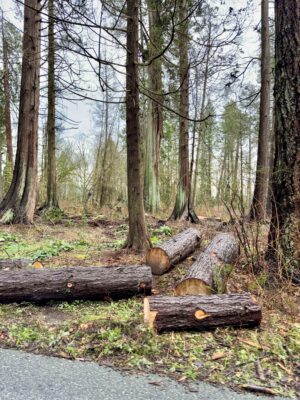 Extreme drought and rising temperatures in the US are poised to overwhelm the Trump administration’s plans to control wildfire by logging federal forests, scientists say. …The drought is expected to lead to catastrophic wildfires that stand to become the new normal amid climate change, the researchers say. “The type of drought we’re seeing this year across the West is a glimpse into the future,” said Erica Fleishman, at Oregon State University. …The US is on track in 2026 for more wildfires than 2025, a much wetter year. More than 5 million acres burned last year. As of April, 1.8 million acres had burned so far across the US—double the acres burned in the same period last year. Trump administration officials say wildfire risk makes it imperative to log forests and help the timber industry. The administration is taking an aggressive approach to quickly suppress wildfires as it increases logging by 25% this year.
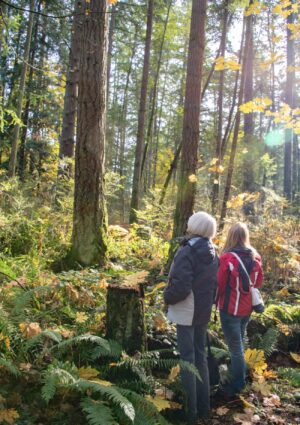 Agriculture Secretary Brooke Rollins claims “moving the Forest Service closer to the forests we manage is an essential action that will improve our core mission of managing our forests.” That is sophistry — a failed attempt to justify an ill-advised, destructive reorganization plan to remove Forest Service headquarters from Washington and radically cut its research infrastructure. Her fallacy implies that adjacent communities have a superior claim on national forests. …Government nihilists and dismantlers have for years peddled the “proximity begets policy expertise” canard, without evidence. …Meanwhile, Tom Schultz, the chief of the Forest Service, made clear his lingering allegiance to his former employer’s interests. Last month, he laid them out to House appropriators: “timber sales, critical minerals permitting, grazing allotment management.” That timber, he said, is “vital to the nation’s well-being.” In reality, only 6 percent of the total timber supply in the country comes from national forests.
 …After decades of biologists going out into the woods and physically counting animals, the agency is now turning to sound recorders and AI because they’re cheaper and can gather a lot more information. “Autonomous recording units with rechargeable batteries, memory cards, and the software costs are coming in the $600-$700 range per device,” said Oregon Department of Forestry biologist Corey Grinnell. The agency is currently spending millions to send biologists into the forests to conduct callback surveys, where they mimic a bird call and count responses. …The agency now has 23 devices and plans to deploy more as it moves away from callback surveys. …There is some concern that using recorders might put biologists out of work. But lead ODF biologist Vanessa Petro isn’t so sure. She said that once the AI counts birds in a recording, the tally will need to be checked by an actual biologist.

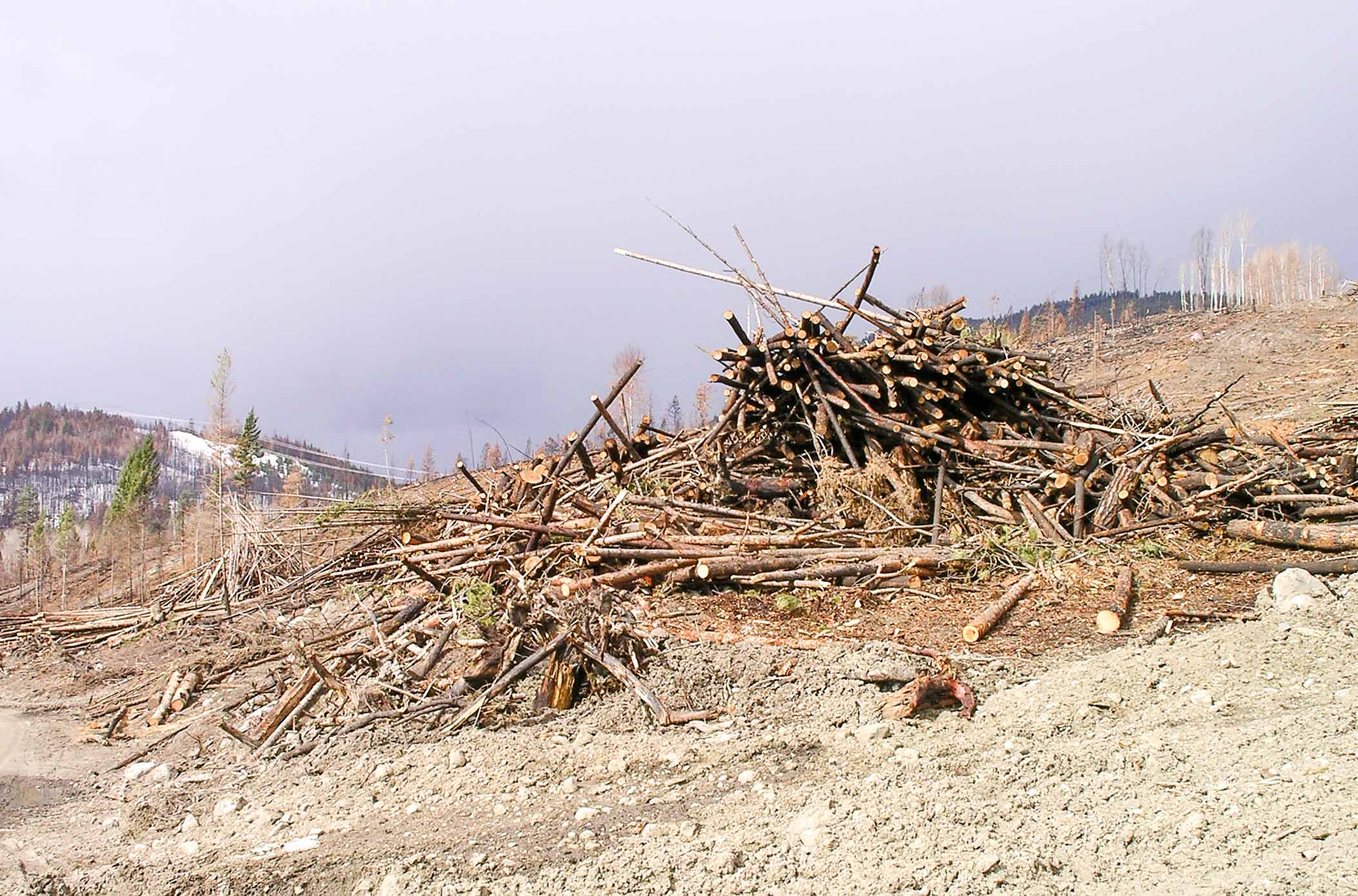 …Decades of fire suppression have left many dry pine forests overcrowded with small trees and dense brush. …Foresters largely agree on the solution: restore forests through thinning and prescribed fire. The problem is that restoration work is expensive, especially when it involves removing small-diameter trees that have little commercial value. …Taxpayers shoulder most of the burden while hazardous fuels continue accumulating across millions of acres. …Oregon is well positioned to tackle this problem. New wood products such as mass timber can create markets for the very material that restoration projects remove. Instead of treating small trees as waste, we can turn them into building materials… The goal is to keep large fire-resistant trees while removing smaller fuels that make forests more vulnerable to extreme fires. …Oregon already has the tools and workforce to address this problem. The question is whether we are willing to act before the next historic fire season arrives.
 Deming, Washington — Leroy Sande was pioneering a road with his excavator in Southeast Alaska when stumps, rocks, everything else — including his rig — started to pitch down the hillside. As if reaching out with his own arm, the logger instinctively grabbed at the slick sandstone beneath 10 feet of soil with the excavator’s bucket. “Well, you ain’t grabbing sandstone,” Sande, now 83, recalled. “…There was nothing to grab onto that wasn’t going down the hill.” About 400 yards down slope, the excavator tipped over and came to a stop. It was the only time in his 50-plus-year career in the woods that Sande put an excavator on its side, and even then, he emerged from the machine unscathed. Logging is the most deadly occupation in the nation… Injuries that aren’t fatal can put someone out of work for weeks, months, years or the rest of their life. The annual
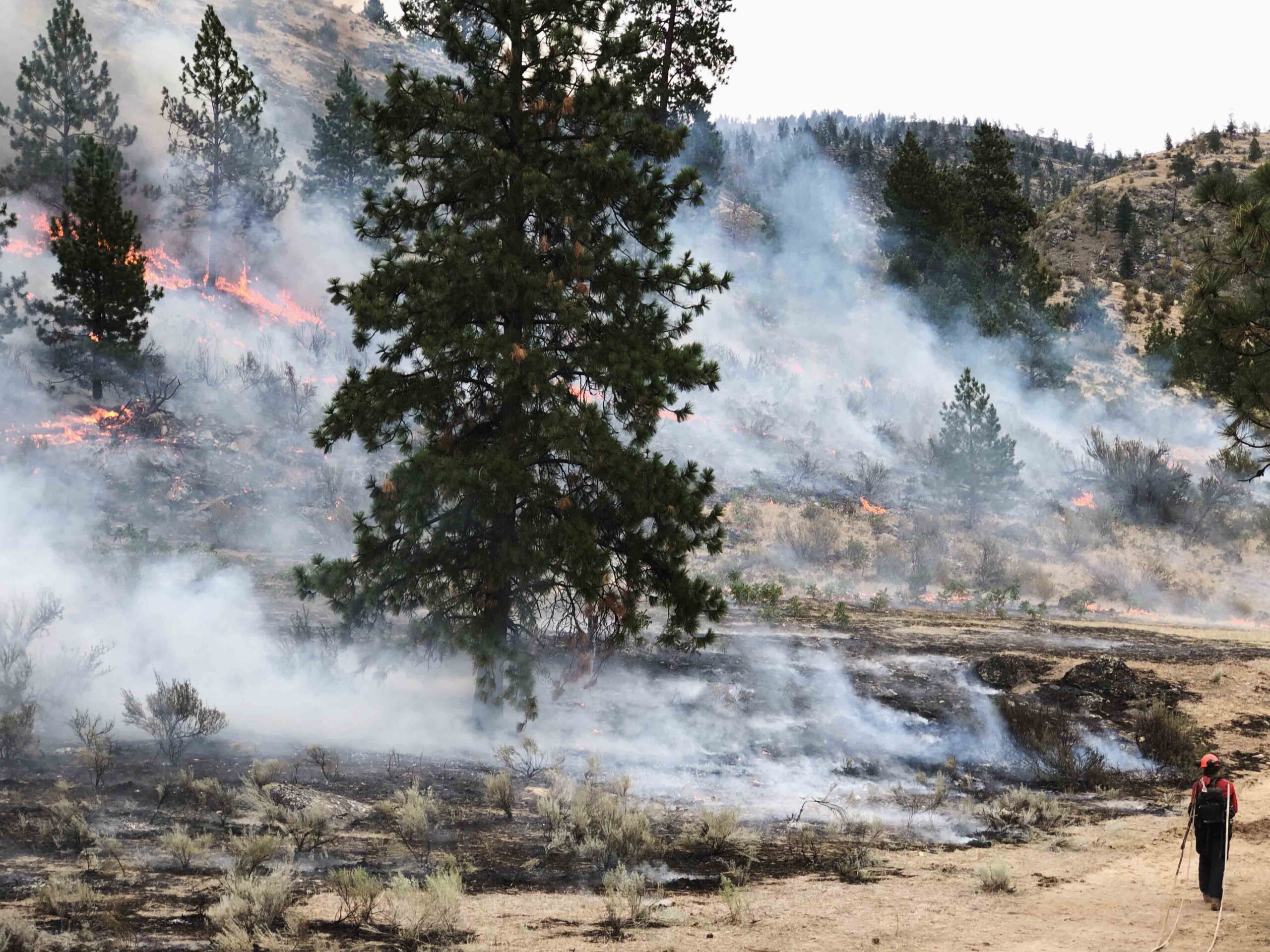 Wildfires are reversing decades of air quality improvements across much of the US. Expanded use of prescribed fire is a primary proposed solution, but air quality trade-offs—more initial smoke for less smoke later—remain poorly quantified. Using two decades of satellite-derived measurements of fire severity and smoke particulate matter across California, we assessed the causal effect of low-severity wildfire, a proxy for prescribed burning, on subsequent wildfire activity and air quality. We found that low-severity fire reduced the probability of very-high-severity wildfire by 92%, with reductions lasting a decade and extending 5 kilometers from treated locations. Reduced future smoke far outweighed the smoke produced during treatment, with benefit-cost ratios exceeding five after a decade. Sustained treatment of 500,000 acres annually would reduce cumulative smoke fine particulate matter (PM2.5) by about 10% after a decade.
 OREGON — A proposed new management strategy for the three national forests in Northeastern Oregon could more than triple the amount of commercial logging over the next two decades. The Forest Service hasn’t officially released a draft environmental impact statement for the revised management plans for the Wallowa-Whitman, Umatilla and Malheur national forests, which will start a 90-day public comment period. …Shaun McKinney, Wallowa-Whitman supervisor, said on Wednesday that he expects the Forest Service will publish the draft in the Federal Register “any time.” …Typically, national forests update their plans every 15 years or so. But the current plans for the three forests in the Blue Mountains date to 1990. The three forests encompass about 5.5 million acres, including about 311,000 acres in Washington that are part of the Umatilla National Forest.
 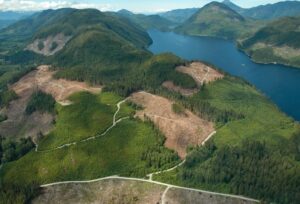 On the B.C. government website, you can read the following: “B.C. is a world leader in sustainable forest management”. …However, if you talk to BC forest ecologist Rachel Holt… or former B.C. Liberal MLA Mike Morris, you get a very different perspective. …The Council of Forest Industries says, “in BC. three to four tree seedlings are planted for every tree that is cut”. That does not solve the problem. In the last 40 years, the rate of cutting has sped up. That means there are many very young forests, not suitable for wildlife habitat and not suitable for logging. …Several groups in BC are pushing for less logging, protection of our remaining primary forests and more ecologically sound forestry practices. The down side? Large forestry companies make less profit. The upside? More jobs, healthy forests… fewer wild fires and fewer greenhouse gases.
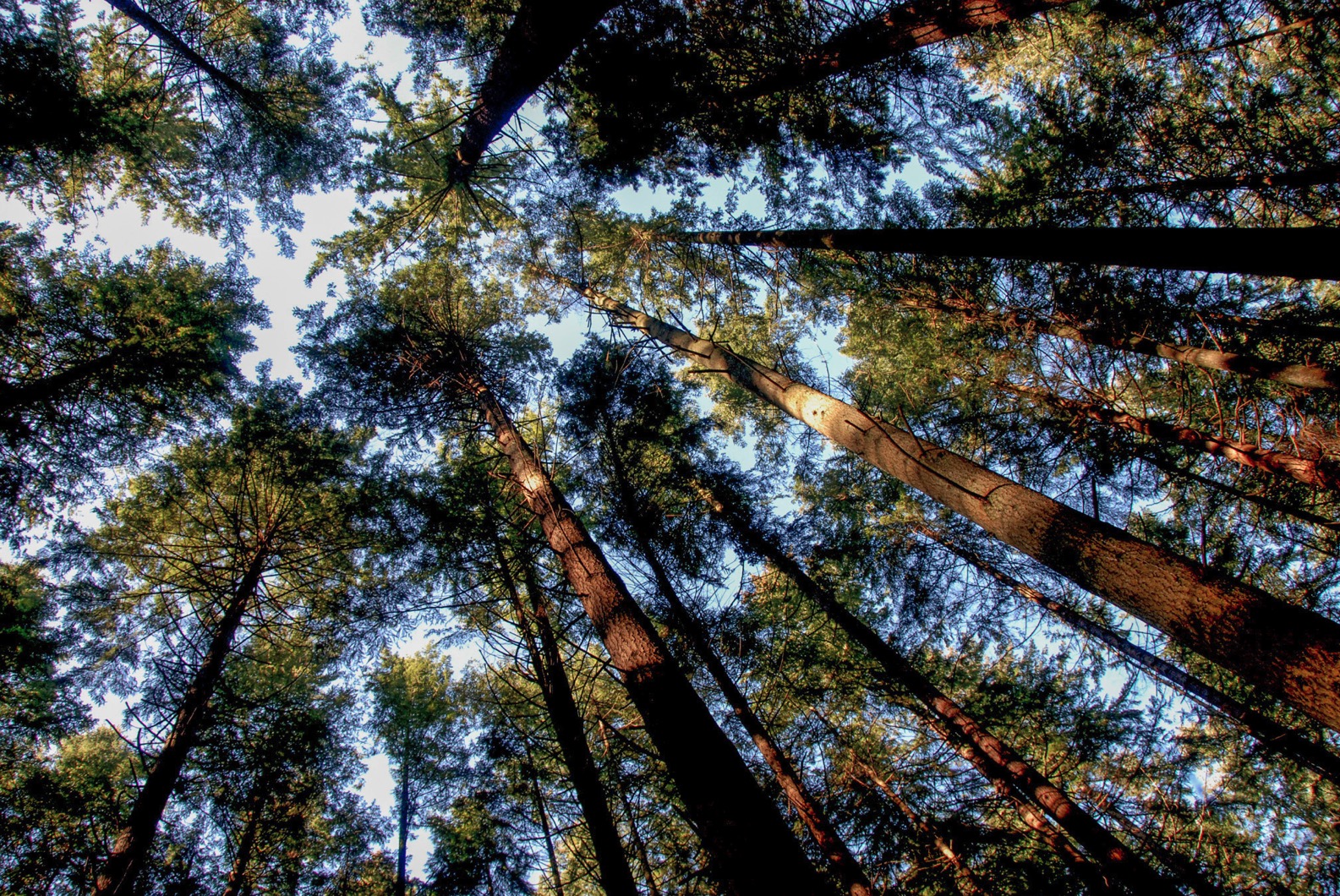 Three environmental groups are suing to block the logging of nearly 400 acres of state forestland in Washington’s Elwha Watershed. Filed Monday, the lawsuit against the state’s Department of Natural Resources argues the agency failed to adequately assess the environmental harm of two timber sales, known as “Parched” and “Tree Well.” Logging would pose a “direct threat” to Port Angeles’ drinking water, which is sourced solely from the Elwha River, the lawsuit contends. “There’s only about 800 acres of structurally complex forests left in the watershed. And nearly half of those are these two timber sales that we appealed,” said Elizabeth Dunne, an attorney with Earth Law Center… Under the Department of Natural Resources’ standards, only trees that predate 1850 are considered old growth and set aside for conservation. The oldest stands proposed for harvest in the Parched sale are around 140 years old, dating back only to the 1880s.
  Wildfire season is upon us in Northern Arizona. Although our fire-adapted ponderosa pine forest could experience a wildfire at any time, May and June are typically the driest and most fire-prone months for large, destructive wildfires, following spring’s gusting winds that strip moisture from grasses and downed logs. National Weather Service (NWS) officials say this year, especially, we need to be particularly vigilant as winter’s snowpack was far below normal. Although last fall’s warm storms bumped up precipitation for the year with 0.93 inches above-normal rainfall, winter snowfall fell short. Just 26.9 inches of snow landed in Flagstaff for the 2025-’26 winter season, far below the 90-inch annual average. Thus, Flagstaff is entering summer with a snowpack deficit that ranked this winter season as the fourth-lowest snowfall in Flagstaff’s recorded weather history, dating to 1899.
 Barred owls …are now officially under attack themselves. Theoretically, they’ve been in danger since the U.S. Department of Fish and Wildlife released its barred owl management plan in 2024, announcing its intention to kill tens of thousands of barred owls per year for up to 30 years to protect the northern spotted owl and California spotted owl populations. The federal government and some environmentalist groups agree that protecting the endangered owl is necessary, but others argue it is inhumane and exists only to aid the timber industry. It’s been two years since the plan’s announcement, but only since November has a group in Washington officially begun killing barred owls… The Yakama Nation Tribe in South Central Washington has initiated barred owl management on reservation lands and is actively killing the once-protected species. They are the first and currently the only group in Washington to do so.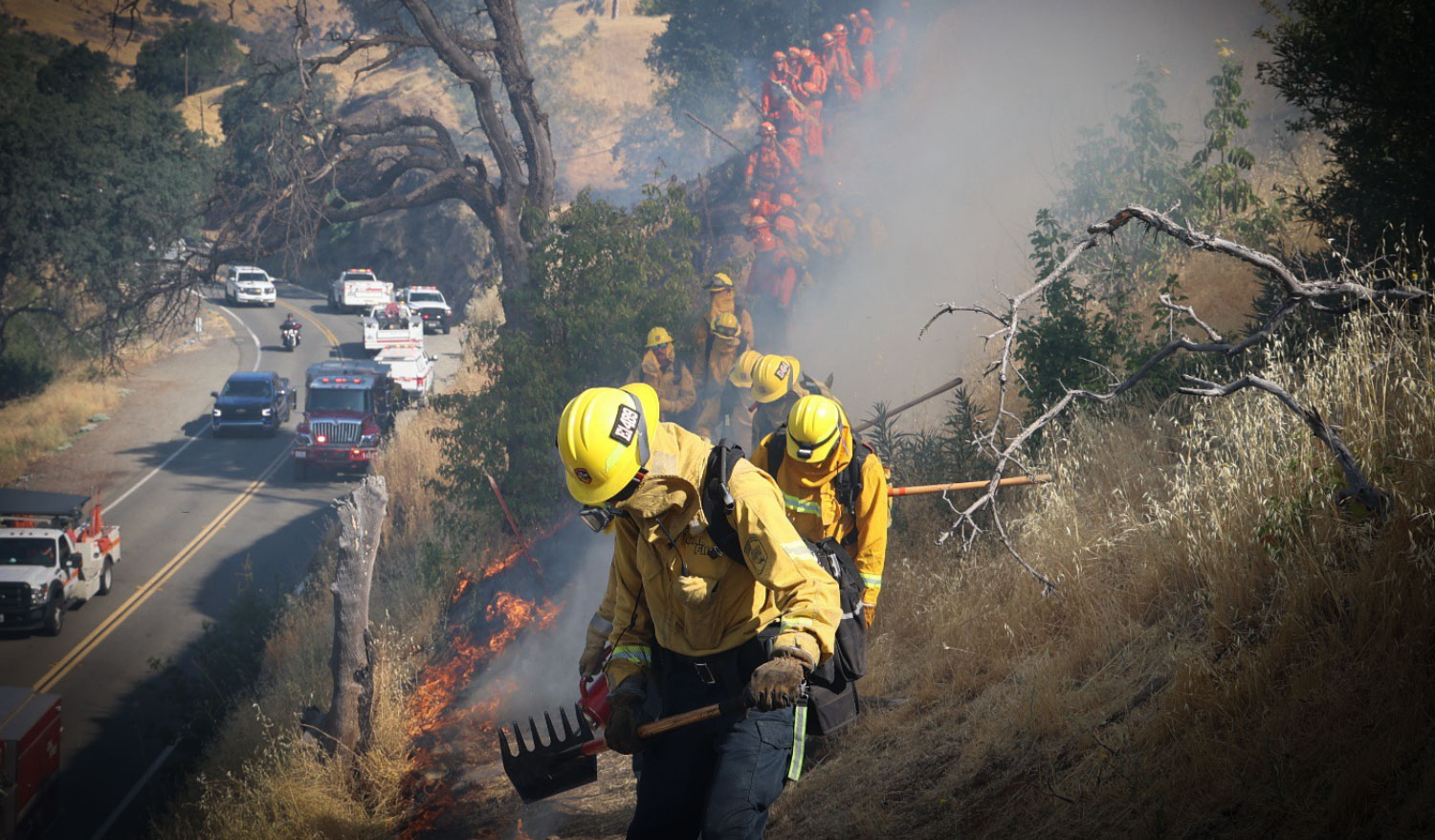

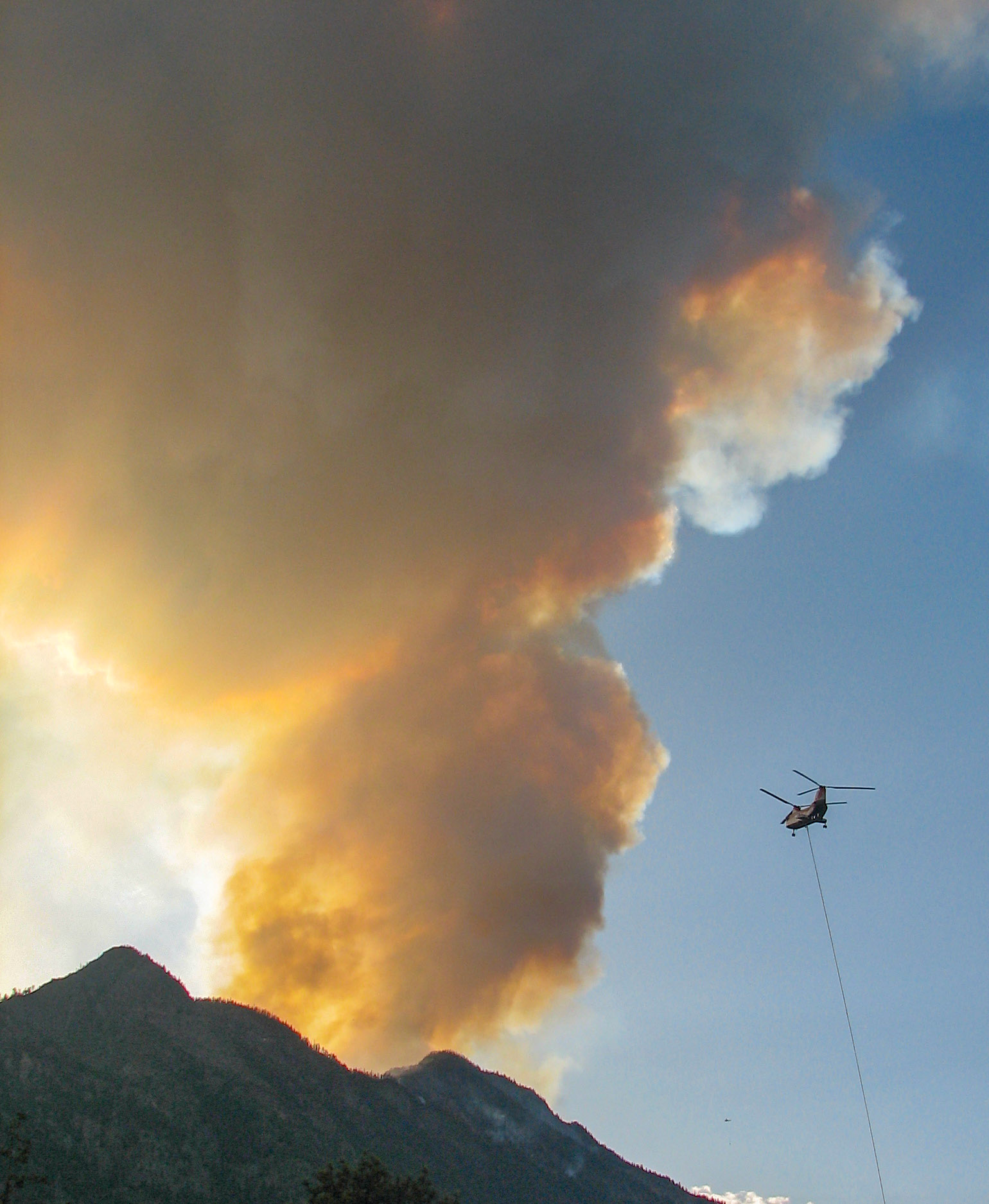 GEORGIA — Amid drought conditions and larger fires, Georgia Forestry Commission Director Johnny Sabo told lawmakers the cost to put out the blazes in south Georgia cost more than half of his annual department budget. “We’re looking about $35 million between these two fires,” Sabo said about the cost of putting out the Pineland Road and Highway 82 fires in south Georgia. “To put that in perspective, my annual budget is $52 million.” Those figures don’t include the costs of helping communities recover from the damage and losses afterward. …Sabo said Georgia has experienced a more active fire season than in previous years, with the number of fires up 88%. It was made more dangerous by drier conditions. …The data from Sabo showed the yearly average acreage of fires was 5.6 acres in previous years. The size of the fires made it so smoke was even visible to residents in the metro Atlanta area.
 In fall, hoards of winter ticks latch on to New Hampshire’s moose — sometimes upward of 50,000 per adult animal. Over the course of the winter, the ticks drink their fill of blood, weakening adult moose and sometimes killing calves. …a team of New Hampshire researchers has a new hypothesis: Could the way forests are logged make moose more or less likely to encounter parasites? …Winter ticks are the driving force behind years of decline in Northeastern moose populations. …In recent decades, parasitism of moose by winter ticks has boomed… major driver was a boom in the local moose population… The sheer abundance of hosts helped tick populations in the region reach the high levels they remain at today. …One option is raising hunting quotas to reduce the number of moose… Another line of attack is the use of pesticides. …But there’s another idea … that has not been extensively studied: managing their habitat.