 WINDSOR, Ontario — For months, trade negotiations between Canada and the United States have been stalled. This week that all changed when US President Trump announced negotiations were back on. During his social media tirade about Windsor, Ontario’s Gordie Howe Bridge, and a list of other perceived transgressions, Trump wrote… we will start negotiations, IMMEDIATELY.” While Trump’s political speed bump threatens to derail the planned opening of the commercial corridor, some industry leaders see an opening to accelerate negotiations. “Trade conversations have now restarted, a few weeks ago conversations weren’t happening. I see this as a positive,” says Canadian Association of Moldmakers Nicole Vlanich. …With Trump restarting trade negotiations that he once brought to a screeching halt, business leaders in Windsor hope this will be an important first step towards paving a clearer picture for economic growth for both the Canadian and US economies.
In related coverage:
- By David Nevins in the Fulcrum: The Facts on US–Canada Tariffs
- By Lawrence Herman in the Globe & Mail: Trump’s bridge threat heralds pain and turmoil in USMCA talks
 WASHINGTON, DC — In a vote that GOP leaders fought hard to avoid, a half dozen Republicans sent a blunt message to President Trump that they do not support the tariff regime that he has made the centerpiece of his second term. Six Republicans joined with Democrats in the vote to effectively repeal the president’s tariffs on Canada, the culmination of months of consternation in the GOP over the president’s trade war that has quietly rattled even some of his staunchest loyalists in Congress. …The Senate has already passed a similar measure to cancel Trump’s tariffs on Canada, which — unlike most measures — can be passed with a simple majority rather than 60 votes. But even if the Senate does agree to this same House measure, Trump would still have the power to veto it. The House did not secure enough votes to protect a veto override.
 Some of Canada’s major labour organizations are urging Ottawa to put workers at the centre of any renegotiation of the Canada-US-Mexico Agreement as preparations begin for the pact’s mandatory 2026 review. Leaders met with Dominic LeBlanc, the federal minister responsible for Canada–US trade, for what they described as a high-level roundtable on the future of CUSMA amid rising trade tensions and renewed threats of U.S. tariffs. Canadian Labour Congress president Bea Bruske said unions delivered a “clear and urgent message” that Canada should not accept a revised trade deal that weakens domestic industry or costs Canadian jobs. …Bruske was joined by leaders from several large manufacturing and building trades unions representing sectors heavily exposed to trade policy decisions, including auto manufacturing, construction and resource-based industries. Bruske said the upcoming CUSMA review should strengthen Canadian industries and working-class communities, not “hollow them out” in the rush to renew the agreement.




 PORTLAND, Ore. – Layoffs are expected at the beginning of April for Roseburg Forest Products Co.’s Riddle Plywood facility, according to a WARN notice filed this week. The notice, filed Feb. 4, says the company expects to permanently lay off 146 team members at the Riddle By-Pass Road location, though the facility will remain open. These layoffs are expected to take place after a 60-day WARN period. The company said April 5 “will be the last day of work for a majority of the affected team members before the layoff and that the remaining affected team members, if any, will be within 14 days of that date.” Impacted positions span a number of job titles, though the majority consist of Layup WAT Operators, Finish End WAT Operators, and Common Laborers.
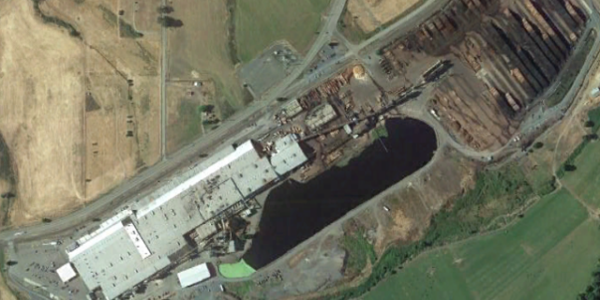
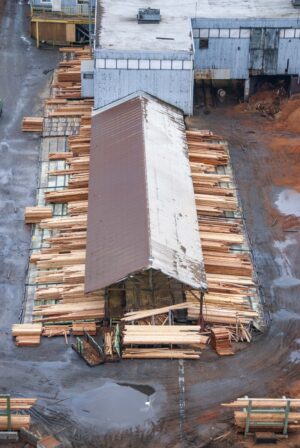 Montana’s forestry industry is entering this year with more questions than answers, from low lumber prices to high housing costs for workers to questions about tariffs, but there is room for strategic adaptation. That’s according to an economist who gave an update on the sector in the 2026 Montana Economic Report, put out by the Bureau of Business and Economic Research at the University of Montana. …Scott said the number of people employed in the private sector in forestry in Montana statewide has dropped in 2025. …His main points are that while timber harvests are down, the federal government is making a push to increase harvests. …He said the Trump administration’s tariff policy remains another wildcard. “A combination of lumber and trade-related tariffs has been implemented to bolster domestic demand, by raising the cost of Canadian lumber… it is still too early to tell whether these measures will meaningfully shift trade flows.”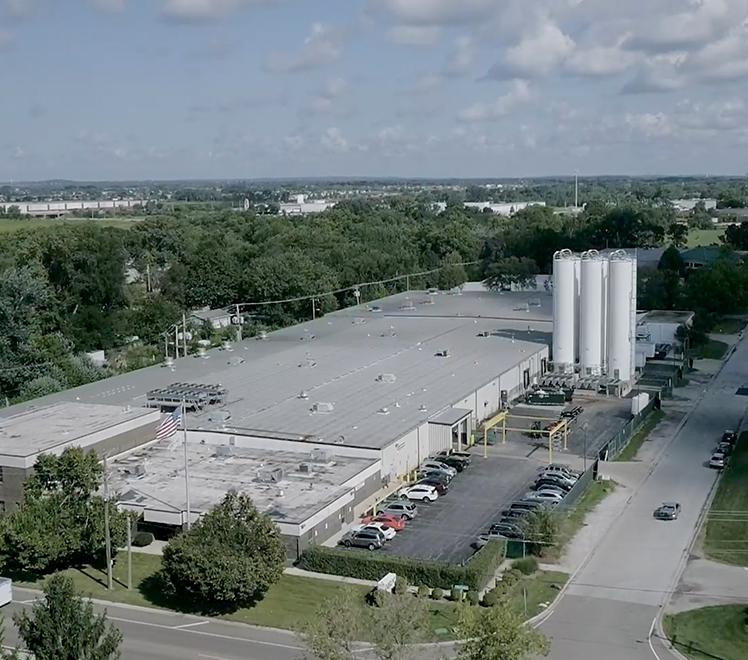
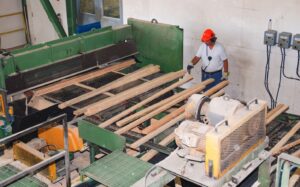 Duties on Canadian imports are driving up domestic sales at some Maine lumber companies. …Protection from historically lower Canadian lumber prices has given Pleasant River Lumber the confidence to add an additional manufacturing shift in Enfield, according to co-owner Jason Brochu. Photo by Katherine Emery. …Historically Canadian companies have both outbid them for timber harvested in Maine and undercut American lumber prices when they export the finished lumber product back across the border. …An industry analyst and two other mill leaders said that inflation and a sputtering housing market make it unclear whether the tariffs will have a positive or negative effect on business in the long run. The effects of the tariffs will also vary based on the different products sawmills make. …Sawmills rely on certainty, said Alden Robbins, of Robbins Lumber, and neither the markets nor foreign trade relationships have been stable recently.

 NEW YORK, New York — Mercer International reported fourth quarter 2025 Operating EBITDA of negative $20.1 million compared to positive $99.2 million in the same quarter of 2024 and negative $28.1 million in the third quarter of 2025. In the fourth quarter of 2025, net loss was $308.7 million compared to net income of $16.7 million in the fourth quarter of 2024 and a net loss of $80.8 million in the third quarter of 2025. The net loss in the fourth quarter of 2025 included total non-cash impairments of $238.7 million. This included non-cash impairments of $203.5 million recognized against long-lived assets at our Peace River mill due to the continued down-cycle environment of hardwood pulp markets, $12.2 million against certain obsolete equipment and $23.0 million against pulp inventory due to low prices and high fiber costs. …Mr. Juan Carlos Bueno, CEO: “We continue to prioritize improving liquidity and working capital, committing to rebalancing our asset portfolio and maintaining operating discipline.”
 VANCOUVER, BC
 The Bank of Canada’s latest survey of financial-market participants pointed to a modestly brighter growth outlook than the central bank’s own projections, even as trade tensions with the US remain the dominant threat hanging over Canada’s economy and housing market. In the fourth‑quarter Market Participants Survey, 93% of respondents cited an “increase in trade tensions” as the top downside risk to Canadian growth, well ahead of tighter global financial conditions and weaker consumer spending. Participants still assign a 20% probability to a recession over the next six months, but their median forecast calls for real GDP growth of 1.6% by the end of 2026 and 1.9% by late 2027, slightly stronger than the Bank’s own projections of 1.1% and 1.5%. While the survey suggests some stabilization in expectations, it underscores that tariff policy remains the key macroeconomic swing factor. …PwC Canada’s latest survey among 133 CEOs showed that only 27% expect the domestic economy to improve over the next 12 months.
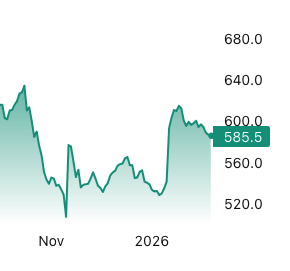 Lumber futures slipped below $590 per thousand board feet, the lowest level in nearly four weeks, as housing demand weakened and earlier restocking momentum faded. Demand softened as financing costs edged higher and housing activity cooled, with US pending home sales plunging 9.3% month on month in December 2025, removing a key source of construction and renovation related wood consumption ahead of the spring building season. At the same time, mills continued running to rebuild inventories after the winter squeeze, increasing physical availability while distributors reported quieter order books. The combination of softer demand and rising availability encouraged position unwinds after January’s rally, with falling volumes and open interest amplifying the price decline. [END]
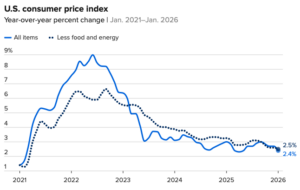 The cost of goods and services rose at a slower annual rate than expected in January, providing hope that the nagging U.S. inflation problem could be starting to ease. The consumer price index for January accelerated 2.4% from the same time a year ago, down 0.3 percentage point from the prior month, the Bureau of Labor Statistics reported Friday. That pulled the inflation rate down to where it was the month after President Donald Trump in April 2025 announced aggressive tariffs on U.S. imports. Excluding food and energy, the core CPI was up 2.5%. Economists surveyed by Dow Jones had been looking for an annual rate of 2.5% for both readings. On a monthly basis, the all-items index was up a seasonally adjusted 0.2% while core gained 0.3%. …Though the category accounted for much of the CPI gain, shelter costs rose just 0.2% for the month, bringing the annual increase down to 3%.

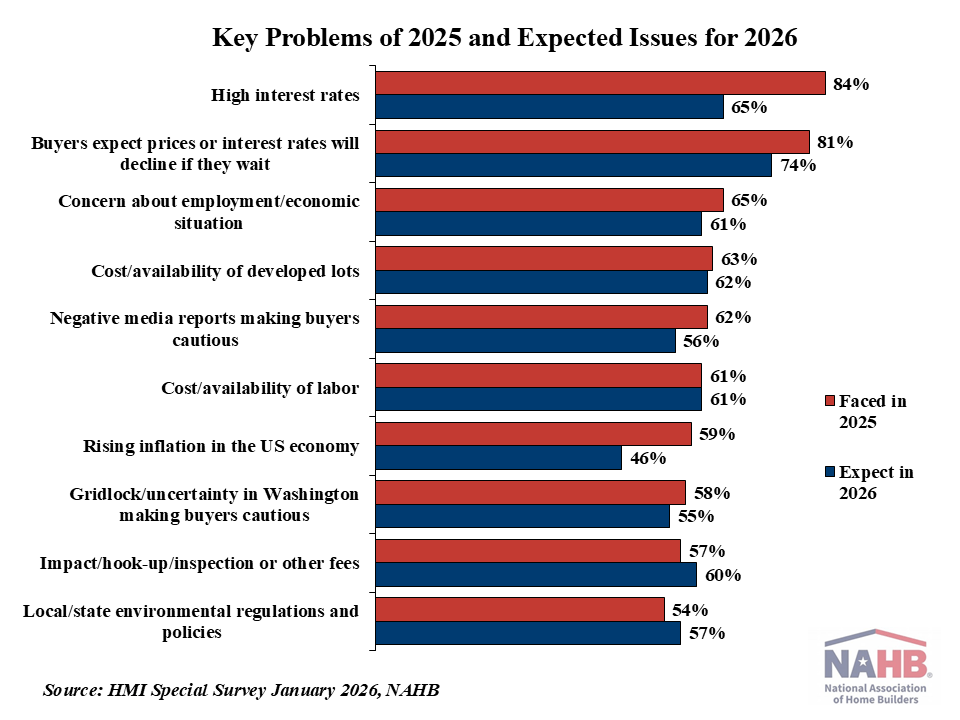
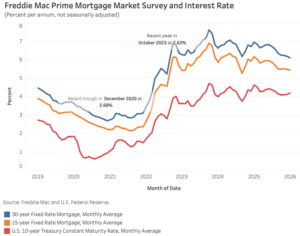 Long-term mortgage rates continued to decline in January. According to Freddie Mac, the 30-year fixed-rate mortgage averaged 6.10% last month, 9 basis points (bps) lower than December. Meanwhile, the 15-year rate declined 4 bps to 5.44%. Compared to a year ago, the 30-year rate is lower by 86 bps. The 15-year rate is also lower by 72 bps. The 10-year Treasury yield, a key benchmark for long-term borrowing, averaged 4.20% in January – an increase of 8 bps from the previous month, but remained considerably lower than last year by 43 bps. While mortgage rates typically move in tandem with the treasury yields, the spread between the two narrowed during the month. Reports that the Trump administration encouraged Fannie Mae and Freddie Mac to expand purchases of mortgage-backed securities (MBS) boosted demand for MBS, pushing mortgage rates lower. However, treasury yields rose sharply in the final week of January from global and fiscal pressures.
 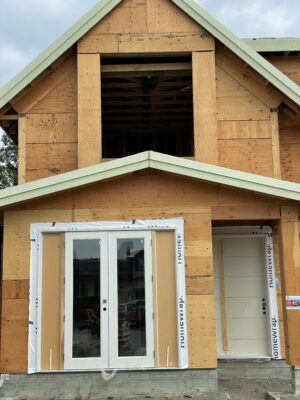 When it comes to housing affordability, the logic of “build build build” is straightforward enough: Housing is too expensive. If there were more of it, prices would fall. …Homebuilders are even pushing a plan for a million new affordable houses. …Unfortunately, it’s not that simple. The problem of housing affordability is much bigger than insufficient supply; it’s a mismatch with demand. And that demand is driven by income inequality that has seen soaring income growth at the top and tepid growth (or even stagnation) in the middle. In other words: The way to improve housing affordability is to reduce income inequality. …What’s needed are policies that increase income for households at the bottom and middle. Rather than boosting the housing supply in the hope that they benefit, the answer is to fix the labor market to make sure that they do.
 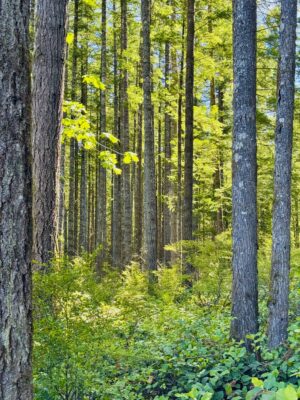 The United States is one of the world’s largest timberland investment markets, with returns driven primarily by land values rather than timber prices, according to Domain Timber Advisors’ timberland market analysis. Timberland values remain strong at the end of 2025, supported by continued appreciation in land values, while timber prices remain relatively flat. …During 2025, Domain underwrites 14 institutional bid events, 54 public listings, and 38 off-market or non-public offerings. By the end of the fourth quarter, the acquisition pipeline consists of 46 deals covering more than 500 thousand acres, providing visibility into pricing dynamics, regional demand shifts, and emerging non-timber value drivers. …Looking ahead, Domain states that renewable energy development and technology infrastructure are expected to expand non-timber revenue opportunities in 2026 and beyond. Alternative timber product markets, including molded fiber products and biomass-to-electricity, are expected to offset part of the pulpwood demand lost due to mill closures and production quotas.

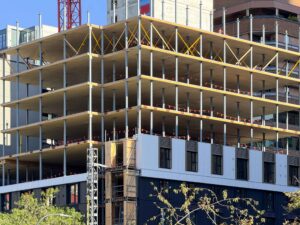 As mass timber continues to grow in popularity in the US, manufacturers are evolving the scale and sourcing of wood production to meet rising demand.
  Walk through any design-forward neighbourhood… and you’ll notice something the catalogues haven’t caught up with yet. The windows are changing. After decades dominated by vinyl, aluminium, and composite frames, timber is making a decisive return to high-end residential architecture. And the architects driving this shift aren’t motivated by nostalgia. They’re choosing wood because, for the homes they’re designing, nothing else performs quite the same way. The broader design world has been moving in this direction for several years. Mass timber construction, reclaimed wood interiors, rammed earth walls, natural stone — the 2025–2026 architectural conversation is dominated by what designers call “material honesty.” The idea is straightforward: use materials that are what they appear to be. No laminate pretending to be oak. …The knock against timber windows has always been practical: they need maintenance, they warp, they cost more. Two decades ago, much of that was fair. Modern engineered timber has changed the equation.
 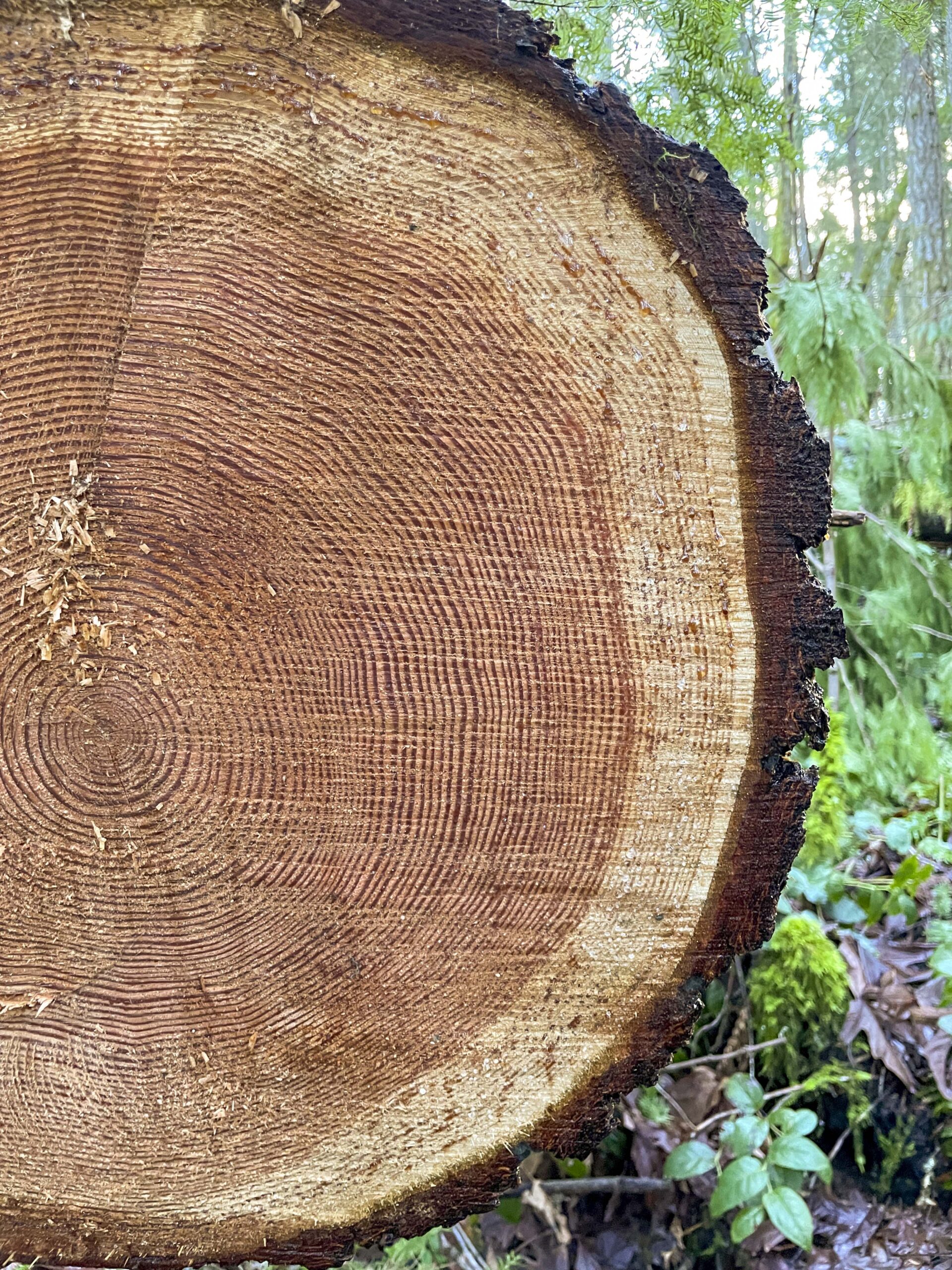 The Berkeley Wood Lab’s research on mass timber production has the potential to improve California’s sustainability by sourcing from local forests. The lab is collaborating with Northern Californian lumber company Mad River Mass Timber, or MRMT. The company will use Californian trees that otherwise would have either been turned into woodchips or burned in a forest fire to build panels that can be used in new housing and commercial buildings. This is the first time these types of panels will be produced locally in California instead of being shipped in from other countries. The technology to create dowel-laminated timber, or DLT, has existed for decades, but the Berkeley Wood Lab adapted it for use in Californian forests. Through the process of making DLT, glue is not required, which enables the timber to be recycled in the future and turned into new material.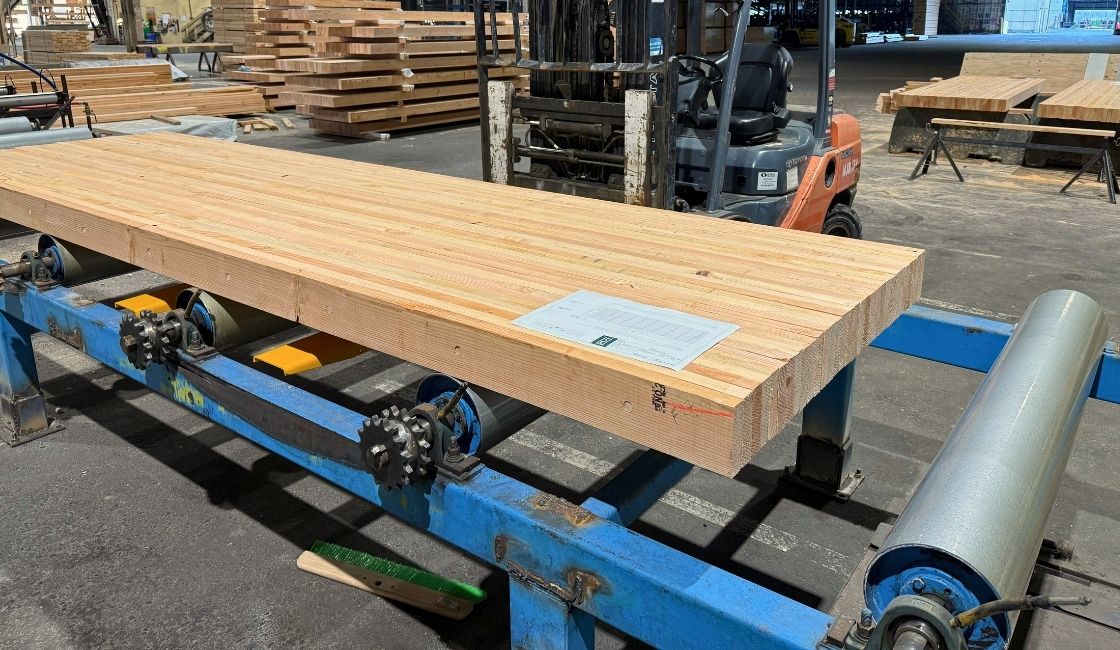
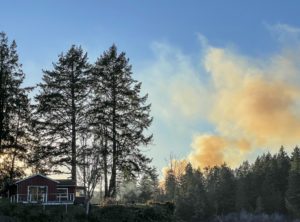 California’s wildfire insurance crisis intensified this week as major insurers faced renewed scrutiny over denied or delayed payouts, while regulators and lawmakers moved to address mounting consumer complaints. The
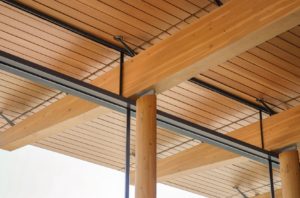 LANSING, Michigan – A state program to aid mass timber projects in Michigan has been extended for the Upper Peninsula after the region submitted no applications for funding in 2026. …A supplemental call for proposals makes available $50,000 through March 2. Those awards will be announced March 16. The awardees are:
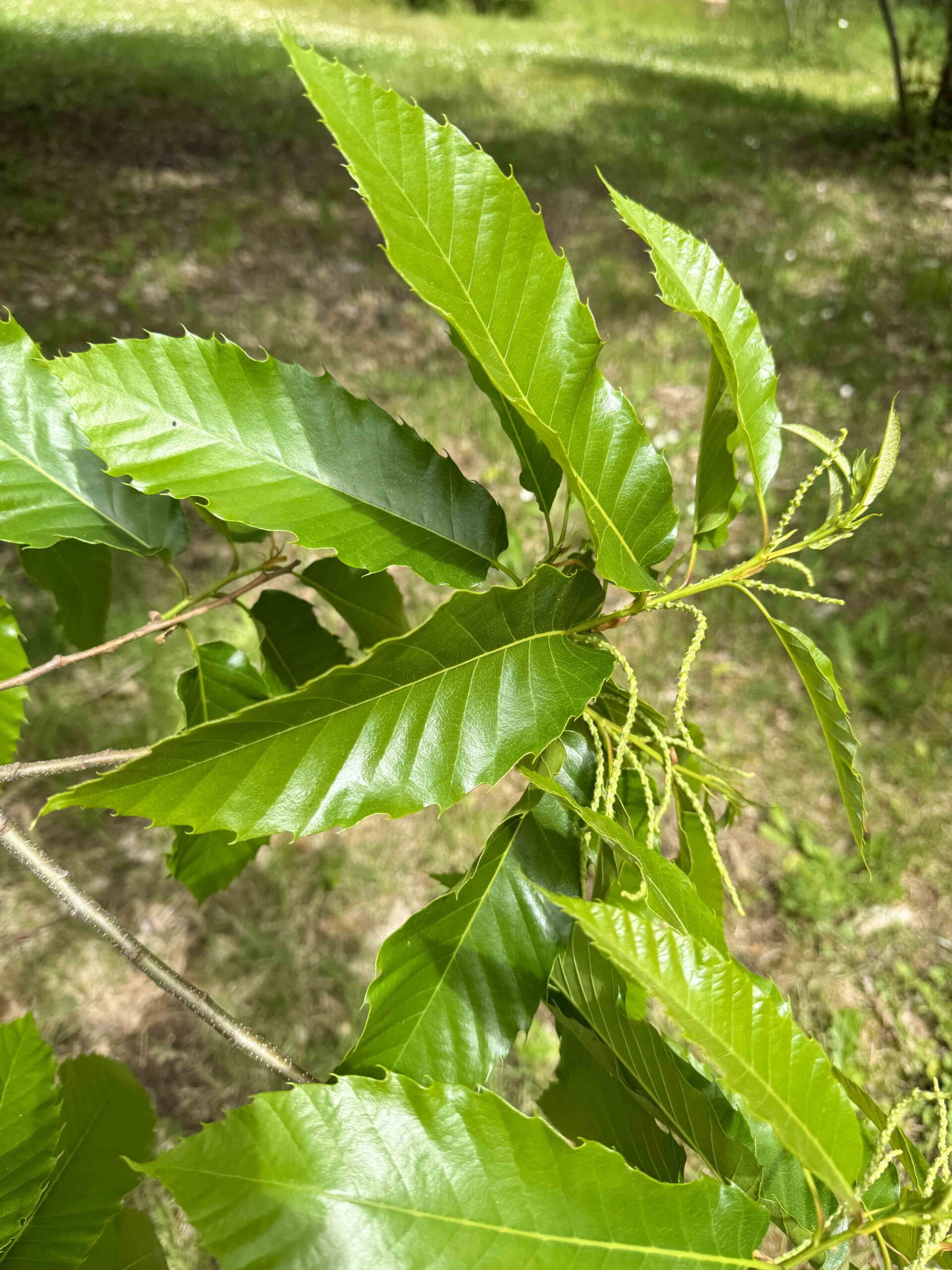 WASHINGTON — Billions of American chestnut trees once covered the eastern United States. …But by the 1950s, this venerable tree went functionally extinct, culled by a deadly airborne fungal blight and lethal root rot. A new study provides hope for its revitalization, finding that the genetic testing of individual trees can reveal which are most likely to resist disease and grow tall, thus shortening how long it takes to plant the next, more robust, generation. …The American chestnut … had little defense against foreign-introduced blight and root rot. Another type of chestnut, however, had evolved alongside those diseases. The Chinese chestnut had been introduced for its valuable nuts and it could resist diseases. …So, the authors want a tree with the characteristics of the American chestnut and the disease resistance of the Chinese chestnut. …Breed for disease resistance alone and the trees get shorter, less competitive.
 For the first time, researchers have been able to confirm that our planet’s boreal forests are on the move. Using nearly a quarter million Landsat satellite images spanning 36 years, scientists have confirmed for the first time that Earth’s boreal forest—the planet’s largest forested biome—is shifting northward, revealing unprecedented changes in this critical ecosystem that stores more than a third of the world’s forests and helps regulate our global climate. [5 min. video]
 The Interior Department is blazing ahead with a reorganization plan that will bring all of its wildland firefighting operations into a single agency. Starting next week, all the department’s wildland fire employees and programs will be moved into a new Wildland Fire Service. Congress did not approve funds for this consolidation of federal firefighting programs into one agency. The Wildland Fire Service also stops short of merging wildland fire personnel or programs from the USDA’s Forest Service with those same resources at the Interior Department. An internal memo sent to staff on Monday states the Wildland Fire Service “will unify wildland fire management within DOI only.” According to the memo, obtained by Federal News Network, the Wildland Fire Service will “align operations” with USDA through shared procurement, predictive services, research, and policy reforms.

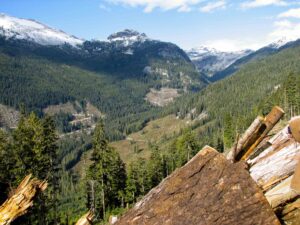 Lawmakers from both parties agreed at a congressional hearing Tuesday that the federal government must act to address the growing threat of catastrophic wildfires, but they were sharply divided over how, and whether pending legislation known as the Fix Our Forests Act offers the right path forward. The House of Representatives passed the FOFA legislation in January 2025, and its companion bill is pending in the Senate. …Republican supporters of the bill championed its focus on fast-tracking the thinning and clearing of forests on large tracks of land by making exceptions to requirements in bedrock environmental laws. They argue that those steps are a fix for intensifying fires. …Democrats on the House Committee sharply criticized parts of the wildfire bill, arguing that it unnecessarily erodes environmental safeguards and expands logging, despite limited evidence that either makes communities safer. …Outside of the hearing, scientists and environmental advocates also criticized parts of FOFA.

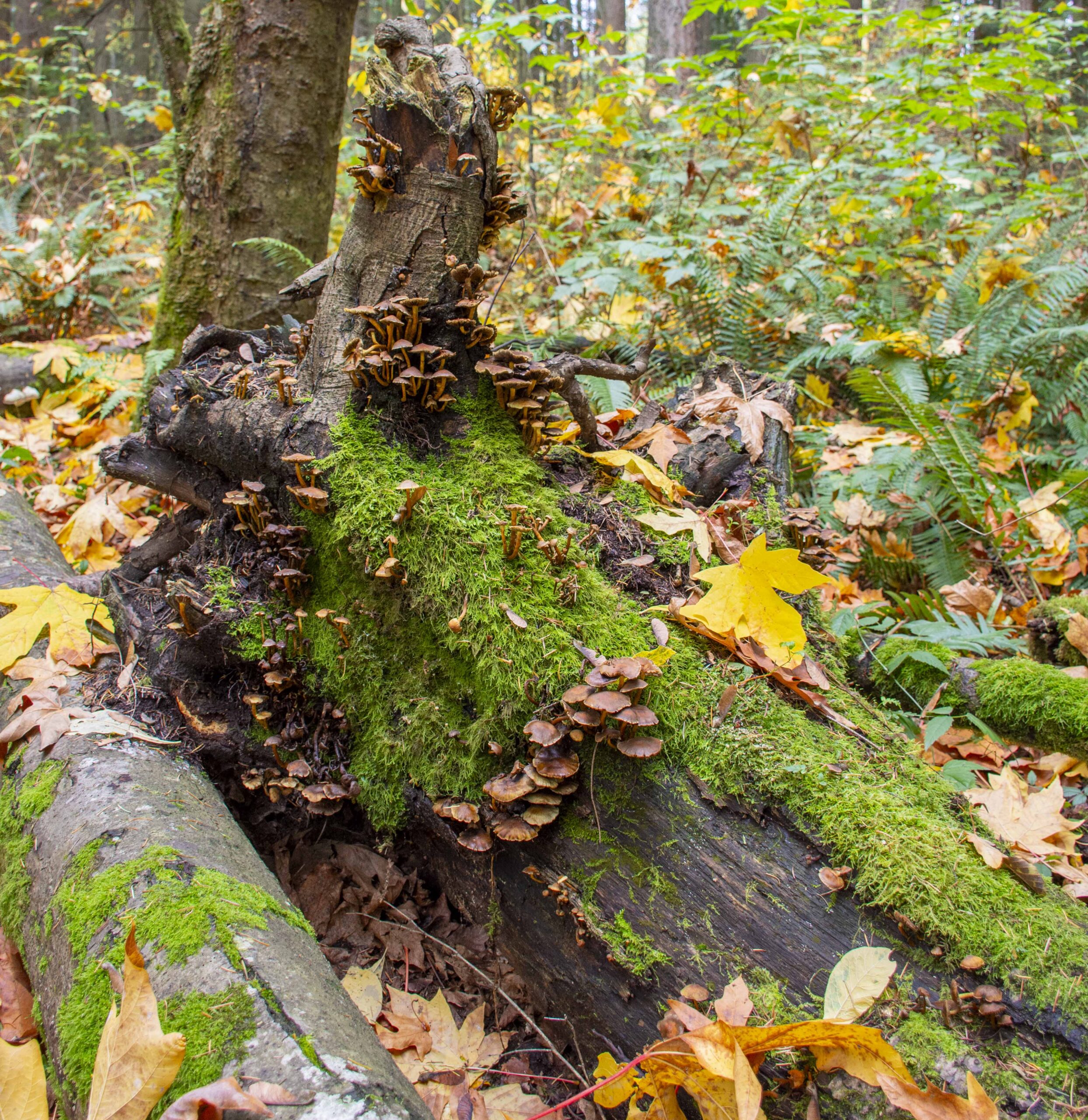 Biological legacies (i.e., materials that persist following disturbance; “legacies”) shape ecosystem functioning and feedbacks to future disturbances, yet how legacies are driven by pre-disturbance ecosystem state and disturbance severity is poorly understood—especially in ecosystems influenced by infrequent and severe disturbances. Focusing on wet temperate forests as an archetype of these ecosystems, we characterized live and dead aboveground biomass 2–5 years post-fire in western Washington and northwestern Oregon, USA, to ask: How do pre-fire stand age and burn severity drive variability in initial post-fire legacies, specifically aboveground biomass carbon and fuel profiles? …Our findings demonstrate the importance of pre-disturbance ecosystem state in dictating many aspects of initial post-disturbance structure and function, with important implications for managing post-fire recovery trajectories in some of Earth’s most productive and high-biomass forests.
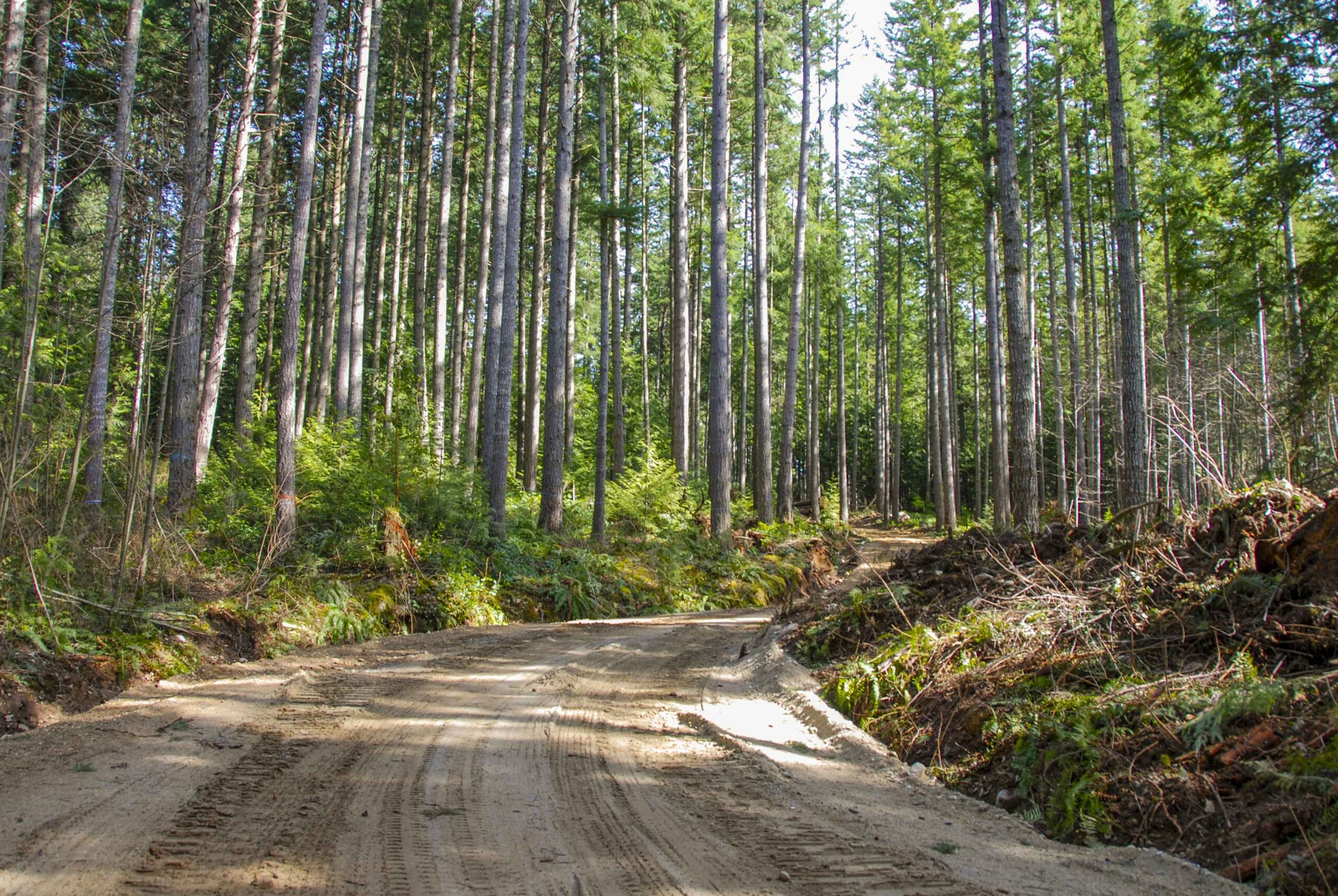 COLORADO — The U.S. Forest Service is proposing logging southwest of Glenwood Springs, involving about 2,600 acres in what’s known as the Fourmile area along the borders of Pitkin, Mesa and Garfield counties. The White River National Forest’s proposal includes acreage in all three counties. It involves selective thinning and vegetation clearing in two treatment areas and along several roads to improve forest health, reduce wildfire risk and provide timber, the Forest Service said in a news release. “The timber treatments would improve the forest’s ability to withstand and recover from drought and insect outbreaks by creating more diversity in the size and ages of trees. Additionally, work along roads will strengthen predetermined areas where firefighters could more effectively engage wildfires,” the Forest Service said in its release. …“Active forest management is an important tool for maintaining healthy forests,” Acting Aspen-Sopris District Ranger Jennifer Schuller said in the release.
 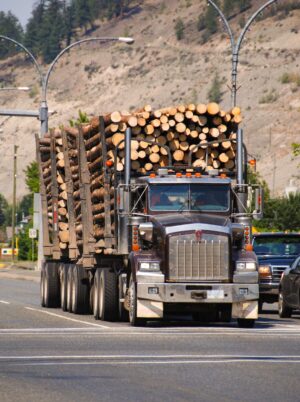 MISSOULA, Montana — Forester Sean Steinebach felt stunned when US District Court Judge Donald Molloy in Missoula vacated a federal magistrate judge’s favorable recommendations about the proposed South Plateau timber project. “Judge Molloy is a thorn in my side,” said Steinebach, outreach forester for Sun Mountain Lumber, based in Deer Lodge. …Molloy’s ruling was filed Dec. 11, vacating March 31 recommendations by Magistrate Judge Kathleen DeSoto that had allowed the project to proceed. Sun Mountain Lumber operates a sawmill in Deer Lodge and one in Livingston. …Steinebach said incessant lawsuits by environmental groups like the Alliance for the Wild Rockies, the Center for Biological Diversity and the Council on Wildlife and Fish sabotage timber projects, threaten sawmill communities, loggers and others. …One key issue for Judge Molloy was secure habitat for grizzly bears, but Canada lynx habitat was also a concern. Both are considered threatened species under the Endangered Species Act.



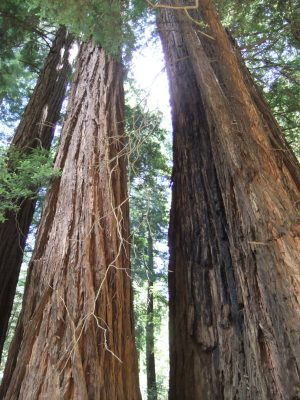 University of Oregon Assistant Research Professor James Johnston said he was taught that when a large fire burned a moist, Western Cascade forest to the ground, and the area didn’t burn for hundreds of years afterward, that’s what created a complex, old-growth landscape. Instead, his study found that ancient tree stumps in the Mount Hood and Willamette National Forests had burn scars from multiple fires over their long lives. It’s the first time tree-ring scars have been used to document fire records in the region. Johnston said forests are complex because of—not in spite of—lower-severity wildfires which don’t kill many of the trees. …Johnston said to figure out the best ways to foster healthy forests, relatively recent upheavals also need to be considered. Those include clearcuts, human infrastructure at the margins of forests, and hotter and drier weather patterns.
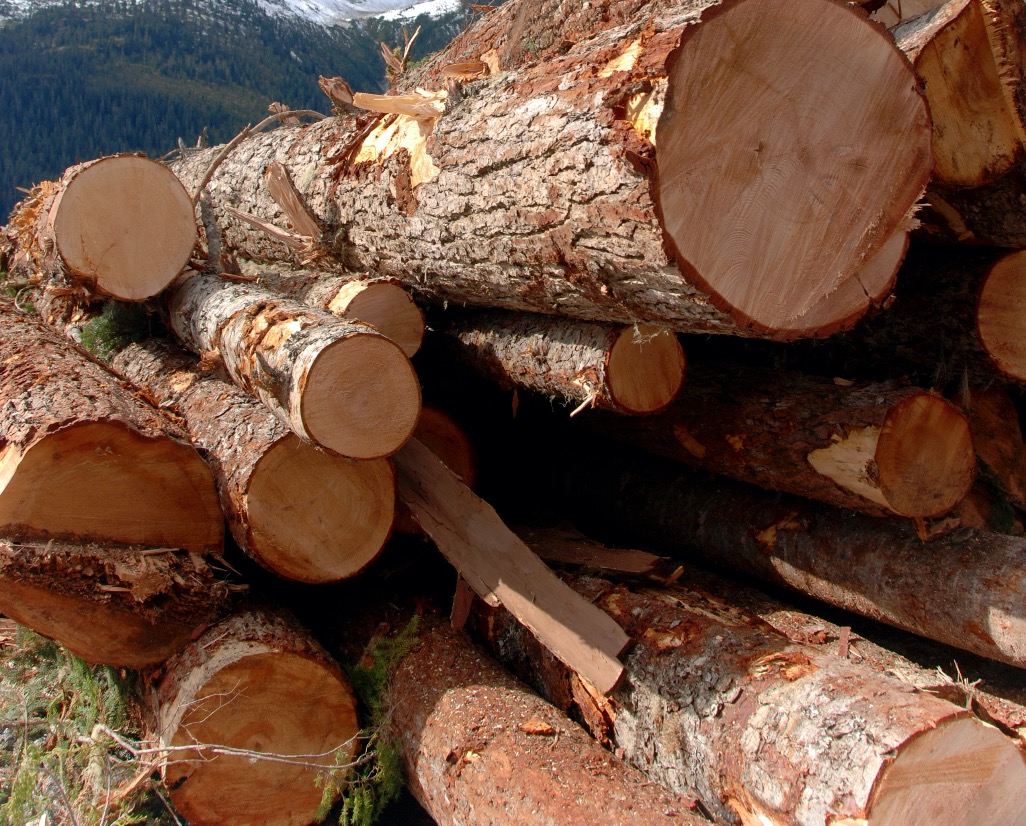 OLYMPIA, WA – Two Washington tribal leaders could soon sit on the state’s Board of Natural Resources, which guides logging sales and other management decisions on public land. Sen. Claudia Kauffman, a Democrat and first Native American woman to serve in the state Senate, proposed Senate Bill 5838. On Monday, it was voted out of the Senate Committee on Agriculture and Natural Resources. The bill originally called for only one tribal representative, but it was changed to two members as it moved through the committee process. The proposal is backed by Public Lands Commissioner Dave Upthegrove, who chairs the board and leads the Department of Natural Resources. The department requested the legislation. If enacted, the governor would appoint a tribal representative from each side of the Cascades… Eligible tribal members must hold an elected position in a federally recognized tribe whose reservation or treaty-ceded lands are in Washington.
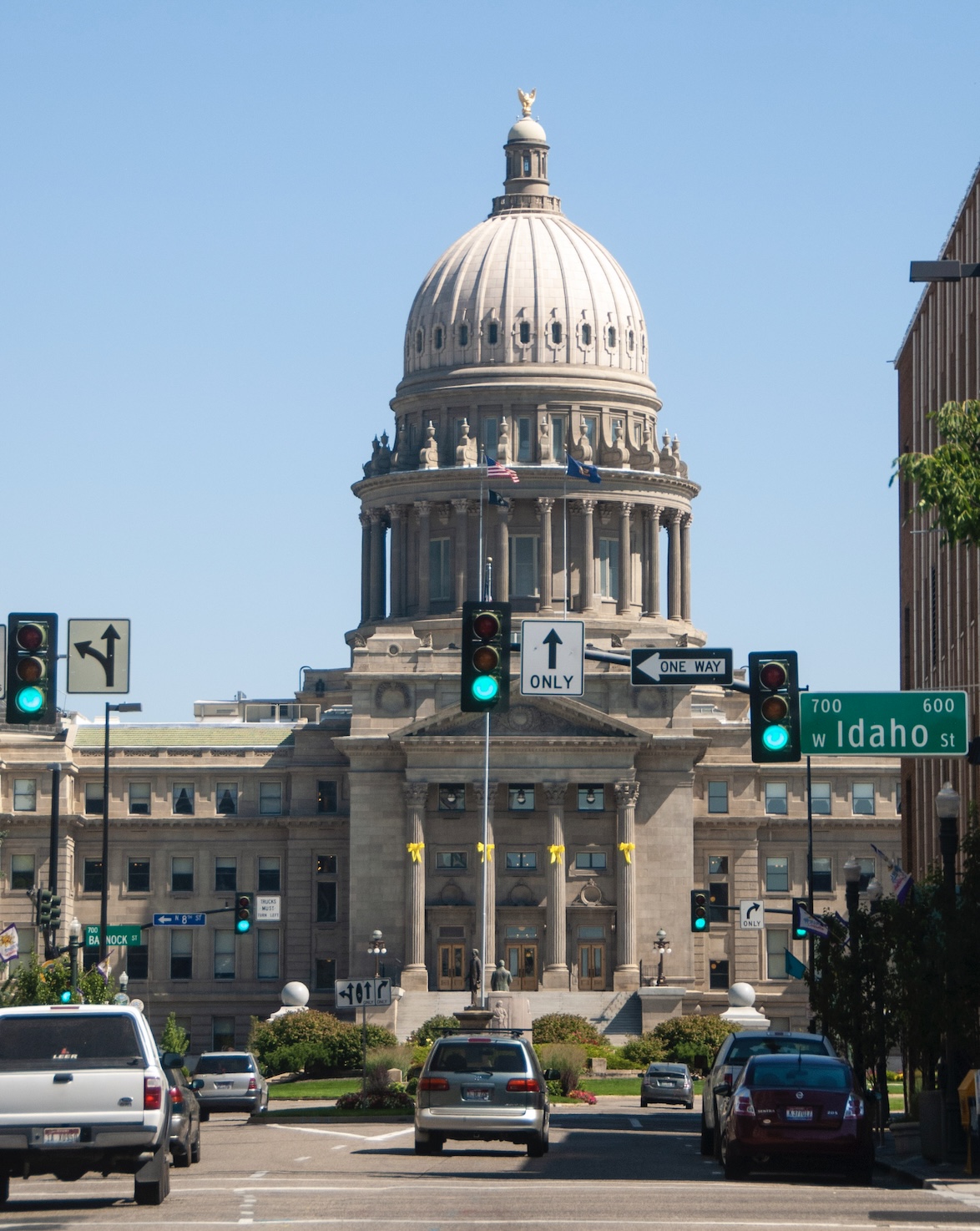 Anytime someone talks about shifting management of federal lands to Idaho, know that they have a bigger goal in mind. In a recent interview on The Ranch Podcast, Rep. Jordan Redman, R-Coeur d’Alene, was frank about his goals for public lands in Idaho. He said his father, former Rep. Eric Redman, dreamed of Idaho taking ownership of federal lands, and his goal is the same. The first step is for Idaho to manage public lands for a bit, then the state takes ownership of them. “How do we get that federal land back in ownership for the state?” Rep. Jordan Redman said. Back? It should be said that Idaho has never owned federal land. Redman should try reading the Constitution he swore to uphold: “… the people of the state of Idaho do agree and declare that we forever disclaim all right and title to the unappropriated public lands lying within the boundaries thereof … .” You can’t get back what you never owned; you can only take it. In service of the goal of taking federal land, Redman made a familiar argument.
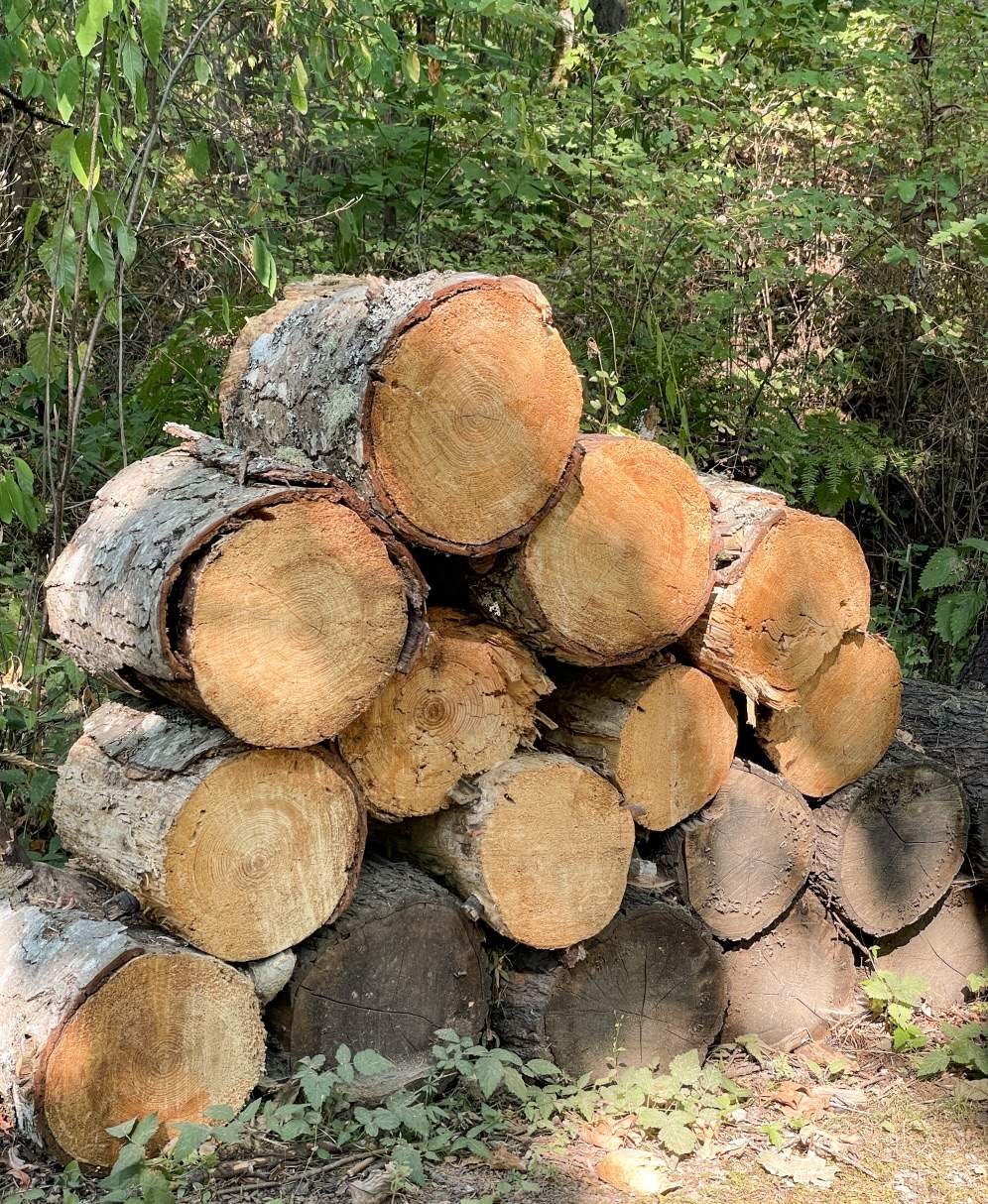 Baker City, Oregon — Baker County Commissioner Christina Witham lauded the Wallowa-Whitman National Forest for cutting and piling trees southwest of Baker City, the start of a project that will continue for several years with a goal of reducing the risk of a wildfire in the city’s watershed. “It’s looking really nice,” Witham said during commissioners’ meeting Wednesday morning, Feb. 4. Witham, whose focus areas as a commissioner include natural resources, said she recently toured some of the work areas with Forest Service officials. …According to the Wallowa-Whitman, the project, which totals about 23,000 acres, is designed not only to reduce the fire risk within the watershed, but also to curb the threat of a fire spreading into the watershed, particularly from the south, a path that summer lightning storms often follow.
 OLYMPIA — The House Agriculture and Natural Resources Committee showed a lively interest in repealing a rule that will lock up 200,000 acres of timber in Western Washington. The committee held a hearing Feb. 3 on House Bill 2620, sponsored by a mix of conservative Republicans and progressive Democrats. The bill targets the Forest Practices Board’s decision in November to widen and lengthen riparian buffers along streams without fish. The bigger buffers will eliminate $2.8 billion worth of timber, a University of Washington analysis estimates. The rule barely passed, 7-5. …The buffers, which go into effect Aug. 31, are needed to keep logging from raising water temperatures in most cases, according to Ecology. Timber groups say Ecology’s no-increase-in-water-temperature standard is humanly impossible to meet. What matters is that water temperatures stay cool enough for fish downstream, they argue. Forest landowners and the Washington State Association of Counties suggested buffers that would take 44,500 acres out of production.
  ALASKA — The US Forest Service is moving forward with a plan to harvest over 5,000 acres of trees in the Tongass National Forest, just east of Ketchikan. A majority of that will be old-growth trees, which some people worry will be devastating to the forest. The Forest Service released the
 NEW YORK — BTG Pactual Timberland Investment Group has acquired approximately 107,000 acres of sustainably managed timberlands in Central Virginia from the Weyerhaeuser Company. The acquisition represents one of the largest recent timberland transactions in Virginia, significantly expanding BTG Pactual TIG’s footprint in the region and bringing the firm’s total US portfolio to approximately 1.6 million acres under management. The property is Sustainable Forestry Initiative (SFI) certified, consisting primarily of loblolly pine, and will be well-integrated with BTG Pactual TIG’s existing regional operations. …The acquisition also enables BTG Pactual TIG to further expand conservation efforts in the region through its long-term collaboration with NatureVest, The Nature Conservancy’s (TNC’s) in-house impact investing and nature finance team. A preliminary assessment of the asset conducted by TNC found that 25% of the property falls within areas of high ecological and biodiversity value.

 STARKVILLE, Miss. — Carbon dioxide is the most commonly produced greenhouse gas, the substances that trap heat in the atmosphere keeping the planet warm enough for life. Carbon is stored in high amounts in timber, of which Mississippi has an abundance. The state ranks in the top 10 nationally in timber production, with close to 20 million acres of timberland. The U.S. Geological Survey says that carbon sequestration is the process of capturing and storing atmospheric carbon dioxide. Removing carbon dioxide from the atmosphere reduces the potential for global climate change. Since timber stores carbon efficiently, a tremendous amount of the greenhouse gas carbon dioxide is stored in Mississippi’s forests. This makes timber a valuable resource in efforts to limit the amount of carbon available as a greenhouse gas. Carbon credits and the carbon offset market have made an impact on Mississippi’s economy to a degree for about 20 years.
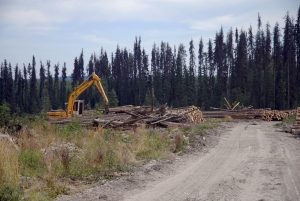 PITTSBURG, New Hampshire — The state has reached a deal on the management of the Connecticut Lakes Headwaters Working Forest, a 146,000 acre property constituting 3% of New Hampshire’s forests, according to Gov. Kelly Ayotte. The forest is privately owned but is under a conservation easement, which means the state has oversight regarding how the land is managed and can ensure it remains a working timberland. Since the land was purchased in 2022 by an out-of-state carbon offset company, Aurora Sustainable Lands, local loggers have raised concerns about reduced timber harvesting on the property. As a carbon-offset company, Aurora curbed logging in order to sell the carbon they stored. …In the plan agreed upon last month, Aurora will increase the average annual timber harvest. …“The Connecticut Lakes Headwaters Working Forest is critical to recreation, tourism and the timber industry in our North Country,” Ayotte said.
 The Trump administration on Thursday revoked a scientific finding that long has been the central basis for US action to regulate greenhouse gas emissions and fight climate change, the most aggressive move by the president to roll back climate regulations. The rule finalized by the Environmental Protection Agency rescinds a 2009 government declaration known as the endangerment finding that determined that carbon dioxide and other greenhouse gases endanger public health and welfare. The endangerment finding by the Obama administration is the legal underpinning of nearly all climate regulations under the Clean Air Act for motor vehicles, power plants and other pollution sources that are heating the planet. …Legal challenges are certain for an action that repeals all greenhouse gas emissions standards for cars and trucks, and could unleash a broader undoing of climate regulations on stationary sources such as power plants and oil and gas facilities, experts say.
 Misleading. Unjustified. Hypocritical. Those are just some of the words that Department of Energy scientists used to describe a 141-page report on climate change that was commissioned by DOE Secretary Chris Wright. The feedback appears in newly revealed emails that were made public as part of a court fight between DOE and public interest groups. And they show that criticism of the report isn’t limited to scientists outside the Trump administration. The department’s own internal reviewers took issue with the document, which was written by five climate contrarians from outside DOE who were handpicked by Wright. …One DOE reviewer echoed that opinion and said it was “misleading” for the report to talk about how climate change could boost plant growth without mentioning its other drawbacks. Another comment described the report’s criticism of climate modeling as an “unjustified (and at worst a biased) judgement.”
  CORVALLIS, Ore. – Scientists say multiple Earth system components appear closer to destabilization than previously believed, putting the planet at increased risk of a “hothouse” trajectory driven by feedback loops that can amplify the consequences of global warming. “The risk of a hothouse Earth
 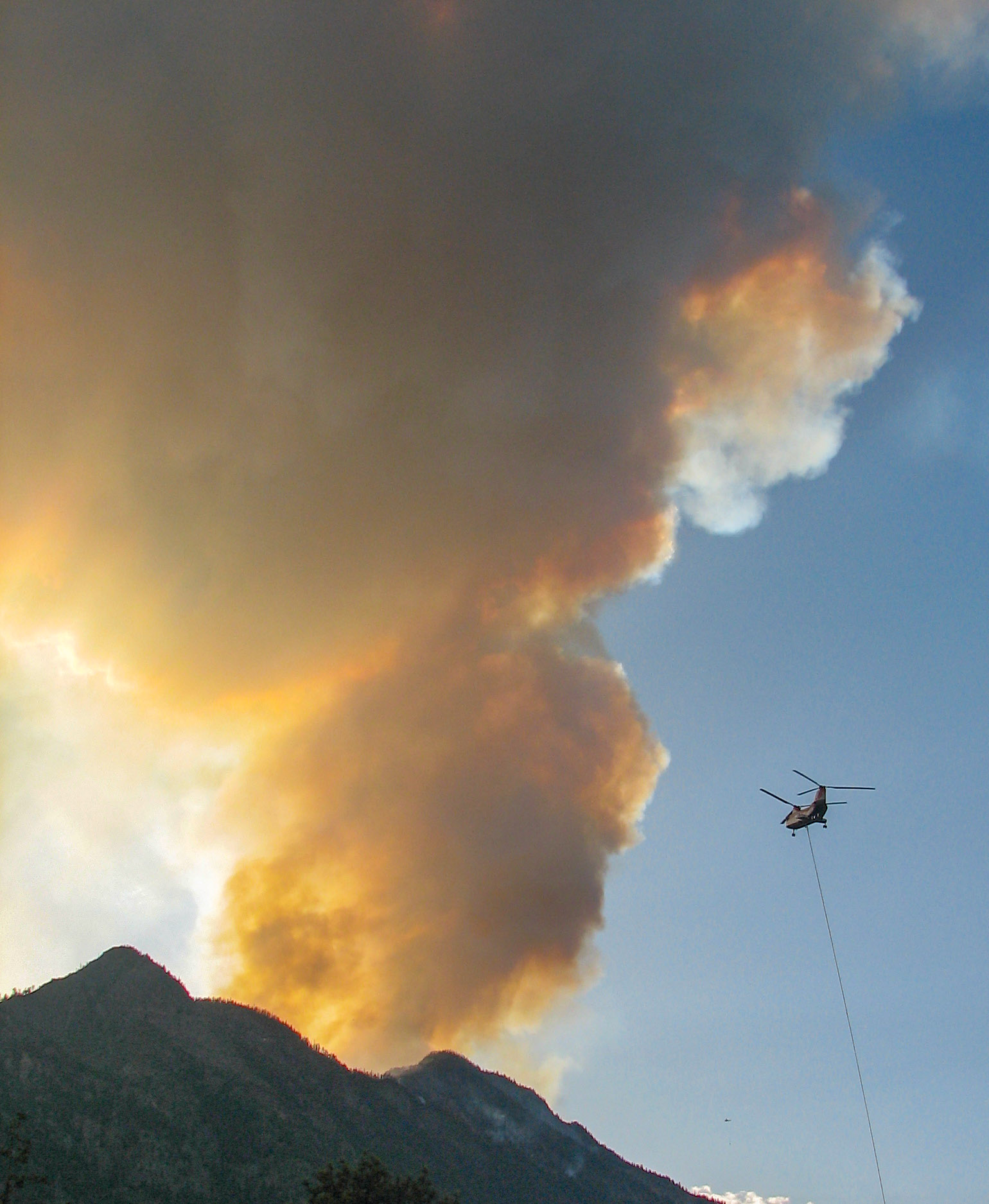 Chronic exposure to pollution from wildfires has been linked to tens of thousands of deaths annually in the United States, according to a new study. The paper found that from 2006 to 2020, long-term exposure to tiny particulates from wildfire smoke contributed to an average of 24,100 deaths a year in the lower 48 states. “Our message is: Wildfire smoke is very dangerous. It is an increasing threat to human health,” said Yaguang Wei, a study author and assistant professor in the department of environmental medicine at Icahn School of Medicine at Mount Sinai. …“It’s only if we’re doing multiple studies with many different designs that we gain scientific confidence of our outcomes,” said Michael Jerrett, professor of environmental health science at the University of California, Los Angeles. The paper’s researchers focused on deaths linked to chronic exposure to fine particulate matter, or PM2.5 — the main concern from wildfire smoke.
 FREMONT, Nebraska — Fremont wood processor Horizon Biofuels will be fined up to $147,500 by the Occupational Health and Safety Administration for “willful and serious safety violations after a deadly explosion at the company’s Fremont facility in July 2025,” the US Department of Labor announced. Horizon has until Feb. 19 to decide whether it wants to appeal the citation, according to a spokesperson with the Kansas City OSHA office. …The explosion killed 32-year-old employee Dylan Danielson and his two daughters, both under the age of 12. The violations include “combustible dust buildup, failure to ensure equipment within the facility was protected from creating an ignition source and lack of fall protection for employees working at heights greater than four feet,” the Department of Labor said. …The Nebraska State Fire Marshal’s office also has a pending investigation.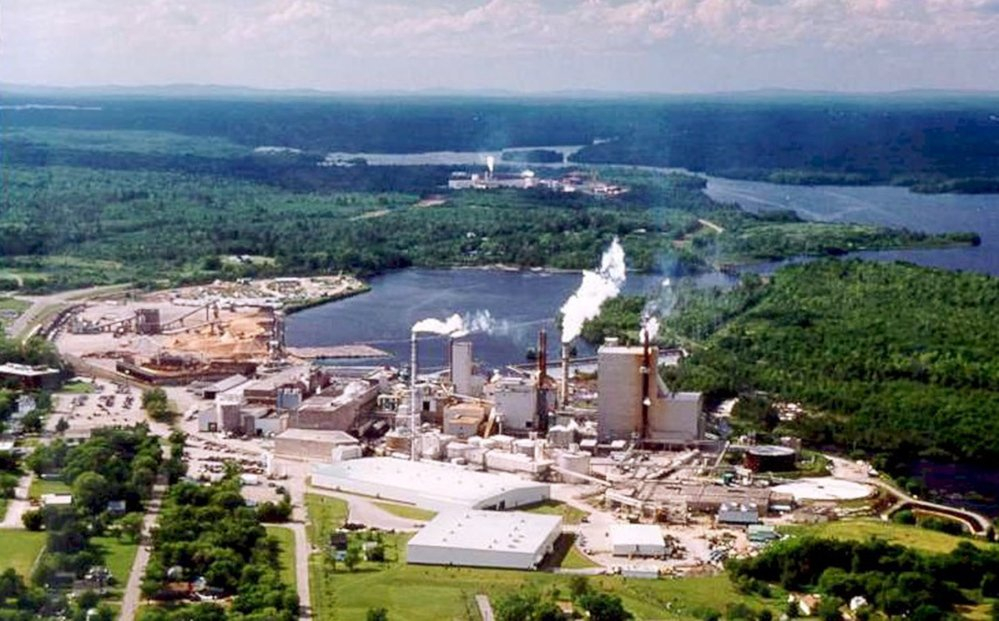
 Construction in New York City is one of the most dynamic and demanding industries in the country — but it’s also one of the most dangerous. …That’s why innovation in building materials and methods can have a real impact not only on efficiency and sustainability but also on safety. One such innovation, mass timber, is gaining traction. …Mass timber components are prefabricated in controlled factory settings. This approach greatly reduces the need for tasks like cutting, welding, or mixing concrete on-site — tasks that are commonly associated with jobsite injuries. …Additionally, since large panels arrive ready to install, crews spend less time working at height, which directly reduces the risk of falls — the leading cause of construction fatalities in the U.S., according to OSHA’s fall protection guidelines. …It also means a reduced need for powered hand tools and high-decibel equipment, lowering the risk of accidents related to hand injuries or communication breakdowns.