 Following Tree Frog News’ November 7 op-ed, “Rigged by Design? How Method and Policy Keep U.S. Lumber Duties High”, the US Lumber Coalition responded (Understanding Why Duties Persist — Not Because of Arbitrary Math, But Because of Past and Ongoing Harm) noting that the Department of Commerce did not use “zeroing” in its latest anti-dumping calculation. The note below clarifies what Commerce actually applied and what remains unresolved.
Following publication, the US Lumber Coalition pointed out that the Department of Commerce did not use “zeroing” in its latest anti-dumping calculation. In reviewing the record, Tree Frog News found that Commerce applied a differential-pricing framework, which uses statistical tests to determine comparison methods.¹ However, a 2020 WTO panel found that this framework could produce mathematically similar distortions to zeroing — in effect, “replicating the problem without using the name.”² but because the most recent review record is largely redacted and the WTO Appellate Body remains inactive, there has been no external review of how this method performed in the most recent review.
The more important question, then, is whether the procedural change has addressed the sources of bias identified in past WTO rulings — specifically in how Commerce calculates anti-dumping margins, measures subsidies, and selects its review periods — which continue to produce duty levels that appear inconsistent with actual market conditions. Tree Frog News will continue to report as new information emerges.




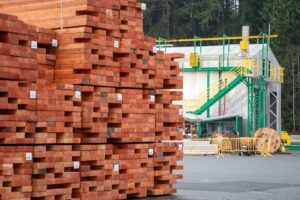 Canada’s forestry industry plans to divert a significant share of its wood exports from the US to new international markets. …The aim to send some 1bn board feet to alternative markets underscores how Trump’s tariffs are starting to reshape some global supply chains, although tensions between the US and Canada over wood exports have simmered for more than half a century. …“The US simply needs to fact-check better before they end up with a large shortage of lumber that may cause further housing shortages,” said Rick Doman, chair of FII BC. …Zoltan van Heyningen for the US Lumber Coalition said the American timber industry could replace 1bn board feet of Canadian imports “without batting an eyelid”. …The NAHB says at just 64% of capacity it “will take years” for US domestic lumber production to expand to meet industry demands. …Mike McDonald, a UK-based consultant, acknowledged it would take time to establish confidence among European consumers. [to access the full story a FT subscription is required]
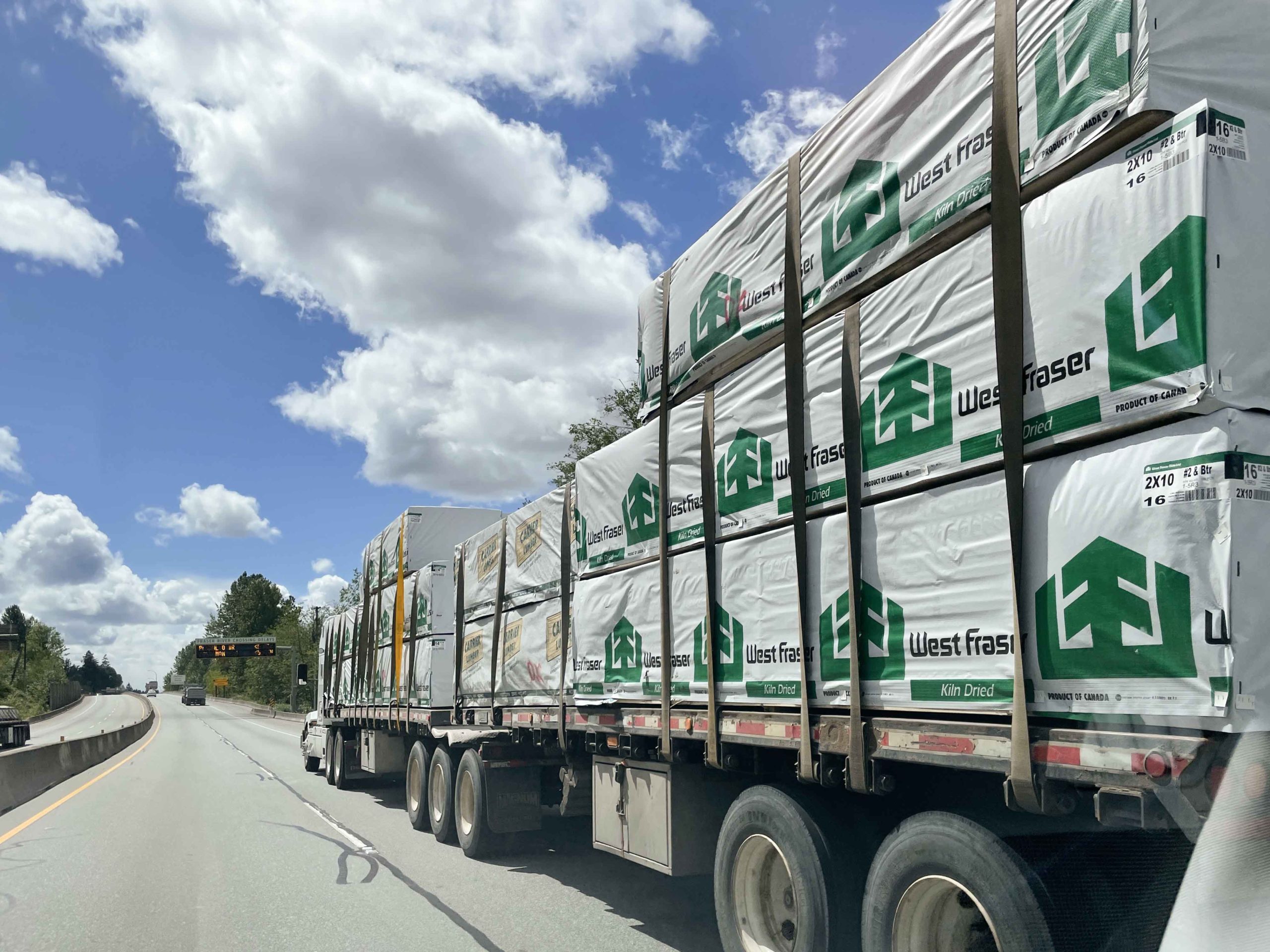 The softwood timber tariffs levied by the U.S. have begun to hit the lumber industry hard. Citing a drooping softwood lumber demand, compounded by higher duties and additional tariffs that have reached 45 per cent for U.S. markets, West Fraser Timber announced Thursday its plans to permanently shutter both its Augusta, Ga., and 100 Mile House lumber mills by the end of 2025. Approximately 165 employees at the 100 Mile House mill will be laid off, as the company says it can’t secure an adequate volume of economically viable timber. The closing of the mill drops West Fraser’s capacity by 160 million board feet. …The closure of the Augusta lumber mill is a result of challenging lumber demand, and the loss of economically viable residual outlets, which combined has compromised the mill’s long-term viability. Around 130 employees will be laid off there, and further reduce West Fraser’s capacity by 140 million board feet.

 WASHINGTON — Donald Trump’s tariff agenda is set to face a major legal hurdle in the US Supreme Court this week but no matter the ruling, it will not spare Canada from all of the president’s devastating duties. The US Supreme Court will hear arguments Wednesday from businesses and states that say Trump’s use of a national security statute — the International Emergency Economic Powers Act of 1977 — to hit nearly every nation with tariffs is illegal. The hearing will combine two cases: one pushing back on what are usually referred to as Trump’s reciprocal tariffs and the other which also argues against the fentanyl-related duties on Canada, Mexico and China. It will not impact Trump’s expanding use of tariffs under Section 232 of the Trade Expansion Act of 1962. …Carlo Dade at the University of Calgary’s School of Public Policy, said no matter the outcome of the hearing, Canada will be facing tariffs.


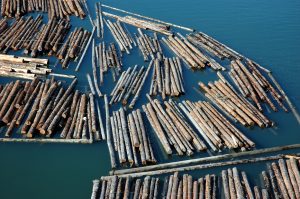 BEIJING — China will restore soybean import licences for three US firms and lift its suspension on US log imports starting November 10, its customs authority said on Friday in another sign of easing trade tensions between the two nations. …The halt on US log imports was a retaliatory measure after US President Trump’s March 1 order to investigate lumber imports. Investor sentiment improved after Trump met Chinese leader Xi Jinping in South Korea, reducing fears that the world’s two largest economies might abandon efforts to resolve their trade disputes. Following the meeting, Beijing lifted tariffs on some US farm goods. …However, traders remain cautious, as a 10% tariff on all US imports remains in effect, limiting expectations for a broader recovery in trade flows.




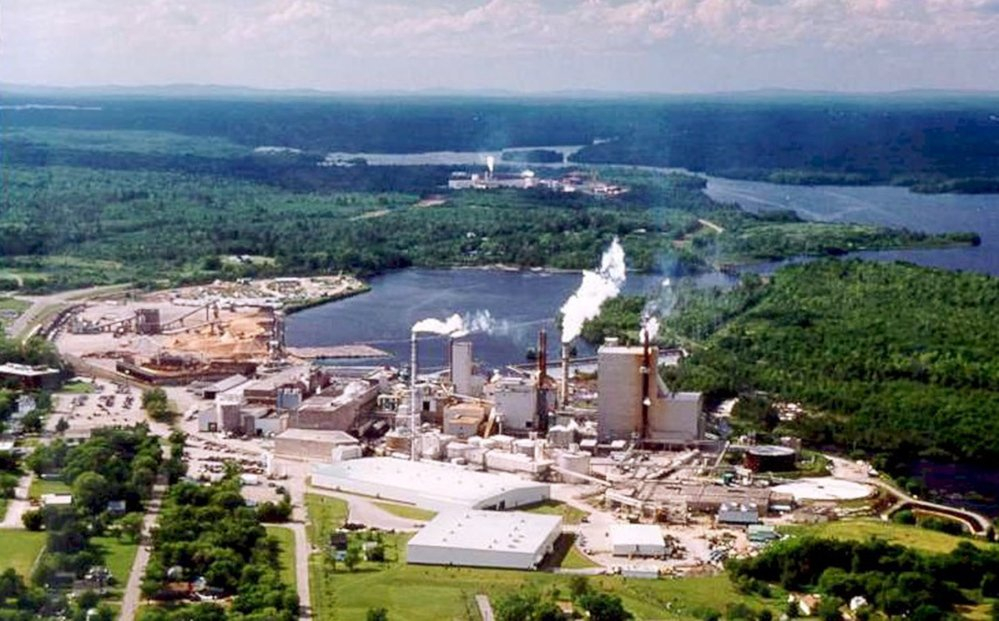
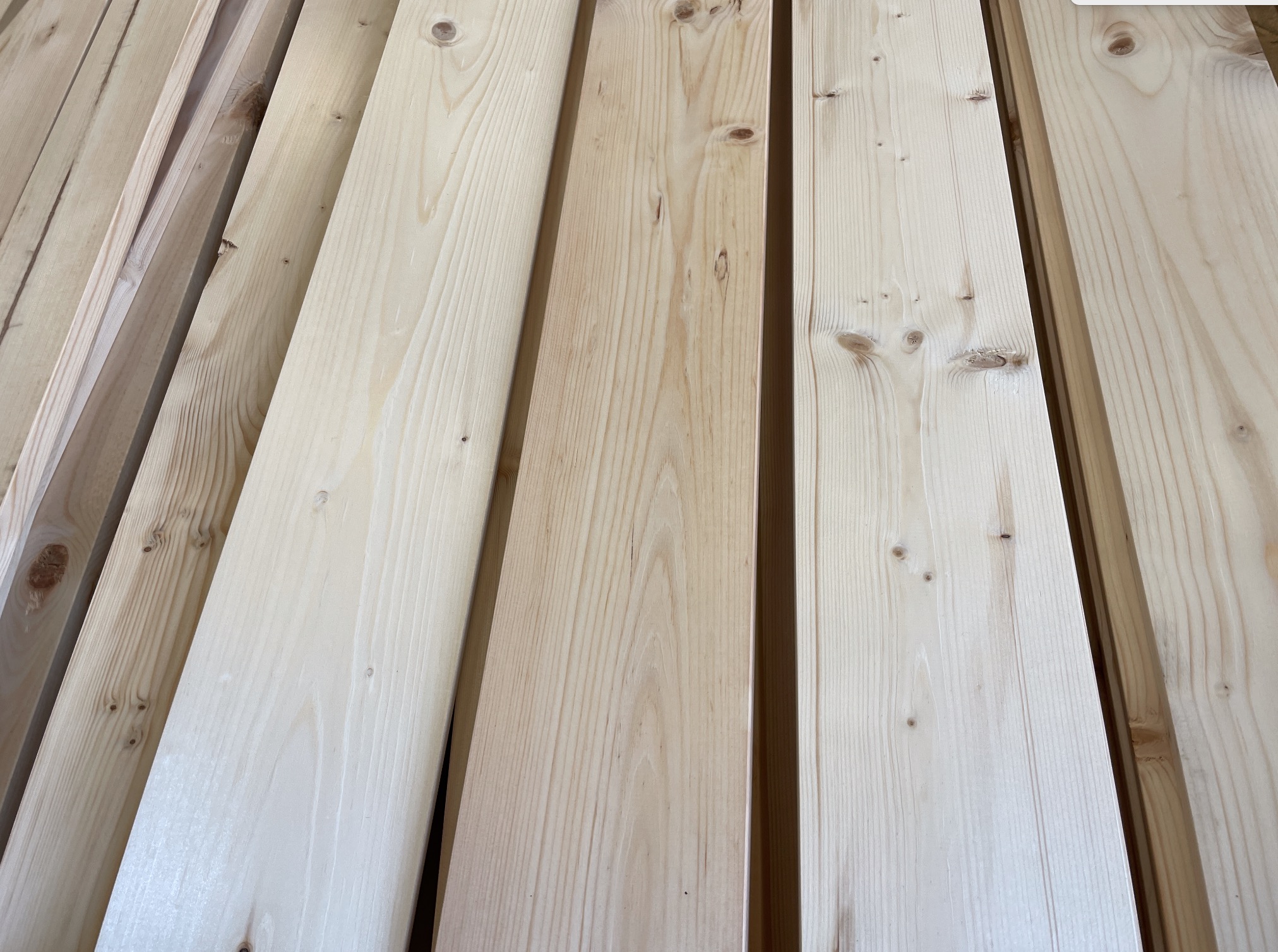 After four major paper and pulp mills closed in Georgia this fall, the phone at the South Georgia Sawmill began ringing nonstop. …woodsmen from Georgia were begging owner Adam Williams to buy at least some of their logs… Williams had to say no. The scene here in Georgia is being replicated in other timber markets, raising larger questions about what measures the United States could take to become more self-reliant and preserve its foundational industries. While most of the U.S. wood supply has historically been homegrown, imports have surged, particularly from Canada. … Republican Gov. Brian Kemp has assembled a task force to suss out new opportunities for Georgia wood. Georgia Tech University, for one, is at the forefront of technology that might one day refine new types of aviation fuel from trees. The state is also pioneering the use of so-called “mass timber” – cross-laminated panels of two-by-sixes that replace concrete and steel.
 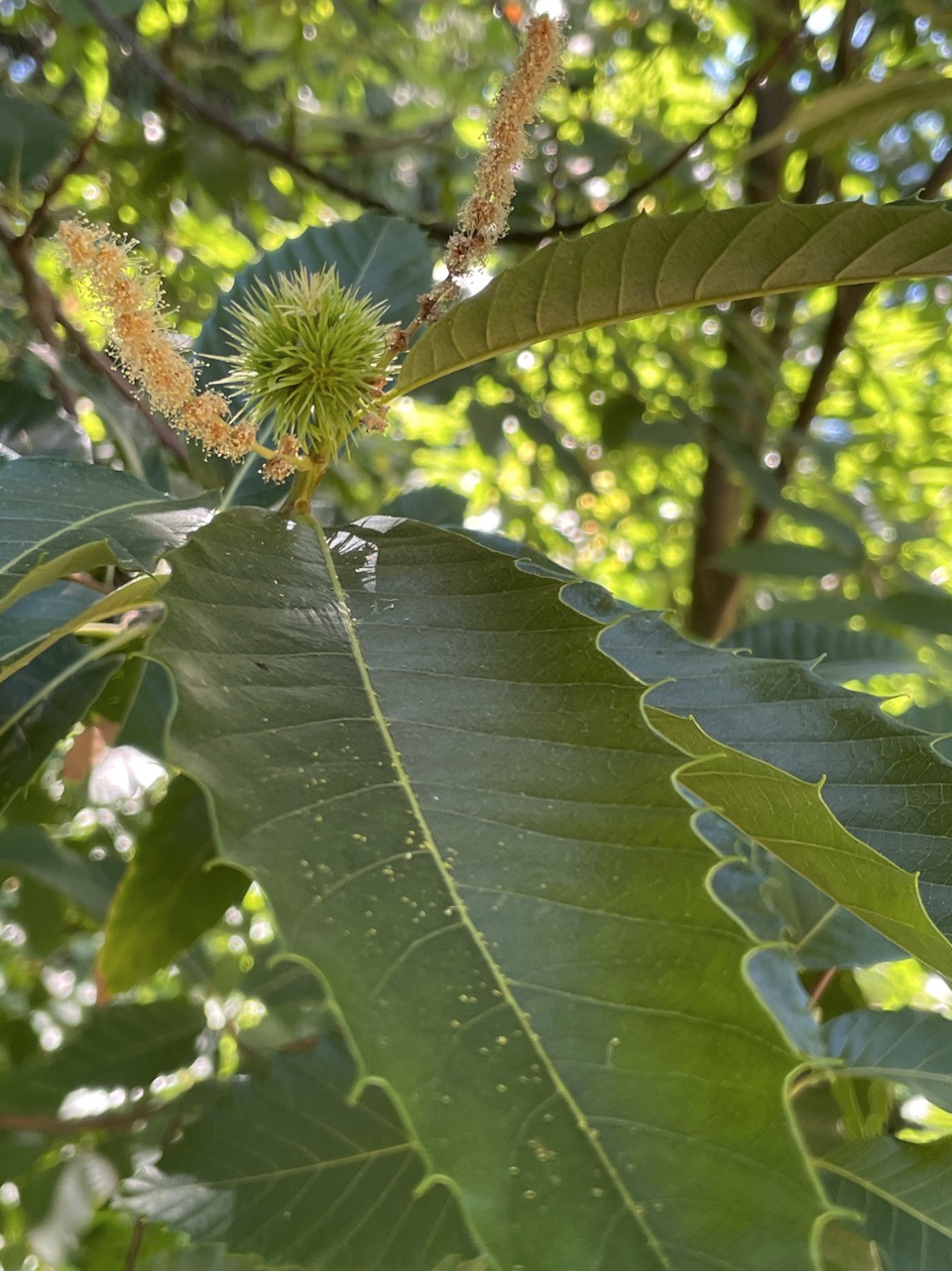 Nearly 40 Tennessee hardwood companies are among hundreds of U.S. hardwood industry operators calling for federal relief from tariff-induced economic hardship. Tennessee’s forestry products industry supports an estimated 85,000 jobs, according to the
 An Augusta lumber mill is closing permanently. The West Fraser Timber mill is expected to shutter by the end of 2025, putting 130 employees out of jobs, the company announced. “The closure of the Augusta lumber mill is a result of challenging lumber demand, and the loss of economically viable residual outlets, which combined has compromised the mill’s long-term viability,” the company said. …West Fraser said it “expects to mitigate the impact on affected employees by providing work opportunities at other company operations, where available.” The Canadian company’s lumber mill operations closest to Augusta are in the Georgia cities of Blackshear, Dudley, and Fitzgerald, all at least 100 miles away. West Fraser also runs facilities in Cordele and in Allendale, South Carolina, that produce oriented strand board. …“The announcement is difficult news for employees, their families, suppliers, and the community,” Georgia Forestry Association’s Tim Lowrimore said.

 KINGWOOD, W.Va. — Multiple volunteer fire departments and emergency medical services responded Wednesday night to a fire at Appalachian Wood Pellets that affected multiple buildings. Officials reported the blaze has been contained, and no injuries were reported. Preston County Office of Emergency Management Director Justin Wolfe said initial reports of the blaze at 383 Mill Road were received at 11:33 p.m. Wednesday. …Initial reports noted that crews mounted an attack against the blaze, with additional fire departments being requested for assistance. Based on reports, the fire affected structures outside the main plant, including an open trailer with material, an open roofed storage structure and a belt-to-silo apparatus, and encroached on a maintenance building.
 Weyerhaeuser will use $102 million of proceeds from a municipal bond sale to help finance the construction of solid waste disposal facilities at its engineered wood plant in Arkansas. The Resource Recovery Revenue Bonds Series 2025 will be sold by the Arkansas Development Finance Authority, which will then lend the money to the timber and forest products company. …The bonds are special and limited revenue obligations of the issuer. Weyerhaeuser will use the money to help finance a portion of the costs of the acquisition, construction, equipping and installation of solid waste disposal facilities at its TimberStrand plant under construction near the city of Monticello in Drew County. Proceeds will also be used to pay the costs of bond issuance. TimberStrand is a brand name for a type of engineered wood product called laminated strand lumber and is manufactured by Weyerhaeuser.


 BURNABY, BC — Interfor reported its Q3, 2025 results. The company recorded a net loss of $215.8 million compared to net earnings of $11.1 million in Q2’25 and a net loss of $105.7 million in Q3’24. Adjusted EBITDA was a loss of $183.8 million on sales of $689.3 million in Q3’25 versus Adjusted EBITDA of $17.2 million on sales of $780.5 million in Q2’25 and an Adjusted EBITDA loss of $22.0 million on sales of $692.7 million in Q3’24. Lumber production of 912 million board feet was down 23 million board feet versus the preceding quarter. This decline largely reflects the Company’s announcement on September 4, 2025, to temporarily curtail production. …Weak lumber market conditions were reflected in Interfor’s average selling price of $618 per mfbm, down $66 per mfbm versus Q2’25. …Interfor’s strategy of maintaining a diversified portfolio of operations in multiple regions allows the Company to both reduce risk and maximize returns on capital over the business cycle.
 VANCOUVER, BC — Canfor Corporation reported its third quarter of 2025 results. The Company reported an operating loss of $208 million and a net loss of $172 million. …Canfor’s CEO, Susan Yurkovich, stated: “The ongoing global economic and trade uncertainty, in conjunction with punitive US softwood lumber duties, led to persistently weak market conditions and subdued demand across all of our operating regions during the third quarter of 2025. …For the lumber segment, the operating loss was $182.2 million for the third quarter of 2025, compared to the previous quarter’s operating loss of $229.2 million. …For the
 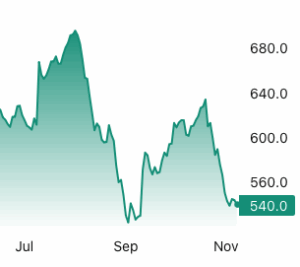 Lumber futures steadied around $540 per thousand board feet, hovering near seven-week lows, after a sharp selloff driven mainly by softer US construction demand and lingering post-rally inventories. US housing starts and builder activity failed to accelerate, leaving order flow thin and dealer and distributor stocks higher than the summer buying binge implied. Supply has only partially adjusted, with North American mills signaling temporary curtailments, but looming US softwood measures and announced support for Canada’s industry have kept export channels and production incentives intact, preventing a rapid physical tightening. Traders are now pricing a likely mix of modest Q4 production cuts, seasonal pre-winter restocking and the risk of trade-related disruptions.
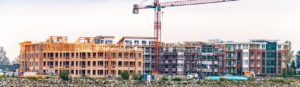 The Supreme Court could decide on the legality of many of the Trump administration’s tariffs within months, but the ruling won’t impact many of the administration’s levies on imported construction materials such as lumber, steel, aluminum and copper. …Many construction materials imported into the US will remain subject to hefty tariffs regardless of how the Supreme Court rules. Some homebuilding leaders warn that home prices could increase by thousands of dollars beginning next year. …Cristian deRitis, at Moody’s Analytics, said “While importers of other building materials might experience some relief, this could be temporary. The administration may choose to expand the Section 232 tariffs as a fallback strategy if the reciprocal tariffs are invalidated,” deRitis said. …There hasn’t yet been an increase in lumber prices, but NAHB Chairman Buddy Hughes forecasted that the lumber tariffs “will create additional headwinds for an already challenged housing market by further raising construction and renovation costs.”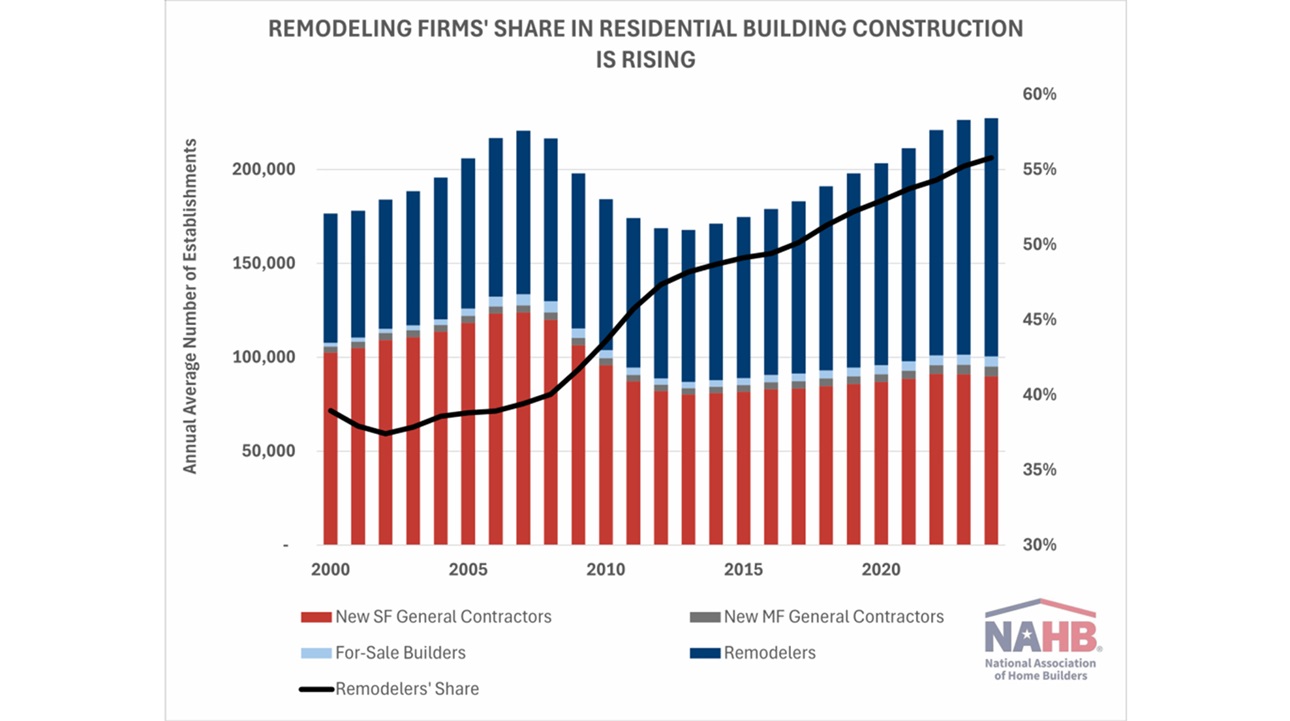


 An extended slowdown in sales of cardboard boxes is intensifying concern that this holiday season will be a disappointing one for US retailers. US corrugated box shipments fell to the lowest third-quarter reading since 2015, maintaining the more measured pace seen in the previous quarter, according to the Fibre Box Association. Packaging companies in recent weeks have warned that economic uncertainty is weighing on retailers and consumers. …This time of year is crucial for the box industry, with shipments typically peaking in October as retailers prepare for the holidays. Box plants said orders were flat or below normal in October, while US consumer sentiment fell to a five-month low and manufacturing activity dropped for an eighth straight month. …US box industry shipments are poised to drop 1% to 1.5% this year versus 2024,” IP’s Andy Silvernail said last week. [to access the full story a Bloomberg subscription is required]





 REDDING, Calif. – A groundbreaking effort is underway in Redding where
 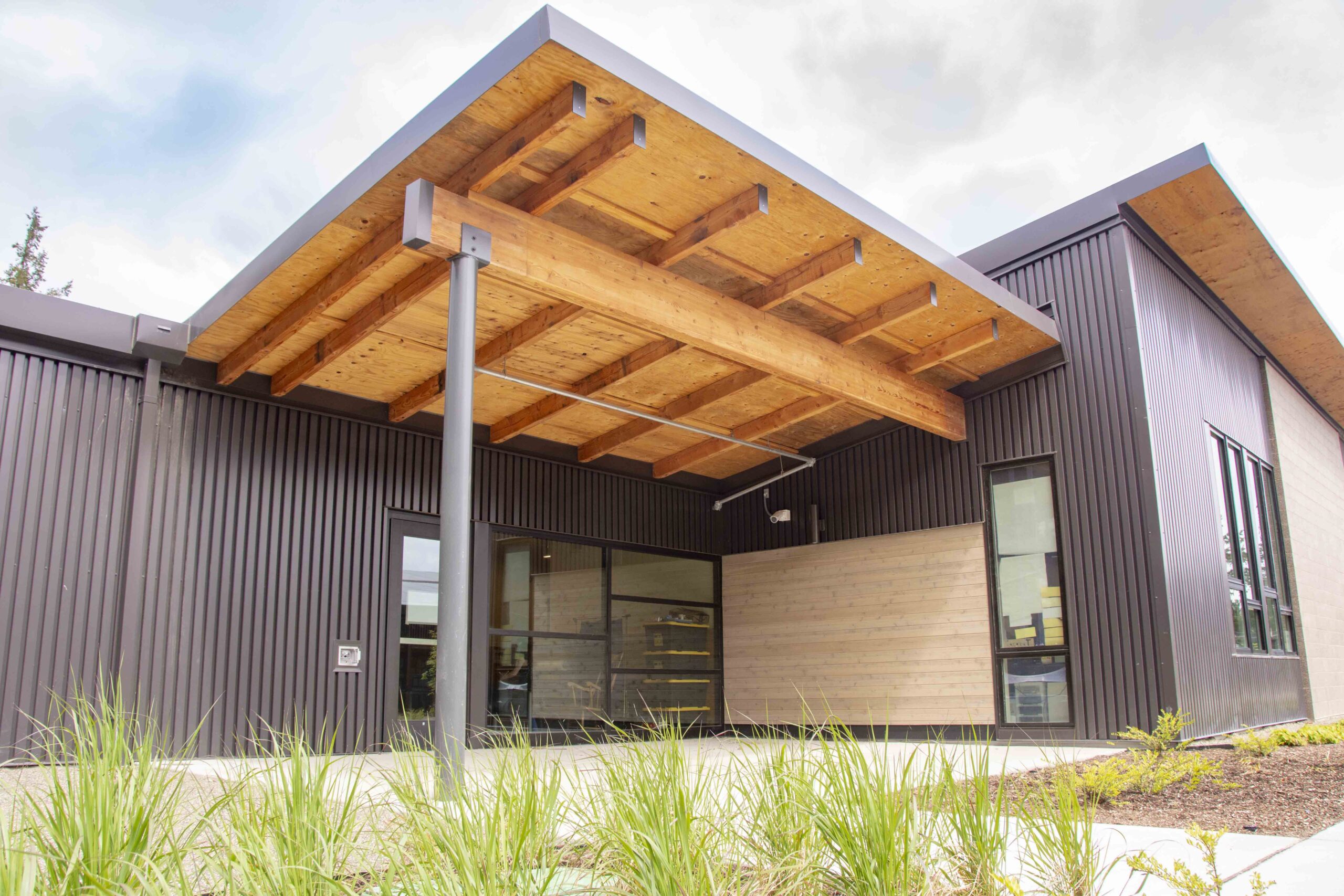 Michigan is the latest state to launch an initiative aimed at accelerating mass timber construction. The new Michigan Mass Timber Catalyst Program will provide cash awards ranging from $25,000 to $75,000, along with technical assistance and peer-learning opportunities, to encourage the use of engineered wood in new buildings. Although mass timber products are not yet manufactured in Michigan, interest in the material is growing rapidly. …The Catalyst program, produced collaboratively by the Michigan DNR, MassTimber@MSU, the Michigan Green Building Collaborative, and WoodWorks, will support early-stage projects that use mass timber as a primary structural or architectural material. …Awarded teams will join a cohort led by MassTimber@MSU and Woodworks to work through design, procurement, cost estimation, and code approval challenges. …In New York City, the NYCEDC’s Mass Timber Studio offers $25,000 Grants and technical support for early-stage projects…. In the Southeast, the Georgia Mass Timber Accelerator… provides funding and technical assistance to teams exploring timber-based design solutions.
 Chinese tissue paper made from bamboo has emerged as a trendy choice for eco-friendly shoppers. However, new research suggests these bamboo paper products may not offer significant climate benefits over tissue produced in the United States and, in some cases, may be more detrimental to the environment. North Carolina State University researchers compared the carbon footprint of bamboo tissue paper manufactured in China with that of conventional tissue paper manufactured in the U.S. and Canada. They found that… the fossil fuel-heavy power grid in China led to significant increases in emissions compared with cleaner fuel sources used in North America. “As far as emissions go, the technology used to create hygiene tissue paper is far more important than the type of fiber it’s made from,” said Naycari Forfora, lead author of the study…. “Because the Chinese power grid is so reliant on coal for power, emissions … are higher than the wood-based option.”


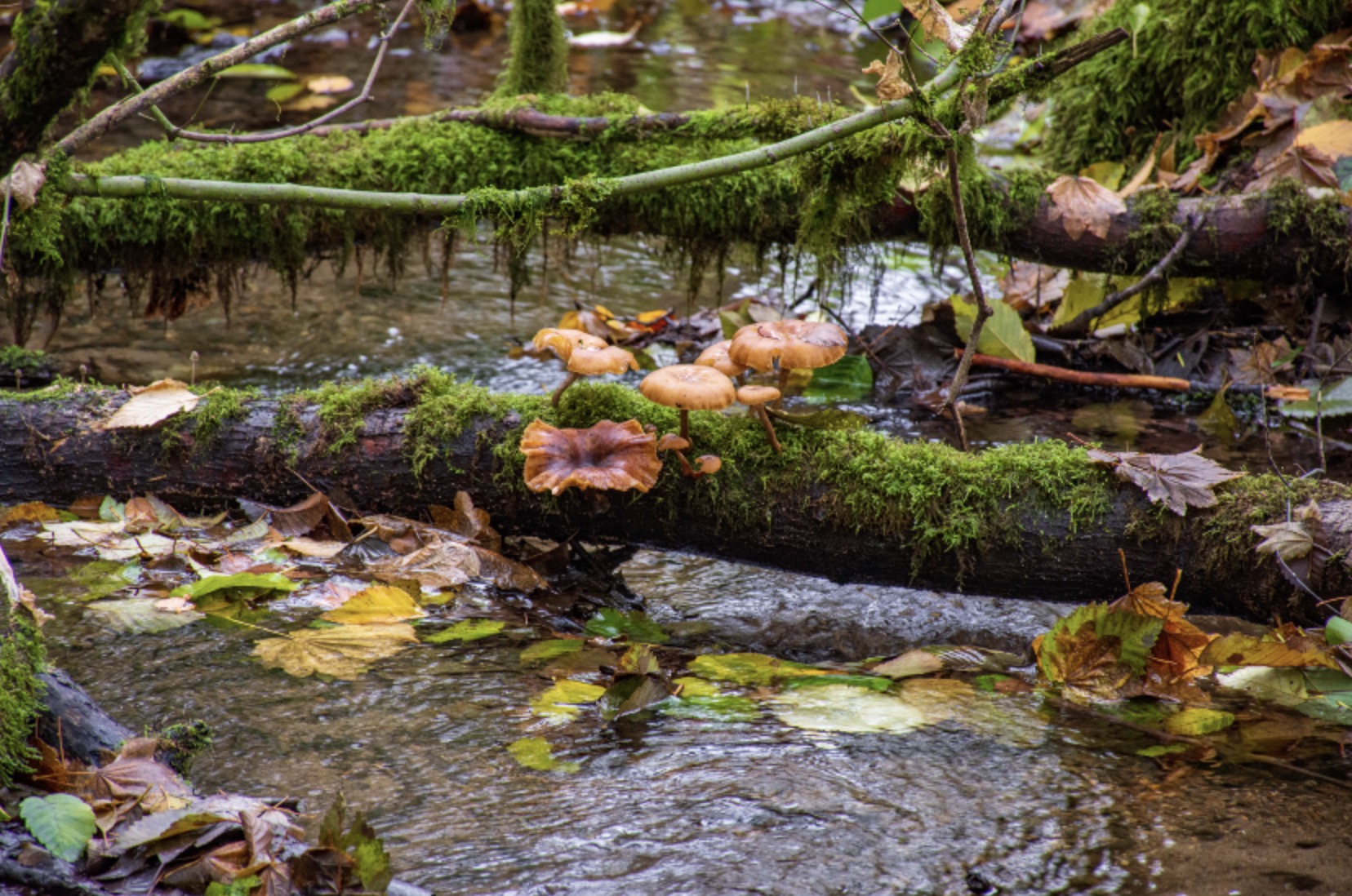 OLYMPIA — The Washington Forest Practices Board took 200,000 acres of timberland out of production, voting 7-5 to require loggers to stay farther back from streams without fish. The close vote Nov. 12 capped a contentious debate over the environmental and economic consequences of widening and lengthening riparian buffers to shade streams. Forest landowners will lose $2.8 billion in harvestable timber because of the new buffers, according to a University of Washington analysis. Ten state representatives, five Democrats and five Republicans, questioned whether the board had thoroughly examined the social costs. And the Environmental Protection Agency said the bigger buffers are not needed to meet the Clean Water Act. But the Department of Ecology championed wider and longer buffers. The buffers will keep timber harvests from warming water temperatures in most cases, according to Ecology. “Not taking action is not an option,” said Ecology Director Casey Sixkiller, a member of the forest board.
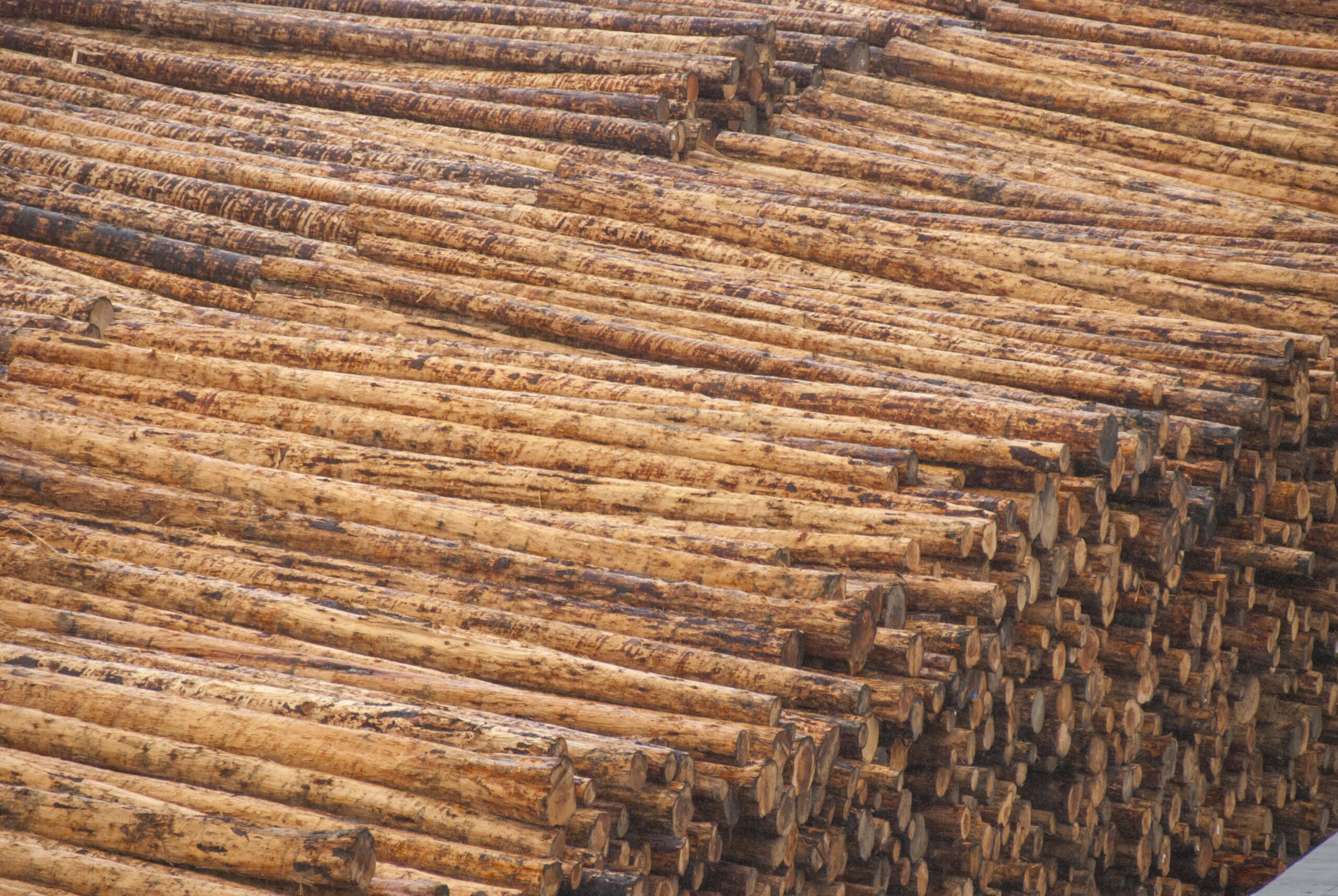 On Oct. 17 … the Flathead National Forest’s district ranger in Swan Lake proposed an emergency logging and thinning project west of Blacktail Mountain called the West Truman Project. The project proposal … was published to the Flathead National Forest’s projects website, signaling a departure from the agency’s usual strategy of notifying members of the public about planning projects by email and issuing press releases. It also came with a caveat: The West Truman Project is being analyzed under the USDA’s newly established Emergency Action Determination and, as such, is exempt from the usual layers of permitting compliance — including public comment. …Keith Hammer, leader of the Swan View Coalition, said he wasn’t surprised to see the Flathead National Forest propose a logging project with the stated purpose of reducing wildfire risk; however, he was surprised by the covert way in which they proposed it.
 Rising wildfire risk in the Pacific Northwest combined with volatile timber pricing may lower forestland values by as much as 50% and persuade property owners to harvest Douglas fir trees much earlier than planned, according to a new analysis. The optimal age to harvest Douglas fir trees — absent fire risk — would be 65 years. The study, from Oregon State University researchers, suggests that harvesting trees at 24 years would make the most economic sense under the worst-case scenarios. “Basically, under high wildfire risk that rises with stand age, every year you wait to harvest you’re rolling the dice,” said Mindy Crandall, an associate professor in the OSU College of Forestry. Co-author Andres Susaeta, an OSU forestry assistant professor, said the study was a simulation, but researchers are confident in the direction of results. Susaeta said earlier harvesting reduces both long-term timber revenue and impacts wood quality.
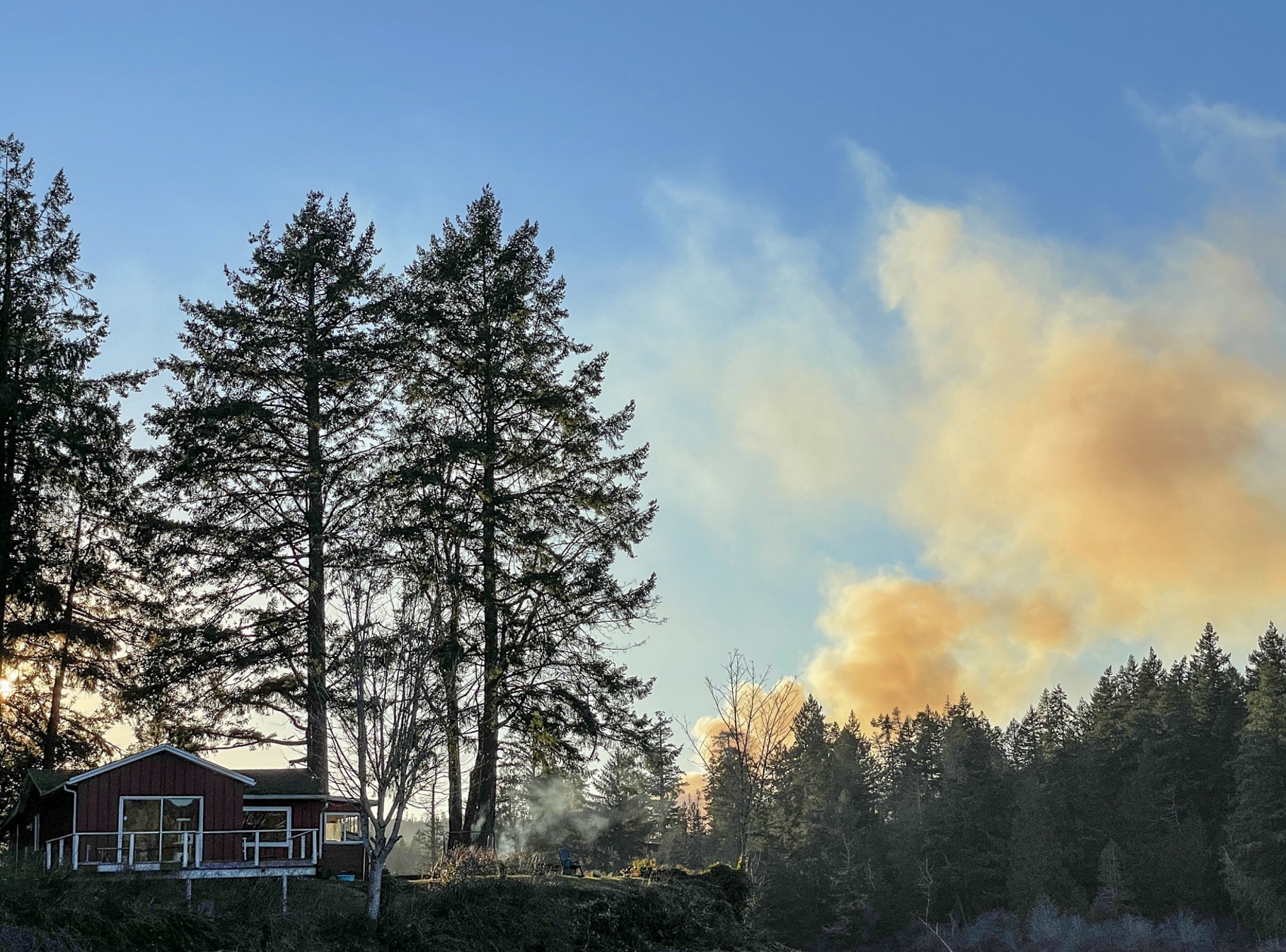 Policies by the Trump administration are putting communities at increased risk for wildfire because federal funding for fuels treatment work is becoming more difficult to obtain. That is the opinion of a group of policymakers and politicians who convened in Bend last week to discuss how best to manage local forests. Bend Mayor Melanie Kebler, Deschutes County Commissioner Phil Chang and State Senator Anthony Broadman — all Democrats — were among those in attendance… Members of the group said there is a lack of clarity over future treatments in the Deschutes National Forest following years of mitigation work that cleared the forest floor of fuels and thinned areas to prevent a fast-moving crown fire. …Chang said he is especially concerned with the Trump administration’s Fix our Forest Act … The bill relies mostly on logging and cattle grazing to clear fuels that cause catastrophic wildfire, but funding for prescribed burning isn’t part of the legislation.
 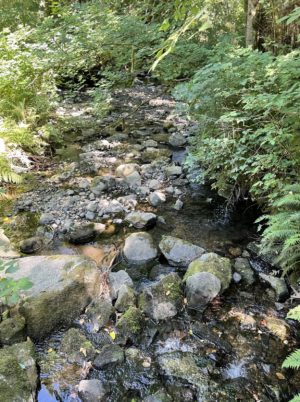 The Washington Forest Practices Board may vote Nov. 12 to widen and lengthen riparian buffers, taking millions of dollars worth of timber out of production. Forest landowners and the wood-products are mounting a last-ditch effort to persuade the board to not adopt what they say would be a massive taking of private property. The state Department of Ecology says wider and longer buffers would keep timber harvests from raising temperatures in non-fish bearing streams in most cases. Timber groups haven’t been in a battle this divisive since the industry, state agencies and tribes settled on seminal logging rules in 1999, Washington Forest Protection Association’s Darin Cramer said. …Studies confirmed logging raises water temperatures. The timber industry argues that even if temperatures rise, they soon go down and generally do not exceed acceptable levels. Massachusetts-based consultant Industrial Economics estimates the rule will take somewhere between 67,000 acres and 170,000 acres out of production.
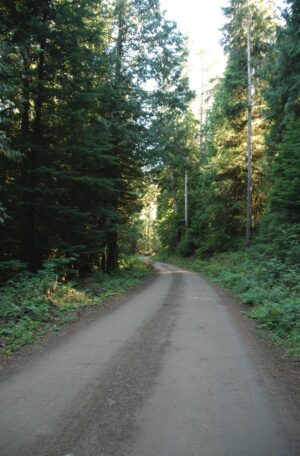 Every year, there are thousands of landslides in Oregon. Geologists say the number is increasing due to climate change. …Swaths of the Pacific Northwest are particularly prone, thanks to a combination of mountainous landscape and heavy rainfall. “Over the last couple decades, the landslides and the surface processes and surface hazards that I’ve been working on have become much more prominent, primarily due to climate change and humans inhabiting more areas in hazardous terrain,” said Josh Roering, a professor of earth sciences at the University of Oregon. …Roering is one of the geologists involved in the newly formed Center for Land Surface Hazards (CLaSH). A $15 million NSF grant jumpstarted the center that will study landslides and other surface hazards. While CLaSH is housed in the University of Michigan, it is a collaboration with more than a dozen academic, governmental and community partners across the country.
 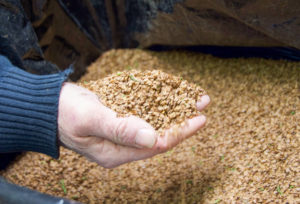 Miles Ryan checked his harness one last time, gave an assured look to his ground crew, and started to climb. …There, balanced at the top of the forest, Ryan leaned out toward the tips of the limbs to get what he’d come for: cones. It was one of Cal Fire’s last cone samplings of the season, which usually runs from August to October across state forests and conifer species. Each cone contains anywhere from a few dozen to hundreds of precious seeds. These have become more important in recent years, as an uptick in severe wildfires and the spread of insects and diseases have led to mass deaths of pines across California forests. But there are just a few dozen professional tree climbers like Ryan trained for high-elevation seed collection in California. …Cal Fire needs to collect 55,978 bushels of cones across species and locales to fully stock its seed bank.
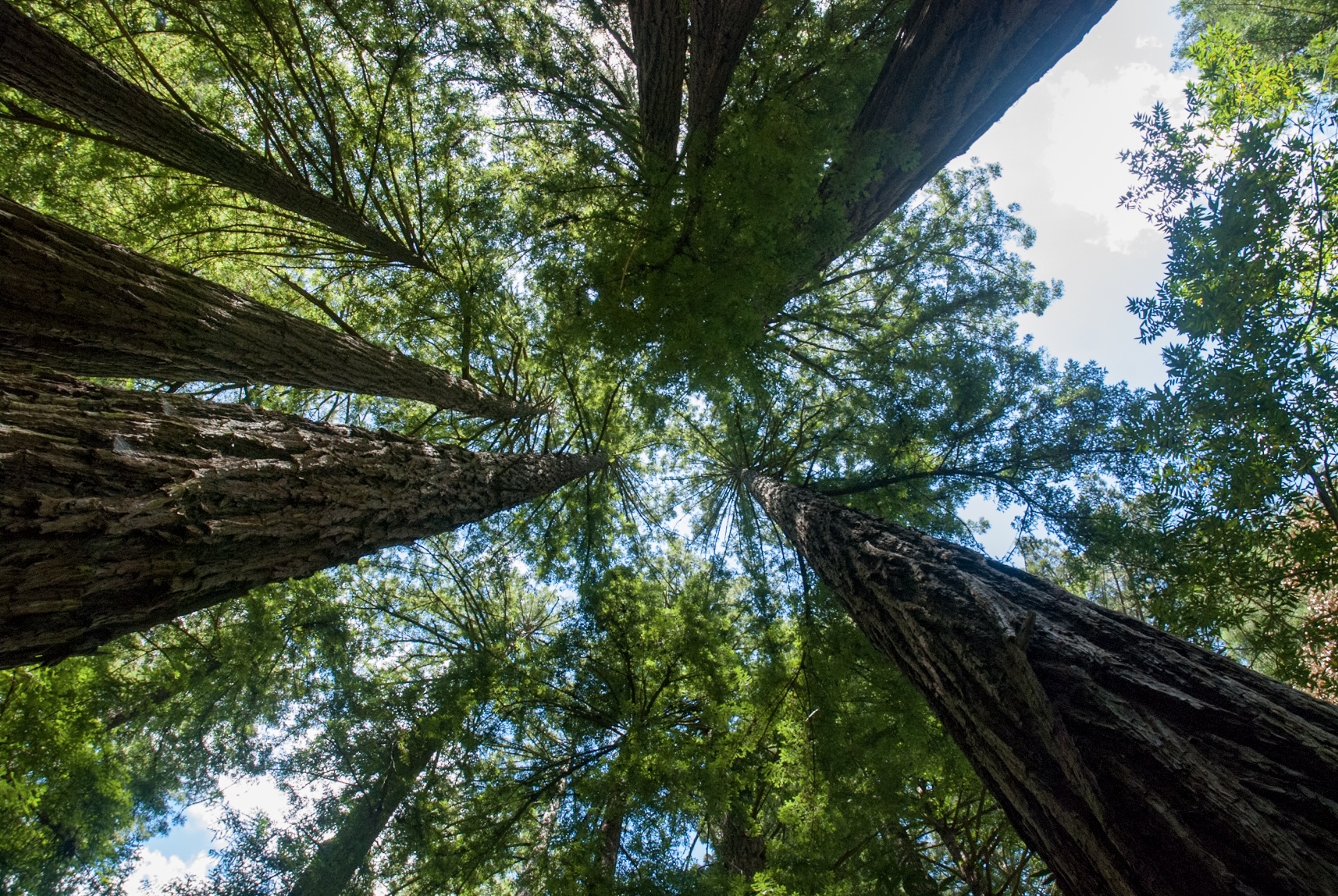 Cal Poly Humboldt study in partnership with Save the Redwoods League reveals how second-growth forests respond to modern wildfires and what managers can do to protect them. California’s coast redwoods have stood for centuries, weathering a changing climate, logging, and time itself. But in an era of hotter, more frequent wildfires, their future resilience depends on how we care for them, according to new research published in Forest Ecology and Management. The study sought to understand the effects of wildfire on coast redwoods—the tallest trees in the world. Results revealed that redwoods in second-growth forests largely survived extreme wildfires in 2020 and quickly resprouted from their trunks and bases. Researchers also discovered that forest structure—how dense the trees are and which species are present—strongly influences fire severity, highlighting the importance of management efforts such as thinning, reducing fuel loads, and encouraging fire-resistant species.
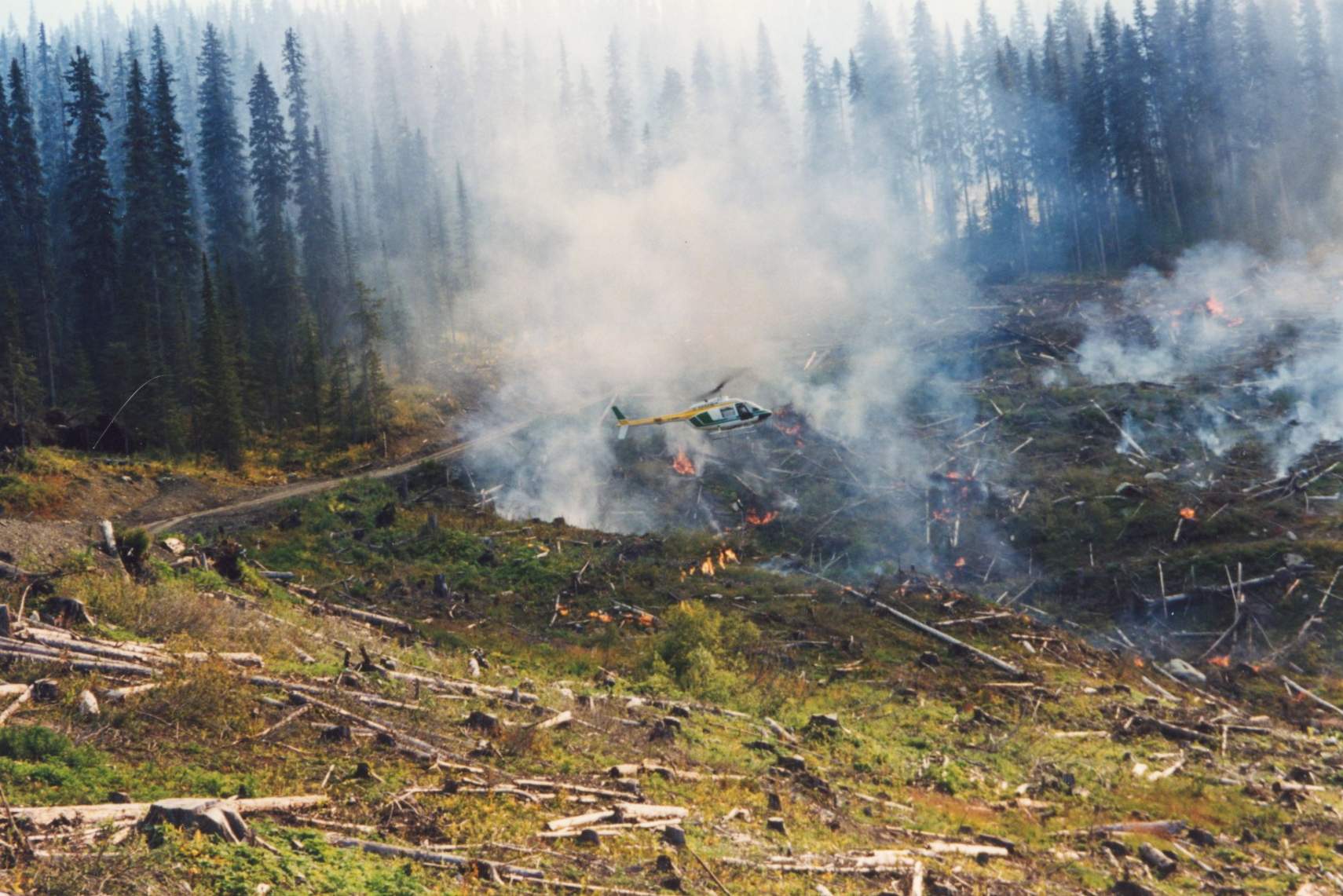 A bipartisan piece of legislation that could have big impacts on the nation’s forest land continues to move quickly through Congress, pushing through a Senate committee last month. The Fix Our Forests Act was introduced in the U.S. Senate in April and co-sponsored by Sen. Tim Sheehy, along with Senators from California, Utah and Colorado. The legislation seeks to promote prescribed burns, expand the state-federal Good Neighbor Authority program, increase collaboration among fire agencies and improve reforestation efforts after fires. It also makes some rule changes that could impact how areas designated as high fire danger are managed and how projects in those areas proceed. …The legislation has received some support from environmental and outdoor advocacy groups… But there has also been some concern with it, namely around how it could change the process of forest projects, especially those in a declared “emergency fireshed management” area.
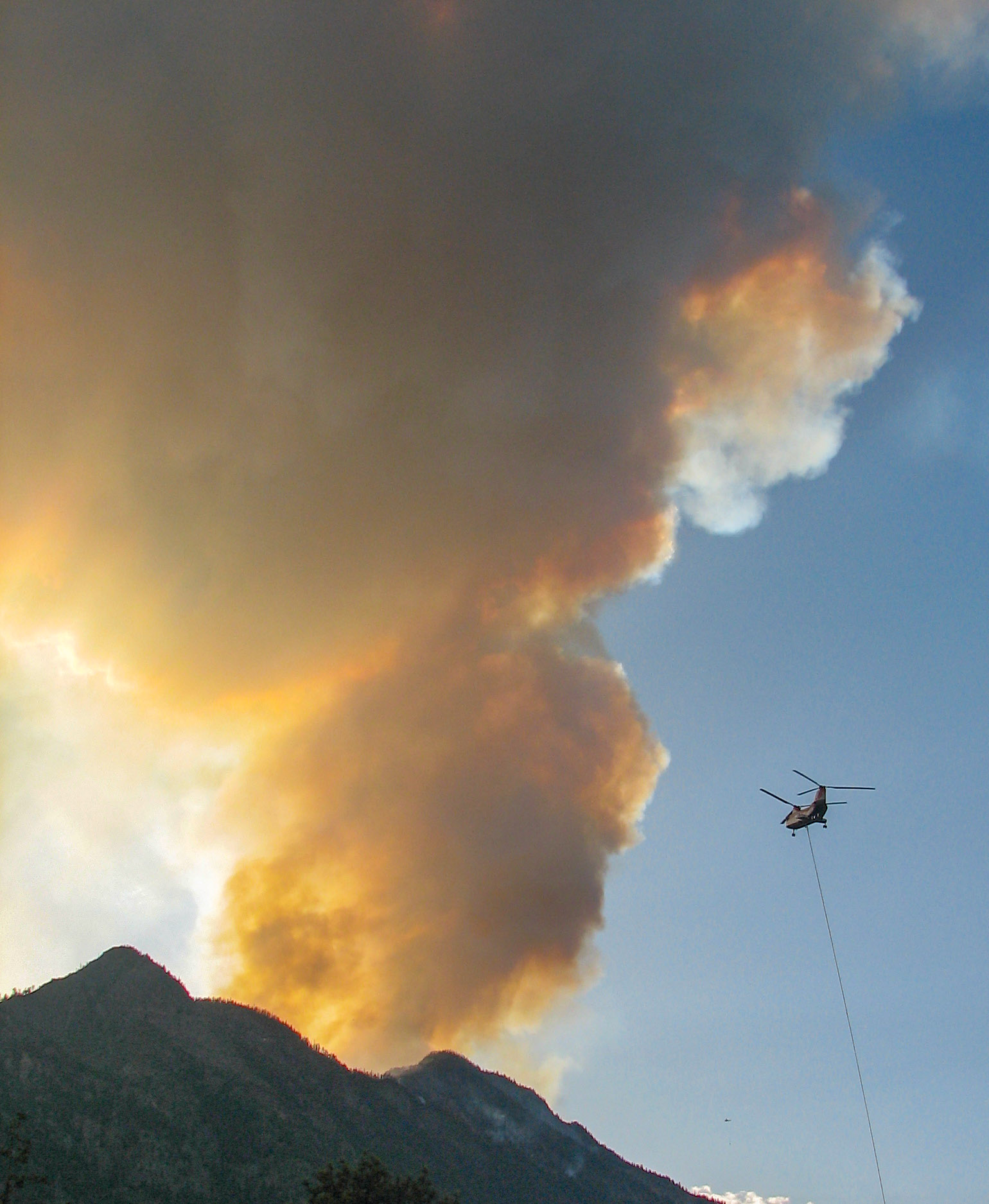 Albuquerque, NM — A new report by Grassroots Wildland Firefighters reveals a troubling decline in wildfire prevention work across the nation. According to the report, hazardous fuel reduction efforts on U.S. Forest Service land are down 38% since January 2025 compared to recent years, following significant federal budget cuts to staffing and resources. Hazardous fuel treatments are critical in preventing catastrophic wildfires. These projects include thinning overgrown forests, clearing brush, and conducting prescribed burns to reduce the vegetation that feeds wildfires. The group’s findings directly contradict recent public assurances from administration officials that land management agencies remain adequately funded and staffed. …The analysis shows mitigation work has fallen especially low in Idaho and Montana, where fewer than 30% of acres have been treated this year compared to previous averages. …Grassroots Wildland Firefighters warn that unless funding is restored, the nation’s wildfire season will grow increasingly severe and dangerous in the years ahead.
 CORVALLIS, Oregon – Rising wildfire risk in the Pacific Northwest combined with notoriously volatile timber pricing may lower forestland values by as much as 50% and persuade plantation owners to harvest trees much earlier than planned, a
 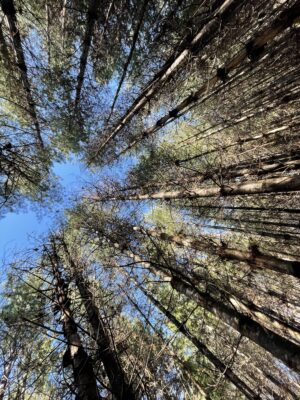 BOISI, Idaho — The Trump Administration’s decision earlier this year to do away with the 2001 Roadless Area Conseravtion Rule on national forest lands sent shockwaves through environmental and outdoor recreation communities. According to environmentalists and an Idaho public official who has been involved in roadless rule politics since the issue’s inception, the move could transport stakeholders in the Pacific Northwest back to the rancor and political divisions of the timber war years. …“The national rule itself put the whole timber wars to bed. It really did,” said James Caswell, former director of the Bureau of Land Management. …The rule led to conditions in which environmentalists became less combative about forest management, according to Caswell. Instead, enviros became more willing to work with timber industry and Forest Service officials. …The decision puts the forest objectives of fishermen, hunters, ATVers, bird watchers and others on the back burner.
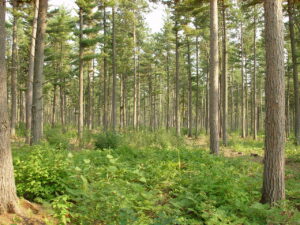 PORTLAND, Oregon — The question of whether two logging companies conspired to monopolize markets in an eastern Oregon forest came before a three-judge panel of the Ninth Circuit on Wednesday as a coalition urged the court to revive its antitrust challenge. US Circuit Judge Milan Smith noted the case was unlike other antitrust suits. …In 2013, the U.S. Forest Service granted the logging company Iron Triangle a 10-year stewardship contract for the Malheur National Forest, as well as associated logging rights. A group of landowners, loggers and an eastern Oregon lumber sawmill — known collectively as the Malheur Forest Coalition — sued Iron Triangle in 2022, arguing that the company exploited control of the contract and should be blocked from competing for harvest rights in U.S. Forest Service public auctions. The lower court denied the request, prompting a new complaint adding the Malheur Lumber Company as a defendant.
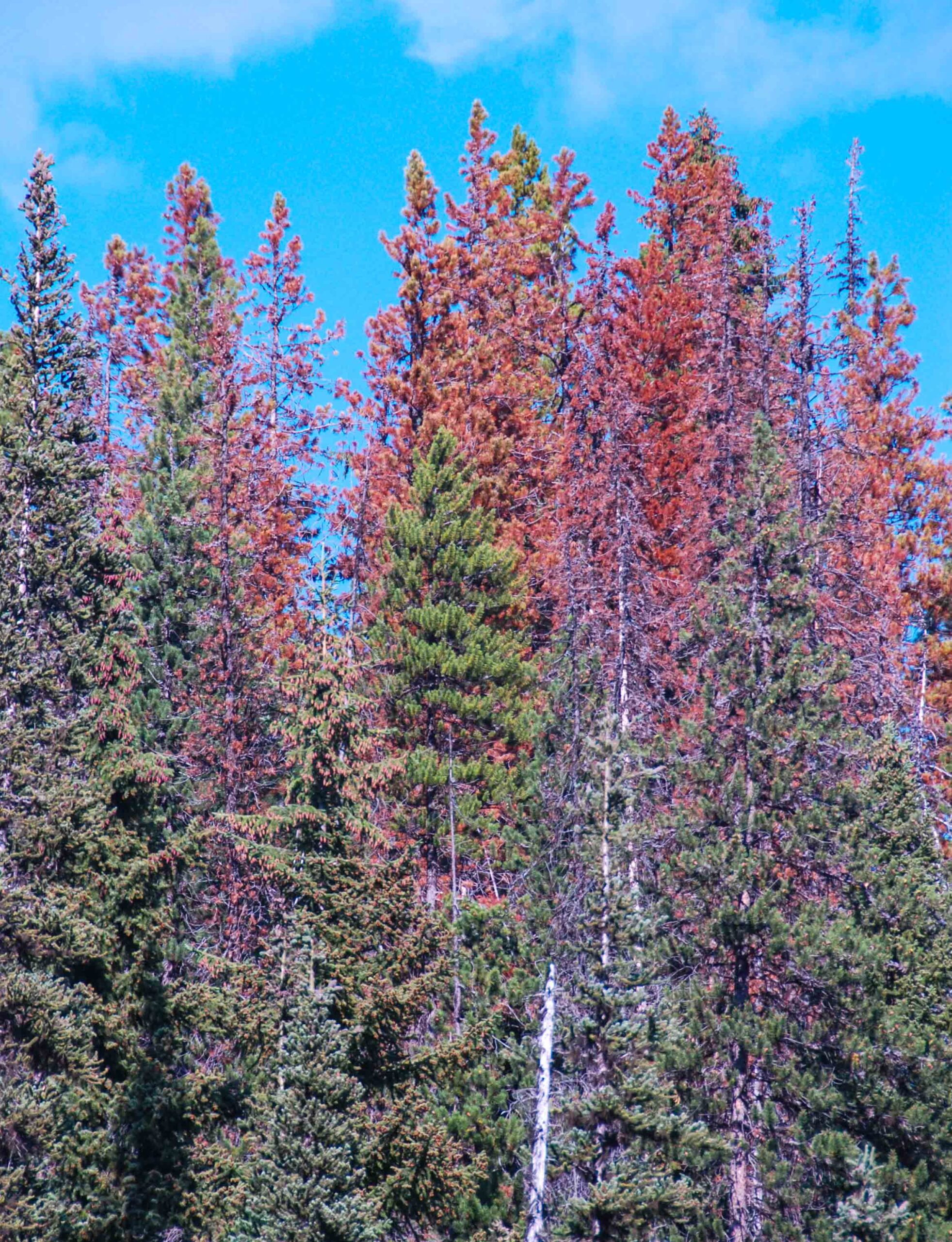
 A federal judge has halted a logging project in the Kootenai National Forest, saying the federal government failed to correctly analyze the impacts to grizzly bears. The Knotty Pine Project, a 10-year project that would have authorized 7,465 acres of prescribed burning and 2,593 acres of commercial harvest in the Cabinet-Yaak Mountains, has been in litigation since 2022. The Center for Biological Diversity led a coalition of environmental groups …in suing the U.S. Forest Service and U.S. Fish and Wildlife Service, saying it could devastate the small group of grizzly bears that lives in the region due to increased roadwork. U.S. District Court Judge Dana Christensen granted a preliminary junction the following year, but issued his final ruling last week. …“High road densities in low elevation habitats may result in grizzly bear avoidance or displacement from important spring habitat and high mortality risks,” Christensen wrote.
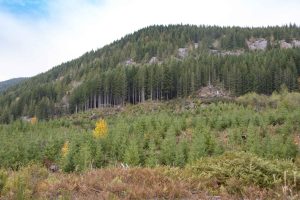 Durable, renewable and biodegradable, wood is an ideal material. And as we grapple with the aftermath of synthetic materials, such as forever chemicals and microplastics, the humble material growing in our literal backyards is suddenly looking pretty appealing again. But how do you know it wasn’t clearcut from a rainforest? Figuring out logging practices, deforestation policies, impact on wildlife, pesticide use, and impact on indigenous communities “can be really challenging”, said Linda Walker at the World Wildlife Fund. …That’s where certifications come in. A growing number of wood industry certifications are designed to guide consumers. They’re not perfect. Some have rules written by big timber. Almost all of them receive payments from companies seeking certifications. There is no seal that encompasses every issue, but don’t let perfect be the enemy of good – even the most flawed badges have some baseline value.
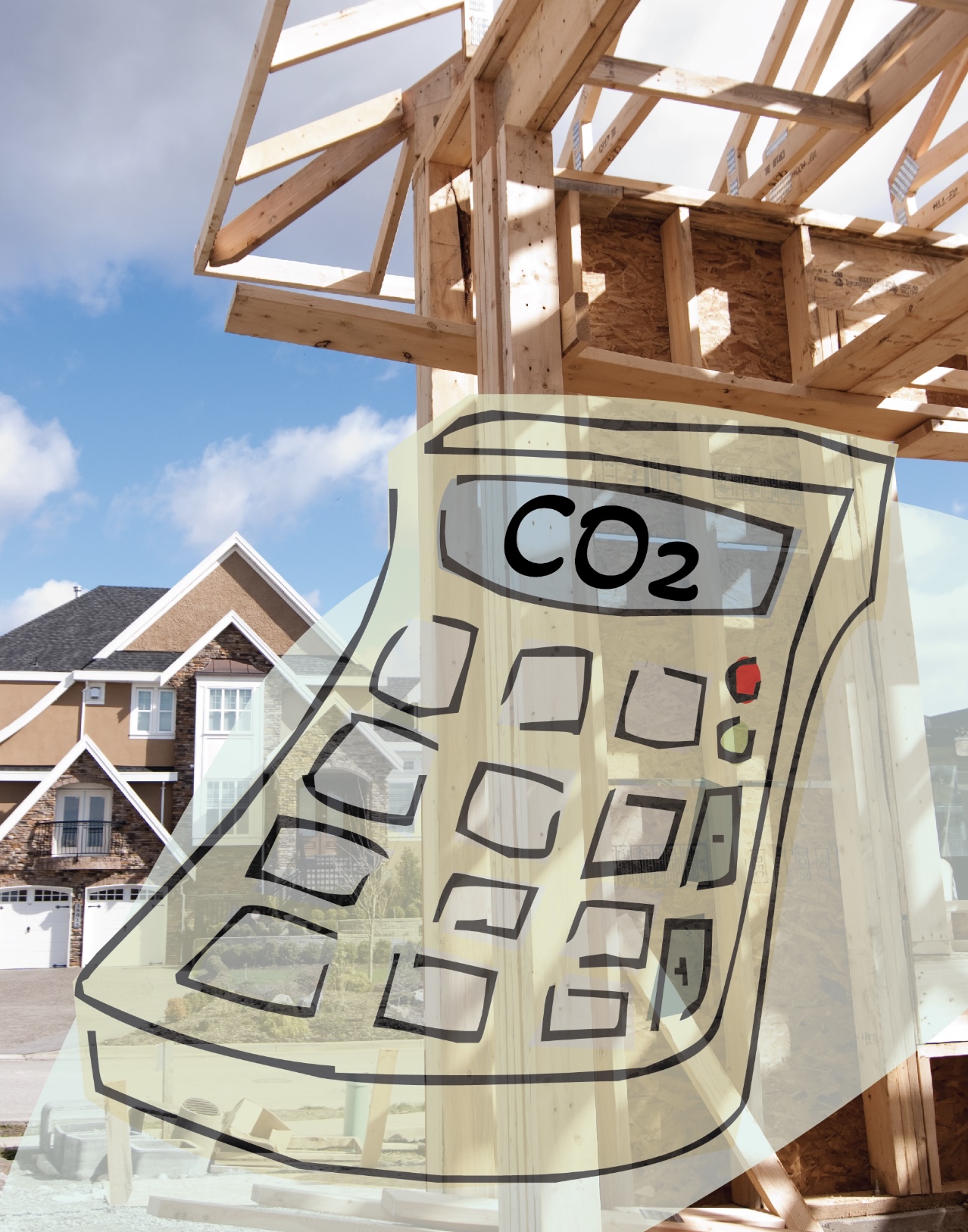 WASHINGTON – The U.S. Department of Agriculture directed its staff to identify grants for possible termination in the early months of the second Trump administration by searching for more than two dozen specific words and phrases related to diversity and climate change, according to documents seen by Reuters. The effort was undertaken as part of a broad campaign across federal agencies to comply with President Donald Trump’s directives to end diversity, equity and inclusion efforts and climate regulation in the federal government. Trump … has called climate change a “con job.” The documents, obtained by legal advocacy group FarmSTAND … show the breadth of that effort… The topics and terms included “climate modeling,” “climate and emission analysis,” …”carbon pricing and market mechanics,” “renewable energy modernization that does not directly benefit farmers,” “climate adaption (sic) and resilience planning” and “biodiversity and ecosystem resilience related to climate change”.
 Smoke from wildfires causes a cascade of changes in the proteins in the blood of firefighters, according to a groundbreaking study by researchers from the University of Arizona School of Public Health. The researchers found 60 different changes in blood proteins in samples taken from 42 firefighters who battled the Los Angeles wildfires that charred 23,000 acres and forced 10,000 people to flee their homes. Those changes in serum proteome are associated with a potential increased risk of cancer, abnormal cell growth, immune system dysfunction and inflammatory response. …The findings are the latest to highlight the health risks facing wildland firefighters, who for decades have actually been barred from wearing protective masks on the fire lines for fear it would limit their work and lead to overheating. The Forest Service recently shifted its policy to allow firefighters to wear masks if they choose.