
Alice Palmer
On October 14, the US began charging a Section 232 (“national security”) tariff of 10% on imports of Canadian softwood lumber, on top of the duties that were already being charged. The premise that imports of Canadian 2x4s, sofas and bathroom vanities are somehow a threat to America’s national security is so ludicrous it hardly deserves rebuttal (although you can read a good analysis here). …The duties, in contrast, have been promoted as being carefully calculated responses to Canadian wrongdoing. The US Lumber Coalition outlines how the duty investigations by the US Department of Commerce take over a year to complete. Even the duty rates, calculated to the hundred of a percent, give off an aura of precision and accuracy.
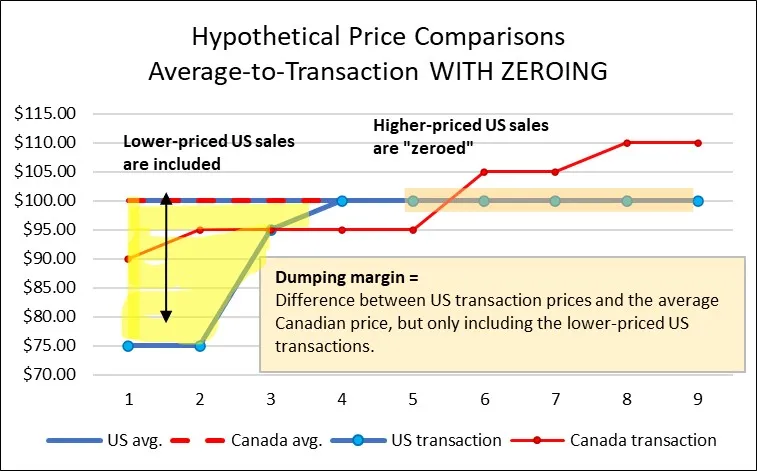 Nevertheless, the duty rates are every bit as ridiculous as the new tariffs; this ridiculousness is just more cleverly hidden. For example, the argument that Canadian companies pay less for their logs than American companies do has been shown to be inaccurate: cost comparisons by analysts such as Forest Economic Advisors show that Canadian mills’ log costs are often higher than those of their US neighbours. Similarly, the argument that Canadian logs are “dumped” into US markets is based on biased calculations, due to the US Commerce Department’s use of zeroing in its calculations. …Selectively including some export sales while excluding others from the calculations – biases the results against importers and yields an imposed competitive advantage to the US domestic mills. …Graphically, we can see that the higher-priced US transactions no longer balance out the lower-priced transactions, because the higher-priced transactions have been “zeroed out” (ignored in the calculations). There is an obvious bias to this calculation method!
 VANCOUVER — Politicians from B.C. and Ottawa will meet in Vancouver today for a forestry summit on how to prop up the industry in the face of American fees and tariffs topping 50 per cent. Federal politicians including Dominic LeBlanc, the minister responsible for Canada-U.S. trade, along with B.C. Premier David Eby and his forests and jobs ministers, are set to discuss ways to support workers and businesses being hammered by the increased fees. In September, the Americans imposed anti-dumping and countervailing duties on Canadian companies ranging from 26 per cent to more than 47 per cent, and then added another 10 per cent last month, claiming Canada’s industry is a U.S. national security threat. B.C.’s goal for the summit is to push for more federal help for the industry that employs tens of thousands of workers in the province. The softwood lumber dispute has been a friction point for decades.
 FORT MILL, South Carolina and MONTRÉAL and RICHMOND, BC — Domtar is proud to celebrate its one-year anniversary of uniting under a single brand: Domtar – The Fiber for the Future. The year has been one of expansion, achievement and living Domtar’s new values. “Reflecting on the last 12 months, I’m deeply impressed by the extraordinary progress our teams have made,” said John Williams, Non-Executive Chairman, Management Board. “Their hard work and commitment have been essential to the success of this integration. While we can’t acknowledge every achievement today, it’s important to pause and recognize the milestones that define our first year as one company.” They include: Reaching a historic agreement with Tla’amin Nation…; Investing in Wisconsin and the Rothschild Dam…; Donating lands to the Nature Conservancy of Canada… ;Publishing our first unified sustainability report…; Expanding our network in point-of-sale receipt rolls… ; and Winning industry recognition.
 WASHINGTON — The US Senate passed legislation Wednesday that would nullify US tariffs on Canada, just as US President Trump is engaged in trade talks in Asia as well as an increasingly bitter trade spat with US’s northern neighbour. The 50-46 tally was the latest in a series of votes this week to terminate the national emergencies that Trump has used to impose tariffs. While the resolutions won’t ultimately take effect, they have proven to be an effective way for Democrats to expose cracks between the president’s trade policy and Republican senators who have traditionally supported free trade arguments. …The Senate passed a similar resolution applying to Brazilian tariffs on Tuesday. …Vice-President JD Vance visited Republicans during a closed-door luncheon this week and also argued that they should steer clear of trade policy while the president negotiates deals.
 President Trump said that he, personally, wants to attend next month’s Supreme Court hearing on his tariff policies. The U.S. Supreme Court will hear oral arguments, beginning on November 5th, whether the president can unilaterally impose tariffs under emergency powers and is acting legally in his bypassing of Congress. The case involves the import tariffs against Canada, Mexico, and China, over allegations of fentanyl trafficking, as well as Trump’s reciprocal tariffs. …Canada is suffering under some of the toughest US tariff actions for some of its largest export sectors — the auto industry, along with steel, aluminum, and Canada’s softwood lumber. …John Weekes, one of the chief Canadian negotiators of the original North American Free Trade Agreement said a lot of Canadians seem to be holding onto hope that Trump’s tariff war will disappear when the USMCA is renegotiated next year. To that, John Weekes says don’t bet on it.
 Luke Lindberg, U.S. under secretary of agriculture for trade and foreign agricultural affairs with the USDA, in conjunction with U.S. Secretary of Agriculture Brooke Rollins, has announced a three-point plan to increase exports, advance rural prosperity, and chip away at the trade deficit. The three-point plan includes:
 PORT OF LONGVIEW, Washington — If Northwest Advanced Bio-Fuels has its way, the Port of Longview may soon have a $2.4 billion sustainable aviation fuel plant. But the mega-project to turn timber waste into jet fuel has faced a slew of challenges on its way to landing at the giant riverfront Barlow Point site, a deal that’s still not inked after nearly four years. The people behind Northwest Advanced Bio-Fuels say the project is mere weeks away from finding the financing needed to lock in a site and build the plant — the first of a handful of additional facilities around the region to fulfill Delta Airlines’ immense need for sustainable aviation fuel. To port officials, however, the project is one of about 20 that have considered its flagship Barlow Point site, any one of which could put money down today and start the long process of realizing a mega-project there tomorrow.
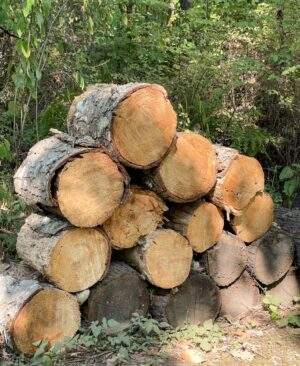 Arkansas’ timber industry, like Arkansas’ agriculture industry, is in trouble. The causes of the trouble are various, but one cause stands out for both: the Trump administration’s trade war. In October, Arkansas House Speaker Brian Evans, R-Cabot, joined the speakers of the Alabama, Georgia, Florida and South Carolina houses of representatives urging Congress to move to relieve “an industry in crisis.” “Under current US trade policy, products and shipments from US exporters are becoming stuck en route to their final destination due to immediately imposed tariffs,” the letter said. The state’s forestry sector supports more than 50,000 jobs and contributes about $6.1 billion to Arkansas’ economy, more than 4% of the state’s GDP. “The trade war has impacted our ability to export hardwood logs out of Arkansas,” Matthew Pelkki, at the University of Arkansas at Monticello, said. [to access the full story an Arkansas Business subscription is required]
 …Arkansas’ forestry industry is feeling the weight of a slowing housing market, a declining demand for many of its products and trade disputes and regulations that have closed off foreign markets. In recent years, several mills in Arkansas have closed — evidence of economic struggles for the industry. In September, Domtar’s sawmill in Glenwood announced a temporary shut down, affecting 150 workers. Shields Wood Products also shut down. Arkansas House Speaker Brian Evans signed on to a letter … calling on Congress to step in and help expand the export market for their states’ foresters. …the Arkansas Economic Development Commission said the state exported $6.45 billion in forestry products in 2023, the largest destinations being Canada, Mexico and Japan. The letter from the state house speakers to Congress makes specific mention of the Chinese market, which cut off the import of logs from the U.S. in March as part of retaliation for American tariffs, Reuters reported. [Access to the full story may require a subscription to the Gazette]
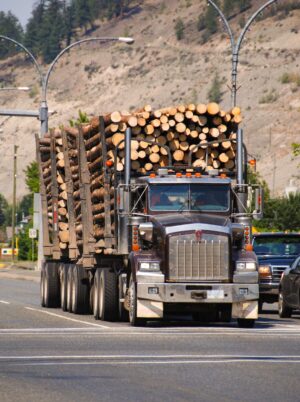 LITTLE ROCK — Arkansas’ leading industry, agriculture, is facing a crisis. But it’s not just row-crop farmers that are struggling — the forestry industry is as well. The market for timber has become so bad that mills are closing and loggers are getting out of the business. “This is devastating to the timber industry in South Arkansas. Eight of the last 11 weeks, we have experienced mill closures in Arkansas, some permanent, some temporary,” said John Dawson, president of Arkansas Pulpwood Co. in Camden. “We’re seeing loggers drop out. Lifelong families that are two, three, four generations of loggers are getting out of the business. Banks in South Arkansas are moving away from loaning money to loggers,” Dawson said. As you’d expect, demand for paper has plummeted. …But demand for lumber is down too. …There’s simply too much supply for the diminishing demand.
 TILLEDA, Wis. – A groundbreaking moment in Tilleda, with the introduction of the first chip mill in the United States purchased by a logger co-op, marking the start of a new chapter for the industry. “Because it’s the first of its kind in the country there were a lot of hoops that we had to go through first to figure out what it all looked like legally and logistically,” said Dennis Schoeneck, president of Timber Professionals Cooperation Enterprises. Founded five years ago, Timber Professionals Cooperation Enterprises aims to sustain and grow the timber industry. The co-op is made up of loggers and truckers, and it was those groups who helped raise the $418,000 that went towards the purchase of the mill. They don’t want to stop here, the co-op has big plans for the future.
 Canadian Pacific Kansas City reported a big profit boost in its latest quarter despite US tariff disruption and fears over fallout from a potential merger of rivals down the line. The railway saw net income for the quarter ended Sept. 30 rise 10% year-over-year to $917 million. Revenues increased three per cent to $3.66 billion on the back of higher shipping volumes. Grain, potash and container volumes rose markedly year-over-year while forest products — struggling under a sectoral tariff imposed by US President Trump — and energy, chemicals and plastics sagged. …Cross-border steel shipments also dropped due to 50% US tariffs on imports of the metal, though CPKC helped make up the decline with domestic traffic and direct Canada-to-Mexico trade, said chief marketing officer John Brooks. A new item of concern crossed the CEO’s desk over the summer. Union Pacific announced in July it wants to buy Norfolk Southern, and potentially trigger a final wave of rail mergers.
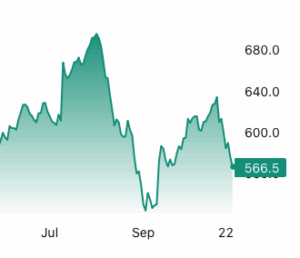 Lumber futures tumbled toward $560 per thousand board feet, a seven-week low, as weakening demand, persistent oversupply, and trade-policy uncertainties converged. US tariffs are intensifying pressure on Canadian softwood, with existing antidumping and countervailing duties around 35%, plus new Section 232 levies of 10% on timber and 25% on wood products, lifting import costs above 45%. Weak demand compounds the decline, with US residential building permits at a seasonally adjusted 1.4 million units in July, the lowest since June 2020, and construction spending down 3.4% from May 2024. Housing starts remain near five-year lows, keeping retail price pass-through muted despite higher import costs. Export channels have narrowed, with Canadian softwood constrained by tariffs and hardwood exports to China dropping from 40% of volume in 2017 to 7% today. Temporary curtailments and mill closures are emerging, yet abundant inventories and sluggish construction sustain downward pressure. [END]
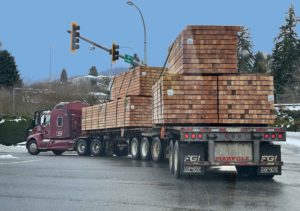 Let’s keep this simple: lumber and steel are two of the biggest drivers of flatbed freight in this country. …So where are we right now, closing out 2025? Lumber futures are sliding off their highs and steel demand is soft with some pockets still running hot. That combination is sending a pretty clear message to flatbed haulers: expect mixed demand instead of broad “every lane is on fire” demand. Some regions will stay busy. Some will get quiet. …Lumber futures have fallen back into the $590–$610/mbf range, down double digits from that August spike, and recently touched the lowest levels in weeks. …There are two main reasons for that weakness: Housing affordability is still brutal. Inventory is sitting. So instead of steady flatbed freight — lumber from mill to yard, yard to jobsite, jobsite to next jobsite — you get pauses. …Lumber and steel tell the truth before the broader market does.
 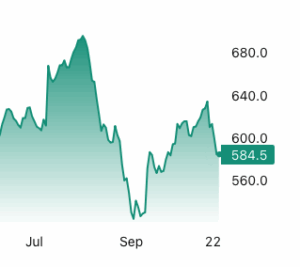 Lumber futures tumbled toward $590 per thousand board feet, a near one-month low, as weakening US housing activity and pre-tariff front-loading left wholesalers awash with stock while stacked US duties on Canadian imports and trade uncertainty pushed prices lower. US homebuilding has slowed, with housing starts falling 8.5% in August to a 1.307 million annualized pace and building permits drifting lower. Many US buyers front-loaded inventories ahead of expected import tariffs earlier this autumn, leaving distributors to work down excess stock before fresh order flow returns. On the supply side, a 10% Section-232 tariff added in mid-October atop roughly 35% in existing duties lifted border costs above 45% for many Canadian shipments, forcing sellers to find new markets or accept lower domestic prices. Producers like Interfor have trimmed output since mid-October, but the cuts are too recent to significantly reduce inventories or regional log supply.
 VANCOUVER, BC —
 Kimberly-Clark is buying Tylenol maker Kenvue in a cash and stock deal worth about $48.7 billion, creating a massive consumer health goods company. Shareholders of Kimberly-Clark will own about 54% of the combined company. Kenvue shareholders will own about 46%. The combined company will have a large stable of household brands under one roof, putting Kenvue’s Listerine mouthwash and Band-Aid side-by-side with Kimberly-Clark’s Cottonelle toilet paper, Huggies and Kleenex tissues. It will also generate about $32 billion in annual revenue. Kenvue has spent a relatively brief period as an independent company, having been spun off by Johnson & Johnson two years ago. The deal announced Monday is among the largest corporate takeovers of the year. …The deal is expected to close in the second half of next year. It still needs approval from shareholders of both both companies. …Shares of Kimberly-Clark slipped more than 15% before the market open, while Kenvue’s stock jumped more than 20%.
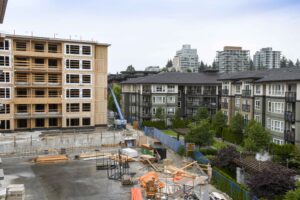 Shares of D.R. Horton took a hit Tuesday, as the home builder confirmed that the market for new houses was still weak, and it wasn’t just because prices and mortgage rates were too high — people are afraid to shell out so much for a new house when they’re worried about the economy and their jobs. …But even with lower prices and mortgage rates, the number of homes closed fell 1.2% to 23,368, which was below the average analyst estimate. And that weakness comes despite higher incentives to home buyers to boost sales, which pushed profits below what Wall Street was expecting. …Chief Executive Paul Romanowski said affordability was certainly still an issue. But consumers were also concerned about the “volatility and uncertainty” in the economy, which may be leading to worries about the job market. It certainly won’t help matters to see large layoff announcements from high-profile companies.










 The world’s largest green timber label will vote next week on whether to begin work on new traceability rules, amid renewed scrutiny and accusations over whether the body is doing enough to prevent fraud within its supply chains. The Bonn-based Forest Stewardship Council (FSC) bills itself as “the world’s most trusted mark for sustainable forestry.” …But forestry experts and whistleblowers have alleged for years that the FSC lacks a proper control system, allowing bad actors to fraudulently pass off timber that was illegally or unsustainably logged as FSC-certified. Phil Guillery, who was the FSC’s integrity director from 2011-21,

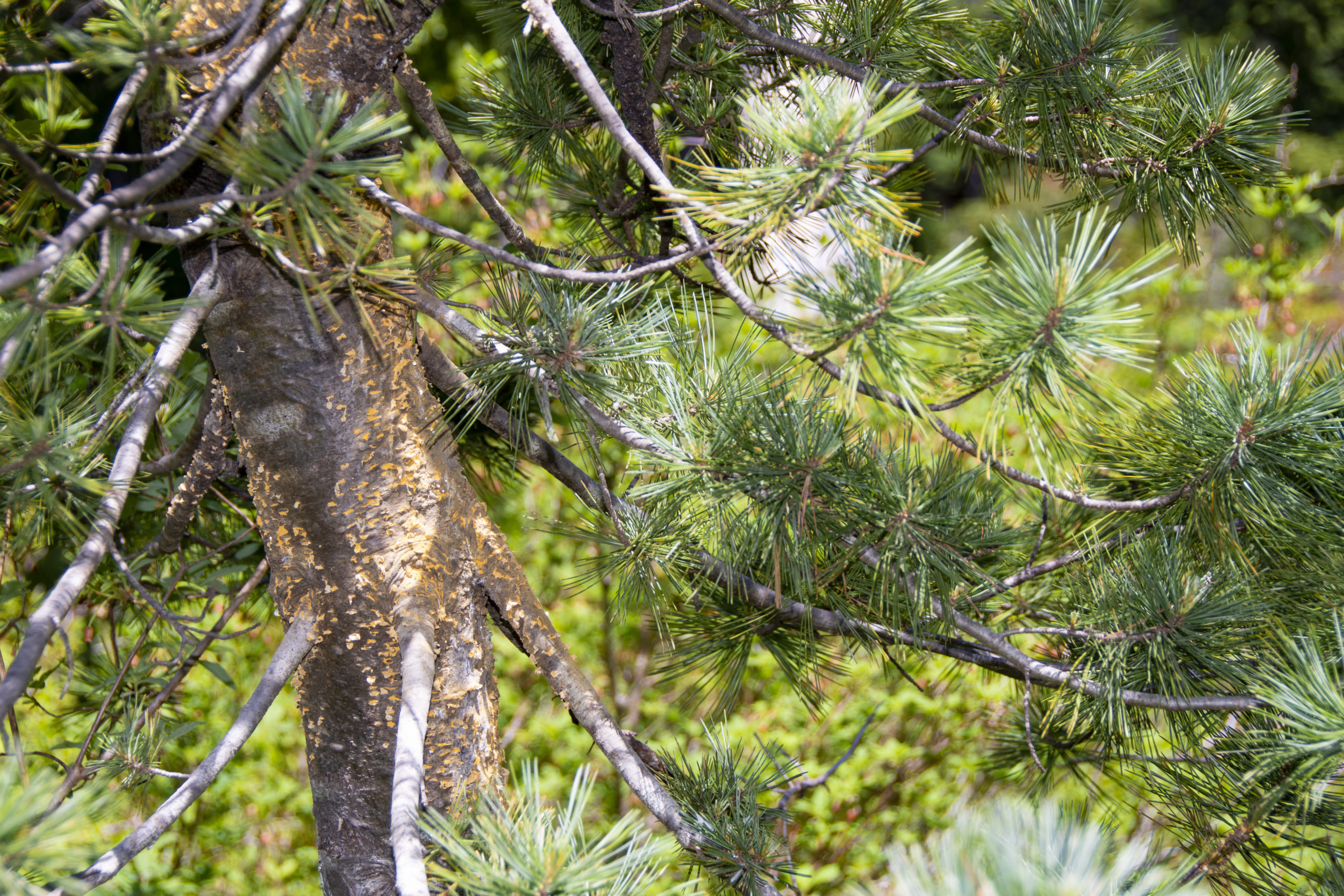 Ecological stoichiometry can help clarify how symbionts and other co-occurring organisms mediate nutrient deficiencies for hosts. We used ecological stoichiometry (comparisons of elemental compositions in food vs consumer) to investigate whether obligate mutualist fungi (Grosmannia clavigera, Ophiostoma montium) of the tree-killing bark beetle Dendroctonus ponderosae (mountain pine beetle) and the invasive tree pathogenic fungus, Cronartium ribicola (causal agent of the disease white pine blister rust) influenced availability of carbon, nitrogen, and phosphorus to the beetle in Pinus albicaulis (whitebark pine), as well as how these elements varied among three populations of the tree.
  The bipartisan Fix Our Forests Act passed out of the Senate Agriculture Committee on Tuesday morning, marking the first advancement of the bill since it previously stalled in committees under both the Biden and the previous Trump administration. The Act would create an interagency Fireshed Center focused on wildfire prediction and tracking, establish fireshed management areas in forests with high wildfire risks, and expedite the review of wildfire-related forest management projects under the National Environmental Policy Act. The act has gained support from lawmakers on both sides of the aisle, along with numerous environmental and wildfire-focused organizations. Critics of the Act claim it would further open up
  For more than 15 years, Scott Fitzwilliams led … the “crown jewel” of U.S. federal land — 2.2 million acres in Colorado that includes world class ski resorts… and sees a lot of wildfire. So when he was told in February to fire more than a dozen U.S. Forest Service employees from White River National Forest, one of his main concerns was: Will enough people be around to make sure the next big blaze doesn’t get out of control? …Fitzwilliams resigned in protest over the cuts, part of the Trump administration’s efforts to reduce the federal workforce… Eight months later, a new report confirms some of Fitzwilliams’s fears. A data analysis shared with The Washington Post found that as of the end of September, Forest Service work to reduce fire-fueling debris was down nearly 40 percent on this date compared with where it has been on average over the previous four years… [A subscription to the Washington Post is required for full story access]
 A yearslong endeavor to change logging and environmental policies for millions of acres of Pacific Northwest forests is getting a restart. The US Forest Service will update the Northwest Forest Plan, a set of policies that broadly dictates where logging can occur on 25 million acres of forests in Oregon, Washington and northwest California. …Environmental groups worry new changes that could be made to this plan under the Trump administration will increase logging in mature and old-growth forests. …The Forest Service published its proposed changes in a draft environmental impact statement in November 2024 and received over 3,400 public comments. Now the Forest Service under the Trump administration wants to issue a new draft. …A Forest Service spokesperson said the agency will publish a new draft amendment next fall, and that the Forest Service will allow people to review the draft and weigh in during a 90-day public comment period.
 SEATTLE — …Of Washington’s 22 million forested acres, the Department of Natural Resources manages about 3 million acres of state land. Of those, 545,000 acres are now dead or dying — the equivalent of more than 500,000 football fields. …Washington’s severe drought has weakened trees across the state. Then came powerful storms—including last November’s bomb cyclone and February’s windstorm—that battered already-stressed trees to their breaking point. …As droughts intensify and insects thrive in warming forests, trees are dying of thirst while being eaten alive. It’s a double assault turning once-green mountainsides into graveyards of standing dead timber—impacting both eastern and western Washington. “We’re concerned this trend could continue as our climate continues to warm,” Commissioner Upthegrove said. One solution is to remove dead or dying trees and replant more resilient species like hemlock or cedar. However, according to the DNR, the funding needed to address these issues has vanished.
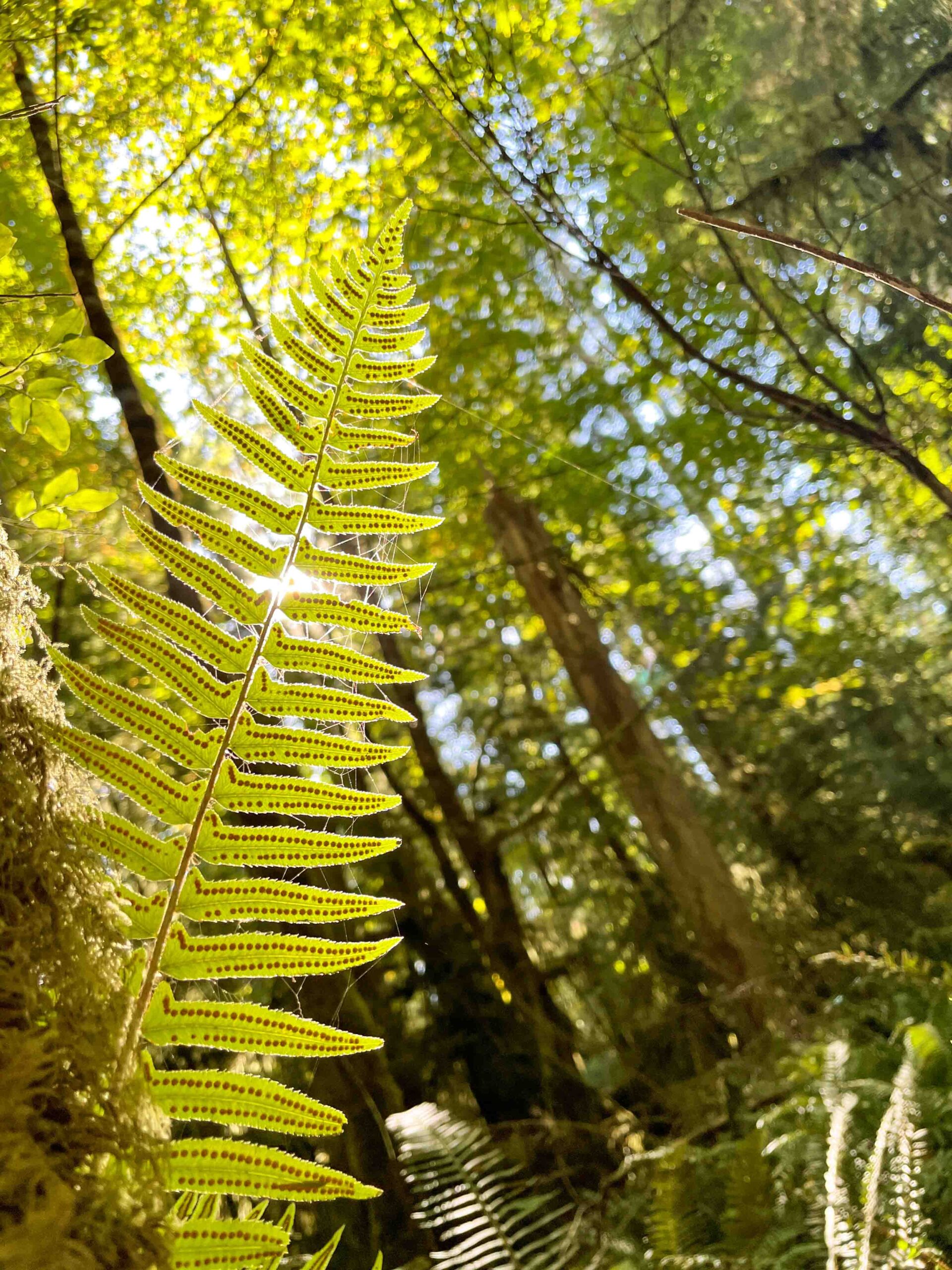 A new bill poised to pass the Senate after clearing the House will govern how the federal government thins, burns and otherwise manages nearly 200 million acres of the nation’s forests. The Fix Our Forests Act, sponsored by U.S. Sens. John Hickenlooper, D-Colo., John Curtis, R-Utah, Tim Sheehy, R-Mont., and Alex Padilla, D-Calif., passed out of Senate committee recently in a rare show of bipartisan support, with 18 senators in favor and only five opposed. “There is a wildfire crisis across much of the country — our communities need action now,” said Hickenlooper in a news release. “Wildfires won’t wait.” The proposed legislation — the first major congressional effort to fight wildfires in recent history — includes provisions that promote prescribed burning and forest thinning in fire-prone areas along with working with communities to create defensible space around vulnerable homes. The bill formally recognizes wetlands as buffers against wildfires and encourages cross-boundary programs among counties, states and tribes.

 A Montana logging project in grizzly habitat in the Kootenai National Forest will remain on hold until federal officials reassess how road use — particularly illegal road use — impacts the bears, a federal judge ruled on Monday. “This court has repeatedly held that it is arbitrary and capricious to not include illegal motorized use that it knows to occur into calculations, regardless of whether the use is chronic and site specific,” U.S. District Judge Dana Christensen wrote in the 40-page opinion. The Center for Biological Diversity led environmental groups in suing the U.S. Forest Service and U.S. Fish and Wildlife Service in 2022, seeking to block the Knotty Pine Project, and Christensen granted the environmentalists’ motion for a preliminary injunction the following year. …Christensen found the Forest Service violated the National Environmental Policy Act by failing to take a hard look at the impact of unauthorized road use on grizzly bears.
 SOUTH BEND, Washington — Pacific County Commissioners Jerry Doyle, Lisa Olsen and David Tobin sent a scathing letter on Oct. 20 to the Washington Forest Practices Board (FPB) regarding a proposed increase in timber-harvest buffer zones along streams. Rural counties and forestry groups are mounting a vigorous push against bigger setbacks away from small non-salmon-bearing streams, arguing that over the course of time the loss of timber acreage will add up to billions in lost local economic activity and millions less taxes that currently support government services. Washington state established the Forest Practices Act and the FPB in 1974. It is tasked with establishing laws to “protect salmon, clean water, and the working forest economy.”
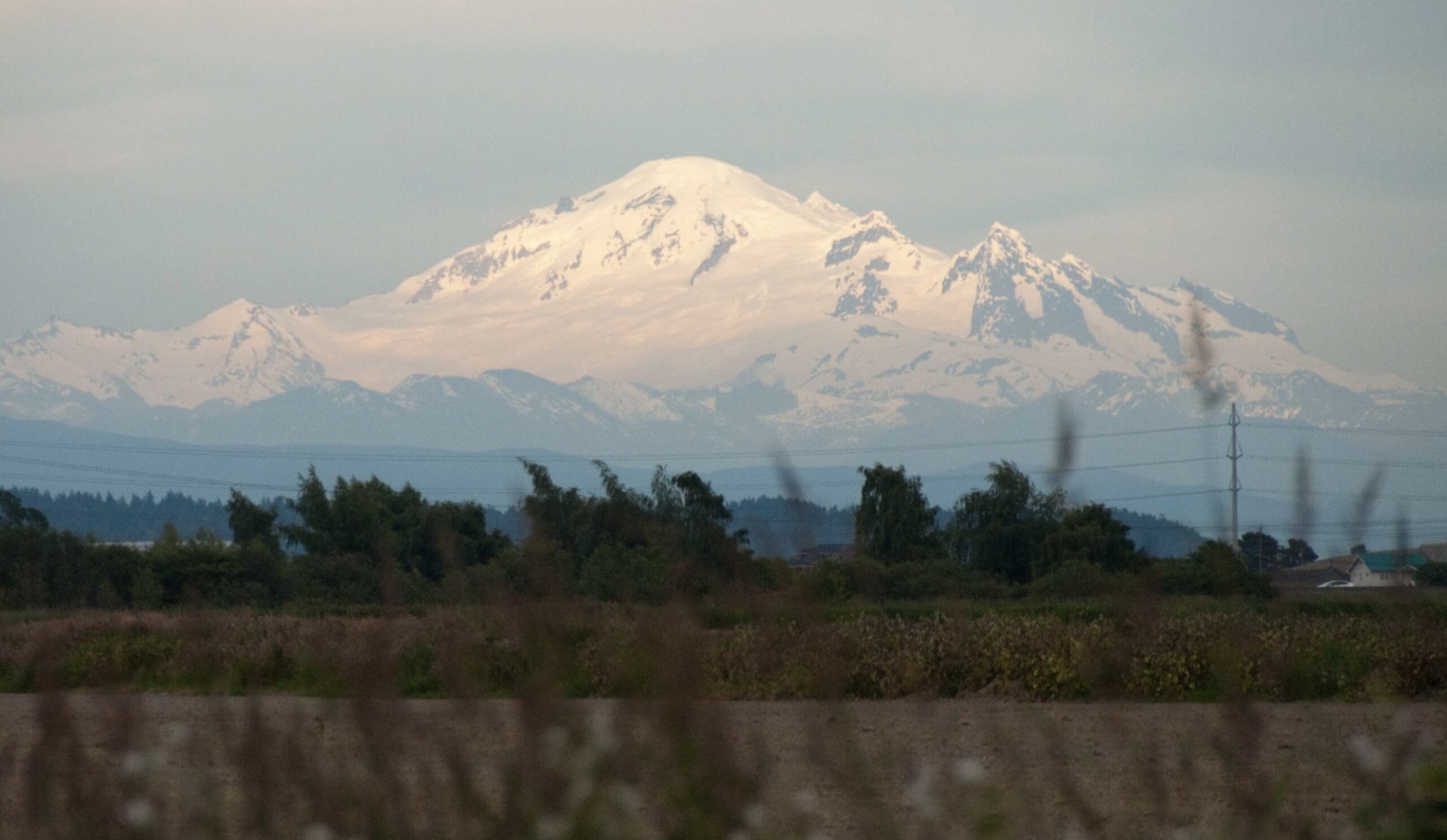 Washington’s lands commissioner, Dave Upthegrove, is on a mission to secure $60 million of additional wildfire funding in next year’s legislative session, despite a tightening budget outlook. On Monday, he and a leading Democratic House lawmaker indicated that they want to tap revenue from the state’s cap-and-trade program for at least some of that money. The maneuver would mean turning to a steady-flowing stream of cash at a time when the state’s operating budget is squeezed. “Climate Commitment Act dollars are going to be on the table,” said state Rep. Larry Springer, D-Kirkland, who is deputy House majority leader. Lawmakers this year already started dedicating some of the climate dollars to the wildfire programs in question. At issue is funding provided under a 2021 law known as House Bill 1168, which passed with broad bipartisan support. With that legislation, lawmakers committed to direct $500 million over eight years to wildfire programs.
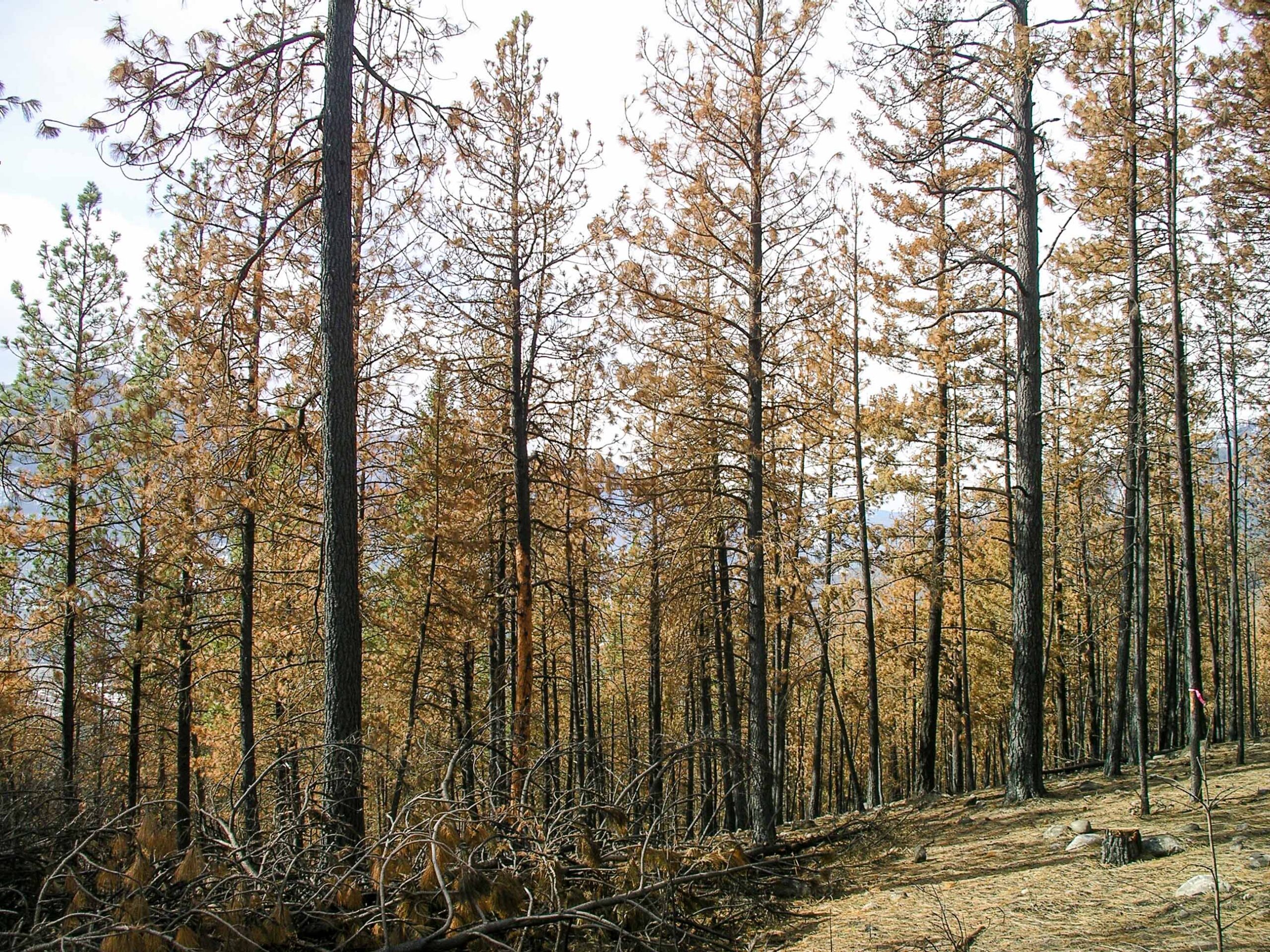 Fall is the busy season for forestry work, like fuels reduction. Summer fire restrictions have ended, and winter snow has not yet arrived. But Armando Lopez, owner of DL Reforestation in Jackson County, said the federal government shutdown has put his work on hold. Inspectors can’t visit project areas, and he’s waiting on hundreds of thousands of dollars in payments. Every day, he eagerly checks whether the government has reopened. …Lopez employs around 40 workers, most of them on temporary H-2B visas. If the shutdown doesn’t end next week, Lopez said, he won’t be able to pay them. …The Oregon Department of Forestry said in a statement that payment delays for contractors like Lopez are varied, depending on the federal agency and funding source. …But U.S. Forest Service, state, private and tribal forestry awards are continuing.

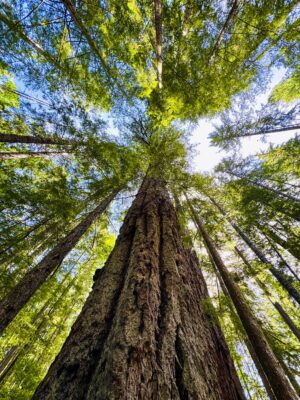 EUGENE, Oregon — With the Trump administration poised to rewrite forest management policy, groups are on guard for changes to climate and lumber harvesting sections. Travis Joseph has a message for environmental groups worried that the Pacific Northwest’s oldest trees are about to fall to loggers: Timber companies don’t really want to cut them down. Joseph, who heads a timber industry group and is a former aide to ex-Democratic Rep. Peter DeFazio of Oregon, made that proclamation. …“I love these trees, too,” said Joseph, CEO of the American Forest Resource Council (AFRC). “But they’re at risk. Let’s save them. Let’s come in here and protect them.” Joseph’s group says the threat to big trees in western Oregon — these giants were 5 or 6 feet across at the trunk — isn’t logging. It’s wildfire that’s becoming a bigger menace as climate change makes summers hotter and reduces the winter snowpack. [to access the full story a subscription is required]
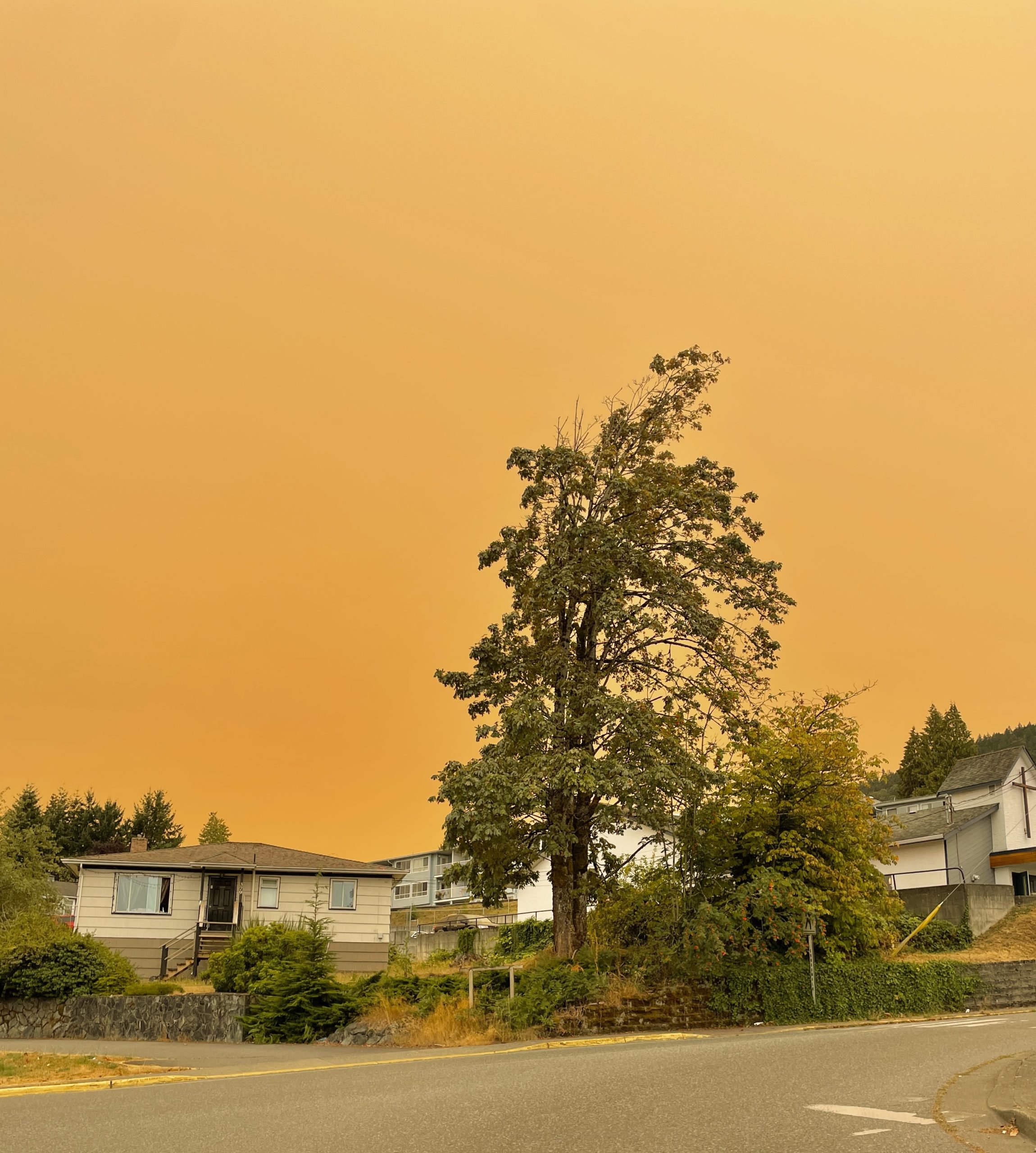 Oregon’s 2025 fire season officially wrapped up Friday with significantly fewer acres burned — and at a lower cost to the state — than in previous years. But fires this year got much closer to communities, burning 200 homes and structures. …And humans caused most of this year’s fires. Oregon experienced more than 1,100 fires from early June to mid-October. They burned roughly 350,000 acres, far less than the 1.9 million acres that burned in 2024. Fires this year also cost the state less to fight. …The U.S. Forest Service has had a target for nearly a century of keeping at least 90% of wildfires from growing larger than 10 acres. But it has come under scrutiny by some indigenous wildfire and ecology experts and scientists, as well as Forest Service scientists. They argue that some wildfires must be allowed to burn more acres to help regenerate plants that support animal habitats, reduce pest infestation and invasive species and keep ecosystems healthy.
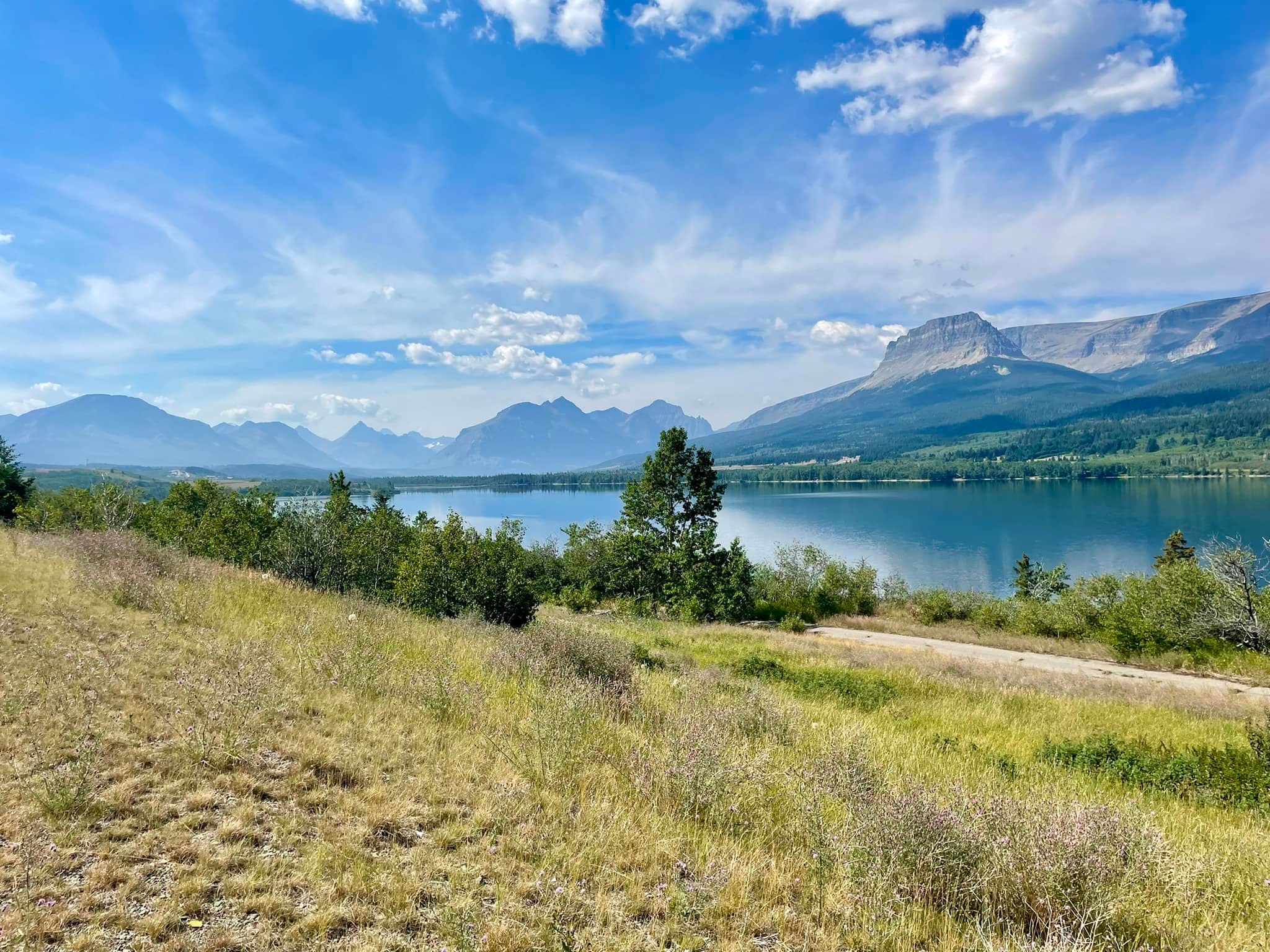 The Fix Our Forests Act passed out of a Senate committee Tuesday, and now heads to a full vote. Some environmental groups are warning that a federal bill intended to prevent major wildfires could effectively increase logging, cattle grazing and mining on federal lands — which make up half of Oregon’s land base. The bipartisan Fix Our Forests Act passed out of the U.S. Senate Agriculture Committee on Tuesday and now heads to the Senate floor for a final vote. It could overhaul how the nation prepares its land for wildfires, while also scaling back environmental oversight of land management projects. The bill has conservationists divided. On one side, some advocates say it would bring long-needed changes by fast-tracking prescribed fires. …On the other side, environmental groups say the bill significantly weakens environmental protections and public oversight.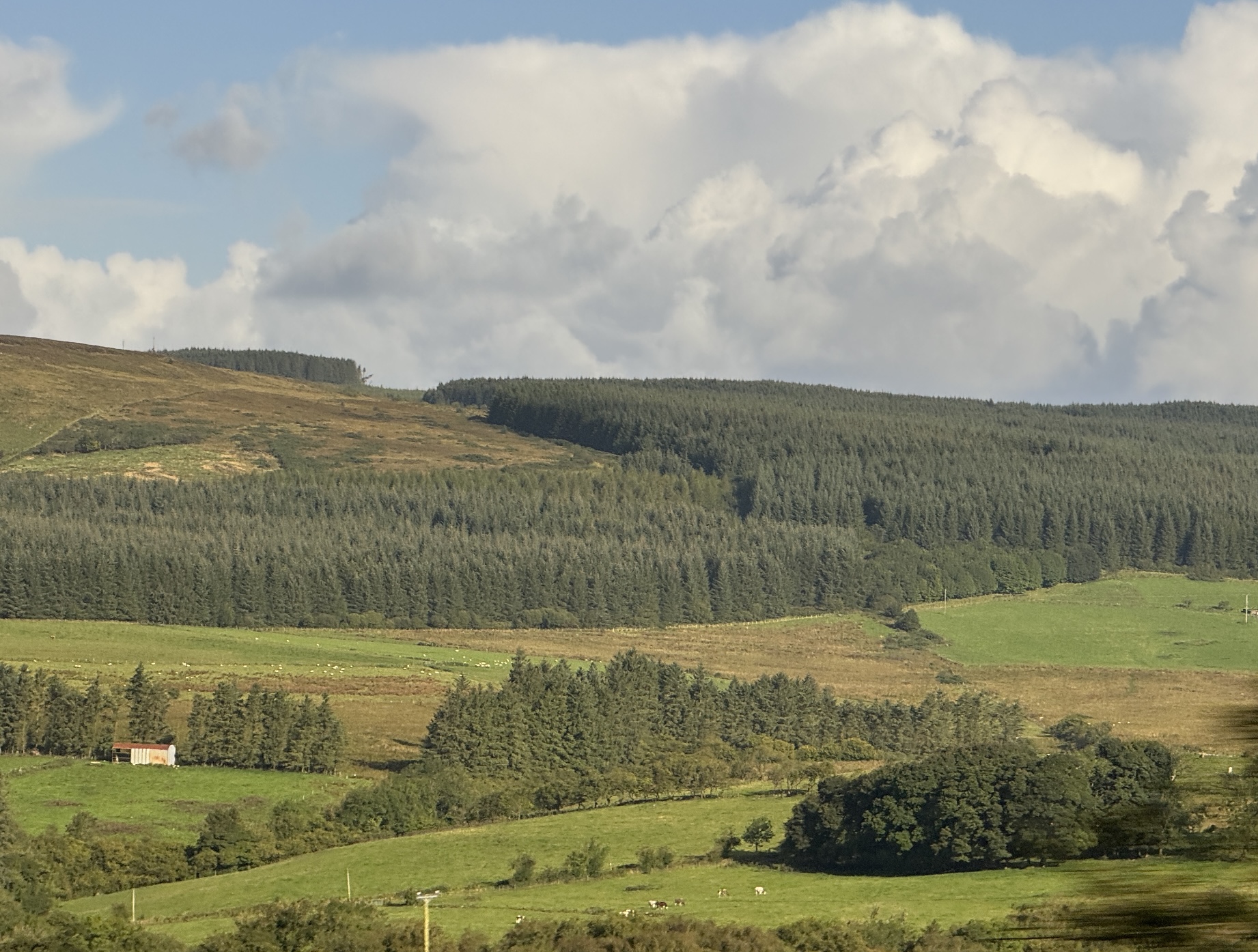
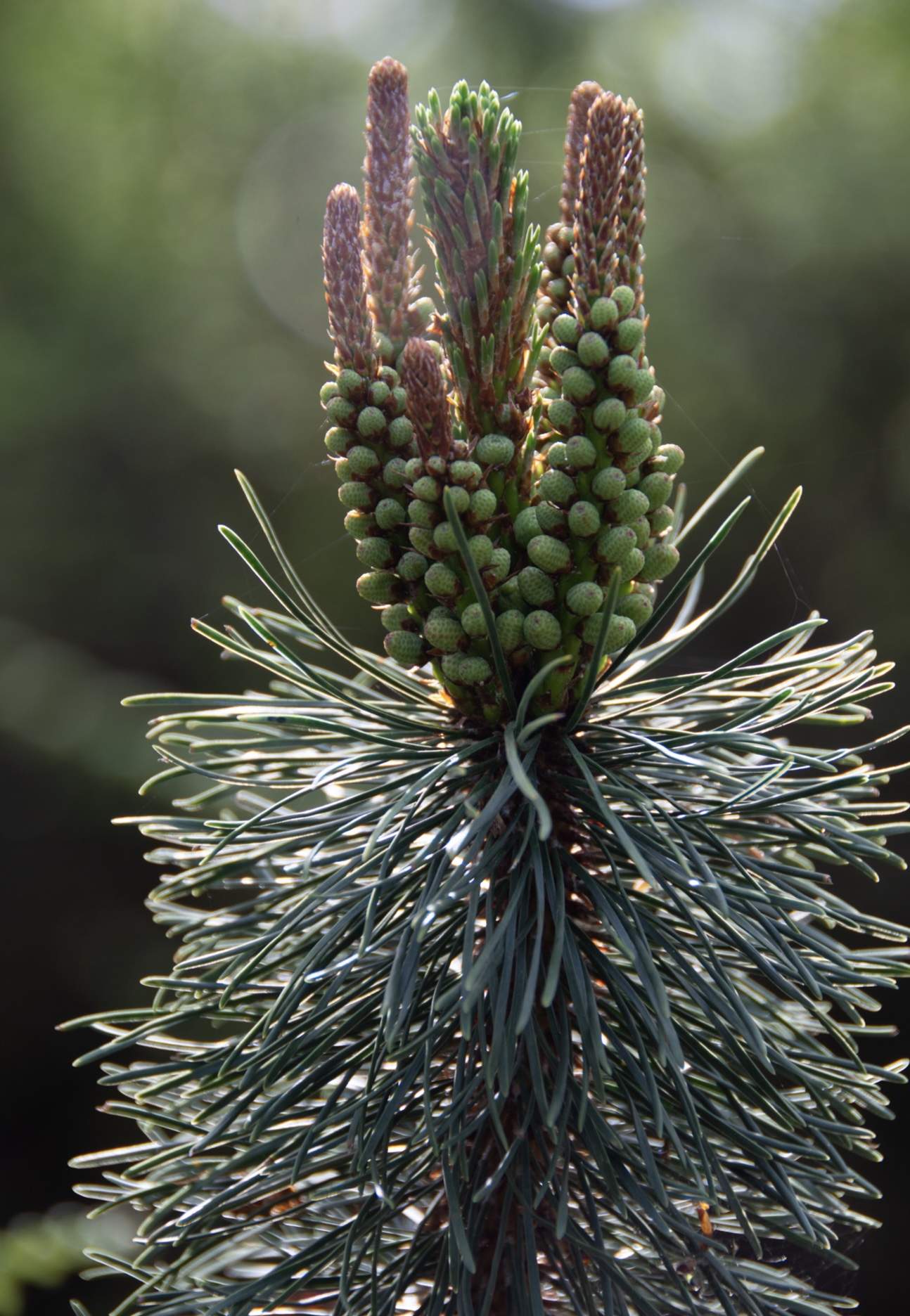 In the southeastern United States, pine plantations serve as critical components of the forestry economy, predominantly managed through intensive site preparation techniques designed to enhance tree growth and accelerate harvest cycles. These plantations often employ soil bed construction to improve drainage and the application of herbicides to mitigate competition from weeds and woody shrubs. While earlier studies have documented that such interventions yield promising early growth in pine species such as slash pine (Pinus elliottii) and loblolly pine (Pinus taeda), the long-term efficacy of these practices remains ambiguous, necessitating comprehensive longitudinal research to unravel their sustained impact on forest productivity. Addressing this knowledge gap, a recent extensive study conducted in the Lower Coastal Plain of North Florida monitored pine plantations for up to 27 years, offering unprecedented insights into how various site preparation strategies influence extended growth trajectories and timber yield.
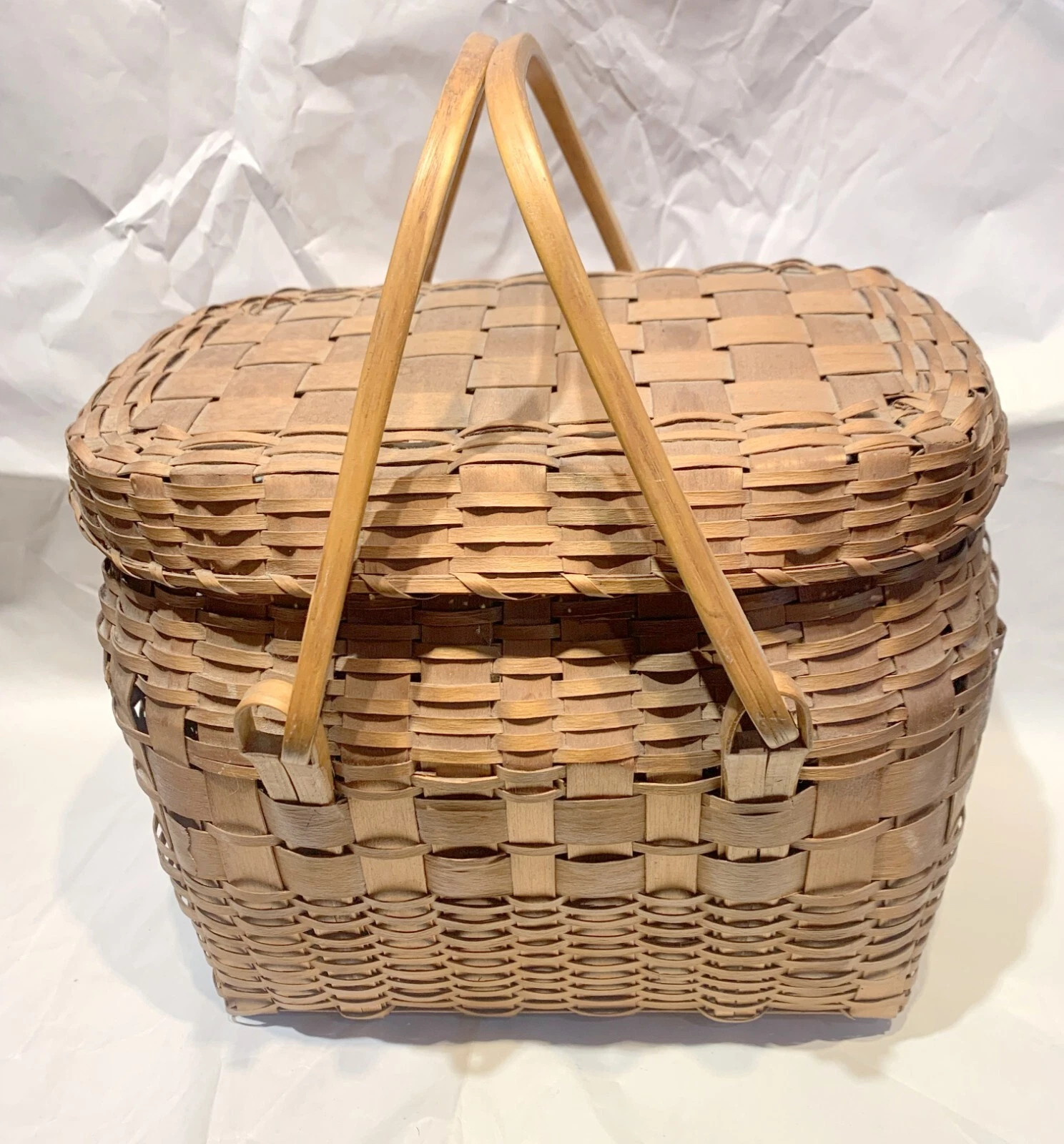 Ash trees are an important part of the basket weaving tradition, which has long played a significant cultural, spiritual and practical role in the lives of tribal citizens across the country, including John Daigle, a citizen member of the Penobscot Nation in Maine. But the emergence of the emerald ash borer beetle …has posed challenges for Indigenous basket makers. A grant awarded to Daigle, a professor of forest recreation management at the University of Maine, could help preserve and advance the craft. It’s part of the Indigenous Forest Knowledge Fund, a program run by the Northeastern States Research Cooperative to support projects related to tribal homelands or ancestral territories of the Northern Forest region… Daigle’s project was one of three winners this year. His team will also develop technologies to support the processing and storage of ash splints before widespread ash mortality, which could help sustain basket-making supplies.
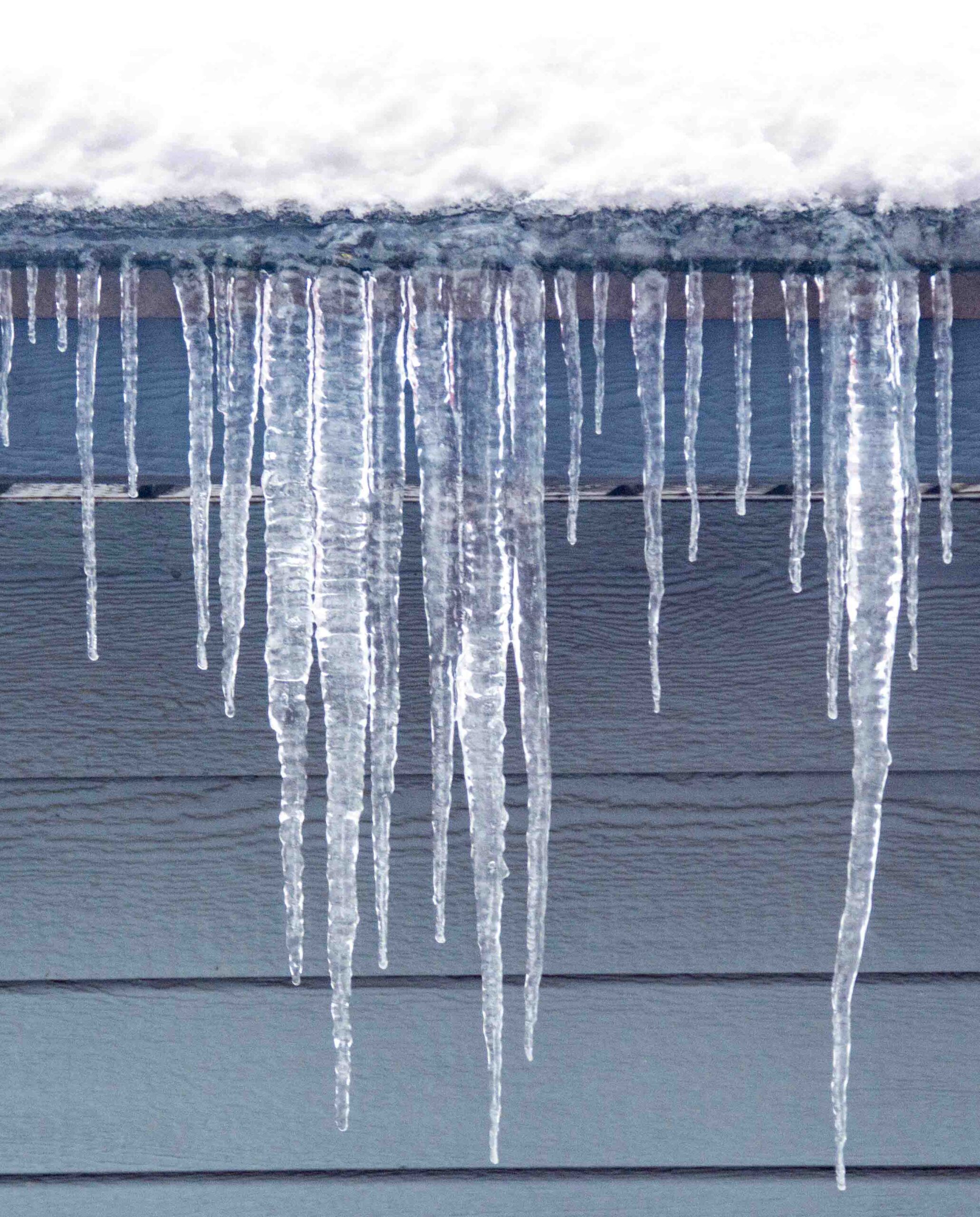 …An ice storm

 ARIZONA — Restoring Arizona’s wildfire-threatened forests depends on building a second biomass-burning power plant, a coalition of public officials and timber industry executives said. The state’s only biomass-burning plant is operating at capacity, which means many forest thinning and restoration projects will stall without a second plant to process low-value wood slash and biomass, speakers said at the October meeting of the Natural Resources Working Group. “It’s a biomass apocalypse,” said Brad Worsley, head of Novo BioPower, the state’s only biomass-burning power plant. Eastern Arizona Counties Executive Director Pascal Berlioux said he was frustrated by the lack of state and federal action after years of discussion about how to make forest restoration economical. …Novo BioPower in Snowflake remains the state’s only biomass-burning power plant. …Worsley said the plant survived shortages caused by delays in Forest Service approval of thinning projects and is now operating at its limit.
 BOSTON — Susan Abookire, an internist and professor at Harvard Medical School, had a cure for all that ailed me. But I was going to have a difficult time getting her prescription filled at CVS. …I was participating, somewhat skeptically, in a forest bathing session Abookire was leading at Harvard’s Arnold Arboretum for seven young doctors. It’s part of resident training at Harvard-affiliated Brigham and Women’s Hospital, which is looking for ways to reduce stress and burnout within the profession. …Before I looked into forest bathing, I had feared it might be another goofy wellness fad like Gwyneth Paltrow’s jade eggs and Tucker Carlson’s genital tanning. But here was a doctor from a top medical school guiding some of the brightest young medical minds into the woods. …So I did what the doctor ordered. I introduced myself to a mushroom. [to access the full story a Washington Post subscription is required]
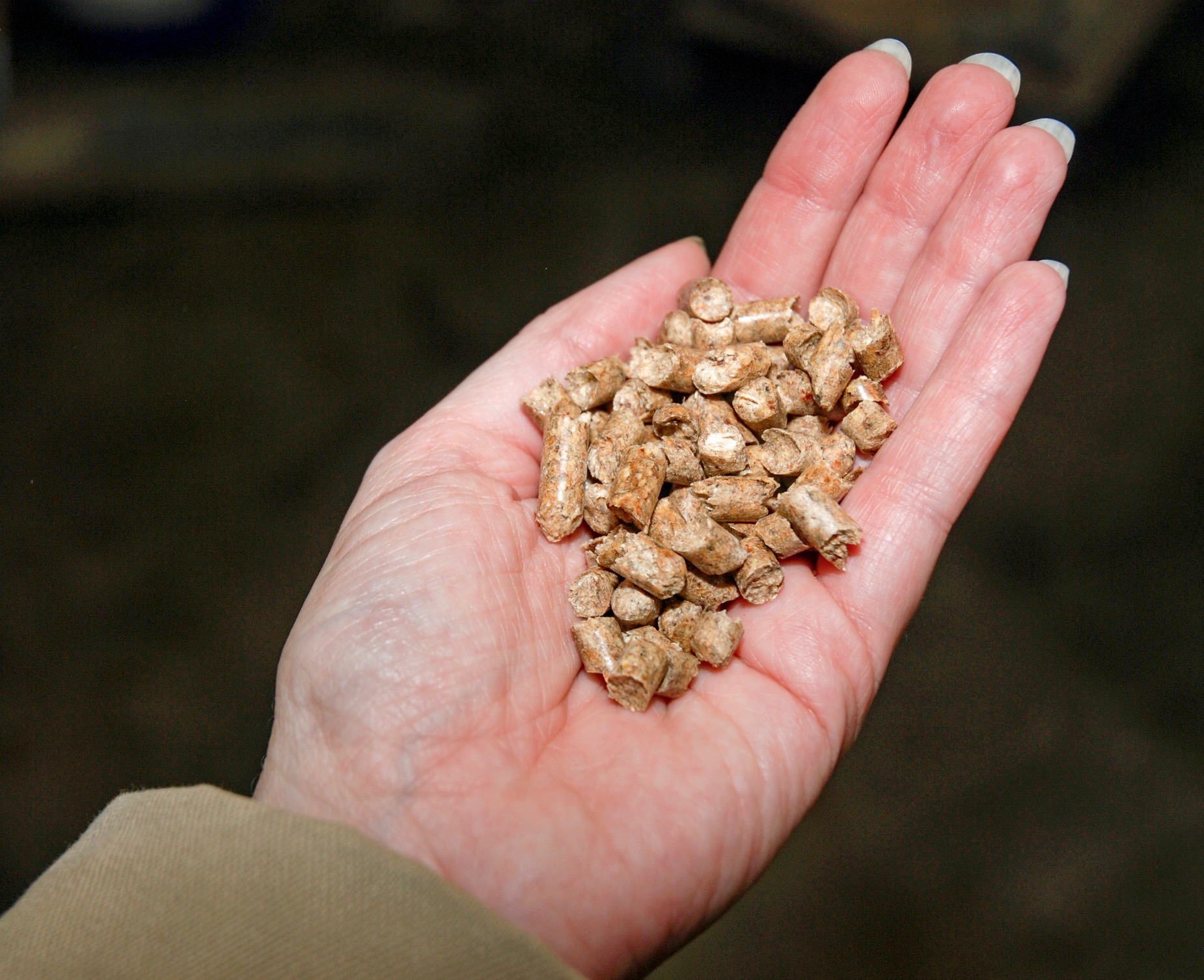 Ten lawsuits have been filed against Drax after diagnoses of asthma allegedly linked to its wood pellet fuel, it has been revealed. Current and former workers at the UK’s largest power station claim they have not been adequately protected against sustained exposure to wood dust, which can cause serious health problems including asthma, dermatitis and nasal cancer. Six compensation claims were settled out of court and four have trial dates in 2026, an investigation by Land and Climate Review found. A class action lawsuit was also filed against the company this month over health concerns in the US, representing 700 people who live near one of Drax’s wood pellet mills in Mississippi. The company is also being investigated by the UK Financial Conduct Authority over “historical statements” made about its wood pellet fuel.

