Dorian Uzzell
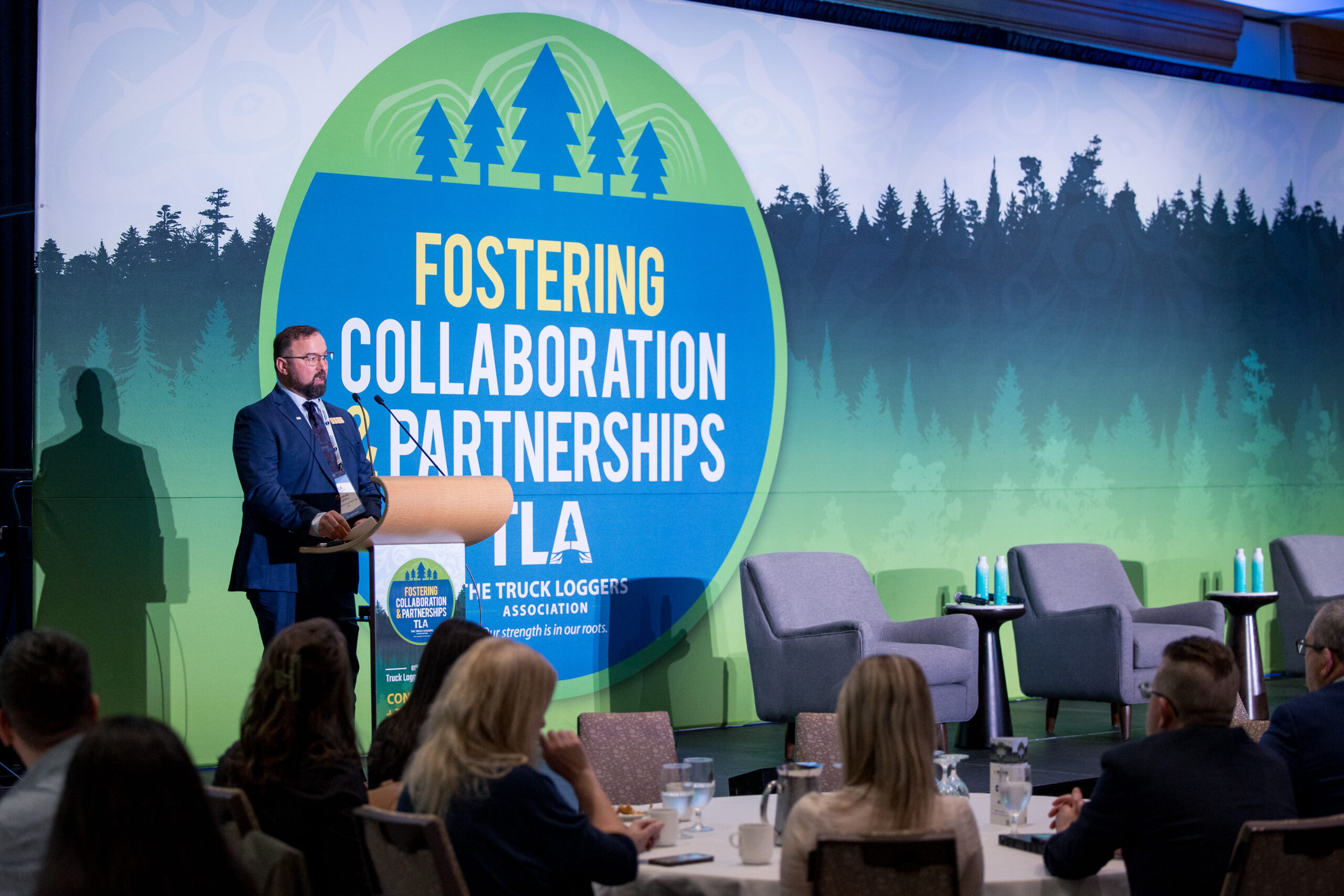
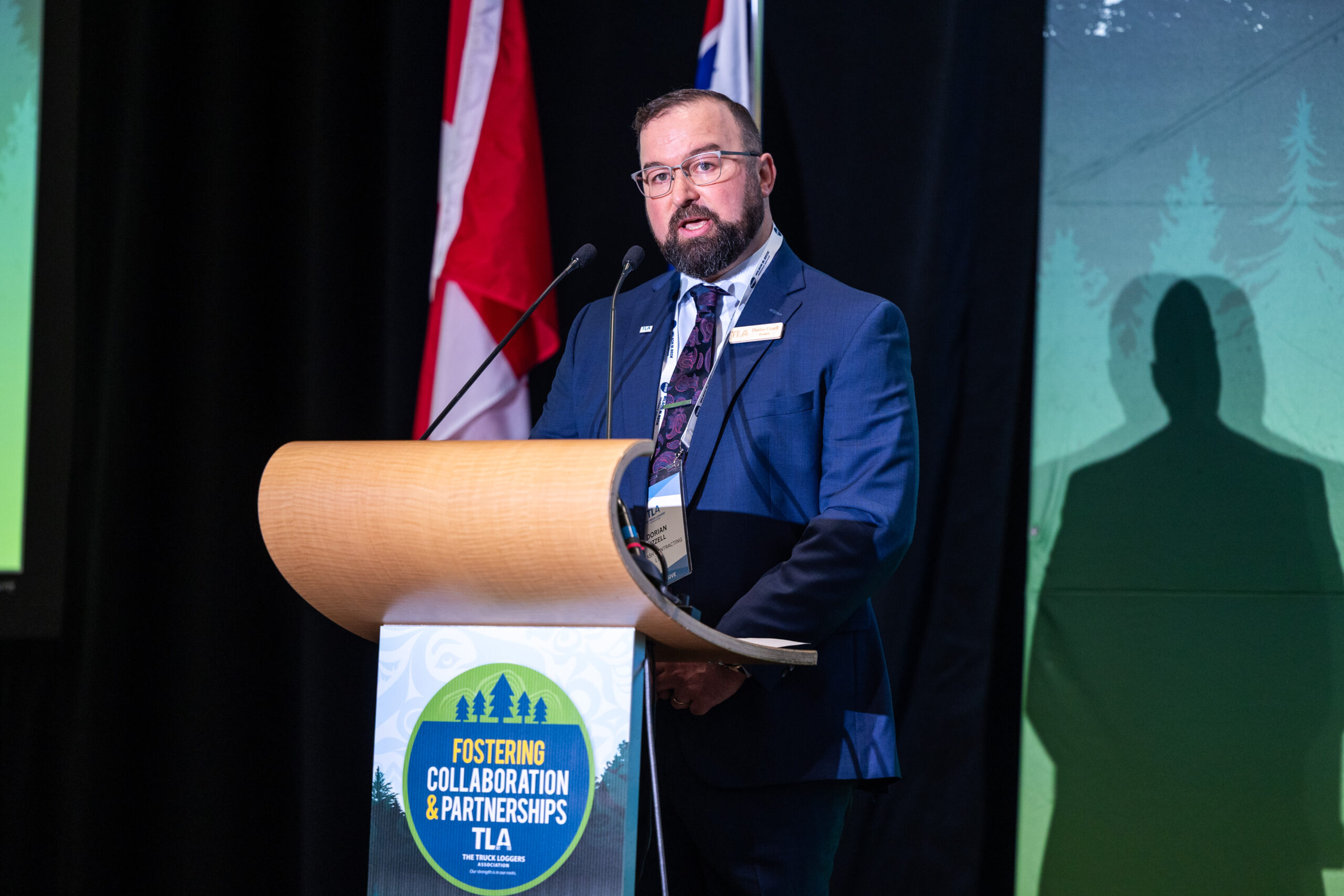
The 81st Annual Truck Loggers Association Convention opened in Vancouver Wednesday, with a clear message about both the challenges facing the sector and the purpose of the gathering. TLA President Dorian Uzzell welcomed delegates by reaffirming the association’s belief “that a strong and sustainable working forest will generate long-term prosperity for the people of British Columbia,” and that those who work in the forests “must share in that prosperity.” He said the convention’s theme, Fostering Collaboration and Partnerships, reflects the TLA’s view that “the power of working together is the key to building a stronger and more sustainable forestry sector.”
Dorian Uzzell
While acknowledging strong attendance and thanking sponsors, Uzzell did not soften his assessment of current conditions, noting that while mill closures draw attention, “there is little said about the small independent operators” who are “the backbone of a healthy forest economy and the small rural communities of BC.” He warned that current policies are “creating inefficiency leading to the creation of uneconomical forests to operate in,” and stressed that the sector must be viewed as “having a symbiotic relationship” across the supply chain.
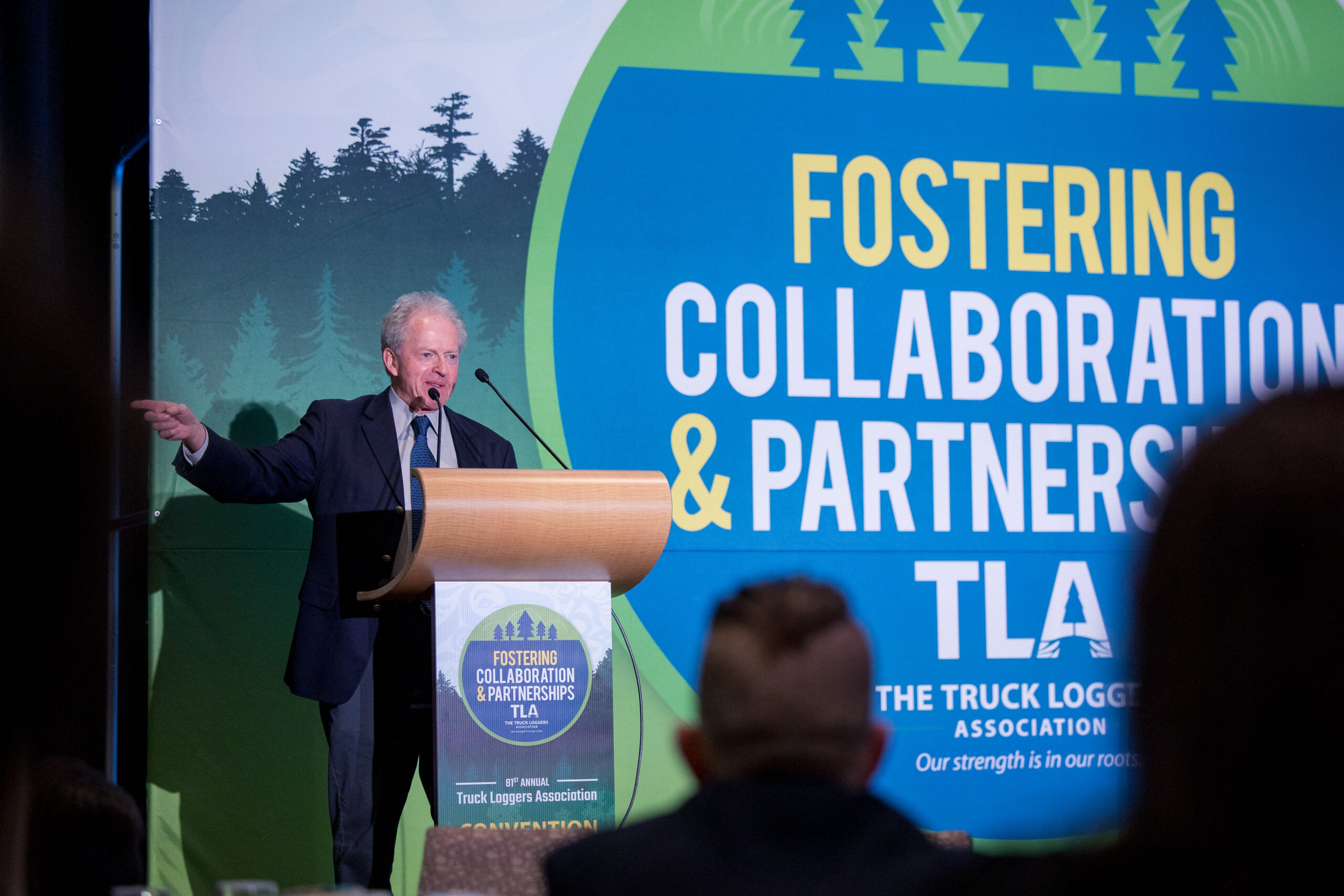
The convention formally began with a welcome and blessing from Squamish Nation Elder Calvin Charlie Dawson, who acknowledged the gathering on traditional territory and welcomed participants on behalf of the Squamish Nation and neighbouring Nations. Moderator Vaughn Palmer then opened the three-day program, expressing his admiration for the organization’s persistence in a difficult period for the industry before moving the conference into its first session.
Vaughn Palmer

Calvin Charlie Dawson
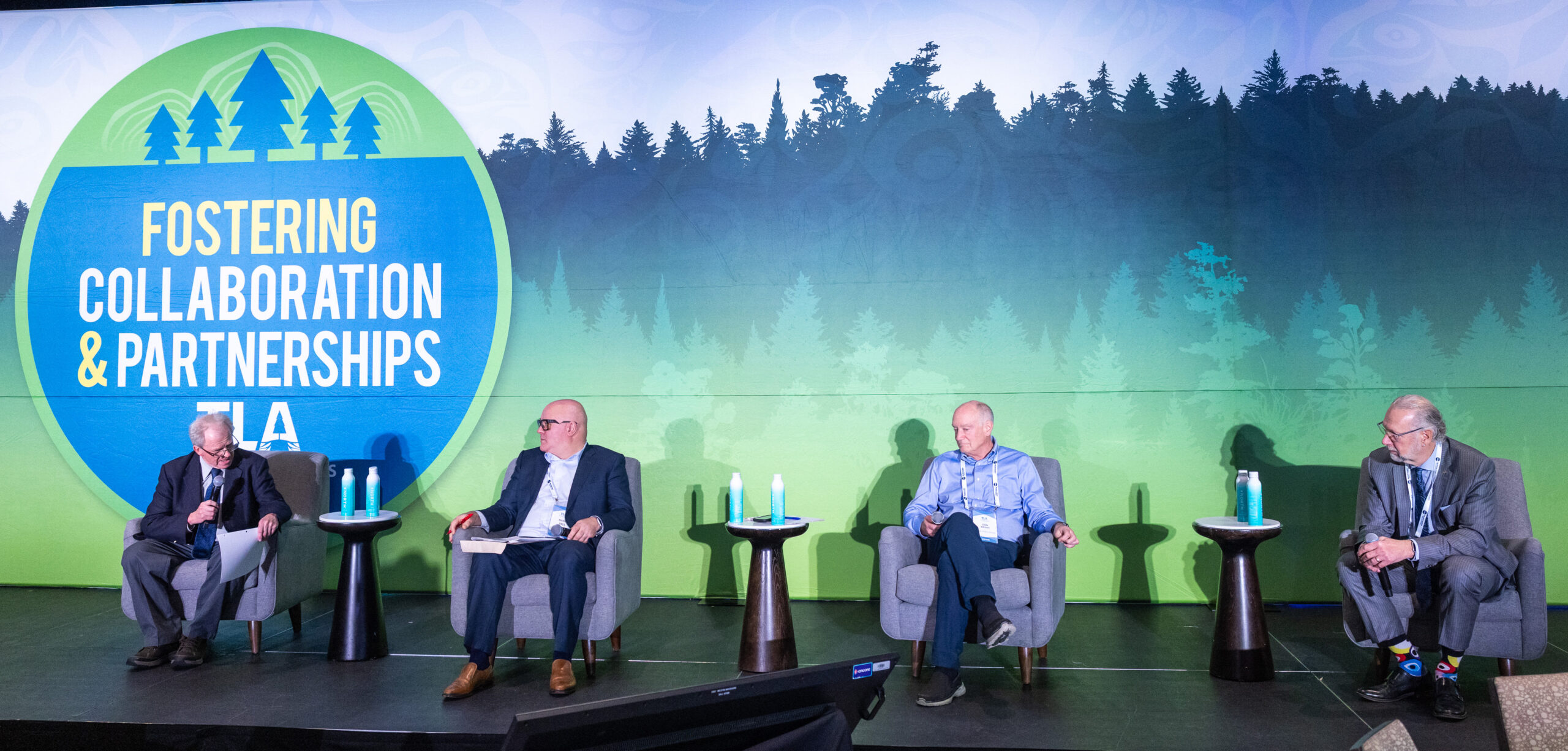 Day 1 of the TLA Conference kicked off its technical program with the Markets & Economy panel, examining how trade disruption, shifting construction trends, and fibre supply constraints are reshaping Canada’s forest sector. Moderated by Vaughn Palmer, the session featured David Fell, Director of Research and Analysis at Forestry Innovation Investment (FII); Rick Jeffery, President and CEO of the Canadian Wood Council; and Don Wright, Senior Counsel at Global Public Affairs. Fell outlined BC’s reliance on export markets, the importance of diversification, and the role of building codes in supporting domestic demand. Jeffery focused on housing, industrialized construction, mass timber, and the need for supply-chain adaptation to capture future growth. Wright addressed the economics of competitiveness, pointing to declining harvest levels, policy-driven fibre constraints, and their implications for government revenue. In the discussion, Wright said restoring an economically sustainable harvest level was “job number one.”
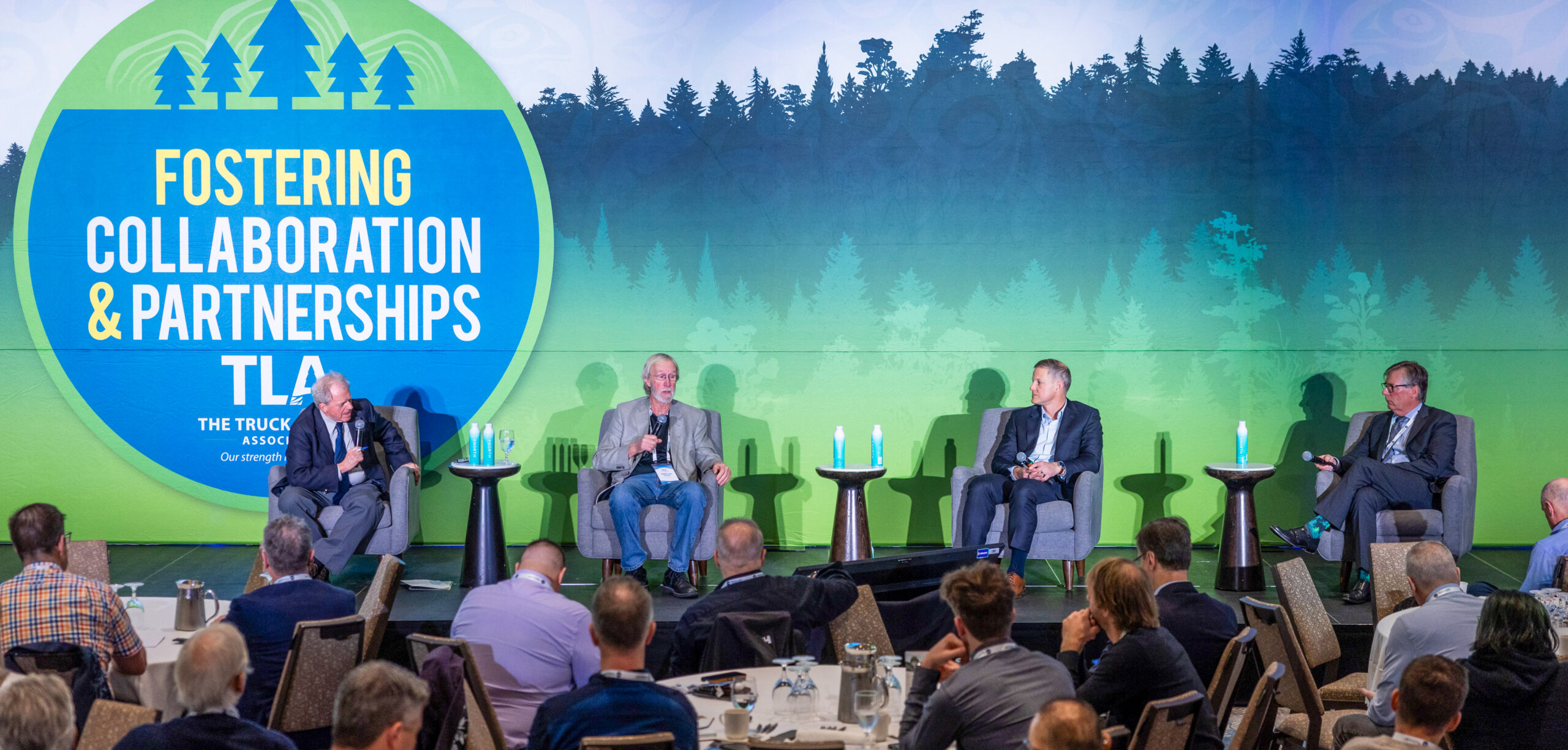 The second session of the TLA Conference featured the Closing the Gap on Fibre Supply panel, examining the BC government’s Path to 45 target and what it means for contractors and operating companies. Moderated by Vaughn Palmer, the session brought together Jim Girvan, Associate at IFS; Paul Sadler, GM & CEO of Harmac Pacific; and Jonathan Armstrong, Vice President of Forestry and Fibre Supply at Western Forest Products. Girvan contrasted the 45-million-cubic-metre goal with current projections of roughly 28 million, stressing that the real issue is not volume alone but whether fibre is economically viable to harvest. Sadler focused on the operational realities facing mills and contractors, including cost, access, permitting timelines, and the need for predictable supply. Armstrong described how policy and regulatory layering has complicated planning and investment, particularly on the coast, and emphasized the gap between theoretical fibre and what can actually be brought to market.
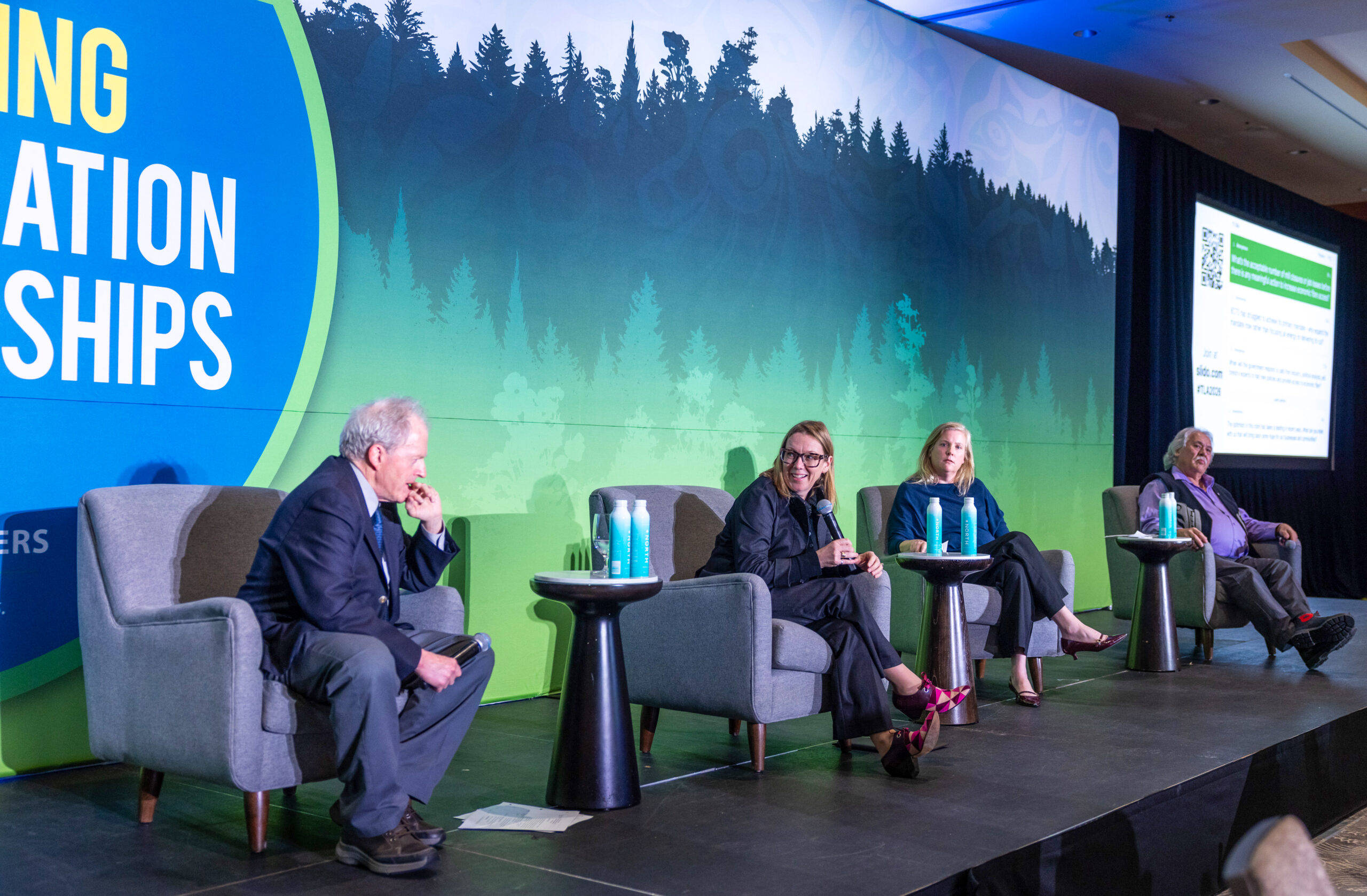 Day 1 of the TLA Conference continued with the Government Initiatives Update panel, offering a detailed look at current policy work within the BC Ministry of Forests, reforms at BC Timber Sales, and longer-term system challenges. Moderated by Vaughn Palmer, the session featured Makenzie Leine, Deputy Minister of Forests; Melissa Sanderson, Assistant Deputy Minister; and Garry Merkel, Co-Chair of the Provincial Forestry Advisory Council. Leine outlined the ministry’s priorities, including tariff response, the Path to 45 initiative, and a shift toward management-unit-level problem-solving rather than broad, one-size-fits-all policy. Sanderson provided an update on the BCTS review, its expanded public-interest mandate, and early implementation steps, including Category 4 value-added supply, stewardship work, and measures affecting contractors. Merkel addressed longer-term structural issues, questioning why repeated reviews have failed to deliver lasting stability and calling for governance approaches that better align economic activity, communities, and forest stewardship.
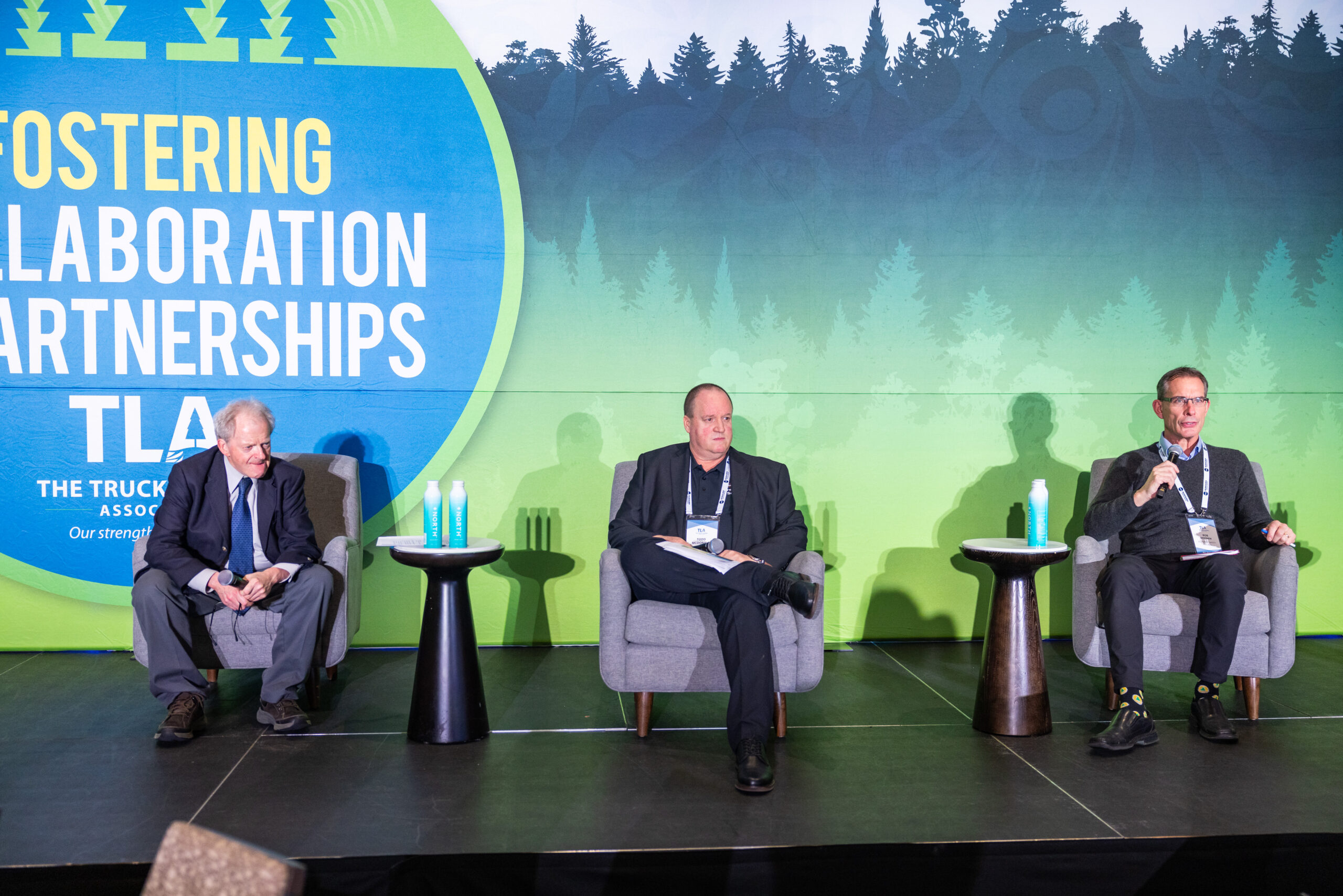 Day 1 of the TLA Conference concluded with the Improving Workplace Safety panel, examining how industry and regulators are addressing risk during a period of economic pressure and operational uncertainty. Moderated by Vaughn Palmer, the session featured Rob Moonen, CEO of the BC Forest Safety Council, and Todd McDonald, Head of Prevention Services at WorkSafeBC. Moonen, who noted he will retire at the end of March, warned that cost pressures and tighter margins are creating conditions that can undermine safety, stressing that the industry “cannot afford to wait for another crisis before acting.” He highlighted mental health as a growing concern and outlined the Council’s new Connection to Care counselling initiative. McDonald described WorkSafeBC’s prevention approach, emphasizing education and consultation alongside enforcement, and identified key risk areas including extreme weather, motor-vehicle incidents, ergonomics, and mental health. Both speakers underscored that sustained leadership and collaboration remain essential to protecting forestry workers.


 MONTREAL, Quebec – Domtar announced a curtailment in its lumber production. Due to challenging market conditions, US tariffs, and ongoing economic uncertainty, the company will temporarily reduce its lumber production by 150 million board feet for the first quarter of 2026 across its facilities in Quebec, Ontario and the United States. “The demand for lumber in North America remains weak, requiring us to adjust our production levels in line with market conditions,” said Luc Thériault, CEO, Wood Products, and President – Canada, for Domtar. “While this decision is necessary, we are fully aware of the impact it will have on our employees, contractors, suppliers and the communities in which we operate.” Domtar will continue to monitor market conditions and adjust its production plans accordingly. Domtar has a workforce of nearly 14,000 employees in more than 60 locations across North America.
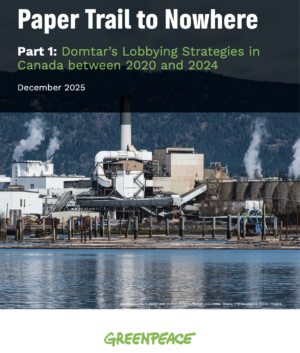 Environmental group Greenpeace is calling for more transparency on the part of Canada’s largest pulp and paper company, saying it has received millions of dollars in government funding without providing the public with details of how that money is being used or sharing its plans for the future of Canada’s forests. In a report entitled
 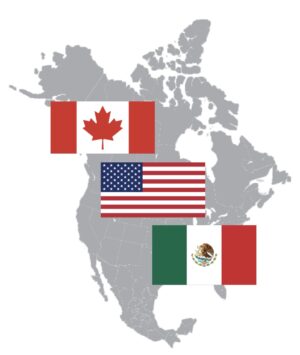 With the fate of North America’s free trade pact on the line, 2026 will be a significant year for some of Canada’s hardest-hit sectors in the trade war with the United States—including auto, steel, forestry and aluminum—as they advocate for Ottawa to do what’s necessary to preserve the deal, and to also help these sectors in the meantime by following through on domestic support measures. …Derek Nighbor, CEO of the Forest Products Association of Canada, said that Canada’s auto and forestry sectors are among the most highly-integrated with the US. While both sectors share this deep integration, Nighbor highlighted a critical distinction for forestry: unlike other industries, forestry facilities cannot be relocated to another country because the natural resource—the trees—remain in Canada. This comment comes amid heightened concerns regarding the 2026 CUSMA review and ongoing trade disputes, such as US softwood lumber tariffs. [to access the full story a Hill Times subscription is required]
 Two recent decisions from the courts of British Columbia and New Brunswick have addressed the relationship between Aboriginal title and private property rights. In Cowichan Tribes v. Canada, the Supreme Court of BC granted a declaration of Aboriginal title, which included lands held in fee simple by third parties. In contrast, in JD Irving Limited et al. v. Wolastoqey Nation, the New Brunswick Court of Appeal held that such a declaration could not extend to privately-owned lands. While these remedial declarations are discretionary, the apparent conflict in judicial approaches raises questions about the future approach to Aboriginal title claims in respect of private property. What you need to know:
 VANCOUVER, BC — West Fraser Timber announced that it will record an impairment of its Lumber segment goodwill in the fourth quarter of 2025 due to persistently challenging economic conditions. The Company is also providing initial 2026 guidance for key product shipments, operational costs and capital expenditures. In Q4-2025, West Fraser expects to record an approximately $409 million non-cash impairment of goodwill as a result of the protracted downcycle that has caused management to recalibrate certain assumptions used in its annual goodwill impairment test. Adjustments to these assumptions include, but are not limited to, species-specific product pricing trends, lower demand and pricing for wood chip residuals, and the depth and duration of the current downcycle and its expected recovery. The impairment represents the entire amount of goodwill associated with the Company’s US lumber operations.
 A new global risk assessment is warning that no country would be more “profoundly affected” by a political upheaval in the US than Canada. Published Monday, the Eurasia Group’s “
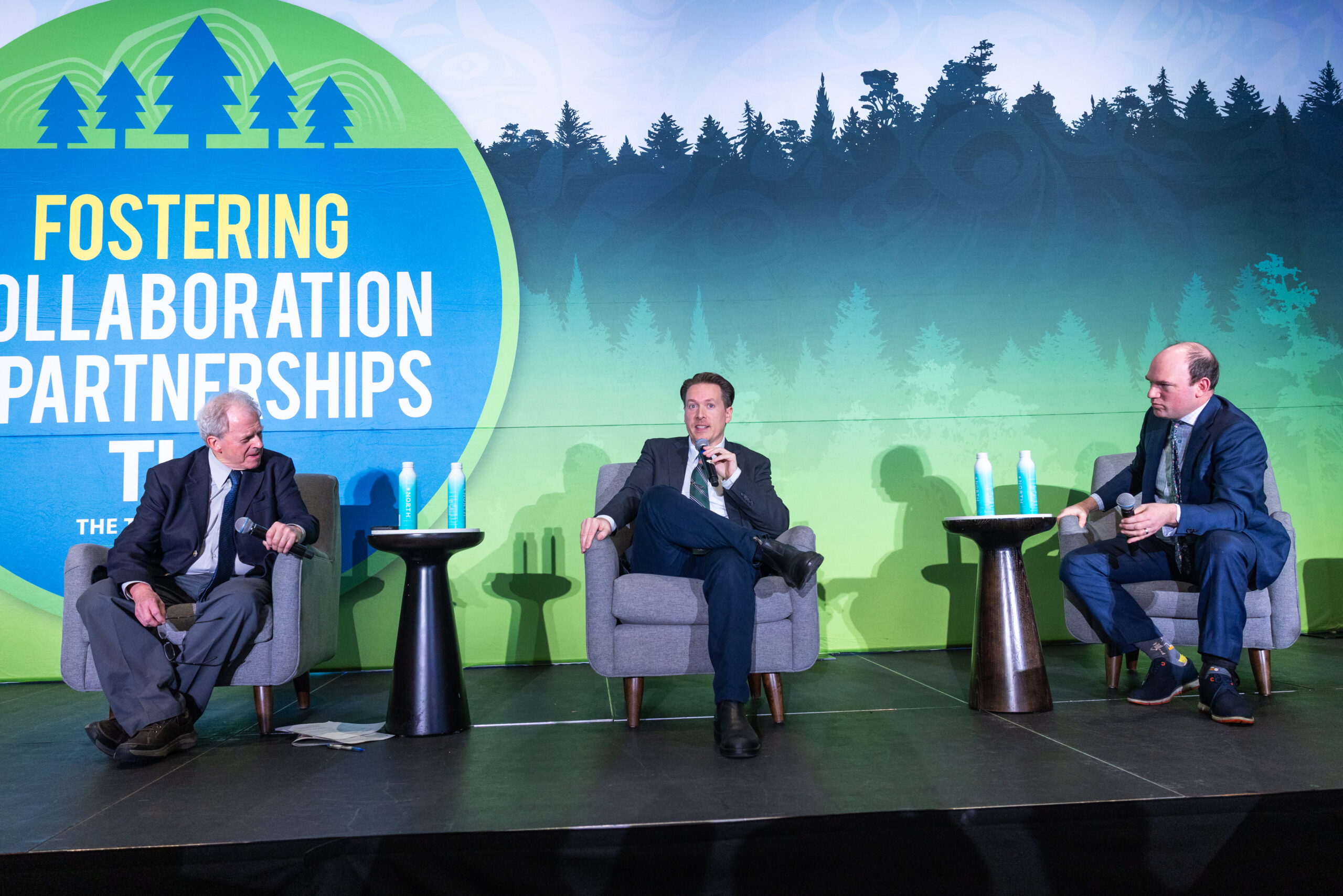 Day 1 of the TLA Conference featured the Politics over Lunch session, a wide-ranging and candid discussion of BC’s political landscape and its implications for the forest sector. Moderated by Vaughn Palmer, the luncheon brought together Rob Shaw, Political Correspondent with CHEK News, and Richard Zussman, Vice President of Public Affairs at Burson. The pair examined shifting government priorities, with Zussman arguing that economic growth and jobs are increasingly shaping policy decisions amid trade uncertainty and fiscal pressures, while Shaw highlighted inconsistent communication around those priorities. They explored the BC Conservative leadership race, the challenges of translating regional resource issues into urban political discourse, and ongoing uncertainty surrounding land use and DRIPA. Discussion also touched on the province’s projected $11-billion deficit, and the gap between government rhetoric and forestry realities. Delivered with humour and frankness, the session offered delegates a clear-eyed view of how politics, policy, and economic pressures are colliding in BC’s forest sector.



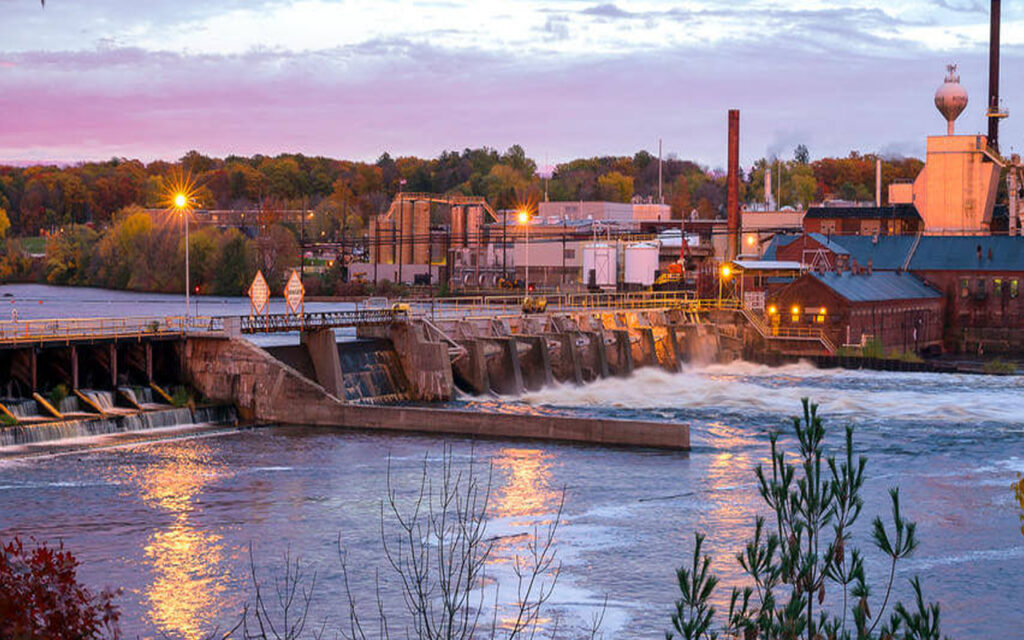
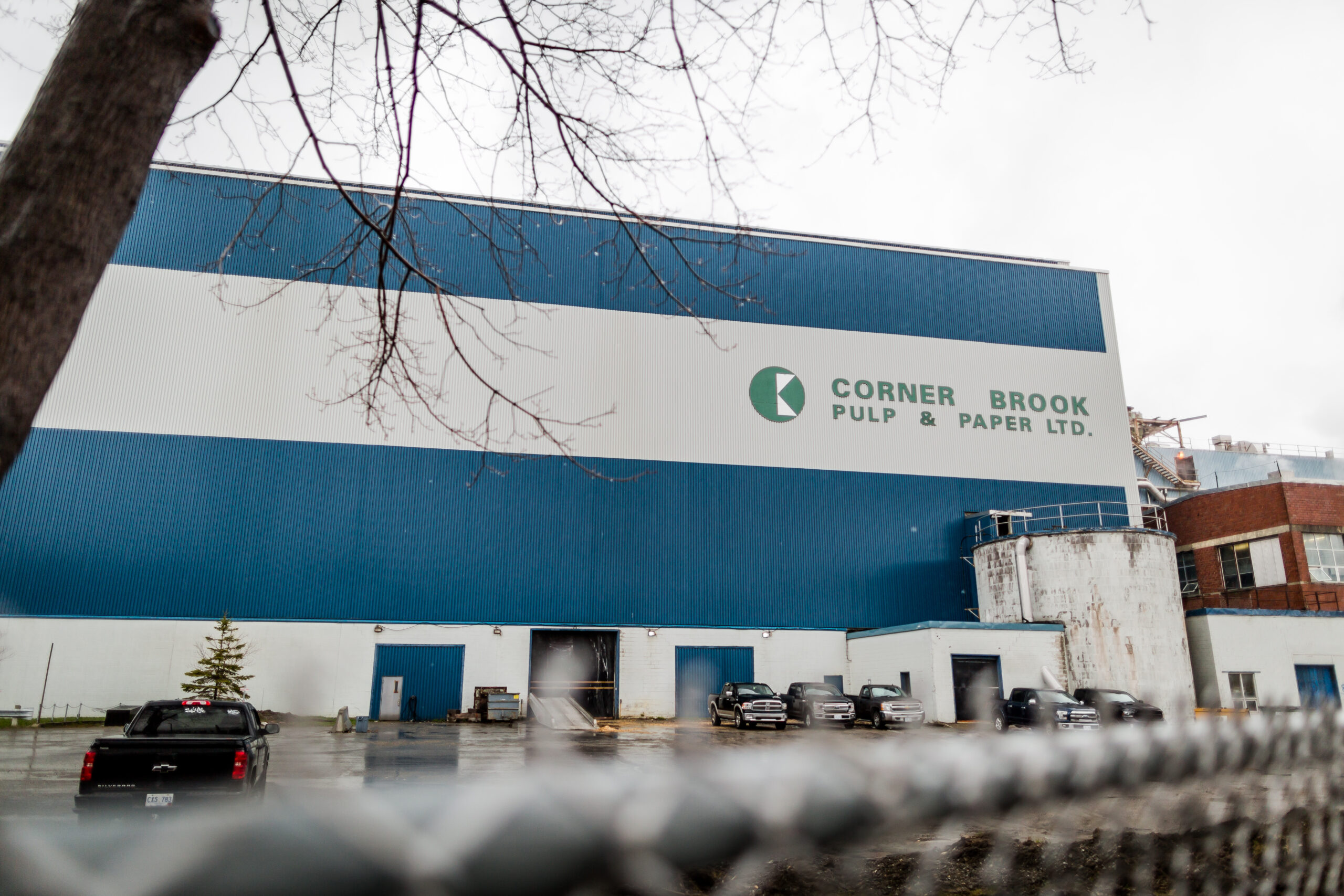
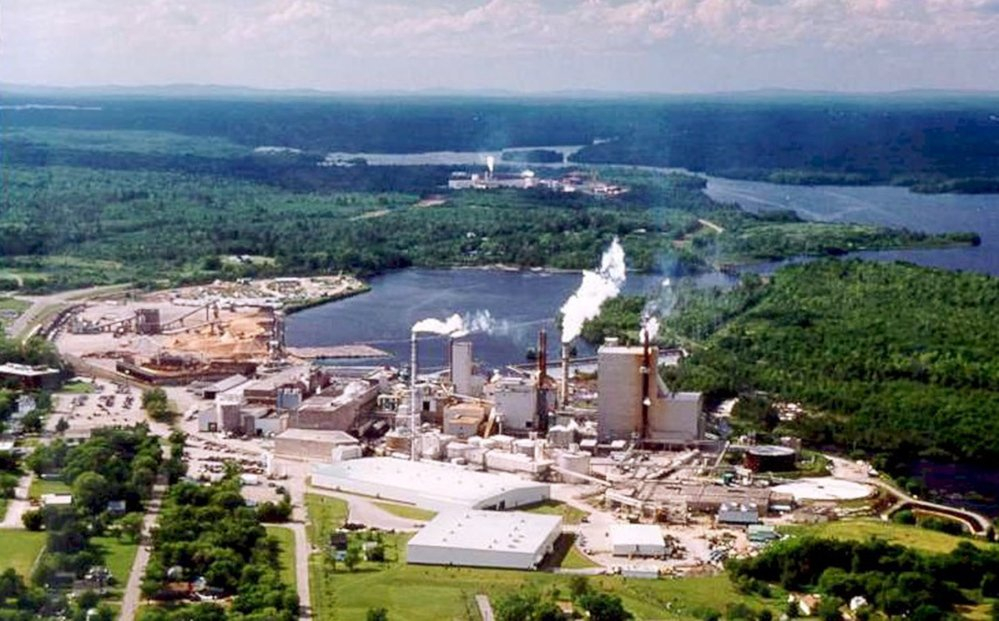
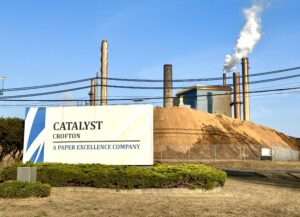 The union representing 350 Crofton mill workers facing layoffs next month wants federal money earmarked for softwood lumber workers to pay for early retirement for some of its members. Geoff Dawe, president of the Public and Private Workers of Canada, said he’s not sure why it’s taken so long for the provincial government to negotiate its share of a $50-million federal fund aimed at supporting softwood lumber workers. The fund is for income support and costs of re-training an estimated 6,000 forestry workers across the country. …Dawe wants some of that $50 million to go toward an early-retirement fund for members who will be out of work when forestry company Domtar starts laying off its Crofton workers on Feb. 3. …Dawe said the provincial and federal governments should bring back a lump-sum payment program for older mill workers that will “leave them some dignity.”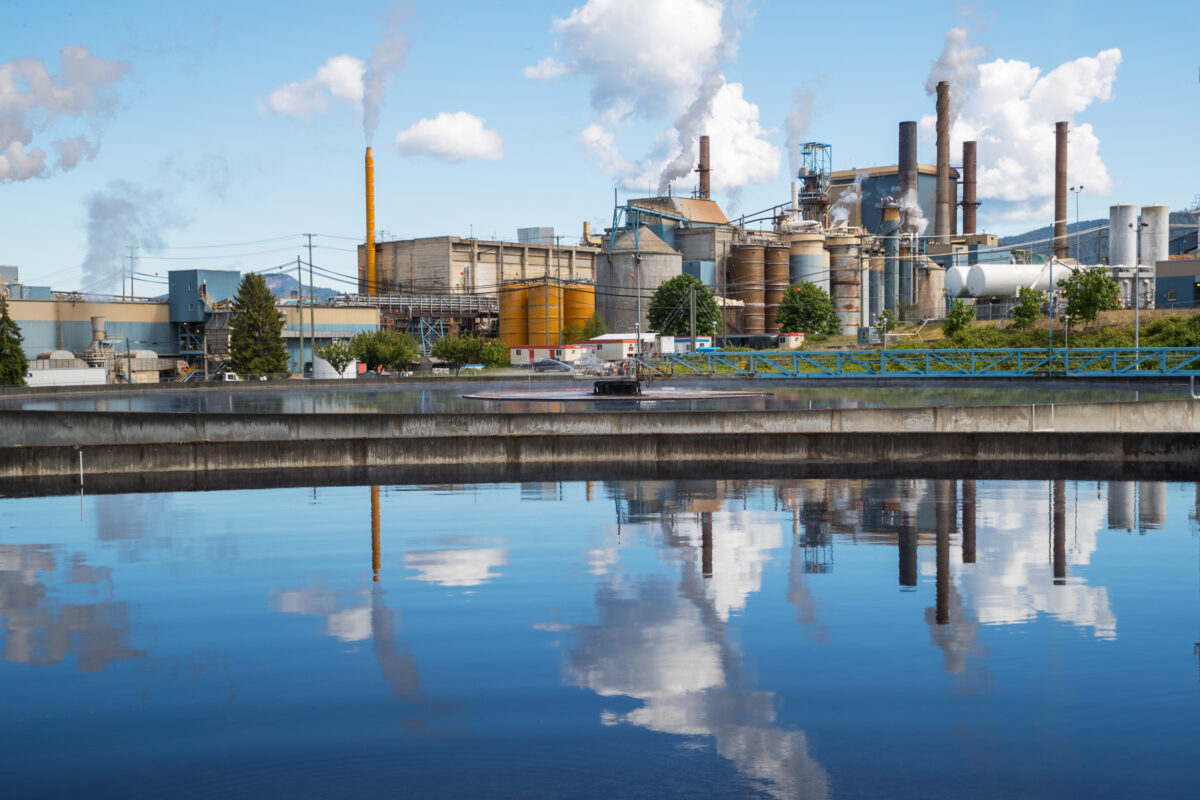

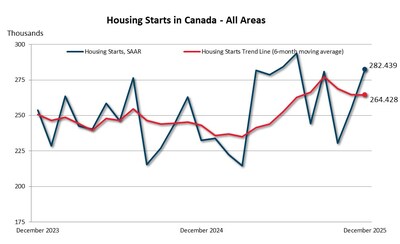
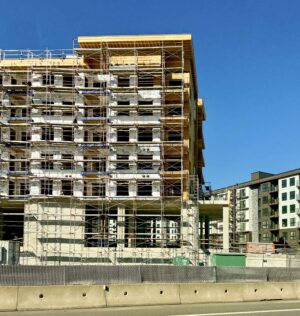 There are solid reasons to expect near-term strength in the US and Canadian construction markets. In the US, rapid technological progress and supportive federal policies are driving major investments in semiconductor fabrication, AI-related data centers, and energy infrastructure, with growing momentum toward nuclear power. In Canada, federal and provincial governments are promoting “nation-building” projects that emphasize LNG export capacity, port expansions, and new mines for critical minerals required by the digital economy. Both nations recognize that housing supply must rise substantially to meet population needs, signaling a long-term boost in residential construction. Yet, 2025 proved disappointing for overall construction performance, especially in employment. …Housing activity revealed a sharper divide between the two nations. U.S. housing starts in November 2025 dropped to an annualized 1.246 million units, the lowest since the pandemic. Most analysts believe the country needs at least 1.5 million starts per year to meet demand.
 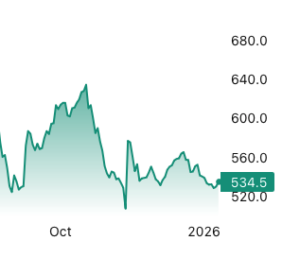 Lumber futures rose toward $535 per thousand board feet, rebounding from the September low of $528 reached on January 7th after a low liquidity holiday sell off unwound, improving seasonal demand expectations and longer term supply tightening. Renewed engagement from market participants, signaled that forced selling and the thin trading conditions that pushed prices to multi month lows have faded. Seasonal demand expectations have strengthened as builders begin positioning ahead of the spring construction period, when consumption typically improves following year end destocking. Industry forecasts point to a modest pickup in US housing starts and repair and remodel activity in 2026 as interest rates ease and trade uncertainty recedes, supporting demand after a weak finish to 2025. At the same time, longer term supply growth remains constrained by ongoing tariffs on Canadian softwood and slower capacity expansion across North American sawmills, limiting surplus.
 Canada is becoming far more attractive in commodity goods to the rest of the world, as it diversifies its trade away from the US, says one analyst. Imports outpaced exports in October. Merchandise imports increased by 3.4% in October while exports increased by 2.1%. Because of this, Canada’s merchandise trade balance went from a surplus of $243 million in September to a $583 million deficit in October. …William Pellerin, a trade lawyer, said whether it be Malaysian kitchen cabinet manufacturers, or Chinese goods, he said “Canada is becoming far more attractive at lower pricing in many commodity goods and in many manufactured sectors.” On the other hand, the data shows exports to the US made up 67.3% of all Canadian exports, which is the lowest since the pandemic. …Cabinet and wood makers face a difficult challenge as they face a 25% tariff and lose access to the US market, said Pellerin.
 Lumber futures slid below $530 per thousand board feet, testing the lowest levels since October 2024, as weak near-term demand collided with abundant and re-emerging supply. Homebuilding activity remains subdued and mortgage borrowing costs are still elevated, restraining new starts and repair and remodel demand, while US housing starts have softened and 30-year mortgage rates entered January little changed near the mid-6% range. At the same time structural supply pressures are returning, with several panel and OSB mills ramping up or preparing to add capacity and shifts in North American output seeing Canadian curtailments largely offset by higher production in the US South, keeping physical availability ample and capping any upside. In the meantime, inventory and futures market activity increased over the holiday period, amplifying downside moves when buyers stayed sidelined after year-end and seasonal restocking remained muted. [END]
 B.C.’s GDP is forecast to increase by 1.6% this year,
 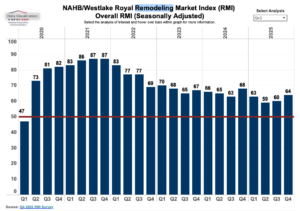 In the third quarter of 2025, the NAHB remodeling index (RMI) posted a reading of 64, increasing four points compared to the previous quarter. Most remodelers are finding reasonably strong market conditions, even with the normal seasonal slowdown during the holidays. The major headwinds the industry is experiencing continue to be rising costs and potential customers hesitating due to policy and economic uncertainty. Demand for remodeling is being supported by an aging housing stock, strong homeowner equity and increasing need for aging-in-place improvements. …In the fourth quarter of 2025, the Current Conditions Index averaged 71, increasing three points from the previous quarter. …The Future Indicators Index averaged 56, up four points from the previous quarter.


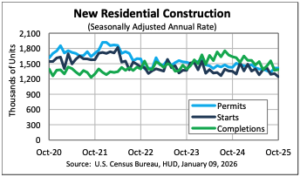
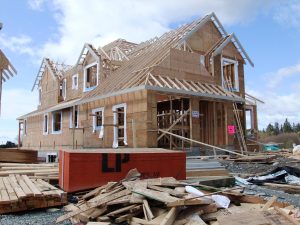 WASHINGTON — US single-family homebuilding rebounded in October, but permits for future construction eased, signaling caution among builders as new housing inventory remains high and demand soft. Single-family housing starts, which account for the bulk of homebuilding, increased 5.4% to a seasonally adjusted annual rate of 874,000 units in October, the Commerce Department’s Census Bureau said on Friday. Starts dropped to a pace of 829,000 units in September from a 869,000-unit pace in August. The reports were delayed by the 43-day government shutdown. …Permits for future single-family homebuilding fell 0.5% to a rate of 876,000 units in October. They increased to a pace of 880,000 units in September from a 858,000-unit rate in August.
 Long-term mortgage rates have been declining since mid- 2025 and ended the year at their lowest level since September 2024. According to Freddie Mac, the 30-year fixed-rate mortgage averaged 6.19% in December, 5 basis points (bps) lower than November. Meanwhile, the 15-year rate declined 3 bps to 5.48%. Compared to a year ago, the 30-year rate is lower by about half a percentage point, or 53 basis points (bps). The 15-year rate is also lower by 45 bps. …Falling lower mortgage rates have started to translate into gains as existing home sales edged up slightly in November. However, this increase remains limited as mortgage rates above 6% are still considered elevated. Nonetheless, as financing costs continue decline, more households are likely to reenter the housing market. …NAHB expects the 30-year mortgage rate to average 6.17% in 2026 and would reach 6% by 2027.
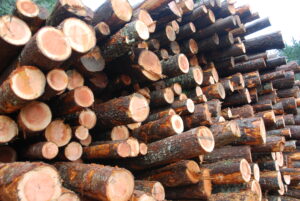 KUCHING, Malasia — Chinese timber companies are struggling in their businesses due to insufficient orders for their products amid a weak global market. They have complained about poor demand in the timber market and intense competition in terms of product prices. Adding to their woes are rising raw material costs, according to the key challenges reported in the Global Timber Index-China Index report in November 2025. …To mitigate the challenges, Chinese enterprises suggested the need to expand into international markets to increase the volume of orders for their products, and called for government policy support for their operations. …Back home, China reported strong domestic retail sales of furniture, reaching 17.9 billion yuan in October, a 9.6 per cent increase from a year ago. …In a related development, China reported a robust export market for its particleboard, which surged by 67 per cent in volume.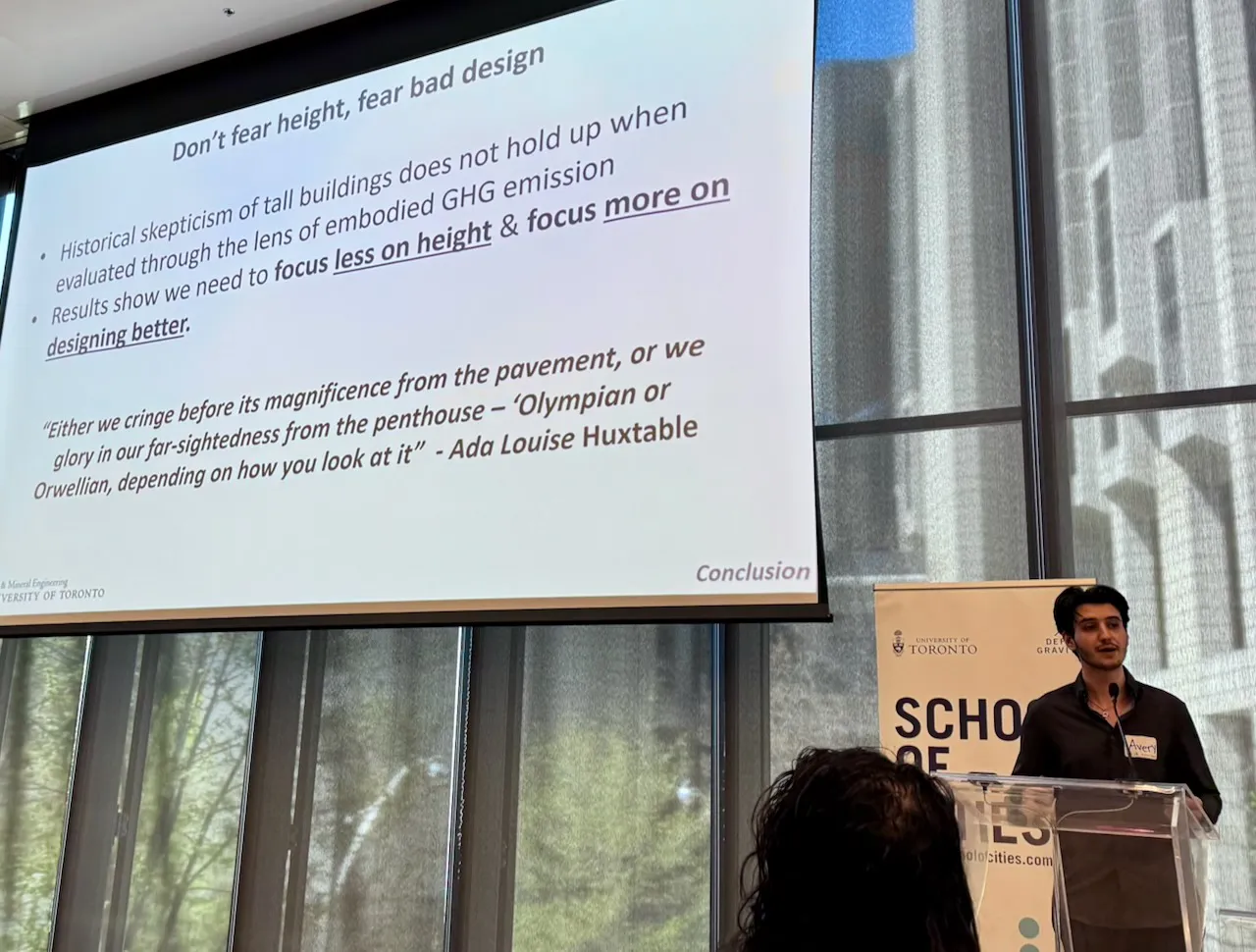

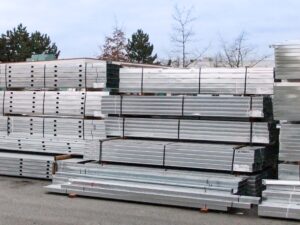 One year after wildfires tore through neighborhoods in Los Angeles County, killing at least 31 people and destroying more than 10,000 buildings, architects and developers are rethinking what home looks like in LA, and how resilient residential architecture evolves. …So far, hundreds of new homes have been submitted for permitting, but it’s a process shaping out to be an uneven one, based on damage, insurance and wealth. Affected homeowners are grappling with the details of fire-resilient construction and landscaping techniques, along with some more fundamental questions about what their communities should look like. …These 10 projects — all in various stages of completion — showcase several of the design concepts, construction techniques and development proposals in play as LA’s post-fire rebuilding process begins. …Many forthcoming home projects emphasize the latest in wildfire-resilience features: Think noncombustible sheathing and roof materials, triple-glazed windows that can resist high heat, and defensible outdoor space.
 The French Union of Timber Industries and Builders (UICB) and the French Timber Trade Association (LCB) are joining forces to create the UICCB – the Union of Construction and Timber Trade Industries. The synergy created by the merger of these two major players in the French forestry and timber sector will support the development of companies in the sector, which are naturally committed to decarbonizing the construction process. The new group took shape in December 2025 after a year of discussions and collaboration between the business leaders who head the governing bodies of the UICB and LCB. …The merger of the two entities will… enable them to acquire a stronger position within the emerging forestry and wood sector. …With this ecosystem of complementary professions, the UICCB now stands as the only independent professional organization dedicated to the development of wood construction throughout France.

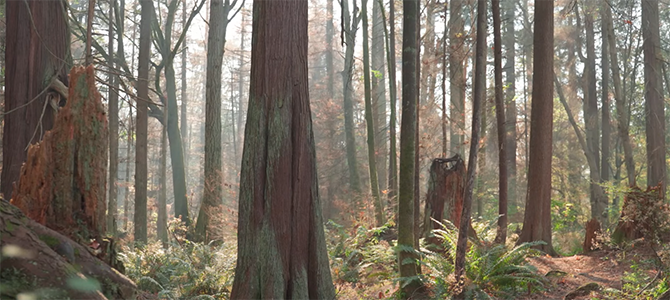
 Nearly 1,060 hectares is being added to West Twin Protected Area to increase protection of important wildlife habitat across the Robson Valley. …West Twin Protected Area was established in 2001, and together with adjacent West Twin Park, covers more than 30,000 hectares to form the only protected wildlife corridor across the Robson Valley. The area spans from the Cariboo Mountains in the south, through the main Robson Valley trench and up to the front ranges of the Rocky Mountains. The additional land improves habitat connection for caribou, moose, elk, deer, grizzly bears and many other species. The Crown land was originally identified for protection through the Robson Valley Land and Resource Management Plan, but the land had two historical mineral claims that have now been forfeited. The land also contains old-growth priority deferral areas and an existing old-growth management area.
 A BC judge has quashed a decision from the province to transfer a major forestry licence to an Indigenous-owned forestry company, after the government was found to have failed to uphold the “honour of the Crown” with a neighbouring nation. The Jan. 8 ruling centred on the BC Ministry of Forest’s decision to approve the transfer of a forest licence to the Kitsumkalum First Nation. The transfer, which occurred after the previous holder Skeena Sawmills entered into bankruptcy proceedings in 2023, was opposed by eight Gitanyow hereditary chiefs. … In his decision, the judge found the government oversimplified the impacts of the transfer, and relied on “hope and optimism” that the two First Nations could reach an agreement. …The Gitanyow had called on the court to quash the transfer of the forestry licence. Instead, the judge forced the province to reconsider the licence transfer while properly consulting with the Gitanyow.
 Between the attention on forests at COP30, emerging regulations, and many corporate pledges, 2025 was slated to be the year that companies eliminate the practice within their supply chains of clearing forests and natural landscapes for production. As the calendar has turned to 2026, the truth is that we now know that dozens of the most at-risk companies have not reached that goal – but a few market leaders are proving that cleaning up supply chains is possible. Let’s be clear: Protecting forests makes economic sense. Industries depend on the benefits that natural ecosystems provide to grow food, transport goods, and manufacture products. Harming nature poses compounding financial risks to companies and their investors. …Growing awareness of the risks of biodiversity decline and the advantages of acting quickly have spurred private sector action in recent years, and we saw more positive developments unfold last year.
 SEATTLE — Twenty-five years ago, I stood in a snowy National Arboretum in Washington, DC, shaking hands with President Bill Clinton at the signing ceremony for the most important forest conservation mandate in our country’s history. But now that landmark law, which went into effect on Jan. 12, 2001, is hanging by a thread, marked for repeal by the Trump administration — even though 99% of citizen input opposes the idea. The “Roadless Rule” was adopted to curtail harmful logging and industrial roadbuilding across 58 million undeveloped acres of our national forests. More than 2 million acres of those wild lands are in Washington, helping keep this the Evergreen State. …Trump officials claim that opening these areas to bulldozers and chain saws will protect communities from wildfire. But that’s a story that just doesn’t wash. [to access the full story a Seattle Times subscription is required]



 When UN Spokesperson Stéphane Dujarric briefed correspondents in New York on Thursday following the release of the White House Memorandum, he insisted that the Organization will continue to carry out its mandates from Member States “with determination.” Wednesday’s memorandum states that the US administration is “ceasing participation in or funding to those entities to the extent permitted by law.” Several of the bodies listed in the memo are funded principally or partially by the regular UN budget, implying that voluntary funding will be impacted, although central funding will continue. However, the White House notes that its funding review of international organisations “remains ongoing,” and it is currently unclear what the impact of the announcement will be. Here’s a breakdown of the 31 UN entities mentioned in the memorandum, and how they are making a positive difference to people, communities and nations, worldwide.

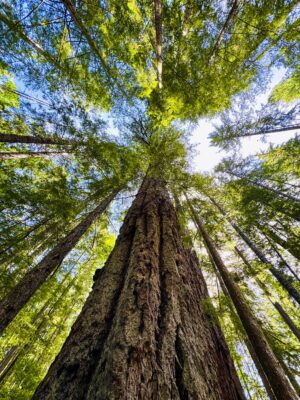 Forest management has entered a phase defined by competing pressures. Fire risk is rising. Biomass residues are accumulating. Carbon accounting expectations are tightening. Pyrolysis has emerged as a technical lever capable of addressing these constraints simultaneously. Its value lies not in abstract sustainability claims, but in its operational and ecological consequences when integrated into forestry systems. Reducing Fuel Load and Wildfire IntensitymOne of the most immediate benefits of pyrolysis in forest management is fuel load reduction. Thinning operations, deadwood removal, and post-harvest residues generate large volumes of low-grade biomass. When left unmanaged, this material increases wildfire probability and severity. …When treated as an ancillary technology, pyrolysis underperforms. When embedded as a strategic tool, it amplifies the effectiveness of existing management practices. Pyrolysis contributes by connecting fuel reduction, carbon management, soil health, and economic viability within a single operational logic.